
The premium guide to Romania
From the peaks of the Carpathians to the Black Sea, a Romania told beautifully
Romania travel guide — attractions, destinations, itineraries, places to stay and food, from the mountains to the sea.
Everything, at a glance
Plan your trip
The legend
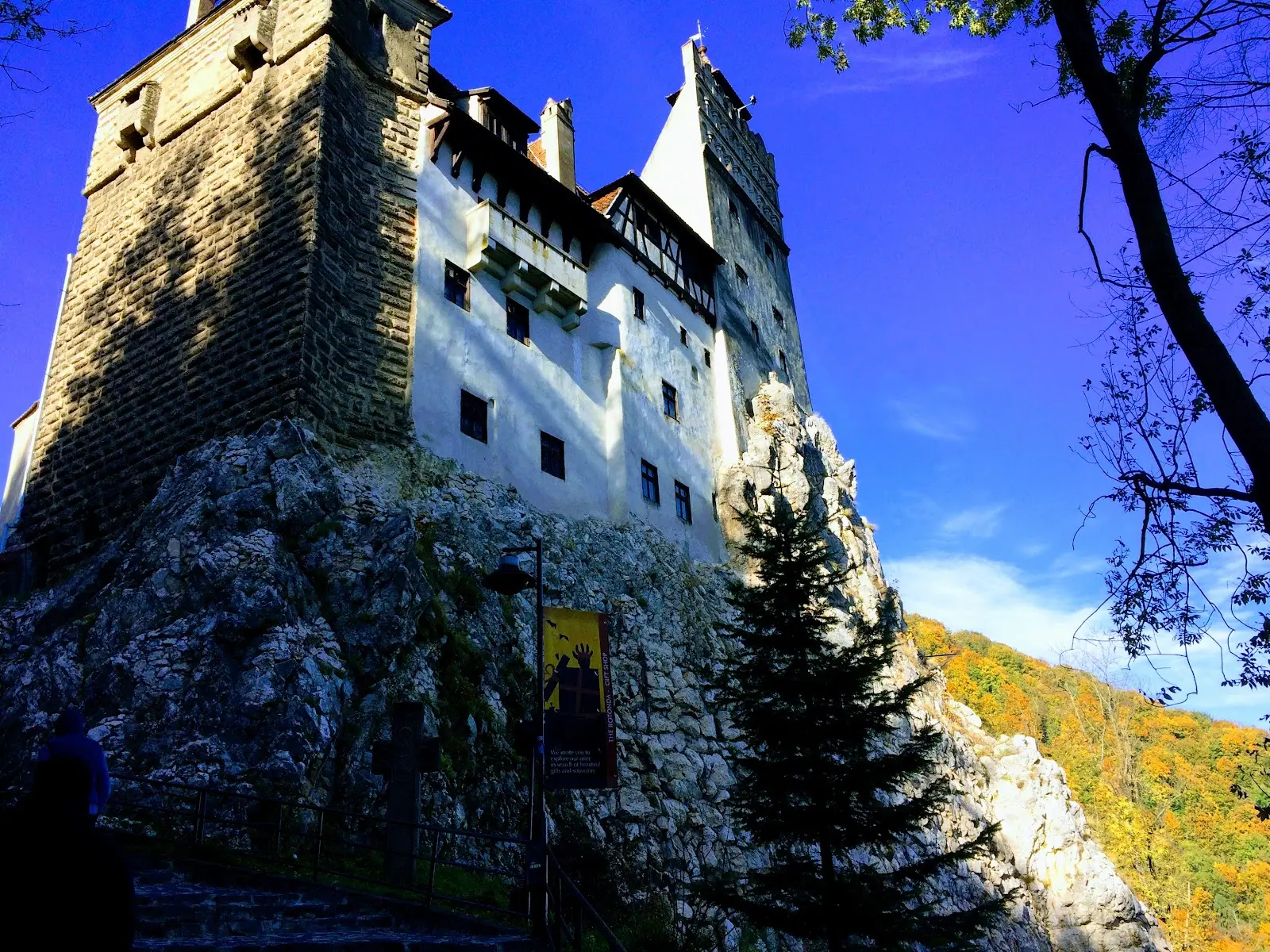
Is Dracula real?
The castle in the Carpathians, the true story of Vlad the Impaler, and the legend that conquered the world — where myth ends and Romania begins.
Sights & landmarks
Romania's must-see places
 Mountain
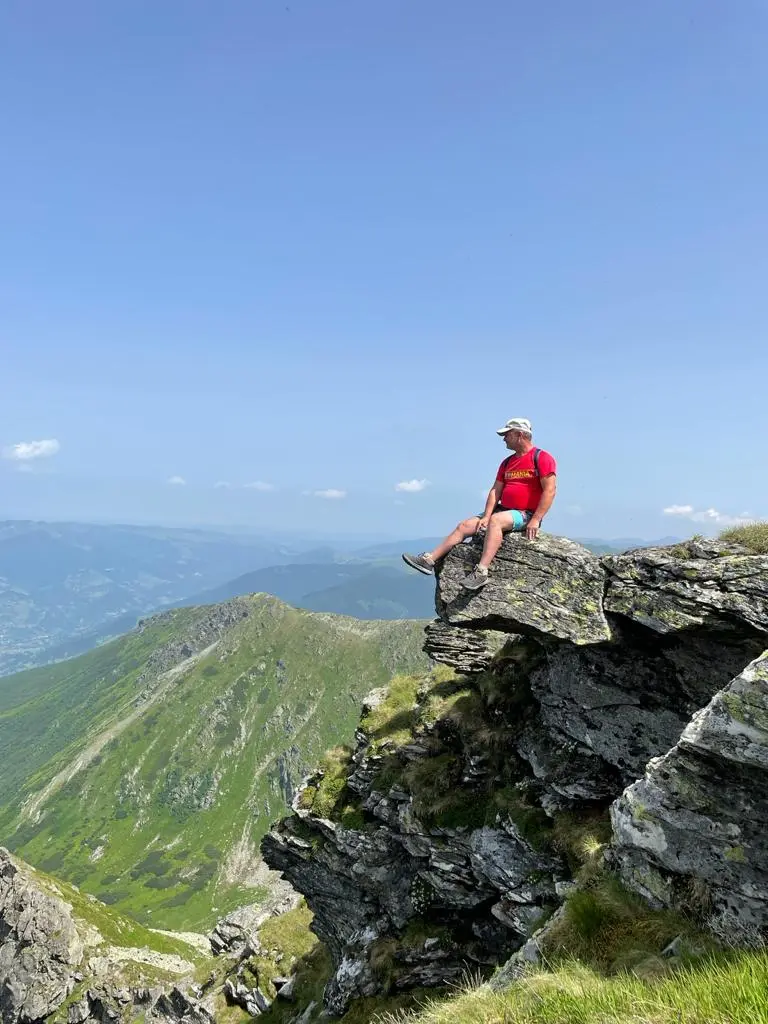
Munții Rodnei - Vârful Pietrosul
The Rodna Mountains, the highest massif of the Eastern Carpathians, are crowned by Pietrosul Peak, which rises above 2300 metres and forms the culminating point of the entire eastern chain. Above the town of Borșa in Maramureș, the alpine ridges of the massif offer some of the most impressive mountain scenery in the north of the country, with sharp crests, glacial cirques, high-altitude lakes and broad meadows scattered with rare flowers. The area lies within a national park and an internationally recognised biosphere reserve, protecting rich flora and fauna, including chamois and many endemic species. Beneath the peak lies the glacial lake Iezer, a mirror of clear water cradled in a cirque carved by former glaciers. The ascent routes set off from the Borșa area and demand good fitness, proper equipment and attention to the changeable mountain weather. The effort is rewarded with sweeping views over the Rodna crests and the neighbouring massifs.
 Mountain
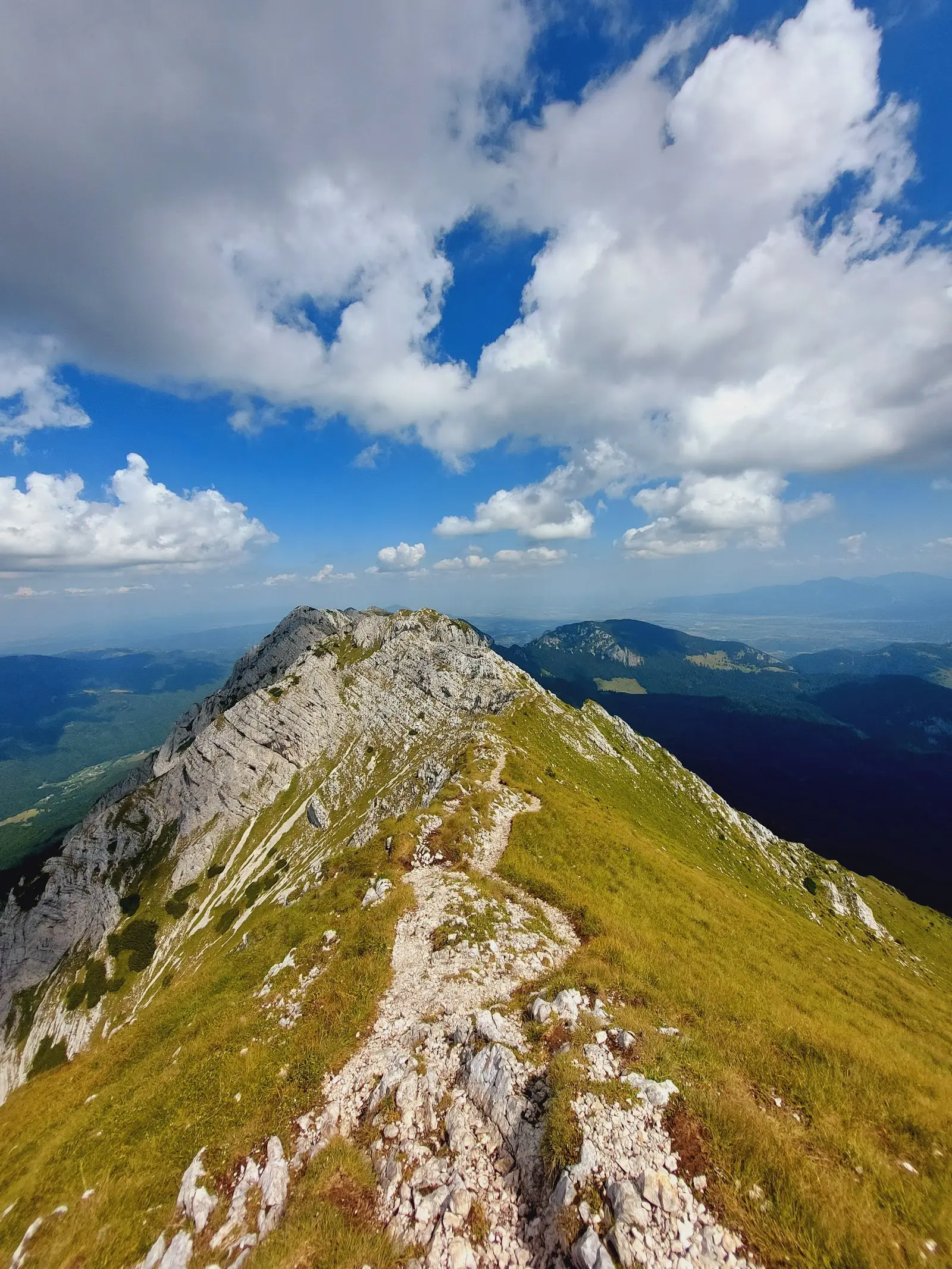
Vârful La Om (Piscul Baciului)
La Om Peak, also known as Piscul Baciului, is the highest point of the Piatra Craiului Massif, rising more than 2,230 metres above the limestone ridge that dominates the Zărnești area, in Brașov County. Piatra Craiului is renowned for its long, narrow ridge, one of the most spectacular in the Carpathians, a veritable limestone blade stretching over tens of kilometres. The climb to La Om Peak rewards the experienced hiker with views of overwhelming beauty over the Bucegi, Făgăraș and Bârsa Mountains, as well as over the surrounding forests and meadows. The mountain is part of the Piatra Craiului National Park, a protected area of great value, a habitat for rare species such as the Piatra Craiului pink, an endemic flower that grows nowhere else on earth. The ridge routes require experience and proper equipment, some sections secured with cables. For mountaineers, reaching this peak is one of the great achievements of hiking in the Romanian Carpathians.
 Monastery
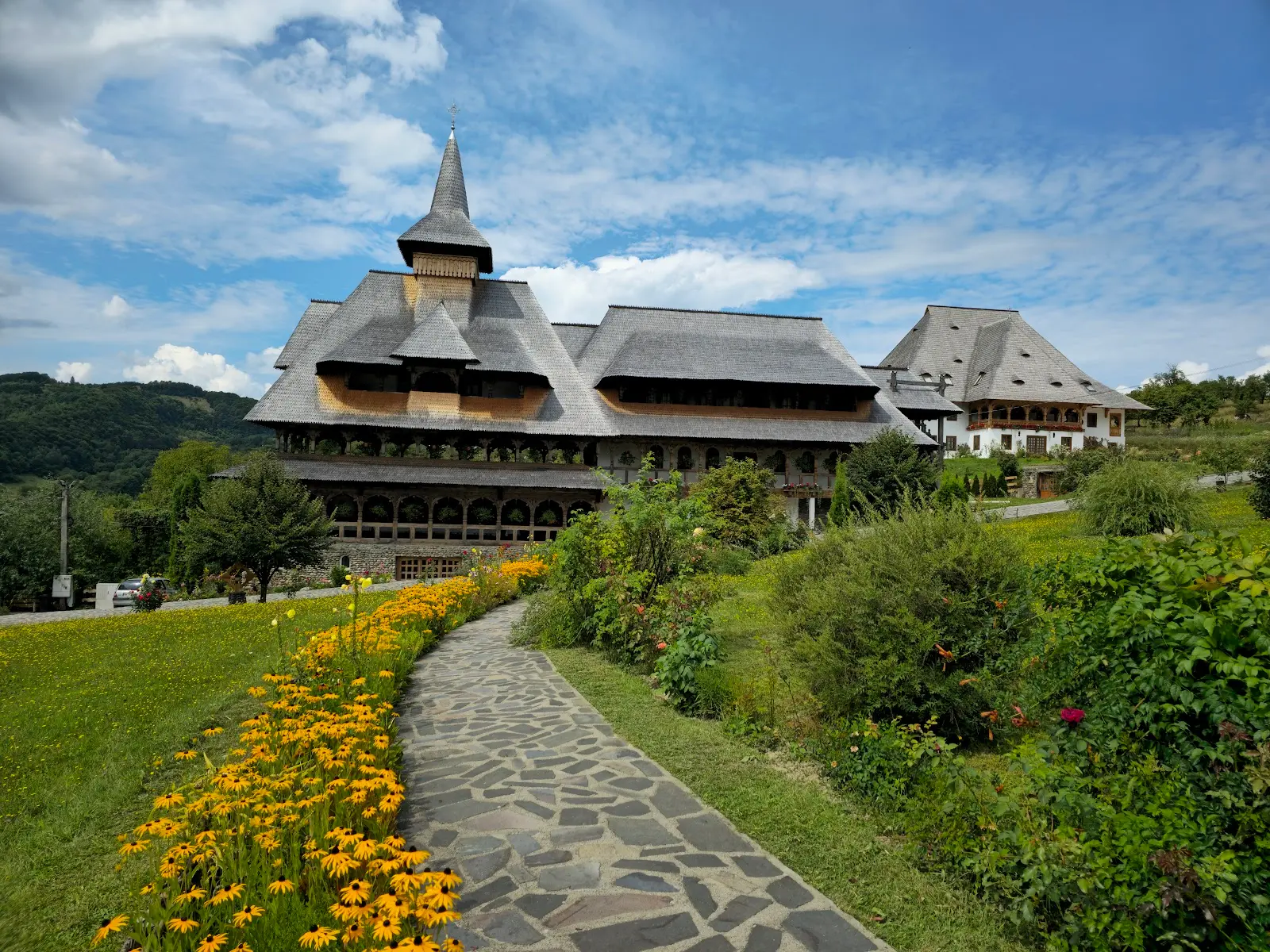
Mănăstirea Bârsana
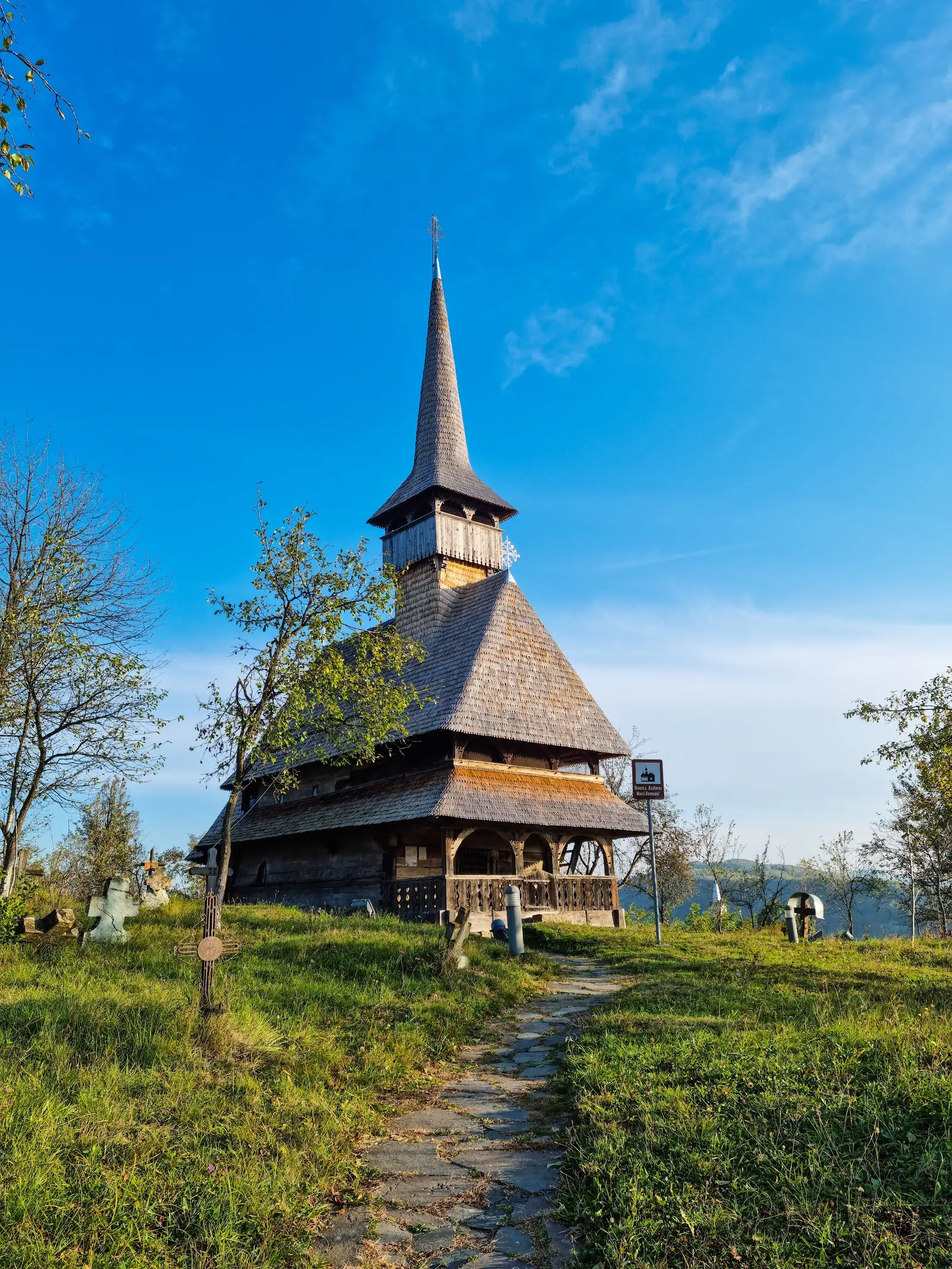
Bârsana Monastery in Maramureș is the most spectacular expression of wooden architecture in northern Romania, an ensemble of churches, cells and carved gates that seems a gateway to heaven. Although the present monastic community was re-established in the 1990s, the tradition of the place reaches much further back, and the new buildings were raised by local craftsmen in the authentic Maramureș style, with slender, soaring spires, cascading shingle roofs and lacework in wood. The main church, one of the tallest wooden structures in Europe, rises skyward above a well-tended flower garden. The whole complex, set on a hill, breathes calm and craftsmanship. It is an essential stop on the trail of Maramureș wooden churches, some inscribed on the UNESCO heritage list. Modest dress is advised; check the visiting schedule.
 Church
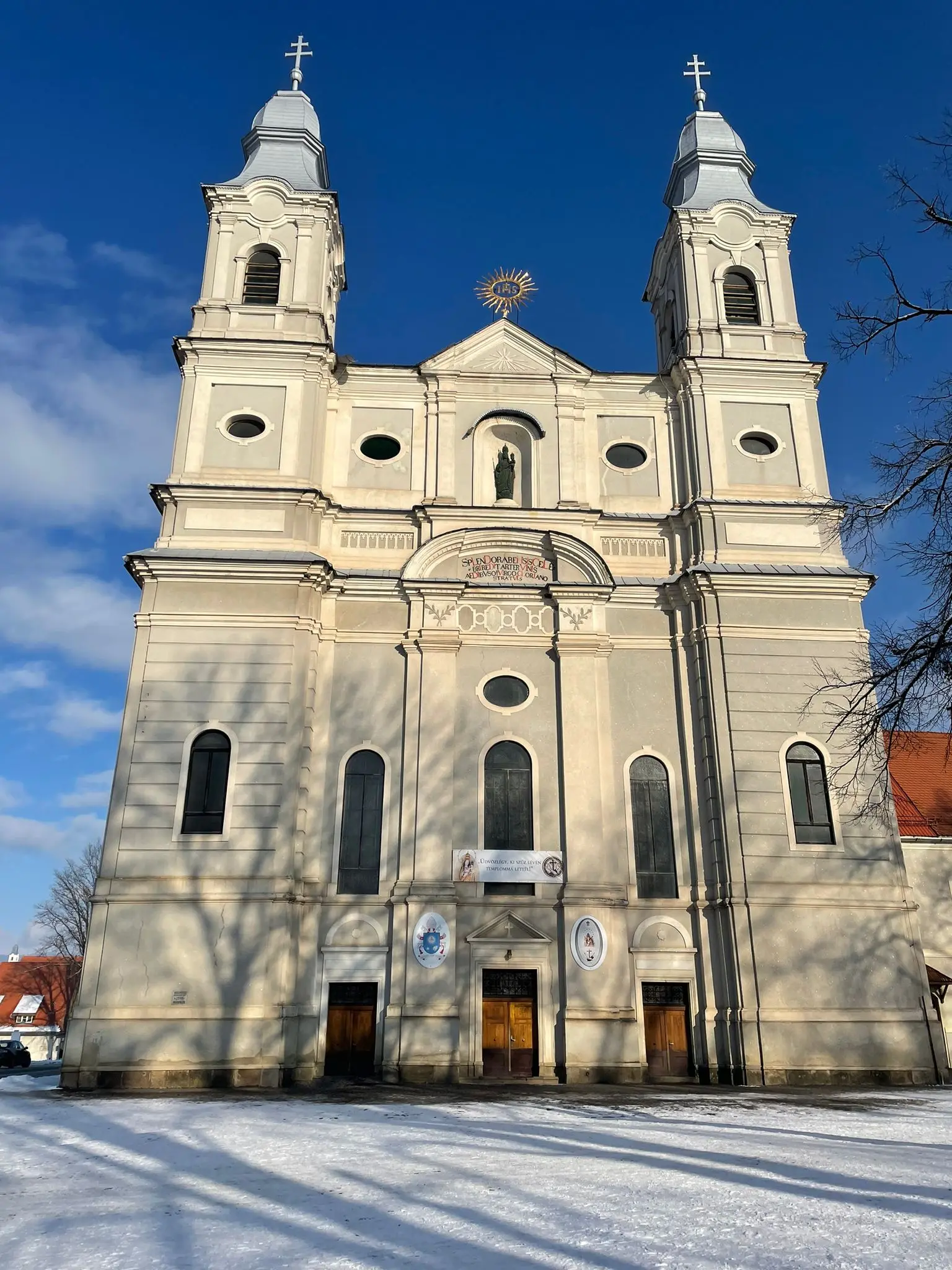
Șumuleu Ciuc
Șumuleu Ciuc is the most important Roman Catholic pilgrimage centre in Romania, set on a hill at the edge of the town of Miercurea Ciuc, in the heart of the Szekler land in eastern Transylvania. The ensemble is dominated by the imposing Franciscan church, a baroque edifice raised in the eighteenth century on the site of older places of worship, which shelters a medieval wooden statue of the Virgin Mary, considered miraculous and deeply venerated by the faithful. The place is renowned above all for the great Whitsun pilgrimage, one of the largest religious events in the region, which year after year gathers impressive crowds of believers from across the Hungarian world, in a display of faith and cultural identity. On the nearby hill lies the saddle where the festive open-air mass is held. The monastic ensemble also preserves an old printing house and heritage objects. The natural setting, with wooded hills, completes the atmosphere of contemplation. Visitors are asked to respect the sacred character of the place and the quiet of the pilgrims.
 Landmark
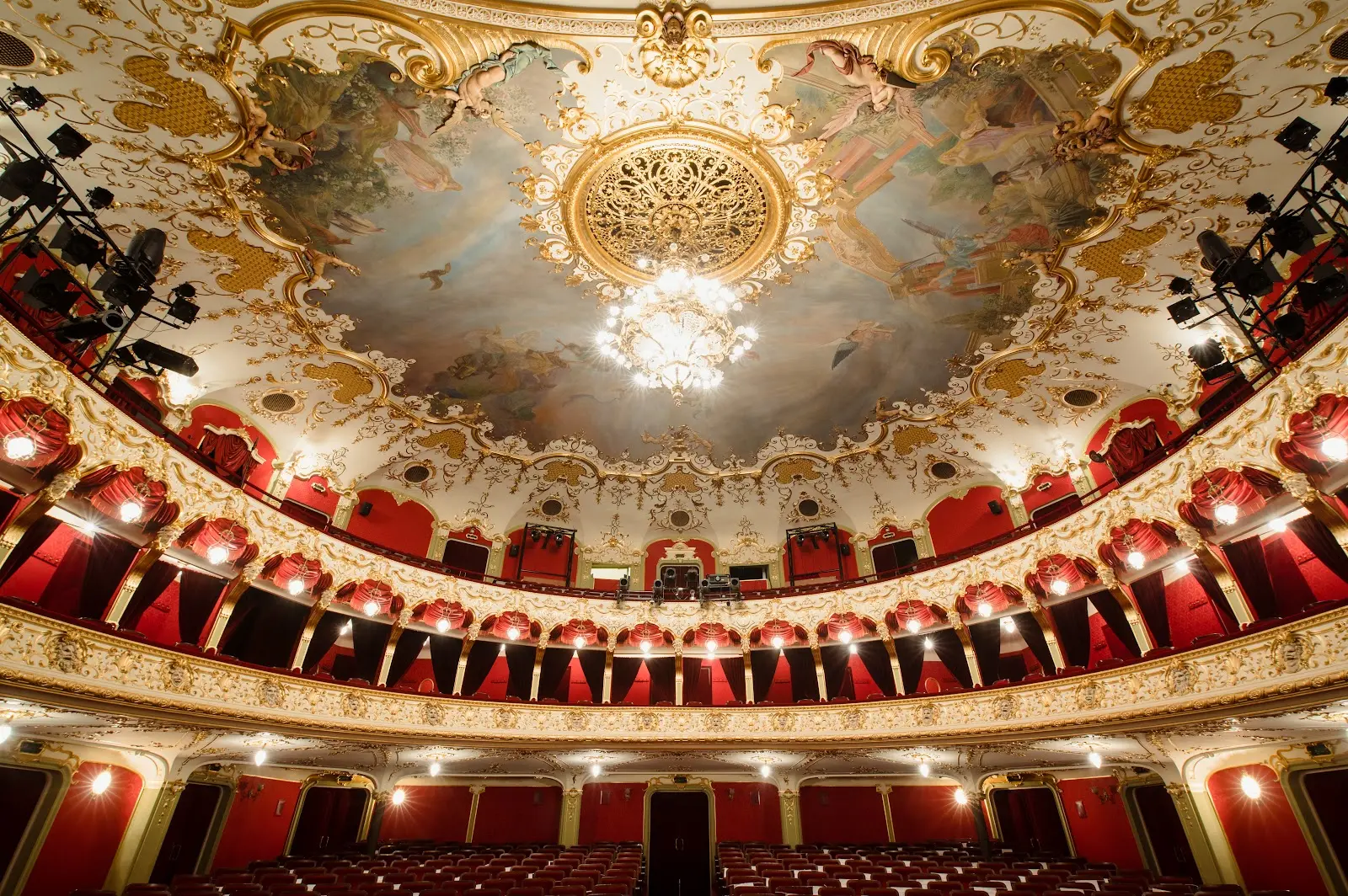
Teatrul Național Vasile Alecsandri
The Vasile Alecsandri National Theatre in Iași is the oldest national theatre in Romania and one of the most beautiful performance buildings in the country. The present edifice, inaugurated at the end of the nineteenth century, was designed by the renowned Viennese architects Fellner and Helmer, authors of many monumental theatres across Central Europe, and impresses with a richly decorated eclectic facade and an interior of special elegance, its auditorium adorned with paintings, gilded stucco, a famous painted ceiling and an imposing Venetian crystal chandelier. The theatre bears the name of the great writer and poet Vasile Alecsandri, an essential figure of Romanian culture and of the Iași theatrical movement. The building also houses the Romanian National Opera, making it a key cultural centre of Moldavia. Set in a central square with a fountain in front, the theatre is an important urban landmark. Visitors can admire the architecture from outside, and for the interior it is best to attend a performance or a guided tour, depending on the schedule.
 Monastery
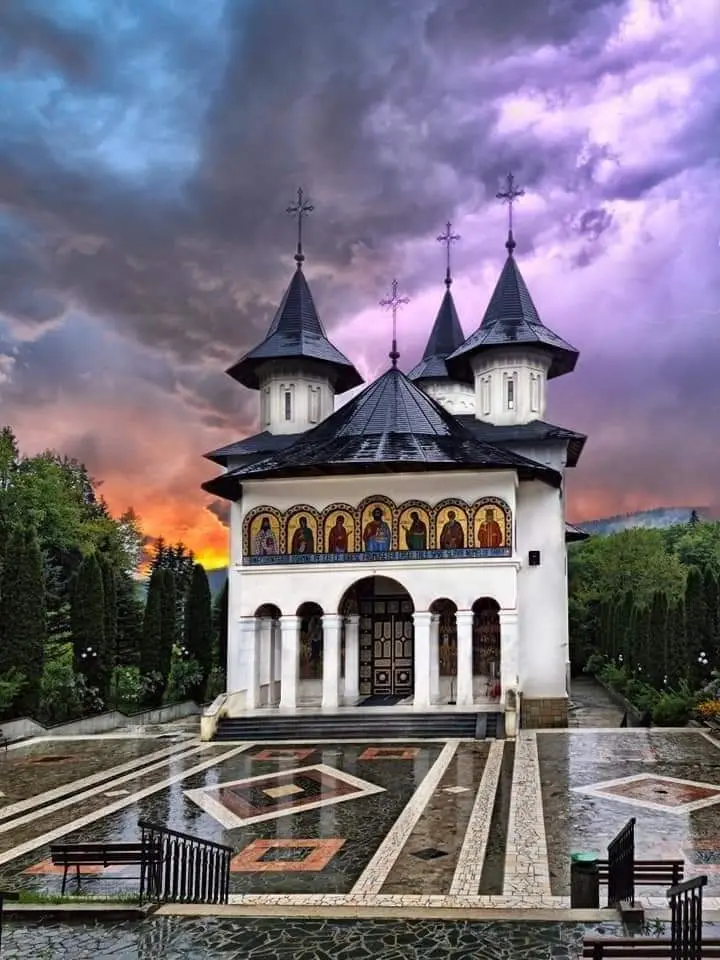
Mănăstirea Sihăstria
Sihăstria Monastery is one of the best-known and most beloved monasteries in Moldavia, set in a secluded, peaceful clearing in the wooded massif of the mountains near the town of Piatra Neamț, in the famous land of the Neamț monasteries. The settlement, with origins reaching back to the seventeenth century, developed over time into an important centre of spiritual and monastic life, becoming renowned above all for the great spiritual fathers who lived here, among them father Cleopa Ilie and father Paisie Olaru, key figures of twentieth-century Romanian Orthodoxy, to whose graves many pilgrims come. The main church and the cells blend harmoniously into the natural setting, among conifer forests, in an atmosphere of deep peace and contemplation. The monastery preserves worship objects and a valuable library. Its proximity to other settlements, such as Sihla and Secu, places it on a spiritual circuit. Visitors are asked to respect the quiet, the proper dress and the rules of an active monastic settlement.
 Landmark
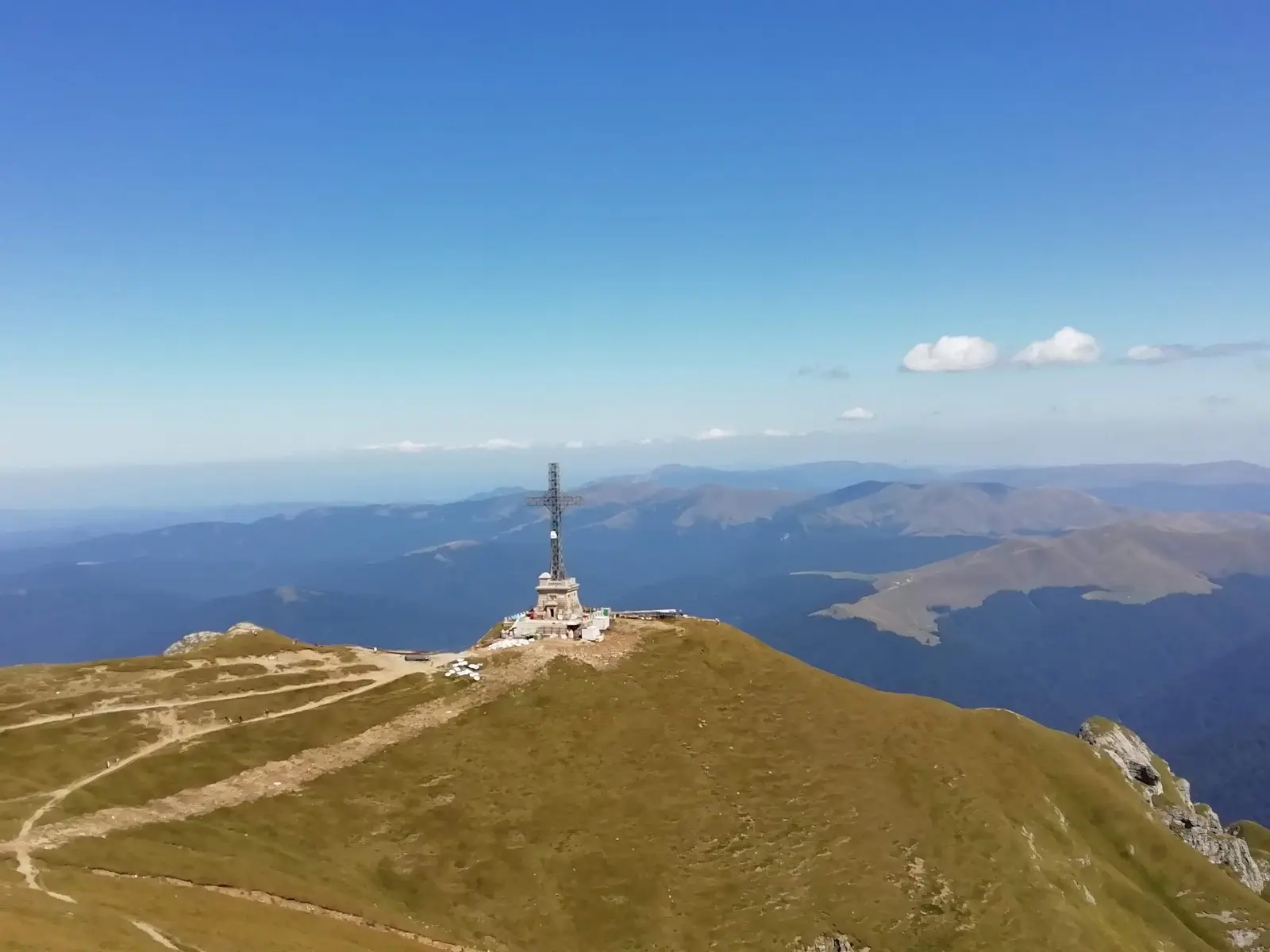
Crucea Caraiman
The Caraiman Cross, also known as the Heroes' Cross on Caraiman Peak, is an imposing monument built in the 1920s on a ridge in the Bucegi massif, at high altitude, in memory of the soldiers who fell in the First World War. With its metal structure tens of metres tall, set on a massive concrete base, the cross is visible from a great distance and, being lit at night, can be seen from Busteni and across the whole Prahova Valley. It has been recognised as the tallest cross in the world placed on a mountain peak. Its construction at such an altitude, in harsh conditions, was a genuine engineering feat of the era. The site offers a dizzying panorama over the mountains and the valley below. Practical note: it is reached by cable car from Busteni to the Bucegi plateau and then along a marked trail, or by a more demanding hike; proper mountain gear is needed even in summer.
 Nature
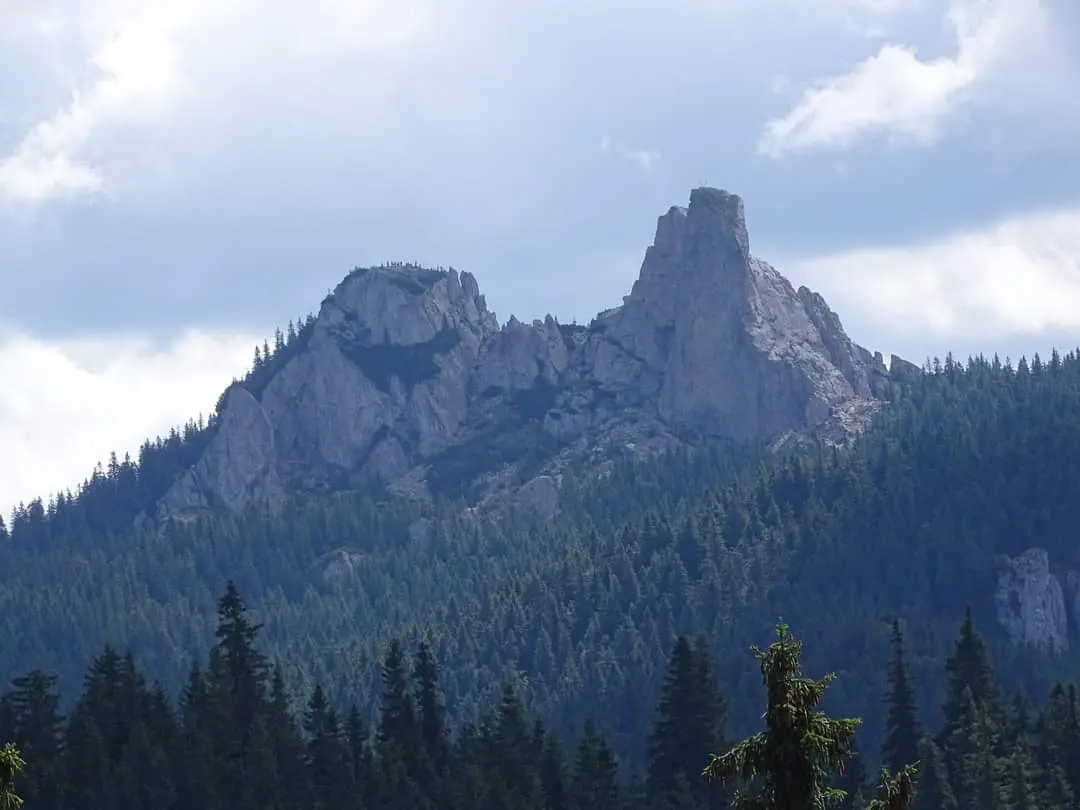
Munții Rarău - Pietrele Doamnei
The Rarau Mountains, with their famous Lady's Stones, form one of the most beautiful landscapes of Bukovina, a massif in the Eastern Carpathians group renowned for its spectacular limestone rocks rising above the coniferous forests. The Lady's Stones are a group of limestone columns and ridges with dramatic shapes, a geological reserve offering superb views and routes valued by hikers and climbers. Legend links the name of these rocks to a lady who is said to have taken refuge here in times of hardship, adding a layer of story to the already impressive landscape. From the ridges open wide panoramas over the mountains of Bukovina, and nearby stands the Rarau Chalet, a convenient starting point. The area is rich in mountain flora and offers an ideal setting for nature. Practical note: access is by car to near the ridge and then along paths; for rock climbing, experience and proper gear are needed.
Ready to go
Ready-made itineraries
The Grand Tour of Romania in 7 days
Bucharest, the Prahova Valley, Brașov, Sighișoara, Sibiu and the Transfăgărășan, in a single loop
See the route →Transylvania in a weekend
Brașov, Bran, Sighișoara and Sibiu in three full days
See the route →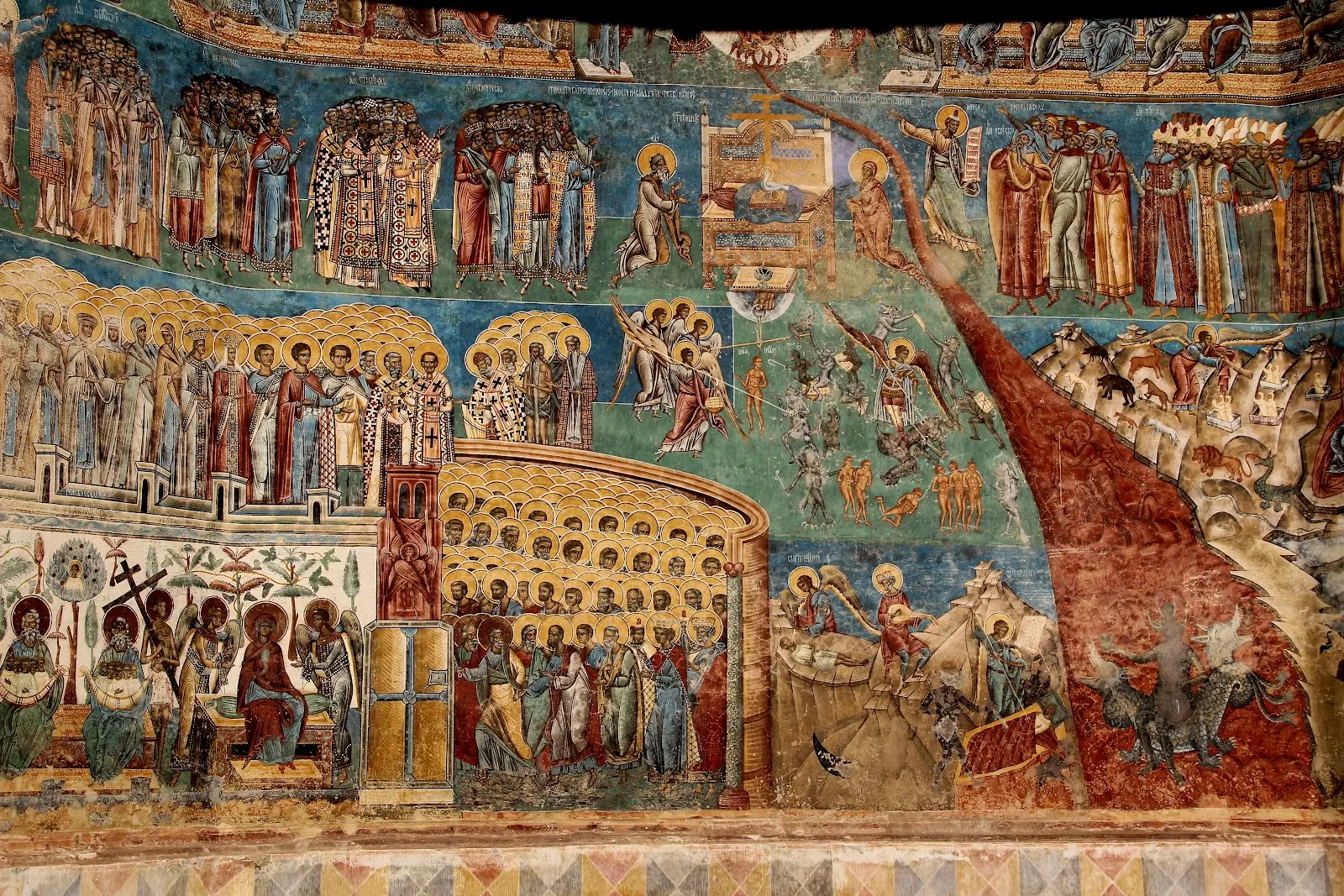
Bucovina and the painted monasteries
Northern Moldavia's UNESCO frescoes, in four days
See the route →Trip ideas
Themed trails
Myth & historyOn the trail of Dracula
Between Bram Stoker's fiction and the real Vlad the Impaler: Bran Castle, Poenari Fortress (his actual stronghold), Sighișoara where he was born, the princely seat at Târgoviște and the Borgo Pass from the novel. A trail that separates legend from history.
See the trail →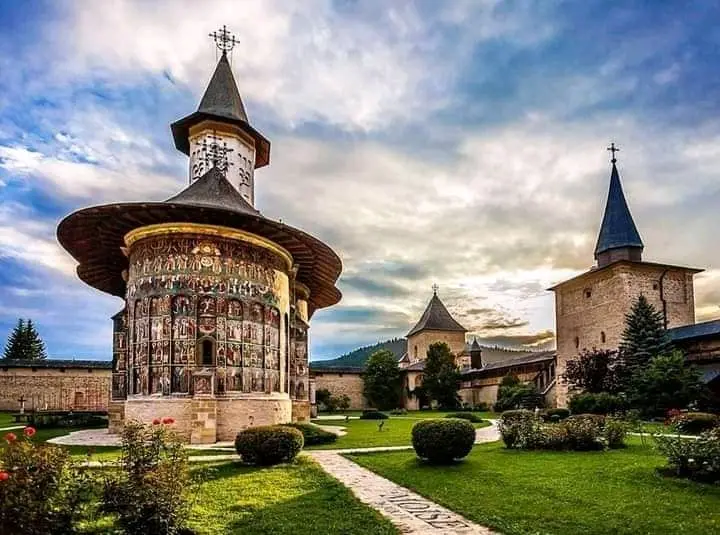 UNESCO heritage
The painted monasteries of Bukovina
16th-century frescoes on the outer walls, surviving five hundred winters: Voroneț and its famous blue, Sucevița, Moldovița, Humor, Arbore. Romania's finest page of medieval art.
See the trail →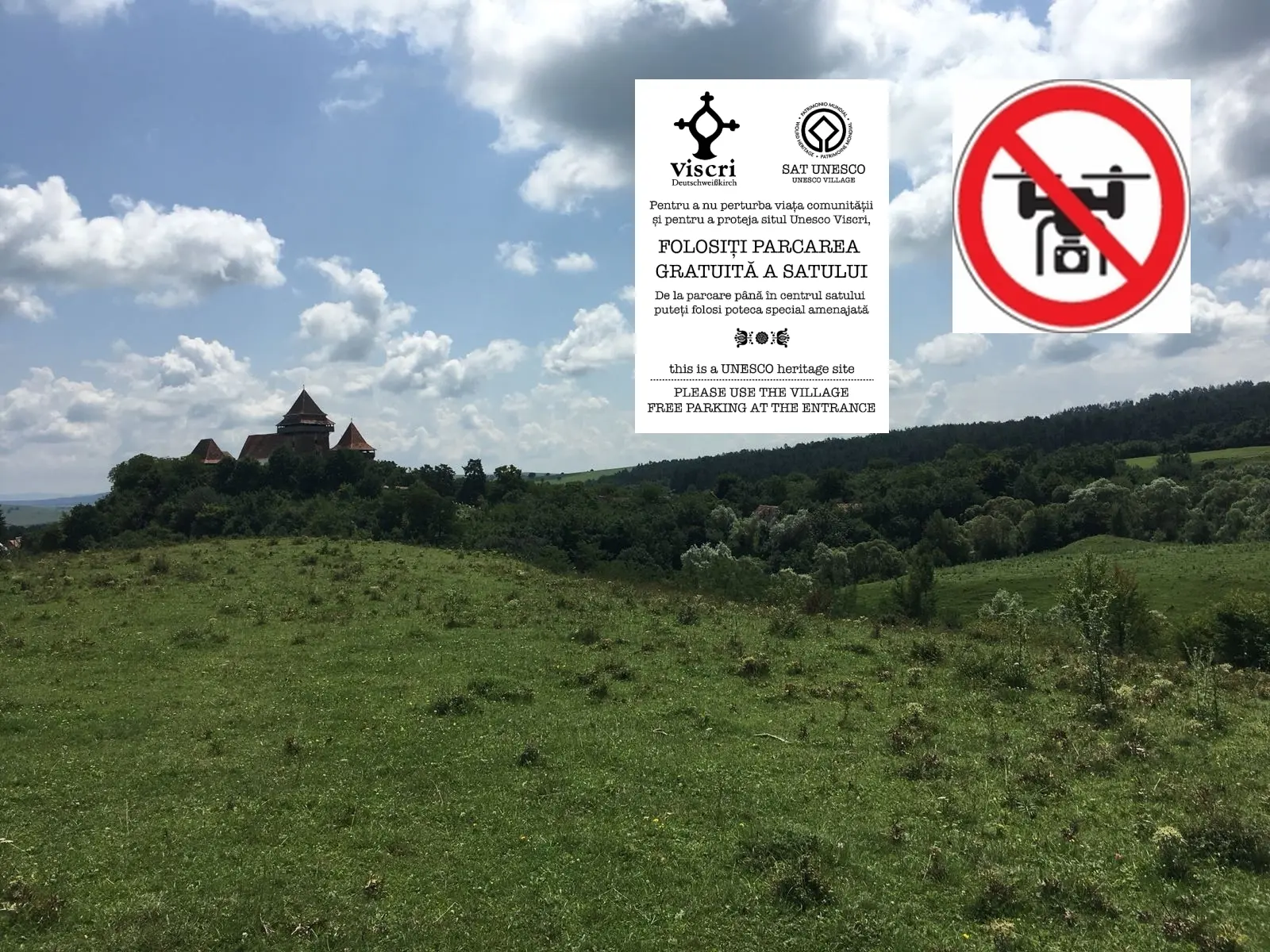 The Saxon world
The Saxon fortified churches
Seven villages with fortified churches are UNESCO-listed. Biertan, Viscri, Prejmer, Saschiz, Valea Viilor, Dârjiu, Câlnic — church-fortresses raised by Saxon settlers to withstand sieges, now quiet treasures of Transylvania.
See the trail →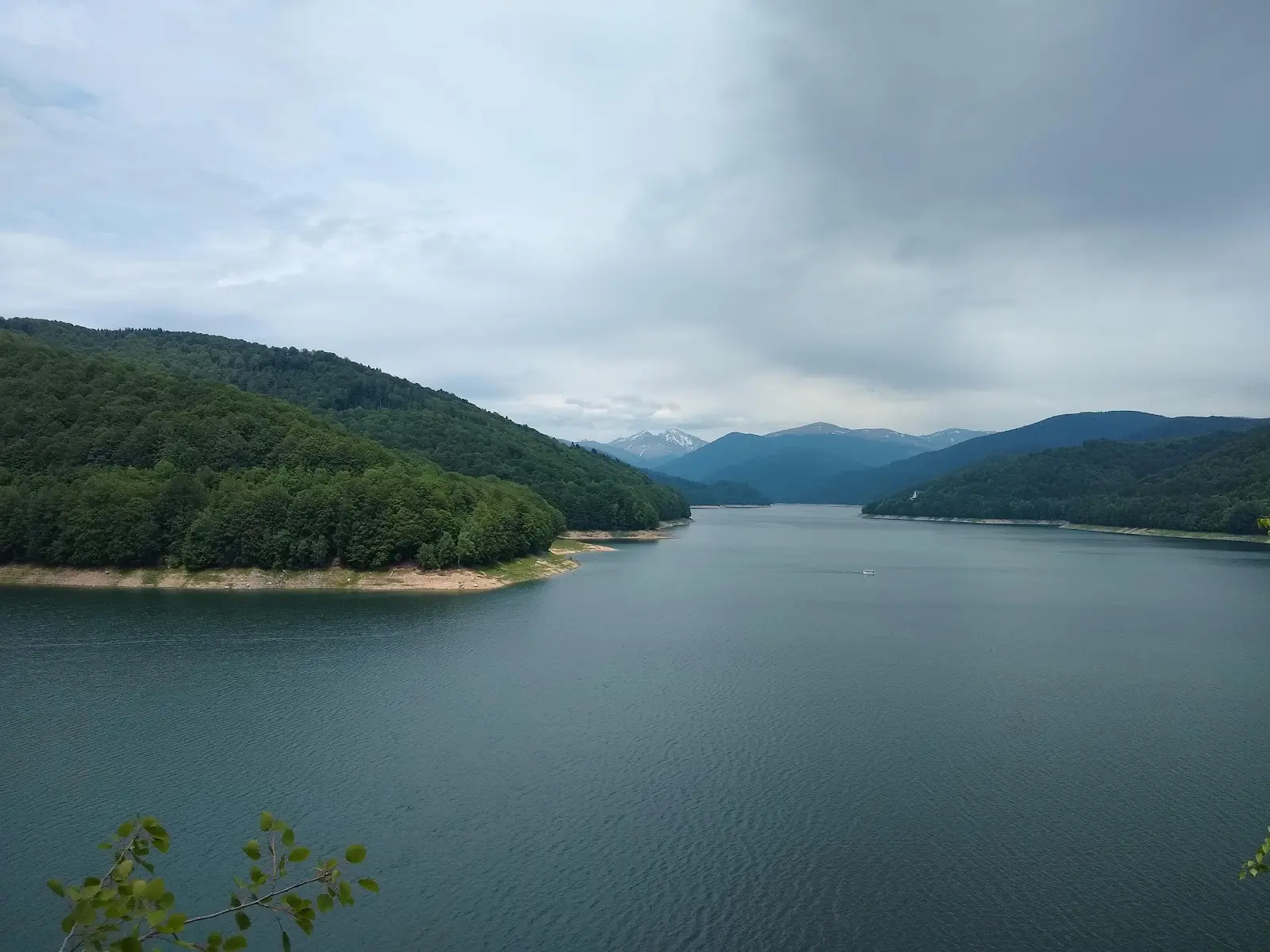 Behind the wheel
Romania's spectacular roads
The Transfăgărășan, called 'the best road in the world', and the Transalpina, the country's highest road, climb through ridges above 2,000 m. Open in summer, with hairpins, waterfalls and glacial lakes at every bend.
See the trail →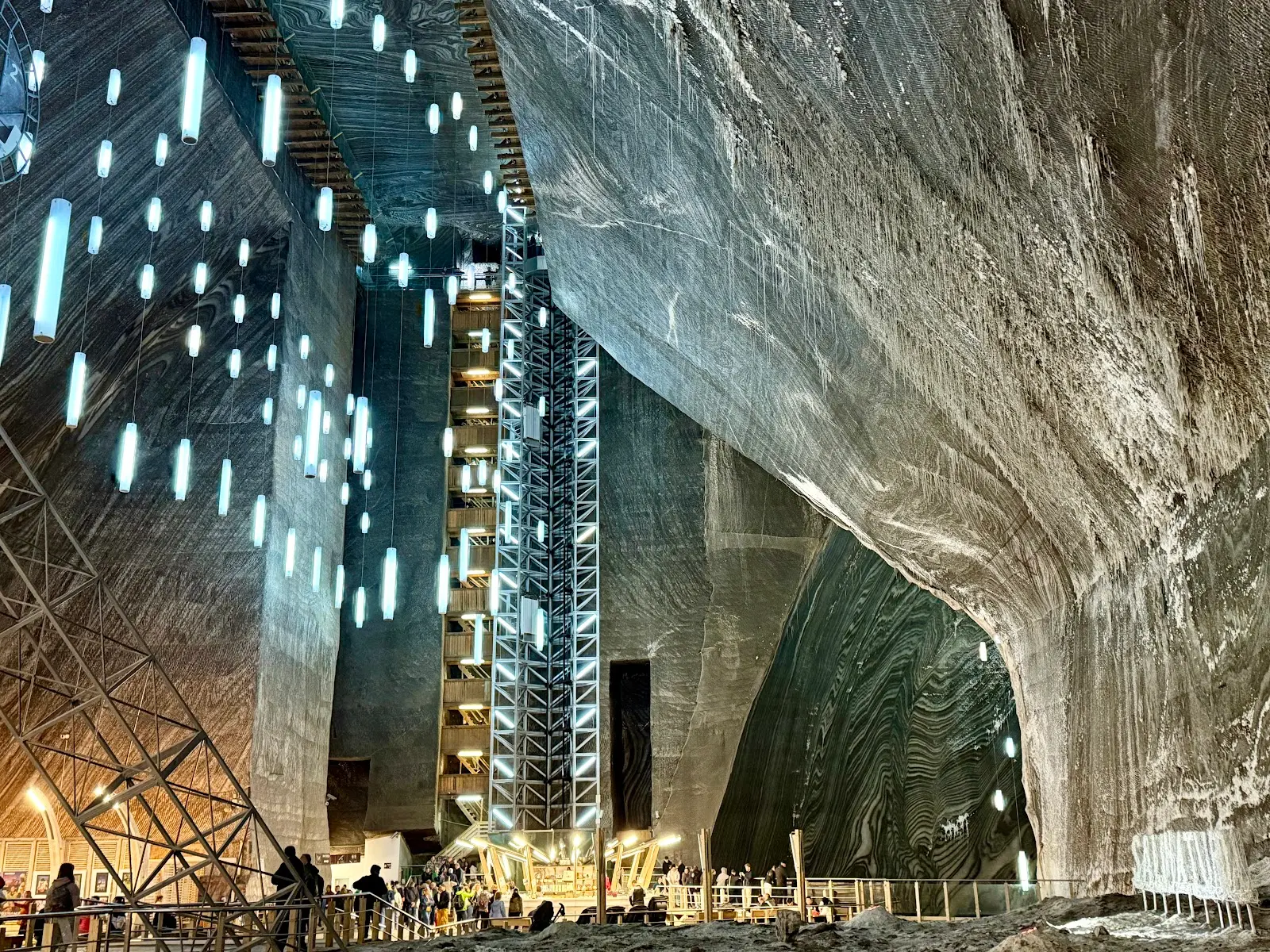 Underground
Salt mines you can visit
Romania has some of the world's most spectacular salt mines: Turda, with its underground Ferris wheel, Praid and Slănic, with vast galleries where people descend for therapeutic air, sport and even concerts.
See the trail →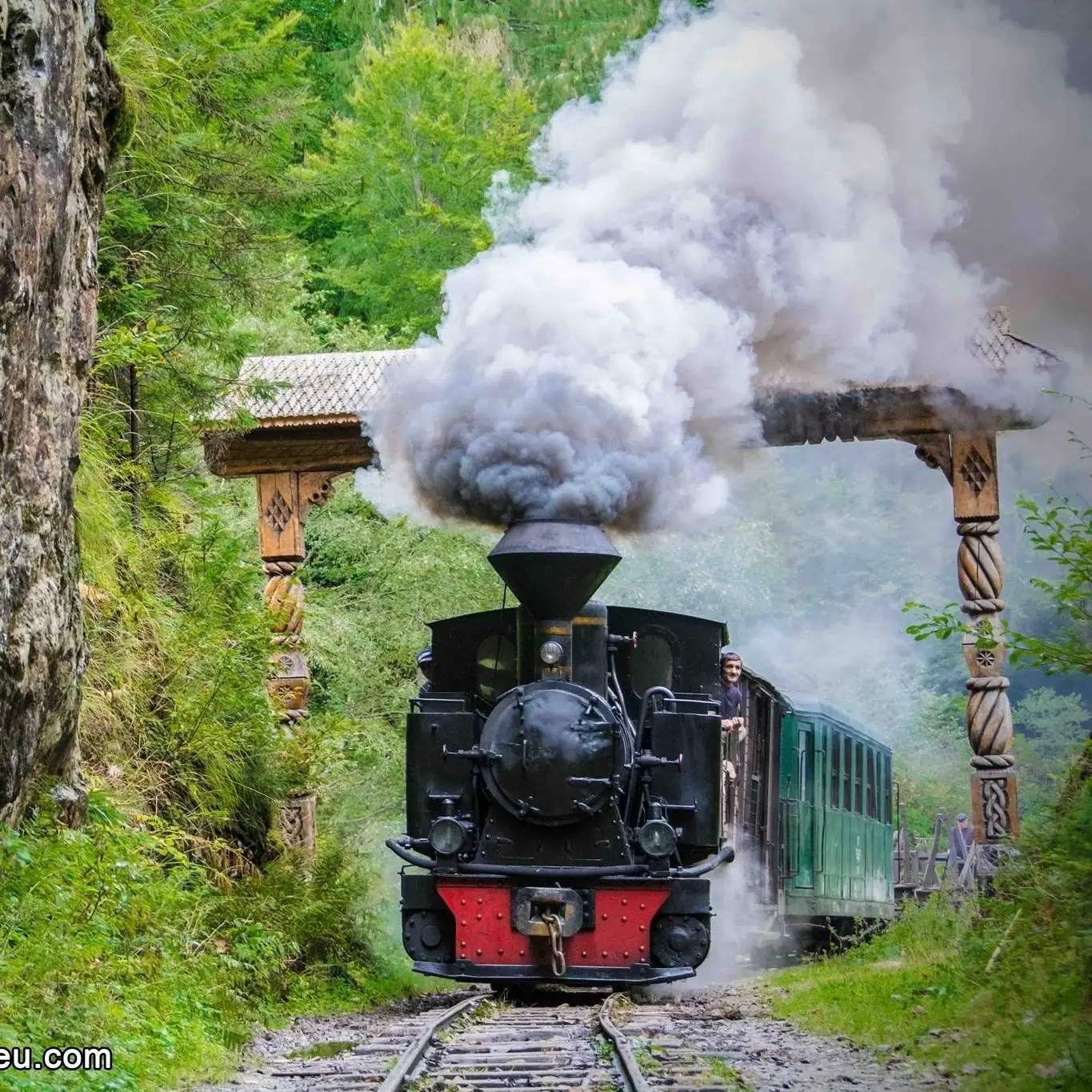 Nostalgia
Steam trains & mountain railways
Romania's little steam trains climb through wild valleys no road can reach. The Vaser Valley steam train in Maramureș is Europe's last forestry steam railway still hauling timber.
See the trail →The regions
Ten ways to see Romania
Transylvania
Saxon citadels, castles and endless plateaus
Bukovina
The painted monasteries, UNESCO heritage
Maramureș
Wooden churches and villages where time stops
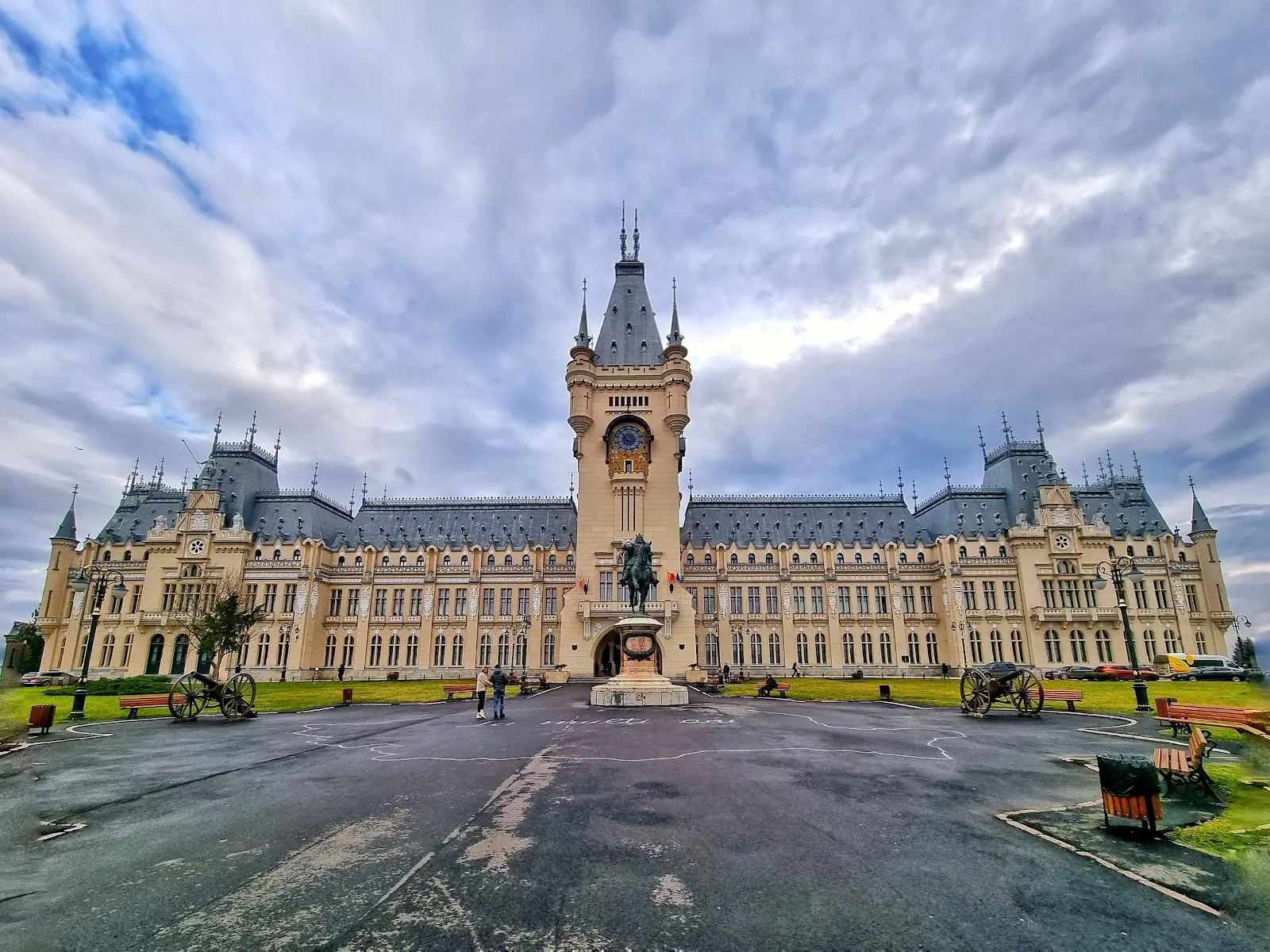
Moldavia
Iași, vineyards and the land of the voivodes
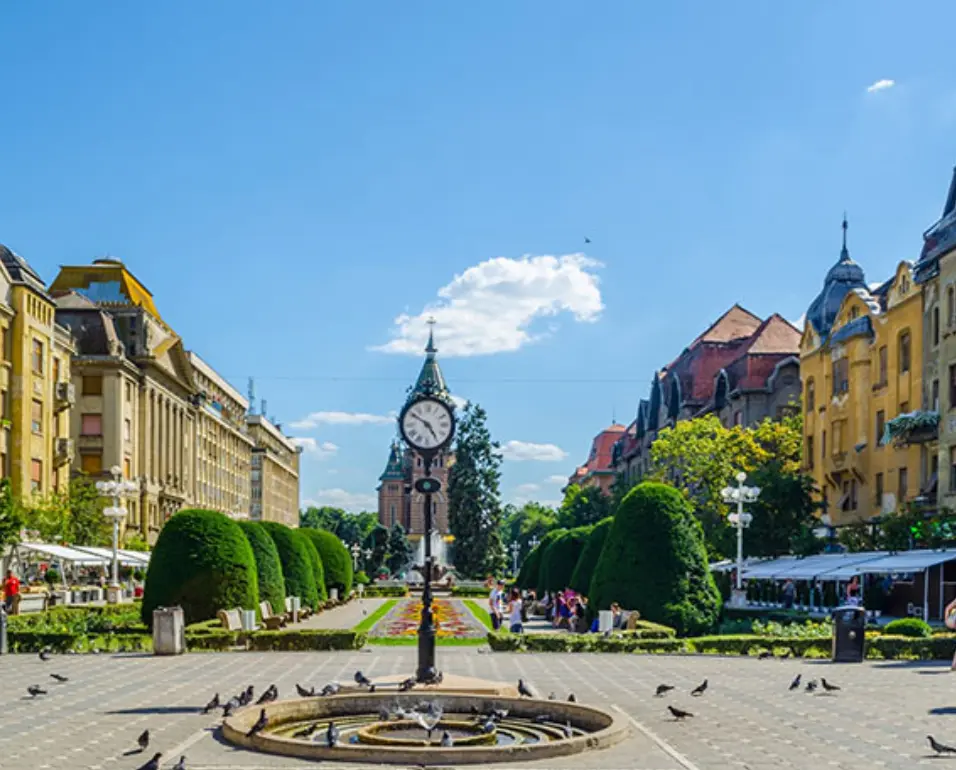
Banat
Timișoara and Central-European elegance
Crișana
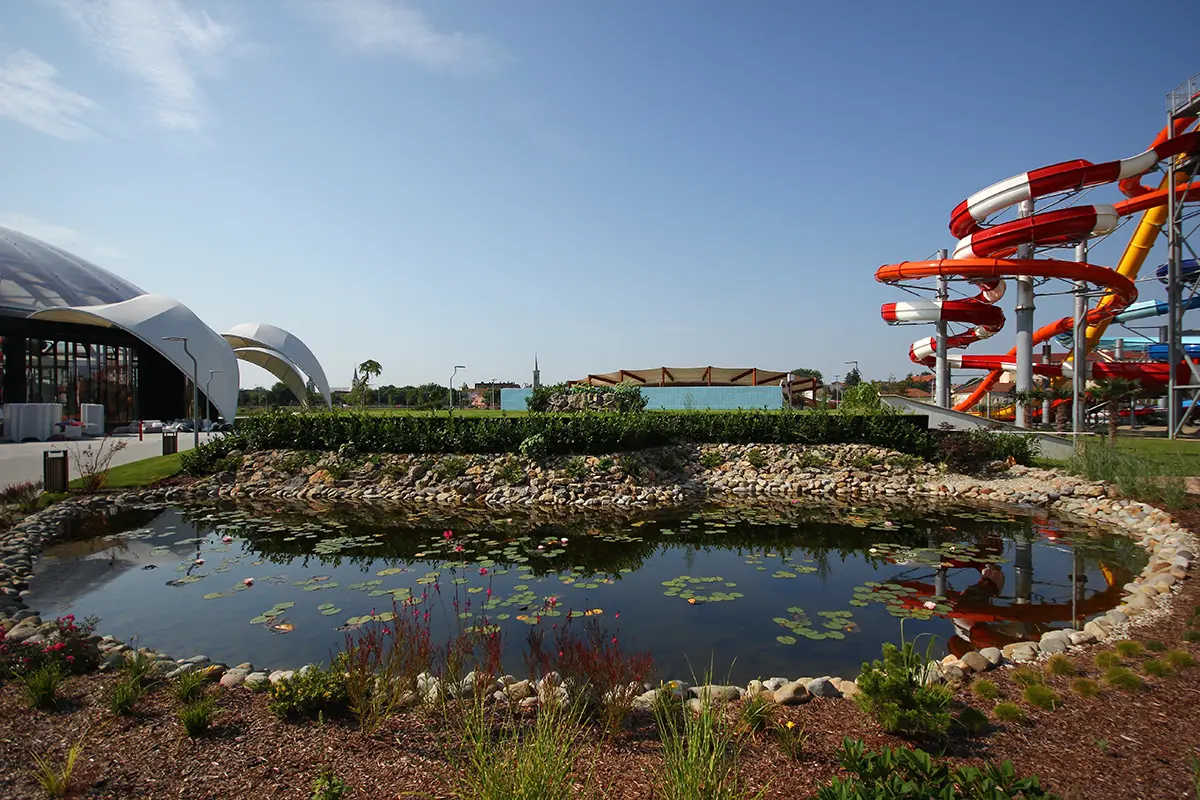
Art Nouveau Oradea and the Apuseni mountains
Where to go
Destinations to start with
București
The capital of beautiful contradictions — Belle Époque, communism and a booming food scene.
Brașov
A medieval Saxon city at the foot of Tâmpa, gateway to Bran, Râșnov and the mountains.
Sibiu
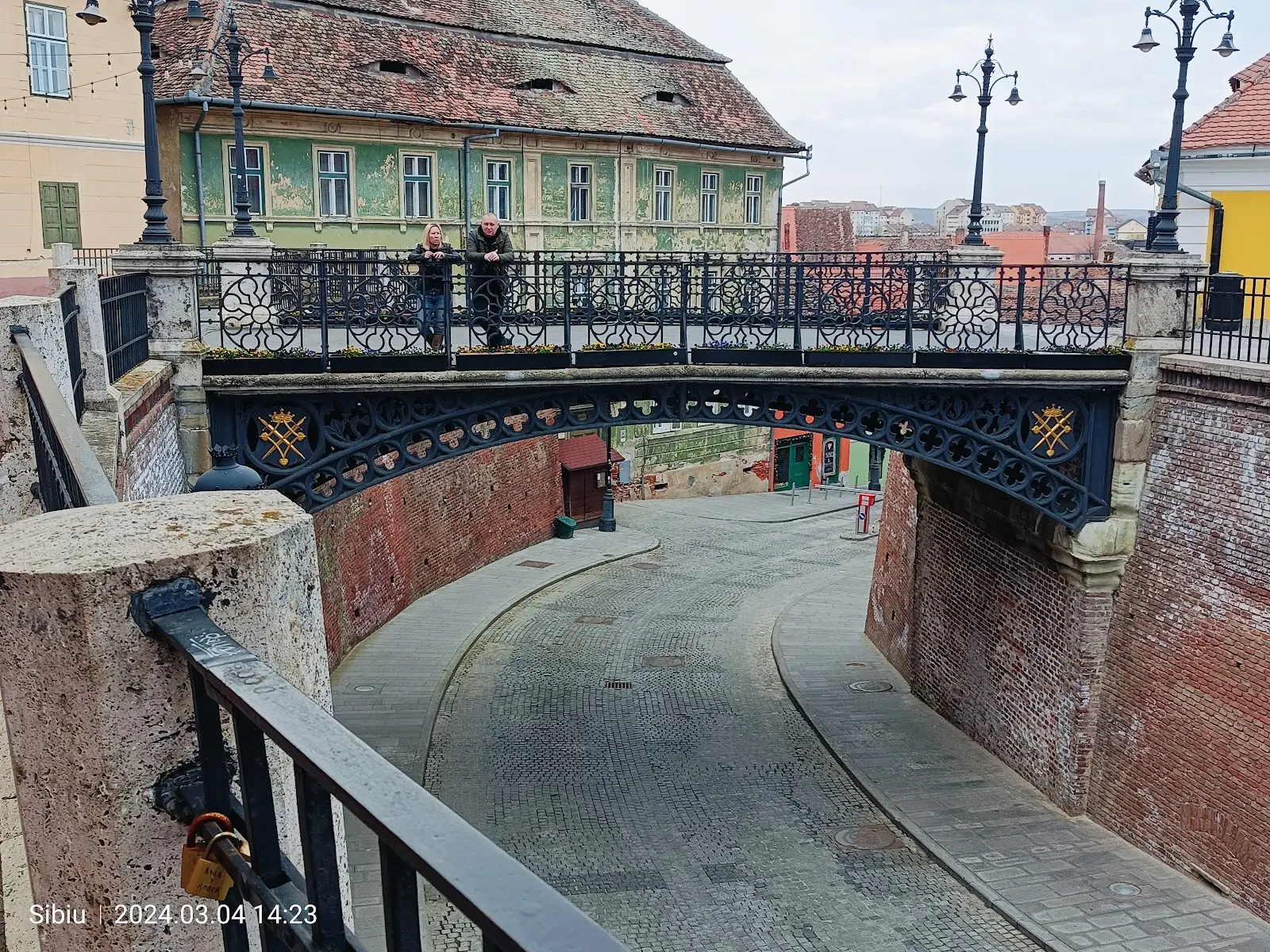
A former European Capital of Culture, with Saxon squares and the famous roof 'eyes'.
Sighișoara
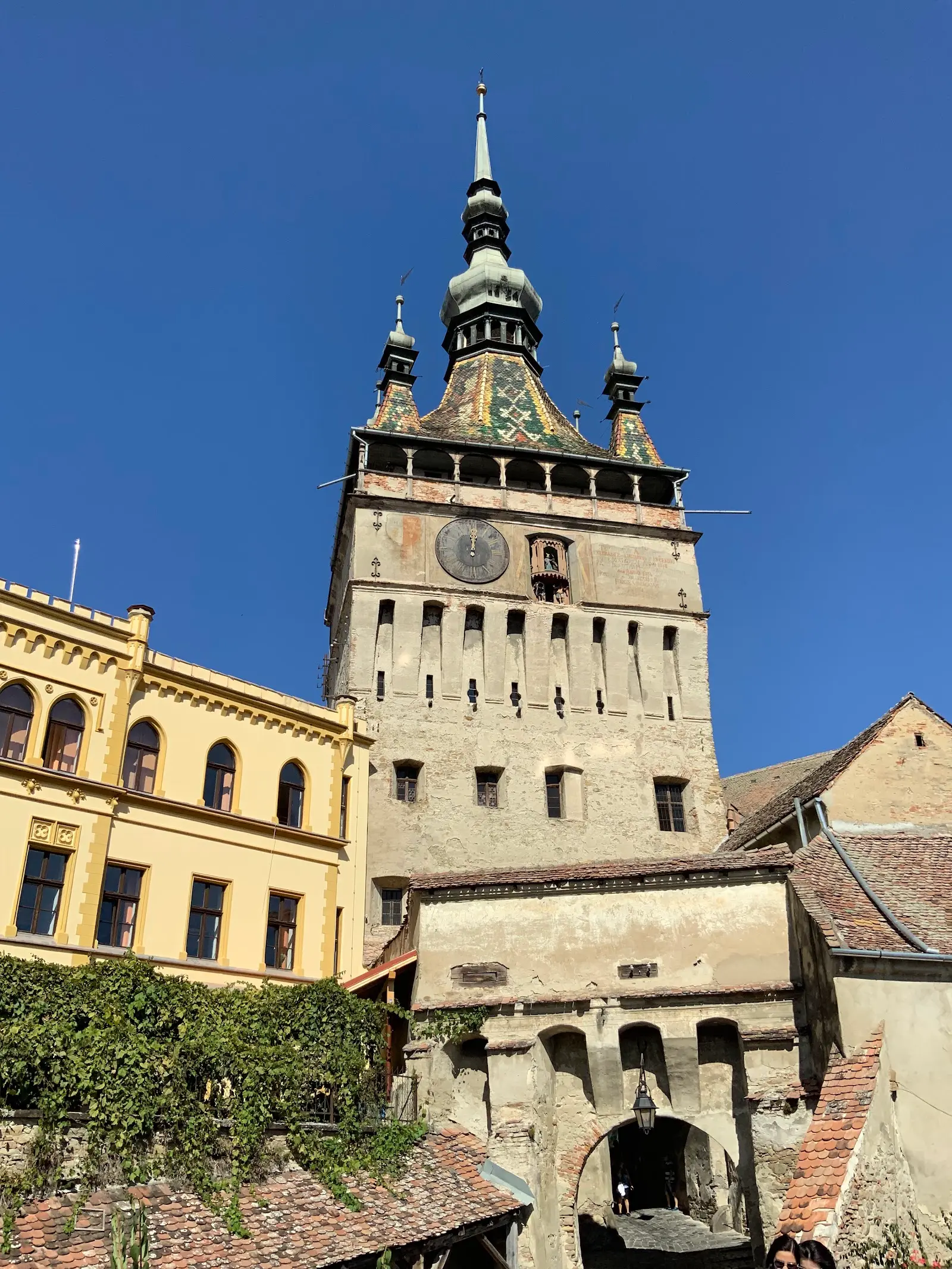
The only inhabited medieval citadel in Europe, a UNESCO site.
Cluj-Napoca
Transylvania's youthful capital — universities, festivals and energy.
Sinaia
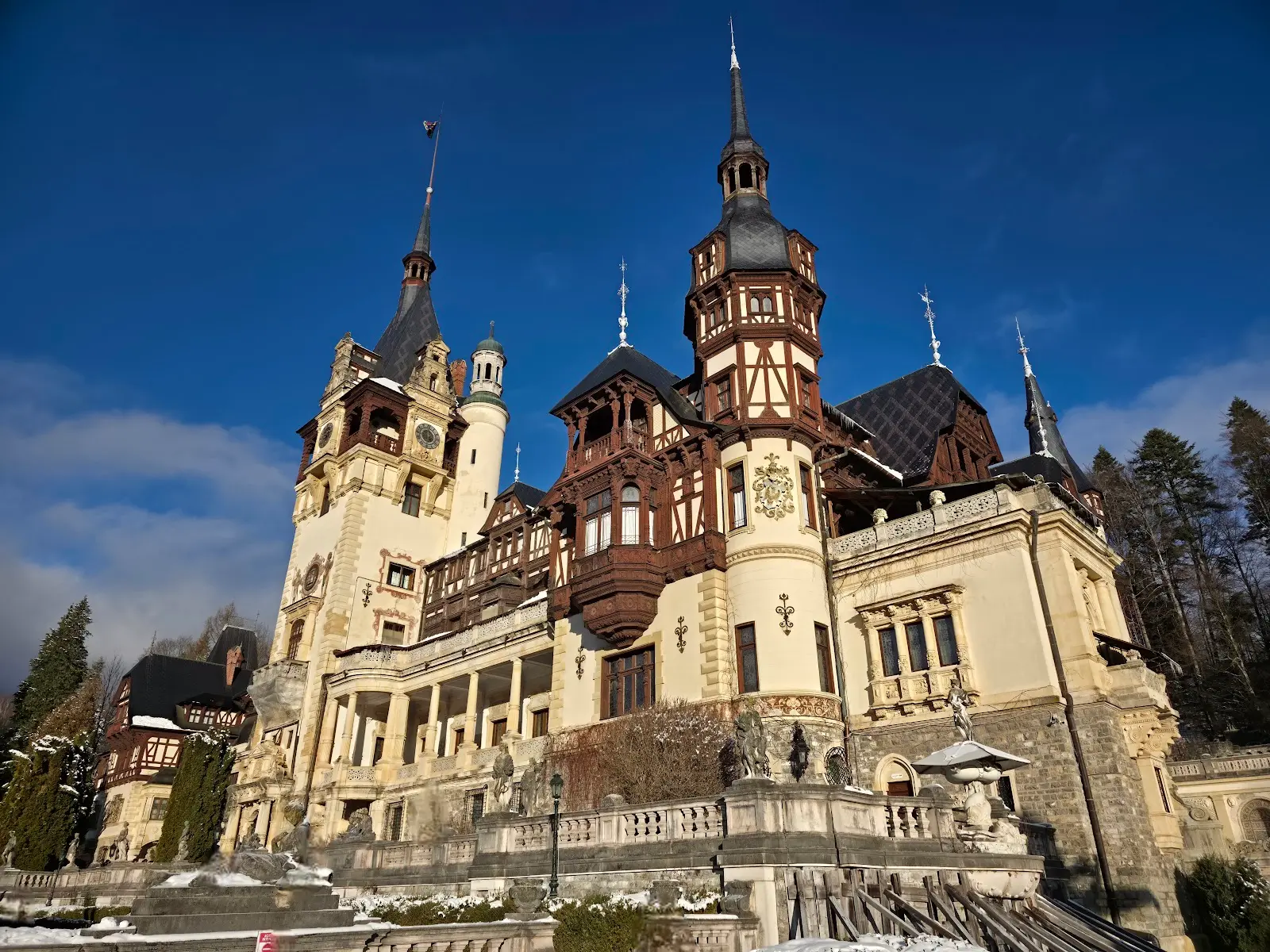
The 'Pearl of the Carpathians' in the Prahova Valley, around Peleș Castle.
World Heritage
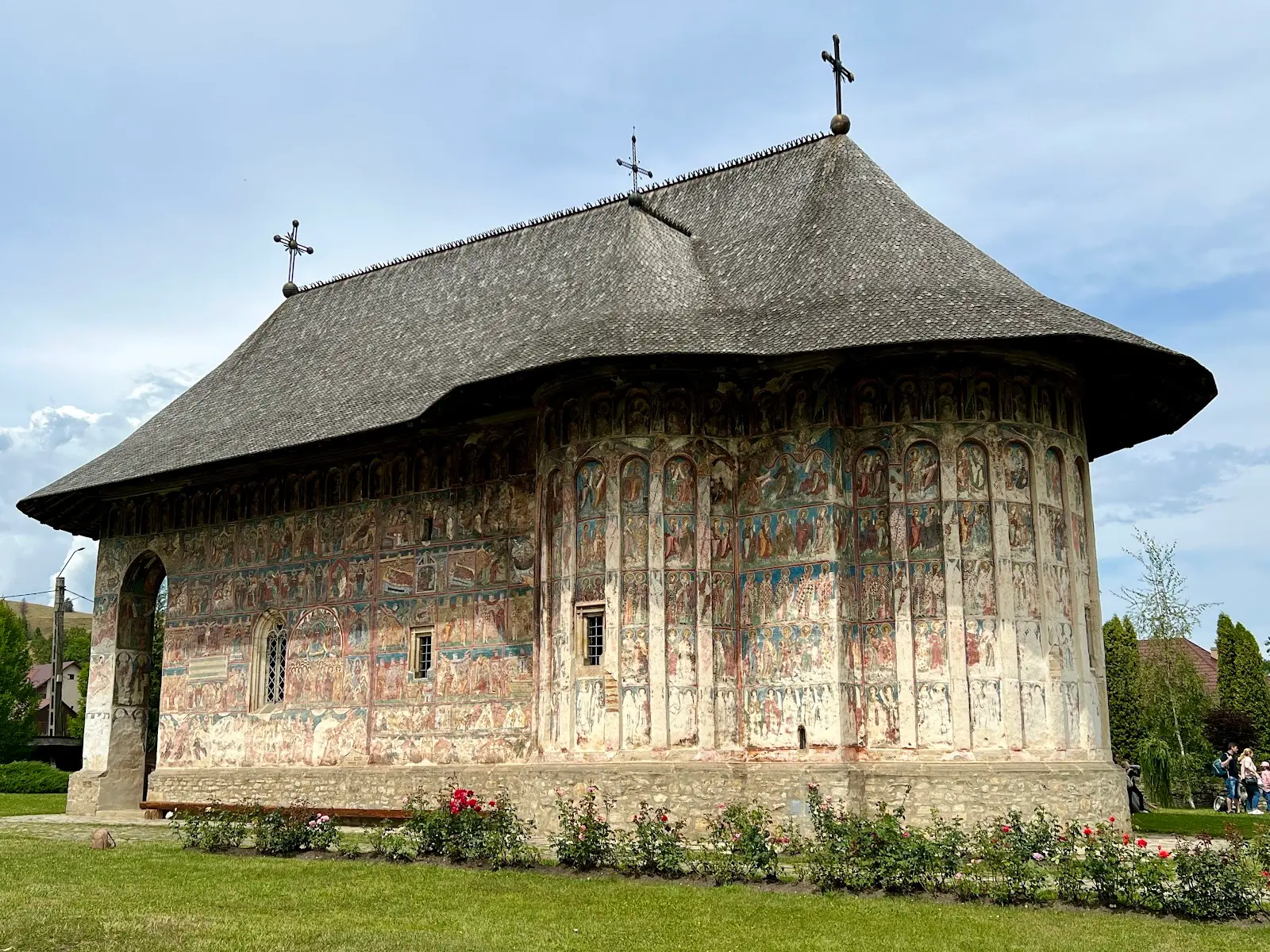
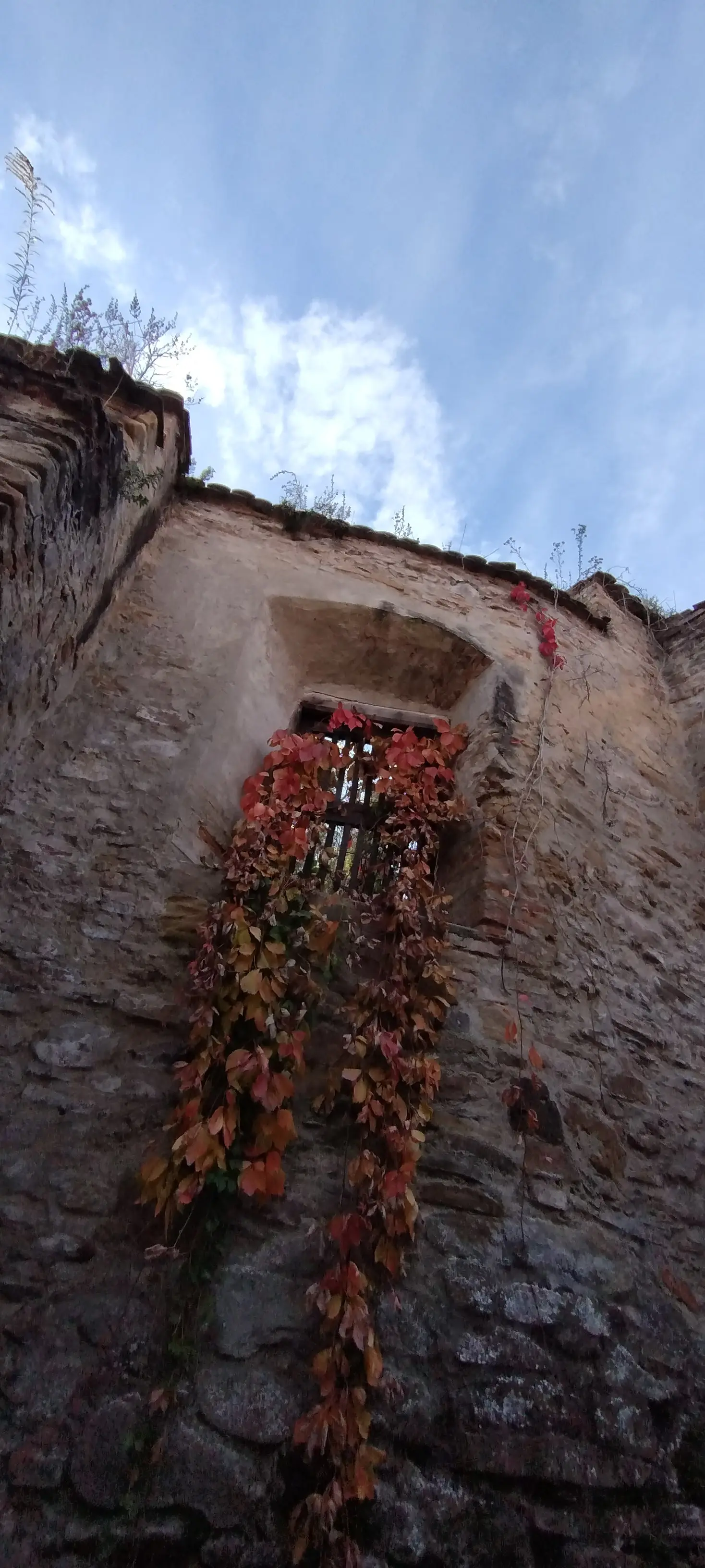
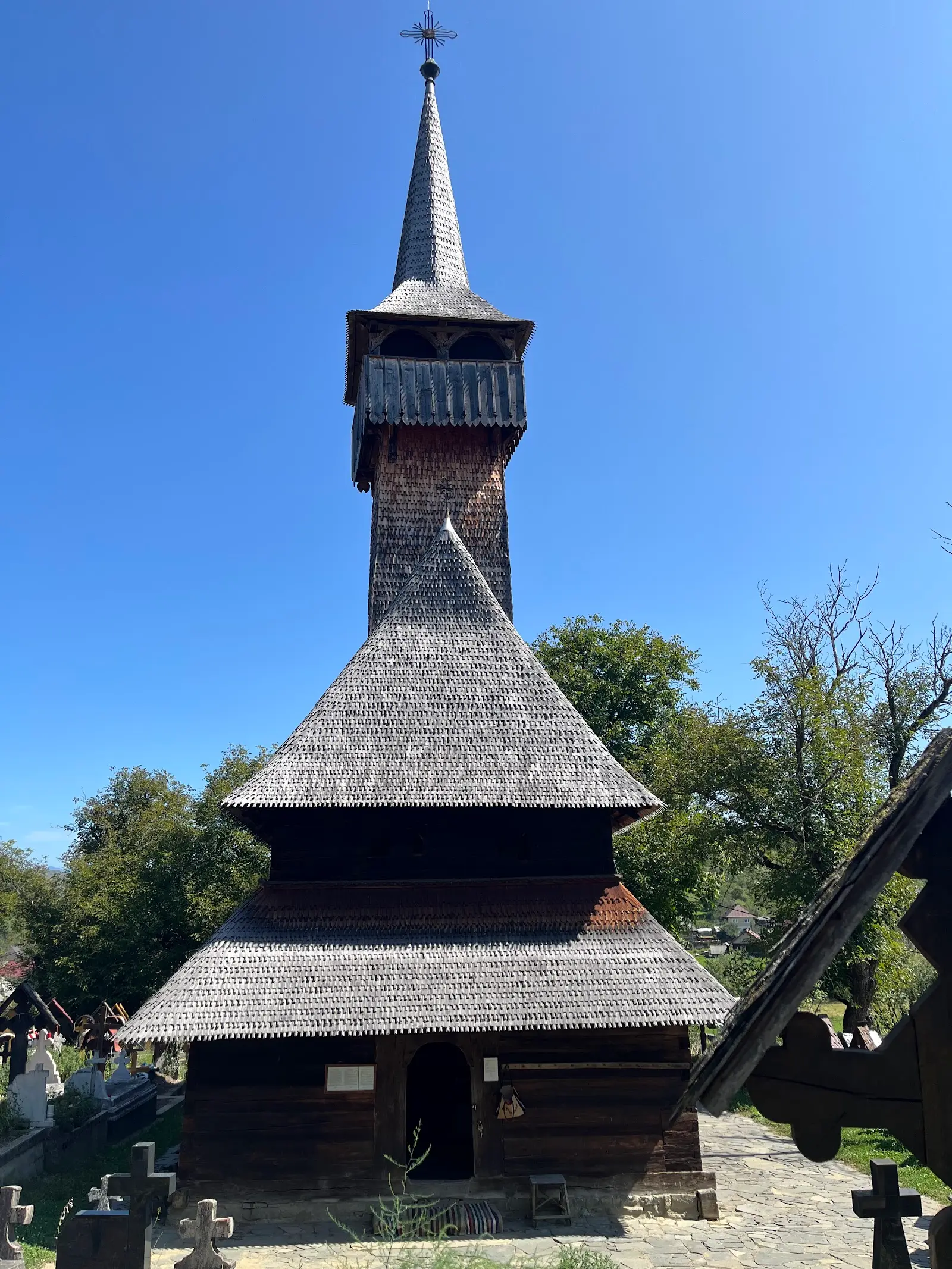
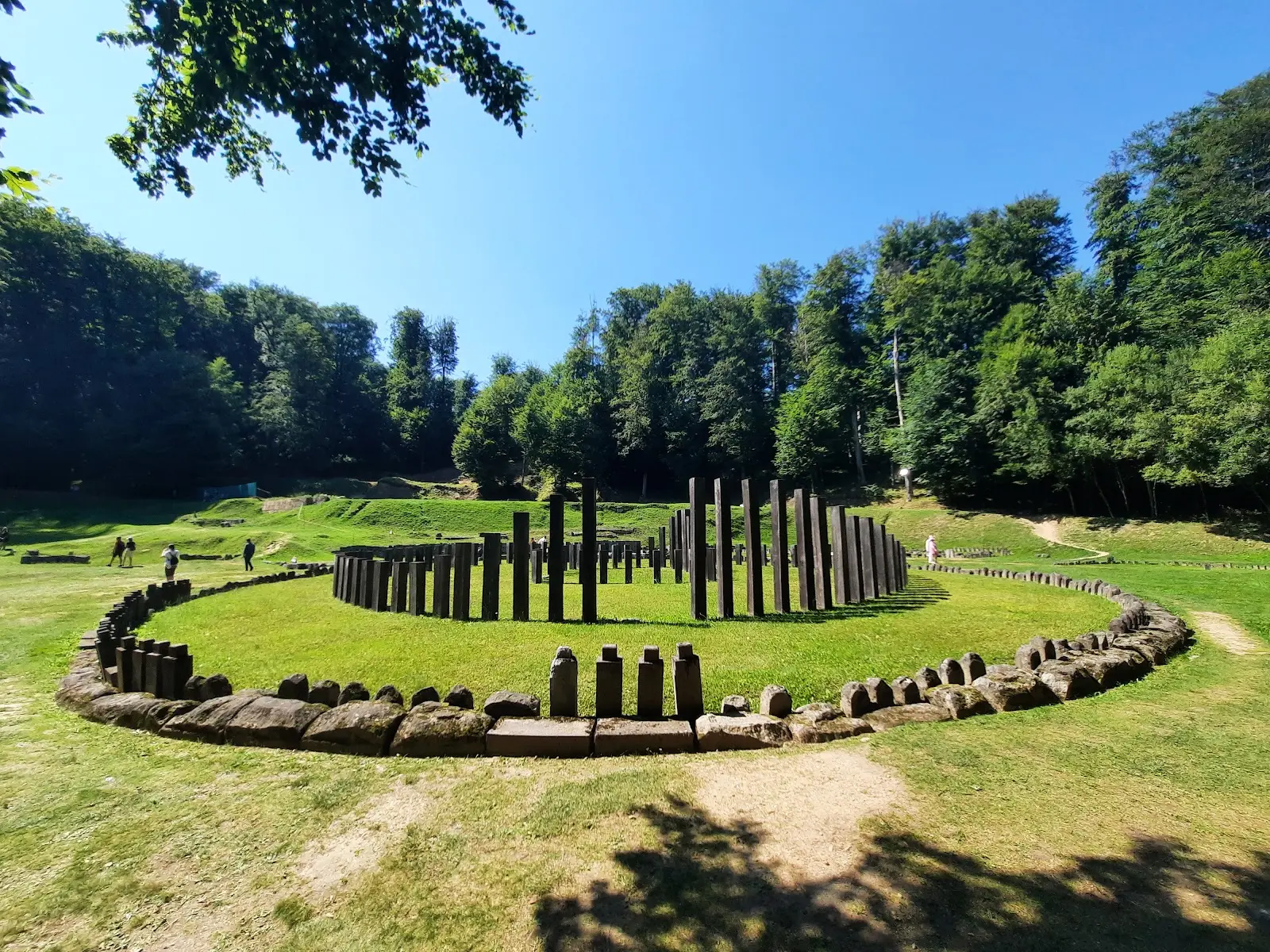
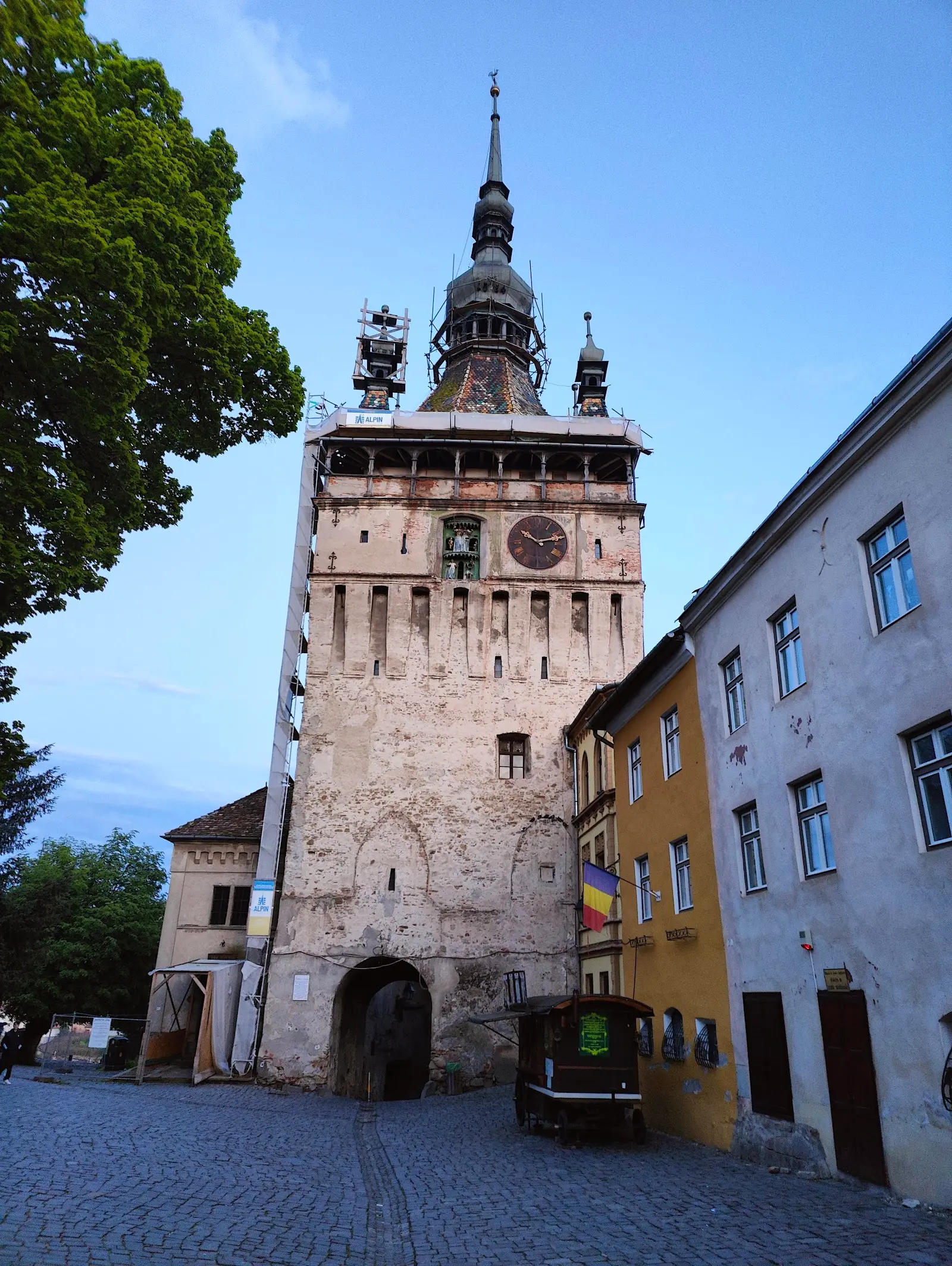
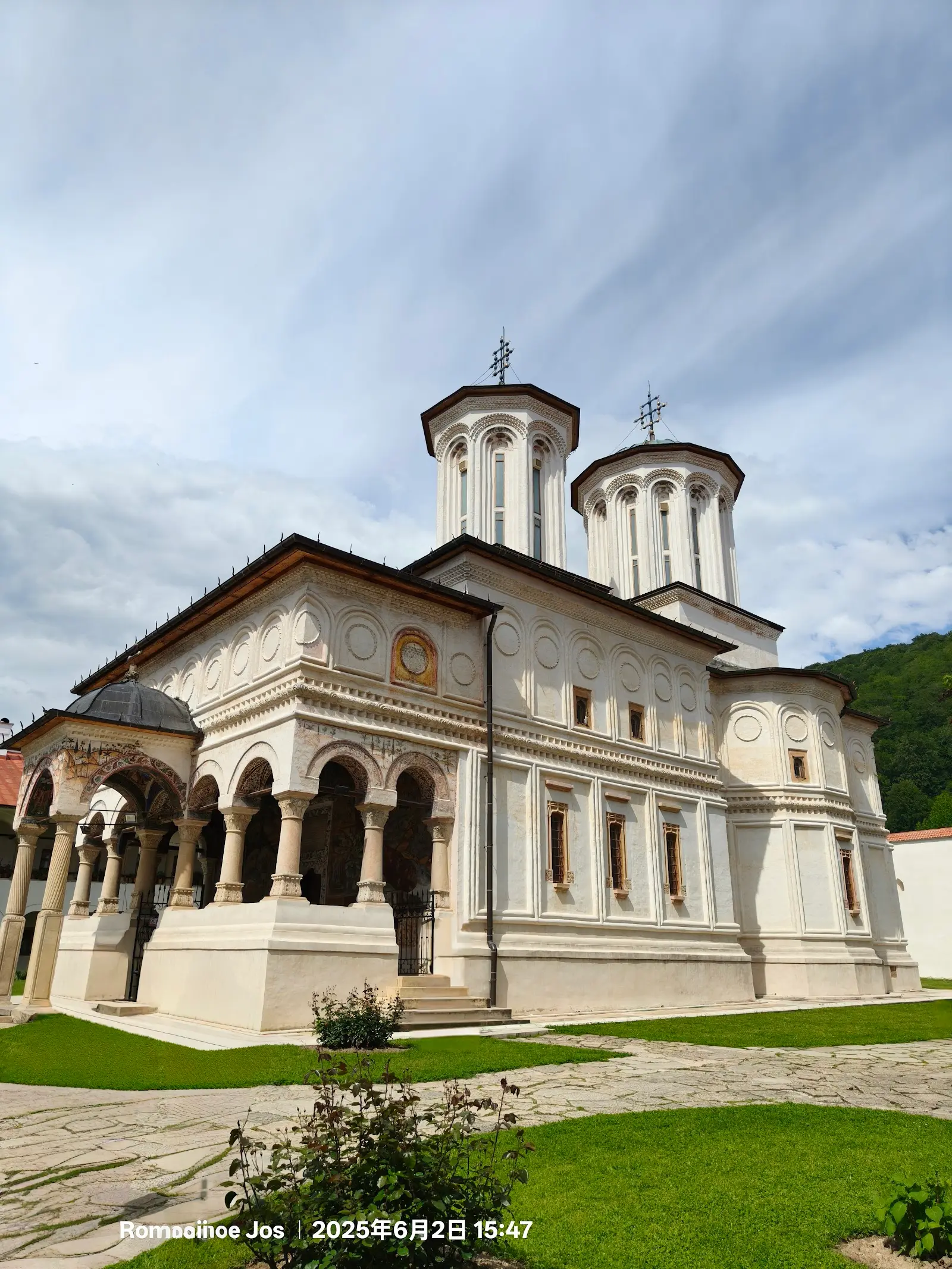
9 UNESCO sites in Romania
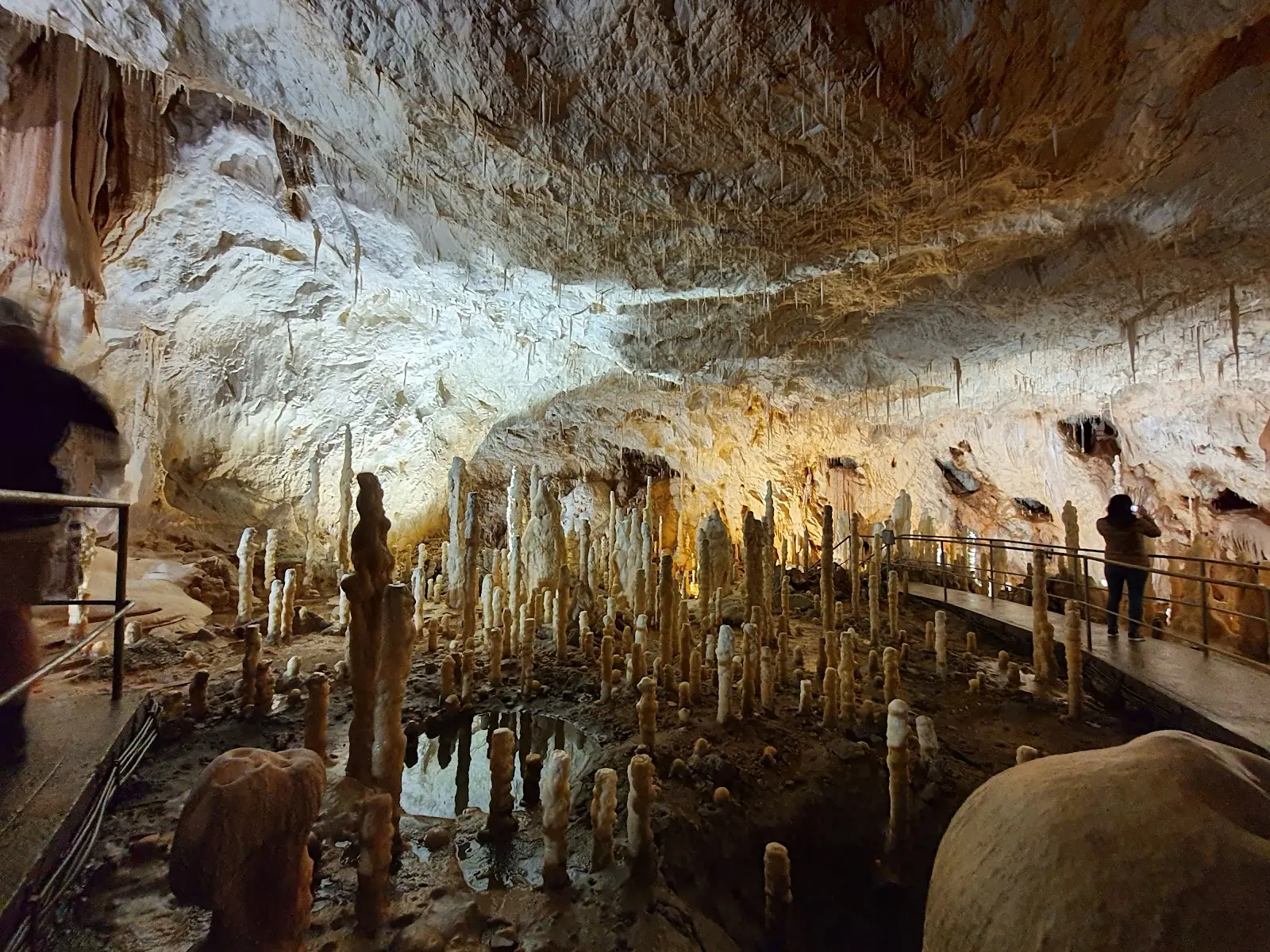
What to see
The many faces of Romania
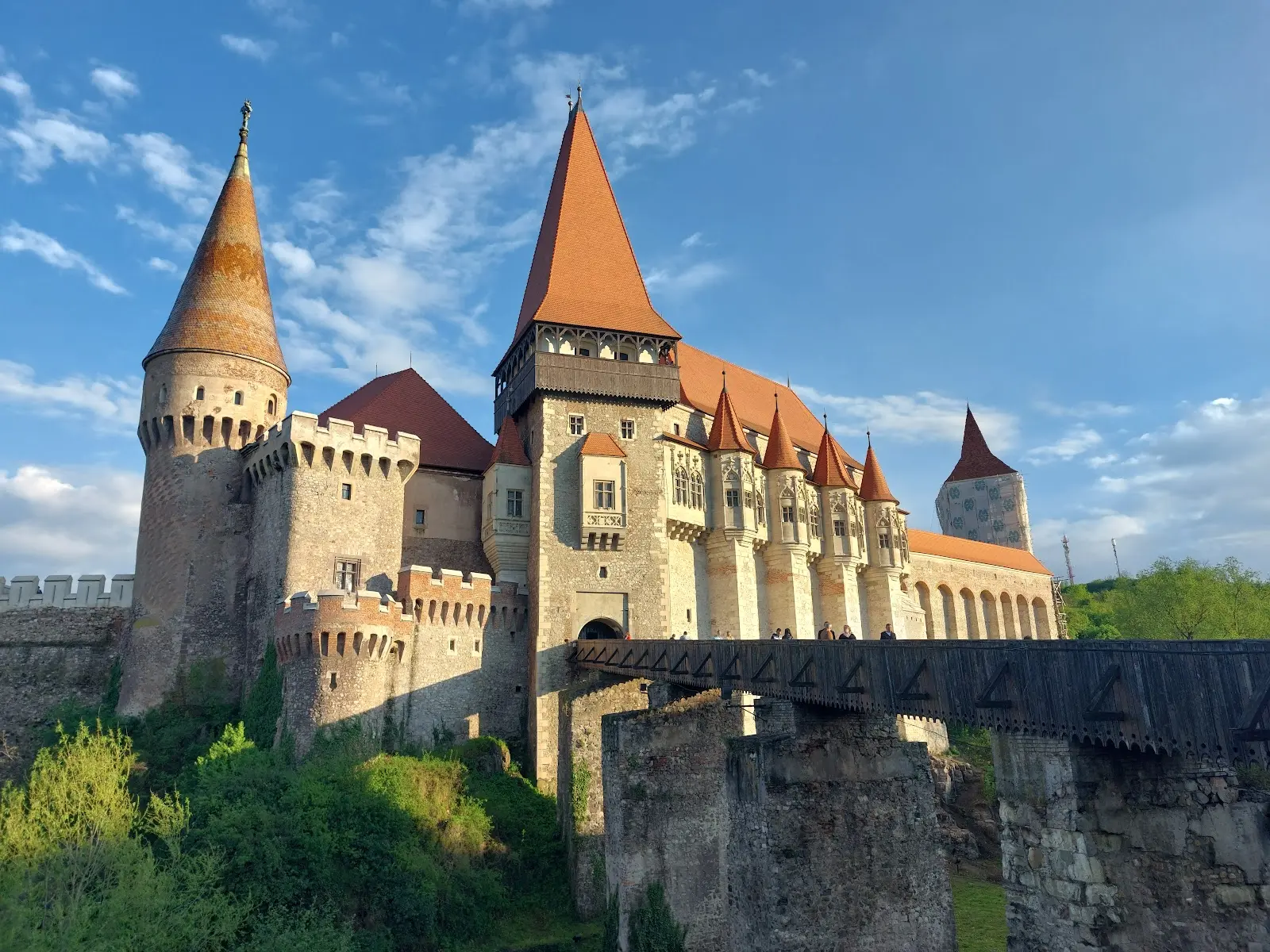
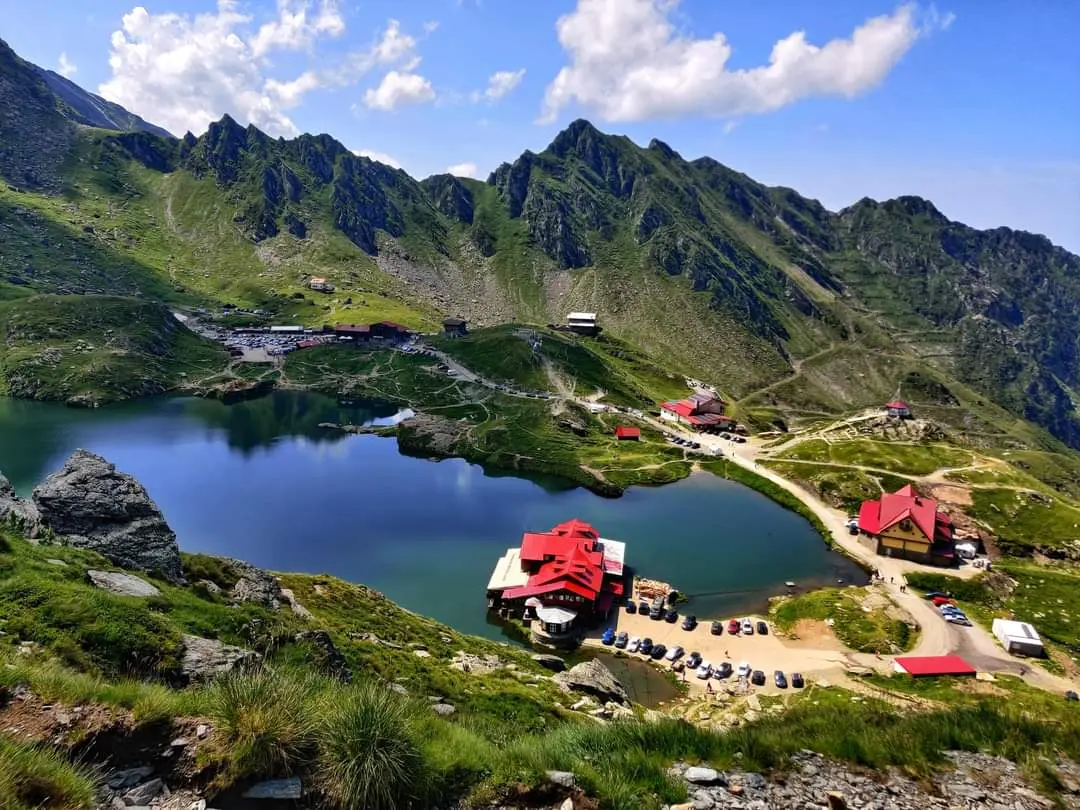
Go deeper
Discover Romania
Taste
Food & wine
 TraditionalBucurești
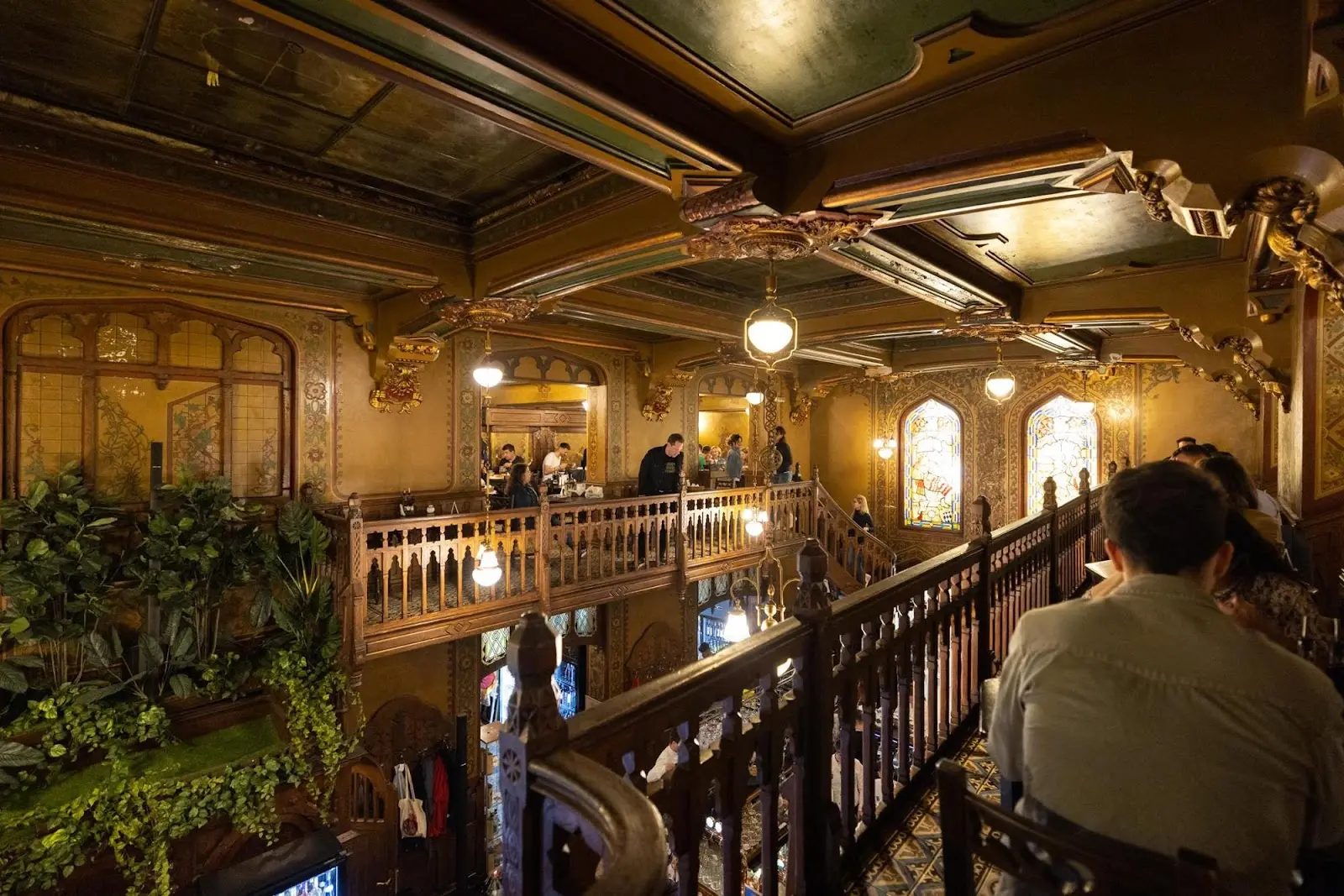
Caru' cu Bere
A Romanian restaurant with striking architecture, wood panelling, stained glass and a courtyard.
 TraditionalBucurești
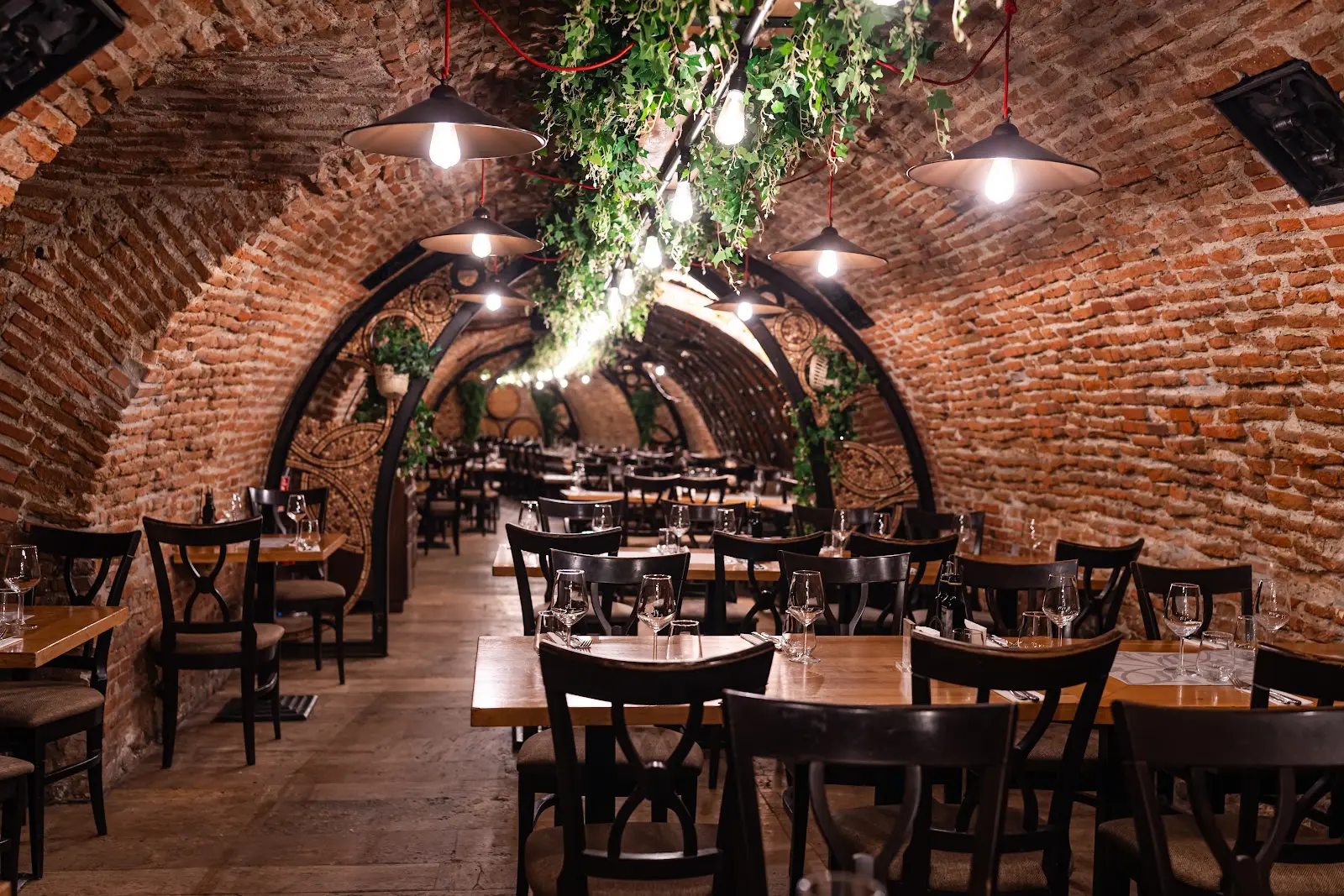
Hanu' lui Manuc
Classic Romanian dishes served in a historic building, with traditional music and a spacious courtyard.
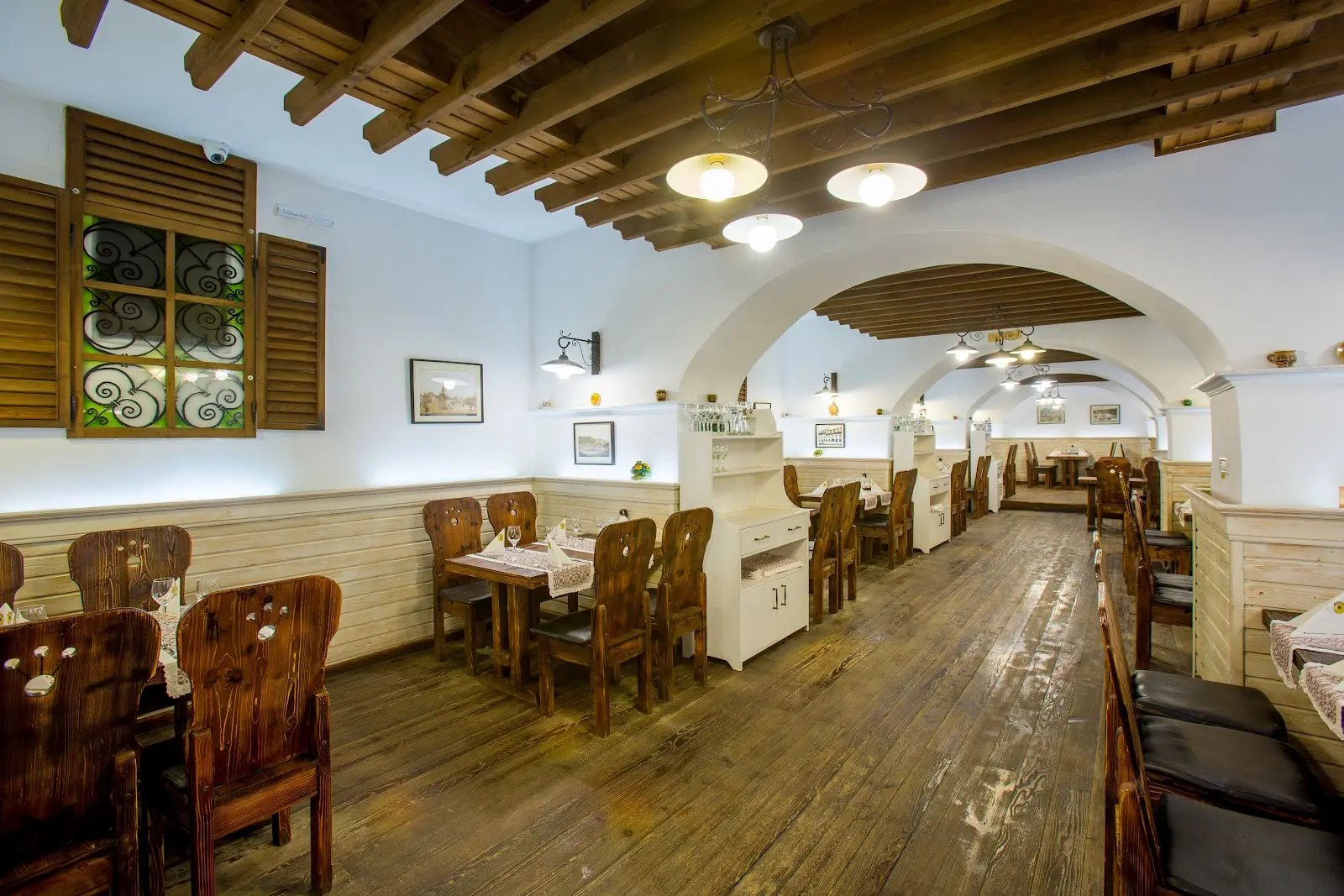 TraditionalBrașov
Sergiana
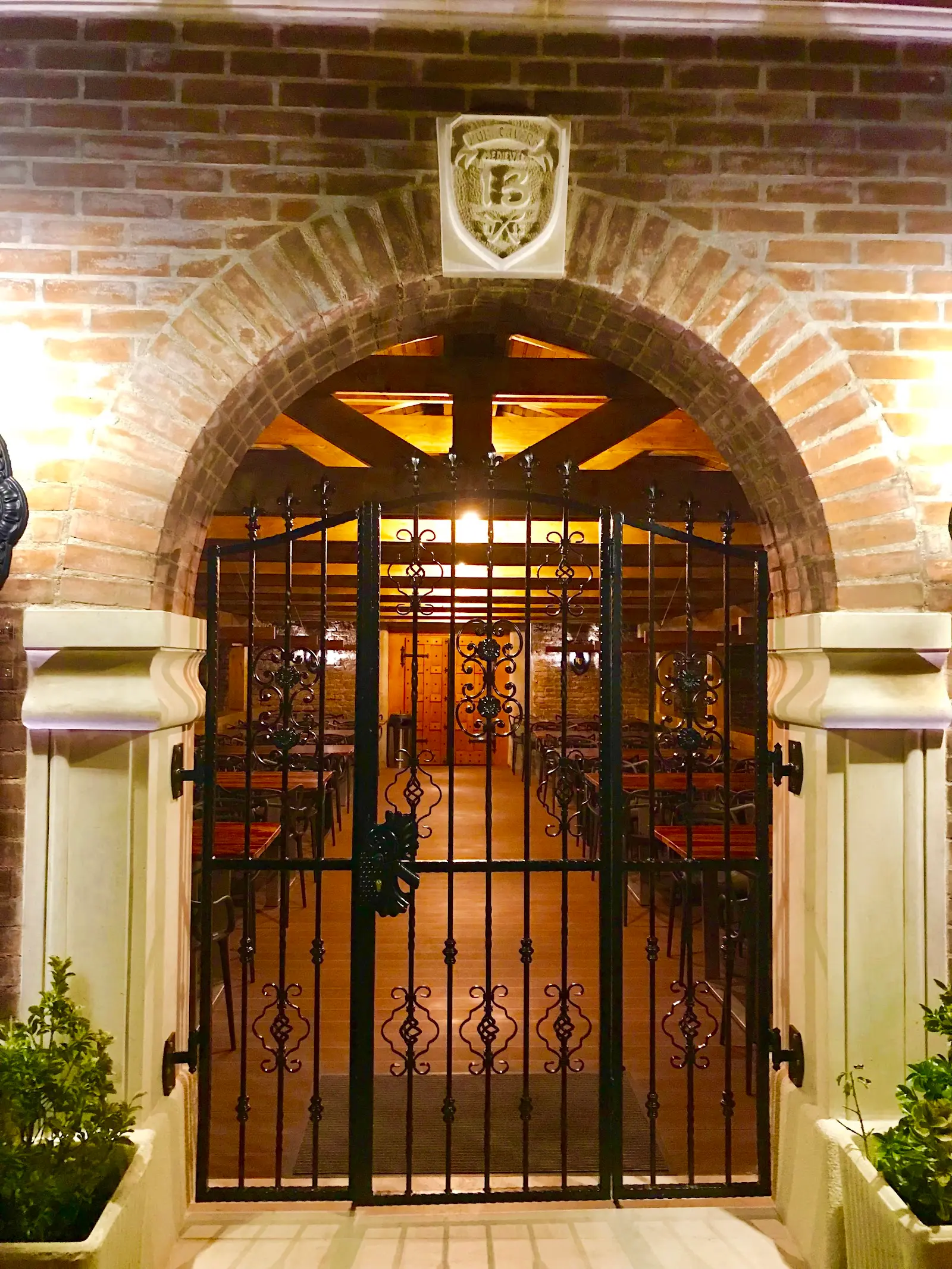 BistroAlba Iulia
Restaurant Bastion Alba Iulia
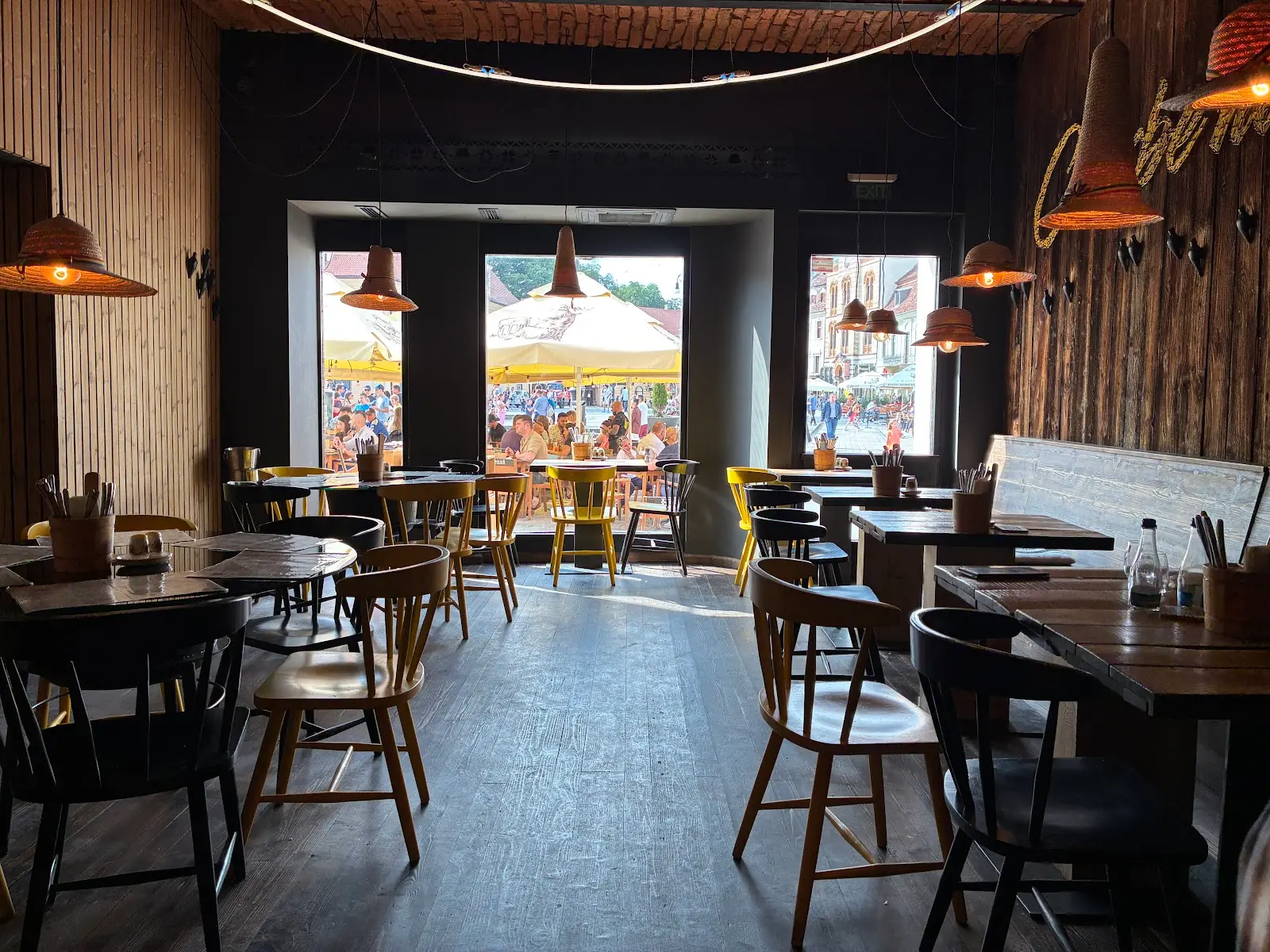 TraditionalBrașov
La Ceaun
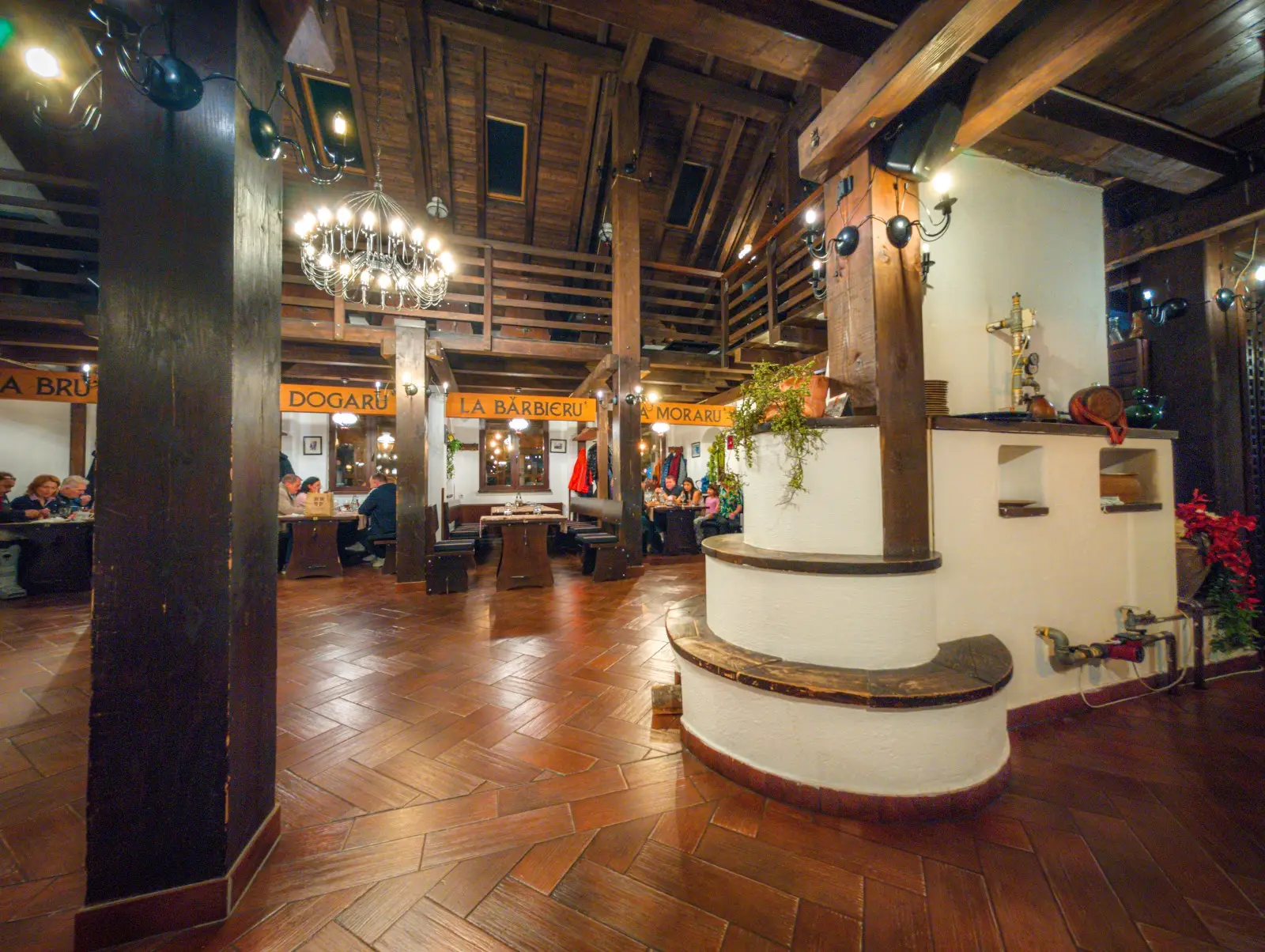 TraditionalSinaia
Taverna Sârbului Sinaia
Taste & terroir
The Wine Road
 Winery
Crama Gârboiu
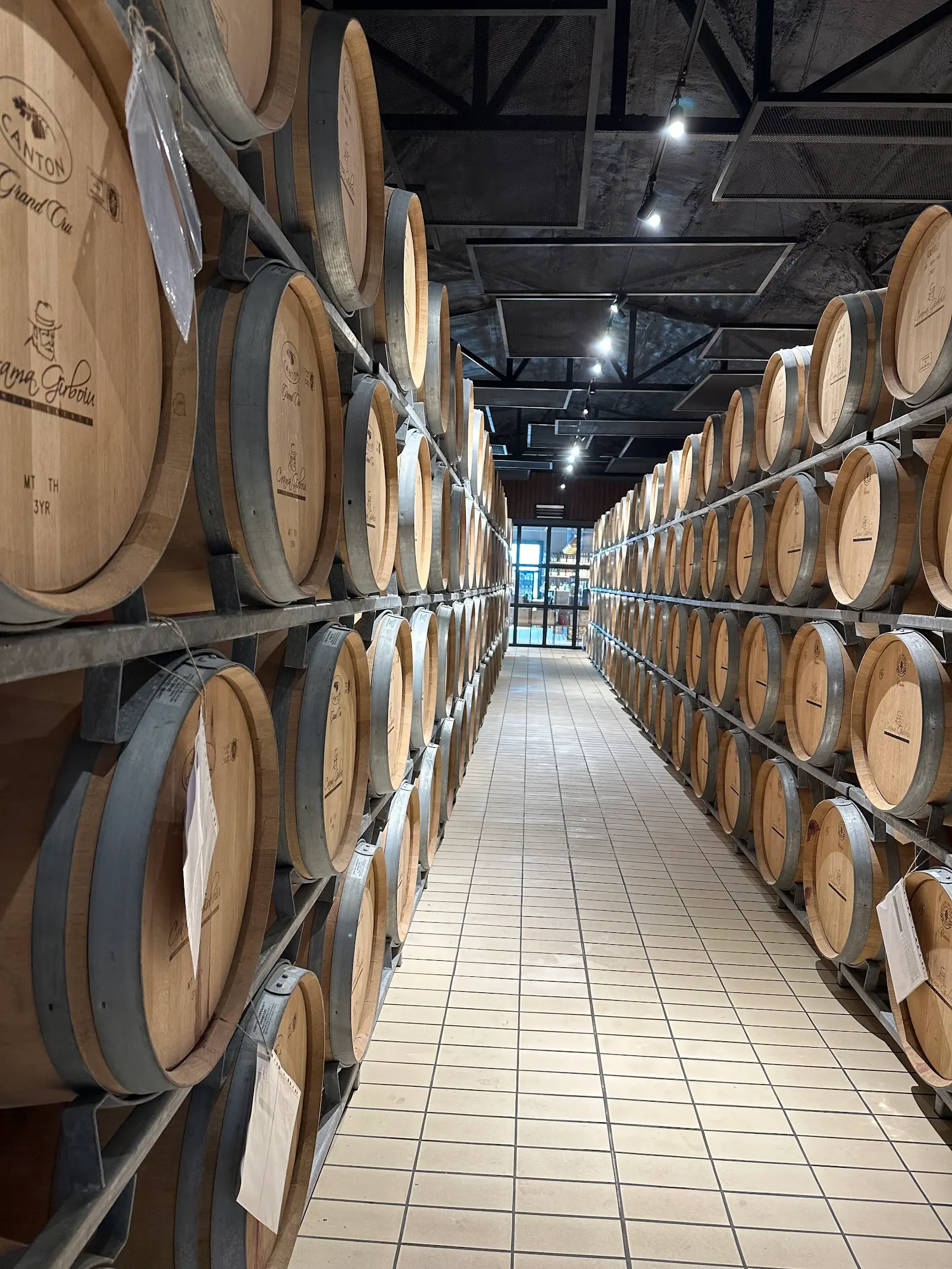
Crama Gârboiu lies in the heart of Vrancea, at Tănăsoaia, in Romania's largest wine basin. The Gârboiu family works both rare native grapes — Băbească Neagră, Galbenă de Odobești, Șarba — and international ones, in ranges that brought the Vrancea region new prestige: Bacanta, Epicentrum, Livia. The wines are expressive, with generous fruit and an increasingly clear maker's signature, steadily awarded in recent years. The area, marked by Vrancea's famous seismic epicentre, has even made that a brand theme. The estate welcomes visitors for tastings and tours, offering a modern face to a region known mostly for volume. It's a discovery for anyone who wants to taste winegrowing Moldavia beyond the clichés.
 Winery
Crama Ceptura
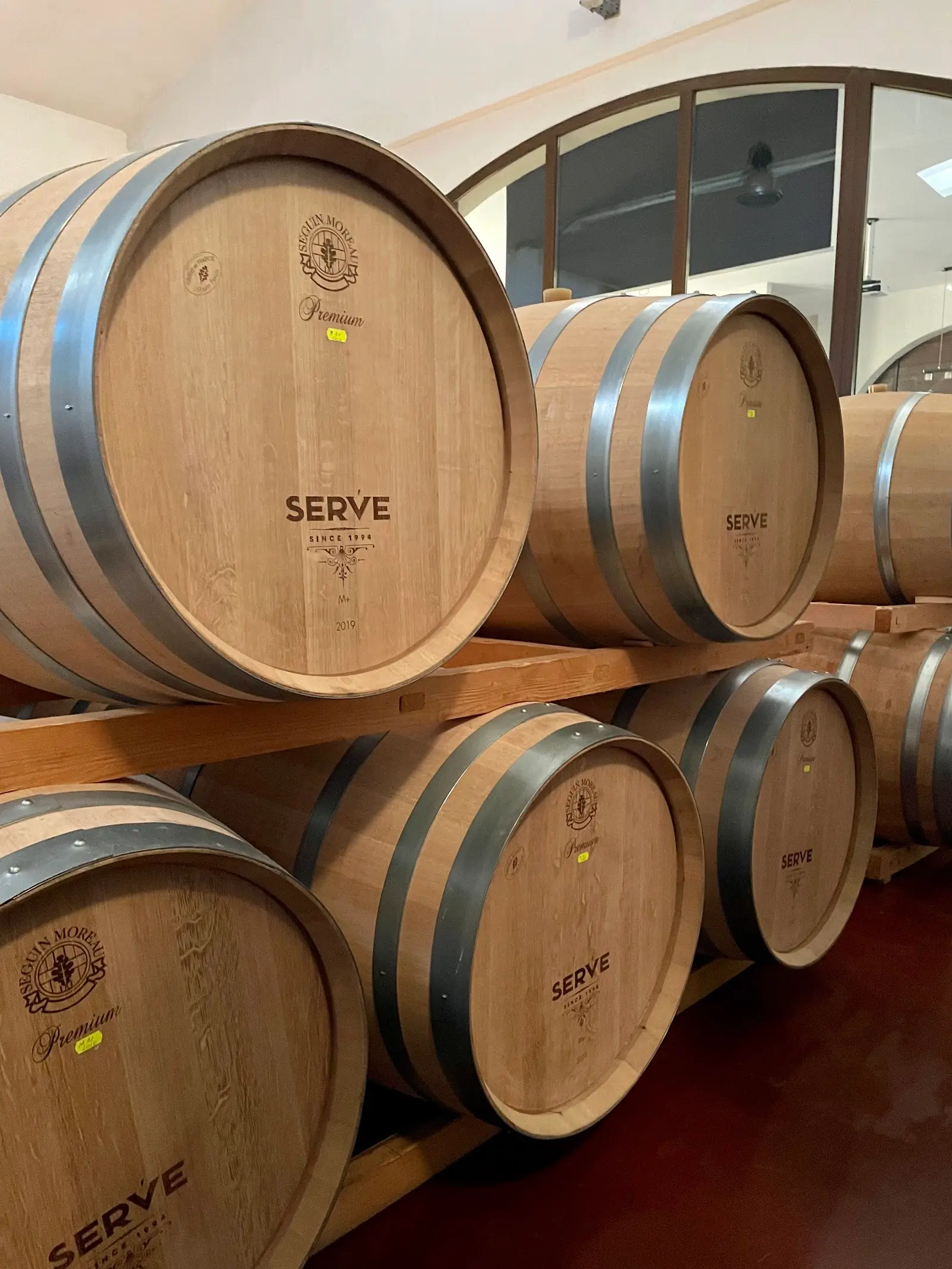
At Ceptura, in the heart of the Dealu Mare region, the winery bears the name of the village that became synonymous with good wine in Wallachia. On the sunny hills here, with clay-and-limestone soils at the same latitude as Bordeaux, it works both native grapes — Fetească Neagră, Fetească Albă, Tămâioasă — and international ones, in balanced, accessible wines. Ceptura is one of the most frequent stops on Prahova's "Wine Road", less than two hours from Bucharest: tastings, walks among the vines and often accommodation and dining on site. It's a comfortable, pleasant choice for a weekend escape in the country's most popular red-wine region, and a good one for a first-ever winery visit.
 Winery
Crama Iordache
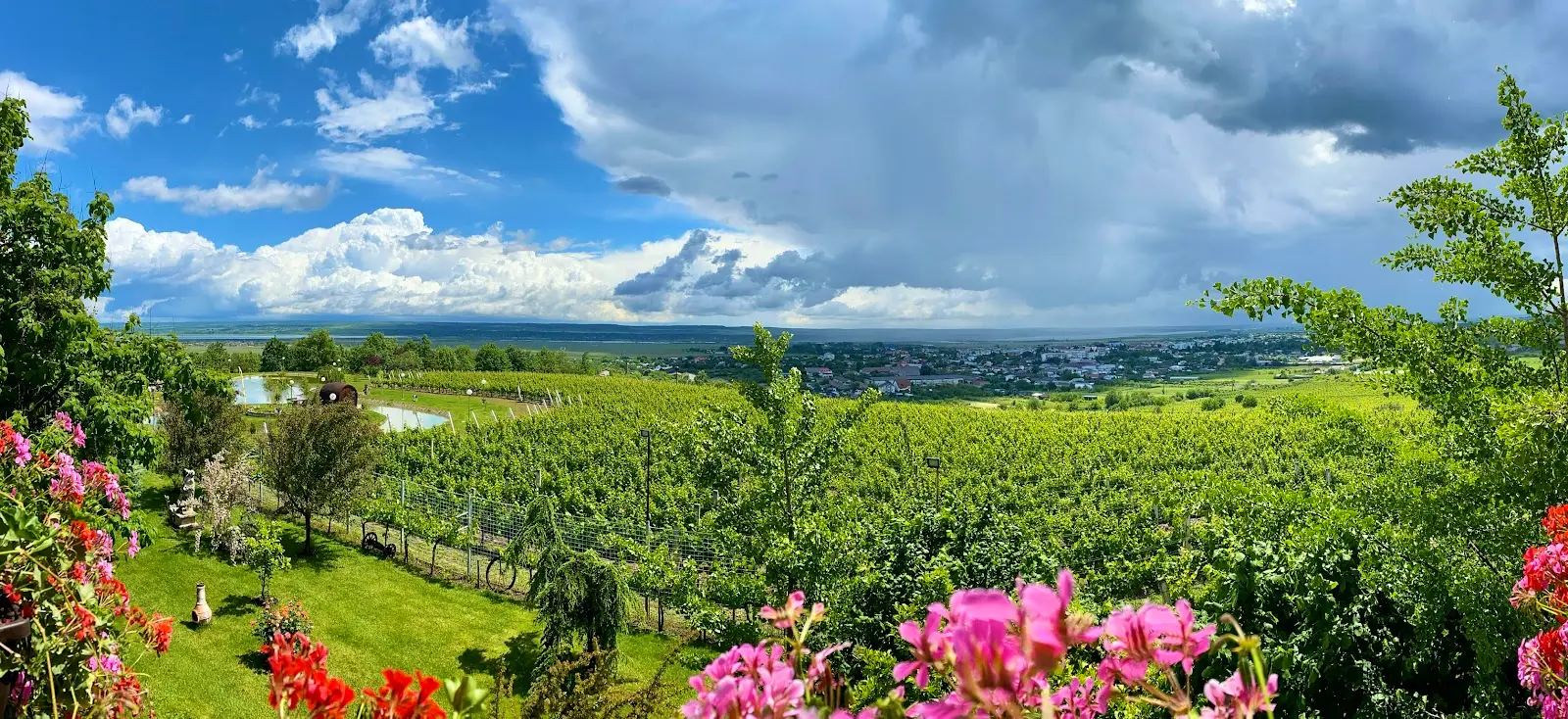
Crama Iordache is a small family winery in the Drăgășani region, part of the new wave that brought Oltenia's native grapes back into focus. It works small quantities, with an emphasis on authenticity and the expression of place: Crâmpoșie Selecționată, Negru de Drăgășani, Novac and fresh whites, in honest wines with character. Without fuss and without loud marketing, the winery earned its regard through what's in the glass. On the hills of the Olt's right bank, in an area where every small winery has its own story, a visit here means a warm welcome, a relaxed tasting and direct contact with the people who make the wine. It's the kind of stop that appeals to those after the authentic, far from the crowded circuits.
Plan your trip
Travel guides
GuideThe Complete Guide to Suceava and Bukovina
The old capital of Moldavia and the gateway to Bukovina's painted monasteries. A measured guide to the citadel, the museums, the Voroneț blue and the crafts still made by hand.
11 min read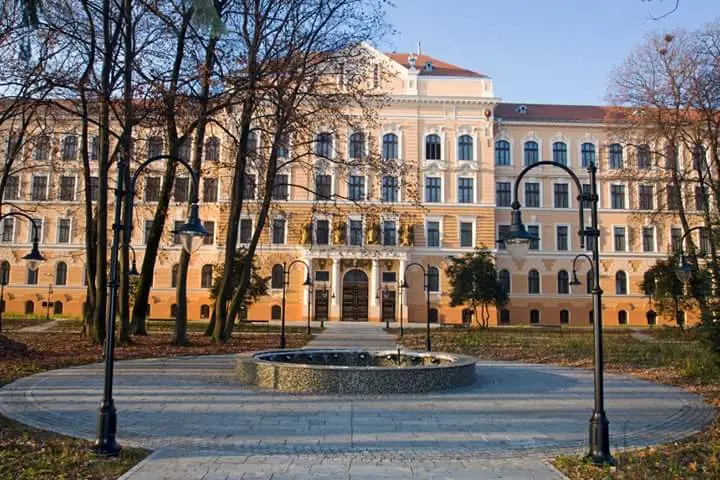 Guide
GuideThe Complete Guide to Oradea
Oradea is Romania's Art Nouveau jewel, a Central-European city of elegant cafés and Secession facades lovingly restored over the past decade. A step from the Hungarian border and the thermal baths of Felix, it is one of the most refined urban escapes in the Crișana region.
11 min read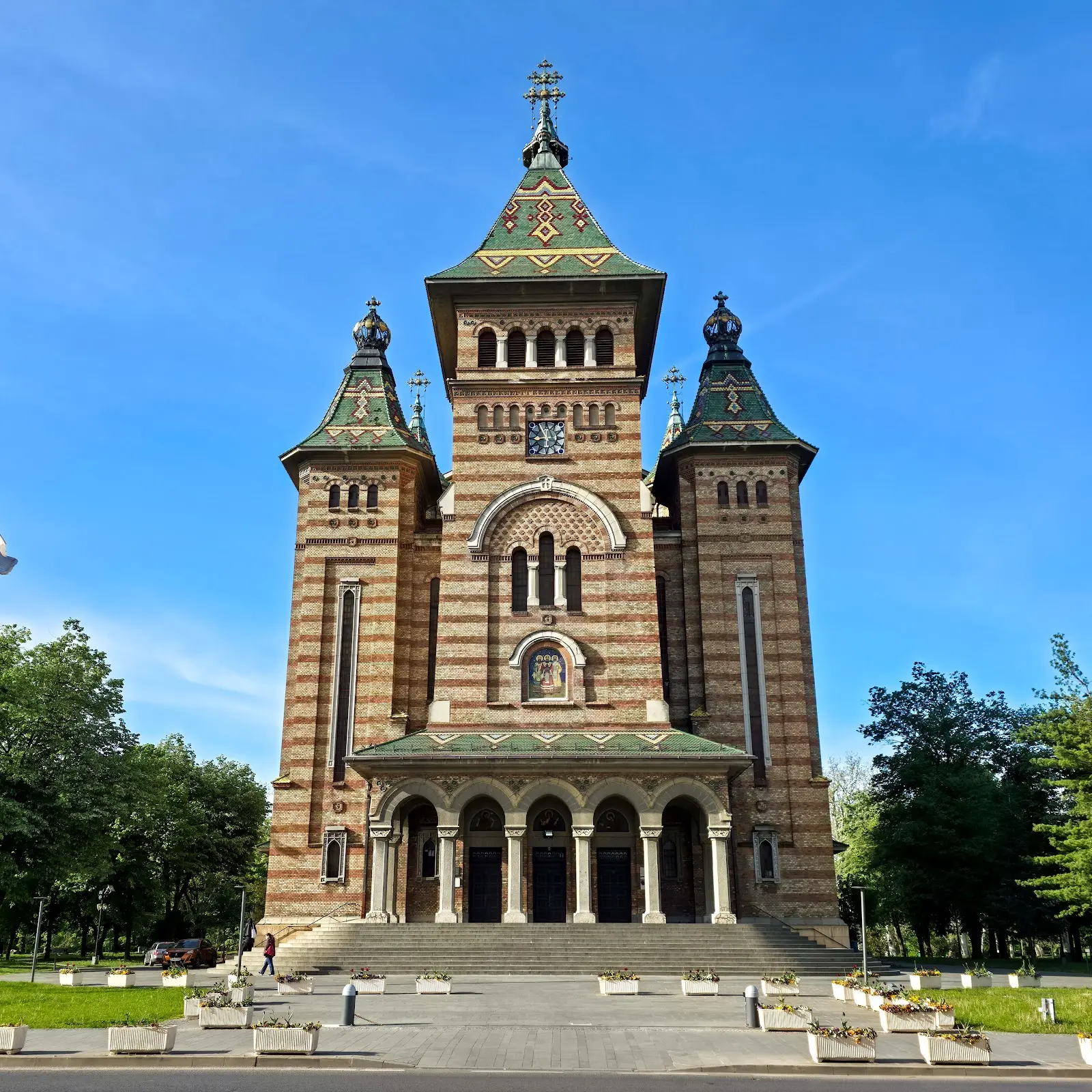 Guide
GuideThe Complete Guide to Timișoara
The capital of the Banat, the city where the 1989 Revolution began and the first city in Europe with electric street lighting. A complete guide to the most graceful, multicultural city in western Romania, with baroque squares, Secession façades and a café scene without equal.
12 min read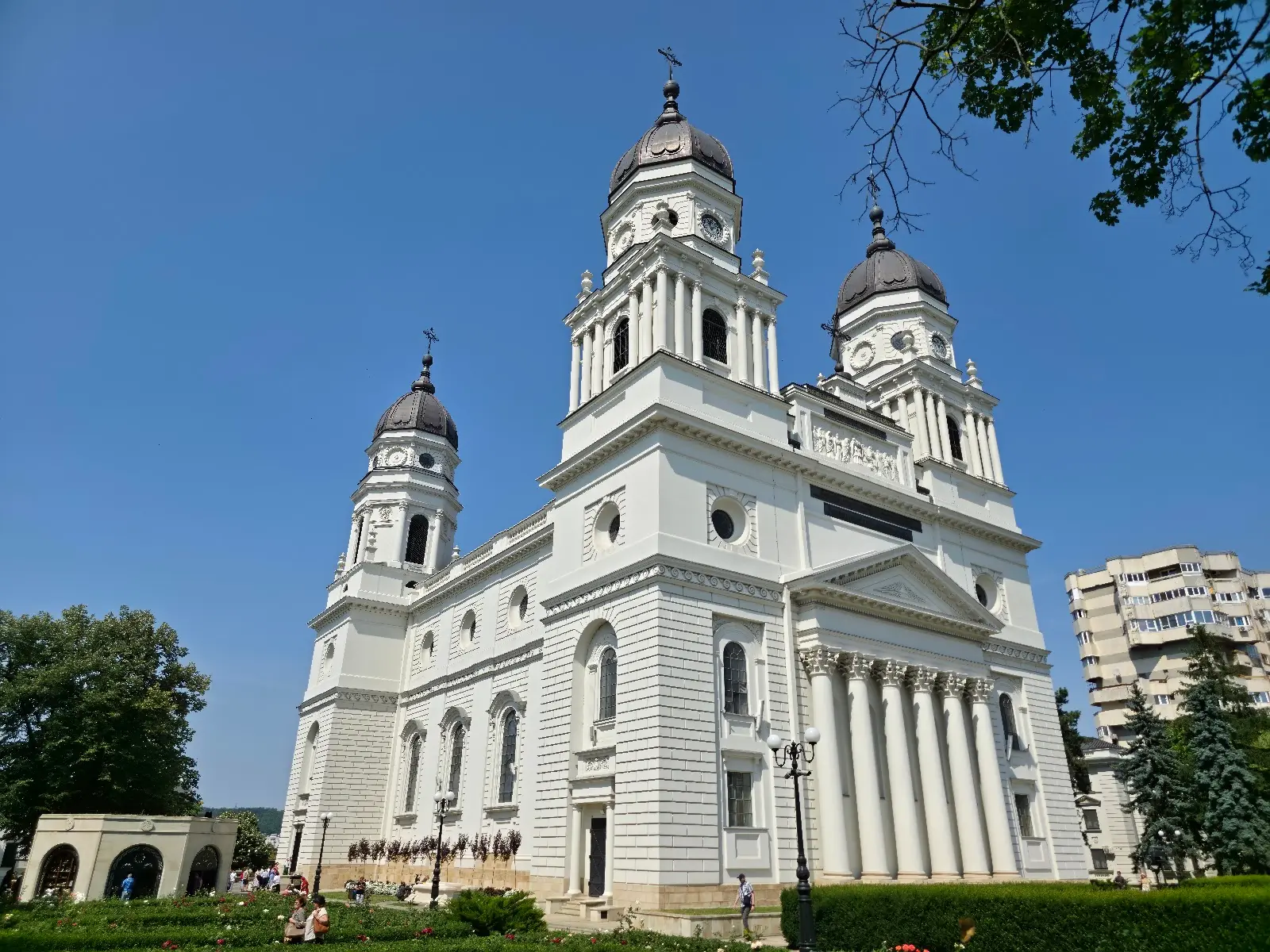 Guide
GuideThe Complete Guide to Iași
The cultural capital of Moldavia, home to Romania's first university and first national theatre. A complete guide to the city of books, churches and students, ringed by monasteries and centuries-old vineyards.
11 min read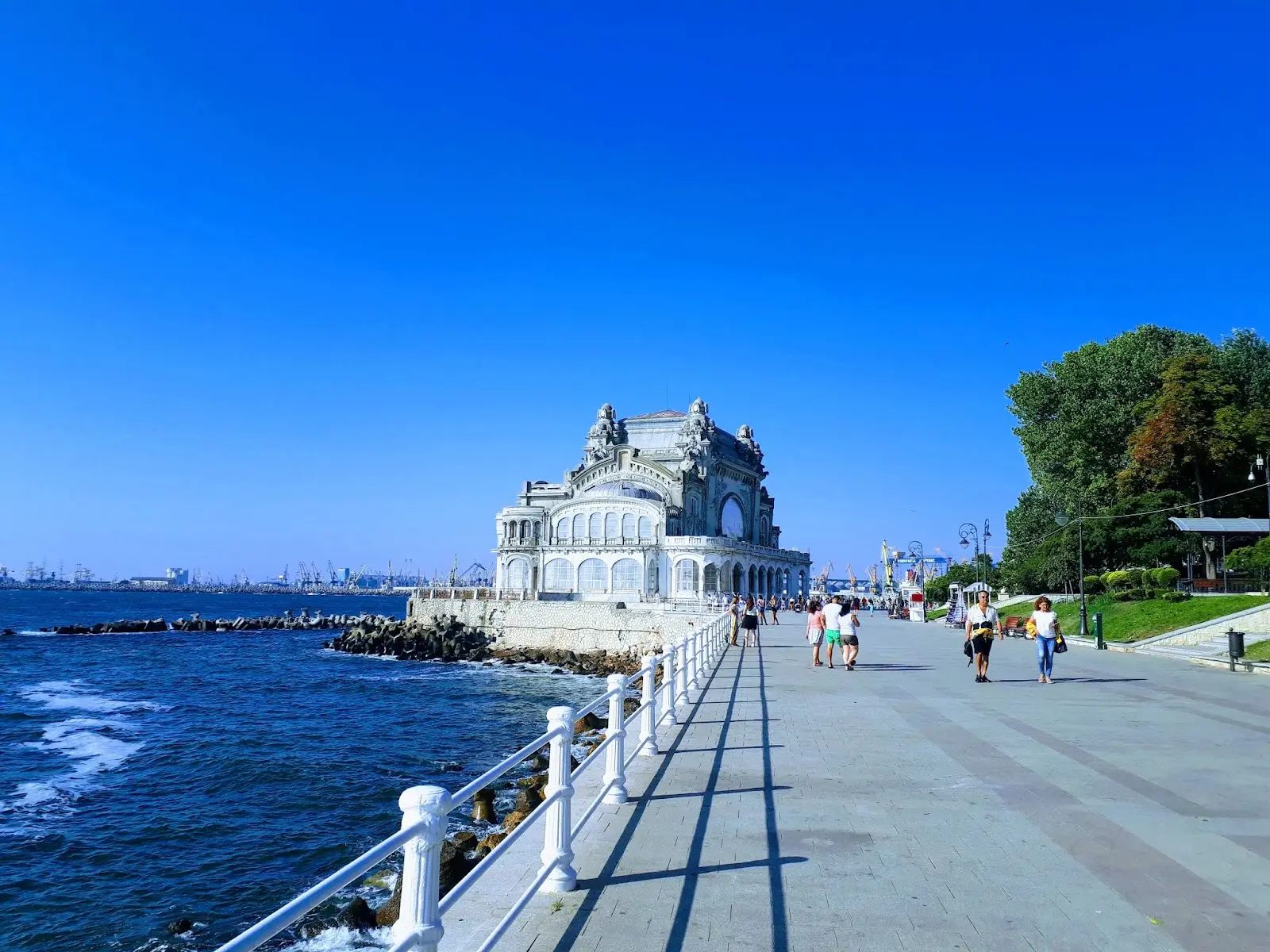 Guide
GuideThe Complete Guide to Constanța
Romania's oldest continuously inhabited city, founded by the Greeks as Tomis nearly 2,600 years ago. A complete guide to the Black Sea port: the seafront and its Art Nouveau Casino, the old peninsula, the museums and the day trips across Dobrogea.
9 min read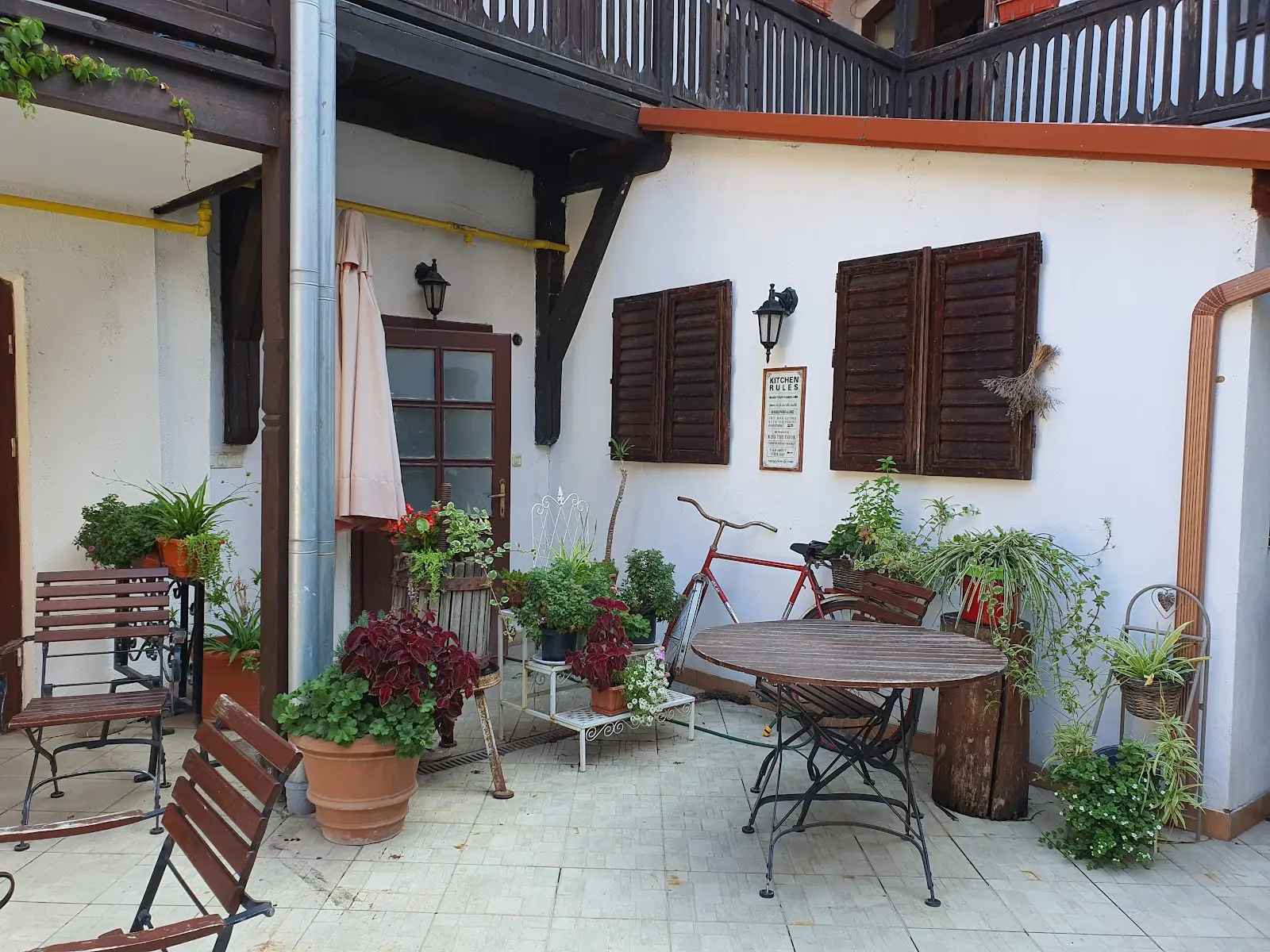 Guide
GuideThe Complete Guide to Sighișoara
One of the last inhabited medieval citadels in Europe and a UNESCO World Heritage site: the Clock Tower, the Covered Staircase, coloured burgher houses and the legend of Vlad Dracul. The complete guide to Romania's most photogenic citadel.
7 min readWhat's on
Events worth the trip
The journal
Stories & itineraries
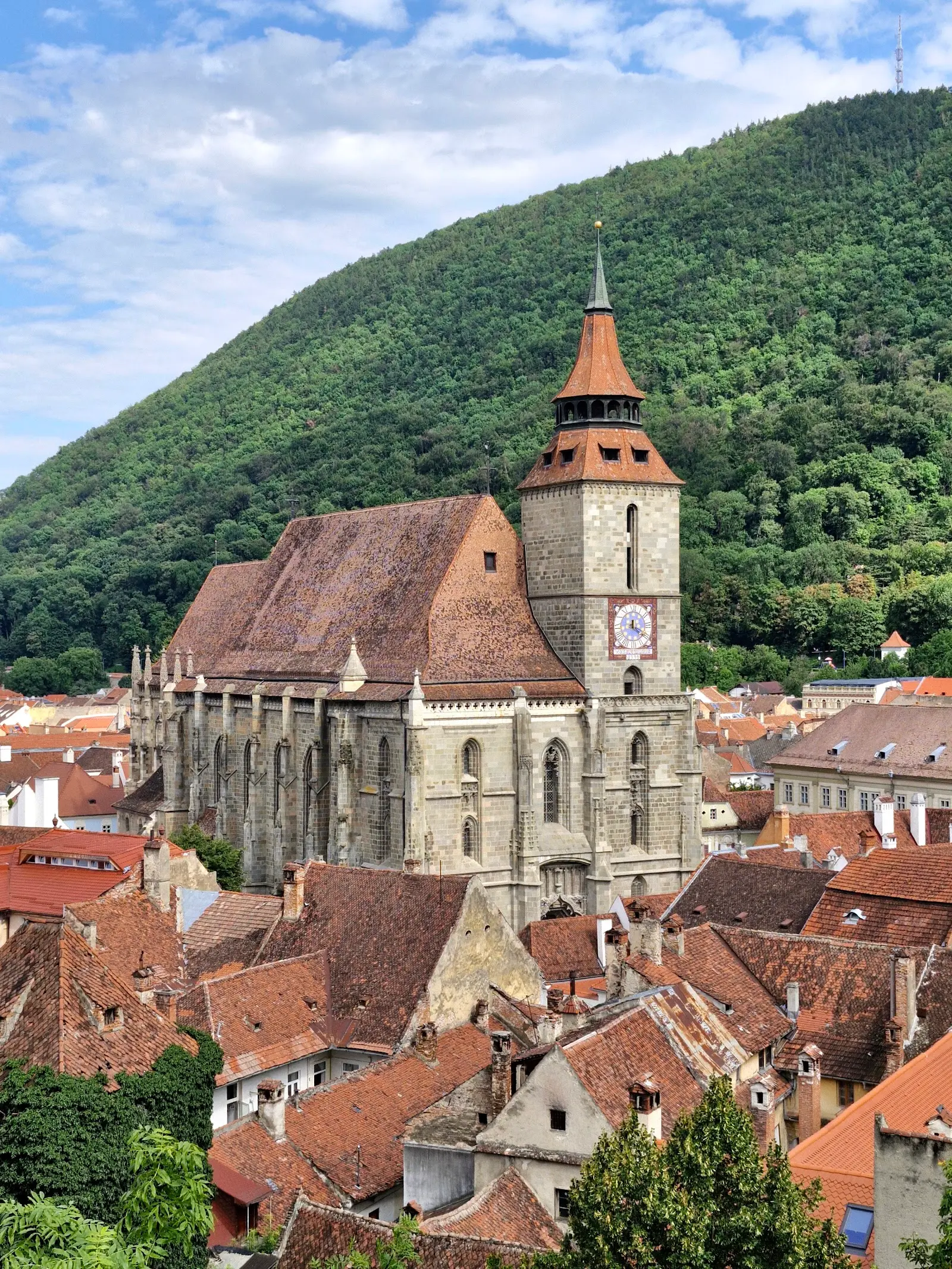
Where to Stay in Brașov: the Best Areas
An area-by-area guide to Brașov, from the medieval heart around Piața Sfatului to the Schei quarter, the Poiana Brașov mountain resort, and practical notes for anyone arriving by car.
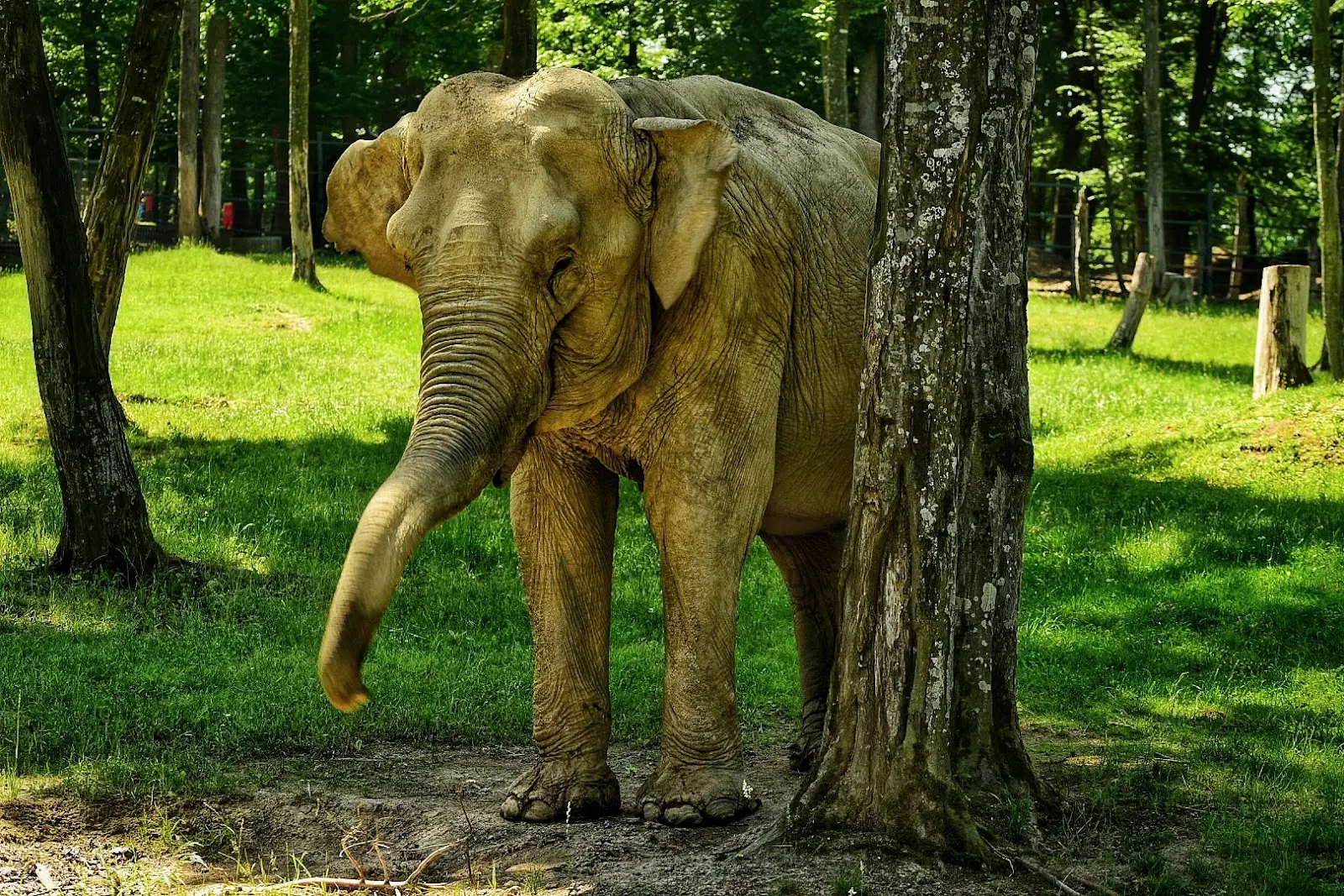
Romania with Kids: Holiday Ideas
Fairy-tale castles, salt mines with Ferris wheels, steam trains and Black Sea beaches — how to build a holiday that keeps both children and parents happy.
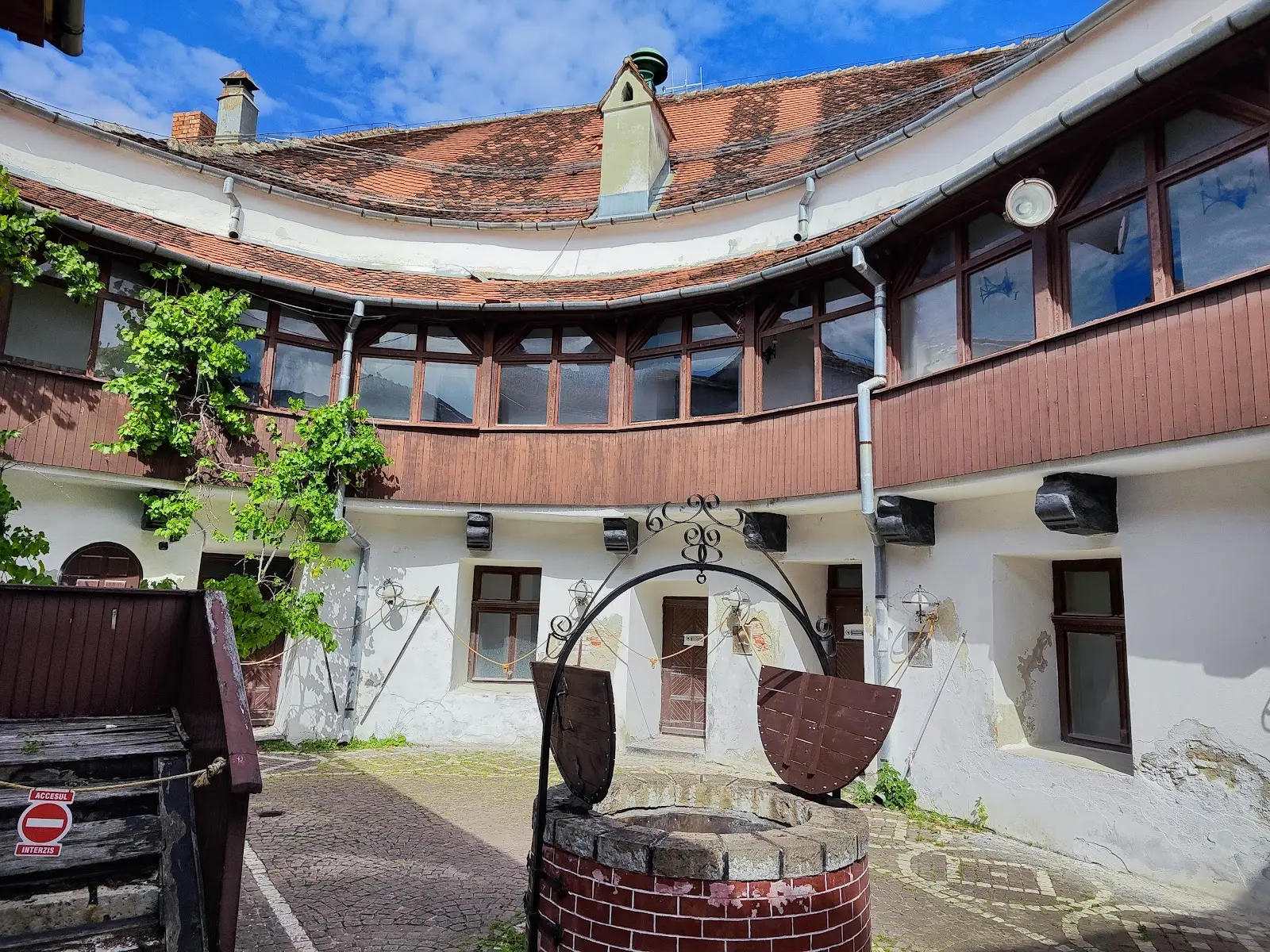
Things to Do in Brașov: the Best Sights & Experiences
From Council Square and Romania's largest Gothic church to the Tâmpa cable car, the medieval walls and easy day trips to Bran, Râșnov, Peleș and Poiana Brașov — the essential guide to the best things to do in Brașov.
Our network
Explore further
Sister portals for every corner of Romania — and Moldova, the sister country.