
UNESCO reserve
The Danube Delta
Europe's last great wilderness: the continent's best-preserved delta, a maze of channels, reed islands and willow forests home to over 300 bird species. Discovered by boat, in silence.
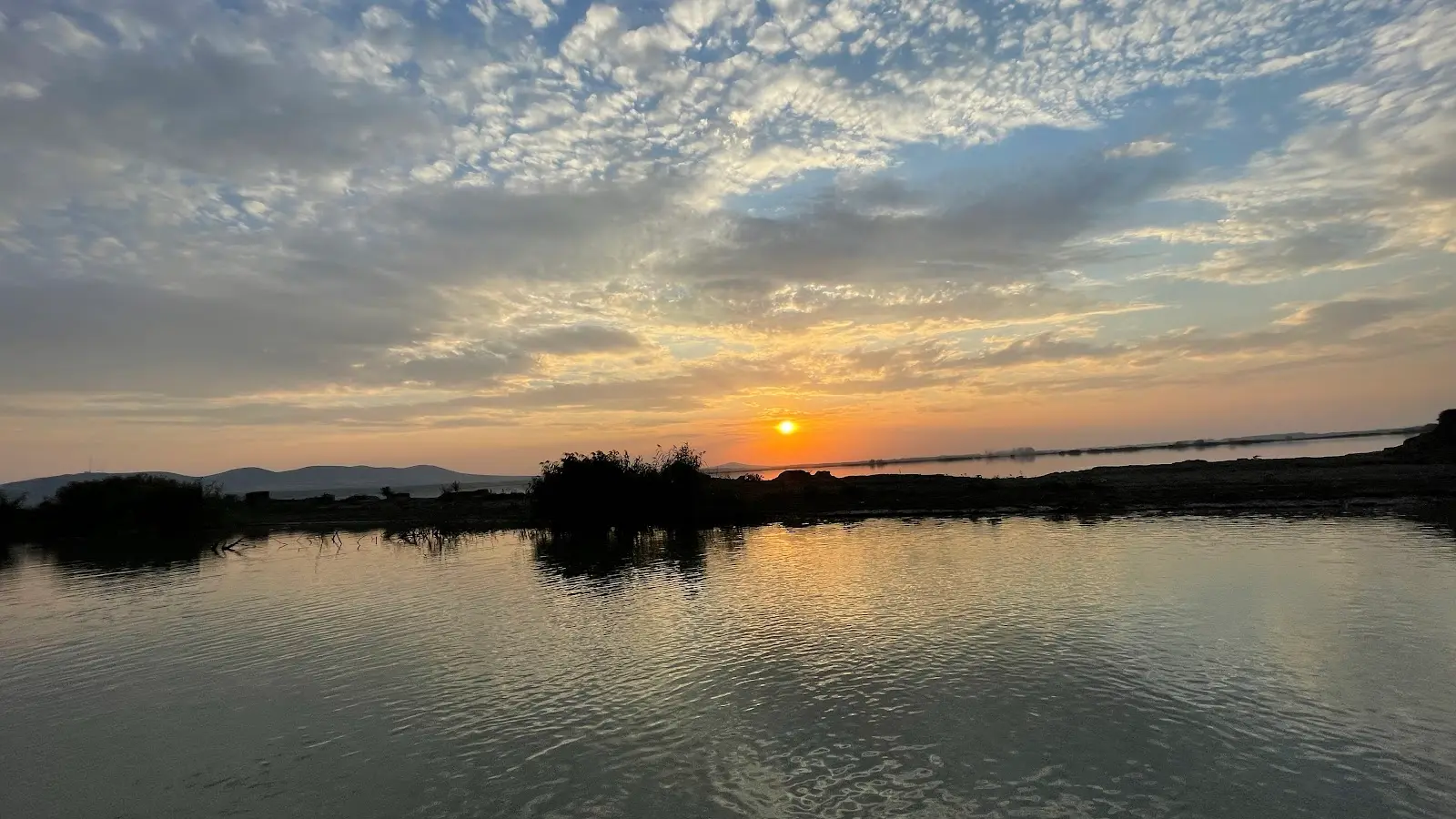 Delta
DeltaDelta Dunării
The Danube Delta is the largest and best-preserved delta in Europe, formed where the river Danube flows into the Black Sea near Tulcea, in Dobrogea. This labyrinth of branches, channels, lakes, reed beds and willow forests shelters an exceptional biodiversity, which is why it is included in the UNESCO World Heritage and declared a biosphere reserve. The delta is especially famous for its birdlife, with hundreds of bird species, among them the pelicans, which have their most important colony in Europe here, alongside cormorants, egrets, swans and numerous migratory birds. The landscape changes with the season and the water level, offering a unique natural spectacle. The locals, often of Lipovan origin, live from fishing and preserve distinctive traditions. Practical note: the best way to explore is by boat with a local guide, and sun protection, water and binoculars are useful for observing the birds in peace.
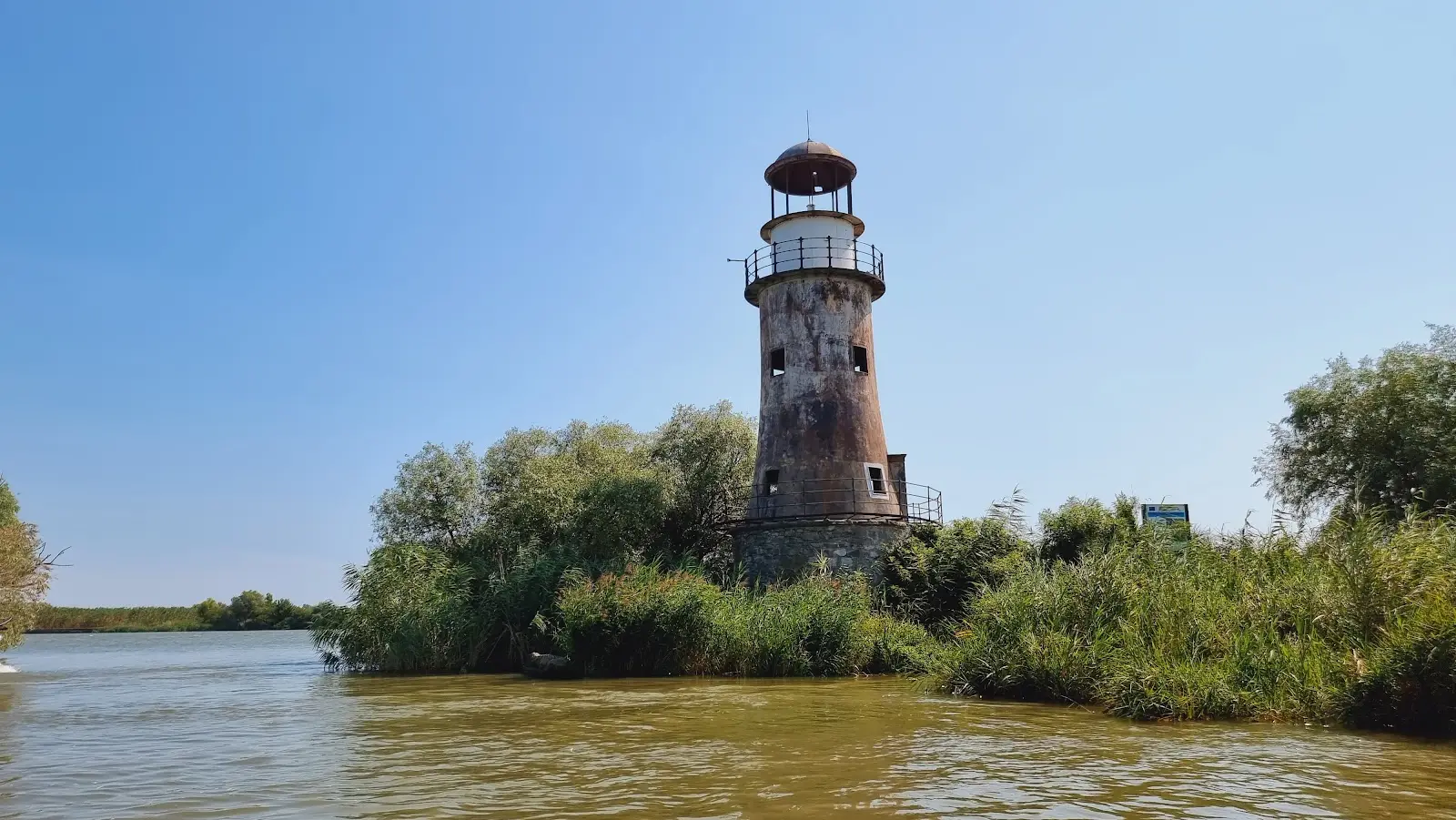 Delta
DeltaCanalul Sulina
The Sulina Canal is the most important navigable arm of the Danube Delta, a straightened waterway linking the town of Tulcea to the port of Sulina, the easternmost point of Romania, where the Danube flows into the Black Sea. Engineered in the second half of the nineteenth century by the European Commission of the Danube to ease maritime navigation, the canal turned the region into a commercial gateway between central Europe and the sea. Today, the boat journey along the canal is one of the most popular experiences in the delta, offering views over the banks with reed beds, willows and fishing villages, as well as the rich birdlife that populates the area. At its end lies Sulina, once a cosmopolitan town, with a multi-ethnic cemetery and a historic lighthouse that recall its international past. The canal is part of the biosphere reserve and the UNESCO World Heritage site. The journey by water towards the mouth of the Danube remains an authentic way to discover the delta's unique landscape.
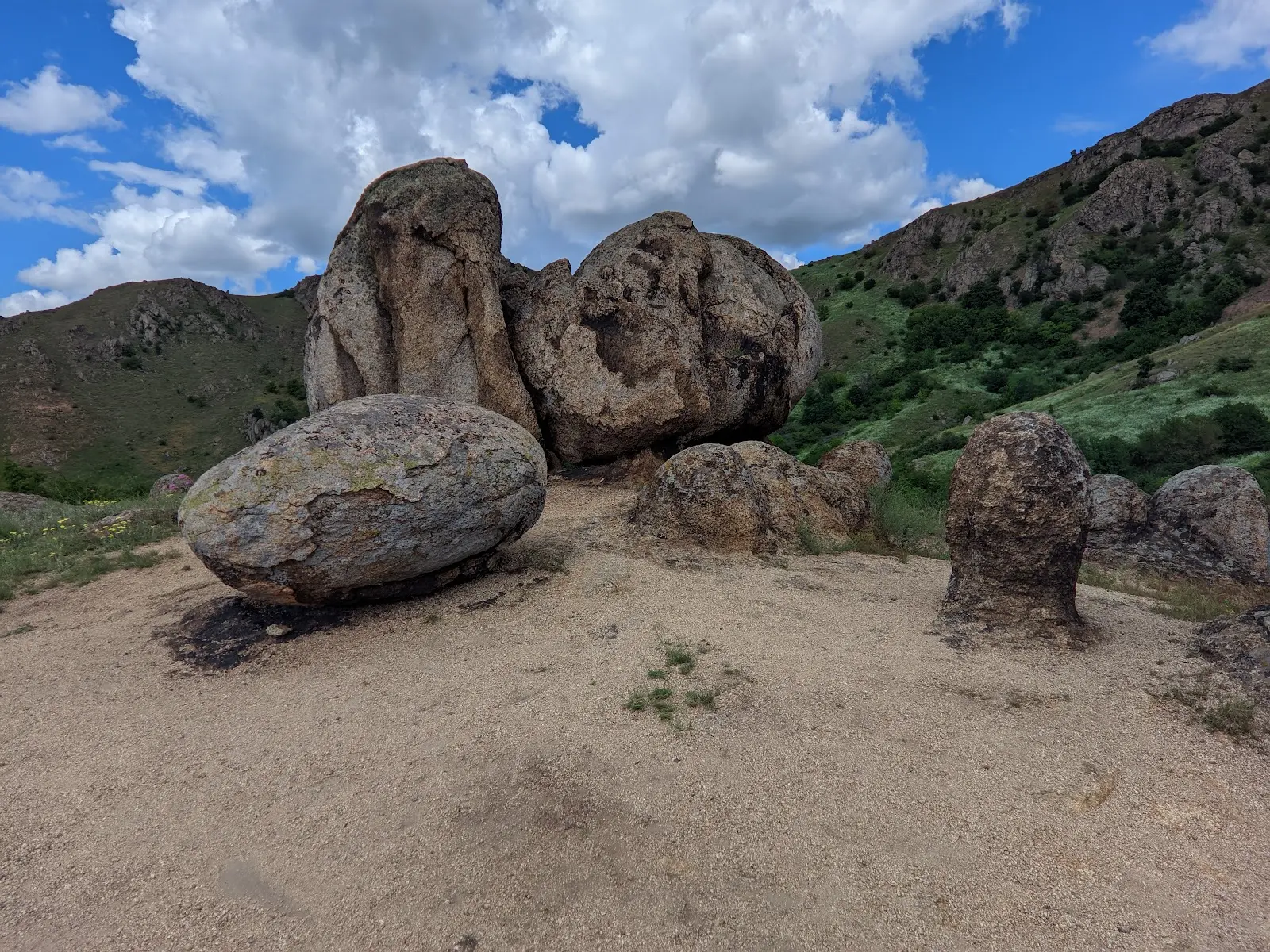 Mountain
Munții Măcin
The Măcin Mountains, in the north of Dobrogea near Tulcea, are considered among the oldest mountains in Romania and even in Europe, the worn remnants of a Hercynian chain shaped by erosion over hundreds of millions of years. Although their altitudes are modest, rarely exceeding a few hundred metres, their scenery is surprisingly spectacular, with rocky granite crests, bare summits and slopes strewn with rounded boulders that take on unusual shapes. The area is protected by a national park that shelters remarkable biodiversity at the meeting of Mediterranean, Balkan and steppe climatic influences, with many rare plant species and birds of prey soaring above the ridges. The highest peak offers broad views over the Dobrogean plains and, on clear days, as far as the Danube. The hiking trails are accessible but exposed to sun and wind, so ample water and sun protection are advised. Măcin is a distinctive destination, contrasting sharply with the usual image of the coast.
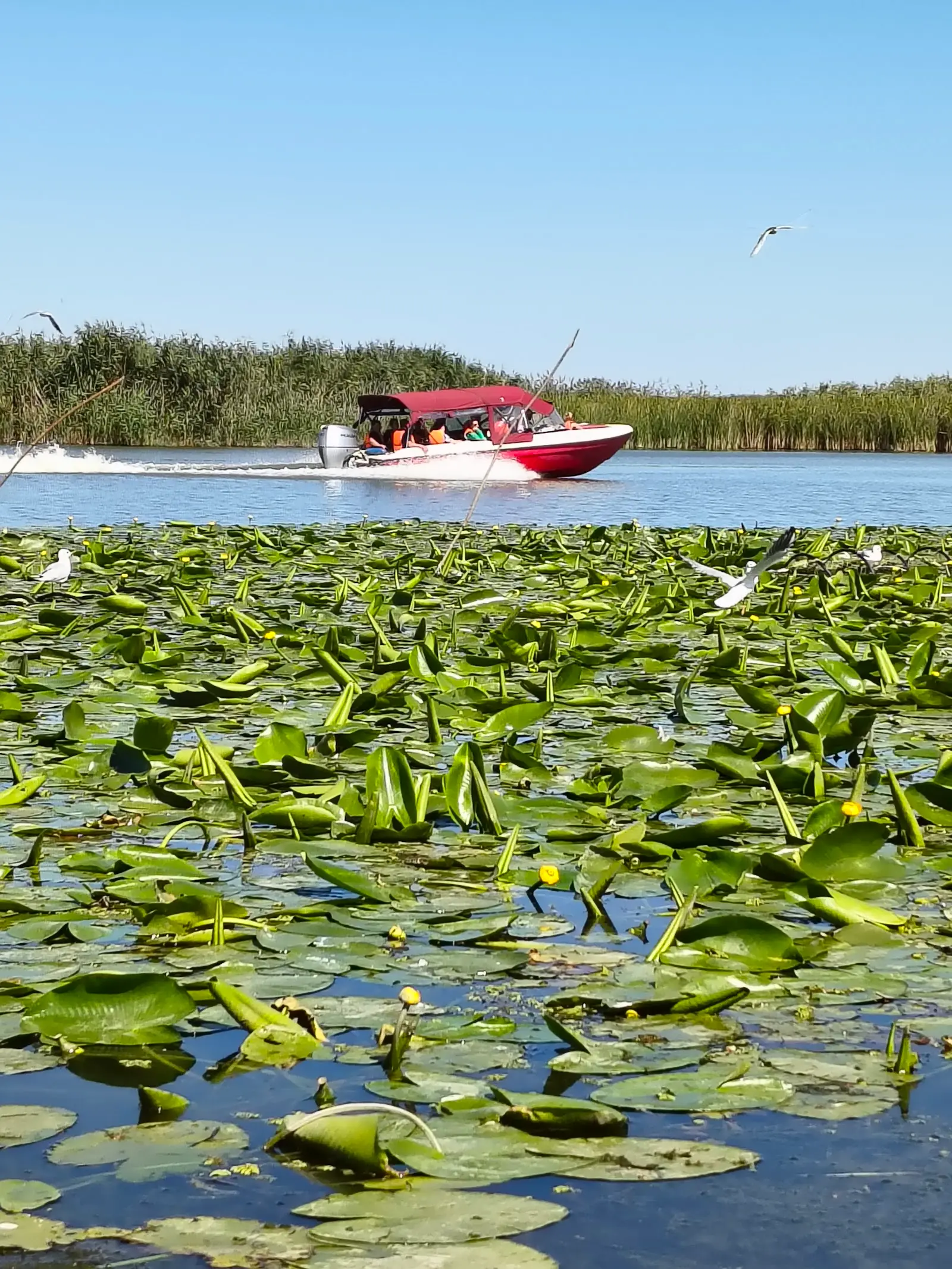 Nature
Murighiol
Murighiol is a village on the edge of the Danube Delta in Tulcea county, considered one of the main gateways into this unique wetland, inscribed on the UNESCO World Heritage list and declared a biosphere reserve. The village lies where dry land meets the labyrinth of channels, lakes and reed beds of the delta, serving as a departure point for boat trips into the heart of the marshes. Nearby stretches a shallow salt lake favoured by wetland birds and by birdwatching enthusiasts. The area hosts a rich diversity of birds, among them pelicans, egrets, cormorants and many migratory species, making Murighiol a sought-after destination for lovers of nature and photography. The ancient remains of a Roman-Byzantine fortress, known as Halmyris, lie close by and add a historical dimension to a visit. Murighiol combines the tranquillity of the delta landscape with the hospitality typical of the region's fishing villages.
 Nature
Delfinariul Constanța
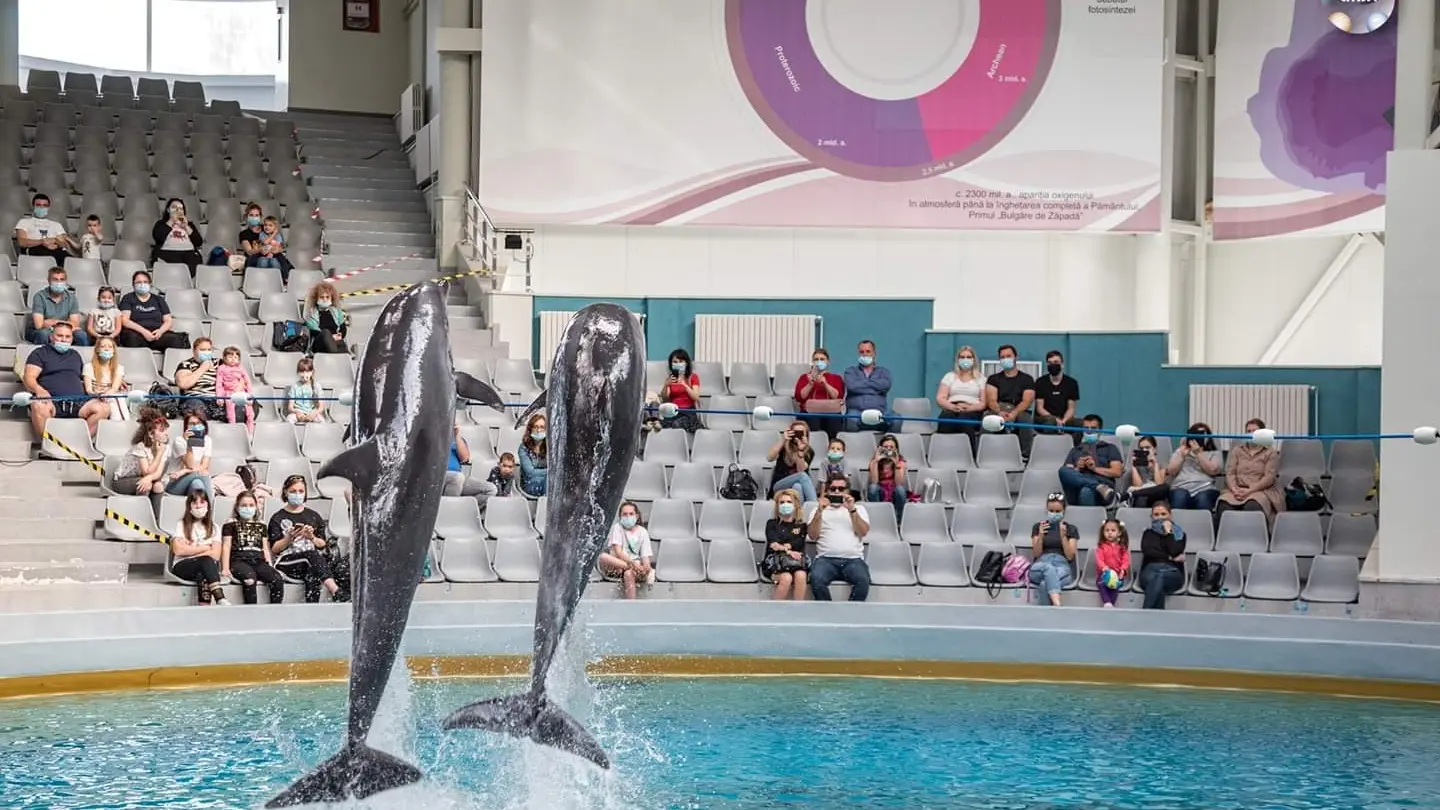
The Constanța Dolphinarium, opened in the 1970s, is the first dolphinarium in Romania and a family favourite on the Black Sea coast. Set within the complex that also houses the Planetarium, the Micro-reserve and the Aquarium, it offers dolphin shows and educational programmes devoted to marine life. Over the decades the institution has undergone extensive modernisation, placing ever greater emphasis on its educational role and on raising awareness of protecting aquatic ecosystems. Children are fascinated by the large pool and the encounter with marine mammals, while adults appreciate the scientific context provided through exhibits. Close to the seafront promenade and the beach, it fits easily into a seaside holiday day. As a venue with shows at fixed times, check the performance schedule and any closing days before your visit.
 Nature
Lacul Roșu Delta
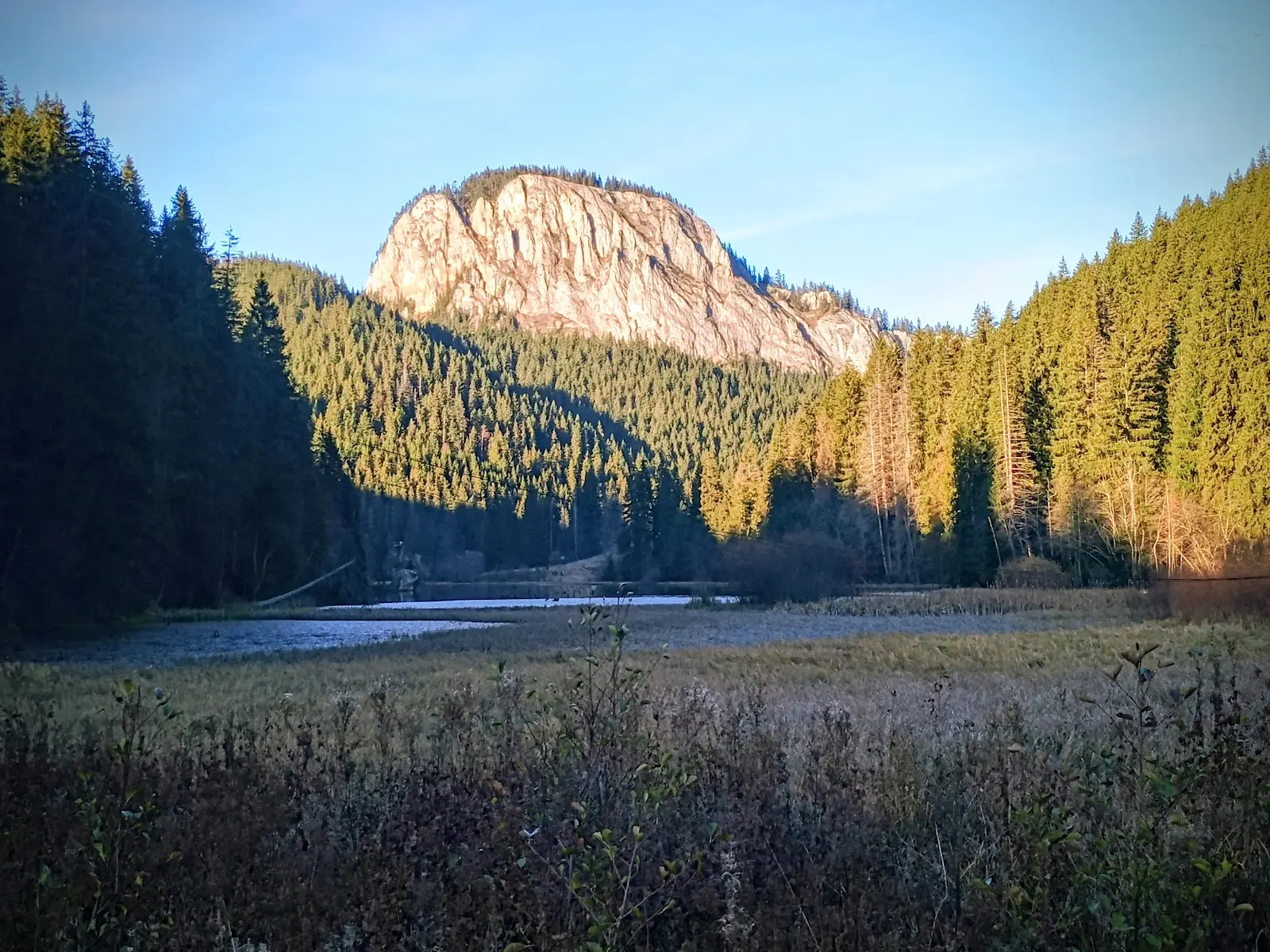
Lacul Roșu, the Red Lake, is one of the best-known lakes in the heart of the Danube Delta, a body of water set in the lagoon complex of the Delta's eastern part, near the routes starting from Tulcea and the settlements along the river branches. Its unusual name comes from the reddish tones the water can take on at certain times of day, under the play of light and aquatic vegetation. The lake is surrounded by expanses of reed, floating reed islands and channels, offering one of the richest bird habitats in Europe, a true paradise for wildlife watchers. Here one can see colonies of pelicans, cormorants, egrets, swans and many other species, especially in spring and summer. Access is only by boat, through the Delta's network of channels, which turns the visit into an experience of exploring the wild. The lake is part of the Danube Delta Biosphere Reserve, an internationally protected area. Visitors are advised to respect the reserve's rules and not to disturb the fragile wildlife and vegetation.
 Nature
Lacul Neptun
 Nature
Lacul Techirghiol
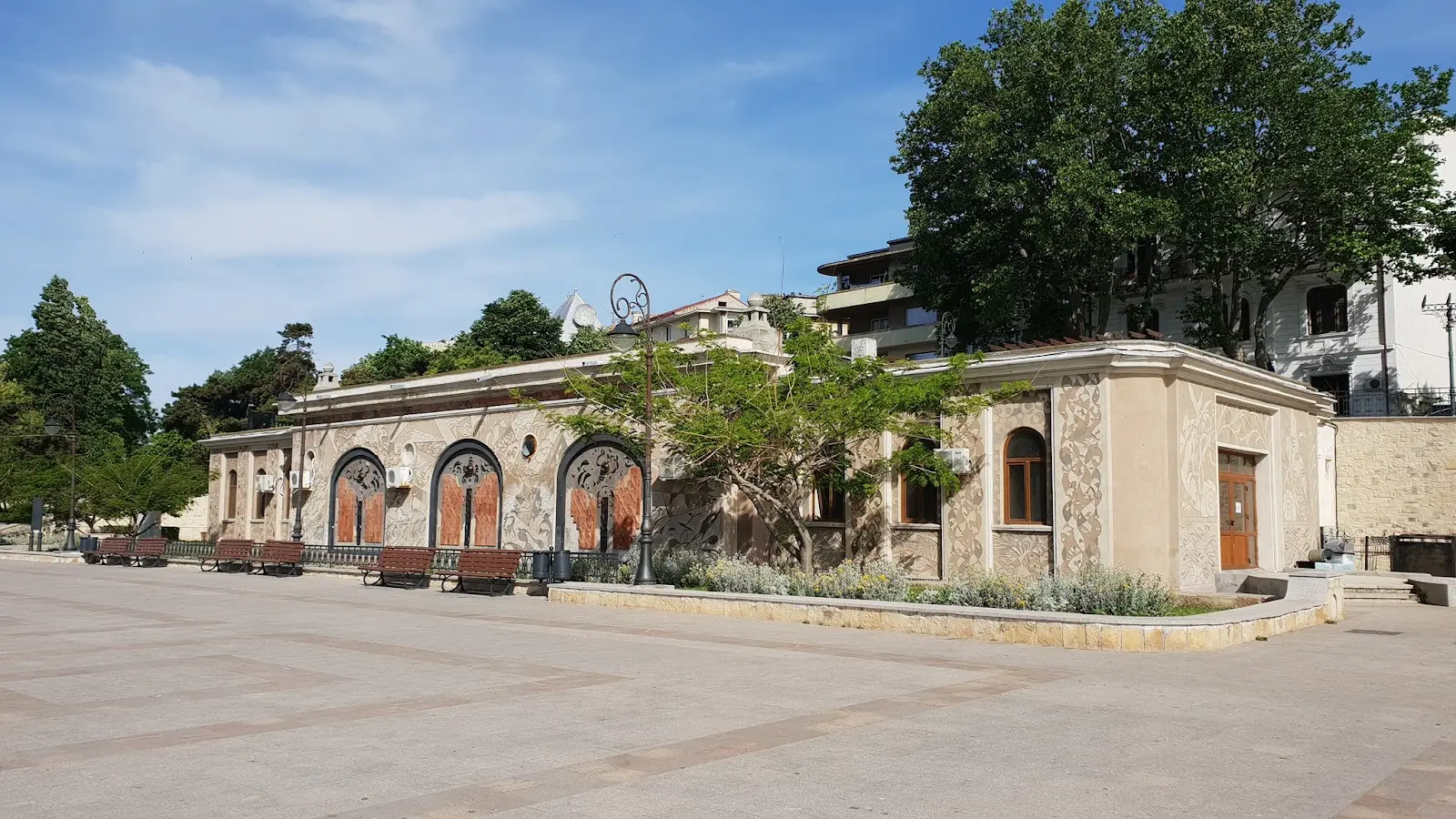
Lake Techirghiol is the most famous therapeutic lake in Romania, located near Eforie, close to the Black Sea coast, in Dobrogea. It is a salt lake separated from the sea by a narrow strip of land, and its therapeutic value comes from the black sapropelic mud and the salt-rich water, used for more than a century in treating rheumatic, dermatological and other conditions. Spa resorts with treatment facilities have grown up around the lake, where the mud is applied in cures recommended by specialists. The high salinity allows easy floating, and the calm landscape, with low shores and wetland birds, offers a pleasant contrast to the crowded sea beaches. A local legend links the discovery of the mud's properties to the miraculous healing of an old man and his horse. Practical note: mud treatments are usually done in an organised setting, and those wishing to undergo a cure should inquire at the spa facilities in the area about how it is applied.
 Nature
Acvariul Constanța
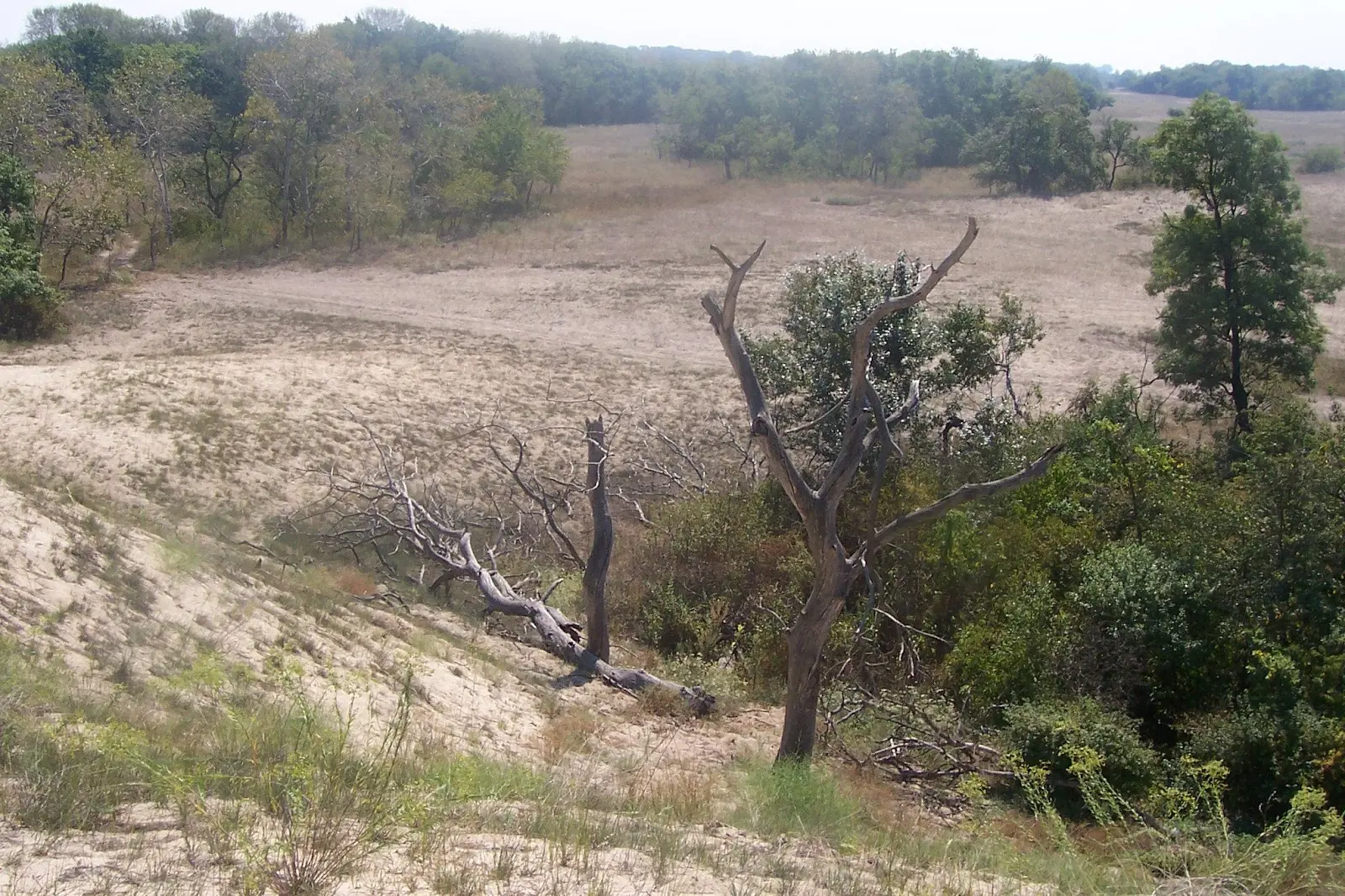
The Constanța Aquarium is one of the oldest institutions of its kind in Romania, set on the Casino promenade right on the shore of the Black Sea, in an elegant building in the old centre of the city. Opened in the early twentieth century, the aquarium presents the richness of the aquatic world through numerous tanks that bring together species from three broad categories: the freshwater fauna of Romanian waters, especially the Danube Delta, Mediterranean and exotic species, and the creatures of the Black Sea. Among the exhibits are sturgeons, carp, predatory fish, as well as colourful reef species and marine invertebrates. Its location beside the port and the emblematic Casino places it on a classic tourist circuit of the coast, alongside beaches and the ancient remains of the old fortress of Tomis. The aquarium also plays an educational role, familiarising the public with the importance of conserving aquatic ecosystems. Visitors are advised to check the opening hours, which may vary with the tourist season, busier in summer.
 Nature
Pădurea Letea
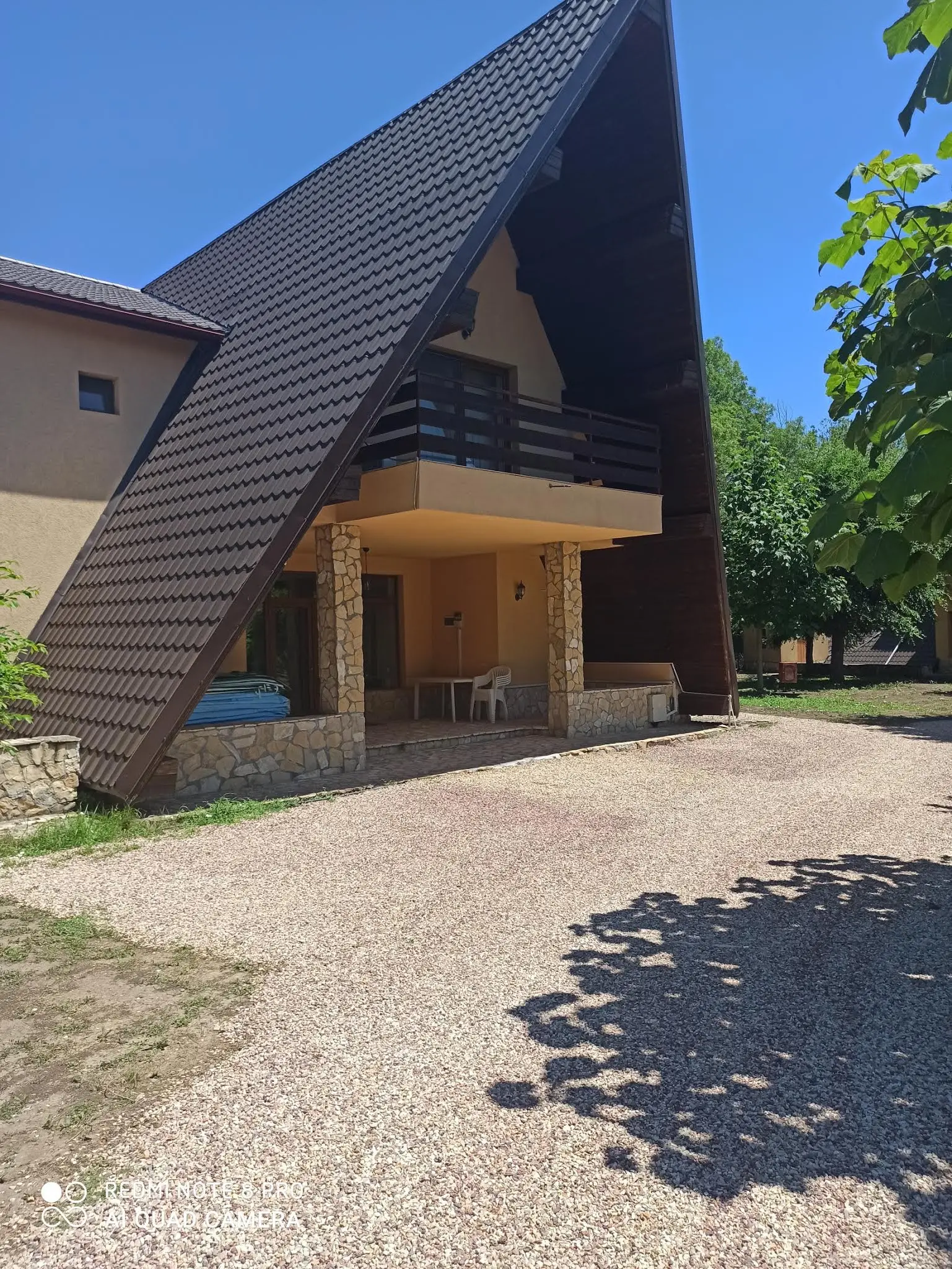
Letea Forest, in the heart of the Danube Delta in Tulcea county, is one of the oldest and most unusual protected areas in Romania, considered the northernmost subtropical forest in Europe. It grows on strips of sand called levees, between the channels and lakes of the delta, where old oaks and other tree species are entwined with lianas that give them an almost tropical, jungle-like appearance. The reserve, part of the UNESCO World Heritage site and biosphere reserve, shelters exceptional biodiversity, with many species of birds, reptiles and insects, as well as the famous wild horses that roam freely among the dunes and clumps of woodland. The landscape blends sand dunes with wetlands and patches of lush vegetation, offering a setting rarely found in this part of the continent. Access is by boat and then on foot or by local means, and visiting requires strict observance of environmental protection rules. Letea remains a land of singular, wild beauty.
 Nature
Rezervația Naturală Pădurea Comorova
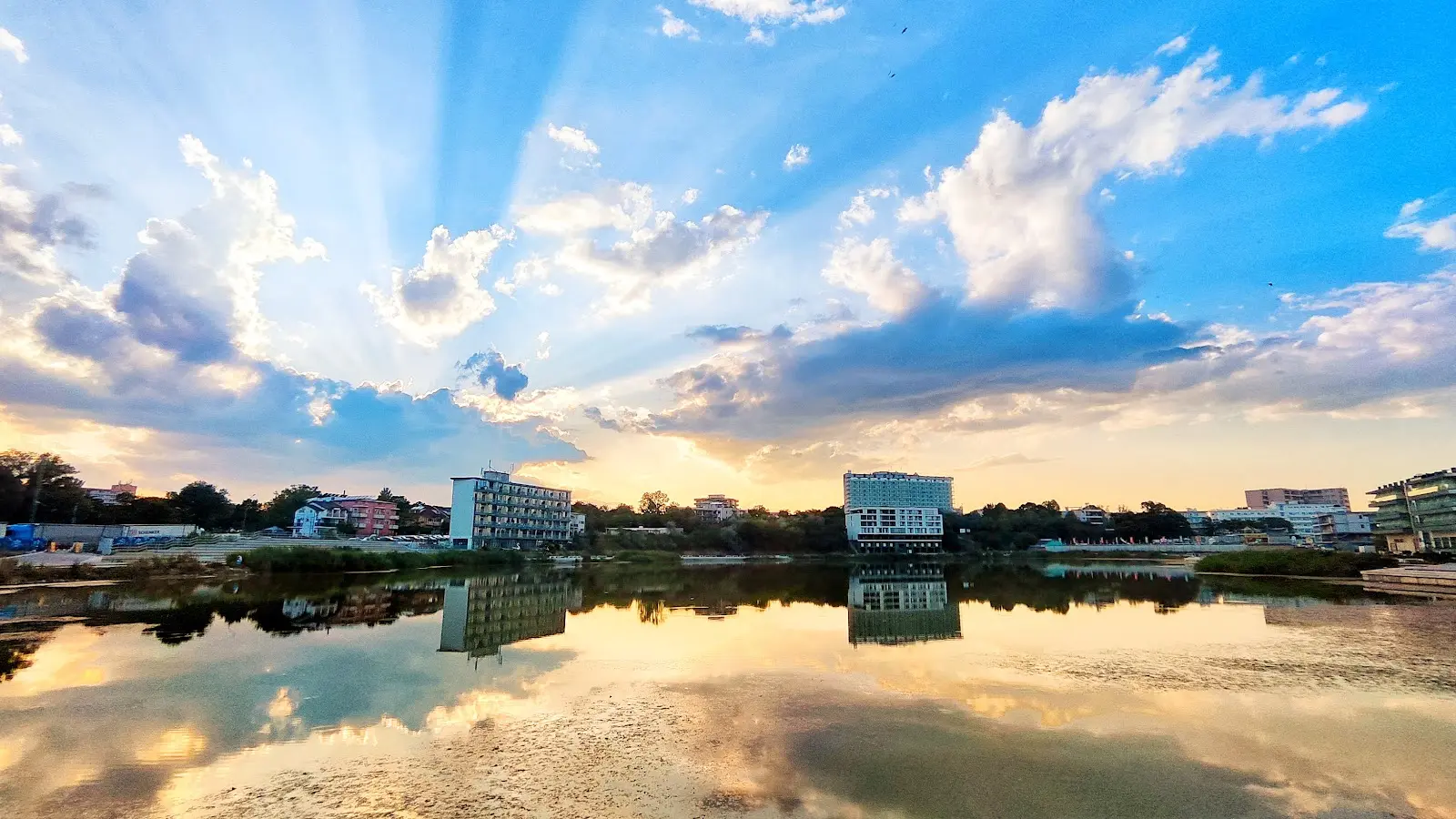
The Comorova Forest Nature Reserve is the largest forest on the Romanian coast, located near the Neptun resort, within the territory of the town of Mangalia in Constanța County. This coastal lowland forest, dominated by poplars, acacias and other species adapted to sandy soil, is an island of greenery and coolness in an area otherwise exposed to the sun and sea winds. Protected as a reserve, Comorova shelters a distinctive flora and fauna, with plant and bird species that find here a habitat rare along this stretch of coast. The forest also played an important part in the development of the resorts of the southern coast, giving them a natural backdrop and a gentler microclimate. For visitors coming to the seaside, Comorova is a pleasant alternative to the beach, with shaded walking paths, clean air and quiet. It thus combines the value of nature conservation with a recreational function, in an area where large green spaces are a precious rarity.
 Nature
Lacul Belona
Plan your trip
Stay, tour and get there
Stays nearby
Where to stay
Experiences
Tours & activities
Guided tours, day trips and hand-picked experiences via GetYourGuide — free cancellation on most.
See all experiencesGetting to Romania
Flights, transfer & car
Fly into Romania
Compare fares to Bucharest Otopeni (OTP) and regional airports — Cluj, Sibiu, Iași, Timișoara.
Airport transfer
Private, fixed-price door-to-door transfer — driver waiting from the moment you land.
Rent a car — see the real Romania
A rental car is the key to Romania: the Transfăgărășan, the painted monasteries of Bucovina, mountain roads and the villages of Maramureș that no train reaches.
Find a carWhere to stay in the Danube Delta
Stays nearby
Where to stay in the Danube Delta

From our network
Delta Dunării
The portal devoted entirely to the Danube Delta — channels, fishing villages, birdlife, lodging and boat tours, in the finest detail.