
What to see
Castles & citadels
From Bran and Peleș to Corvin Castle and the Saxon citadels of Transylvania — Romania's finest fortresses and royal residences, gathered in one place.
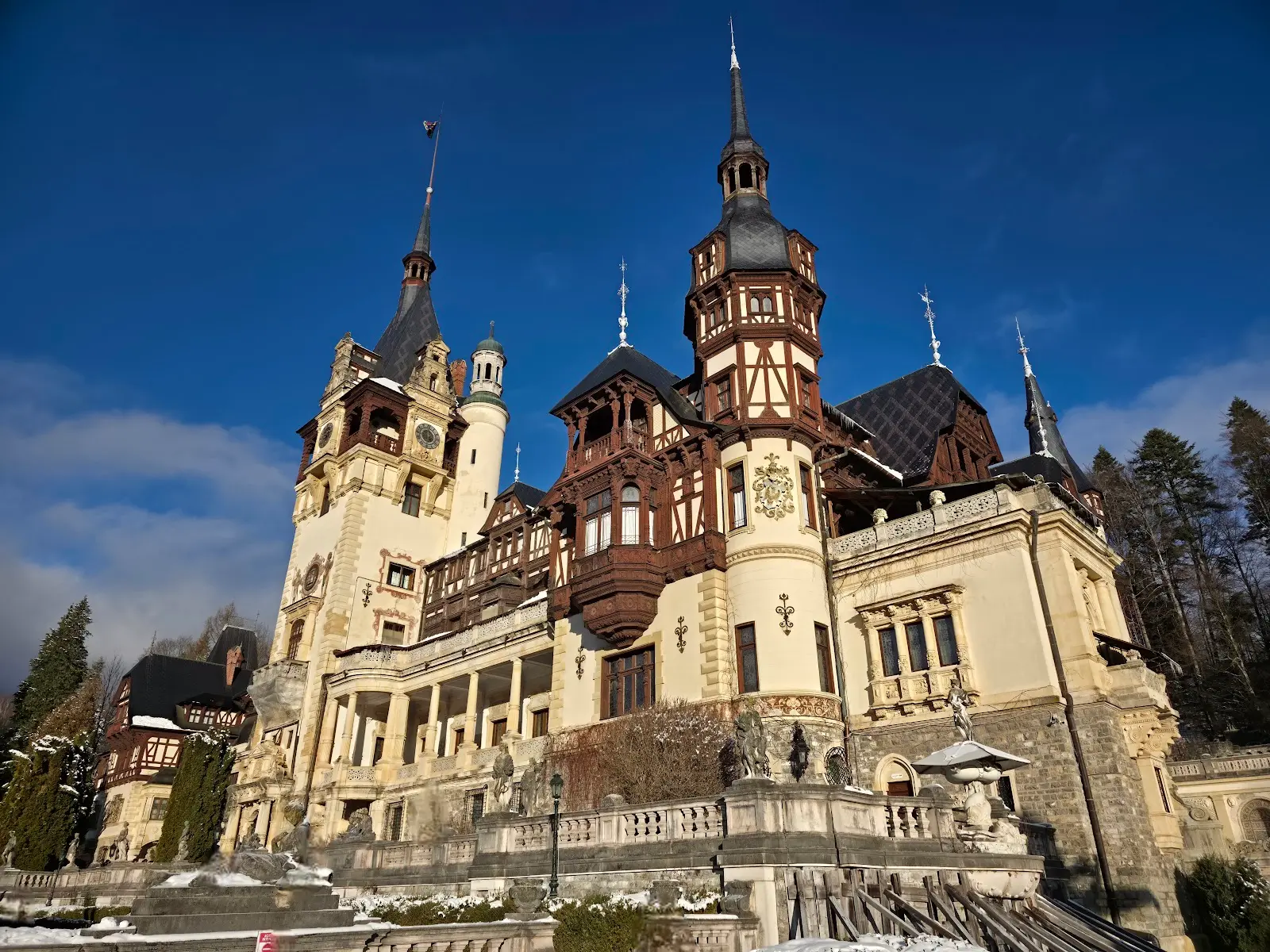 Castle
Castelul Peleș
Built between 1873 and 1914 as the summer residence of King Carol I, Peleș Castle in Sinaia is considered one of the most beautiful palaces in Europe and a statement of German Renaissance style at the foot of the Bucegi mountains. Its silhouette of pointed towers, wooden balconies and ornate façades emerges from a forest of conifers at the end of an elegant driveway. The interior overwhelms: more than one hundred and seventy rooms, walnut-carved panelling, stained glass, armour, art collections and one of the first electrical and air-conditioning systems in a European palace. The hall of honour with its movable glass ceiling, the library with a secret passage and the armoury are unforgettable. Around it, the park with terraces, statues and fountains completes the mood. Check the schedule and any closing days before visiting.
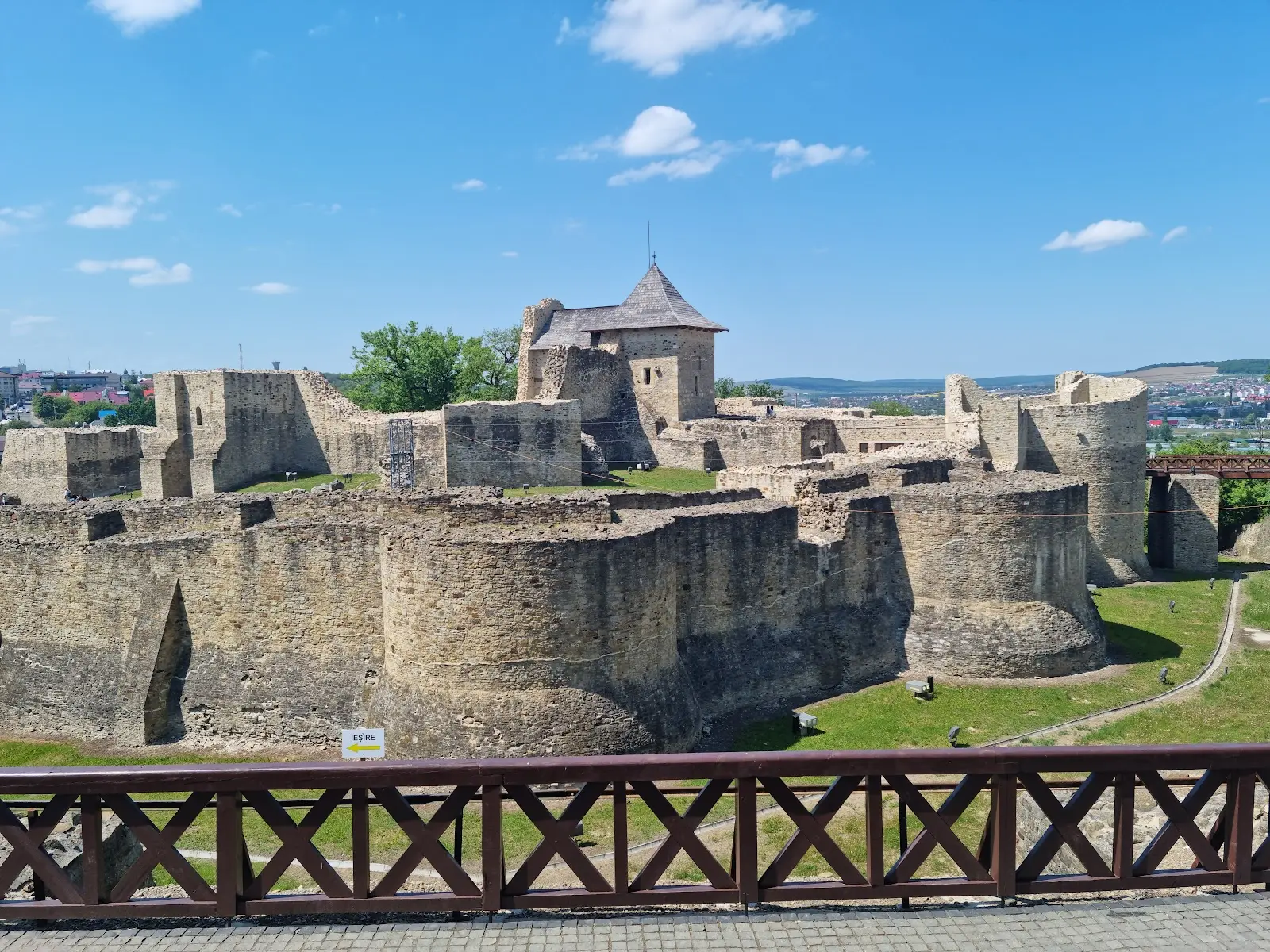 Fortress
Cetatea de Scaun a Sucevei
The Princely Fortress of Suceava is one of the most important medieval strongholds of Moldavia, a witness to the golden age of Stephen the Great. Built in the late 14th century and later reinforced with thick walls, bastions and a defensive moat, the fortress withstood sieges and long served as a princely residence and centre of power of the principality. Extensively restored in recent years, it blends authentic walls with modern arrangements: reconstructed halls, wax figures, projections and exhibitions that bring the Moldavian Middle Ages to life. From the ramparts, a broad view opens toward the city of Suceava and the hills of Bucovina. It is the best place to understand the medieval history of the region and a starting point toward the painted monasteries nearby. Check the visiting schedule, which varies according to the season.
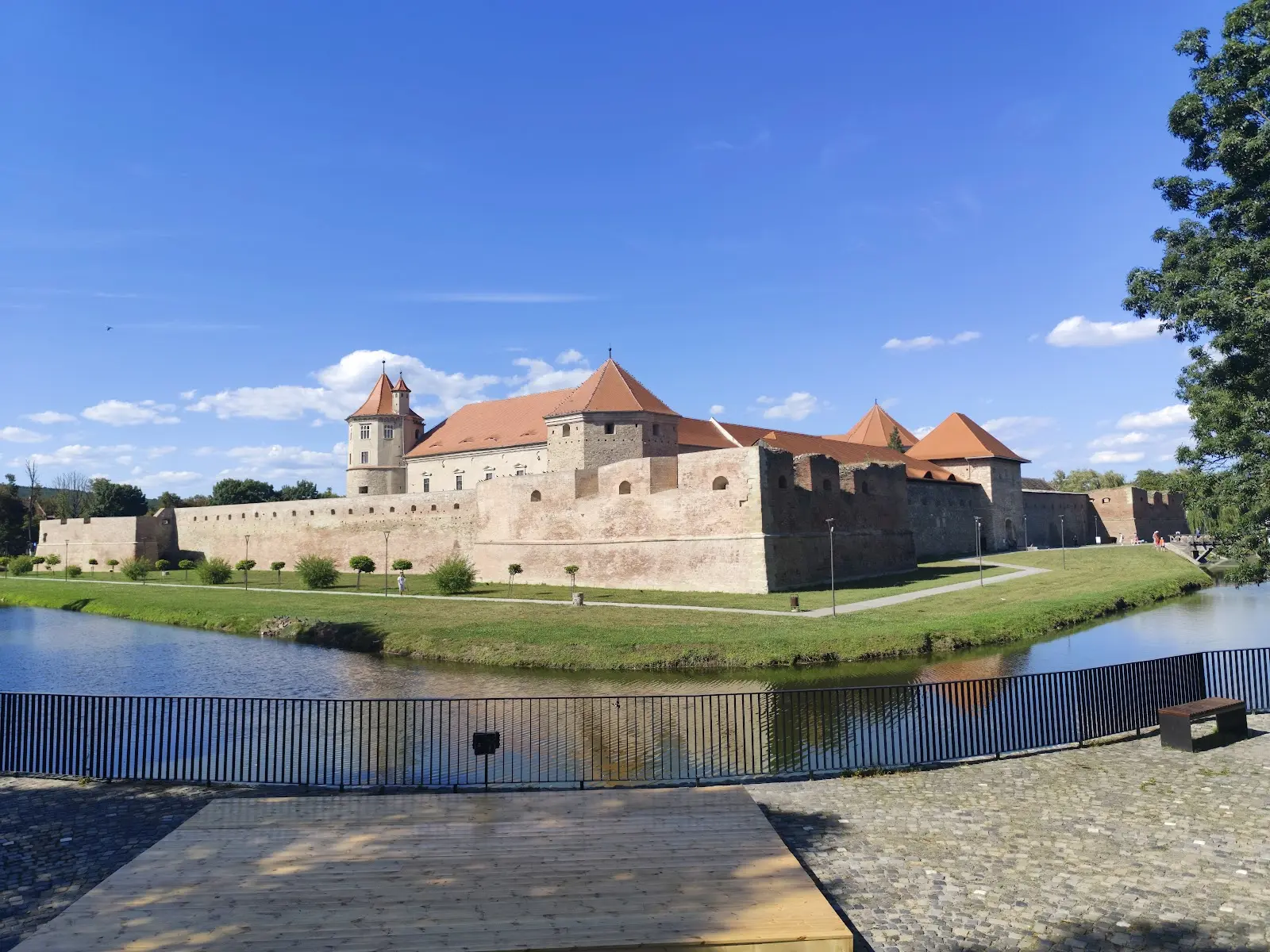 Fortress
Cetatea Făgăraș
Făgăraș Fortress is one of the strongest and best-preserved medieval fortresses in Transylvania, an imposing structure surrounded by a water-filled moat that mirrors its walls and towers. Built from the 14th century and reinforced over the centuries, it served as a princely residence of Transylvania, a military stronghold and, in dark times, a communist prison. Today, carefully restored, it houses a museum with collections of art, weapons, ceramics and furniture, as well as halls evoking the dramatic past of the place. Walking on the thick walls, through the inner courtyard and around the water is a memorable experience, especially at dusk, when the fortress is lit. Set in the centre of Făgăraș, at the foot of the mountains of the same name, it is a natural stop on the road between Brașov and Sibiu. Check the museum's visiting schedule.
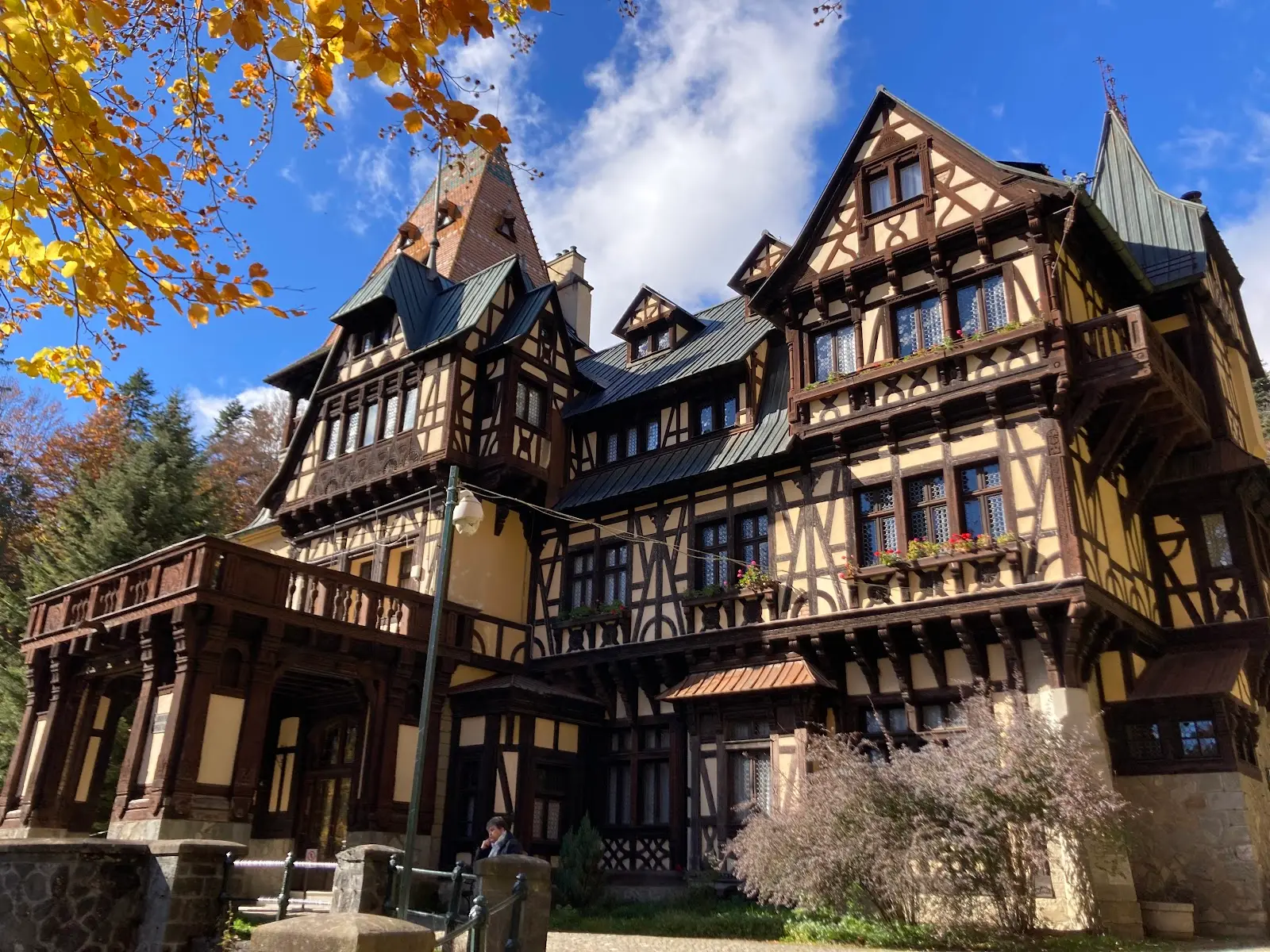 Castle
Castelul Pelișor
Pelisor Castle stands in Sinaia, on the Prahova Valley, near the grand Peles Castle, to which it is closely tied. Built in the early twentieth century, Pelisor was conceived as the residence of Crown Prince Ferdinand and his wife, Princess Marie, the future king and queen of Romania. Unlike the splendour of Peles, Pelisor has a more intimate and luminous air, with interiors in the Art Nouveau style, decorated according to the refined taste of Queen Marie. The best-known room is the Golden Room, a remarkable space adorned with gold leaf and motifs inspired by folk art. The castle preserves furniture, tapestries and personal objects of the royal family, offering an authentic image of court life. Set in the same park as Peles, within a splendid mountain setting, Pelisor is a delightful visit for enthusiasts of history and decorative art who explore the Prahova Valley.
 Fortress
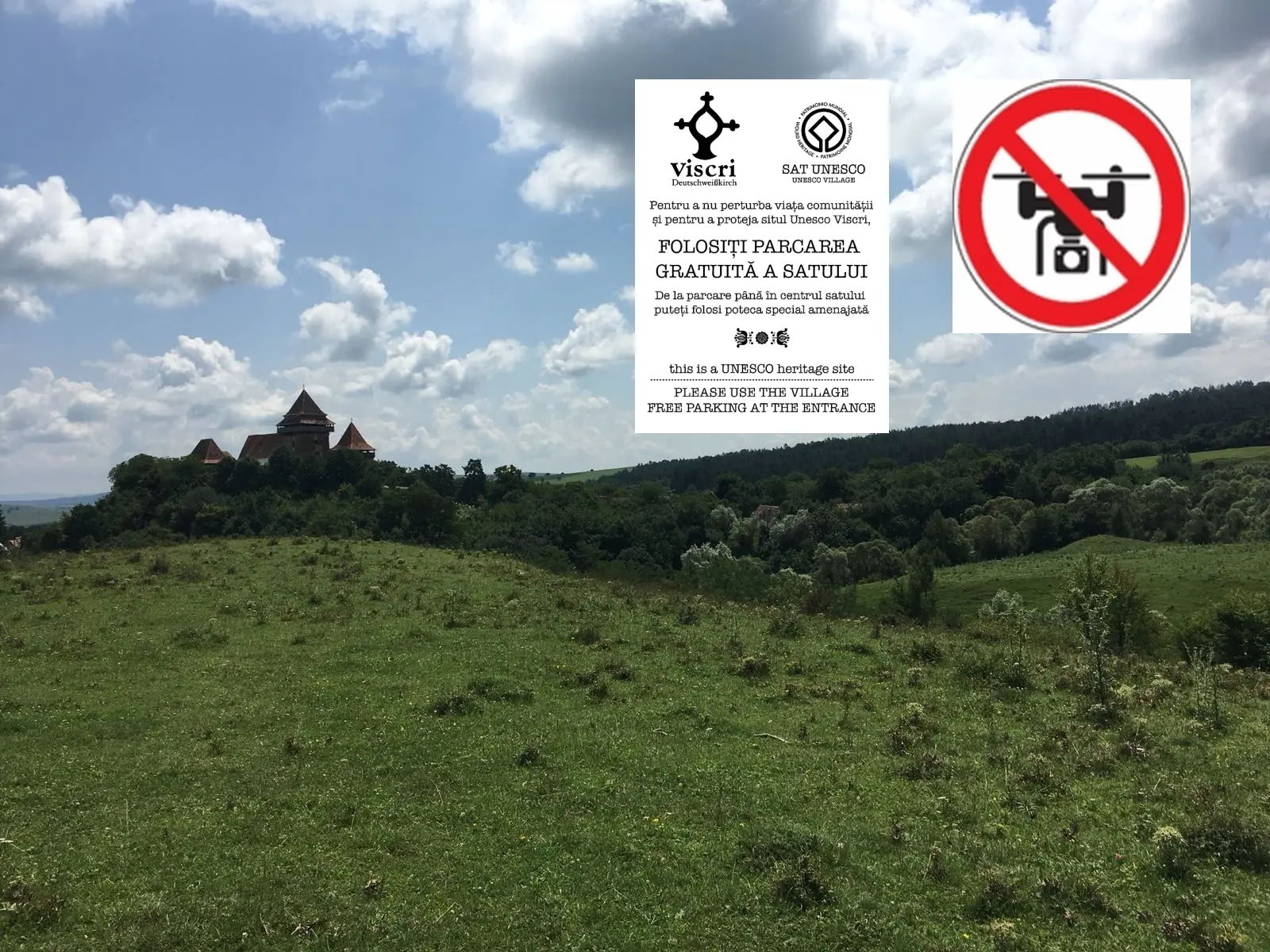
Turnul Bisericii Fortificate Viscri
The Tower of the Fortified Church in Viscri rises above one of the best-known Saxon villages in Transylvania, listed as UNESCO World Heritage. The fortified church, originating in the 12th century and reinforced in later centuries, is surrounded by defensive walls, towers and a covered sentry walk, a testament to the times when the Saxon community defended itself against invasions. The bell tower, reached by wooden stairs, offers a superb view over the village with its quiet lanes, colourful houses and the surrounding hills. Viscri became renowned partly thanks to the interest of King Charles III of the United Kingdom, who owns a traditional house here and supports the preservation of the local heritage. A visit to the tower and the fortified enclosure reveals the story of a unique rural civilisation with traditions kept for centuries. The village, spared asphalt and urbanisation, radiates an authentic atmosphere and draws visitors from around the world in search of peace and authenticity.
 Fortress
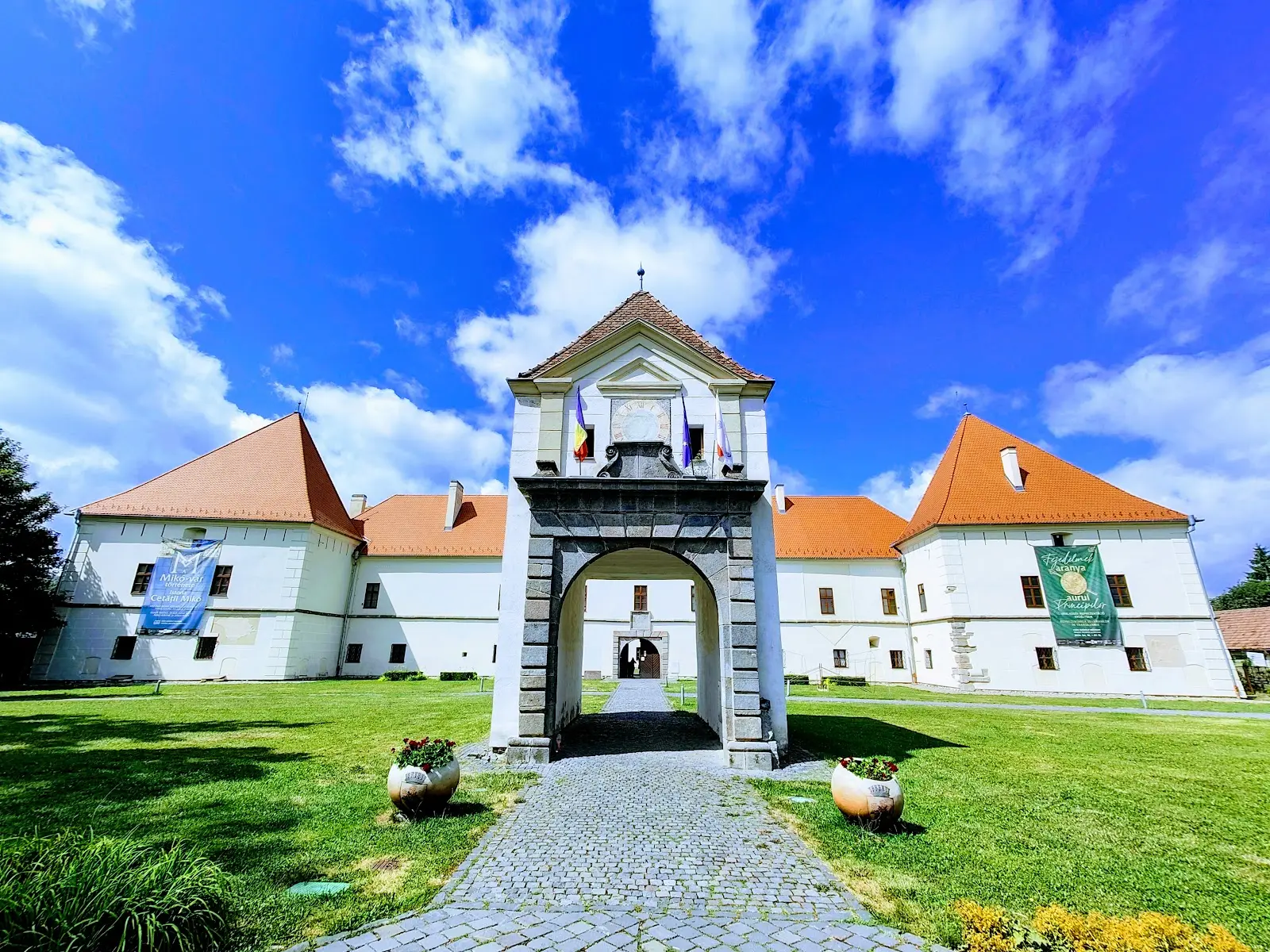
Cetatea Mikó
Mikó Castle in Miercurea Ciuc is a Renaissance-style fortification raised in the first half of the seventeenth century by a Székely nobleman, one of the most important monuments of the town in the heart of the Ciuc region in eastern Transylvania. The castle, with its quadrilateral plan and corner bastions, is a characteristic example of the military architecture of the era, conceived both for defence and as a noble residence. Over time, the building suffered destruction and reconstruction, serving in different periods as a fortress, a military garrison and an administrative building. Today, the castle houses a museum that presents the history, archaeology and ethnography of the Székely land, with collections of traditional objects, archaeological finds and testimonies of local culture. The inner courtyard and the massive walls preserve the fortified atmosphere of old. Set in the centre of town, Mikó Castle is a cultural landmark and a starting point for discovering the rich heritage of the Ciuc region, an area with distinctive traditions and identity in the Transylvanian landscape.
 Fortress
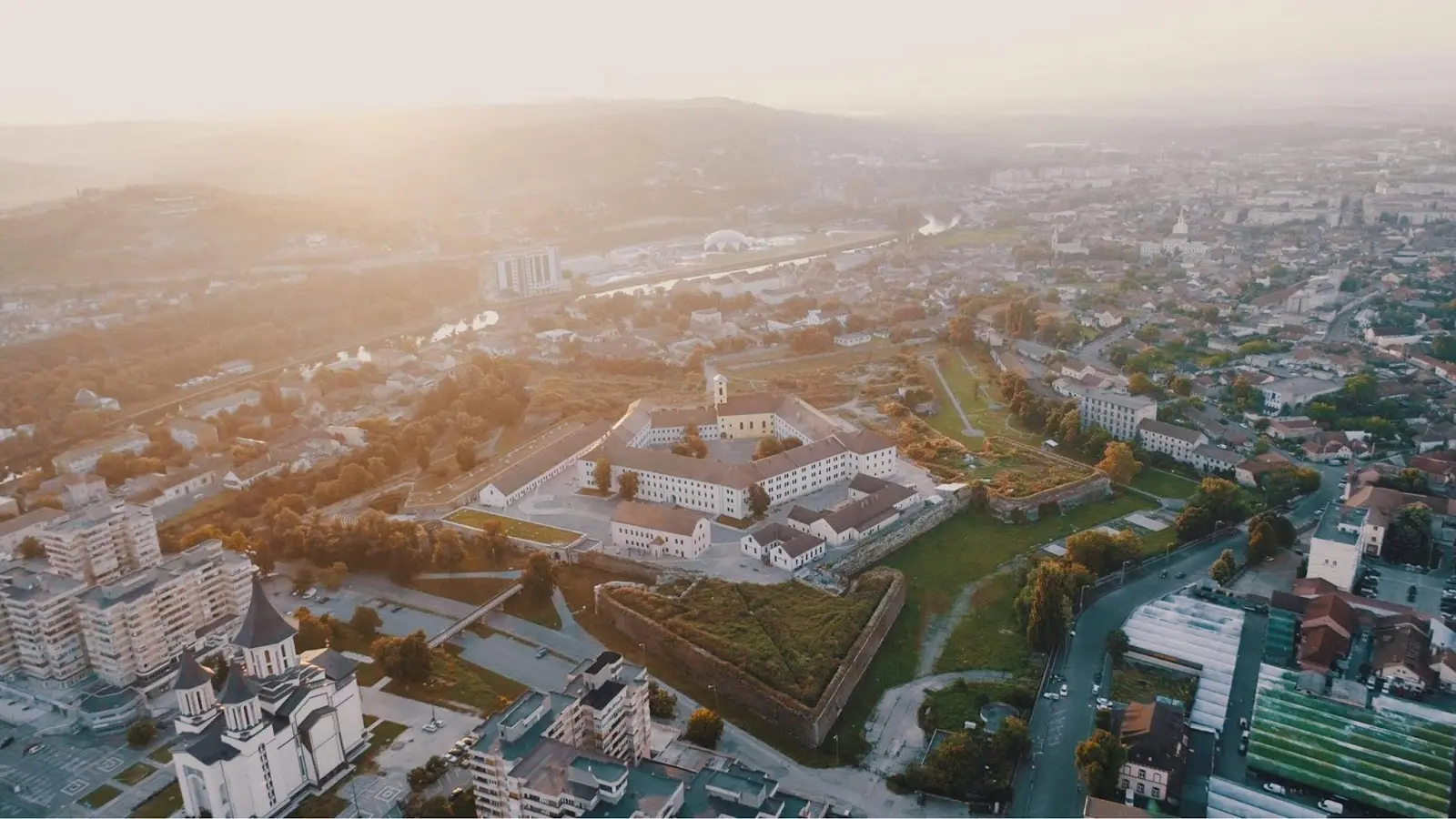
Cetatea Oradea
Oradea Fortress is one of the best-preserved star-shaped fortresses in Central Europe, a bastion structure with a pentagonal plan built in its present form in the 16th and 17th centuries over much older remains. Through its history, the fortress served as an episcopal residence, a military stronghold and a centre of power in a city forever at the crossroads of empires. Extensively restored in recent years, it has become a lively cultural quarter: wide inner courtyards, craft workshops, museums, cafés, events and performances. Visitors can walk the walls, the princely palace and the exhibitions that tell the story of Oradea and the Crișana region. The architecture combines Renaissance and Baroque elements, and the atmosphere is relaxed, well suited to a leisurely stroll. It is the historic heart of the city. Check the schedule of museums and hosted events, which varies through the year.
 Fortress
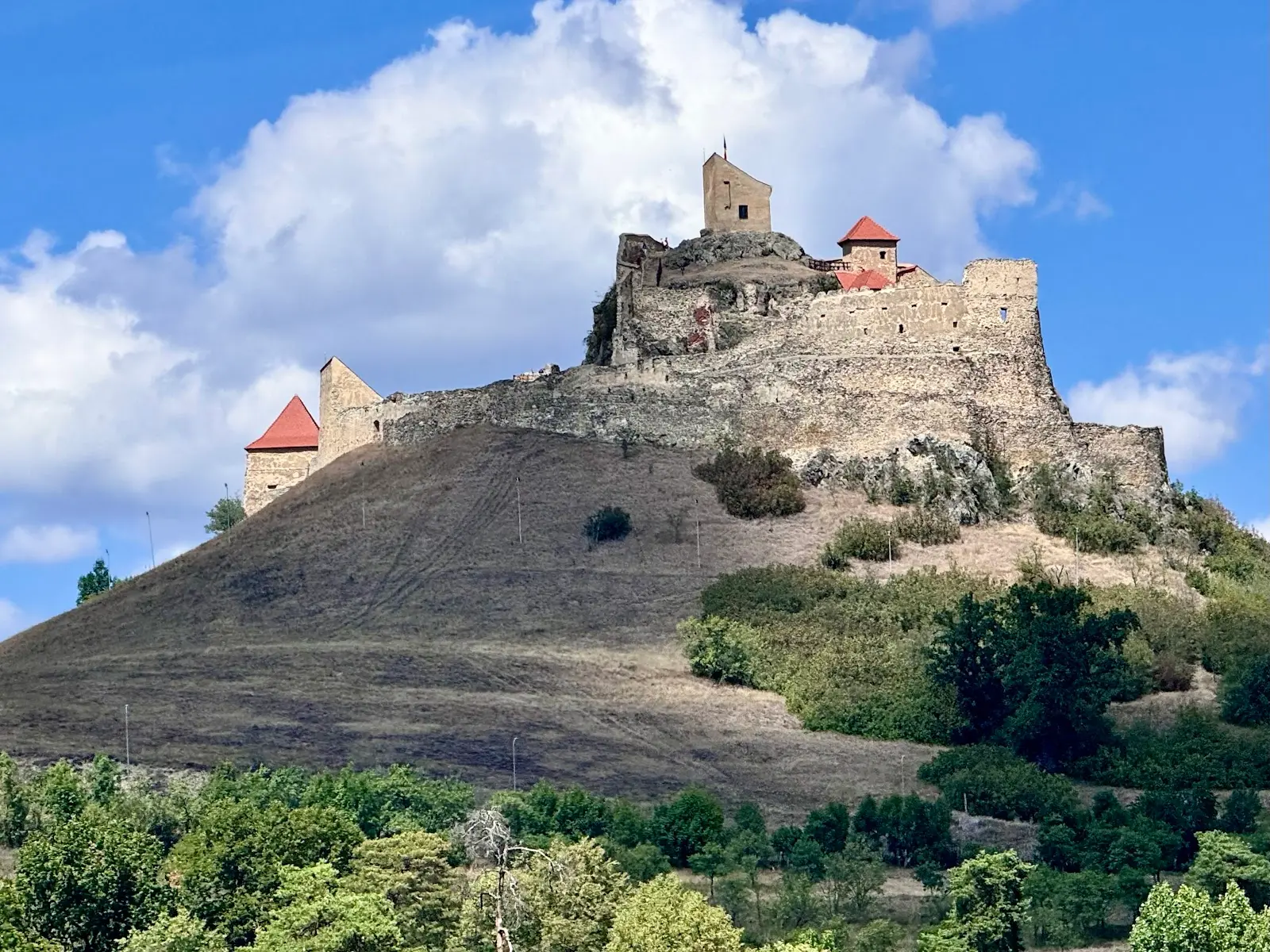
Cetatea Rupea
Rupea Citadel, perched on a basalt ridge above the town of the same name, between Brașov and Sighișoara, sits on one of Romania's oldest inhabited sites, with traces of settlement going back thousands of years. The medieval fortress we see today grew between the 14th and 17th centuries as a Saxon peasant citadel, a refuge to which the community withdrew in times of danger. It has three concentric enclosures — upper, middle and lower — linked by walls, towers and courtyards climbing the rock in stages. Extensively restored, the citadel now offers an attractive visiting route and wide views over the Transylvanian plateau. Its silhouette, especially at sunset, is among the most photogenic in the area. It is a good stop on the road between Brașov and Sighișoara, easily combined with the surrounding Saxon villages. Wear comfortable shoes for the climb and check the schedule, reduced in winter.
 Fortress
Cetatea Medievală Târgu Mureș
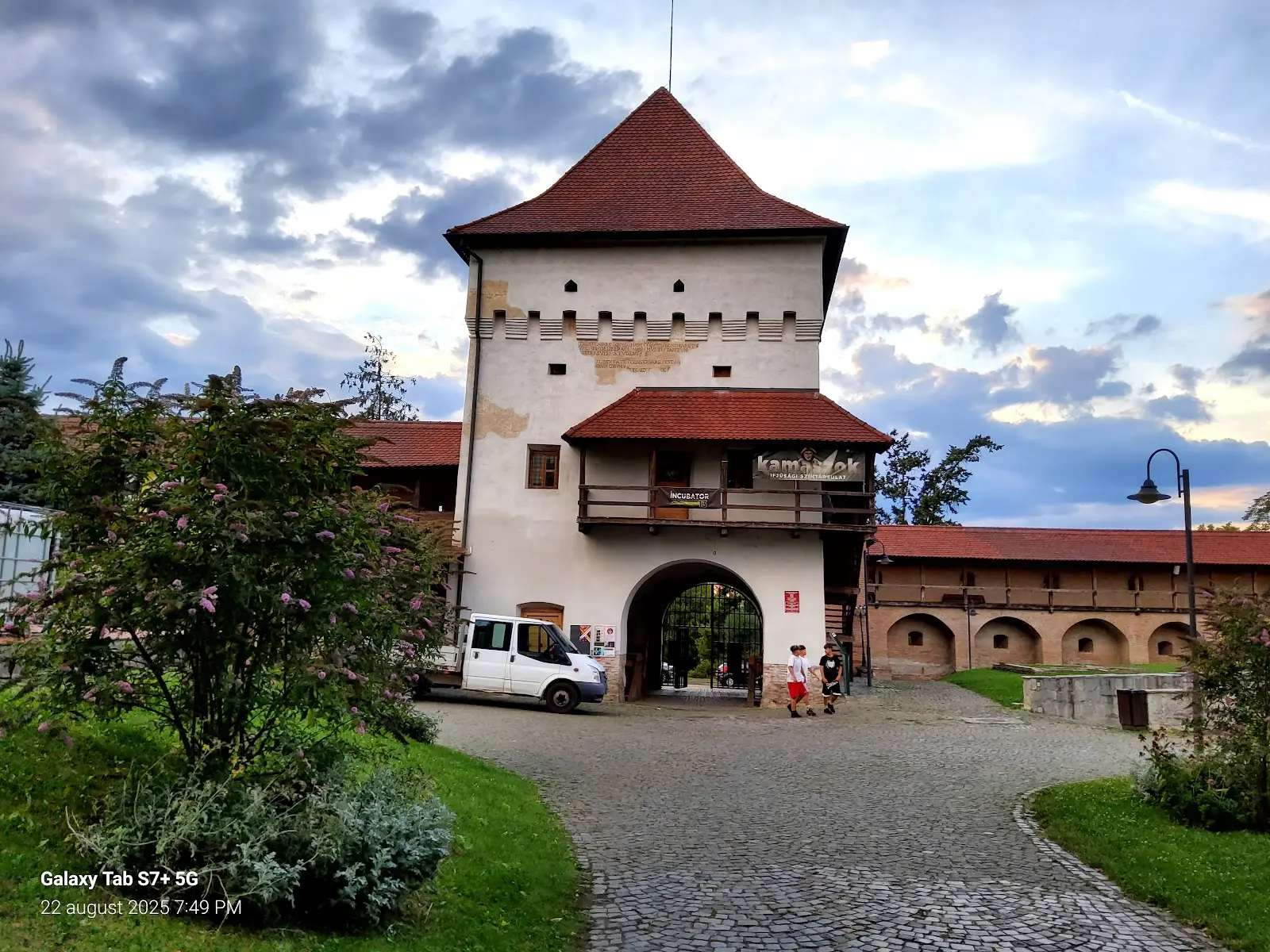
The Medieval Citadel of Târgu Mureș is one of the best-preserved town citadels in Transylvania, built in its present form in the 17th century by the city's Saxon and Hungarian community. The solid walls, reinforced with seven bastions built and defended by guilds — of the butchers, tailors, cobblers and others — enclose a vast precinct containing a 14th-century Reformed church, the city's oldest building. Extensively restored, the citadel has become a pleasant public space, with paths, greenery and buildings housing museums, workshops and events. A walk beneath the walls and past the bastions is an incursion into the city's mercantile and craft history. It is the historic heart of Târgu Mureș and a meeting place for locals. Entry is free, while the museums and towers keep their own hours, worth checking beforehand.
 Fortress
Turnul Chindiei
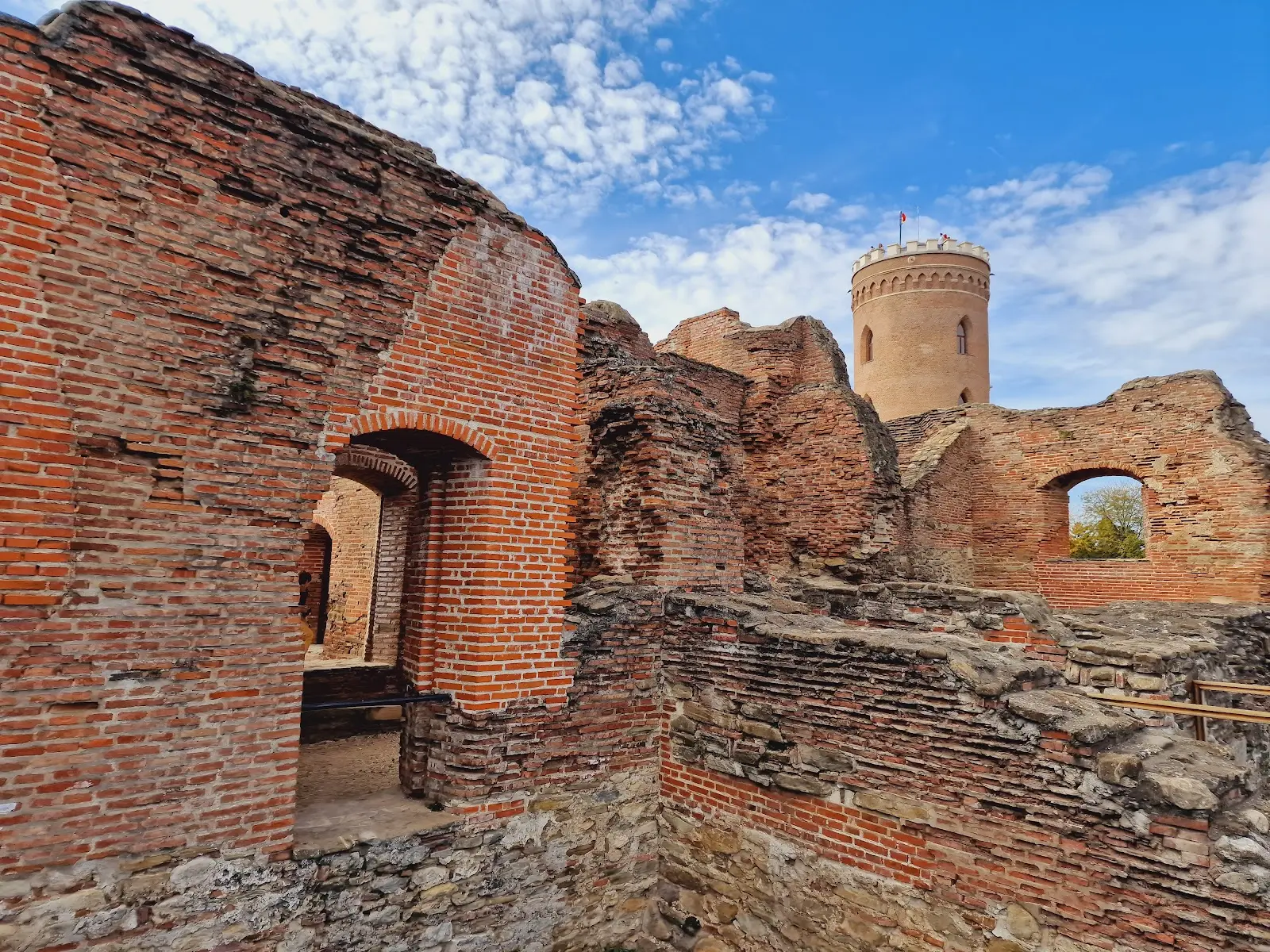
Chindia Tower is the emblematic symbol of the town of Târgoviște and the best-known monument of the former capital of Wallachia. Originally raised in the fifteenth century during the reign of Vlad the Impaler as a watch and defence tower of the Princely Court, the tower served to signal dangers and to mark the hour of closing the gates, known as chindie, from which it takes its name. Over time the tower was restored and heightened, gaining its imposing cylindrical form of today. From its height a wide panorama opens over the town and the ruins of the princely ensemble, where many voivodes of Wallachia once ruled. The interior holds an exhibition devoted to the history of the site and the legend of Vlad the Impaler, a central figure of the medieval past. Set in the heart of Chindia Park, beside the remains of the Princely Court, the tower is easily reached on foot. Visitors can climb the internal stairs to the upper platform, from which the historic surroundings are best admired.
 Fortress
Cetatea Bisericii Biertan
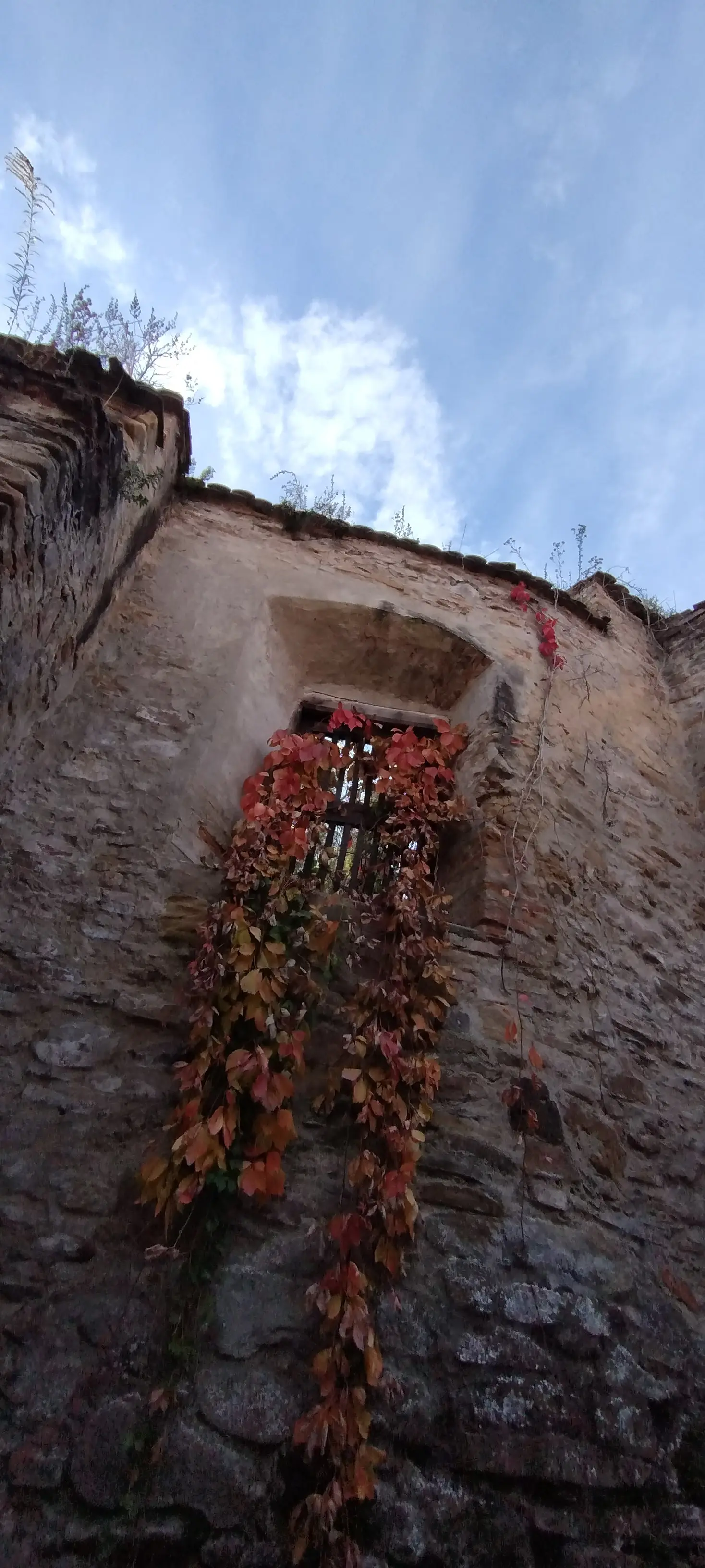
The Fortified Church of Biertan is one of the most impressive Saxon fortified churches in Transylvania, inscribed on the list of protected world heritage, set in the village of Biertan in the hilly area of the former German communities. Raised in the late Gothic period, at the end of the fifteenth and beginning of the sixteenth century, the church rises on a hill in the centre of the village, surrounded by an imposing system of three rings of defensive walls, towers and bastions that turned it into a true fortress, a refuge for the inhabitants in times of danger. The interior preserves a remarkable polyptych altar with many painted panels, carved pews and a famous sacristy door with a locking mechanism of extraordinary complexity, a testament to the skill of the craftsmen of old. Biertan was long the seat of the Saxon Evangelical bishops. The ensemble, with its medieval architecture and authentic rural setting, is a living witness of Saxon civilisation in Transylvania. Visitors can climb the covered passage linking the village to the citadel and explore the fortified walls.
 Fortress
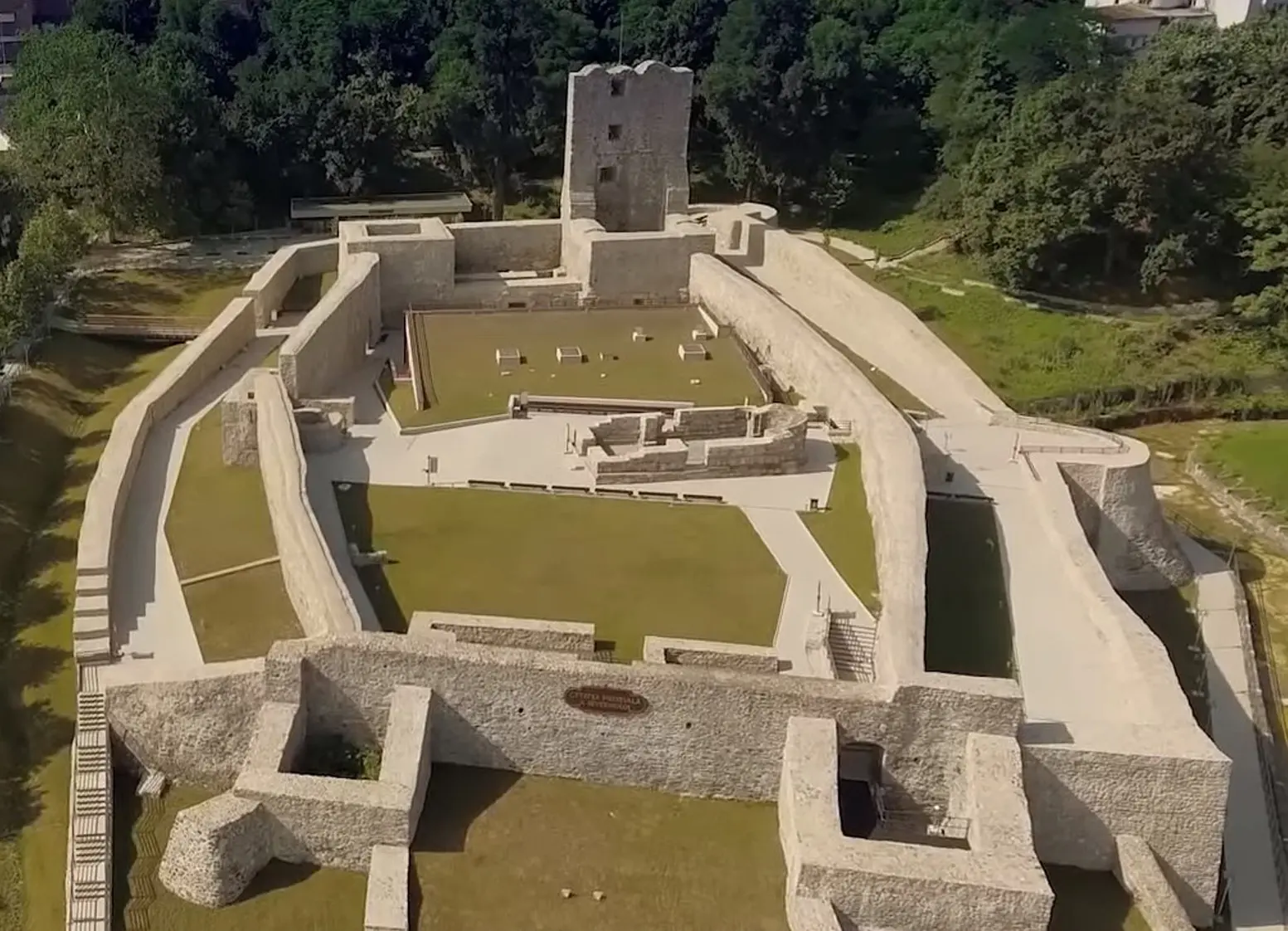
Cetatea Medievală Severin
 Fortress
Bastionul Țesătorilor
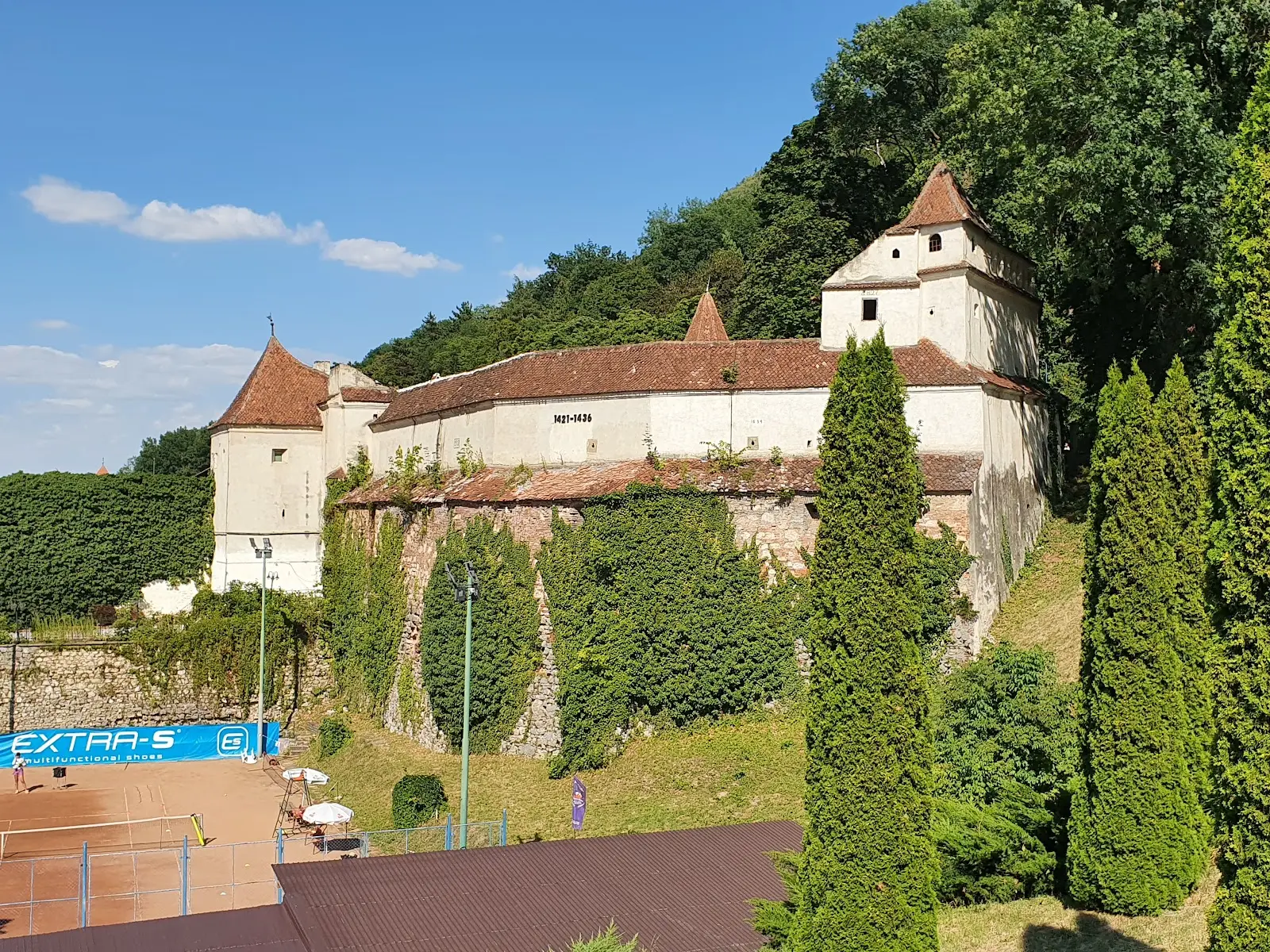
The Weavers' Bastion is the best-preserved medieval fortification of Brasov and one of the few of its kind in Transylvania to remain almost intact. Built between the fifteenth and sixteenth centuries and maintained by the weavers' guild, from which it takes its name, the bastion has a massive form, with thick walls, battlements and wooden fighting galleries arranged on several levels, from which the defenders could repel attacks. This structure is part of the impressive defensive system of the Saxon town, in which each guild was responsible for a section of wall and a tower or bastion. Today the bastion houses an exhibition dedicated to the history of Brasov's fortifications, including a model of the medieval town. The wood of the galleries and the stone of the walls create an authentic atmosphere. Practical note: the visit combines easily with a walk beneath the town walls, along the alley below Tampa, and with the nearby defensive towers.
 Fortress
Turnul Croitorilor (Bastionul Croitorilor)
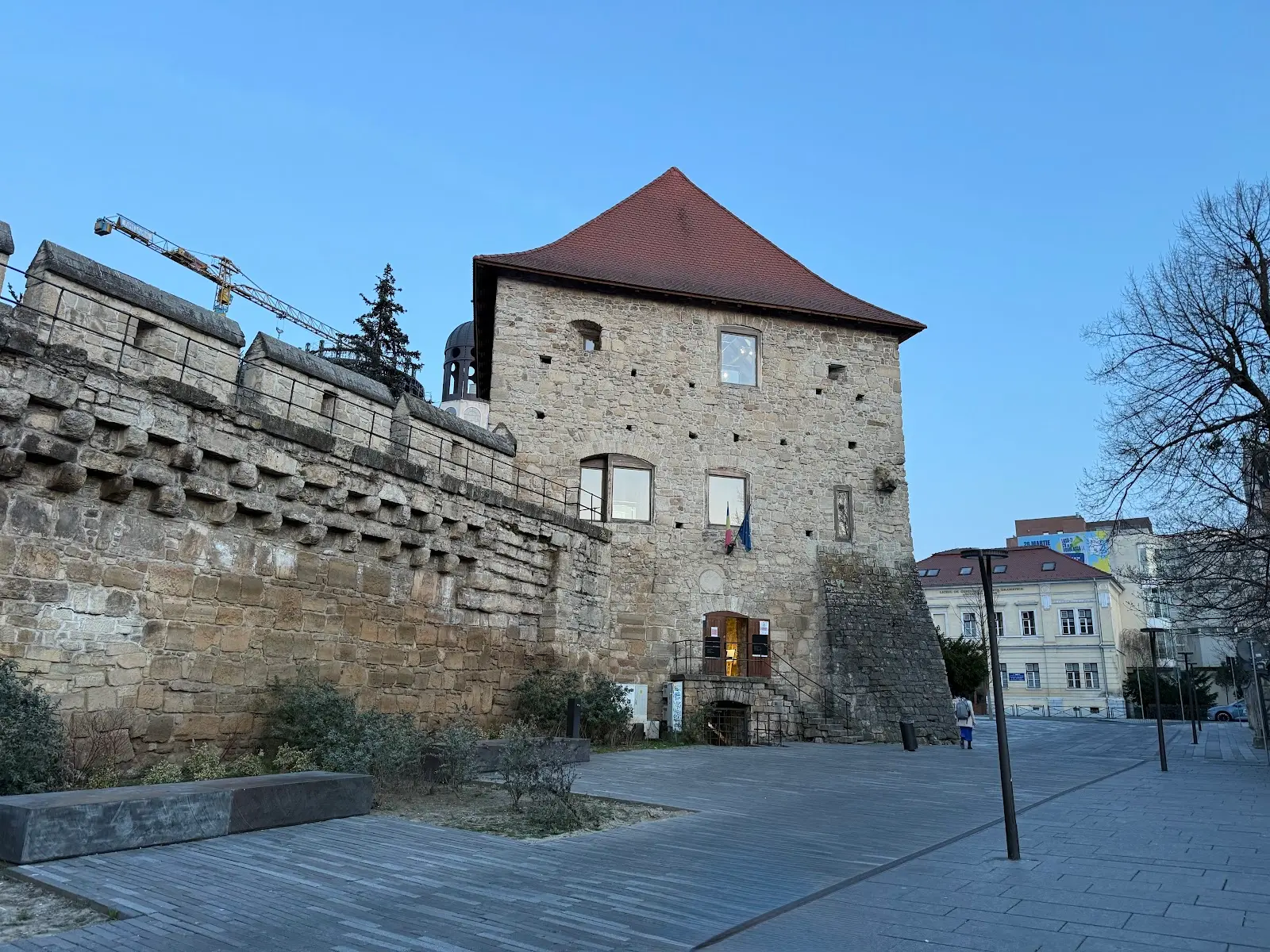
The Tailors' Tower, also known as the Tailors' Bastion, is the best-preserved piece of the medieval fortifications of Cluj-Napoca. First built in the fifteenth century and rebuilt after destruction in the seventeenth century, it marked one of the corners of the ring of walls that defended the town. The name comes from the tailors' guild, which was bound to maintain and defend this stretch of the fortification, as was customary in Transylvanian towns, where each guild was responsible for a tower. The massive structure of stone and brick, with thick walls and battlements, recalls the times when Cluj was a border town exposed to attack. Today the restored bastion hosts cultural events and exhibitions, standing as a historic landmark in the city centre. Visitors can admire the defensive architecture and connect it with the old life of the guilds. It is worth checking the schedule of events held here.
 Castle
Castelul Haller Ogra
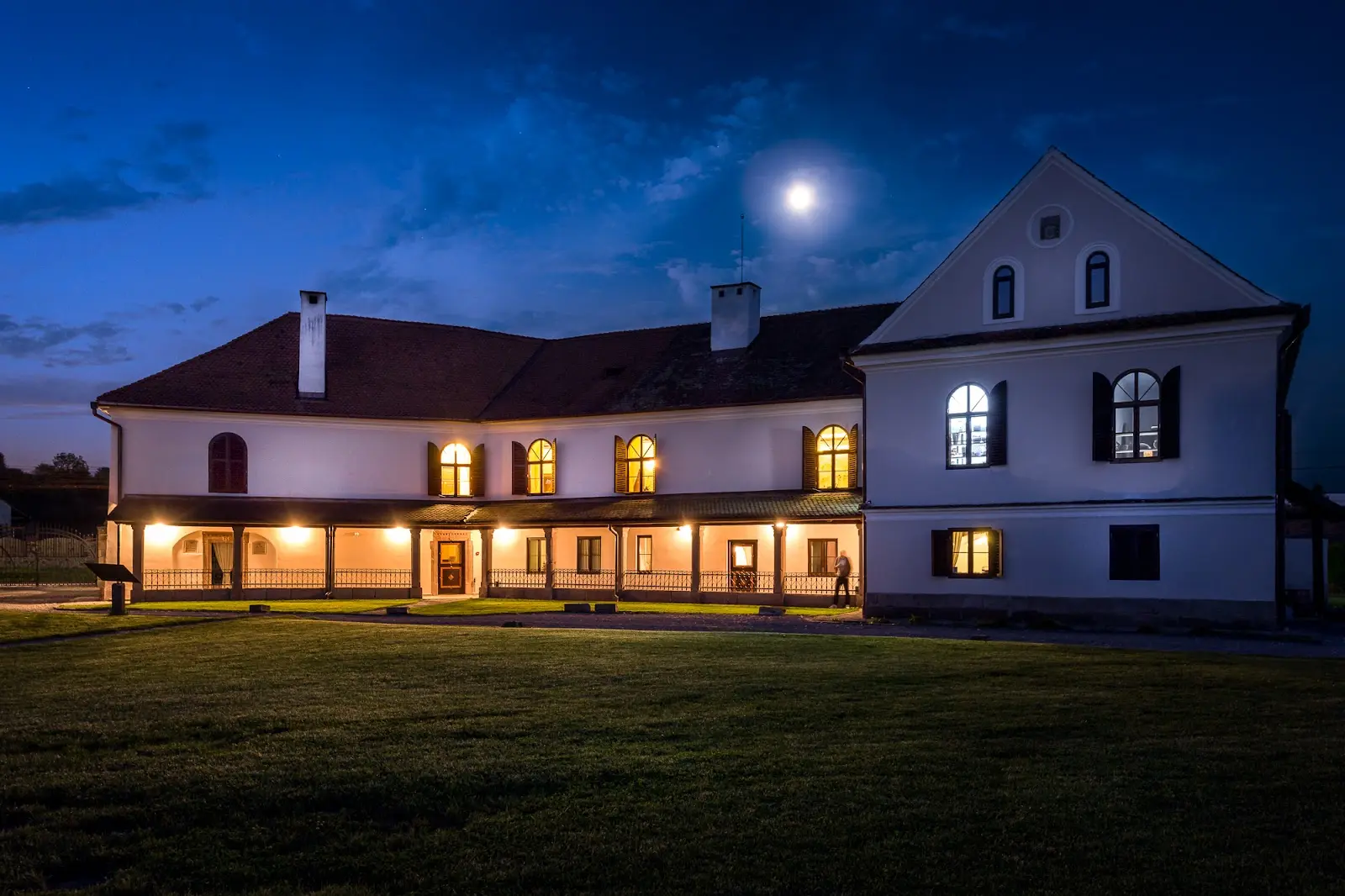
Haller Castle in Ogra, Mureș County, is a Transylvanian noble manor raised by the powerful aristocratic Haller family, who held vast estates along the Mureș Valley for centuries. The building, with origins reaching back toward the 16th and 17th centuries and later remodelling, blends medieval fortification elements with Baroque manor accents, with massive walls, corner towers and a silhouette that dominates the lowland village. A dendrological park once spread around the castle, and the interiors held period collections and furniture until the nationalisation that followed 1948, when, like many noble residences, it entered a long decline. Today it stands as a silent witness of the Hungarian aristocratic world of Transylvania, prized by heritage lovers and photographers for its melancholy atmosphere. Practical note: check the visiting arrangements in advance, since access to the interior may be limited depending on the building's condition and status.
 Castle
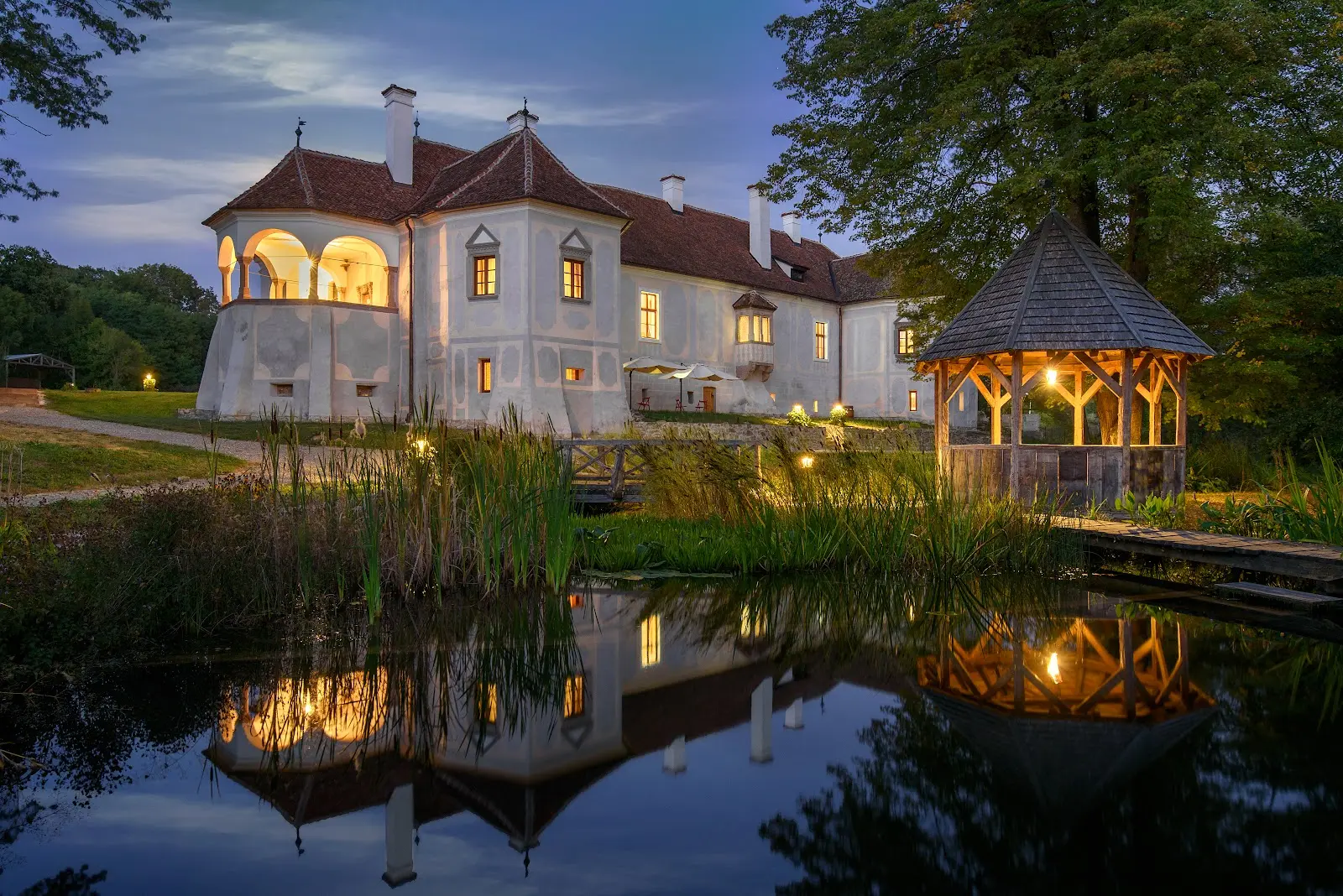
Castelul Daniel Tălișoara
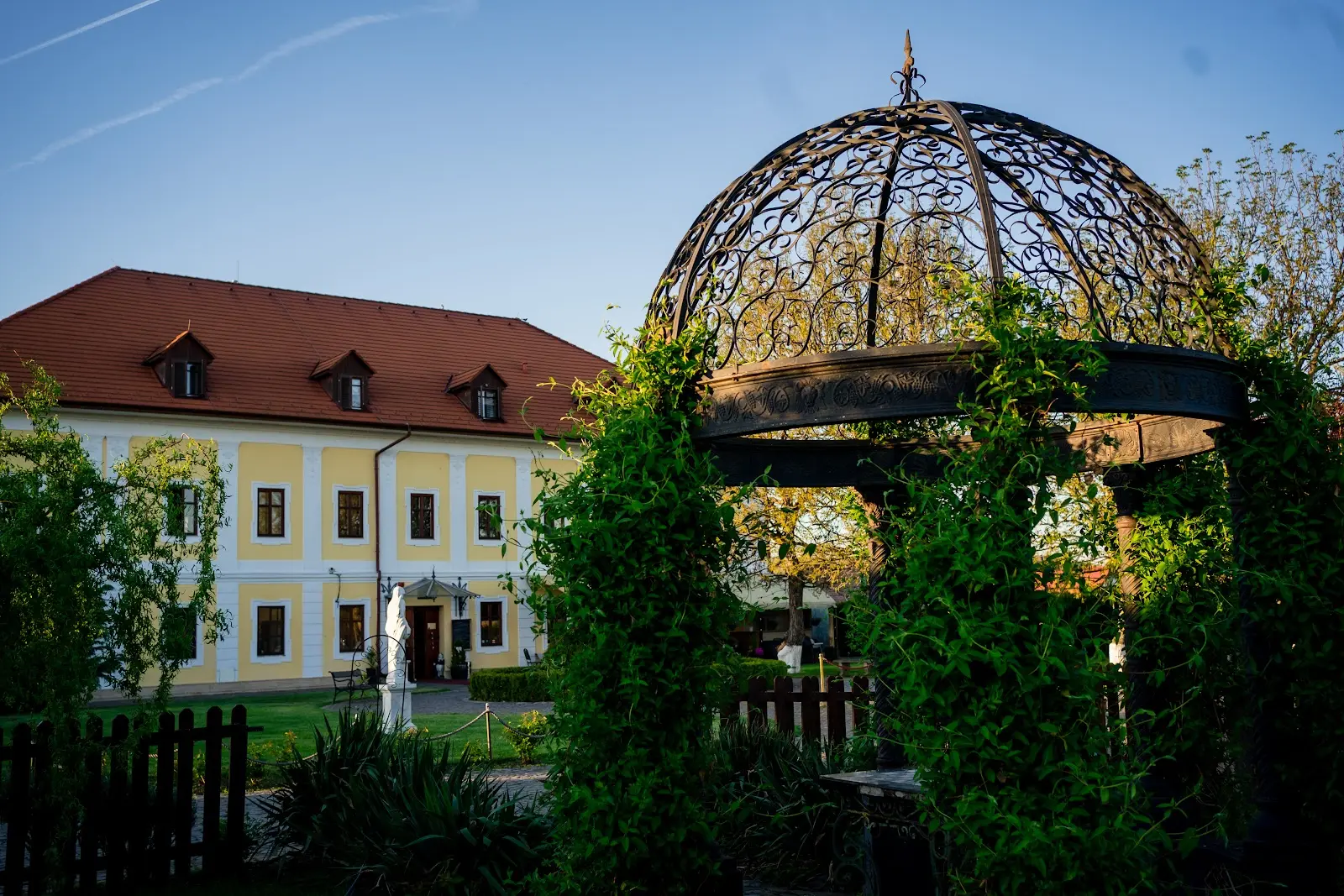
Daniel Castle in Tălișoara, Covasna County, is a Székely noble manor raised by the old Daniel family, one of the most notable aristocratic families of the Székely Land. The building, with origins in the 17th century and later remodelling in Baroque and Classicist style, is surrounded by a park and keeps the atmosphere of a country residence of the Transylvanian nobility, with massive walls, an imposing gate and vaulted halls. Over the centuries the castle has witnessed the troubled history of the Székely Land, and after the communist period, when many such residences were nationalised and left to ruin, it entered a broad restoration process that returned some of its former lustre. Today it operates as a boutique residence and event venue, contributing to the revival of the area's aristocratic heritage. Practical note: check the conditions for visiting or staying in advance, since access depends on the schedule of the private residence.
 Castle
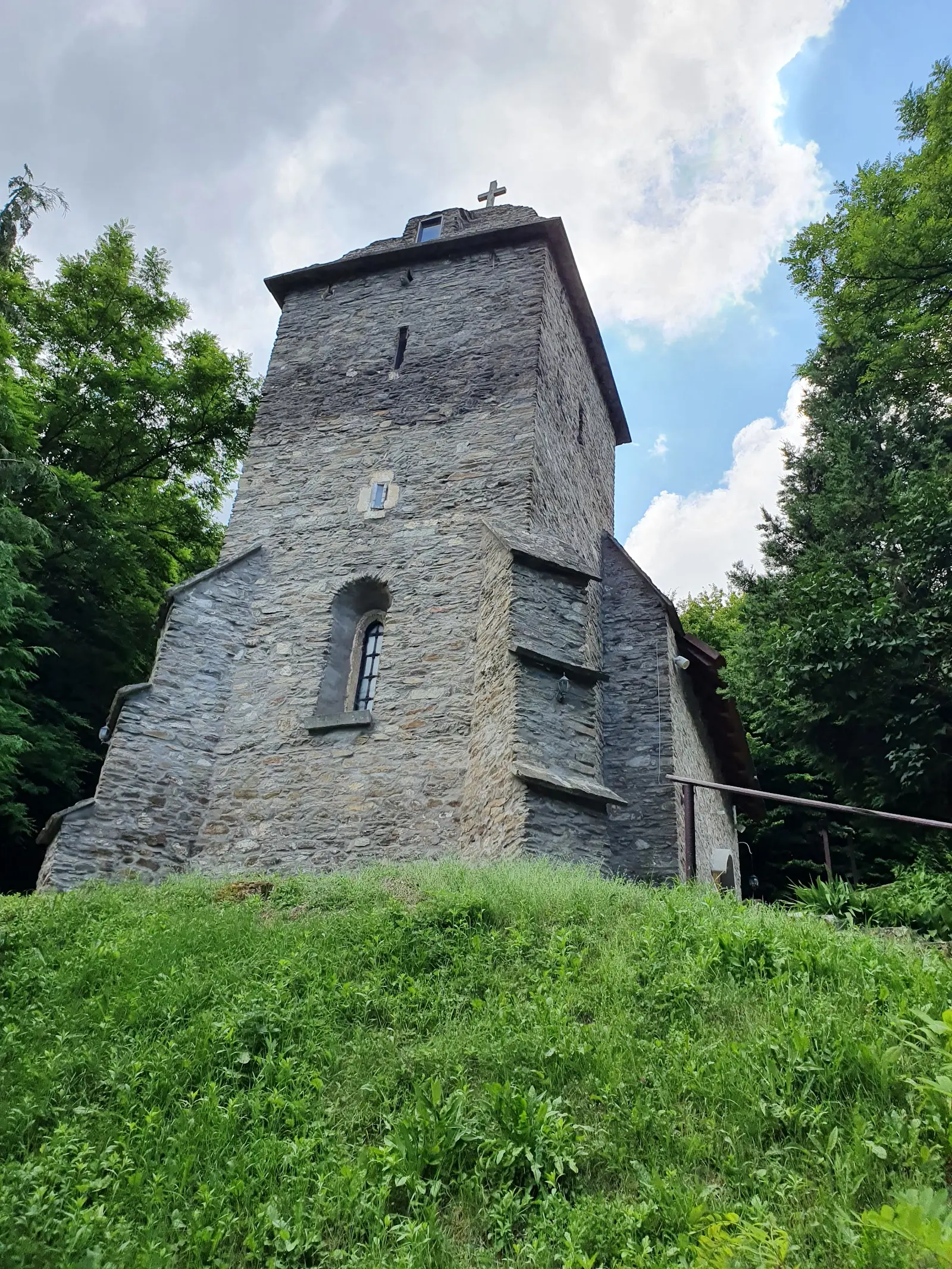
Castelul Kálnoky Micloșoara
Kálnoky Castle in Micloșoara, Covasna County, is the historic residence of one of the oldest and most prestigious aristocratic families of Transylvania, the counts Kálnoky, attested in the Székely Land for over eight centuries. The manor, with Renaissance origins and Baroque remodelling, was nationalised in the communist period and left to ruin, but after 1989 Count Tibor Kálnoky, returned from exile, launched a broad restoration process, returning its former lustre and turning it into a symbol of the revival of noble heritage. Today the estate operates as a guest residence and a centre of authentic cultural tourism, with traditional Saxon and Székely houses restored in the surrounding villages, offering visitors an immersion in the Transylvanian aristocratic world. The area has also become known thanks to British royal visits to the region. Practical note: book a guided visit or a stay well ahead, since the estate works by appointment.
 Fortress
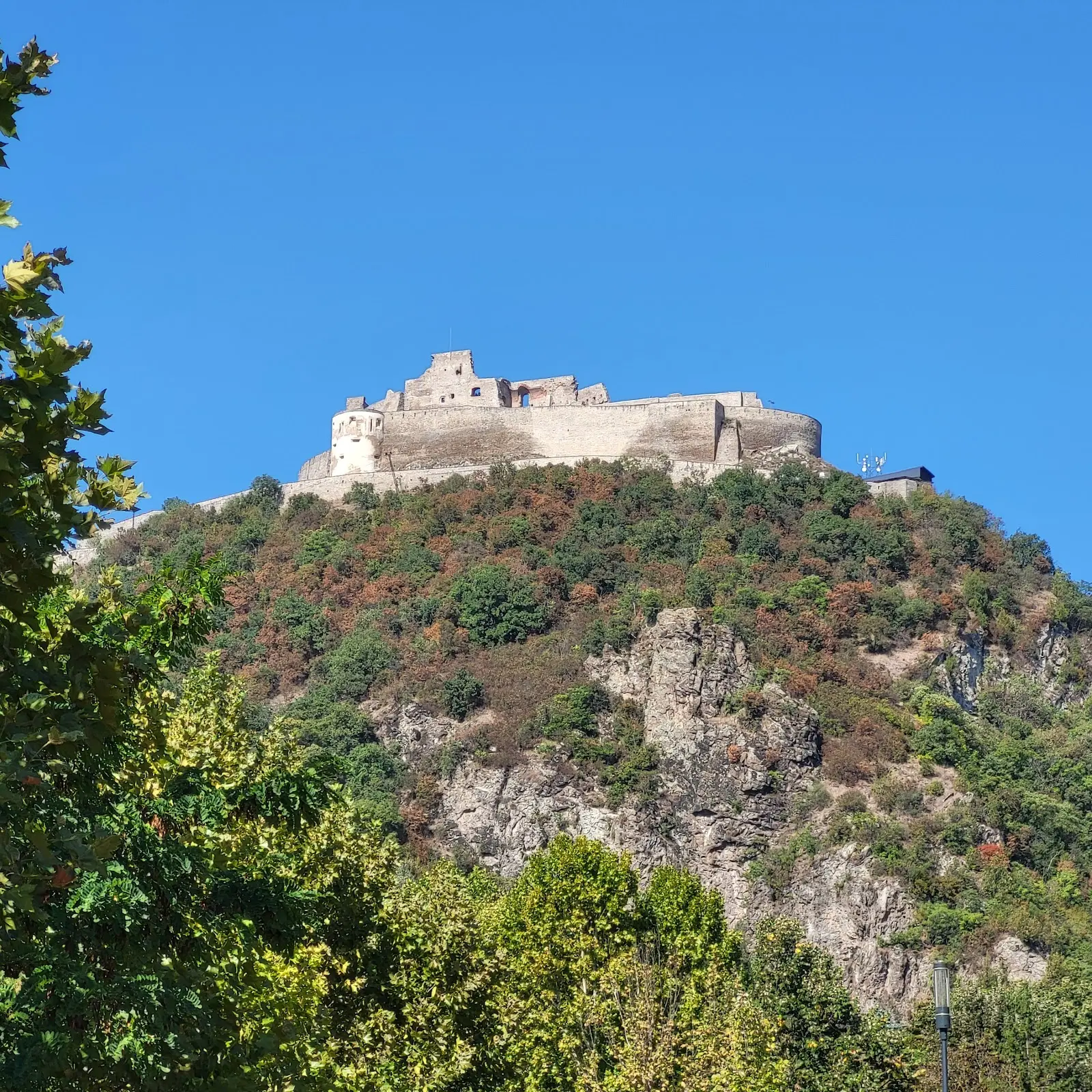
Cetatea Colț
Colt Fortress rises on a rocky spur above the village of Suseni in the Hateg Land, not far from Deva, commanding the valley of the Big River in the heart of the Southern Carpathians. Built in the 14th century by the noble Candea family, later known under the Hungarianised name Kendeffy, it was one of the few stone strongholds held by a family of Romanian origin in medieval Transylvania. The massive keep and the surviving curtain walls cling dramatically to the limestone ridge as evocative ruins. Tradition holds that the fortress silhouette inspired Jules Verne for his novel The Carpathian Castle. The marked trail climbing from the church in the valley rewards walkers with sweeping views towards the Retezat and Tarcu mountains. The site has a solitary, atmospheric feel well suited to hiking and photography. Sturdy footwear is advisable, as the final approach crosses uneven stony ground.
 Fortress
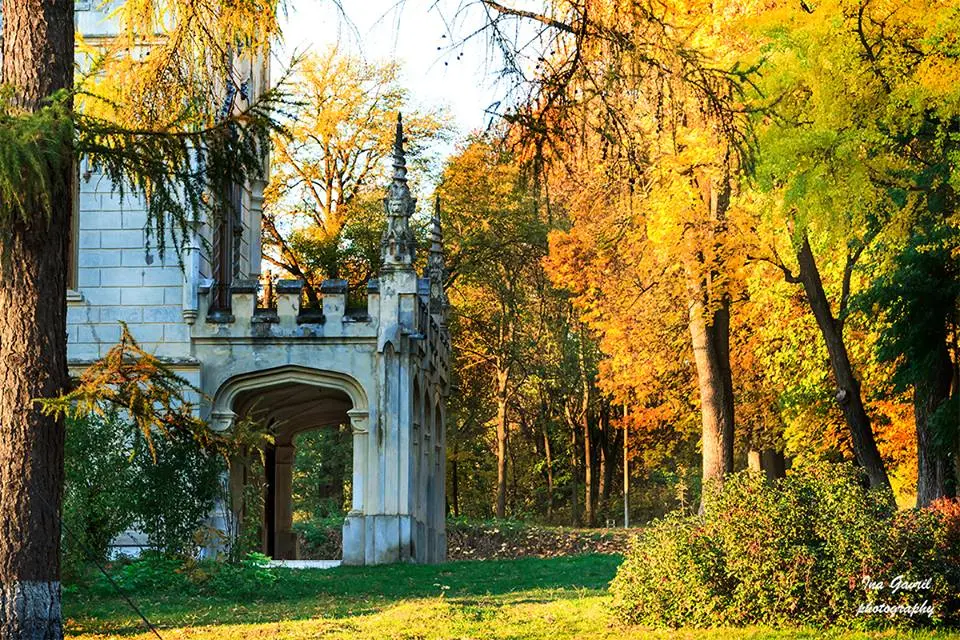
Cetatea Devei
Deva Citadel dominates the town from an isolated volcanic cone, visible from far away across the Mureș Valley. Built in the 13th century and extended over the centuries, it was one of Transylvania's strongest fortresses, tied to great noble families and the province's turbulent history. Today you climb on foot, along rocky paths, or comfortably by an inclined funicular that starts from the park at the foot of the hill. The well-consolidated ruins preserve walls, bastions and gates, and from the top opens one of the finest panoramas in western Romania, over the town, the Mureș and the distant mountains. The citadel hill is also a nature reserve, notable for its horned vipers and rock flora. It is an ideal stop on the way to Corvin Castle in nearby Hunedoara. Check the funicular schedule and wear good shoes if you choose to climb on foot.
 Castle
Castelul Sturdza Miclăușeni
Sturdza Castle at Miclauseni is an impressive Neo-Gothic edifice, raised in the second half of the nineteenth century by the boyar Sturdza family, one of the oldest in Moldavia. Located in Iasi county, the castle stands out for its turreted facades, pointed-arch windows and heraldic ornaments that recall Western medieval architecture. Around the building lies a vast arboretum park, with tree species brought from various regions. Over time the estate went through many transformations, including hard years in the twentieth century, when it was ransacked and put to other uses. Today the castle is in the care of the Metropolitanate of Moldavia and Bucovina, being gradually restored and opened to visitors. The peaceful setting and the legends tied to the Sturdza family make it a special destination for lovers of history and heritage.
 Castle
Cetatea Poenari
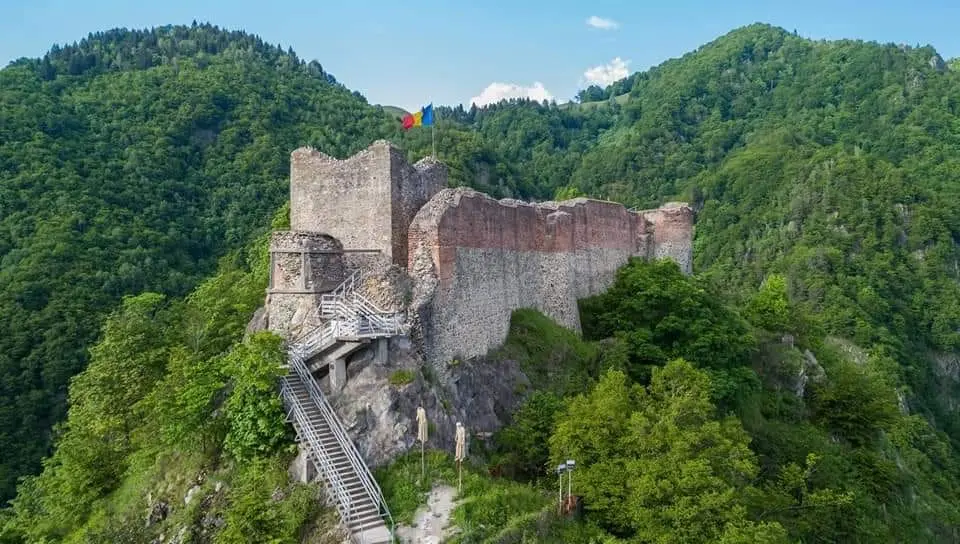
Poenari Fortress rises on a rocky crest of the Fagaras Mountains, above the Arges Valley near Curtea de Arges, and is regarded as one of the true strongholds of Vlad the Impaler. Originally raised in the thirteenth century and reinforced by the Wallachian ruler in the fifteenth century with the labour of prisoners, the fortress served for defence and refuge, in a strategic and hard-to-reach position. Today the fortress preserves walls, towers and fragments of walls that evoke medieval times. Access is by climbing more than fifteen hundred steps through a dense forest, an effort rewarded by the spectacular view over the mountains and the nearby Vidraru Lake. Poenari Fortress is closely tied to the legends of Dracula and draws many visitors eager to discover the authentic history behind these stories, within an impressive mountain setting that makes the climb worthwhile.
 Fortress
Bastionul Theresia
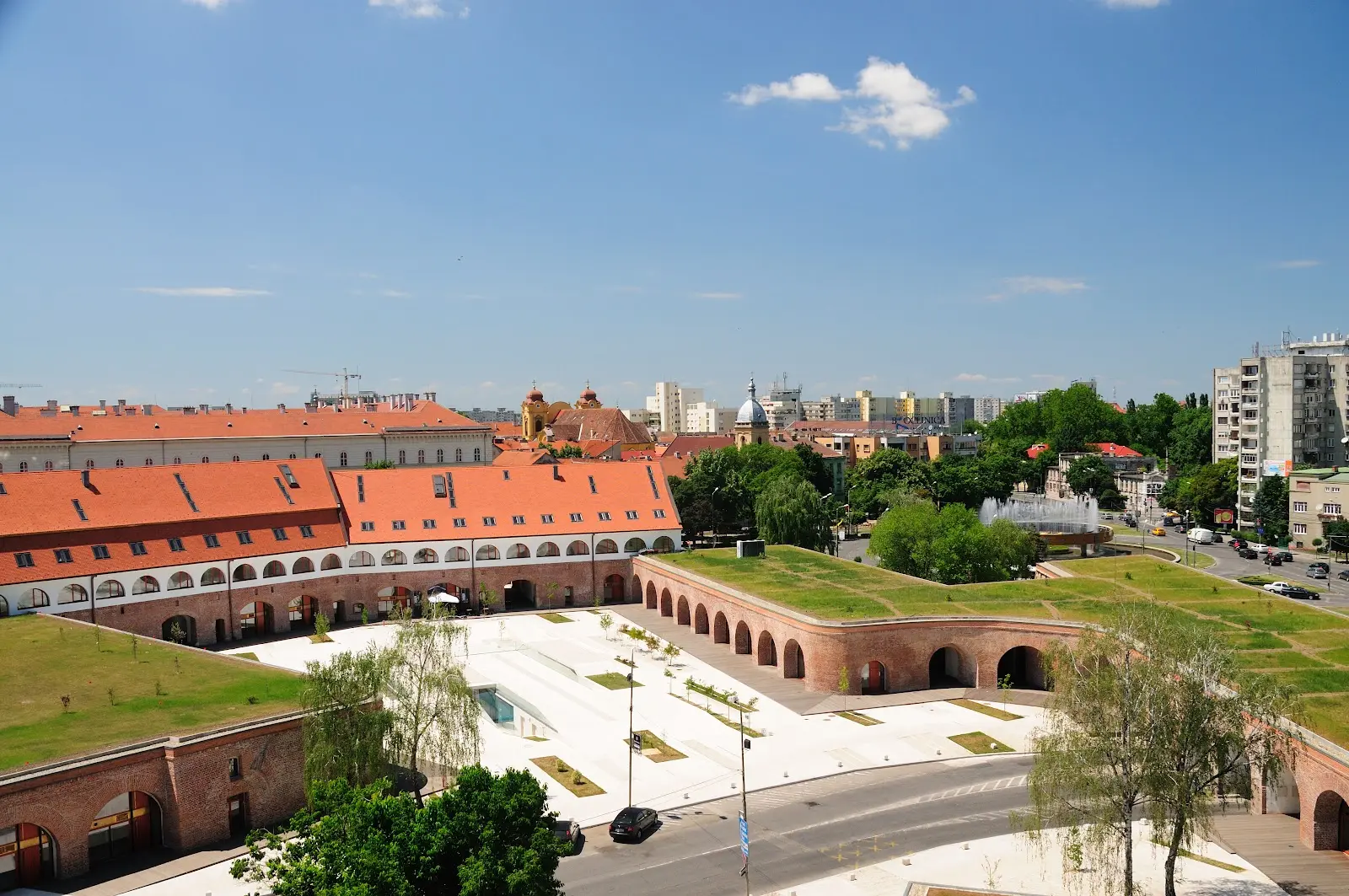
The Theresia Bastion is the largest bastion-type fortification preserved in Timisoara and one of the few surviving testimonies of the old Vauban fortifications of the city. Built in the eighteenth century, during the period of Habsburg rule, the bastion was part of the defensive system of the Timisoara fortress, raised after the conquest of the city from the Ottomans. Its name comes from the Empress Maria Theresa, during whose reign the city underwent important development. The imposing brick walls, with buttresses and ample galleries, have been restored and turned into a cultural and commercial space, which today hosts museums, restaurants, cafes, shops and events. Thus the old military structure has taken on a new life, integrated into the modern life of the city. Set close to the historic centre, the Theresia Bastion is an interesting stop for those wishing to discover the fortified past of the capital of the Banat region.
 Fortress
Cetatea Câlnic
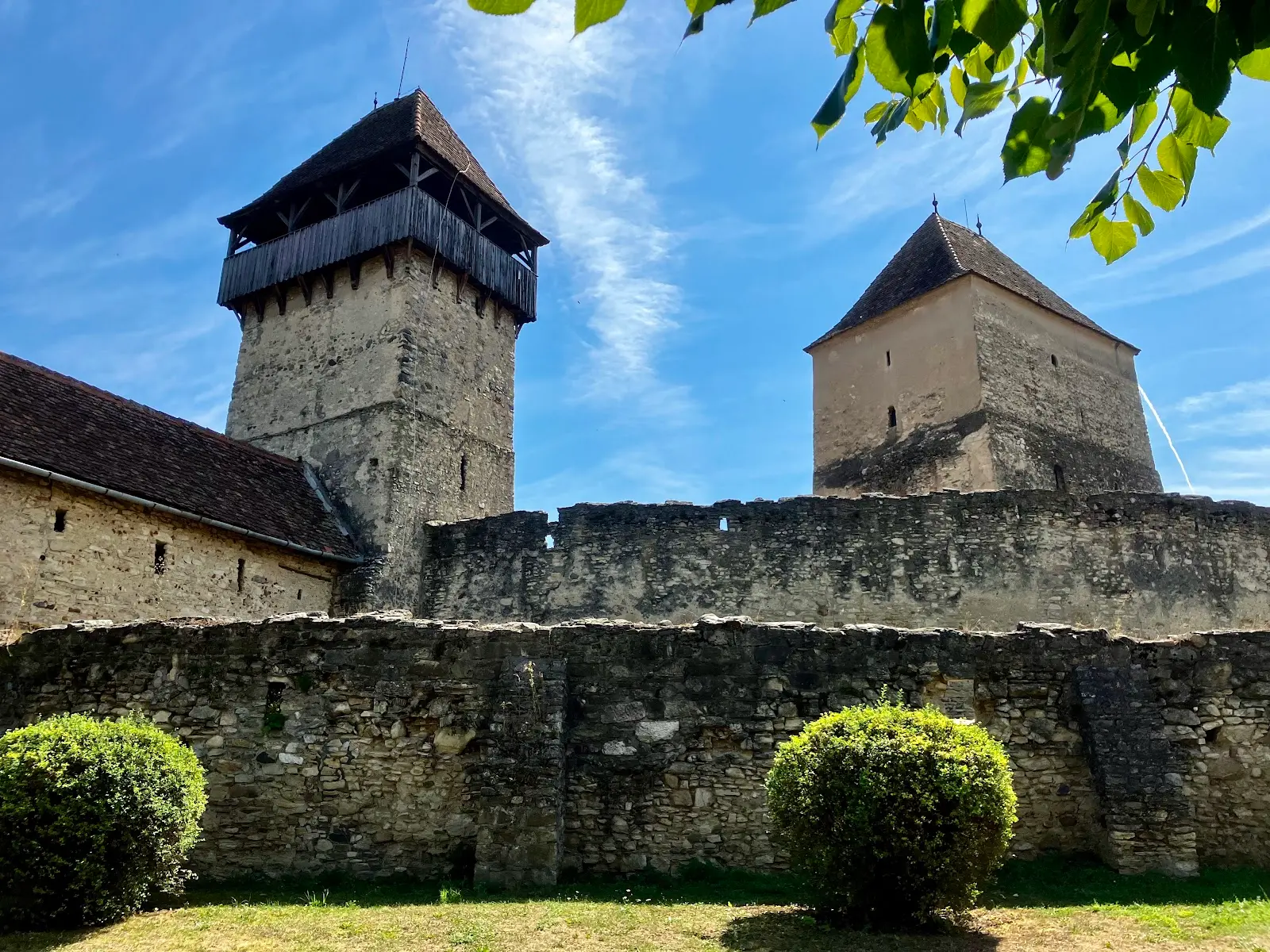
Câlnic Fortress, in Alba County, is one of the best-preserved peasant fortresses in Transylvania and part of the UNESCO World Heritage list, together with other villages with fortified churches in the region. Unlike other fortifications in the area, it was originally built in the thirteenth century by a local noble, and later bought by the Saxon community of the village, which turned it into a fortified refuge against attacks. The complex includes a massive residential tower, a chapel, thick enclosure walls, and a gate tower, all meant to protect the villagers and their goods in times of danger. Inside one can see traces of medieval life and the defensive arrangements. The fortress, well restored, offers an authentic picture of how Transylvanian communities defended themselves. Visitors can climb the tower for a view over the village. It is advisable to check the opening schedule before arriving.
 Castle
Castelul Bethlen-Haller Criș
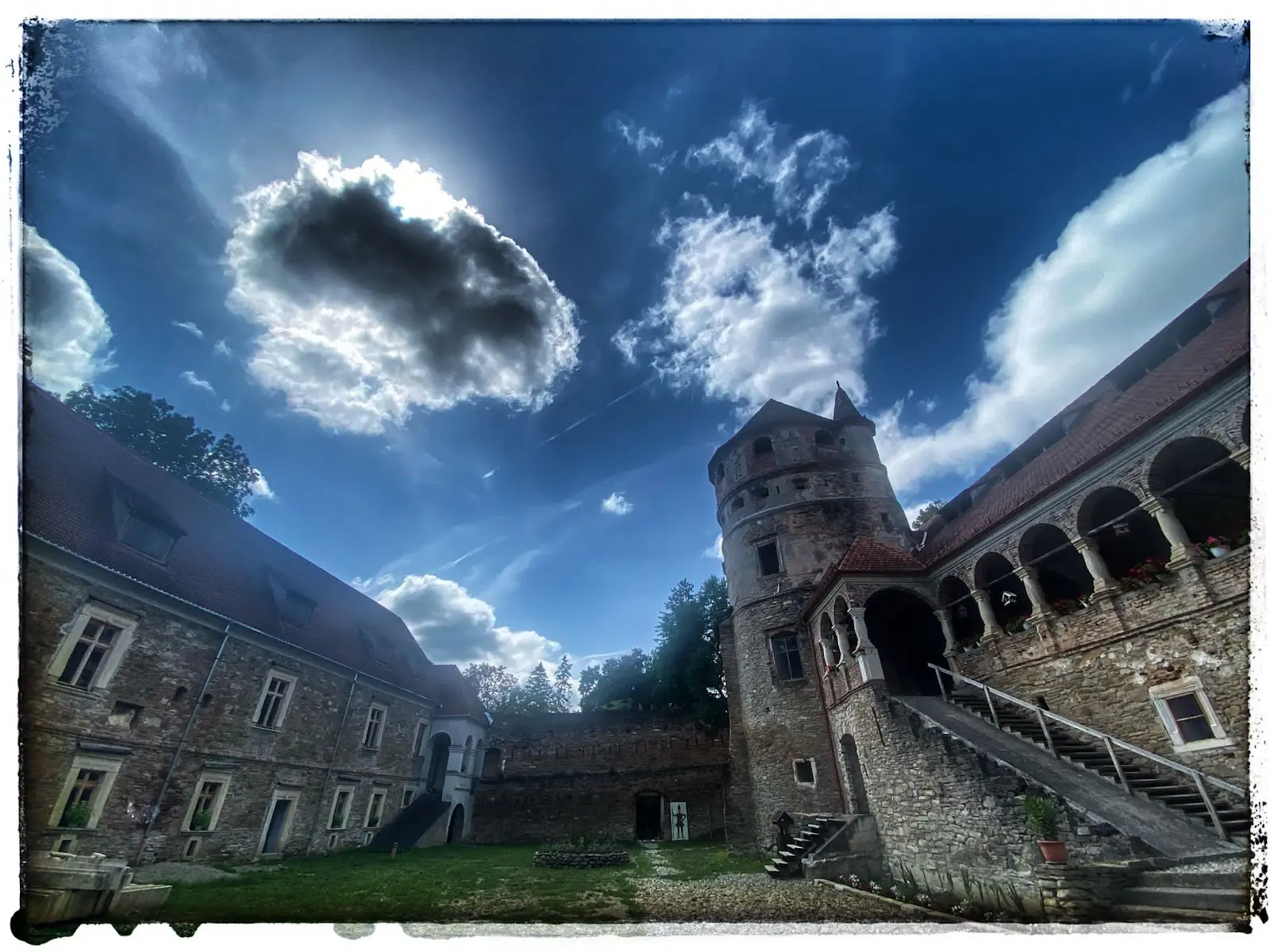
The Bethlen-Haller Castle in the village of Criș, near Sighișoara, is one of the most beautiful Renaissance-style castles in Transylvania. Its construction was begun in the sixteenth century by the noble Bethlen family, one of the most influential Hungarian families in the principality, and it was enlarged and embellished over the following centuries. The complex stands out for its four corner towers, its elegant inner courtyard, and the stone decorations that blend Renaissance and Baroque elements. Once surrounded by a park and a water moat, the castle reflects the status and artistic taste of its owners. After a period of decay, the monument entered a broad restoration process meant to restore its former splendour. Close to Sighișoara, the castle can be included in a tour of the area. Visitors can admire the noble Transylvanian architecture. It is advisable to check the state of the works and the visiting schedule before arriving.
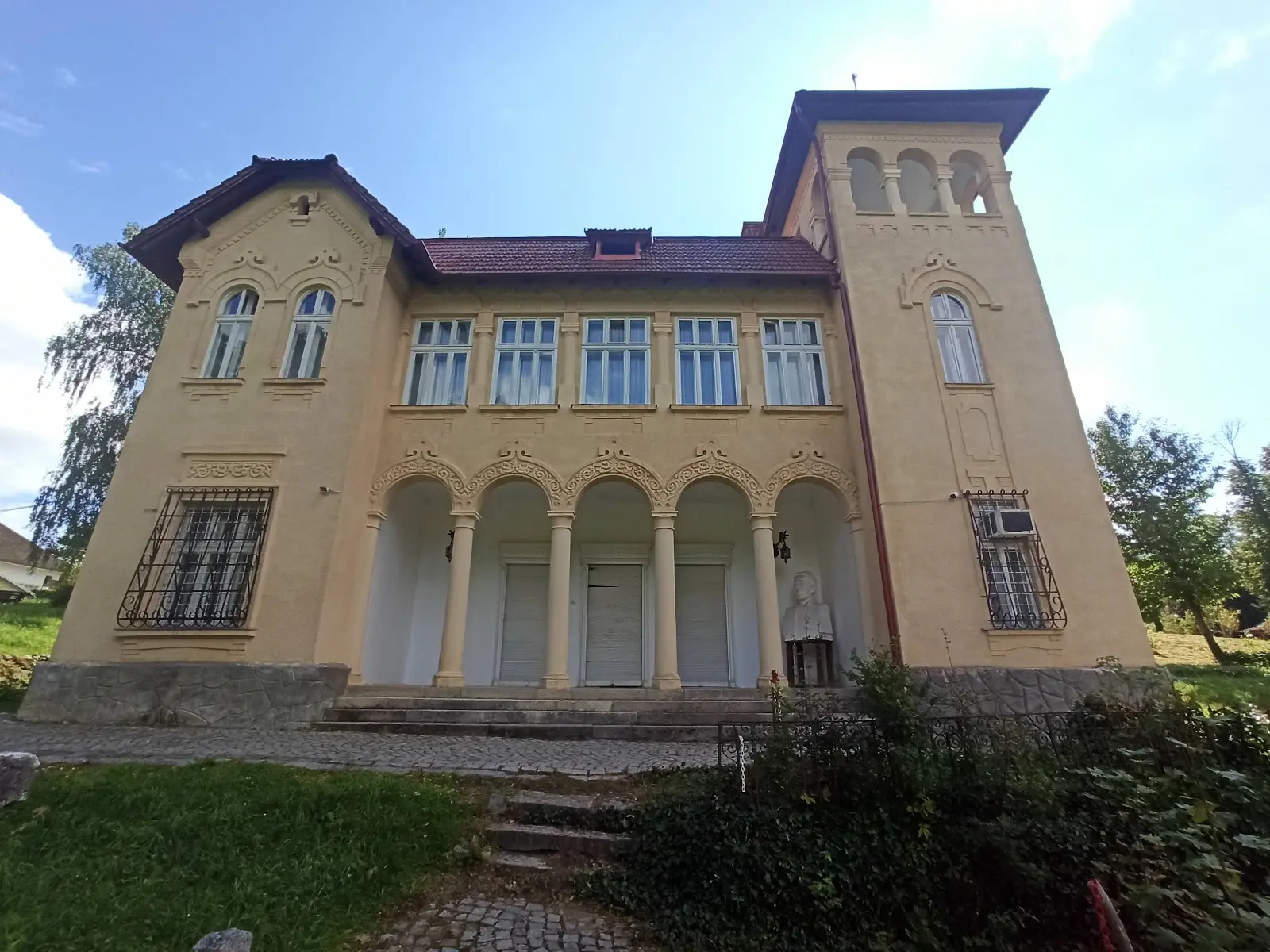 Castle
Castelul Octavian Goga Ciucea
The Octavian Goga Castle in Ciucea, in Cluj county, is a memorial ensemble linked to the life of the poet and statesman Octavian Goga, who lived here with his wife. The estate comprises the castle itself, with interiors arranged in the style of the period, a park, a small relocated wooden church and outbuildings, forming a complex of great historical and cultural value. The collections preserve furniture, personal objects, works of art and testimonies tied to Goga's personality, as well as pieces of folk art gathered by the family. The natural setting, at the foot of the Apuseni mountains, adds charm to the visit. The ensemble is a place of cultural pilgrimage for lovers of literature and national history. Set on the edge of Ciucea, the castle is a fitting stop on the road between Cluj and Oradea; checking the opening schedule is recommended.
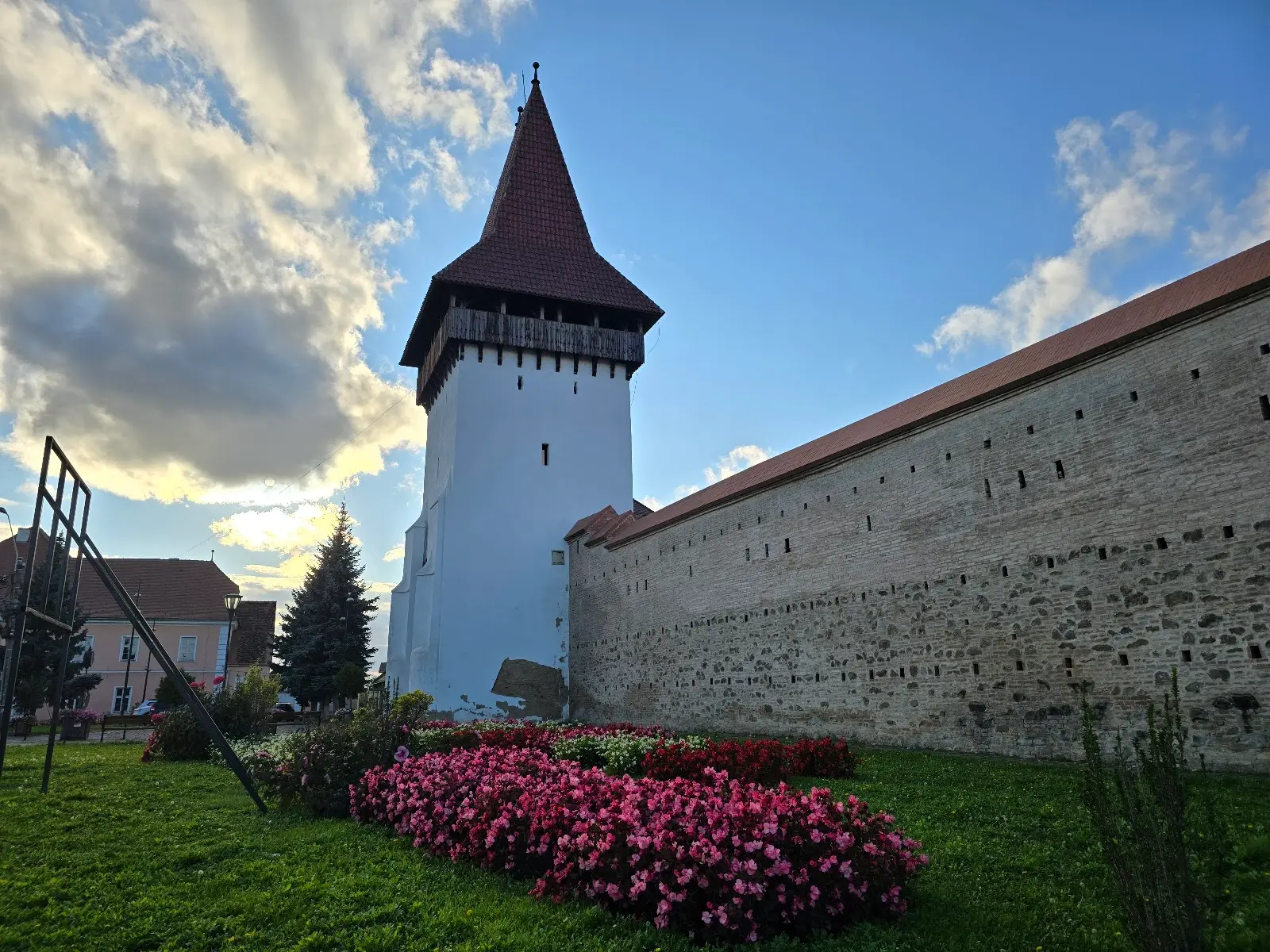 Fortress
Cetatea Mediaș
The Medias Citadel is a medieval fortified ensemble in the heart of Transylvania, raised by the Saxon community to defend the town against invasions. The core of the citadel is the Evangelical church of Saint Margaret, an impressive Gothic building dominated by the tall tower nicknamed the Trumpeters' Tower, a landmark visible from a great distance. The defensive walls, guild towers and gates preserved to this day bear witness to the system of fortification typical of the Saxon towns of the area. Within the enclosure stand out architectural details, carved portals and objects of medieval art. The Medias Citadel is a witness to the rich history of the Tarnava towns and an attraction for lovers of heritage. Set in the historic centre, the citadel is easy to explore on foot; checking the opening schedule of the church and the tower is recommended.
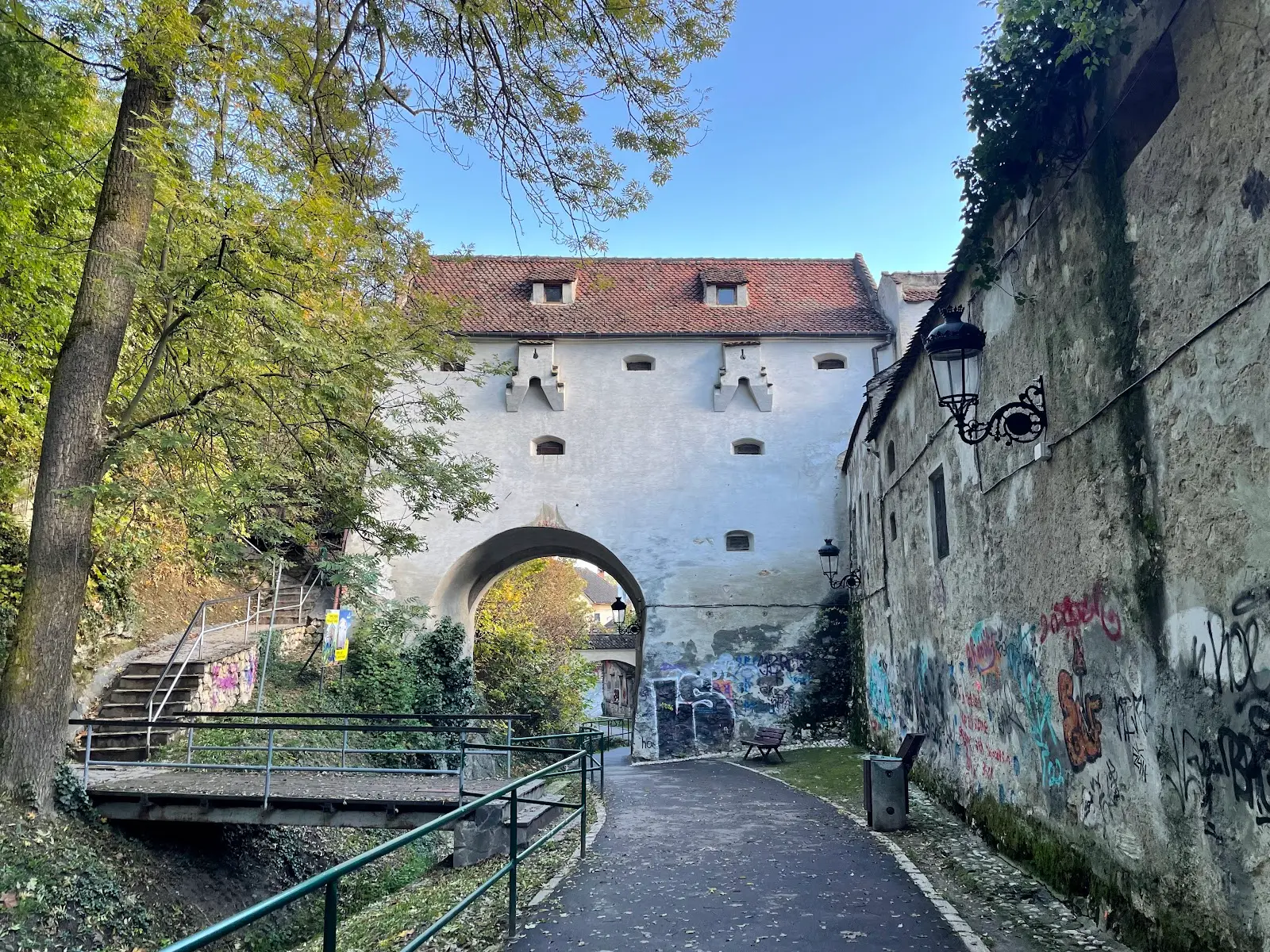 Fortress
Bastionul Graft
The Graft Bastion is one of the medieval fortifications of Brașov, part of the impressive defence system that surrounded this Saxon city in Transylvania. Built in the 16th century, the bastion served to link the enclosure wall with the White Tower on the nearby height and to watch over the approach from the slopes of Tâmpa hill. Set over a stream that crossed the area, the bastion controlled a sensitive point of the fortifications. The robust, narrow structure, with thick walls and loopholes, reflects the community's constant concern for defence against attack. Today the restored bastion hosts exhibitions on the history of the fortifications and the city, offering visitors an insight into the military past of Brașov. Located near the historic centre, it is easily included in a route visiting the old walls. Practical note: the visit connects naturally with the nearby White Tower and Black Tower, and the climb toward them offers fine views over the historic centre of the city.
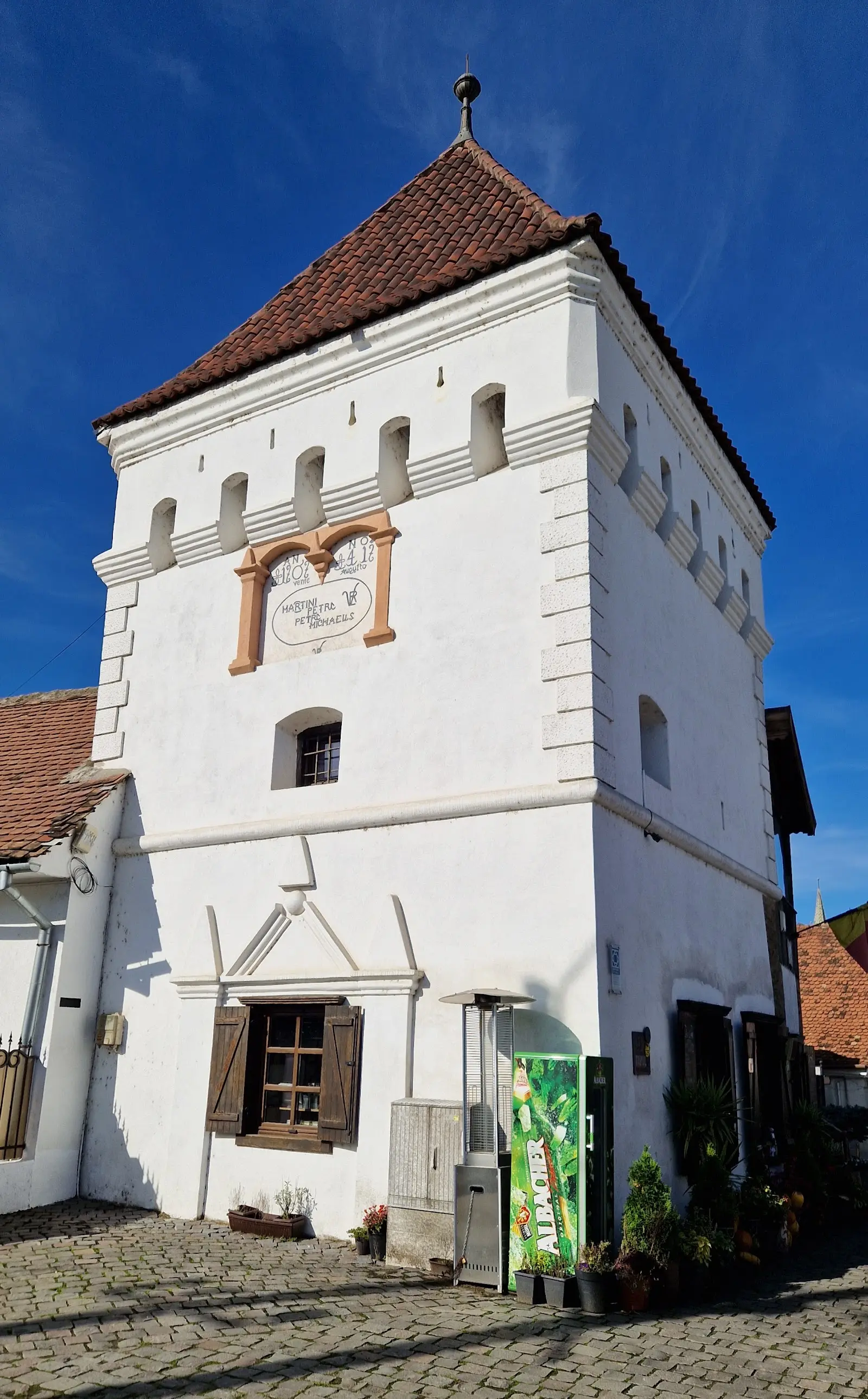 Fortress
Turnul Pietrarilor Mediaș
The Stonemasons' Tower of Mediaș is one of the defensive towers that formed part of the medieval fortification system of this old Saxon burgh on the Târnava Mare valley in Transylvania. Like the other towers of the citadel, it was assigned to a craft guild, in this case that of the stonemasons, who were charged with maintaining and defending it in case of siege, a custom widespread in the Saxon towns. Built of stone and brick, the construction stands out for its massiveness and for its strategic role in ensuring the protection of the town. The fortifications of Mediaș are among the best preserved in Transylvania, and the towers that survive today bear witness to the military and civic organisation of the community of old. The Stonemasons' Tower, together with the other landmarks of the citadel and the fortified Saint Margaret evangelical church with its leaning tower, forms a valuable historic ensemble. Visiting it fits naturally into a walk through the old town centre.
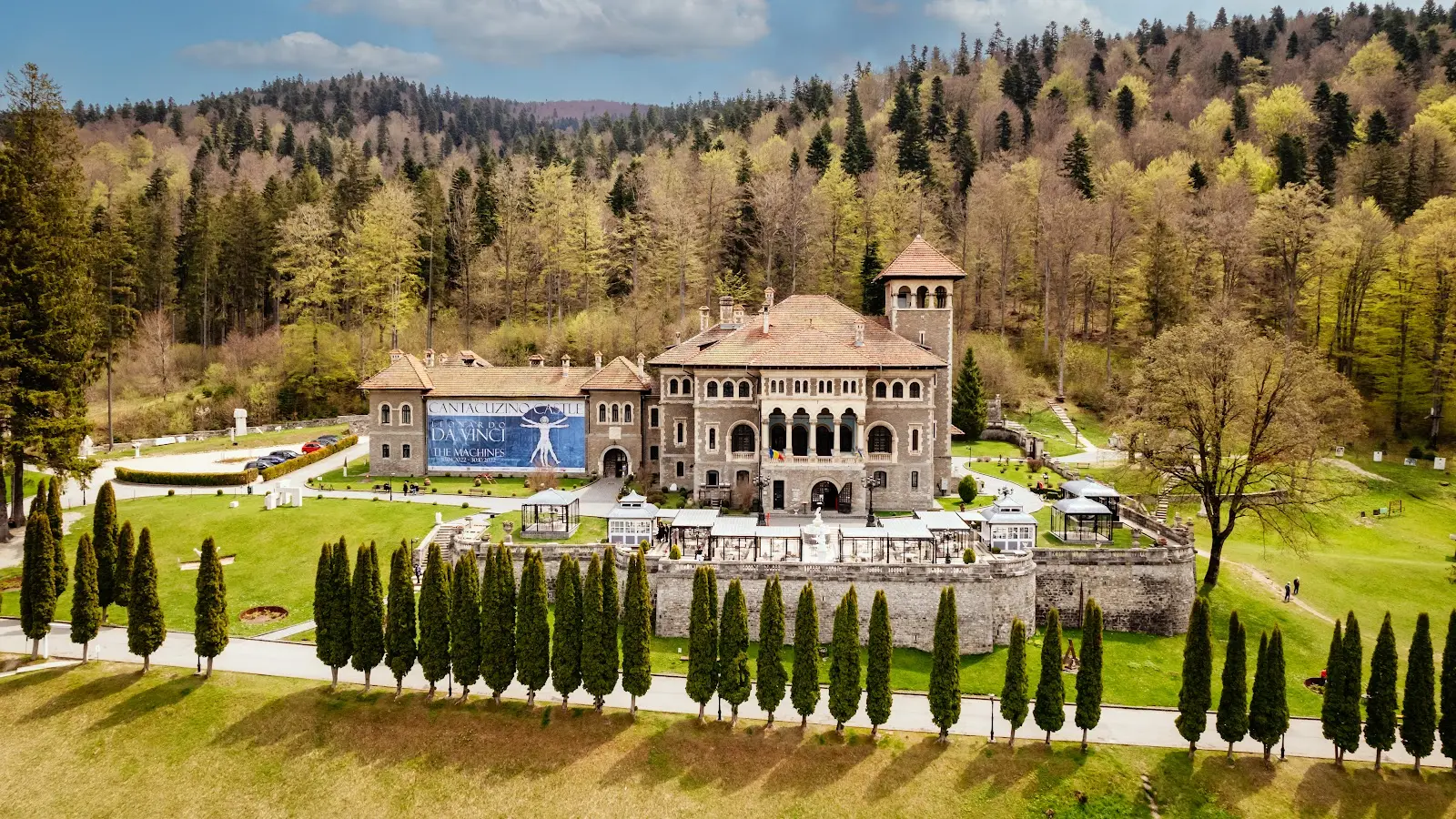 Castle
Castelul Cantacuzino Bușteni
Cantacuzino Castle in Bușteni, built in 1911 for Prince Gheorghe Grigore Cantacuzino — nicknamed "the Nabob" — is an architectural jewel in the Neo-Romanian style, perched on a slope with sweeping views toward the Caraiman Mountains and the Prahova Valley. Stone façades, arcades, fountains and a terraced garden make it one of the most elegant manors in Romania. The interiors preserve heraldic coats of arms, stained glass and panelling, evoking the splendour of a boyar family with Byzantine roots. In recent years the castle has also become famous thanks to international film productions shot here. Visitors can walk the halls and the romantic park and admire the mountain panorama from the terraces. It is a natural stop on the route to Sinaia and Bran. Check the visiting schedule and any temporary exhibitions, which change from season to season.
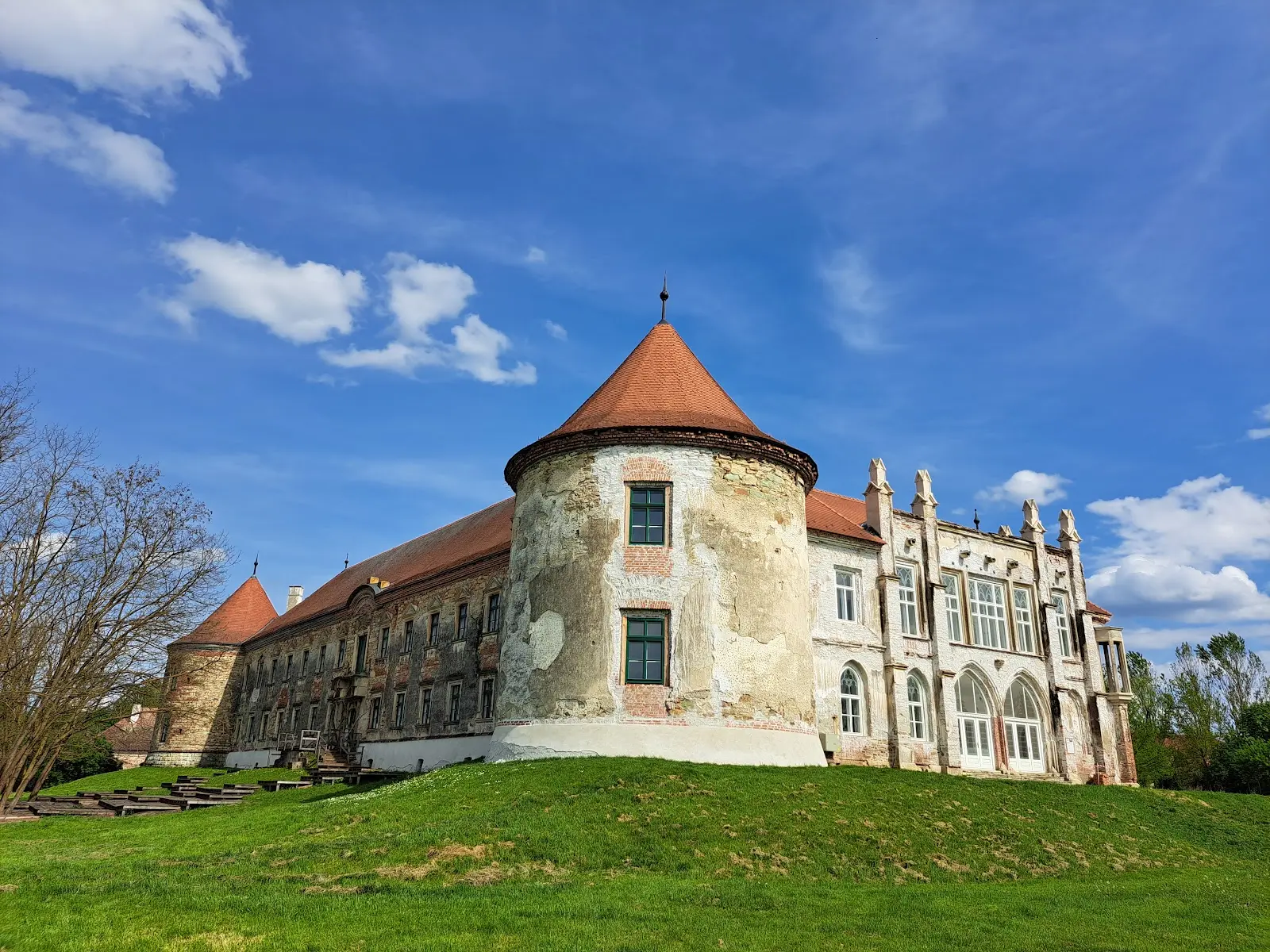 Castle
Castelul Banffy Bonțida
Banffy Castle at Bonțida, often nicknamed the Versailles of Transylvania, is one of the most important noble ensembles in the region, set in the village of Bonțida near Cluj-Napoca. The historic residence of the powerful Hungarian aristocratic Banffy family, the castle was built and expanded over several centuries, blending different architectural styles, from Renaissance and baroque to Neo-Gothic elements, around imposing courtyards and an extensive park. In its golden age the ensemble was a brilliant cultural centre, with gardens, monumental stables and lavish interiors. Badly damaged during the Second World War and further degraded in the communist period, the castle entered a broad restoration process, becoming a symbol of the recovery of Transylvanian heritage and the host of important cultural events, among them a well-known festival of art and electronic music. Visitors can discover the restored buildings and the elegant ruins, in a setting that tells the story of the grandeur and decline of the Transylvanian aristocracy. Checking the visiting schedule and events is recommended.
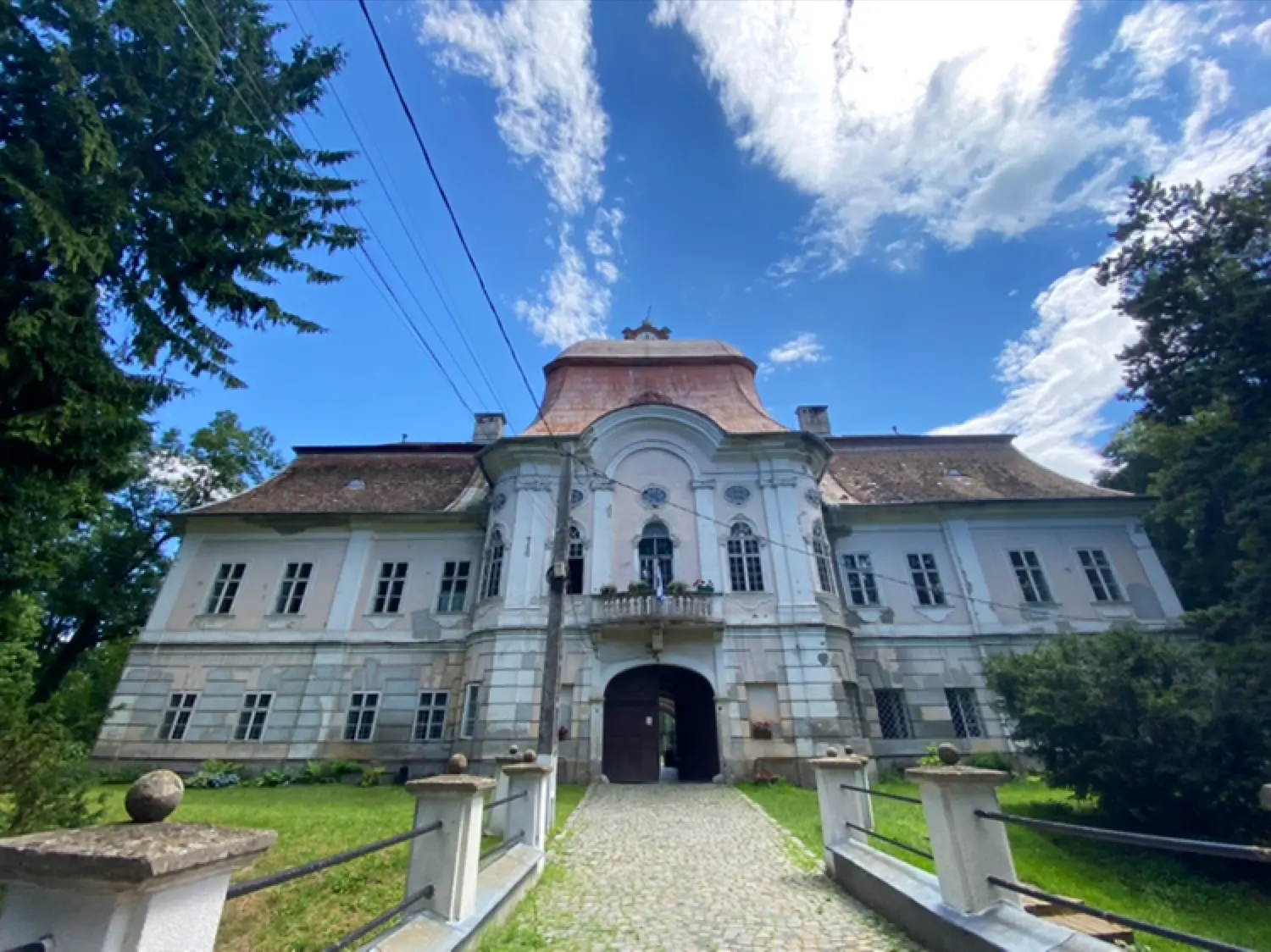 Castle
Castelul Teleki Gornești
Teleki Castle in Gornești, near Târgu Mureș, is one of the most beautiful noble ensembles in Transylvania, built in the 18th century by the aristocratic Hungarian Teleki family. The edifice, raised in the Baroque style, impresses with its elegant proportions, harmonious facades and the extensive park that surrounds it, once laid out as an English-style garden. The castle was a family residence and a centre of noble life in the area, a witness to the splendour of the Transylvanian aristocracy. Over time the building has served various uses, and it is now the subject of restoration efforts aimed at restoring its former glory. Visitors can admire its majestic architecture and the quiet natural setting, which evokes the atmosphere of the noble estates of the past. Set on the bank of the Mureș river, the castle is a valuable stop for those interested in the aristocratic heritage of Transylvania and in the history of the Hungarian noble families that shaped the region.
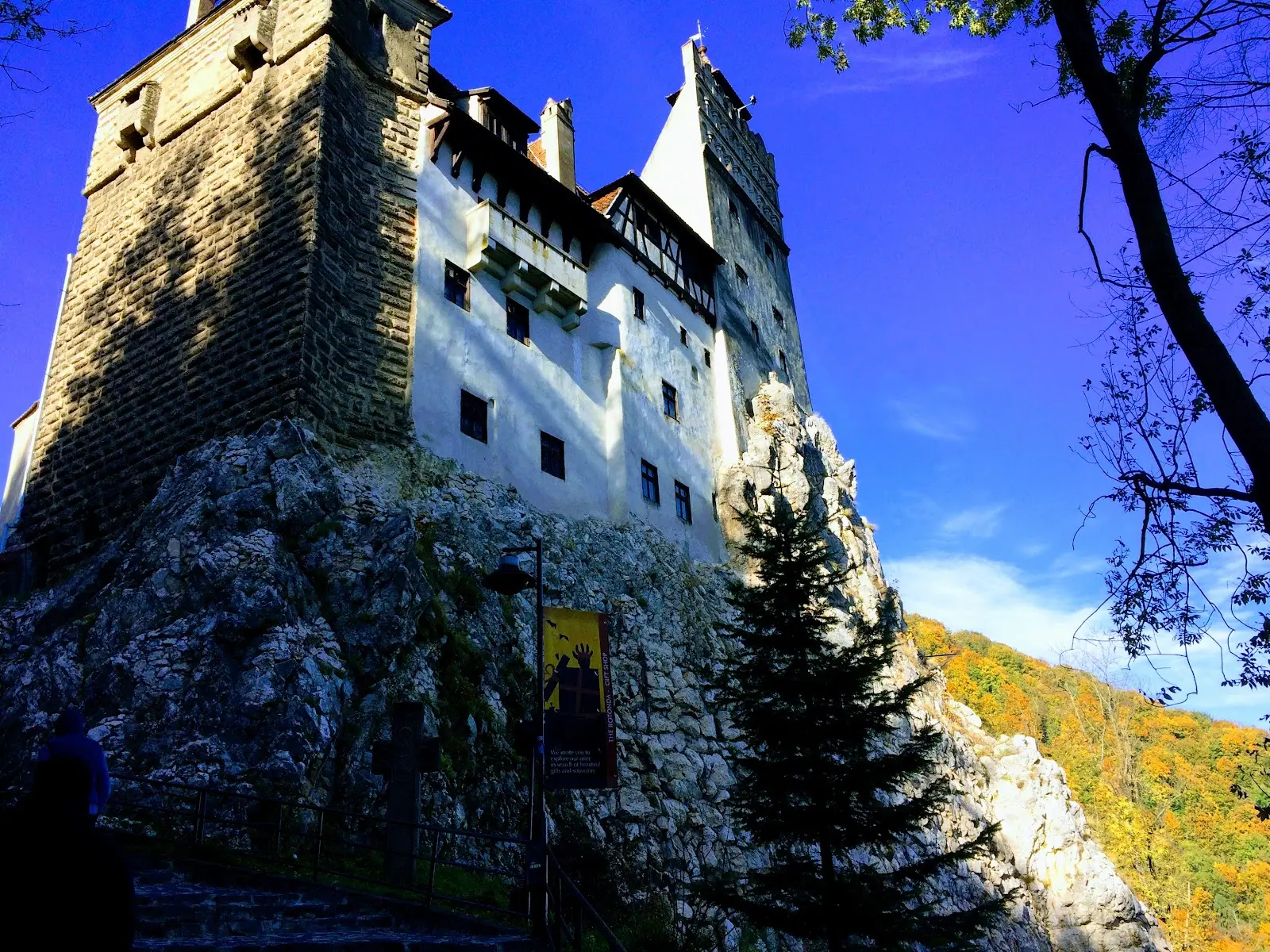 Castle
Castelul Bran
Perched on a rock at the pass between Transylvania and Wallachia, Bran Castle is Romania's most photographed fortress and, in popular imagination, "Dracula's castle." Built in stone by the burghers of Brașov in the late 14th century as a customs point and defence of the trade road, it changed roles over the centuries, becoming in the 1920s the summer residence of Queen Marie, who tastefully turned it into a royal home. The interiors preserve period furniture, intimate courtyards, narrow staircases and a maze of rooms linked by hidden passages. The views toward the Bucegi and Piatra Craiului peaks are spectacular. At the foot of the castle you will find souvenir stalls and small themed museums. Check the visiting schedule before you go, especially in peak season when crowds are heavy.
 Fortress
Cetatea Țărănească Slimnic
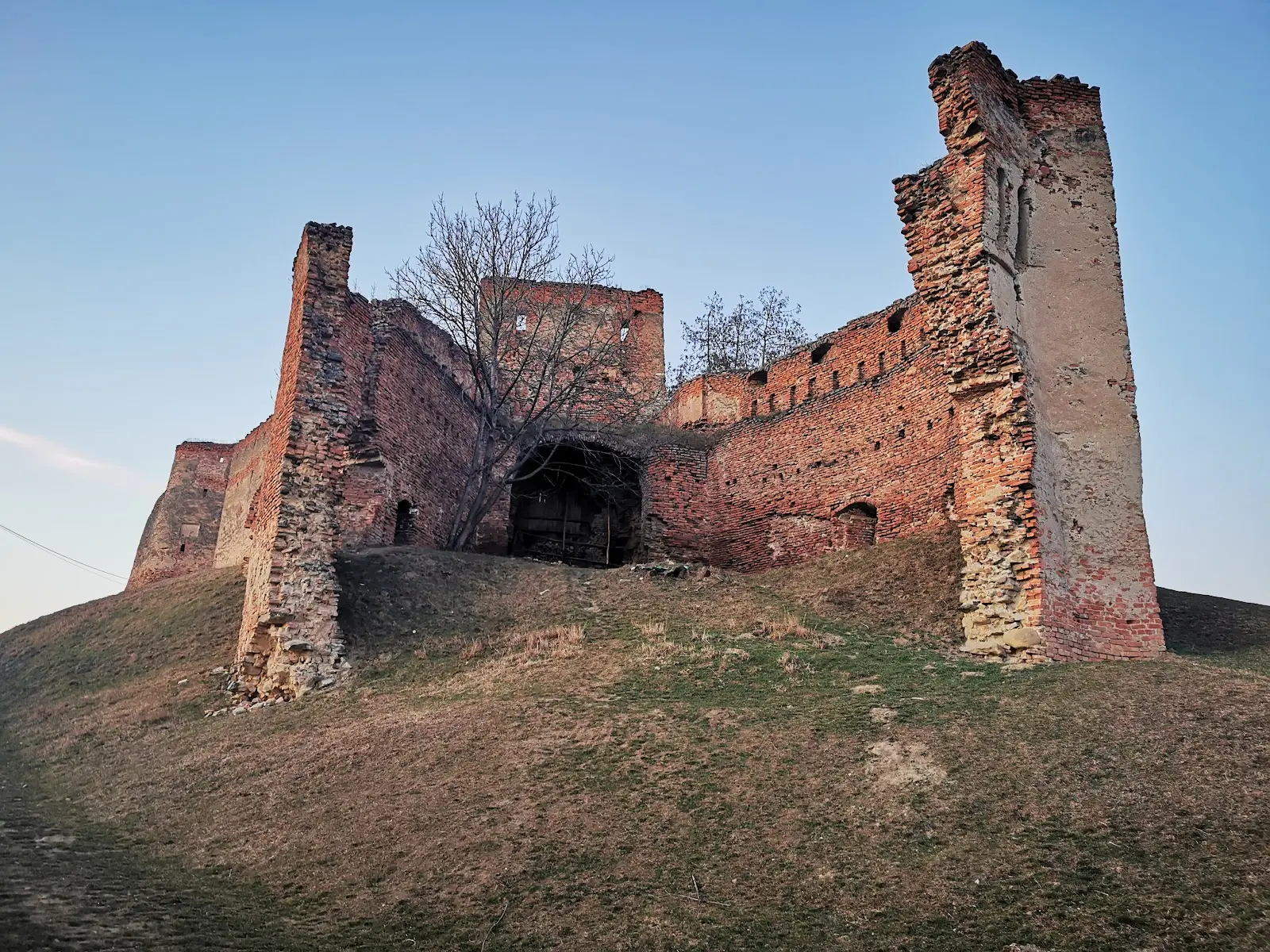
The Peasant Fortress at Slimnic, near Sibiu, is an impressive medieval fortification raised by the Saxon community on a hill that dominates the village and its surroundings. Built from the 14th and 15th centuries onward, the fortress served to protect the population against invasions and is a remarkable example of defensive architecture in southern Transylvania. Today, massive walls, towers, a ruined basilica and fragments of the defensive system survive from the ensemble, outlining the imposing silhouette of the fortress against the sky. Though partly ruined, the fortification impresses through its scale and strategic position, offering from above a broad view over the surrounding hills and villages. Visitors can explore the enclosure and climb among the walls to admire the panorama and imagine the life of the past behind these defences. Located near the road between Sibiu and Mediaș, the fortress is a valuable stop for those interested in Saxon heritage and in the peasant fortresses that punctuate the Transylvanian landscape.
 Fortress
Cetatea Székely Odorheiu Secuiesc
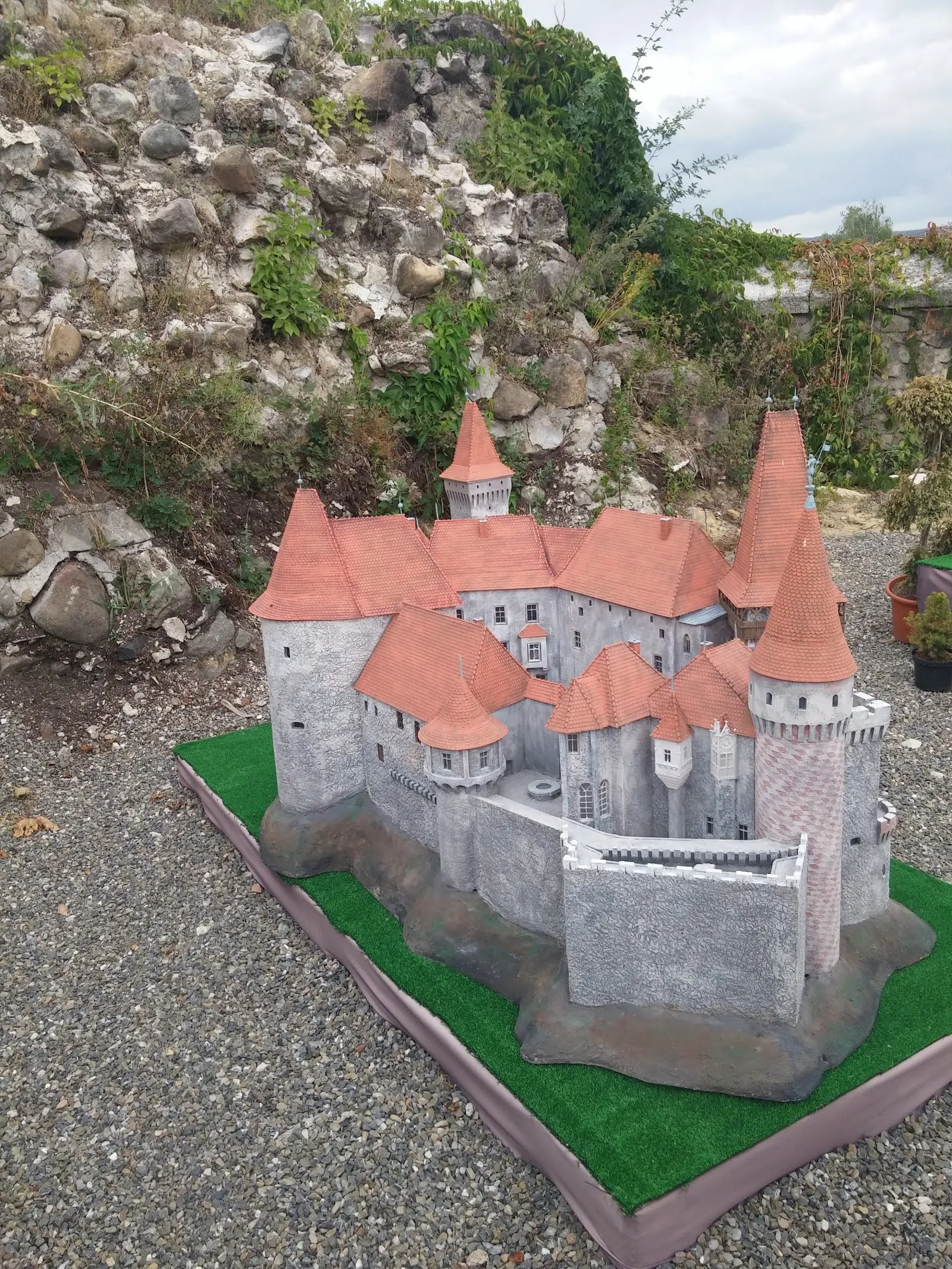
The Szekely Fortress in Odorheiu Secuiesc, also known as the Csonka Fortress, is a historic fortification set in the heart of the Szekely Land in eastern Transylvania. Its origins are linked to the fortifications raised in the medieval and early modern periods, the fortress passing through several phases of building and destruction over the centuries amid the political and military upheavals of the region. The name Csonka, meaning truncated, refers to the partly ruined state the stronghold reached after the historical events that marked it. Today bastions, walls and elements of the enclosure survive, bearing witness to the military past of the town. Located near the centre, the fortress now houses institutions and spaces that have given it a renewed role in community life. Odorheiu Secuiesc is a town with a strong Hungarian cultural identity, and the fortress rounds out a tour of its monuments, alongside churches and historic buildings in the urban centre.
 Fortress
Cetatea Finiș
 Castle
Castelul de Lut Valea Zânelor
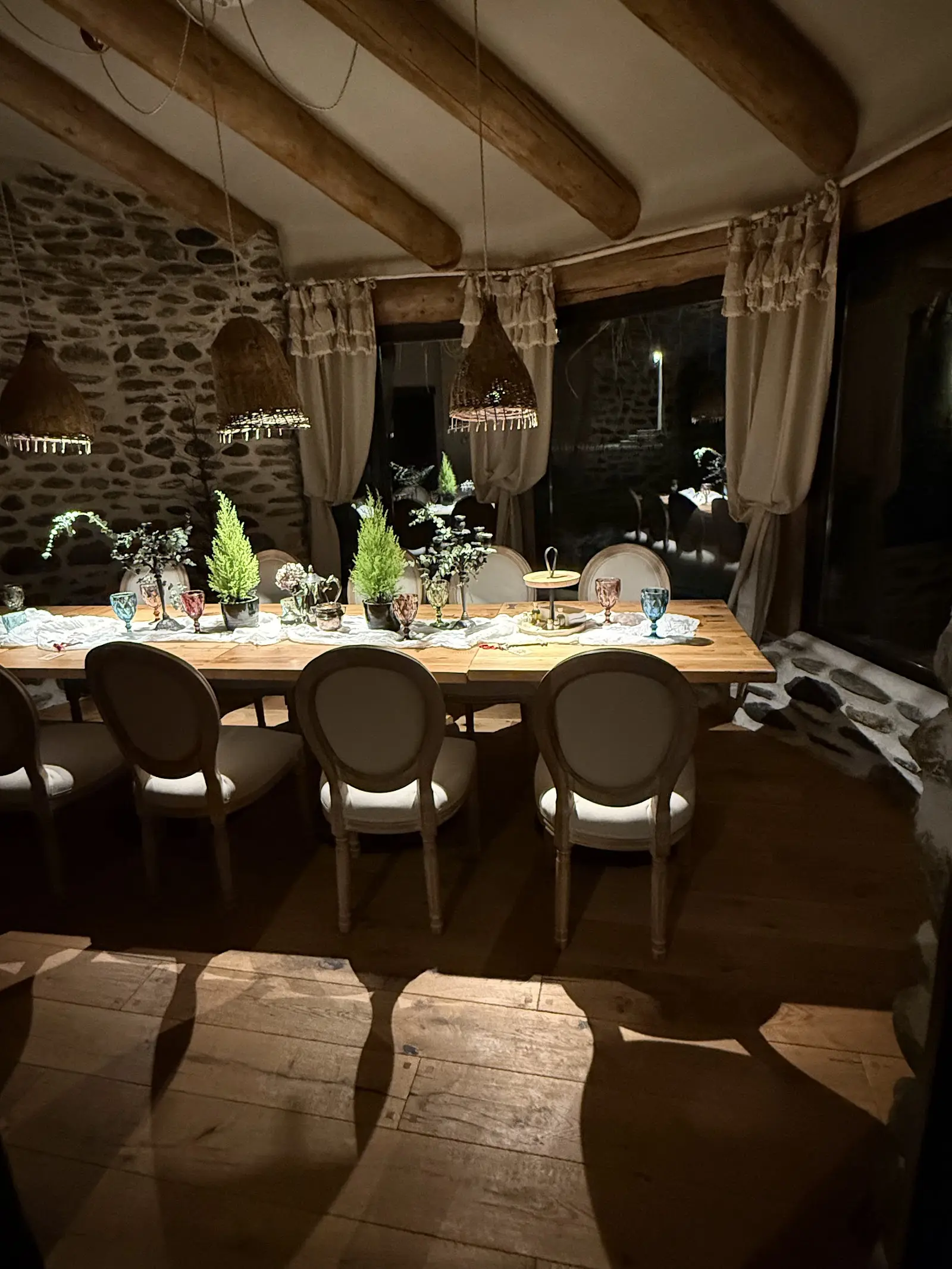
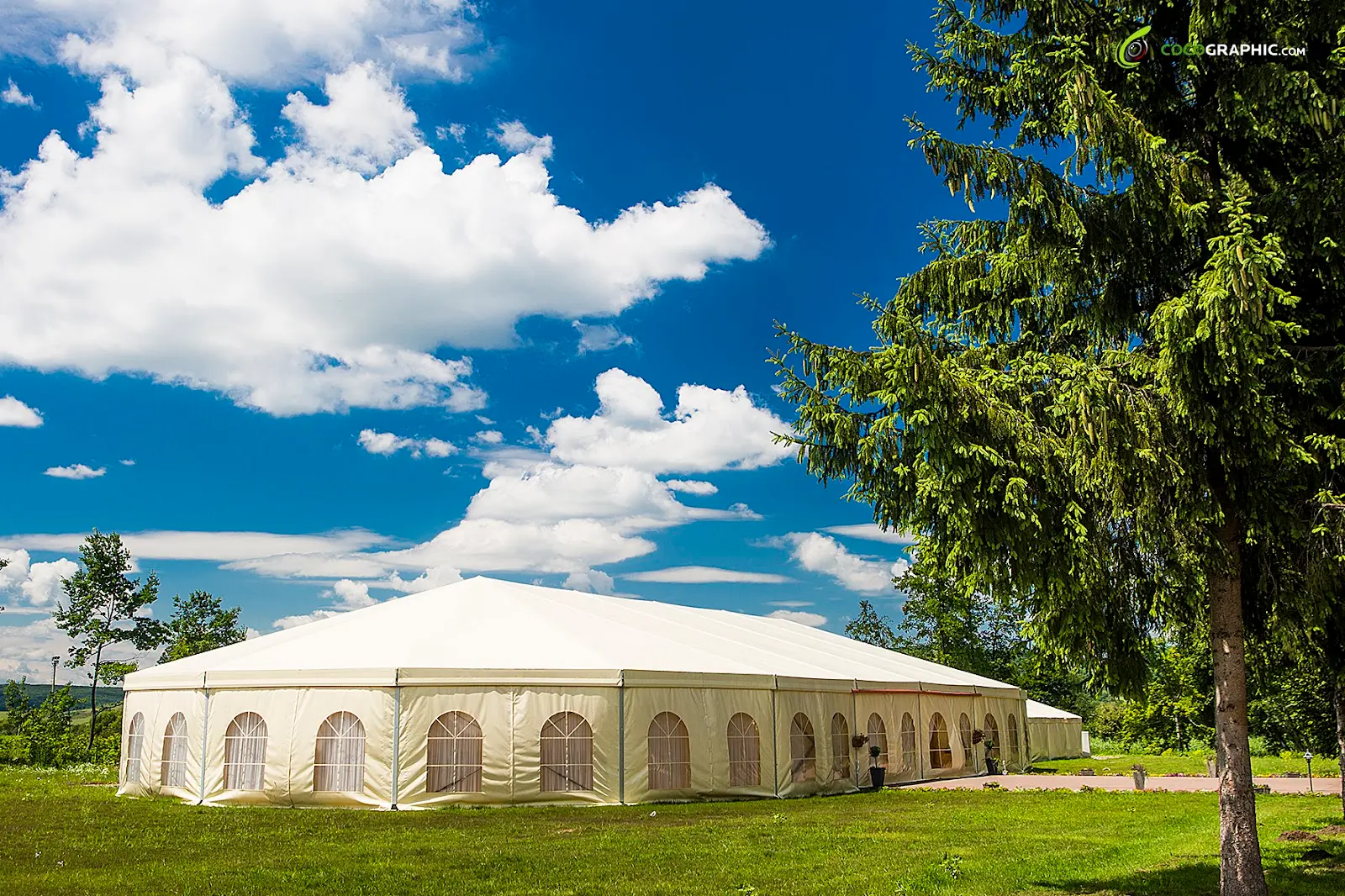
Tucked into the village of Porumbacu de Sus at the foot of the Făgăraș Mountains, the Clay Castle of the Valley of the Fairies looks lifted from a fairy tale. Built entirely from natural materials — clay, wood, straw and sand — the small complex has crooked little towers, thatched roofs and organic forms recalling hobbit houses or storybook illustrations. Conceived as an experiment in ecological architecture and as a themed guesthouse, it quickly became an attraction loved by families and photographers. The surrounding mountain setting, with meadows and snow-capped ridges on the horizon, heightens the sense of an enchanted place. You can visit the courtyard, photograph the hand-crafted details and, if you wish, stay overnight in the storybook rooms. As a private, evolving property, check the visiting schedule and accommodation availability before setting out.
 Castle
Palatul Brukenthal Avrig
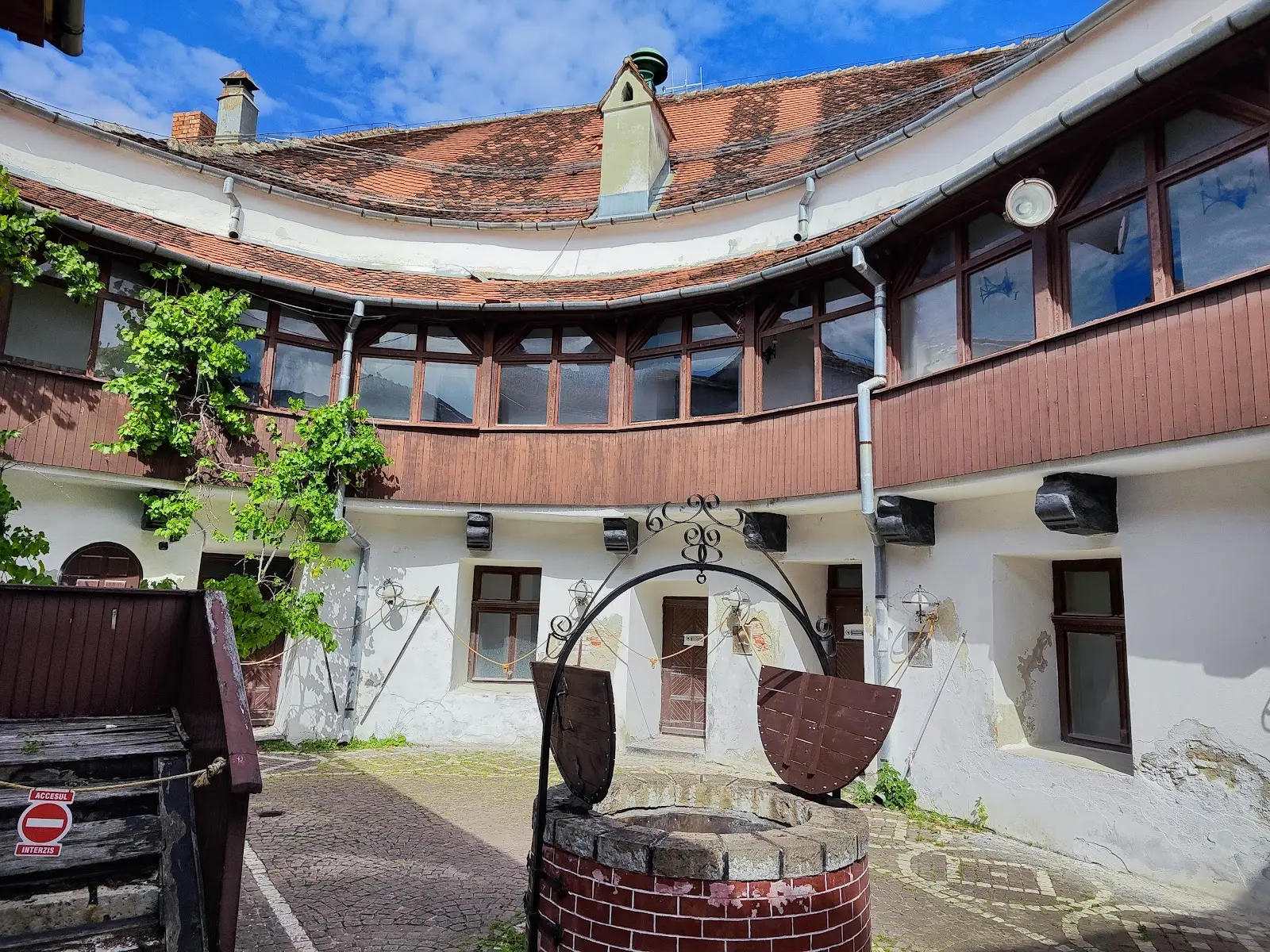
Brukenthal Palace at Avrig is an elegant baroque summer residence, built in the eighteenth century by Baron Samuel von Brukenthal, governor of Transylvania and a great art collector, set in the town of Avrig between Sibiu and Făgăraș, at the foot of the Făgăraș Mountains. The ensemble, often compared to Central European noble residences, comprises the palace itself, with harmonious facades and once-lavish interiors, and a remarkable park laid out in baroque and English style, with alleys, terraces, an orangery and ornamental tree species, considered one of the oldest dendrological parks in Transylvania. Baron Brukenthal, known above all for the famous museum he founded in Sibiu, used the Avrig residence as a place of rest and horticultural experiments. Over time the ensemble went through periods of decay, but it remains a valuable historical monument. The natural setting, with views toward the mountains, completes the charm of the place. Visitors can discover the palace and the park, checking the visiting schedule in advance, as it may vary.
 Fortress
Cetatea Brașov
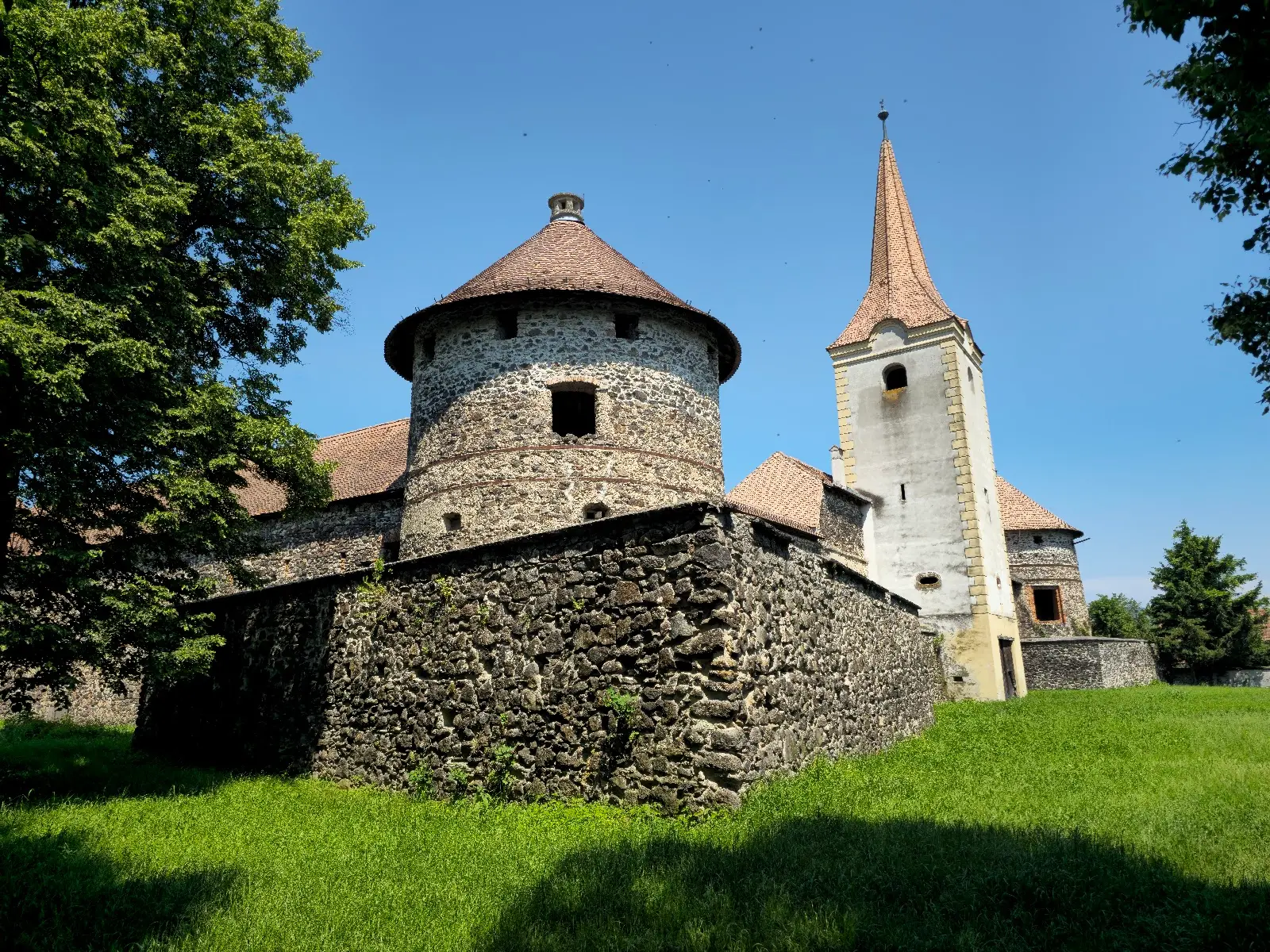
Brasov Citadel, also known as the fortress on Citadel Hill, is a fortification built on a knoll overlooking the historic centre of the city, offering one of the finest panoramas over medieval Brasov and the Postavaru and Tampa mountains. Originally built of wood in the Middle Ages and later rebuilt in stone, the citadel served as an advanced defence and a refuge in times of siege, complementing the defensive system of the Saxon town. Its massive bastions, thick walls and inner courtyard recall the turbulent military past of Transylvania, marked by invasions and conflicts. Today the restored complex hosts cultural and leisure spaces, while the walk up becomes a pleasant stroll. Practical note: climb to the citadel towards the end of the day for warm light over the town and spectacular photographs; it can be combined with a visit to the Black Church and the old centre.
 Castle
Castelul Sükösd-Bethlen Racoș
The Sukosd-Bethlen Castle in the village of Racos, in Brasov County, is an imposing fortified ensemble in the Transylvanian Renaissance style, built at the beginning of the seventeenth century by the noble Sukosd family and later extended by the Bethlen family. With bastions at its corners, massive walls and an inner courtyard, the castle combines the function of a noble residence with that of defence, typical of the fortified manors of the Hungarian aristocracy in the Transylvania of that era. Over the centuries it went through periods of glory and decline, and in recent years it has undergone restoration works that seek to return it to its former grandeur. Located in the Racos area, renowned for its geological phenomena, the castle complements a landscape rich in natural attractions. Practical note: the visit combines naturally with the natural sights of the surroundings, such as the basalt columns of Racos, the extinct volcano and the Emerald Lake, in a tour of the area.
Plan your trip
Stay, tour and get there
Stays nearby
Where to stay
Experiences
Tours & activities
Guided tours, day trips and hand-picked experiences via GetYourGuide — free cancellation on most.
See all experiencesGetting to Romania
Flights, transfer & car
Fly into Romania
Compare fares to Bucharest Otopeni (OTP) and regional airports — Cluj, Sibiu, Iași, Timișoara.
Airport transfer
Private, fixed-price door-to-door transfer — driver waiting from the moment you land.
Rent a car — see the real Romania
A rental car is the key to Romania: the Transfăgărășan, the painted monasteries of Bucovina, mountain roads and the villages of Maramureș that no train reaches.
Find a car