România Mea

Palatul Brukenthal Avrig
4.2(4,918 reviews)Oranjerie, Strada Gării 6, 555200 Avrig, România
Palatul Brukenthal Avrig
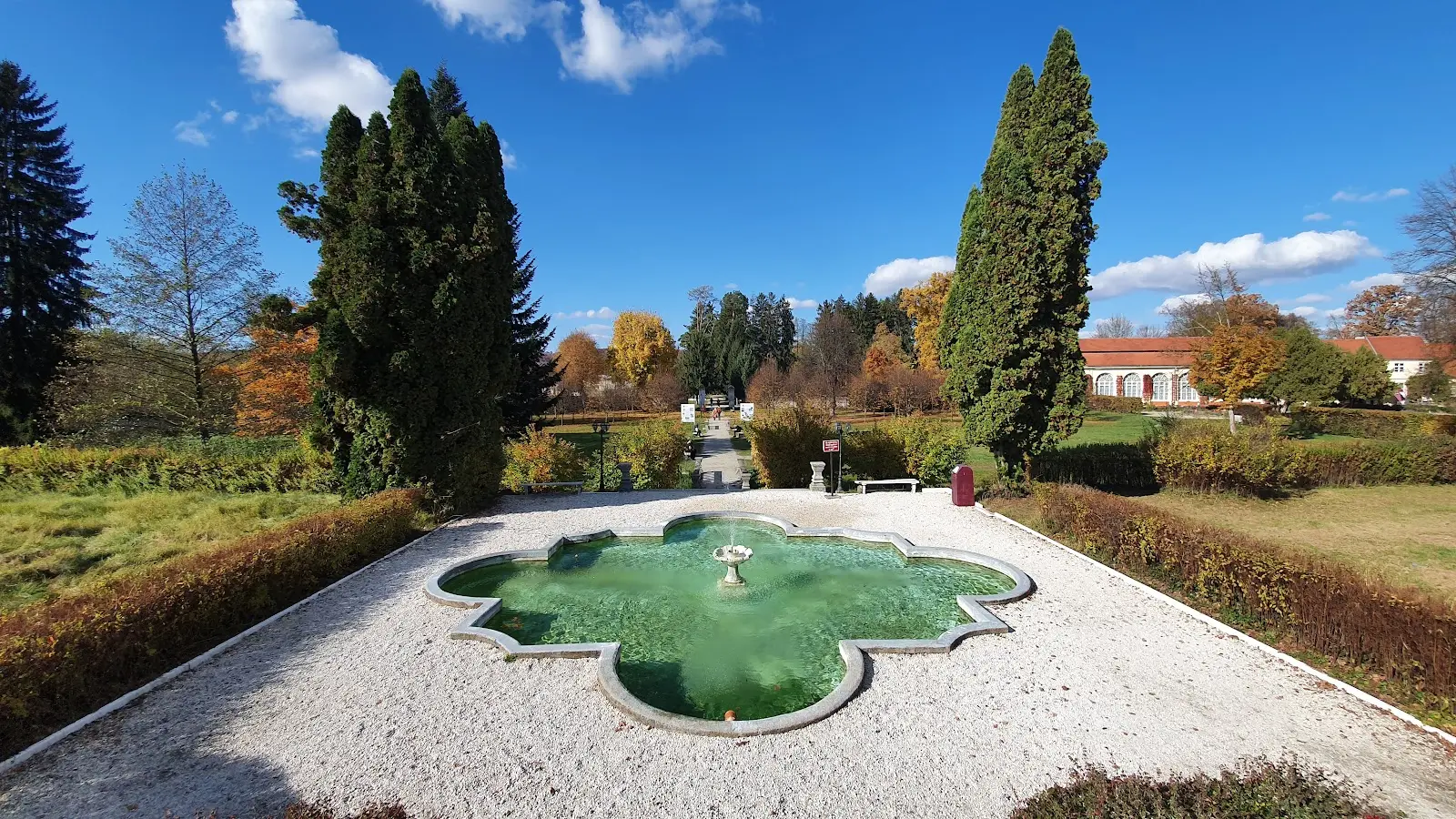
Brukenthal Palace at Avrig is an elegant baroque summer residence, built in the eighteenth century by Baron Samuel von Brukenthal, governor of Transylvania and a great art collector, set in the town of Avrig between Sibiu and Făgăraș, at the foot of the Făgăraș Mountains. The ensemble, often compared to Central European noble residences, comprises the palace itself, with harmonious facades and once-lavish interiors, and a remarkable park laid out in baroque and English style, with alleys, terraces, an orangery and ornamental tree species, considered one of the oldest dendrological parks in Transylvania. Baron Brukenthal, known above all for the famous museum he founded in Sibiu, used the Avrig residence as a place of rest and horticultural experiments.

Over time the ensemble went through periods of decay, but it remains a valuable historical monument. The natural setting, with views toward the mountains, completes the charm of the place. Visitors can discover the palace and the park, checking the visiting schedule in advance, as it may vary.
Frequently asked questions

Where is Palatul Brukenthal Avrig?+

Palatul Brukenthal Avrig is located at Oranjerie, Strada Gării 6, 555200 Avrig, România, in Sibiu.

Is Palatul Brukenthal Avrig worth visiting?+

Yes — it holds a 4.2/5 rating from 4,918 visitor reviews.

Do I need to book tickets for Palatul Brukenthal Avrig?+

Popular sights can sell out — booking ahead online saves queuing.

What else is near Palatul Brukenthal Avrig?+

Nearby you'll find Muzeul ASTRA, Catedrala Sfânta Treime din Sibiu, Podul Minciunilor.

Keep exploring

More of Sibiu

Explore Sibiu

See in Sibiu

See all
Muzeul ASTRAMuseum

Muzeul ASTRA

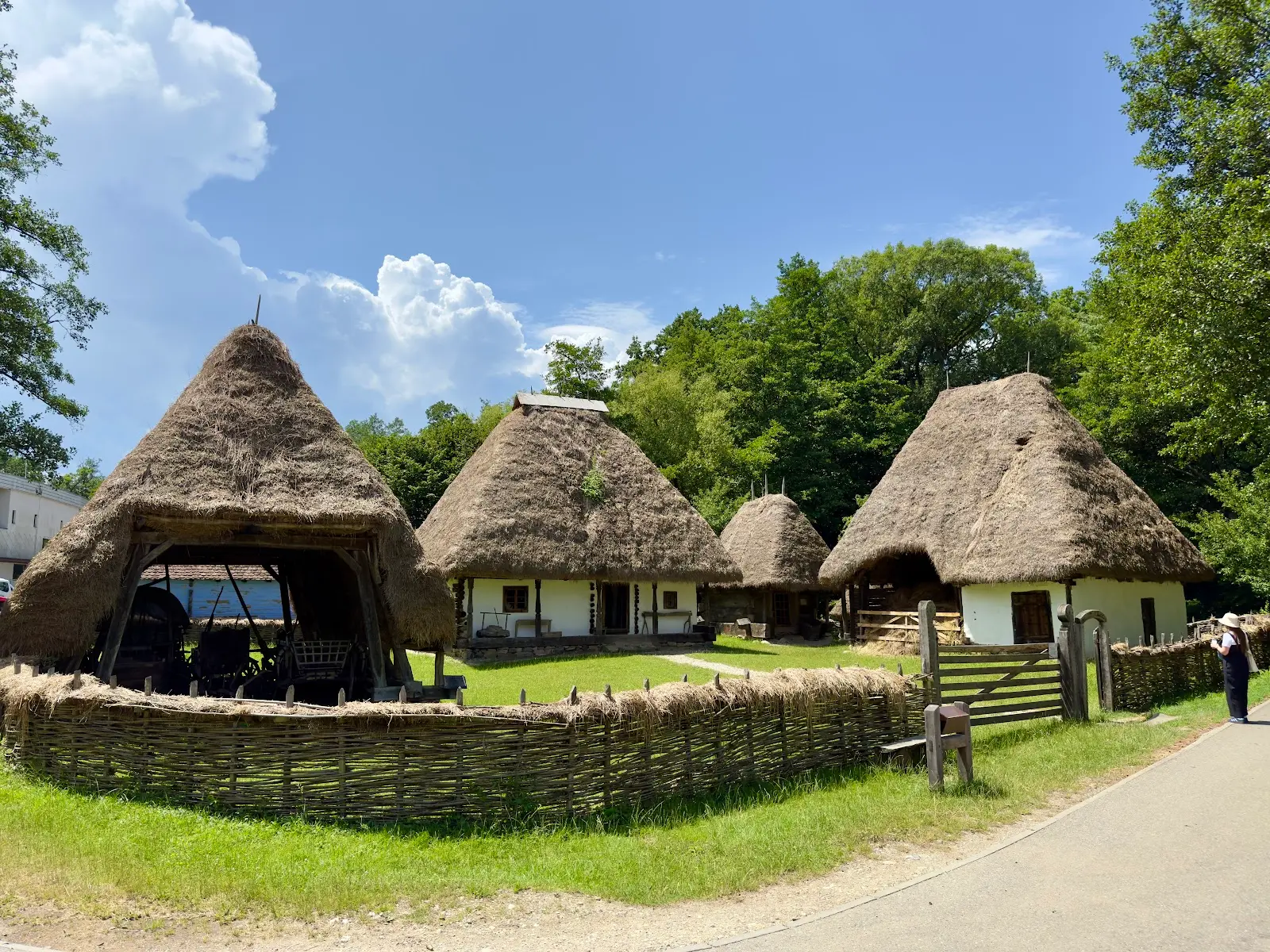
The ASTRA Museum in Sibiu, set in the Dumbrava Forest, is one of the largest open-air museums in Europe, a true reconstruction of the traditional Romanian village across dozens of hectares of forest and meadows. Over four hundred authentic structures — peasant houses, farmsteads, water and wind mills, craft workshops, wooden churches and folk technical installations — were brought from every region of the country and carefully reassembled, telling the story of Romanian rural civilisation. Visitors follow picturesque paths beside a lake, discovering crafts, demonstrations and traditional fairs held periodically. It is a living lesson in ethnography and a delightful place to walk in any season, especially in autumn. Set aside several good hours to explore it at leisure and wear comfortable footwear. Check the visiting schedule and the calendar of hosted events.

4.8(14,760 reviews)
Catedrala Sfânta Treime din SibiuChurch

Catedrala Sfânta Treime din Sibiu

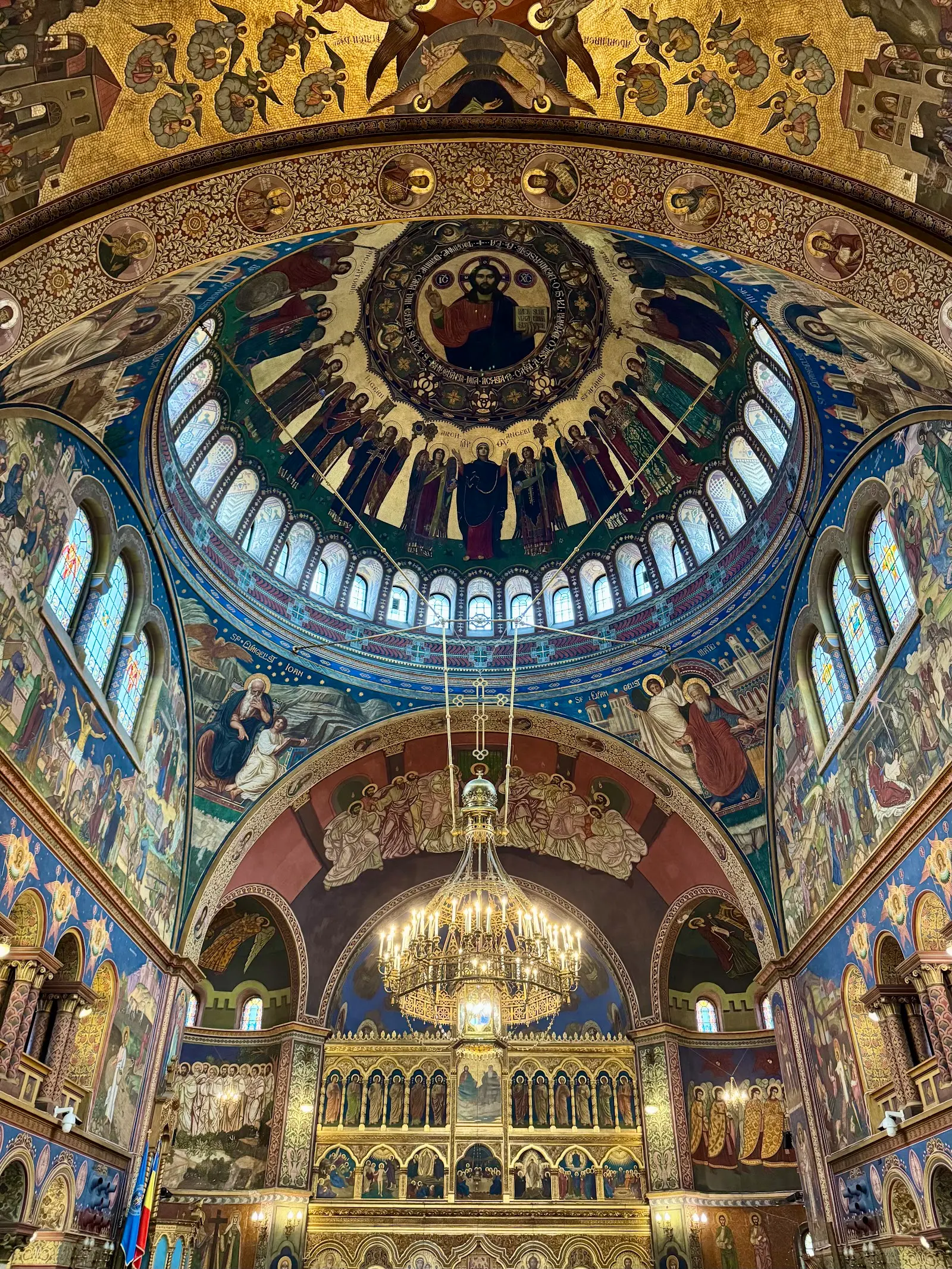
The Holy Trinity Cathedral of Sibiu is the city's main Orthodox cathedral and an important landmark of Transylvanian religious architecture. Raised in the early twentieth century, the cathedral was built in a Neo-Byzantine style, visibly inspired by the great Hagia Sophia church in Constantinople, with an imposing central dome and a spacious, bright interior decorated with rich murals and a remarkable iconostasis. The edifice reflects the assertion of the Romanian Orthodox community of Sibiu at a time when the city was dominated by the Saxon tradition and Lutheran churches. The facade, with its towers and alternating brickwork, and the tall dome roofed in ceramic, stand out in the urban landscape. The cathedral lies near the historic centre, in an area easily reached on foot, forming part of the circuit of Sibiu's monuments. The interior, with its solemn atmosphere and fine acoustics, impresses visitors. As an active place of worship, the cathedral holds regular services, and visitors are asked to respect the quiet and dress appropriate to a sacred space.

4.8(5,912 reviews)
Podul MinciunilorLandmark

Podul Minciunilor

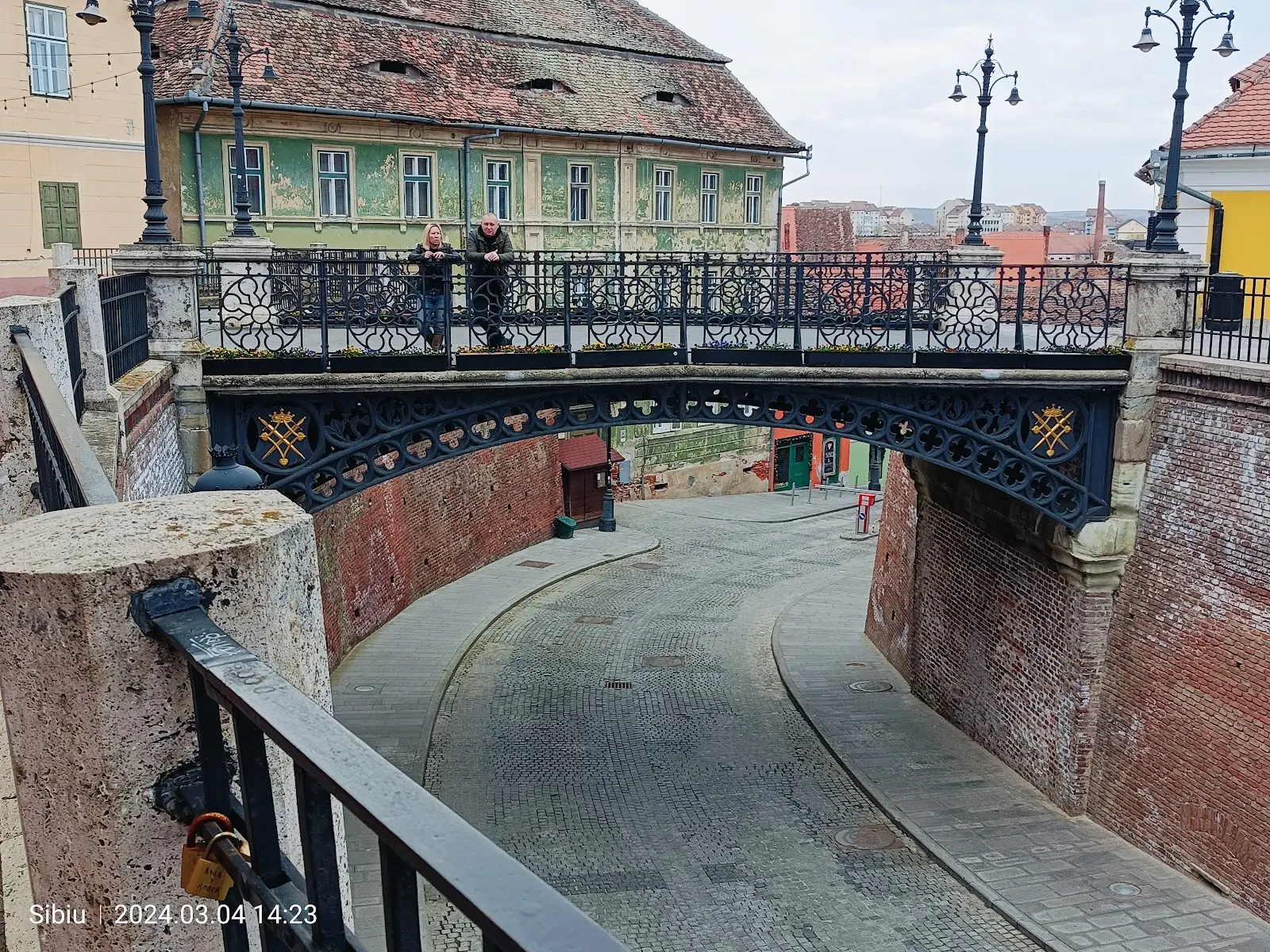
The Liars' Bridge in Sibiu, spanning a street in the lower town in the heart of the historic centre, is the first cast-iron bridge in Romania and one of the oldest of its kind in Europe, cast in the mid-19th century at the region's famous foundries. The small pedestrian bridge, with elegant railings and ironwork ornaments, links the Lesser Square to the ramp descending to the lower town and offers a picturesque view of the tiled roofs and the city's famous "house eyes." Its colourful name has given rise to entertaining legends about dishonest merchants and lovers with empty vows, told by guides with humour. It is a small but emblematic spot where every visitor pauses for a photograph. It stands in the centre of Sibiu, steps from the Great Square; visiting is free and possible at any time.

4.7(23,718 reviews)

Eat in Sibiu

See all

Stay in Sibiu

See all

Plan your Romania

From the Carpathians to the Black Sea — let's plan the trip together.

Ask us anything or get a tailored itinerary — from the best time to go to the road that ties it all together.

Our network

More of Romania, in depth

Dedicated portals for the places that deserve a site of their own.