
What to see
Attractions across Romania
The places worth the journey — from royal castles to painted monasteries and wild deltas.
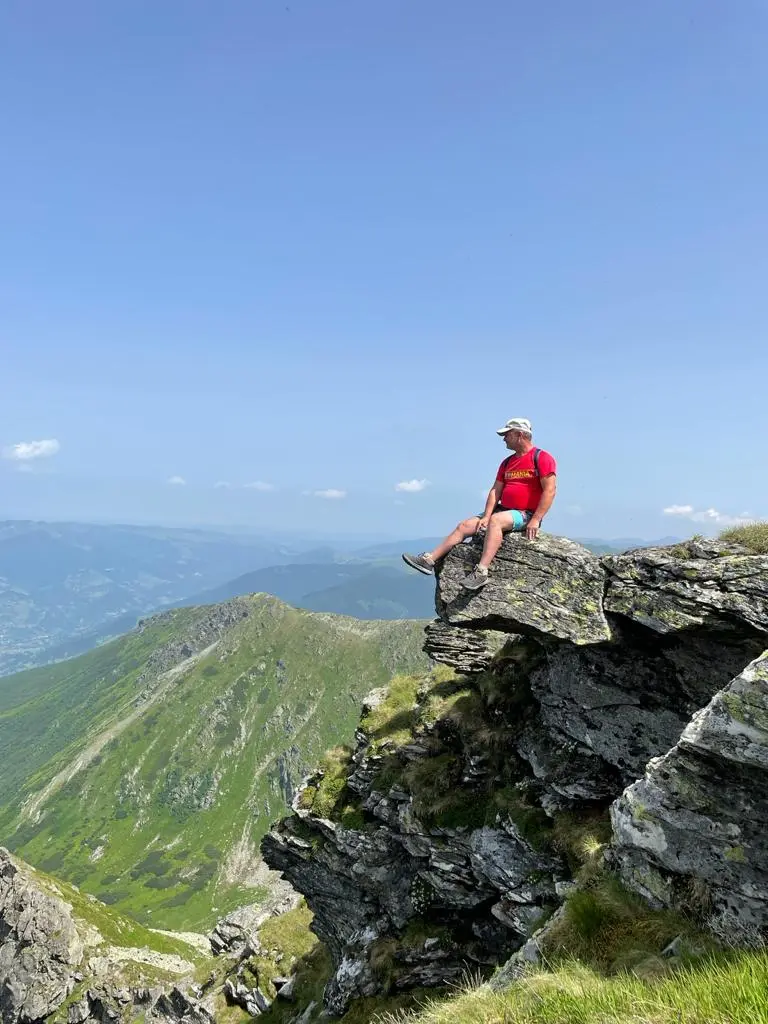 Mountain
Munții Rodnei - Vârful Pietrosul
The Rodna Mountains, the highest massif of the Eastern Carpathians, are crowned by Pietrosul Peak, which rises above 2300 metres and forms the culminating point of the entire eastern chain. Above the town of Borșa in Maramureș, the alpine ridges of the massif offer some of the most impressive mountain scenery in the north of the country, with sharp crests, glacial cirques, high-altitude lakes and broad meadows scattered with rare flowers. The area lies within a national park and an internationally recognised biosphere reserve, protecting rich flora and fauna, including chamois and many endemic species. Beneath the peak lies the glacial lake Iezer, a mirror of clear water cradled in a cirque carved by former glaciers. The ascent routes set off from the Borșa area and demand good fitness, proper equipment and attention to the changeable mountain weather. The effort is rewarded with sweeping views over the Rodna crests and the neighbouring massifs.
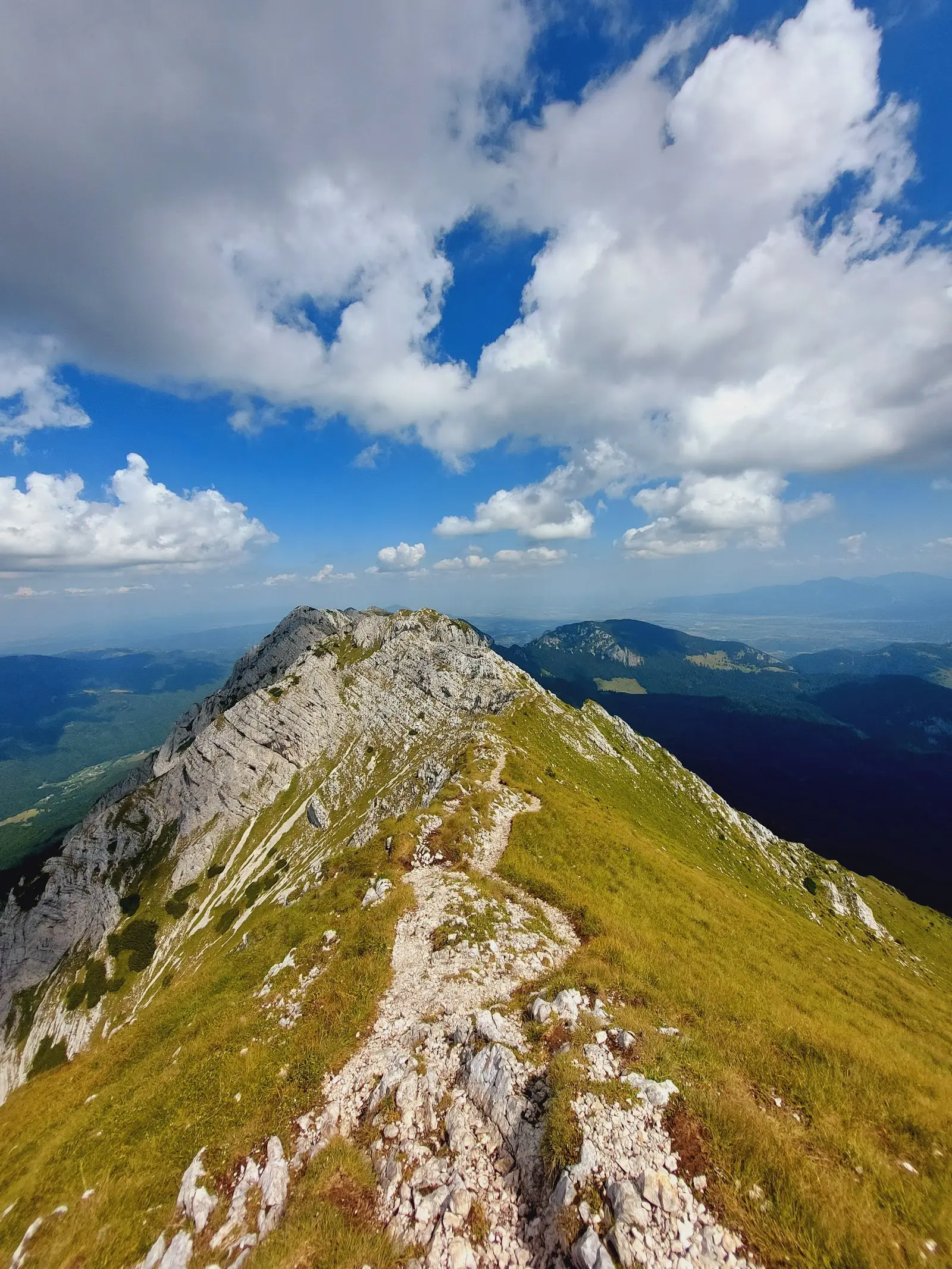 Mountain
Vârful La Om (Piscul Baciului)
La Om Peak, also known as Piscul Baciului, is the highest point of the Piatra Craiului Massif, rising more than 2,230 metres above the limestone ridge that dominates the Zărnești area, in Brașov County. Piatra Craiului is renowned for its long, narrow ridge, one of the most spectacular in the Carpathians, a veritable limestone blade stretching over tens of kilometres. The climb to La Om Peak rewards the experienced hiker with views of overwhelming beauty over the Bucegi, Făgăraș and Bârsa Mountains, as well as over the surrounding forests and meadows. The mountain is part of the Piatra Craiului National Park, a protected area of great value, a habitat for rare species such as the Piatra Craiului pink, an endemic flower that grows nowhere else on earth. The ridge routes require experience and proper equipment, some sections secured with cables. For mountaineers, reaching this peak is one of the great achievements of hiking in the Romanian Carpathians.
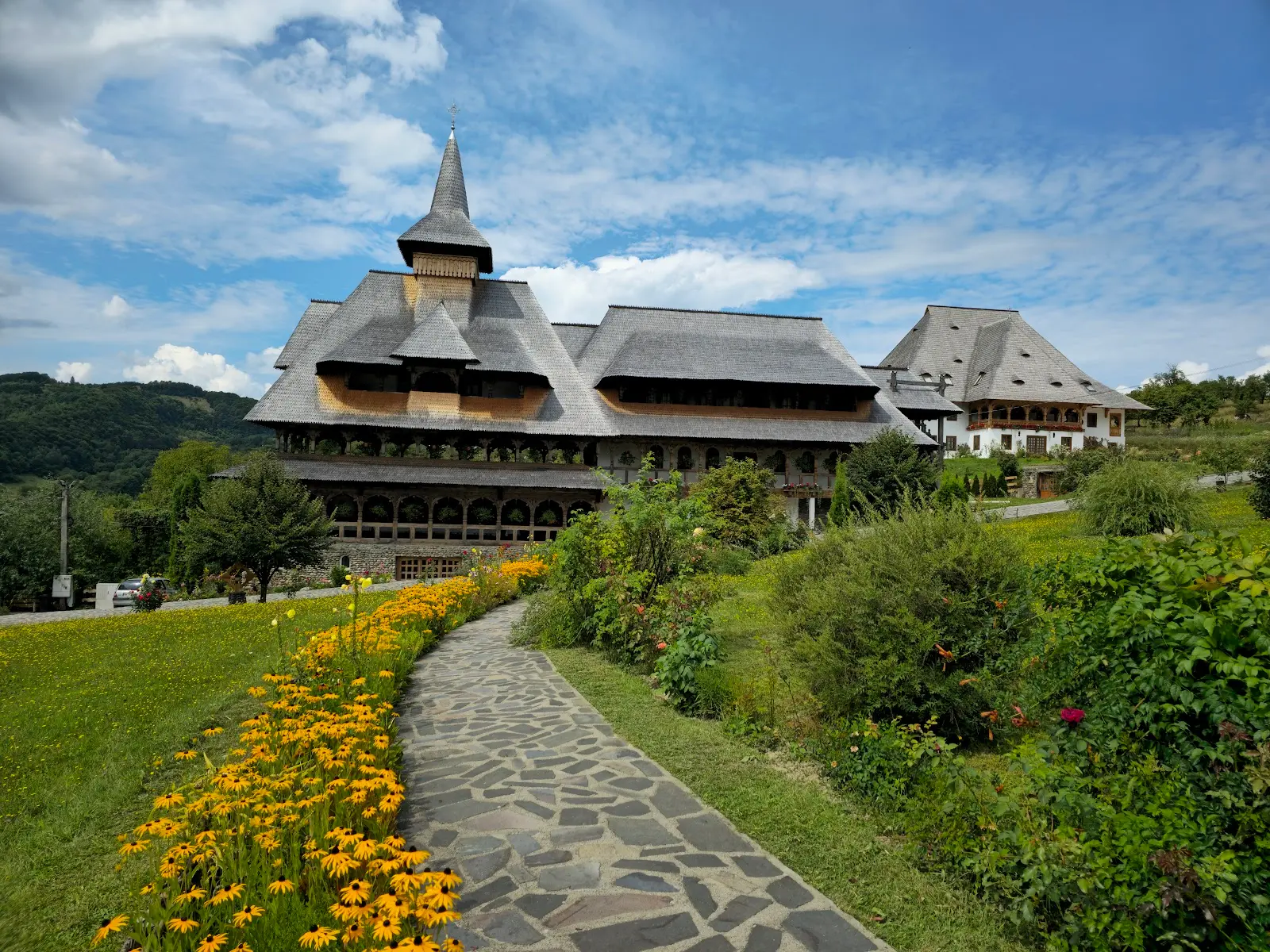 Monastery
Mănăstirea Bârsana
Bârsana Monastery in Maramureș is the most spectacular expression of wooden architecture in northern Romania, an ensemble of churches, cells and carved gates that seems a gateway to heaven. Although the present monastic community was re-established in the 1990s, the tradition of the place reaches much further back, and the new buildings were raised by local craftsmen in the authentic Maramureș style, with slender, soaring spires, cascading shingle roofs and lacework in wood. The main church, one of the tallest wooden structures in Europe, rises skyward above a well-tended flower garden. The whole complex, set on a hill, breathes calm and craftsmanship. It is an essential stop on the trail of Maramureș wooden churches, some inscribed on the UNESCO heritage list. Modest dress is advised; check the visiting schedule.
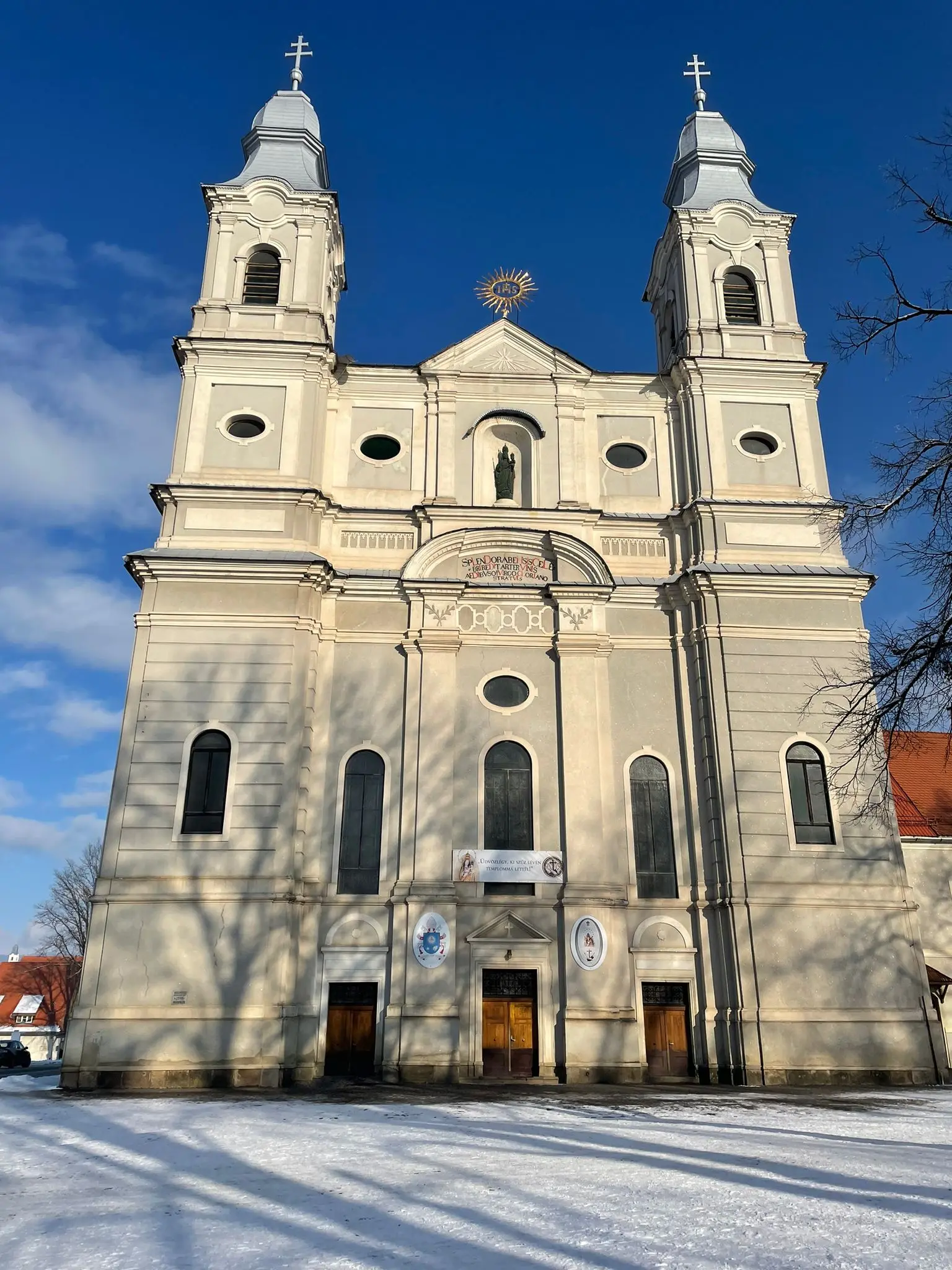 Church
Șumuleu Ciuc
Șumuleu Ciuc is the most important Roman Catholic pilgrimage centre in Romania, set on a hill at the edge of the town of Miercurea Ciuc, in the heart of the Szekler land in eastern Transylvania. The ensemble is dominated by the imposing Franciscan church, a baroque edifice raised in the eighteenth century on the site of older places of worship, which shelters a medieval wooden statue of the Virgin Mary, considered miraculous and deeply venerated by the faithful. The place is renowned above all for the great Whitsun pilgrimage, one of the largest religious events in the region, which year after year gathers impressive crowds of believers from across the Hungarian world, in a display of faith and cultural identity. On the nearby hill lies the saddle where the festive open-air mass is held. The monastic ensemble also preserves an old printing house and heritage objects. The natural setting, with wooded hills, completes the atmosphere of contemplation. Visitors are asked to respect the sacred character of the place and the quiet of the pilgrims.
 Landmark
Teatrul Național Vasile Alecsandri
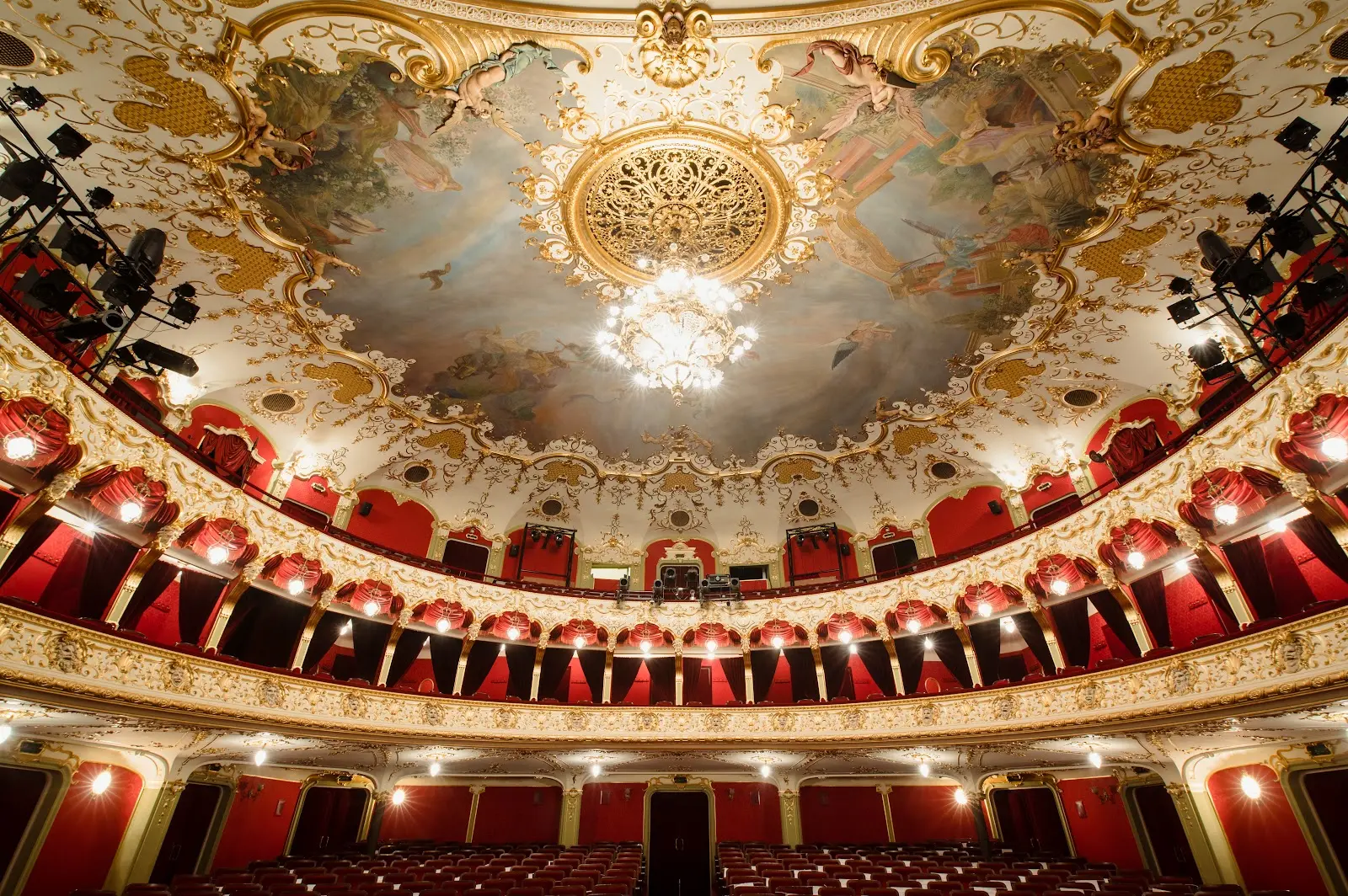
The Vasile Alecsandri National Theatre in Iași is the oldest national theatre in Romania and one of the most beautiful performance buildings in the country. The present edifice, inaugurated at the end of the nineteenth century, was designed by the renowned Viennese architects Fellner and Helmer, authors of many monumental theatres across Central Europe, and impresses with a richly decorated eclectic facade and an interior of special elegance, its auditorium adorned with paintings, gilded stucco, a famous painted ceiling and an imposing Venetian crystal chandelier. The theatre bears the name of the great writer and poet Vasile Alecsandri, an essential figure of Romanian culture and of the Iași theatrical movement. The building also houses the Romanian National Opera, making it a key cultural centre of Moldavia. Set in a central square with a fountain in front, the theatre is an important urban landmark. Visitors can admire the architecture from outside, and for the interior it is best to attend a performance or a guided tour, depending on the schedule.
 Monastery
Mănăstirea Sihăstria
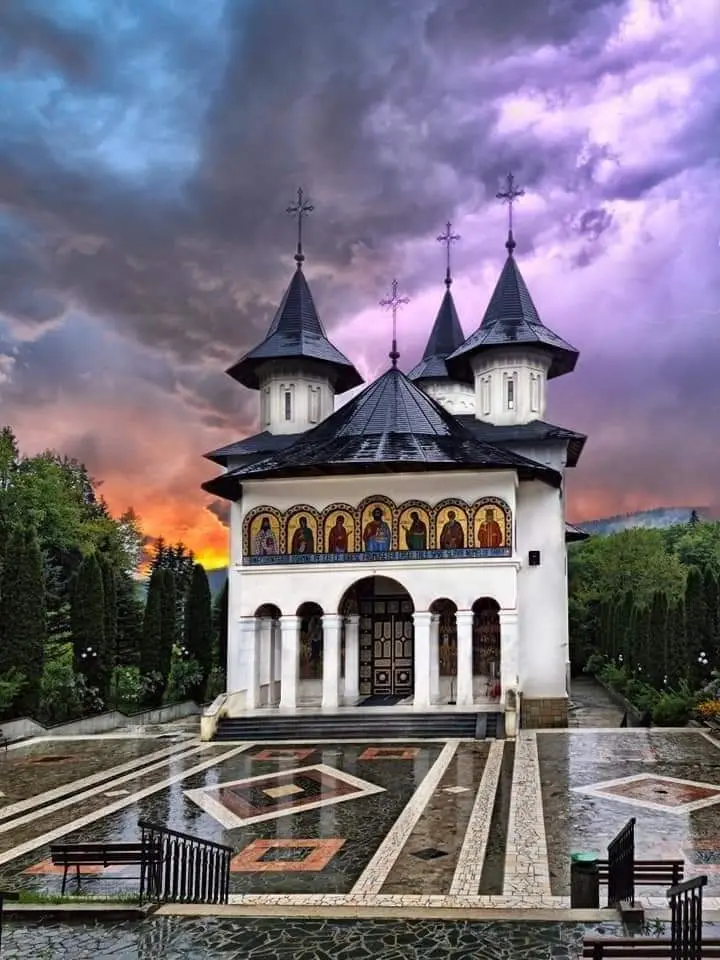
Sihăstria Monastery is one of the best-known and most beloved monasteries in Moldavia, set in a secluded, peaceful clearing in the wooded massif of the mountains near the town of Piatra Neamț, in the famous land of the Neamț monasteries. The settlement, with origins reaching back to the seventeenth century, developed over time into an important centre of spiritual and monastic life, becoming renowned above all for the great spiritual fathers who lived here, among them father Cleopa Ilie and father Paisie Olaru, key figures of twentieth-century Romanian Orthodoxy, to whose graves many pilgrims come. The main church and the cells blend harmoniously into the natural setting, among conifer forests, in an atmosphere of deep peace and contemplation. The monastery preserves worship objects and a valuable library. Its proximity to other settlements, such as Sihla and Secu, places it on a spiritual circuit. Visitors are asked to respect the quiet, the proper dress and the rules of an active monastic settlement.
 Landmark
Crucea Caraiman
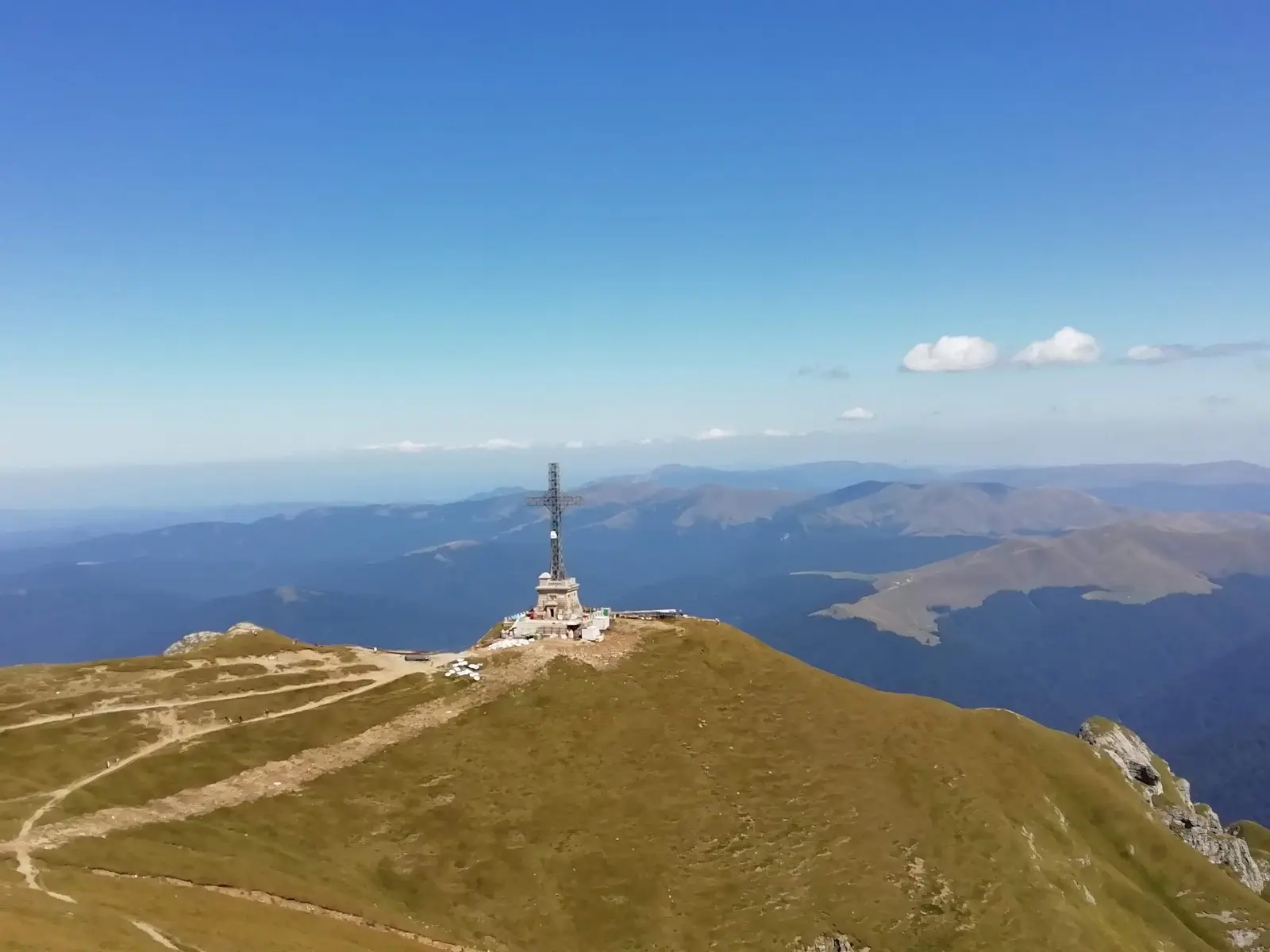
The Caraiman Cross, also known as the Heroes' Cross on Caraiman Peak, is an imposing monument built in the 1920s on a ridge in the Bucegi massif, at high altitude, in memory of the soldiers who fell in the First World War. With its metal structure tens of metres tall, set on a massive concrete base, the cross is visible from a great distance and, being lit at night, can be seen from Busteni and across the whole Prahova Valley. It has been recognised as the tallest cross in the world placed on a mountain peak. Its construction at such an altitude, in harsh conditions, was a genuine engineering feat of the era. The site offers a dizzying panorama over the mountains and the valley below. Practical note: it is reached by cable car from Busteni to the Bucegi plateau and then along a marked trail, or by a more demanding hike; proper mountain gear is needed even in summer.
 Nature
Munții Rarău - Pietrele Doamnei
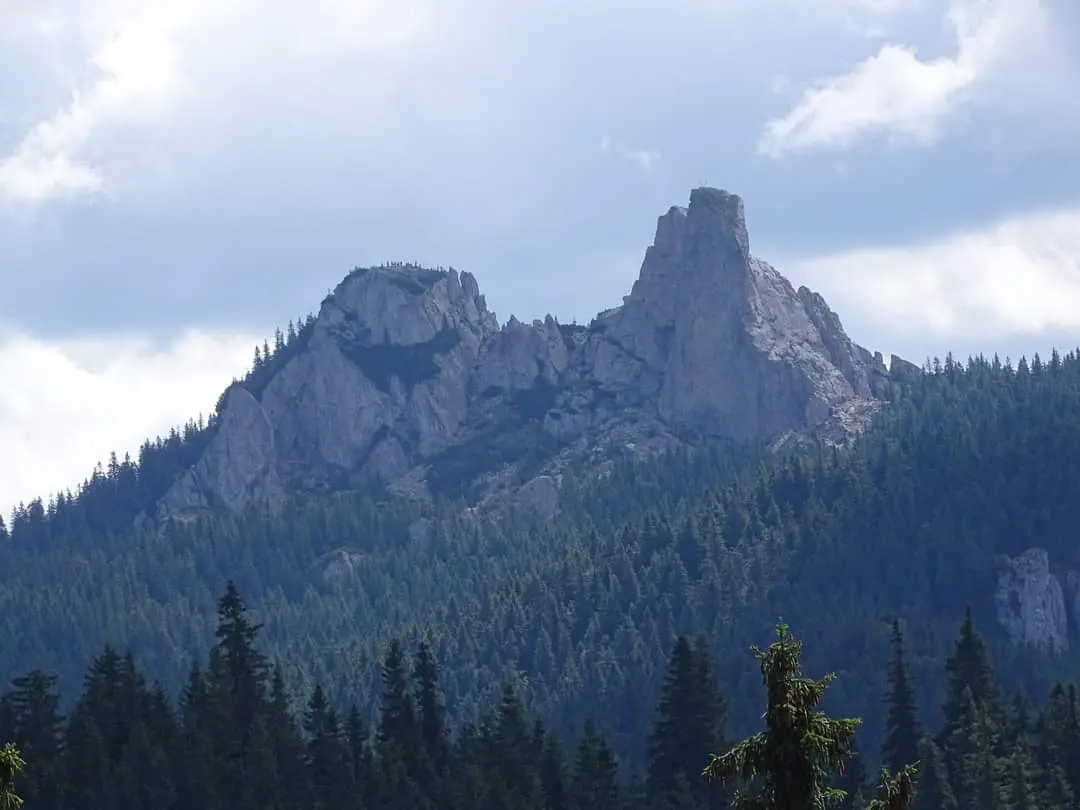
The Rarau Mountains, with their famous Lady's Stones, form one of the most beautiful landscapes of Bukovina, a massif in the Eastern Carpathians group renowned for its spectacular limestone rocks rising above the coniferous forests. The Lady's Stones are a group of limestone columns and ridges with dramatic shapes, a geological reserve offering superb views and routes valued by hikers and climbers. Legend links the name of these rocks to a lady who is said to have taken refuge here in times of hardship, adding a layer of story to the already impressive landscape. From the ridges open wide panoramas over the mountains of Bukovina, and nearby stands the Rarau Chalet, a convenient starting point. The area is rich in mountain flora and offers an ideal setting for nature. Practical note: access is by car to near the ridge and then along paths; for rock climbing, experience and proper gear are needed.
 Monastery
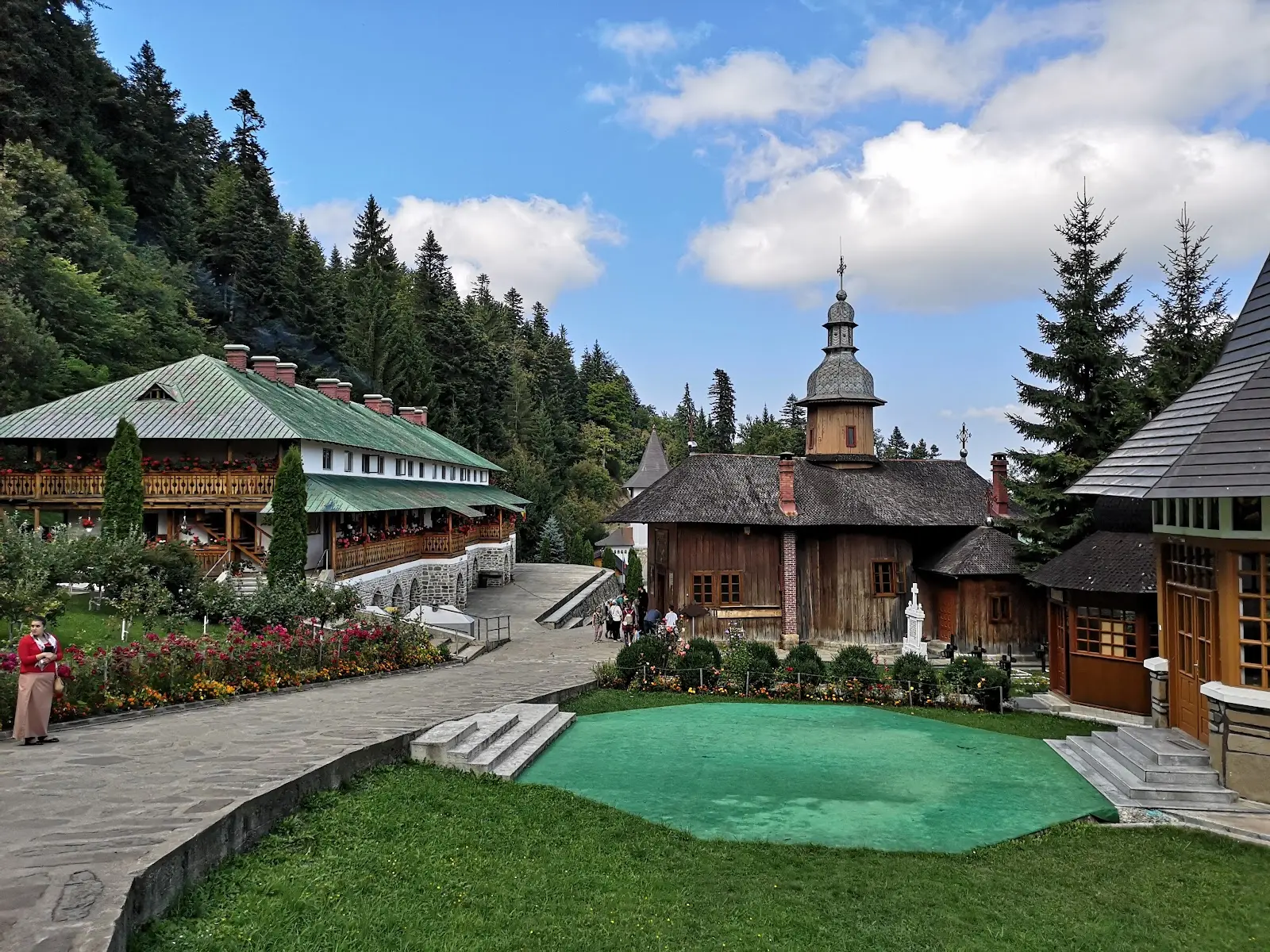
Mănăstirea Sihla
Sihla Monastery, hidden deep in the Stânișoara mountains of Neamț county, is one of the most secluded and spiritually charged retreats in Moldavia. It is closely linked to Saint Theodora of Sihla, who lived in ascetic seclusion in the nearby cave that has since become a place of pilgrimage. The complex includes a small wooden church and a stone one, perched among rocks and coniferous forests in a landscape of wild beauty. The road to the monastery passes through forest and spectacular rock formations, and the stillness of the place, broken only by the rustling of the woods, deepens the sense of contemplation. The cave of Saint Theodora, reached by a marked path, is a special destination for pilgrims. Sihla lies near Sihăstria Monastery and the Ceahlău massif and is often included in a spiritual itinerary through the Neamț region. It is a destination for those seeking peace, untouched nature and a profound sense of spirituality.
 Nature
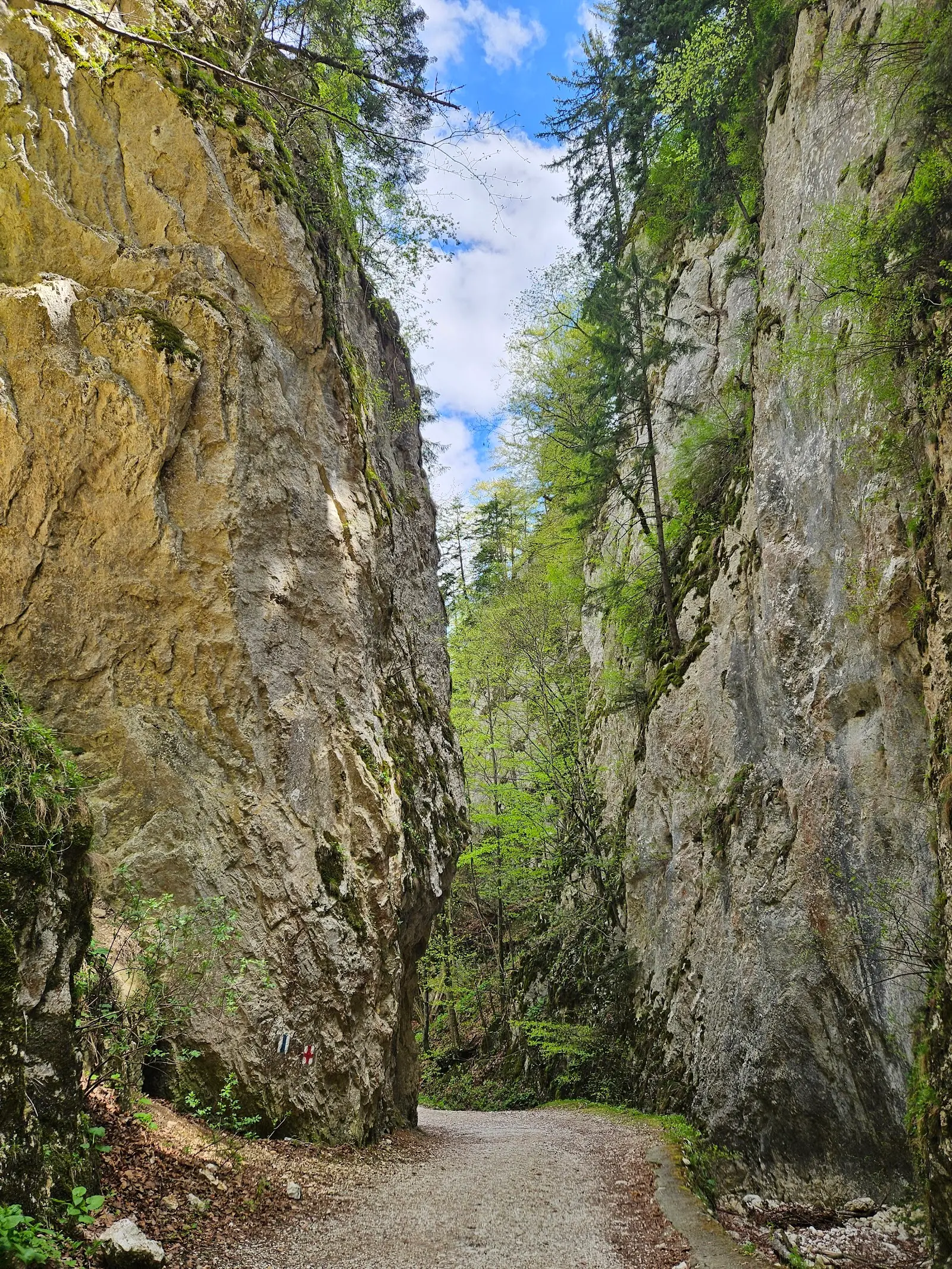
Prăpăstiile Zărneștilor (Cheile Zărneștilor)
 Mountain
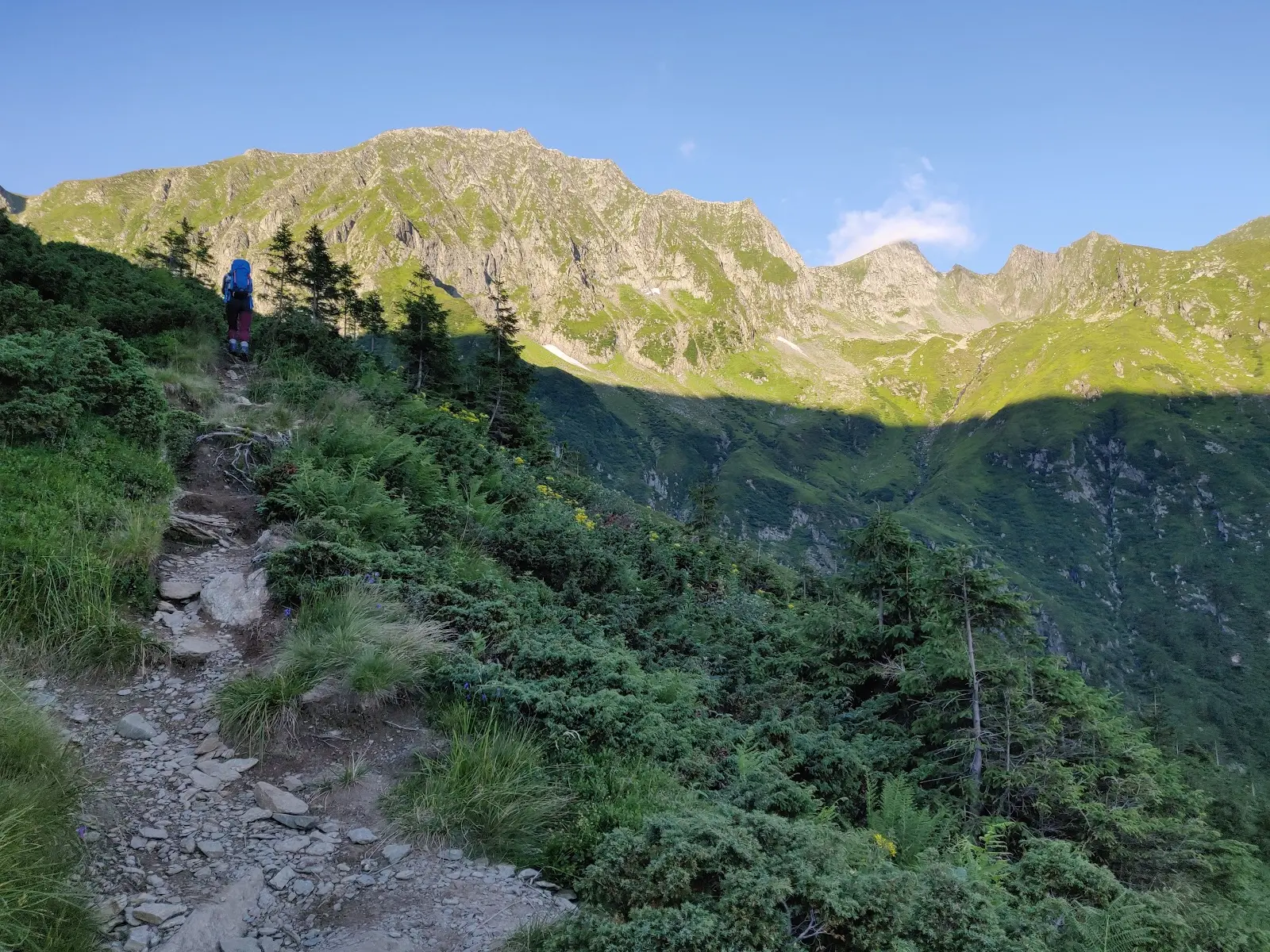
Vârful Moldoveanu
Moldoveanu Peak, at 2,544 metres, is the highest point in Romania, a narrow and precipitous summit in the central Făgăraș Mountains, in Argeș County. It belongs to the longest and wildest alpine ridge of the Southern Carpathians, a crest of granite and crystalline schist sculpted by Quaternary glaciers, with glacial cirques, sharp aretes and clear lakes at the foot of its walls. The climb is no trifle: the most common route starts from Valea Rea and passes the Moldoveanu refuge, demanding experience, proper gear and settled weather, for fog and storms roll in fast at altitude. From the top, on a clear day, the panorama opens over dozens of ridges, over neighbouring Negoiu and over the whole spine of the Făgăraș. Practical note: check the mountain forecast, start early and avoid the ridge in storms; the route is best walked in summer and early autumn.
 Mountain
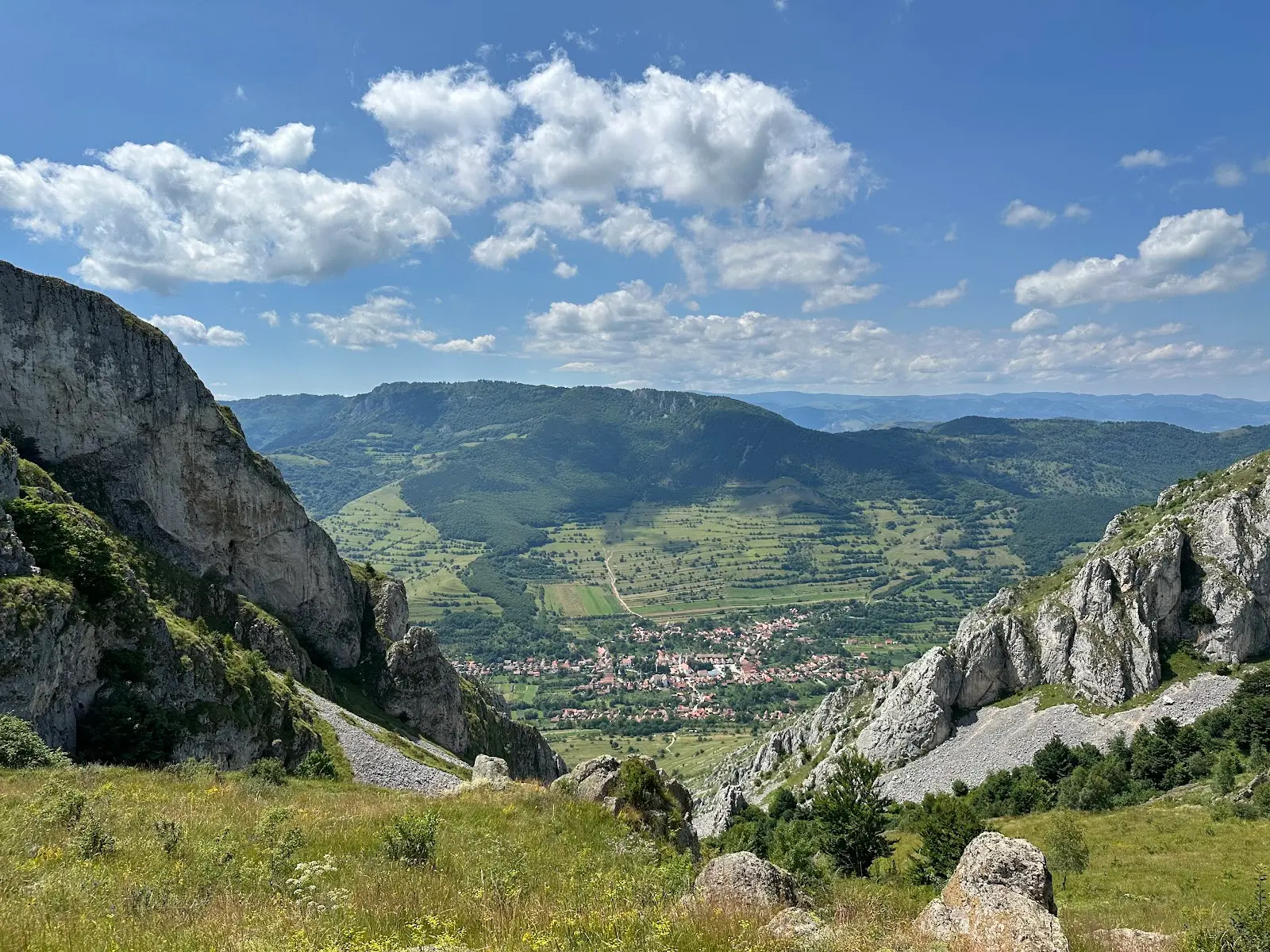
Piatra Secuiului
Piatra Secuiului, known in Hungarian as Székelykő, is the steep limestone massif that watches over the village of Rimetea in Alba County, a crest of rock rising proudly more than 1,100 metres above the little houses with white facades and green shutters. The mountain, part of the Trascău range, is famous for a rare phenomenon: because of its position, at Rimetea the sun seems to rise twice, hiding behind the ridge and reappearing. The waymarked ascent, accessible to walkers of average fitness, winds through forest and meadows to the rocky summit, from where the panorama opens over the Székely village, the Trascău Depression and the ridges of the Apuseni. Rimetea, a village awarded for preserving its traditional architecture, forms with the mountain a scene of rare harmony. Practical note: wear boots with grippy soles, for the final stretch to the top crosses rock and can be slippery in wet weather.
 Nature
Cheile Râmețului
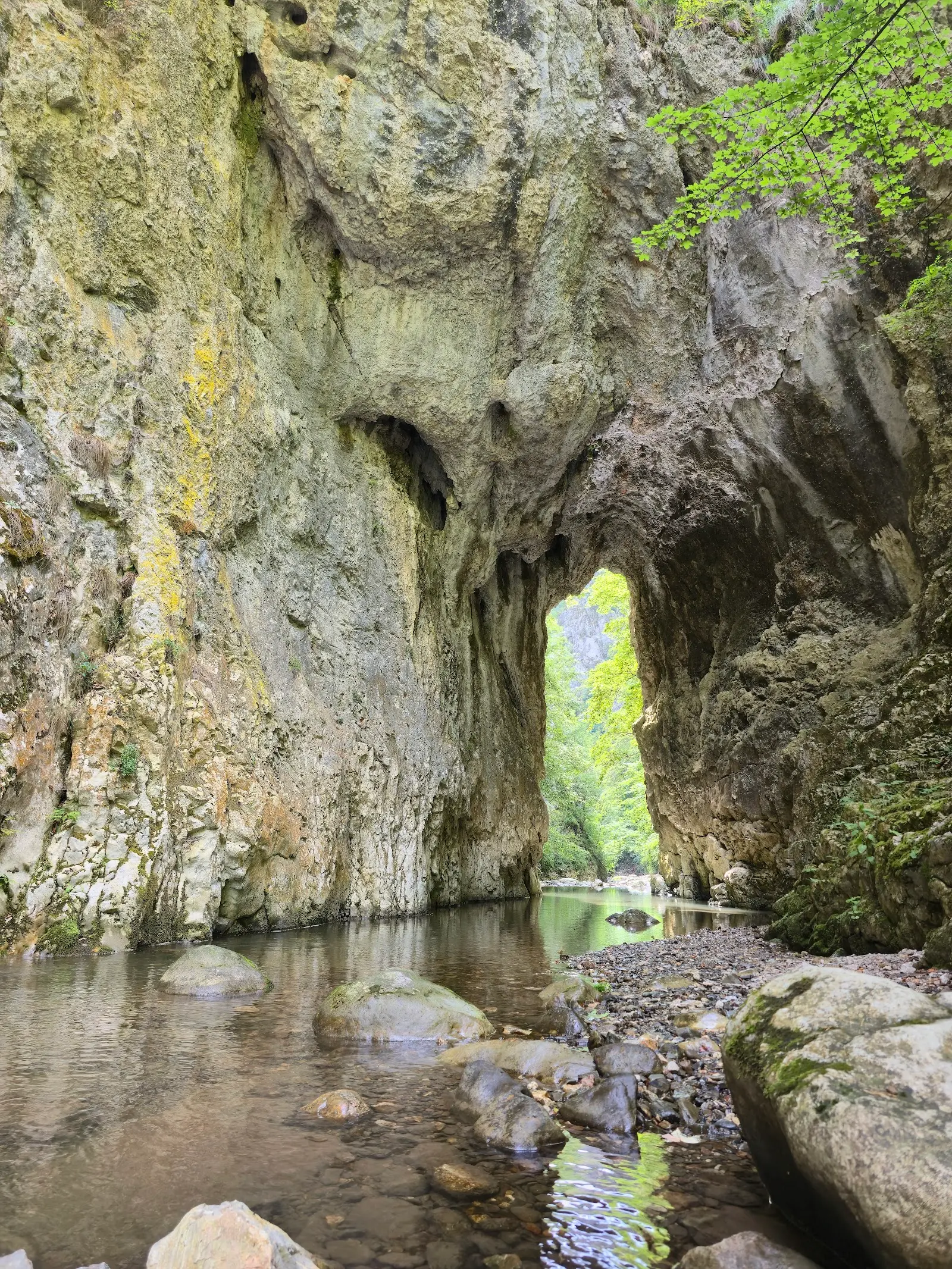
The Râmeț Gorges, carved by the Geoagiu river through the limestone massif of the Trascău Mountains, in Alba County, are among the most spectacular and wildest gorges in the Apuseni. Over roughly a kilometre and a half, the water has cut vertical rock walls rising tens of metres, drawing so close that at the narrowest point the sky is a mere ribbon overhead. The tourist route runs through the water, over boulders and along cables and metal ladders fixed into the rock, offering a proper adventure for suitably equipped walkers. The gorges shelter a rare flora, endemic species and a cave fauna, and form a protected area. Nearby stands Râmeț Monastery, one of the oldest monastic settlements in Transylvania. Practical note: walk the gorges only in settled weather and in footwear that can get wet, since the water rises dangerously after rain, making the route impassable.
 Mountain
Munții Ceahlău - Vârful Toaca
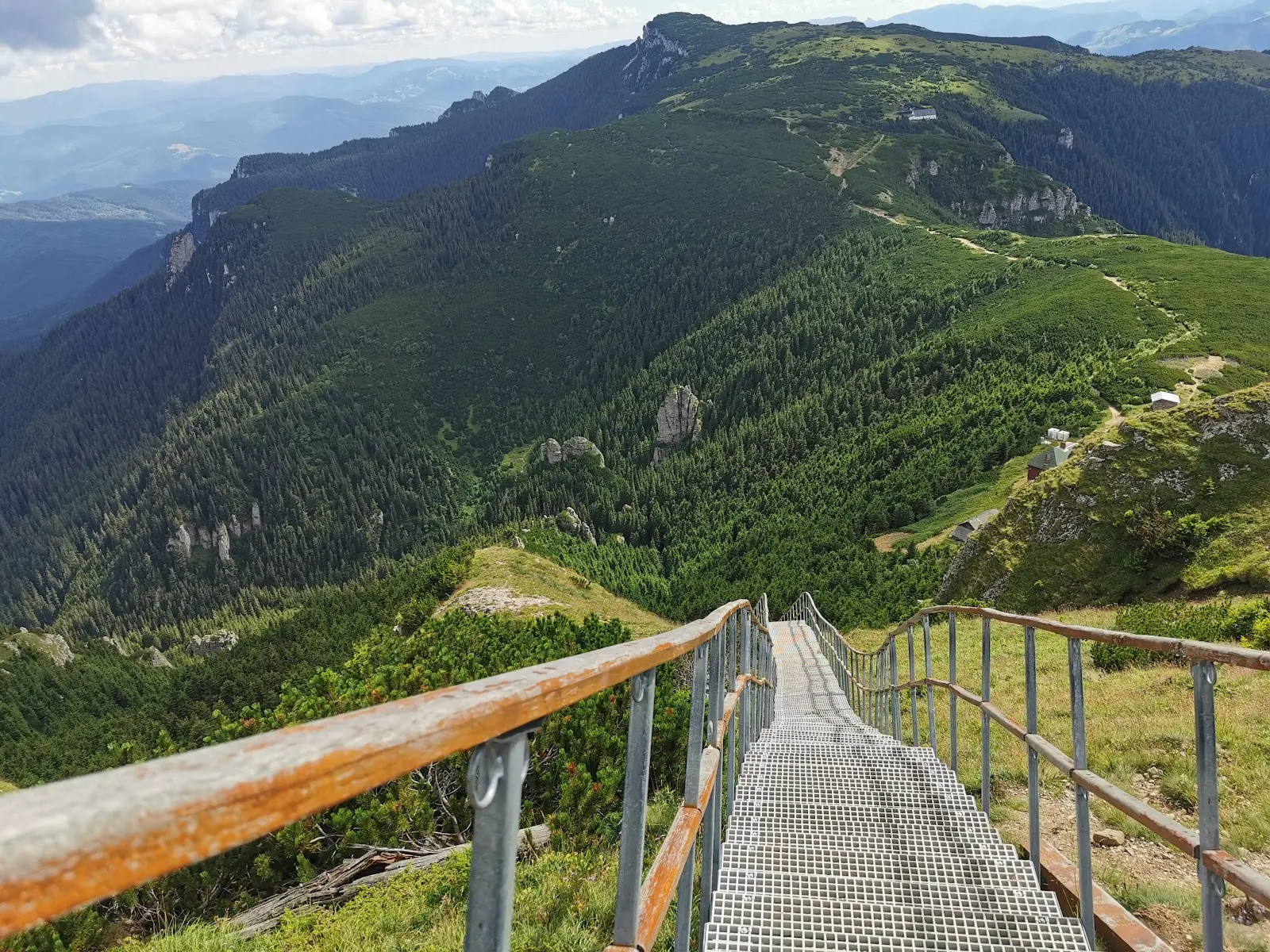
Toaca Peak, at 1,904 metres, is one of the highest and most spectacular points of the Ceahlău Massif, the sacred mountain of Moldavia, in Neamț County. With its pyramidal silhouette, remarkable among the other summits, Toaca rises above the Ceahlău plateau and offers, on clear days, one of the vastest panoramas in the Eastern Carpathians, taking in the Izvorul Muntelui reservoir, the neighbouring ridges and, in the distance, the Moldavian plain. The ascent is made on a long metal staircase, fitted to the final steep section, which eases the climb to the crest. On the summit stands an old weather station, and nearby, on the plateau, rise a hermitage and a commemorative cross. The Ceahlău, a protected area, is bound to old Dacian legends and to the tradition of pilgrimages. Practical note: set out very early, dress for changeable weather and avoid the ridge in a storm, for fog can suddenly wrap the mountain at altitude.
 Mountain
Vârful Ciucaș
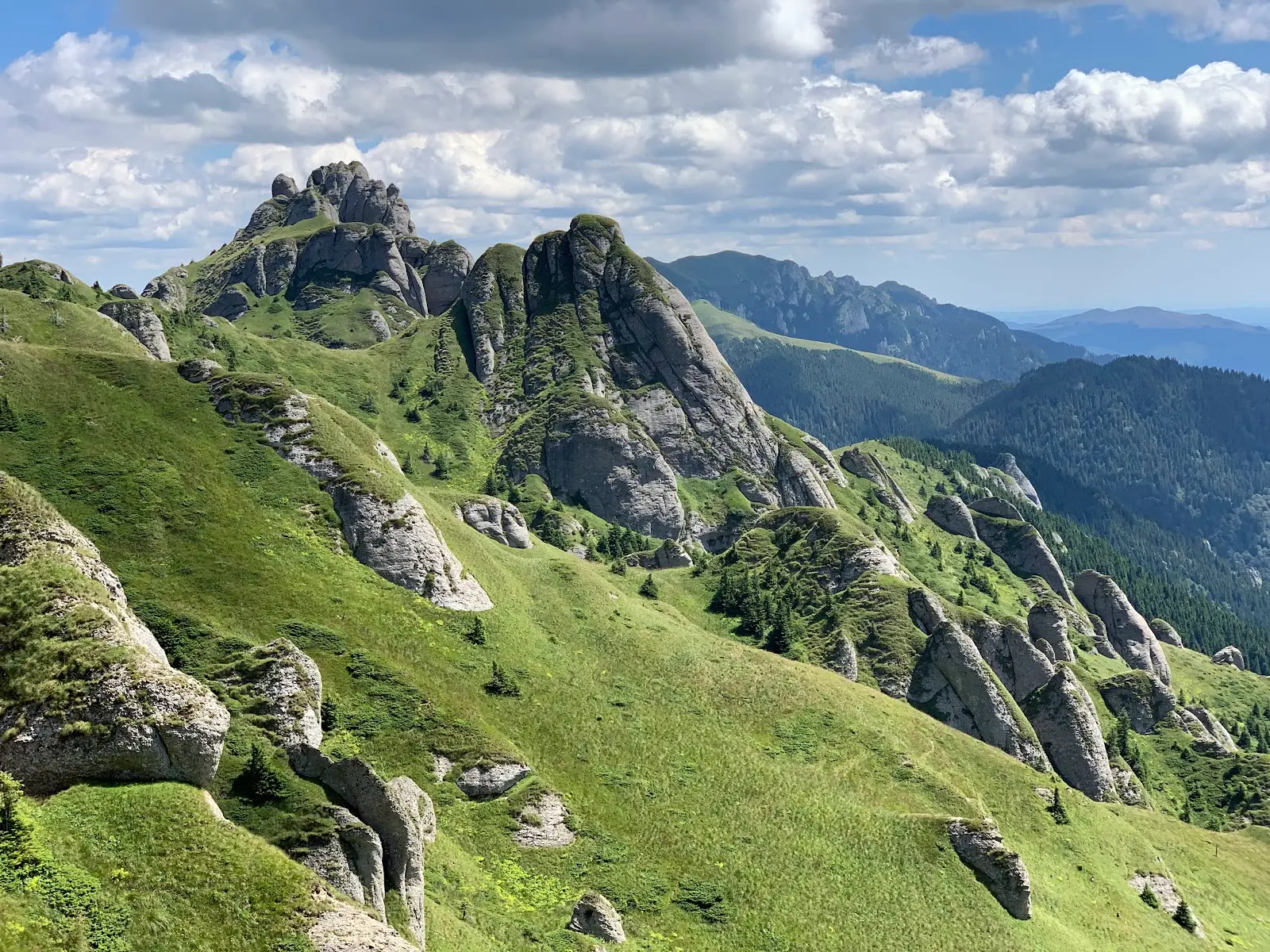
Ciucas Peak, the highest point of the massif of the same name in the Bend Carpathians, rises to over 1,900 metres and offers some of the most spectacular views in the border area between Transylvania and Wallachia. The Ciucas massif is famous for its conglomerate formations with strange shapes, carved by wind and weather, to which popular imagination has given suggestive names. The marked trails leading to the peak cross alpine meadows, dwarf-pine thickets and rocky ridges, and are accessible to hikers of average fitness. From the summit the panorama opens towards the surrounding mountain ranges and, on a clear day, into wide distances. The area is prized both in summer, for hiking, and for its winter landscapes. Proper mountain gear and checking the weather forecast are recommended, since conditions can change quickly at altitude.
 Mountain
Creasta Cocoșului
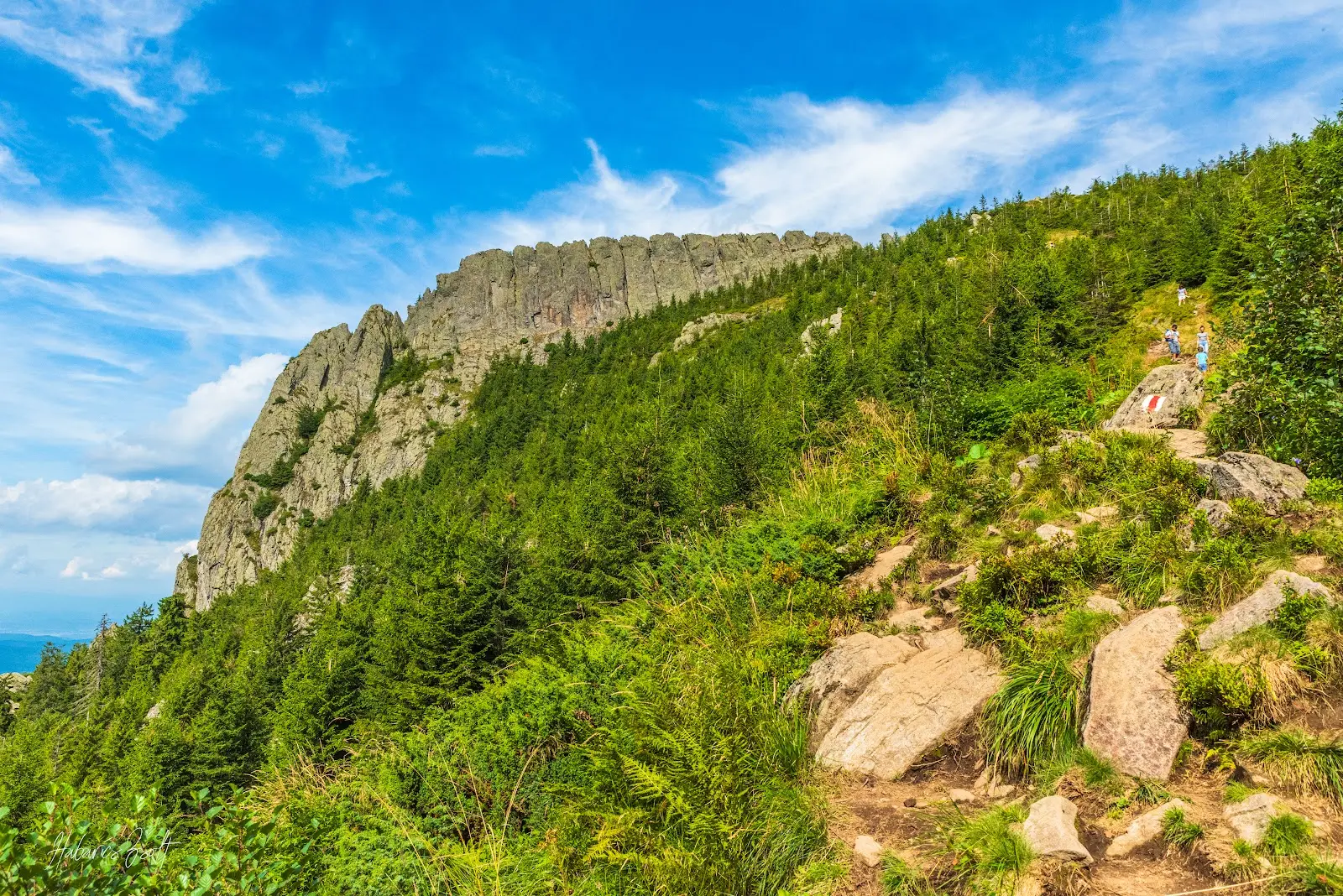
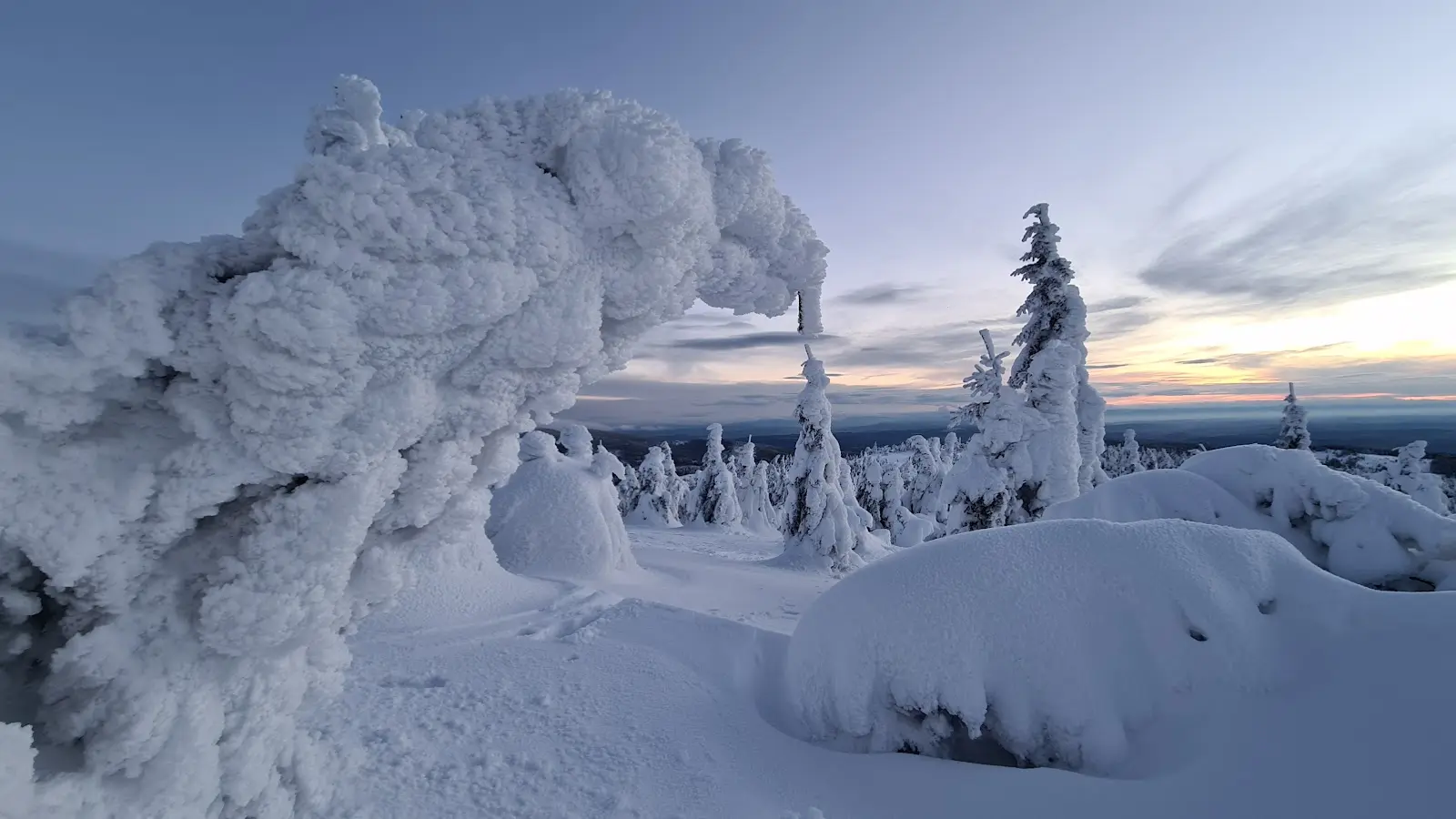
Creasta Cocosului, the Rooster's Crest, is one of the most spectacular rock formations in the Gutai mountains, in the heart of Maramures, a jagged volcanic ridge rising above the surrounding forests and meadows. Its evocative name comes from the toothed profile of the rocks, which recalls the comb of a rooster. Formed of volcanic rock, the crest is the result of long geological activity and erosion, and is protected as a nature reserve for its scenic and scientific value. The marked trails leading to the ridge cross forests of beech and spruce, offering along the way views towards the basins and villages of Maramures. From the top the panorama opens towards the surrounding mountain ranges. The place is prized by hikers and photographers, especially at sunrise and sunset. Mountain gear and care on the rocky stretches are recommended.
 Mountain
Vârful Harghita-Mădăraș
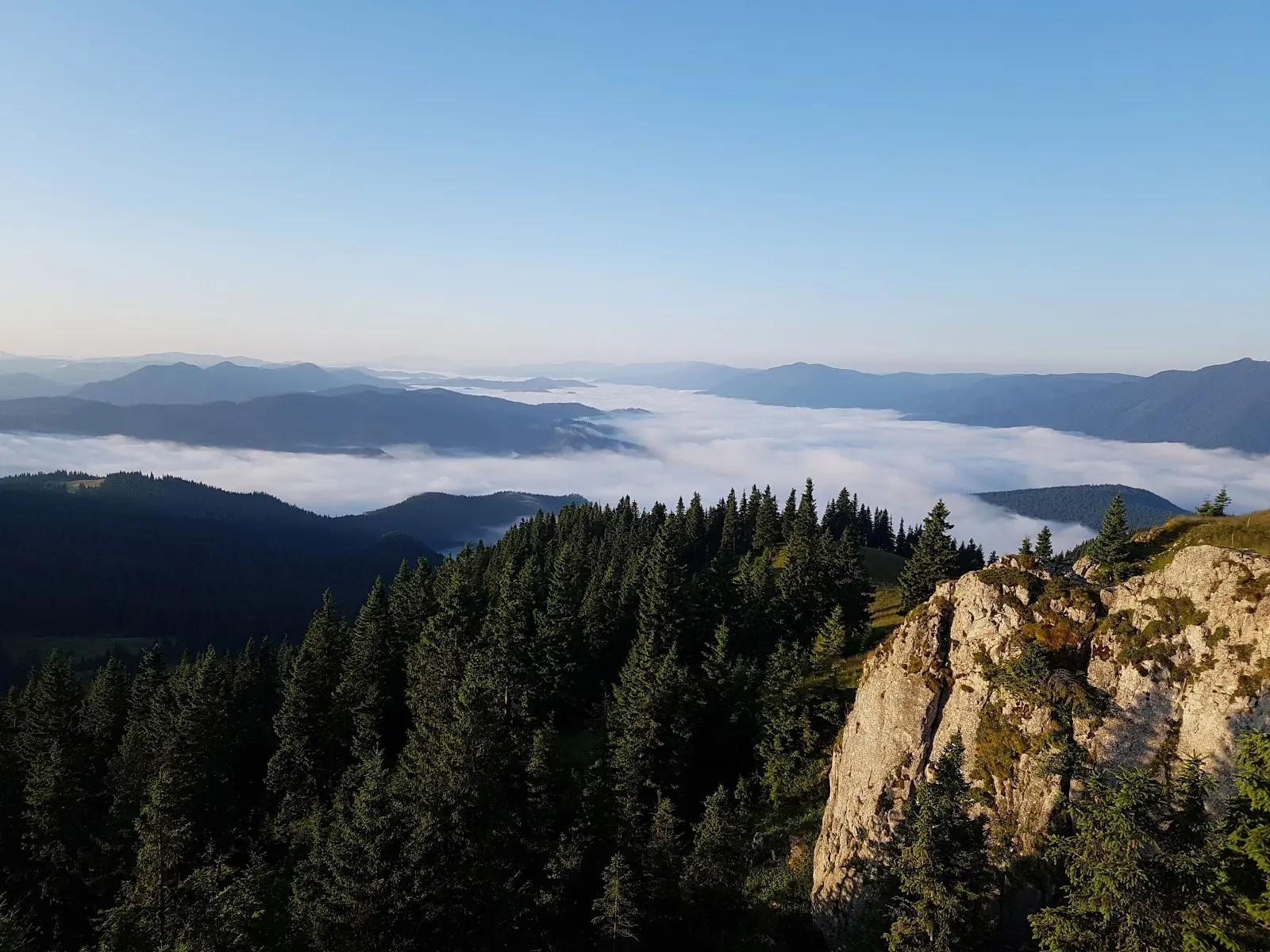
Harghita-Madaras Peak is the highest point of the Harghita mountains, a volcanic range in eastern Transylvania, rising to over 1,800 metres. The summit offers wide views over the surrounding basins and Szekler villages, as well as over the neighbouring mountain ranges. The Harghita mountains, formed of volcanic rock, preserve the traces of ancient geological activity and shelter extensive forests of spruce and beech, alpine meadows and peat bogs. At the foot of the peak lies a small ski resort, which makes the area attractive both in summer, for hiking, and in winter, for seasonal sports. The marked trails leading to the ridge are accessible to hikers of average fitness. Proper mountain gear and checking the weather forecast are recommended, since conditions can change quickly at altitude, especially in the cold season.
 Viewpoint
Vârful Rarău
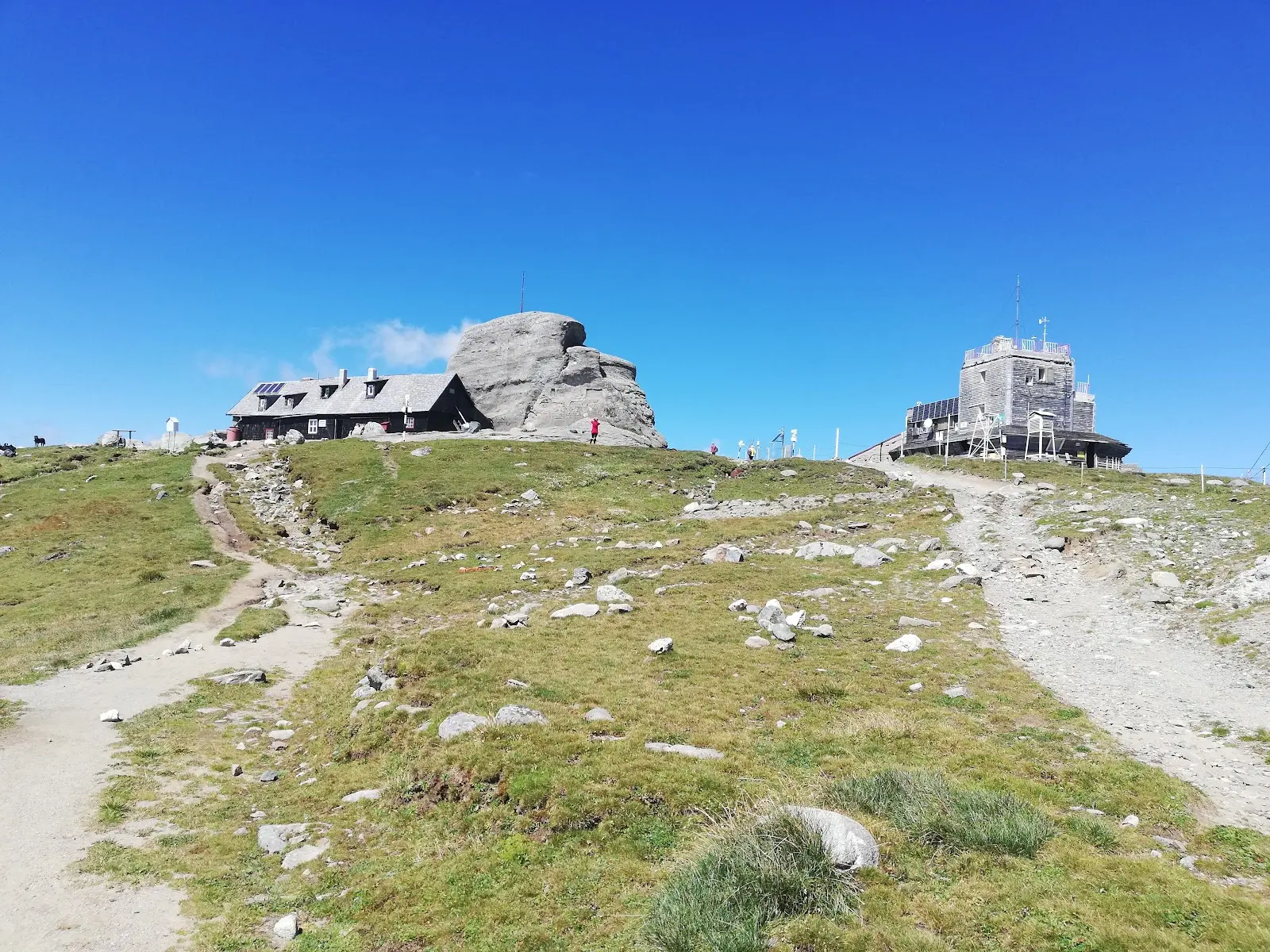
Rarau Peak is one of the best-known viewpoints in Bucovina, set in the Rarau-Giumalau massif high above the town of Campulung Moldovenesc. The area is famous for its broad views over the mountains of northern Moldavia, but above all for the nearby Pietrele Doamnei, a spectacular limestone formation of sharp towers and ridges much appreciated by hikers and climbers. From the peak and the neighbouring ridges, wide panoramas open towards the wooded summits and, on clear days, to impressive distances. The area is home to a rich flora, including protected species, and forms part of a nature reserve. Access is by marked trails starting from the valley or from the nearby chalet, and the hike passes through coniferous forests and alpine meadows. Mountain gear, water and attention to the changeable high-altitude weather are recommended. Rarau is an excellent destination for lovers of nature and mountain landscapes.
 Mountain
Vârful Omu
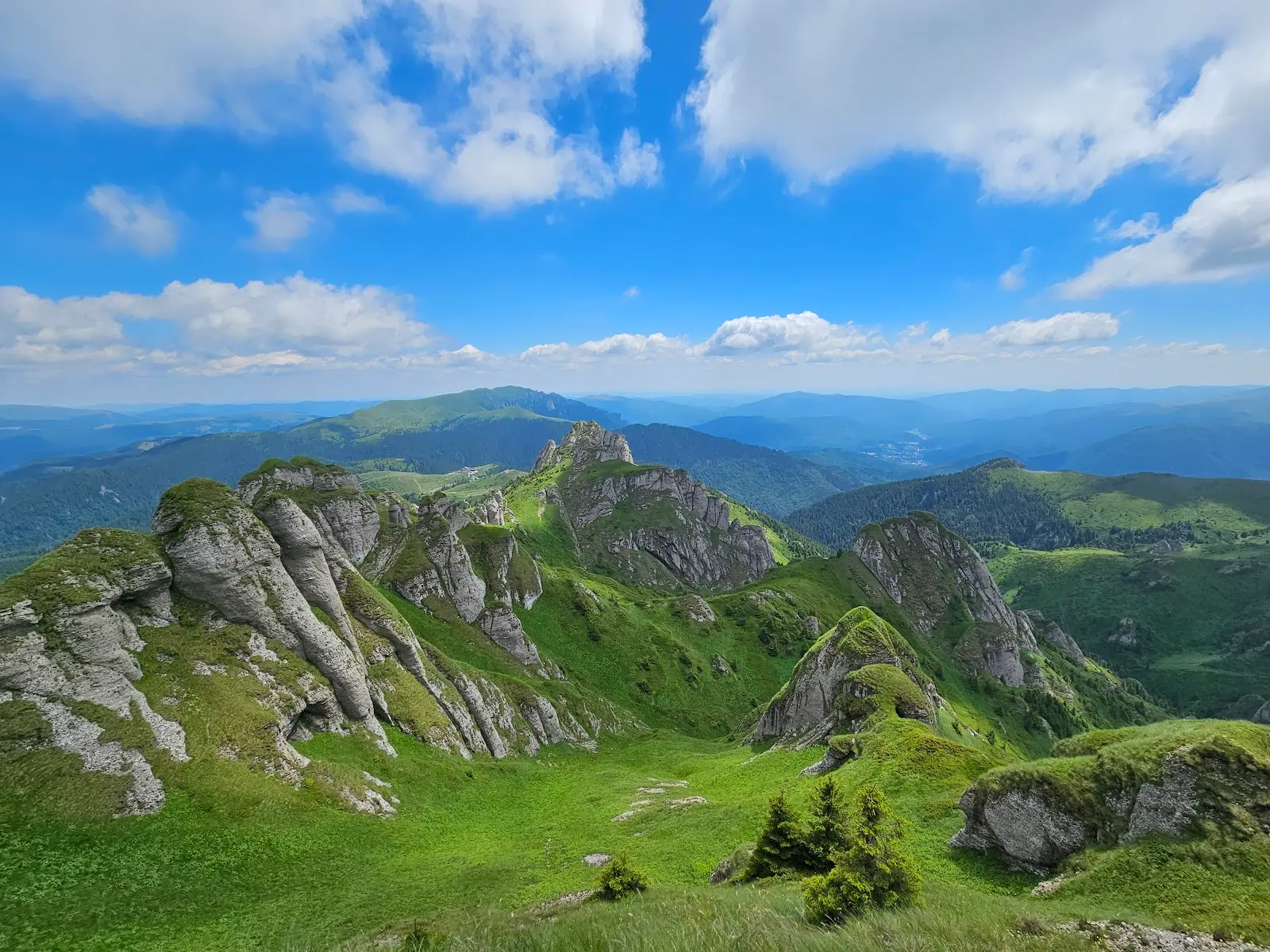
Omu Peak is the highest summit of the Bucegi Mountains and one of the most important points of the Southern Carpathians, rising above 2500 metres. Set at the meeting of the main ridges of the massif, above the resort of Sinaia, the peak offers spectacular panoramas towards the surrounding summits, the Piatra Craiului Mountains and, on clear days, impressive distances. On the summit stand a chalet and a weather station, among the highest in the country. Access is exclusively on foot, along marked trails starting from Busteni, Sinaia or other points, demanding hikes that cross the alpine plateau and rocky ground. As this is a high-altitude peak, the weather is harsh and can change suddenly even in summer, with strong wind, fog and cold. Full mountain gear, good physical condition and caution are required. Omu Peak is a reference destination for hikers and mountain enthusiasts.
 Mountain
Munții Ciucaș
The Ciucas Mountains are part of the Curvature Carpathians and are famous for their spectacular landscapes, dominated by rock formations of strange shapes modelled by erosion, such as the celebrated Tigaile Mari and Babele la Sfat. Set where historic regions meet, near the villages of the Covasna area and the Teleajen Valley, the mountains are appreciated by hikers for their accessible trails and wide views over the surrounding ridges. The rich vegetation includes extensive dwarf-pine thickets and alpine meadows dotted with mountain flowers, and in certain areas stands of Carpathian rhododendron flower in summer. The network of marked paths links the main points of interest, and the chalet in the massif offers a base for hikers. As mountains of moderate altitude, Ciucas suits beginners too, but the weather can change quickly, so suitable gear and caution are needed. The area is an excellent destination for day hikes and for lovers of nature.
 Mountain
Pietrele Doamnei
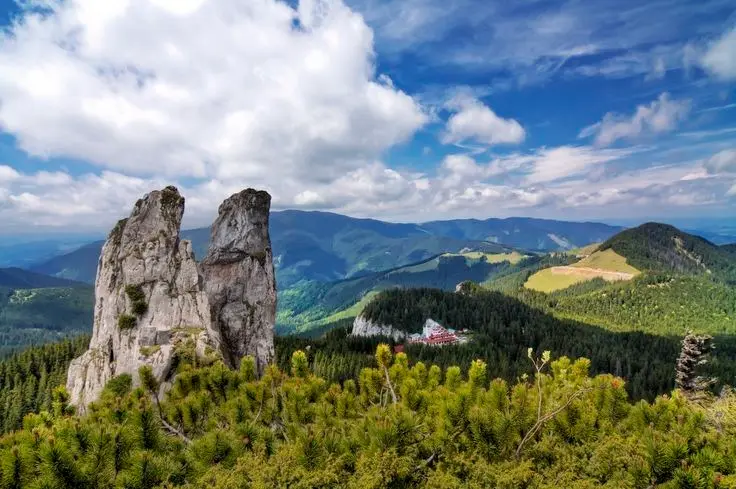
Pietrele Doamnei, the Lady's Rocks, form the most striking rock ensemble in the Rarău Massif, rising from a limestone ridge at more than 1,600 metres near the town of Câmpulung Moldovenesc, in the heart of Bucovina. The Jurassic limestone formations, shaped over millions of years by wind, rain and frost, stand as towering pinnacles and jagged crests that seem to guard the surrounding coniferous forests. The name is tied to an old legend about the wife of the prince Petru Rareș, who is said to have taken refuge here in times of danger. From the plateau and the base of the crags, wide views open toward the Obcinele Bucovinei ridges and the Moldova valley below. The area is a protected nature reserve, popular with hikers and climbers, and marked trails start from the nearby Rarău resort. Practical note: bring sturdy mountain footwear and layered clothing, as the weather at altitude changes quickly and the descent can be slippery when wet.
 Delta
DeltaDelta Dunării
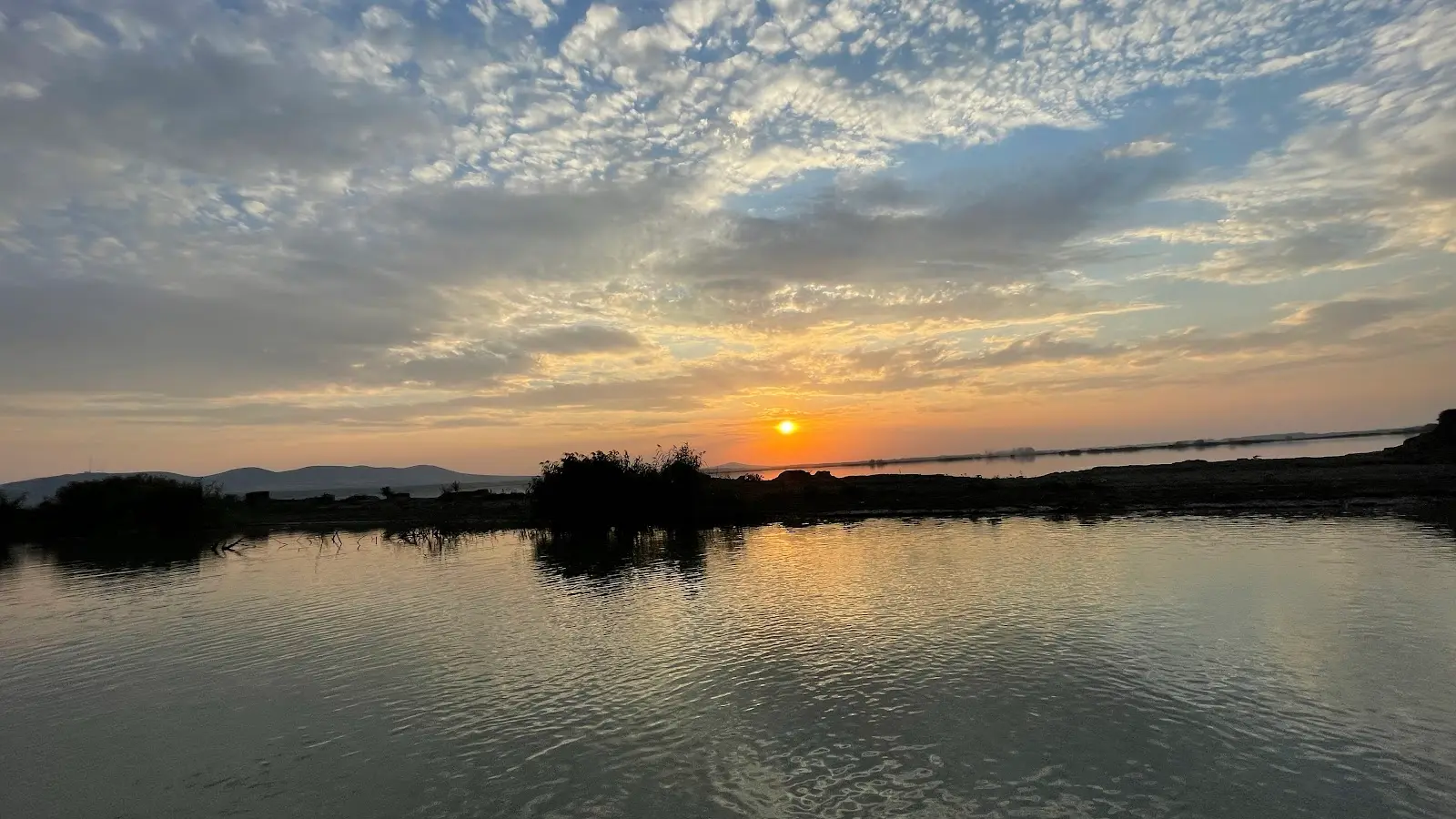
The Danube Delta is the largest and best-preserved delta in Europe, formed where the river Danube flows into the Black Sea near Tulcea, in Dobrogea. This labyrinth of branches, channels, lakes, reed beds and willow forests shelters an exceptional biodiversity, which is why it is included in the UNESCO World Heritage and declared a biosphere reserve. The delta is especially famous for its birdlife, with hundreds of bird species, among them the pelicans, which have their most important colony in Europe here, alongside cormorants, egrets, swans and numerous migratory birds. The landscape changes with the season and the water level, offering a unique natural spectacle. The locals, often of Lipovan origin, live from fishing and preserve distinctive traditions. Practical note: the best way to explore is by boat with a local guide, and sun protection, water and binoculars are useful for observing the birds in peace.
 Mountain
Munții Făgăraș
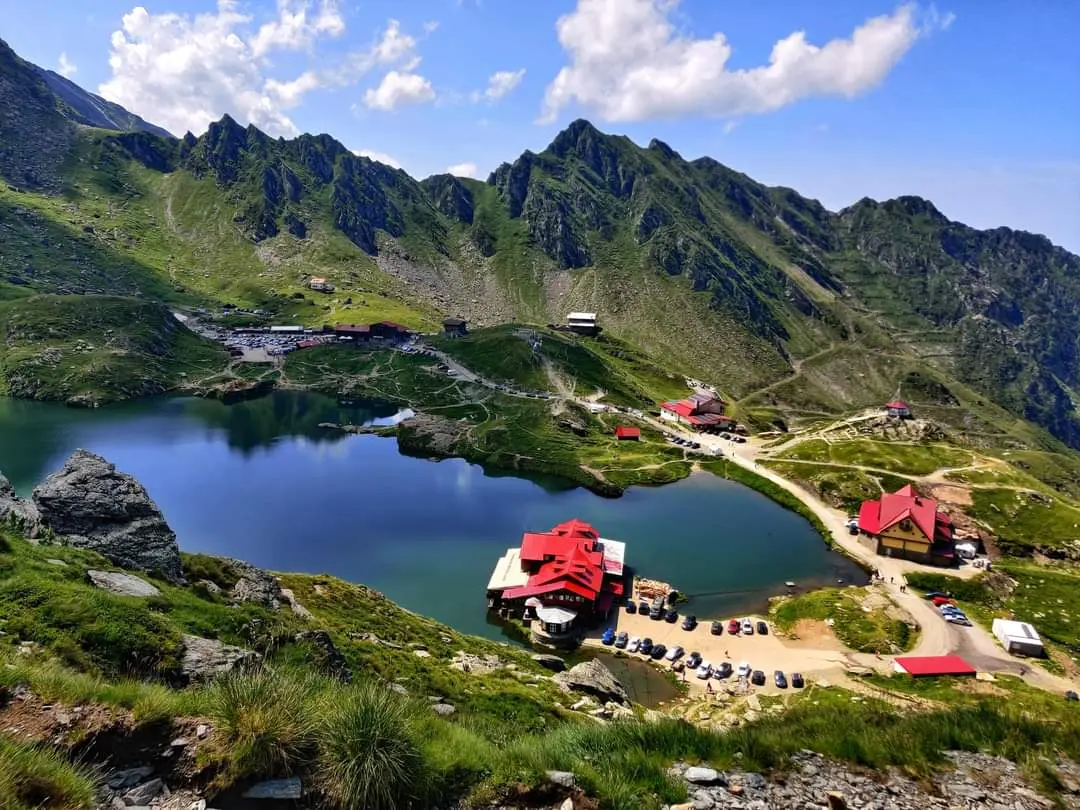
The Făgăraș Mountains form the highest and most imposing ridge in the Southern Carpathians and in all of Romania, home to peaks exceeding 2,500 metres, among them Moldoveanu and Negoiu, the tallest in the country. This long alpine ridge, south of the town of Făgăraș in Transylvania, is famous for its spectacular scenery, with glacial valleys, high-altitude lakes, sharp aretes and wide pastures. The ridge trails offer demanding hikes rewarded with sweeping views, while glacial lakes such as Bâlea and Capra draw many visitors. The famous Transfăgărășan road, a high-altitude route with spectacular hairpin bends, crosses these mountains and is usually open only in the warm season. The area is also home to rich wildlife, including bears, chamois and birds of prey. Practical note: high-altitude hikes require proper equipment, physical fitness and attention to sudden weather changes, and crossing the ridge should be planned in advance with the forecast checked.
 Nature
Cetățile Rădesei (Padiș)
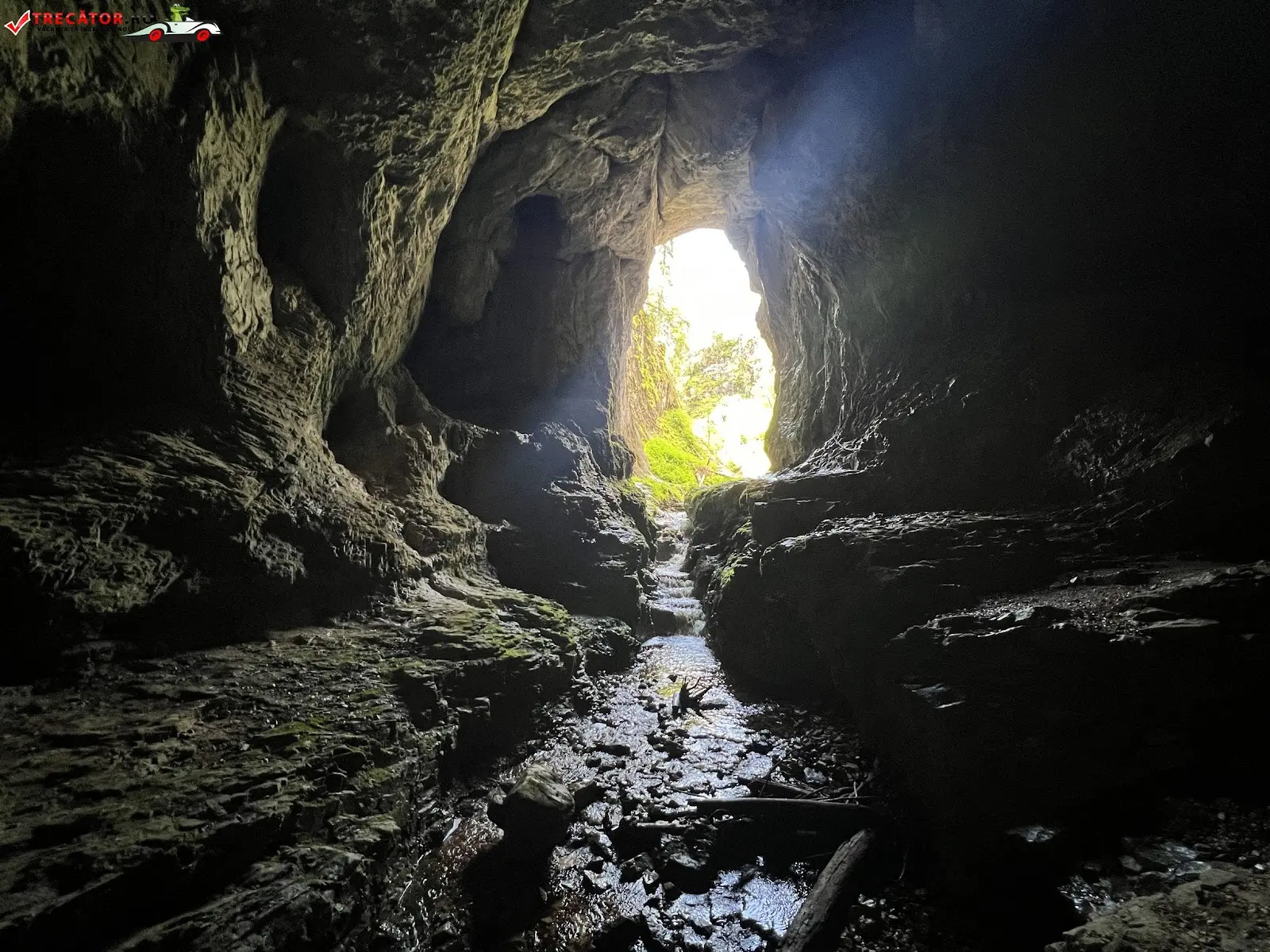
Cetățile Rădesei, the Rădeasa Citadels, form a spectacular karst ensemble in the Apuseni Mountains, in the Padiș area east of Oradea, in Crișana. The name evokes the look of the place, where the tall limestone walls and the water-carved galleries recall the walls of a natural fortress. The central feature is a tunnel cave through which a stream flows, its ceiling pierced by several shafts that let in daylight, creating shifting shadows and beams of great beauty. The visiting route passes through this gallery and continues along a narrow canyon bordered by steep cliffs and rich vegetation. The Padiș area is a true karst plateau, dotted with caves, sinkholes, springs and gorges, a paradise for hikers and lovers of wild nature. Practical note: crossing through the cave involves wading through water and over slippery stones, so footwear that can get wet, extra caution and, ideally, the company of someone familiar with the Padiș trails are needed.
 Mountain
Masivul Ceahlău
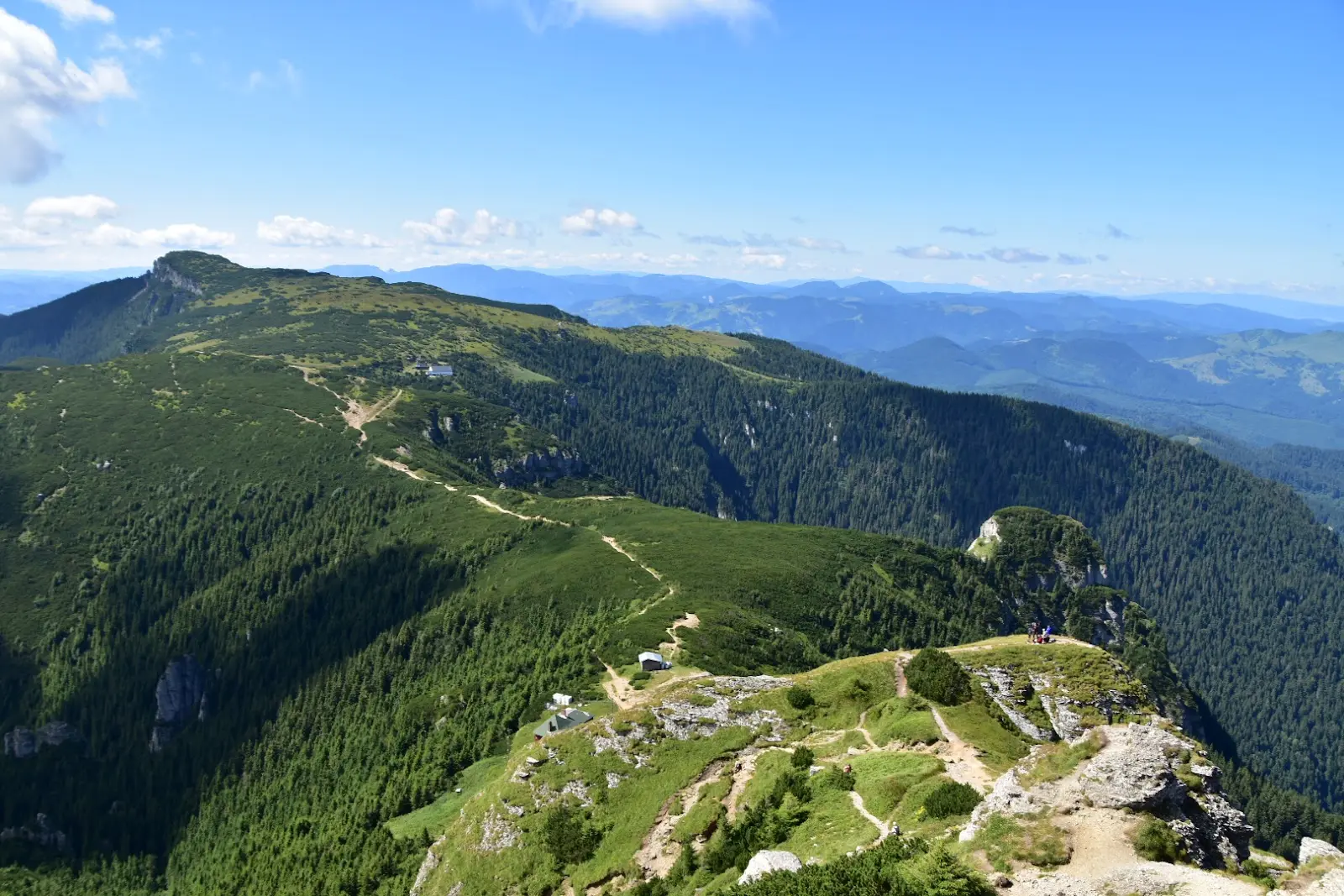
The Ceahlău Massif is one of Romania's most famous mountains, rising proudly above Lake Izvorul Muntelui and its surroundings in Neamț County, in Moldavia. Regarded as a holy mountain in folk tradition, Ceahlău has inspired numerous legends and was long a place of pilgrimage. Its spectacular rock formations, with crags bearing names such as Panaghia and Toaca, stand out impressively against the sky, and from its peaks wide views open toward the surrounding mountains and valleys. A special phenomenon, known as the pyramidal shadow of Ceahlău, can be seen in certain light conditions. The mountain is part of a national park that protects its rich flora and fauna, including rare species. Marked trails start from several directions and lead to the upper plateau, where a chalet stands. Practical note: the climb requires good physical condition and mountain equipment, and the weather at altitude can change quickly, so checking the forecast is essential.
 Mountain
Transalpina (Pasul Urdele)
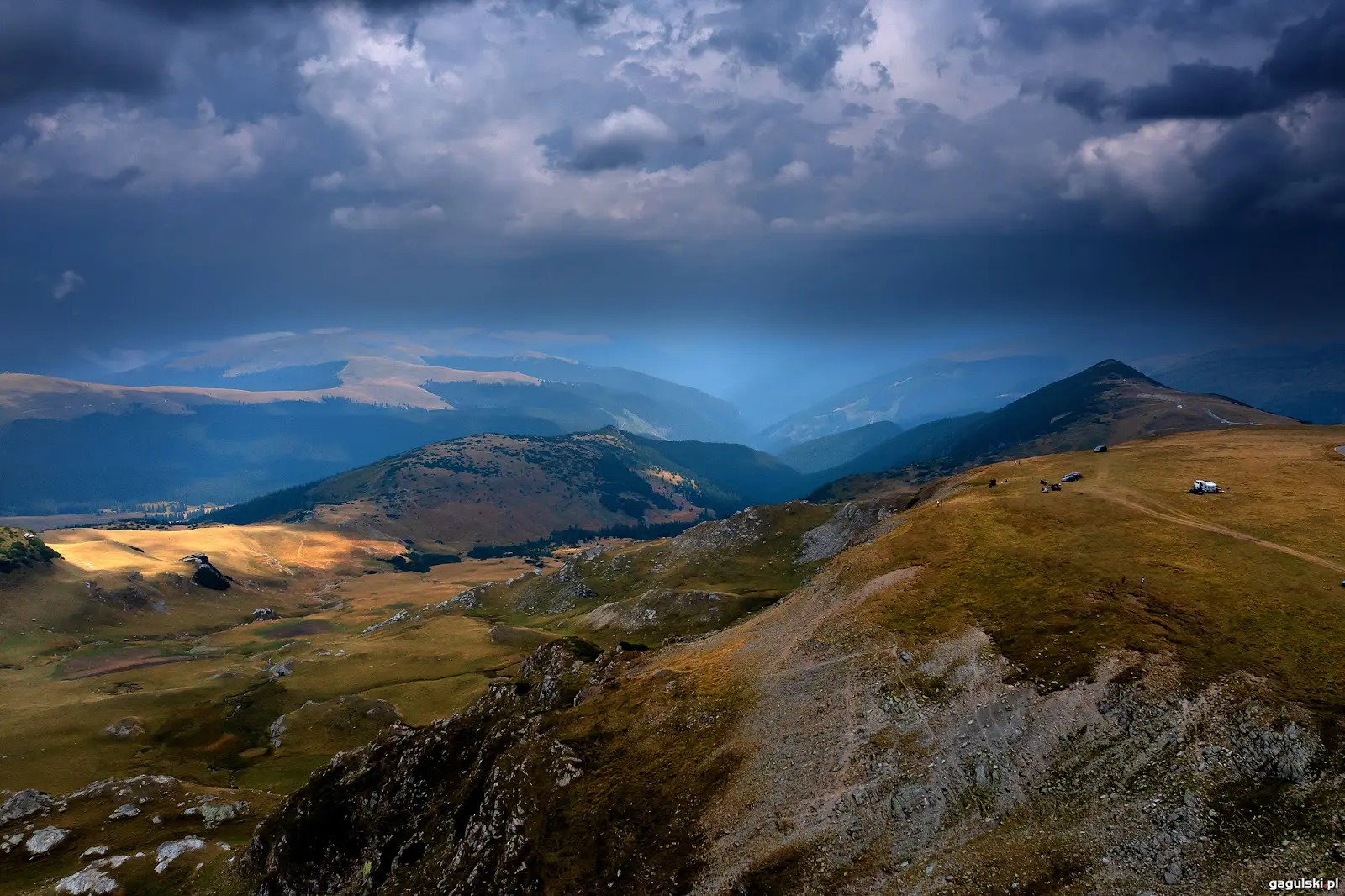
The Transalpina is the highest road in Romania, a spectacular route that crosses the Parâng massif of the Southern Carpathians, linking Oltenia to Transylvania over alpine ridges. The Urdele Pass, the highest point of the road, sits at over 2100 metres, offering broad views over the bare summits, the deep valleys and the alpine meadows that stretch as far as the eye can see. The road, with historical origins lost in antiquity and modernised in recent times, climbs in switchbacks above the tree line, through a wild, bare landscape often swept by wind and shrouded in mist. Flocks of sheep graze on either side of the highway, and in the warm season the slopes are covered with flowers. Because of the altitude, the road is passable only in the warm months, being closed in winter due to heavy snow. The route is prized by motorcyclists, cyclists and lovers of mountain scenery, offering one of the most memorable driving experiences in the country, with many stops for photographs.
 Mountain
Vârful Pietrosul Rodnei
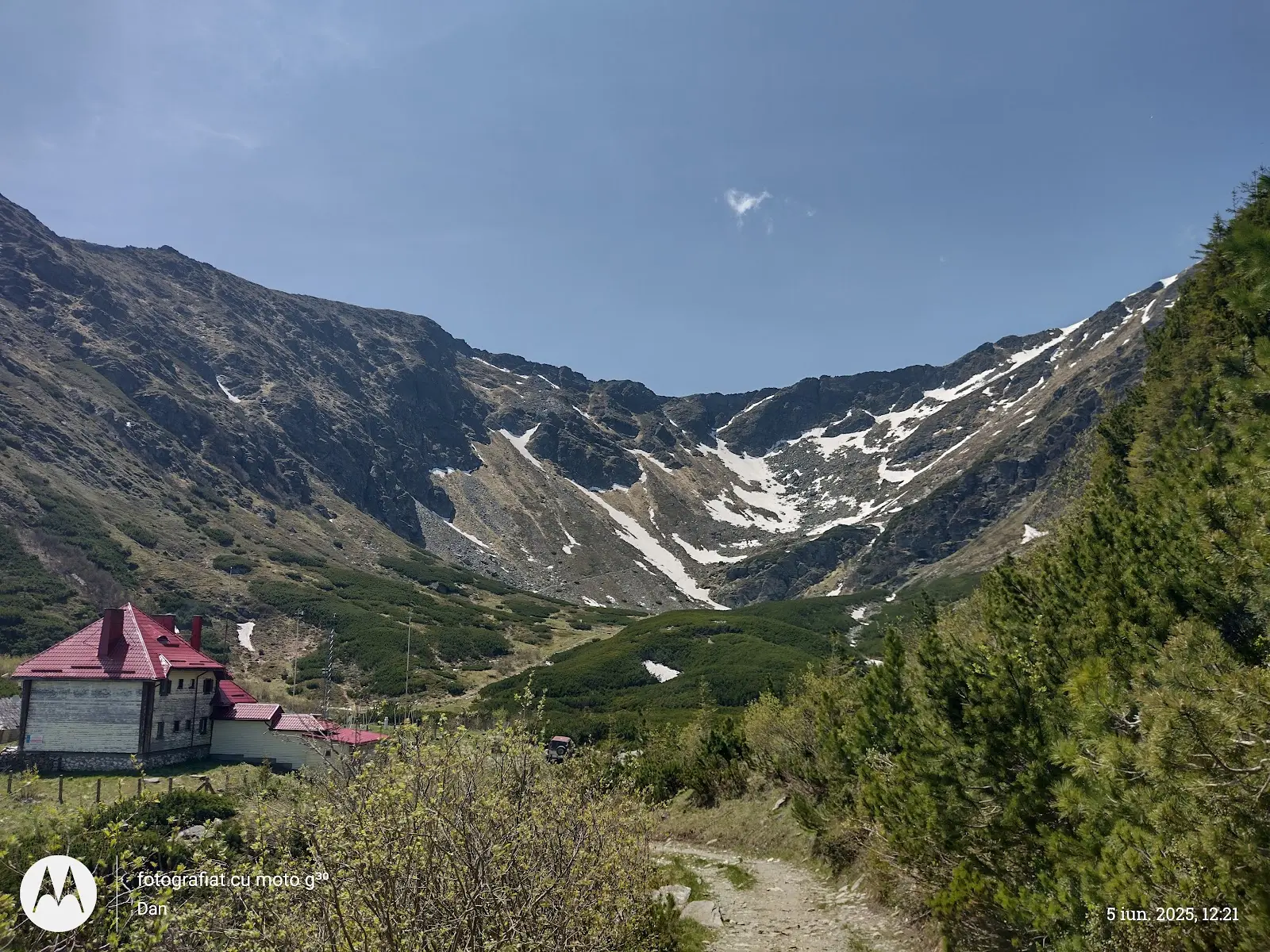
Pietrosul Rodnei Peak is the highest point of the Rodna Mountains and of the entire eastern branch of the Carpathians, rising above 2300 metres over the town of Borșa in Maramureș. Its alpine summit dominates a landscape of singular beauty, with rocky crests, glacial cirques carved by former glaciers and broad meadows scattered with rare flowers typical of the alpine zone. Beneath the peak lies the glacial lake Iezer, a mirror of clear water framed by steep walls, one of the emblematic landmarks of the massif. The area is protected by a national park and an internationally recognised biosphere reserve, sheltering chamois, marmots and many endemic plant species. The ascent to the peak begins in the Borșa area and demands good fitness, proper equipment and caution towards sudden weather changes. From the ridge open sweeping views over the Eastern Carpathians and the distant villages. The effort of the climb is fully rewarded by the grand panoramas and the sense of mountain solitude.
 Nature
Lacul Bucura
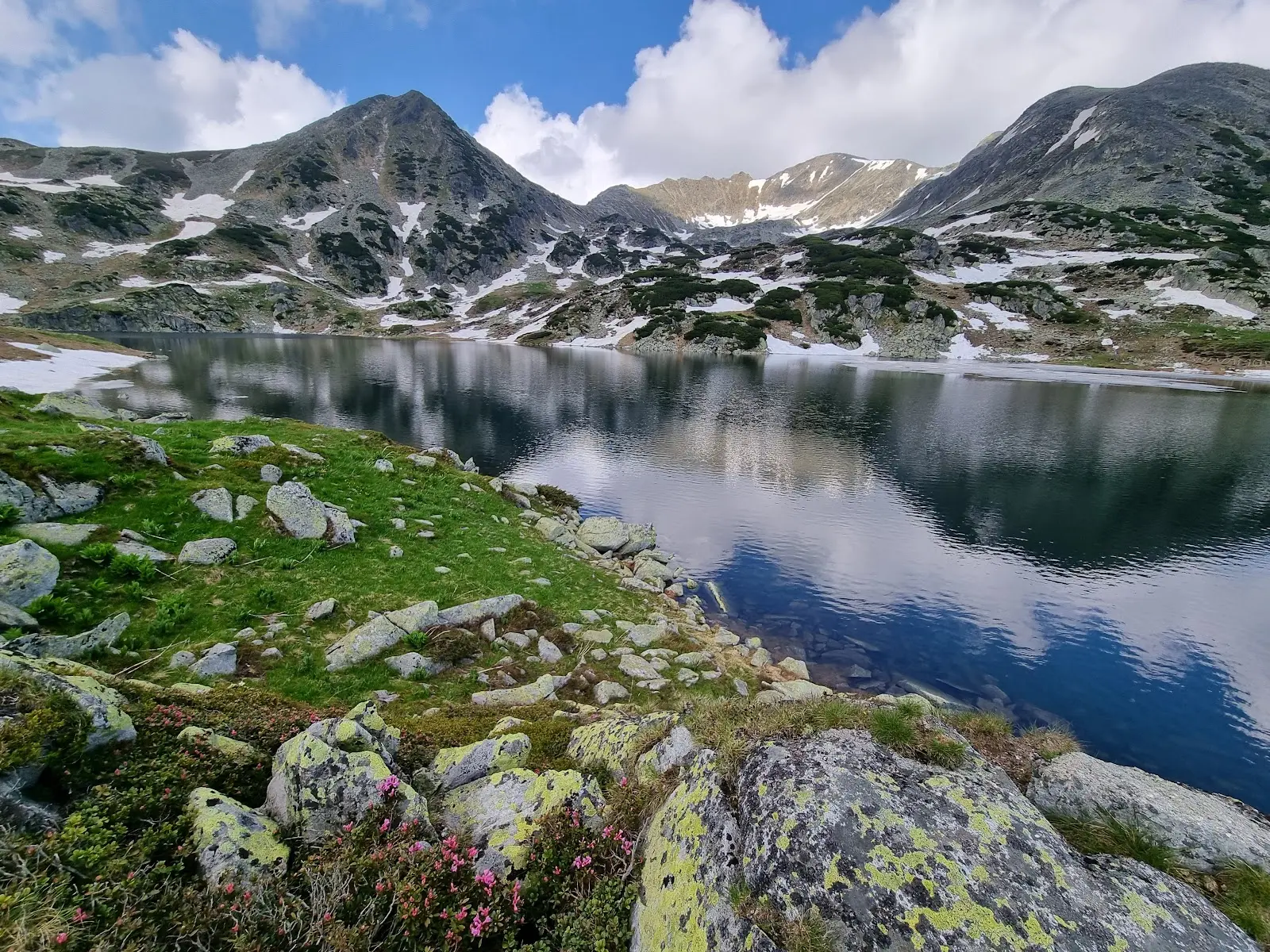
Lake Bucura is the largest glacial lake in Romania, set at over 2000 metres altitude in the heart of the Retezat massif in Hunedoara county, one of the wildest and most beautiful corners of the Southern Carpathians. Formed after the retreat of former glaciers, the lake spreads within a broad cirque surrounded by lofty peaks and alpine meadows scattered with boulders, offering scenery of grand beauty. The clear water reflects the surrounding crests, and the area is considered one of the most spectacular in the entire Carpathian chain. The lake lies within the Retezat national park, an internationally recognised biosphere reserve that shelters numerous glacial lakes, chamois, marmots and a rich flora, including endemic species. The Bucura area is a central point for hiking and a popular camping spot for those exploring the massif, with many trails setting off here towards the surrounding peaks. Access demands effort and good fitness, but the alpine scenery fully rewards the long climb.
 Mountain
Muntele Piatra Mare
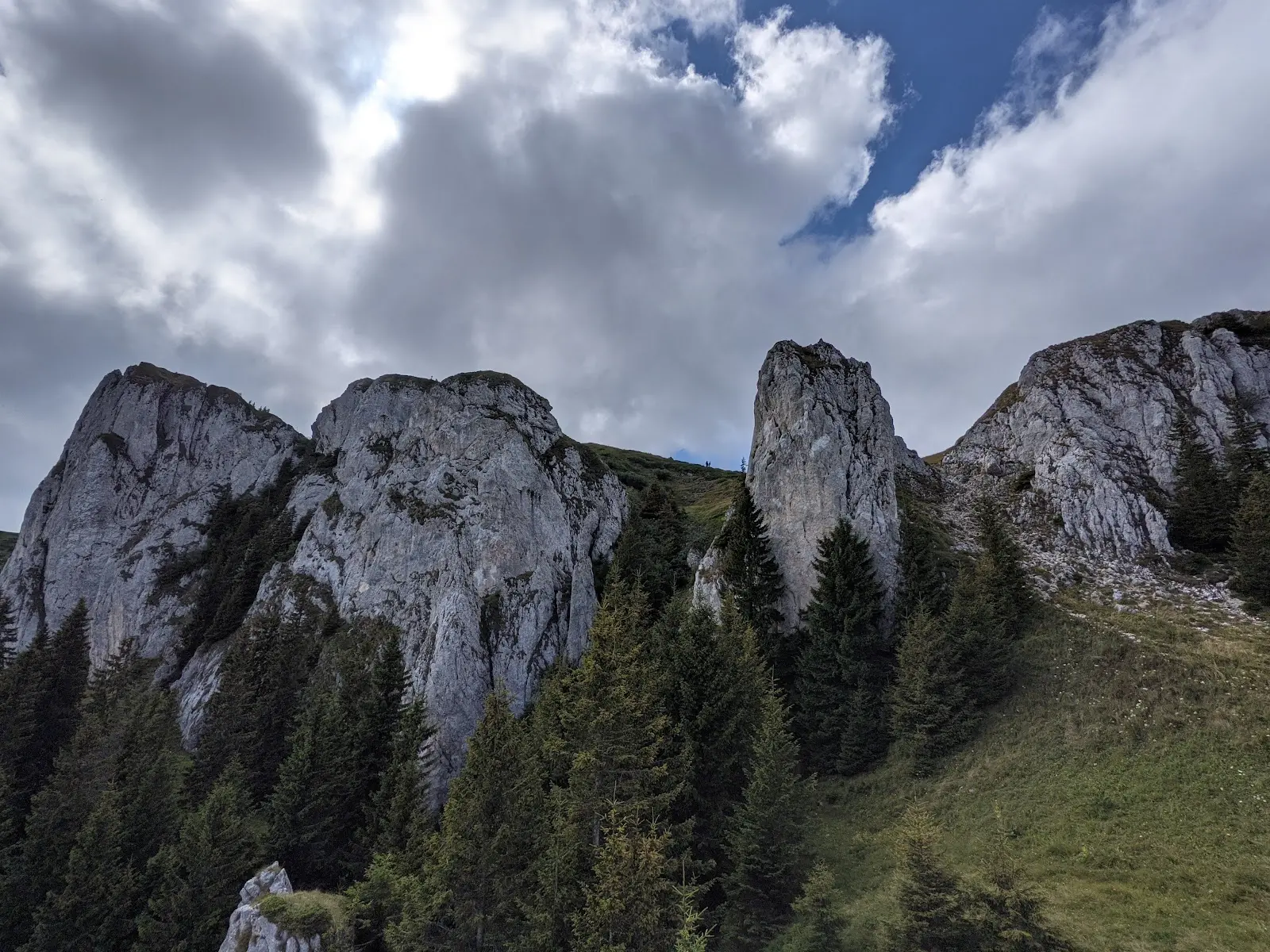
Piatra Mare Mountain is a limestone massif of the Curvature Carpathians, near the resort of Predeal and the town of Brașov, prized by hikers for its varied scenery and the spectacular trails that cross it. The main crest, which exceeds 1800 metres, offers broad views over the neighbouring massifs, among them Bucegi, Postăvaru and Ciucaș, as well as over the surrounding valleys and forests. The mountain is renowned for its remarkable natural features, among them the Seven Ladders Canyon, a narrow defile of successive waterfalls equipped with metal ladders for passage, and the Ice Cave, where ice persists even in the warm season. The forested slopes, steep cliffs and springs add to the diversity of the landscape, and the area shelters a rich flora and fauna typical of the mountain environment. The hiking trails set off from Predeal, Timișul de Sus and other nearby villages, demanding good fitness and proper equipment. Piatra Mare remains a favourite destination for day trips in the heart of the Carpathians.
 Nature
Cheile Galbenei
 Nature
Tinovul Mohoș
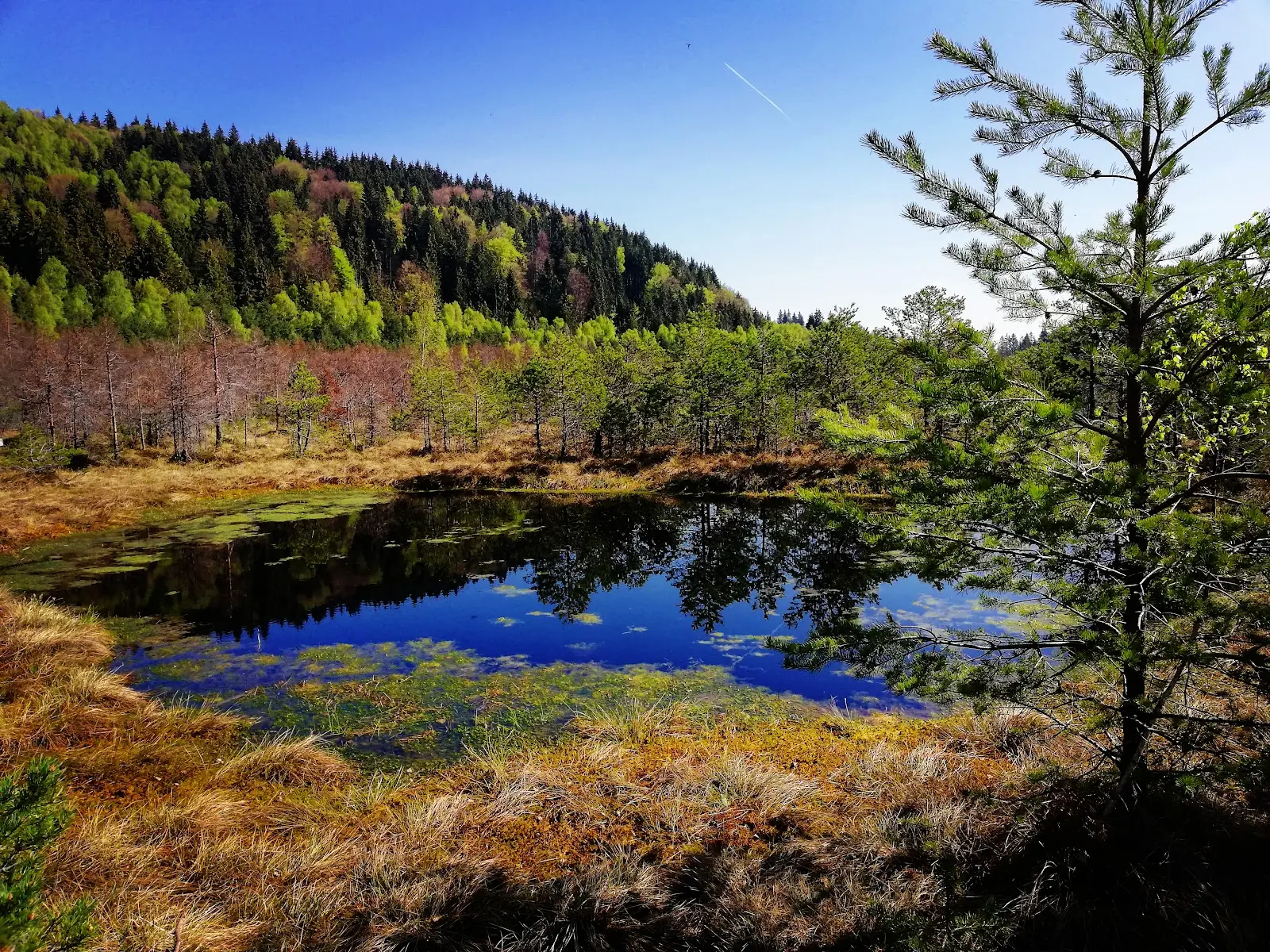
Mohoș Peat Bog is one of the most spectacular nature reserves in eastern Transylvania, a peat marsh set in the crater of an ancient volcano in the Ciomatu Mountains, near the town of Miercurea Ciuc and the famous Saint Ana Lake. This oligotrophic bog, formed over millennia through the accumulation of peat, shelters rare and relict vegetation, a testimony to the glacial ages of old, including carnivorous plants such as sundew, peat mosses and dwarf conifer species adapted to the acidic, nutrient-poor environment. In the middle of the bog lie small pools of clear water, windows into the depths of the marsh. Visits are made along a path laid out with wooden walkways that protect the fragile ecosystem while allowing discovery of this unusual world. The reserve is strictly protected, and access is usually with a guide along the marked route. Near Saint Ana Lake, the only volcanic lake in the country, Mohoș Bog rounds out a visit to one of the most fascinating natural areas of the Carpathians.
 Winery
Crama Gârboiu
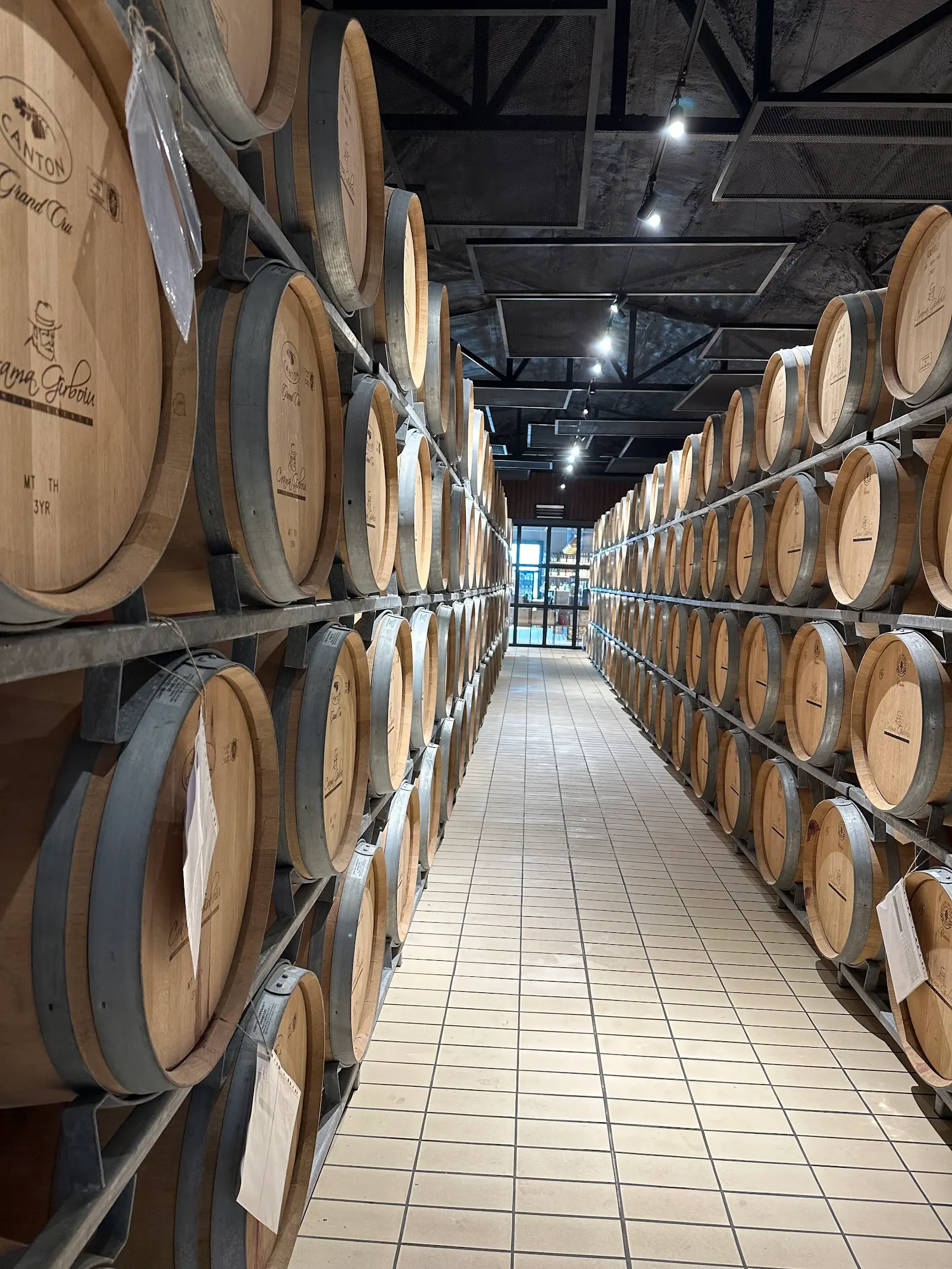
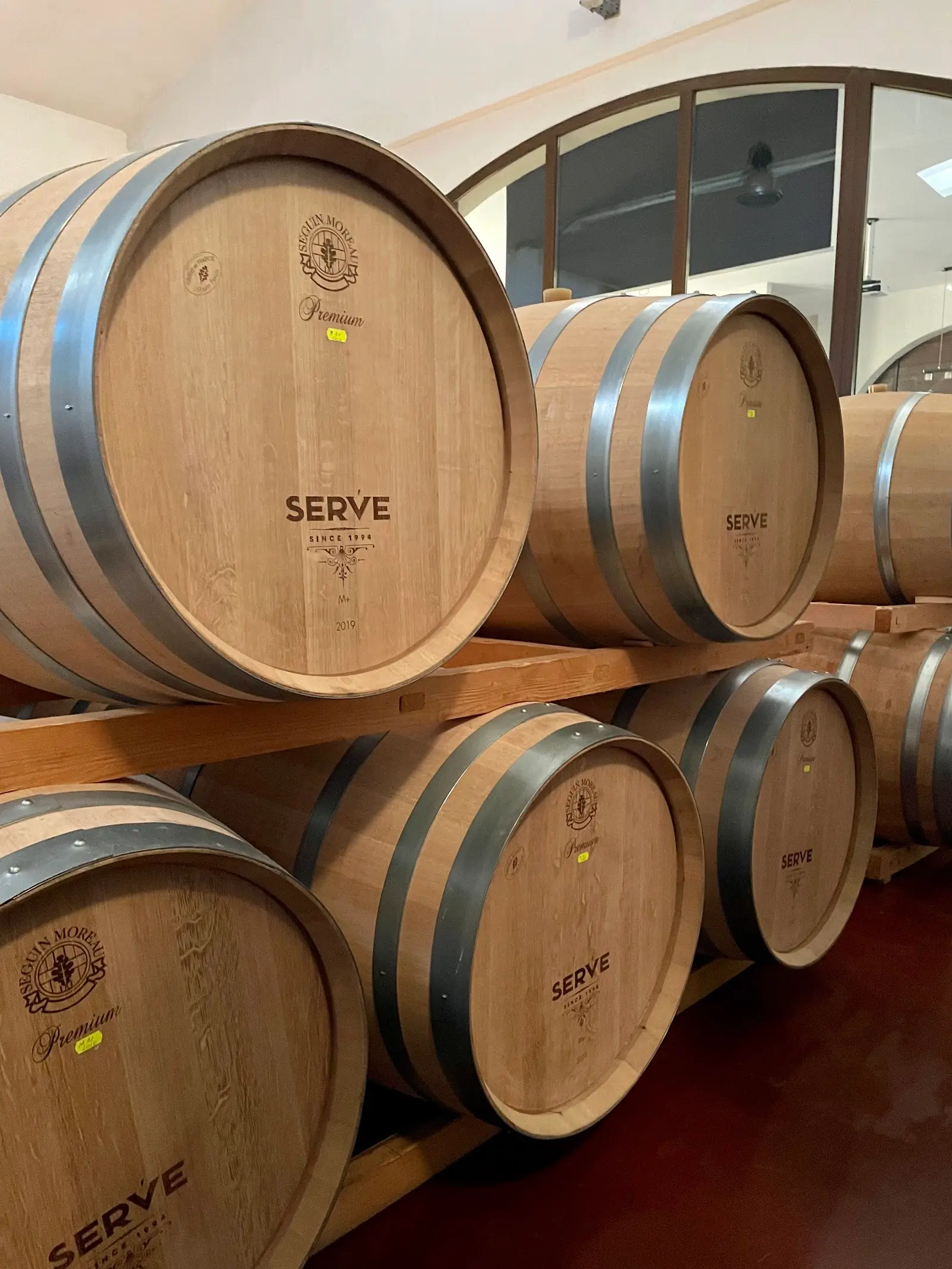
Crama Gârboiu lies in the heart of Vrancea, at Tănăsoaia, in Romania's largest wine basin. The Gârboiu family works both rare native grapes — Băbească Neagră, Galbenă de Odobești, Șarba — and international ones, in ranges that brought the Vrancea region new prestige: Bacanta, Epicentrum, Livia. The wines are expressive, with generous fruit and an increasingly clear maker's signature, steadily awarded in recent years. The area, marked by Vrancea's famous seismic epicentre, has even made that a brand theme. The estate welcomes visitors for tastings and tours, offering a modern face to a region known mostly for volume. It's a discovery for anyone who wants to taste winegrowing Moldavia beyond the clichés.
 Winery
Crama Ceptura
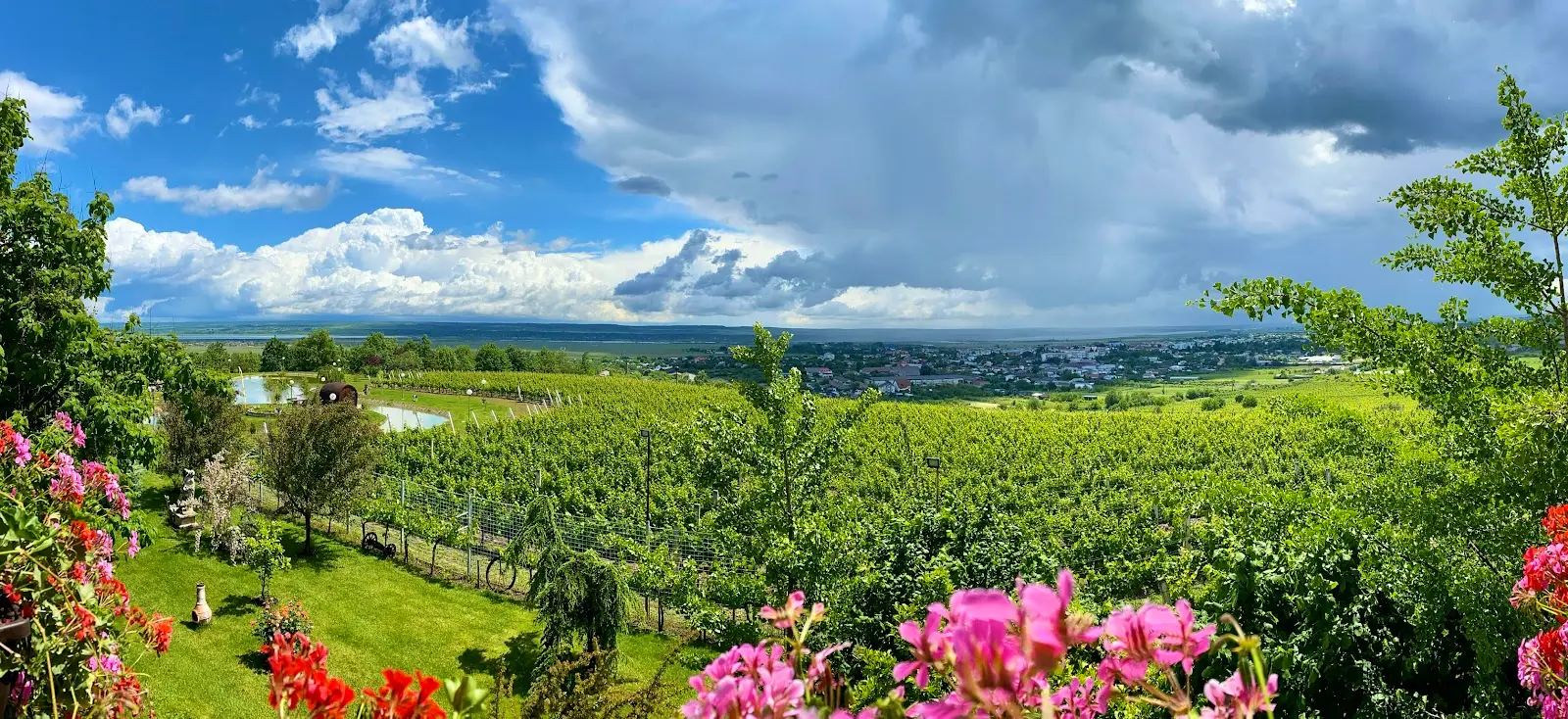
At Ceptura, in the heart of the Dealu Mare region, the winery bears the name of the village that became synonymous with good wine in Wallachia. On the sunny hills here, with clay-and-limestone soils at the same latitude as Bordeaux, it works both native grapes — Fetească Neagră, Fetească Albă, Tămâioasă — and international ones, in balanced, accessible wines. Ceptura is one of the most frequent stops on Prahova's "Wine Road", less than two hours from Bucharest: tastings, walks among the vines and often accommodation and dining on site. It's a comfortable, pleasant choice for a weekend escape in the country's most popular red-wine region, and a good one for a first-ever winery visit.
 Winery
Crama Iordache
Crama Iordache is a small family winery in the Drăgășani region, part of the new wave that brought Oltenia's native grapes back into focus. It works small quantities, with an emphasis on authenticity and the expression of place: Crâmpoșie Selecționată, Negru de Drăgășani, Novac and fresh whites, in honest wines with character. Without fuss and without loud marketing, the winery earned its regard through what's in the glass. On the hills of the Olt's right bank, in an area where every small winery has its own story, a visit here means a warm welcome, a relaxed tasting and direct contact with the people who make the wine. It's the kind of stop that appeals to those after the authentic, far from the crowded circuits.
 Landmark
Traseul celor Trei Fortificații
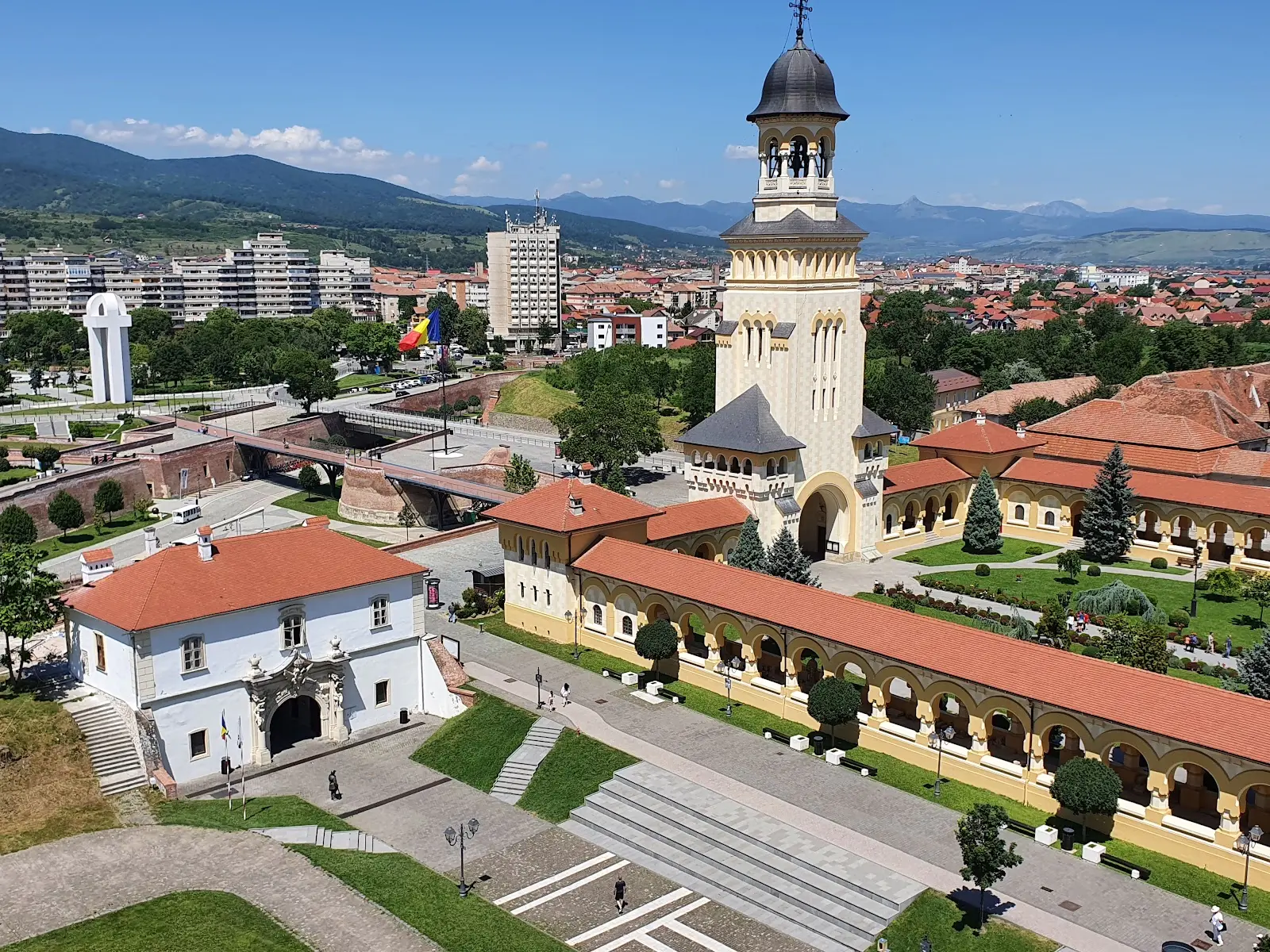
In Alba Iulia, the Three Fortifications Trail is a themed walk that reveals, layer upon layer, the city's more than two thousand years of history. The route follows the traces of three superimposed defence systems: the Roman camp of Legion XIII Gemina, the medieval fortification and the imposing Alba Carolina bastion fortress, built in Vauban style in the early 18th century. Markers and information panels guide you past monumental gates, walls, star-shaped bastions and historic buildings, offering a living lesson in military architecture. The Alba Carolina citadel, the largest of its kind in Romania, today hosts museums, cathedrals and a changing of the guard in period costume. It is the best way to understand the city; the trail is outdoors and accessible, while the schedule of indoor sites varies.
 Monastery
Prislop - Mănăstirea Prislop
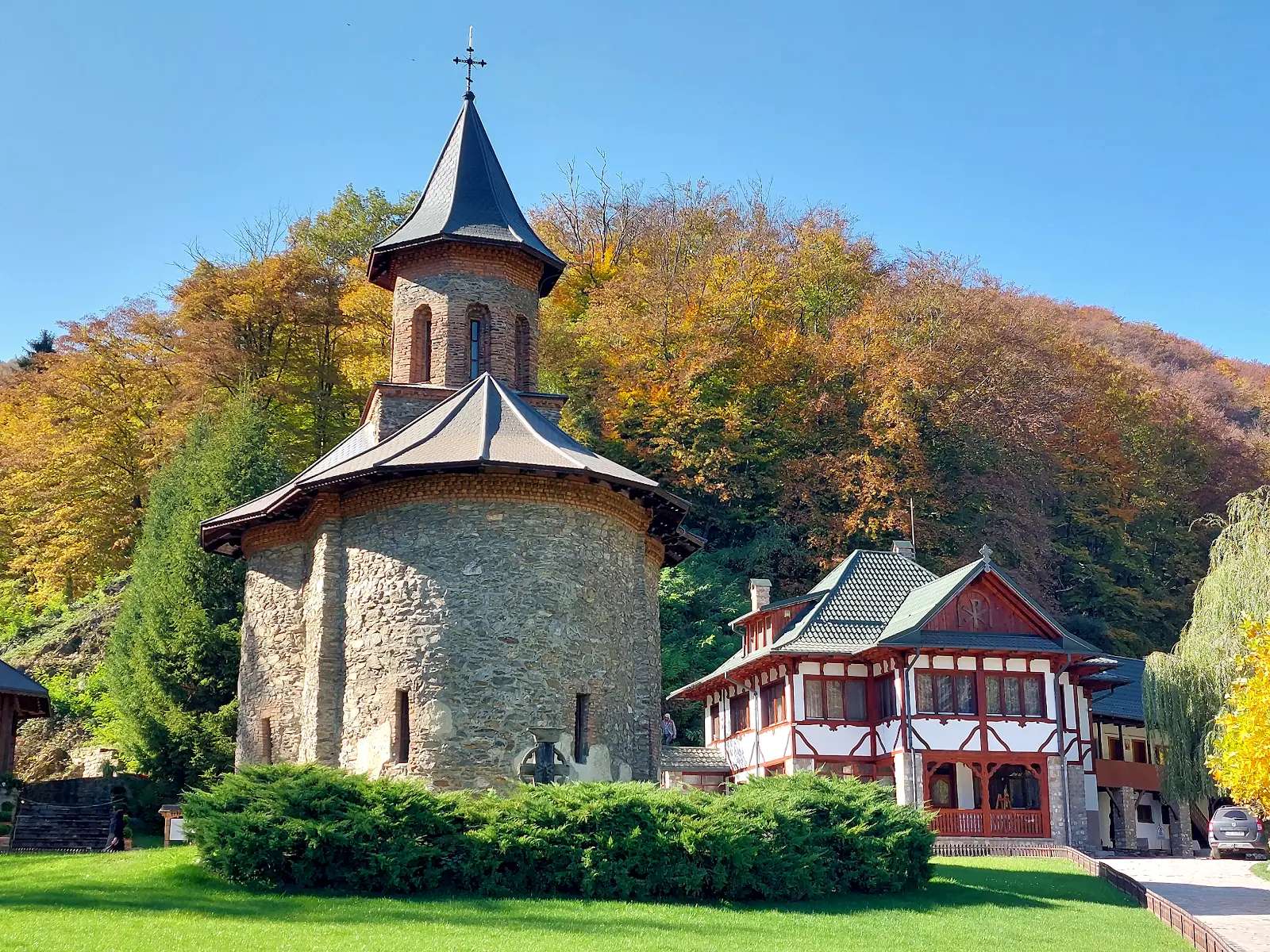
Prislop Monastery, hidden in a wooded glade in the Hațeg Land of Hunedoara county, is one of the most visited pilgrimage sites in Transylvania. Founded in the 14th century and linked to the monk Nicodemus of Tismana, the settlement has a rich history, renewed over the centuries and connected to leading figures of Romanian Orthodoxy. Its contemporary fame owes much to Father Arsenie Boca, a renowned confessor whose grave in the monastery cemetery draws tens of thousands of the faithful each year. The natural setting, with forest, a spring and deep silence, reinforces the atmosphere of contemplation. Visitors find a modest church, monastic cells and a landscape that invites reflection. As an active place of worship, modest dress and respect for services are advised; check the liturgical and visiting schedule.
 Landmark
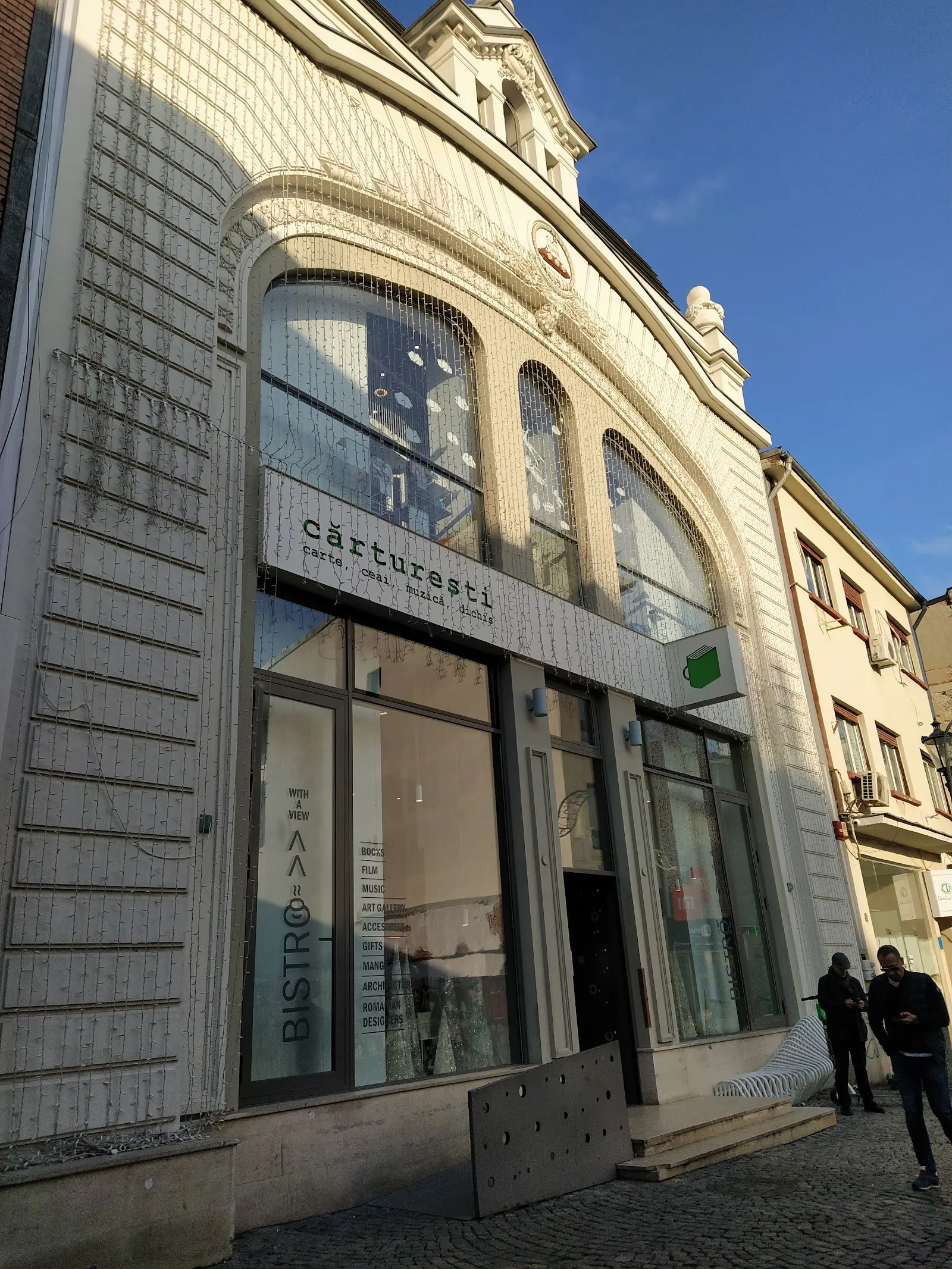
Cărturești Carusel
Cărturești Carusel is the most photogenic bookshop in Bucharest and one of the most beautiful in Europe. Set in a 19th-century building on Lipscani Street, in the heart of the old town, it was carefully restored and turned into a "carousel of light": six immaculate white levels linked by elegant staircases and slender columns, beneath a generous skylight that floods the space with natural light. Shelves full of books, a bistro on the top floor, an art gallery and a media space round out the experience. The building once belonged to a merchant family, and the renovation restored its splendour, winning architecture awards. It is a place where you come for a book but stay for the atmosphere and photographs. In the pedestrian zone, it pairs perfectly with a walk through the old centre; check the schedule before visiting.
 Museum
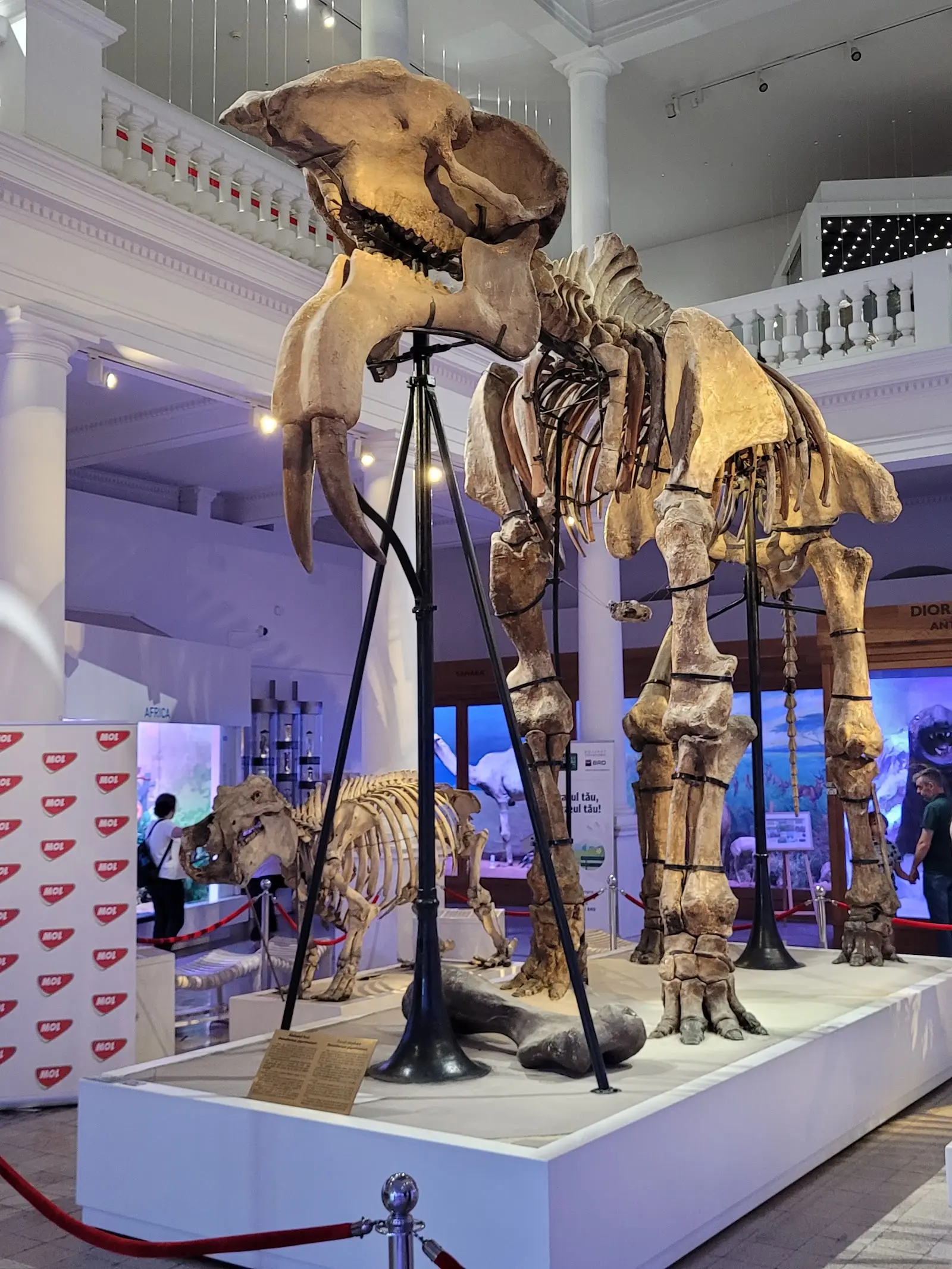
Muzeul Național de Istorie Naturală Grigore Antipa
The "Grigore Antipa" National Museum of Natural History in Bucharest is one of the oldest and best-loved institutions of its kind in Romania, a gateway to the natural world that fascinates children and adults alike. Founded in the 19th century and developed by the scholar Grigore Antipa, a pioneer of modern dioramas, the museum holds impressive collections of fauna from around the world, fossils, minerals and the skeleton of a Deinotherium discovered in Romania. Fully renovated, the space blends classic display cases with interactive multimedia installations, realistic dioramas reconstructing ecosystems and areas devoted to Romanian biodiversity. It is a perfect destination for families, with educational trails and temporary exhibitions. Located in Victory Square in the city centre, it is easy to reach. Check the visiting schedule and any closing days before you go.
 Landmark
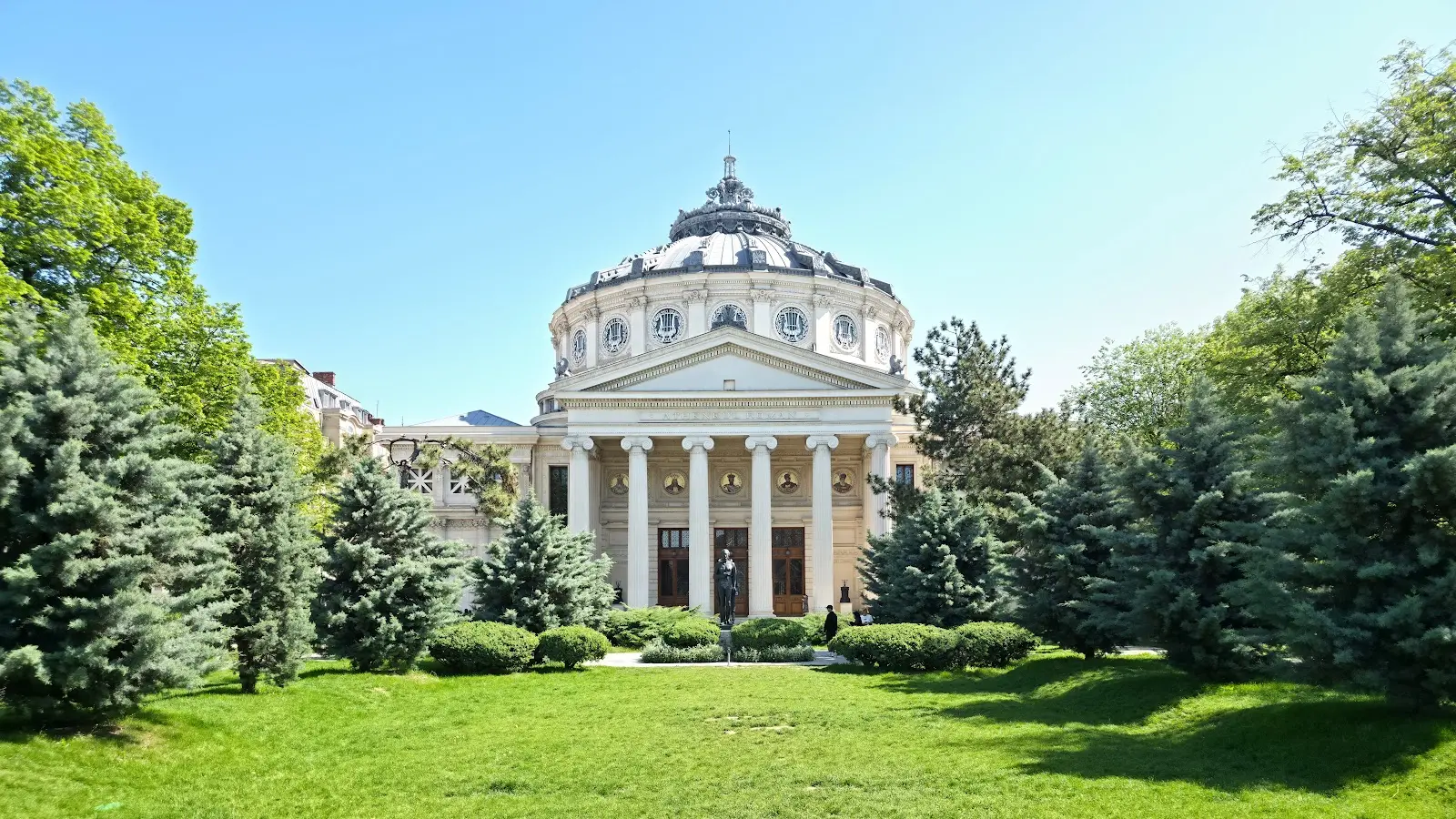
Ateneul Român
The Romanian Athenaeum is the most beautiful concert hall in Bucharest and a symbol of national culture, home of the "George Enescu" Philharmonic. Inaugurated in 1888 and built by public subscription under the motto "Give a leu for the Athenaeum," the neoclassical edifice impresses with its peristyle of Ionic columns, high dome and elegant rotunda. The interior is a jewel: the circular concert hall, with exceptional acoustics, is adorned with a monumental fresco wrapping the walls over dozens of metres, illustrating key moments in Romanian history. It hosts the "George Enescu" International Festival and landmark concerts. Even without a ticket, the façade and marble staircases are worth admiring. Located near Calea Victoriei and the Athenaeum Park, it is a city landmark. Check the concert schedule and the possibility of visiting the interior outside events.
 Museum
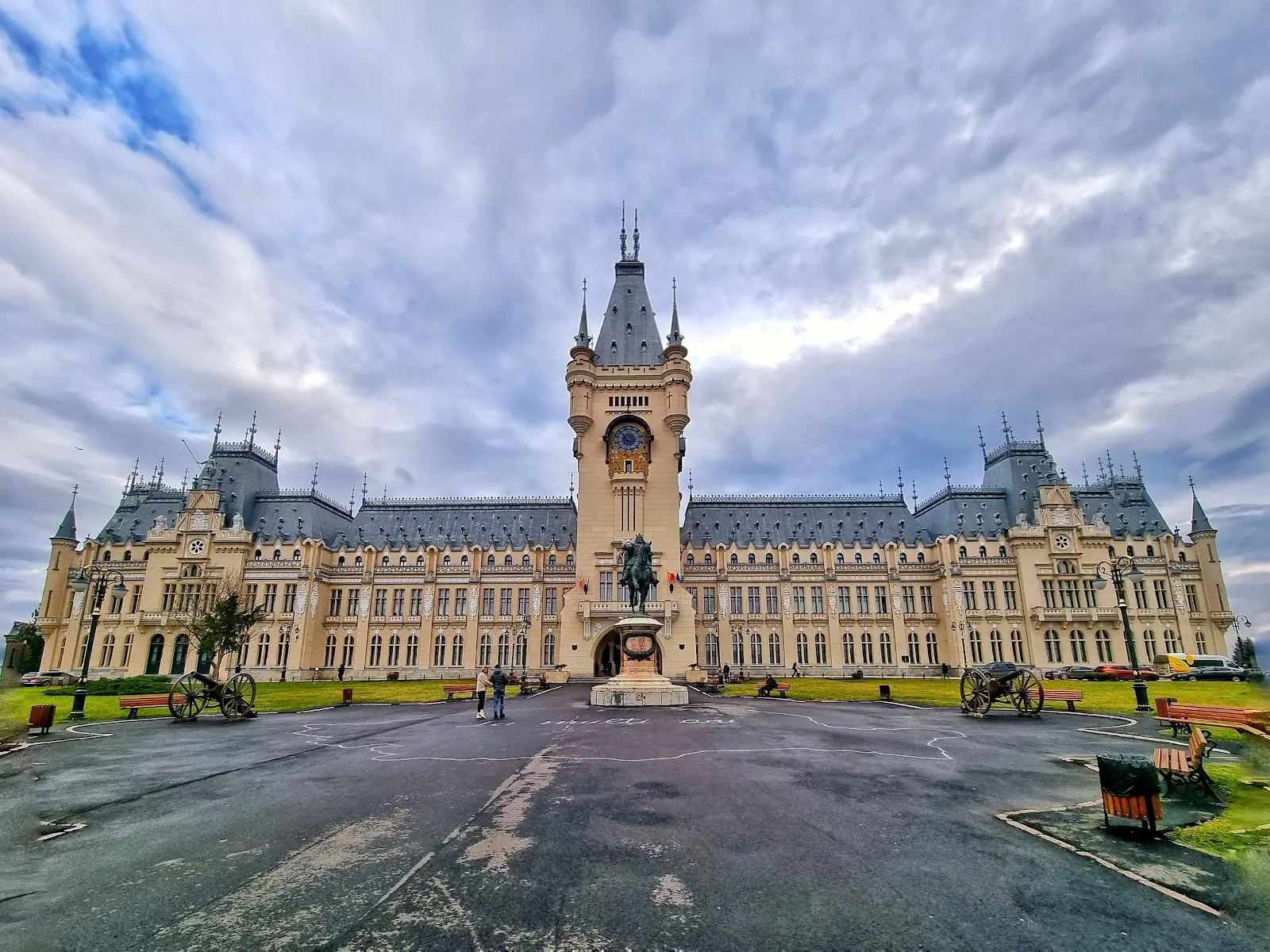
Palatul Culturii
The Palace of Culture in Iași is the emblem of the city, a monumental Neo-Gothic palace built in the early 20th century on the site of the former princely court of Moldavia. Its silhouette of towers, arcades and lacework façades dominates the city centre, and the clock tower, whose carillon plays a melody every hour, is a symbol of Iași. Inside, the palace houses a remarkable museum complex: museums of history, art, ethnography and science and technology, with valuable collections and halls of singular splendour, among them the famous Hall of the Voivodes. The interior decorations, mosaics, stained glass and staircases impress at every step. It is the unmissable attraction of Moldavia's cultural capital, ideal for a full day of exploring. Set beside a park with views over the city, it can also be admired from outside. Check the schedule of the interior museums, which may have distinct hours.
 Church
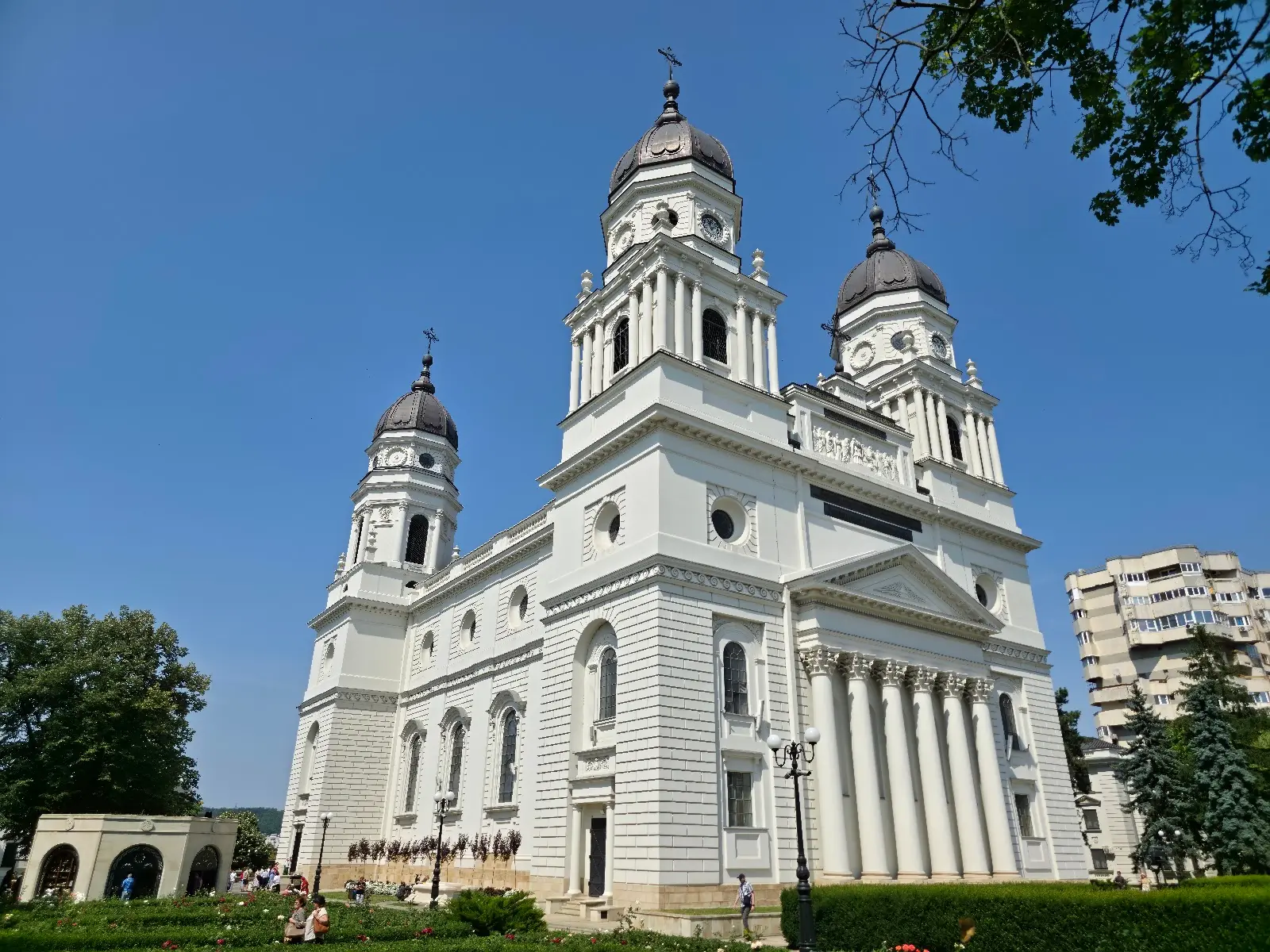
Catedrala Mitropolitană Iași
The Metropolitan Cathedral of Iași, the largest historic Orthodox church in Romania, is the spiritual heart of Moldavia and a monumental landmark of the city. Built in the second half of the 19th century in the neoclassical style with Renaissance influences, the cathedral impresses with its dimensions, its four massive spires and elegant façades. The interior, bright and spacious, is adorned with murals by the renowned painter Gheorghe Tattarescu. Here rest the relics of Saint Parascheva, protector of Moldavia, on whose feast in October hundreds of thousands of pilgrims come in procession to Iași, in one of the largest religious events in Romania. Around the cathedral stretches a pleasant park. It is a place of faith but also a monument to visit. Modest dress is advised; check the schedule of services and pilgrimages.
 Mountain
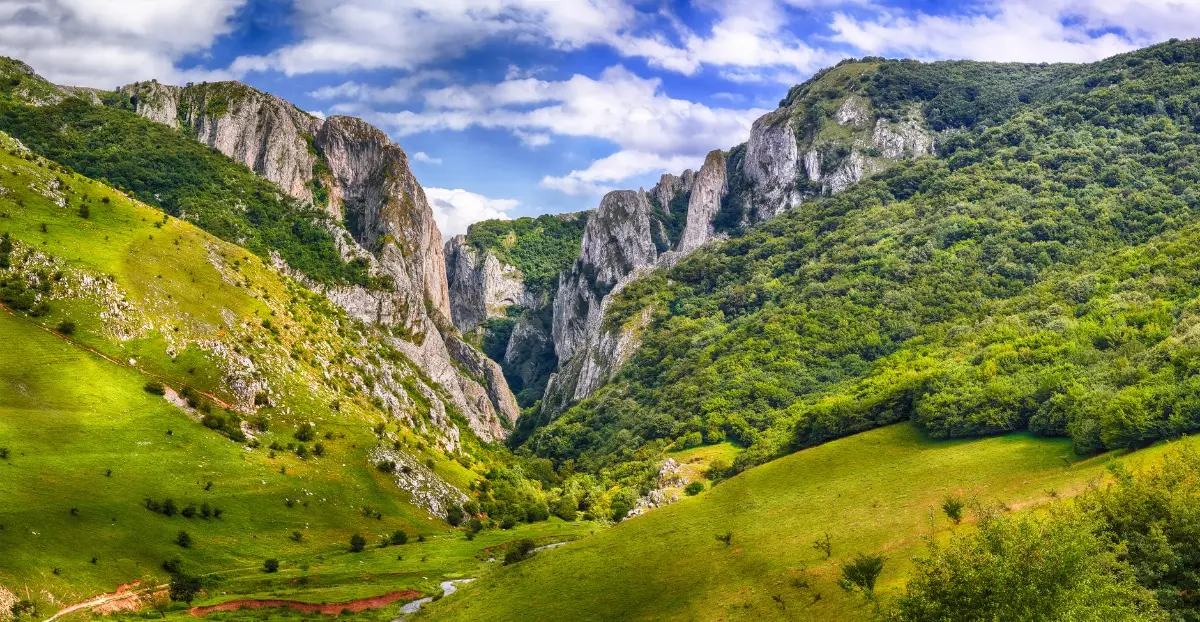
Rezervația Naturală Cheile Turzii
The Turda Gorge Nature Reserve, near Turda, is one of the most spectacular canyons in Transylvania, carved over millennia by the waters of the Hășdate valley through the limestone massif. Sheer walls over a hundred metres high rise dizzyingly on either side of the gorge, sheltering caves, grottoes and a rare flora with unique species, which earned it protected status. A marked route, with trails and footbridges suspended over the stream, winds through the ravine and offers dramatic views at every turn, beloved by hikers and climbers. Spring and autumn are ideal, with rich vegetation and pleasant light. It is a nature destination that is both accessible and impressive, a short distance from Cluj-Napoca. Wear good hiking footwear; check the trail conditions, which can be affected by weather or works.
 Museum
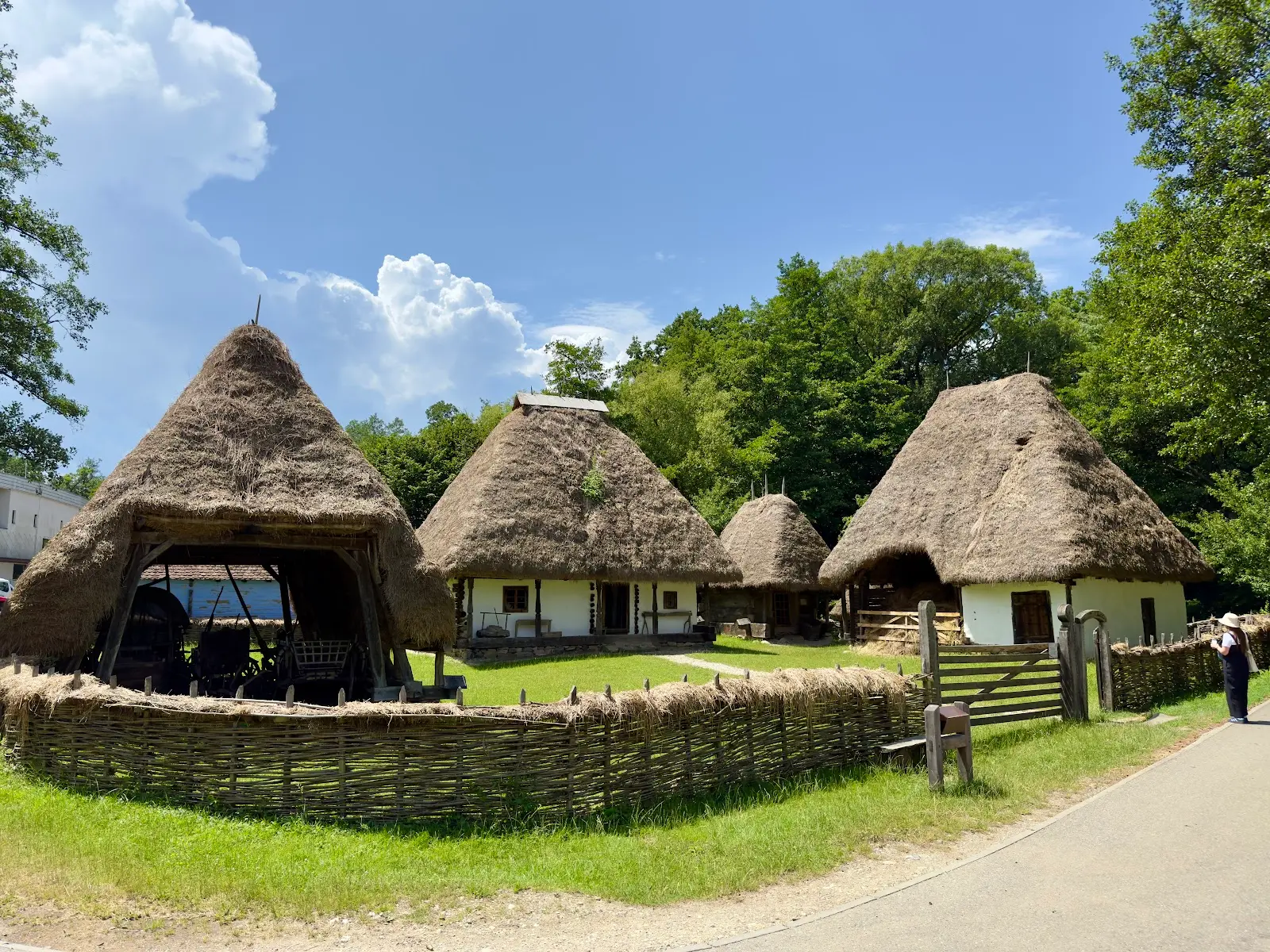
Muzeul ASTRA
The ASTRA Museum in Sibiu, set in the Dumbrava Forest, is one of the largest open-air museums in Europe, a true reconstruction of the traditional Romanian village across dozens of hectares of forest and meadows. Over four hundred authentic structures — peasant houses, farmsteads, water and wind mills, craft workshops, wooden churches and folk technical installations — were brought from every region of the country and carefully reassembled, telling the story of Romanian rural civilisation. Visitors follow picturesque paths beside a lake, discovering crafts, demonstrations and traditional fairs held periodically. It is a living lesson in ethnography and a delightful place to walk in any season, especially in autumn. Set aside several good hours to explore it at leisure and wear comfortable footwear. Check the visiting schedule and the calendar of hosted events.
 Nature
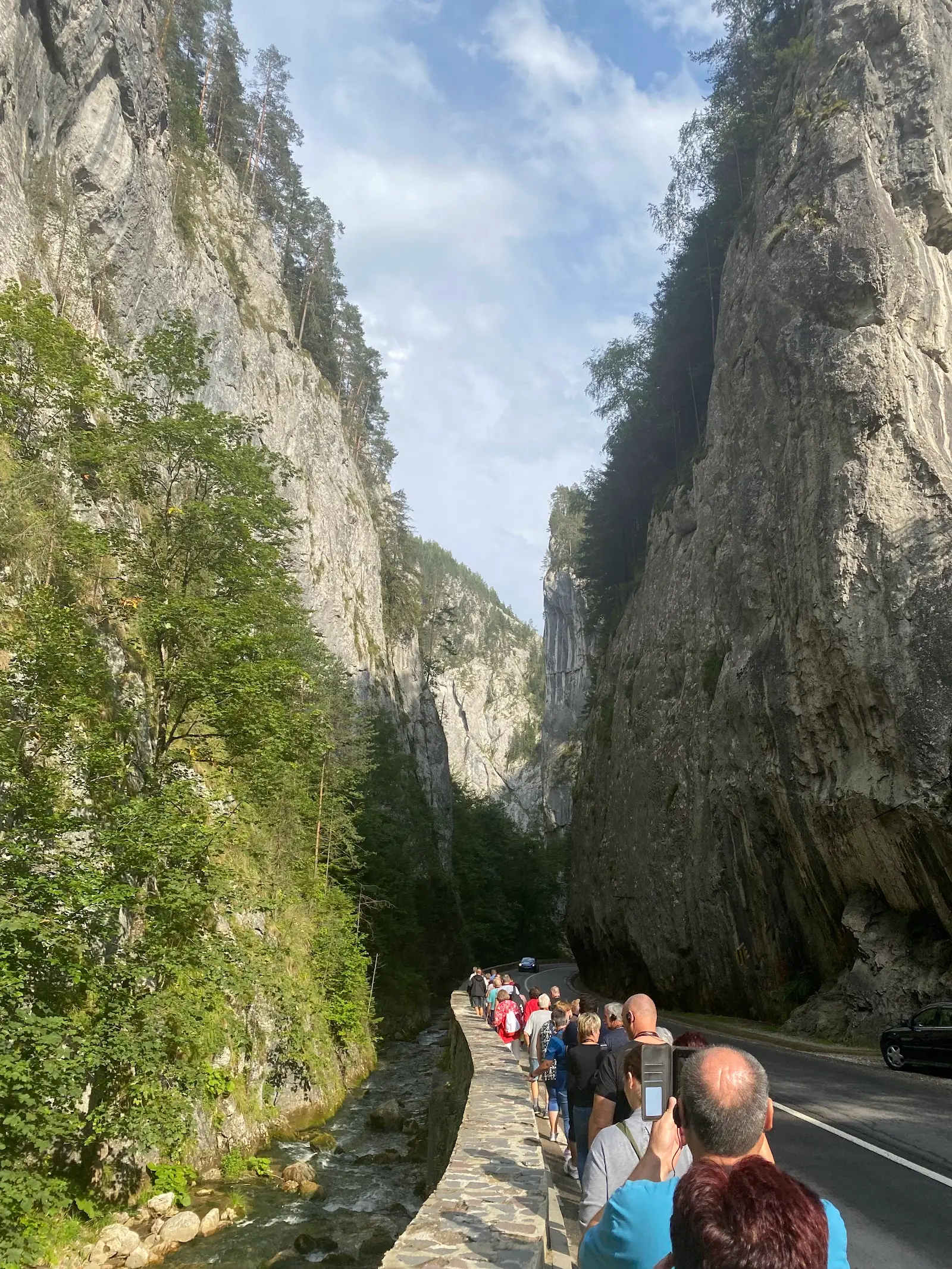
Cheile Bicazului (Gâtul Iadului)
The Bicaz Gorge is one of Romania's most spectacular canyons, carved by the Bicaz river through the limestone of the Hășmaș massif, on the border between Neamț and Harghita. The road winds at the foot of sheer walls hundreds of metres high, so close in the stretch known as the ‘Hell's Throat' that the sky appears only as a narrow ribbon between the cliffs. The route links Transylvania and Moldavia and passes the Red Lake, formed in 1837 by a landslide, with fir trunks still visible beneath the surface. The gorge lies within the Bicaz–Hășmaș National Park and is a paradise for climbers, hikers and photographers, with craft stalls at the base of the walls. It can be driven, but it is worth stopping to walk and feel the true scale of the place. Check road conditions in winter, when it may close due to ice and rockfall.
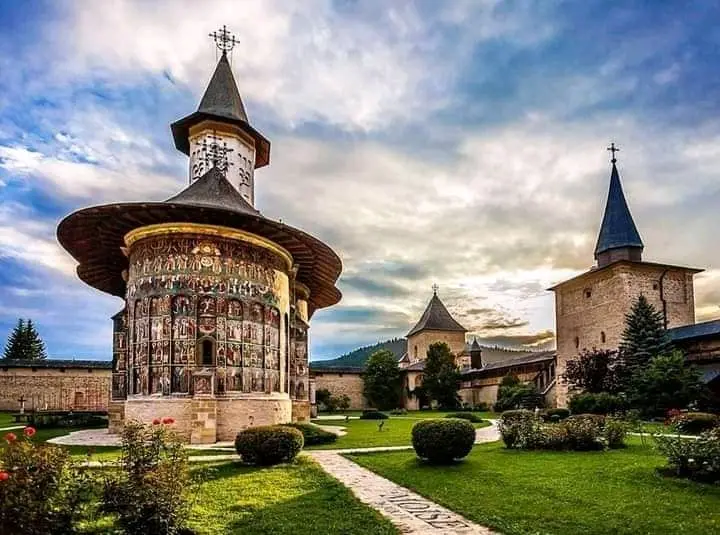 Monastery
Mănăstirea Sucevița
Sucevița Monastery is the most imposing of Bukovina's painted monasteries and the last built in this style, at the end of the 16th century, by the Movilă family. Unlike its sisters, it is surrounded by massive fortress walls with corner towers, giving it the look of a citadel rather than a place of prayer. The exterior frescoes, dominated by an intense green rarely seen elsewhere, cover almost the entire walls and include the famous ‘Ladder of Virtues', a vast and dramatic composition. The northern wall is said to have been left unpainted because the artist fell from the scaffolding — a legend that adds to the site's charm. A UNESCO World Heritage site, Sucevița is an essential stop on the monastery trail, set in a landscape of hills and quiet villages. Respect the dress code and the calm of the place, and check visiting hours, especially during services.
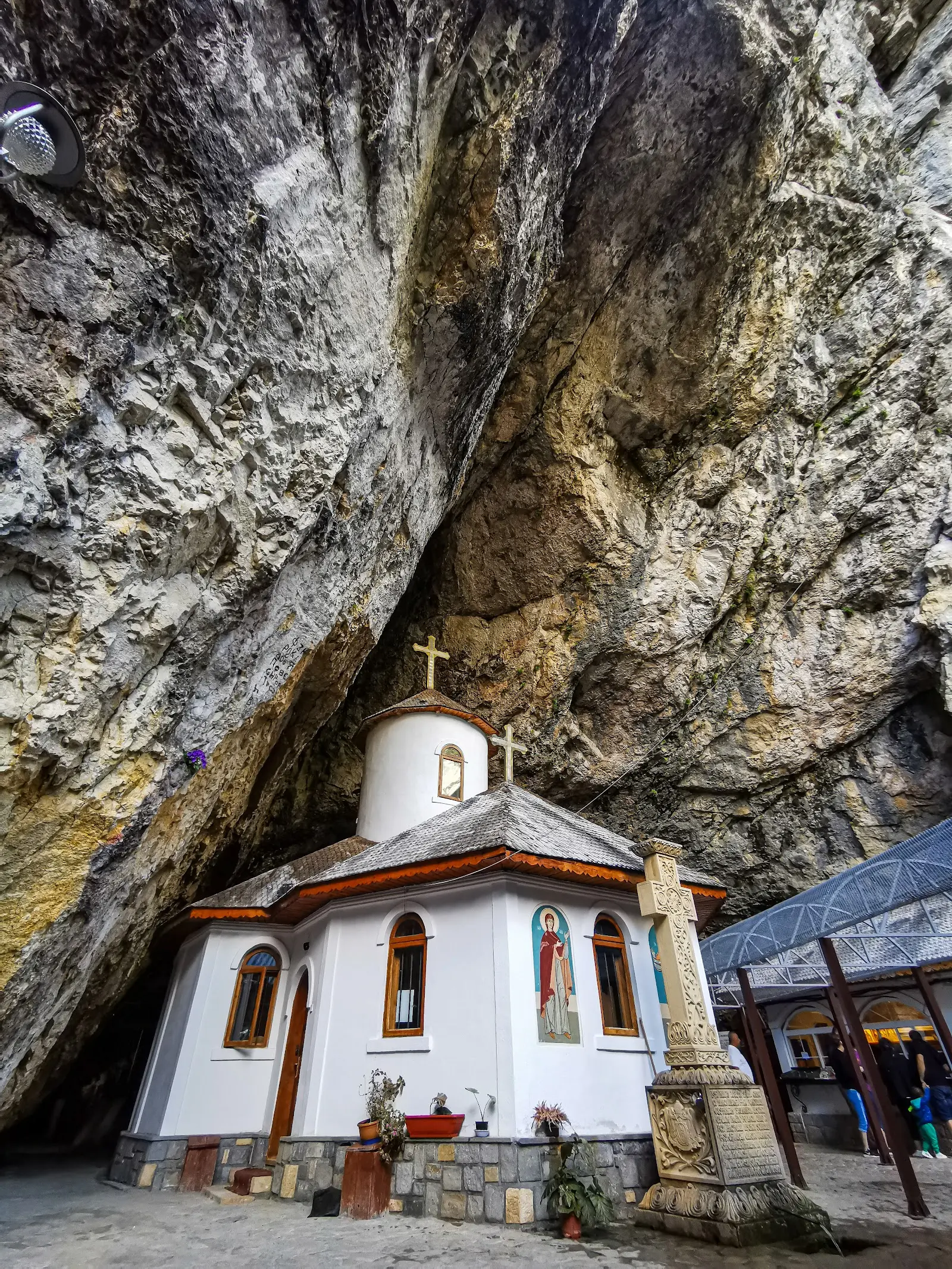 Nature
Peștera Ialomiței
The Ialomița Cave opens in the steep wall of the Ialomița Gorge, in the Bucegi massif, right beside the hermitage of the same name, in one of Romania's most spectacular mountain settings. The wide entrance, guarded by a small white church set against the rock, leads into a gallery arranged for visits, with limestone formations, vaulted chambers and an underground stream. Though not very long, the cave impresses through its atmosphere and its natural surroundings: you reach it by climbing from Padina or the Peștera chalet, among alpine meadows and rock walls. The place also has a spiritual dimension, tied to the tradition of hermits who withdrew here over the centuries. It is a good stop for hikes in the Bucegi, easily combined with the trails to the Sphinx and the Babele. Dress warmly — the cave is cold all year — and check access on the forest road, which depends on the season.
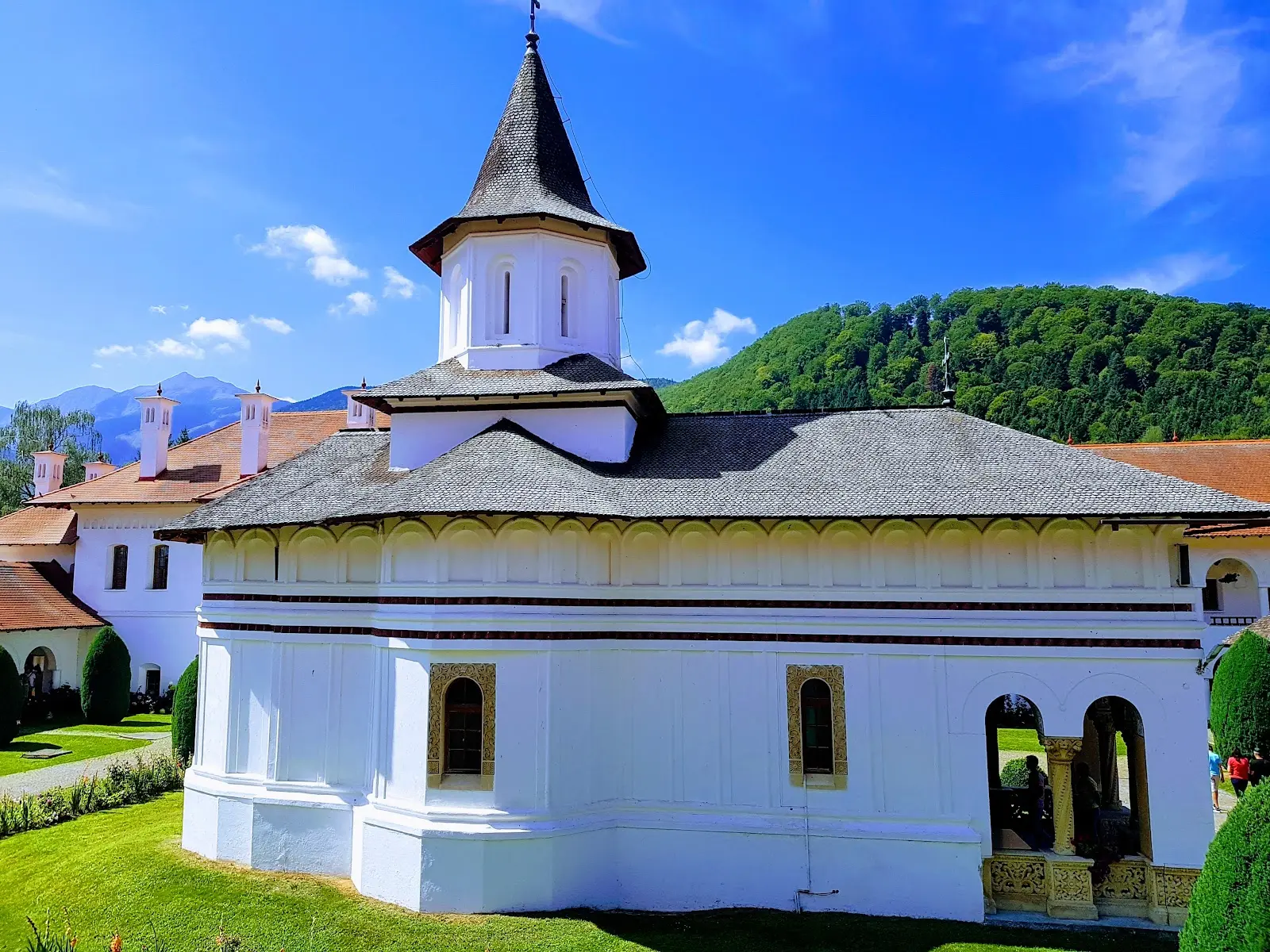 Monastery
Mănăstirea Brâncoveanu (Sâmbăta de Sus)
Brâncoveanu Monastery at Sâmbăta de Sus, at the foot of the Făgăraș Mountains, is one of the most important and best-loved Orthodox sites in Transylvania. Founded in the early 18th century by prince Constantin Brâncoveanu, it was destroyed by the Austrians and rebuilt and extended in the 20th century by Metropolitan Nicolae Bălan, becoming a great spiritual and cultural centre. The Brâncovenesc-style complex, with fine stone frames and open porches, is mirrored in a lake, in a superb natural setting with the Făgăraș ridges as a backdrop. The monastery hosts an academy, a glass-icon painting workshop and a museum, and is renowned for its spring, considered healing. It is a natural stop for those setting out on the Transfăgărășan or exploring the Făgăraș country. Respect the dress code and the calm of the place, and check the service and museum hours.
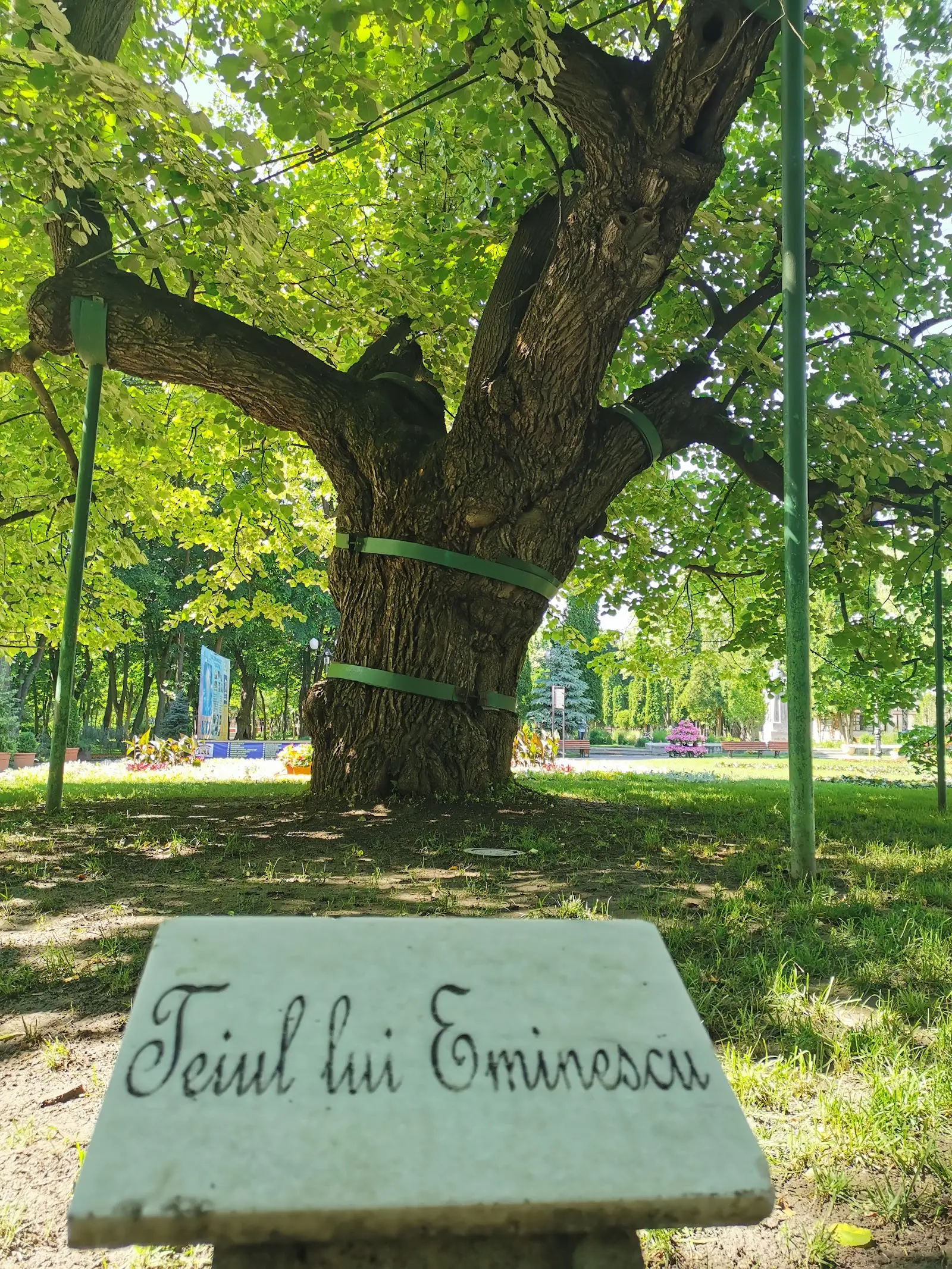 Park
ParkTeiul lui Eminescu (Parcul Copou)
Eminescu Linden in Copou Park is perhaps the most famous tree in Romania, an old lime tree more than three centuries old under which, tradition says, the national poet Mihai Eminescu would sit to write and reflect during his years in Iași. Set in the city oldest public park, laid out in the early 19th century, the linden has become a symbol of Romanian culture and a place of pilgrimage for poetry lovers, especially on the poet day. Nearby stand the Obelisk of Lions, the first public monument in Moldavia, and busts of great writers. Copou Park, with its shaded paths and romantic atmosphere, is the locals favourite place to stroll and a fitting setting for a cultural pause. The visit combines naturally with the Botanical Garden and the nearby palaces. It is a symbolic place, open any time, at its finest in spring and autumn when the park changes colour.
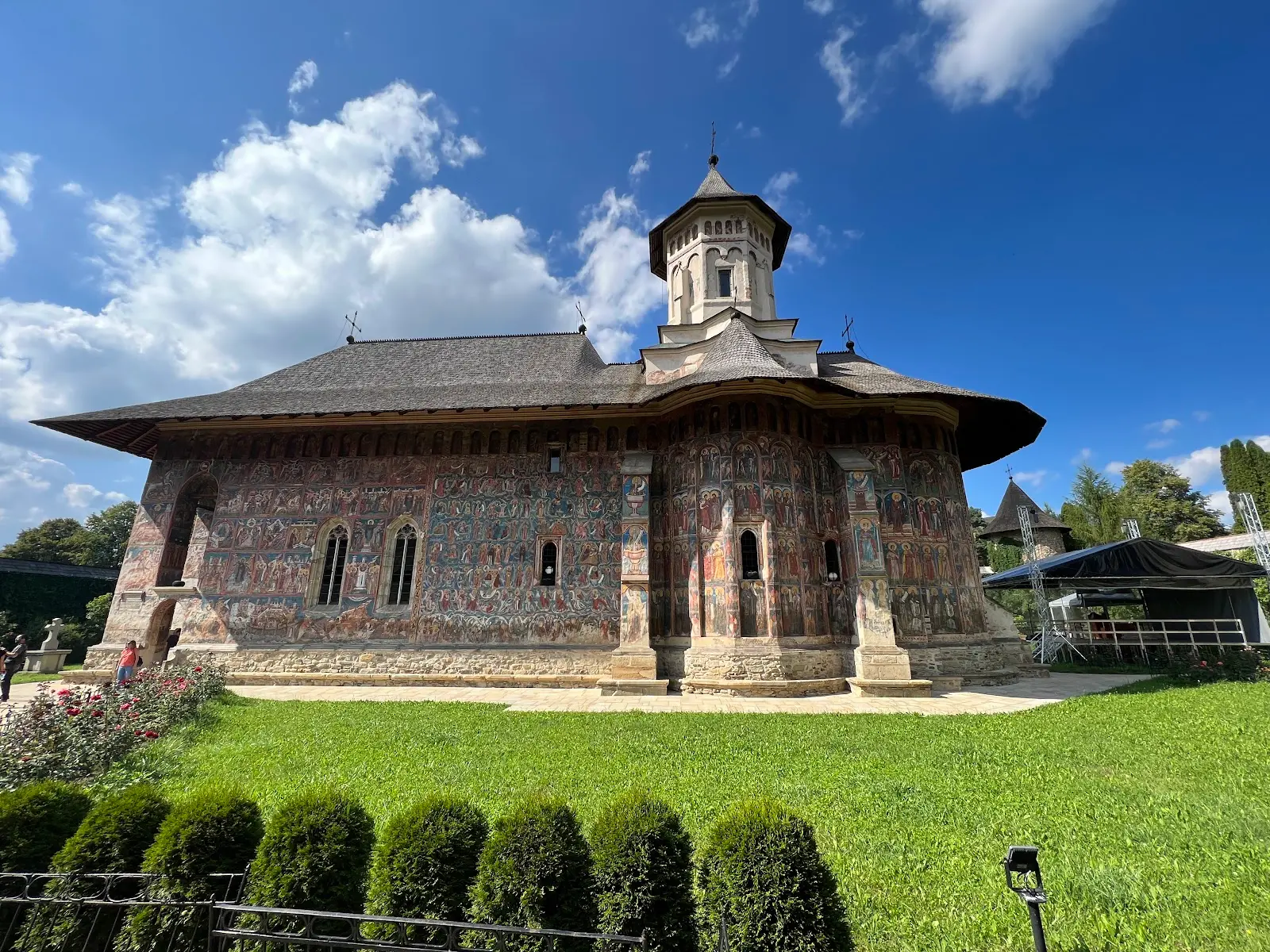 Monastery
Mănăstirea Moldovița
Moldovița Monastery is one of the most beautiful painted monasteries of Bukovina, founded in 1532 by prince Petru Rareș, son of Stephen the Great. The stone churches, surrounded by walls and defensive towers, keep on their outer façades 16th-century frescoes of remarkable vividness, dominated by a warm golden yellow. The most famous scene is the Siege of Constantinople, a vast, dynamic composition, alongside the Tree of Jesse and the Akathist Hymn. Within the precinct a small museum preserves heritage objects, including valuable documents and embroideries. Set in a quiet valley, among hills and villages where tradition is still alive, Moldovița belongs to the group of monasteries inscribed on the UNESCO list. It is an essential stop on the painted-monastery trail, alongside Voroneț, Sucevița and Humor. Respect the dress code and the calm of the place, and check visiting hours, especially during services.
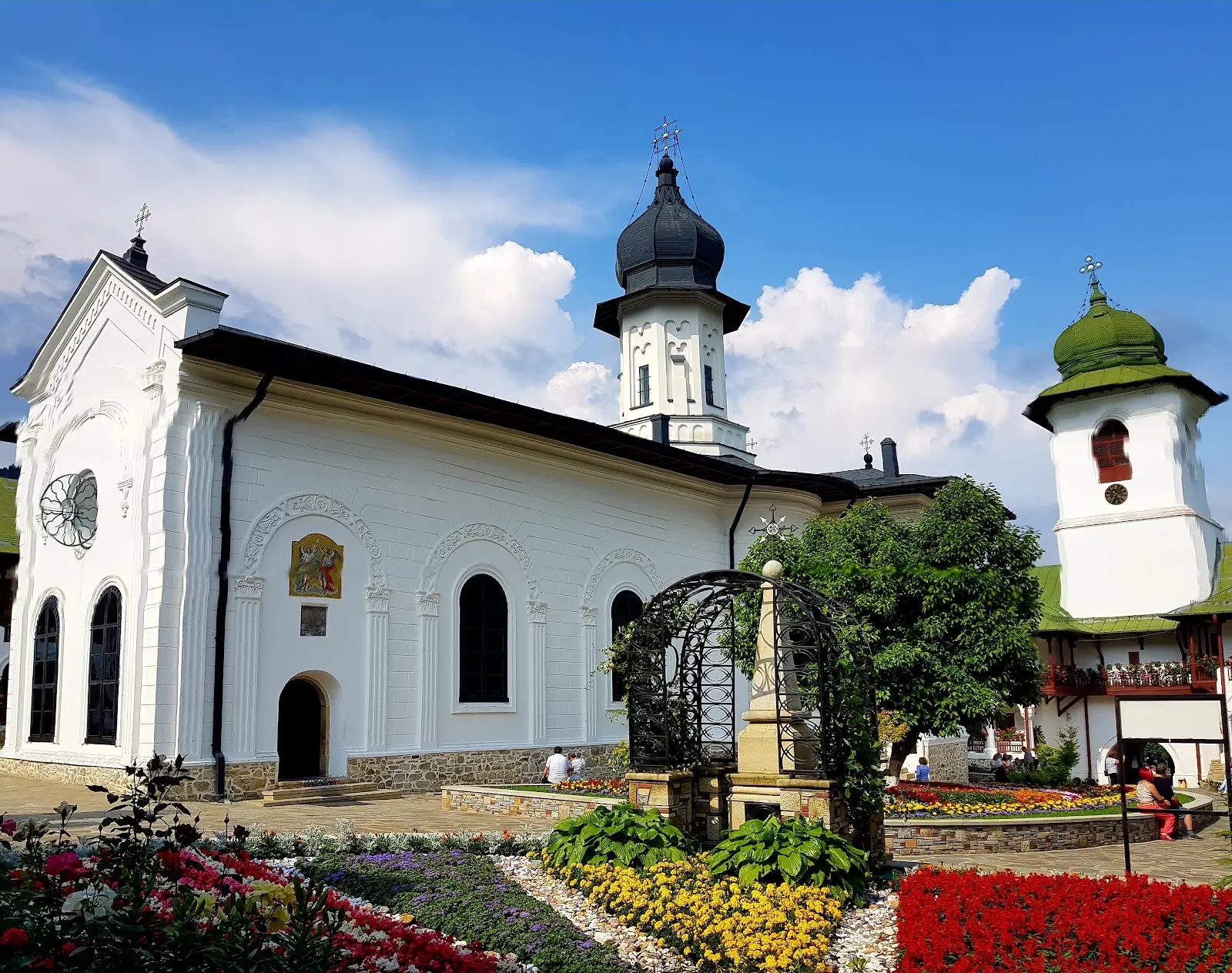 Monastery
Mănăstirea Agapia
Agapia Monastery, hidden in a forested valley of the Neamț Mountains, is one of the largest and most beautiful convents in Romania, a true monastic village where many nuns live in white houses scattered across the hillside. The main church, built in the 17th century, is renowned for the interior painting created in his youth by the great painter Nicolae Grigorescu, a landmark work of Romanian art. Within the precinct is a museum of icons, embroideries, manuscripts and old art objects, while the atmosphere of calm and the well-kept gardens make Agapia a place of reflection loved by pilgrims and visitors. Its setting amid the forests also offers superb natural surroundings, ideal for walks. The monastery combines naturally with Văratec, Secu, Sihăstria and Neamț Monastery nearby, forming a true pole of Moldavian monasticism. Respect the dress code and the calm of the place, and check the museum and service hours.
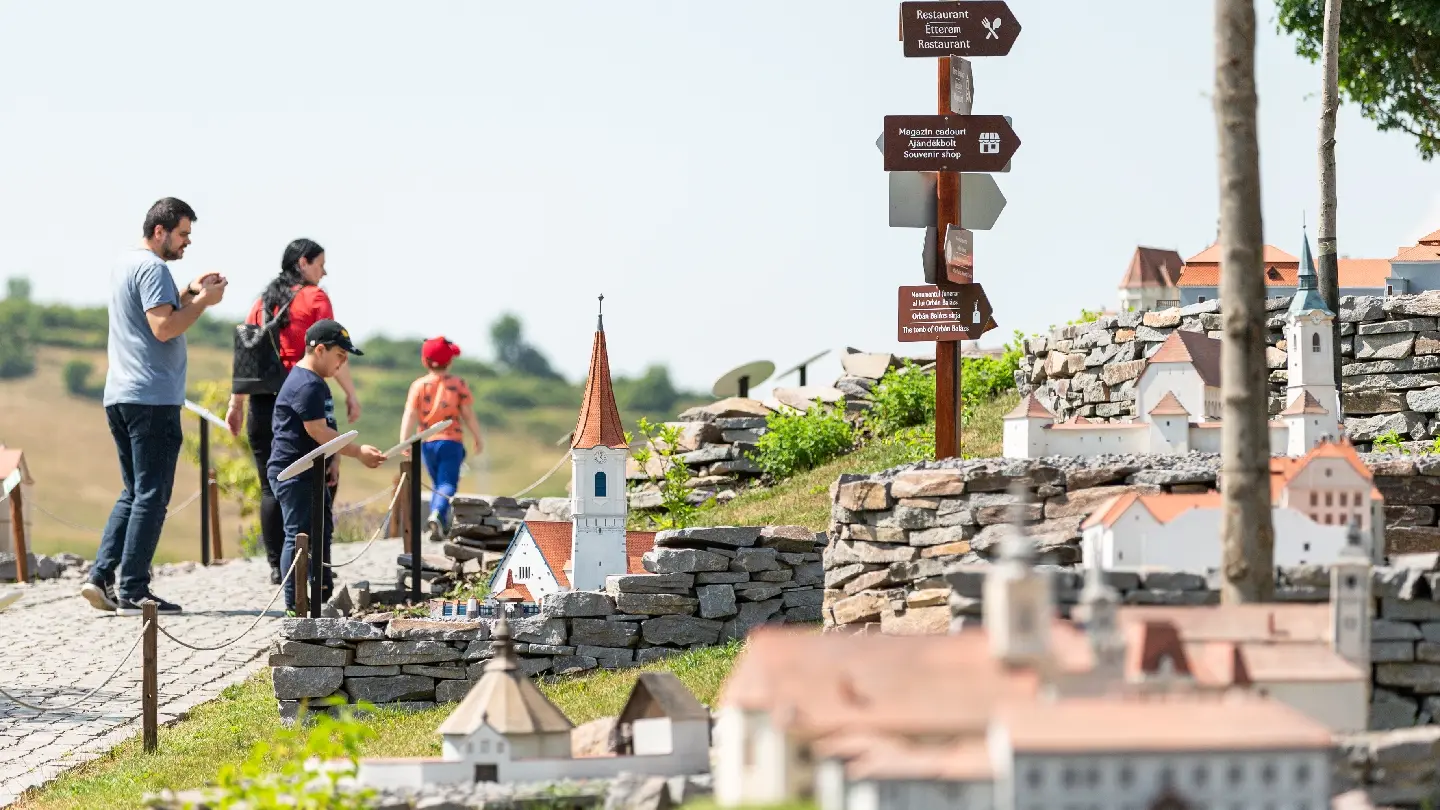 Spa
SpaBăile Szejke
Szejke Baths, on the edge of Odorheiu Secuiesc, are a small traditional spa renowned for the mineral springs used by locals for centuries for their healing properties. The place is closely tied to the memory of Orbán Balázs, the great scholar and ethnographer of Székely Land, considered the greatest Székely, who was buried here and whose memory is honoured by a monument and an avenue of carved Székely gates, true works of folk art. Beyond the baths themselves, the area offers a quiet setting for walks, with forest nearby and clean air, suited to relaxation. It is a charming stop for those discovering Székely Land and its living traditions, easily combined with a visit to Odorheiu Secuiesc. Check the schedule and availability of the baths, which may vary by season, and allow time for the avenue of carved gates.
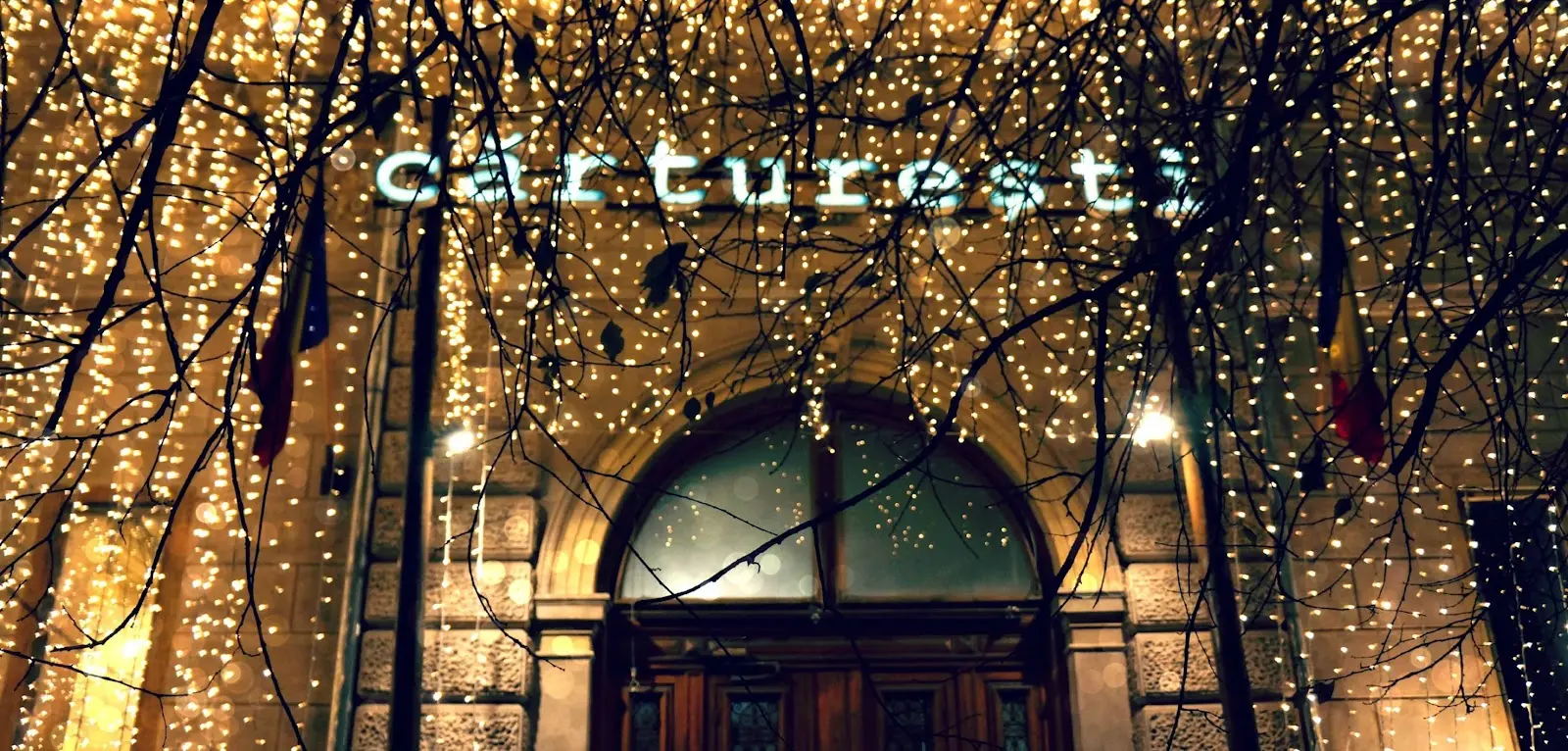 Landmark
Cărturești Verona
Cărturești Carusel, often also called Cărturești Verona after the nearby street, is one of the most beautiful bookshops in the world, set in a carefully restored historic building in the Old Town of Bucharest. The bright, airy interior, with elegant white columns, winding stairs and fine balustrades climbing several levels beneath a generous skylight, has turned the simple act of buying a book into an aesthetic experience. The space holds thousands of books and albums, an art gallery on the top floor and a pleasant café-bistro, becoming a meeting point for locals and a magnet for tourists and photographers. Its position in the heart of the historic area makes it easy to include in a city walk. It is a place worth lingering in, even if you buy nothing, just for the architecture and atmosphere. Check the schedule, which may run late into the evening, and go up to the top-floor gallery.
 Nature
Cascada Cailor Borșa
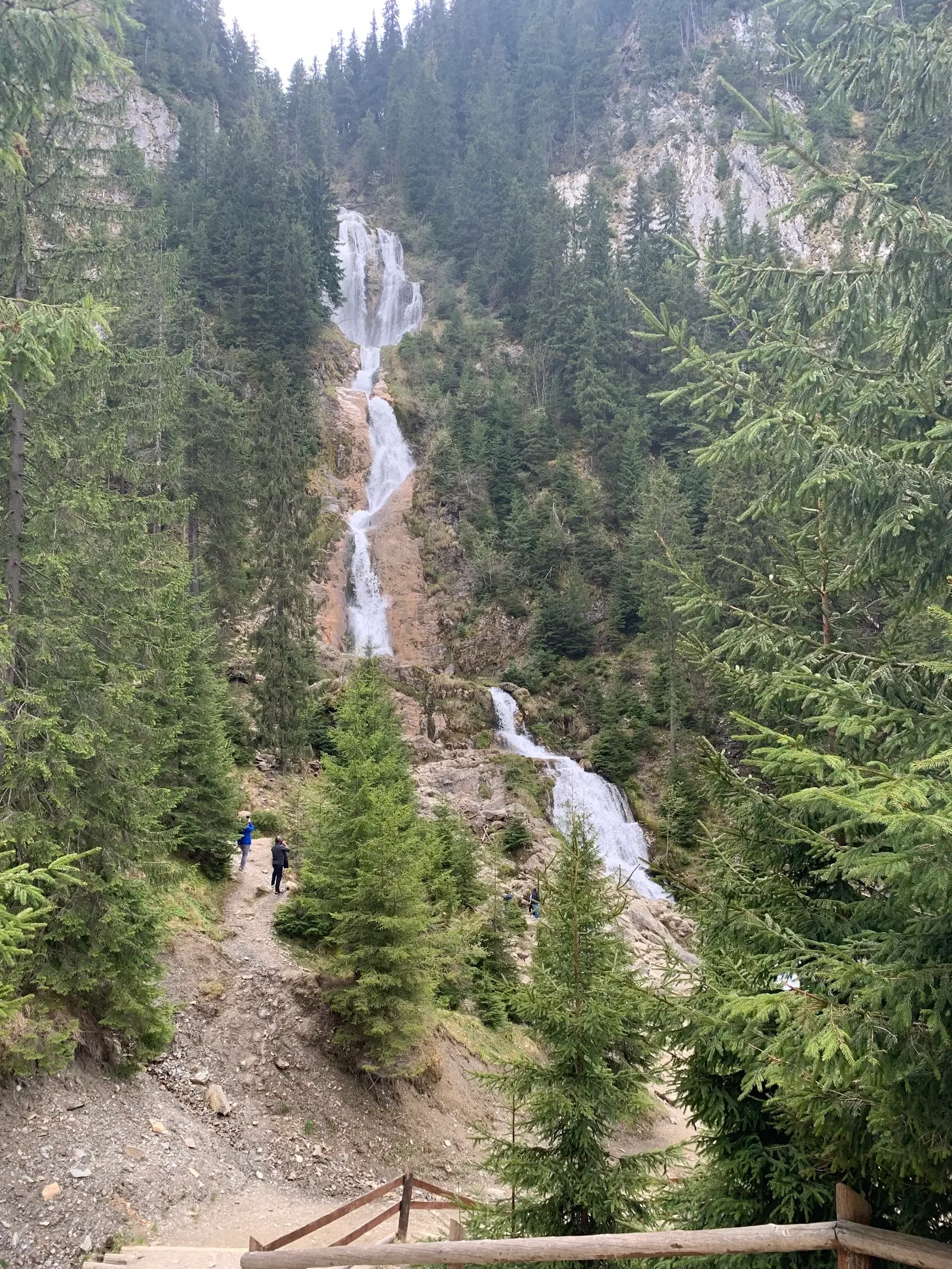
The Horses' Waterfall is the largest cascade in the Rodna Mountains and one of the most impressive in all of Romania, set above the resort of Borșa in Maramureș. Its water rises from a small glacial lake and a mountain cirque, tumbling in stages over a drop of more than 80 metres through a wild alpine landscape framed by meadows and forest. The legendary name recalls a local tale about wild horses that are said to have fallen from the cliffs. The waterfall lies within Rodna Mountains National Park, a protected area with remarkable biodiversity. Access is either on foot, along a climb that starts near the Borșa ski slope, or by chairlift to a point close by, followed by a short walk to the viewing platform. The sight of the water thread rolling down the wet rock is spectacular in any season. Visitors are advised to wear suitable footwear and to check whether the chairlift is operating.
 Church
Catedrala Ortodoxă Mitropolitană Timișoara
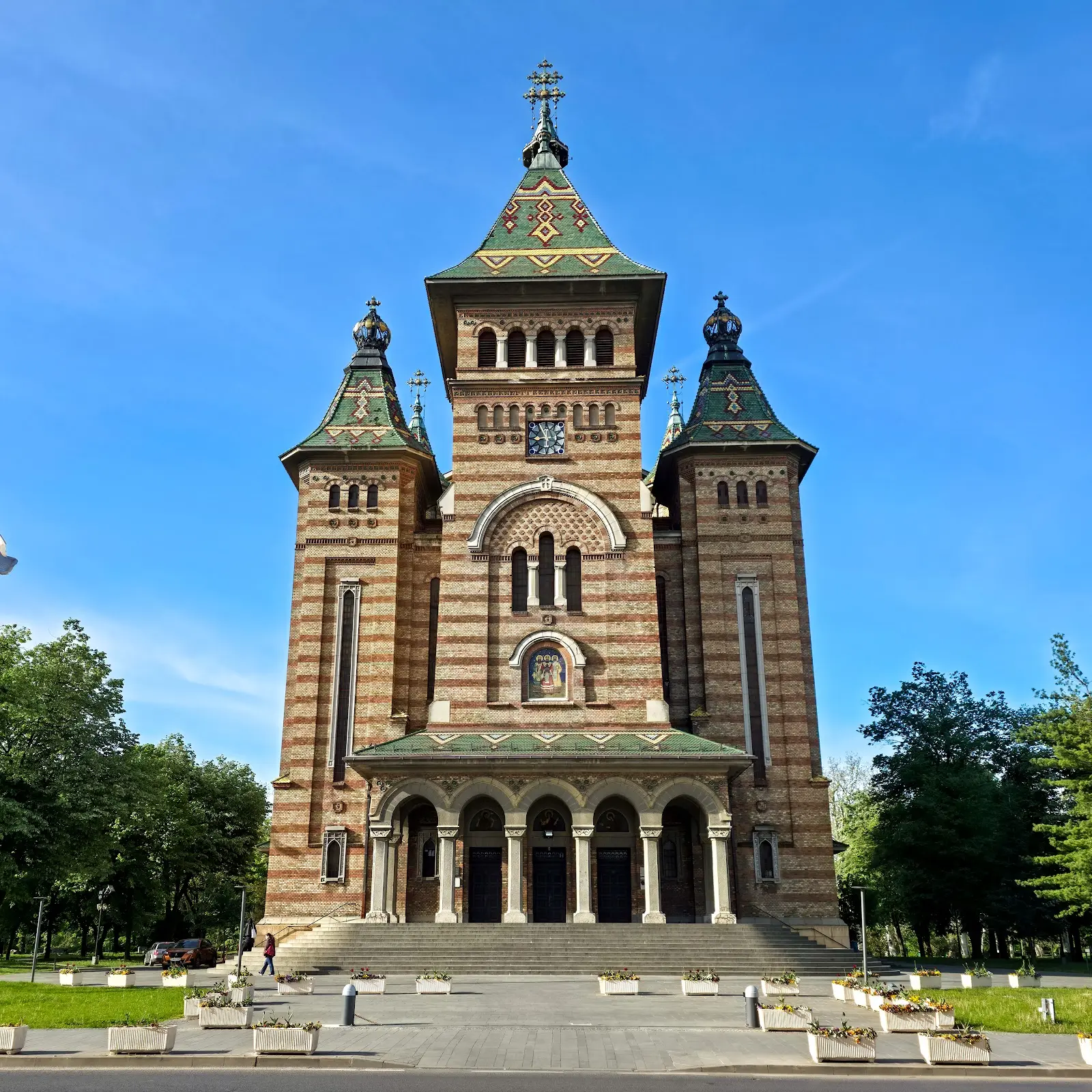
The Orthodox Metropolitan Cathedral of Timișoara, dedicated to the Three Holy Hierarchs, is one of the most representative places of worship in western Romania and a symbol of the city. Built in the 1930s and 1940s, the cathedral impresses with its verticality and its eleven towers roofed in colourful glazed ceramic, blending elements of Byzantine architecture with motifs typical of Moldavian churches. Its slender silhouette, with a tall central tower, dominates the perspective of the boulevard descending toward Victory Square, the heart of the city. The interior holds rich painting, a remarkable iconostasis and a collection of old church art. The cathedral has also become a place charged with historical meaning, tied to the events of December 1989, when dramatic moments of the revolution unfolded in front of it. Set in the pedestrian centre, near the theatre and the opera, it is easy to reach. Visitors are asked to respect the quiet and the dress appropriate to an active place of worship.
 Monastery
Mănăstirea Văratec
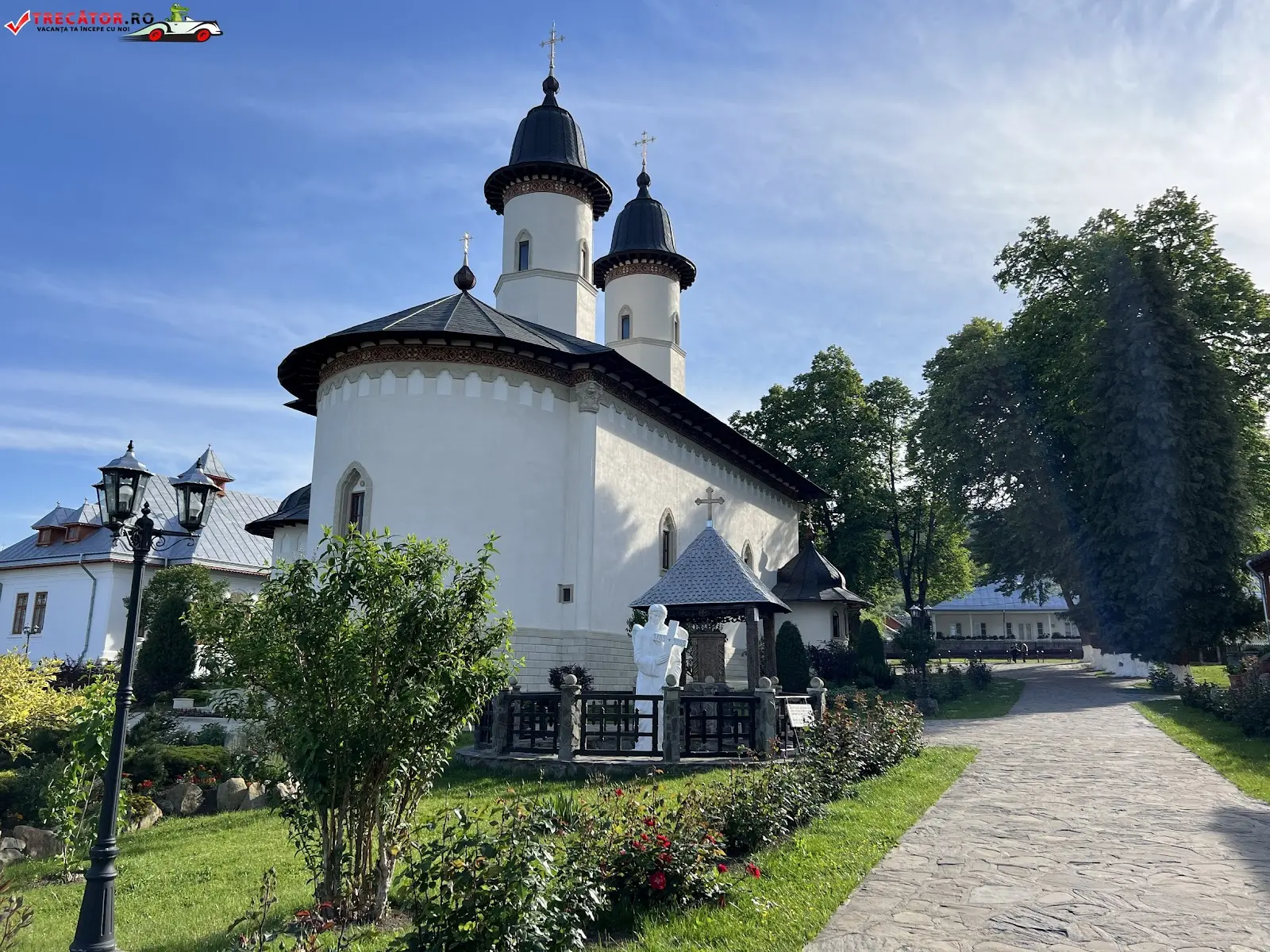
Văratec Monastery is the largest convent for nuns in Romania, set in a peaceful clearing at the foot of wooded hills near the town of Piatra Neamț, in the land of the Neamț monasteries. Founded at the end of the eighteenth century by mother Olimpiada together with the spiritual father Paisie of Neamț, the settlement grew over time into a true monastic hearth, with churches, cells scattered like a village, and renowned workshops of weaving and embroidery. The main church holds old icons and heritage objects, and in the monastery cemetery lies the grave of the poet Veronica Micle, linked to the figure of the great poet Mihai Eminescu. The atmosphere of peace, the traditional Moldavian architecture and the natural setting make Văratec a place of pilgrimage and contemplation, as well as a cultural destination. The monastery museum preserves collections of old church art. Set near other famous monasteries such as Agapia, Văratec fits into a spiritual circuit. Visitors are asked to respect the proper dress and the quiet of the place.
 Nature
Sfinxul din Bucegi
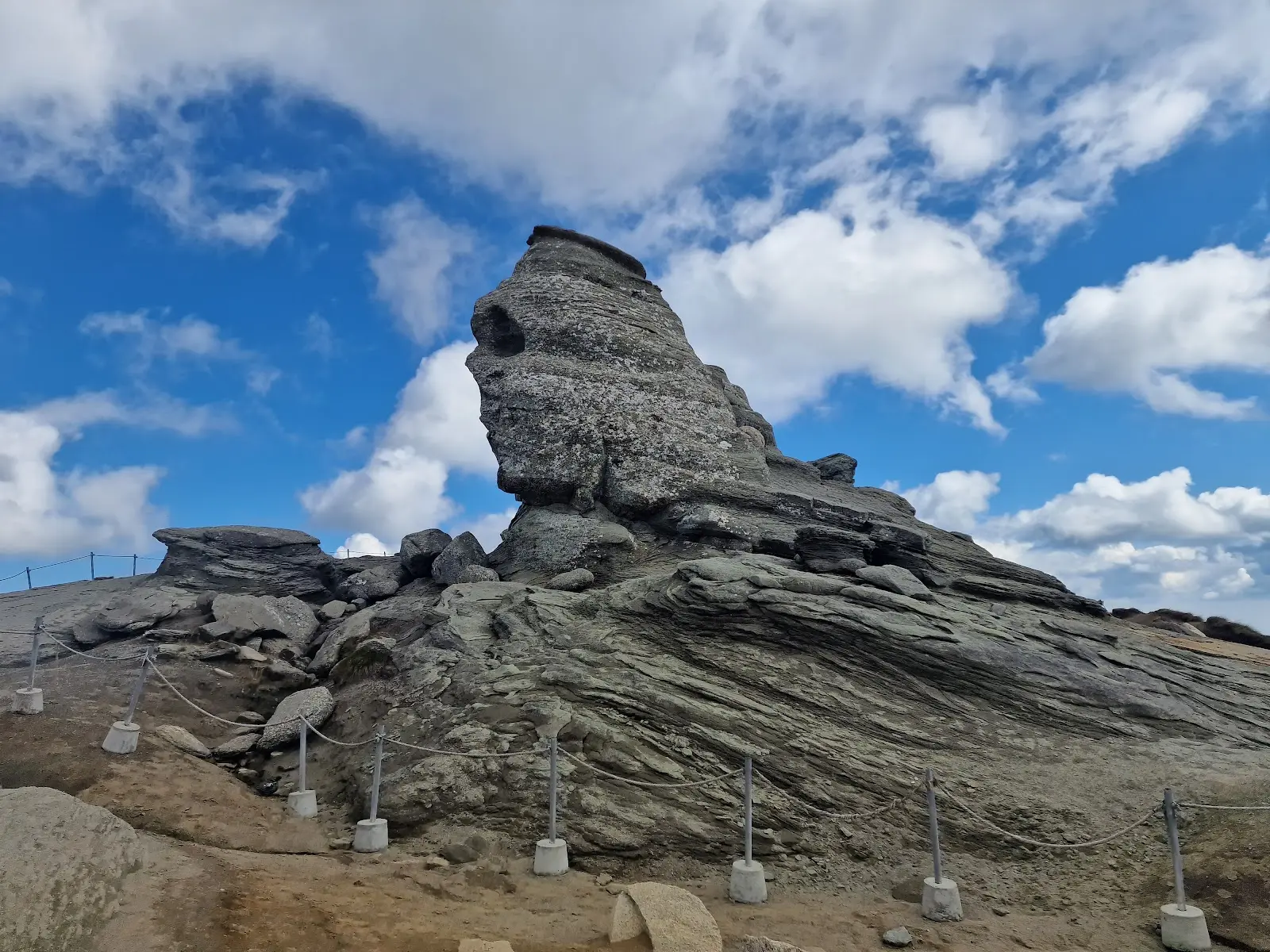
The Bucegi Sphinx is one of the most famous geological formations in Romania, a natural megalith set on the Bucegi plateau at over 2,200 metres, near the resort of Sinaia and the Babele peak. The rock's silhouette, shaped over thousands of years by the erosion of wind, frost and water, recalls a human face when seen from a certain angle, which has earned it a resemblance to the great Egyptian Sphinx and many legends about energies and a supposed mystical charge. Alongside the formations known as Babele, the Sphinx is part of a spectacular alpine landscape, with expanses of meadow, rock and wide panoramas over the Carpathians. Access is usually by cable car from Bușteni or Sinaia, followed by a short hike across the plateau, or by longer mountain trails. The place is heavily visited, especially in summer. Visitors are advised to prepare for changeable alpine conditions, since the weather at altitude can quickly turn cold and foggy even in the warm season.
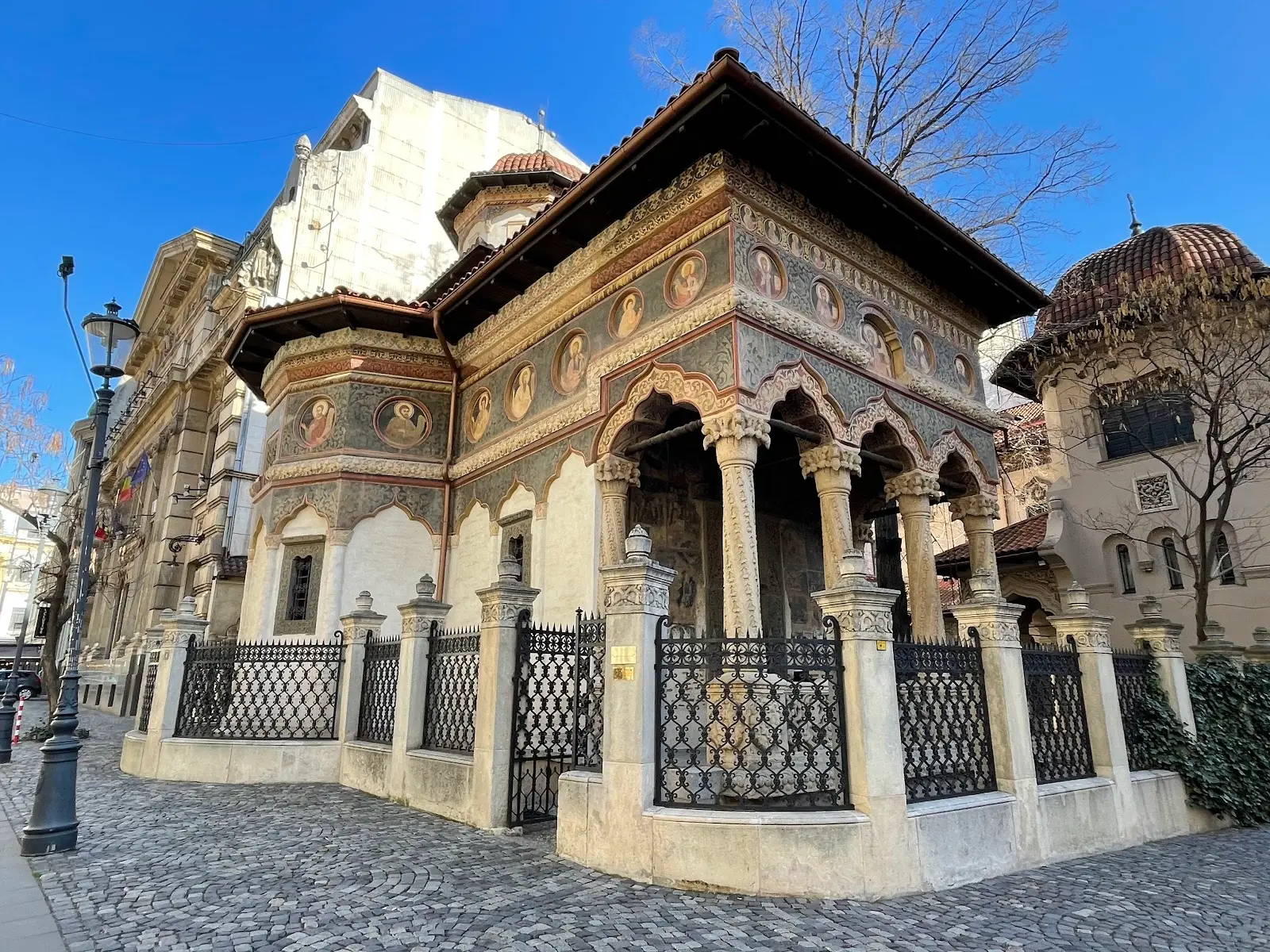 Church
Biserica Stavropoleos
Stavropoleos Church is one of the most beautiful architectural jewels in the old centre of Bucharest, a small Orthodox place of worship raised at the beginning of the eighteenth century, during the Phanariot rule. Built in the Brâncovenesc style, a Romanian synthesis of Byzantine tradition and baroque influences, the church impresses with its richly carved facades, elegant columns and porch with fine arcades decorated with delicate floral motifs. The interior preserves valuable murals and a remarkable iconostasis, and the quiet inner courtyard, with a lapidarium sheltering fragments of old stone, offers an unexpected corner of peace amid the urban bustle. The monastery is also known for its choir of Byzantine music and for an important library of old books. Set near Manuc's Inn and the Old Princely Court, Stavropoleos is an essential landmark of walks through the historic centre. Visitors are asked to respect the quiet and dress appropriate to an active place of worship and to admire the carved details discreetly.
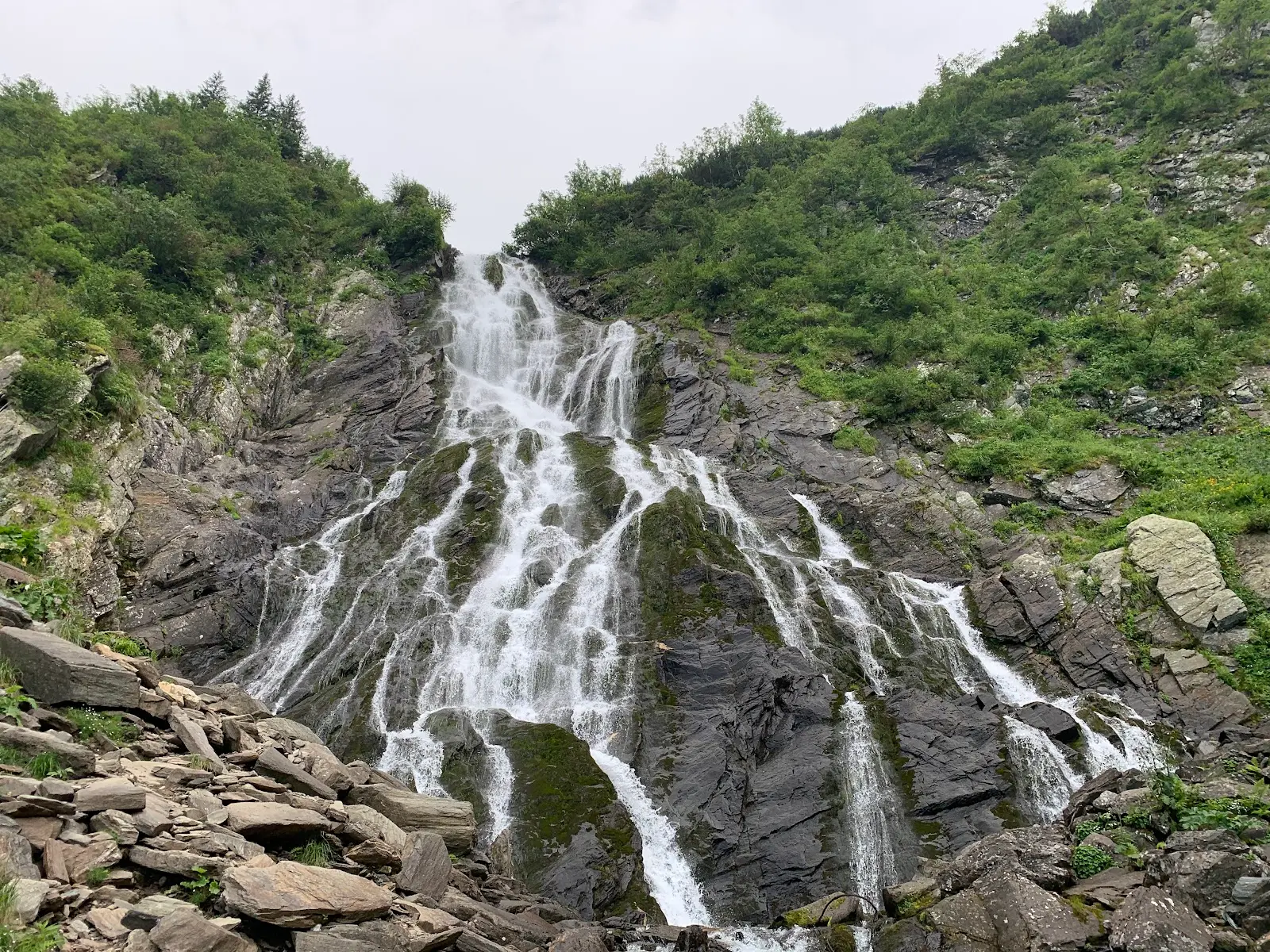 Nature
Cascada Bâlea
Bâlea Waterfall is one of the best-known cascades in the Făgăraș Mountains, set on the northern slope of the massif right beside the famous Transfăgărășan road, near Făgăraș. Its water comes from Lake Bâlea, a high-altitude glacial lake, and plunges among the rocks over a considerable drop, forming one of the most spectacular waterfalls in the Romanian Carpathians. The surrounding scenery is typically alpine and glacial, with steep walls, scree and mountain vegetation, offering striking views especially in spring and early summer, when the increased flow from melting snow gives the waterfall a special force. Nearby is a cable car linking the waterfall area to Lake Bâlea, above 2,000 metres. The place is a classic stopping point on the Transfăgărășan route, usually open only in the warm season, when the road is passable. Visitors are advised to wear suitable footwear and to be careful on the wet, stony paths around the waterfall.
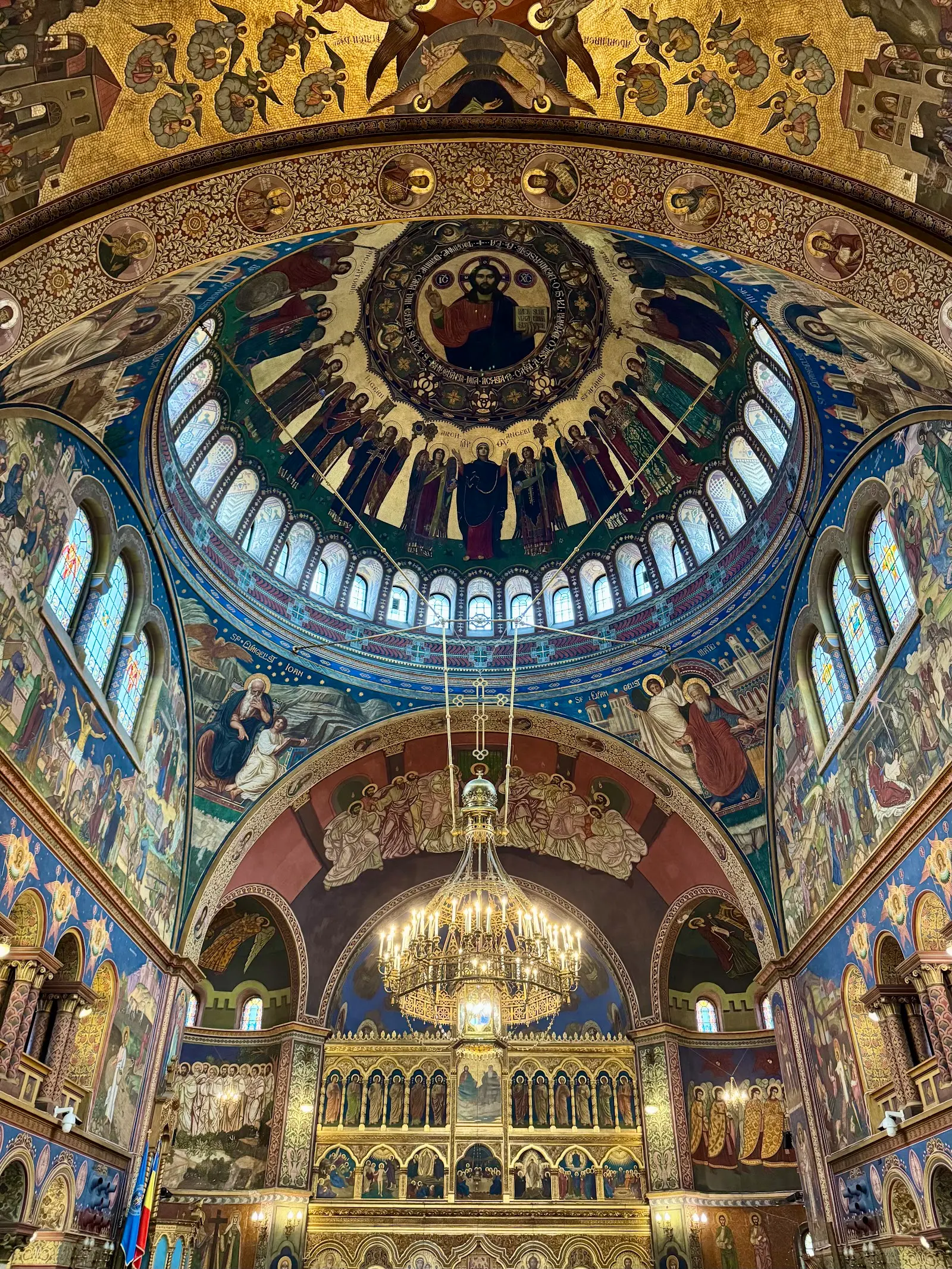 Church
Catedrala Sfânta Treime din Sibiu
The Holy Trinity Cathedral of Sibiu is the city's main Orthodox cathedral and an important landmark of Transylvanian religious architecture. Raised in the early twentieth century, the cathedral was built in a Neo-Byzantine style, visibly inspired by the great Hagia Sophia church in Constantinople, with an imposing central dome and a spacious, bright interior decorated with rich murals and a remarkable iconostasis. The edifice reflects the assertion of the Romanian Orthodox community of Sibiu at a time when the city was dominated by the Saxon tradition and Lutheran churches. The facade, with its towers and alternating brickwork, and the tall dome roofed in ceramic, stand out in the urban landscape. The cathedral lies near the historic centre, in an area easily reached on foot, forming part of the circuit of Sibiu's monuments. The interior, with its solemn atmosphere and fine acoustics, impresses visitors. As an active place of worship, the cathedral holds regular services, and visitors are asked to respect the quiet and dress appropriate to a sacred space.
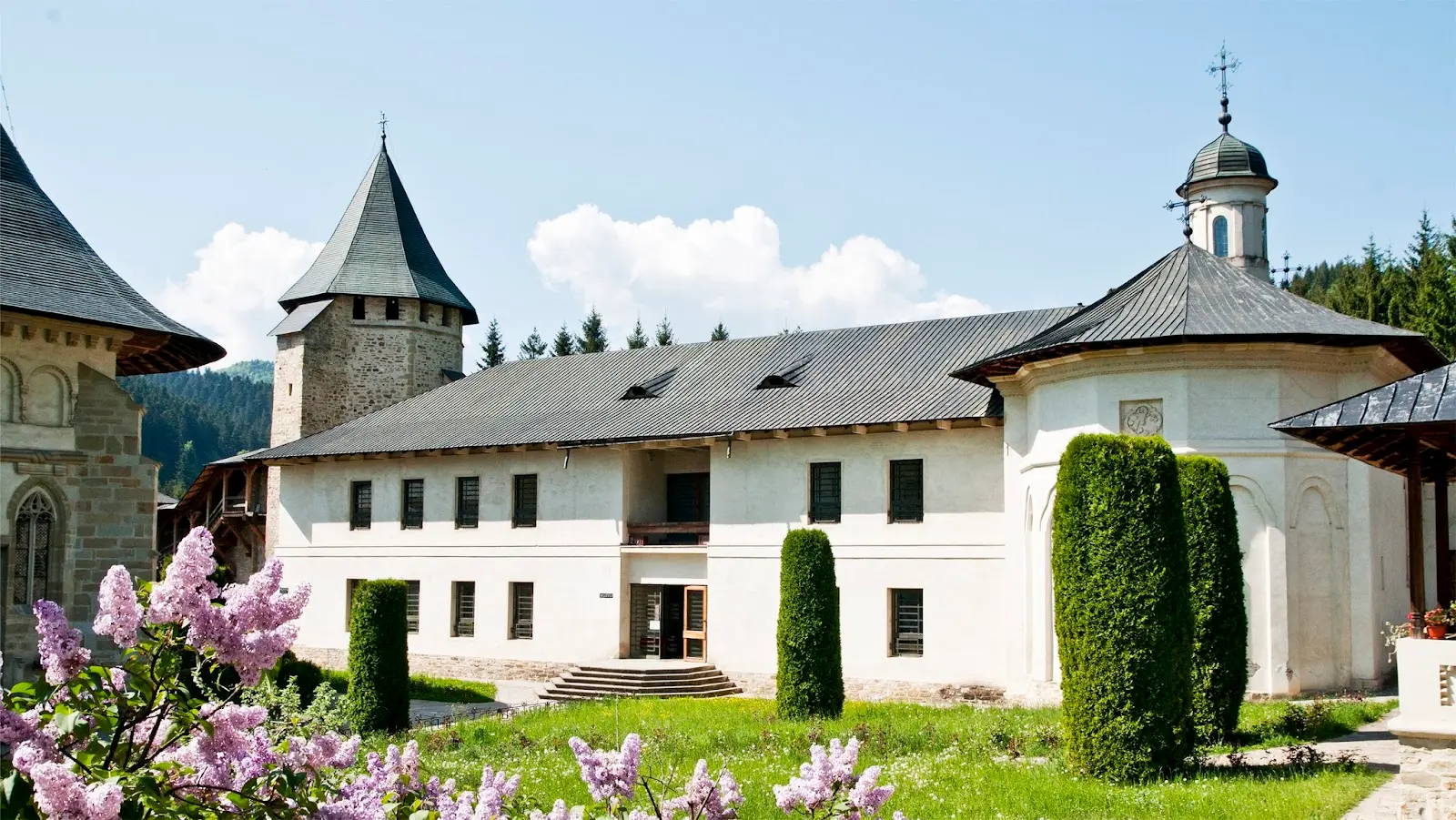 Museum
Muzeul Mănăstirii Putna
The Putna Monastery Museum shelters one of the most valuable collections of medieval art in Romania, set within the grounds of the famous monastery founded by Stephen the Great in the fifteenth century, in the heart of Bucovina. Putna is regarded as one of the most important spiritual and cultural hearths of Moldavia, and the museum preserves the treasure gathered over the centuries: liturgical embroideries of exceptional refinement, among them the famous shrouds and stoles worked with gold and silver thread, illuminated manuscripts, old icons, worship objects of precious metals and rare printed books. Many of the pieces are directly linked to the reign of Stephen the Great, who is buried in the monastery church, making the place a symbol of Romanian national identity. The collection illustrates the mastery of medieval Moldavian workshops and the importance of Putna as a cultural centre. The museum completes a visit to the monastic ensemble, set in a quiet, wooded natural setting. Visitors are asked to respect the monastery's rules, proper dress and the quiet of an active monastic settlement.
Plan your trip
Stay, tour and get there
Stays nearby
Where to stay
Experiences
Tours & activities
Guided tours, day trips and hand-picked experiences via GetYourGuide — free cancellation on most.
See all experiencesGetting to Romania
Flights, transfer & car
Fly into Romania
Compare fares to Bucharest Otopeni (OTP) and regional airports — Cluj, Sibiu, Iași, Timișoara.
Airport transfer
Private, fixed-price door-to-door transfer — driver waiting from the moment you land.
Rent a car — see the real Romania
A rental car is the key to Romania: the Transfăgărășan, the painted monasteries of Bucovina, mountain roads and the villages of Maramureș that no train reaches.
Find a car