
Region
Transylvania
Saxon citadels, castles and endless plateaus
Transylvania is the mythical heart of Romania, a high plateau ringed by the Carpathians where legend and history intertwine at every bend in the road. Here the Saxon citadels of Brașov, Sibiu and Sighișoara preserve intact medieval squares, guild towers and gabled houses in ochre and pastel — living testimony to the German colonists who, from the twelfth century, built a singular landscape of fortified villages.
Landscapes and castles
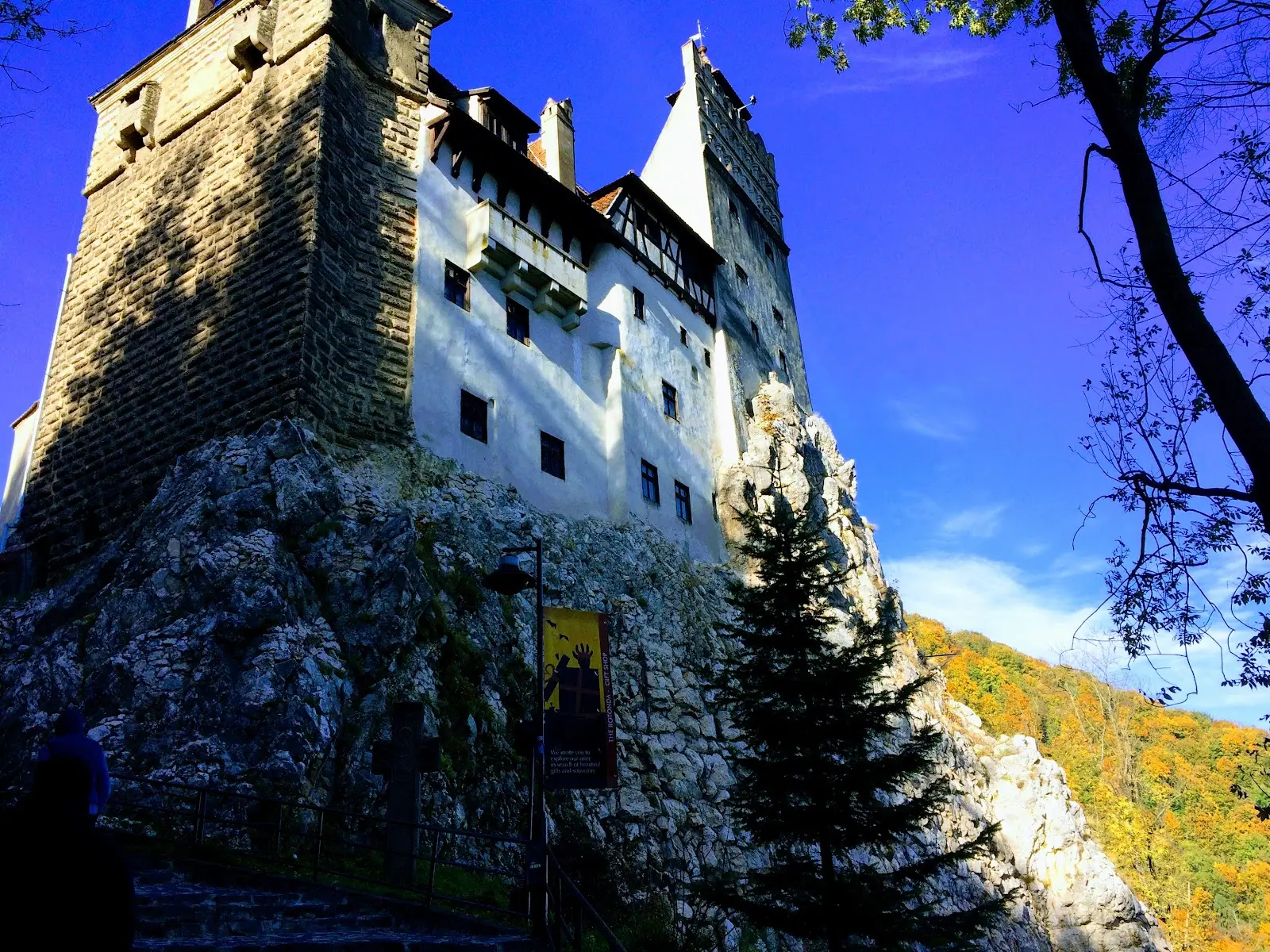
Beyond the towns, the country unfolds in gentle hills, beech forests and flower-strewn hay meadows, dotted with UNESCO-listed fortified churches at Biertan, Viscri and Prejmer. Bran Castle, wrapped in the Dracula myth, the fairy-tale Peleș Castle at Sinaia and the mighty Corvin Castle at Hunedoara form three architectural crowns no traveller should miss. The Apuseni Mountains hide gorges, ice caves and remote hamlets, while Székely Land adds a distinct Hungarian note, with thermal baths and its own traditions.
Flavour and reason to go
Cluj-Napoca, the region's unofficial capital, pulses with youthful energy, cafés and festivals. Transylvanian cuisine — Cluj-style layered cabbage, goulash, smoked sausages and Saxon pastries — pairs naturally with the cool white wines of the plateau. A traveller comes to Transylvania for its layers of time: to wander cobbles laid eight centuries ago, to sleep in a restored Saxon village, and to feel how civilisation and wilderness coexist just a few kilometres apart.
Destinations in Transylvania
All destinations →Brașov
A medieval Saxon city at the foot of Tâmpa, gateway to Bran, Râșnov and the mountains.
Sibiu
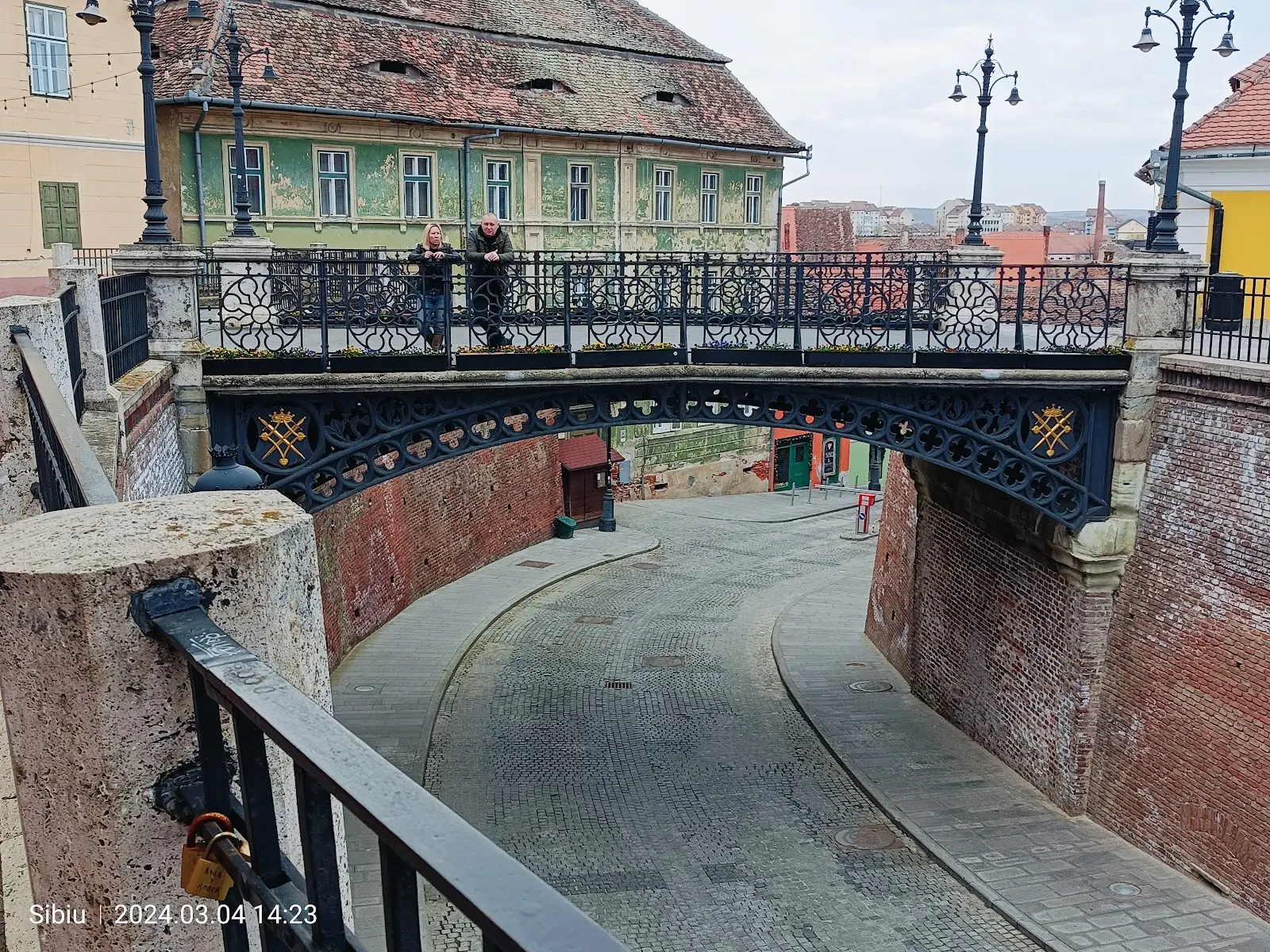
A former European Capital of Culture, with Saxon squares and the famous roof 'eyes'.
Sighișoara
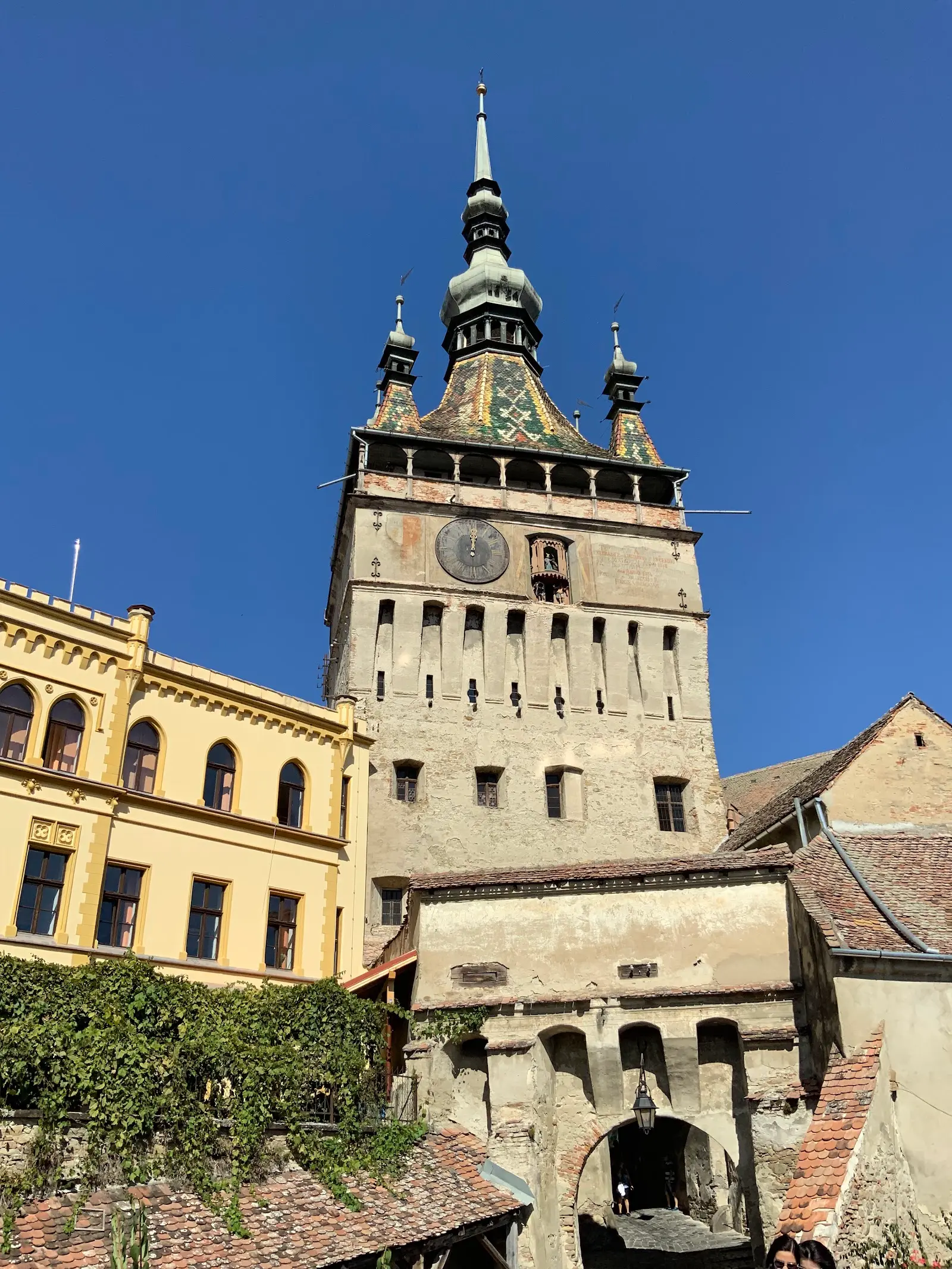
The only inhabited medieval citadel in Europe, a UNESCO site.
Cluj-Napoca
Transylvania's youthful capital — universities, festivals and energy.
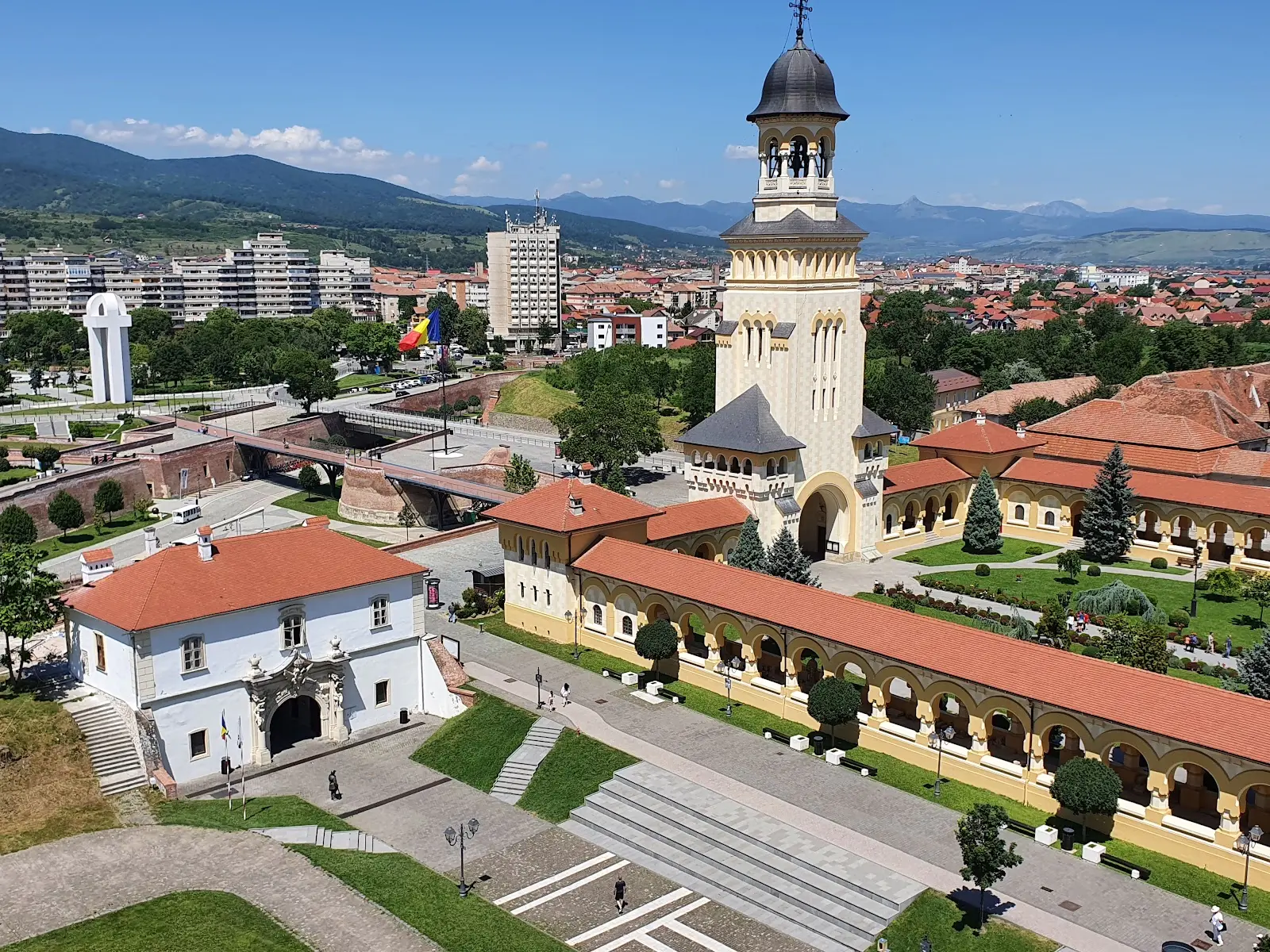
Alba Iulia
The star-shaped Alba Carolina citadel and the heart of the Great Union.
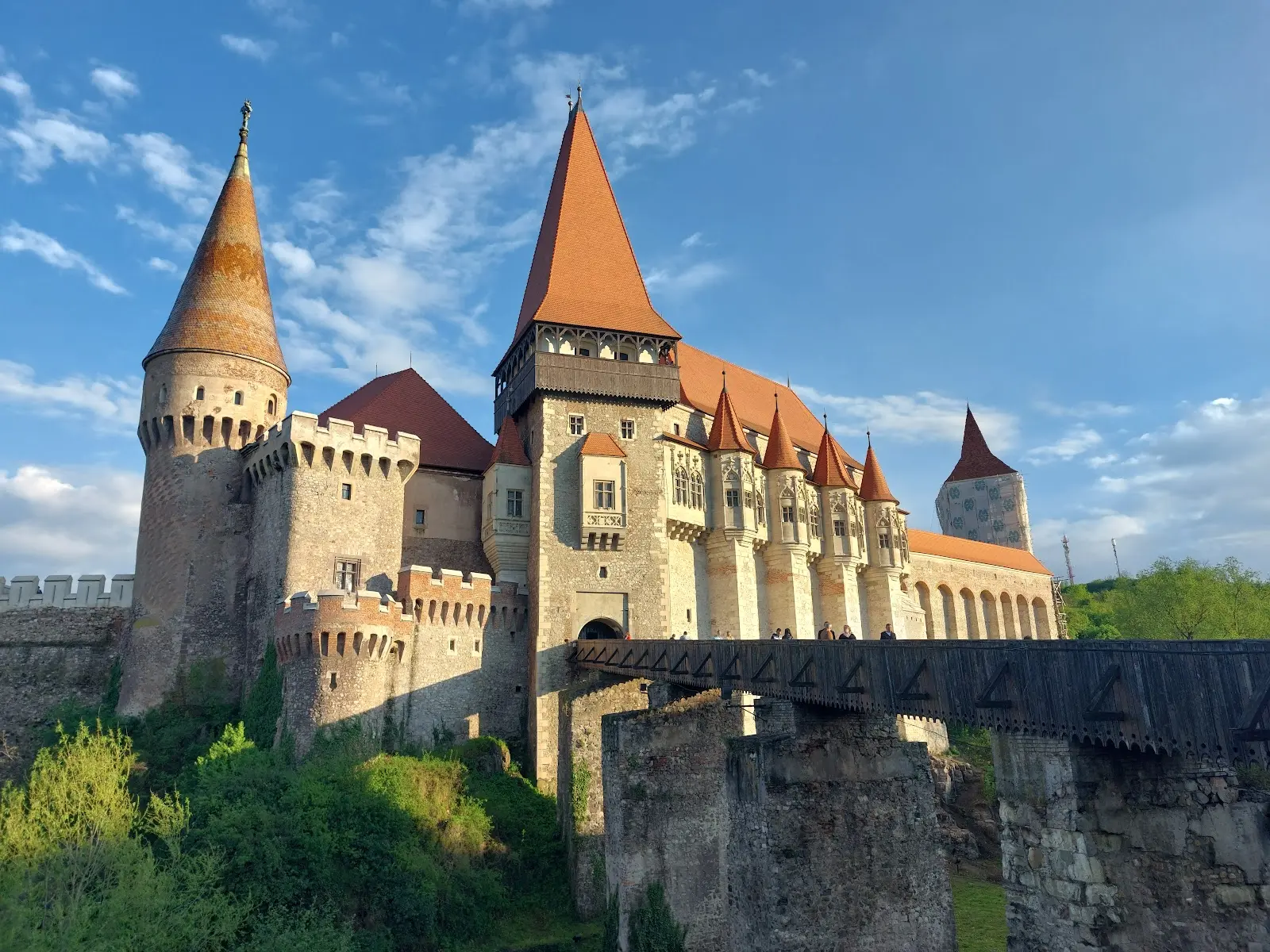
Hunedoara
Corvin Castle — Romania's most spectacular Gothic castle.
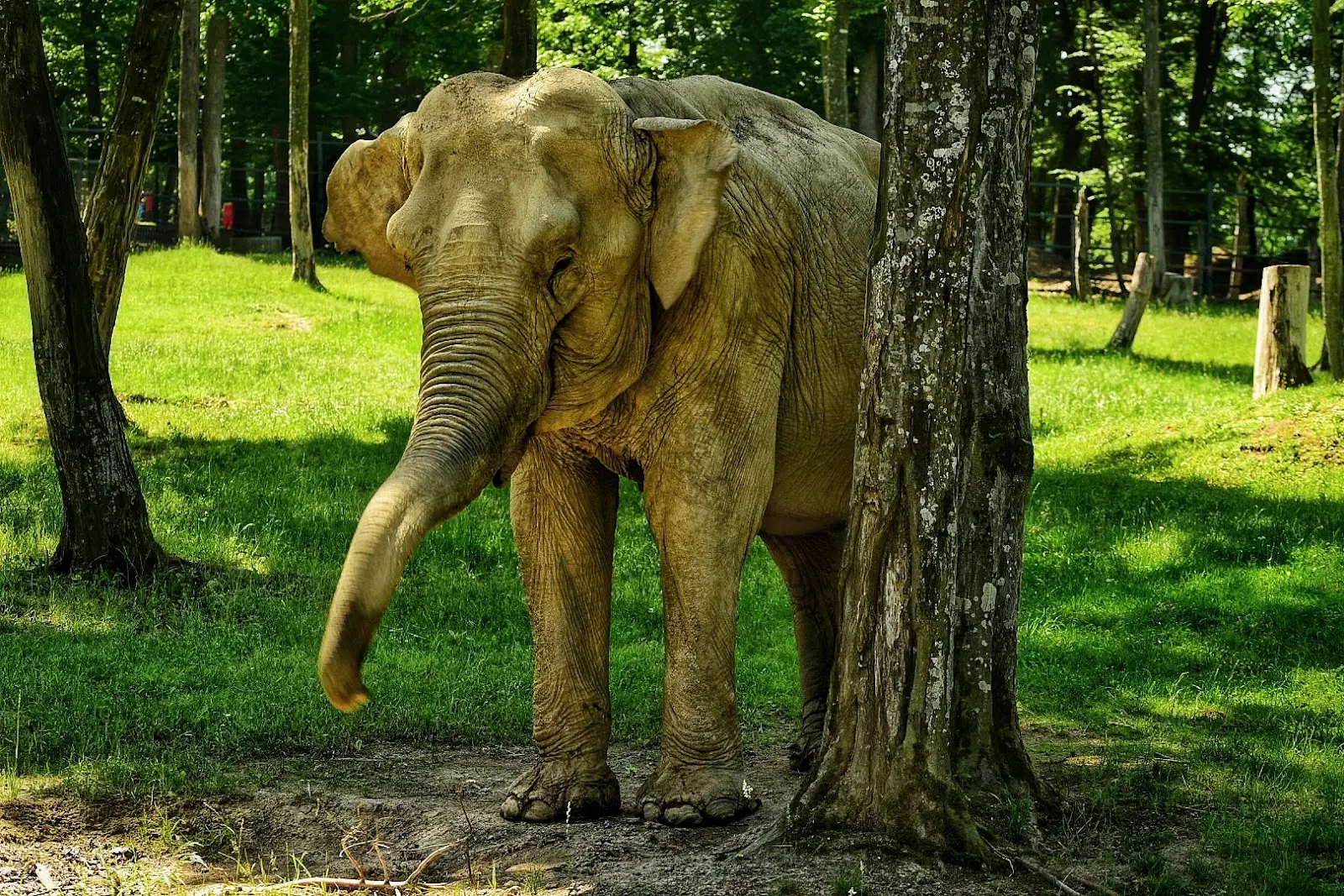
Târgu Mureș
The Palace of Culture and Secession elegance.
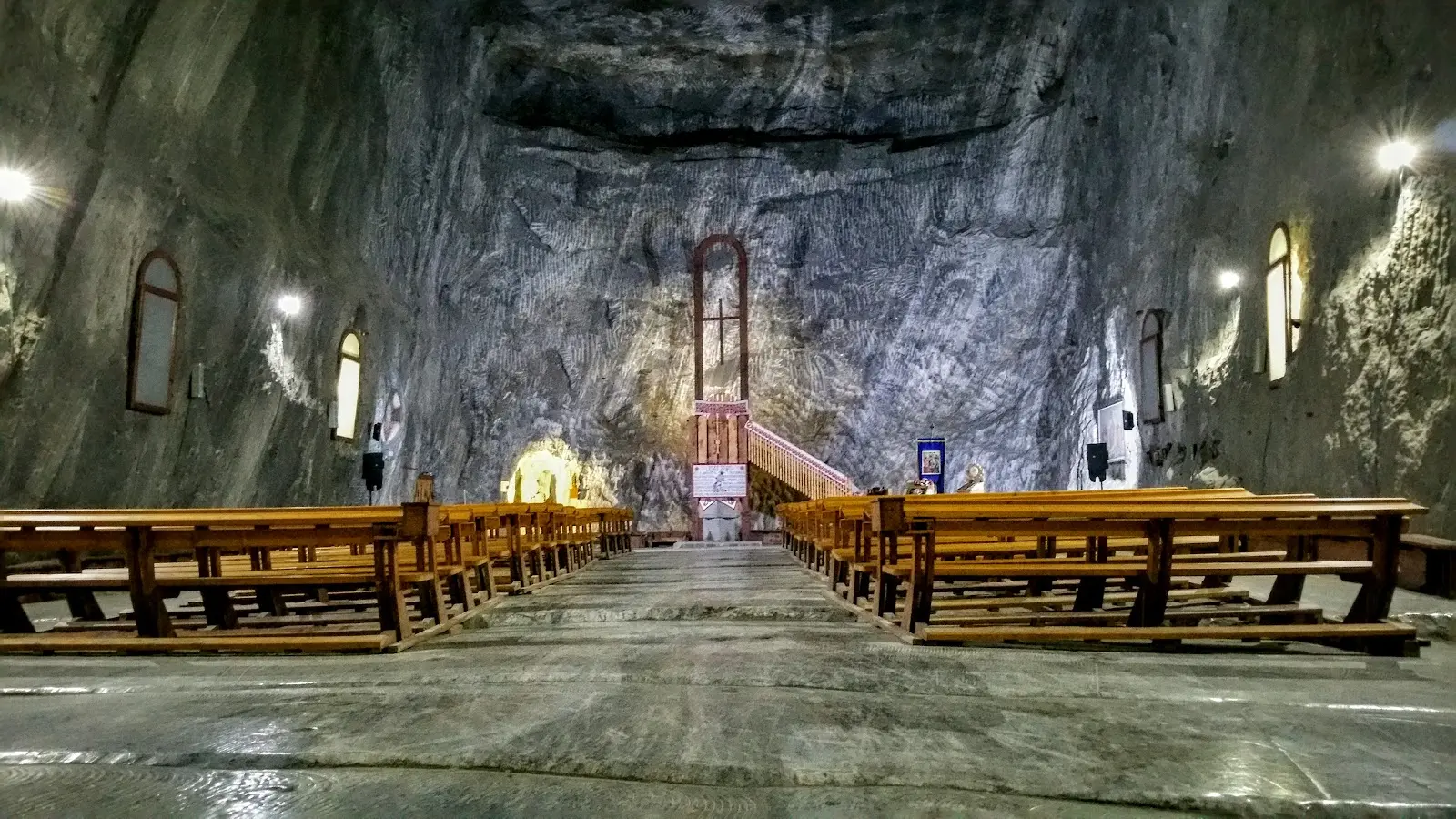
Sovata
A spa resort around Bear Lake.
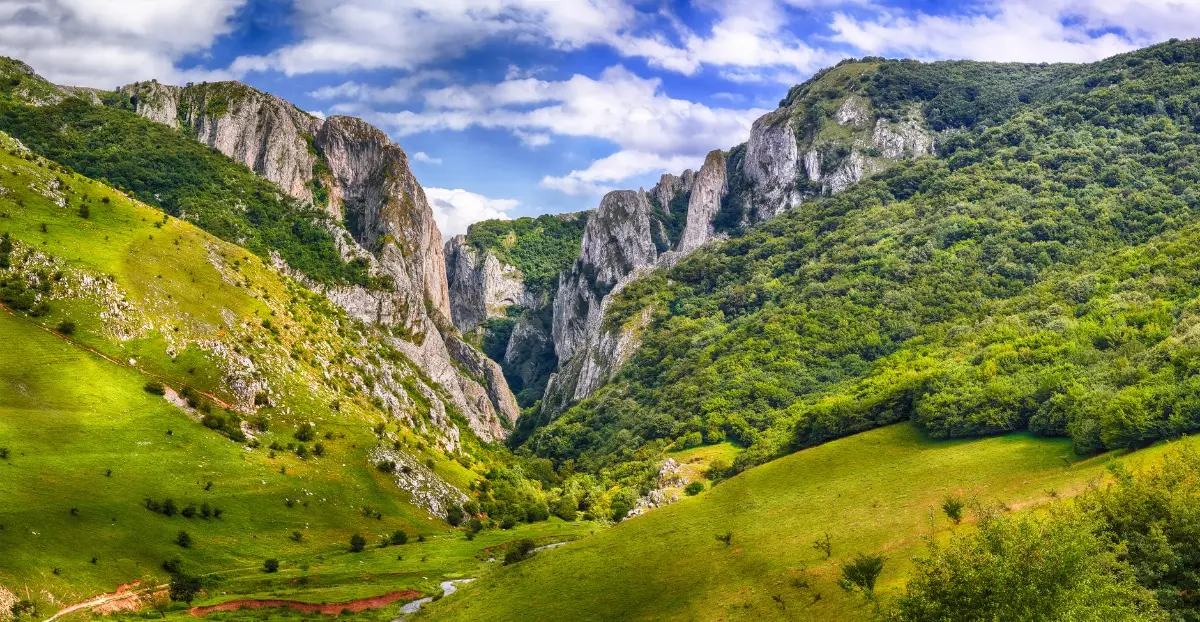
Turda
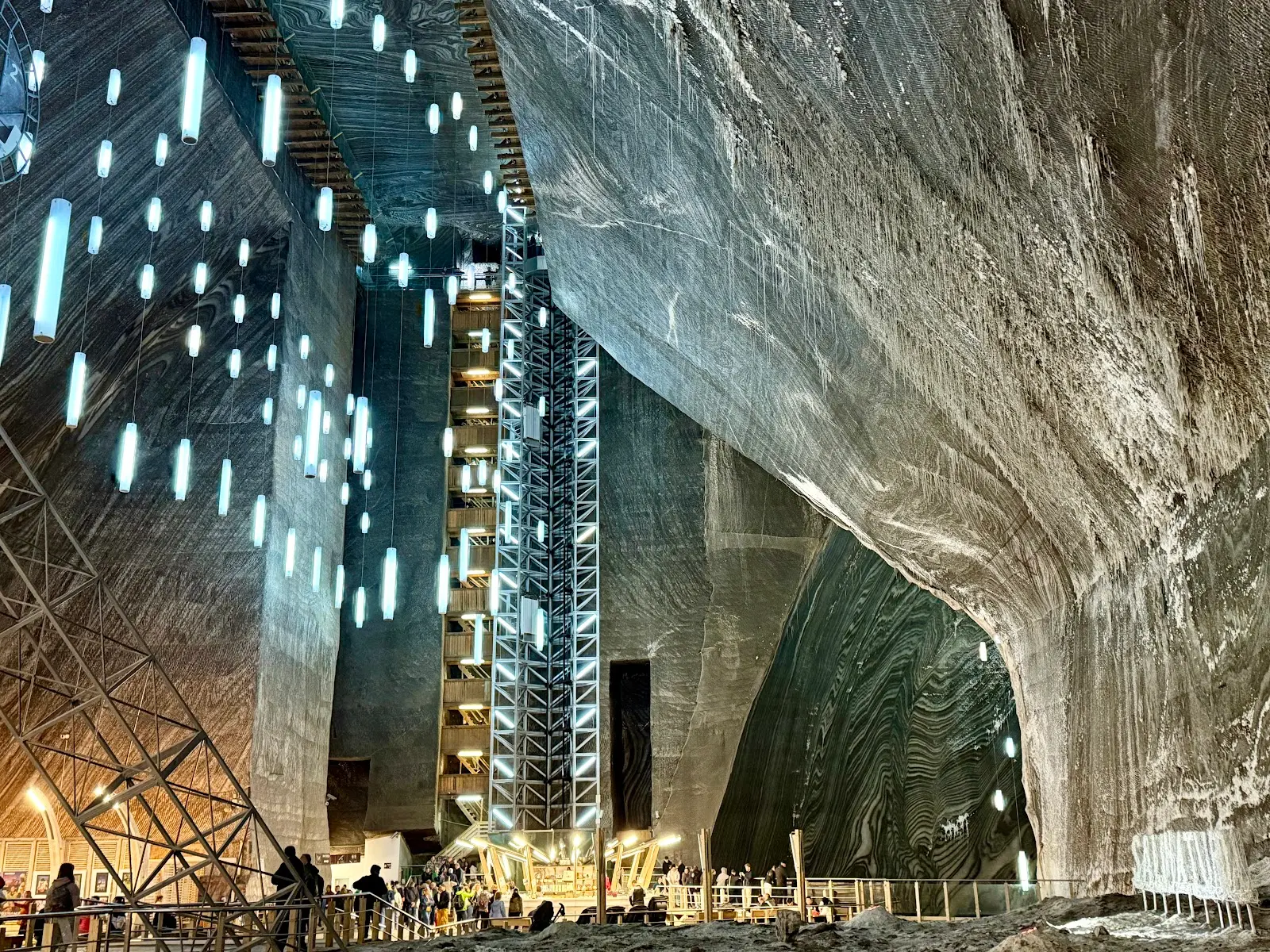
The spectacular salt mine and the wild gorges.
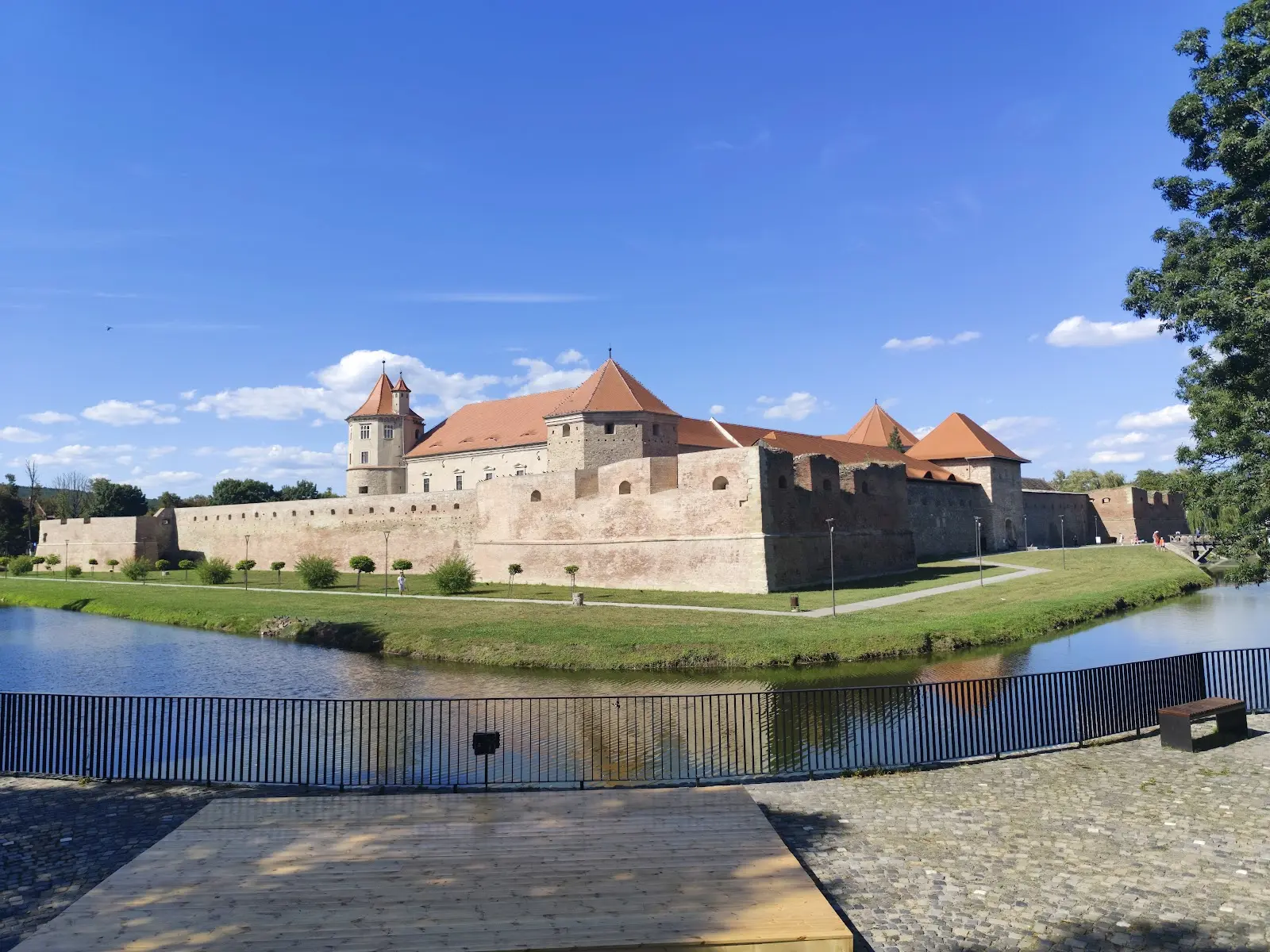
Făgăraș
The moated citadel and the gateway to the Transfăgărășan.
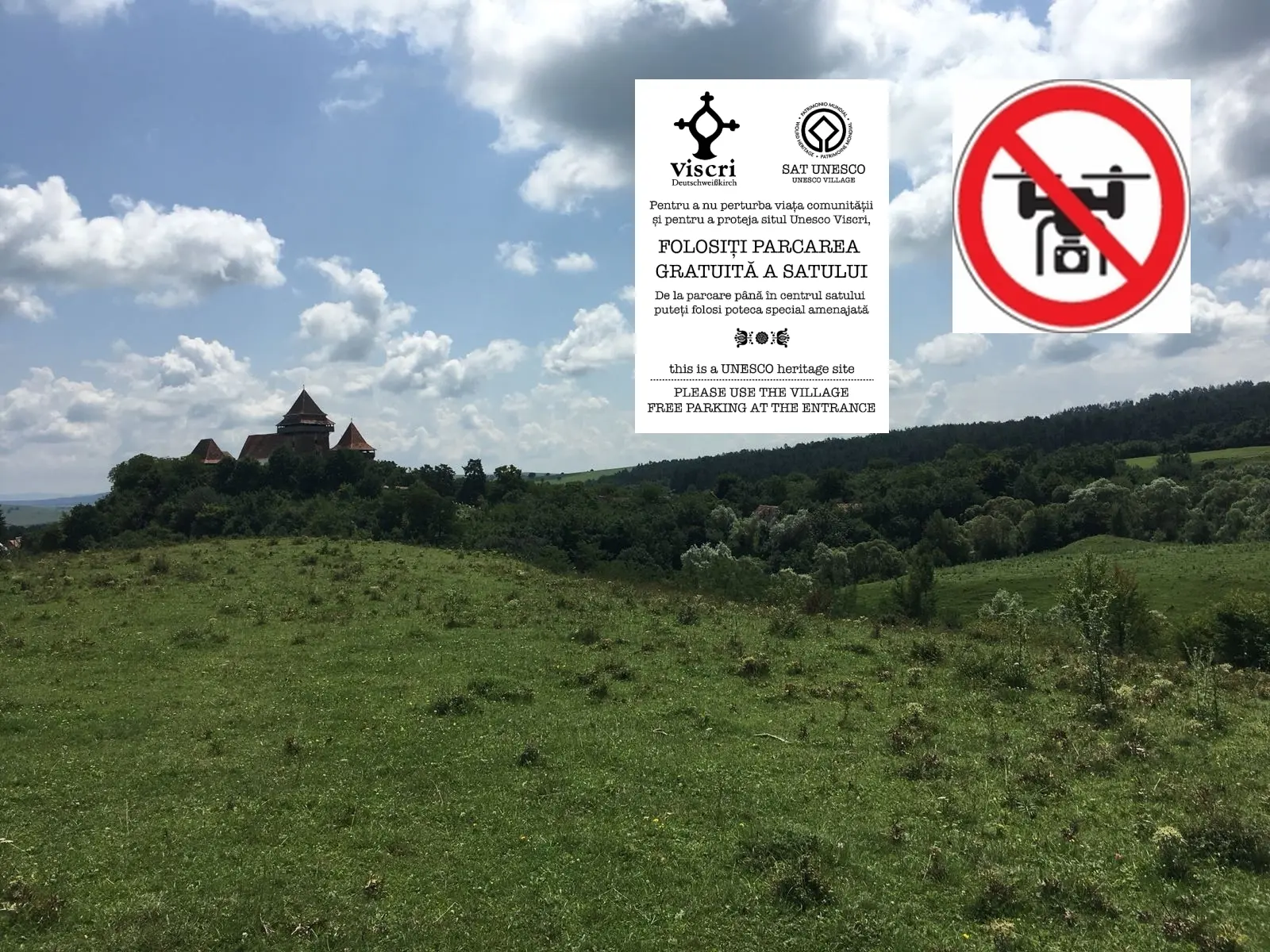
Viscri
The Saxon village with a UNESCO fortified church.
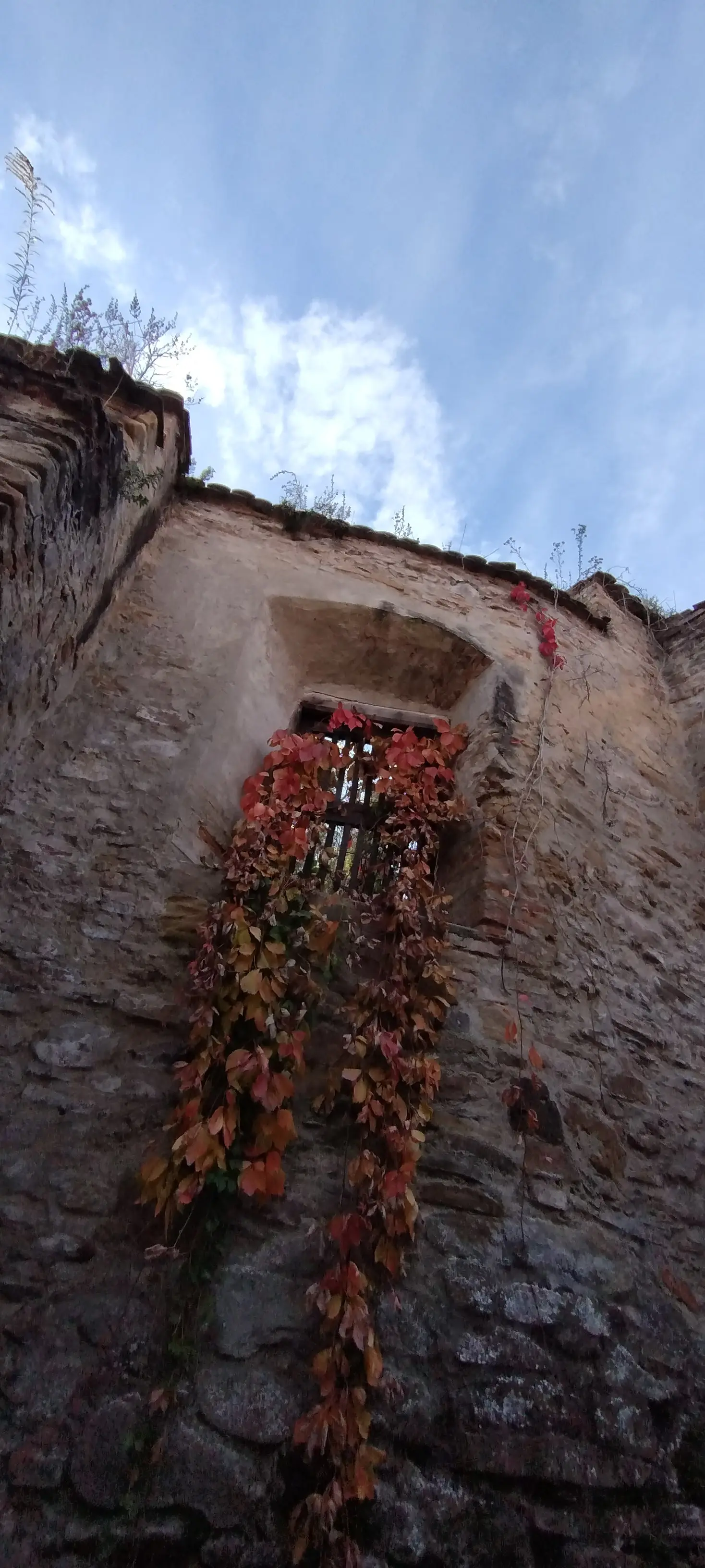
Biertan
One of the finest fortified churches.
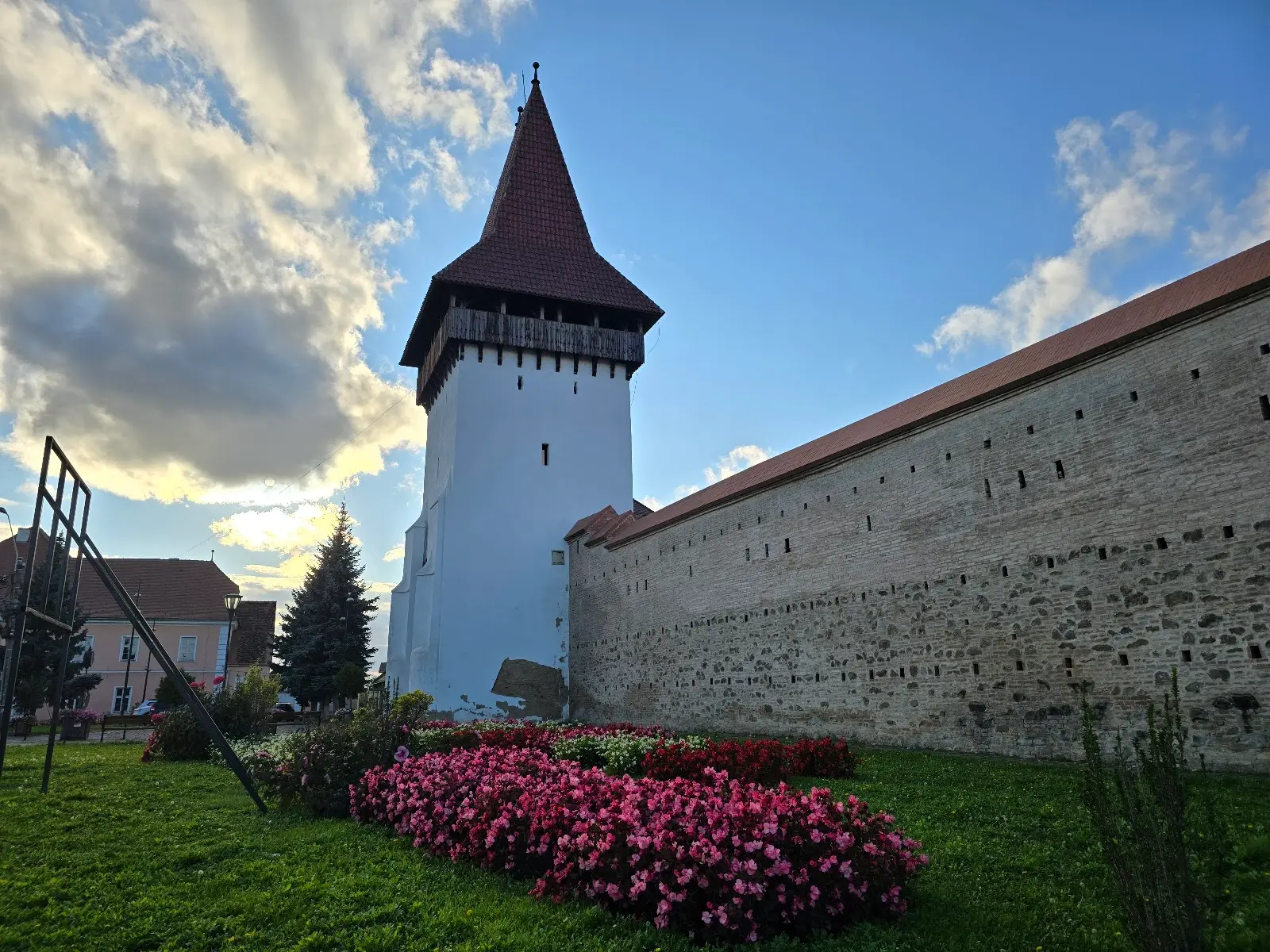
Mediaș
A Saxon citadel with a leaning tower.
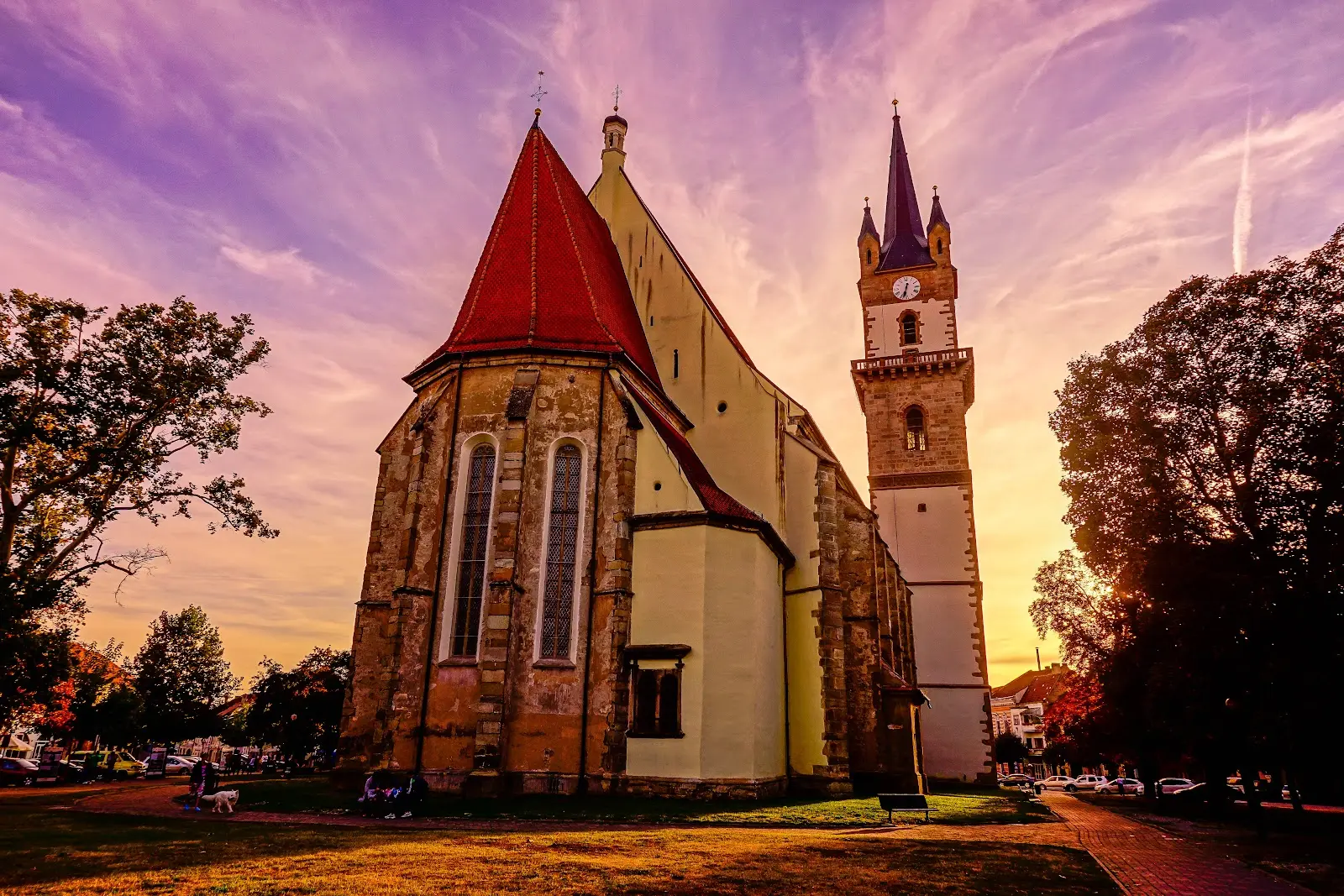
Bistrița
A Saxon town and the Borgo Pass from 'Dracula'.
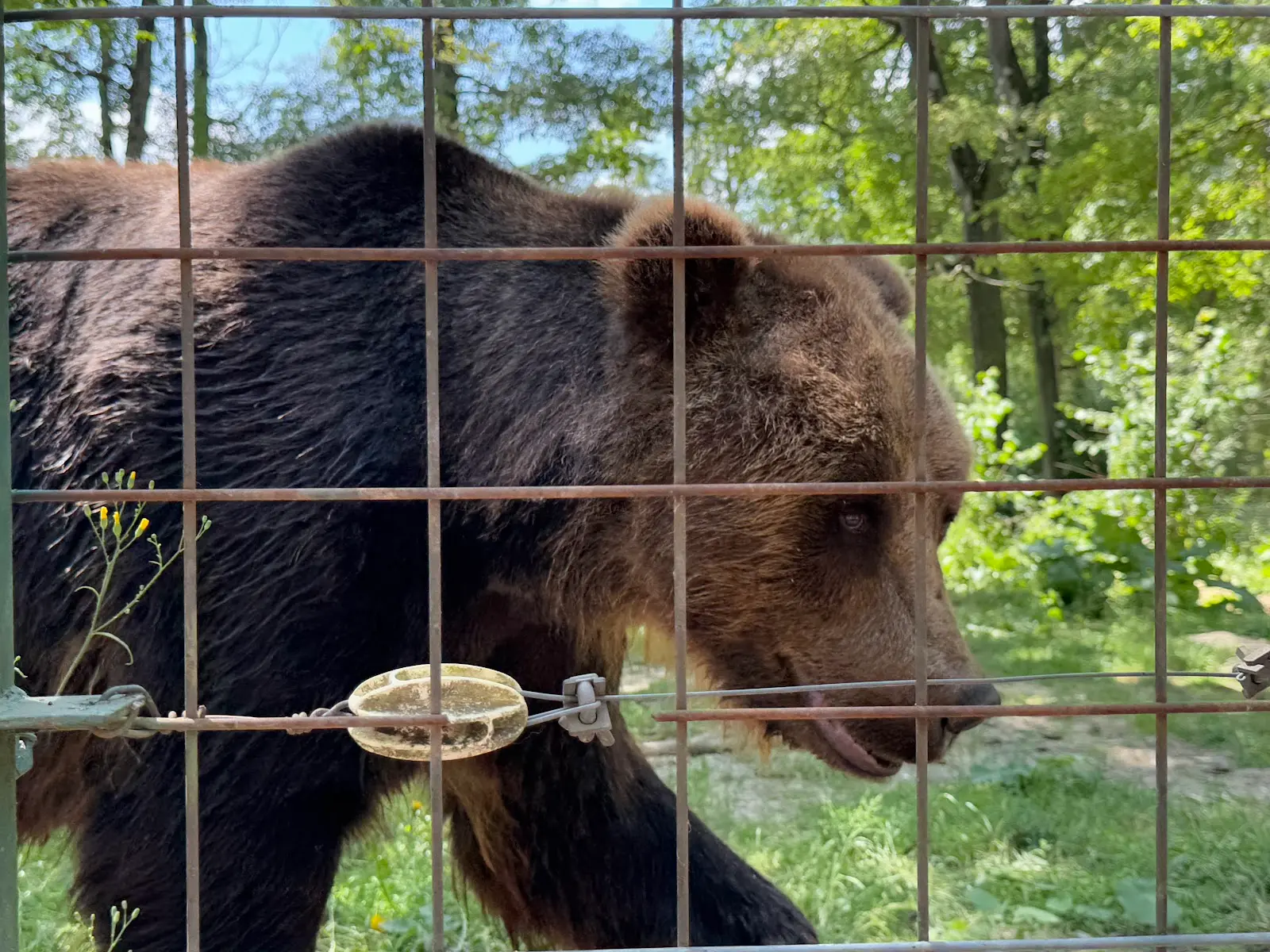
Zărnești
The Piatra Craiului range and the bear sanctuary.
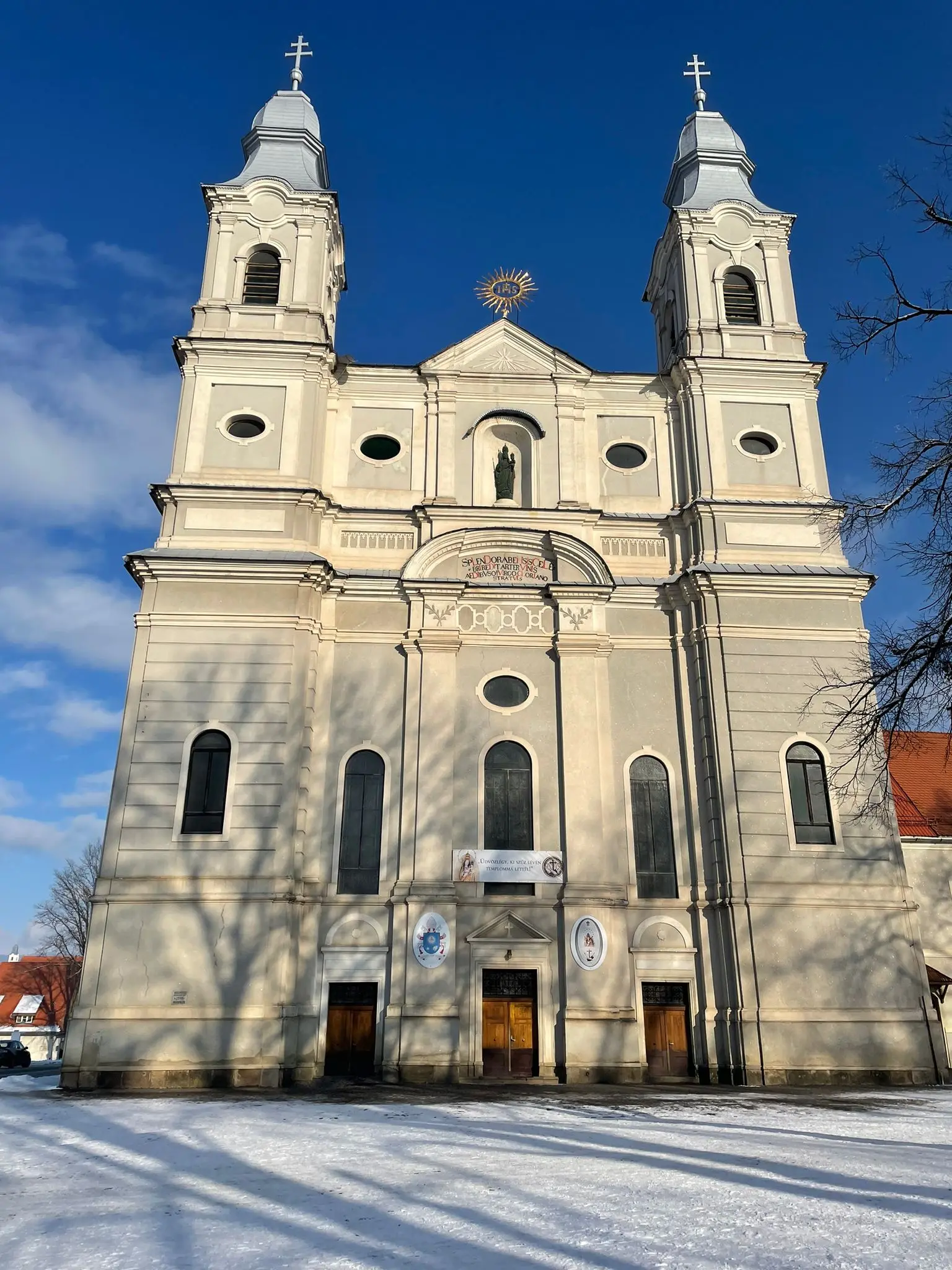
Miercurea Ciuc
The Szekler heart and the Șumuleu pilgrimage.
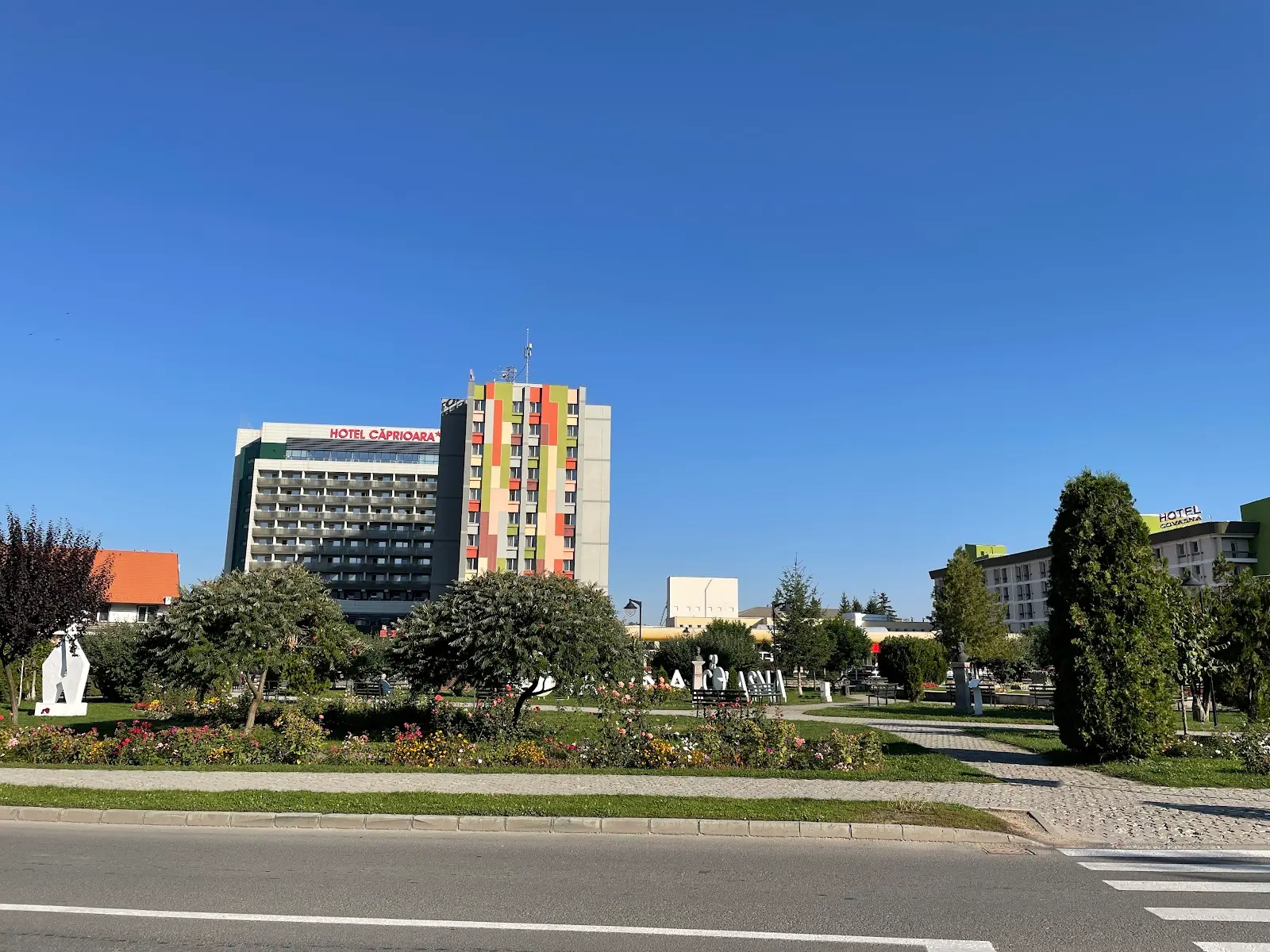
Sfântu Gheorghe
A cultural Szekler town, near Covasna.
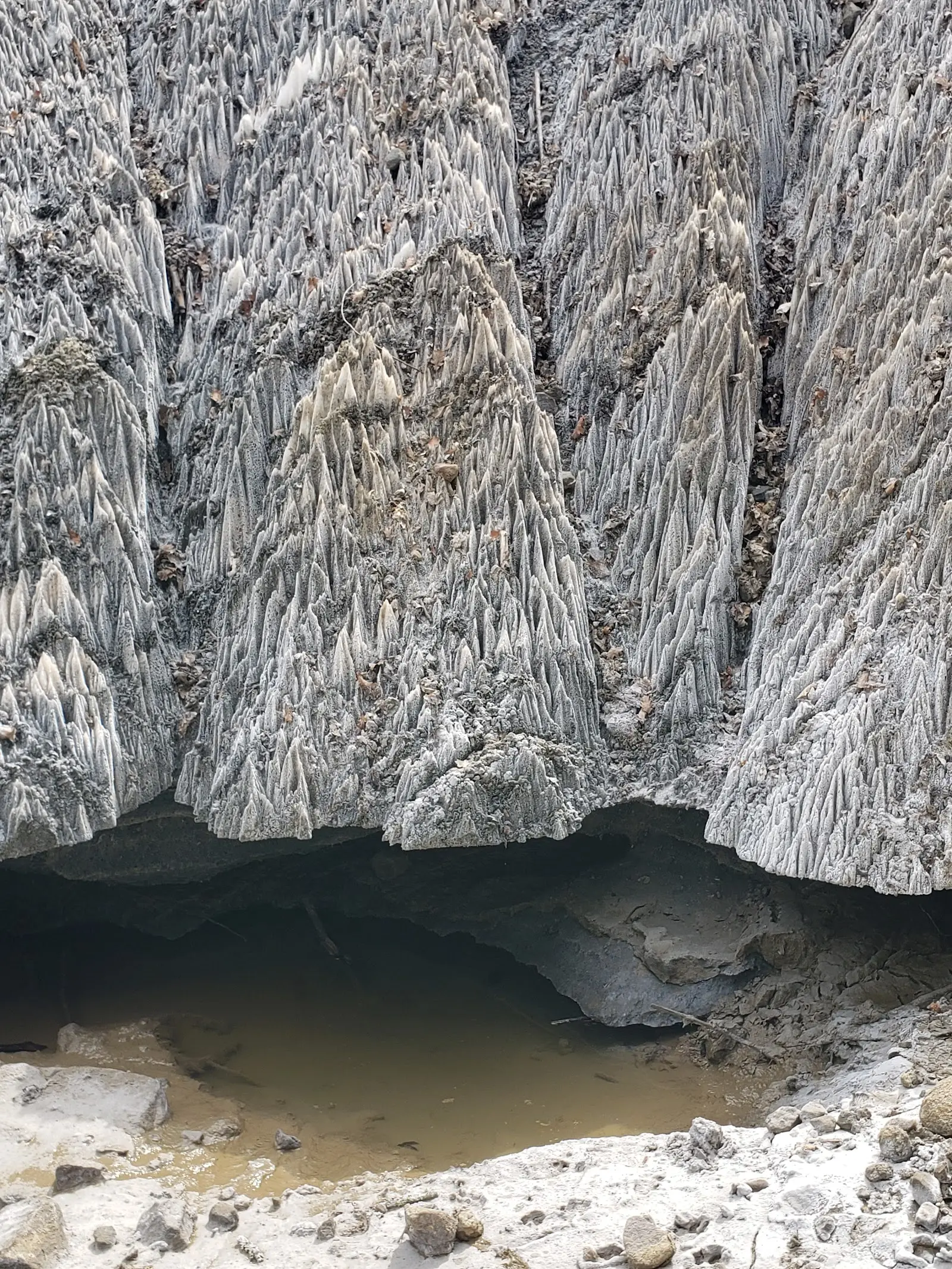
Praid
The vast salt mine and the Salt Valley.
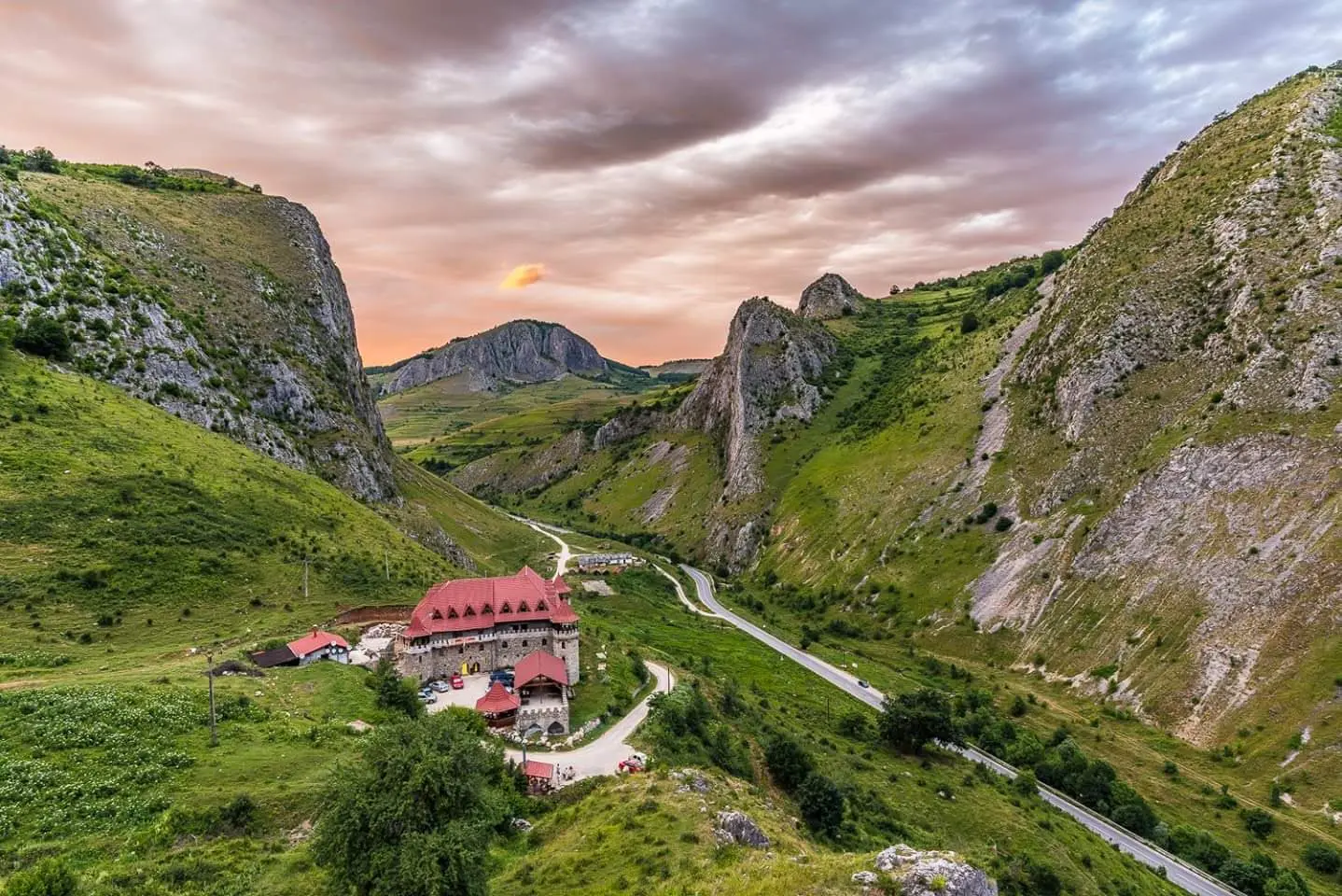
Rimetea
The best-preserved village, below Székelykő.
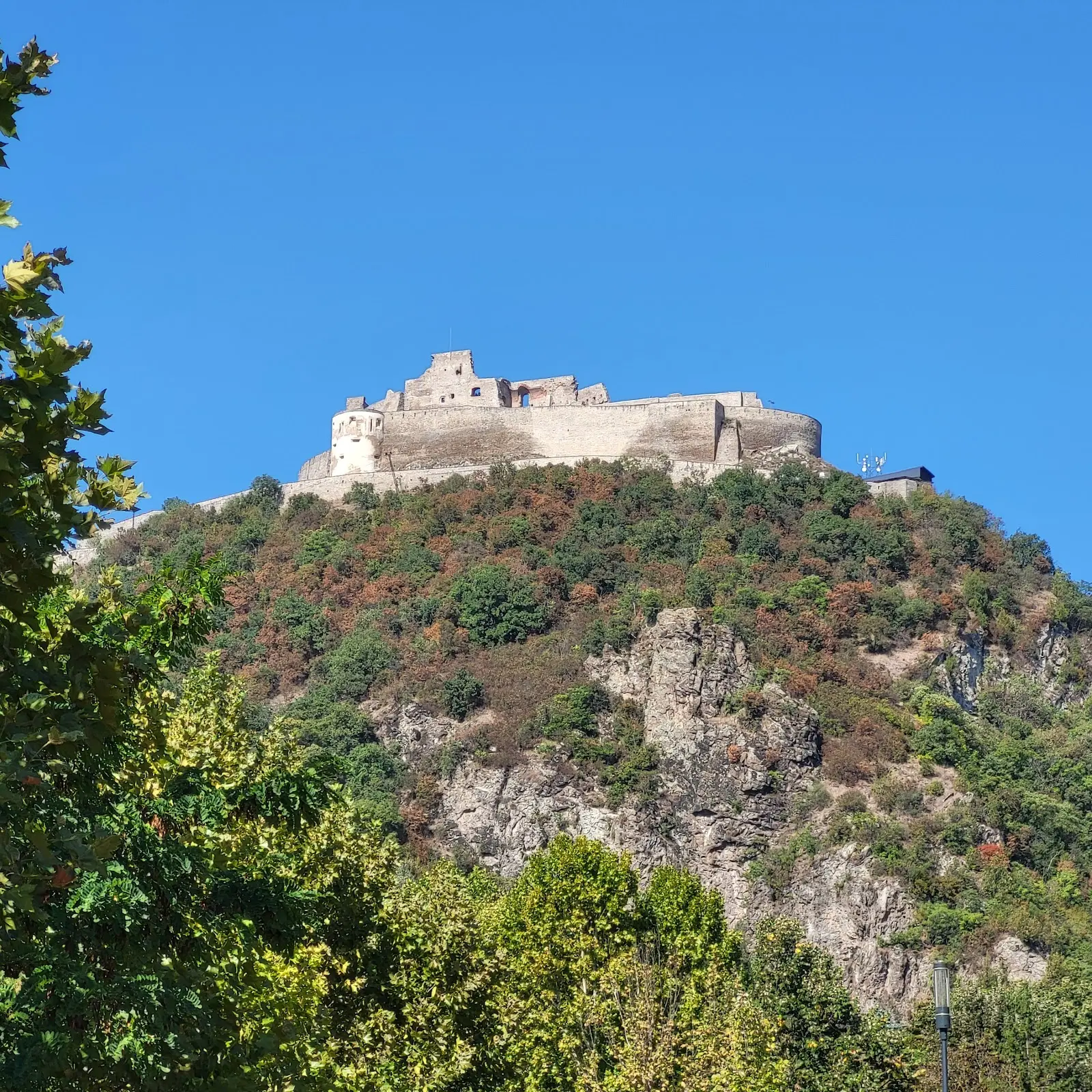
Deva
The citadel on the volcanic hill.
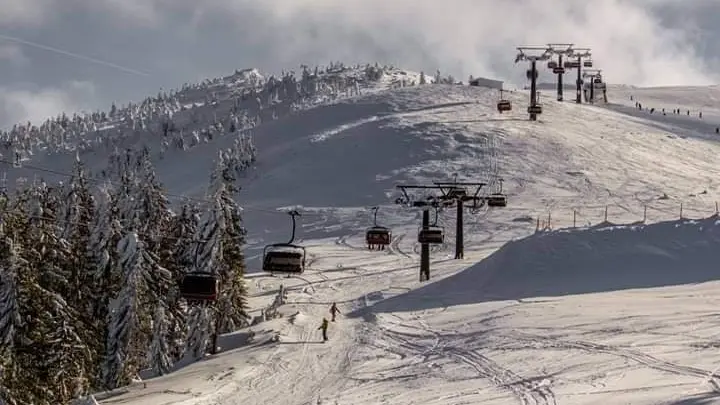
Petroșani
The Jiu Valley, Straja and the southern Retezat.
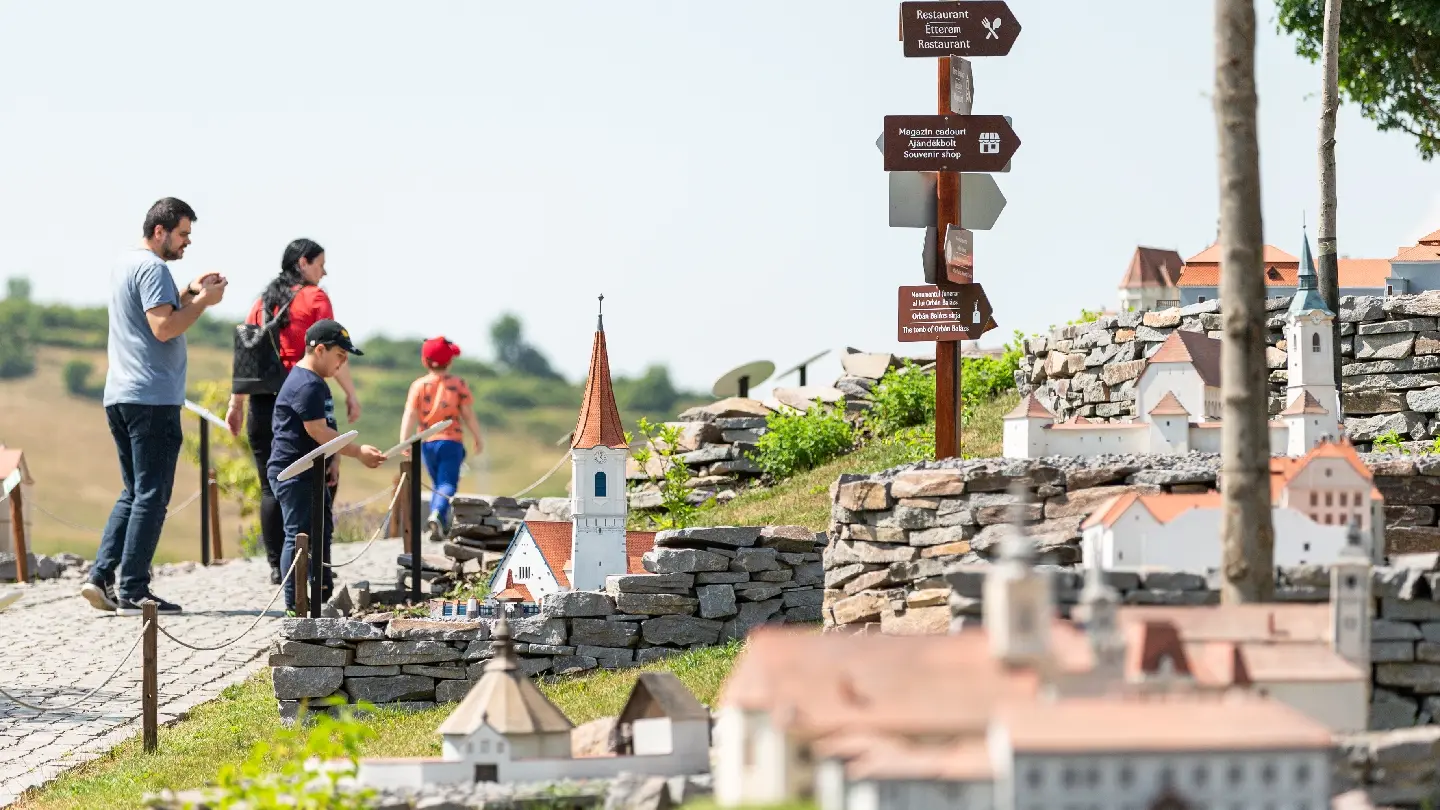
Odorheiu Secuiesc
The heart of Székely Land.
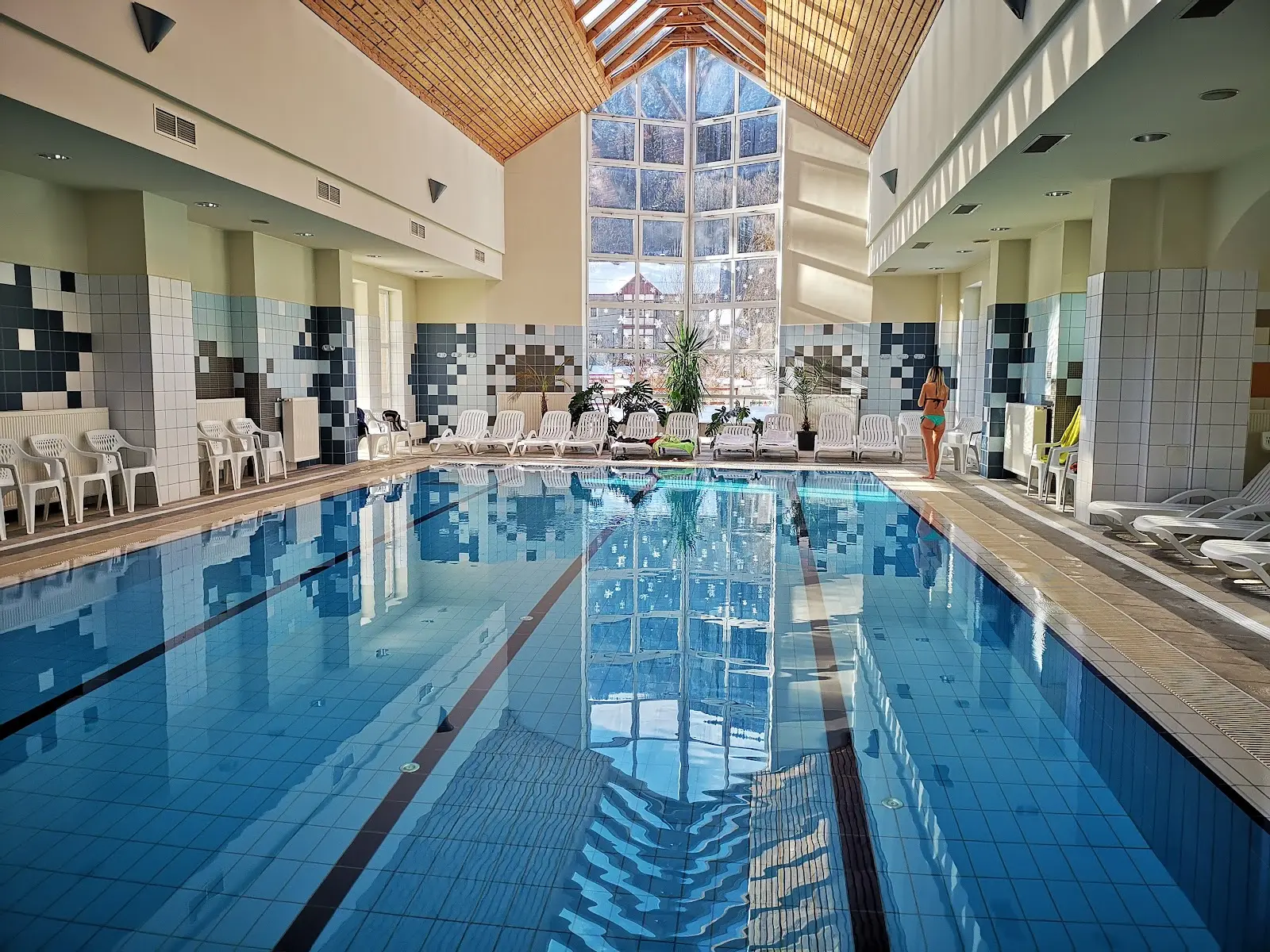
Băile Tușnad
The smallest town, below Saint Ana Lake.
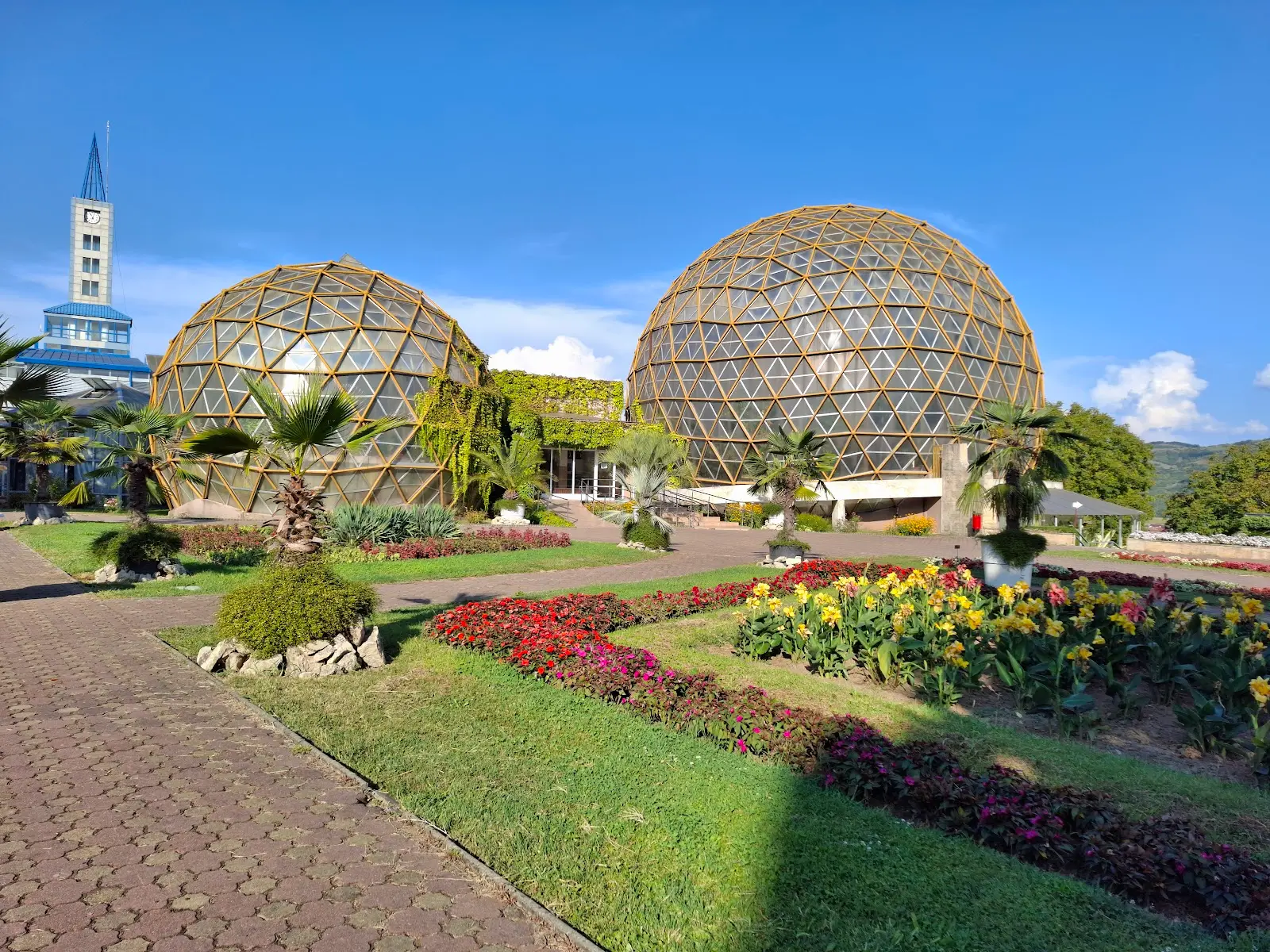
Zalău
The seat of Sălaj, near the Roman fort of Porolissum and the Meseș Mountains.
Not to miss in Transylvania
 Mountain
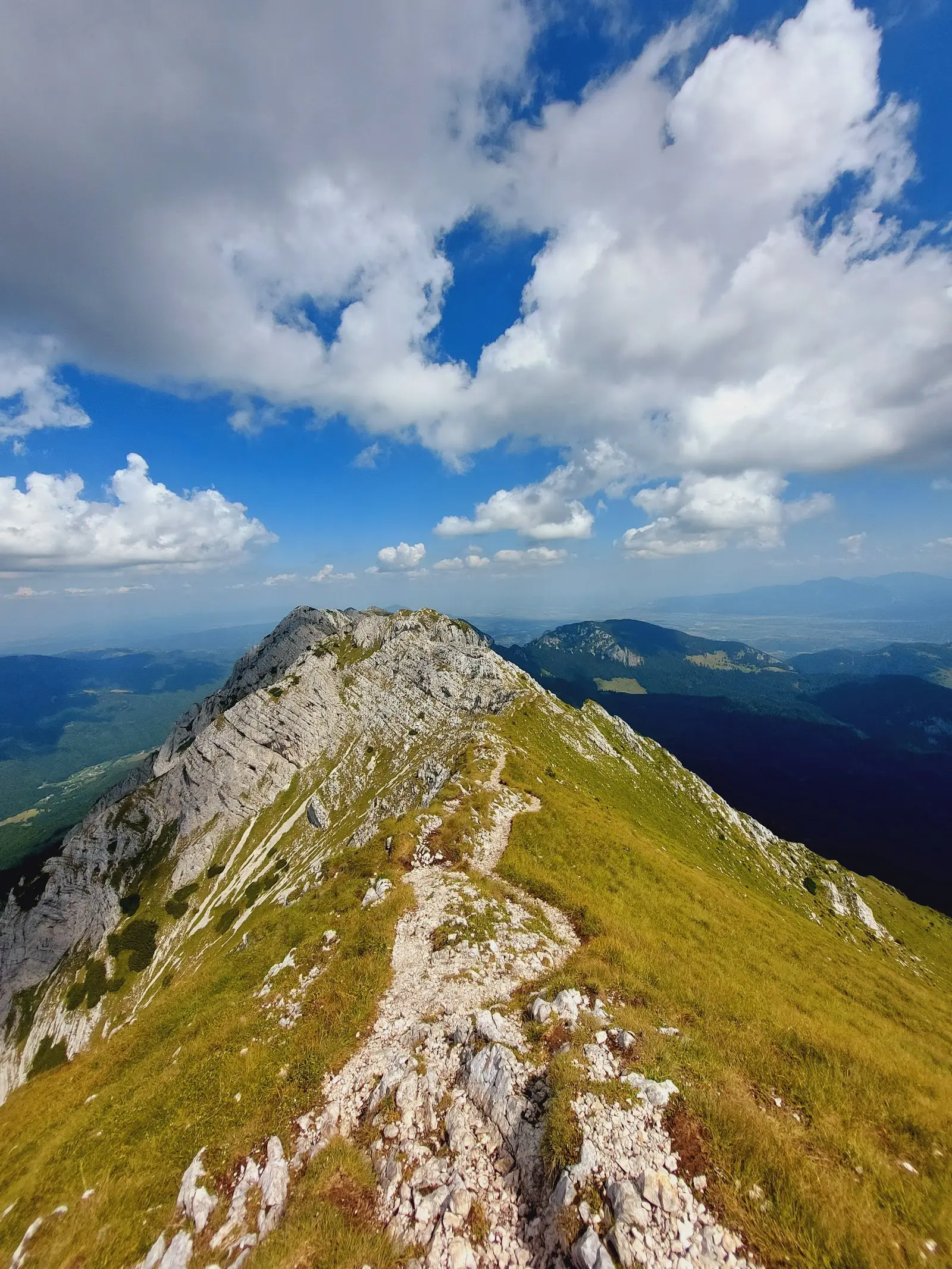
Vârful La Om (Piscul Baciului)
La Om Peak, also known as Piscul Baciului, is the highest point of the Piatra Craiului Massif, rising more than 2,230 metres above the limestone ridge that dominates the Zărnești area, in Brașov County. Piatra Craiului is renowned for its long, narrow ridge, one of the most spectacular in the Carpathians, a veritable limestone blade stretching over tens of kilometres. The climb to La Om Peak rewards the experienced hiker with views of overwhelming beauty over the Bucegi, Făgăraș and Bârsa Mountains, as well as over the surrounding forests and meadows. The mountain is part of the Piatra Craiului National Park, a protected area of great value, a habitat for rare species such as the Piatra Craiului pink, an endemic flower that grows nowhere else on earth. The ridge routes require experience and proper equipment, some sections secured with cables. For mountaineers, reaching this peak is one of the great achievements of hiking in the Romanian Carpathians.
 Mountain
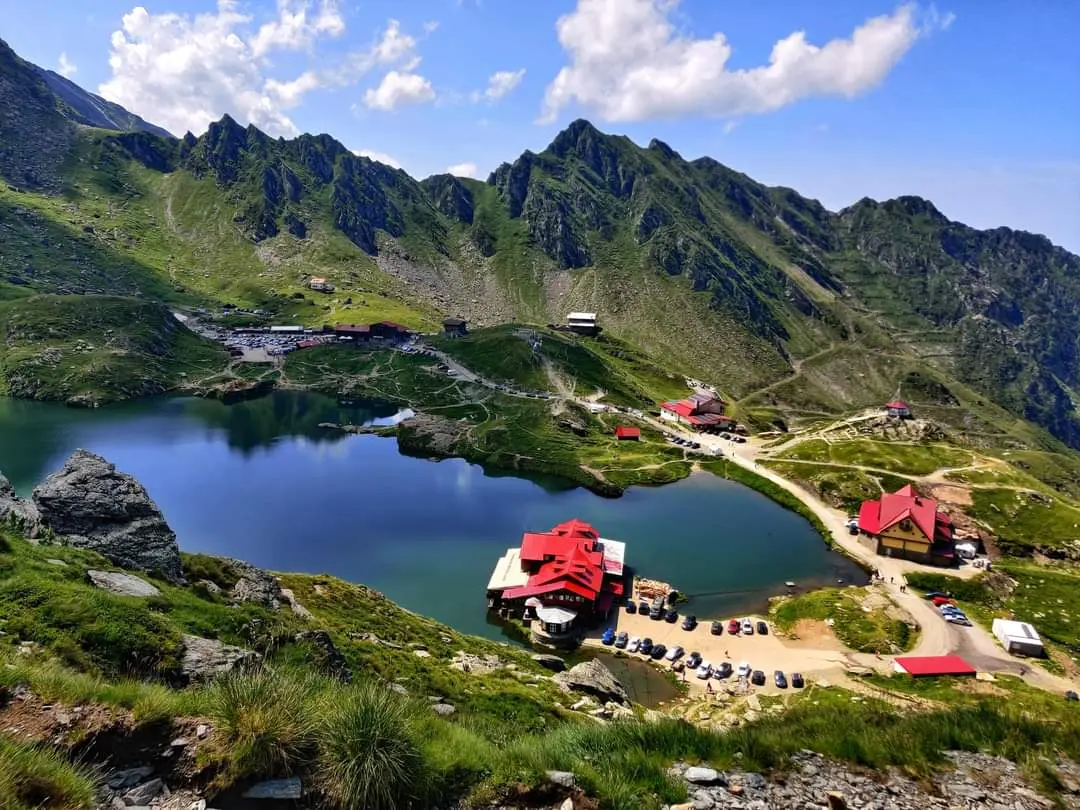
Munții Făgăraș
The Făgăraș Mountains form the highest and most imposing ridge in the Southern Carpathians and in all of Romania, home to peaks exceeding 2,500 metres, among them Moldoveanu and Negoiu, the tallest in the country. This long alpine ridge, south of the town of Făgăraș in Transylvania, is famous for its spectacular scenery, with glacial valleys, high-altitude lakes, sharp aretes and wide pastures. The ridge trails offer demanding hikes rewarded with sweeping views, while glacial lakes such as Bâlea and Capra draw many visitors. The famous Transfăgărășan road, a high-altitude route with spectacular hairpin bends, crosses these mountains and is usually open only in the warm season. The area is also home to rich wildlife, including bears, chamois and birds of prey. Practical note: high-altitude hikes require proper equipment, physical fitness and attention to sudden weather changes, and crossing the ridge should be planned in advance with the forecast checked.
 Nature
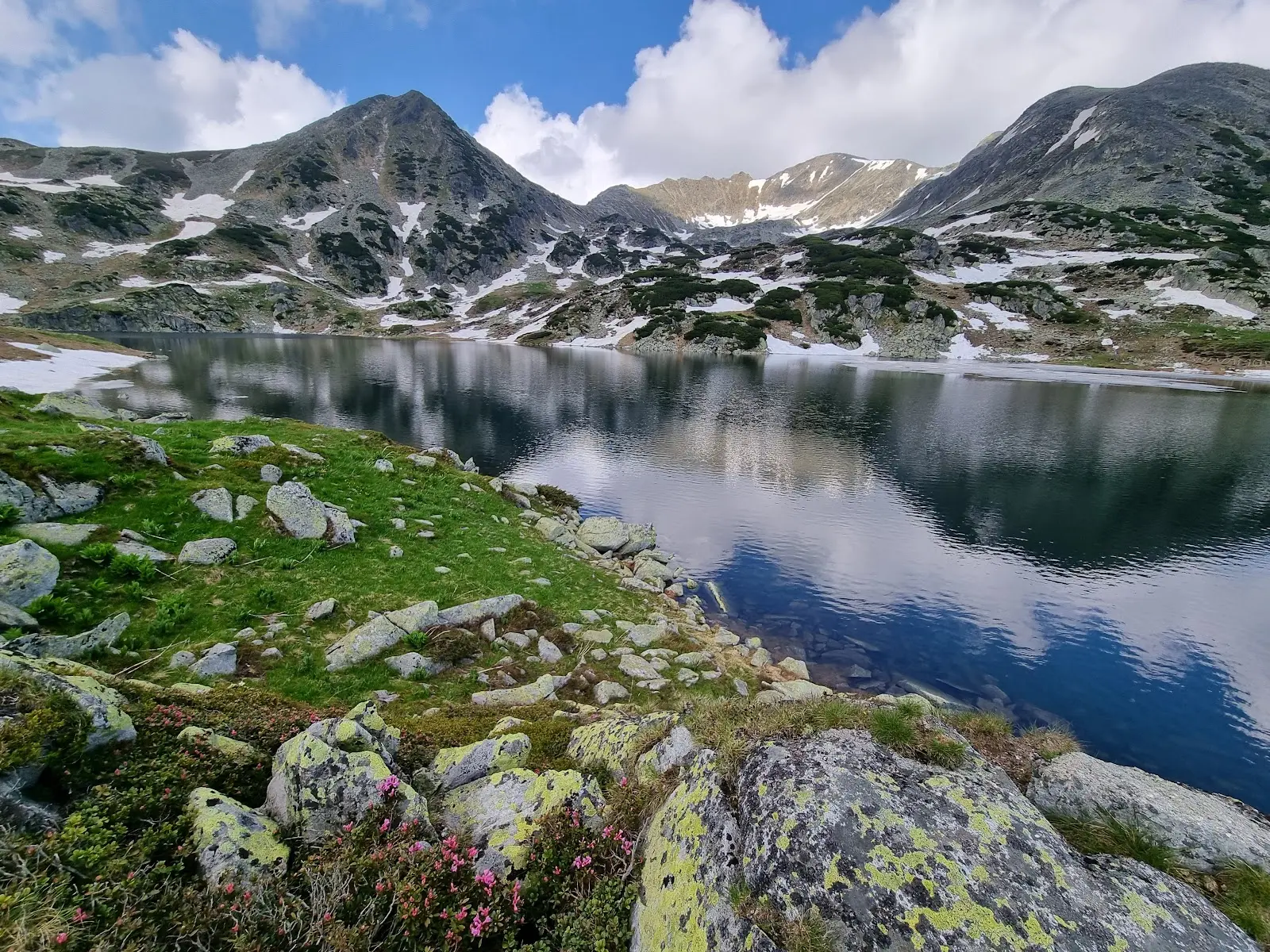
Lacul Bucura
Lake Bucura is the largest glacial lake in Romania, set at over 2000 metres altitude in the heart of the Retezat massif in Hunedoara county, one of the wildest and most beautiful corners of the Southern Carpathians. Formed after the retreat of former glaciers, the lake spreads within a broad cirque surrounded by lofty peaks and alpine meadows scattered with boulders, offering scenery of grand beauty. The clear water reflects the surrounding crests, and the area is considered one of the most spectacular in the entire Carpathian chain. The lake lies within the Retezat national park, an internationally recognised biosphere reserve that shelters numerous glacial lakes, chamois, marmots and a rich flora, including endemic species. The Bucura area is a central point for hiking and a popular camping spot for those exploring the massif, with many trails setting off here towards the surrounding peaks. Access demands effort and good fitness, but the alpine scenery fully rewards the long climb.
 Nature
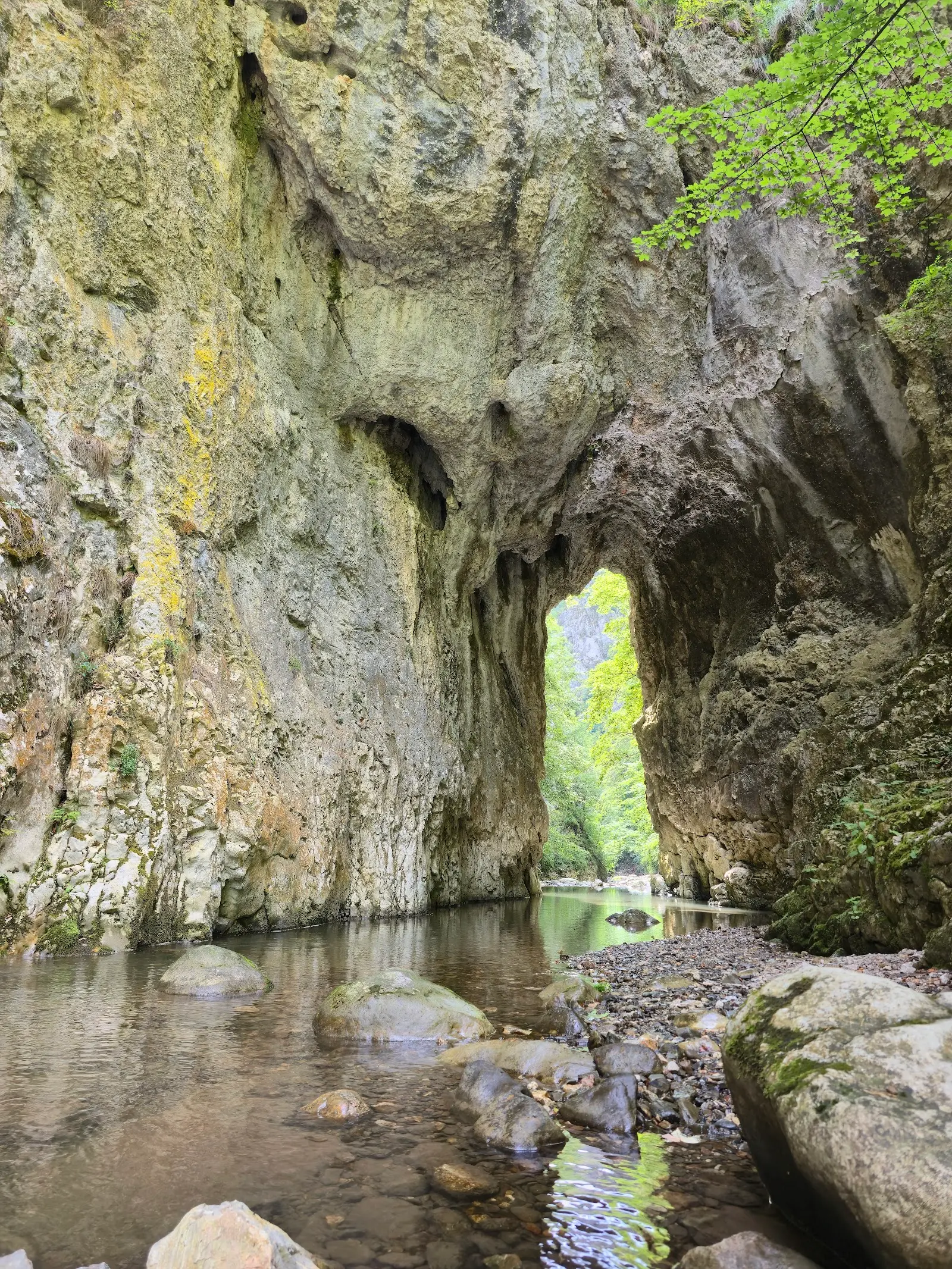
Cheile Râmețului
The Râmeț Gorges, carved by the Geoagiu river through the limestone massif of the Trascău Mountains, in Alba County, are among the most spectacular and wildest gorges in the Apuseni. Over roughly a kilometre and a half, the water has cut vertical rock walls rising tens of metres, drawing so close that at the narrowest point the sky is a mere ribbon overhead. The tourist route runs through the water, over boulders and along cables and metal ladders fixed into the rock, offering a proper adventure for suitably equipped walkers. The gorges shelter a rare flora, endemic species and a cave fauna, and form a protected area. Nearby stands Râmeț Monastery, one of the oldest monastic settlements in Transylvania. Practical note: walk the gorges only in settled weather and in footwear that can get wet, since the water rises dangerously after rain, making the route impassable.
 Mountain
Munții Ciucaș
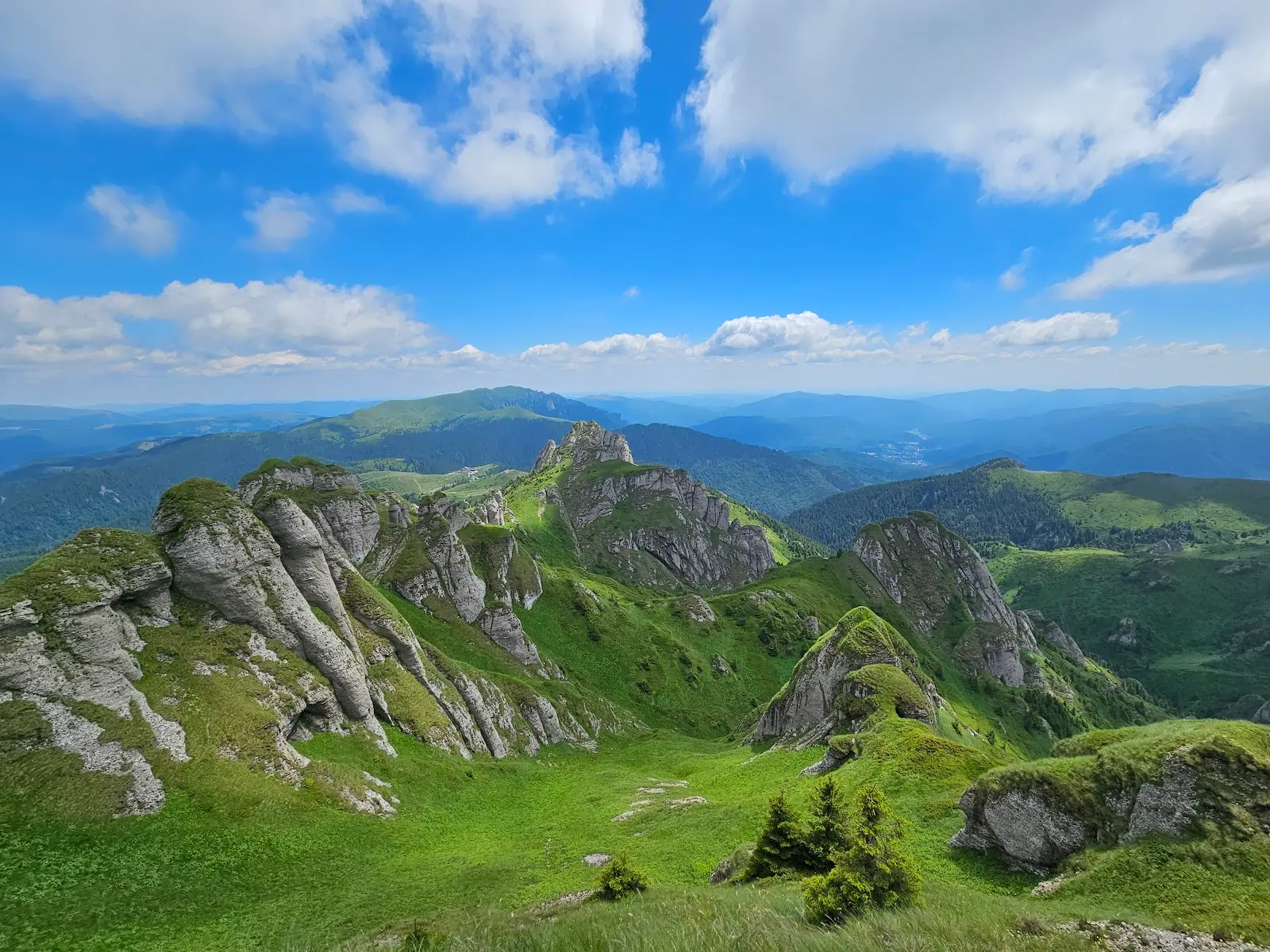
The Ciucas Mountains are part of the Curvature Carpathians and are famous for their spectacular landscapes, dominated by rock formations of strange shapes modelled by erosion, such as the celebrated Tigaile Mari and Babele la Sfat. Set where historic regions meet, near the villages of the Covasna area and the Teleajen Valley, the mountains are appreciated by hikers for their accessible trails and wide views over the surrounding ridges. The rich vegetation includes extensive dwarf-pine thickets and alpine meadows dotted with mountain flowers, and in certain areas stands of Carpathian rhododendron flower in summer. The network of marked paths links the main points of interest, and the chalet in the massif offers a base for hikers. As mountains of moderate altitude, Ciucas suits beginners too, but the weather can change quickly, so suitable gear and caution are needed. The area is an excellent destination for day hikes and for lovers of nature.
 Mountain
Vârful Moldoveanu
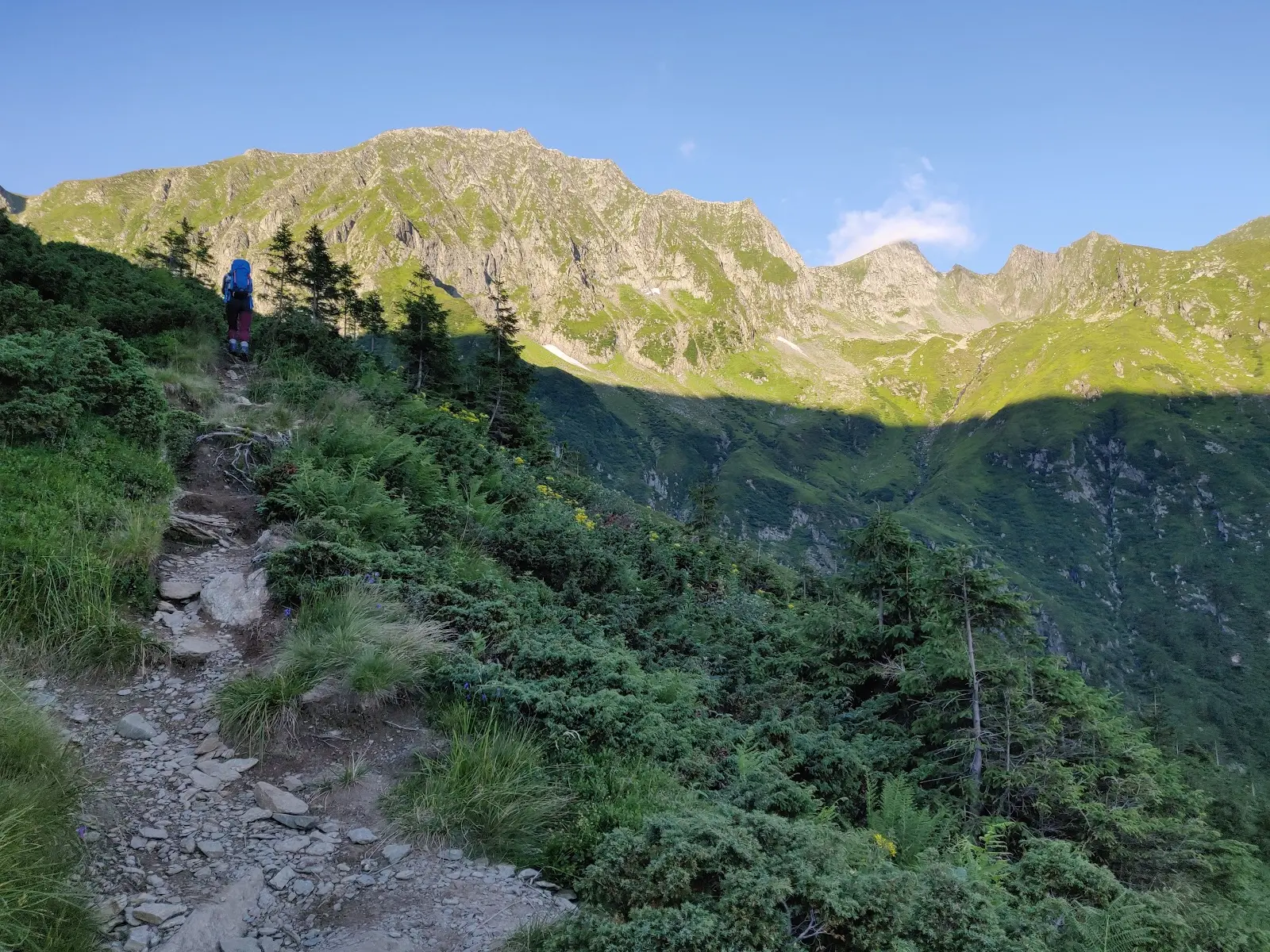
Moldoveanu Peak, at 2,544 metres, is the highest point in Romania, a narrow and precipitous summit in the central Făgăraș Mountains, in Argeș County. It belongs to the longest and wildest alpine ridge of the Southern Carpathians, a crest of granite and crystalline schist sculpted by Quaternary glaciers, with glacial cirques, sharp aretes and clear lakes at the foot of its walls. The climb is no trifle: the most common route starts from Valea Rea and passes the Moldoveanu refuge, demanding experience, proper gear and settled weather, for fog and storms roll in fast at altitude. From the top, on a clear day, the panorama opens over dozens of ridges, over neighbouring Negoiu and over the whole spine of the Făgăraș. Practical note: check the mountain forecast, start early and avoid the ridge in storms; the route is best walked in summer and early autumn.
Regional flavours
Tours & experiences in Transylvania
Experiences
Guided tours in Transylvania
Day trips, walking tours and hand-picked experiences across Transylvania — free cancellation on most.
See all experiencesWhere to stay in Transylvania
Stays nearby
Hotels & stays in Transylvania