
Transylvania
Rimetea
The best-preserved village, below Székelykő.
Rimetea (Torockó in Hungarian) is a village in Alba County, considered one of the most beautiful and best-preserved villages in Transylvania, awarded the Europa Nostra prize for safeguarding its architectural heritage. Set in a basin at the foot of the striking Piatra Secuiului mountain (Székelykő), the village has a special charm, with white houses aligned impeccably and windows framed in green.
Rimetea is a locality with a predominantly Hungarian population (Székelys of the Arieș Seat area), with an old tradition of mining and iron-working, a heritage visible in its distinctive architecture. The houses, listed as historic monuments, are painted brilliant white, with characteristic shutters and roofs, and the entire village core is protected. The local ethnographic museum displays costumes, tools and traditional interiors of surprising elegance.
A famous peculiarity is the "double sunrise" phenomenon: in summer the sun appears over the crest of Piatra Secuiului, vanishes behind it, and rises again — a natural spectacle sought out by visitors. The atmosphere is idyllic and quiet, ideal for a retreat far from the noise of the cities.
The gastronomy blends the Hungarian and Romanian traditions, with stews, homemade produce and Székely sweets. Practically, Rimetea is reachable by car from Turda or Alba Iulia and can be visited in a day or as a weekend escape. It is worth seeing for its consummate architectural beauty and its spectacular mountain setting.
Where to stay
All stays →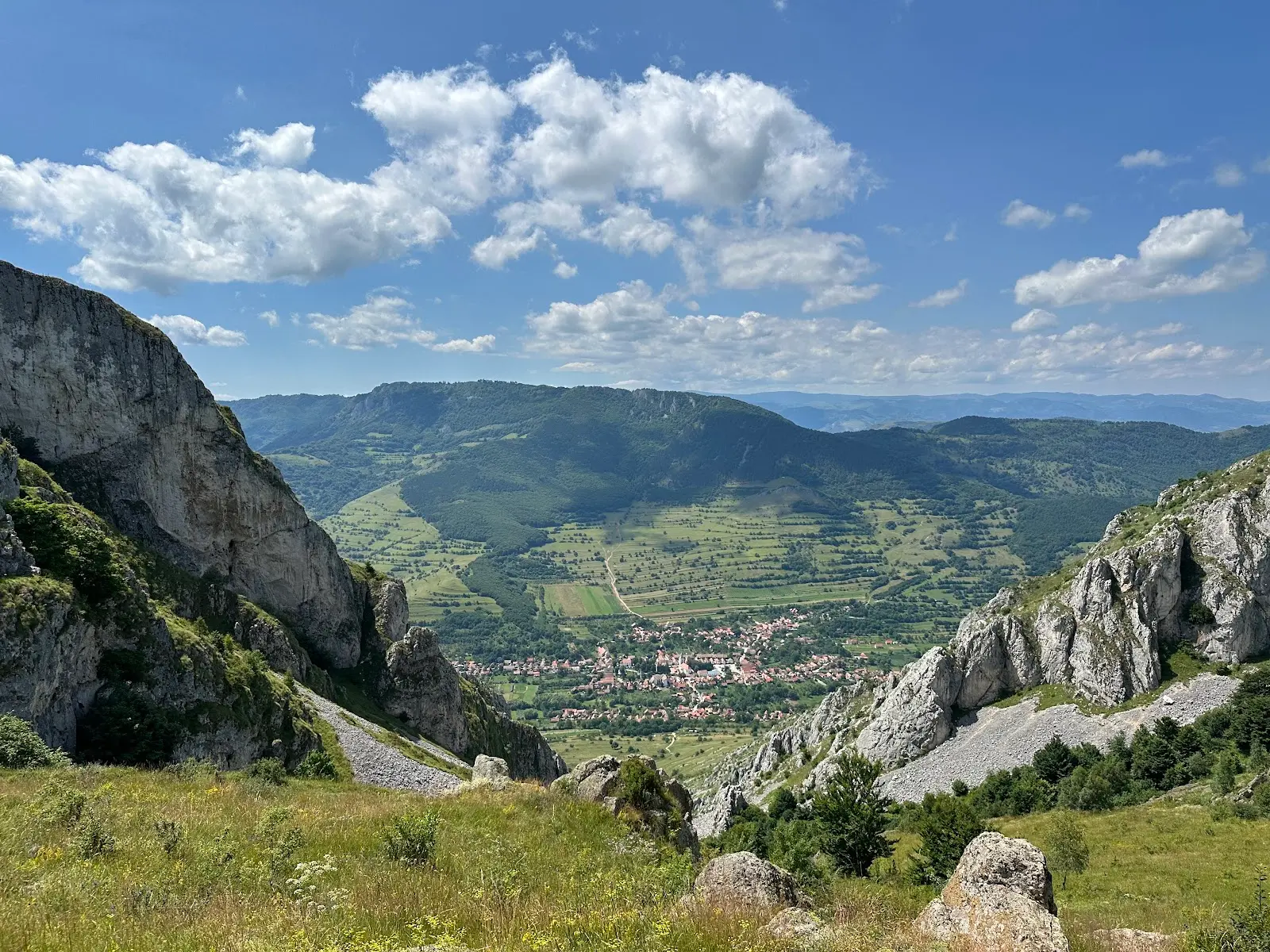
What to see
See all →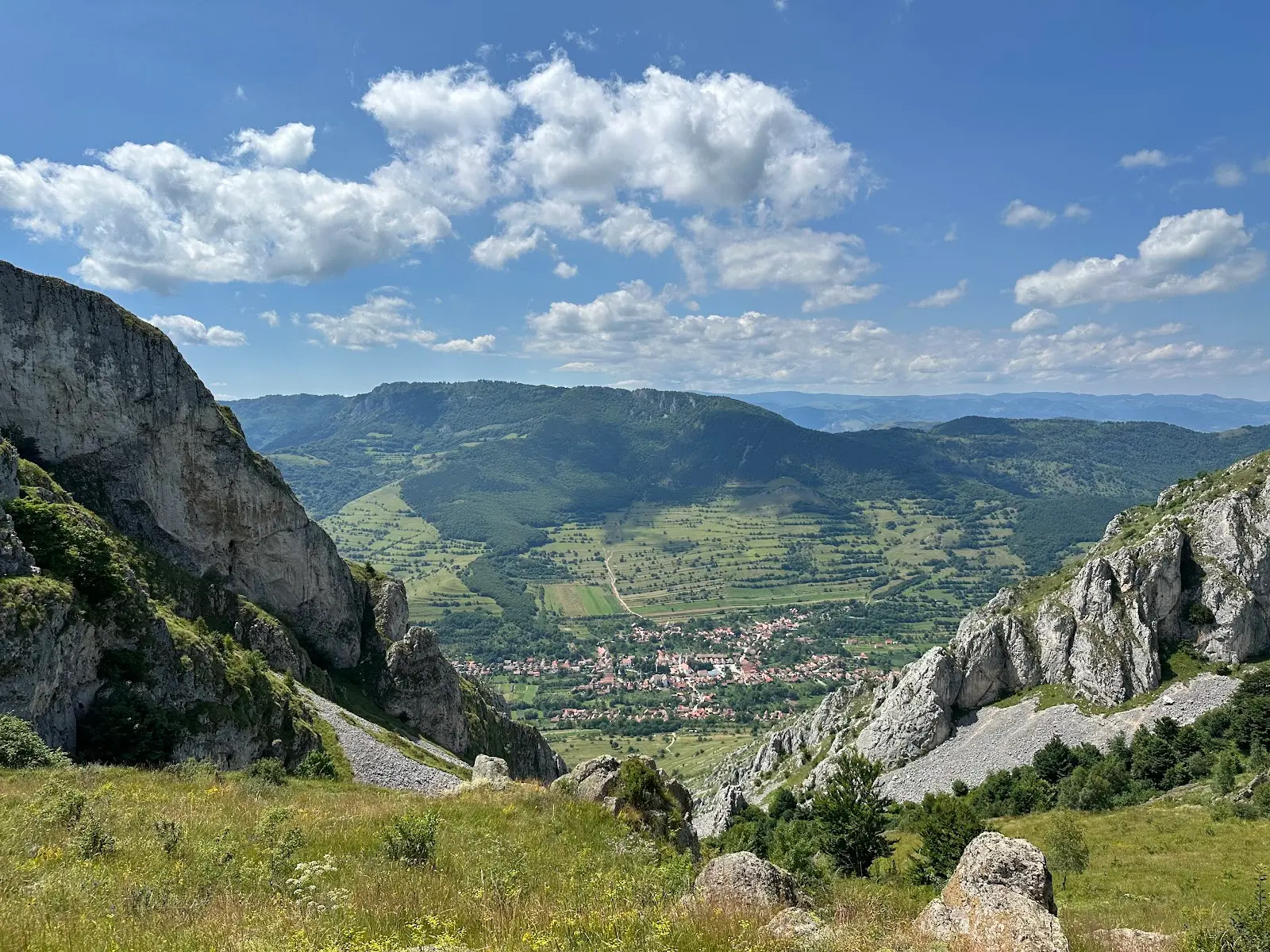 Mountain
Piatra Secuiului
Piatra Secuiului, known in Hungarian as Székelykő, is the steep limestone massif that watches over the village of Rimetea in Alba County, a crest of rock rising proudly more than 1,100 metres above the little houses with white facades and green shutters. The mountain, part of the Trascău range, is famous for a rare phenomenon: because of its position, at Rimetea the sun seems to rise twice, hiding behind the ridge and reappearing. The waymarked ascent, accessible to walkers of average fitness, winds through forest and meadows to the rocky summit, from where the panorama opens over the Székely village, the Trascău Depression and the ridges of the Apuseni. Rimetea, a village awarded for preserving its traditional architecture, forms with the mountain a scene of rare harmony. Practical note: wear boots with grippy soles, for the final stretch to the top crosses rock and can be slippery in wet weather.
NatureCheile Vălișoarei
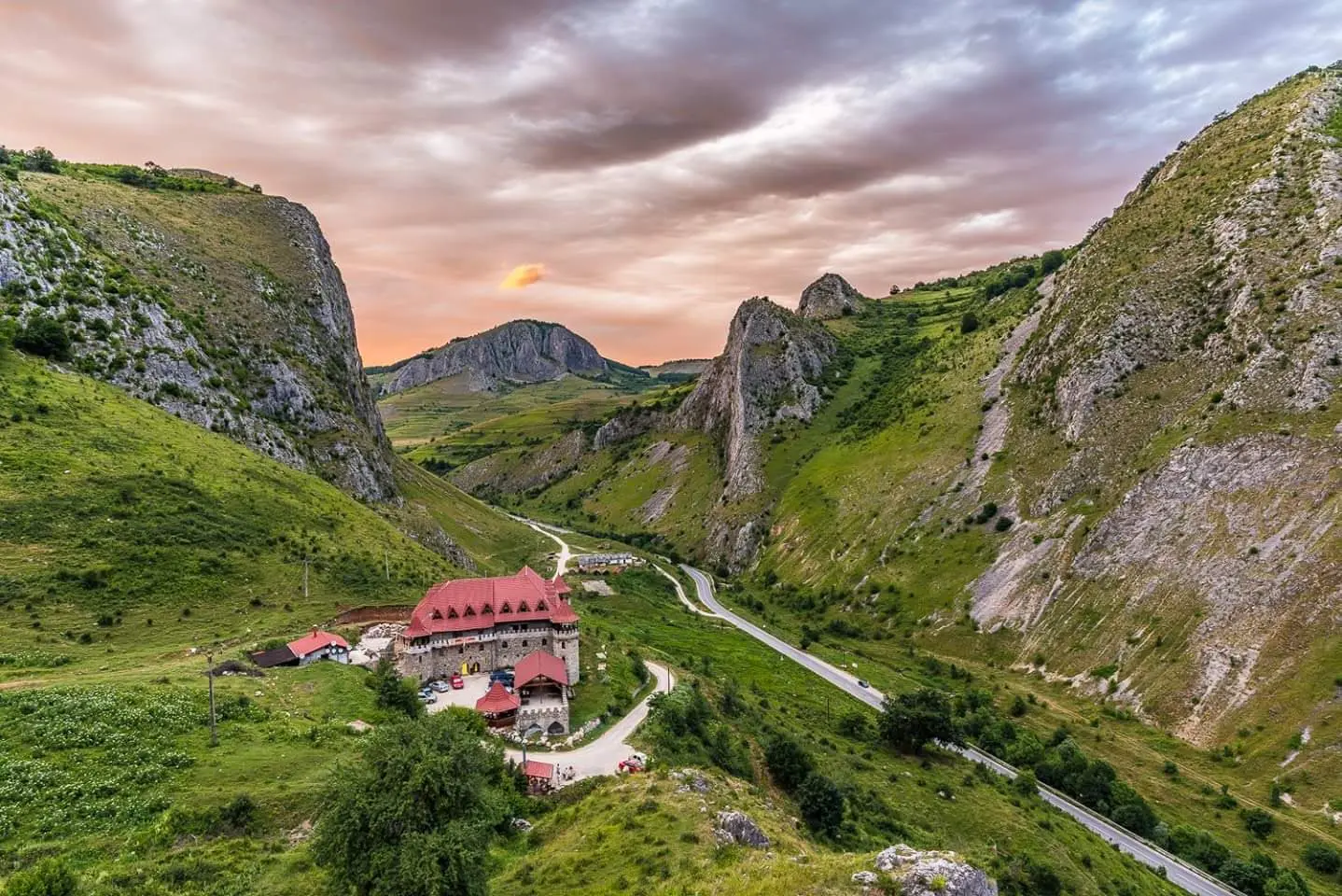
The Valisoara Gorges, also known as the Aiud Gorges, are a spectacular limestone defile located in the Trascau Mountains, near the picturesque village of Rimetea, an area renowned for its landscapes and for its traditional Hungarian architecture of white-washed stone houses. The gorges were formed by the action of water on limestone, giving rise to steep, impressive walls that rise above the road and the stream, offering a dramatic setting. The area is highly valued by climbers for its rock-climbing routes, but also by hikers, who can follow paths among rocks and forest. Nearby rises the characteristic silhouette of the Trascau crags, with Piatra Secuiului peak dominating the village of Rimetea. The landscape blends wild nature with charming traditional villages. Practical note: the visit combines naturally with exploring the village of Rimetea and climbing Piatra Secuiului, a popular route with superb views at sunrise.
 Museum
Muzeul Etnografic Rimetea
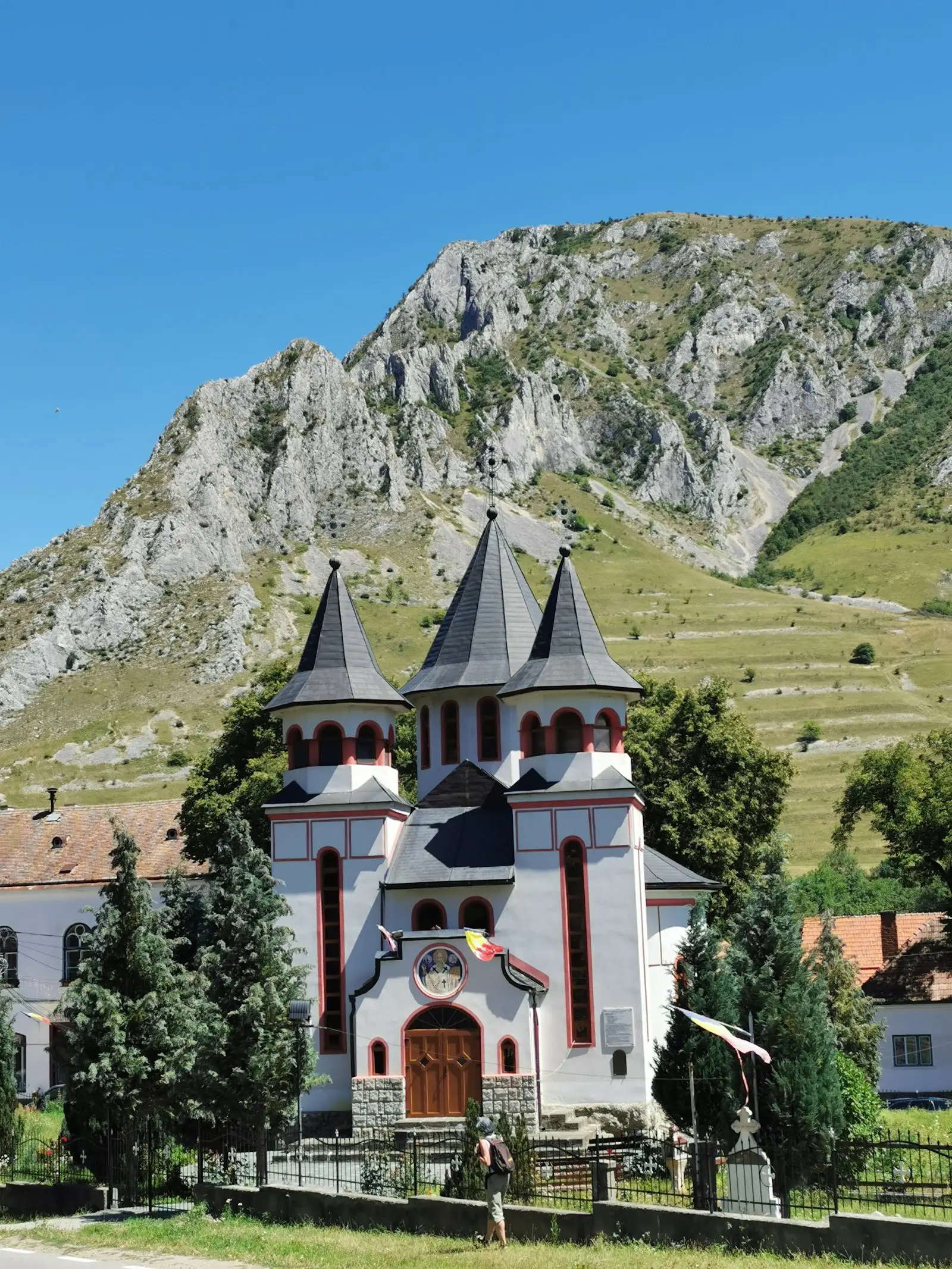
The Ethnographic Museum of Rimetea lies in one of the most beautiful villages in Transylvania, a place of white houses and red roofs set at the foot of the Piatra Secuiului massif. The museum's collection illustrates the traditional life of the local Hungarian community, with an emphasis on the occupations of mining and ironworking that shaped the history of the place. Visitors discover tools, household objects, costumes and pieces of furniture that recreate the atmosphere of a household of former times. The village itself, protected as a heritage ensemble, is an open-air exhibition with its unified and picturesque architecture. The museum thus rounds out the experience of a visit to Rimetea, where the mountain landscape and tradition blend harmoniously. The place is prized by those interested in ethnography and vernacular architecture; checking the opening schedule is recommended.
Frequently asked questions
What is Rimetea known for?+
Rimetea is best known for sights such as Piatra Secuiului, Cheile Vălișoarei, Muzeul Etnografic Rimetea.
How many days do you need in Rimetea?+
One to two days is enough to see the highlights of Rimetea; stay longer to use it as a base for day trips.
Where should I stay in Rimetea?+
See our selected stays above, or check live rates and availability on the accommodation map.