
Outdoors
Mountains & hiking
The Carpathians end to end: the Transfăgărășan and Transalpina, the Bucegi and Retezat ridges, gorges, waterfalls and national parks for day hikes and week-long treks alike.
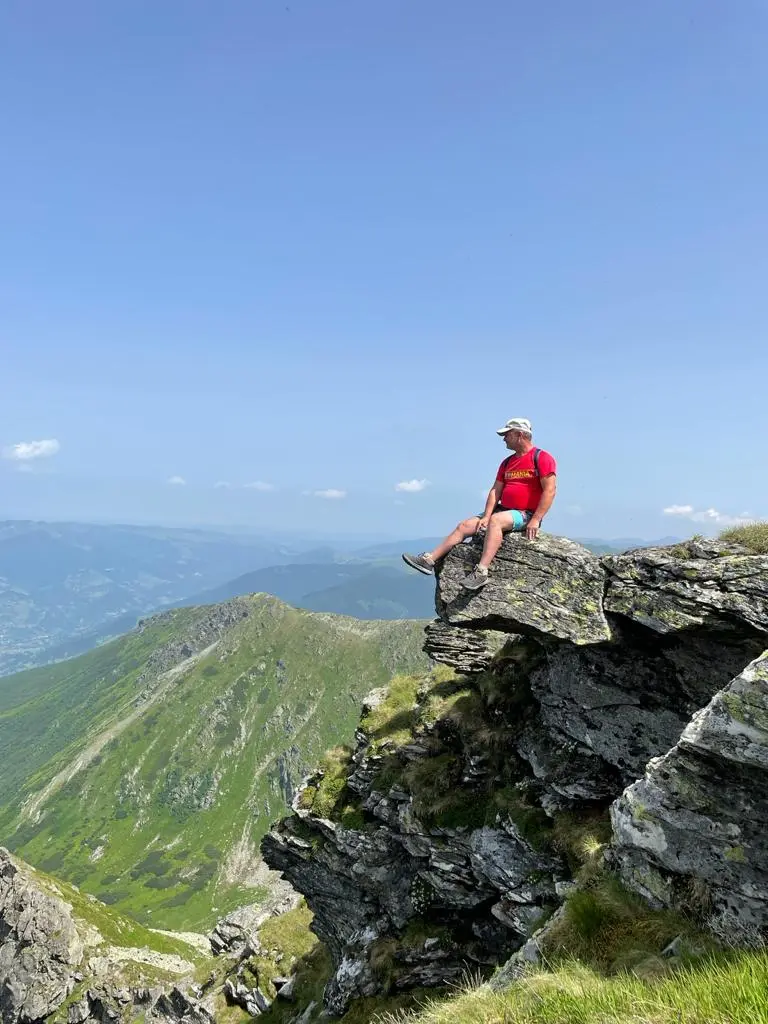 Mountain
Munții Rodnei - Vârful Pietrosul
The Rodna Mountains, the highest massif of the Eastern Carpathians, are crowned by Pietrosul Peak, which rises above 2300 metres and forms the culminating point of the entire eastern chain. Above the town of Borșa in Maramureș, the alpine ridges of the massif offer some of the most impressive mountain scenery in the north of the country, with sharp crests, glacial cirques, high-altitude lakes and broad meadows scattered with rare flowers. The area lies within a national park and an internationally recognised biosphere reserve, protecting rich flora and fauna, including chamois and many endemic species. Beneath the peak lies the glacial lake Iezer, a mirror of clear water cradled in a cirque carved by former glaciers. The ascent routes set off from the Borșa area and demand good fitness, proper equipment and attention to the changeable mountain weather. The effort is rewarded with sweeping views over the Rodna crests and the neighbouring massifs.
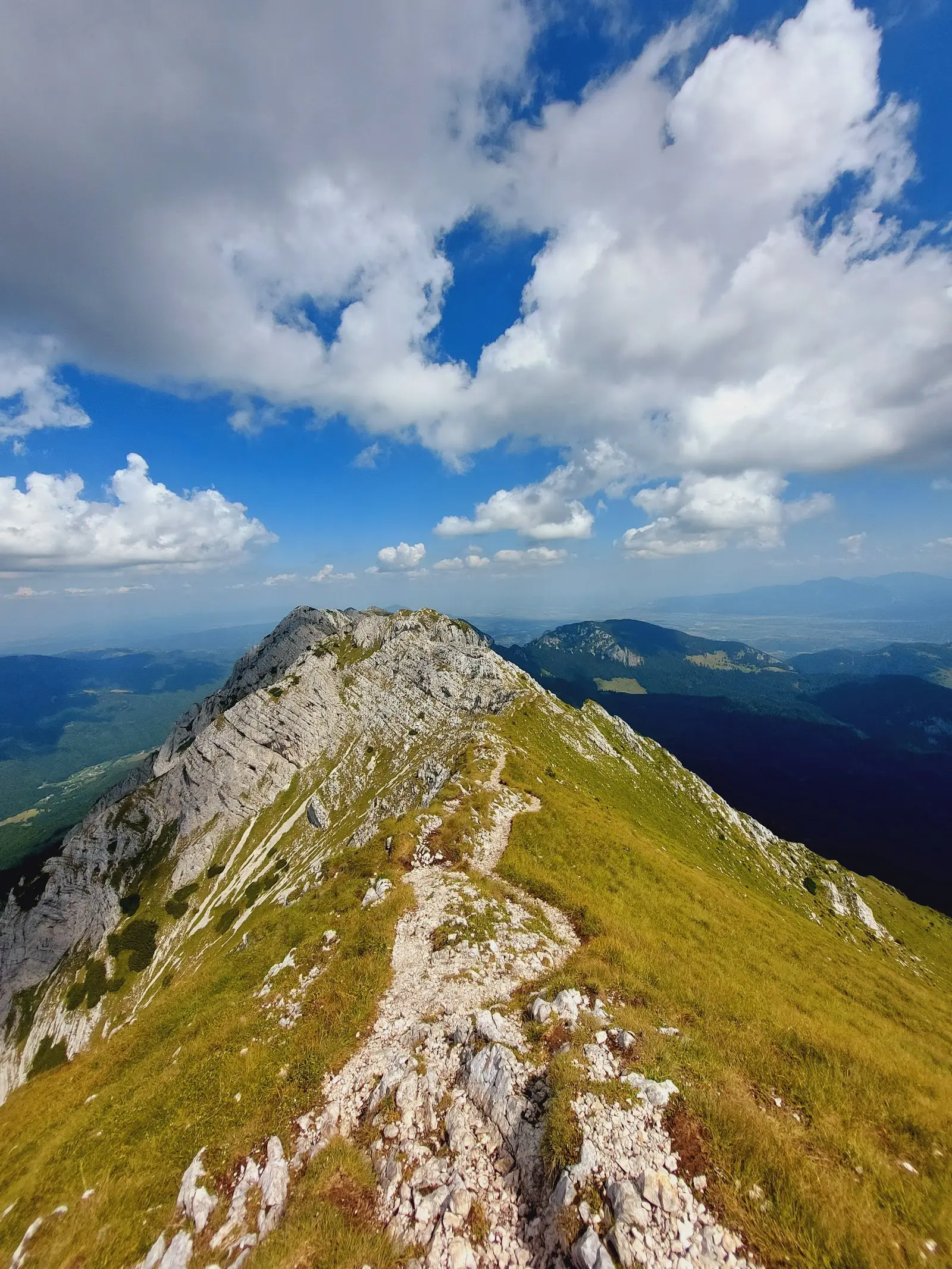 Mountain
Vârful La Om (Piscul Baciului)
La Om Peak, also known as Piscul Baciului, is the highest point of the Piatra Craiului Massif, rising more than 2,230 metres above the limestone ridge that dominates the Zărnești area, in Brașov County. Piatra Craiului is renowned for its long, narrow ridge, one of the most spectacular in the Carpathians, a veritable limestone blade stretching over tens of kilometres. The climb to La Om Peak rewards the experienced hiker with views of overwhelming beauty over the Bucegi, Făgăraș and Bârsa Mountains, as well as over the surrounding forests and meadows. The mountain is part of the Piatra Craiului National Park, a protected area of great value, a habitat for rare species such as the Piatra Craiului pink, an endemic flower that grows nowhere else on earth. The ridge routes require experience and proper equipment, some sections secured with cables. For mountaineers, reaching this peak is one of the great achievements of hiking in the Romanian Carpathians.
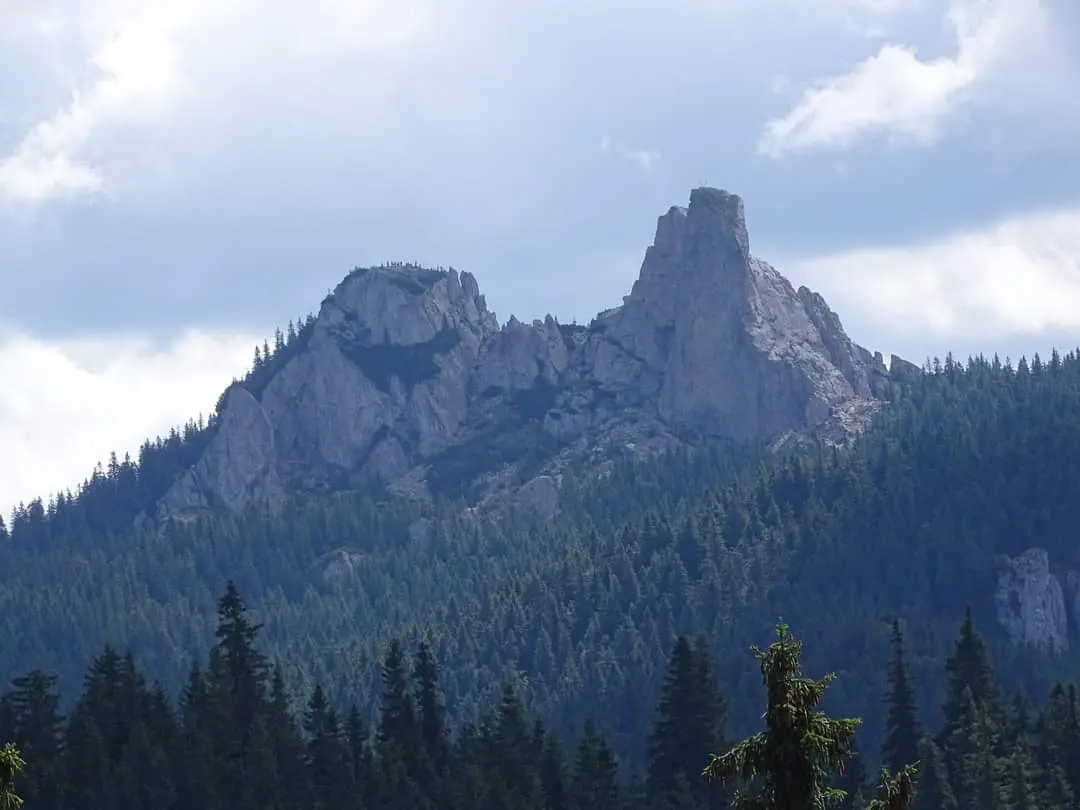 Nature
Munții Rarău - Pietrele Doamnei
The Rarau Mountains, with their famous Lady's Stones, form one of the most beautiful landscapes of Bukovina, a massif in the Eastern Carpathians group renowned for its spectacular limestone rocks rising above the coniferous forests. The Lady's Stones are a group of limestone columns and ridges with dramatic shapes, a geological reserve offering superb views and routes valued by hikers and climbers. Legend links the name of these rocks to a lady who is said to have taken refuge here in times of hardship, adding a layer of story to the already impressive landscape. From the ridges open wide panoramas over the mountains of Bukovina, and nearby stands the Rarau Chalet, a convenient starting point. The area is rich in mountain flora and offers an ideal setting for nature. Practical note: access is by car to near the ridge and then along paths; for rock climbing, experience and proper gear are needed.
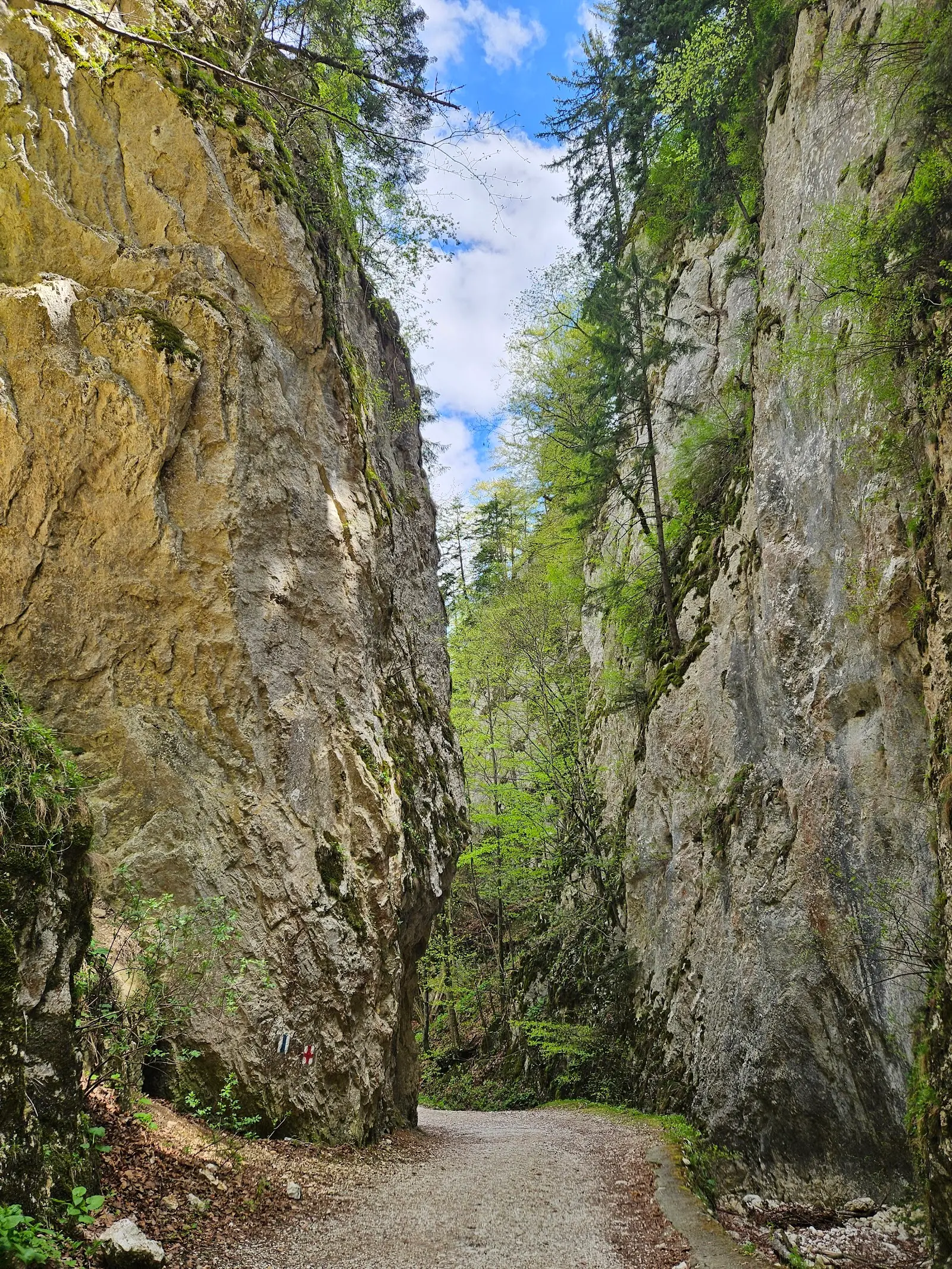 Nature
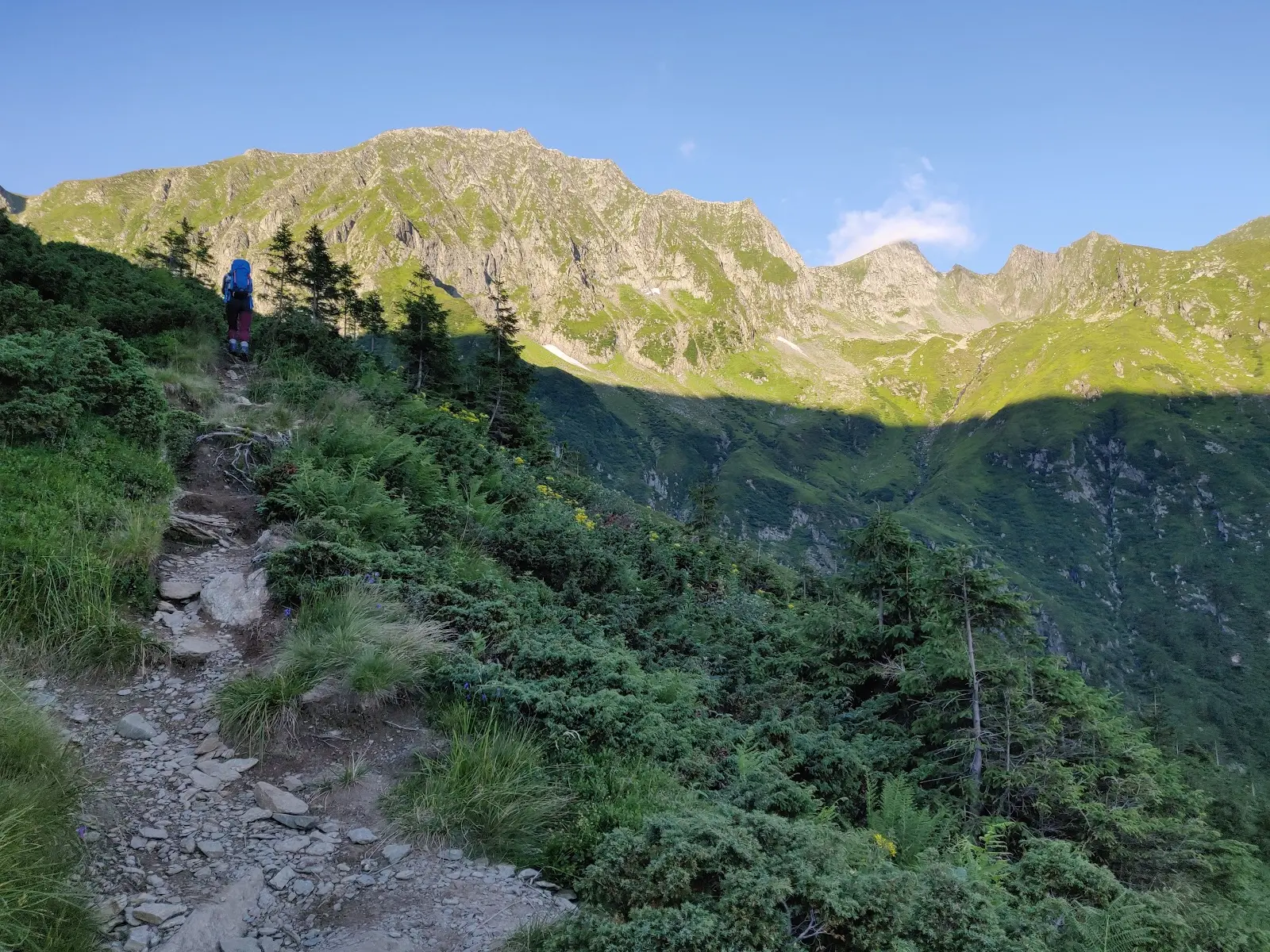
Prăpăstiile Zărneștilor (Cheile Zărneștilor)
 Mountain
Vârful Moldoveanu
Moldoveanu Peak, at 2,544 metres, is the highest point in Romania, a narrow and precipitous summit in the central Făgăraș Mountains, in Argeș County. It belongs to the longest and wildest alpine ridge of the Southern Carpathians, a crest of granite and crystalline schist sculpted by Quaternary glaciers, with glacial cirques, sharp aretes and clear lakes at the foot of its walls. The climb is no trifle: the most common route starts from Valea Rea and passes the Moldoveanu refuge, demanding experience, proper gear and settled weather, for fog and storms roll in fast at altitude. From the top, on a clear day, the panorama opens over dozens of ridges, over neighbouring Negoiu and over the whole spine of the Făgăraș. Practical note: check the mountain forecast, start early and avoid the ridge in storms; the route is best walked in summer and early autumn.
 Mountain
Piatra Secuiului
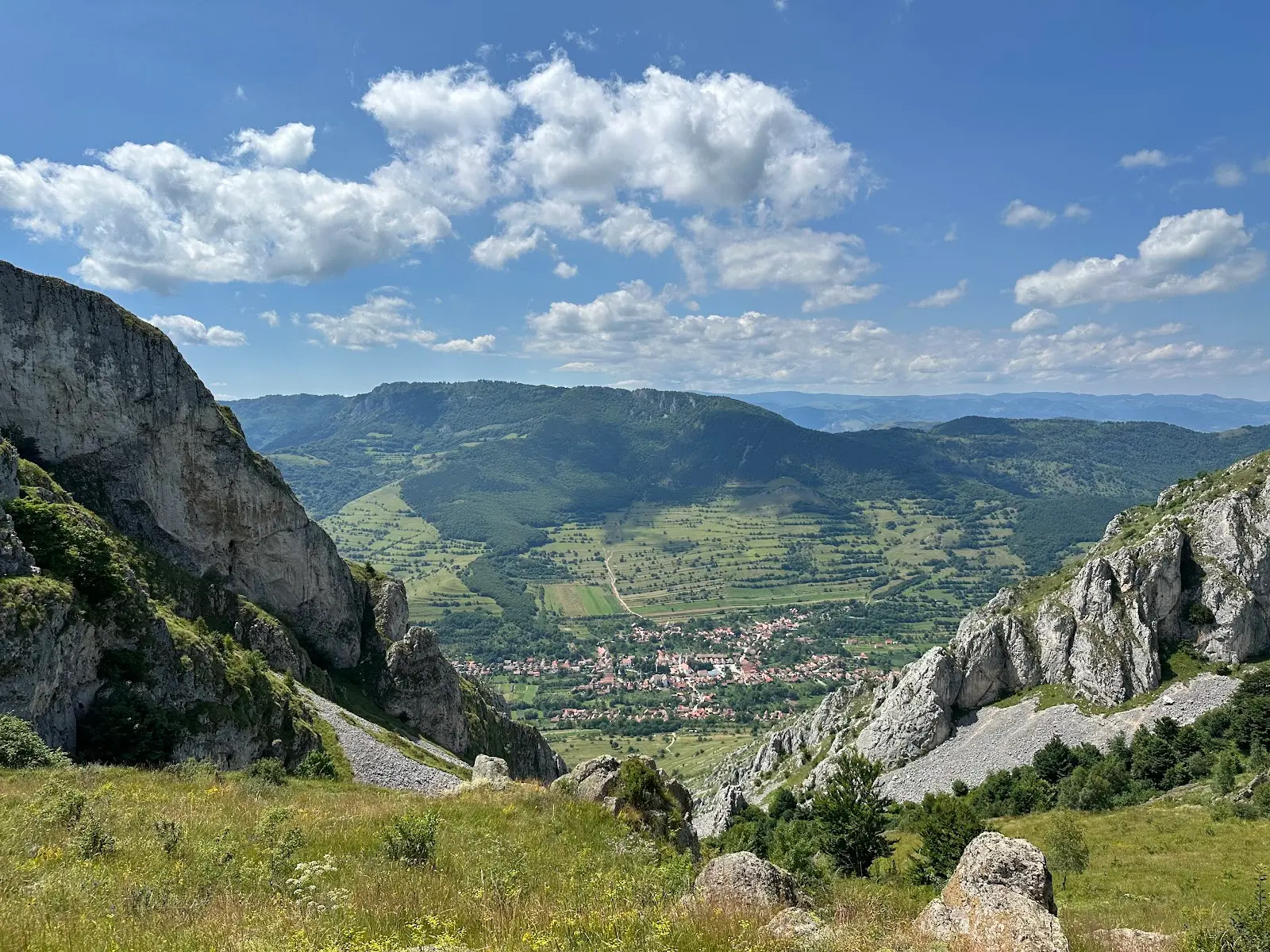
Piatra Secuiului, known in Hungarian as Székelykő, is the steep limestone massif that watches over the village of Rimetea in Alba County, a crest of rock rising proudly more than 1,100 metres above the little houses with white facades and green shutters. The mountain, part of the Trascău range, is famous for a rare phenomenon: because of its position, at Rimetea the sun seems to rise twice, hiding behind the ridge and reappearing. The waymarked ascent, accessible to walkers of average fitness, winds through forest and meadows to the rocky summit, from where the panorama opens over the Székely village, the Trascău Depression and the ridges of the Apuseni. Rimetea, a village awarded for preserving its traditional architecture, forms with the mountain a scene of rare harmony. Practical note: wear boots with grippy soles, for the final stretch to the top crosses rock and can be slippery in wet weather.
 Nature
Cheile Râmețului
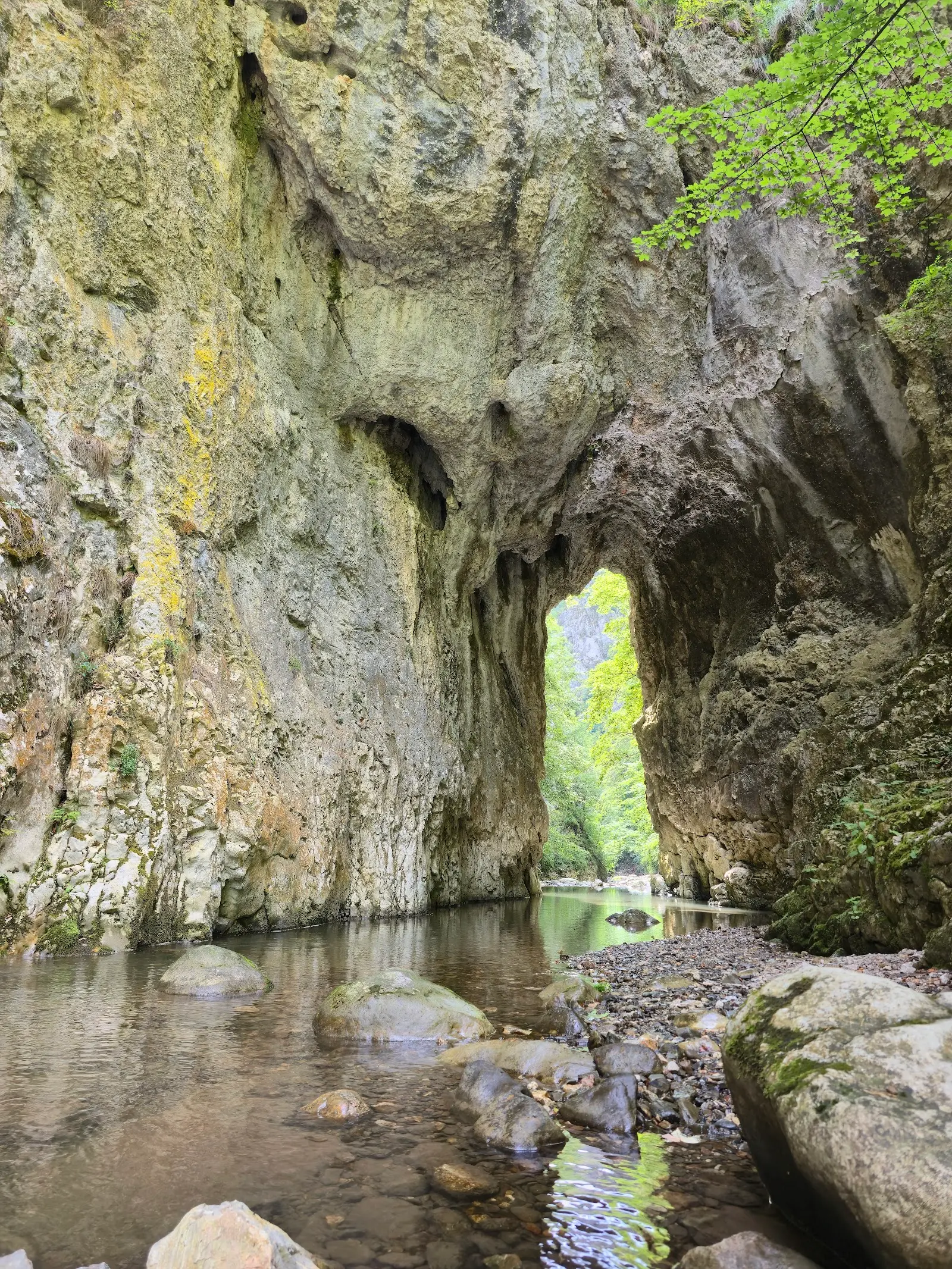
The Râmeț Gorges, carved by the Geoagiu river through the limestone massif of the Trascău Mountains, in Alba County, are among the most spectacular and wildest gorges in the Apuseni. Over roughly a kilometre and a half, the water has cut vertical rock walls rising tens of metres, drawing so close that at the narrowest point the sky is a mere ribbon overhead. The tourist route runs through the water, over boulders and along cables and metal ladders fixed into the rock, offering a proper adventure for suitably equipped walkers. The gorges shelter a rare flora, endemic species and a cave fauna, and form a protected area. Nearby stands Râmeț Monastery, one of the oldest monastic settlements in Transylvania. Practical note: walk the gorges only in settled weather and in footwear that can get wet, since the water rises dangerously after rain, making the route impassable.
 Mountain
Munții Ceahlău - Vârful Toaca
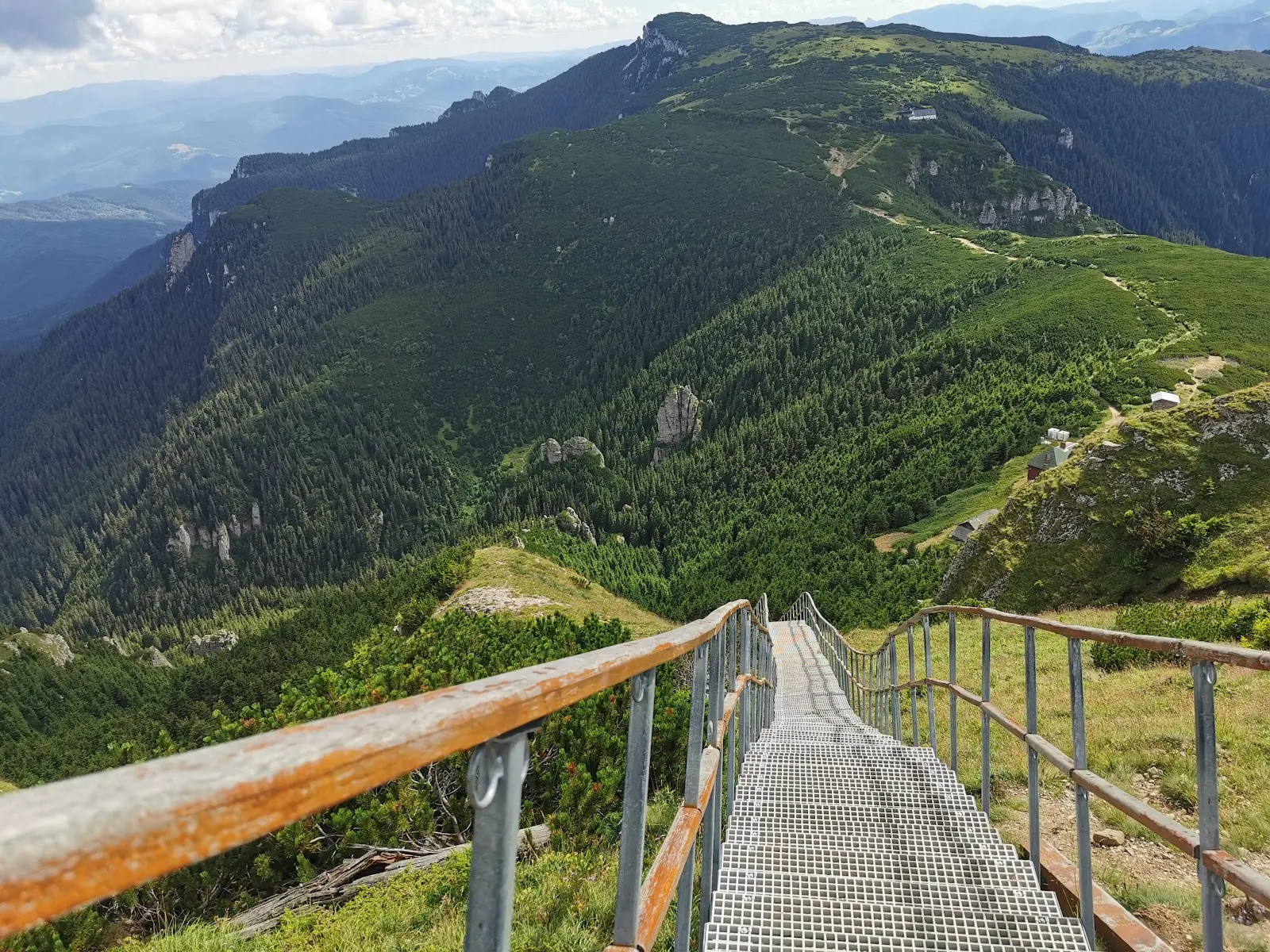
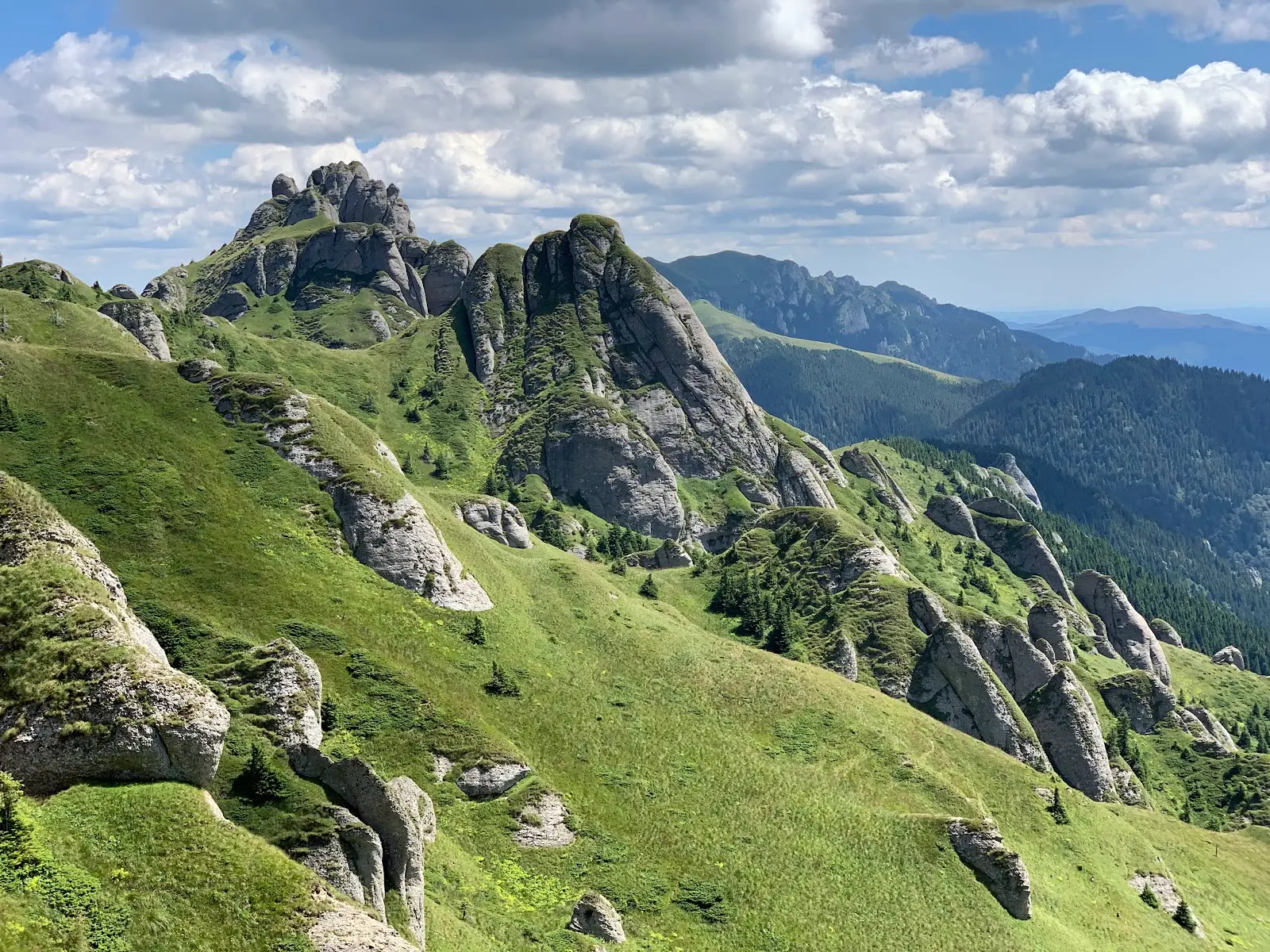
Toaca Peak, at 1,904 metres, is one of the highest and most spectacular points of the Ceahlău Massif, the sacred mountain of Moldavia, in Neamț County. With its pyramidal silhouette, remarkable among the other summits, Toaca rises above the Ceahlău plateau and offers, on clear days, one of the vastest panoramas in the Eastern Carpathians, taking in the Izvorul Muntelui reservoir, the neighbouring ridges and, in the distance, the Moldavian plain. The ascent is made on a long metal staircase, fitted to the final steep section, which eases the climb to the crest. On the summit stands an old weather station, and nearby, on the plateau, rise a hermitage and a commemorative cross. The Ceahlău, a protected area, is bound to old Dacian legends and to the tradition of pilgrimages. Practical note: set out very early, dress for changeable weather and avoid the ridge in a storm, for fog can suddenly wrap the mountain at altitude.
 Mountain
Vârful Ciucaș
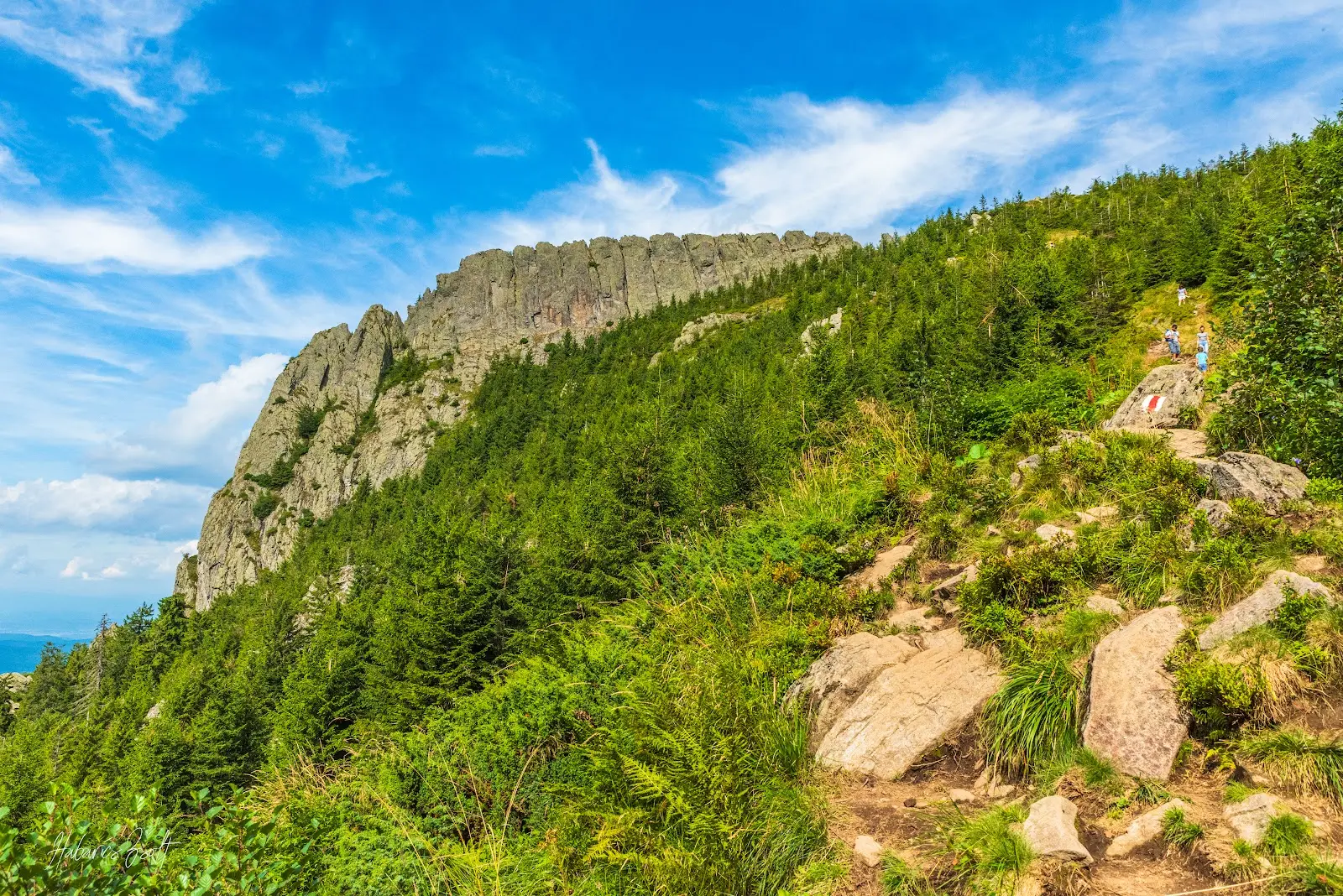
Ciucas Peak, the highest point of the massif of the same name in the Bend Carpathians, rises to over 1,900 metres and offers some of the most spectacular views in the border area between Transylvania and Wallachia. The Ciucas massif is famous for its conglomerate formations with strange shapes, carved by wind and weather, to which popular imagination has given suggestive names. The marked trails leading to the peak cross alpine meadows, dwarf-pine thickets and rocky ridges, and are accessible to hikers of average fitness. From the summit the panorama opens towards the surrounding mountain ranges and, on a clear day, into wide distances. The area is prized both in summer, for hiking, and for its winter landscapes. Proper mountain gear and checking the weather forecast are recommended, since conditions can change quickly at altitude.
 Mountain
Creasta Cocoșului
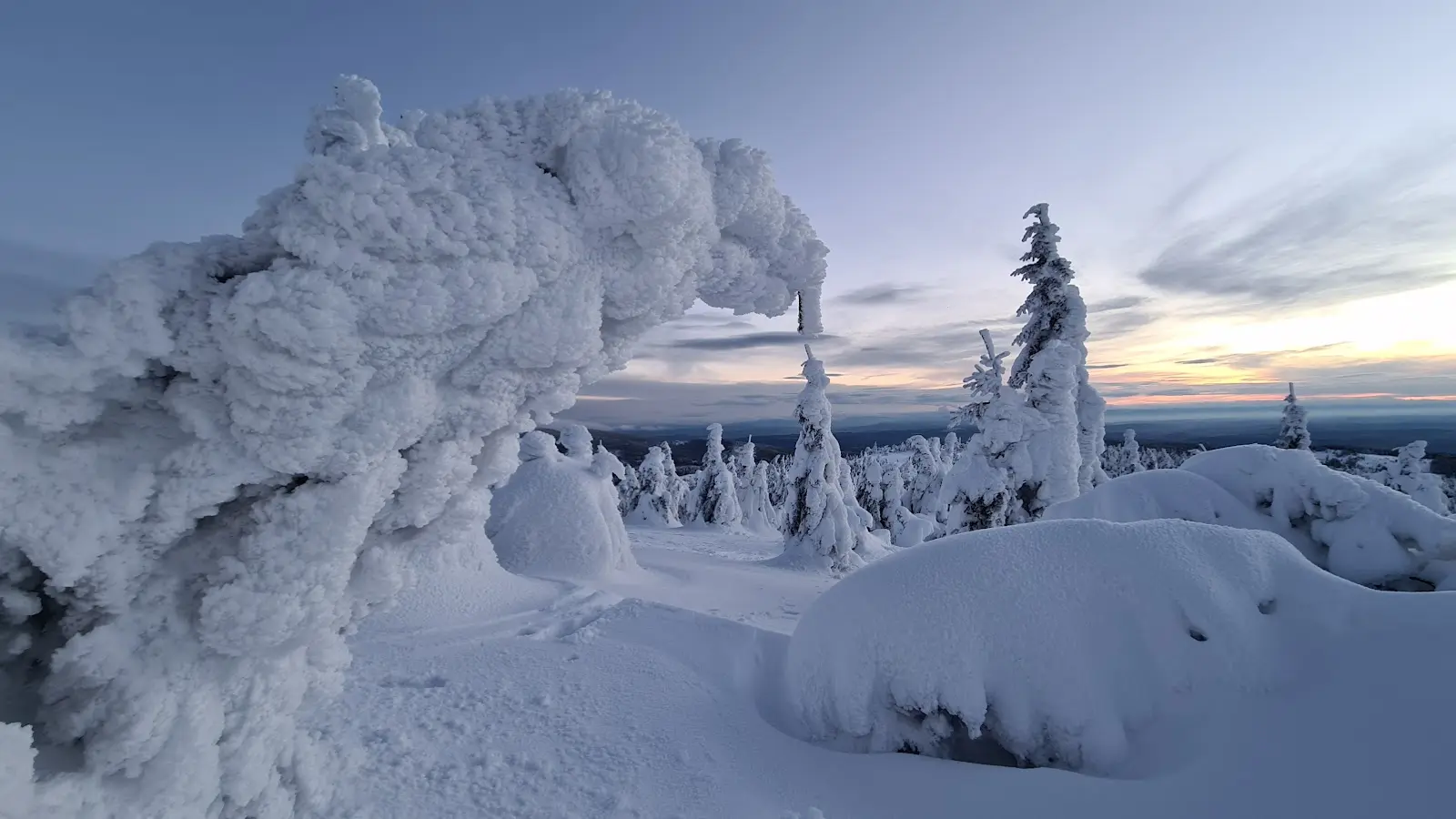
Creasta Cocosului, the Rooster's Crest, is one of the most spectacular rock formations in the Gutai mountains, in the heart of Maramures, a jagged volcanic ridge rising above the surrounding forests and meadows. Its evocative name comes from the toothed profile of the rocks, which recalls the comb of a rooster. Formed of volcanic rock, the crest is the result of long geological activity and erosion, and is protected as a nature reserve for its scenic and scientific value. The marked trails leading to the ridge cross forests of beech and spruce, offering along the way views towards the basins and villages of Maramures. From the top the panorama opens towards the surrounding mountain ranges. The place is prized by hikers and photographers, especially at sunrise and sunset. Mountain gear and care on the rocky stretches are recommended.
 Mountain
Vârful Harghita-Mădăraș
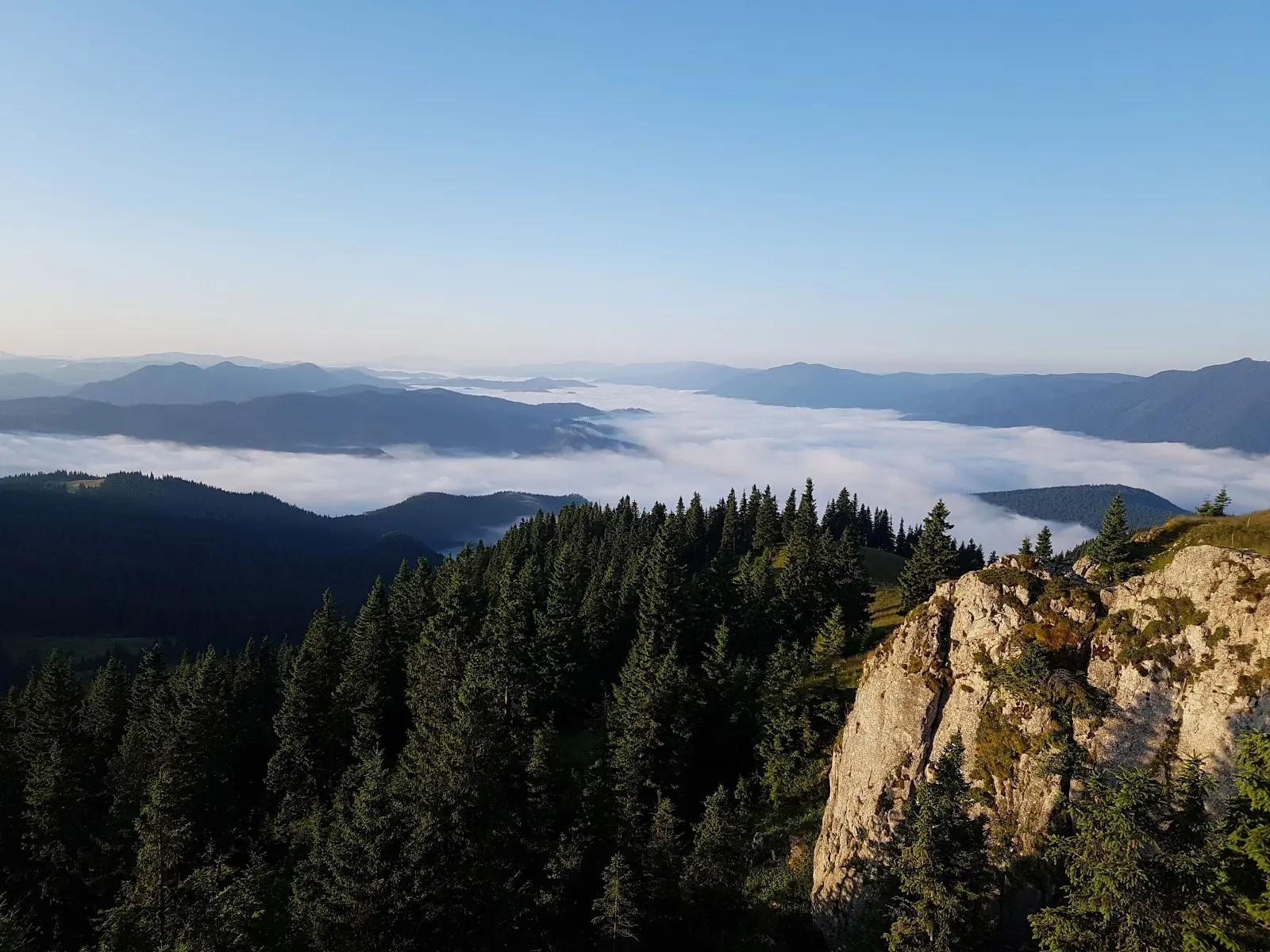
Harghita-Madaras Peak is the highest point of the Harghita mountains, a volcanic range in eastern Transylvania, rising to over 1,800 metres. The summit offers wide views over the surrounding basins and Szekler villages, as well as over the neighbouring mountain ranges. The Harghita mountains, formed of volcanic rock, preserve the traces of ancient geological activity and shelter extensive forests of spruce and beech, alpine meadows and peat bogs. At the foot of the peak lies a small ski resort, which makes the area attractive both in summer, for hiking, and in winter, for seasonal sports. The marked trails leading to the ridge are accessible to hikers of average fitness. Proper mountain gear and checking the weather forecast are recommended, since conditions can change quickly at altitude, especially in the cold season.
 Viewpoint
Vârful Rarău
Rarau Peak is one of the best-known viewpoints in Bucovina, set in the Rarau-Giumalau massif high above the town of Campulung Moldovenesc. The area is famous for its broad views over the mountains of northern Moldavia, but above all for the nearby Pietrele Doamnei, a spectacular limestone formation of sharp towers and ridges much appreciated by hikers and climbers. From the peak and the neighbouring ridges, wide panoramas open towards the wooded summits and, on clear days, to impressive distances. The area is home to a rich flora, including protected species, and forms part of a nature reserve. Access is by marked trails starting from the valley or from the nearby chalet, and the hike passes through coniferous forests and alpine meadows. Mountain gear, water and attention to the changeable high-altitude weather are recommended. Rarau is an excellent destination for lovers of nature and mountain landscapes.
 Mountain
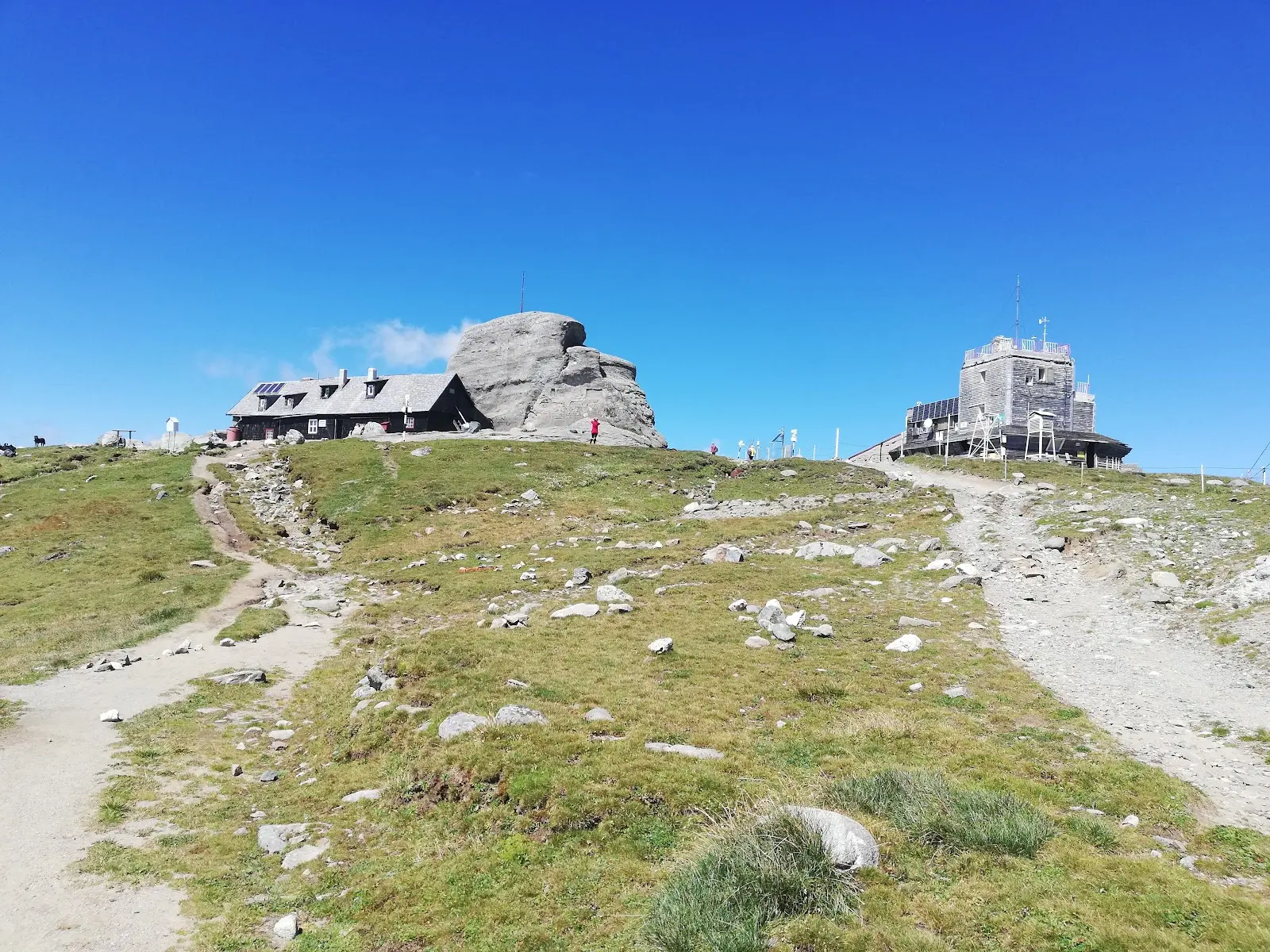
Vârful Omu
Omu Peak is the highest summit of the Bucegi Mountains and one of the most important points of the Southern Carpathians, rising above 2500 metres. Set at the meeting of the main ridges of the massif, above the resort of Sinaia, the peak offers spectacular panoramas towards the surrounding summits, the Piatra Craiului Mountains and, on clear days, impressive distances. On the summit stand a chalet and a weather station, among the highest in the country. Access is exclusively on foot, along marked trails starting from Busteni, Sinaia or other points, demanding hikes that cross the alpine plateau and rocky ground. As this is a high-altitude peak, the weather is harsh and can change suddenly even in summer, with strong wind, fog and cold. Full mountain gear, good physical condition and caution are required. Omu Peak is a reference destination for hikers and mountain enthusiasts.
 Mountain
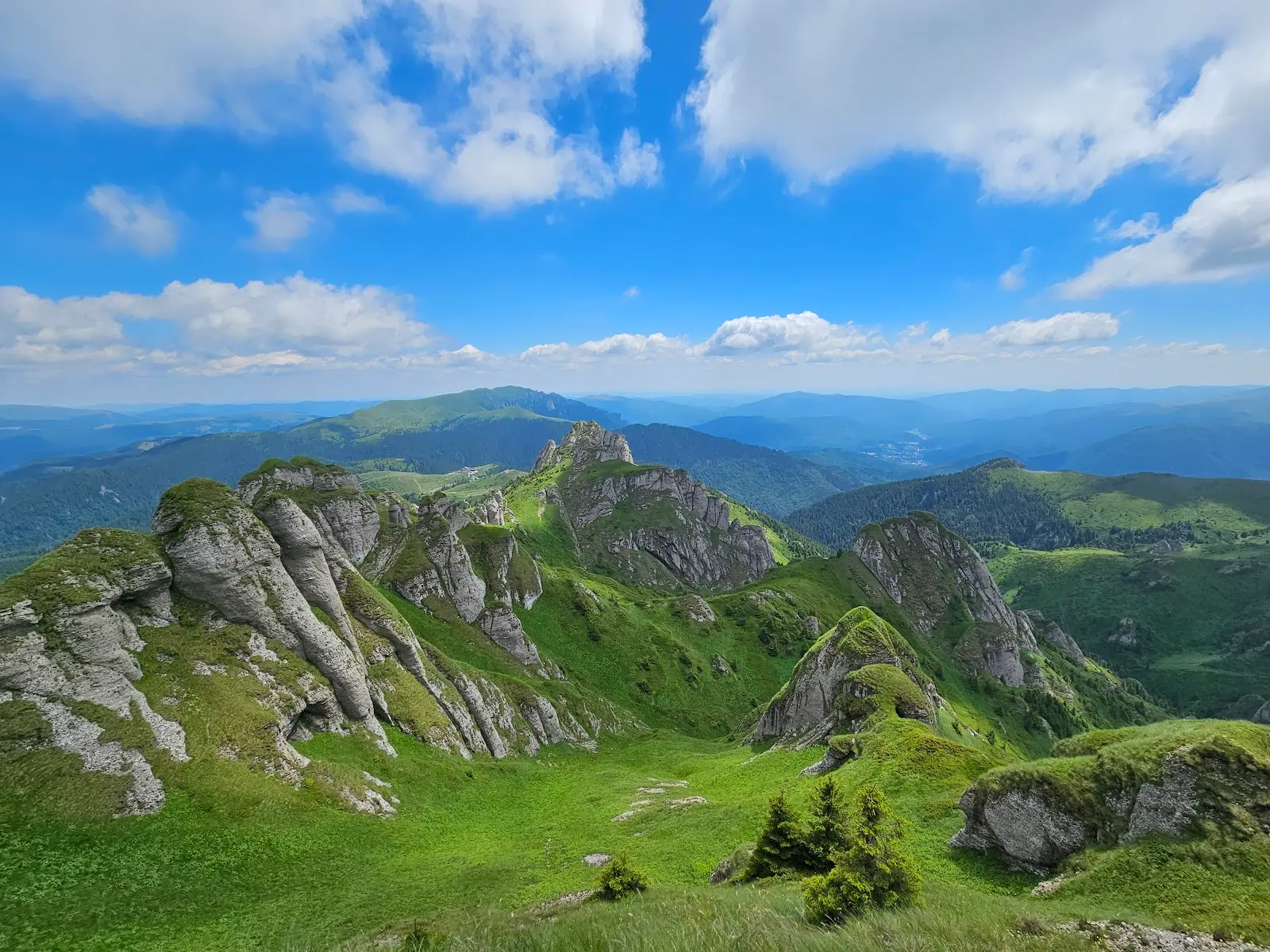
Munții Ciucaș
The Ciucas Mountains are part of the Curvature Carpathians and are famous for their spectacular landscapes, dominated by rock formations of strange shapes modelled by erosion, such as the celebrated Tigaile Mari and Babele la Sfat. Set where historic regions meet, near the villages of the Covasna area and the Teleajen Valley, the mountains are appreciated by hikers for their accessible trails and wide views over the surrounding ridges. The rich vegetation includes extensive dwarf-pine thickets and alpine meadows dotted with mountain flowers, and in certain areas stands of Carpathian rhododendron flower in summer. The network of marked paths links the main points of interest, and the chalet in the massif offers a base for hikers. As mountains of moderate altitude, Ciucas suits beginners too, but the weather can change quickly, so suitable gear and caution are needed. The area is an excellent destination for day hikes and for lovers of nature.
 Mountain
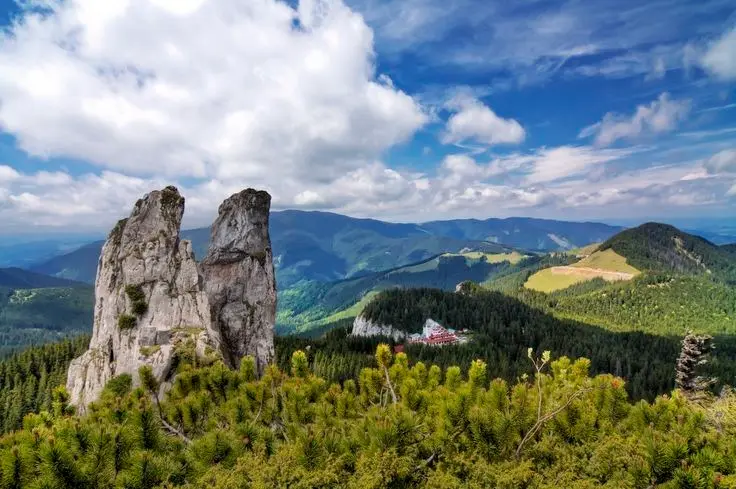
Pietrele Doamnei
Pietrele Doamnei, the Lady's Rocks, form the most striking rock ensemble in the Rarău Massif, rising from a limestone ridge at more than 1,600 metres near the town of Câmpulung Moldovenesc, in the heart of Bucovina. The Jurassic limestone formations, shaped over millions of years by wind, rain and frost, stand as towering pinnacles and jagged crests that seem to guard the surrounding coniferous forests. The name is tied to an old legend about the wife of the prince Petru Rareș, who is said to have taken refuge here in times of danger. From the plateau and the base of the crags, wide views open toward the Obcinele Bucovinei ridges and the Moldova valley below. The area is a protected nature reserve, popular with hikers and climbers, and marked trails start from the nearby Rarău resort. Practical note: bring sturdy mountain footwear and layered clothing, as the weather at altitude changes quickly and the descent can be slippery when wet.
 Mountain
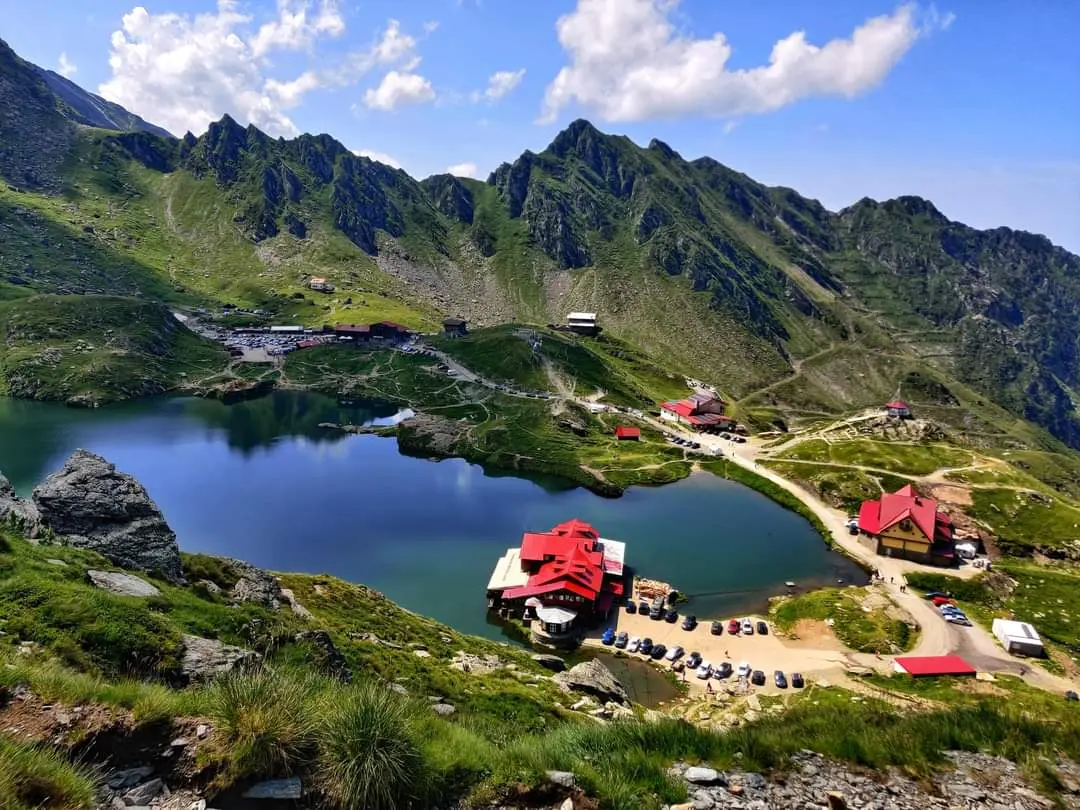
Munții Făgăraș
The Făgăraș Mountains form the highest and most imposing ridge in the Southern Carpathians and in all of Romania, home to peaks exceeding 2,500 metres, among them Moldoveanu and Negoiu, the tallest in the country. This long alpine ridge, south of the town of Făgăraș in Transylvania, is famous for its spectacular scenery, with glacial valleys, high-altitude lakes, sharp aretes and wide pastures. The ridge trails offer demanding hikes rewarded with sweeping views, while glacial lakes such as Bâlea and Capra draw many visitors. The famous Transfăgărășan road, a high-altitude route with spectacular hairpin bends, crosses these mountains and is usually open only in the warm season. The area is also home to rich wildlife, including bears, chamois and birds of prey. Practical note: high-altitude hikes require proper equipment, physical fitness and attention to sudden weather changes, and crossing the ridge should be planned in advance with the forecast checked.
 Nature
Cetățile Rădesei (Padiș)
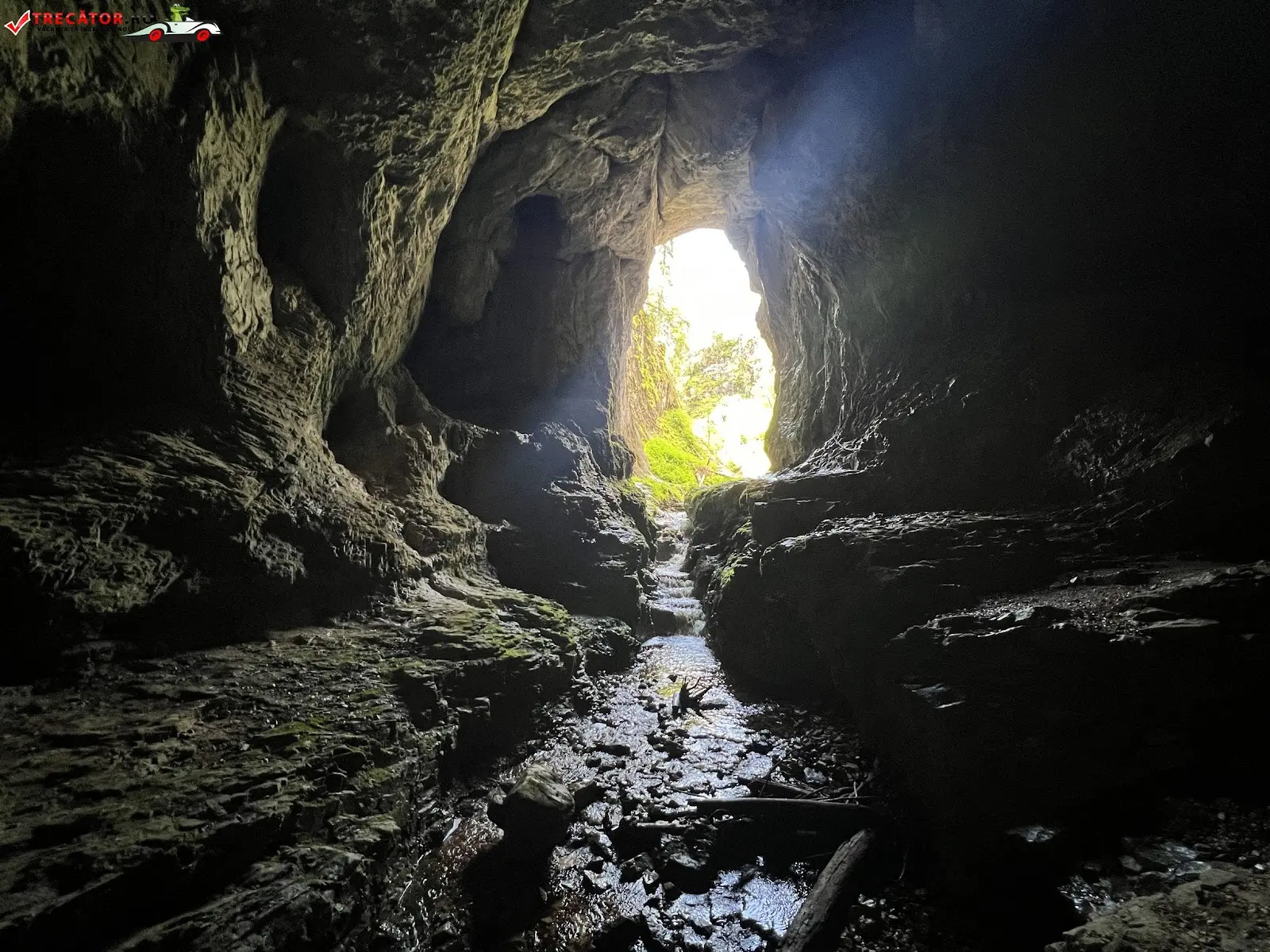
Cetățile Rădesei, the Rădeasa Citadels, form a spectacular karst ensemble in the Apuseni Mountains, in the Padiș area east of Oradea, in Crișana. The name evokes the look of the place, where the tall limestone walls and the water-carved galleries recall the walls of a natural fortress. The central feature is a tunnel cave through which a stream flows, its ceiling pierced by several shafts that let in daylight, creating shifting shadows and beams of great beauty. The visiting route passes through this gallery and continues along a narrow canyon bordered by steep cliffs and rich vegetation. The Padiș area is a true karst plateau, dotted with caves, sinkholes, springs and gorges, a paradise for hikers and lovers of wild nature. Practical note: crossing through the cave involves wading through water and over slippery stones, so footwear that can get wet, extra caution and, ideally, the company of someone familiar with the Padiș trails are needed.
 Mountain
Masivul Ceahlău
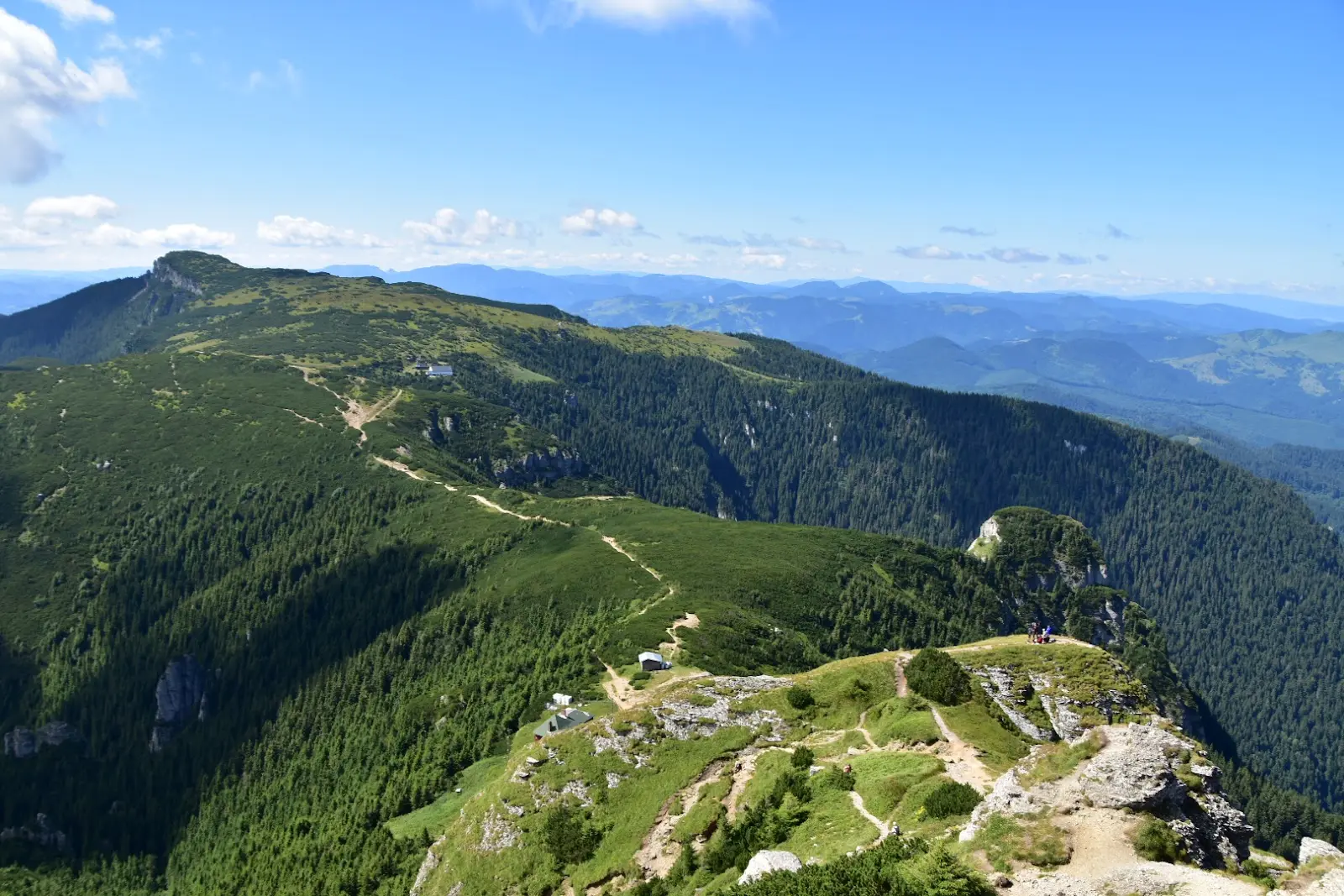
The Ceahlău Massif is one of Romania's most famous mountains, rising proudly above Lake Izvorul Muntelui and its surroundings in Neamț County, in Moldavia. Regarded as a holy mountain in folk tradition, Ceahlău has inspired numerous legends and was long a place of pilgrimage. Its spectacular rock formations, with crags bearing names such as Panaghia and Toaca, stand out impressively against the sky, and from its peaks wide views open toward the surrounding mountains and valleys. A special phenomenon, known as the pyramidal shadow of Ceahlău, can be seen in certain light conditions. The mountain is part of a national park that protects its rich flora and fauna, including rare species. Marked trails start from several directions and lead to the upper plateau, where a chalet stands. Practical note: the climb requires good physical condition and mountain equipment, and the weather at altitude can change quickly, so checking the forecast is essential.
 Mountain
Transalpina (Pasul Urdele)
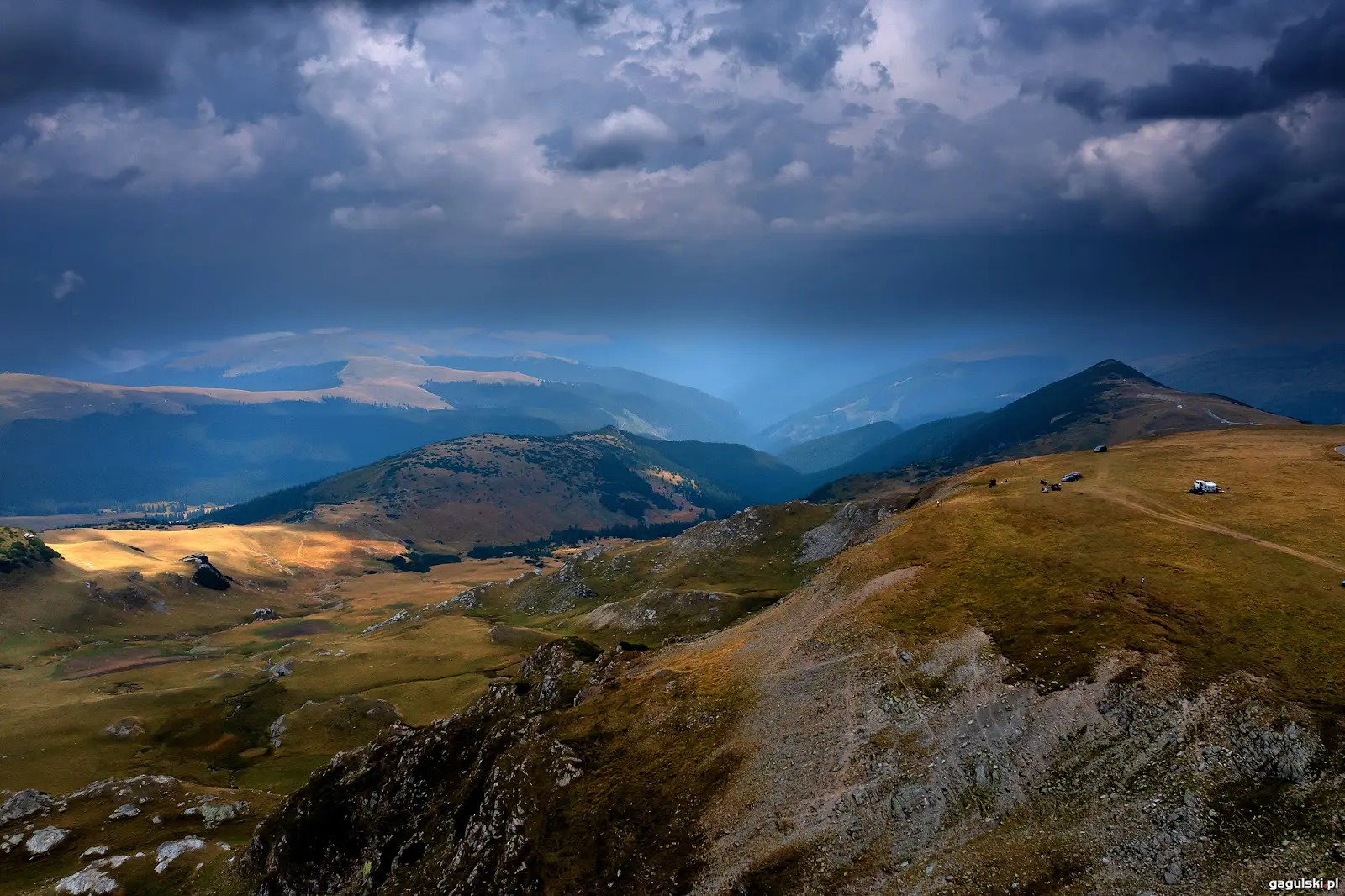
The Transalpina is the highest road in Romania, a spectacular route that crosses the Parâng massif of the Southern Carpathians, linking Oltenia to Transylvania over alpine ridges. The Urdele Pass, the highest point of the road, sits at over 2100 metres, offering broad views over the bare summits, the deep valleys and the alpine meadows that stretch as far as the eye can see. The road, with historical origins lost in antiquity and modernised in recent times, climbs in switchbacks above the tree line, through a wild, bare landscape often swept by wind and shrouded in mist. Flocks of sheep graze on either side of the highway, and in the warm season the slopes are covered with flowers. Because of the altitude, the road is passable only in the warm months, being closed in winter due to heavy snow. The route is prized by motorcyclists, cyclists and lovers of mountain scenery, offering one of the most memorable driving experiences in the country, with many stops for photographs.
 Mountain
Vârful Pietrosul Rodnei
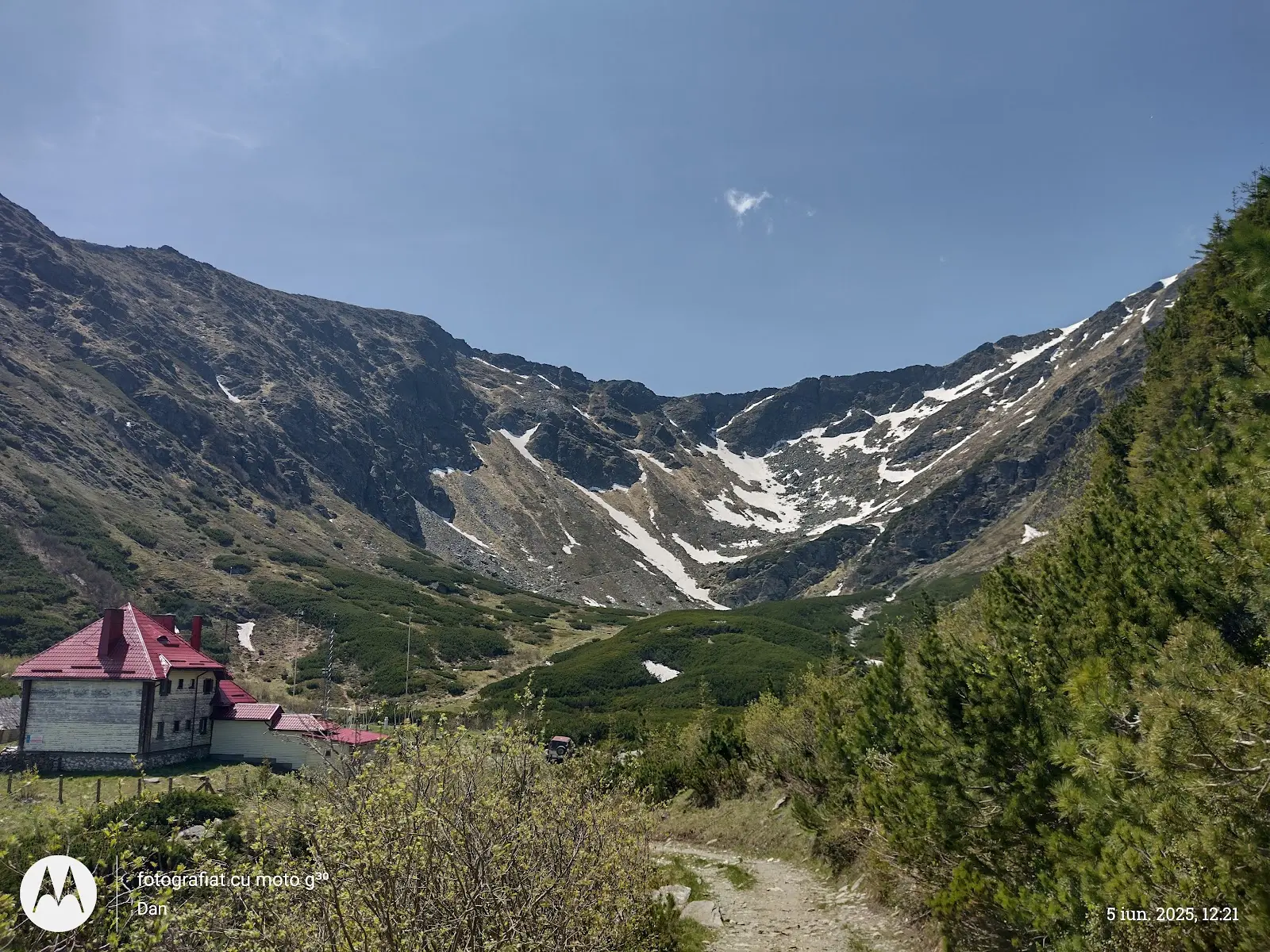
Pietrosul Rodnei Peak is the highest point of the Rodna Mountains and of the entire eastern branch of the Carpathians, rising above 2300 metres over the town of Borșa in Maramureș. Its alpine summit dominates a landscape of singular beauty, with rocky crests, glacial cirques carved by former glaciers and broad meadows scattered with rare flowers typical of the alpine zone. Beneath the peak lies the glacial lake Iezer, a mirror of clear water framed by steep walls, one of the emblematic landmarks of the massif. The area is protected by a national park and an internationally recognised biosphere reserve, sheltering chamois, marmots and many endemic plant species. The ascent to the peak begins in the Borșa area and demands good fitness, proper equipment and caution towards sudden weather changes. From the ridge open sweeping views over the Eastern Carpathians and the distant villages. The effort of the climb is fully rewarded by the grand panoramas and the sense of mountain solitude.
 Nature
Lacul Bucura
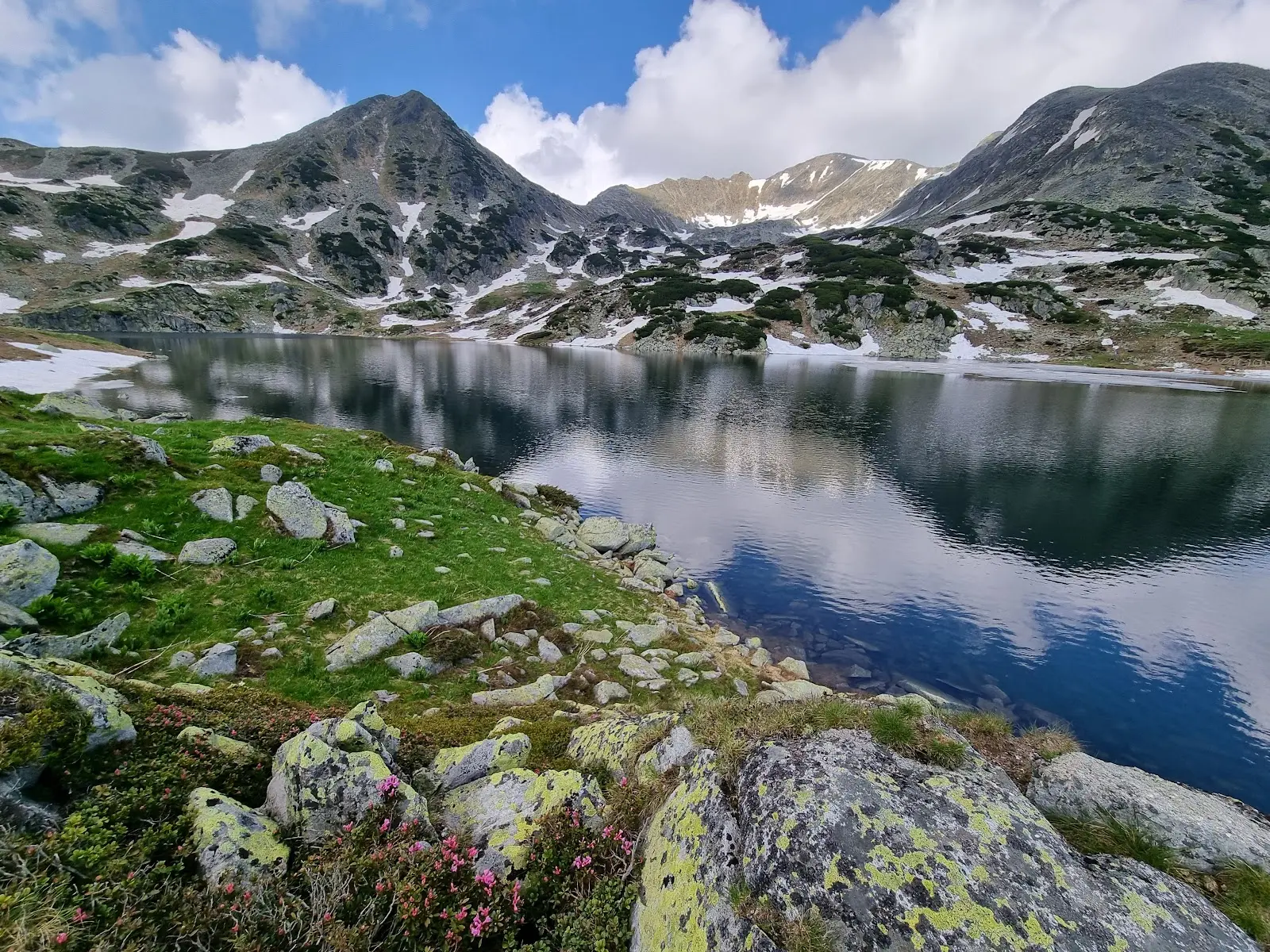
Lake Bucura is the largest glacial lake in Romania, set at over 2000 metres altitude in the heart of the Retezat massif in Hunedoara county, one of the wildest and most beautiful corners of the Southern Carpathians. Formed after the retreat of former glaciers, the lake spreads within a broad cirque surrounded by lofty peaks and alpine meadows scattered with boulders, offering scenery of grand beauty. The clear water reflects the surrounding crests, and the area is considered one of the most spectacular in the entire Carpathian chain. The lake lies within the Retezat national park, an internationally recognised biosphere reserve that shelters numerous glacial lakes, chamois, marmots and a rich flora, including endemic species. The Bucura area is a central point for hiking and a popular camping spot for those exploring the massif, with many trails setting off here towards the surrounding peaks. Access demands effort and good fitness, but the alpine scenery fully rewards the long climb.
 Mountain
Muntele Piatra Mare
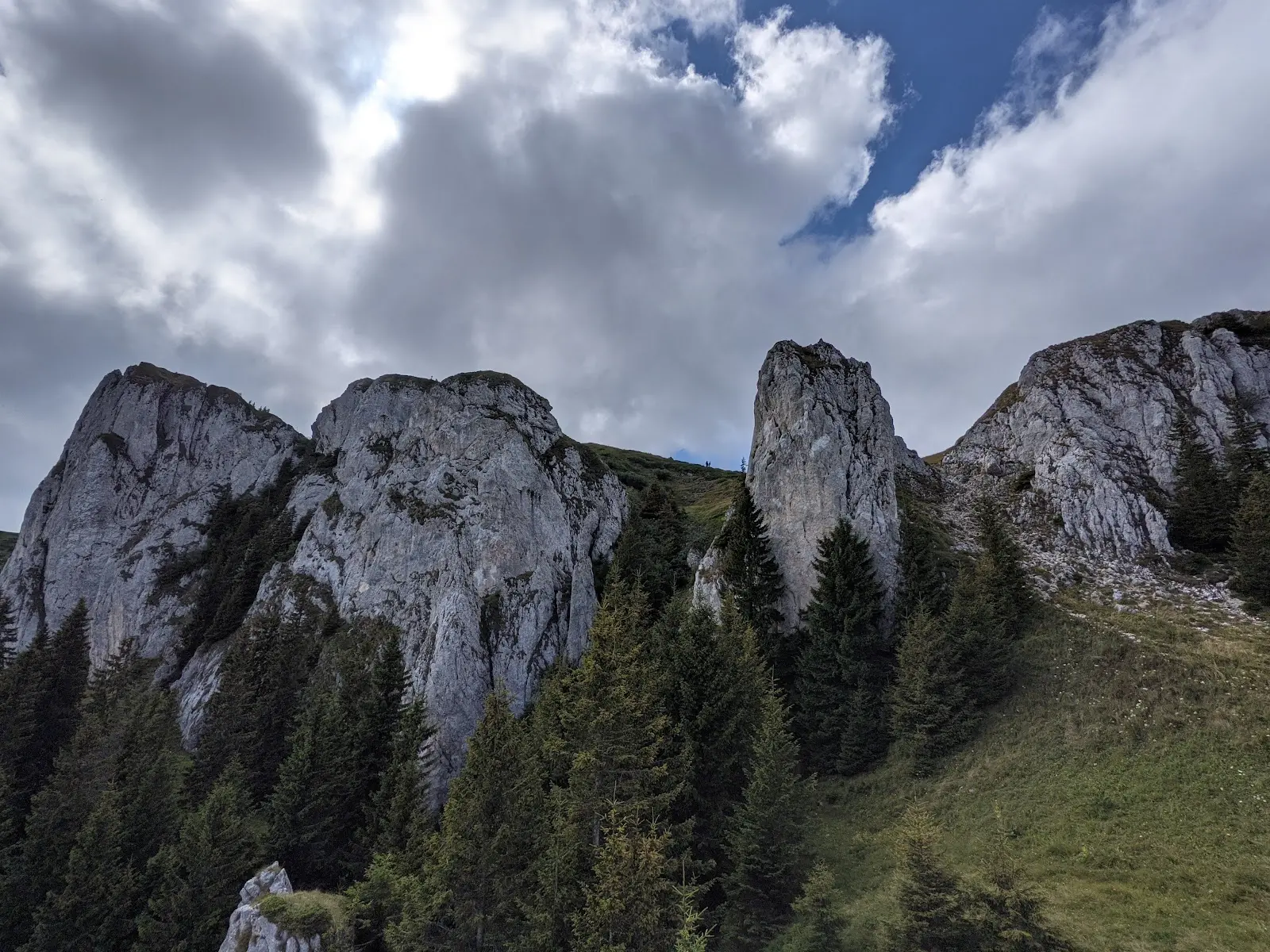
Piatra Mare Mountain is a limestone massif of the Curvature Carpathians, near the resort of Predeal and the town of Brașov, prized by hikers for its varied scenery and the spectacular trails that cross it. The main crest, which exceeds 1800 metres, offers broad views over the neighbouring massifs, among them Bucegi, Postăvaru and Ciucaș, as well as over the surrounding valleys and forests. The mountain is renowned for its remarkable natural features, among them the Seven Ladders Canyon, a narrow defile of successive waterfalls equipped with metal ladders for passage, and the Ice Cave, where ice persists even in the warm season. The forested slopes, steep cliffs and springs add to the diversity of the landscape, and the area shelters a rich flora and fauna typical of the mountain environment. The hiking trails set off from Predeal, Timișul de Sus and other nearby villages, demanding good fitness and proper equipment. Piatra Mare remains a favourite destination for day trips in the heart of the Carpathians.
 Nature
Cheile Galbenei
 Nature
Tinovul Mohoș
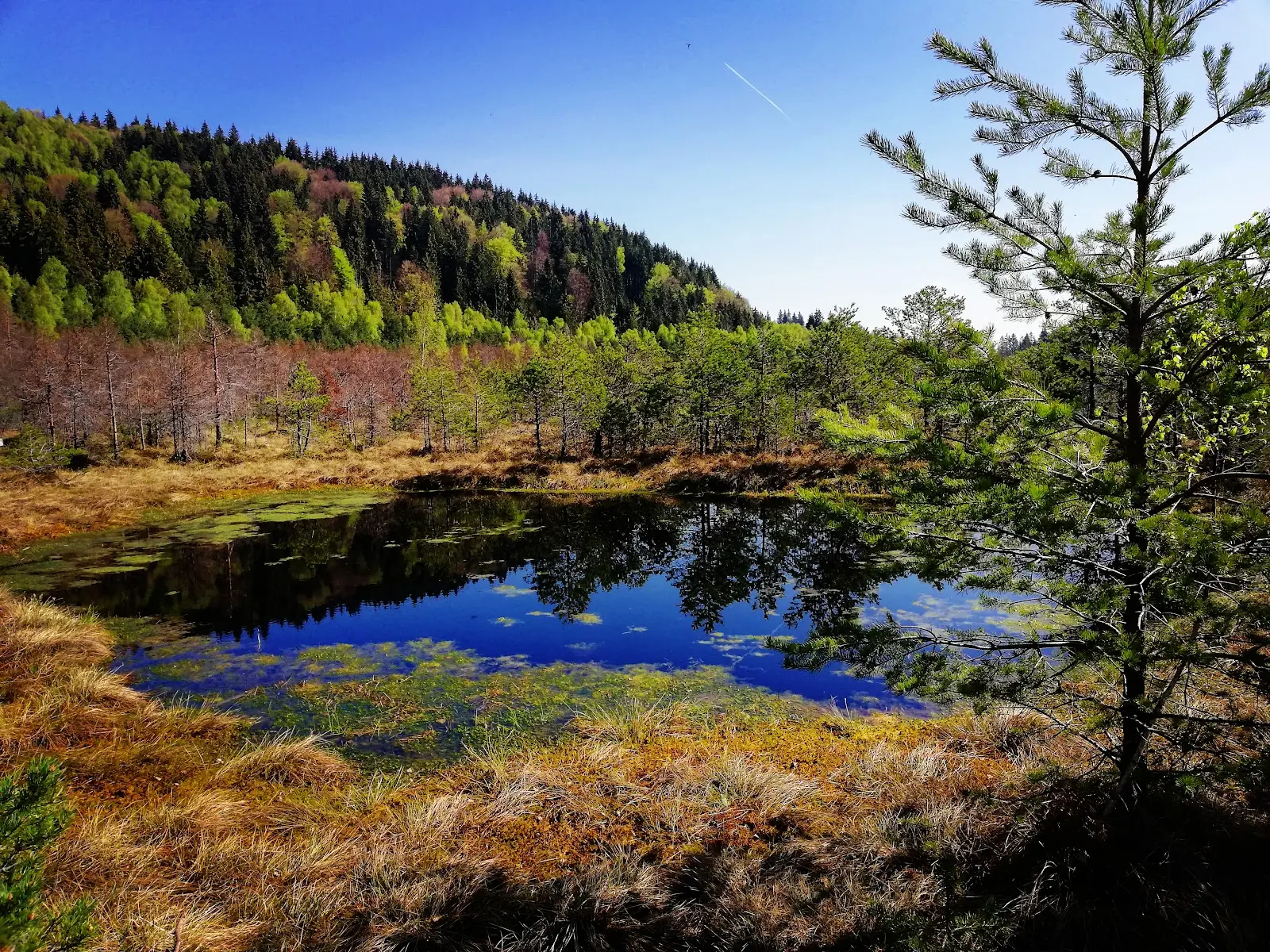
Mohoș Peat Bog is one of the most spectacular nature reserves in eastern Transylvania, a peat marsh set in the crater of an ancient volcano in the Ciomatu Mountains, near the town of Miercurea Ciuc and the famous Saint Ana Lake. This oligotrophic bog, formed over millennia through the accumulation of peat, shelters rare and relict vegetation, a testimony to the glacial ages of old, including carnivorous plants such as sundew, peat mosses and dwarf conifer species adapted to the acidic, nutrient-poor environment. In the middle of the bog lie small pools of clear water, windows into the depths of the marsh. Visits are made along a path laid out with wooden walkways that protect the fragile ecosystem while allowing discovery of this unusual world. The reserve is strictly protected, and access is usually with a guide along the marked route. Near Saint Ana Lake, the only volcanic lake in the country, Mohoș Bog rounds out a visit to one of the most fascinating natural areas of the Carpathians.
 Mountain
Rezervația Naturală Cheile Turzii
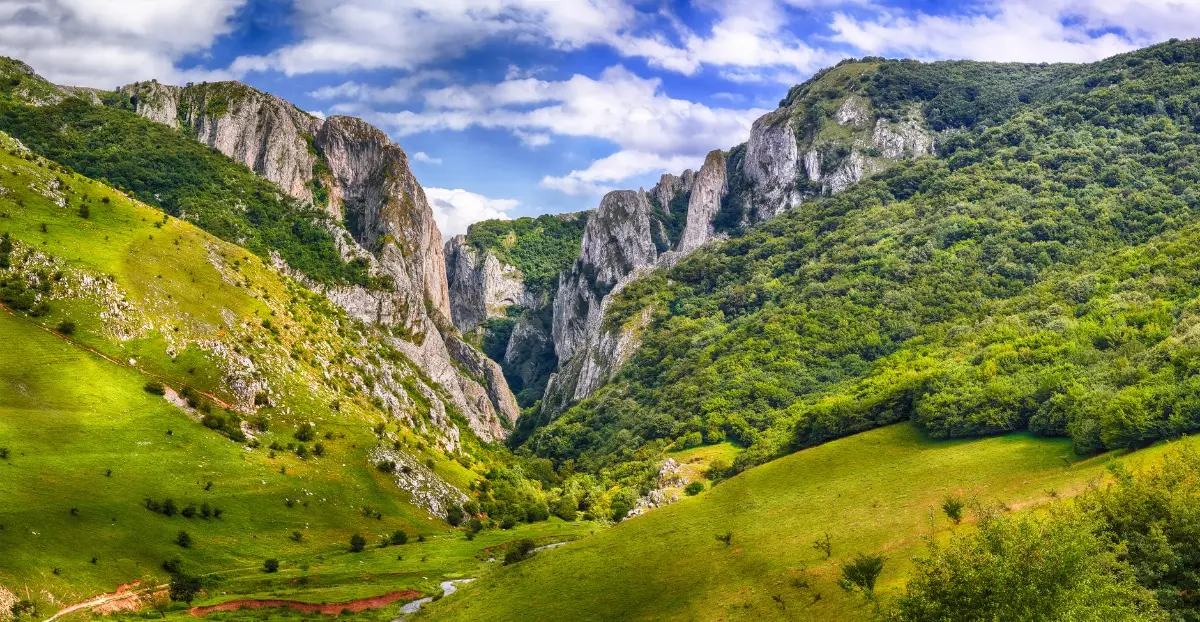
The Turda Gorge Nature Reserve, near Turda, is one of the most spectacular canyons in Transylvania, carved over millennia by the waters of the Hășdate valley through the limestone massif. Sheer walls over a hundred metres high rise dizzyingly on either side of the gorge, sheltering caves, grottoes and a rare flora with unique species, which earned it protected status. A marked route, with trails and footbridges suspended over the stream, winds through the ravine and offers dramatic views at every turn, beloved by hikers and climbers. Spring and autumn are ideal, with rich vegetation and pleasant light. It is a nature destination that is both accessible and impressive, a short distance from Cluj-Napoca. Wear good hiking footwear; check the trail conditions, which can be affected by weather or works.
 Nature
Cheile Bicazului (Gâtul Iadului)
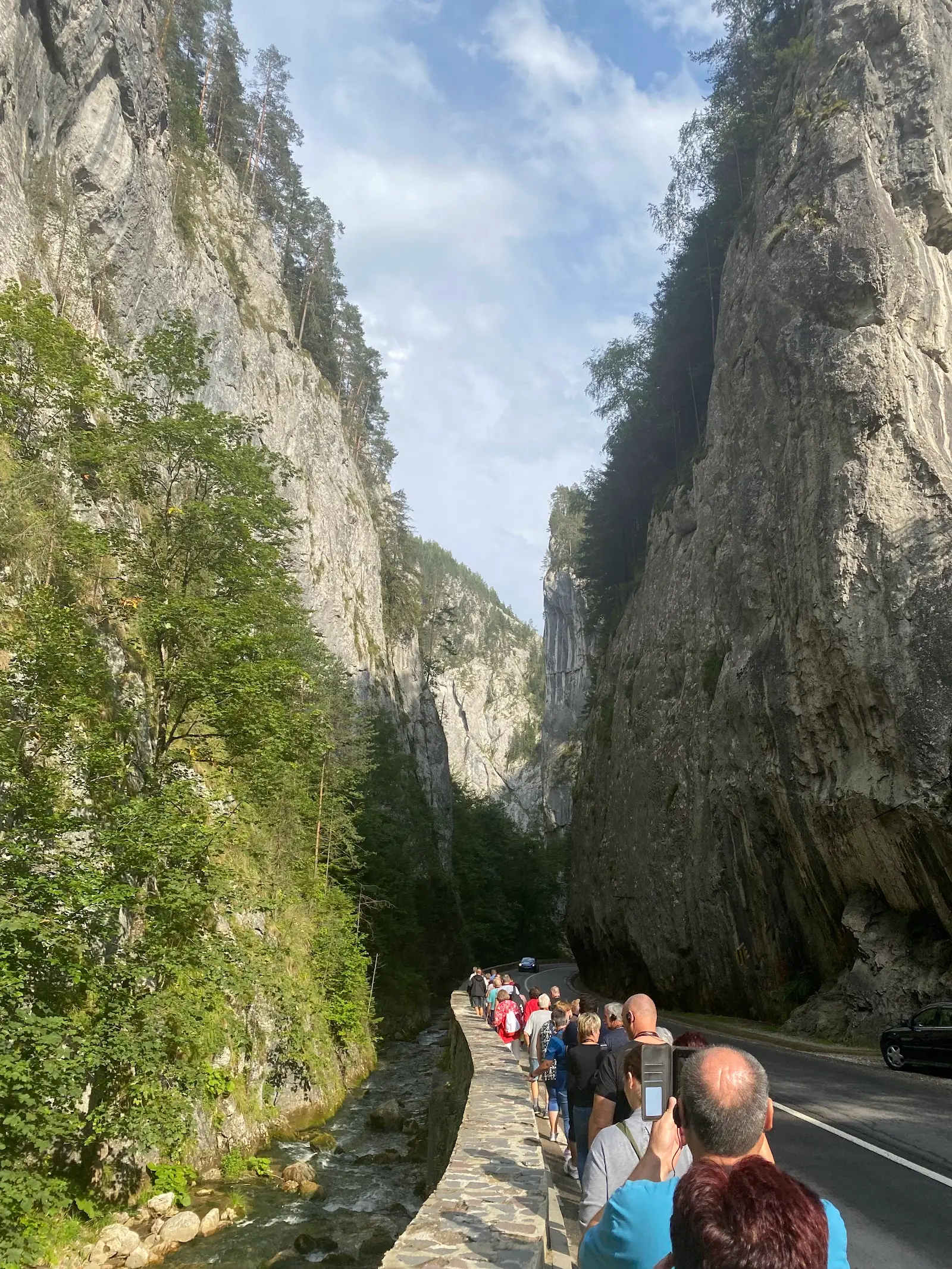
The Bicaz Gorge is one of Romania's most spectacular canyons, carved by the Bicaz river through the limestone of the Hășmaș massif, on the border between Neamț and Harghita. The road winds at the foot of sheer walls hundreds of metres high, so close in the stretch known as the ‘Hell's Throat' that the sky appears only as a narrow ribbon between the cliffs. The route links Transylvania and Moldavia and passes the Red Lake, formed in 1837 by a landslide, with fir trunks still visible beneath the surface. The gorge lies within the Bicaz–Hășmaș National Park and is a paradise for climbers, hikers and photographers, with craft stalls at the base of the walls. It can be driven, but it is worth stopping to walk and feel the true scale of the place. Check road conditions in winter, when it may close due to ice and rockfall.
 Nature
Peștera Ialomiței
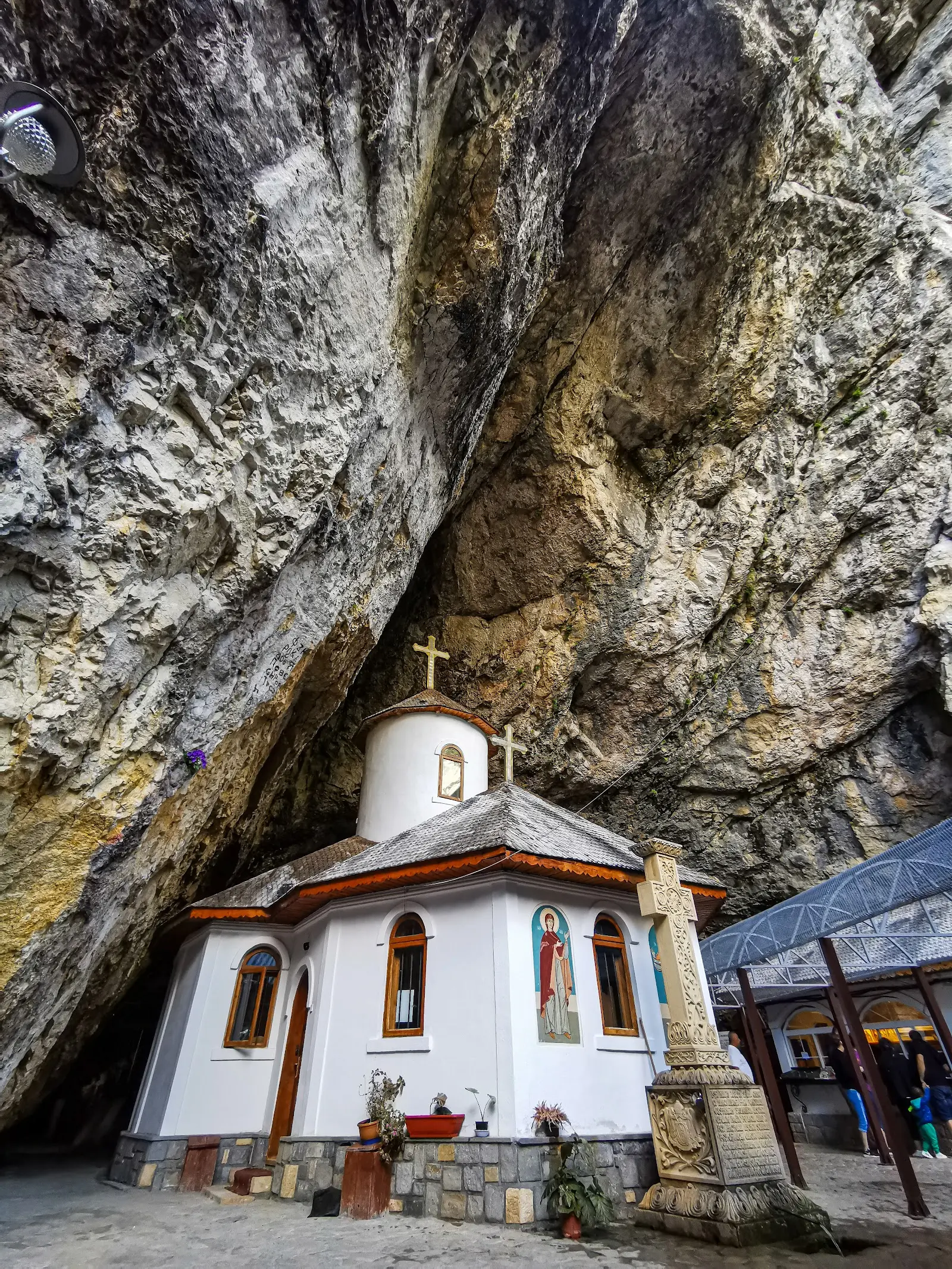
The Ialomița Cave opens in the steep wall of the Ialomița Gorge, in the Bucegi massif, right beside the hermitage of the same name, in one of Romania's most spectacular mountain settings. The wide entrance, guarded by a small white church set against the rock, leads into a gallery arranged for visits, with limestone formations, vaulted chambers and an underground stream. Though not very long, the cave impresses through its atmosphere and its natural surroundings: you reach it by climbing from Padina or the Peștera chalet, among alpine meadows and rock walls. The place also has a spiritual dimension, tied to the tradition of hermits who withdrew here over the centuries. It is a good stop for hikes in the Bucegi, easily combined with the trails to the Sphinx and the Babele. Dress warmly — the cave is cold all year — and check access on the forest road, which depends on the season.
 Park
ParkTeiul lui Eminescu (Parcul Copou)
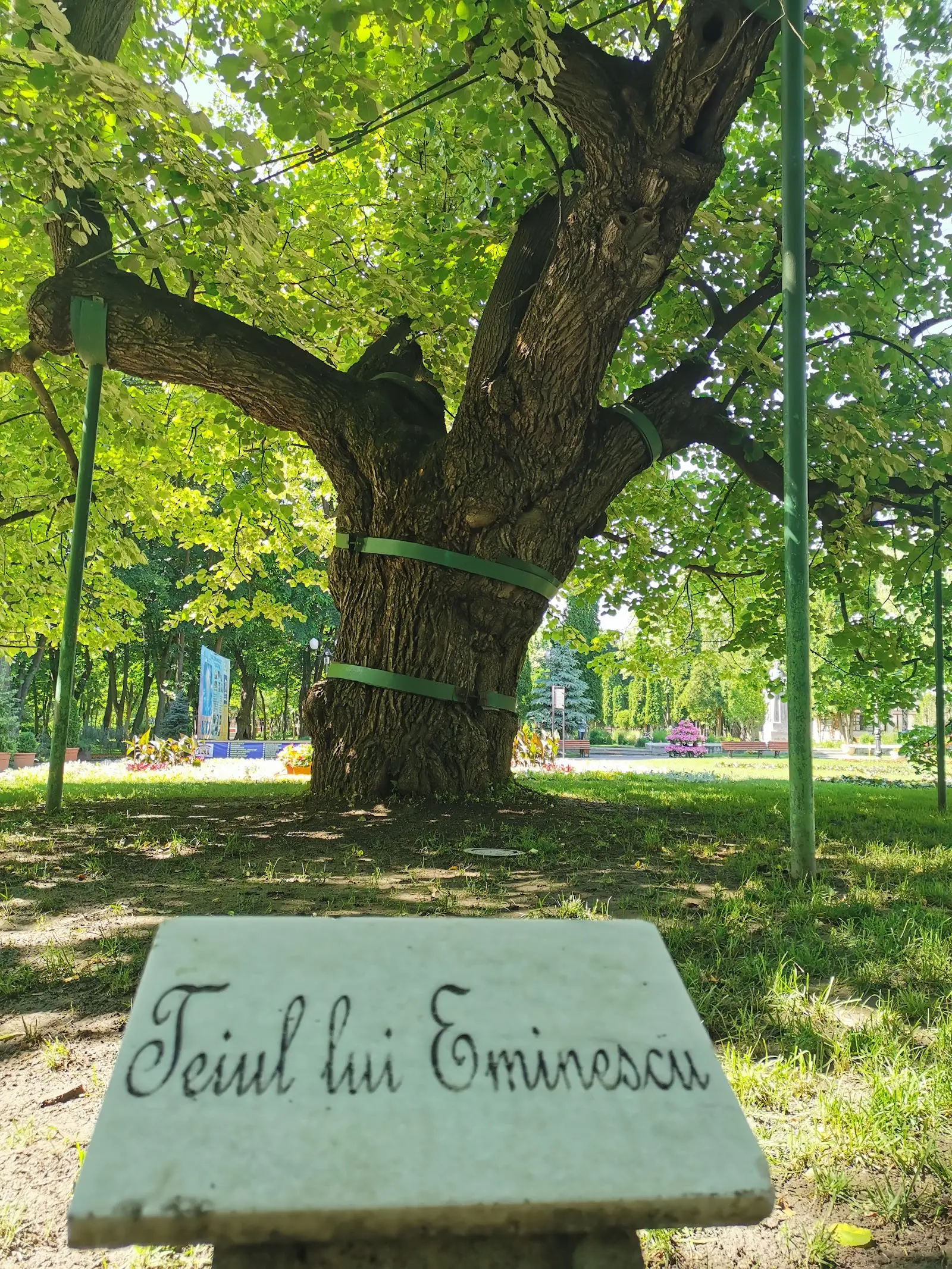
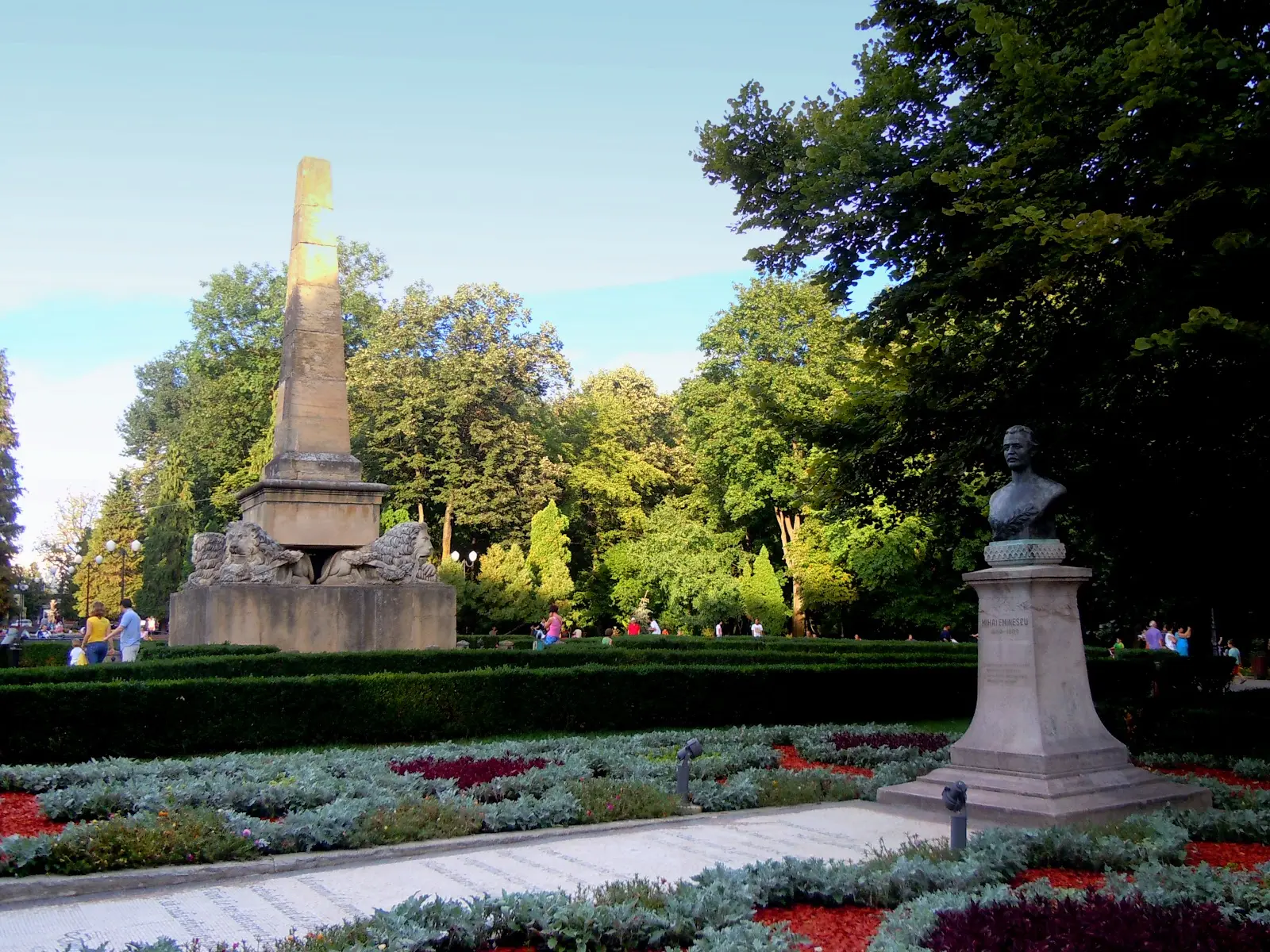
Eminescu Linden in Copou Park is perhaps the most famous tree in Romania, an old lime tree more than three centuries old under which, tradition says, the national poet Mihai Eminescu would sit to write and reflect during his years in Iași. Set in the city oldest public park, laid out in the early 19th century, the linden has become a symbol of Romanian culture and a place of pilgrimage for poetry lovers, especially on the poet day. Nearby stand the Obelisk of Lions, the first public monument in Moldavia, and busts of great writers. Copou Park, with its shaded paths and romantic atmosphere, is the locals favourite place to stroll and a fitting setting for a cultural pause. The visit combines naturally with the Botanical Garden and the nearby palaces. It is a symbolic place, open any time, at its finest in spring and autumn when the park changes colour.
 Nature
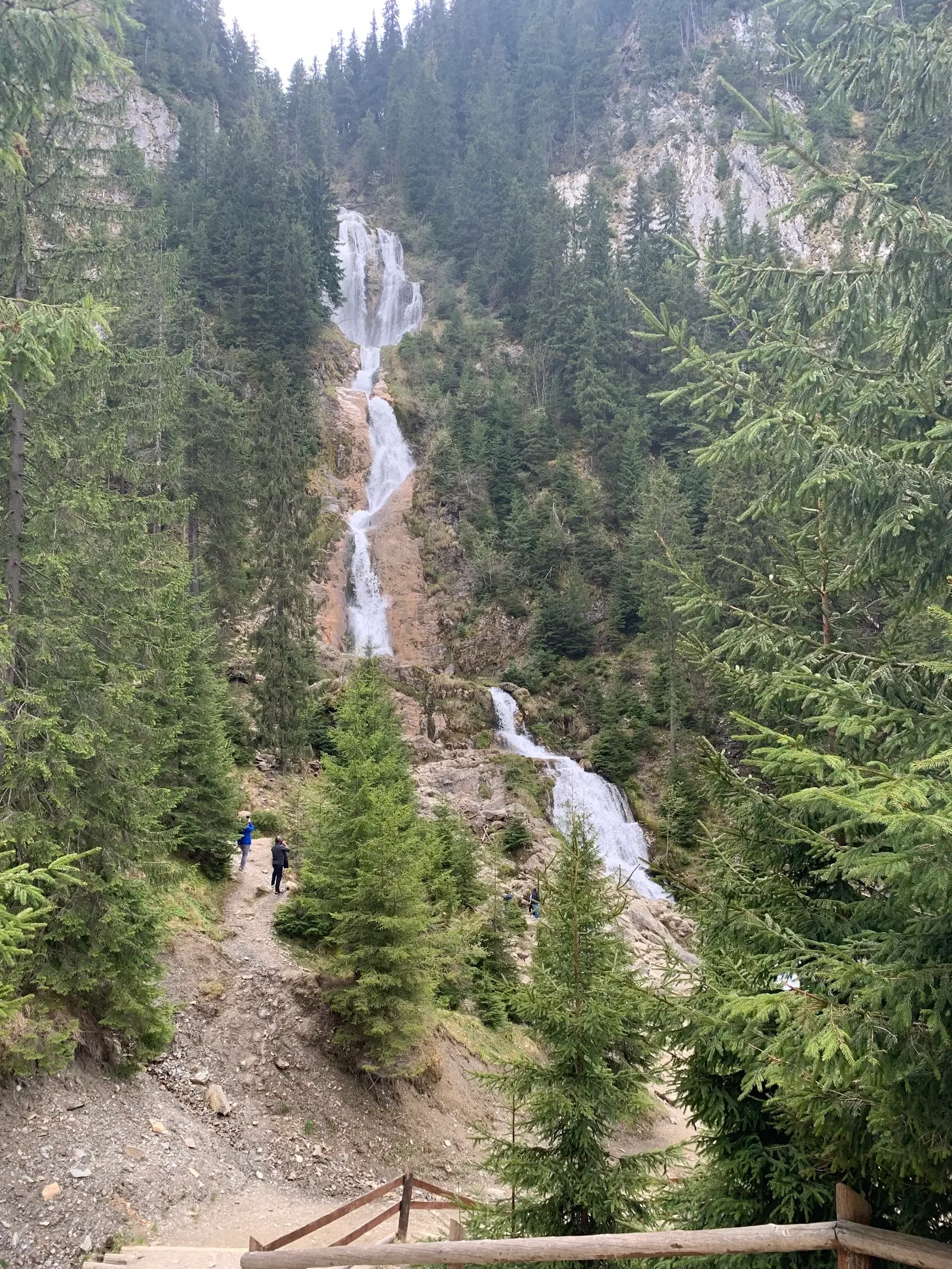
Cascada Cailor Borșa
The Horses' Waterfall is the largest cascade in the Rodna Mountains and one of the most impressive in all of Romania, set above the resort of Borșa in Maramureș. Its water rises from a small glacial lake and a mountain cirque, tumbling in stages over a drop of more than 80 metres through a wild alpine landscape framed by meadows and forest. The legendary name recalls a local tale about wild horses that are said to have fallen from the cliffs. The waterfall lies within Rodna Mountains National Park, a protected area with remarkable biodiversity. Access is either on foot, along a climb that starts near the Borșa ski slope, or by chairlift to a point close by, followed by a short walk to the viewing platform. The sight of the water thread rolling down the wet rock is spectacular in any season. Visitors are advised to wear suitable footwear and to check whether the chairlift is operating.
 Nature
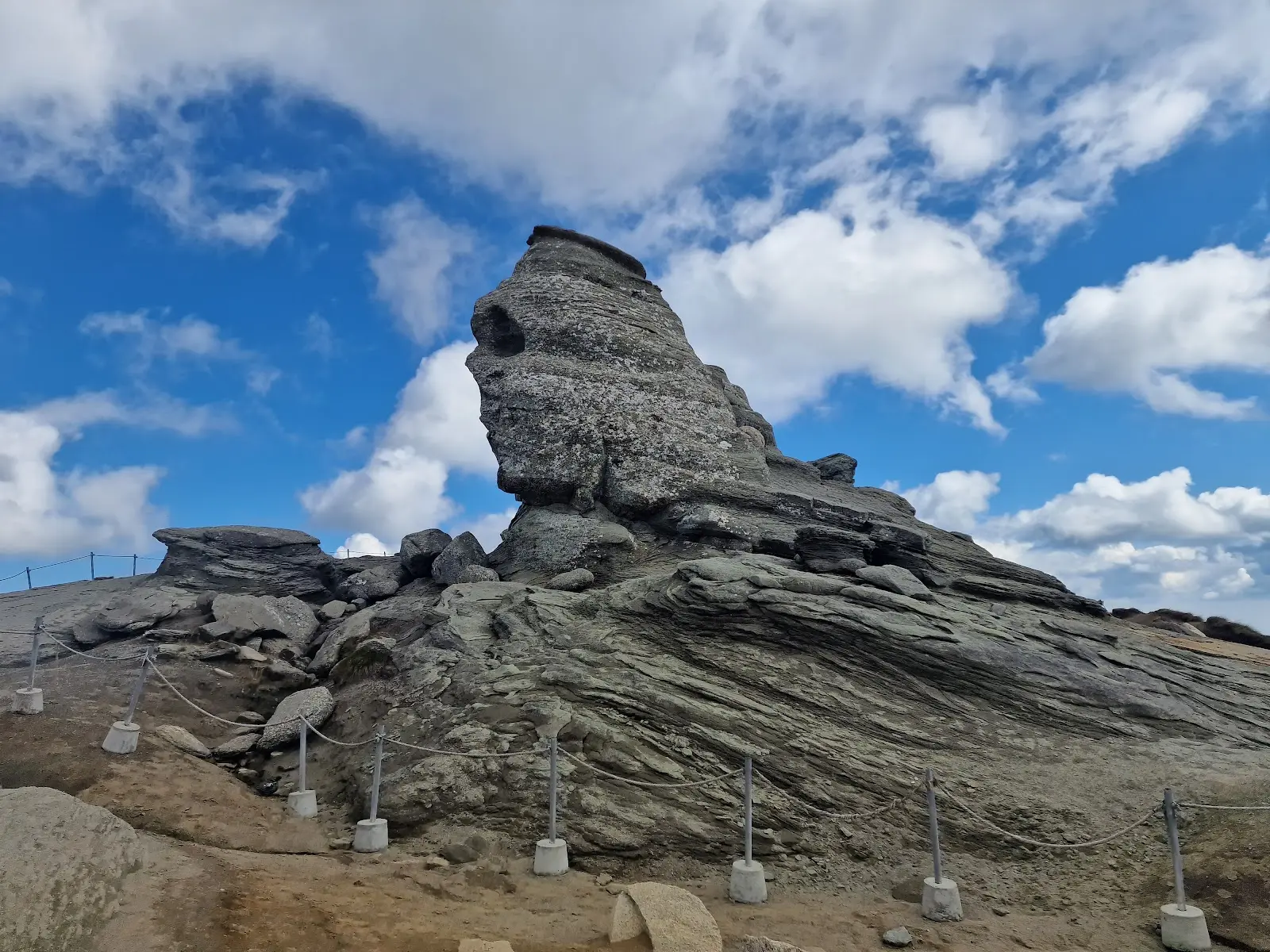
Sfinxul din Bucegi
The Bucegi Sphinx is one of the most famous geological formations in Romania, a natural megalith set on the Bucegi plateau at over 2,200 metres, near the resort of Sinaia and the Babele peak. The rock's silhouette, shaped over thousands of years by the erosion of wind, frost and water, recalls a human face when seen from a certain angle, which has earned it a resemblance to the great Egyptian Sphinx and many legends about energies and a supposed mystical charge. Alongside the formations known as Babele, the Sphinx is part of a spectacular alpine landscape, with expanses of meadow, rock and wide panoramas over the Carpathians. Access is usually by cable car from Bușteni or Sinaia, followed by a short hike across the plateau, or by longer mountain trails. The place is heavily visited, especially in summer. Visitors are advised to prepare for changeable alpine conditions, since the weather at altitude can quickly turn cold and foggy even in the warm season.
 Nature
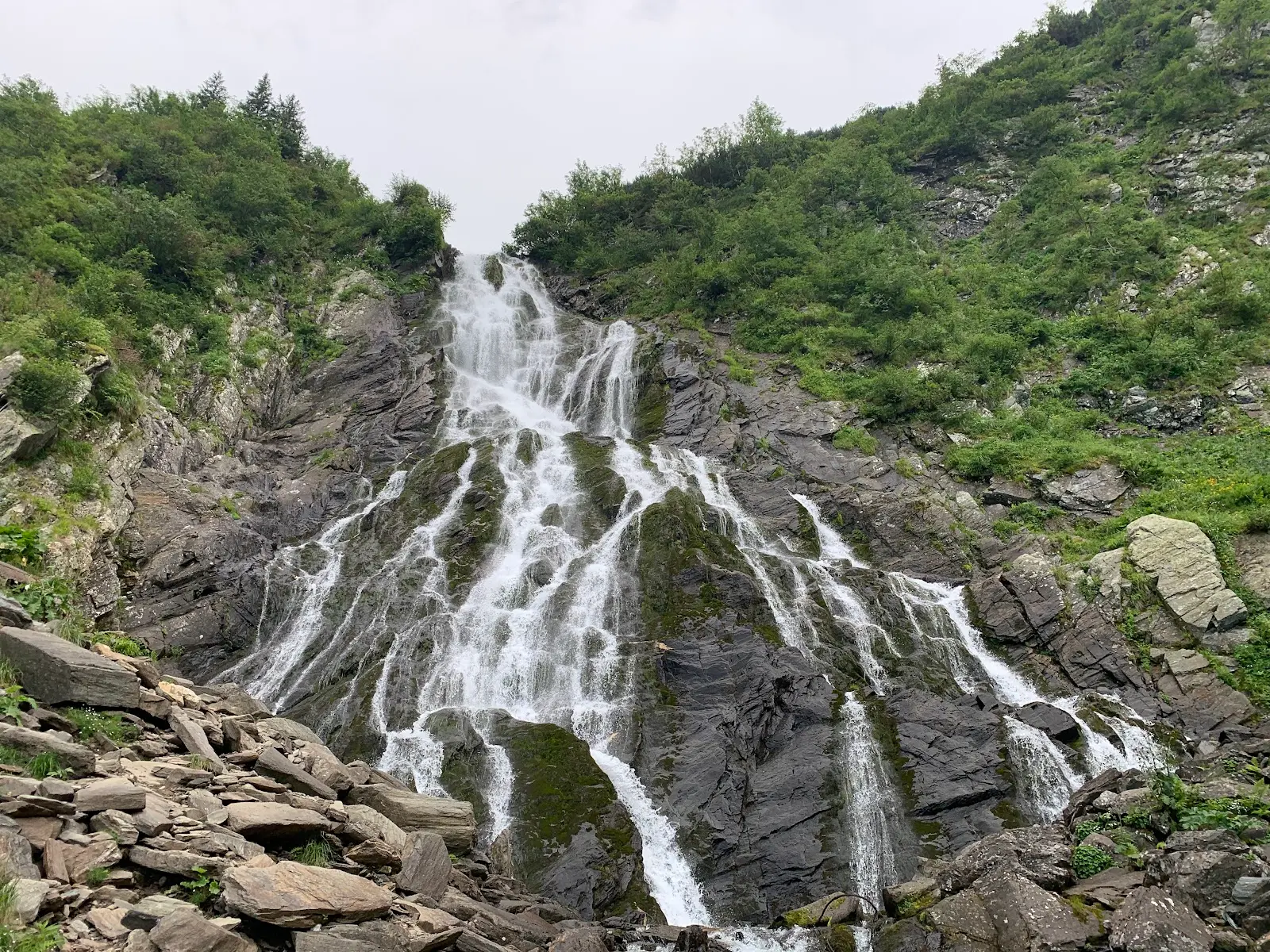
Cascada Bâlea
Bâlea Waterfall is one of the best-known cascades in the Făgăraș Mountains, set on the northern slope of the massif right beside the famous Transfăgărășan road, near Făgăraș. Its water comes from Lake Bâlea, a high-altitude glacial lake, and plunges among the rocks over a considerable drop, forming one of the most spectacular waterfalls in the Romanian Carpathians. The surrounding scenery is typically alpine and glacial, with steep walls, scree and mountain vegetation, offering striking views especially in spring and early summer, when the increased flow from melting snow gives the waterfall a special force. Nearby is a cable car linking the waterfall area to Lake Bâlea, above 2,000 metres. The place is a classic stopping point on the Transfăgărășan route, usually open only in the warm season, when the road is passable. Visitors are advised to wear suitable footwear and to be careful on the wet, stony paths around the waterfall.
 Nature
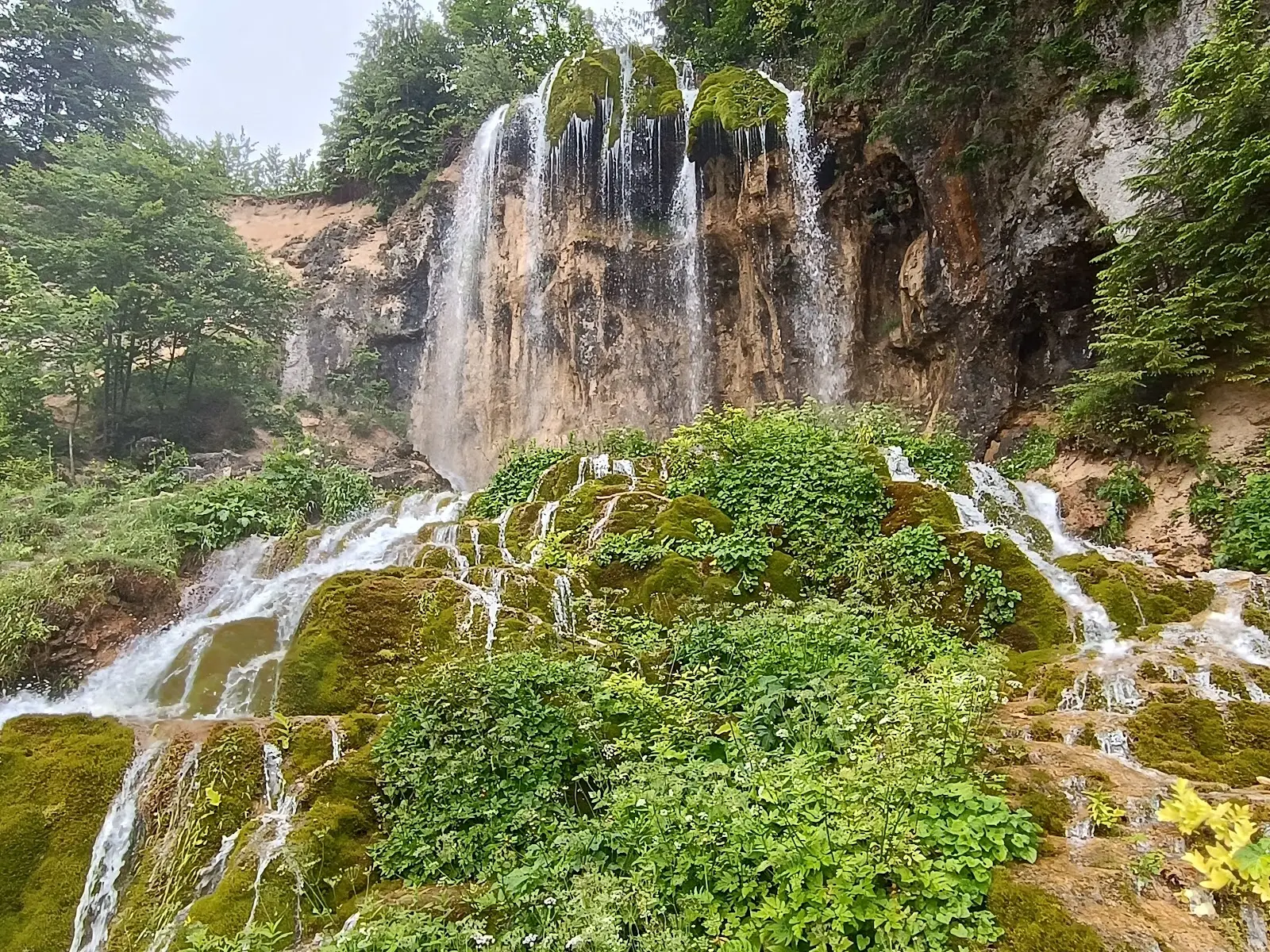
Cascada Pișoaia
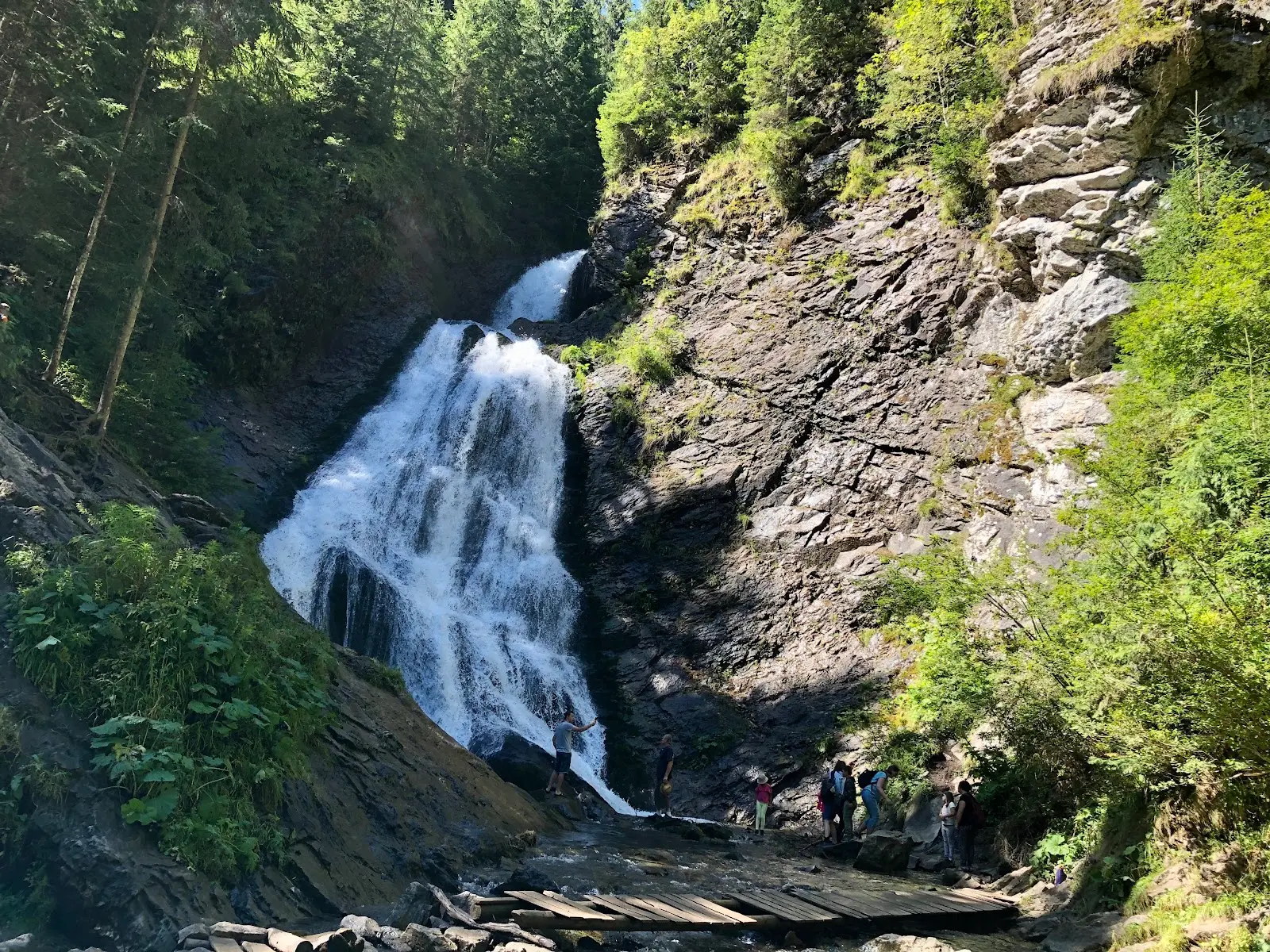
Pisoaia Waterfall is one of the most beautiful cascades in the Apuseni Mountains, located near the village of Vidra in Alba county, at an accessible distance from the Turda area. The water plunges from a considerable height over a travertine formation covered in green moss, creating a spectacular sight, especially in spring when the flow is rich. The waterfall is surrounded by forest and a quiet mountain landscape, which makes it a pleasant destination for easy hikes and photography. Access is by a short and well-marked trail, suitable even for less experienced visitors. In the area one can discover other natural sights typical of the Land of the Moti, with scattered villages and preserved traditions. Pisoaia Waterfall remains a cool and picturesque stop for those exploring the heart of the Apuseni Mountains during the summer season.
 Nature
Cascada Vălul Miresei
Bridal Veil Waterfall is one of the most beautiful cascades in the Apuseni Mountains, set in the Rachitele area of Cluj county, within a spectacular mountain landscape. The water plunges from a considerable height, spreading over the rocks in a fine sheet of droplets that recalls a bride's veil, which gives the fall its poetic name. The waterfall is fed by a mountain stream and changes its appearance with the seasons, being spectacular in spring at the melting of the snows and magical in winter when it partly freezes. Access is by a marked trail through the forest from the nearby car park, suited to easy and moderate hikes. The area is ideal for photography, fresh air and quiet, and nearby one can discover other natural sights of the Apuseni. It is a beloved destination for lovers of nature and the mountains who explore this corner of western Transylvania.
 Mountain
Parcul Național Munții Rodnei
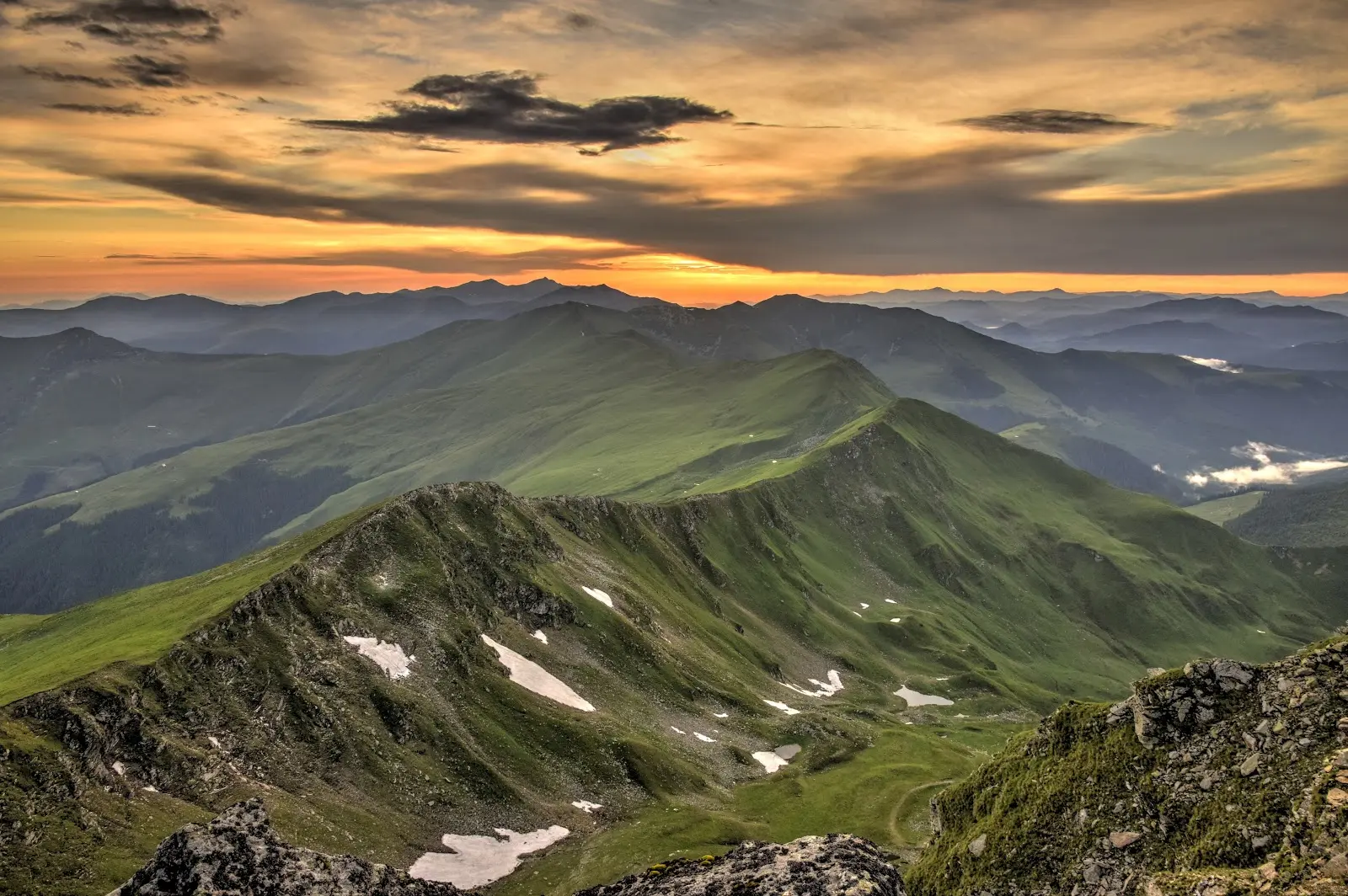
Rodnei Mountains National Park protects the highest and most massive range in the crystalline group of the Eastern Carpathians, an area of remarkable wildness and beauty, also recognised as a biosphere reserve. Here rise proud peaks such as Pietrosul Rodnei, the highest in the entire Eastern Carpathians, beneath which lie glacial lakes of crystal clarity, deep cirques and spectacular ridges shaped by ancient glaciers. The alpine landscape, with broad meadows, dwarf pine and rocky slopes, shelters a rich flora, including rare and endemic species, as well as chamois and marmots. From the resort of Borsa numerous trails set out towards the ridges. The setting is ideal for mountain hiking and for observing wild nature. Practical note: the alpine routes are demanding and exposed to sudden weather changes, so proper gear, a map and an early start are essential; in winter the area is suited to winter sports.
 Viewpoint
Turnul Primăriei Oradea
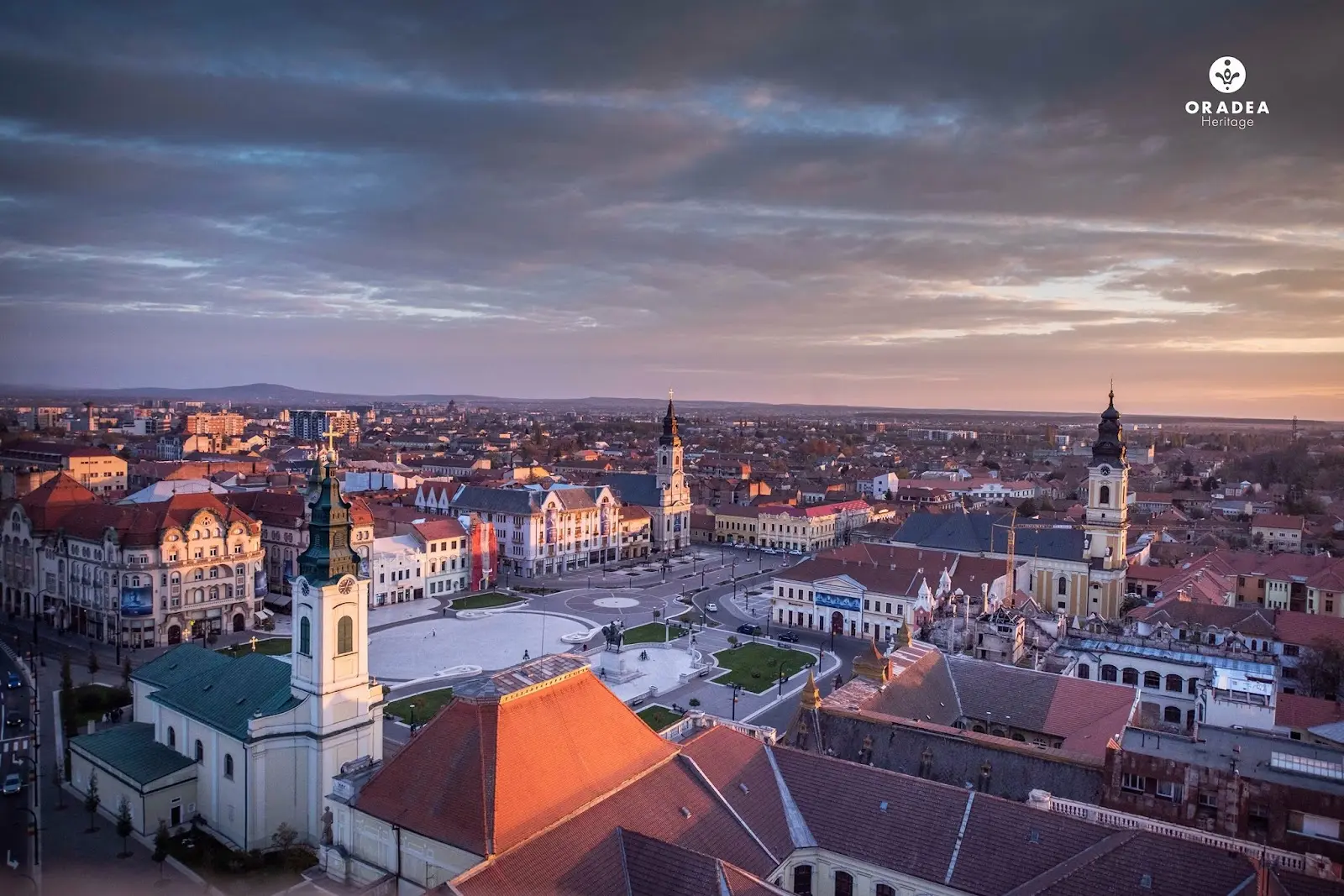
The Oradea Town Hall Tower rises above the imposing seat of the city administration, built at the start of the twentieth century in an eclectic style on the bank of the Crișul Repede River. The tower, almost fifty metres tall, was designed with inspiration from European models and offers from its height one of the finest panoramas over the historic centre of Oradea, a city famous for the wealth of its Secession-style buildings. The clock in the tower marks the hours, and at certain moments of the day a musical fragment sounds from here, a tradition beloved by locals. Climbing the more than two hundred steps to the viewing balcony is rewarded with a view over the squares, churches, and colourful roofs of the city. Visitors keen on architecture will appreciate the perspective from above over the urban ensemble. It is advisable to check locally the opening schedule of the tower.
 Nature
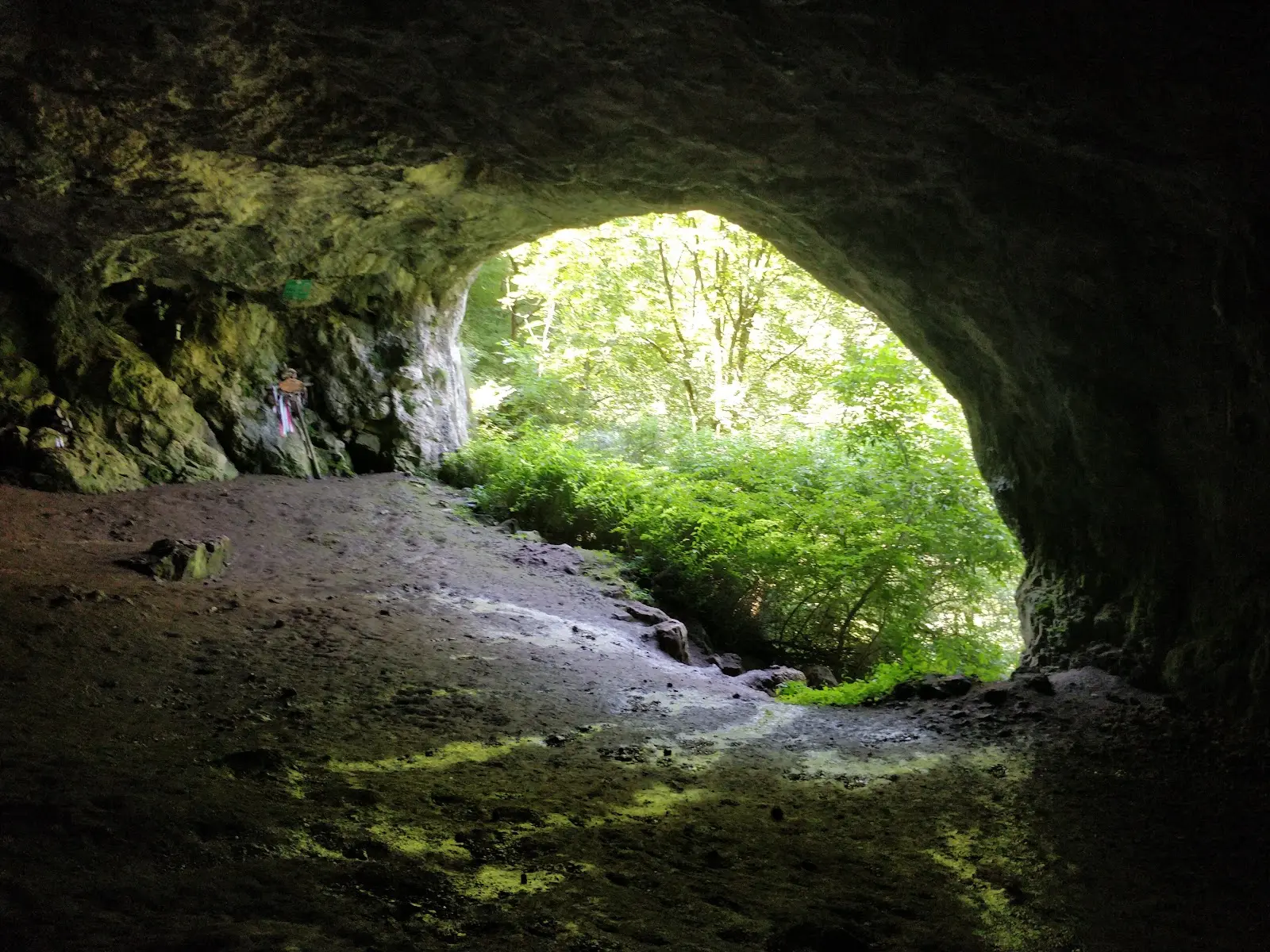
Peștera Meziad
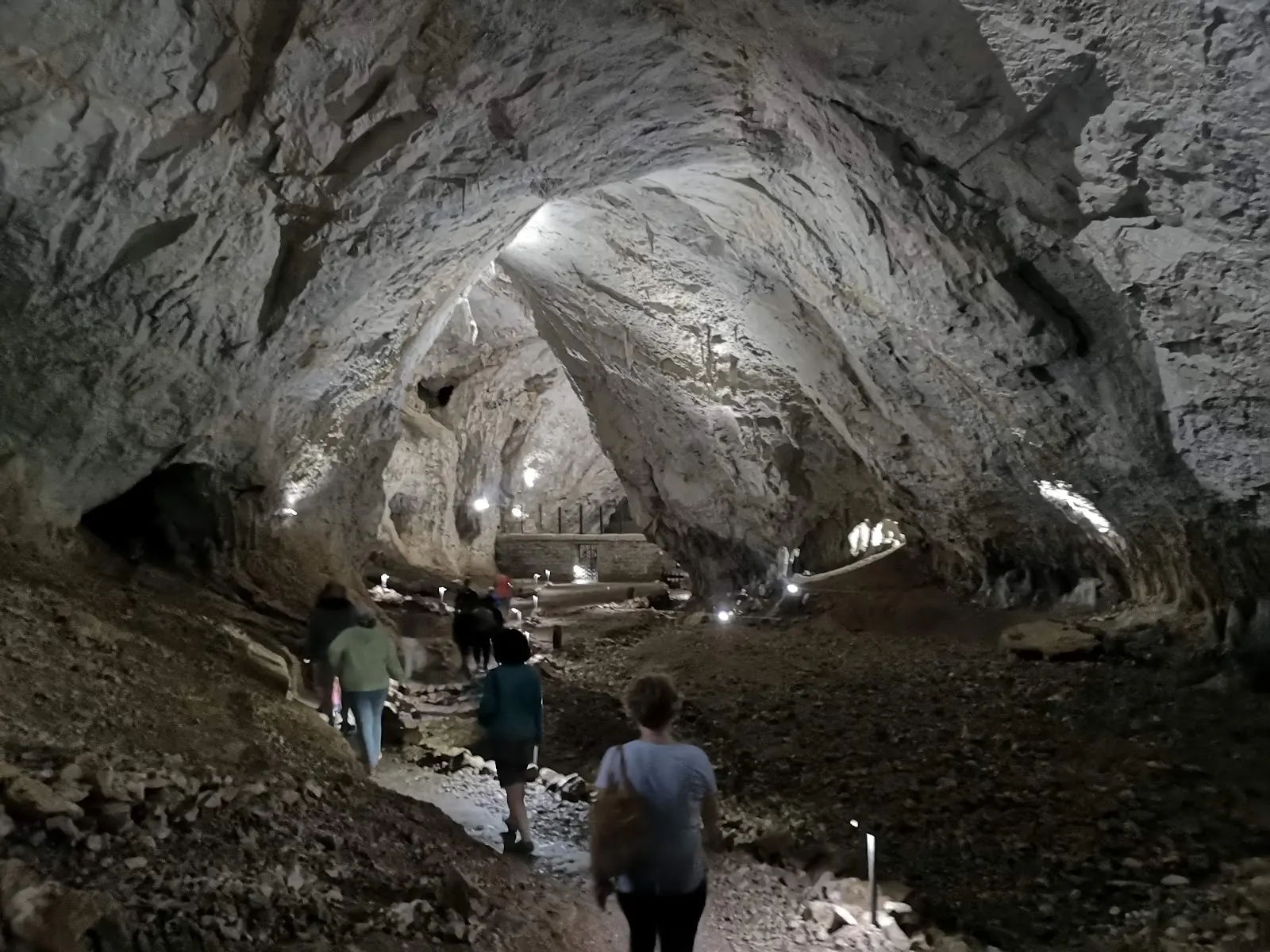
Meziad Cave, in the Pădurea Craiului Mountains of Bihor County, is one of the oldest caves developed for tourism in Romania, open to visitors since the end of the nineteenth century. With galleries on several levels and a total length of a few kilometres, it impresses with the size of its chambers and the wealth of its limestone formations. Inside one can admire stalactites, stalagmites, columns, and stone cascades shaped by water over hundreds of thousands of years. The wide, arch-shaped entrance is itself spectacular. The cave also shelters bat colonies, which is why access to certain sectors is limited to protect the wildlife. A prepared trail allows the tourist section to be walked safely, with a guide. Visitors should wear warm clothing, since the temperature inside the cave is constantly low. It is advisable to check the schedule of guided visits before arriving.
 Nature
Cheile Vârghișului
The Vârghiș Gorges are a spectacular wild valley carved by the Vârghiș River through the limestone massif on the border between Covasna and Harghita counties, in the heart of Transylvania. Steep rock walls, tens of metres high, rise on either side of the water, creating an impressive landscape prized by hikers and nature lovers. The area is also known for the many caves opening in the slopes of the gorges, some with traces of prehistoric habitation and important archaeological finds. The best known of them shelters remains attesting to human presence since ancient times. The nature reserve protects both the geological forms and the distinctive flora and fauna of the place. A marked trail allows the gorges to be walked along paths and footbridges. Visitors should wear hiking footwear and respect the rules of the protected area. It is advisable to check the water level and the accessibility of the trail before setting out.
 Viewpoint
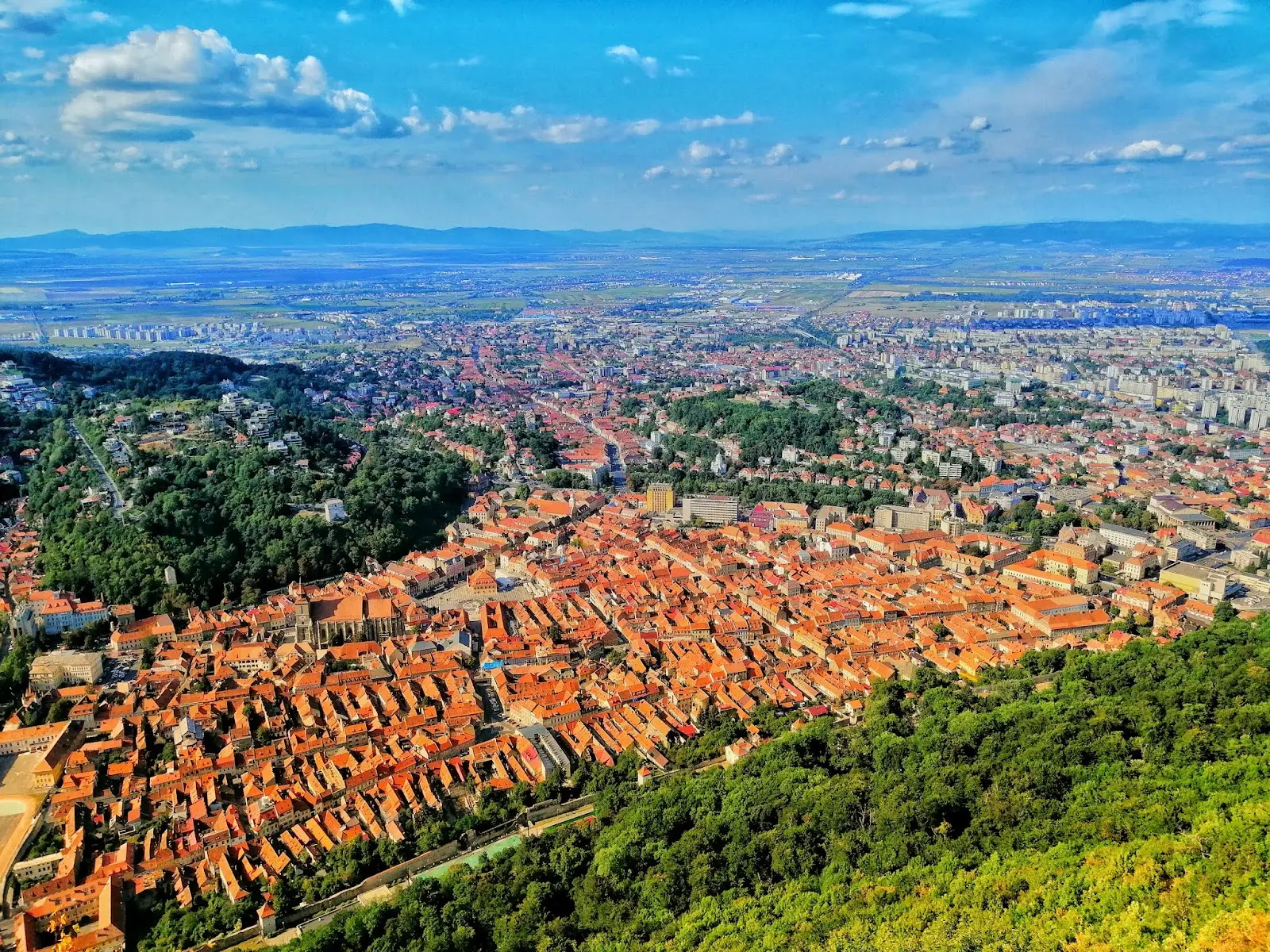
Muntele Tâmpa
Mount Tâmpa rises right above the historic centre of Brașov and is the natural symbol of the city, with its dense forest and the huge sign bearing the name Brașov set on its slope, visible from afar. From the plateau at the top, more than nine hundred metres high, opens a spectacular panorama over the old town, with the central square, the Black Church, and the red roofs crowded at the foot of the mountain. Access can be made by cable car, which climbs quickly from the edge of the city, or on marked trails for those who prefer hiking through the forest. Where trees grow today there once stood a medieval fortress, and the hill played a role in defending the city. The area is a nature reserve protecting the local flora and fauna. Visitors can combine the climb with a walk and a stop at the viewpoint. Suitable footwear is recommended for those who choose the trails on foot.
 Nature
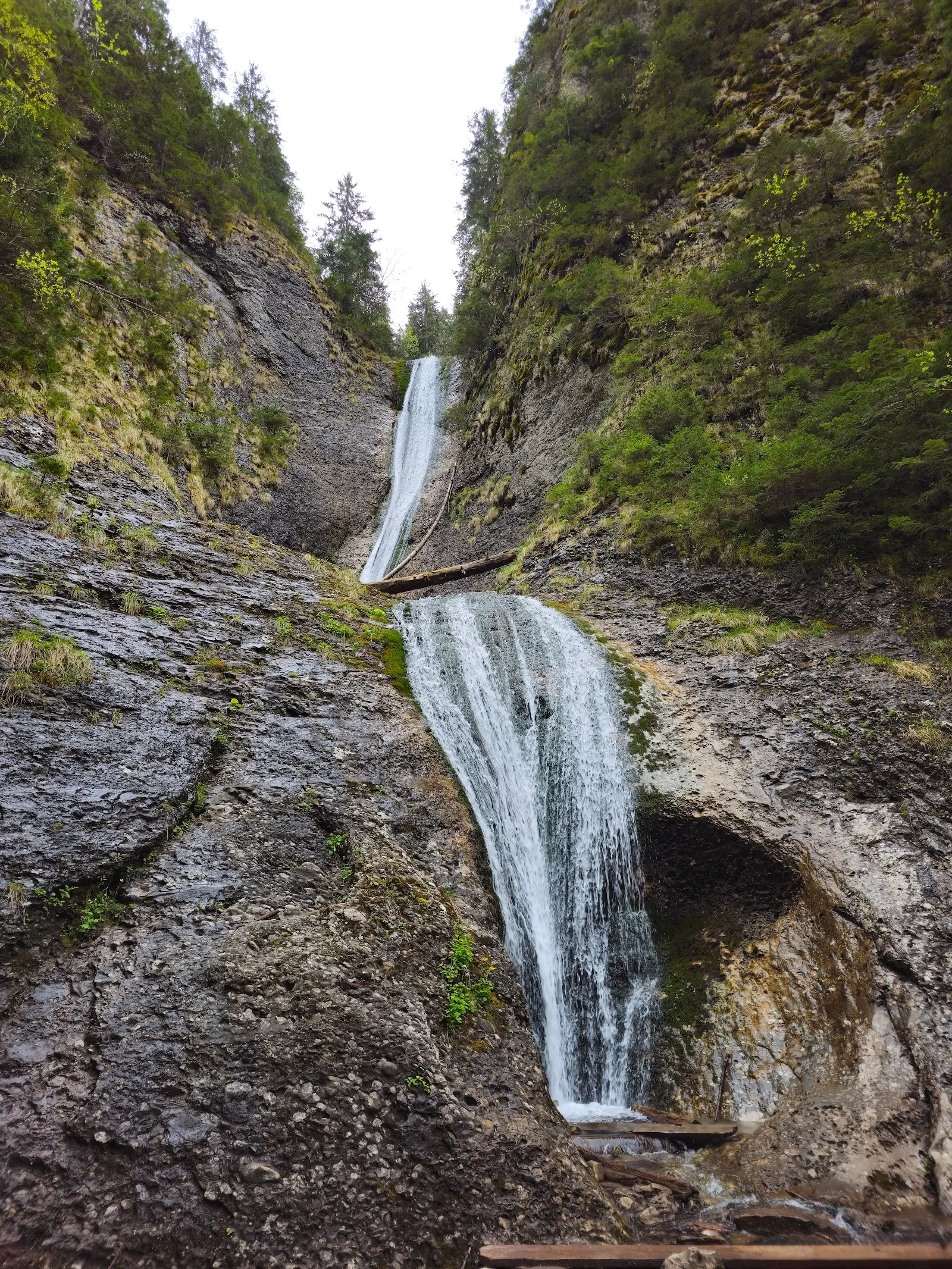
Cascada Duruitoarea
Duruitoarea Waterfall is one of the most spectacular cascades in the Ceahlău massif and an emblematic destination for hikers in the Neamț region. The water plunges from a height of around 25 metres in two steps over conglomerate rocks, and the powerful roar of the torrent, which gave the fall its name, can be heard from a distance. The waterfall is fed by the Rupturi stream and lies along one of the marked trails climbing toward the Ceahlău plateau, in a setting of dense forest and mountain silence. The hike up requires some fitness, but the reward is worth it: a wild landscape, clean air and the cool spray of water on summer days. The area is part of Ceahlău National Park, a protected zone rich in the flora and fauna typical of the Carpathians. It is an ideal destination for lovers of nature and hiking who wish to discover the special beauty of the sacred mountain of the Moldavians.
 Nature
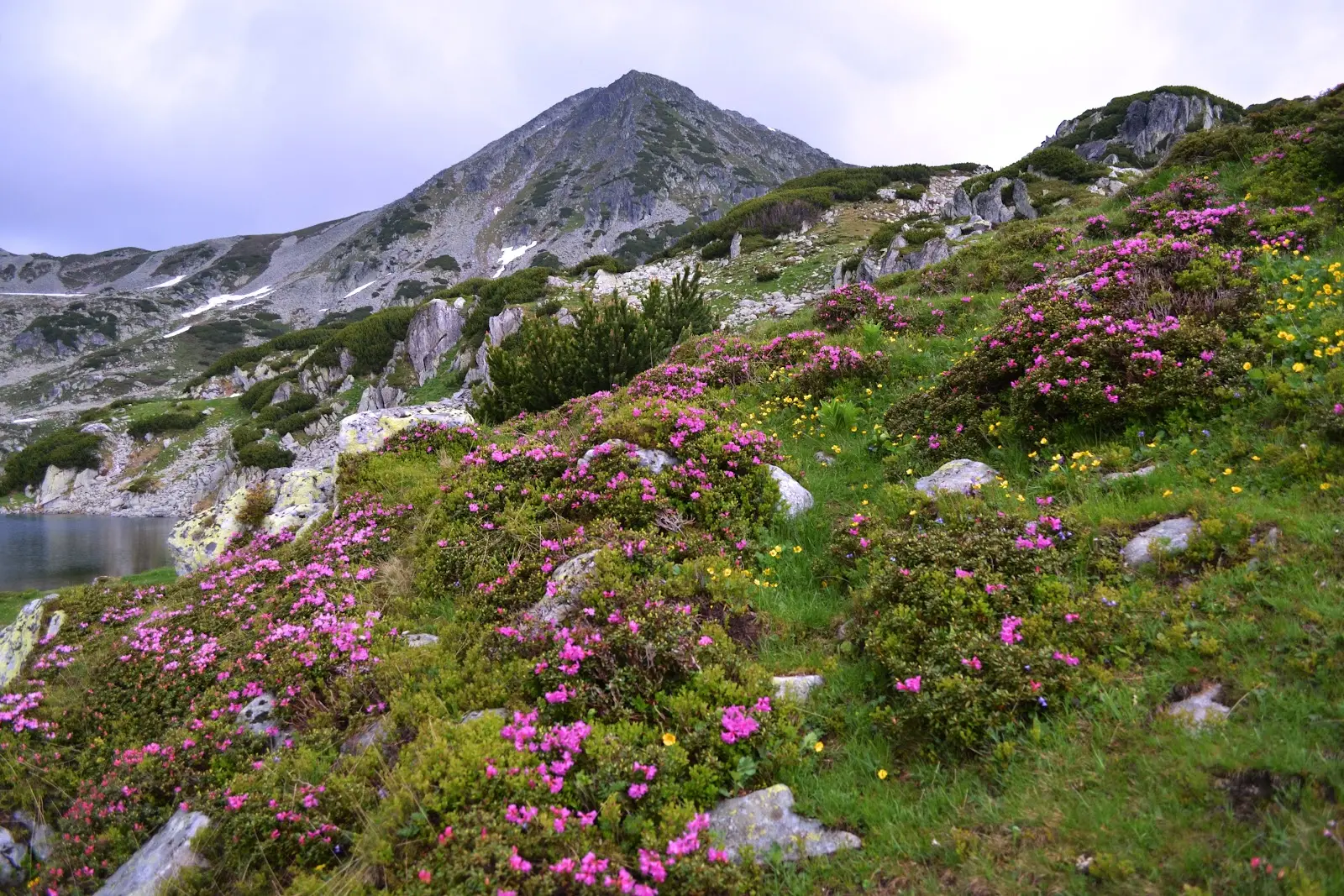
Parcul Național Retezat
Retezat National Park, the first national park in Romania and a UNESCO-recognised biosphere reserve, protects one of the wildest and most beautiful massifs in the Carpathians. Famous for its more than 80 glacial lakes, including Bucura, the largest glacial lake in the country, and Zănoaga, the deepest, the park offers spectacular alpine scenery of rocky ridges, glacial valleys and flowering meadows. It is home to chamois, marmots, bears and numerous rare plant species, some of them endemic, which makes Retezat a true treasure of biodiversity. A network of marked trails allows everything from easy walks to demanding mountain routes toward peaks over 2,500 metres. Refuges and chalets provide support points for explorers. Accessible from Petroșani and the Hațeg area, the park is an ideal destination for nature lovers, hikers and photographers seeking the authentic wilderness of the Romanian mountains. Visitors are asked to respect the rules of the protected area in order to preserve the fragile balance of this unique ecosystem.
 Nature
Ochiul Beiului (Cascada Beușnița)
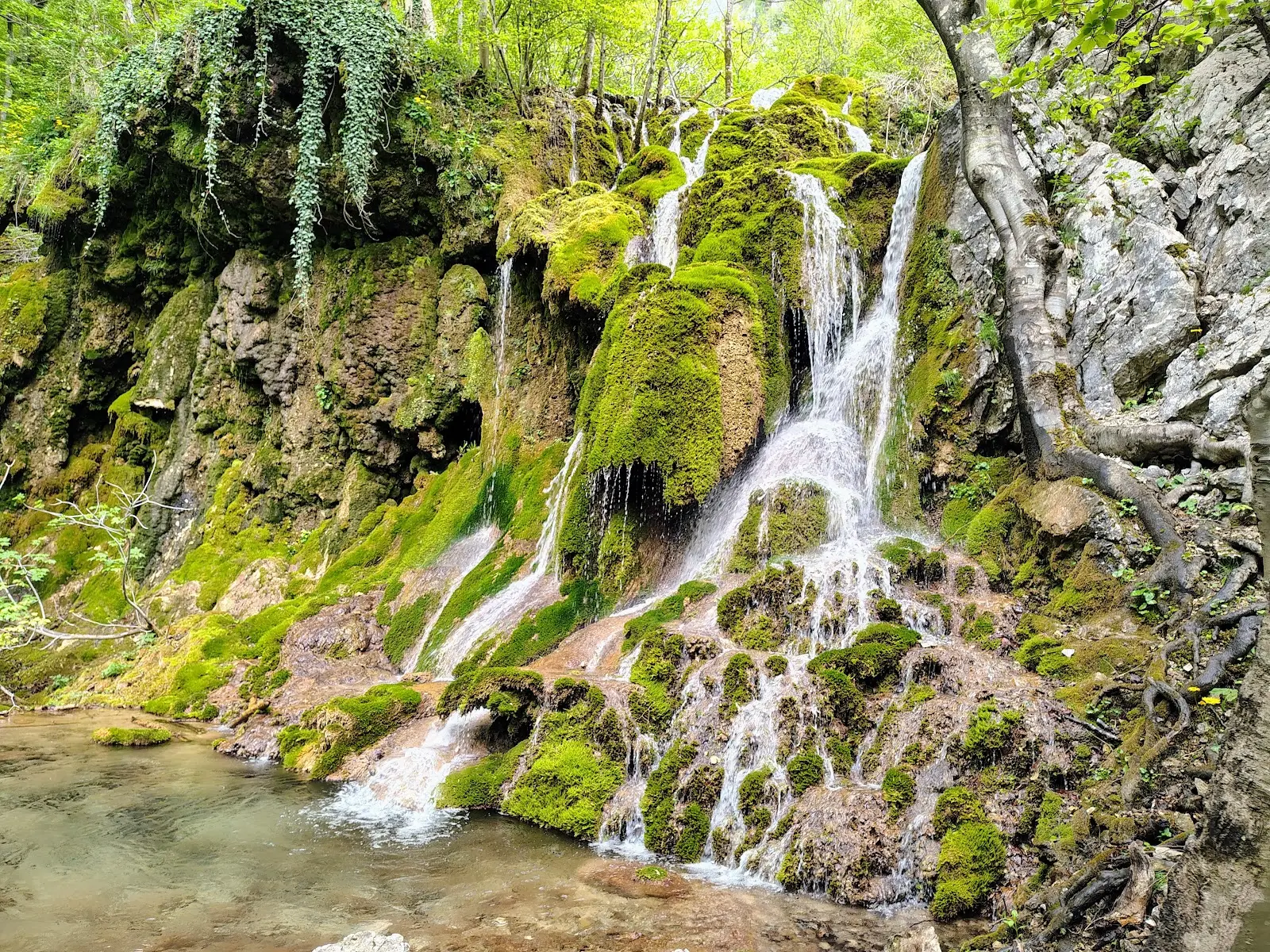
Ochiul Beiului and Beușnița Waterfall rank among the most spectacular natural wonders of the Banat, located in the Nera Gorges-Beușnița National Park near Reșița. Ochiul Beiului is a small karstic lake of astonishing clarity, with intensely turquoise-green waters that never freeze completely and that are fed by underground springs. A short distance away lies Beușnița Waterfall, where water tumbles over moss-covered travertine ledges, creating a cascade of rare beauty often compared to exotic landscapes. The trail linking the two attractions crosses a lush forest with rich vegetation and crystal-clear springs, and is one of the most beloved in Romania. The area is part of a protected zone with remarkable biodiversity, home to rare Mediterranean plant species. Accessible on marked paths, this region is a dream destination for nature lovers, hikers and photographers seeking authentic scenery and tranquillity far from the crowds.
 Nature
Cheile Sugăului
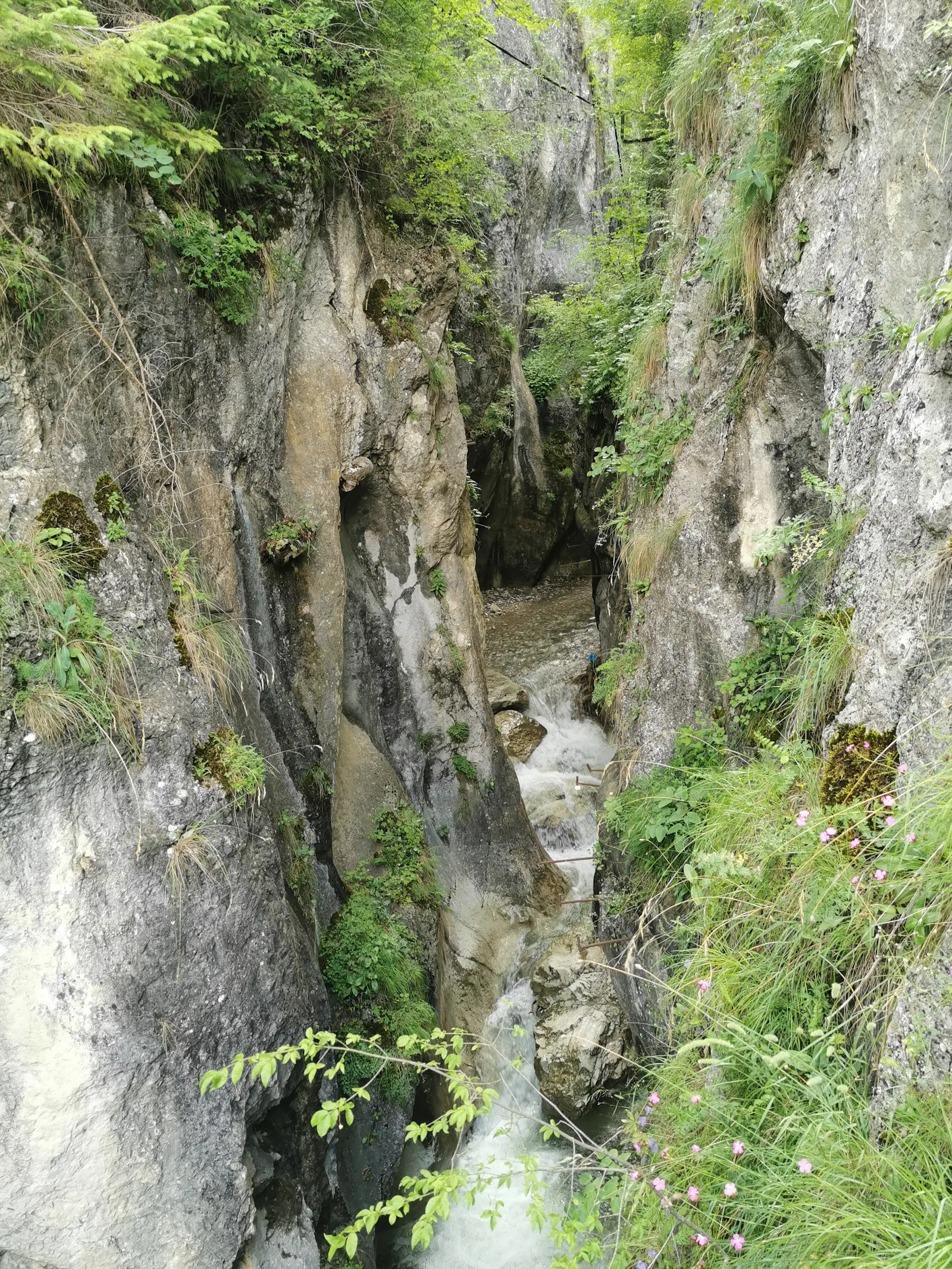
The Sugau Gorges are a spectacular defile near the town of Piatra Neamt, in the Hasmas mountains, where the Sugau stream has carved its way between high walls of limestone. The nature reserve that protects the gorges shelters a diverse flora and fauna, including rare plant species adapted to the rocky environment. The arranged tourist trail follows the course of the water, with walkways, stairs and bridges that allow the more difficult stretches to be crossed, offering views of the rock formations and small waterfalls. The area is prized for the wildness and beauty of its landscape and is a favourite attraction for hikers and nature lovers. The gorges belong to a mountain area rich in caves and exploration routes. Proper footwear, care on the wet stretches and respect for the rules of the nature reserve are recommended during the visit.
 Nature
Lacul Ochiul Beiului
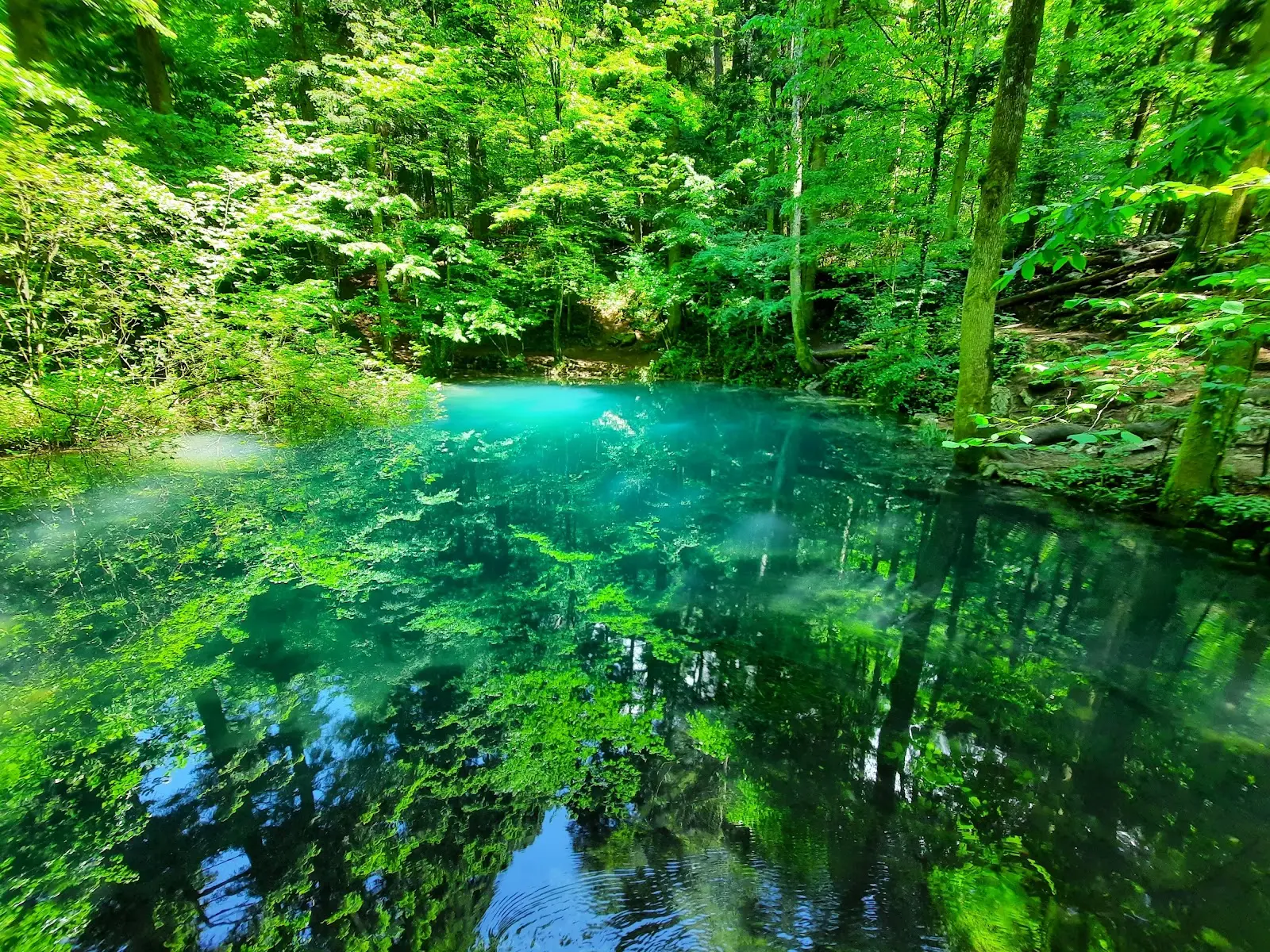
Ochiul Beiului is a small lake of exceptional beauty, set in the Cheile Nerei-Beusnita National Park in the south-west of the Banat. Its clear waters, of an astonishing turquoise-green, keep their colour and transparency thanks to the karst springs that feed it, and the lake never freezes completely, even in winter. Surrounded by forest and rock, Ochiul Beiului is considered one of the most beautiful natural sights of the area, a true jewel hidden in the heart of the park. Nearby lie the Beusnita waterfall and other natural attractions that round out the hiking route. The place draws many nature lovers and photographers, eager to capture the shades of the water. Access is along marked paths through the national park; visitors are asked to respect the rules of the protected area and not to disturb the fragile ecosystem of the lake.
 Nature
Cascada Vânturătoarea
Vanturatoarea Waterfall is one of the most beautiful cascades in the Baile Herculane area, set in the Domogled-Cerna Valley massif within a wild, wooded Carpathian landscape. The water plunges from a considerable height over a rock step, breaking into fine droplets that seem carried by the wind, which gives the fall its evocative name. The access path starts near the road climbing the Cerna Valley and crosses a shady forest, with steeper stretches towards the end, up to the foot of the waterfall. The surroundings, with rich vegetation, limestone crags and the cool forest air, make the hike a pleasant experience. The area lies within the Domogled-Cerna Valley National Park, notable for its biodiversity. Hiking footwear is recommended, along with care on the wet and slippery sections near the water. The visit can be combined with a relaxing day in the nearby spa resort of Baile Herculane.
 Nature
Babele
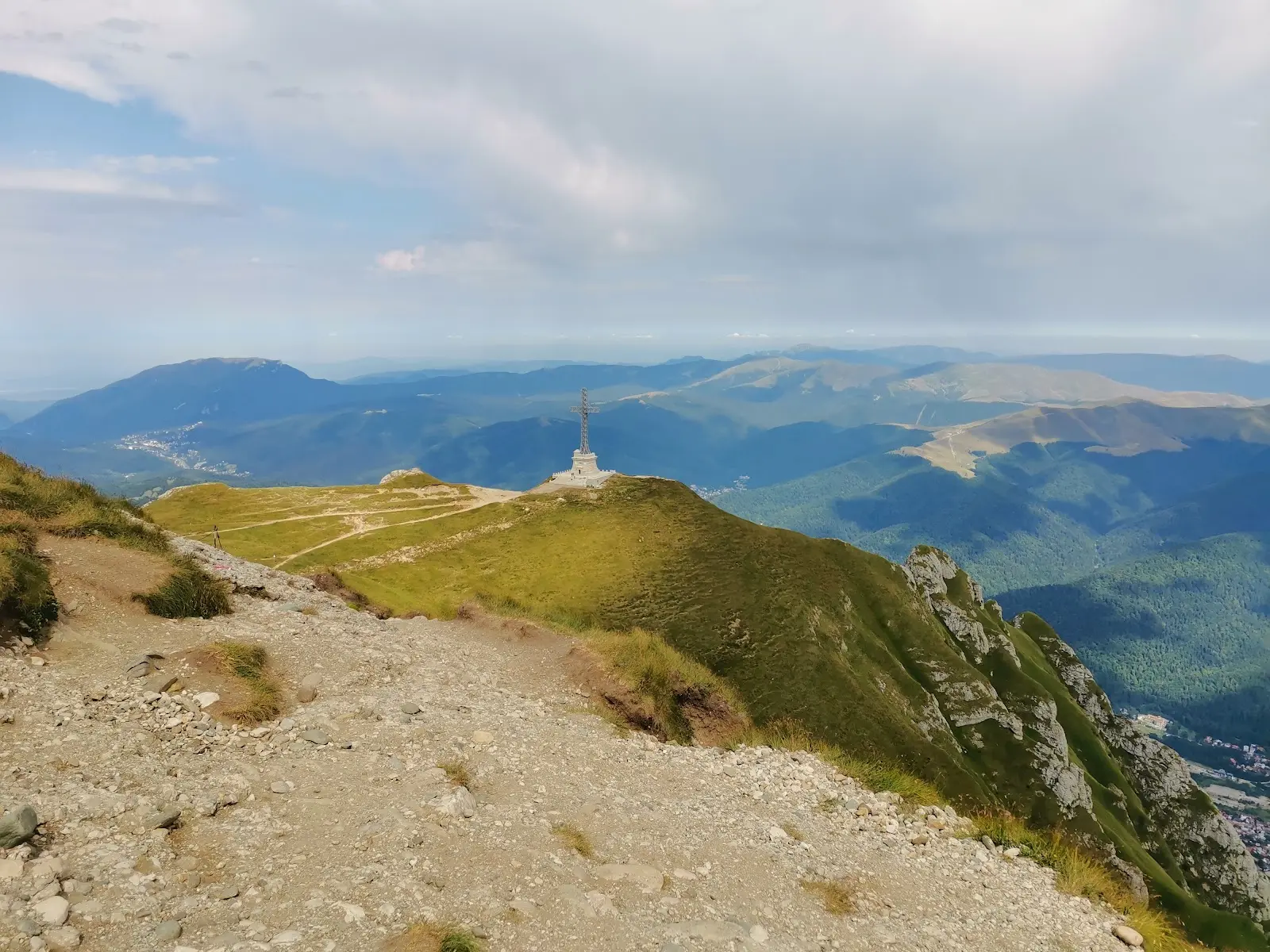
Babele are among the most famous geological formations in the Bucegi Mountains, set on the high plateau near the Baba Mare peak, above the resort of Sinaia. These oddly shaped rocks, resembling mushrooms or human figures, were formed by the differential erosion of the rock under the action of wind, rain and frost over thousands of years. Together with the nearby Bucegi Sphinx, Babele have given rise to numerous folk legends and mystical interpretations, becoming a symbol of the massif. The plateau offers wide views over the surrounding ridges and the valleys below. Access is usually by cable car from Busteni or along marked ridge trails, and a chalet stands nearby. As this is a high-altitude area, the weather can change quickly, so suitable clothing and caution are needed. Babele remain an essential attraction for visitors to the Bucegi Mountains.
 Viewpoint
Crucea Albă Băile Herculane
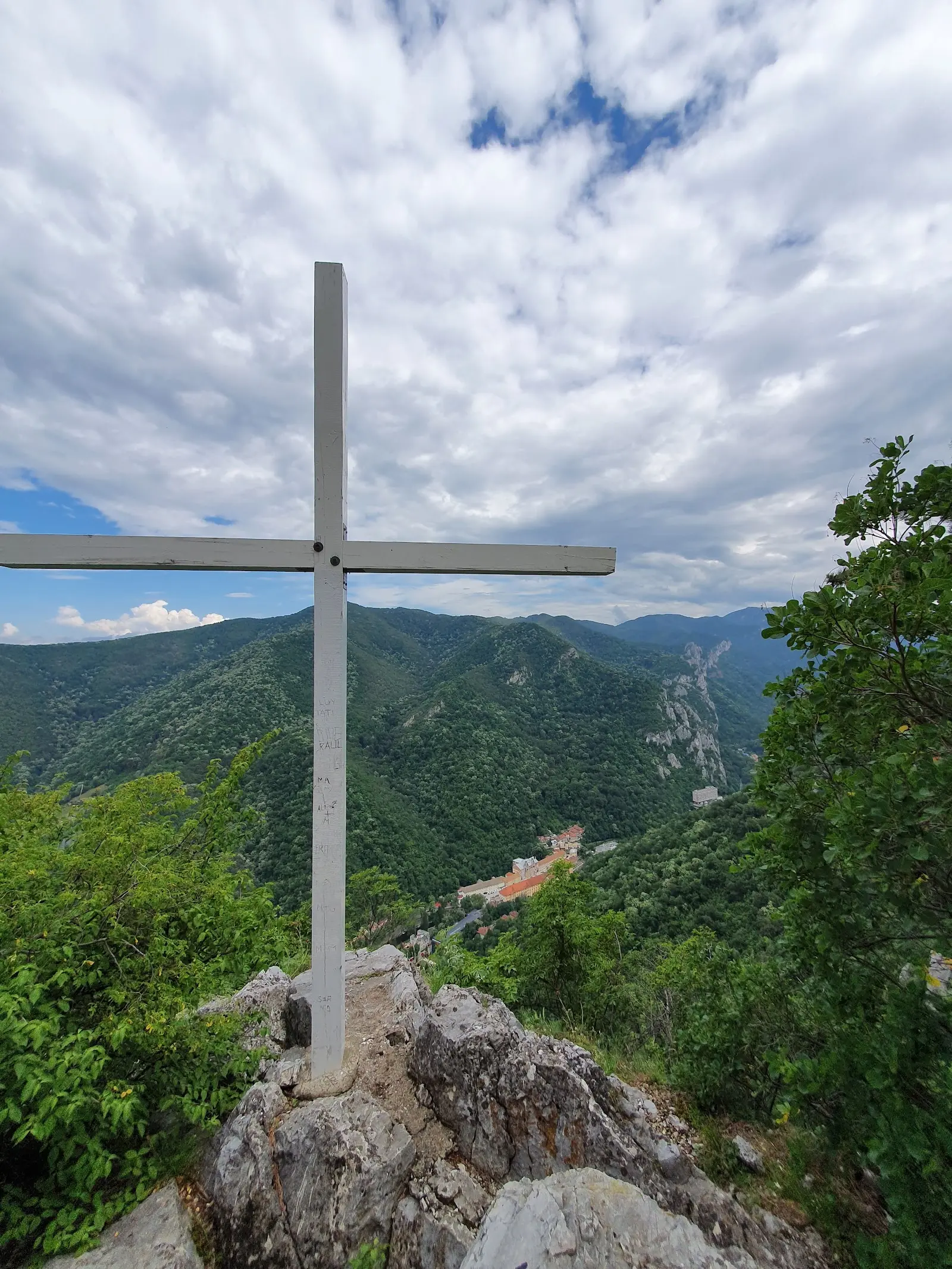
The White Cross is one of the most appreciated viewpoints in the resort of Baile Herculane, set on a slope of the Domogled Mountains above the old spa town in the Cerna Valley. From here a spectacular panorama opens over the entire resort, with its historic buildings, over the Cerna gorge and the wooded summits around it. The cross, raised on the rock, marks the viewpoint and has become a symbol of the place, a favourite goal for those who climb the path to admire the landscape. The trail to the White Cross is a hike of moderate difficulty, starting from the resort and climbing through the deciduous forest, offering many perspectives over the valley along the way. The area lies within the Domogled-Cerna Valley National Park, notable for its biodiversity and wild landscapes. Hiking footwear, water and care on the steeper sections are recommended. The visit can be combined with exploring the thermal springs and the historic architecture of Baile Herculane.
 Nature
Cascada 7 Izvoare
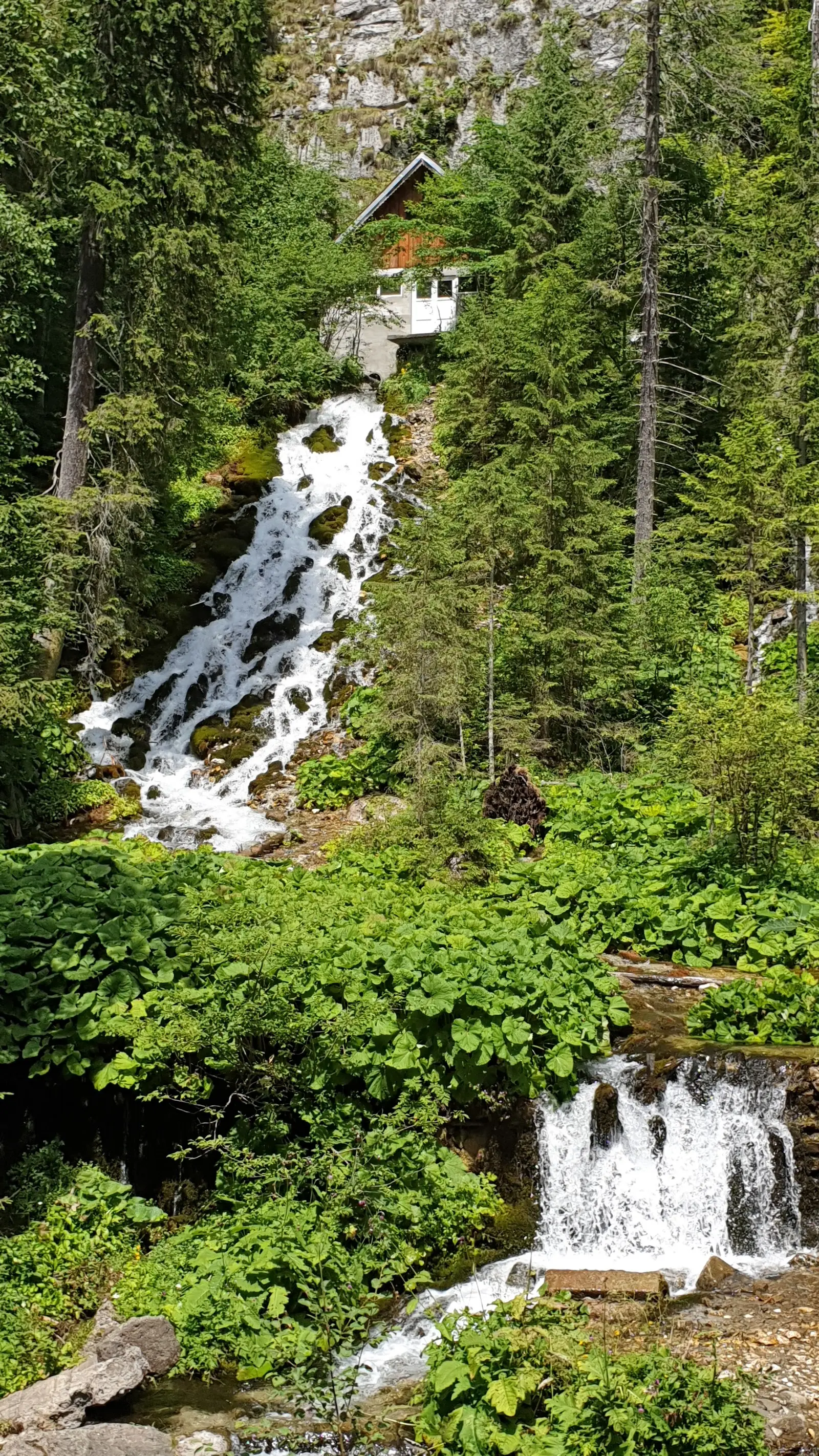
The 7 Springs Waterfall is a beautiful cascade set in the Bucegi Mountains, near the resort of Sinaia, in a particularly picturesque mountain setting. The fall forms on the course of a mountain stream fed by springs, the water tumbling over rock steps in a forest landscape. The area is appreciated by hikers and by holidaymakers seeking the coolness and quiet of the mountains, and it is a point of interest on the trails around Sinaia. Nearby stand a dam and a reservoir, as well as an arranged area offering opportunities for recreation. Access is by forest road and then by paths through coniferous forests, in a pleasant hike of moderate difficulty. The surroundings, with wooded slopes and clean mountain air, make the visit a relaxing experience. Hiking footwear and care on the wet sections near the water are recommended. The 7 Springs Waterfall rounds off a visit to the resort of Sinaia and the Bucegi Mountains nicely.
 Mountain
Pasul Tihuța
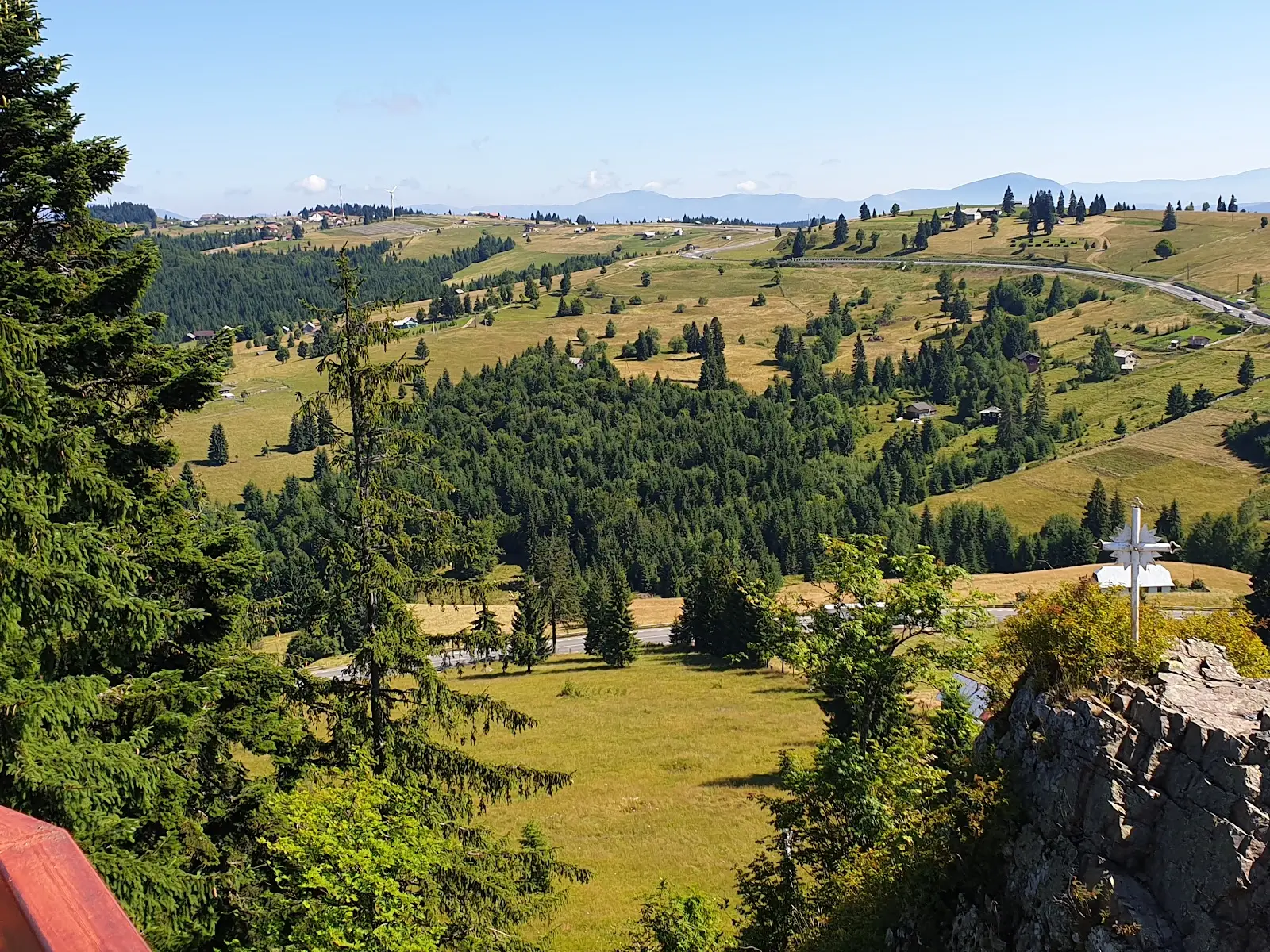
The Tihuța Pass links Transylvania with Bucovina, climbing to around 1,200 metres over the ridge that separates the Bârgău Mountains from the Călimani Mountains, northeast of Bistrița. The road winds through dark fir forests and high pastures, and its sweeping views over the wooded valleys have made it well known. The pass gained international fame through Bram Stoker's novel Dracula, which placed the count's road in this area, even though the author never visited the site. A hotel with a gothic look was built on that theme and has become a tourist landmark. Beyond the literary association, the pass remains a route of great beauty, used since ancient times for trade and for driving flocks. In winter, heavy snow turns the area into a white landscape and the road can be demanding. Practical note: check road conditions in winter, when suitable tyres and chains are useful, and the viewpoint stops offer memorable scenes in any season.
 Nature
Lacul Iezer Rodnei
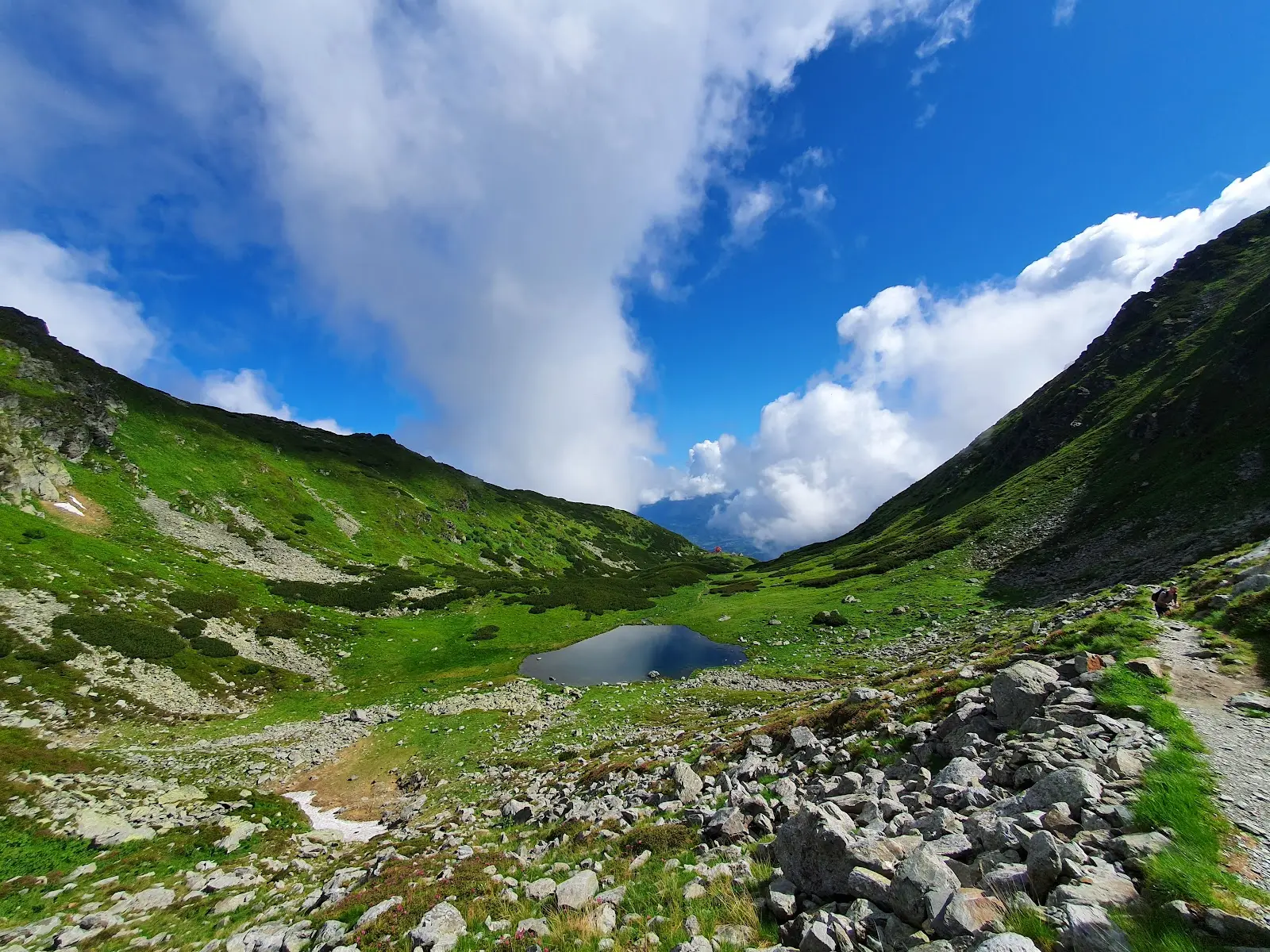
Lake Iezer is the largest glacial lake in the Rodna Mountains, set at high altitude beneath the main ridge of the massif, near Borșa, in Maramureș. Formed after the retreat of the glaciers of the last ice age, the lake lies in a spectacular glacial cirque, surrounded by steep walls and alpine meadows rich in rare flora, protected within the national park that covers the area. The Rodna Mountains are renowned for their wild landscapes, for peaks exceeding 2,000 metres and for the diversity of wildlife, including chamois and marmots. The clear waters of the lake reflect the sky and the surrounding crests, offering an unforgettable picture to the hikers who reach it. Access is by marked trails that require sustained effort but are fully rewarded. Practical note: the hike to the lake requires mountain equipment, good physical condition and water reserves, and the weather at altitude can be capricious, so checking the forecast is essential before setting out.
 Nature
Murighiol
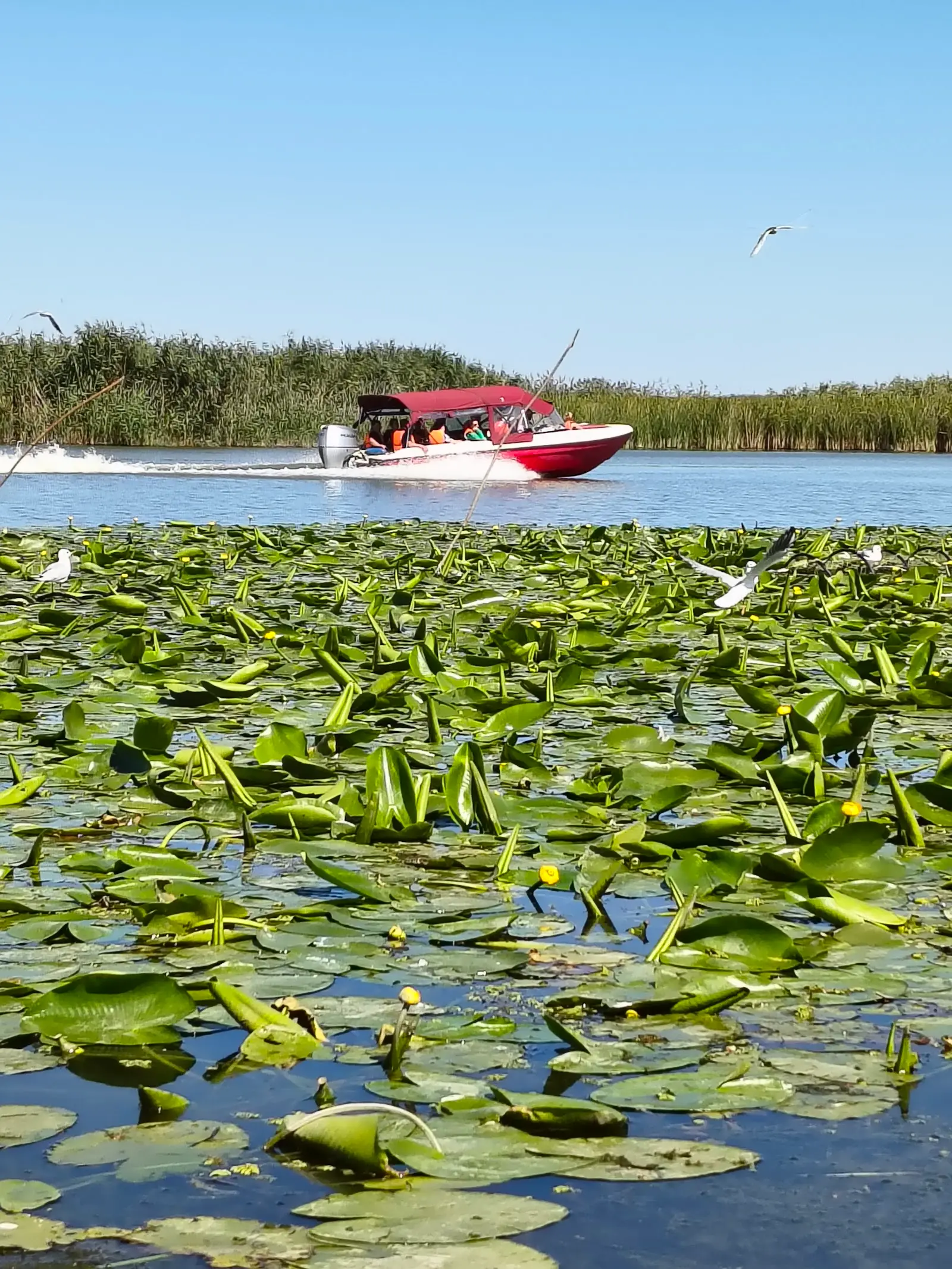
Murighiol is a village on the edge of the Danube Delta in Tulcea county, considered one of the main gateways into this unique wetland, inscribed on the UNESCO World Heritage list and declared a biosphere reserve. The village lies where dry land meets the labyrinth of channels, lakes and reed beds of the delta, serving as a departure point for boat trips into the heart of the marshes. Nearby stretches a shallow salt lake favoured by wetland birds and by birdwatching enthusiasts. The area hosts a rich diversity of birds, among them pelicans, egrets, cormorants and many migratory species, making Murighiol a sought-after destination for lovers of nature and photography. The ancient remains of a Roman-Byzantine fortress, known as Halmyris, lie close by and add a historical dimension to a visit. Murighiol combines the tranquillity of the delta landscape with the hospitality typical of the region's fishing villages.
 Mountain
Munții Măcin
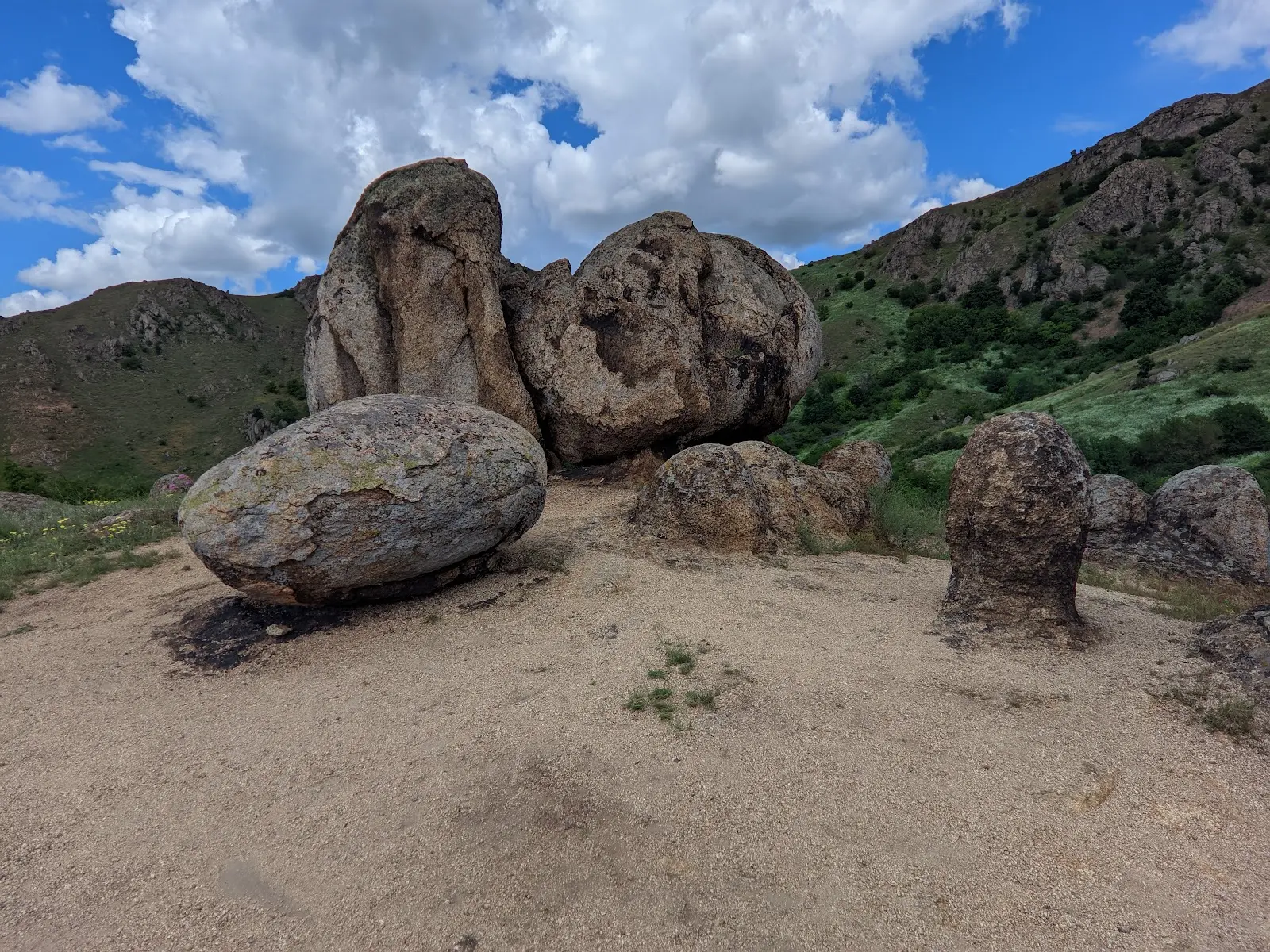
The Măcin Mountains, in the north of Dobrogea near Tulcea, are considered among the oldest mountains in Romania and even in Europe, the worn remnants of a Hercynian chain shaped by erosion over hundreds of millions of years. Although their altitudes are modest, rarely exceeding a few hundred metres, their scenery is surprisingly spectacular, with rocky granite crests, bare summits and slopes strewn with rounded boulders that take on unusual shapes. The area is protected by a national park that shelters remarkable biodiversity at the meeting of Mediterranean, Balkan and steppe climatic influences, with many rare plant species and birds of prey soaring above the ridges. The highest peak offers broad views over the Dobrogean plains and, on clear days, as far as the Danube. The hiking trails are accessible but exposed to sun and wind, so ample water and sun protection are advised. Măcin is a distinctive destination, contrasting sharply with the usual image of the coast.
 Viewpoint
Poiana Zănoaga
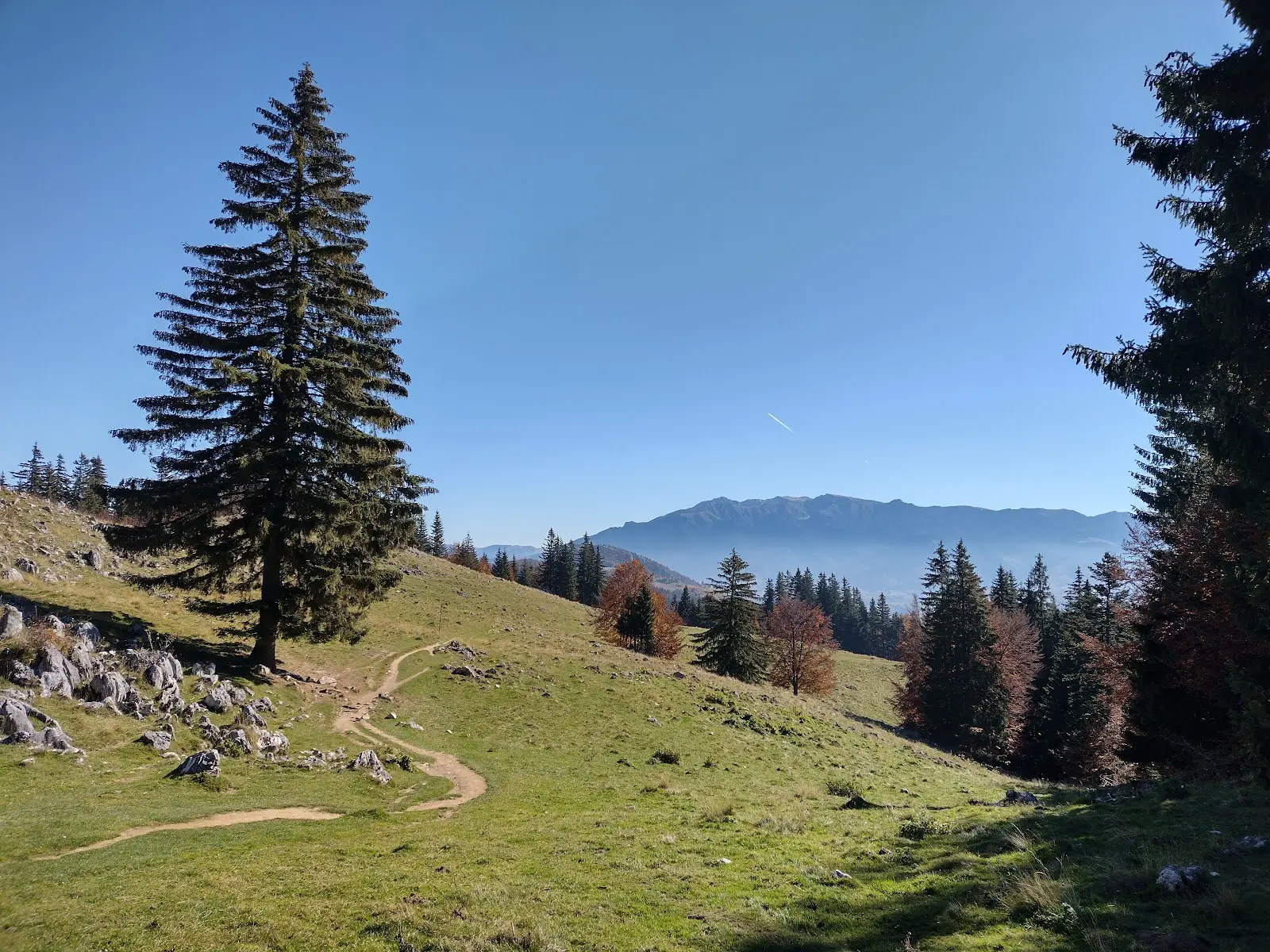
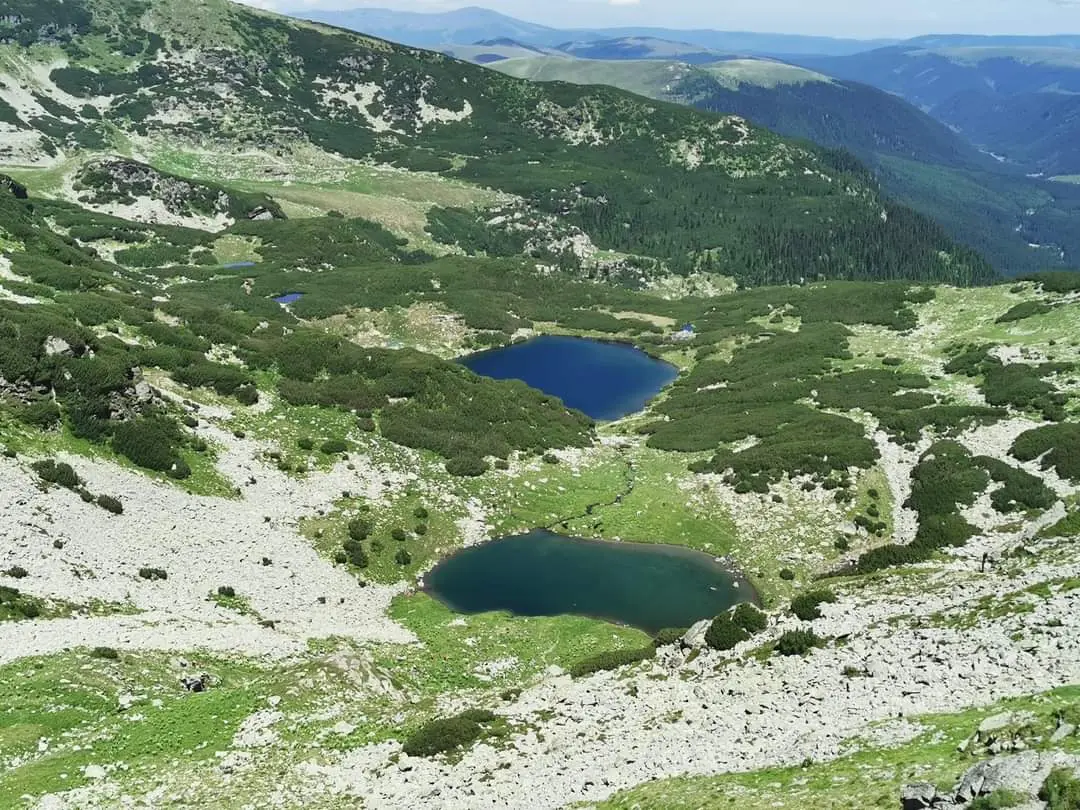
Zănoaga Meadow is a viewpoint set in the mountains near the town of Zărnești, at the foot of the Piatra Craiului massif, one of the most spectacular limestone massifs of the Southern Carpathians. Lying at the edge of the forest, the meadow offers broad views over the jagged crest of Piatra Craiului, a long, narrow limestone ridge considered among the most beautiful in the country, as well as over the surrounding valleys and pastures. The place is a starting point and resting spot for hikes on the area's mountain trails, prized for the quiet and clean air typical of this region. The landscape alternates between flower-strewn meadows, clumps of conifers and rocky slopes, offering an ideal setting for photography and rest. Zărnești, a town at the gates of the Piatra Craiului national park, is a frequent base for those exploring the massif, the gorges and the surrounding reserves. Zănoaga Meadow fits naturally into the area's hiking routes, offering one of the finest points from which to admire the crest.
 Mountain
Masivul Parâng
The Parâng Massif ranks among the highest and most imposing ranges of the Southern Carpathians, rising between the Jiu Valley and the Olt Valley, north of Petroșani. Parângu Mare Peak exceeds 2,500 metres, making this one of the few massifs in Romania to reach such altitudes. The landscape is dominated by rocky ridges, glacial cirques carved during the ice ages and a genuine string of clear alpine lakes, among them Lake Roșiile and the Gâlcescu lakes, protected as a reserve. Walkers find here spectacular ridge routes, among the longest in the country, as well as skiing, the Parâng resort lying on the slope toward Petroșani. Alpine flora and fauna, with dwarf pine, edelweiss and chamois, add to the natural value of the place. Less crowded than the neighbouring Făgăraș or Retezat, Parâng rewards the experienced hiker with solitude, silence and wide views across the heart of the Carpathians.
 Park
ParkParcul Central Simion Bărnuțiu
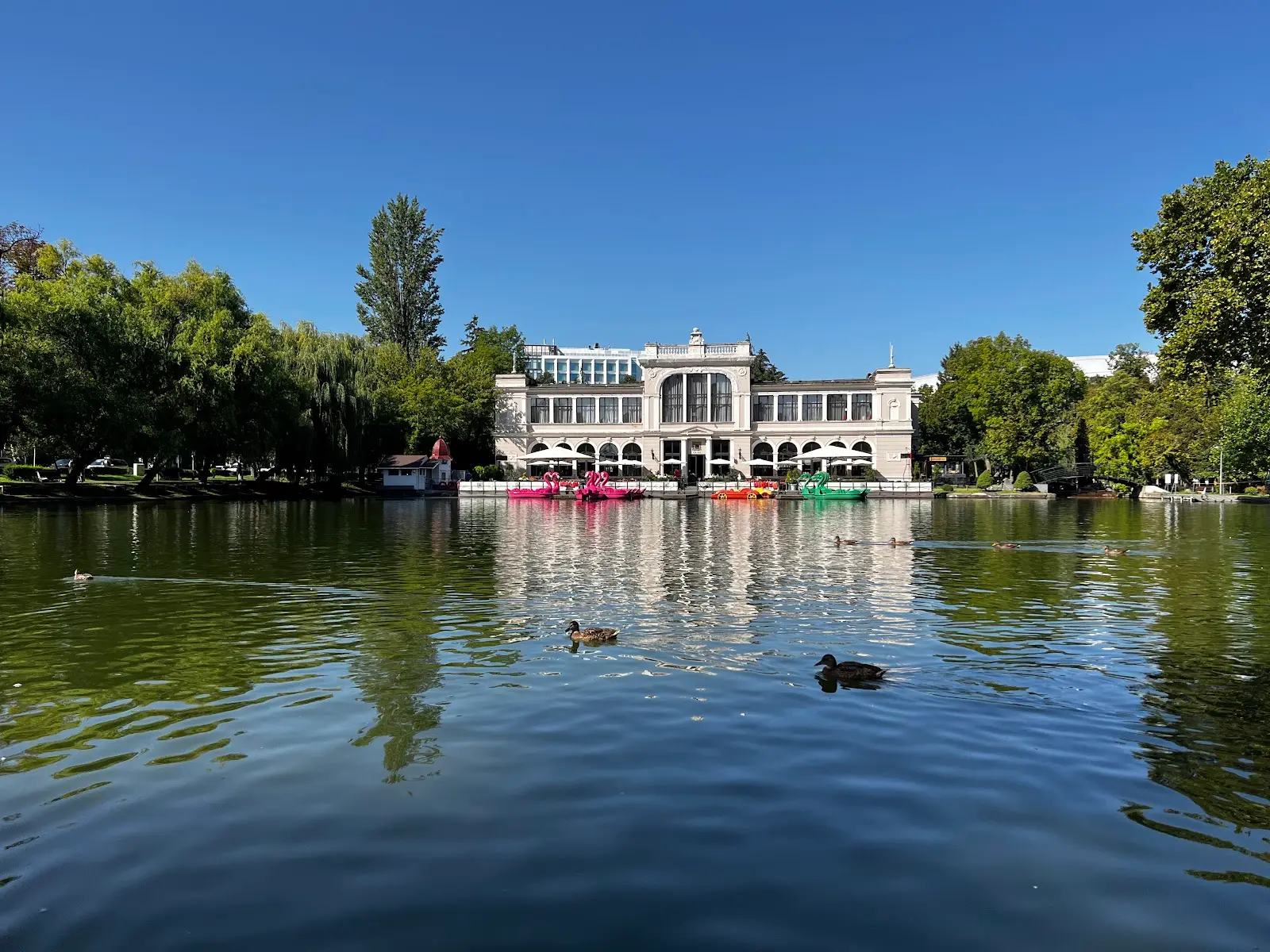
Simion Bărnuțiu Central Park is the oldest and best-loved park in Cluj-Napoca, an island of greenery laid out in the mid-19th century in the English landscape style. Crossed by paths shaded by century-old trees, the park has at its centre a lake with an islet, where in summer you can rent boats and pedalos and in winter go skating. Here stands the Casino, a historic building turned into an urban culture centre, along with sports courts and children's playgrounds. Generations of locals have spent summer afternoons, romantic walks and open-air events here. Set beside the Someșul Mic river and close to the centre, the park remains the city's favourite place to unwind, pleasantly busy at weekends. Admission is free; check the schedule for boat rentals and the events hosted at the Casino.
 Park
ParkParcul Nicolae Romanescu
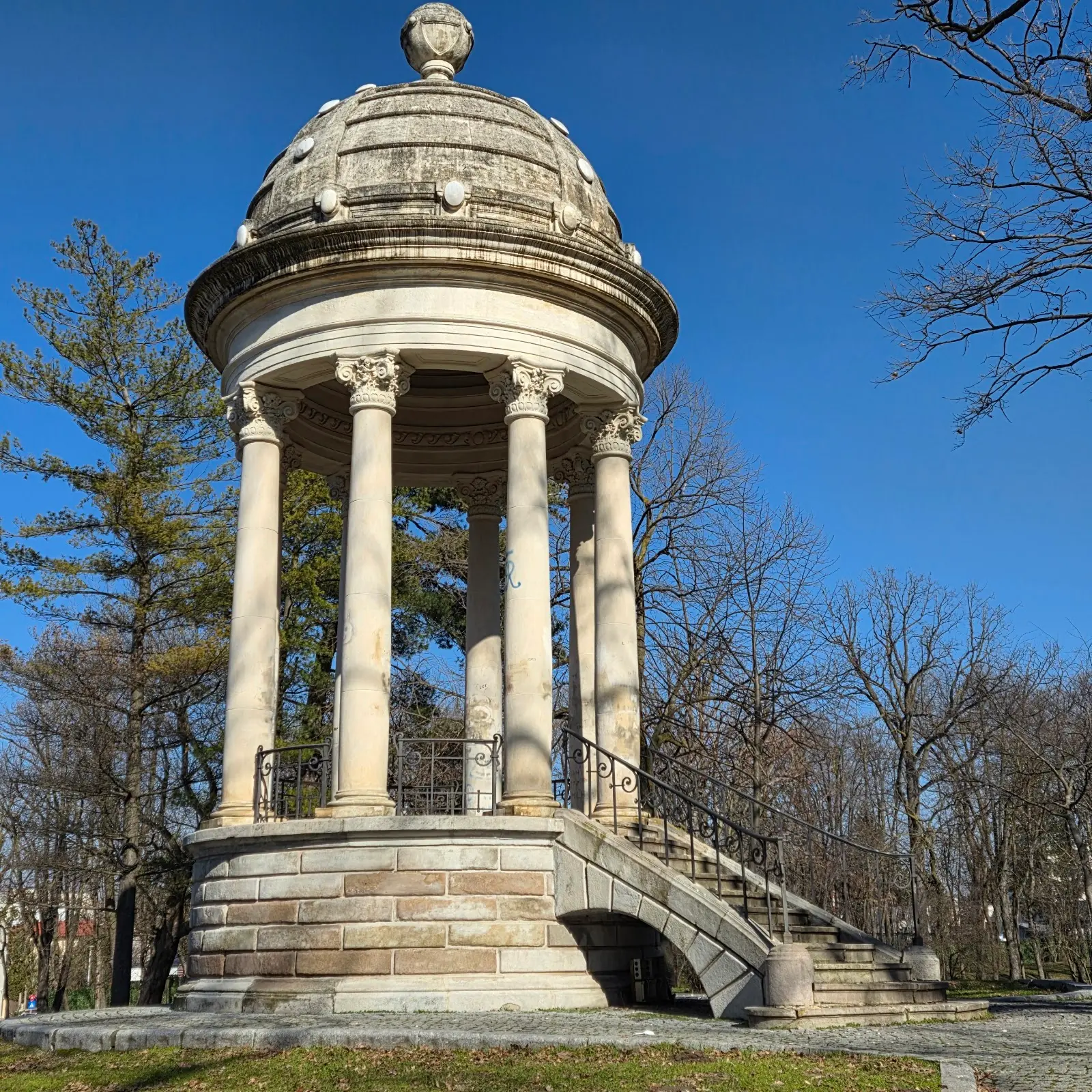
Nicolae Romanescu Park in Craiova is one of the largest and most beautiful parks in Romania and in south-eastern Europe, a work of landscape design awarded at the Universal Exhibition in Paris at the start of the 20th century. Laid out in the romantic style on ground of varied relief, the park stretches over dozens of hectares and impresses with lakes, waterfalls, a suspension bridge, a grotto, a miniature castle and paths winding through old tree plantations. In summer, rowing boats glide on the lakes and families spend their days in the shade of century-old trees; in autumn, the colours turn everything into a painting. A zoo and a hippodrome round out the offer. It is the pride of the Oltenia region and a promenade loved by generations. Admission is free; check the schedule of the zoo and boat rentals.
 Park
ParkGrădina Botanică Anastasie Fătu Iași
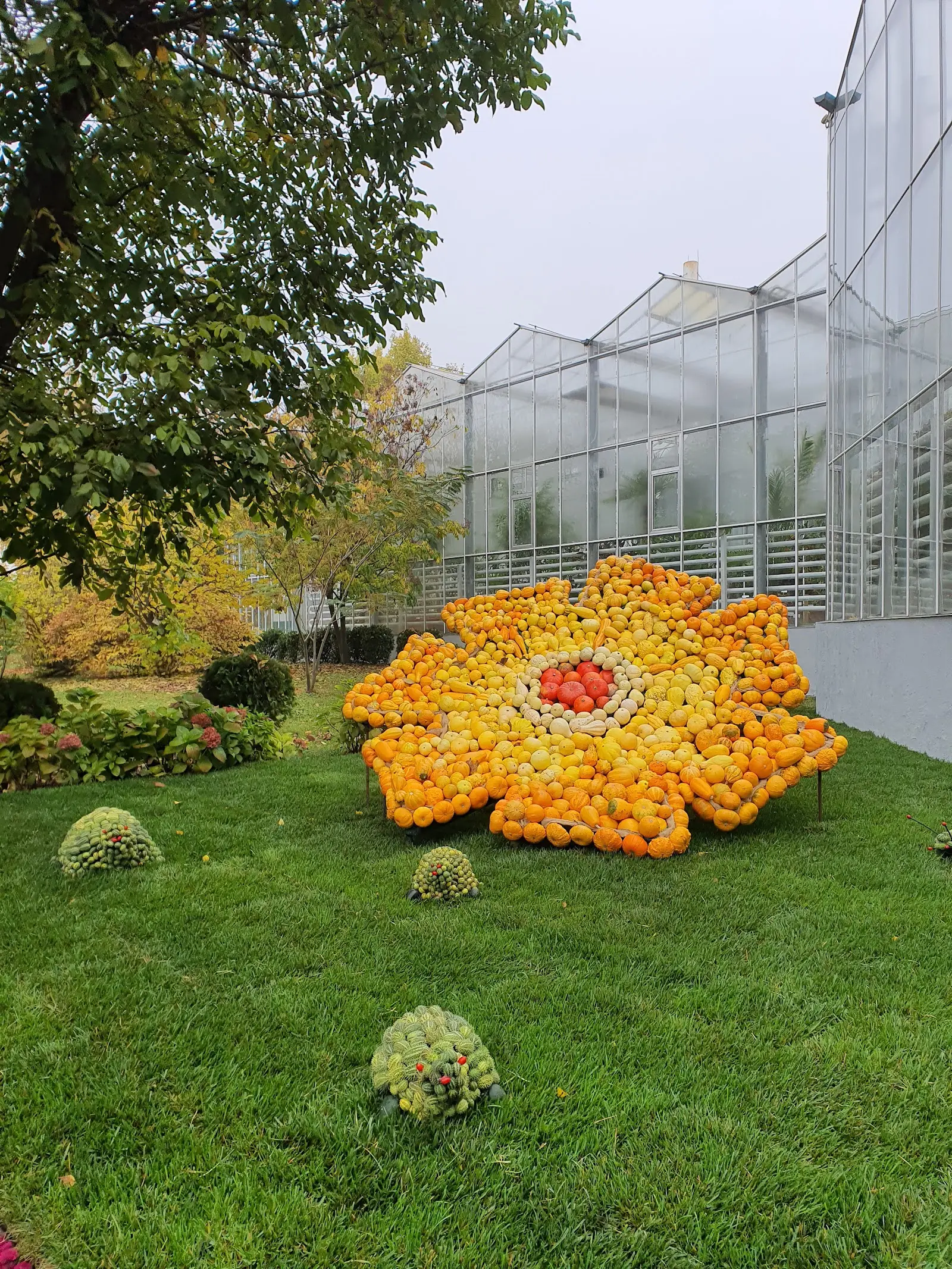
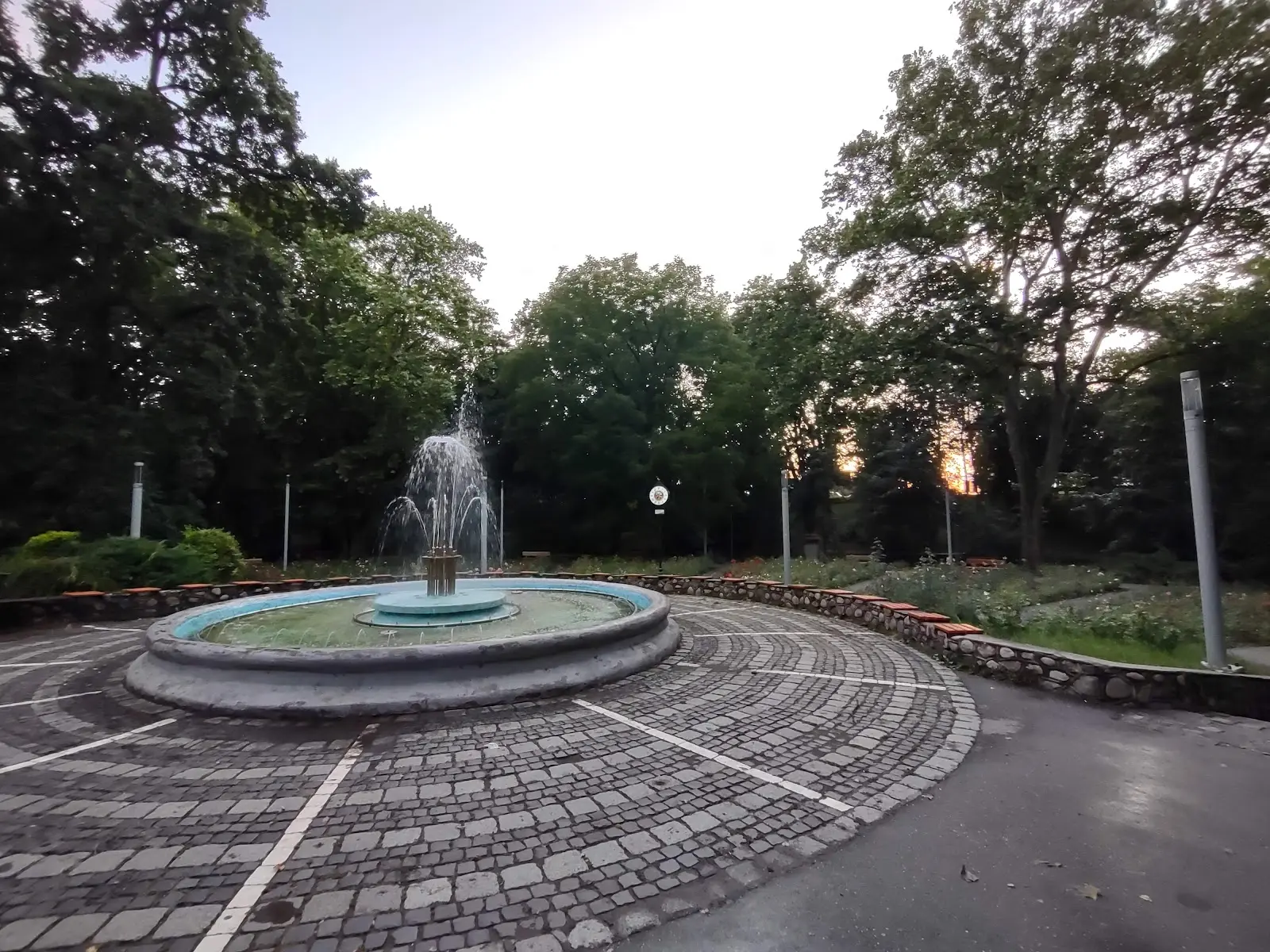
The ‘Anastasie Fătu' Botanical Garden in Iași is the oldest botanical garden in Romania, founded in 1856 by the physician and naturalist whose name it bears. Spread across more than 100 hectares in the Copou district, it is also the country's largest, organised into themed sections: systematics, dendrology, ornamental plants, an impressive rosarium and greenhouse complexes with tropical and subtropical species. Run by the Alexandru Ioan Cuza University, it has an important scientific and educational role, but for visitors it is above all a place to walk and breathe, with shaded paths, lakes and viewpoints over the city. In spring the roses and magnolias draw thousands; in autumn the colours make it a photographers' favourite. It is a good stop for families and anyone wanting a green break in the heart of Moldavia. Check the greenhouse hours, which may differ from the park's.
 Nature
Peștera Urșilor Chișcău
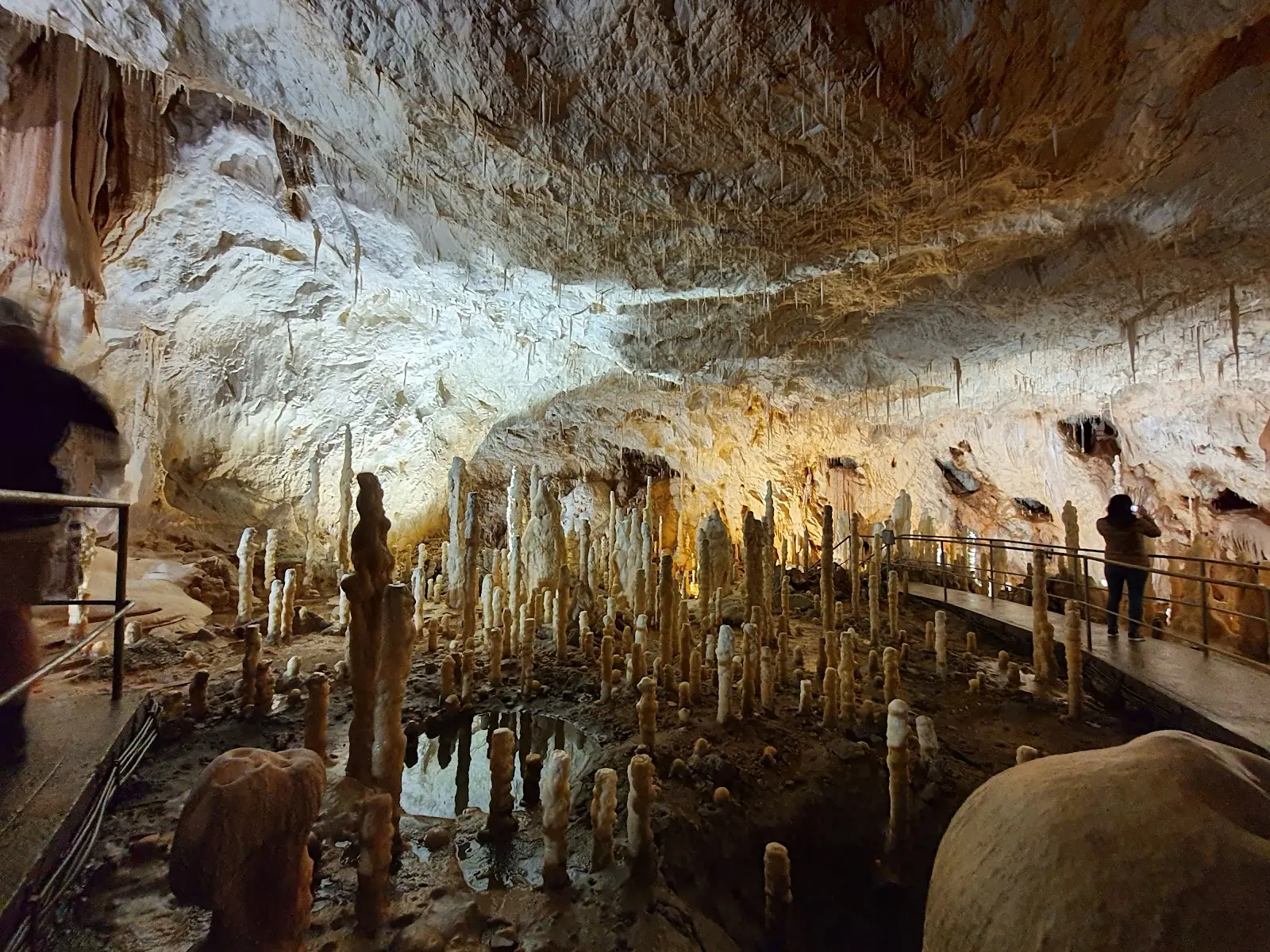
The Bears' Cave in the village of Chișcău, in the Apuseni Mountains, is one of Romania's most beautiful and most visited caves, discovered in 1975 by miners and opened to the public for its wealth of formations and its palaeontological importance. The name comes from the many cave-bear skeletons — a species extinct tens of thousands of years ago — found in its galleries, among them the famous ‘praying bear'. The arranged route passes through spectacular chambers, with stalactites, stalagmites and fine columns in which guides have recognised suggestive shapes with picturesque names. Discreet lighting brings out the white and the colours of the limestone. The cave is a classic stop for those exploring the Apuseni and combines well with the highland villages, gorges and waterfalls of the area. Dress warmly — the temperature is around 10 degrees all year — and check the guided-tour schedule, which runs at fixed times.
 Park
ParkParcul Sub Arini
Sub Arini Park is Sibiu oldest and best-loved park, laid out in the mid-19th century along the Trinkbach stream and extended over time into a true urban forest. With century-old alders, plane trees, oaks and many rare tree species, long shaded paths and little bridges over the water, the park is a place for walking, sport and relaxation for locals in every season. It is renowned for its calm atmosphere and for the spectacular autumn colours that make it a favourite of photographers. Along the paths stand busts of great figures and a flower clock, while its closeness to the historic centre makes it easy to reach on foot. It is the perfect spot for a green break between visits to the city museums and squares. A full stroll takes under an hour, but is best enjoyed unhurried, especially in the morning or towards evening.
 Park
ParkParcul Copou
Copou Park is the oldest purpose-built public park in Romania, opened in the early 19th century on the hill of the same name in Iași, in an area once reserved for the promenades of the Moldavian nobility. It is home to the famous Eminescu Linden and the Obelisk of Lions, the first public monument in Moldavia, dedicated to reforming laws and rulers. With wide paths, old trees, statues and busts of great writers, the park breathes a romantic, cultural air that has tied it forever to Romanian literature. Once a fashionable promenade, it remains today an oasis of calm in the heart of the university city, loved by students and families. It combines naturally with the nearby Botanical Garden and the palaces of the Copou area. It is a fitting stop for a cultural stroll, at its finest in spring, when the trees blossom, and in autumn, in warm colours.
 Park
ParkGrădina Botanică Craiova
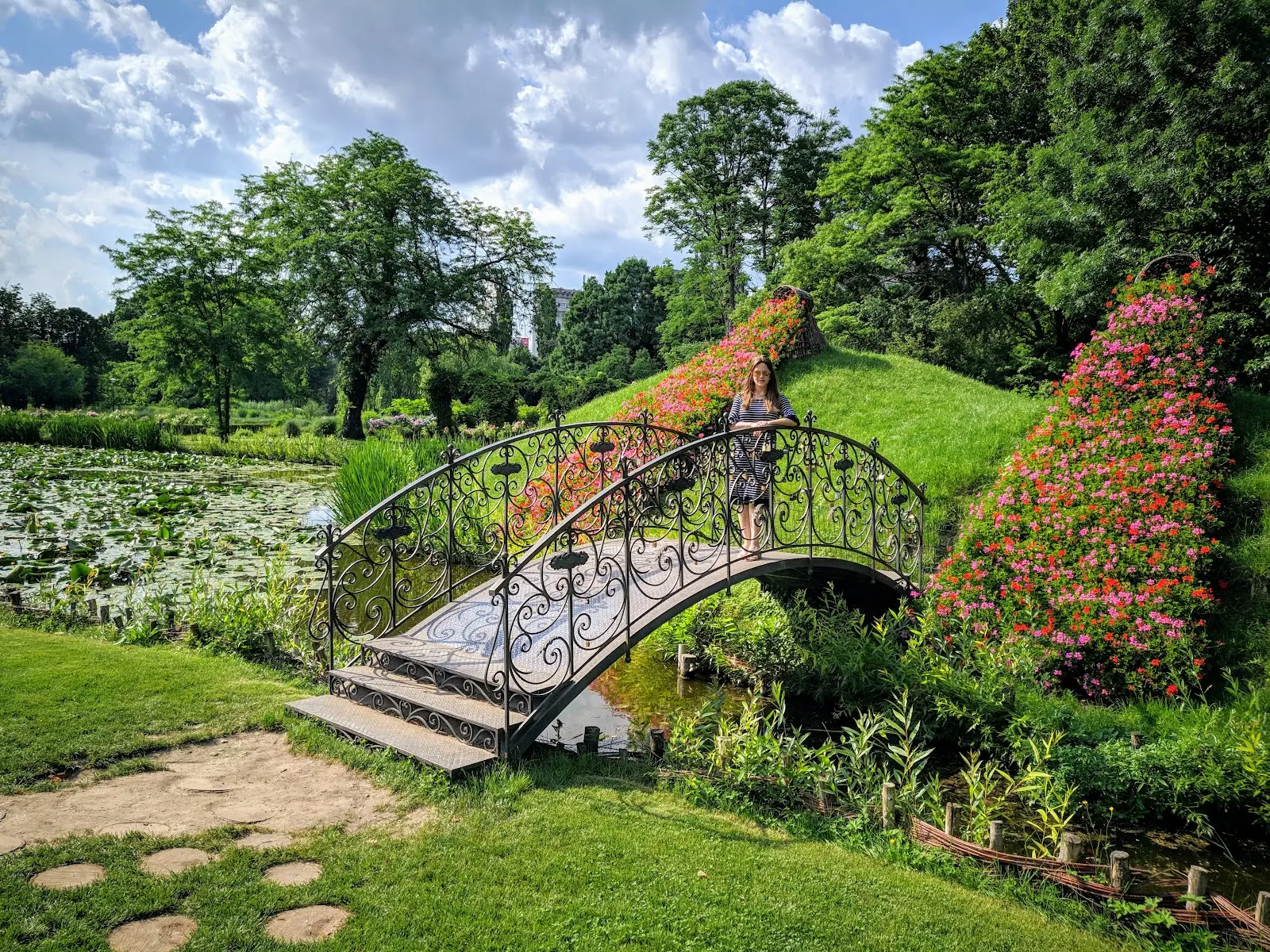
The Craiova Botanical Garden, bearing the name of the scientist Alexandru Buia, is one of the most important university botanical gardens in Romania, spread over several dozen hectares in a hilly setting. Organised into themed sections, it includes a systematic area, a rich dendrological sector, a rosarium, a pond and greenhouse complexes with exotic plants, as well as a small reconstituted Oltenian village with traditional houses and gates. The garden has a scientific and educational role, but for visitors it is above all a pleasant place to stroll and relax, with shaded paths and viewpoints. Its position near the centre makes it easily accessible, and its diversity of plants makes it a green oasis appreciated by families and nature lovers. It combines well with Nicolae Romanescu Park in the same city. Check the greenhouse hours, which may differ from the park, and allow time for the ethnographic section.
Plan your trip
Stay, tour and get there
Stays nearby
Where to stay
Experiences
Tours & activities
Guided tours, day trips and hand-picked experiences via GetYourGuide — free cancellation on most.
See all experiencesGetting to Romania
Flights, transfer & car
Fly into Romania
Compare fares to Bucharest Otopeni (OTP) and regional airports — Cluj, Sibiu, Iași, Timișoara.
Airport transfer
Private, fixed-price door-to-door transfer — driver waiting from the moment you land.
Rent a car — see the real Romania
A rental car is the key to Romania: the Transfăgărășan, the painted monasteries of Bucovina, mountain roads and the villages of Maramureș that no train reaches.
Find a carWhere to stay in the mountains
Stays nearby
Where to stay in the mountains

From our network
Munte.online
Everything about Romania's mountains — hiking trails, huts, ski slopes and ridge weather, on our dedicated mountain portal.