România Mea

Cheile Vârghișului

4.8(1,824 reviews)Comuna Merești, România
Cheile Vârghișului

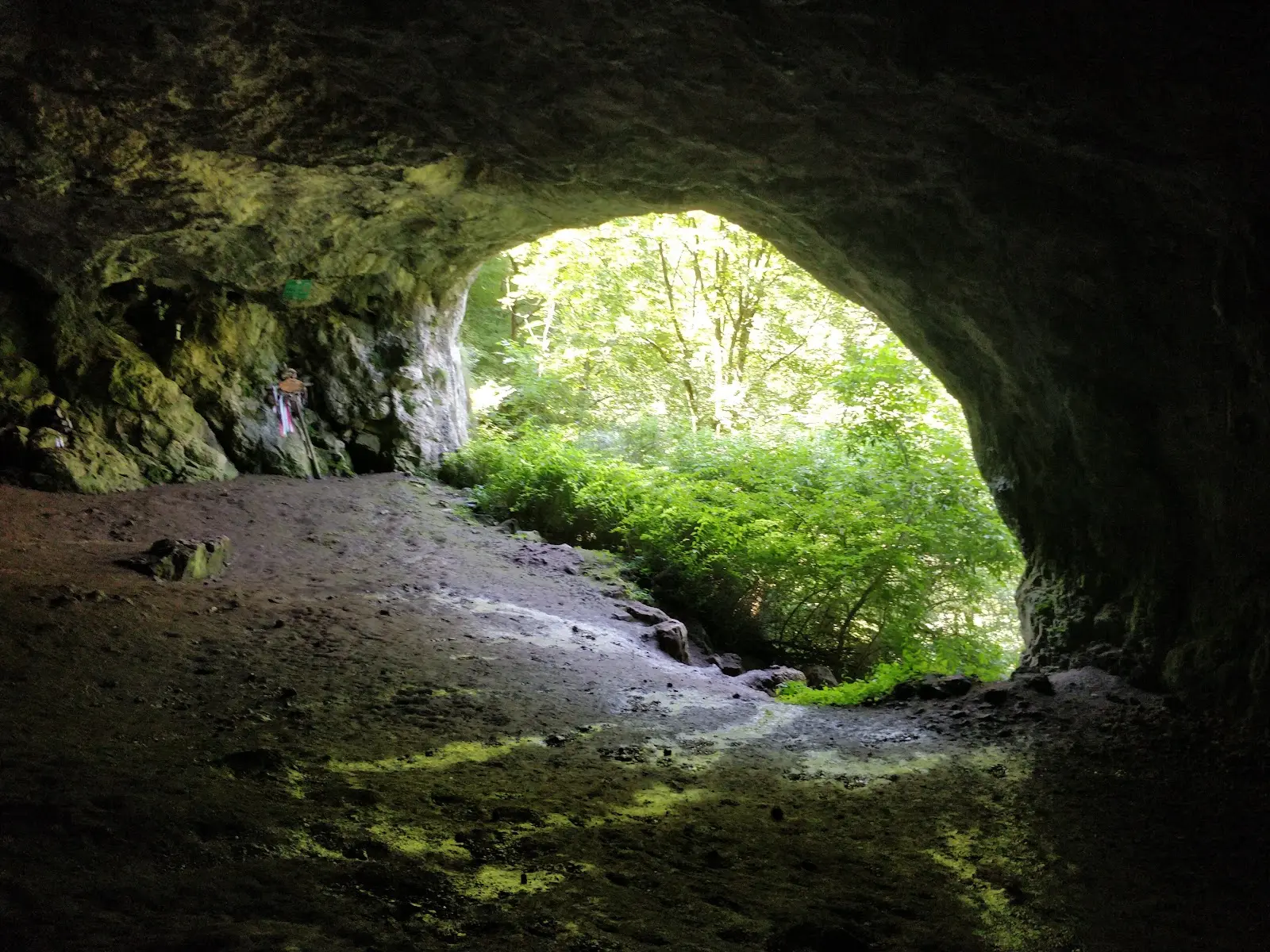
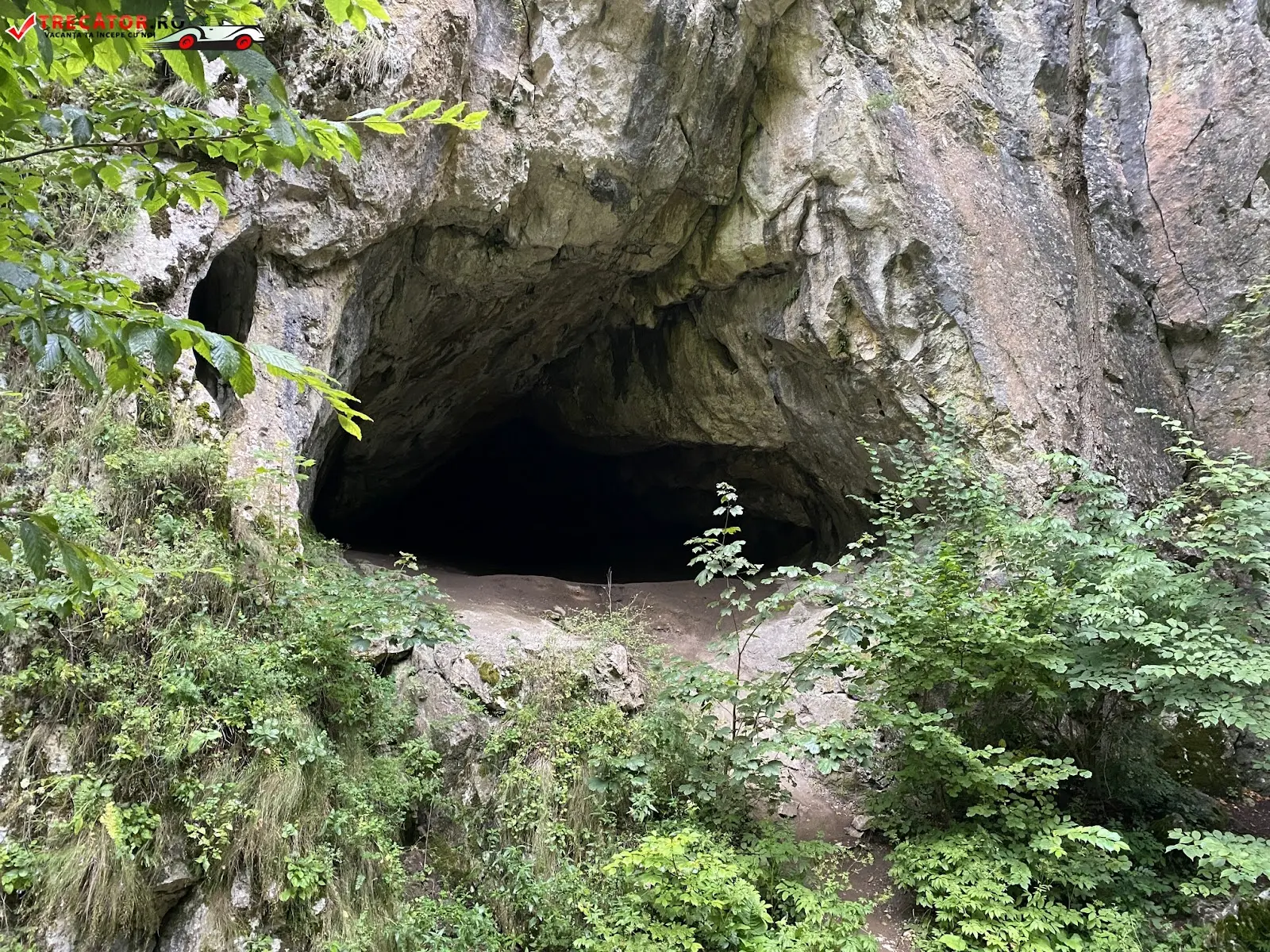
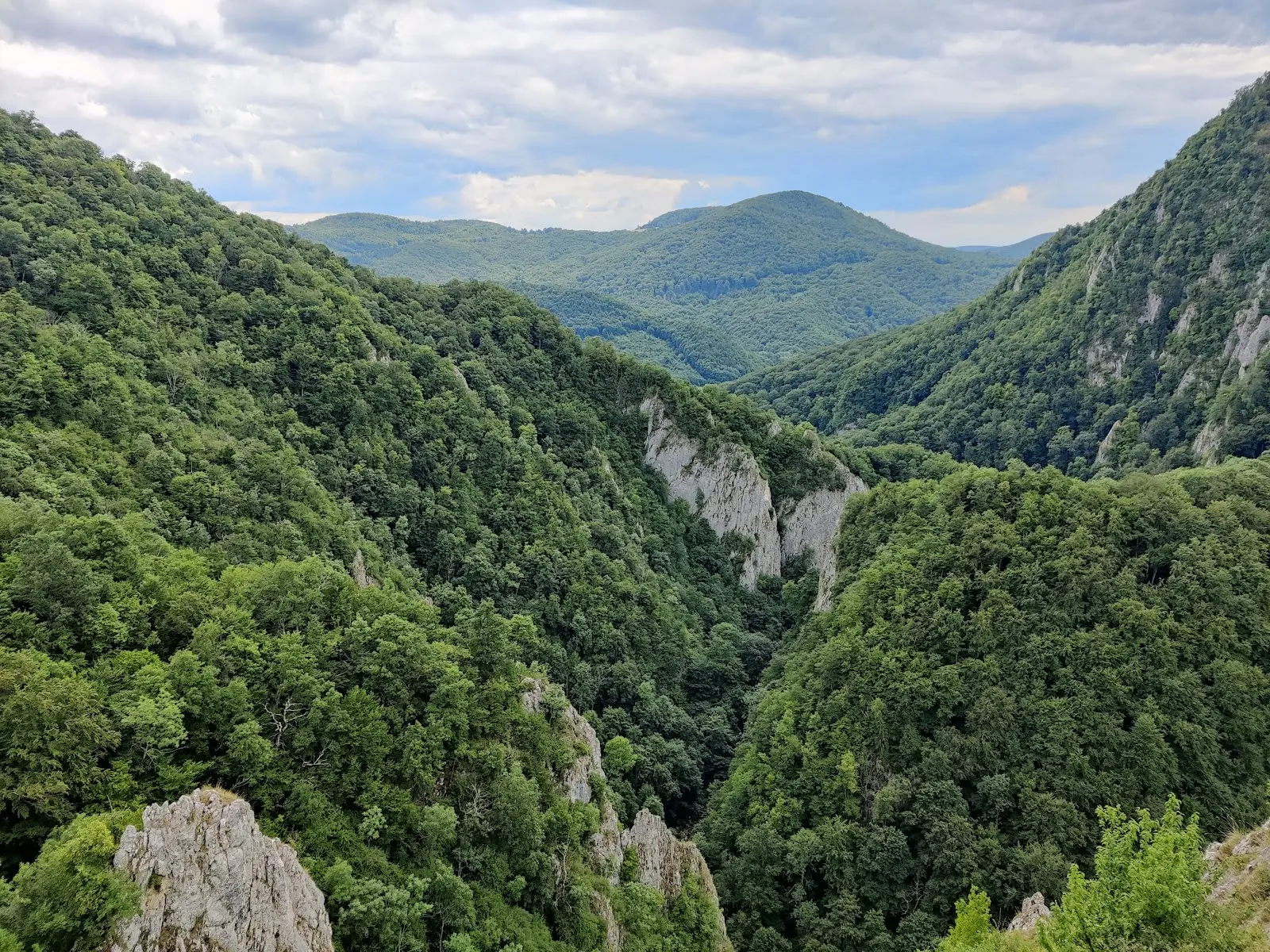
The Vârghiș Gorges are a spectacular wild valley carved by the Vârghiș River through the limestone massif on the border between Covasna and Harghita counties, in the heart of Transylvania. Steep rock walls, tens of metres high, rise on either side of the water, creating an impressive landscape prized by hikers and nature lovers. The area is also known for the many caves opening in the slopes of the gorges, some with traces of prehistoric habitation and important archaeological finds.

The best known of them shelters remains attesting to human presence since ancient times. The nature reserve protects both the geological forms and the distinctive flora and fauna of the place. A marked trail allows the gorges to be walked along paths and footbridges.

Visitors should wear hiking footwear and respect the rules of the protected area. It is advisable to check the water level and the accessibility of the trail before setting out.
Frequently asked questions

Where is Cheile Vârghișului?+

Cheile Vârghișului is located at Comuna Merești, România, in Sfântu Gheorghe.

Is Cheile Vârghișului worth visiting?+

Yes — it holds a 4.8/5 rating from 1,824 visitor reviews.

Do I need to book tickets for Cheile Vârghișului?+

Popular sights can sell out — booking ahead online saves queuing.

What else is near Cheile Vârghișului?+

Nearby you'll find Munții Ciucaș, Castelul Daniel Tălișoara, Castelul Kálnoky Micloșoara.

Keep exploring

More of Sfântu Gheorghe

Explore Sfântu Gheorghe

See in Sfântu Gheorghe

See all
Munții CiucașMountain

Munții Ciucaș

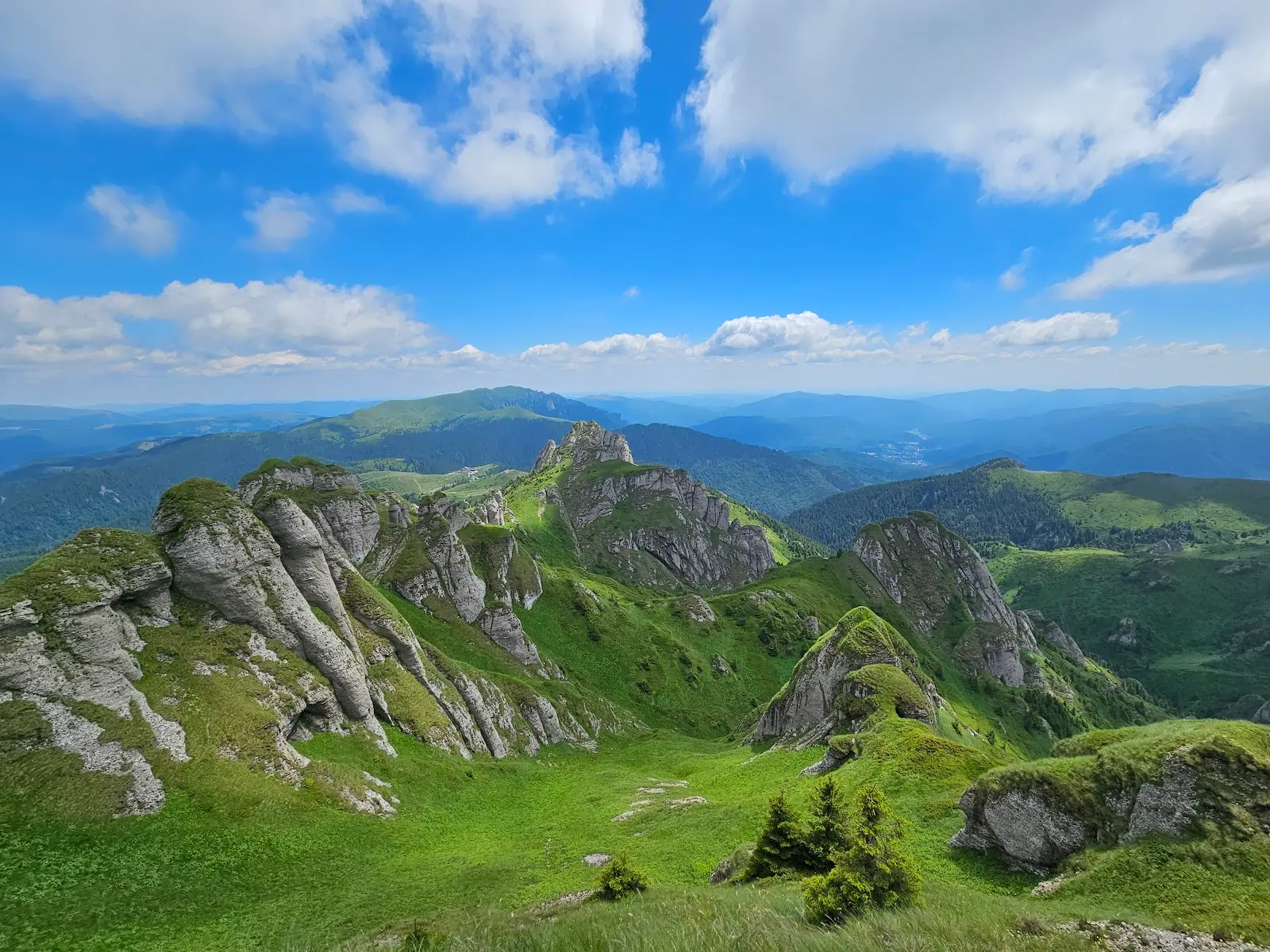
The Ciucas Mountains are part of the Curvature Carpathians and are famous for their spectacular landscapes, dominated by rock formations of strange shapes modelled by erosion, such as the celebrated Tigaile Mari and Babele la Sfat. Set where historic regions meet, near the villages of the Covasna area and the Teleajen Valley, the mountains are appreciated by hikers for their accessible trails and wide views over the surrounding ridges. The rich vegetation includes extensive dwarf-pine thickets and alpine meadows dotted with mountain flowers, and in certain areas stands of Carpathian rhododendron flower in summer. The network of marked paths links the main points of interest, and the chalet in the massif offers a base for hikers. As mountains of moderate altitude, Ciucas suits beginners too, but the weather can change quickly, so suitable gear and caution are needed. The area is an excellent destination for day hikes and for lovers of nature.

4.9(438 reviews)
Castelul Daniel TălișoaraCastle

Castelul Daniel Tălișoara

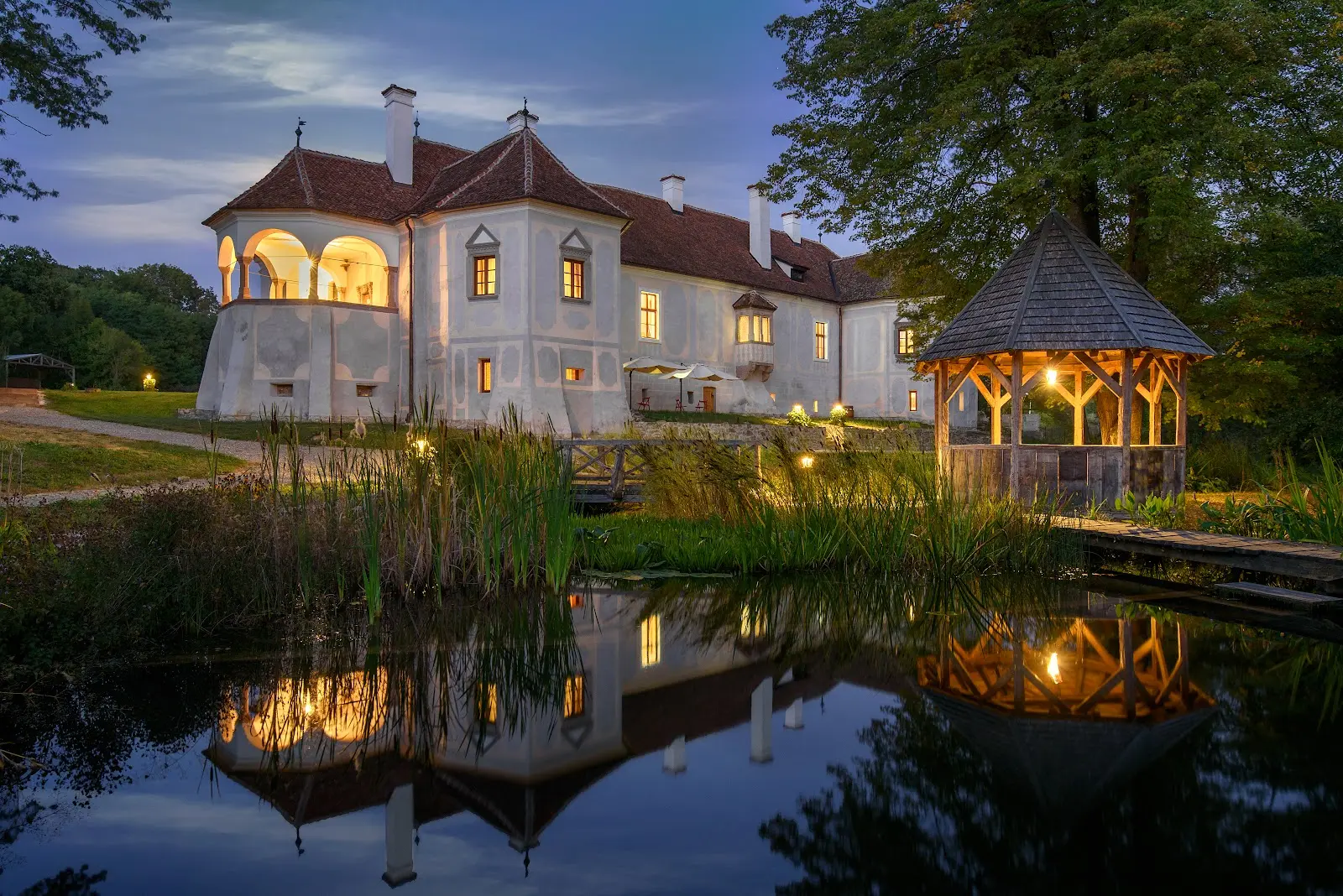
Daniel Castle in Tălișoara, Covasna County, is a Székely noble manor raised by the old Daniel family, one of the most notable aristocratic families of the Székely Land. The building, with origins in the 17th century and later remodelling in Baroque and Classicist style, is surrounded by a park and keeps the atmosphere of a country residence of the Transylvanian nobility, with massive walls, an imposing gate and vaulted halls. Over the centuries the castle has witnessed the troubled history of the Székely Land, and after the communist period, when many such residences were nationalised and left to ruin, it entered a broad restoration process that returned some of its former lustre. Today it operates as a boutique residence and event venue, contributing to the revival of the area's aristocratic heritage. Practical note: check the conditions for visiting or staying in advance, since access depends on the schedule of the private residence.

4.6(1,039 reviews)
Castelul Kálnoky MicloșoaraCastle

Castelul Kálnoky Micloșoara

Kálnoky Castle in Micloșoara, Covasna County, is the historic residence of one of the oldest and most prestigious aristocratic families of Transylvania, the counts Kálnoky, attested in the Székely Land for over eight centuries. The manor, with Renaissance origins and Baroque remodelling, was nationalised in the communist period and left to ruin, but after 1989 Count Tibor Kálnoky, returned from exile, launched a broad restoration process, returning its former lustre and turning it into a symbol of the revival of noble heritage. Today the estate operates as a guest residence and a centre of authentic cultural tourism, with traditional Saxon and Székely houses restored in the surrounding villages, offering visitors an immersion in the Transylvanian aristocratic world. The area has also become known thanks to British royal visits to the region. Practical note: book a guided visit or a stay well ahead, since the estate works by appointment.

4.6(992 reviews)

Eat in Sfântu Gheorghe

See all

Stay in Sfântu Gheorghe

See all

Plan your Romania

From the Carpathians to the Black Sea — let's plan the trip together.

Ask us anything or get a tailored itinerary — from the best time to go to the road that ties it all together.

Our network

More of Romania, in depth

Dedicated portals for the places that deserve a site of their own.