Transylvania
Sfântu Gheorghe
A cultural Szekler town, near Covasna.
Sfântu Gheorghe (Sepsiszentgyörgy in Hungarian) is the capital of Covasna County and one of the principal towns of the Székely Land, set on the banks of the Olt River at the foot of the volcanic mountains in the Carpathian bend. It is a town with a strong Hungarian identity and a cultural life surprisingly intense for its size.
The town centre preserves an eclectic 19th- and 20th-century architecture, with landmark buildings such as the Bazaar Palace and the imposing Székely National Museum, a work in the Neo-Romanian and Székely style designed by architect Károly Kós, which holds remarkable ethnographic collections. The "Tamási Áron" Theatre is a hub of Hungarian culture in Romania, and the town hosts nationally recognised festivals of theatre, music and tradition.
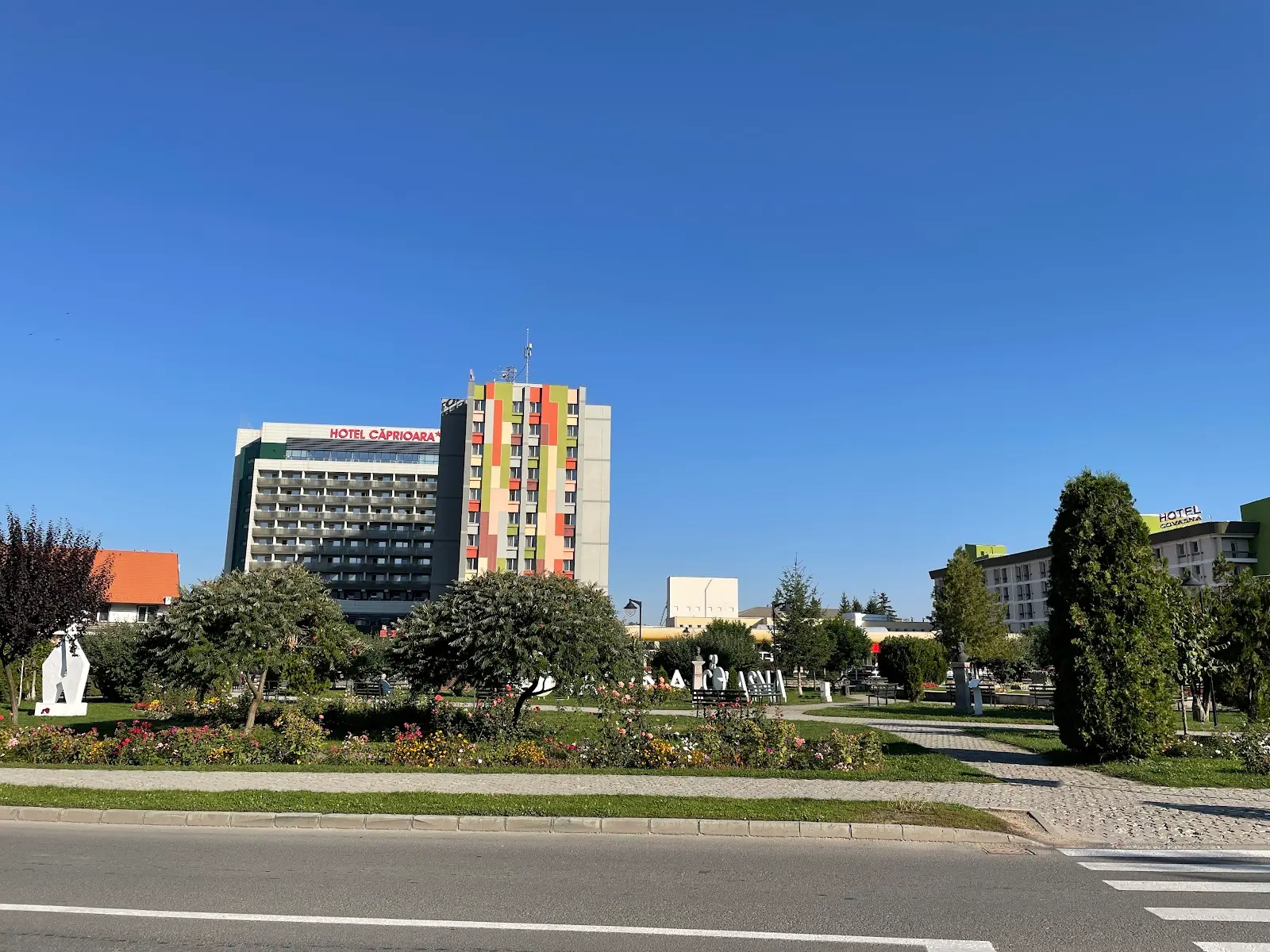
The atmosphere is quiet and well kept, with parks, terraces and a lively central square. The Covasna region is renowned for its mineral springs and mofettes (therapeutic carbon-dioxide emanations), with the Covasna resort nicknamed "the resort of the 1,000 springs". The cuisine blends the Székely tradition — goulash, stews, kürtőskalács — with local produce.
Practically, the town is reachable by train and car from Brașov, less than an hour away, and serves as a base for exploring the surrounding spa resorts and Székely villages. It is worth visiting for its living culture, its museums, and the sub-Carpathian scenery of the mountain bend.
Where to stay
All stays →
Where to eat
All restaurants →
What to see
See all →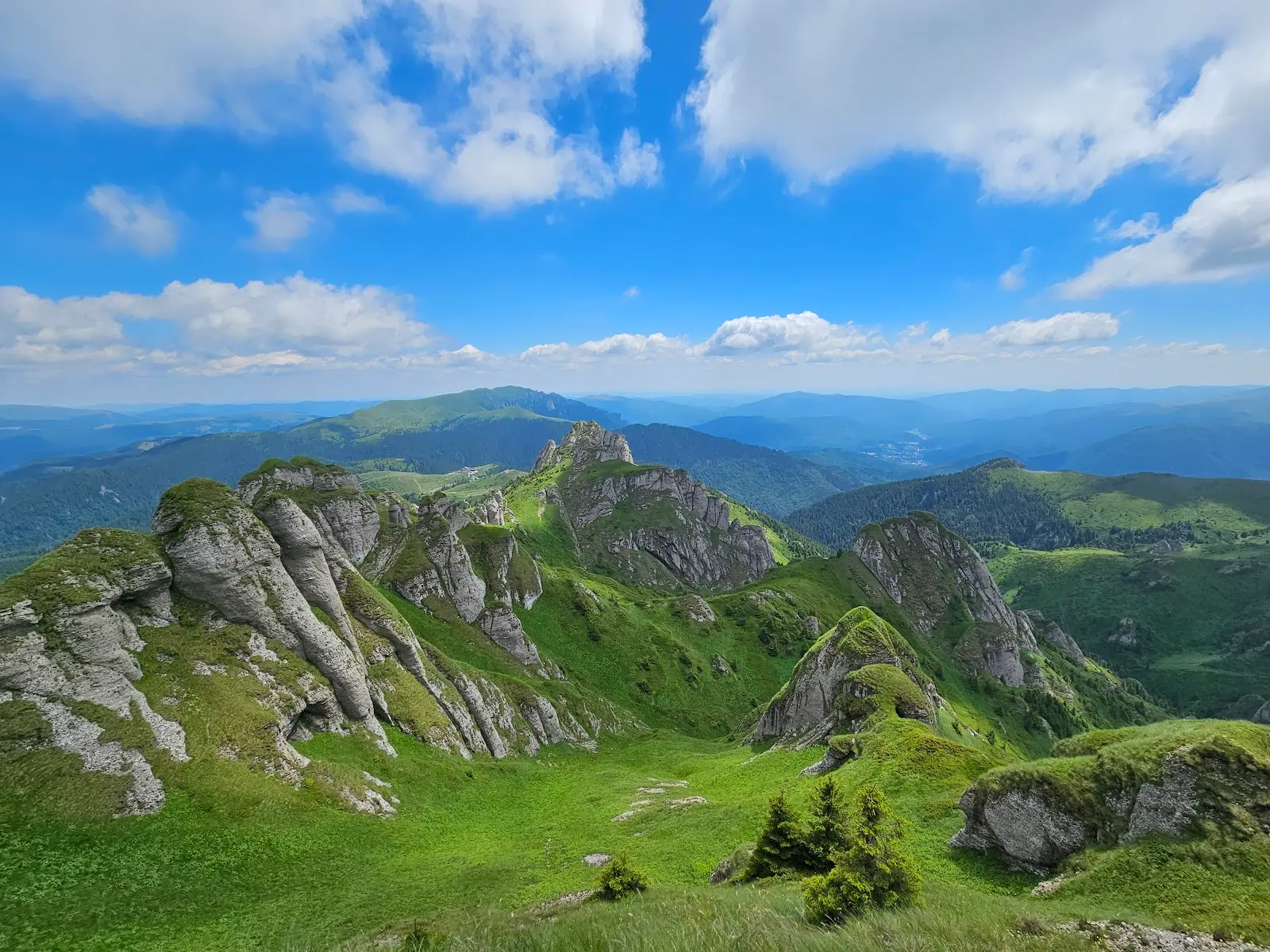 Mountain
Munții Ciucaș
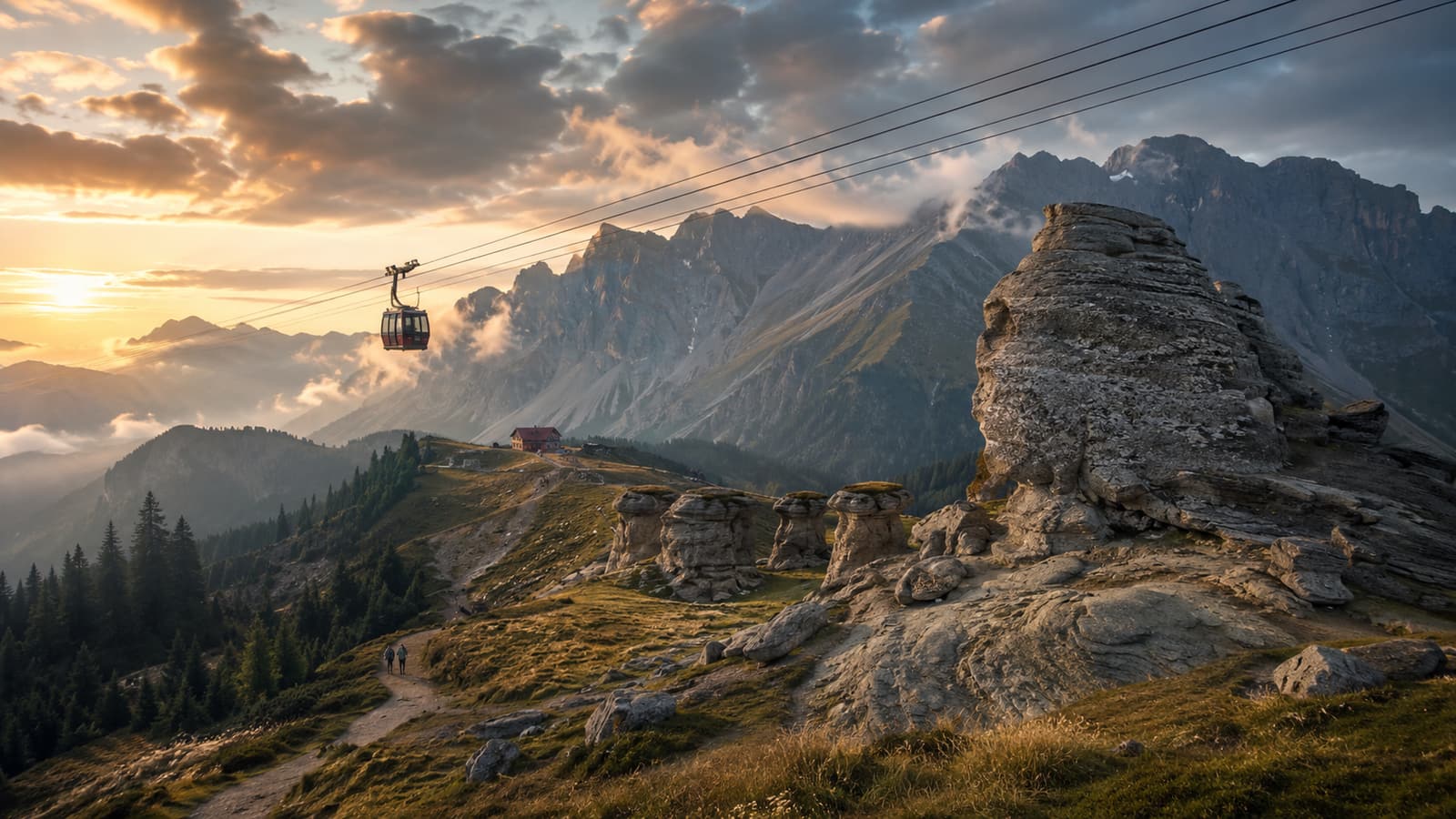
The Ciucas Mountains are part of the Curvature Carpathians and are famous for their spectacular landscapes, dominated by rock formations of strange shapes modelled by erosion, such as the celebrated Tigaile Mari and Babele la Sfat. Set where historic regions meet, near the villages of the Covasna area and the Teleajen Valley, the mountains are appreciated by hikers for their accessible trails and wide views over the surrounding ridges. The rich vegetation includes extensive dwarf-pine thickets and alpine meadows dotted with mountain flowers, and in certain areas stands of Carpathian rhododendron flower in summer. The network of marked paths links the main points of interest, and the chalet in the massif offers a base for hikers. As mountains of moderate altitude, Ciucas suits beginners too, but the weather can change quickly, so suitable gear and caution are needed. The area is an excellent destination for day hikes and for lovers of nature.
 Nature
Cheile Vârghișului
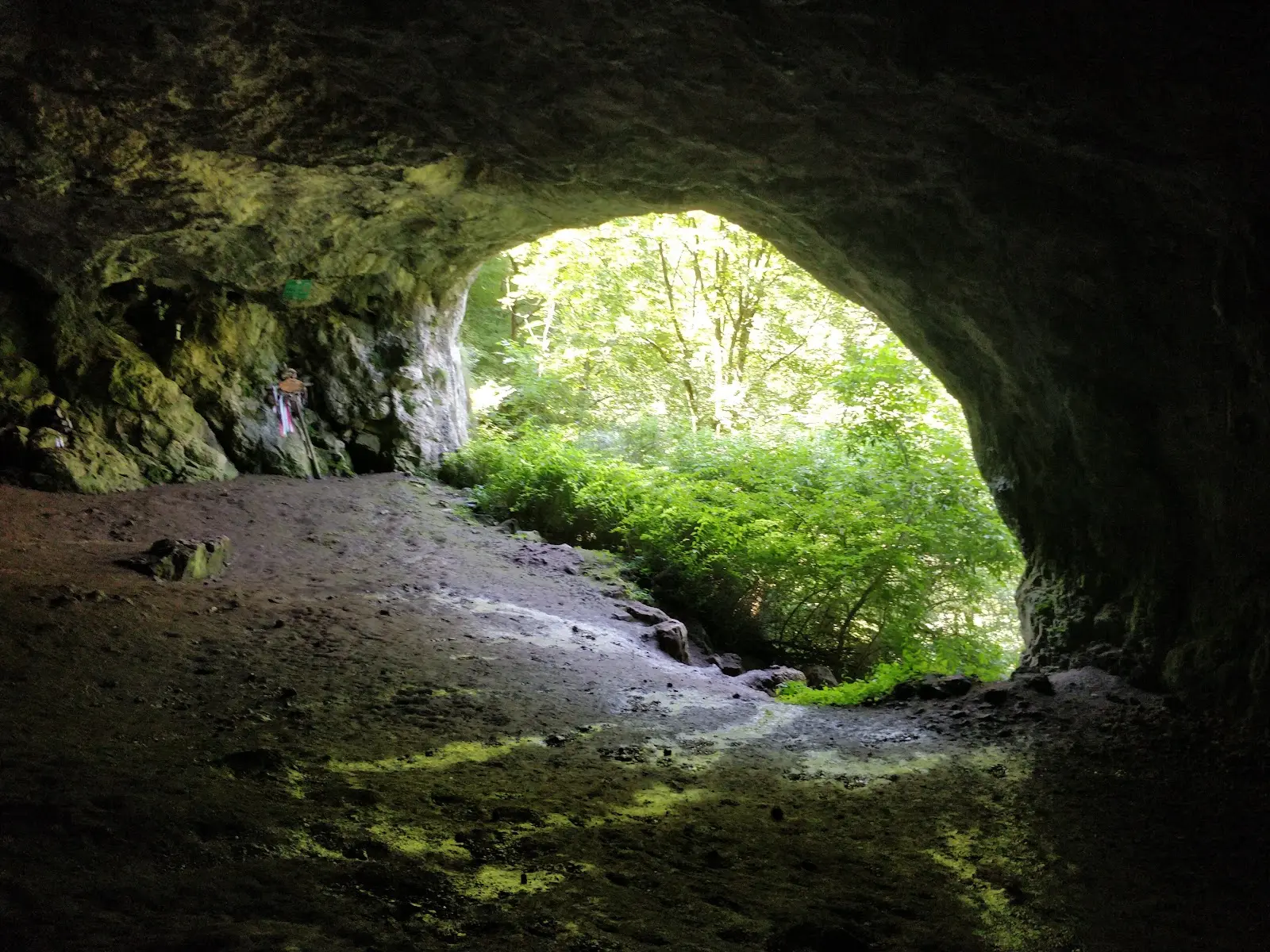
The Vârghiș Gorges are a spectacular wild valley carved by the Vârghiș River through the limestone massif on the border between Covasna and Harghita counties, in the heart of Transylvania. Steep rock walls, tens of metres high, rise on either side of the water, creating an impressive landscape prized by hikers and nature lovers. The area is also known for the many caves opening in the slopes of the gorges, some with traces of prehistoric habitation and important archaeological finds. The best known of them shelters remains attesting to human presence since ancient times. The nature reserve protects both the geological forms and the distinctive flora and fauna of the place. A marked trail allows the gorges to be walked along paths and footbridges. Visitors should wear hiking footwear and respect the rules of the protected area. It is advisable to check the water level and the accessibility of the trail before setting out.
 Castle
Castelul Daniel Tălișoara
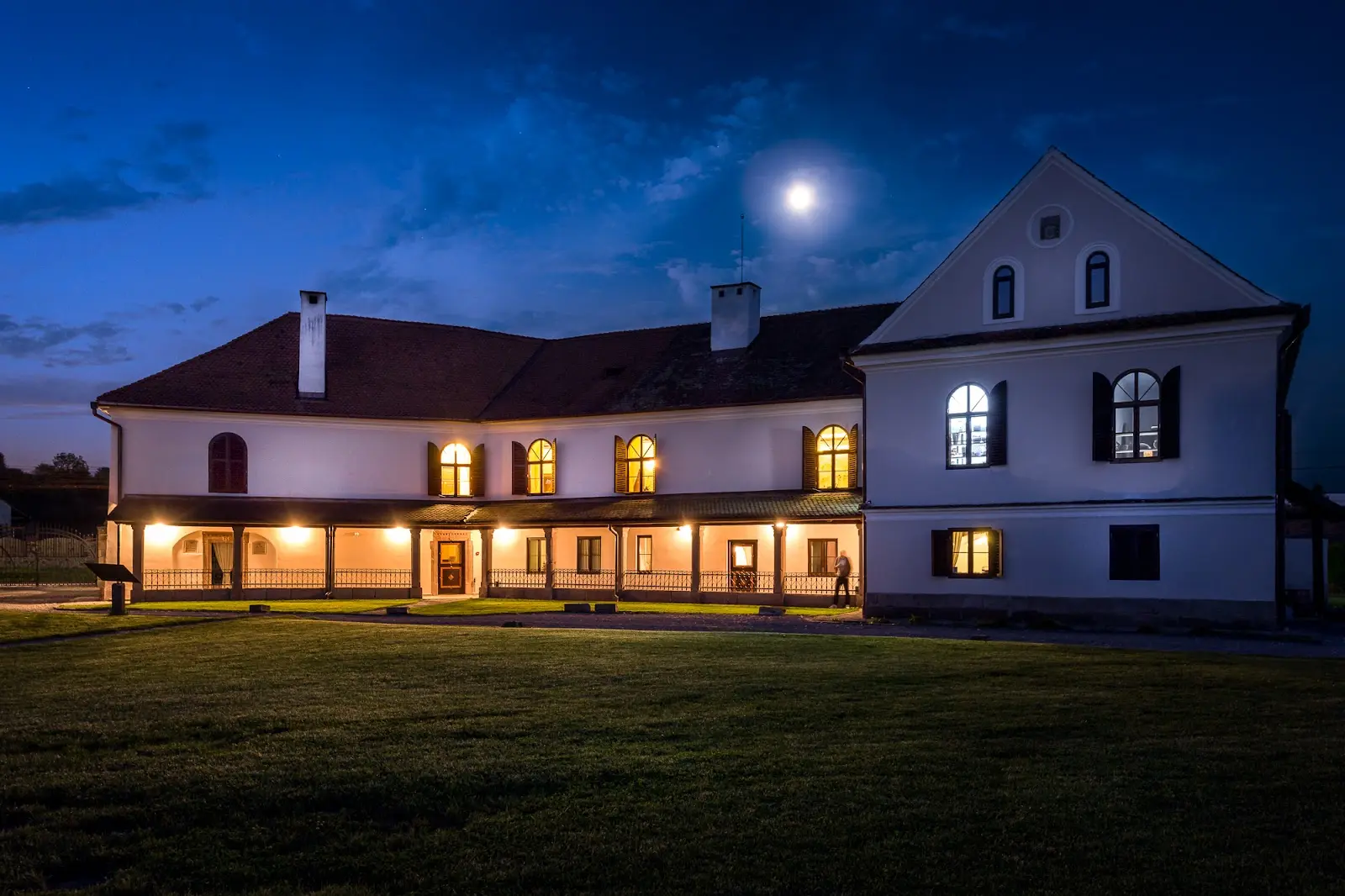
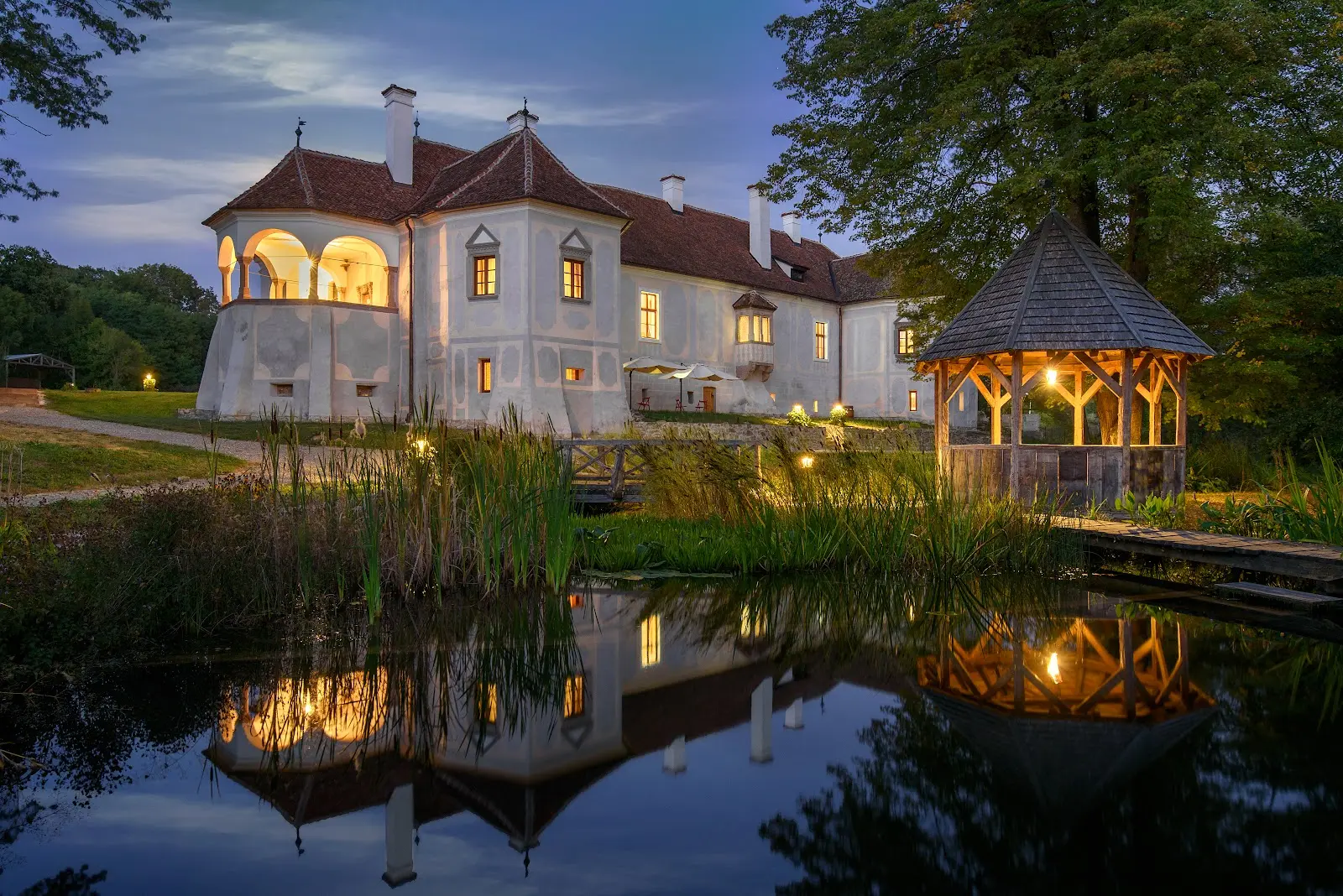
Daniel Castle in Tălișoara, Covasna County, is a Székely noble manor raised by the old Daniel family, one of the most notable aristocratic families of the Székely Land. The building, with origins in the 17th century and later remodelling in Baroque and Classicist style, is surrounded by a park and keeps the atmosphere of a country residence of the Transylvanian nobility, with massive walls, an imposing gate and vaulted halls. Over the centuries the castle has witnessed the troubled history of the Székely Land, and after the communist period, when many such residences were nationalised and left to ruin, it entered a broad restoration process that returned some of its former lustre. Today it operates as a boutique residence and event venue, contributing to the revival of the area's aristocratic heritage. Practical note: check the conditions for visiting or staying in advance, since access depends on the schedule of the private residence.
 Castle
Castelul Kálnoky Micloșoara
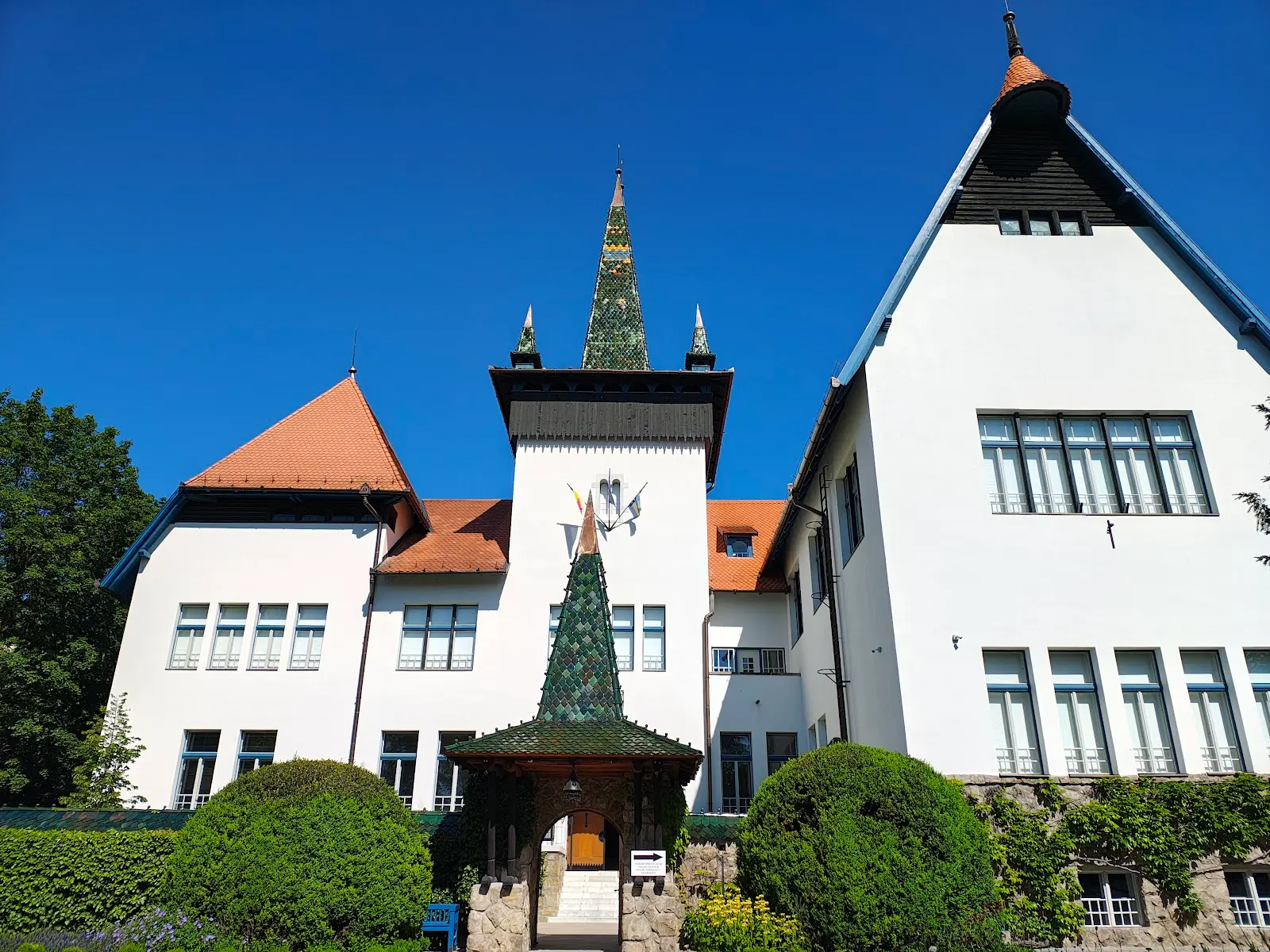
Kálnoky Castle in Micloșoara, Covasna County, is the historic residence of one of the oldest and most prestigious aristocratic families of Transylvania, the counts Kálnoky, attested in the Székely Land for over eight centuries. The manor, with Renaissance origins and Baroque remodelling, was nationalised in the communist period and left to ruin, but after 1989 Count Tibor Kálnoky, returned from exile, launched a broad restoration process, returning its former lustre and turning it into a symbol of the revival of noble heritage. Today the estate operates as a guest residence and a centre of authentic cultural tourism, with traditional Saxon and Székely houses restored in the surrounding villages, offering visitors an immersion in the Transylvanian aristocratic world. The area has also become known thanks to British royal visits to the region. Practical note: book a guided visit or a stay well ahead, since the estate works by appointment.
 Museum
Muzeul Național Secuiesc
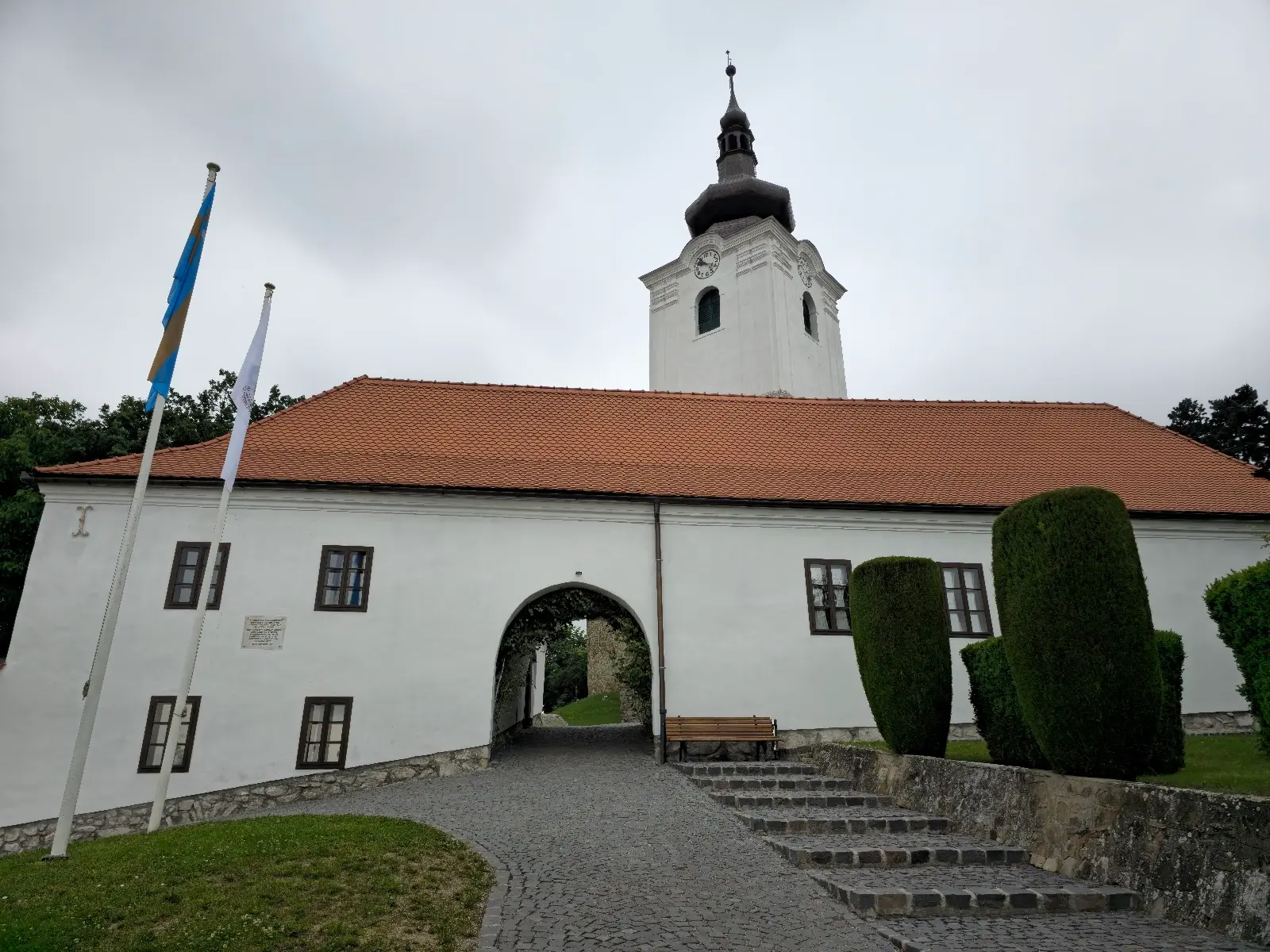
The Szekler National Museum in Sfantu Gheorghe is the foremost museum devoted to the history and culture of the Szeklers, housed in a monumental building designed by the architect Karoly Kos, a landmark of the Hungarian national style of the early twentieth century. Its collections include archaeology, ethnography, art and history that illustrate the life of the Szekler community of south-eastern Transylvania across the centuries. Visitors discover traditional costumes, household objects, tools, documents and works of art that outline the identity of this region. The building itself, with its broad roofs and decoration drawn from folk art, deserves admiration as a work of architecture. The museum is a central point of cultural life in Covasna county. Checking the schedule and any temporary exhibitions before visiting is recommended.
 Church
Biserica Reformată Fortificată Sfântu Gheorghe
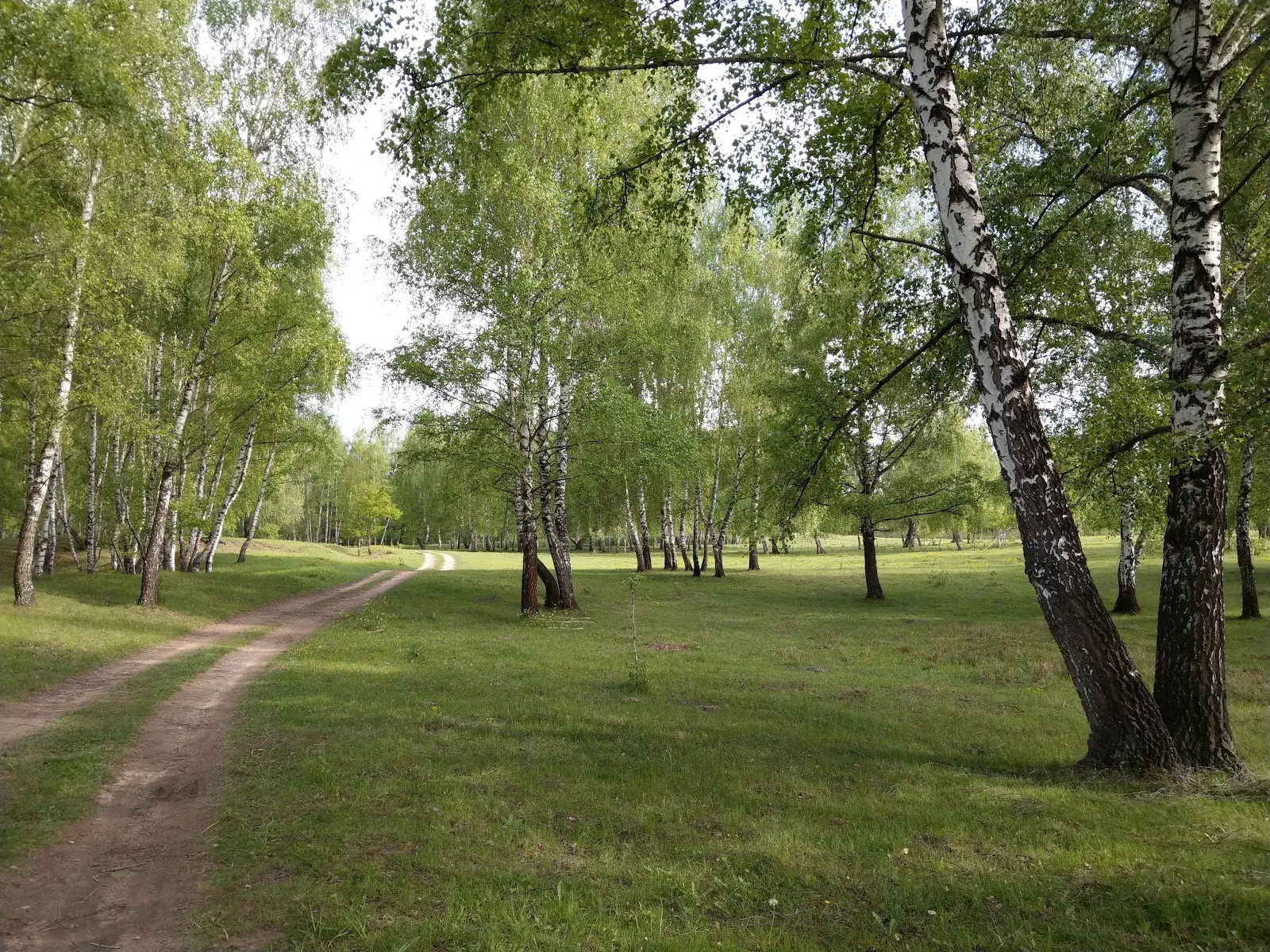
The Fortified Reformed Church of Sfântu Gheorghe is one of the oldest and most valuable monuments of the seat of Covasna County, in the heart of the Székely Land. Raised in medieval times, the church was surrounded, like many others in Transylvania, with a reinforced precinct wall meant to shelter the community in times of danger, when invasions threatened the settlements. Passing to the Reformation as Calvinism spread among the Székely, the church became a Reformed place of worship, yet kept its original Gothic structure. The austere interior, characteristic of the Reformed rite, contrasts with the massiveness of the defensive walls that surround it. Sfântu Gheorghe, a town with a strong Hungarian identity, finds in this fortified church a central point of its heritage and communal memory. For visitors travelling through the Székely Land, the monument offers eloquent testimony to the way faith and the need for defence intertwined in the sacred architecture of old Transylvania.
 Nature
Rezervația Naturală Reci
The Reci Nature Reserve, near Sfântu Gheorghe in Covasna county, is a remarkable protected area known for its continental sand dunes, a rare phenomenon in this part of the country. The landscape combines dunes, wetlands, marshes and meadows, creating a mosaic of habitats that shelter rich biodiversity, with numerous protected plant and animal species. The reserve is an important resting and nesting place for birds and is prized by ornithologists and nature lovers. The specific vegetation adapted to sandy soil, and the presence of rare species, make this place a true natural laboratory. Visitors can explore the area along paths, discovering a landscape unexpected for the heart of Transylvania, with its dunes partly covered by vegetation. Located near Sfântu Gheorghe and the Olt valley, the reserve is an ideal destination for those interested in biodiversity, birdwatching and unusual scenery, offering a quiet and educational experience amid the nature of Covasna.
NatureBalta Dracului Covasna
The Devil's Pond in Covasna is a fascinating natural phenomenon, a small pool of murky water located in the renowned spa resort of Covasna, known for its abundance of mineral waters and carbon dioxide emanations. What makes it special is the constant activity from its depths: gases rising from the ground continuously stir the water and sand, giving the impression that the pond is bubbling or boiling without being hot, an unusual spectacle that gave rise to its name linked to folk beliefs about unseen powers. The phenomenon is a living testimony to the post-volcanic activity of the Szekler land, where numerous mineral springs and dry carbon dioxide baths are used therapeutically. The pond is a curious objective, easily accessible, integrated into the resort landscape. Practical note: the visit is short and can be combined with the treatments and walks of the Covasna resort; do not venture into the water, as the bottom is unstable, and the area should be viewed from the edge.
 Spa
SpaStațiunea Covasna
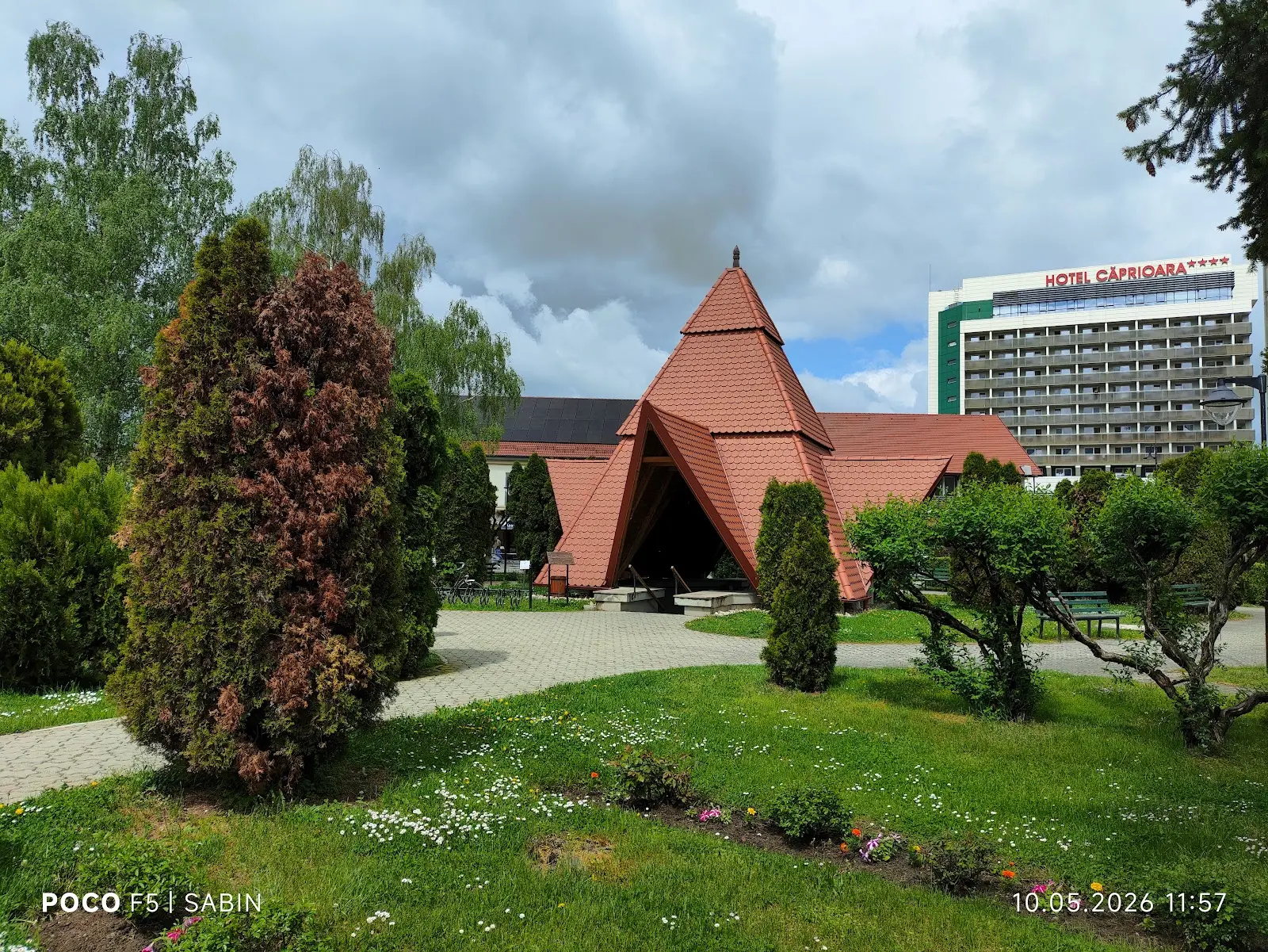
Covasna Resort is one of the most famous spa resorts in Romania, known for its carbonated mineral springs and for the natural emanations of carbon dioxide, used in treating cardiovascular conditions. Located in southeastern Transylvania, at the foot of the mountains near Sfântu Gheorghe, the resort has over time gained the nickname of the resort of the heart, thanks to the effectiveness of its treatments for circulatory diseases. Here operate treatment facilities where carbonated baths and specific procedures are applied under the guidance of specialists. A well-known feature is the phenomenon called the devil's pool, a natural mofette where the gases rise to the surface. The clean mountain air, the picturesque setting and the spa infrastructure make Covasna a sought-after place for cures and rest. Practical note: spa treatments are usually done in an organised setting and based on medical recommendations, and those wishing to undergo a cure should inquire at the specialised facilities in the resort about the available procedures.
Frequently asked questions
What is Sfântu Gheorghe known for?+
Sfântu Gheorghe is best known for sights such as Munții Ciucaș, Cheile Vârghișului, Castelul Daniel Tălișoara.
How many days do you need in Sfântu Gheorghe?+
One to two days is enough to see the highlights of Sfântu Gheorghe; stay longer to use it as a base for day trips.
Where should I stay in Sfântu Gheorghe?+
See our selected stays above, or check live rates and availability on the accommodation map.