
Transylvania
Făgăraș
The moated citadel and the gateway to the Transfăgărășan.
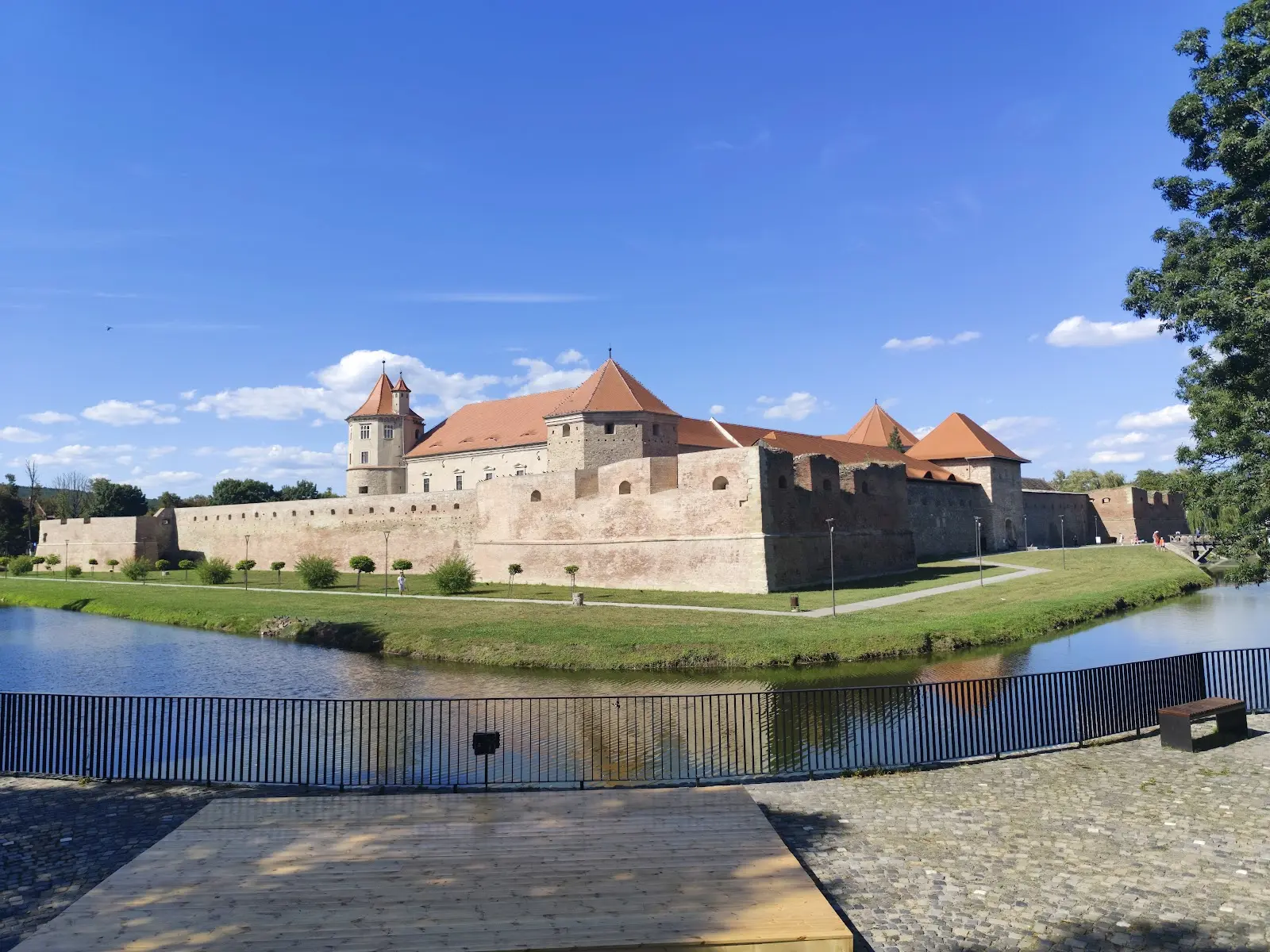
Făgăraș is a town in southern Transylvania, in Brașov County, set in the Făgăraș Country, a broad basin held between the Făgăraș Mountains to the south and the sub-Carpathian hills to the north. The town is dominated by Făgăraș Fortress, one of the best-preserved medieval strongholds in Romania: a massive fortress surrounded by a water-filled moat, with thick walls, bastions and a keep, raised from the fourteenth century and enlarged in the era of the Transylvanian principality, when it served as a princely residence. Today it houses a museum evoking the turbulent history of the region.
Beyond the fortress, the true treasure of the place is the Făgăraș mountain chain, the highest in Romania, culminating in Moldoveanu Peak (2,544 m); here open spectacular alpine trails, glacial lakes such as Bâlea, and access to the famous Transfăgărășan road. The atmosphere is that of a quiet provincial town, a base for mountaineers. Transylvanian cooking offers sour soups, stews, sheep's cheeses and mountain dishes.
Făgăraș lies on the DN1 road between Sibiu and Brașov, easy to reach by car or train. It is worth visiting for its imposing fortress and its role as a gateway to the highest ridges of the Romanian Carpathians.
Where to stay
All stays →
Where to eat
All restaurants →
What to see
See all →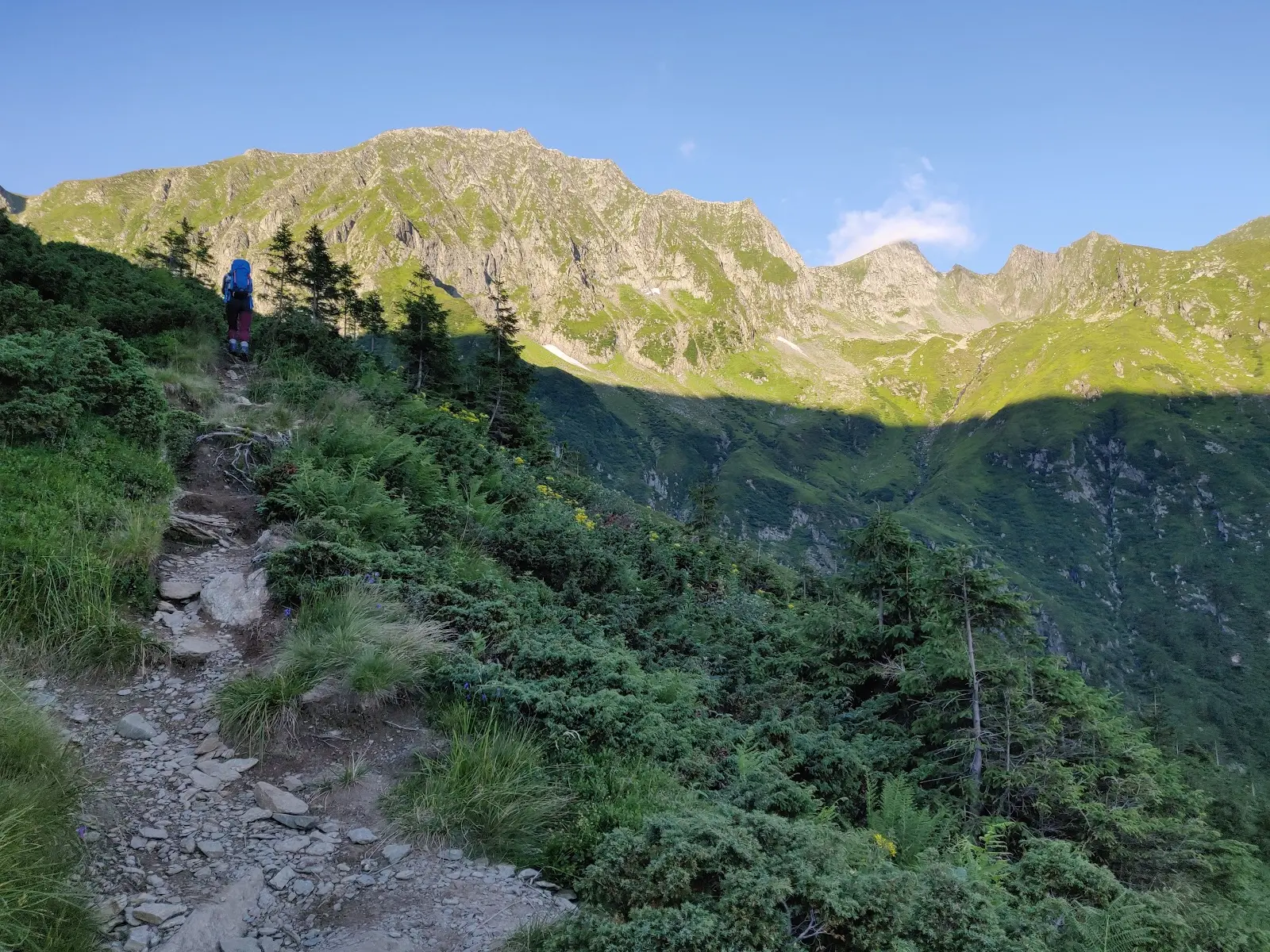 Mountain
Vârful Moldoveanu
Moldoveanu Peak, at 2,544 metres, is the highest point in Romania, a narrow and precipitous summit in the central Făgăraș Mountains, in Argeș County. It belongs to the longest and wildest alpine ridge of the Southern Carpathians, a crest of granite and crystalline schist sculpted by Quaternary glaciers, with glacial cirques, sharp aretes and clear lakes at the foot of its walls. The climb is no trifle: the most common route starts from Valea Rea and passes the Moldoveanu refuge, demanding experience, proper gear and settled weather, for fog and storms roll in fast at altitude. From the top, on a clear day, the panorama opens over dozens of ridges, over neighbouring Negoiu and over the whole spine of the Făgăraș. Practical note: check the mountain forecast, start early and avoid the ridge in storms; the route is best walked in summer and early autumn.
 Mountain
Munții Făgăraș
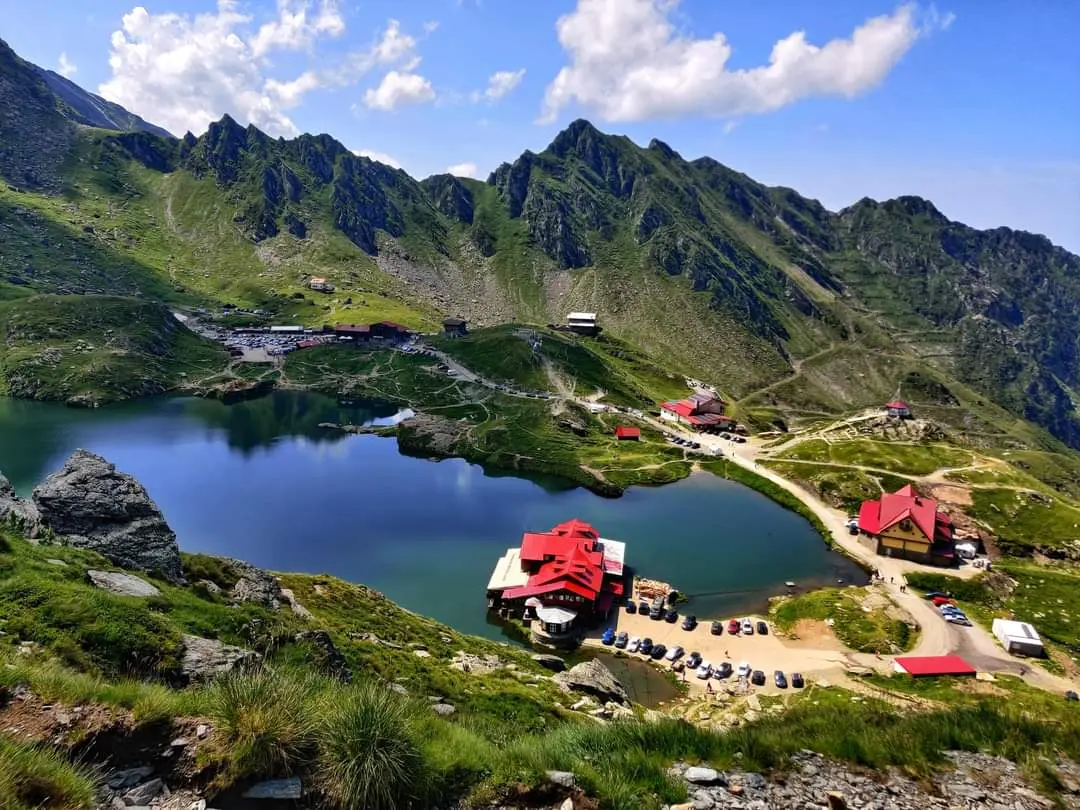
The Făgăraș Mountains form the highest and most imposing ridge in the Southern Carpathians and in all of Romania, home to peaks exceeding 2,500 metres, among them Moldoveanu and Negoiu, the tallest in the country. This long alpine ridge, south of the town of Făgăraș in Transylvania, is famous for its spectacular scenery, with glacial valleys, high-altitude lakes, sharp aretes and wide pastures. The ridge trails offer demanding hikes rewarded with sweeping views, while glacial lakes such as Bâlea and Capra draw many visitors. The famous Transfăgărășan road, a high-altitude route with spectacular hairpin bends, crosses these mountains and is usually open only in the warm season. The area is also home to rich wildlife, including bears, chamois and birds of prey. Practical note: high-altitude hikes require proper equipment, physical fitness and attention to sudden weather changes, and crossing the ridge should be planned in advance with the forecast checked.
 Monastery
Mănăstirea Brâncoveanu (Sâmbăta de Sus)
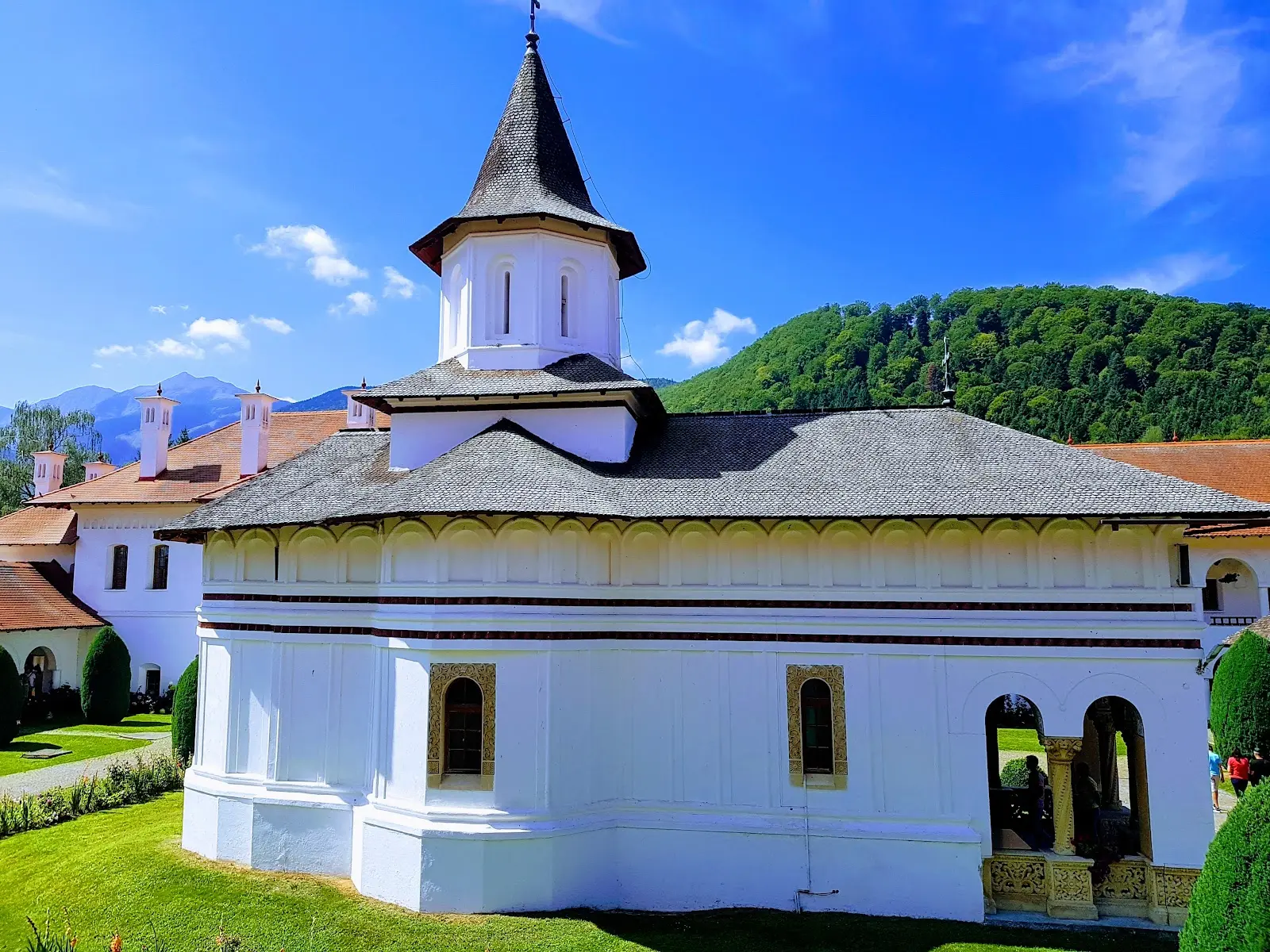
Brâncoveanu Monastery at Sâmbăta de Sus, at the foot of the Făgăraș Mountains, is one of the most important and best-loved Orthodox sites in Transylvania. Founded in the early 18th century by prince Constantin Brâncoveanu, it was destroyed by the Austrians and rebuilt and extended in the 20th century by Metropolitan Nicolae Bălan, becoming a great spiritual and cultural centre. The Brâncovenesc-style complex, with fine stone frames and open porches, is mirrored in a lake, in a superb natural setting with the Făgăraș ridges as a backdrop. The monastery hosts an academy, a glass-icon painting workshop and a museum, and is renowned for its spring, considered healing. It is a natural stop for those setting out on the Transfăgărășan or exploring the Făgăraș country. Respect the dress code and the calm of the place, and check the service and museum hours.
 Nature
Cascada Bâlea
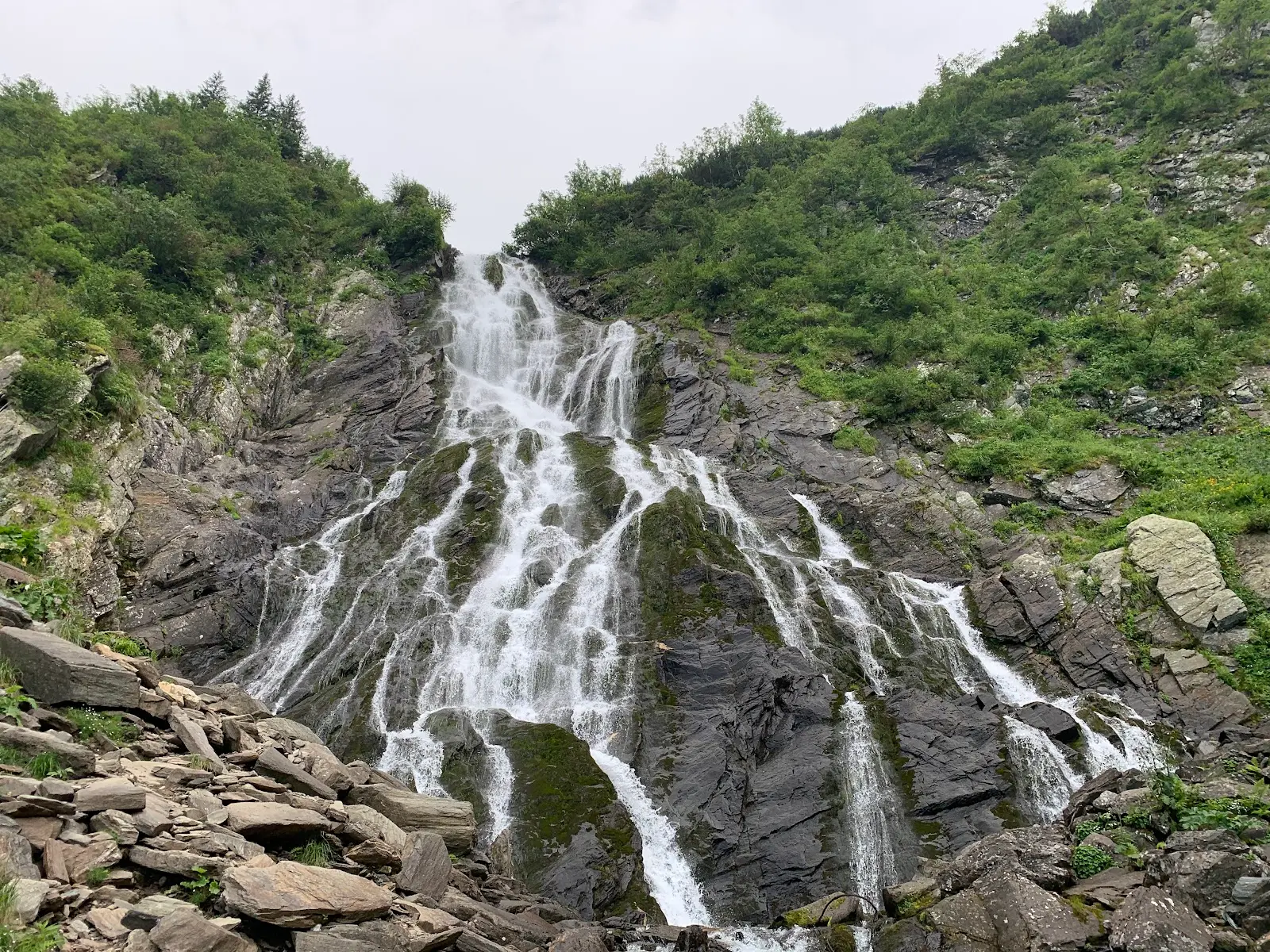
Bâlea Waterfall is one of the best-known cascades in the Făgăraș Mountains, set on the northern slope of the massif right beside the famous Transfăgărășan road, near Făgăraș. Its water comes from Lake Bâlea, a high-altitude glacial lake, and plunges among the rocks over a considerable drop, forming one of the most spectacular waterfalls in the Romanian Carpathians. The surrounding scenery is typically alpine and glacial, with steep walls, scree and mountain vegetation, offering striking views especially in spring and early summer, when the increased flow from melting snow gives the waterfall a special force. Nearby is a cable car linking the waterfall area to Lake Bâlea, above 2,000 metres. The place is a classic stopping point on the Transfăgărășan route, usually open only in the warm season, when the road is passable. Visitors are advised to wear suitable footwear and to be careful on the wet, stony paths around the waterfall.
 Monastery
Mănăstirea Cârța
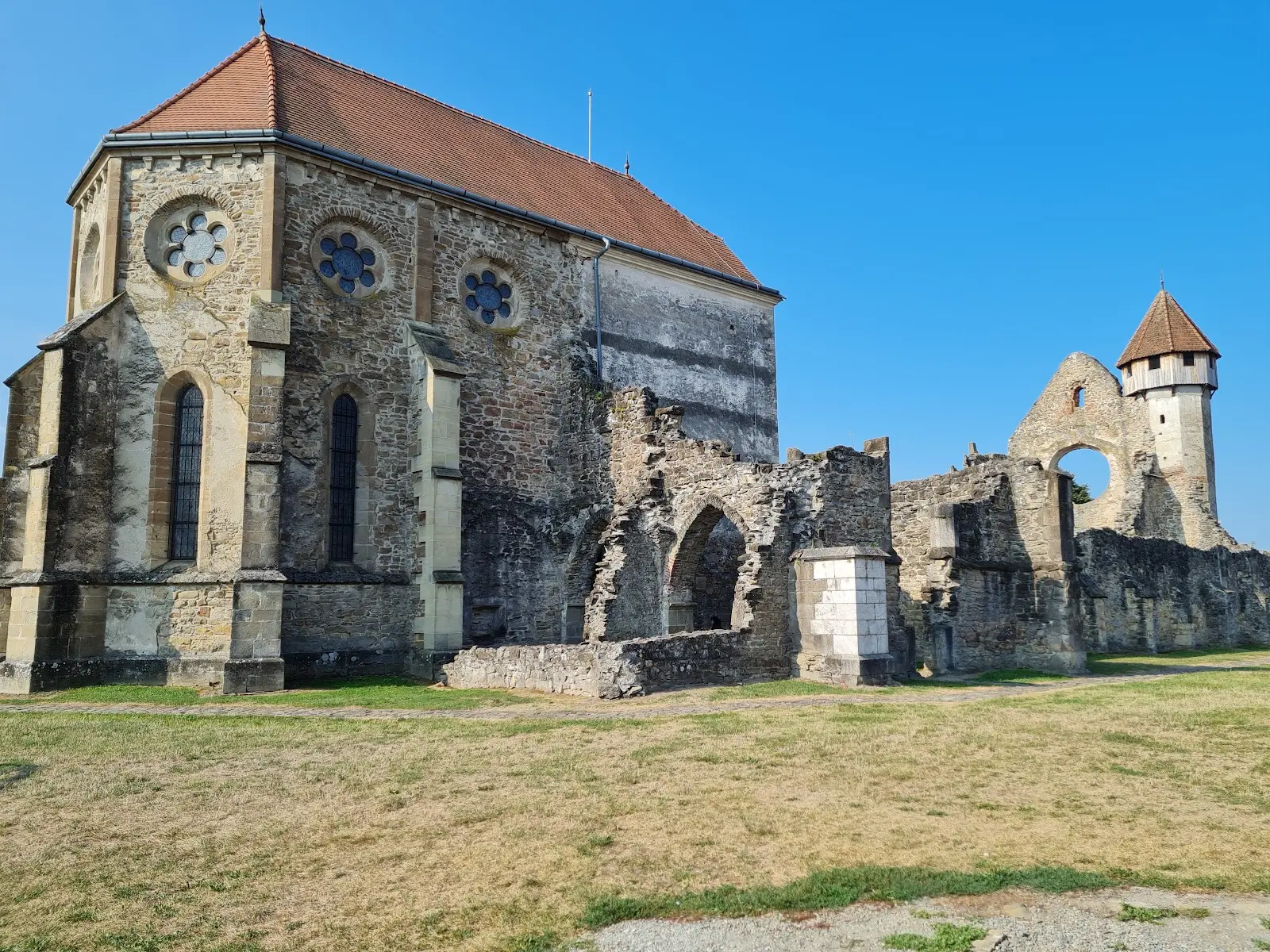
Cârța Monastery, near Făgăraș at the foot of the mountains that share its name, is one of the oldest Cistercian monasteries in the Romanian lands, founded in the 13th century by monks who came from the West. Today, impressive ruins survive from the old Gothic abbey, including the church choir, some arches and fragments of walls that evoke the refinement of Cistercian architecture, a style rarely found in this part of Europe. Beside the ruins stands an Evangelical church used by the local Saxon community. The quiet setting, with grass growing among the old stones and the Făgăraș mountains rising in the background, gives the place a melancholy and photogenic atmosphere. Cârța Monastery is of great value to those interested in medieval history, Gothic architecture and the encounter between Western civilisation and the Transylvanian world. Located near the road leading to the Transfăgărășan, it makes an ideal cultural stop on the way to the mountains.
FortressCetatea Făgăraș
Făgăraș Fortress is one of the strongest and best-preserved medieval fortresses in Transylvania, an imposing structure surrounded by a water-filled moat that mirrors its walls and towers. Built from the 14th century and reinforced over the centuries, it served as a princely residence of Transylvania, a military stronghold and, in dark times, a communist prison. Today, carefully restored, it houses a museum with collections of art, weapons, ceramics and furniture, as well as halls evoking the dramatic past of the place. Walking on the thick walls, through the inner courtyard and around the water is a memorable experience, especially at dusk, when the fortress is lit. Set in the centre of Făgăraș, at the foot of the mountains of the same name, it is a natural stop on the road between Brașov and Sibiu. Check the museum's visiting schedule.
 Viewpoint
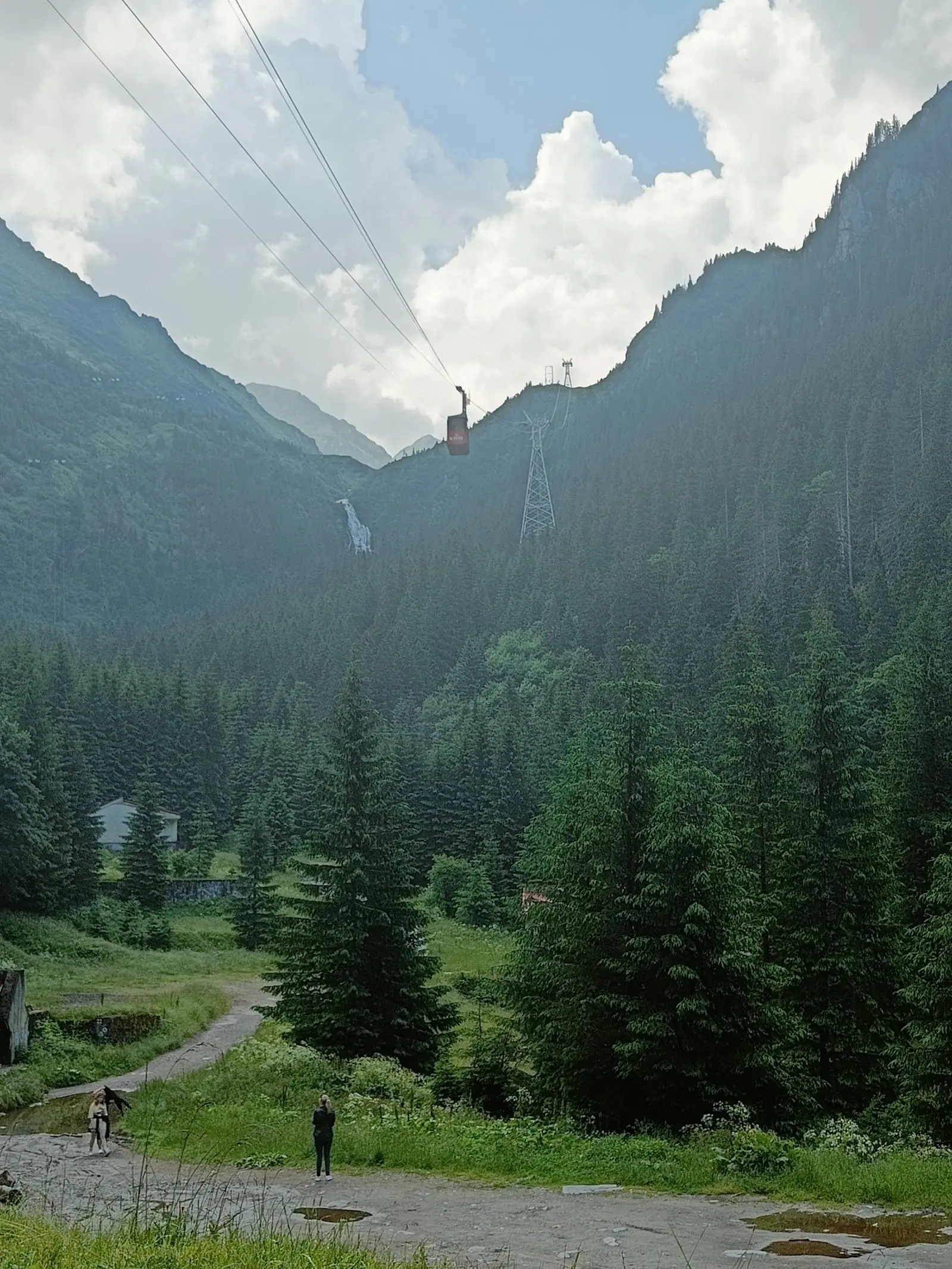
Telecabina Bâlea Lac
The Bâlea Lac cable car climbs spectacularly from Bâlea Waterfall up to the glacial Lake Bâlea, in the heart of the Făgăraș Mountains, the highest mountains in Romania. The cable car route offers wide views over the steep walls, the forests, and the valleys of the massif, and is a useful alternative especially in winter, when the Transfăgărășan, the famous high-altitude road, is closed because of snow. At the upper end, Lake Bâlea, formed in an old glacial cirque, offers an alpine landscape of rare beauty, with clear waters surrounded by rocky ridges. The area is a starting point for many hikes on the Făgăraș ridges, and also a place where a famous ice hotel is built in winter. The thin air and the views make this a sought-after destination in any season. Visitors should equip themselves properly for the altitude and changeable weather. It is advisable to check the operation of the cable car and the weather before going up.
Frequently asked questions
What is Făgăraș known for?+
Făgăraș is best known for sights such as Vârful Moldoveanu, Munții Făgăraș, Mănăstirea Brâncoveanu (Sâmbăta de Sus).
How many days do you need in Făgăraș?+
One to two days is enough to see the highlights of Făgăraș; stay longer to use it as a base for day trips.
Where should I stay in Făgăraș?+
See our selected stays above, or check live rates and availability on the accommodation map.