Transylvania
Miercurea Ciuc
The Szekler heart and the Șumuleu pilgrimage.
Miercurea Ciuc (Csíkszereda in Hungarian) is the capital of Harghita County and one of the most important centres of the Székely Land in eastern Transylvania. Set in an intra-mountain basin ringed by volcanic peaks and vast spruce forests, the town has a harsh climate and is one of the coldest in Romania, with long winters and heavy snows.
The town's symbol is the Mikó Fortress, a 17th-century Renaissance stronghold with corner bastions, which today houses the Székely Museum of Ciuc. Nearby, the pilgrimage church at Șumuleu Ciuc (Csíksomlyó) is the largest Catholic pilgrimage site in the region, where at Pentecost hundreds of thousands of the faithful gather in one of the most moving expressions of faith in Central Europe.
The atmosphere is marked by a living Székely identity: the Hungarian language, the traditions, the music and the distinctive cuisine. Miercurea Ciuc is also Romania's "beer capital" and a strong centre of ice hockey. Local gastronomy features hearty soups, stews, goulash, kürtőskalács (chimney cake) and smoked products.
Practically, the town is reachable by train and car from Brașov or Gheorgheni and serves as a base for exploring the surrounding mineral spas, Saint Ana Lake and the volcanic landscapes of Harghita. It is worth visiting for its cultural authenticity, the Șumuleu pilgrimage, and the mountain nature all around.
Where to stay
All stays →
Where to eat
All restaurants →
What to see
See all →ChurchȘumuleu Ciuc
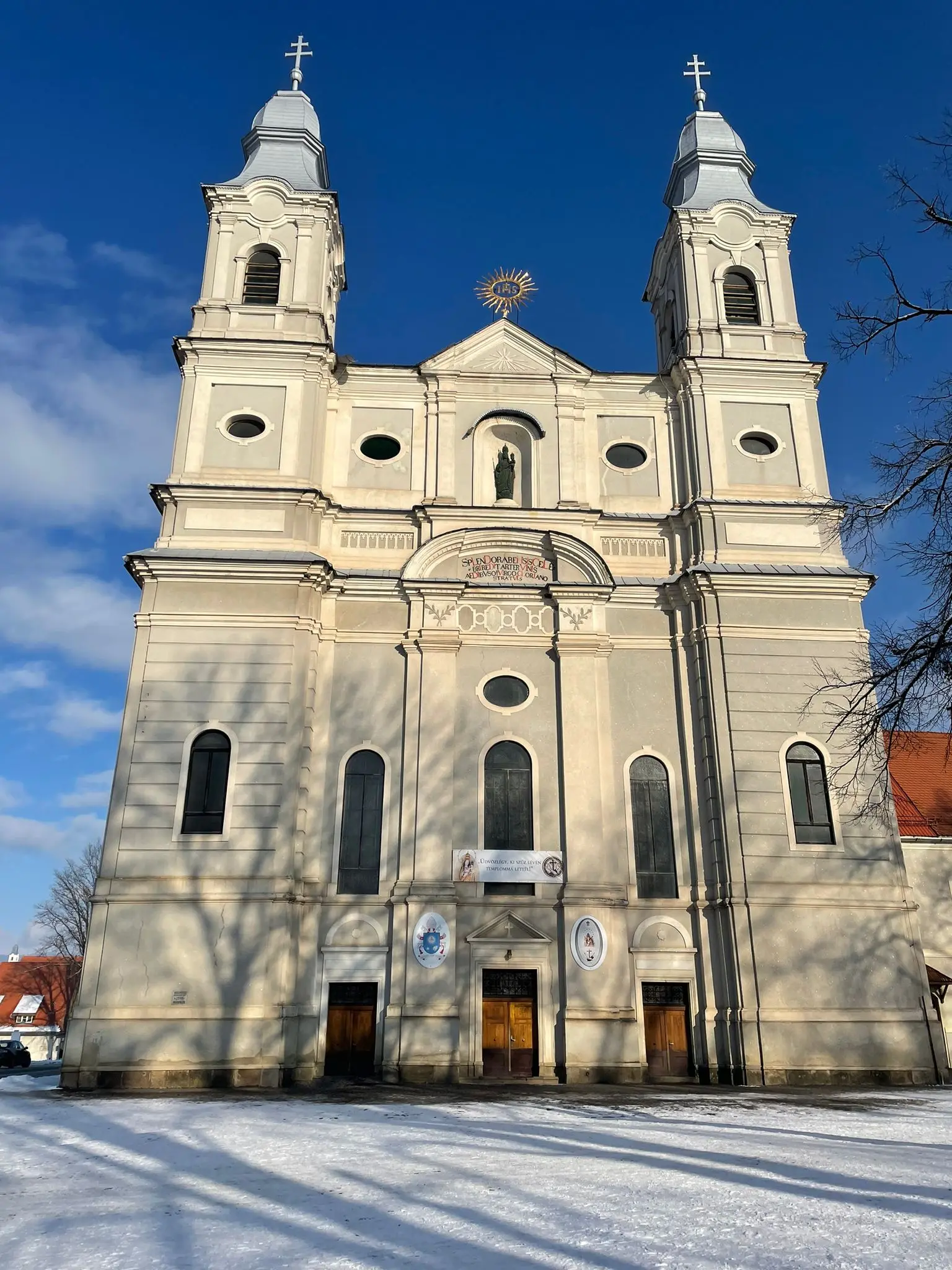
Șumuleu Ciuc is the most important Roman Catholic pilgrimage centre in Romania, set on a hill at the edge of the town of Miercurea Ciuc, in the heart of the Szekler land in eastern Transylvania. The ensemble is dominated by the imposing Franciscan church, a baroque edifice raised in the eighteenth century on the site of older places of worship, which shelters a medieval wooden statue of the Virgin Mary, considered miraculous and deeply venerated by the faithful. The place is renowned above all for the great Whitsun pilgrimage, one of the largest religious events in the region, which year after year gathers impressive crowds of believers from across the Hungarian world, in a display of faith and cultural identity. On the nearby hill lies the saddle where the festive open-air mass is held. The monastic ensemble also preserves an old printing house and heritage objects. The natural setting, with wooded hills, completes the atmosphere of contemplation. Visitors are asked to respect the sacred character of the place and the quiet of the pilgrims.
 Mountain
Vârful Harghita-Mădăraș
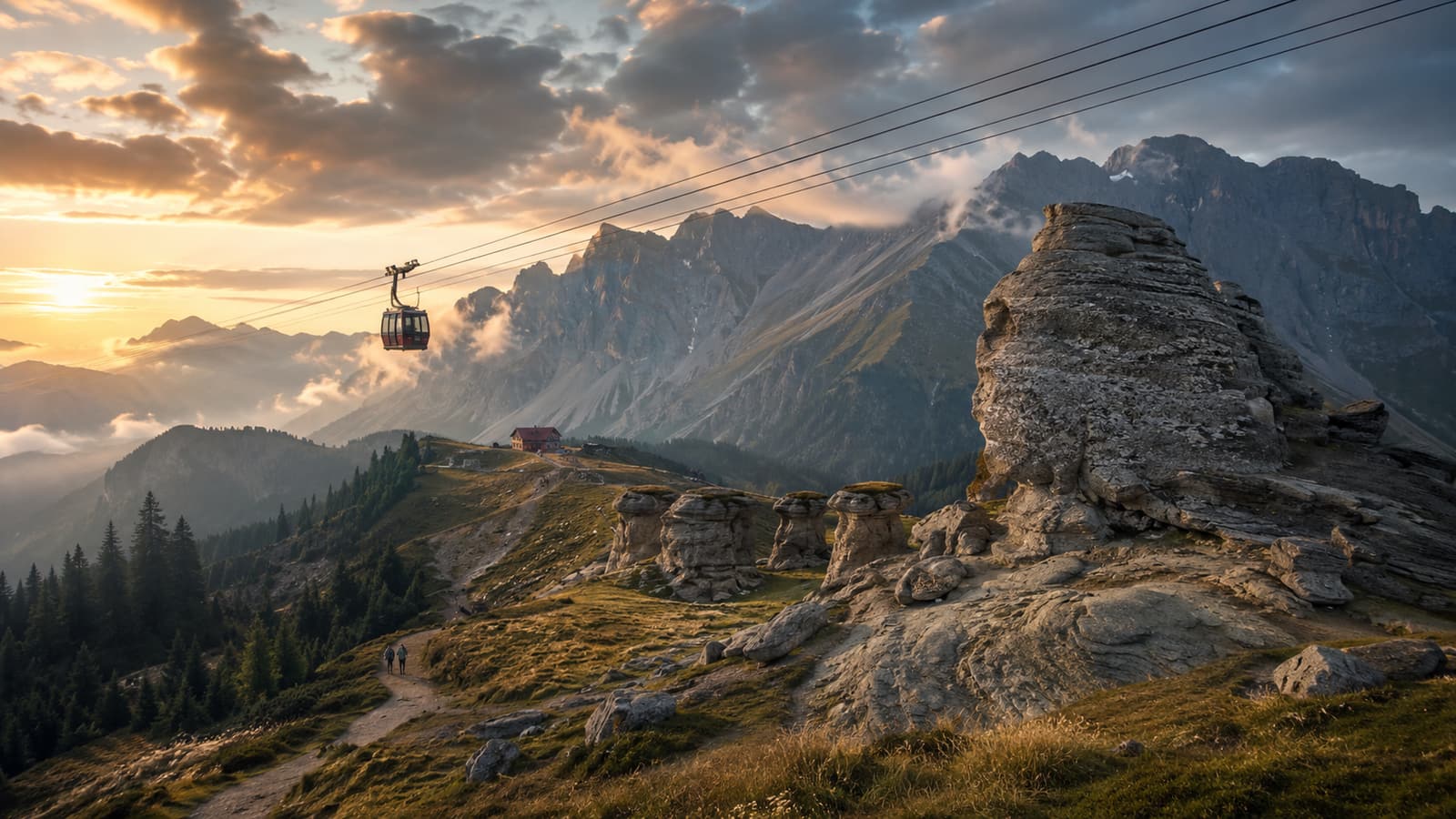
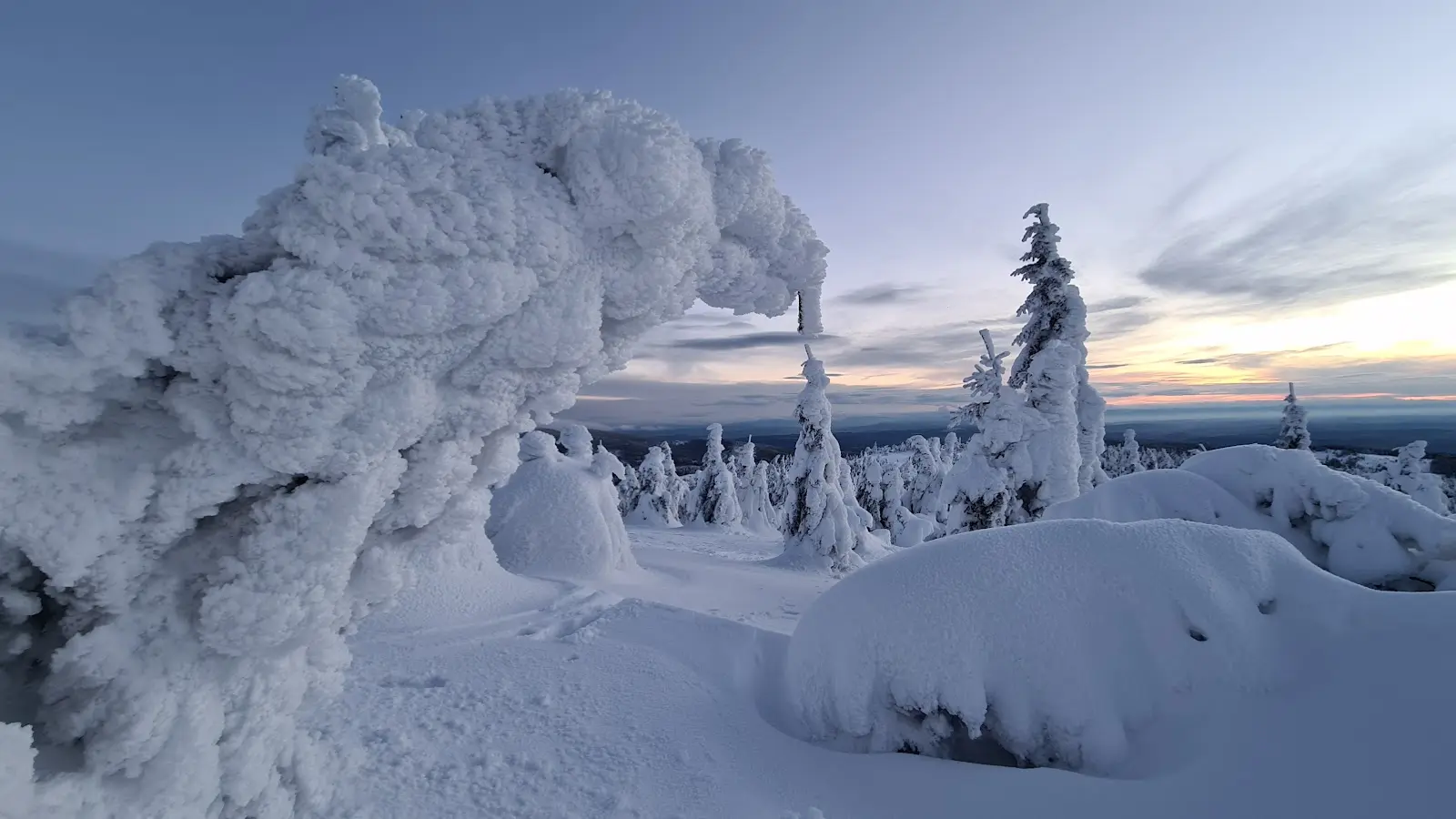
Harghita-Madaras Peak is the highest point of the Harghita mountains, a volcanic range in eastern Transylvania, rising to over 1,800 metres. The summit offers wide views over the surrounding basins and Szekler villages, as well as over the neighbouring mountain ranges. The Harghita mountains, formed of volcanic rock, preserve the traces of ancient geological activity and shelter extensive forests of spruce and beech, alpine meadows and peat bogs. At the foot of the peak lies a small ski resort, which makes the area attractive both in summer, for hiking, and in winter, for seasonal sports. The marked trails leading to the ridge are accessible to hikers of average fitness. Proper mountain gear and checking the weather forecast are recommended, since conditions can change quickly at altitude, especially in the cold season.
 Nature
Tinovul Mohoș
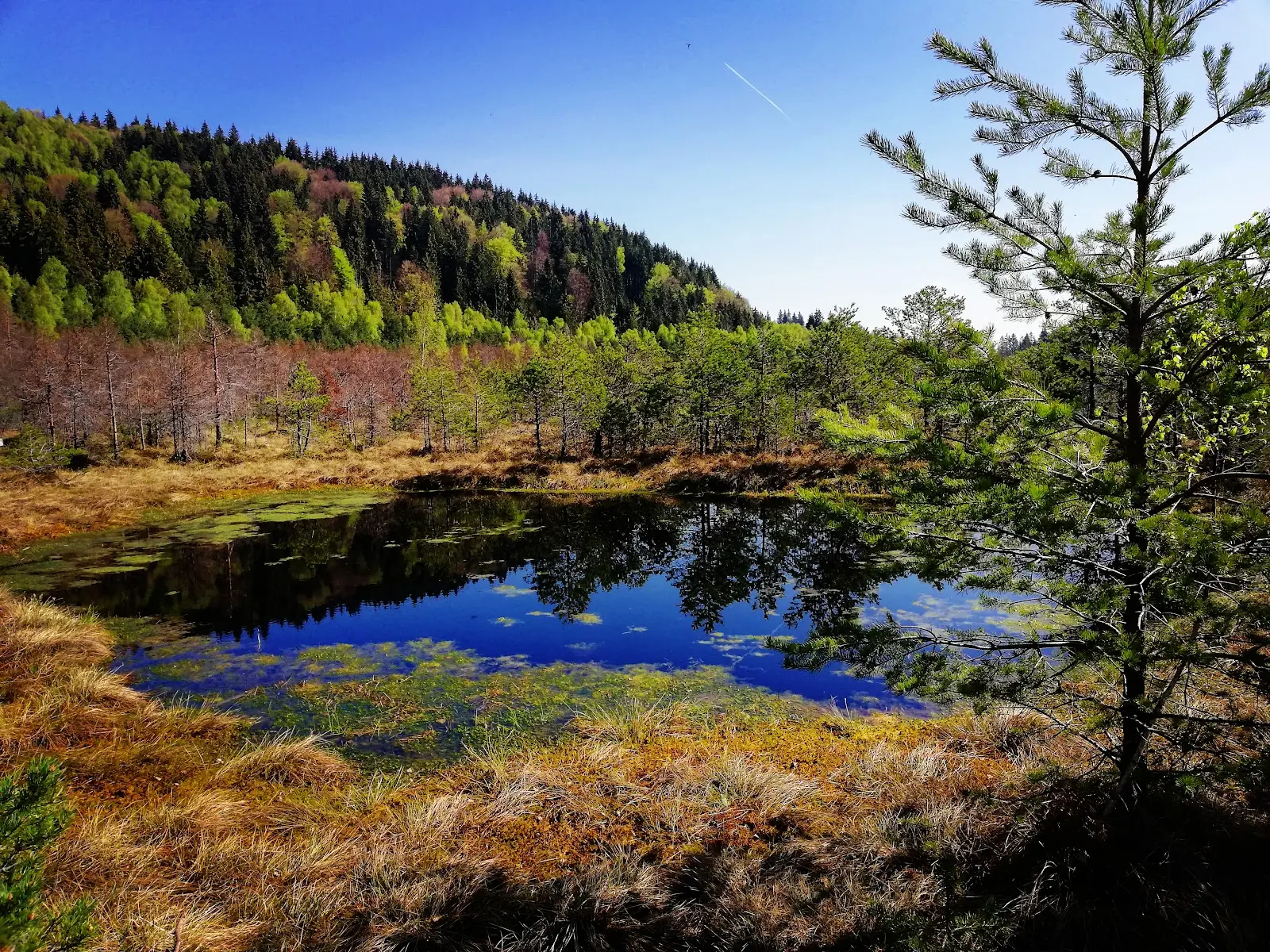
Mohoș Peat Bog is one of the most spectacular nature reserves in eastern Transylvania, a peat marsh set in the crater of an ancient volcano in the Ciomatu Mountains, near the town of Miercurea Ciuc and the famous Saint Ana Lake. This oligotrophic bog, formed over millennia through the accumulation of peat, shelters rare and relict vegetation, a testimony to the glacial ages of old, including carnivorous plants such as sundew, peat mosses and dwarf conifer species adapted to the acidic, nutrient-poor environment. In the middle of the bog lie small pools of clear water, windows into the depths of the marsh. Visits are made along a path laid out with wooden walkways that protect the fragile ecosystem while allowing discovery of this unusual world. The reserve is strictly protected, and access is usually with a guide along the marked route. Near Saint Ana Lake, the only volcanic lake in the country, Mohoș Bog rounds out a visit to one of the most fascinating natural areas of the Carpathians.
 Fortress
Cetatea Mikó
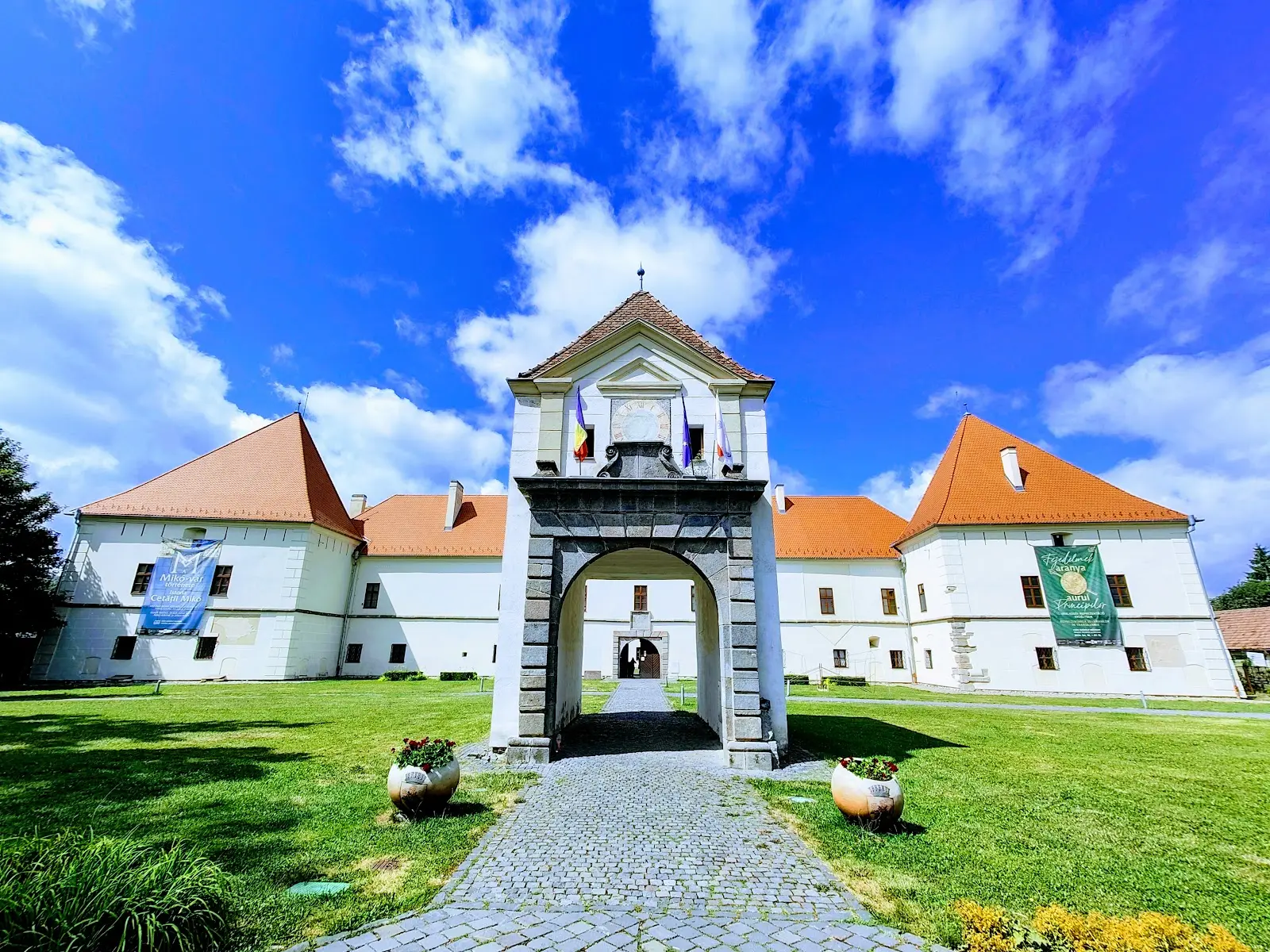
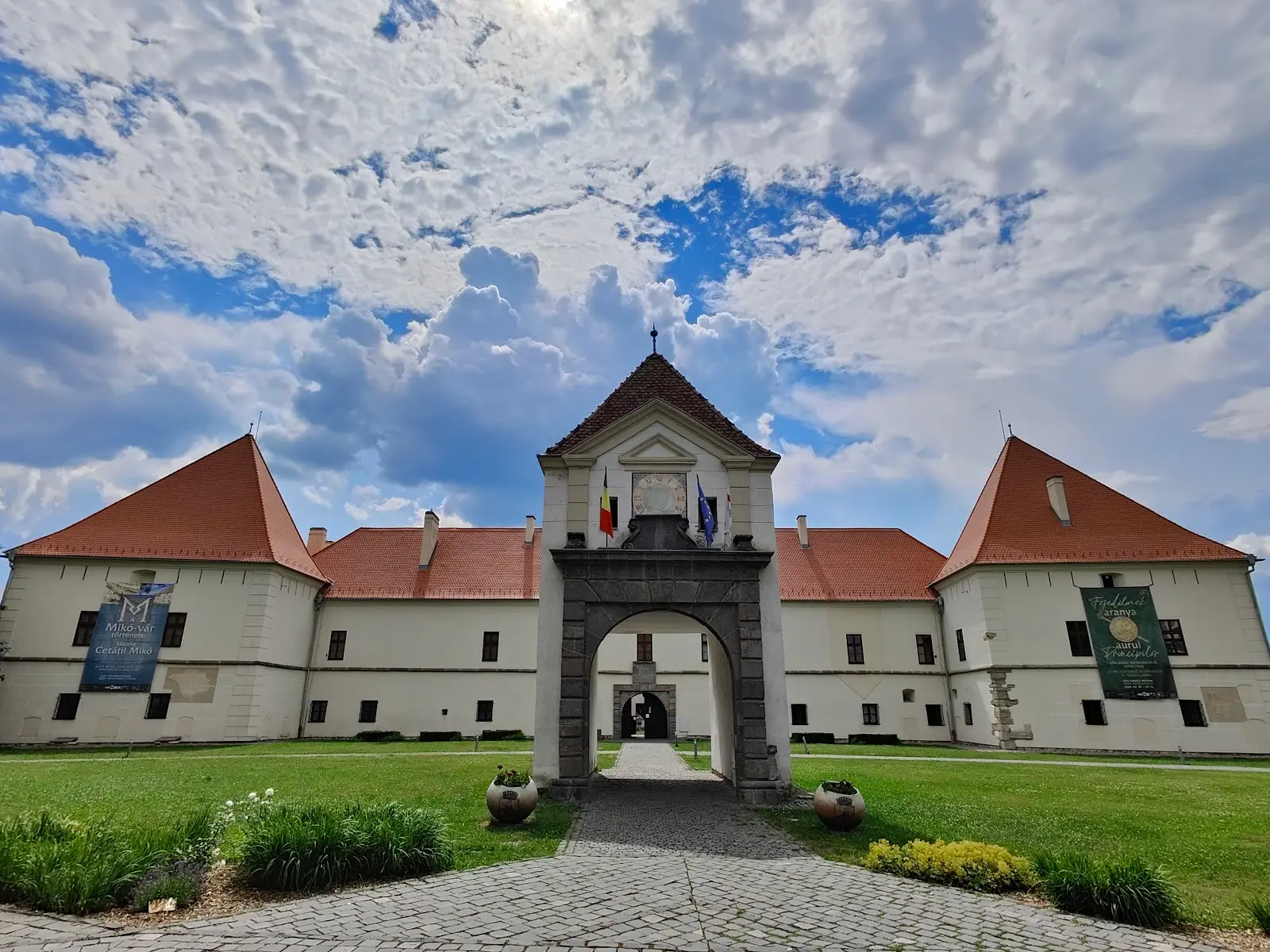
Mikó Castle in Miercurea Ciuc is a Renaissance-style fortification raised in the first half of the seventeenth century by a Székely nobleman, one of the most important monuments of the town in the heart of the Ciuc region in eastern Transylvania. The castle, with its quadrilateral plan and corner bastions, is a characteristic example of the military architecture of the era, conceived both for defence and as a noble residence. Over time, the building suffered destruction and reconstruction, serving in different periods as a fortress, a military garrison and an administrative building. Today, the castle houses a museum that presents the history, archaeology and ethnography of the Székely land, with collections of traditional objects, archaeological finds and testimonies of local culture. The inner courtyard and the massive walls preserve the fortified atmosphere of old. Set in the centre of town, Mikó Castle is a cultural landmark and a starting point for discovering the rich heritage of the Ciuc region, an area with distinctive traditions and identity in the Transylvanian landscape.
 Church
Biserica Romano-Catolică din Miercurea Ciuc
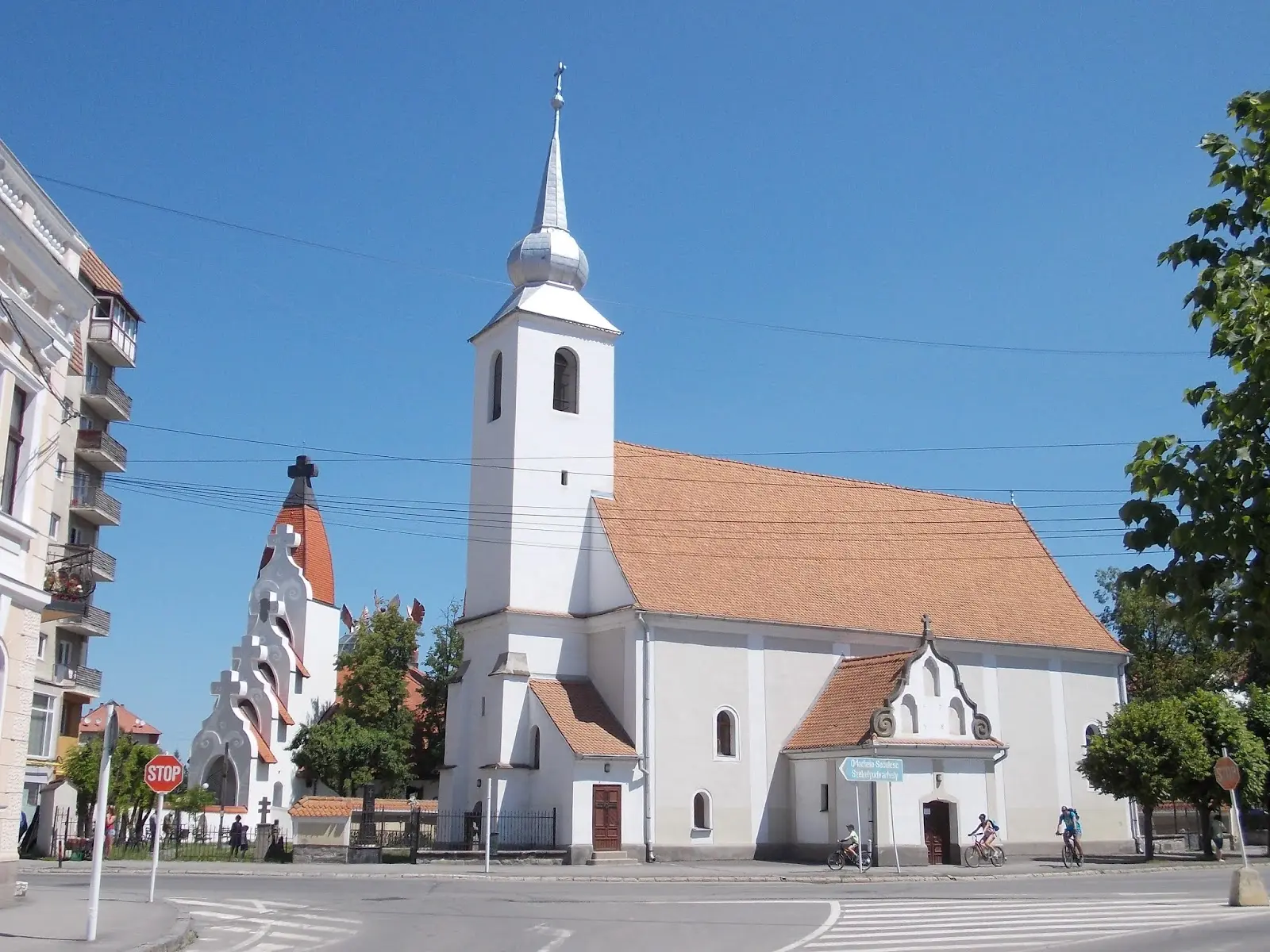
The Roman Catholic church of Miercurea Ciuc is a landmark of faith for the Székely Hungarian community in the heart of the Ciuc Depression, in Harghita County. In a deeply Catholic region, where faith has been tenaciously preserved through the centuries, the church is an important spiritual and communal centre for the county seat. Its architecture reflects the tradition of sacred building in Transylvania, with a bell tower that dominates the urban skyline and an interior weaving together religious art and liturgical objects. Miercurea Ciuc lies near the famous sanctuary of Șumuleu Ciuc, one of the largest Catholic pilgrimage sites in Central Europe, where tens of thousands of the faithful gather each year at Pentecost. For visitors discovering the Székely Land, with its traditions, cuisine and mountain landscapes, the church in the town centre offers a moment of reflection and a window into the distinctive spirituality of this region.
 Nature
Lacul Sfânta Ana
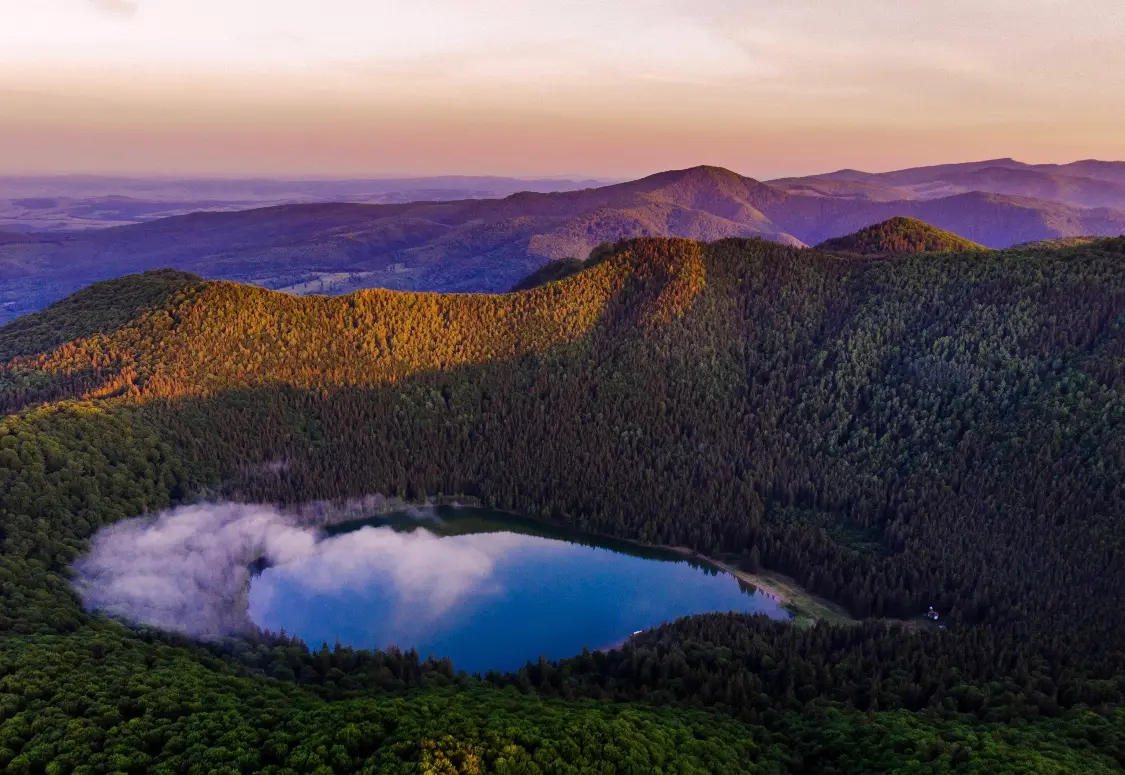
Lake Saint Anne is the only volcanic lake in Romania, formed in the crater of an ancient volcano in the Ciomatu massif, in the Szekler land. Its water comes almost exclusively from precipitation, making it extremely pure with very low mineral content, which gives it its characteristic transparency and a colour that shifts from blue to green depending on the light. The nearly circular shape of the lake, framed by the dense beech and spruce forest covering the crater slopes, offers a landscape of rare symmetry, especially spectacular in autumn. Nearby lies the Mohos peat bog, a protected marsh with rare plant species, which makes the area a valuable destination for nature lovers. The site is also tied to folk legends that explain its name. Practical note: access is by forest road or marked trails; for swimming, check the rules in force, as this is a protected natural area that must be treated with care.
 Museum
Muzeul Secuiesc al Ciucului
The Szekler Museum of Ciuc, based in the town of Miercurea Ciuc, is one of the most important cultural institutions in the Szekler land, housed within the imposing Miko Castle, a late Renaissance fortress built in the seventeenth century by a dignitary of the time. The building, with bastions at its corners and an inner courtyard, is itself a valuable monument. The museum holds rich collections of archaeology, history, ethnography and art that illustrate the past and culture of the Szekler population of the Ciuc area, from prehistoric remains to crafts and traditional customs. The exhibitions highlight folk costume, ceramics, painted furniture and the life of local communities. The ensemble is a point of reference for understanding the identity of the region. Practical note: the museum visit combines naturally with exploring Miko Castle; allow enough time for the permanent collections and check the schedule of temporary exhibitions.
Frequently asked questions
What is Miercurea Ciuc known for?+
Miercurea Ciuc is best known for sights such as Șumuleu Ciuc, Vârful Harghita-Mădăraș, Tinovul Mohoș.
How many days do you need in Miercurea Ciuc?+
One to two days is enough to see the highlights of Miercurea Ciuc; stay longer to use it as a base for day trips.
Where should I stay in Miercurea Ciuc?+
See our selected stays above, or check live rates and availability on the accommodation map.