
Transylvania
Cluj-Napoca
Transylvania's youthful capital — universities, festivals and energy.
Cluj-Napoca is the unofficial capital of Transylvania and Romania's second-largest city by urban population, a university, technology and cultural hub in full swing. Set on the Someșul Mic River amid rolling hills, it combines centuries of history with a youthful energy rarely matched elsewhere in the country.
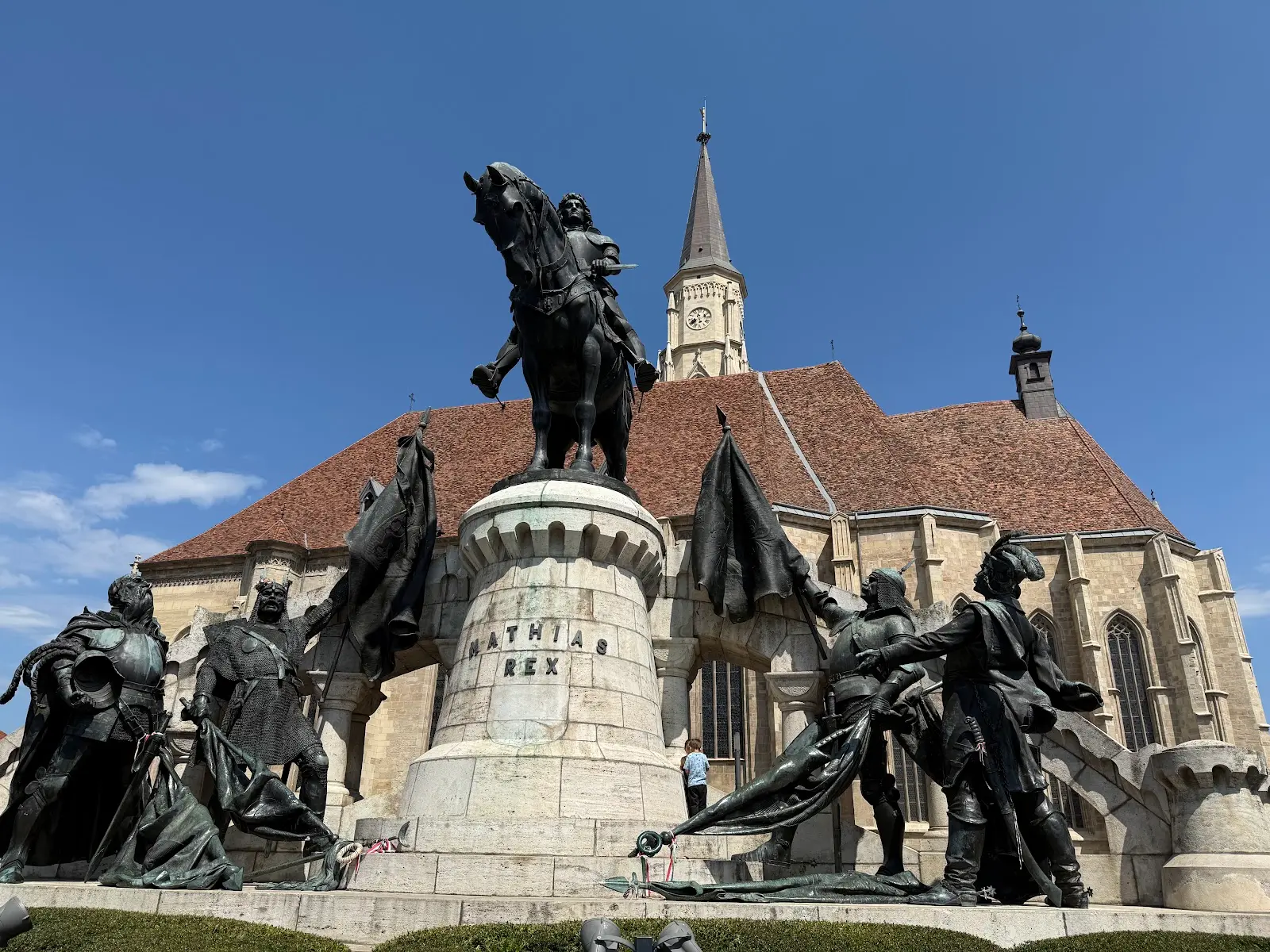
The historic core gravitates around Unirii Square, dominated by the imposing St. Michael's Church, a 14th-century Gothic masterpiece, before which rises the equestrian statue of King Matthias Corvinus, born in Cluj itself. Nearby stand the Bánffy Palace, now an art museum, and numerous Baroque and eclectic buildings. Babeș-Bolyai University sets the tone of intellectual life, while the Botanical Garden offers a green refuge. For views, the Citadel (Cetățuia) overlooks the city from a hilltop.
Cluj is renowned for its cultural and entertainment scene: world-class festivals such as Untold and Electric Castle, a highly developed café and restaurant culture, and a young, cosmopolitan crowd. Traditional Transylvanian cuisine coexists with contemporary venues of every kind.
The city has a major international airport and good road and rail links across the country. Spring through autumn is best, especially summer for the festivals. Cluj-Napoca is worth visiting for its dynamism, its multicultural heritage and its cosmopolitan atmosphere.
Where to stay
All stays →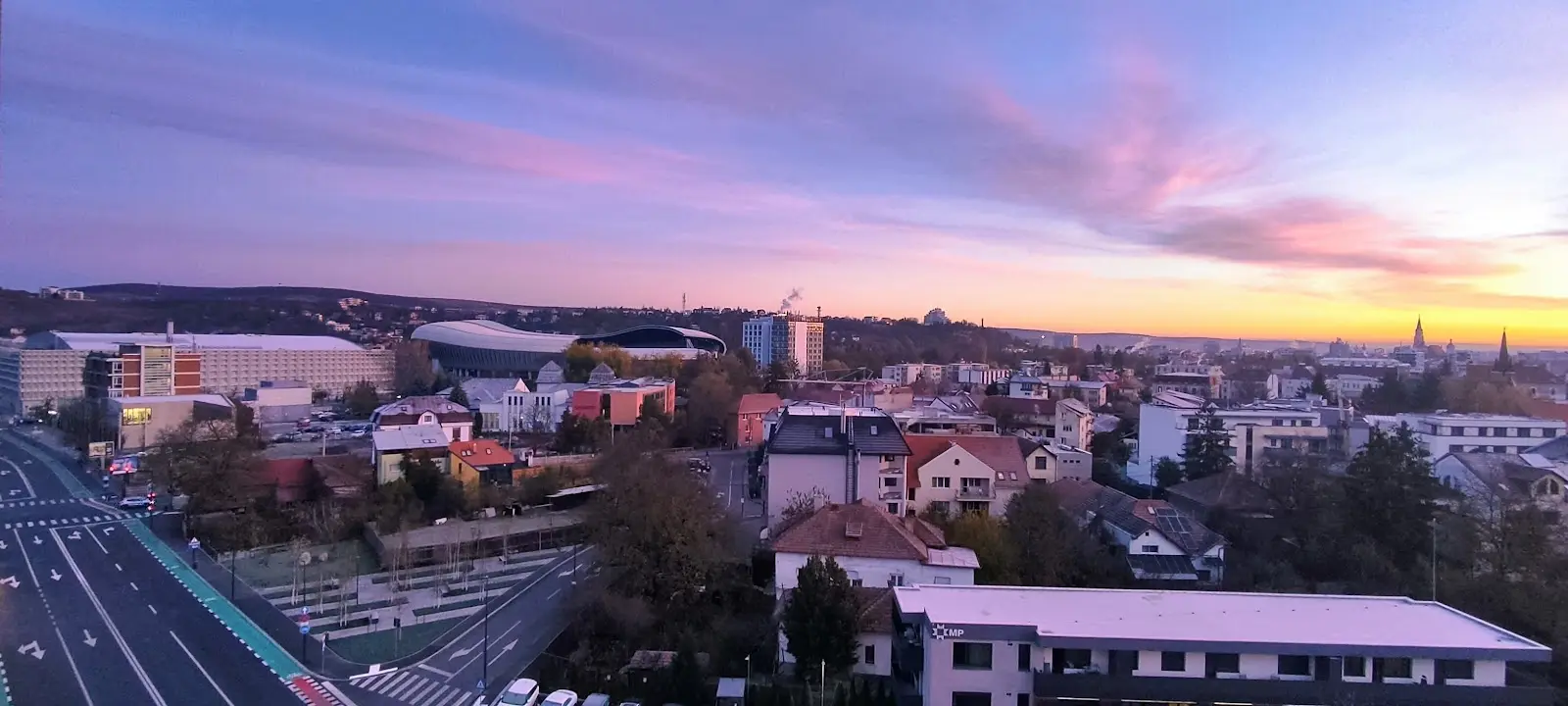 Boutique
Platinia Hotel Cluj
Modern accommodation, some with city views, in a relaxed apartment hotel with free Wi-Fi.
 Luxury
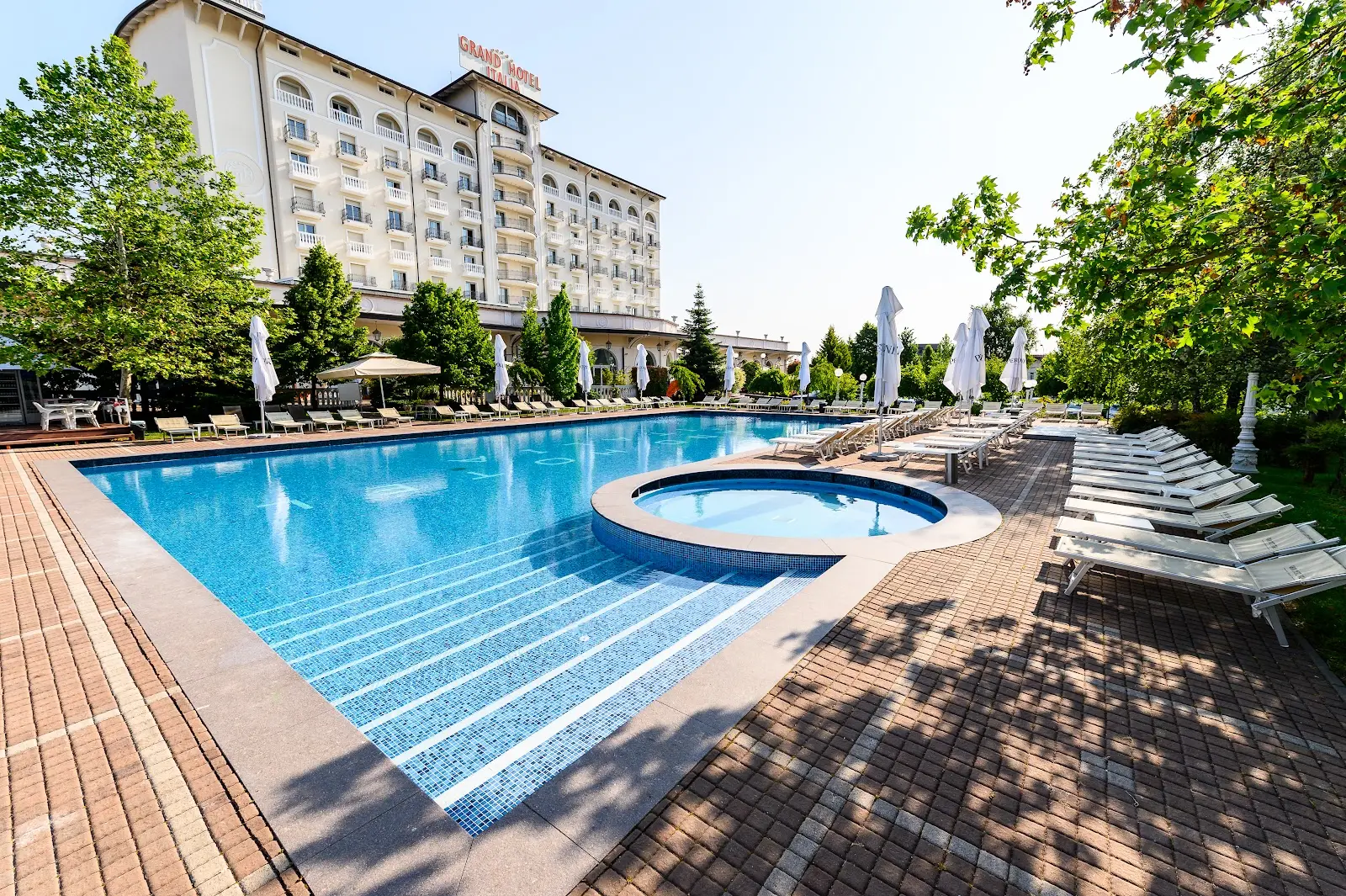
Grand Hotel Italia Cluj
A luxury hotel offering an Italian restaurant with a wood-fired pizza oven, a day spa and a pool.
 Boutique
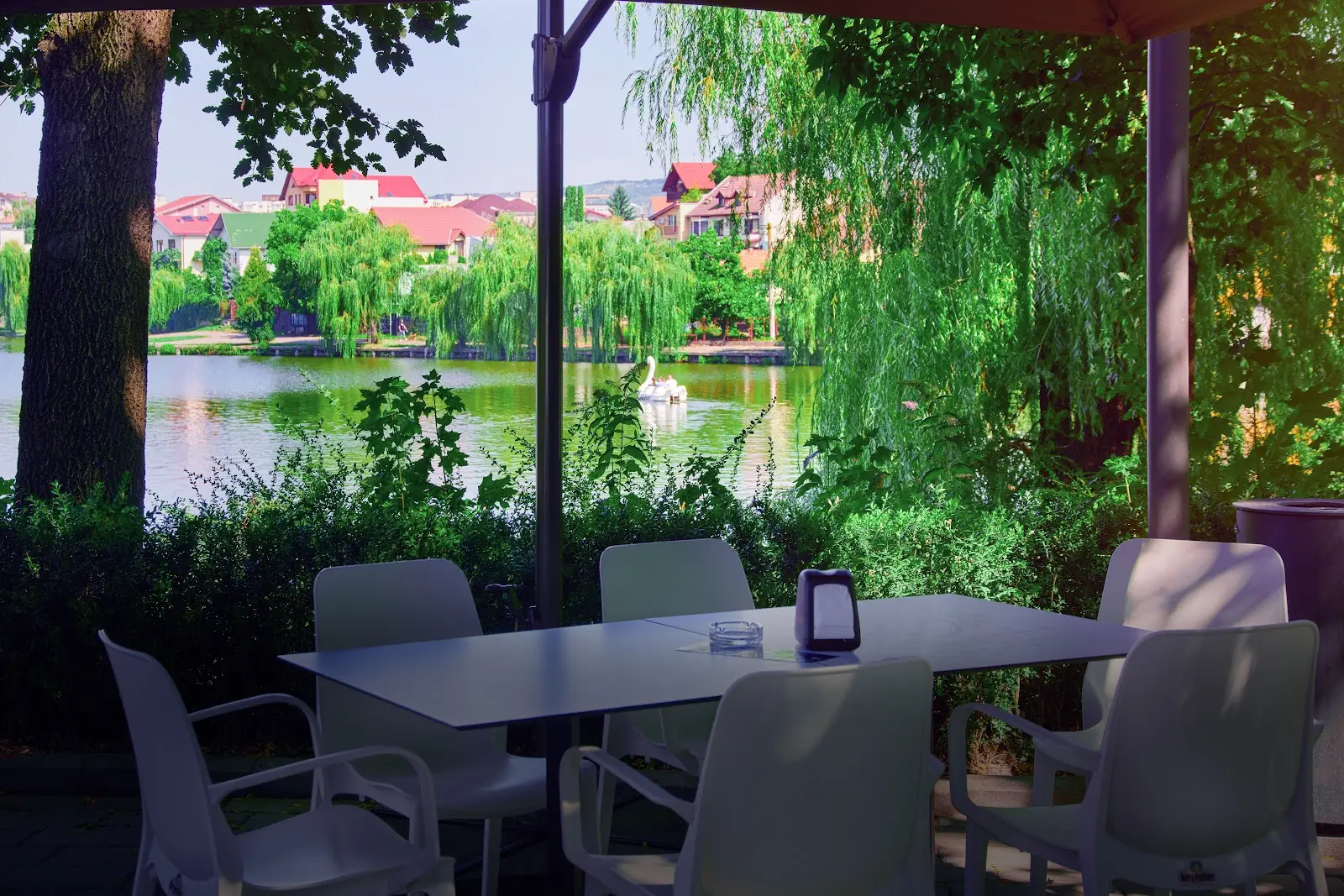
Hotel Univers T Cluj
A modest lakeside hotel with an eatery and a bar, as well as a sauna and a fitness room.
 Boutique
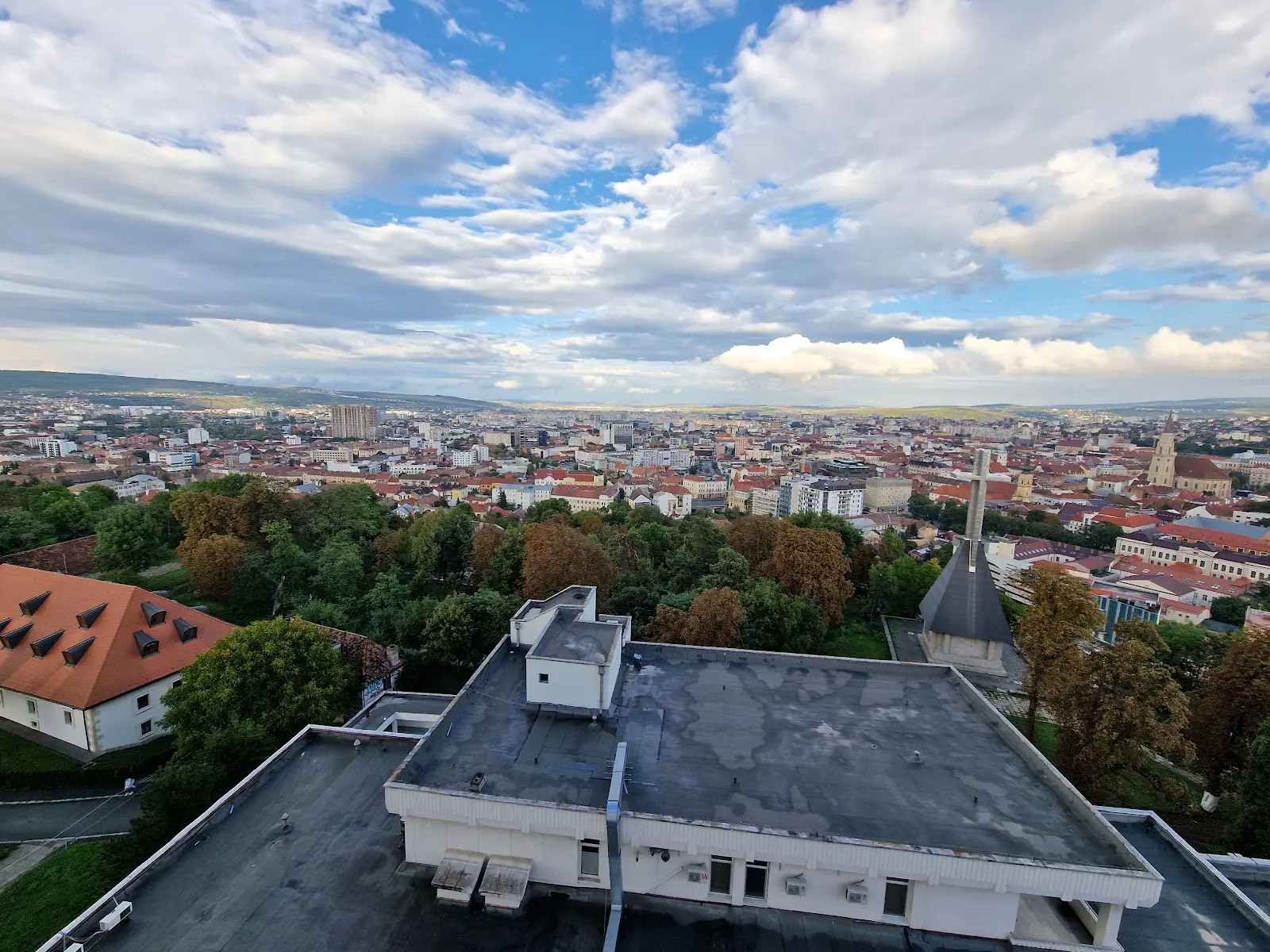
Hotel Belvedere Cluj
A relaxed property with three restaurants, a fitness room and an indoor pool, plus free breakfast.
Where to eat
All restaurants →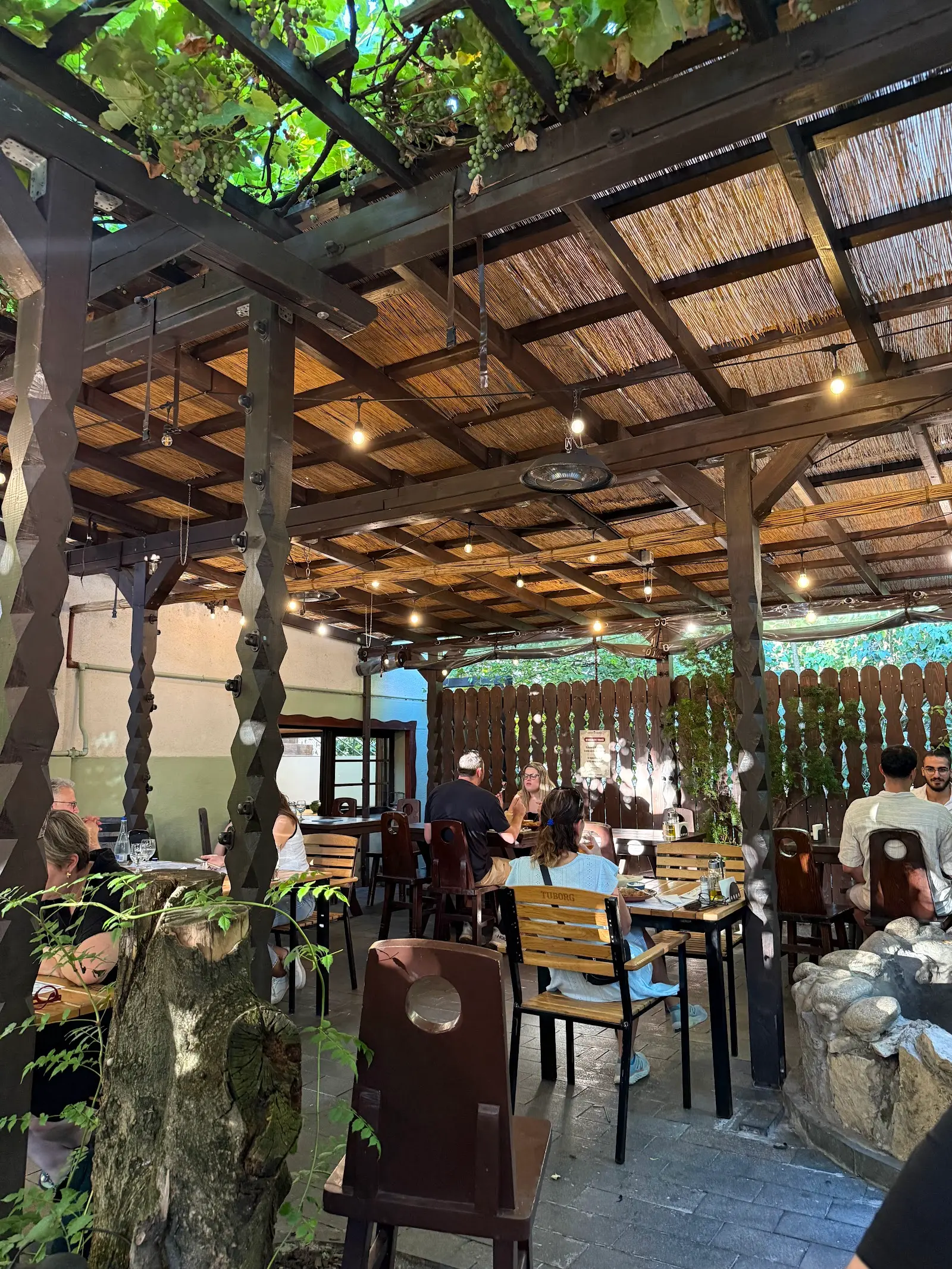 Traditional
Roata Restaurant
 Bistro
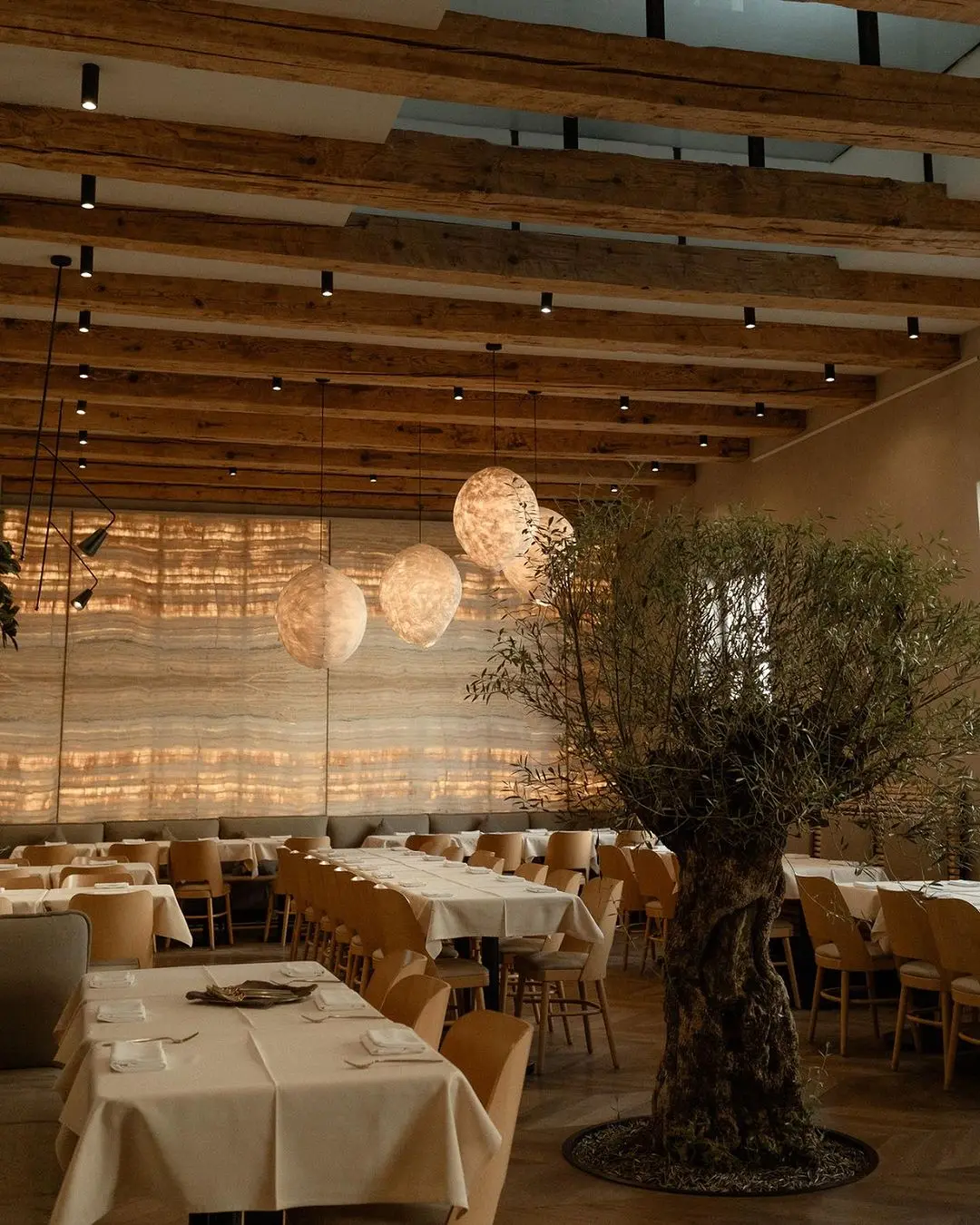
Samsara Foodhouse Cluj
A pleasant, chic restaurant with an olive tree in the dining room, serving vegan and raw dishes with wine.
 Fine dining
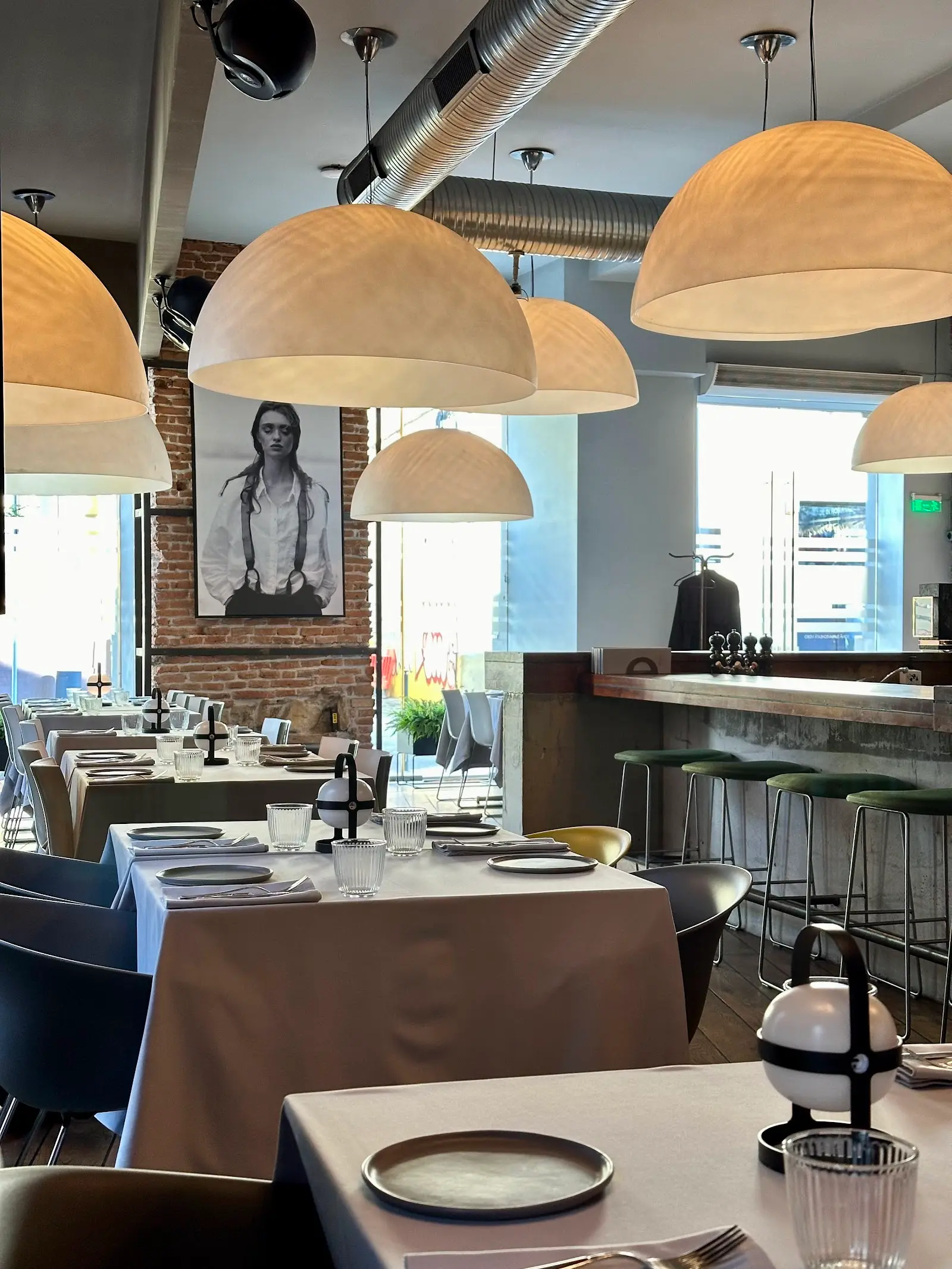
Baracca Cluj
A sophisticated restaurant serving creative contemporary dishes with international influences.
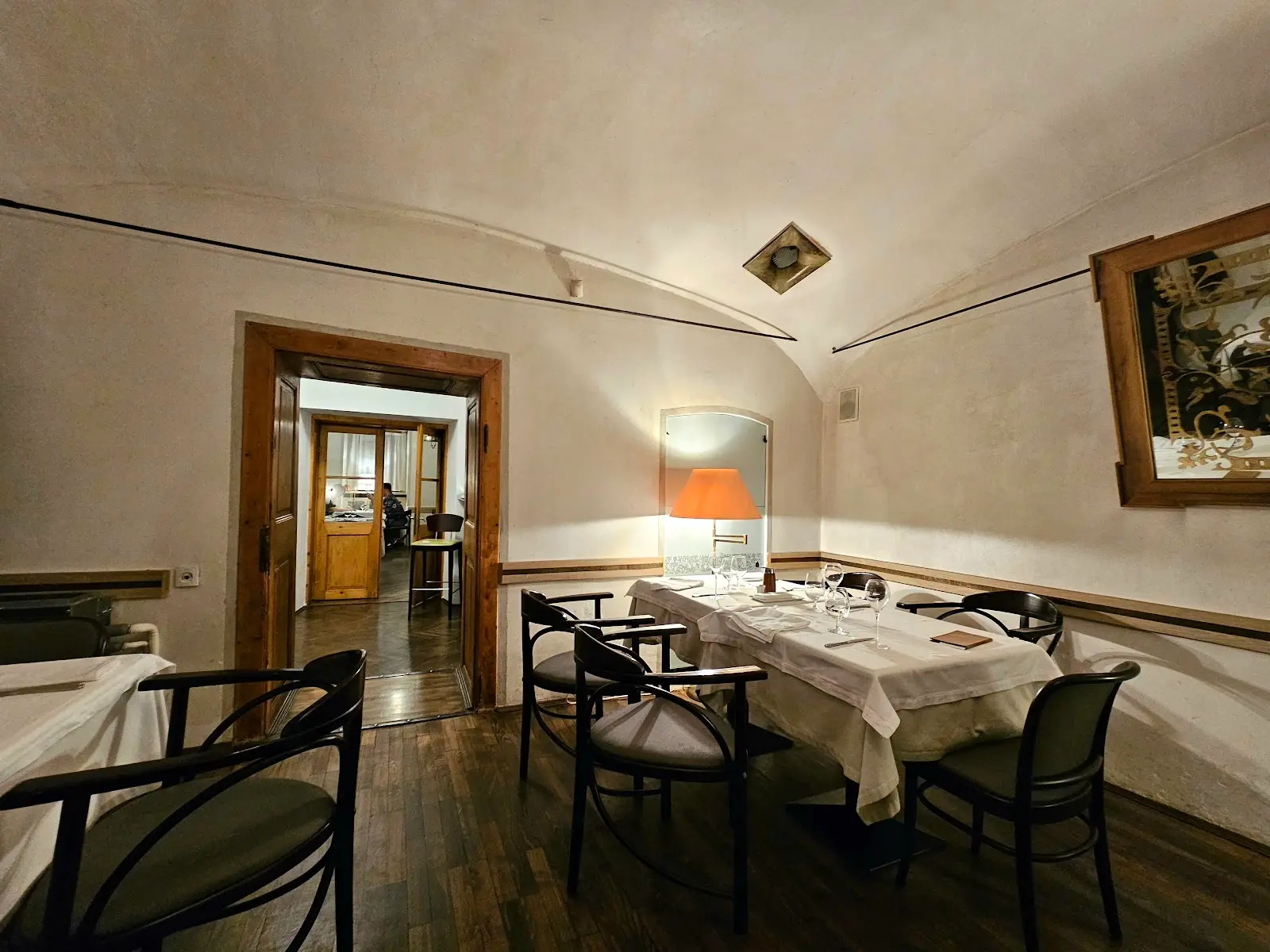 Bistro
Via Restaurant Cluj
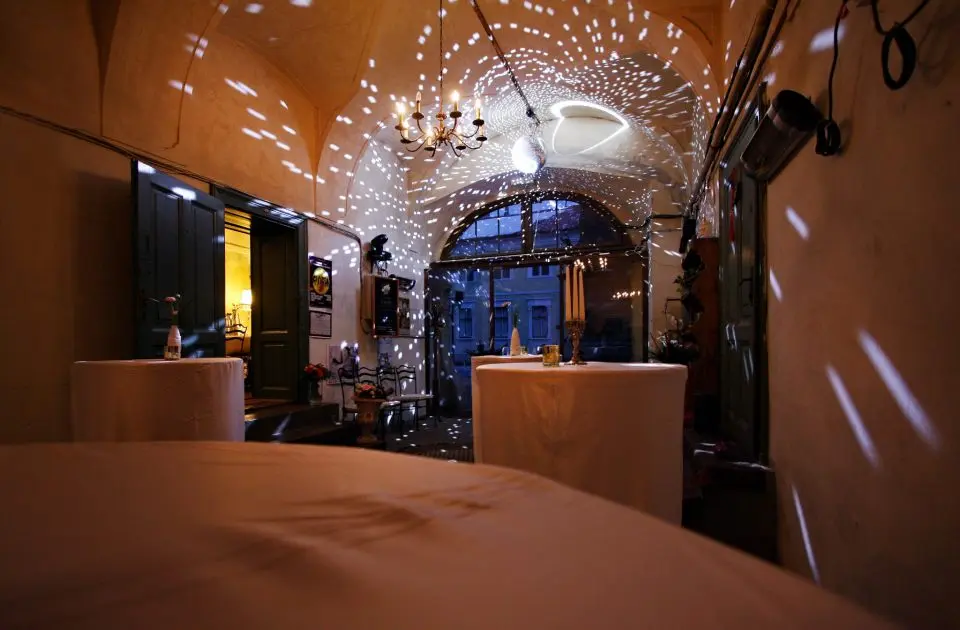 Bistro
Camino Restaurant Cluj
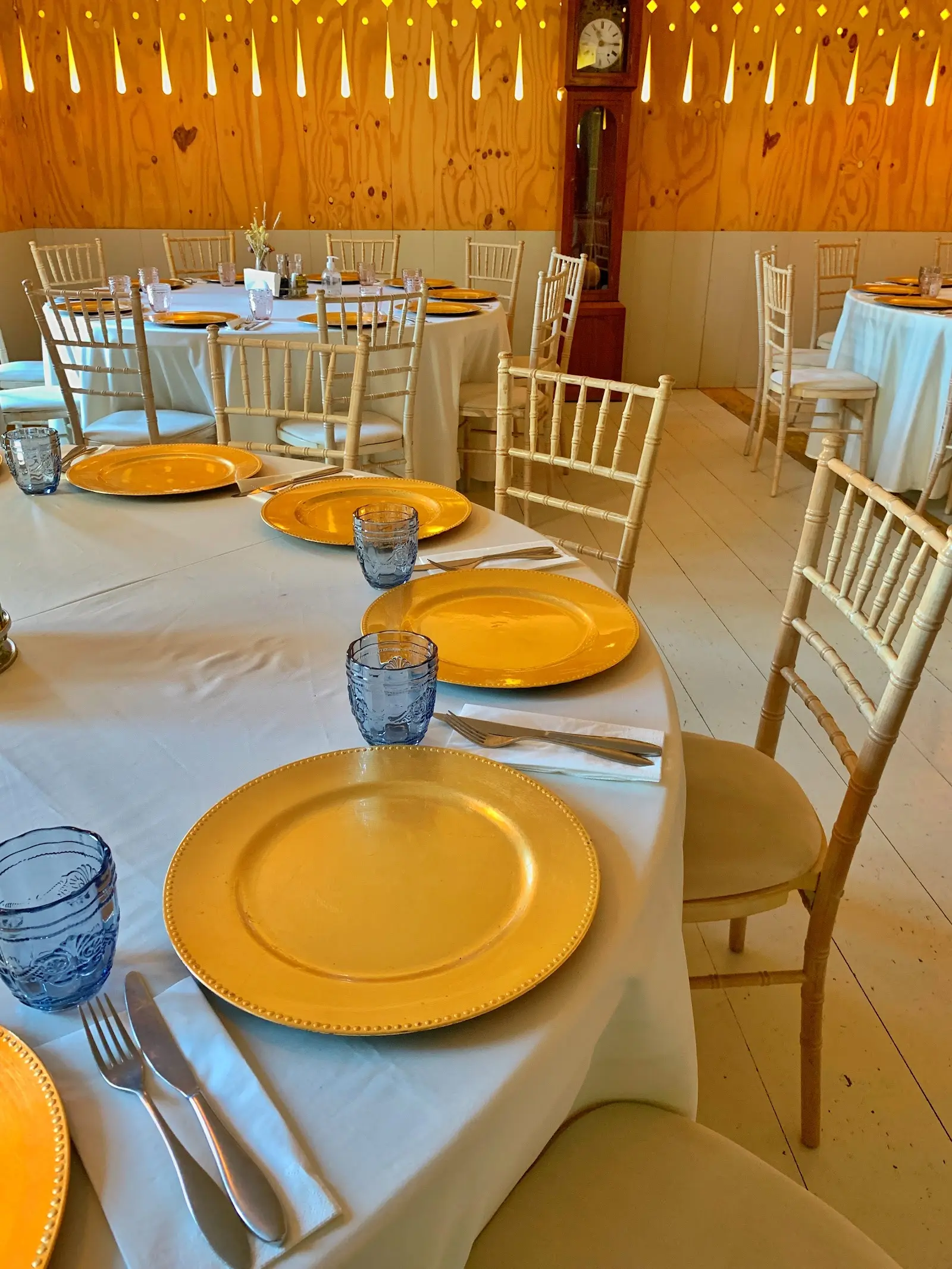 Traditional
Casa Boema
A rustic-chic restaurant with international dishes, vegetarian options and brunch, plus cocktails.
What to see
See all →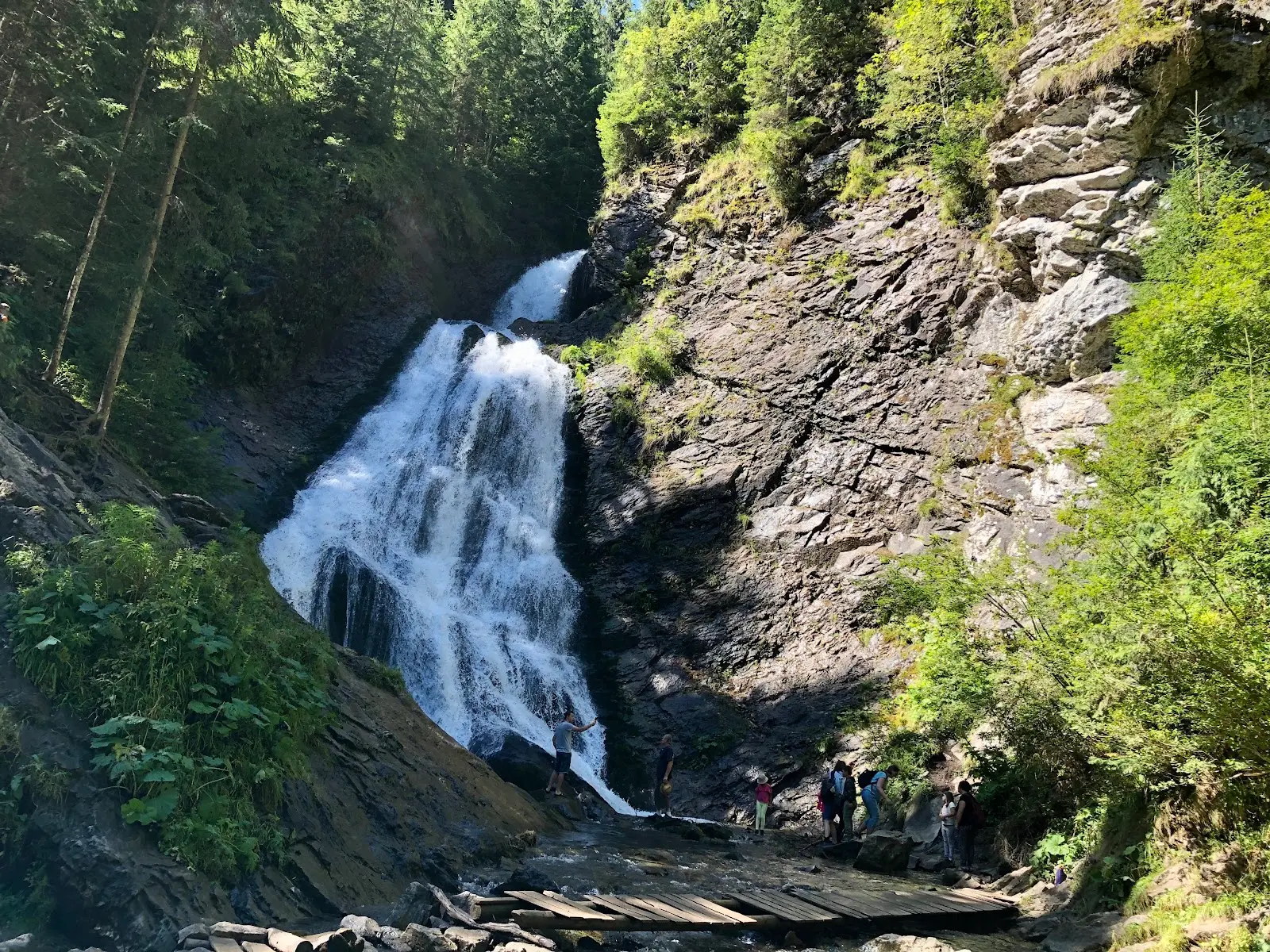 Nature
Cascada Vălul Miresei
Bridal Veil Waterfall is one of the most beautiful cascades in the Apuseni Mountains, set in the Rachitele area of Cluj county, within a spectacular mountain landscape. The water plunges from a considerable height, spreading over the rocks in a fine sheet of droplets that recalls a bride's veil, which gives the fall its poetic name. The waterfall is fed by a mountain stream and changes its appearance with the seasons, being spectacular in spring at the melting of the snows and magical in winter when it partly freezes. Access is by a marked trail through the forest from the nearby car park, suited to easy and moderate hikes. The area is ideal for photography, fresh air and quiet, and nearby one can discover other natural sights of the Apuseni. It is a beloved destination for lovers of nature and the mountains who explore this corner of western Transylvania.
 Church
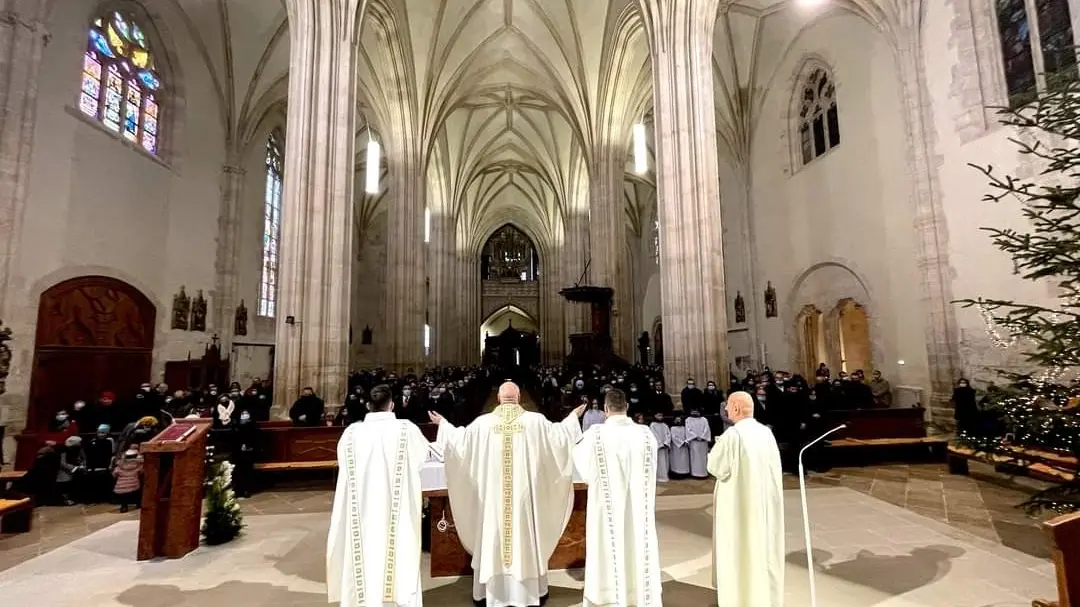
Biserica Sfântul Mihail
St. Michael's Church in Cluj-Napoca is one of the most important Gothic buildings in Transylvania and dominates Union Square, the heart of the city, with its silhouette. Its construction began in the fourteenth century and lasted more than a hundred years, producing a large hall church with high vaults, pointed windows, and a richly decorated western portal. The neo-Gothic tower that now rises beside it was added in the nineteenth century and is the tallest church tower in the region. The interior preserves valuable elements such as a carved Baroque pulpit, medieval fresco fragments, and statues, witnesses to its passage through Catholicism and the Reformation. In front of the church stands the equestrian statue of King Matthias Corvinus, born in Cluj. Visitors can admire the details of the Gothic architecture and combine the visit with a walk through the central square. It is best to respect the services when they take place.
 Park
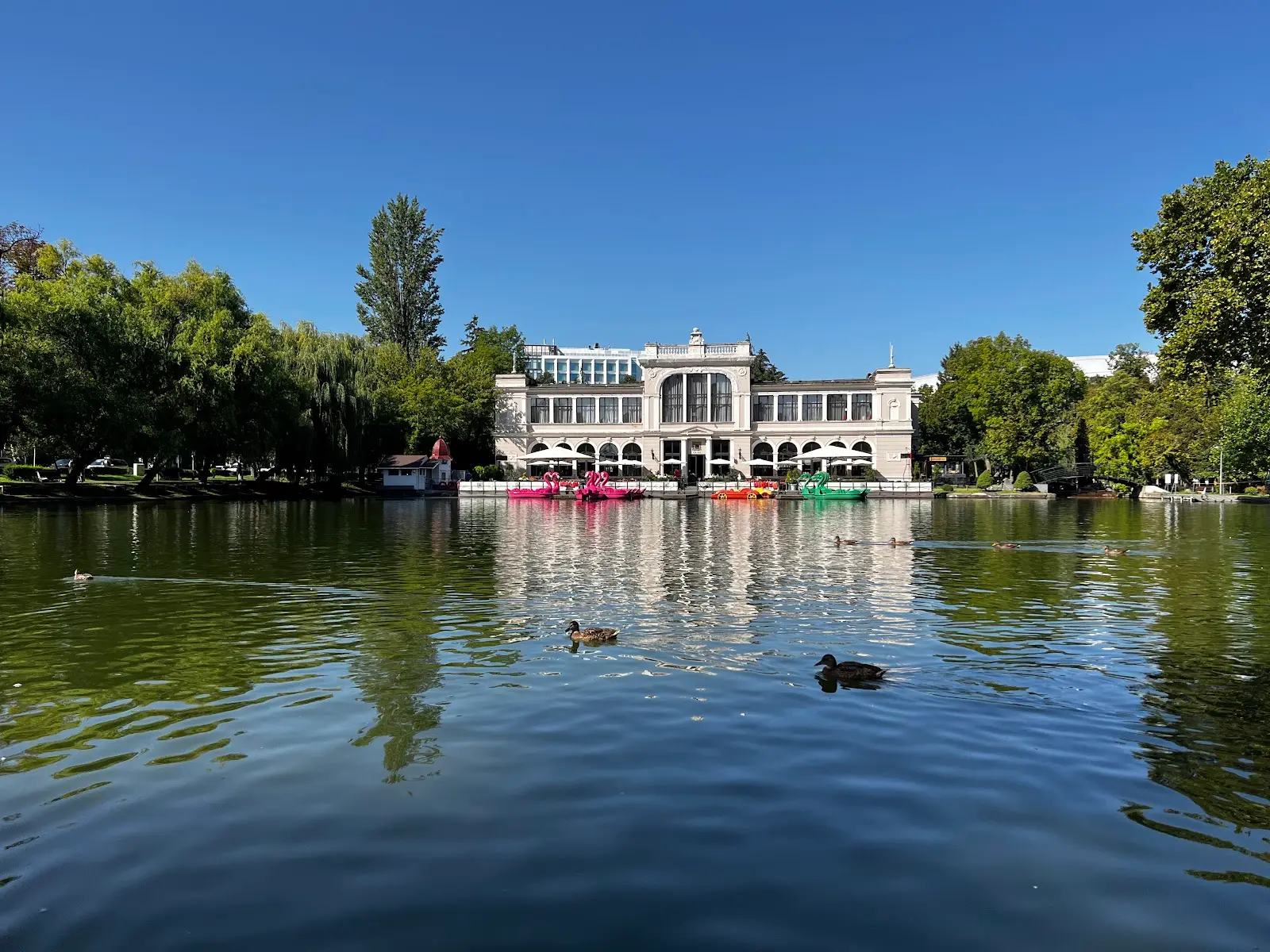
ParkParcul Central Simion Bărnuțiu
Simion Bărnuțiu Central Park is the oldest and best-loved park in Cluj-Napoca, an island of greenery laid out in the mid-19th century in the English landscape style. Crossed by paths shaded by century-old trees, the park has at its centre a lake with an islet, where in summer you can rent boats and pedalos and in winter go skating. Here stands the Casino, a historic building turned into an urban culture centre, along with sports courts and children's playgrounds. Generations of locals have spent summer afternoons, romantic walks and open-air events here. Set beside the Someșul Mic river and close to the centre, the park remains the city's favourite place to unwind, pleasantly busy at weekends. Admission is free; check the schedule for boat rentals and the events hosted at the Casino.
 Landmark
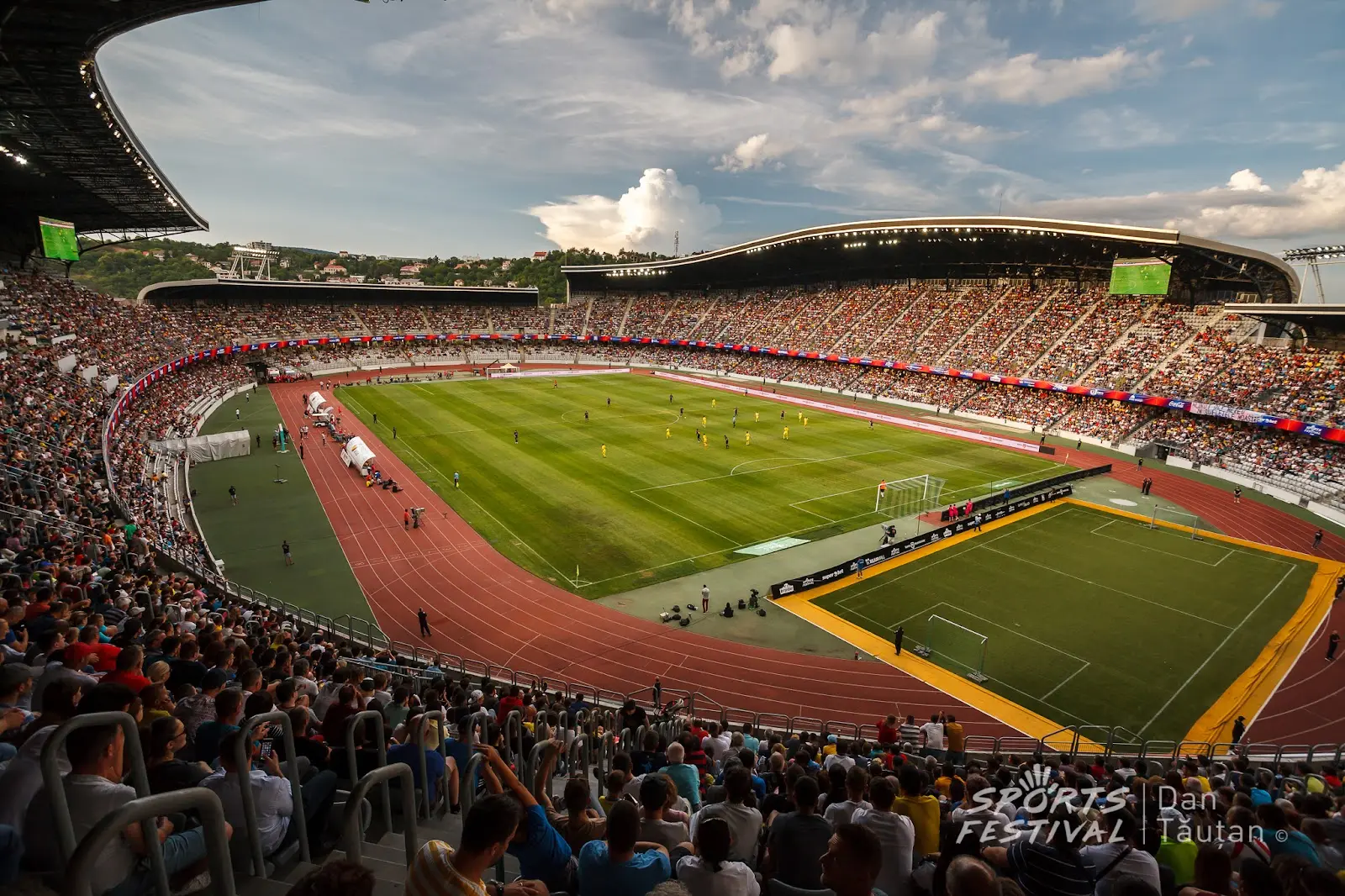
Cluj Arena
Cluj Arena is the most modern stadium in Transylvania and one of Romania most important multi-purpose venues, opened in 2011 on the bank of the Someș, in Cluj Central Park. With a capacity of over 30,000 and contemporary architecture, its elegant canopy lighting up at night, the stadium hosts not only football matches but also major concerts and festivals, among them the famous Untold, which turns the arena and the surrounding park into a city of music. Its central position, next to the park and Cetățuia hill, makes Cluj Arena a visible urban landmark for locals and tourists. Outside events, the surrounding area is pleasant for a stroll, with riverside paths. For visitors, the best experience is to catch an event, which captures the energy of the university city. Check the calendar of matches and concerts and ticket availability well ahead, especially during the festival season.
 Monastery
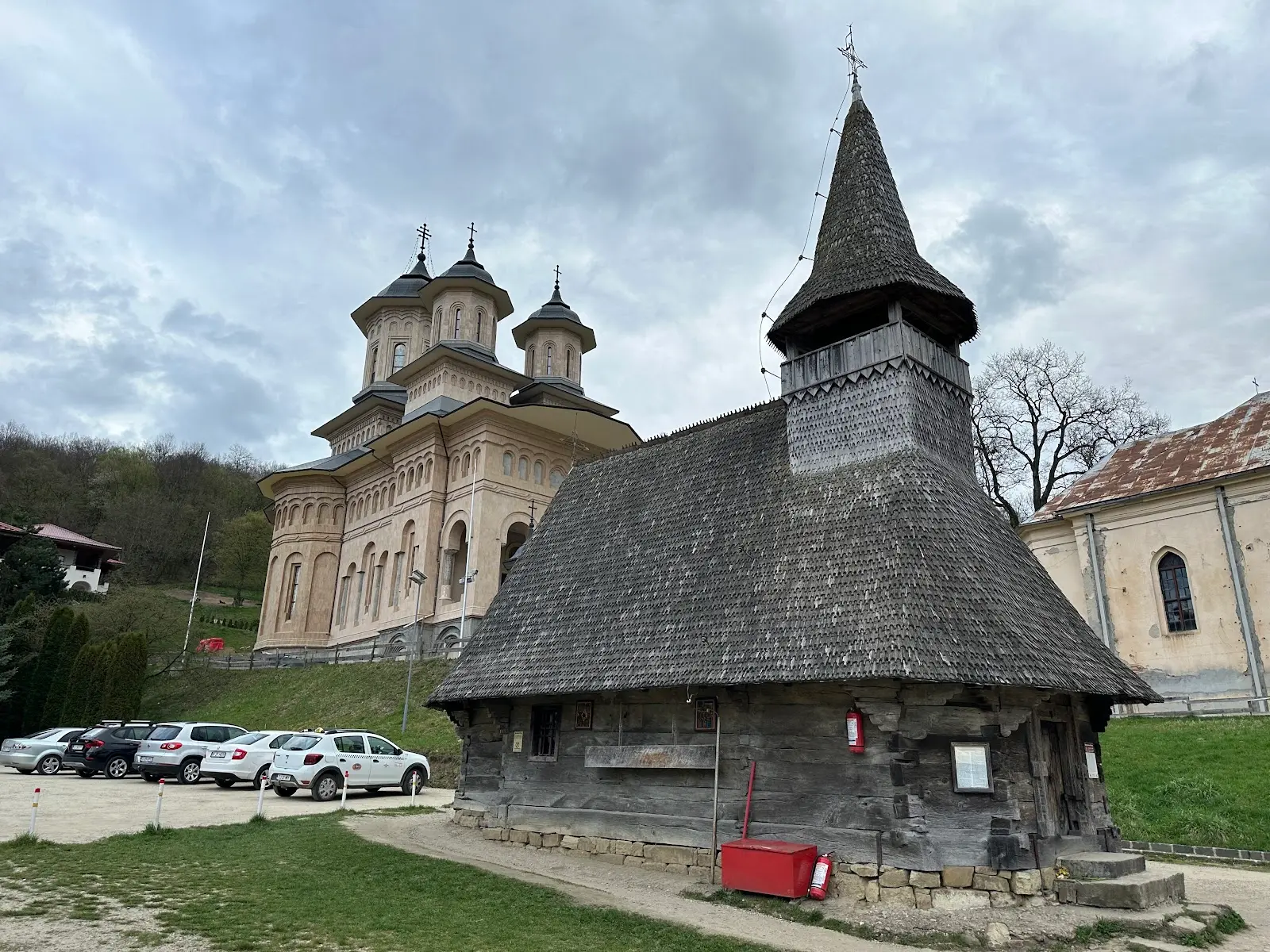
Mănăstirea Nicula
Nicula Monastery is one of the most important centres of Orthodox pilgrimage in Transylvania, set near the city of Cluj-Napoca, on a quiet hill in Cluj county. The settlement is known for the miracle-working icon of the Mother of God, which tradition says wept in the seventeenth century, drawing crowds of faithful ever since. The monastery is also a renowned centre of glass icons, a Transylvanian folk art that developed here and is preserved through workshops and collections. Every year, on the feast of the Dormition of the Mother of God, Nicula hosts impressive pilgrimages, with thousands of participants from across the country. The monastic complex includes old wooden churches and newer buildings, in a restful natural setting. Nicula remains a spiritual and cultural landmark of Transylvania, both for pilgrims and for tourists who wish to discover living religious traditions.
 Landmark
Statuia lui Matia Corvin
The statue of Matthias Corvinus in Cluj-Napoca is one of the most important monuments of the city, set in Union Square in front of Saint Michael's Church. The monumental group depicts King Matthias Corvinus on horseback, surrounded by his captains, evoking one of the most glorious periods of the Kingdom of Hungary in the fifteenth century. Matthias Corvinus was born in Cluj, a fact the city takes pride in, and his birthplace is preserved in the historic centre. The monument, made by the sculptor Janos Fadrusz in the early twentieth century, is considered a masterpiece of statuary art and was awarded a prize in its time. Placed in the heart of the city, near the most imposing Gothic church in Transylvania, the group is a visual landmark and a central point of Cluj urban life. It is one of the most photographed sights of the city, valued for its artistic and historical worth.
 Landmark
Teatrul Național Lucian Blaga Cluj
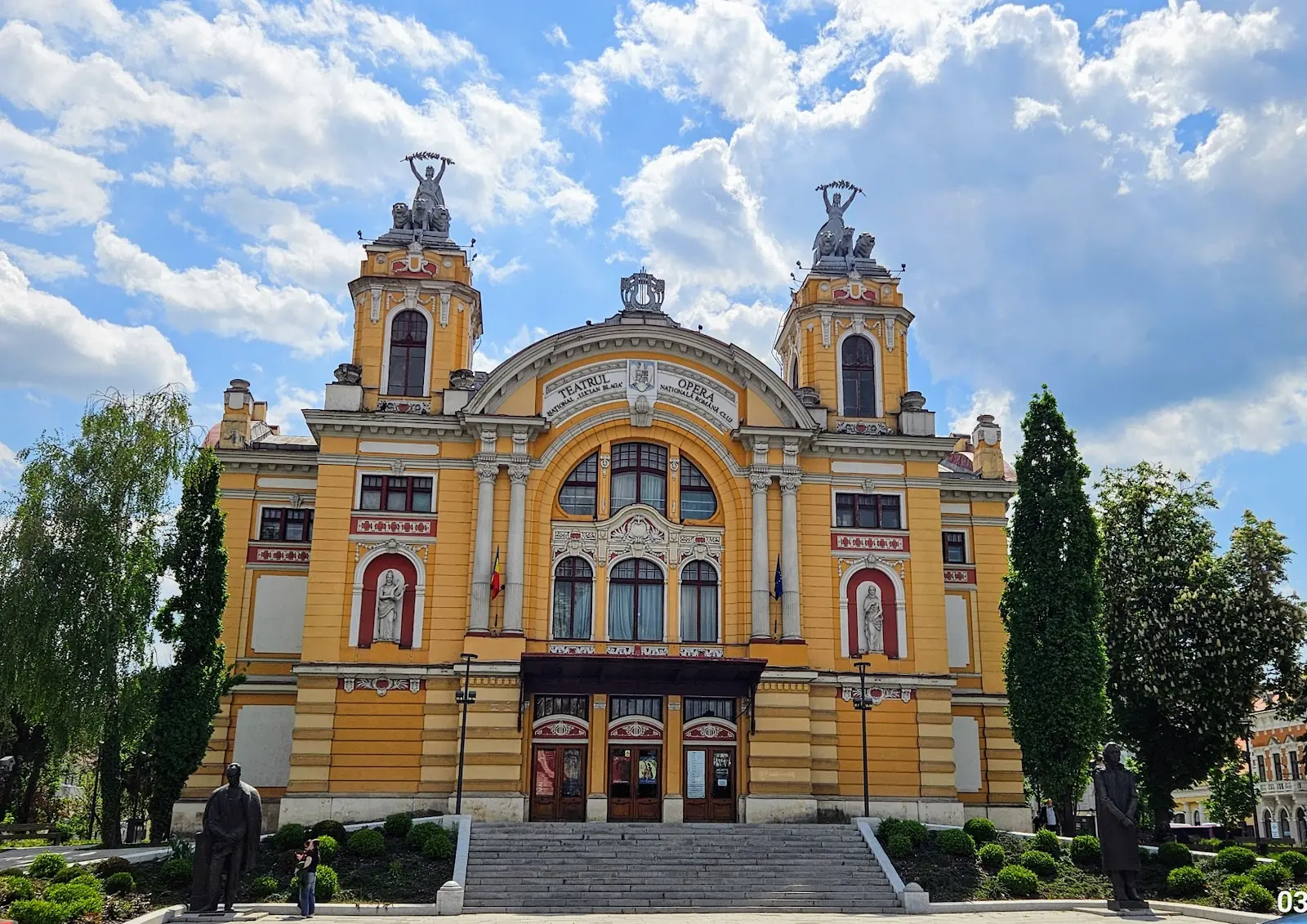
The Lucian Blaga National Theatre in Cluj-Napoca is one of the most important cultural institutions of the city and of Transylvania. The sumptuous building in which it operates was raised in the early twentieth century, in an eclectic and Neo-Baroque style, designed by the renowned Viennese architecture firm of Fellner and Helmer, which built numerous theatres and opera houses in Central Europe. The auditorium impresses with its rich decorations, painted ceilings, gilded stuccoes and elegant boxes, evoking the splendour of the great European theatres. The same building also houses the Romanian National Opera of Cluj, forming a landmark cultural complex. The theatre bears the name of the philosopher and poet Lucian Blaga and continues a rich Romanian theatrical tradition in the city. Set in a central square with a fountain in front, the edifice is one of the most beautiful and photographed architectural monuments of Cluj, a symbol of local cultural life.
 Church
Catedrala Ortodoxă din Cluj
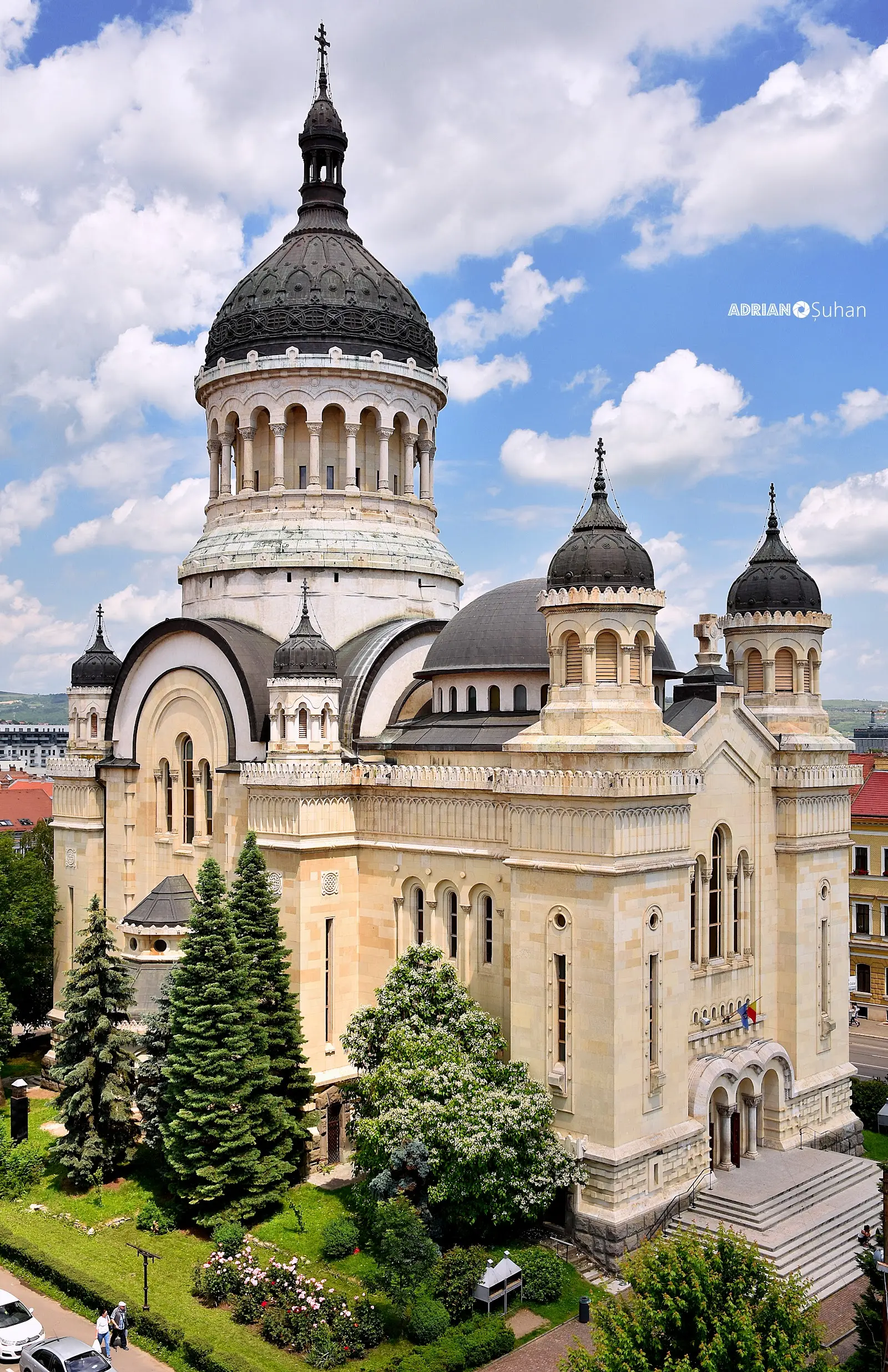
The Orthodox Cathedral of Cluj-Napoca, dedicated to the Dormition of the Mother of God, is the most important Orthodox church of the city and an architectural landmark of Transylvania. Raised in the interwar period, the cathedral blends elements of Byzantine architecture with Brancovan influences, standing out for its imposing dome and its balanced volumes. The interior is decorated with Byzantine-style murals, a carved iconostasis and valuable liturgical objects, creating a solemn atmosphere. The cathedral stands in Avram Iancu Square, a monumental square in the centre of the city, in front of the statue of the great Transylvanian revolutionary, forming an impressive urban ensemble. The church is the seat of the Metropolitanate of Cluj, Maramures and Salaj and hosts important religious services and celebrations. Set near the National Theatre and other monuments of the city, the cathedral is a significant stop for those interested in the spirituality and architecture of modern Cluj.
 Landmark
Cazino Cluj (Casino Parcul Central)
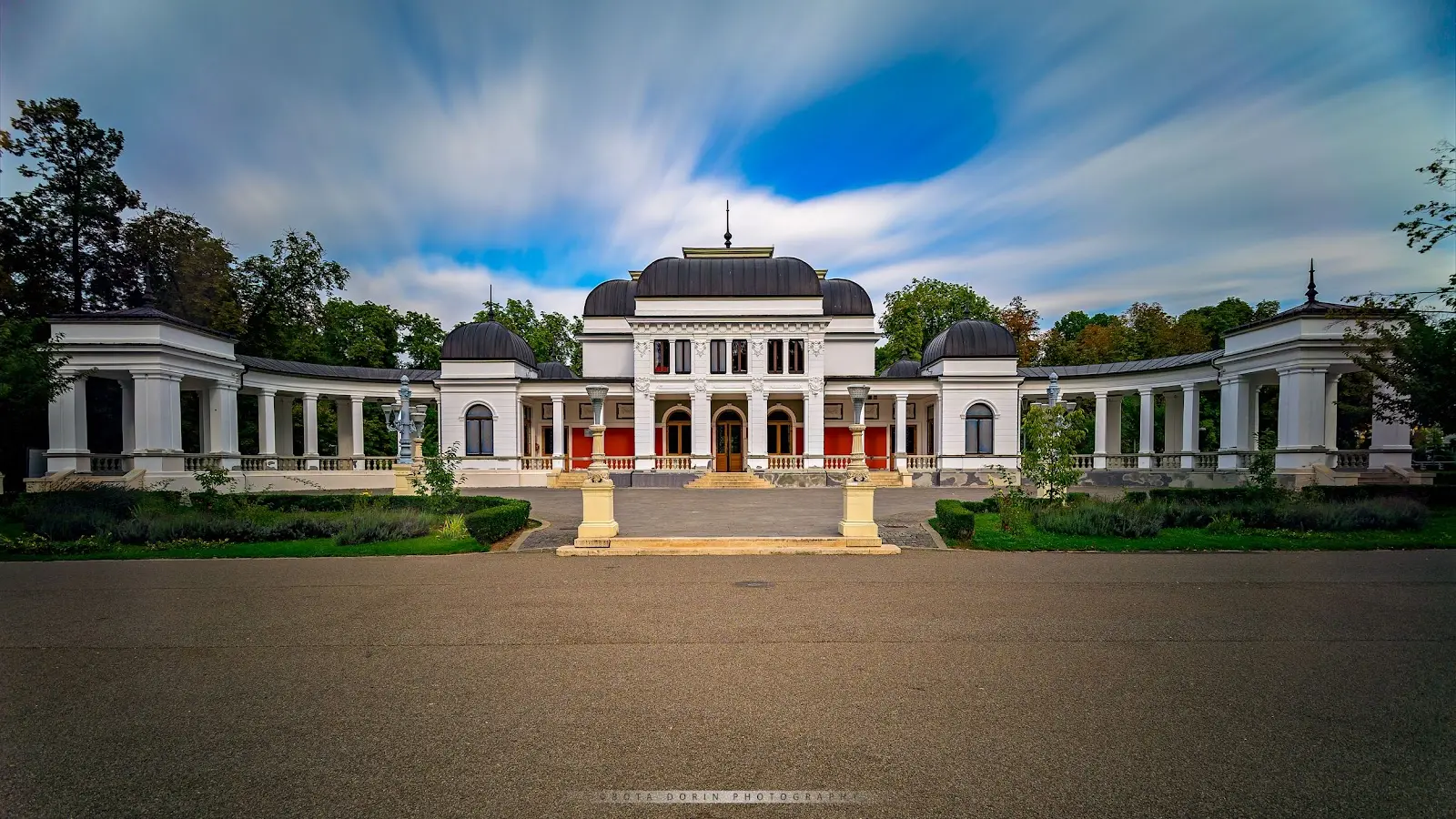
The Casino in the Central Park of Cluj is an elegant historic building located in the oldest landscaped park of the city, a green space cherished by the people of Cluj since the nineteenth century. Originally built as a place of meeting, entertainment and social events for the society of the time, the edifice underwent several transformations, and following an extensive restoration it was returned to the community as a modern cultural centre, hosting exhibitions, events and an urban space for socialising. Its graceful architecture, with harmonious lines and a terrace opening towards the lake, blends perfectly into the park landscape, among shady alleys, rich vegetation and the mirror of the artificial lake on which one can go boating. The place combines history with the city's contemporary cultural life. Practical note: the casino is pleasantly visited together with a relaxing walk through the Central Park; check the schedule of exhibitions and events to plan your visit.
Frequently asked questions
What is Cluj-Napoca known for?+
Cluj-Napoca is best known for sights such as Cascada Vălul Miresei, Biserica Sfântul Mihail, Parcul Central Simion Bărnuțiu.
How many days do you need in Cluj-Napoca?+
One to two days is enough to see the highlights of Cluj-Napoca; stay longer to use it as a base for day trips.
Where should I stay in Cluj-Napoca?+
See our selected stays above, or check live rates and availability on the accommodation map.