
Transylvania
Petroșani
The Jiu Valley, Straja and the southern Retezat.
Petroșani is the main town of the Jiu Valley, a mountain basin in southern Transylvania framed by the Parâng, Retezat and Vâlcan massifs. Long the mining heart of Romania, the town bears the mark of an intense industrial history, evoked by the Mining Museum, housed in a historic building that documents centuries of coal extraction. Today Petroșani is gradually reinventing its identity, turning toward mountain tourism thanks to the Parâng ski area right above the town and to easy access to Retezat National Park, one of the country's wildest alpine areas, with glacial lakes and ridges above 2,000 metres.
The atmosphere is authentic, working-class and unpretentious, far from the artifice of established resorts, with a centre enlivened by students from the local technical university. Around it, the villages of the Jiu Valley preserve pastoral traditions and a landscape of harsh beauty. The cuisine is hearty and mountainous: sour soups, roasts, cheeses and homemade pálinka.
Petroșani is reached by the DN66 road from Târgu Jiu and Simeria and by the railway that crosses the Jiu gorge. It is worth visiting for its position as a gateway to Retezat and Parâng, for its mining history and for the authenticity of a mountain region still untouched by mass tourism.
Where to stay
All stays →
Where to eat
All restaurants →
What to see
See all →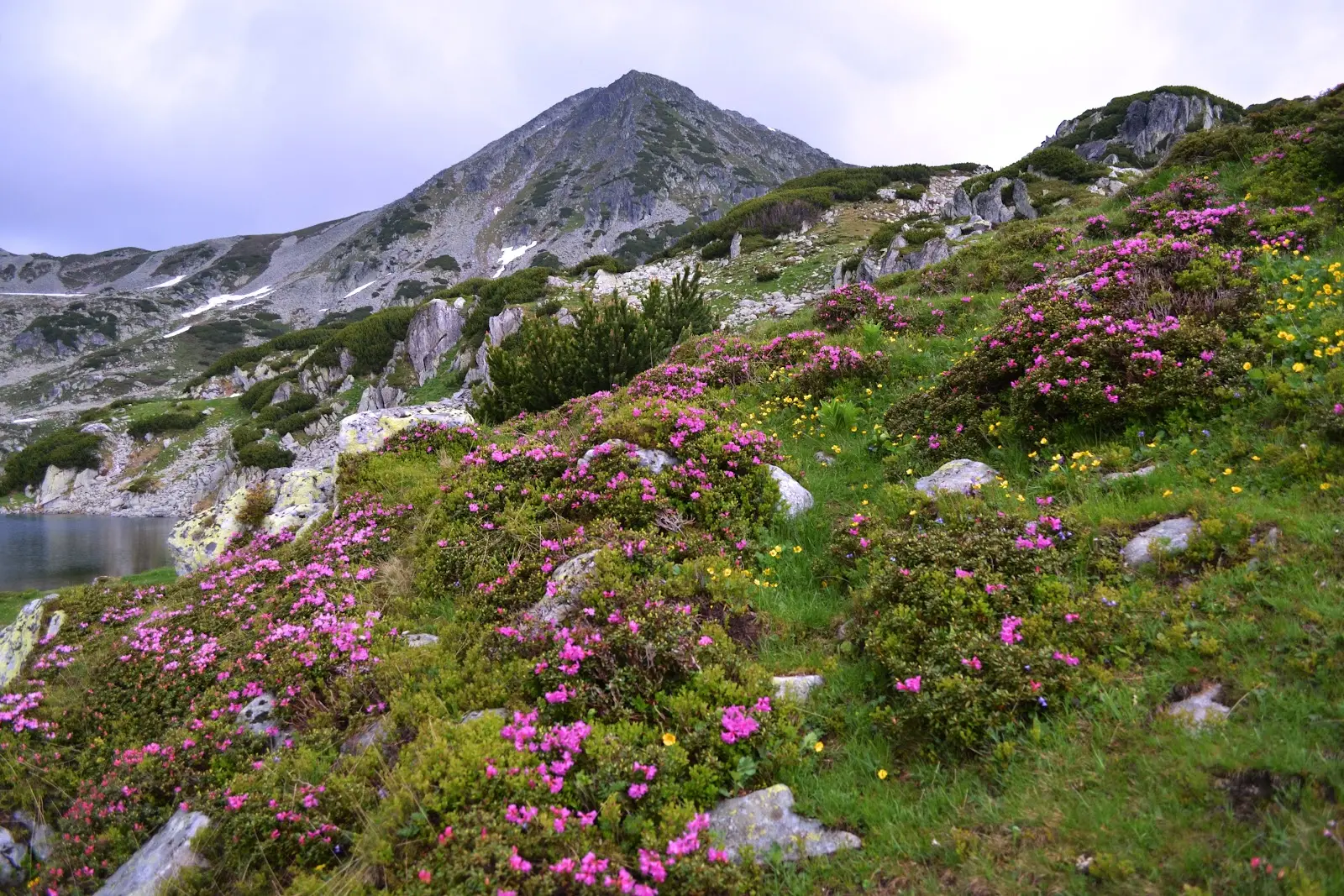 Nature
Parcul Național Retezat
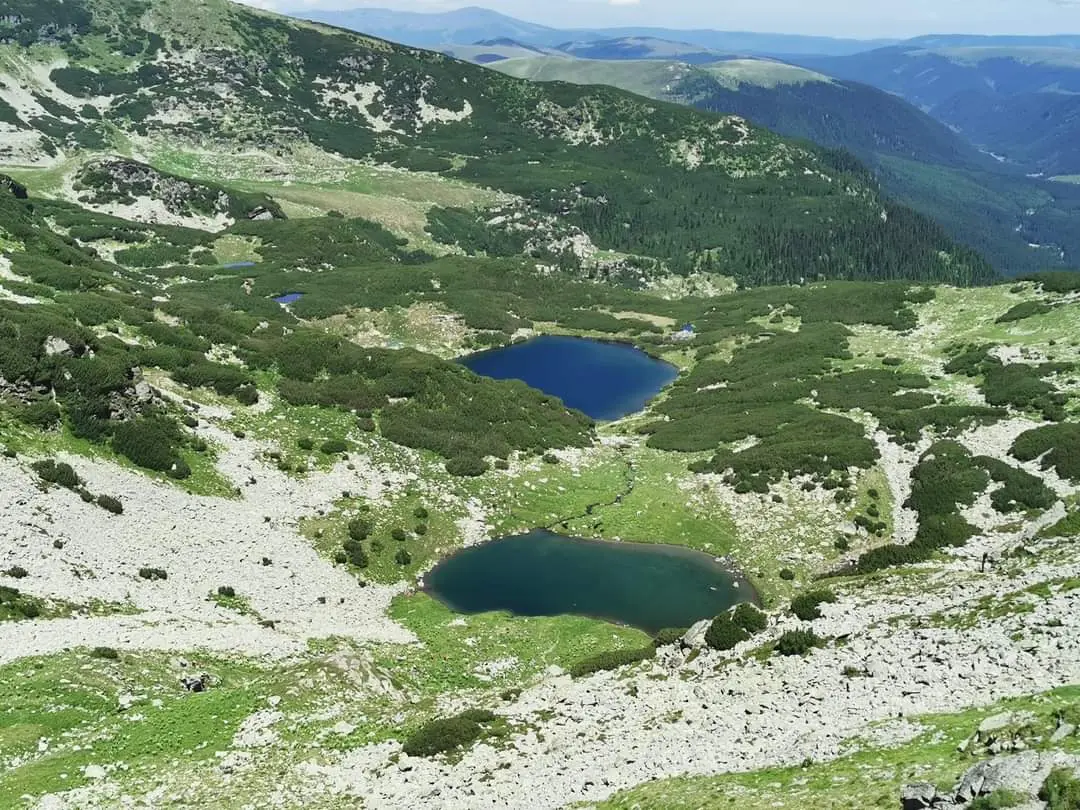
Retezat National Park, the first national park in Romania and a UNESCO-recognised biosphere reserve, protects one of the wildest and most beautiful massifs in the Carpathians. Famous for its more than 80 glacial lakes, including Bucura, the largest glacial lake in the country, and Zănoaga, the deepest, the park offers spectacular alpine scenery of rocky ridges, glacial valleys and flowering meadows. It is home to chamois, marmots, bears and numerous rare plant species, some of them endemic, which makes Retezat a true treasure of biodiversity. A network of marked trails allows everything from easy walks to demanding mountain routes toward peaks over 2,500 metres. Refuges and chalets provide support points for explorers. Accessible from Petroșani and the Hațeg area, the park is an ideal destination for nature lovers, hikers and photographers seeking the authentic wilderness of the Romanian mountains. Visitors are asked to respect the rules of the protected area in order to preserve the fragile balance of this unique ecosystem.
 Mountain
Masivul Parâng
The Parâng Massif ranks among the highest and most imposing ranges of the Southern Carpathians, rising between the Jiu Valley and the Olt Valley, north of Petroșani. Parângu Mare Peak exceeds 2,500 metres, making this one of the few massifs in Romania to reach such altitudes. The landscape is dominated by rocky ridges, glacial cirques carved during the ice ages and a genuine string of clear alpine lakes, among them Lake Roșiile and the Gâlcescu lakes, protected as a reserve. Walkers find here spectacular ridge routes, among the longest in the country, as well as skiing, the Parâng resort lying on the slope toward Petroșani. Alpine flora and fauna, with dwarf pine, edelweiss and chamois, add to the natural value of the place. Less crowded than the neighbouring Făgăraș or Retezat, Parâng rewards the experienced hiker with solitude, silence and wide views across the heart of the Carpathians.
 Nature
Defileul Jiului
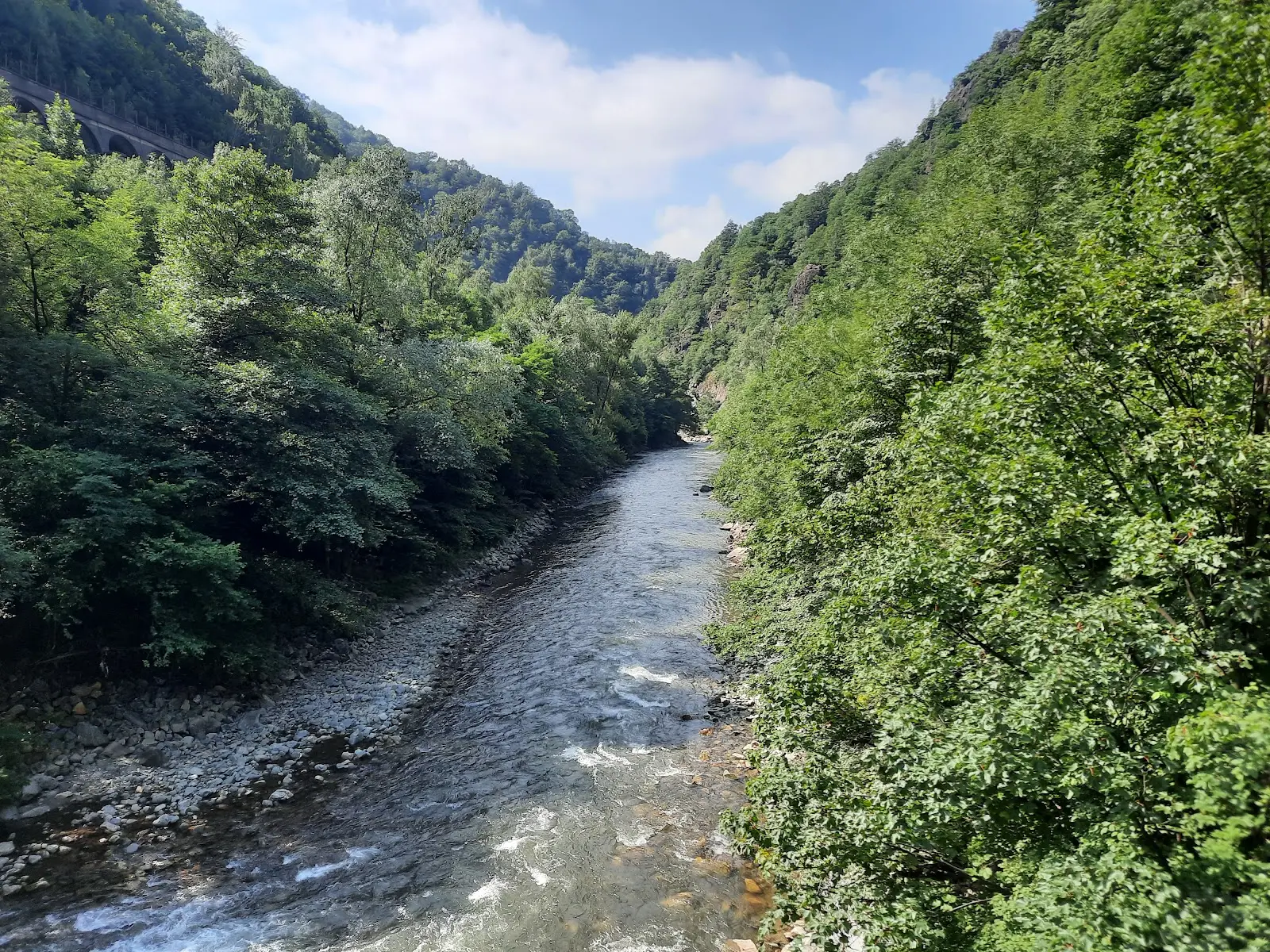
The Jiu Gorge is one of the most spectacular defiles in Romania, a wild valley through which the Jiu River carves its way between the Parang and Valcan Mountains, connecting Petrosani in the Petrosani Basin with the Targu Jiu area. Declared a national park, the gorge impresses with its steep walls covered in ancient forests, the swift waters of the Jiu and its remarkable biodiversity, sheltering numerous species of plants and animals, some of them rare. The road and railway that cross the gorge are notable engineering achievements in themselves, with tunnels and viaducts threading along the narrow valley. The landscape blends the power of the water with the quiet of the forests and offers memorable views at every bend. The area is valued for hiking and for contact with wild nature. Practical note: the gorge can be travelled by car, but stops at the viewpoints are worthwhile; for hiking routes, find out about the marked trails and the rules of the national park.
 Museum
Muzeul Mineritului Petroșani
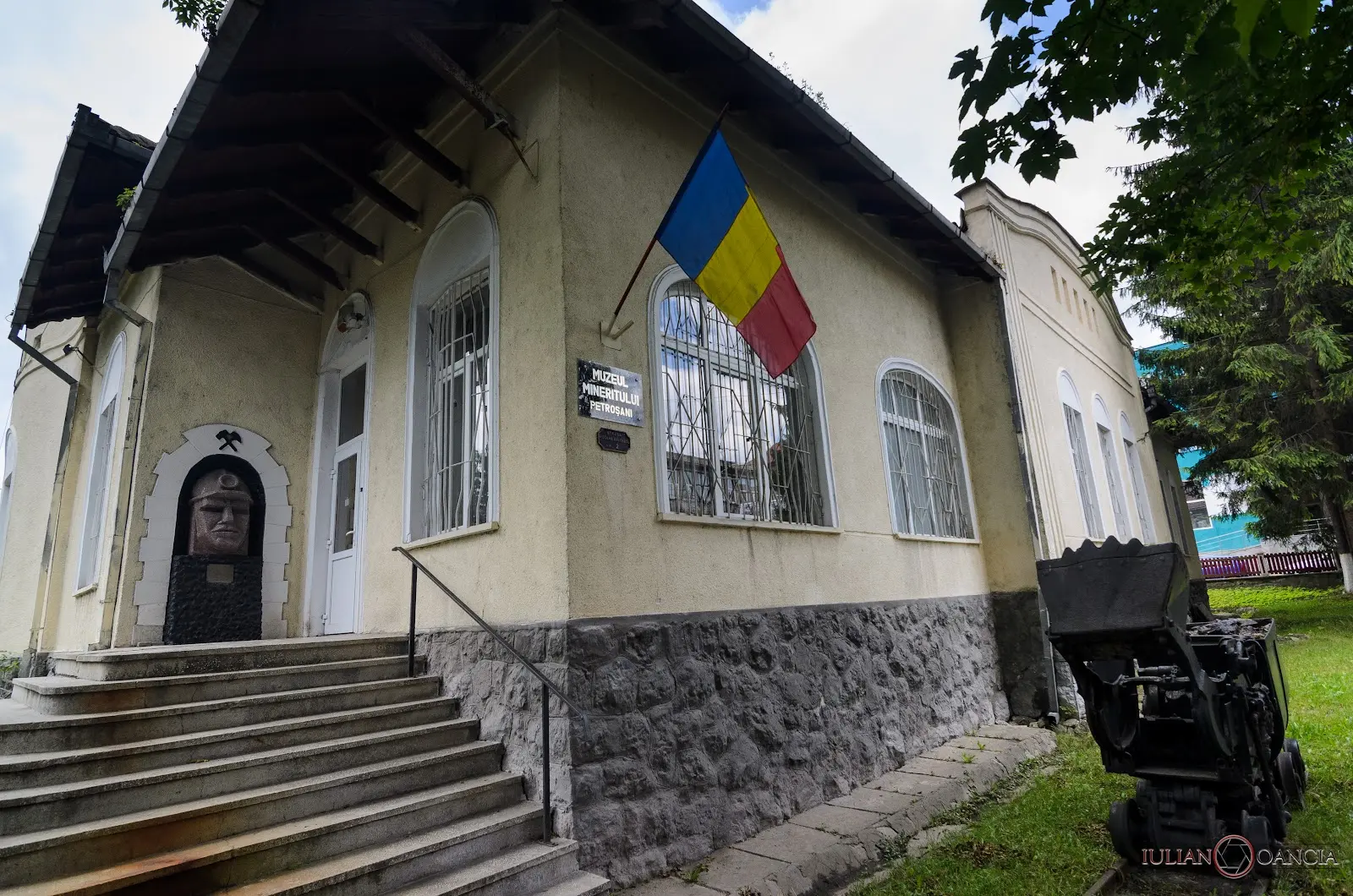
The Mining Museum in Petrosani is dedicated to the history of coal extraction in the Jiu Valley, one of the most important mining regions of Romania, with an industrial tradition spanning more than a century and a half. The museum presents the development of extraction techniques, the tools and machinery used over time, and the hard life and solidarity of the mining communities that shaped the identity of this area. The exhibits include mining lamps, equipment, documents, photographs and reconstructions that illustrate both technical progress and the human dimension of mining. The collections help visitors understand the role of the Jiu Valley in the industrial development of the country and the transformations the local community went through. Located in Petrosani, the museum is an important cultural destination for those interested in the industrial and social history of the region. The visit can be combined with exploring the surrounding mountain landscapes, as the town is a gateway to the Parang and Retezat massifs, appreciated by hikers and nature lovers.
MountainPârtia Straja
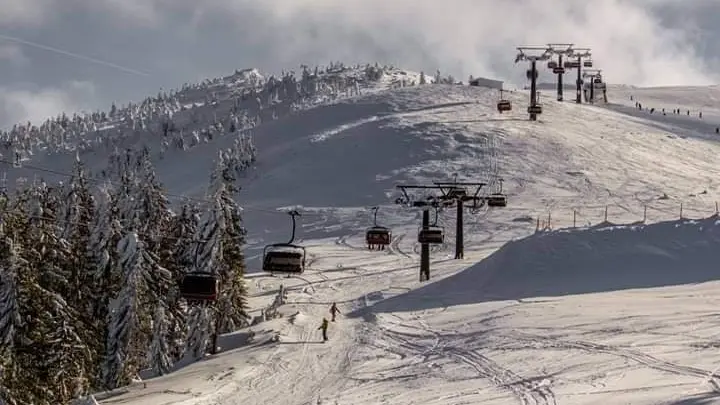
Straja Slope is the main ski area of the Straja mountain resort, developed on the slopes of the Vâlcan massif above the town of Lupeni, in the mining basin of the Jiu Valley. The ski domain spreads across several runs of varying difficulty, from gentle beginner trails to steeper descents for experienced skiers, served by chairlifts and drag lifts that climb toward a plateau lying above 1,400 metres. Its position in the heart of the Southern Carpathians provides a generous, stable snow cover in the winter months, along with wide panoramas over the ridges of the Retezat and Parâng mountains. Around the slopes a resort has grown with numerous chalets and guesthouses, also a starting point for summer hikes on the trails of the Vâlcan Mountains. The place combines the region's mining heritage with modern mountain tourism. Visitors are advised to check that the lifts are running and to review snow conditions before arriving, as these depend on the season and the weather.
Frequently asked questions
What is Petroșani known for?+
Petroșani is best known for sights such as Parcul Național Retezat, Masivul Parâng, Defileul Jiului.
How many days do you need in Petroșani?+
One to two days is enough to see the highlights of Petroșani; stay longer to use it as a base for day trips.
Where should I stay in Petroșani?+
See our selected stays above, or check live rates and availability on the accommodation map.