
Transylvania
Hunedoara
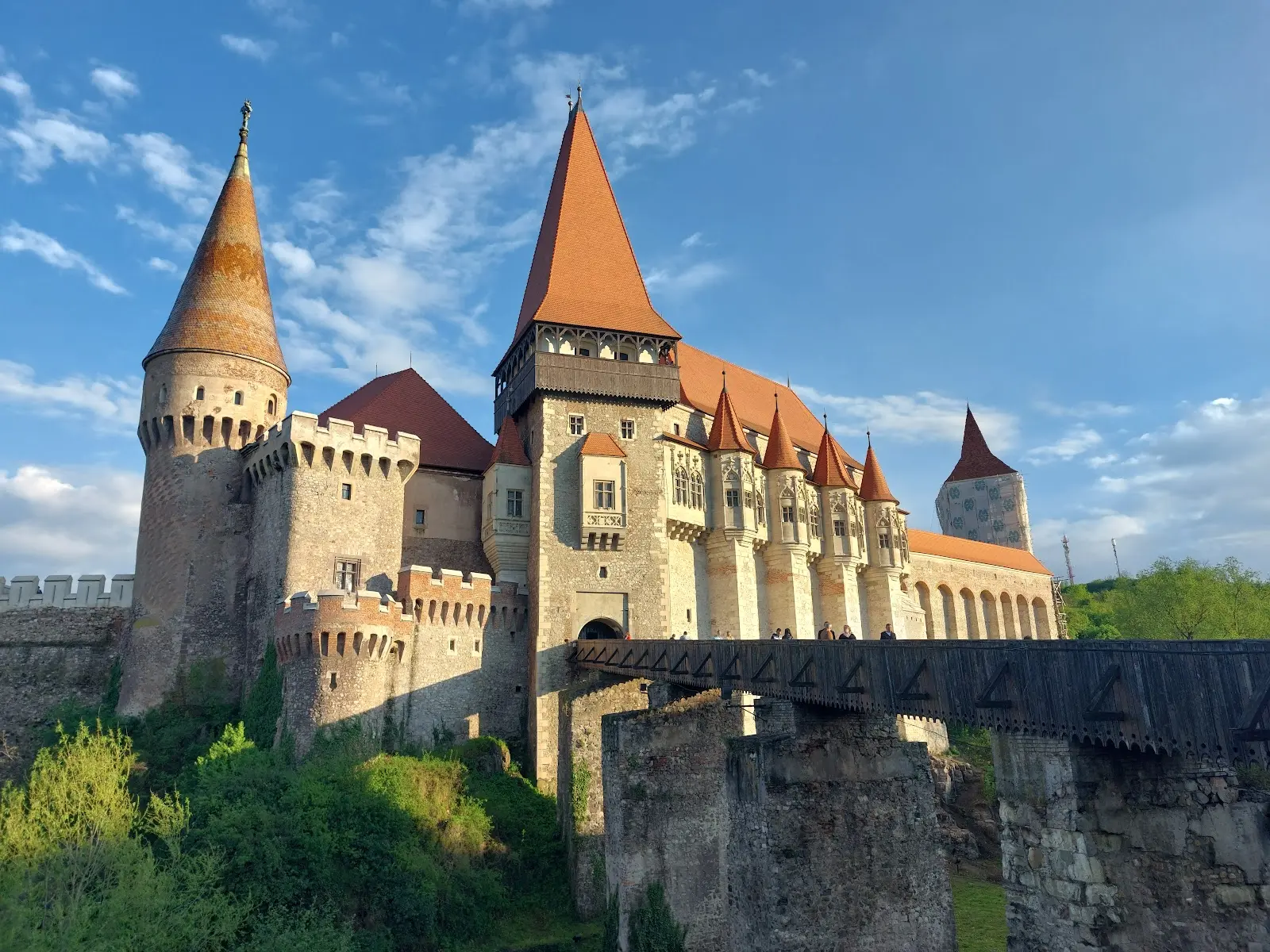
Corvin Castle — Romania's most spectacular Gothic castle.
Hunedoara is the town of one of the most spectacular Gothic castles in Europe: Corvin Castle (Hunyadi Castle). Set in south-western Transylvania in a once heavily industrialised area, the town owes its fame to this impressive medieval stronghold, raised on a rock above a river.
Corvin Castle was built in the 15th century by the family of John Hunyadi (Iancu de Hunedoara), one of the greatest military leaders of Christian Europe, and later expanded by his son, King Matthias Corvinus. With its slender towers, the drawbridge over a chasm, the knights' hall, the Gothic chapel and its colourful roofs, the castle looks straight out of a fairy tale — it is considered one of the most beautiful in all of Europe and a sought-after film location. A legend links the well in the courtyard to Turkish prisoners who dug for years in hope of freedom.
Around the castle, the town still bears traces of its steel-making past, offering an interesting contrast between medieval heritage and industrial legacy. The area is rich in other sights too — nearby stand Densuș, the oldest stone church in Romania, and the ruins of Sarmizegetusa, the Dacian capital.
It is reached by car on the A1 motorway or by train, via nearby Deva. Spring through autumn is the best time to visit. Hunedoara is worth visiting above all for its fairy-tale castle, one of the most memorable medieval monuments in Romania.
Where to stay
All stays →

Where to eat
All restaurants →
What to see
See all →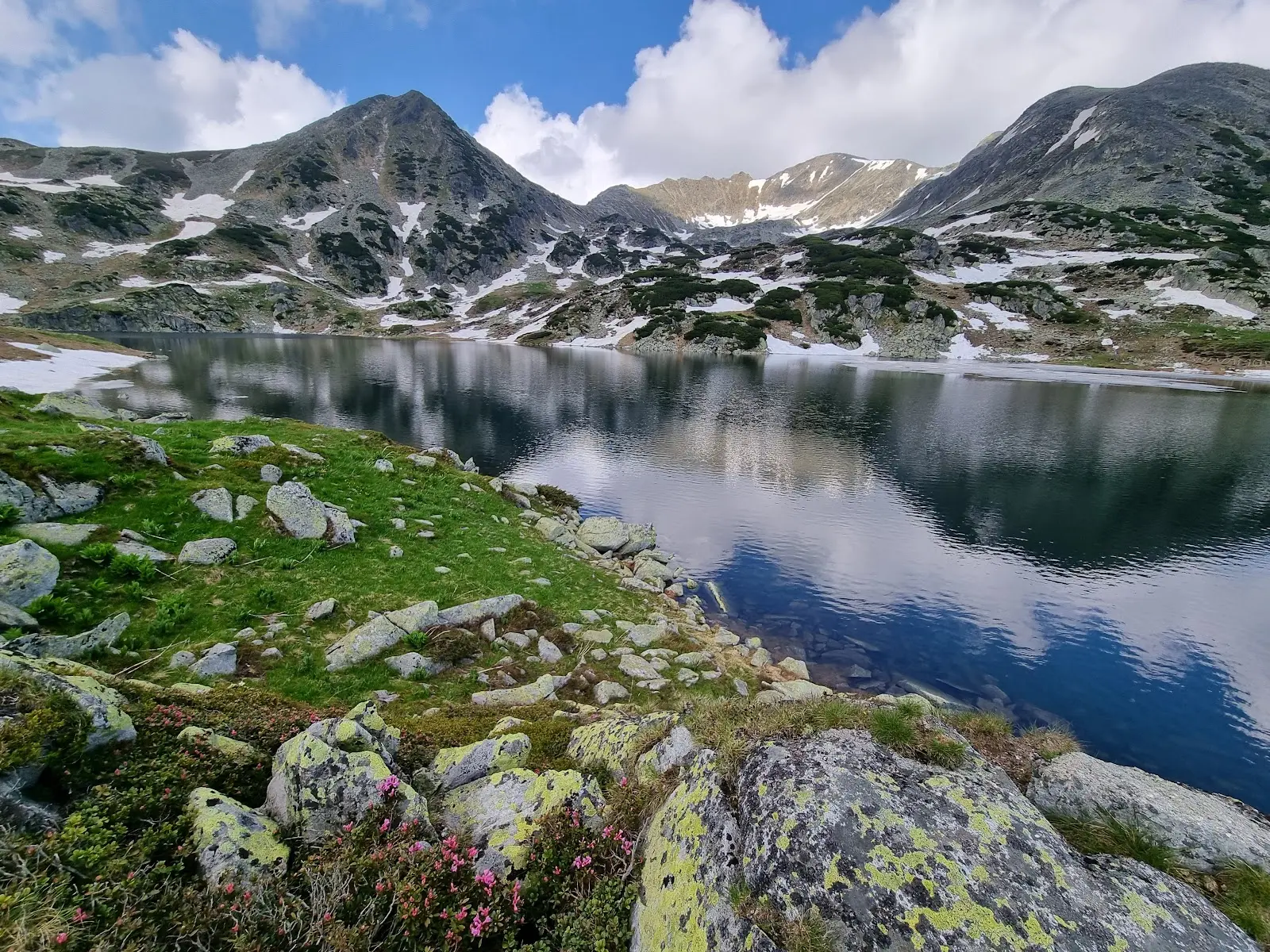 Nature
Lacul Bucura
Lake Bucura is the largest glacial lake in Romania, set at over 2000 metres altitude in the heart of the Retezat massif in Hunedoara county, one of the wildest and most beautiful corners of the Southern Carpathians. Formed after the retreat of former glaciers, the lake spreads within a broad cirque surrounded by lofty peaks and alpine meadows scattered with boulders, offering scenery of grand beauty. The clear water reflects the surrounding crests, and the area is considered one of the most spectacular in the entire Carpathian chain. The lake lies within the Retezat national park, an internationally recognised biosphere reserve that shelters numerous glacial lakes, chamois, marmots and a rich flora, including endemic species. The Bucura area is a central point for hiking and a popular camping spot for those exploring the massif, with many trails setting off here towards the surrounding peaks. Access demands effort and good fitness, but the alpine scenery fully rewards the long climb.
 Monastery
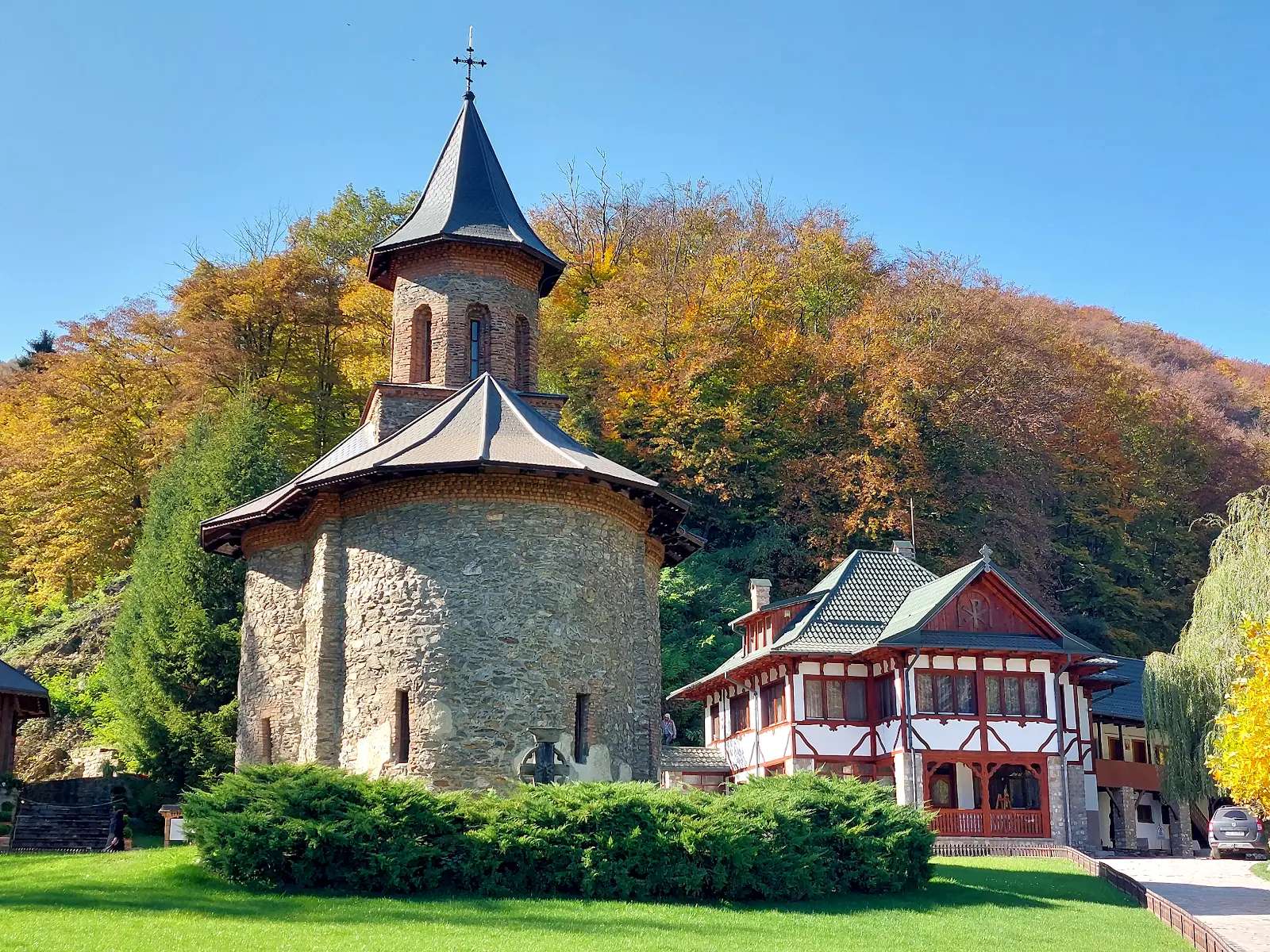
Prislop - Mănăstirea Prislop
Prislop Monastery, hidden in a wooded glade in the Hațeg Land of Hunedoara county, is one of the most visited pilgrimage sites in Transylvania. Founded in the 14th century and linked to the monk Nicodemus of Tismana, the settlement has a rich history, renewed over the centuries and connected to leading figures of Romanian Orthodoxy. Its contemporary fame owes much to Father Arsenie Boca, a renowned confessor whose grave in the monastery cemetery draws tens of thousands of the faithful each year. The natural setting, with forest, a spring and deep silence, reinforces the atmosphere of contemplation. Visitors find a modest church, monastic cells and a landscape that invites reflection. As an active place of worship, modest dress and respect for services are advised; check the liturgical and visiting schedule.
 Church
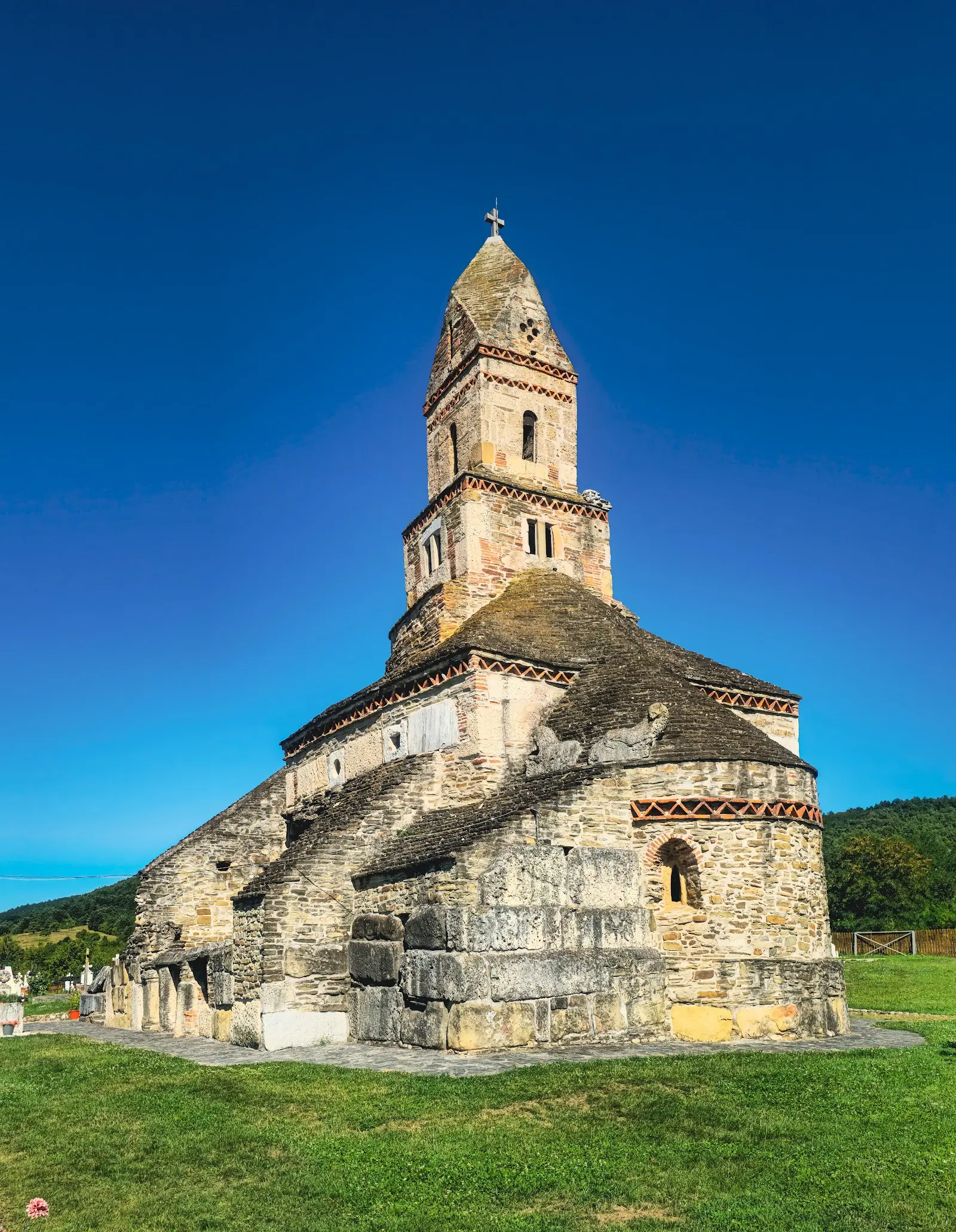
Biserica Densuș
The church of Densuș in Hunedoara County is regarded as one of the oldest stone churches in Romania still in use, and its unusual appearance has fascinated visitors for centuries. Probably built in the thirteenth century on the site of older structures, it was raised largely from Roman stones brought from the nearby fortress of Ulpia Traiana Sarmizegetusa. In its walls one can recognise slabs with Latin inscriptions, shaped blocks, and reused column fragments, a true collage of ancient material. The very narrow interior shelters fresco fragments from the fifteenth century, painted by local masters. The massive silhouette, with a central tower resting on heavy pillars and a stone roof, gives it an archaic, almost unreal character. Visitors should look closely at the walls to find the Roman traces and respect the cramped space of a church that is still in liturgical use.
 Nature
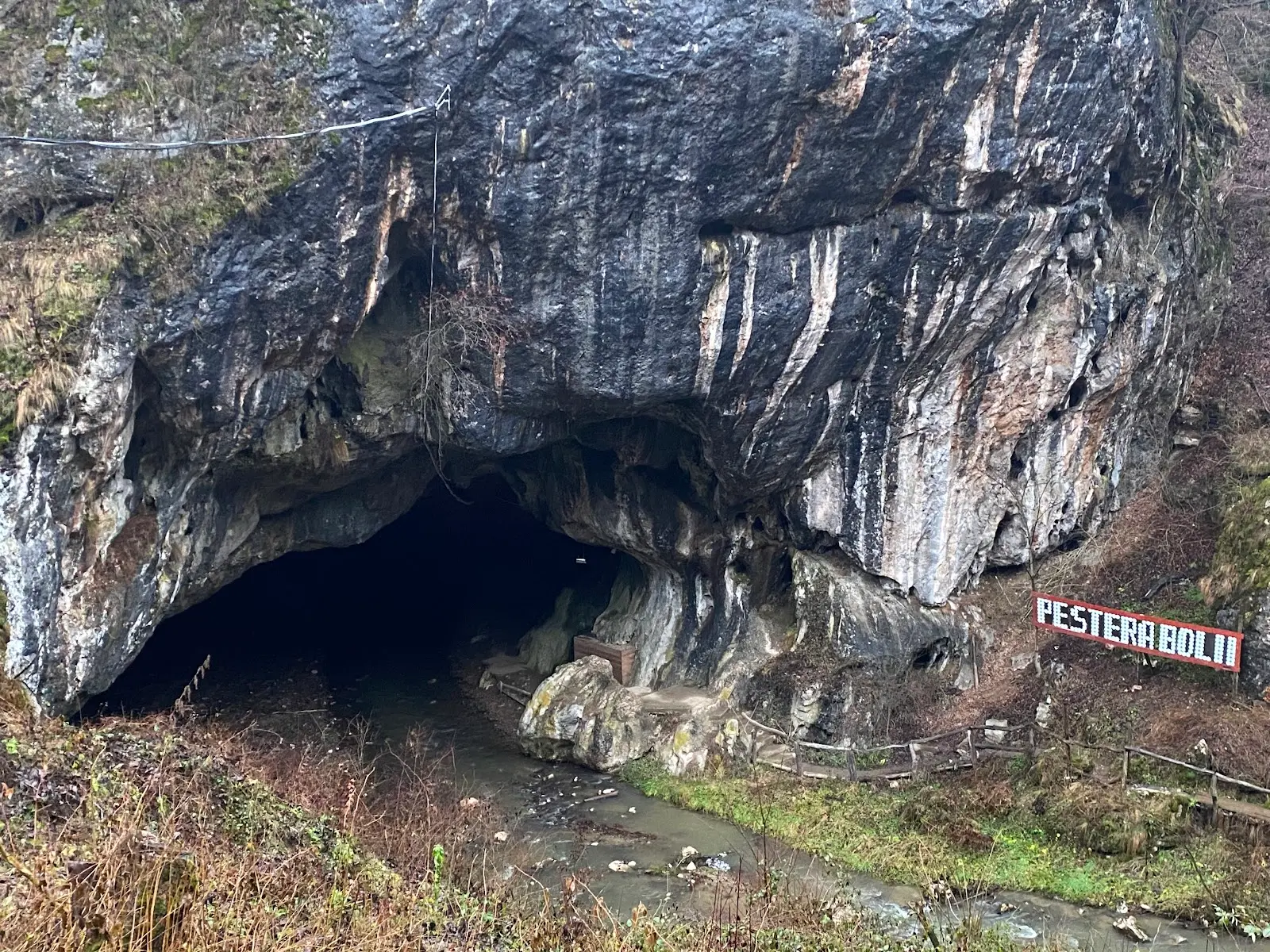
Peștera Bolii
Bolii Cave is a spectacular cave located in Hunedoara county, near the town of Petrosani and the Hunedoara area, in a striking natural setting. The cave is crossed by a stream which over time has carved out ample galleries, forming a natural tunnel with impressive entrances and high limestone vaults. Visitors can walk through the cave along an arranged path, admiring the play of light at the open ends of the gallery, where the water flows gently among the rocks. The surrounding setting, with cliffs and vegetation, adds to the charm of the place. Bolii Cave sometimes hosts cultural events thanks to its remarkable acoustics and its special atmosphere. Being relatively easy to reach and located close to the main road, the cave makes a pleasant stop for those exploring the Jiu Valley and its surroundings, offering a cool excursion into the underground world of the Carpathians.
 Park
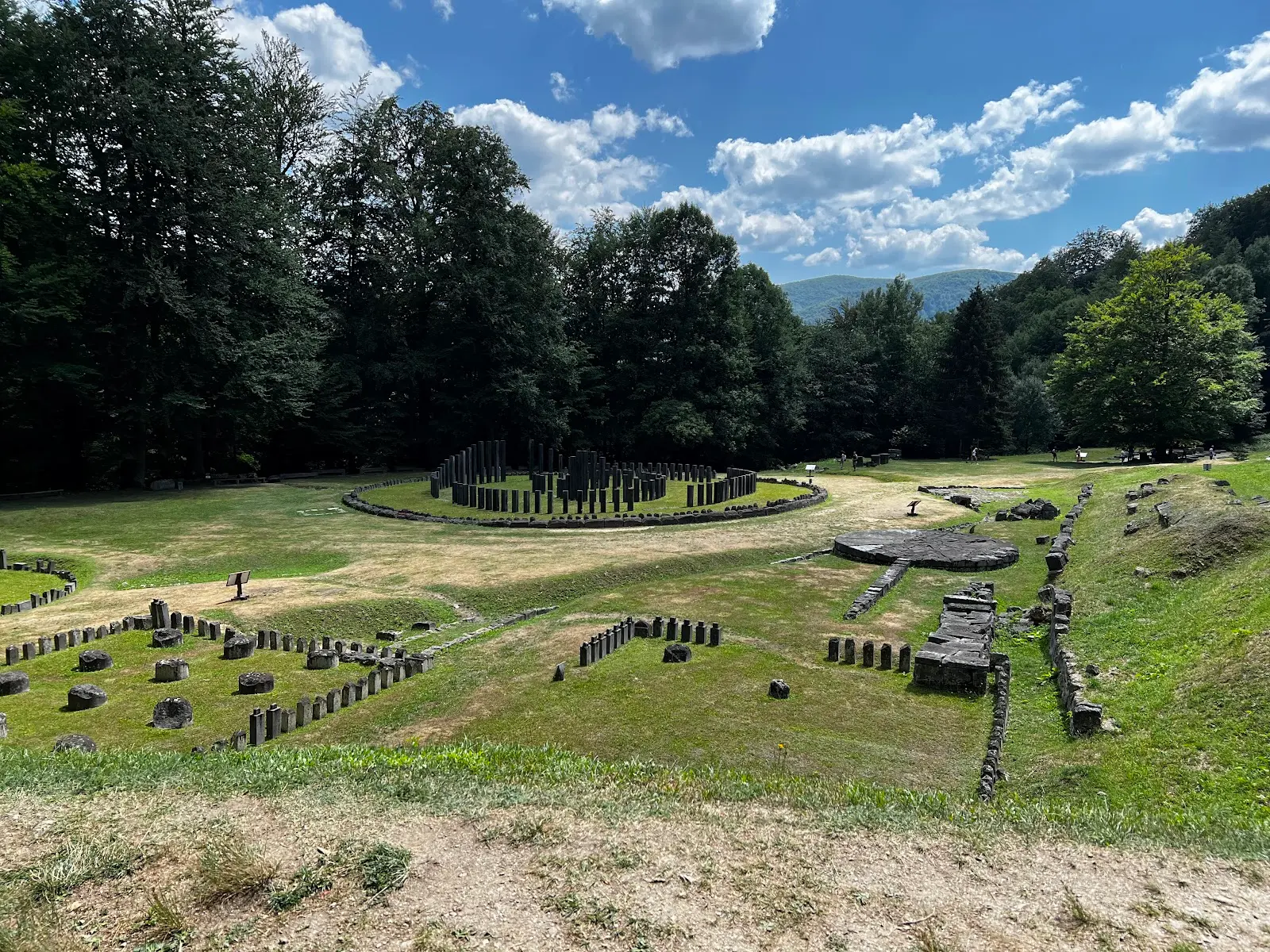
ParkParcul Natural Grădiștea Muncelului-Cioclovina
Gradistea Muncelului-Cioclovina Natural Park, located in the Sureanu Mountains of Hunedoara County, is a highly valuable protected area that combines a spectacular karst landscape with an exceptional historical heritage. Here lie the Dacian fortresses of the Orastie Mountains, inscribed on the UNESCO World Heritage list, among them Sarmizegetusa Regia, the capital and religious centre of the Dacian kingdom, with its circular sanctuaries and impressive terraces hidden in the forest. The park also includes caves, gorges and a rich limestone relief, such as the Cioclovina area, known for paleontological and archaeological discoveries. The dense beech forests shelter a diverse fauna and create an atmosphere of mystery that suits the sacred places of the Dacians. Practical note: visiting the Dacian fortresses requires hiking footwear and time, as the sites are scattered; forest roads can be difficult, so check accessibility in advance.
 Landmark
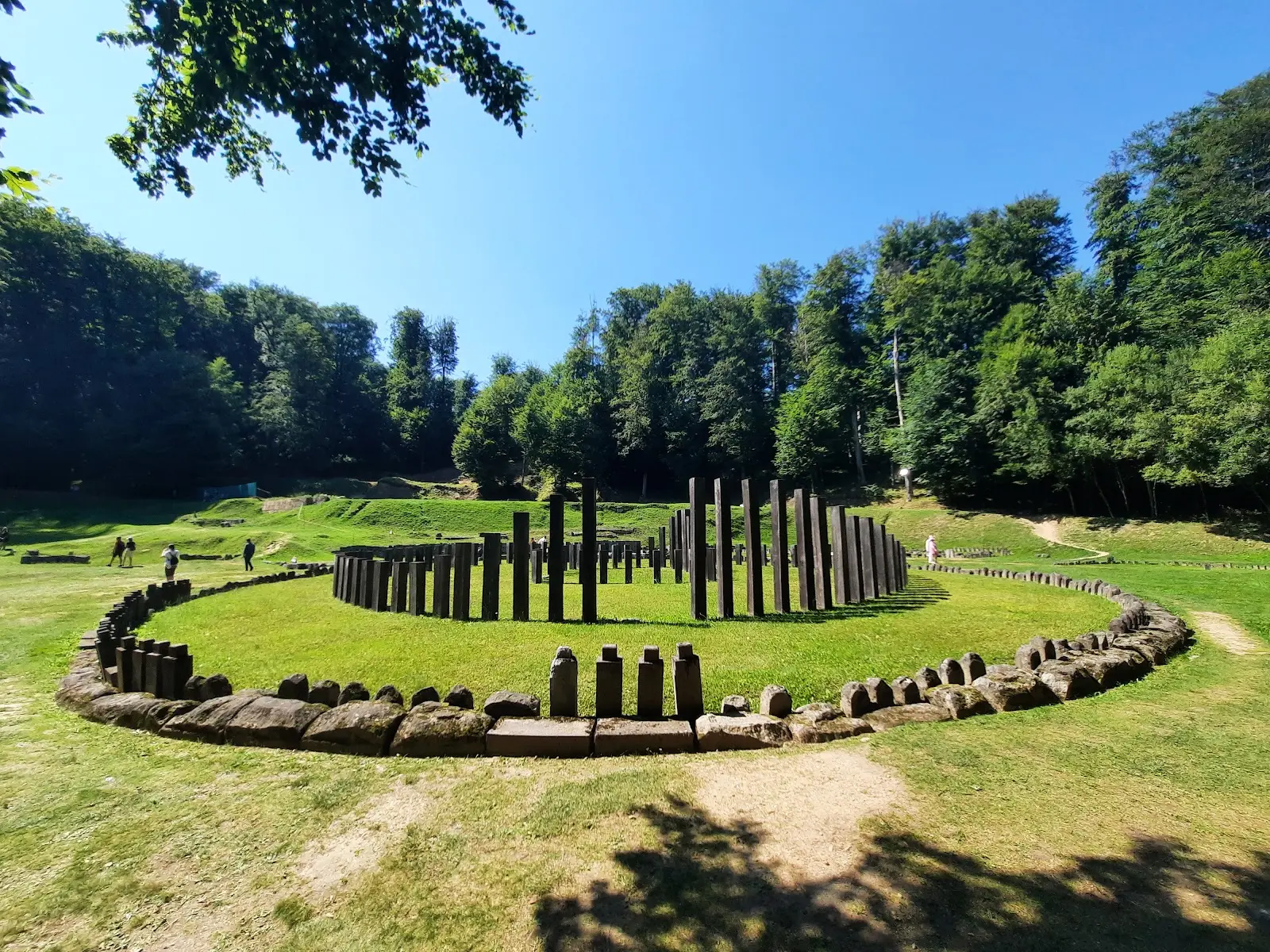
Sarmizegetusa Regia
Sarmizegetusa Regia was the political, military and religious capital of the Dacian kingdom, set high in the Orastie Mountains in the Hunedoara area. Listed as UNESCO World Heritage together with the other Dacian fortresses, the settlement comprised a strongly defended stronghold, a civilian quarter and a remarkable sacred zone with circular and rectangular sanctuaries of stone and wood, including the famous andesite sun. This was the seat of King Decebalus before the Roman conquest of the year 106, following the wars waged by Emperor Trajan. Visitors can walk the ancient paved lanes, see the foundations of the sanctuaries and the walls built in the distinctive Dacian technique. The natural setting, with dense forests and deep silence, gives the place a special atmosphere. Access is by mountain road and then a footpath, and comfortable footwear is needed. It is a key site for the ancient history of Romania.
 Museum
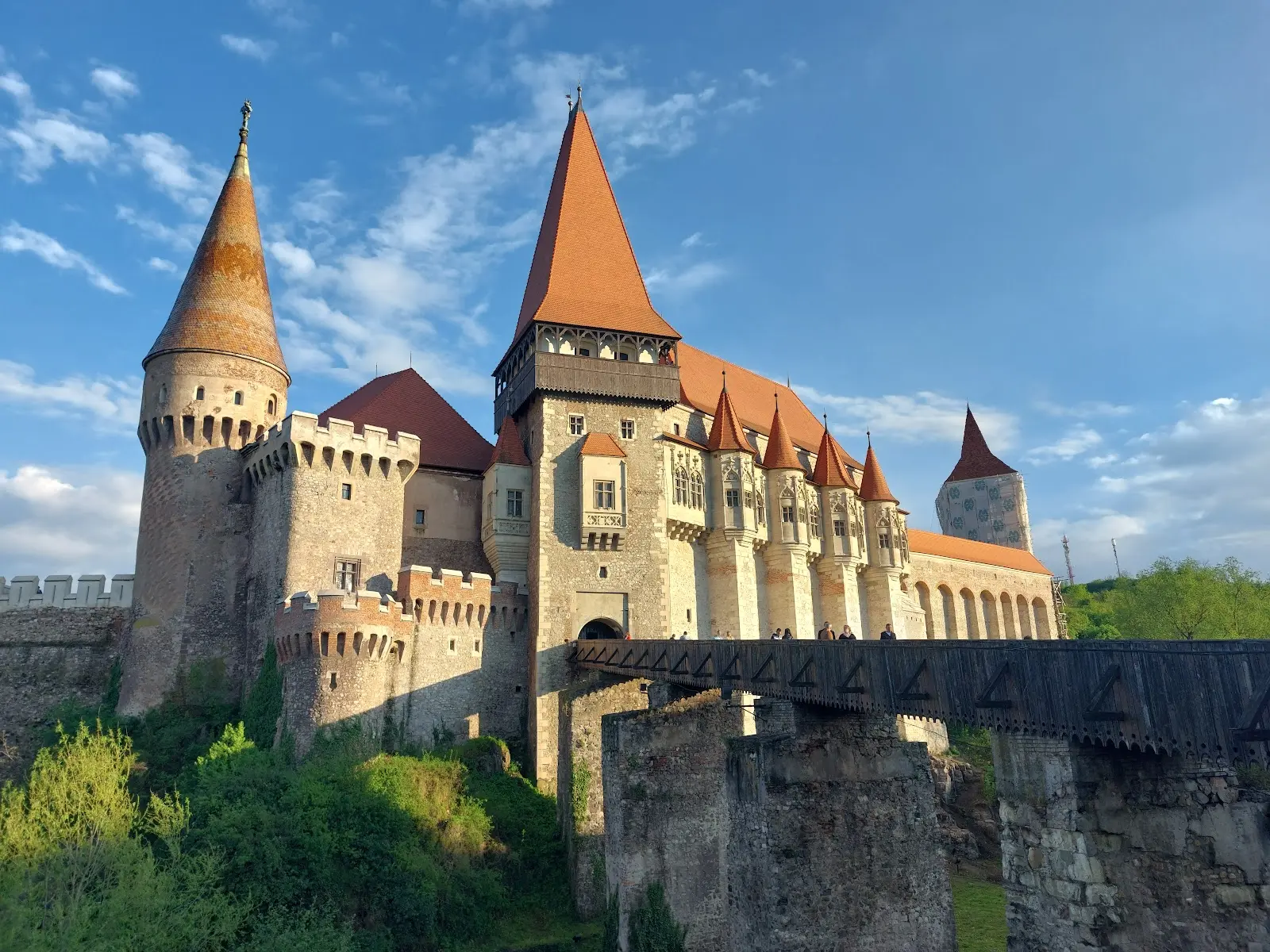
Muzeul Castelul Corvinilor
Corvin Castle in Hunedoara is the most impressive Gothic monument in Transylvania and one of the largest medieval fortresses in Eastern Europe. Built in the 15th century by John Hunyadi on the site of an older stronghold, the castle blends military architecture with residential elegance: massive towers, a wooden bridge over a river, buttresses, a knights' hall with Gothic vaults and the gilded balcony wrapped in legend. Its crenellated silhouette, with turrets and colourful roofs, looks lifted from a medieval tale and has served as a backdrop for many films. The interior today houses a museum with restored halls, weapons, exhibitions and a well that legend says was dug by prisoners. It is the unmissable monument of the region; check the visiting schedule, which varies by season.
NatureCheile Grădiștei (Sarmizegetusa Regia)
The Grădiștea Gorge guards the road climbing to Sarmizegetusa Regia, the political and religious capital of Dacia, hidden deep in the Orăștie Mountains. The narrow, wild, forested defile, with rock walls above the water, prepares the visitor for the special atmosphere of the Dacian site at the end of the road. High up, above 1,000 metres, spread the ruins of the fortifications, the sacred area with its famous circular stone-and-wood sanctuaries and the civilian settlement, testimony to an advanced civilisation that resisted Rome. The ensemble of Dacian fortresses is a UNESCO World Heritage site. The drive through the gorge is itself an experience, through untouched mountain scenery, while the final approach is on foot along a forest path. It is a destination for those seeking history and nature alike. Check the state of the forest road, which can be difficult, and set out early to allow time for the climb and the visit.
 Landmark
Ulpia Traiana Sarmizegetusa
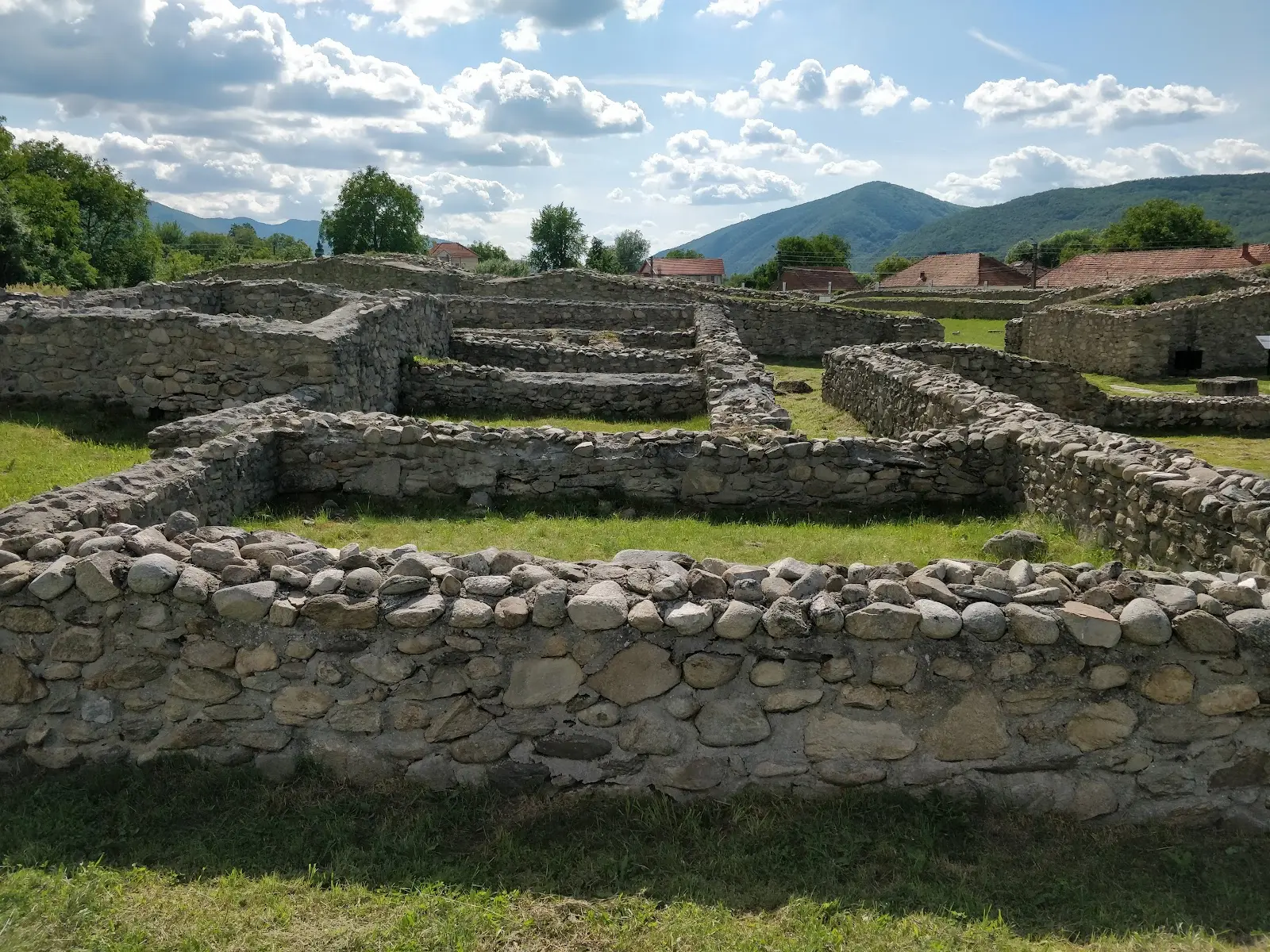
Ulpia Traiana Sarmizegetusa is the capital of Roman Dacia, a city founded by Emperor Trajan after the conquest of Dacia in the early 2nd century, some distance from the Dacian capital he had captured. The vast archaeological site in the Hațeg country preserves the traces of a prosperous Roman city: the forum, the amphitheatre where fights and spectacles were held, temples, baths and dwellings, testimony to urban life nearly two thousand years ago. A site museum holds pieces uncovered during excavations, from statues and inscriptions to everyday objects. Unlike the Dacian capital in the mountains, access here is easy, and the ruins spread over flat, pleasant ground. It is an essential place for understanding the Roman period of Romanian history and combines well with nearby Densuș and Deva citadel. Check the site museum hours, which may be shorter in winter, and allow time to walk the whole area.
Frequently asked questions
What is Hunedoara known for?+
Hunedoara is best known for sights such as Lacul Bucura, Prislop - Mănăstirea Prislop, Biserica Densuș.
How many days do you need in Hunedoara?+
One to two days is enough to see the highlights of Hunedoara; stay longer to use it as a base for day trips.
Where should I stay in Hunedoara?+
See our selected stays above, or check live rates and availability on the accommodation map.