România Mea

Parcul Natural Grădiștea Muncelului-Cioclovina
4.7(2,699 reviews)Județul Hunedoara, România
Parcul Natural Grădiștea Muncelului-Cioclovina
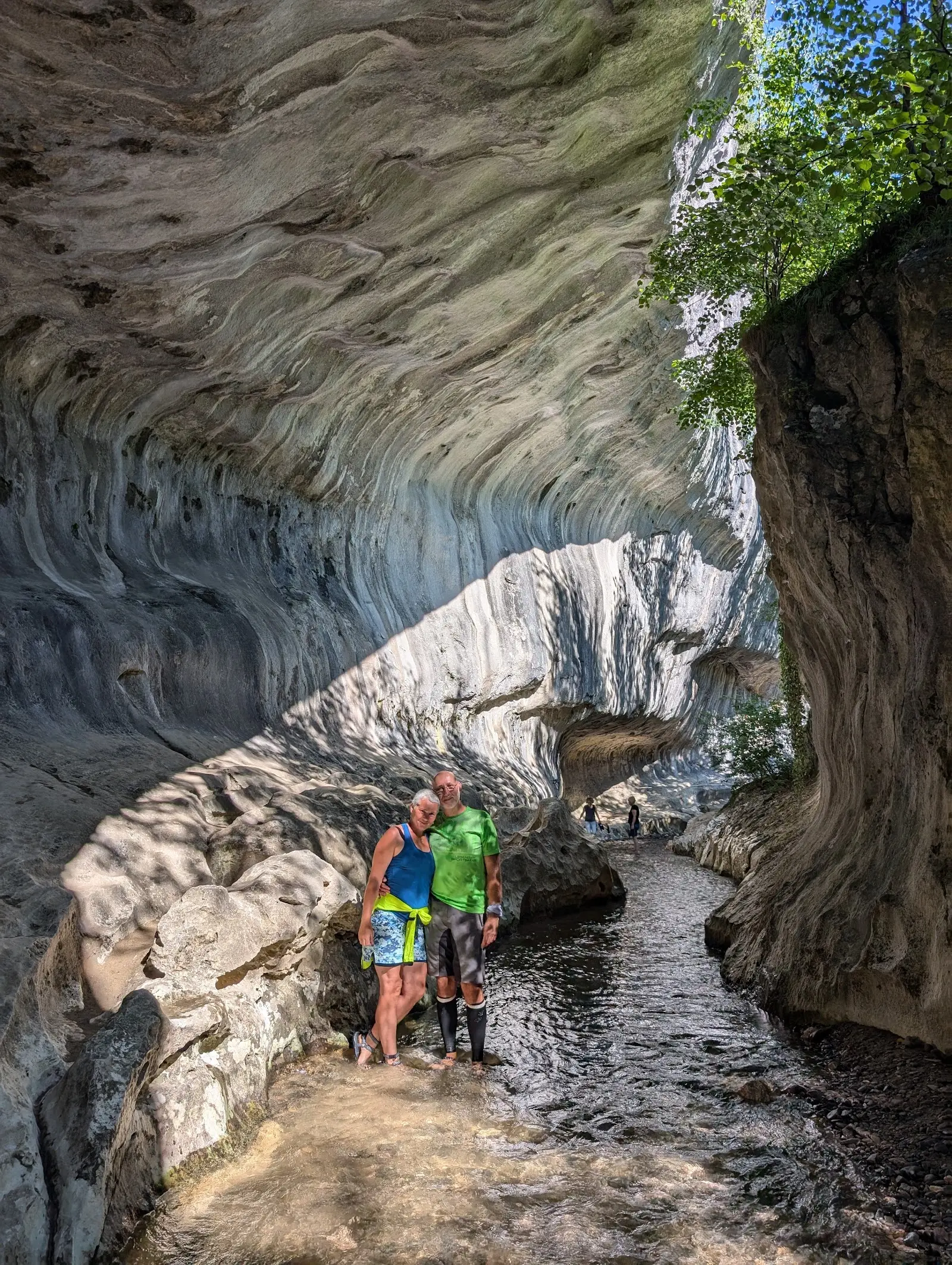
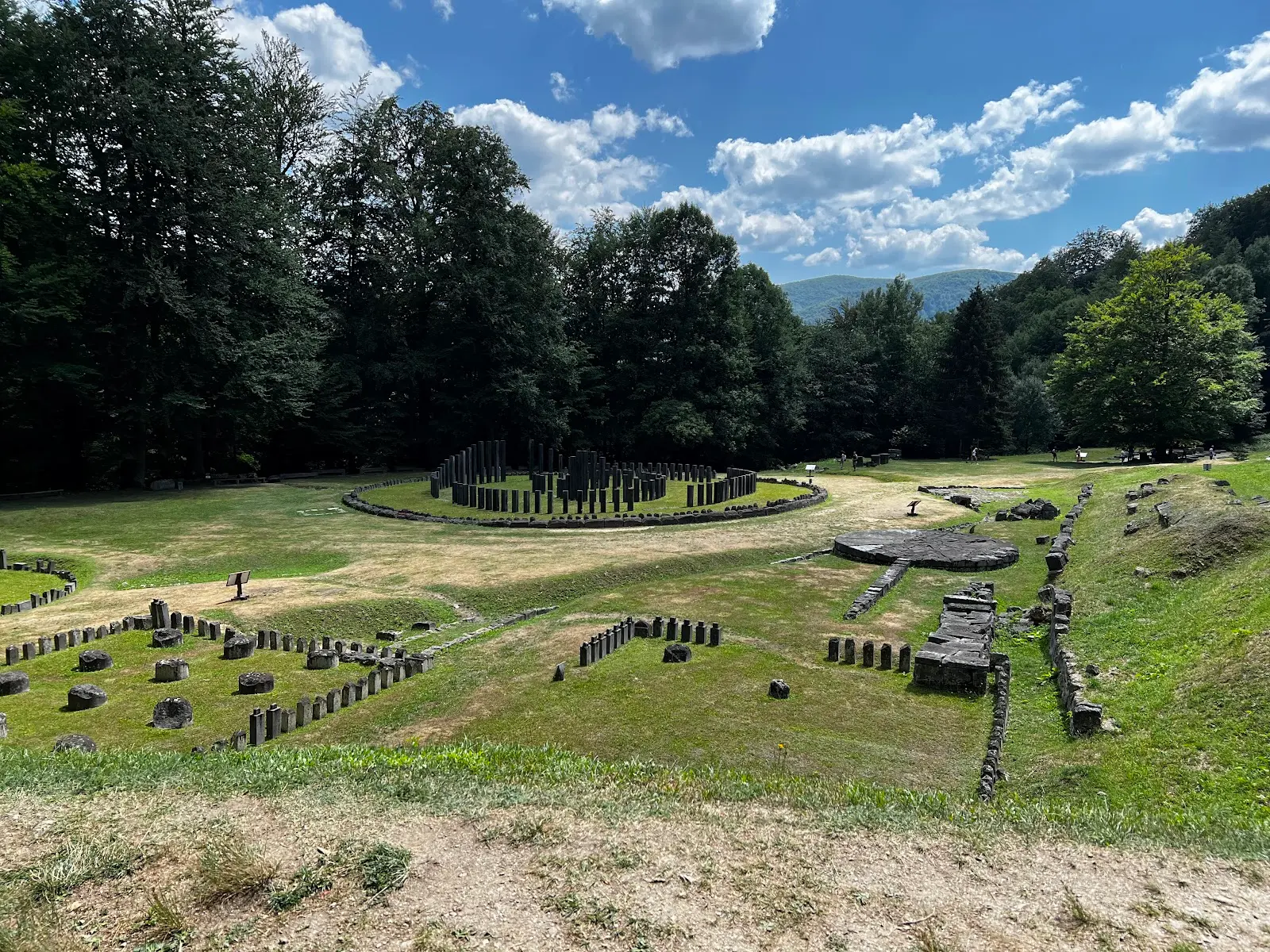
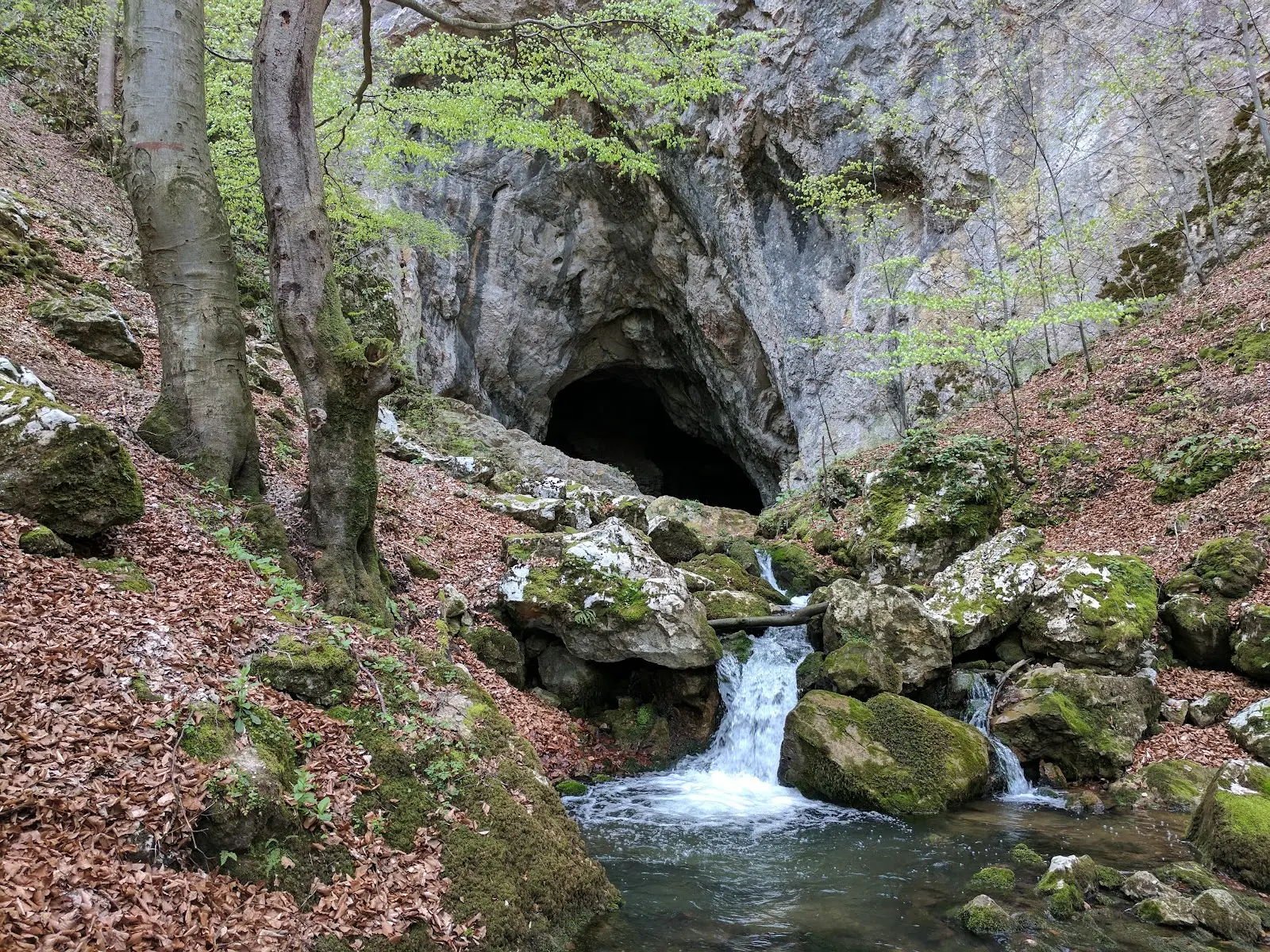
Gradistea Muncelului-Cioclovina Natural Park, located in the Sureanu Mountains of Hunedoara County, is a highly valuable protected area that combines a spectacular karst landscape with an exceptional historical heritage. Here lie the Dacian fortresses of the Orastie Mountains, inscribed on the UNESCO World Heritage list, among them Sarmizegetusa Regia, the capital and religious centre of the Dacian kingdom, with its circular sanctuaries and impressive terraces hidden in the forest. The park also includes caves, gorges and a rich limestone relief, such as the Cioclovina area, known for paleontological and archaeological discoveries.

The dense beech forests shelter a diverse fauna and create an atmosphere of mystery that suits the sacred places of the Dacians. Practical note: visiting the Dacian fortresses requires hiking footwear and time, as the sites are scattered; forest roads can be difficult, so check accessibility in advance.
Frequently asked questions

Where is Parcul Natural Grădiștea Muncelului-Cioclovina?+

Parcul Natural Grădiștea Muncelului-Cioclovina is located at Județul Hunedoara, România, in Hunedoara.

Is Parcul Natural Grădiștea Muncelului-Cioclovina worth visiting?+

Yes — it holds a 4.7/5 rating from 2,699 visitor reviews.

Do I need to book tickets for Parcul Natural Grădiștea Muncelului-Cioclovina?+

Popular sights can sell out — booking ahead online saves queuing.

What else is near Parcul Natural Grădiștea Muncelului-Cioclovina?+

Nearby you'll find Lacul Bucura, Prislop - Mănăstirea Prislop, Biserica Densuș.

Keep exploring

More of Hunedoara

Explore Hunedoara

See in Hunedoara

See all
Lacul BucuraNature

Lacul Bucura

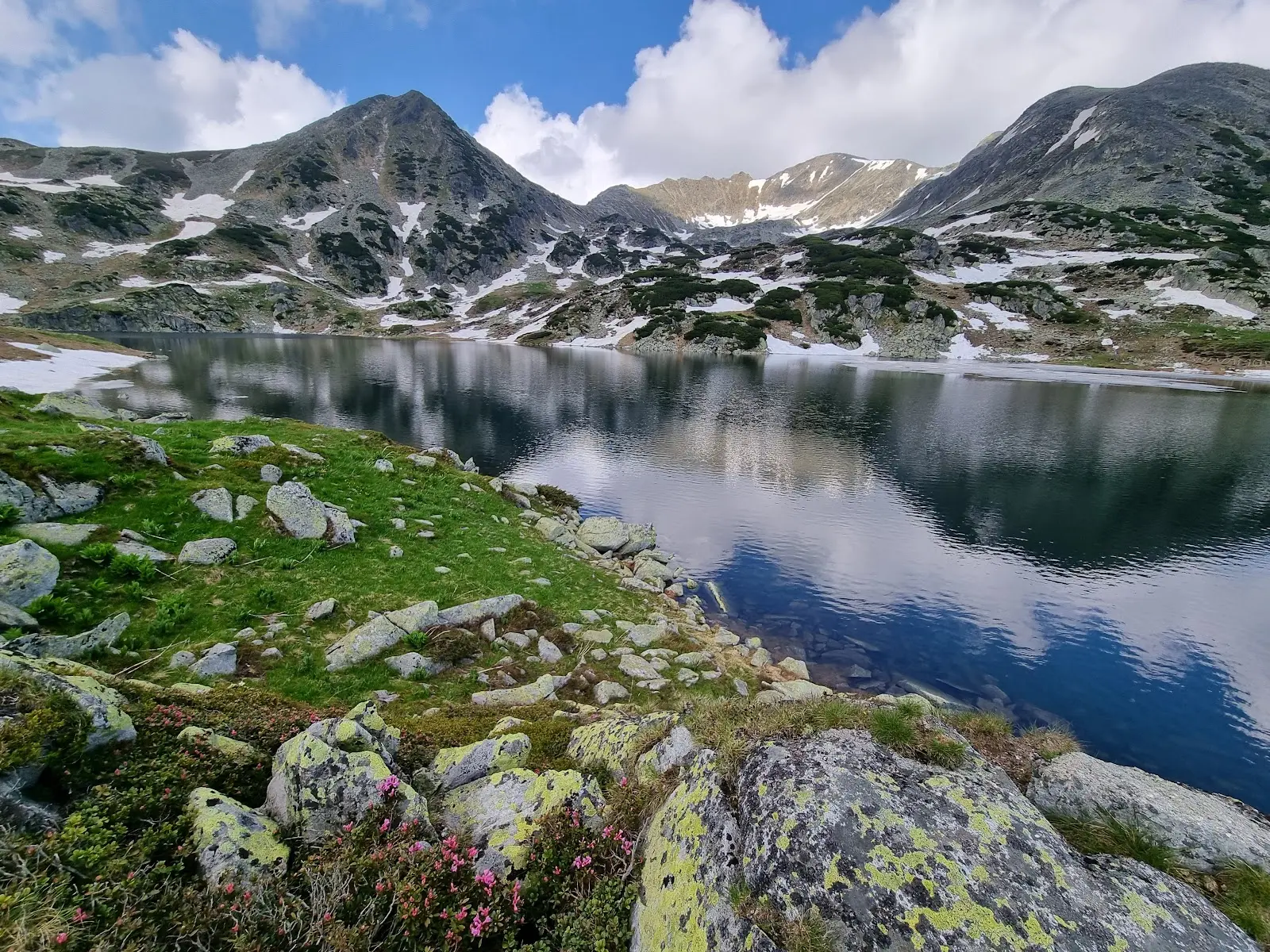
Lake Bucura is the largest glacial lake in Romania, set at over 2000 metres altitude in the heart of the Retezat massif in Hunedoara county, one of the wildest and most beautiful corners of the Southern Carpathians. Formed after the retreat of former glaciers, the lake spreads within a broad cirque surrounded by lofty peaks and alpine meadows scattered with boulders, offering scenery of grand beauty. The clear water reflects the surrounding crests, and the area is considered one of the most spectacular in the entire Carpathian chain. The lake lies within the Retezat national park, an internationally recognised biosphere reserve that shelters numerous glacial lakes, chamois, marmots and a rich flora, including endemic species. The Bucura area is a central point for hiking and a popular camping spot for those exploring the massif, with many trails setting off here towards the surrounding peaks. Access demands effort and good fitness, but the alpine scenery fully rewards the long climb.

4.9(191 reviews)
Prislop - Mănăstirea PrislopMonastery

Prislop - Mănăstirea Prislop

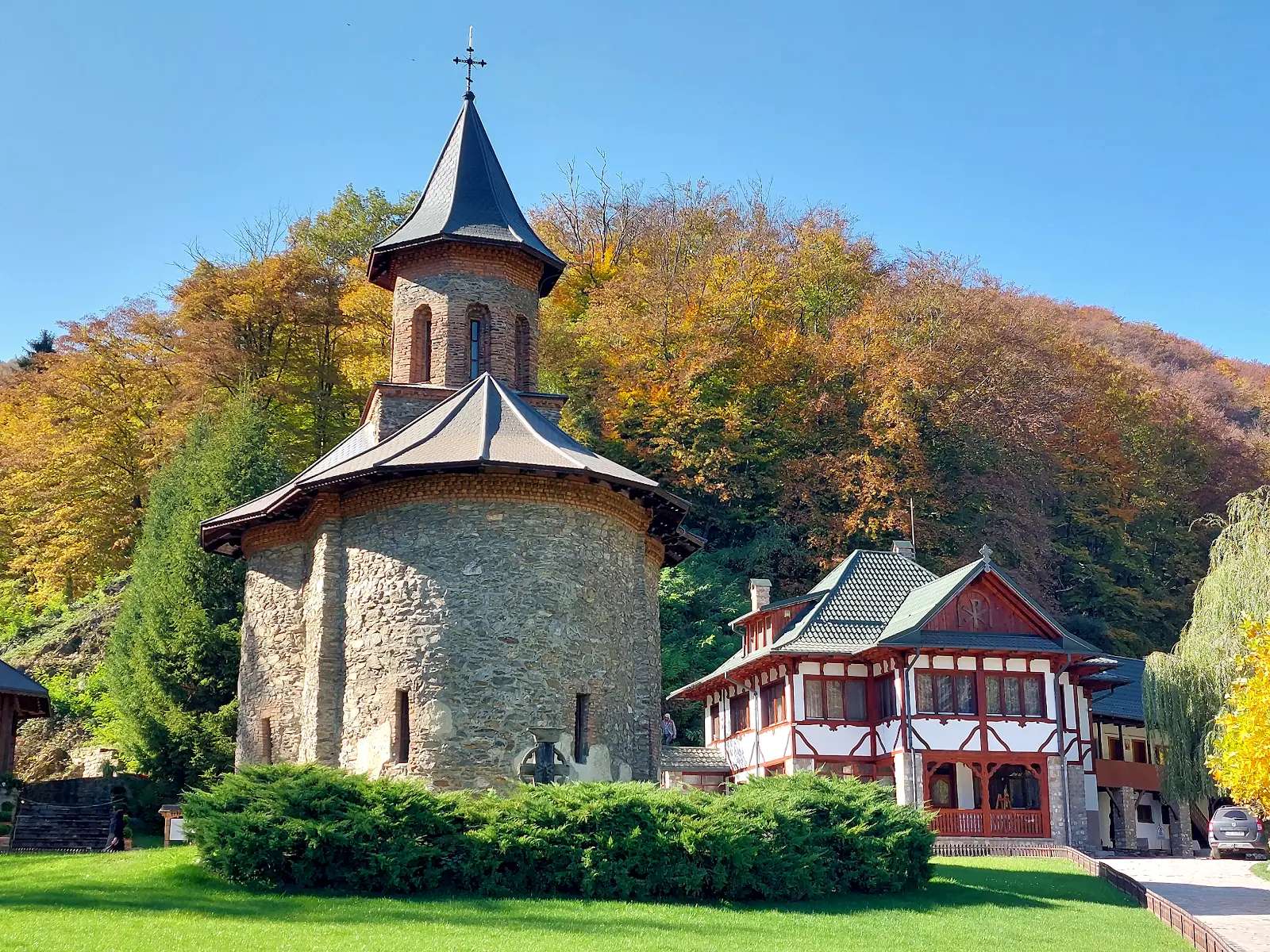
Prislop Monastery, hidden in a wooded glade in the Hațeg Land of Hunedoara county, is one of the most visited pilgrimage sites in Transylvania. Founded in the 14th century and linked to the monk Nicodemus of Tismana, the settlement has a rich history, renewed over the centuries and connected to leading figures of Romanian Orthodoxy. Its contemporary fame owes much to Father Arsenie Boca, a renowned confessor whose grave in the monastery cemetery draws tens of thousands of the faithful each year. The natural setting, with forest, a spring and deep silence, reinforces the atmosphere of contemplation. Visitors find a modest church, monastic cells and a landscape that invites reflection. As an active place of worship, modest dress and respect for services are advised; check the liturgical and visiting schedule.

4.8(26,102 reviews)
Biserica DensușChurch

Biserica Densuș

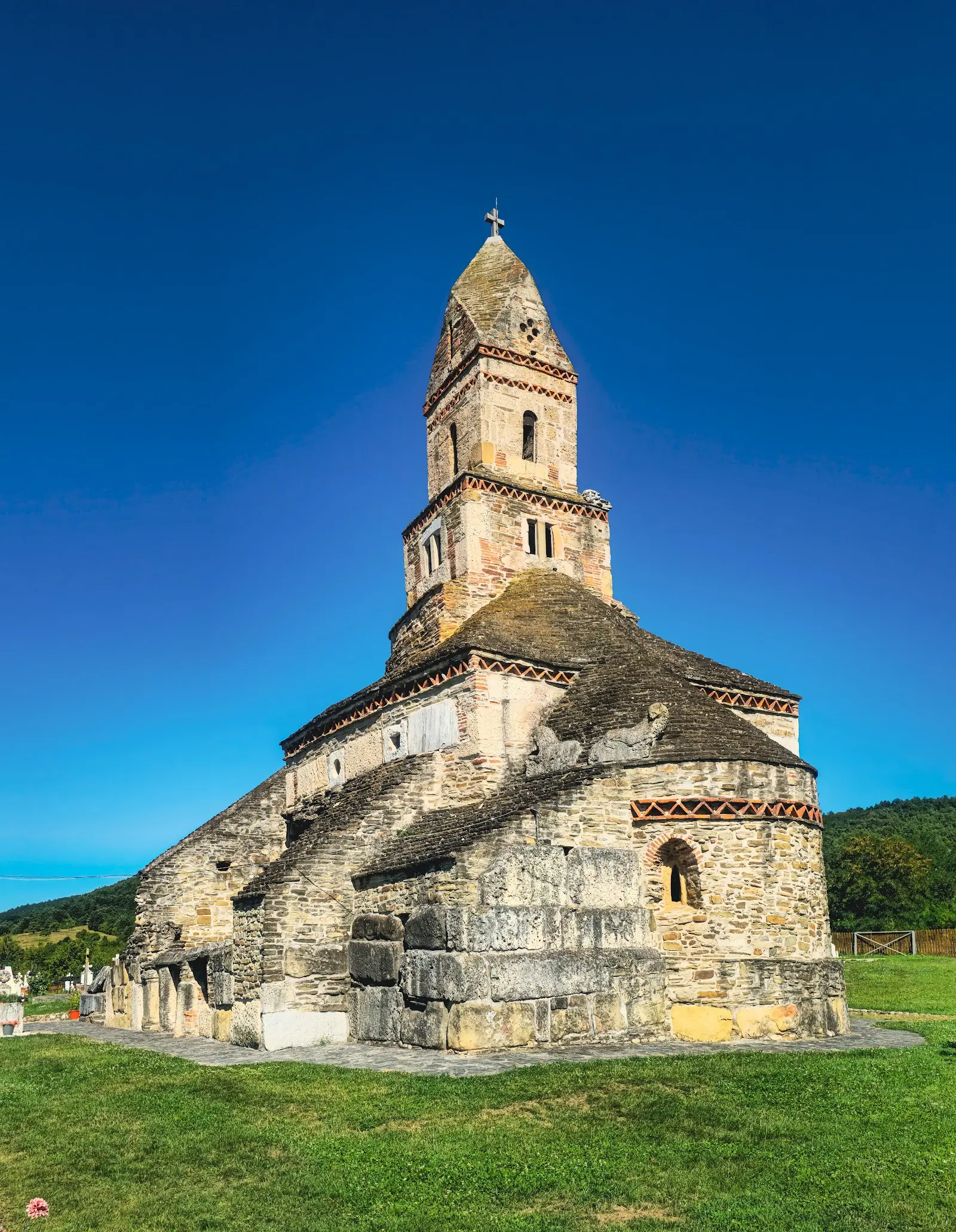
The church of Densuș in Hunedoara County is regarded as one of the oldest stone churches in Romania still in use, and its unusual appearance has fascinated visitors for centuries. Probably built in the thirteenth century on the site of older structures, it was raised largely from Roman stones brought from the nearby fortress of Ulpia Traiana Sarmizegetusa. In its walls one can recognise slabs with Latin inscriptions, shaped blocks, and reused column fragments, a true collage of ancient material. The very narrow interior shelters fresco fragments from the fifteenth century, painted by local masters. The massive silhouette, with a central tower resting on heavy pillars and a stone roof, gives it an archaic, almost unreal character. Visitors should look closely at the walls to find the Roman traces and respect the cramped space of a church that is still in liturgical use.

4.8(2,315 reviews)

Eat in Hunedoara

See all

Stay in Hunedoara

See all

Plan your Romania

From the Carpathians to the Black Sea — let's plan the trip together.

Ask us anything or get a tailored itinerary — from the best time to go to the road that ties it all together.

Our network

More of Romania, in depth

Dedicated portals for the places that deserve a site of their own.