
Transylvania
Odorheiu Secuiesc
The heart of Székely Land.
Odorheiu Secuiesc is a town in eastern Transylvania, in Harghita County, regarded as a cultural centre of the Székely Hungarian community, which forms the majority of its inhabitants. Set on the valley of the Târnava Mare River in a landscape of wooded hills in the Odorhei basin, the town keeps an intimate atmosphere, with an elegant historic centre dotted with Baroque and Secession buildings, cafés and churches of several denominations. The Székely fortress, raised in the sixteenth century, and the many statues erected in memory of great Székely figures give the town a strong cultural identity.
Its surroundings are rich in tradition: villages with carved Székely gates, thermal baths and mineral springs, and access to the Băile Homorod resort and the volcanic landscapes of the Harghita Mountains. The atmosphere is calm, orderly and proud of its heritage, with festivals and events celebrating Hungarian culture. The cuisine is thoroughly Székely: goulash, Cluj-style cabbage, kürtőskalács (chimney cake) and hearty meat-and-potato dishes.
Odorheiu Secuiesc is reached by roads from Sighișoara and Miercurea Ciuc. It is worth visiting for its distinctive cultural identity, its well-kept architecture and the gateway it opens onto the traditional world of the Székely Land.
Where to stay
All stays →
Where to eat
All restaurants →
What to see
See all →SpaBăile Szejke
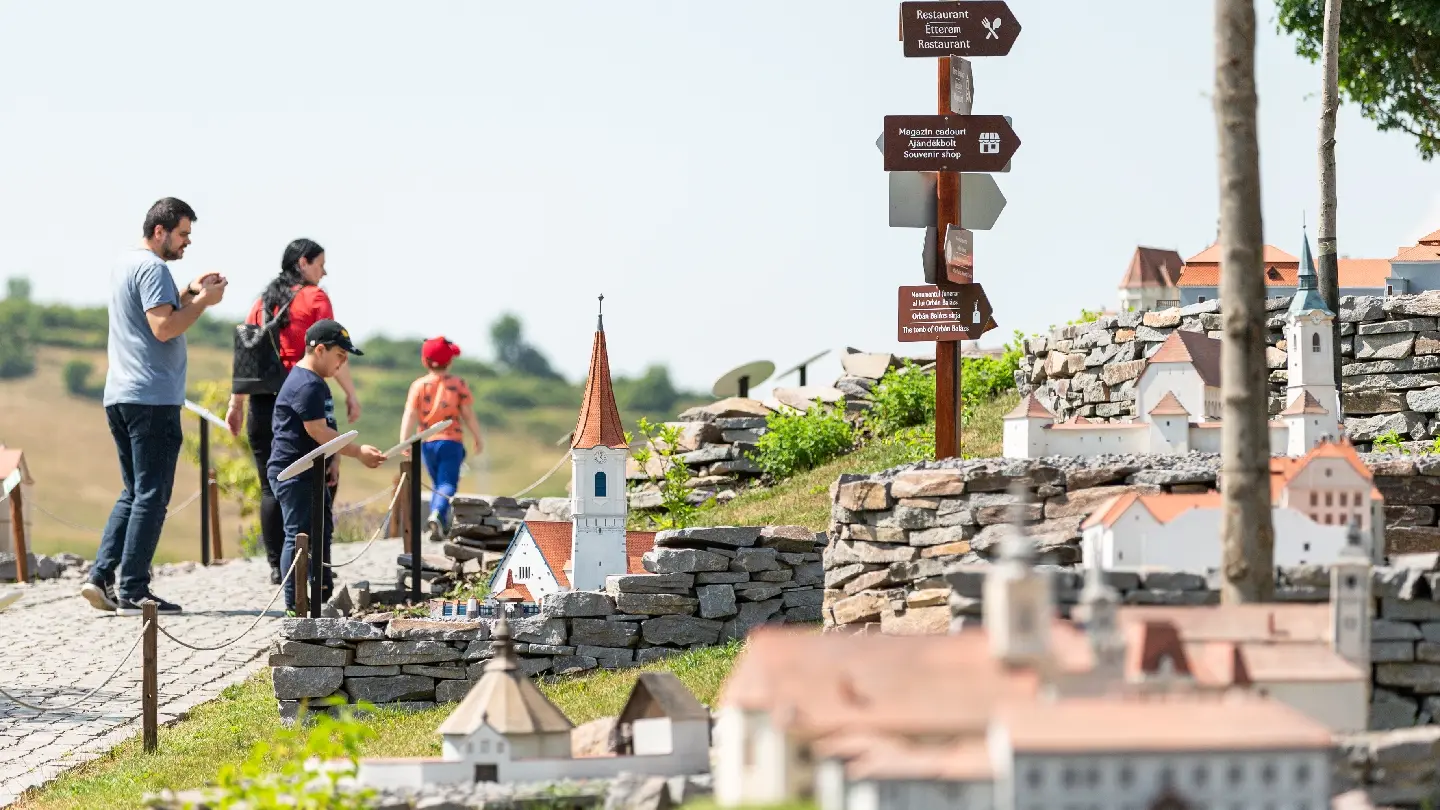
Szejke Baths, on the edge of Odorheiu Secuiesc, are a small traditional spa renowned for the mineral springs used by locals for centuries for their healing properties. The place is closely tied to the memory of Orbán Balázs, the great scholar and ethnographer of Székely Land, considered the greatest Székely, who was buried here and whose memory is honoured by a monument and an avenue of carved Székely gates, true works of folk art. Beyond the baths themselves, the area offers a quiet setting for walks, with forest nearby and clean air, suited to relaxation. It is a charming stop for those discovering Székely Land and its living traditions, easily combined with a visit to Odorheiu Secuiesc. Check the schedule and availability of the baths, which may vary by season, and allow time for the avenue of carved gates.
 Museum
Muzeul Haáz Rezső
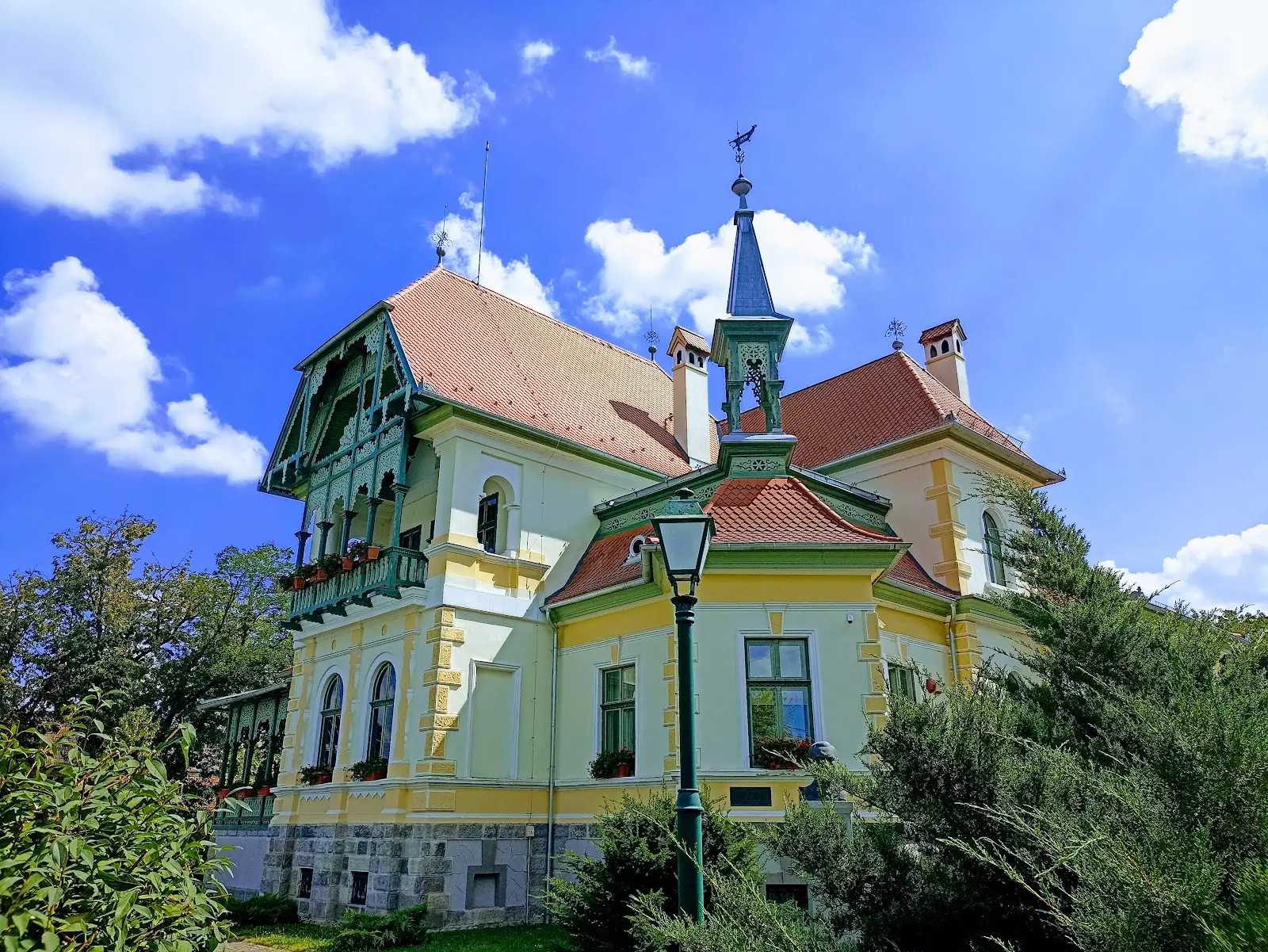
The Haaz Rezso Museum in Odorheiu Secuiesc is the most important museum of the town and a cultural landmark of the Szekely Land in eastern Transylvania. The museum bears the name of Rezso Haaz, a teacher, artist and ethnographer who played an essential role in gathering the collections and in founding the institution, devoting his life to the study of local culture. The museum collections cover varied fields such as history, archaeology, ethnography and art, presenting testimonies of the region past and of the traditional culture of the Szekelys, a community with a strongly defined Hungarian identity. Visitors can discover heritage objects, folk art, tools, costumes and pieces that illustrate the life and crafts of times past. Set in the centre of the town, the museum fits into a tour of the monuments of Odorheiu Secuiesc, alongside the fortress, churches and historic buildings. It is recommended for those interested in the history and culture of the Szekely Land, offering a rich picture of the heritage of this region with its distinctive traditions, carefully preserved by the local community over time.
 Church
Biserica Unitariană Fortificată Dârjiu
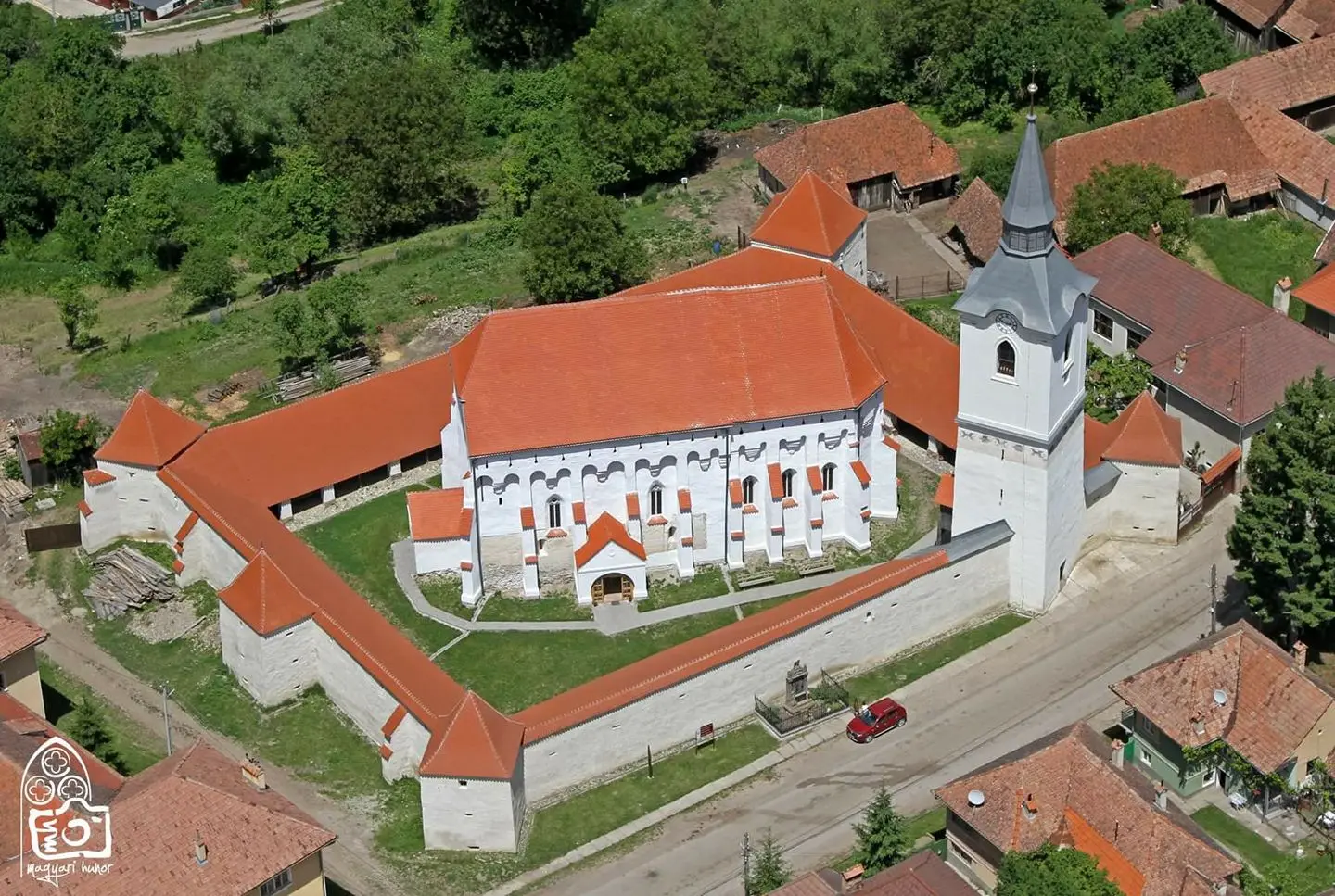
The Fortified Unitarian Church of Dârjiu is one of the most valuable monuments of the Székely community in Transylvania and is part of the UNESCO World Heritage, alongside other villages with fortified churches in the region. Located near Odorheiu Secuiesc, the church was built in the gothic style and, in the 16th century, surrounded by strong walls, towers and storerooms, turning it into a peasant fortress where villagers took shelter and kept their supplies in times of danger. A remarkable feature is the medieval mural paintings inside, depicting religious scenes and legends, including that of King Ladislaus. The chambers in the enclosure wall long served for storing bacon and grain, a communal custom preserved until recent times. Practical note: as this is a monument in a village, it is worth inquiring in advance about the possibility of visiting the interior, and respect for the local community and the sacred character of the place is welcome.
 Church
Biserica Reformată Odorheiu Secuiesc
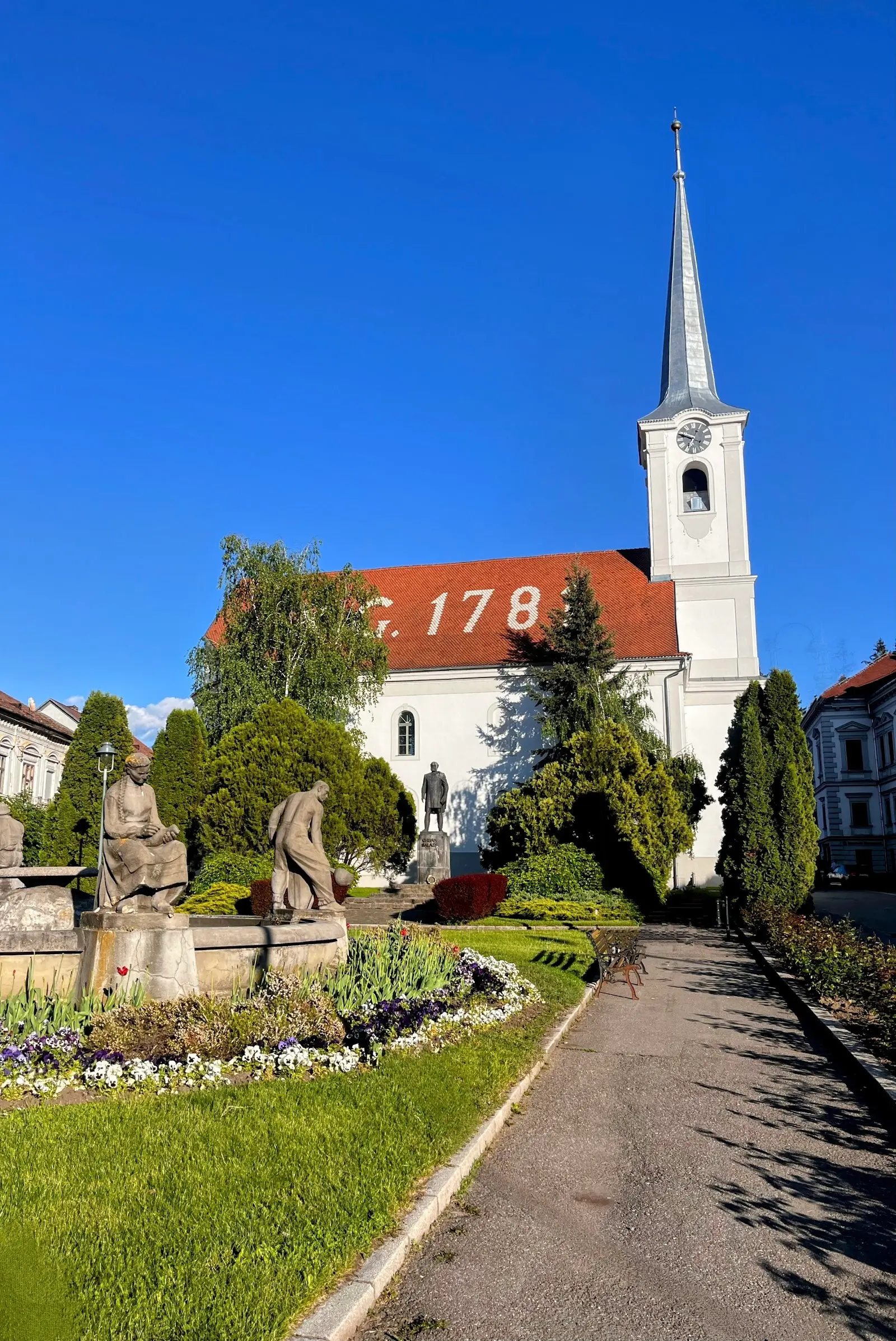
The Reformed Church of Odorheiu Secuiesc is one of the emblematic places of worship of this town in the heart of the Székely Land, in Harghita County. Odorheiu Secuiesc, regarded as a genuine cultural centre of the Székely, has a majority Hungarian community with deeply rooted traditions, and the Reformed church is a central point of spiritual and communal life. Passing to the Reformation as Calvinism spread among the Székely, the church keeps the austere character of the Reformed rite, with an interior free of excessive ornament and a tower that marks the town's skyline. Odorheiu Secuiesc is renowned for its many monuments, its distinctive atmosphere and its carefully preserved traditions, one of the towns that most strongly expresses the Székely identity. Nearby lie fortresses, baths and villages with rich heritage. For visitors discovering this land, the Reformed church in the town centre offers a window into the confessional history and the communal spirit of the Székely of this region of Transylvania.
 Fortress
Cetatea Székely Odorheiu Secuiesc
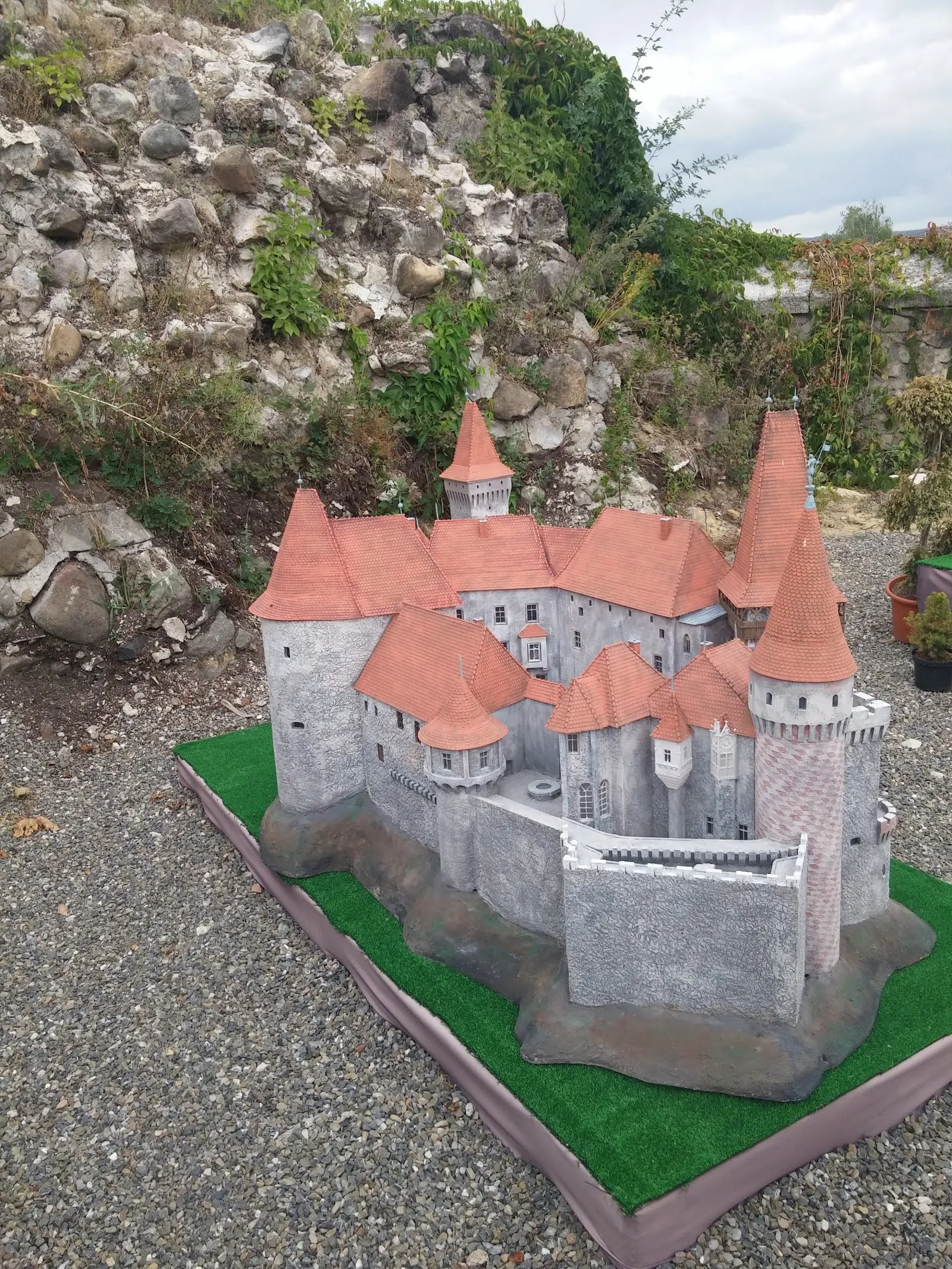
The Szekely Fortress in Odorheiu Secuiesc, also known as the Csonka Fortress, is a historic fortification set in the heart of the Szekely Land in eastern Transylvania. Its origins are linked to the fortifications raised in the medieval and early modern periods, the fortress passing through several phases of building and destruction over the centuries amid the political and military upheavals of the region. The name Csonka, meaning truncated, refers to the partly ruined state the stronghold reached after the historical events that marked it. Today bastions, walls and elements of the enclosure survive, bearing witness to the military past of the town. Located near the centre, the fortress now houses institutions and spaces that have given it a renewed role in community life. Odorheiu Secuiesc is a town with a strong Hungarian cultural identity, and the fortress rounds out a tour of its monuments, alongside churches and historic buildings in the urban centre.
Frequently asked questions
What is Odorheiu Secuiesc known for?+
Odorheiu Secuiesc is best known for sights such as Băile Szejke, Muzeul Haáz Rezső, Biserica Unitariană Fortificată Dârjiu.
How many days do you need in Odorheiu Secuiesc?+
One to two days is enough to see the highlights of Odorheiu Secuiesc; stay longer to use it as a base for day trips.
Where should I stay in Odorheiu Secuiesc?+
See our selected stays above, or check live rates and availability on the accommodation map.