
Transylvania
Sighișoara
The only inhabited medieval citadel in Europe, a UNESCO site.
Sighișoara is a medieval jewel in the heart of Transylvania, famed as one of the few continuously inhabited fortified towns in Europe. Perched on a hill above the Târnava Mare River in Mureș County, its citadel is a UNESCO World Heritage Site that transports visitors straight into the Middle Ages.
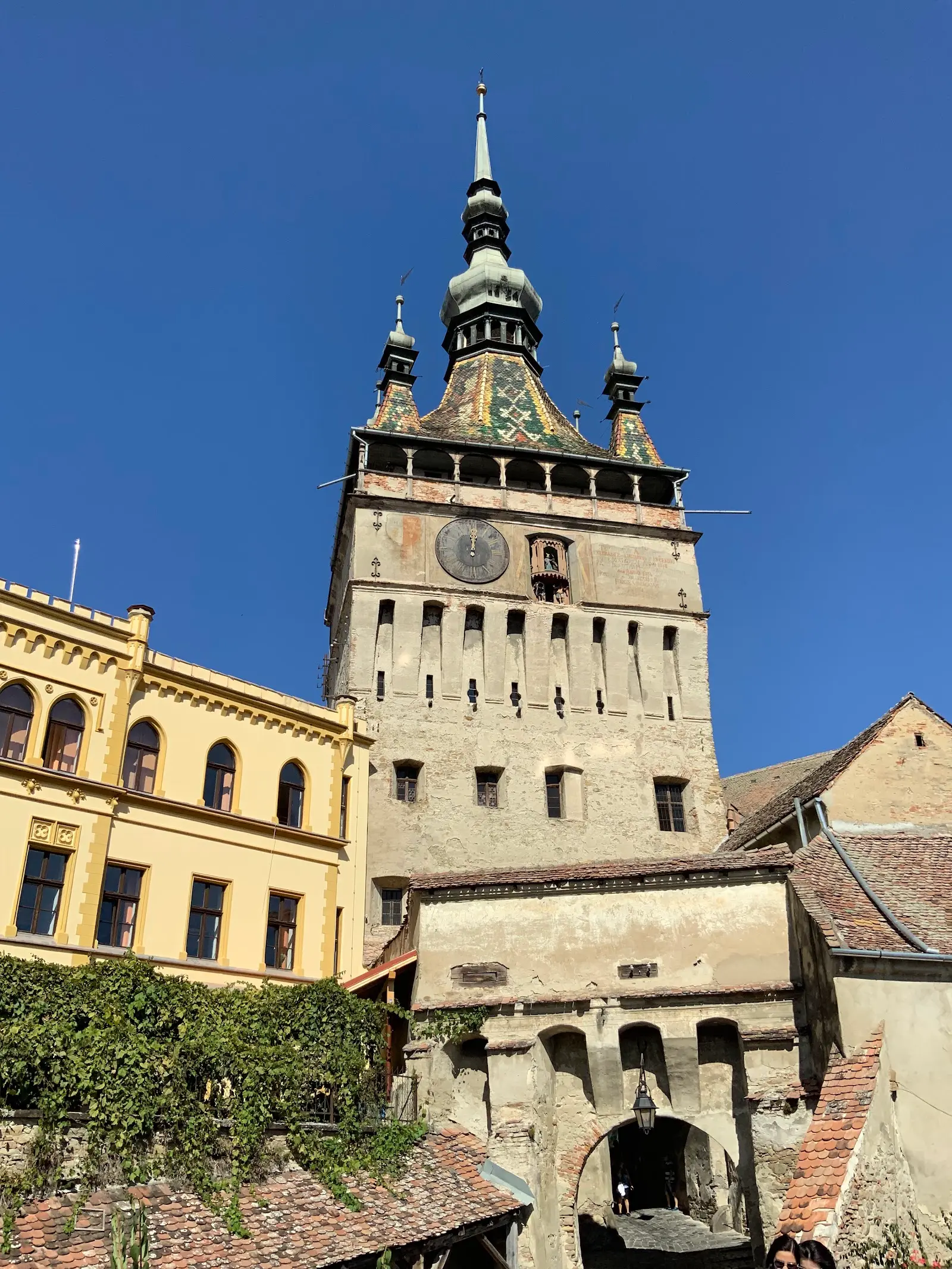
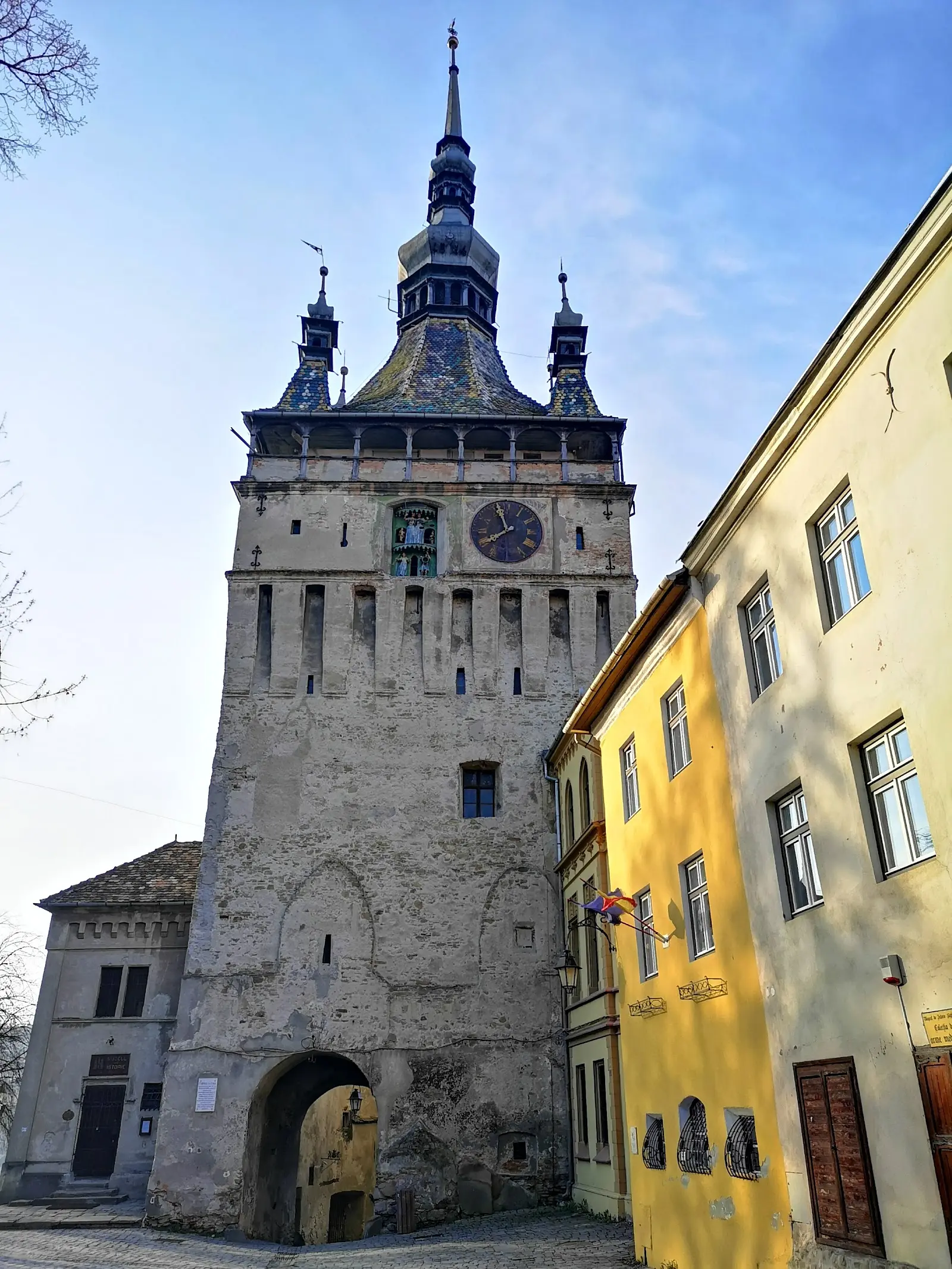
Founded by Saxon colonists in the 12th century, the Sighișoara Citadel is defended by walls and guild towers, each once belonging to a craftsmen's guild. The most spectacular is the Clock Tower, nearly 64 metres high, with mechanical figurines marking the passing of time and a history museum inside; its terrace opens onto a superb view of the rooftops. One climbs through the town via the Covered Staircase, a wooden tunnel of 175 steps leading to the Gothic Church on the Hill and the Saxon cemetery. On the central square stands the house where, by tradition, Vlad Dracul — the father of Vlad the Impaler and inspiration for the Dracula myth — was born.
Cobbled lanes, ochre-coloured houses and intimate terraces create a uniquely romantic atmosphere. The cuisine blends Saxon and Romanian traditions. Each summer, the Medieval Festival brings the citadel to life with knights, music and crafts.
The town is reachable by train or car from Sibiu, Brașov or Târgu Mureș. Spring through autumn is the best time to visit. Sighișoara is worth the trip for its rare medieval authenticity and storybook charm.
Where to stay
All stays →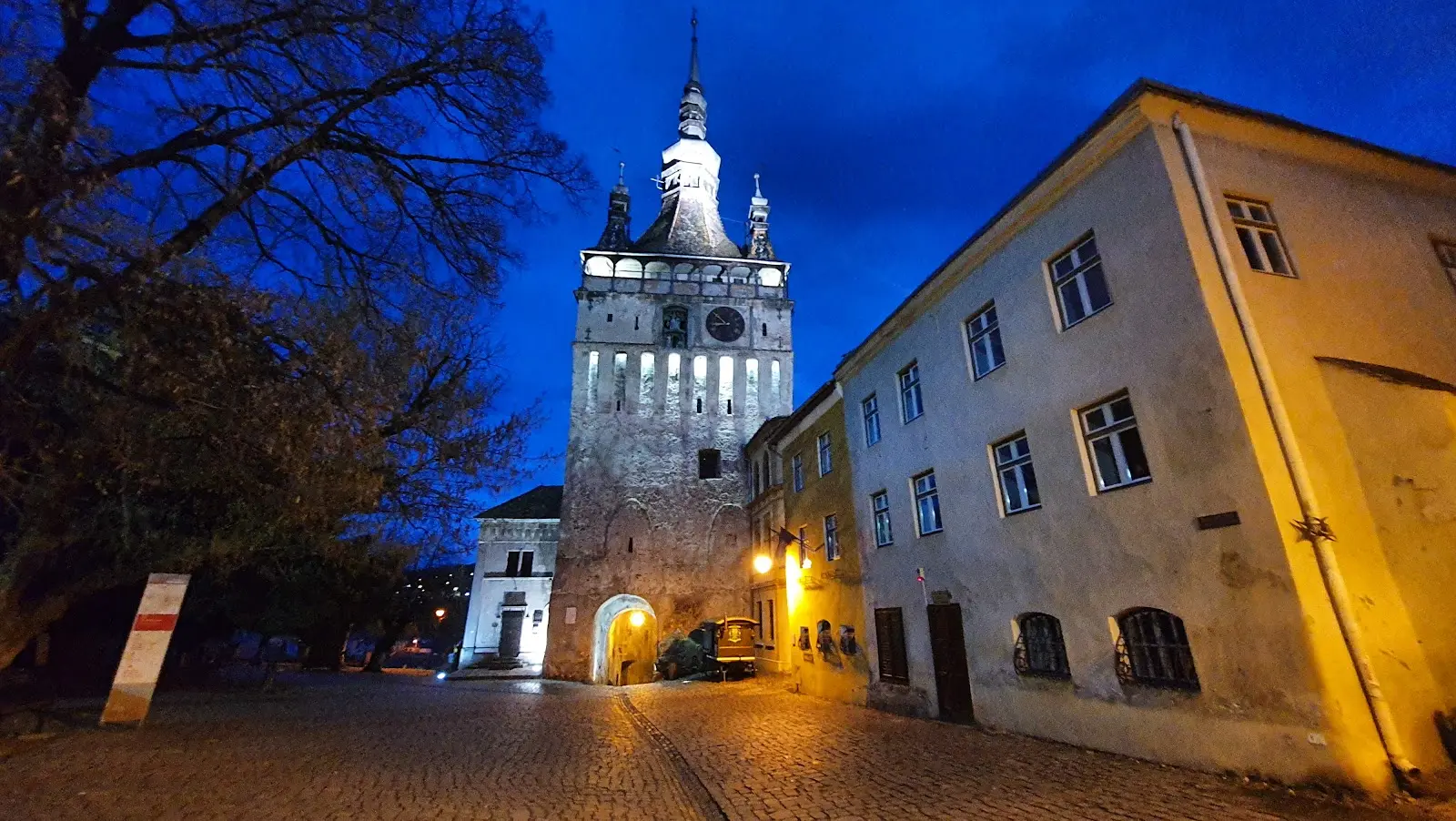 Guesthouse
Fronius Residence
A refined guesthouse in a 16th-century building offering warmly decorated rooms and an old-world bar.
 Boutique
Hotel Central Park Sighișoara
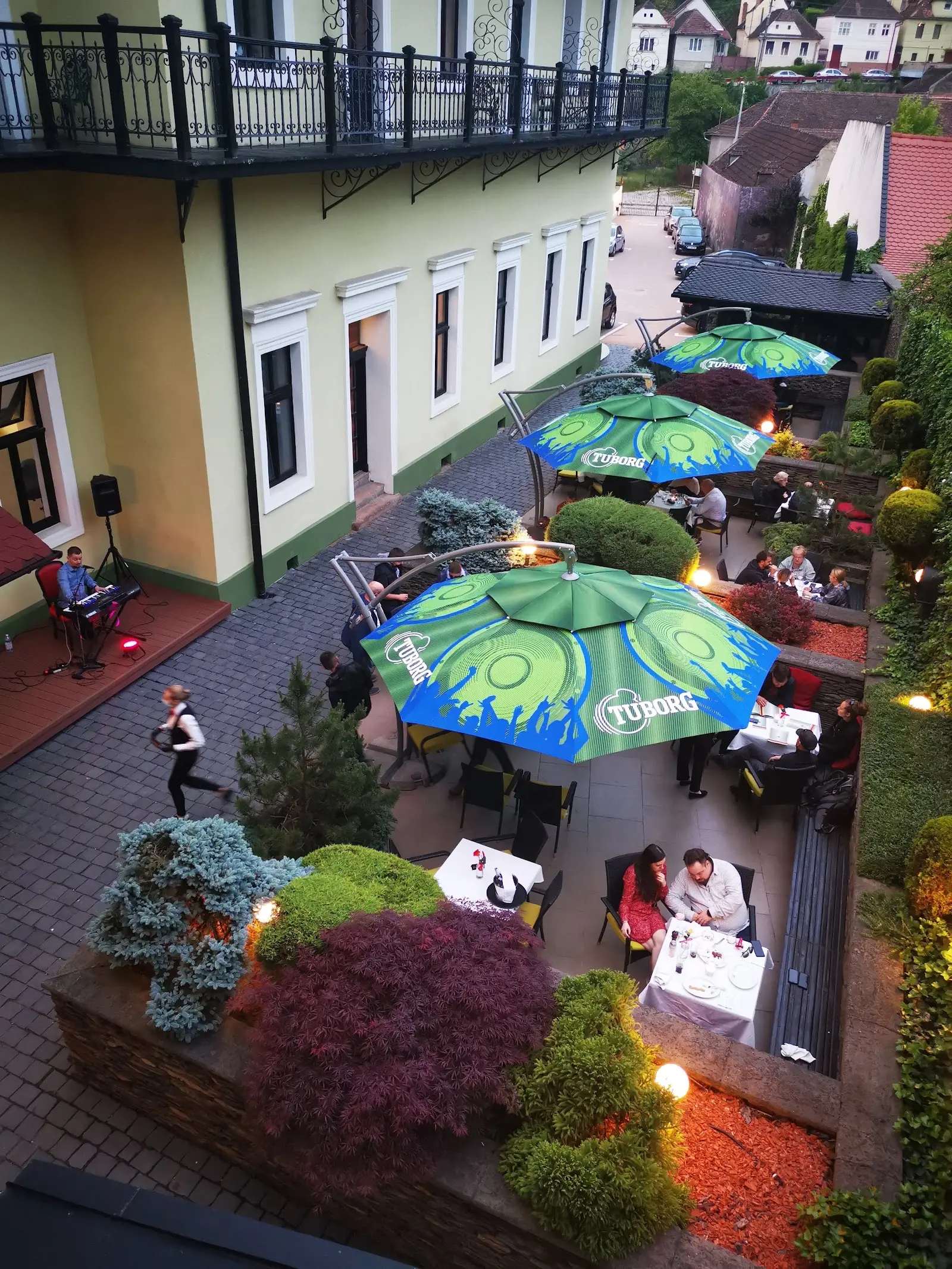
A classic hotel in a restored 19th-century building, with a wine shop and an alfresco restaurant.
 Boutique
Hotel Sighișoara
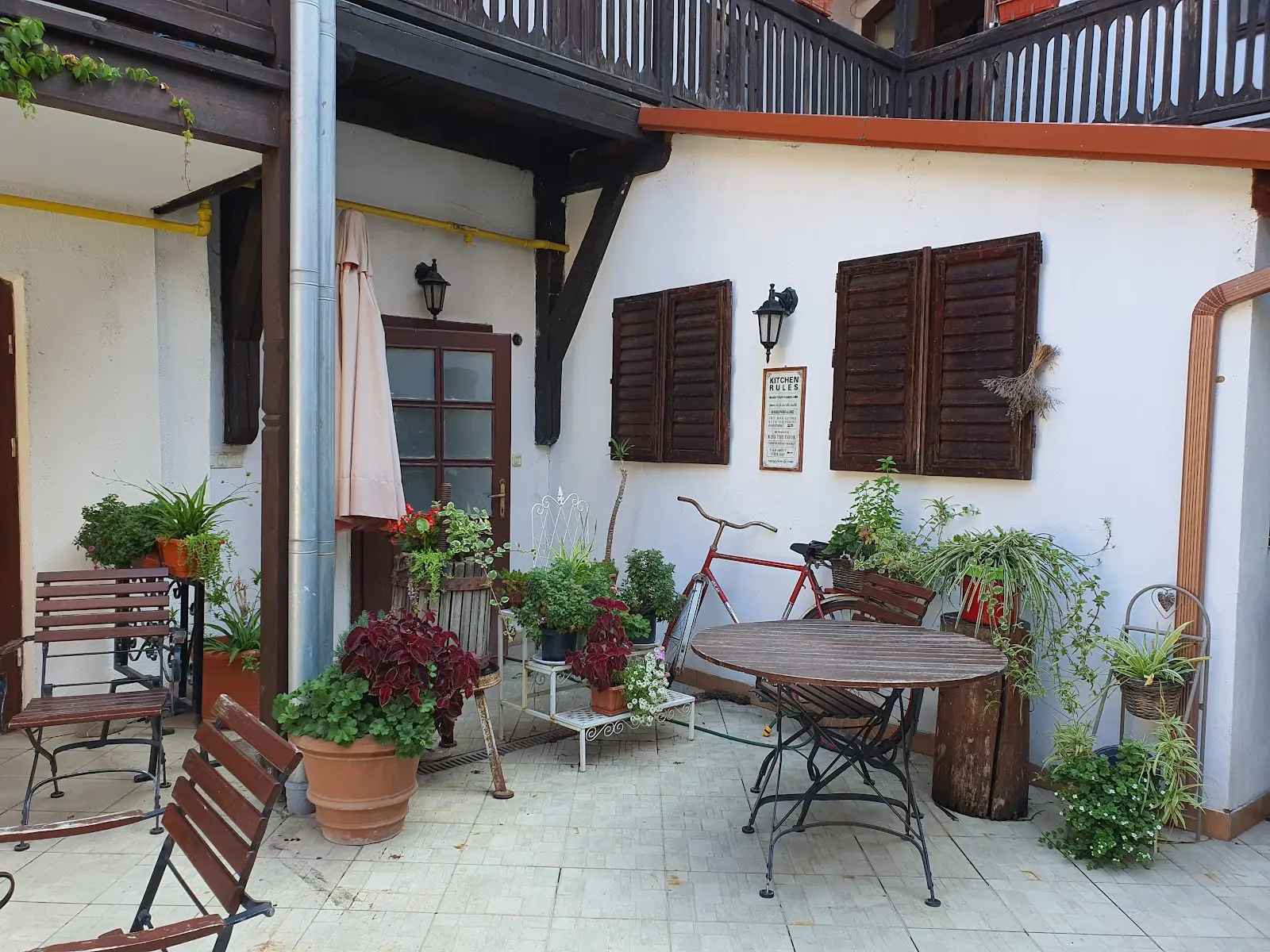 Guesthouse
Casa Wagner Sighișoara
Pleasant rooms and suites in a select hotel with a restaurant, a wine cellar and live music.
Where to eat
All restaurants →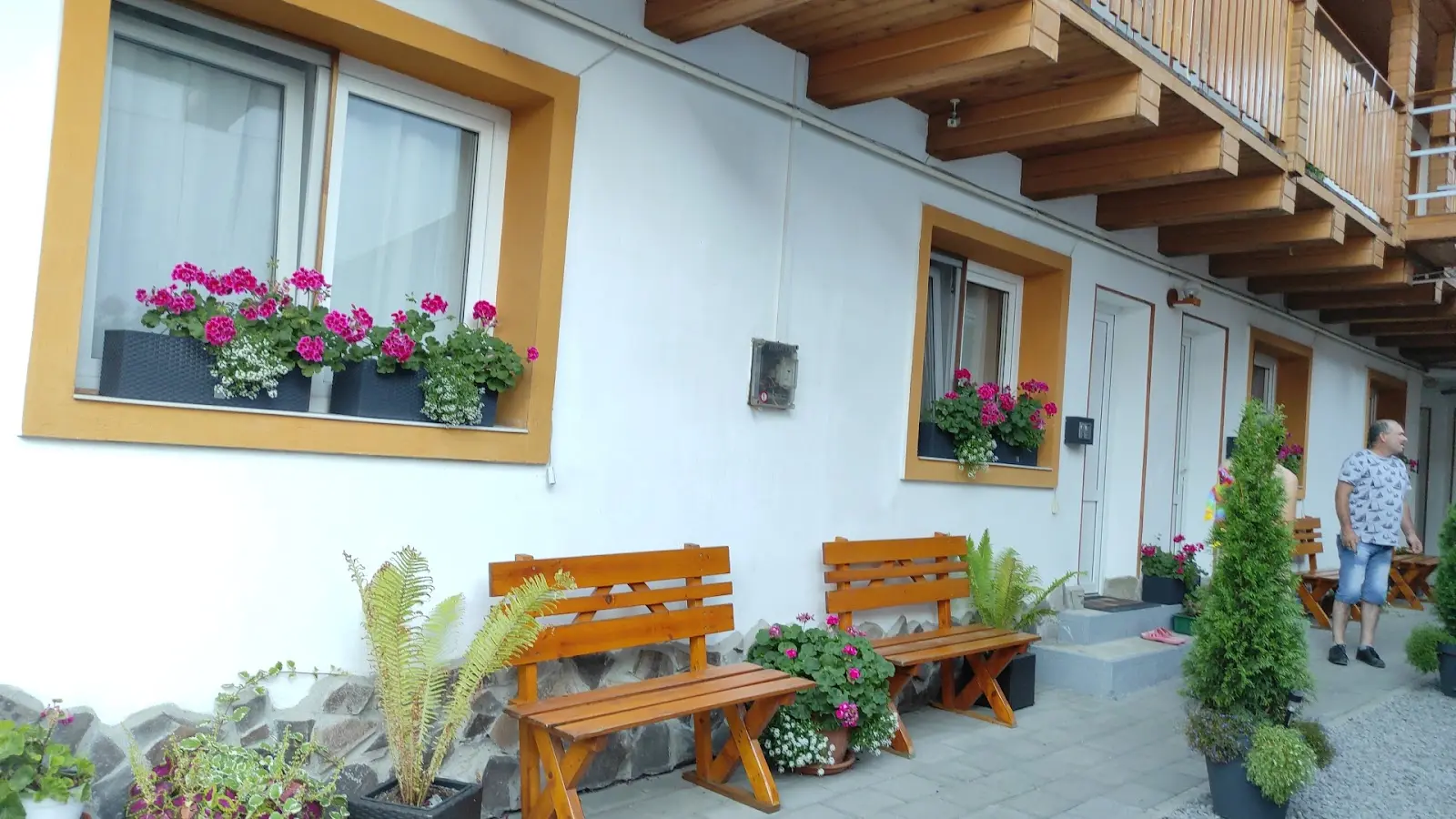 Bistro
Joker Pub & Restaurant
 Bistro
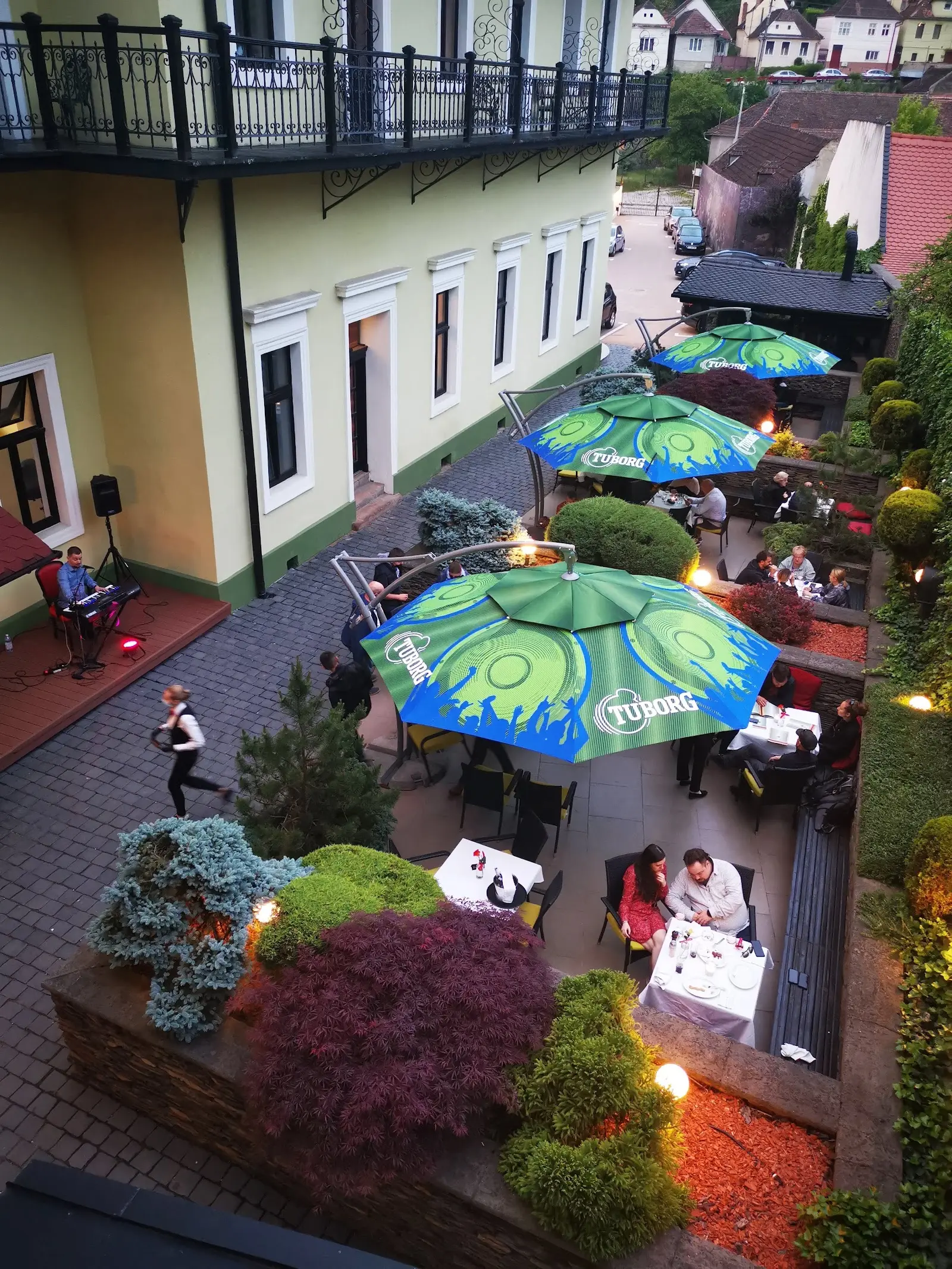
Restaurant Central Park Sighișoara
A classic hotel in a restored 19th-century building, with a wine cellar and an al fresco restaurant.
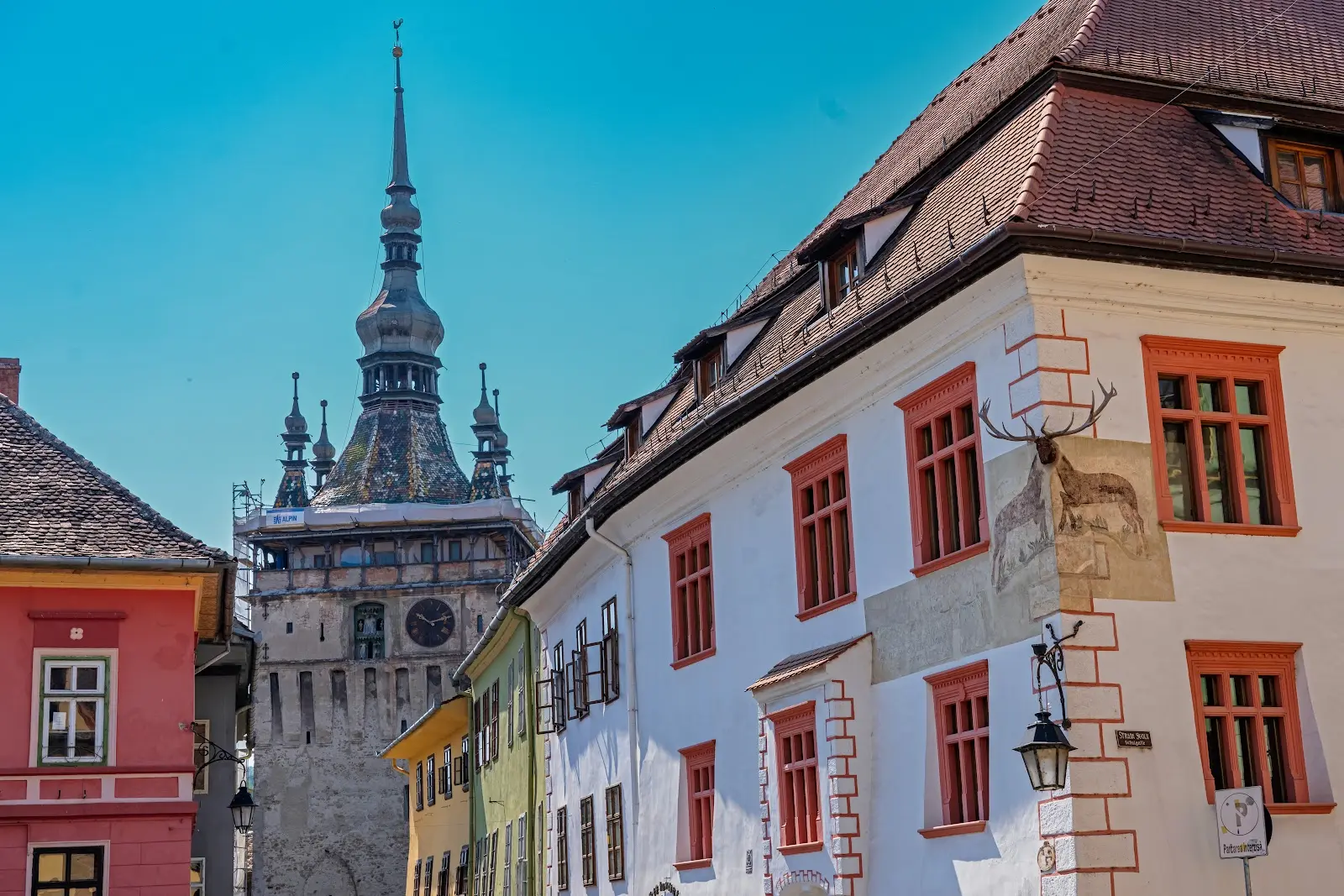 Traditional
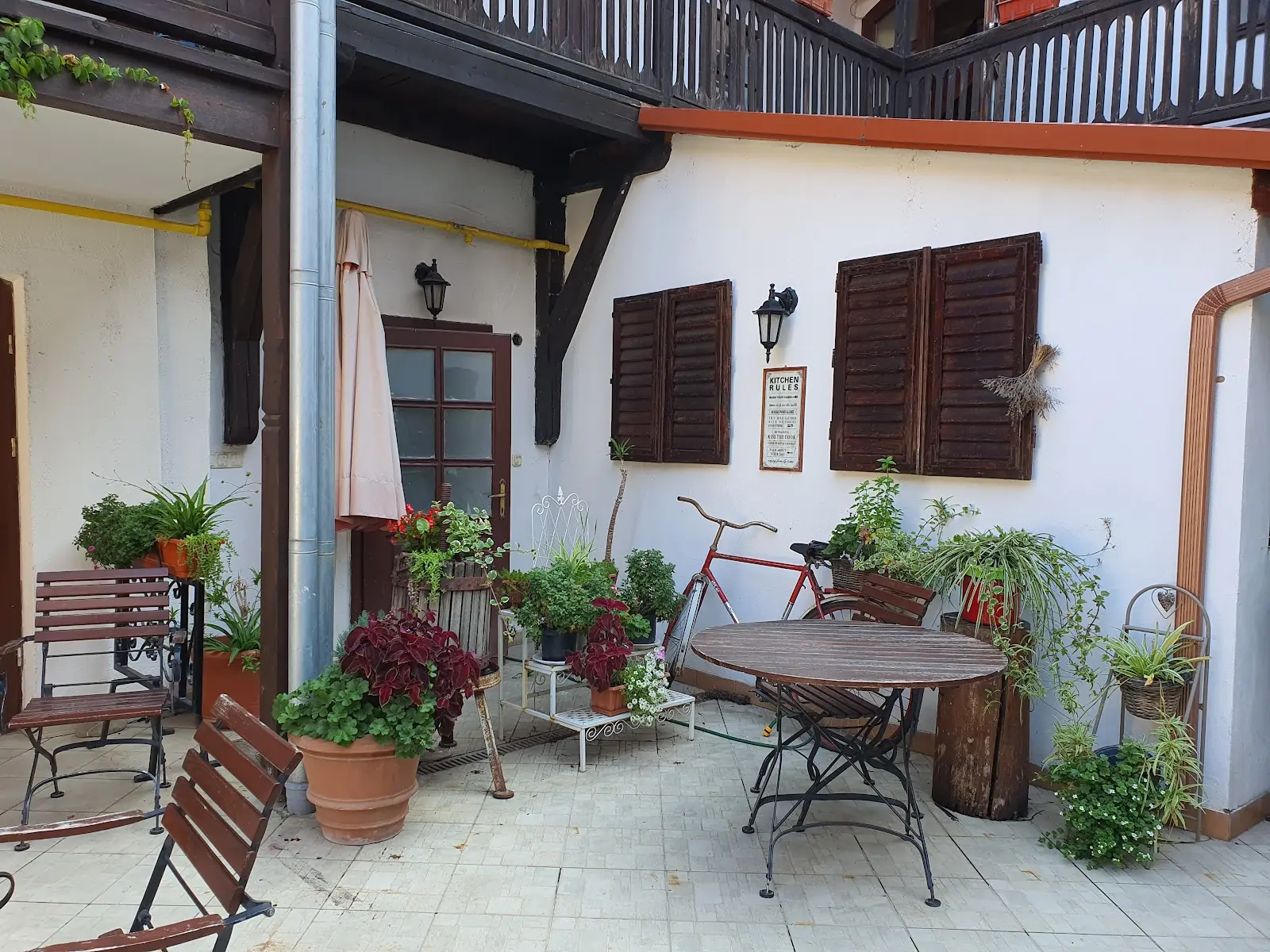
Casa cu Cerb
 Traditional
Restaurant Casa Wagner
Pleasant rooms and suites in a select hotel with a restaurant, a wine cellar and live music.
What to see
See all →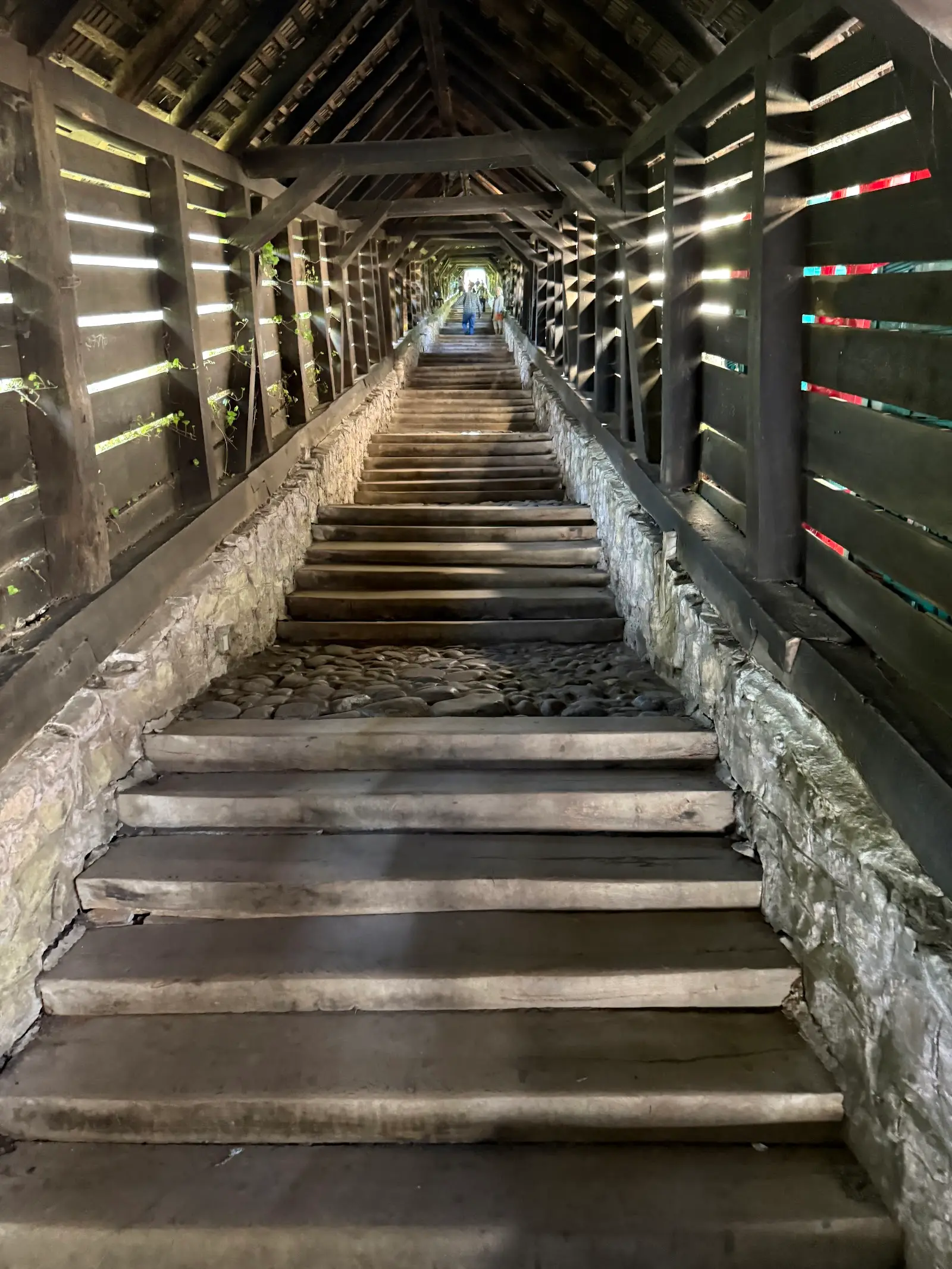 Landmark
Scara Acoperită (Scara Școlarilor)
The Covered Staircase, also known as the Scholars' Stairway, is one of the most picturesque medieval monuments of Sighisoara, the famous Transylvanian citadel in Mures county. Built in the seventeenth century, the staircase links the centre of the citadel to the hill where the Church on the Hill and the old school stand, allowing an ascent protected from the weather and the snows. Originally the staircase had more steps, of which around a hundred and seventy are preserved today, bordered by a covered wooden tunnel that shelters it from rain and cold. Pupils could reach the school even in bad weather, which gives the staircase its name. Climbing the stairs, visitors arrive at the Gothic church and the old Saxon cemetery, from where a beautiful view opens over the town. The Covered Staircase is a symbol of medieval Sighisoara, part of the world heritage site.
 Fortress
Cetatea Rupea
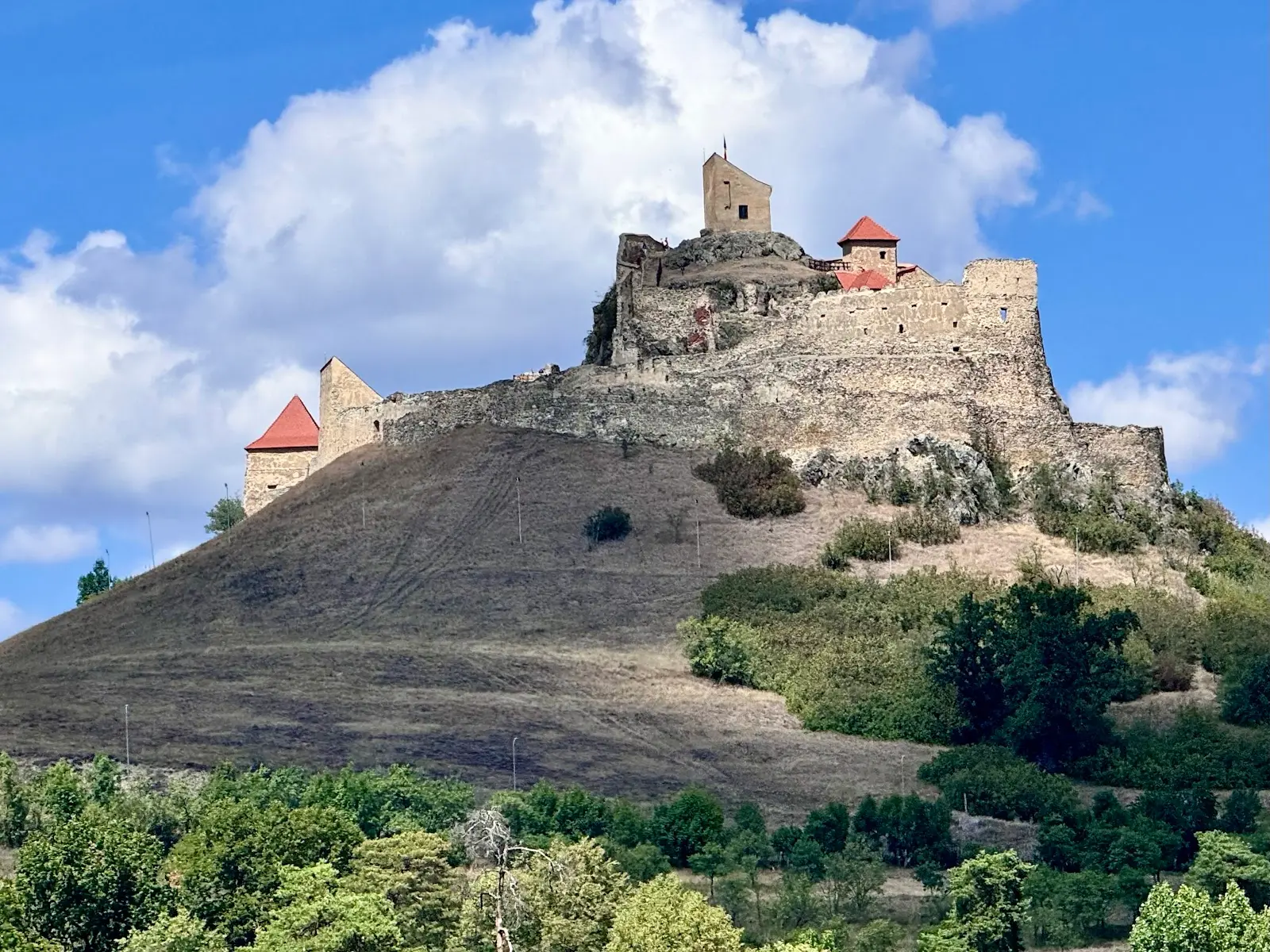
Rupea Citadel, perched on a basalt ridge above the town of the same name, between Brașov and Sighișoara, sits on one of Romania's oldest inhabited sites, with traces of settlement going back thousands of years. The medieval fortress we see today grew between the 14th and 17th centuries as a Saxon peasant citadel, a refuge to which the community withdrew in times of danger. It has three concentric enclosures — upper, middle and lower — linked by walls, towers and courtyards climbing the rock in stages. Extensively restored, the citadel now offers an attractive visiting route and wide views over the Transylvanian plateau. Its silhouette, especially at sunset, is among the most photogenic in the area. It is a good stop on the road between Brașov and Sighișoara, easily combined with the surrounding Saxon villages. Wear comfortable shoes for the climb and check the schedule, reduced in winter.
 Church
Biserica din Deal
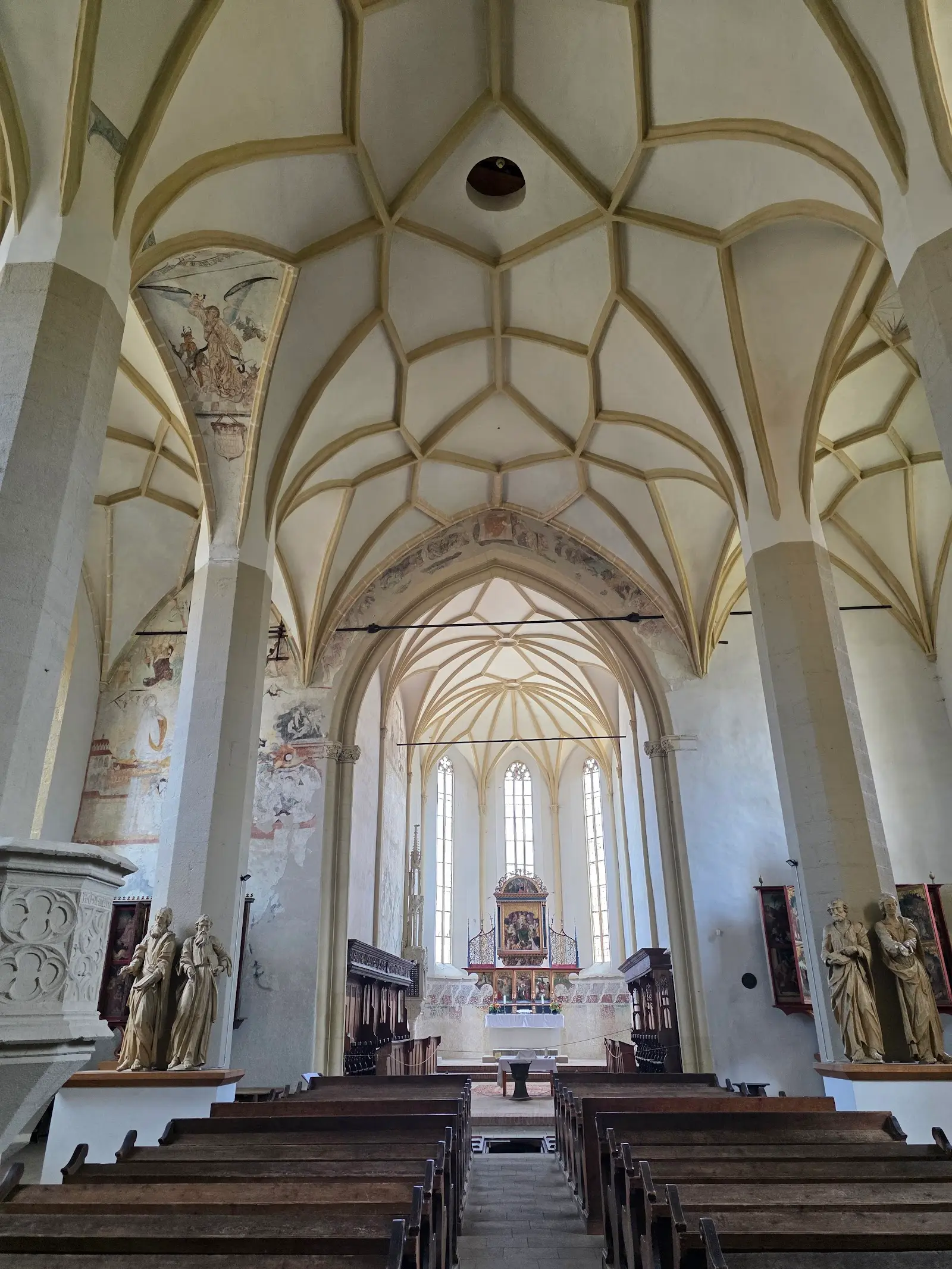
The Church on the Hill in Sighișoara, Mureș County, is the most imposing religious monument of the medieval citadel, a majestic Gothic hall-church raised by the Saxon community between the 14th and 15th centuries, on the highest point of the hill overlooking the town. It is reached by climbing the famous Covered Staircase, a wooden passage of more than 170 steps, built to shelter pupils and parishioners from bad weather on their way to the church and to the school on the hill. Inside, the building preserves medieval frescoes, a valuable altar, a crypt and a solemn atmosphere, and around it lies the old Evangelical cemetery, shaded by centuries-old trees. From the hill, the view over the red roofs of the citadel, part of the UNESCO heritage, is memorable. Practical note: climb the Covered Staircase for the authentic experience of the path to the church, and set aside time to explore the historic cemetery around it.
 Church
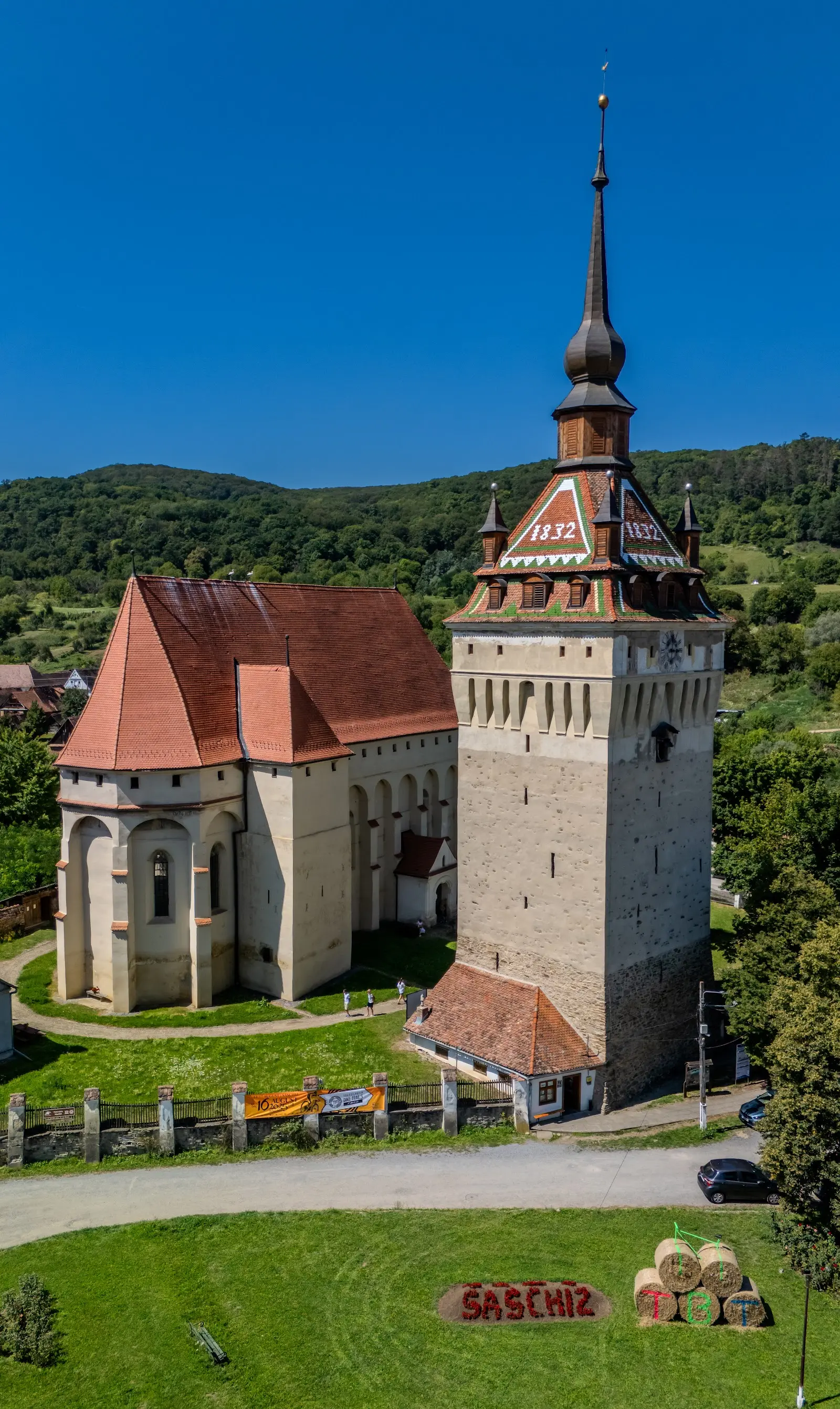
Biserica Fortificată Saschiz
The fortified church of Saschiz, a Saxon village near Sighisoara, is one of the most valuable monuments of its kind in Transylvania, inscribed on the UNESCO World Heritage list together with other villages with fortified churches. The hall-type building, raised in the fifteenth century, combined the role of a place of worship with that of a refuge against attack, with thick walls and defensive features. Nearby stands the clock tower, inspired by the one in Sighisoara, set apart from the church on a rise. The Saxon community that built the complex shaped the look of the village, with its coloured houses and typical barns. Today Saschiz is a landmark of cultural tourism in the hilly country of the Tarnava valleys. Visitors can climb for views over the village; checking the opening schedule is recommended.
 Museum
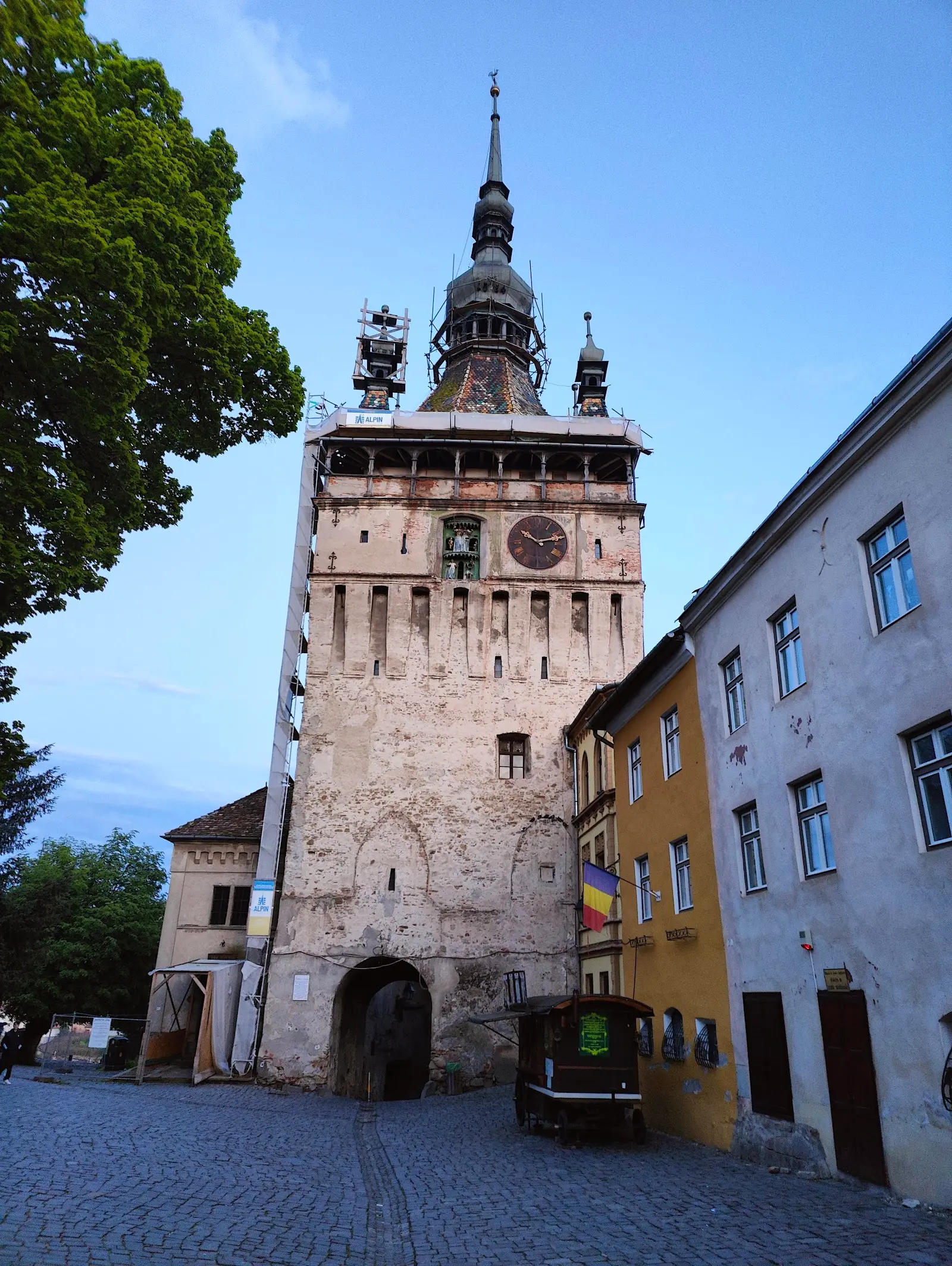
Muzeul de Istorie Sighișoara
The History Museum of Sighișoara occupies the Clock Tower, the most imposing bastion of the medieval citadel built by the Transylvanian Saxons and inscribed on the UNESCO World Heritage list. Rising almost 64 metres, the tower long served as the main gate and as the seat of the town council. Inside, the collections trace the history of the town and of the craft guilds that brought it prosperity, with tools, ceramics, weapons and period furniture spread across several floors linked by steep wooden staircases. The most admired feature is the clock mechanism with its carved wooden figurines that mark the passing days of the week, a genuine masterpiece of clockmaking. From the upper gallery, visitors enjoy a wide view over the red rooftops, the hill church and the valley of the Târnava Mare. It makes a natural starting point for exploring the cobbled lanes of the citadel.
 Castle
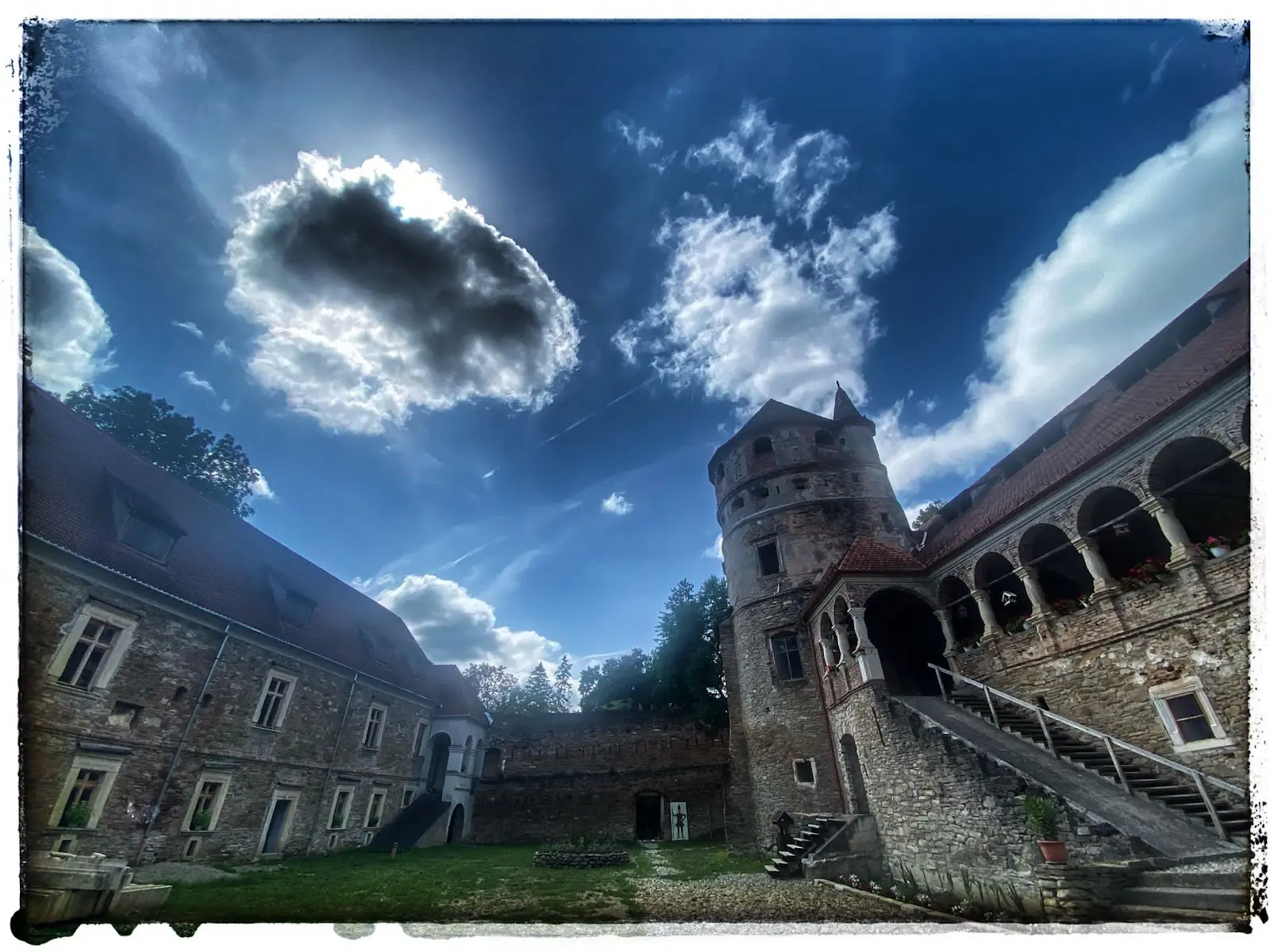
Castelul Bethlen-Haller Criș
The Bethlen-Haller Castle in the village of Criș, near Sighișoara, is one of the most beautiful Renaissance-style castles in Transylvania. Its construction was begun in the sixteenth century by the noble Bethlen family, one of the most influential Hungarian families in the principality, and it was enlarged and embellished over the following centuries. The complex stands out for its four corner towers, its elegant inner courtyard, and the stone decorations that blend Renaissance and Baroque elements. Once surrounded by a park and a water moat, the castle reflects the status and artistic taste of its owners. After a period of decay, the monument entered a broad restoration process meant to restore its former splendour. Close to Sighișoara, the castle can be included in a tour of the area. Visitors can admire the noble Transylvanian architecture. It is advisable to check the state of the works and the visiting schedule before arriving.
 Church
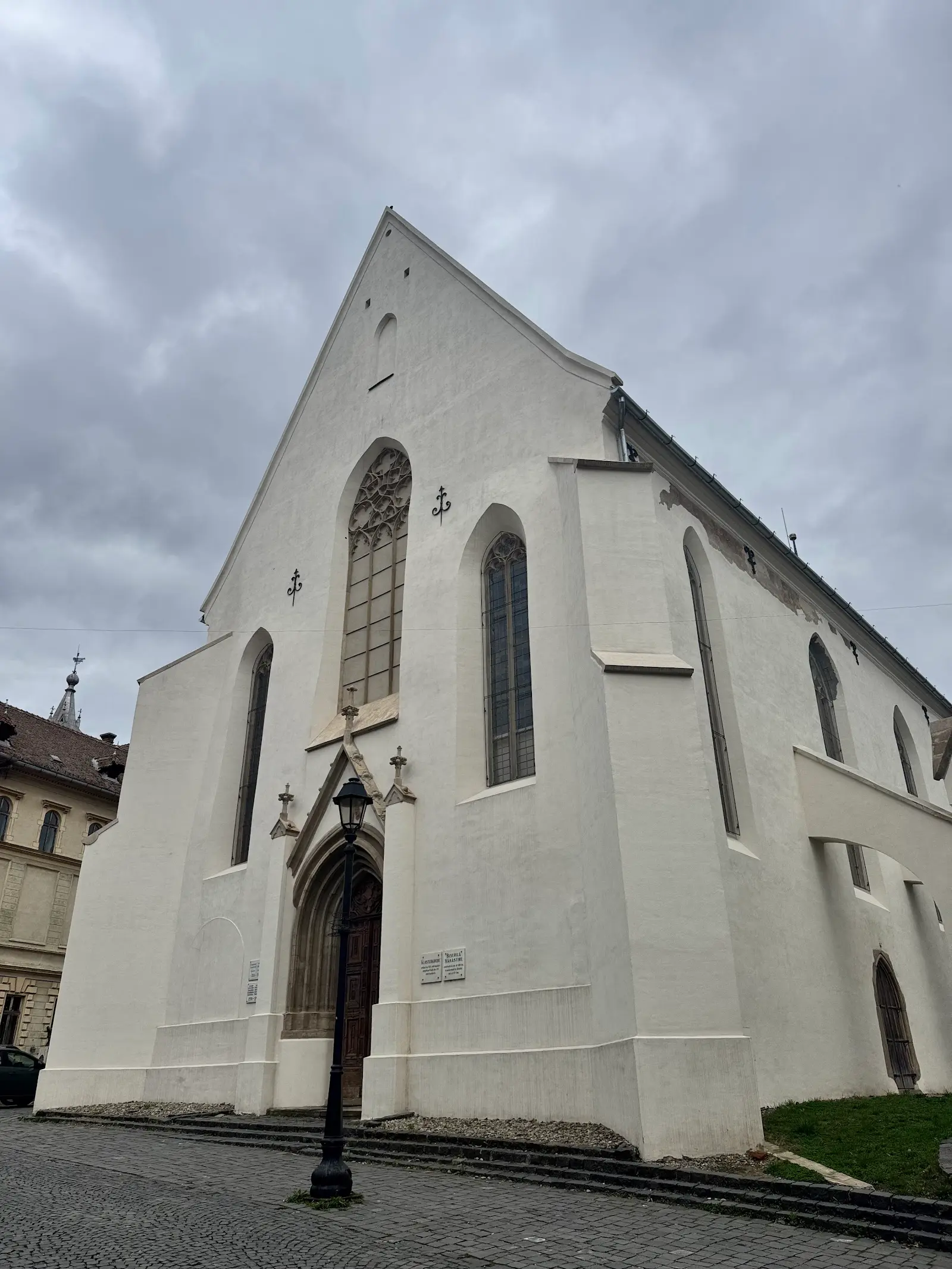
Biserica Mănăstirii Sighișoara
The Monastery Church of Sighișoara, also known as the Dominican church, is one of the most valuable monuments of the medieval citadel built by the Transylvanian Saxons and inscribed on the UNESCO World Heritage list. Originally raised by Dominican friars in the Gothic style, the building was converted after the Reformation into the town's principal evangelical church. The interior preserves a remarkable artistic heritage, including a valuable altar, a carved stone pulpit, funerary plaques in bronze and stone, and an impressive collection of Anatolian oriental carpets donated over the centuries by the town's merchants, regarded as one of the most important in Transylvania. The historic organ and the chandeliers add solemnity to the space. Set in the heart of the citadel near the Clock Tower, the church is a place of reflection and a cultural landmark. Today it also hosts classical music concerts, drawing on the generous acoustics of the Gothic nave.
Frequently asked questions
What is Sighișoara known for?+
Sighișoara is best known for sights such as Scara Acoperită (Scara Școlarilor), Cetatea Rupea, Biserica din Deal.
How many days do you need in Sighișoara?+
One to two days is enough to see the highlights of Sighișoara; stay longer to use it as a base for day trips.
Where should I stay in Sighișoara?+
See our selected stays above, or check live rates and availability on the accommodation map.