
Transylvania
Deva
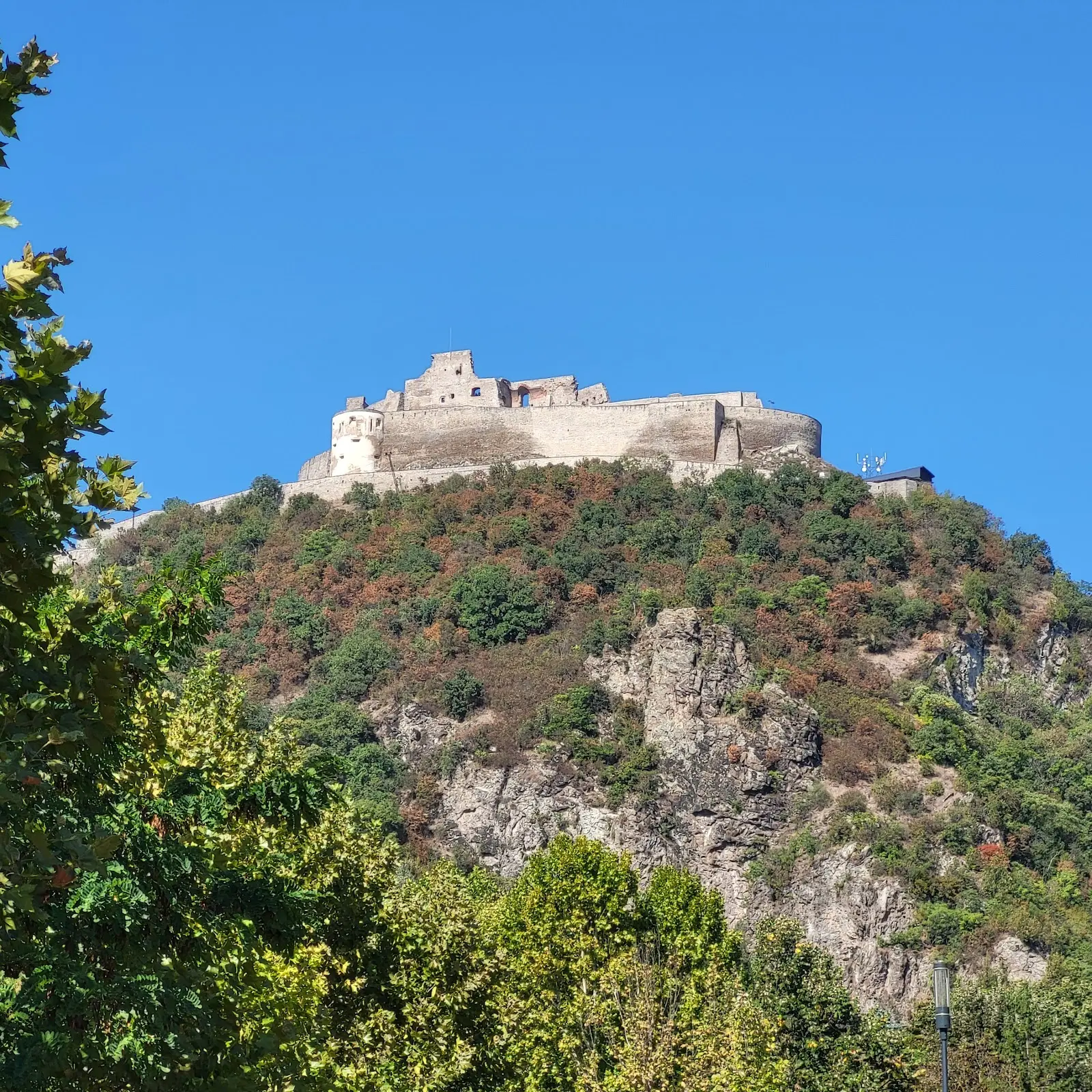
The citadel on the volcanic hill.
Deva is the capital of Hunedoara County, a Transylvanian town set on the left bank of the Mureș River at the foot of a volcanic hill crowned by the ruins of Deva Fortress. The medieval stronghold, raised in the thirteenth century and enlarged over the centuries, dominates the town from more than 180 metres up and is reached by an inclined funicular — unique in Romania — that carries visitors almost to the walls. From the top a broad panorama opens over the Mureș valley and the Apuseni Mountains.
At the foot of the hill, Magna Curia Palace, a Renaissance and Baroque building, houses the Museum of Dacian and Roman Civilisation, with a rich collection devoted to the region's ancient past. Deva is closely tied to the history of Transylvania and to the nearby Corvin Castle in Hunedoara, only a few kilometres away. The atmosphere is that of a quiet administrative town, with parks, promenades and a provincial rhythm.
Transylvanian cooking offers sour soups, stews, goulash and pork dishes, alongside local wines and pálinka. Deva sits on the A1 motorway and the rail line linking the west to the centre of the country. It is worth visiting for its spectacular fortress, its museum and its position as a gateway to Hunedoara's heritage.
What to see
See all →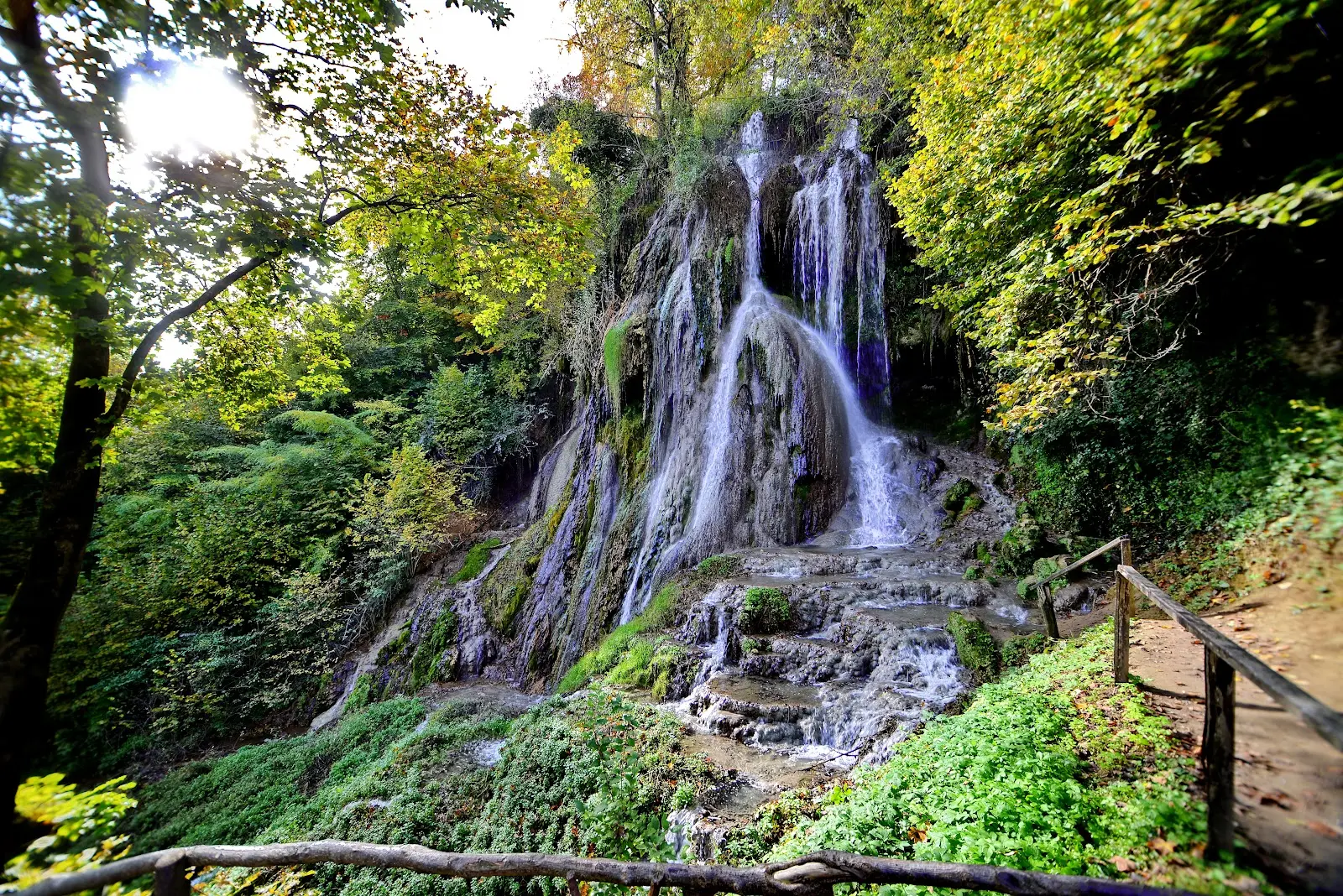 Nature
Cascada Clocota
Clocota Waterfall is a natural cascade set in the spa resort of Geoagiu-Băi, near Deva in Hunedoara County, in an area known since Antiquity for its thermal springs, used by the Romans. What makes this place special is that the waterfall's water comes from a warm, mildly thermal spring, which means the water thread does not fully freeze even in winter, offering unusual views in the cold season, when steam rises above the fall. The water tumbles over a rock covered in moss and rich vegetation, in a quiet natural setting near the resort's walking trails. The name Clocota refers to the bubbling of the descending water. The waterfall is easy to reach, lying close to the leisure area and the thermal baths, which makes it a pleasant stop for visitors to the resort. The scenery, with the surrounding greenery and the murmur of the water, invites relaxation. Visitors are advised to be careful on the wet, stony paths near the waterfall, especially after rain.
 Park
ParkParcul Cetății Deva
Citadel Park stretches at the foot of the hill crowned by the medieval fortress of Deva, serving as the main green space of this town in Hunedoara county. Laid out with wide paths, mature trees and rest areas, the park is also the starting point of the route up to the fortress, which can be reached on foot or by the modern cable car installed here. Within the park stand statues, monuments and historic buildings, among them the Magna Curia Palace, an old noble residence that today houses the county museum. The rich vegetation and the view towards the fortress hill make this a natural stop for visitors. The park is frequented by families, walkers and tourists who climb up to the ruins of the fortification, from where a wide panorama opens over the town and the Mures Valley. It is a pleasant setting for relaxation.
 Landmark
Statuia lui Decebal Deva
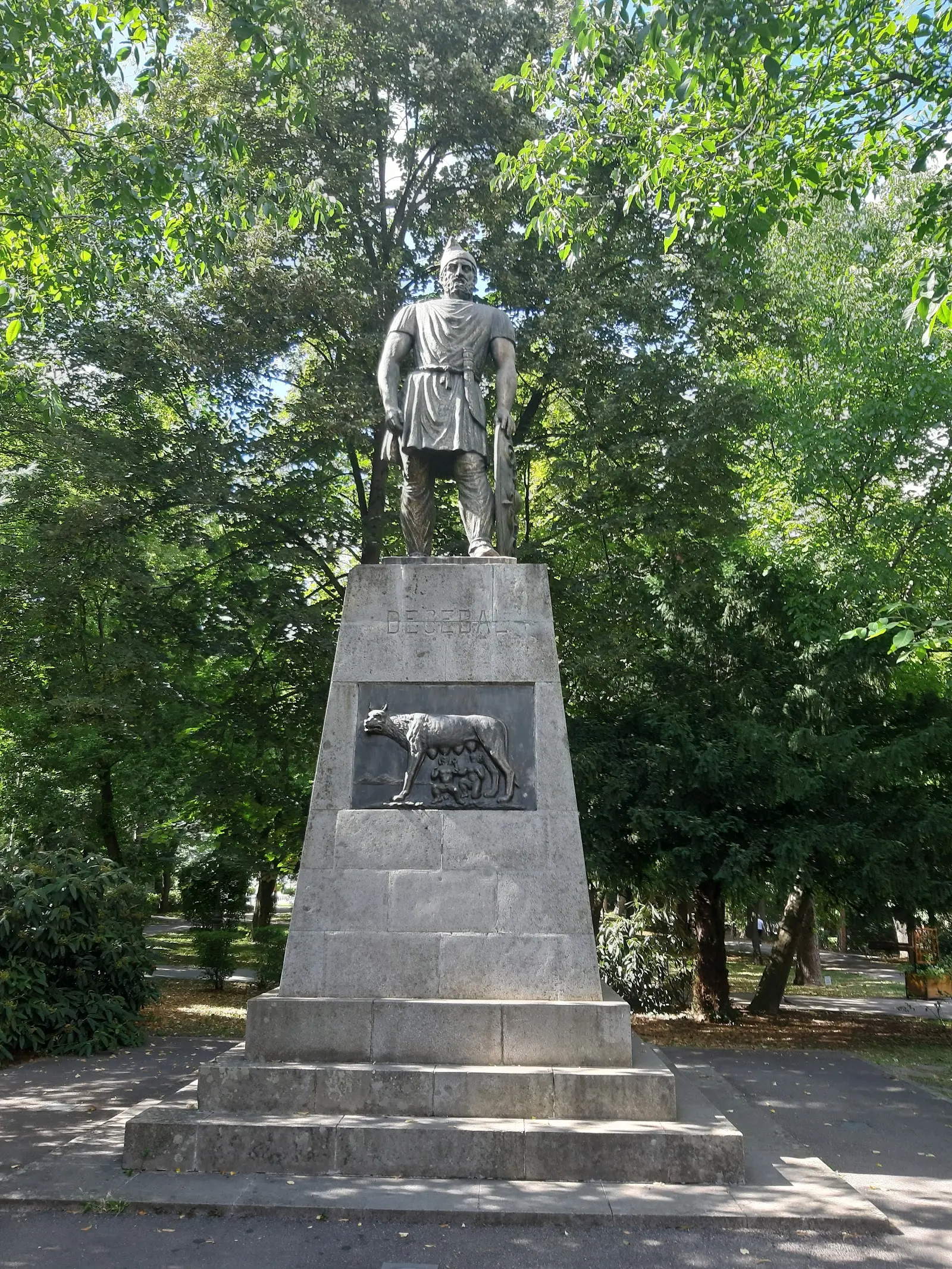
The statue of Decebalus in Deva depicts the last king of the Dacians, the one who led the struggle against the Roman Empire under Emperor Trajan at the start of the second century. Set in the town, it belongs to a series of monuments raised in Transylvania to mark the Dacian origin of the Romanian people and to keep alive the memory of ancient resistance. Decebalus is shown in a dignified pose, with royal insignia, evoking the figure of the ruler who chose death over captivity after the fall of the capital Sarmizegetusa. Hunedoara County, where Deva lies, is the very heart of the old Dacian kingdom, with many mountain fortresses, which gives the monument special meaning for the area. Above the town watch the ruins of the medieval fortress, reachable by cable car. Visitors can link the statue to a tour of the Dacian sites nearby. A short stop is enough to grasp its symbolism.
 Fortress
Cetatea Colț
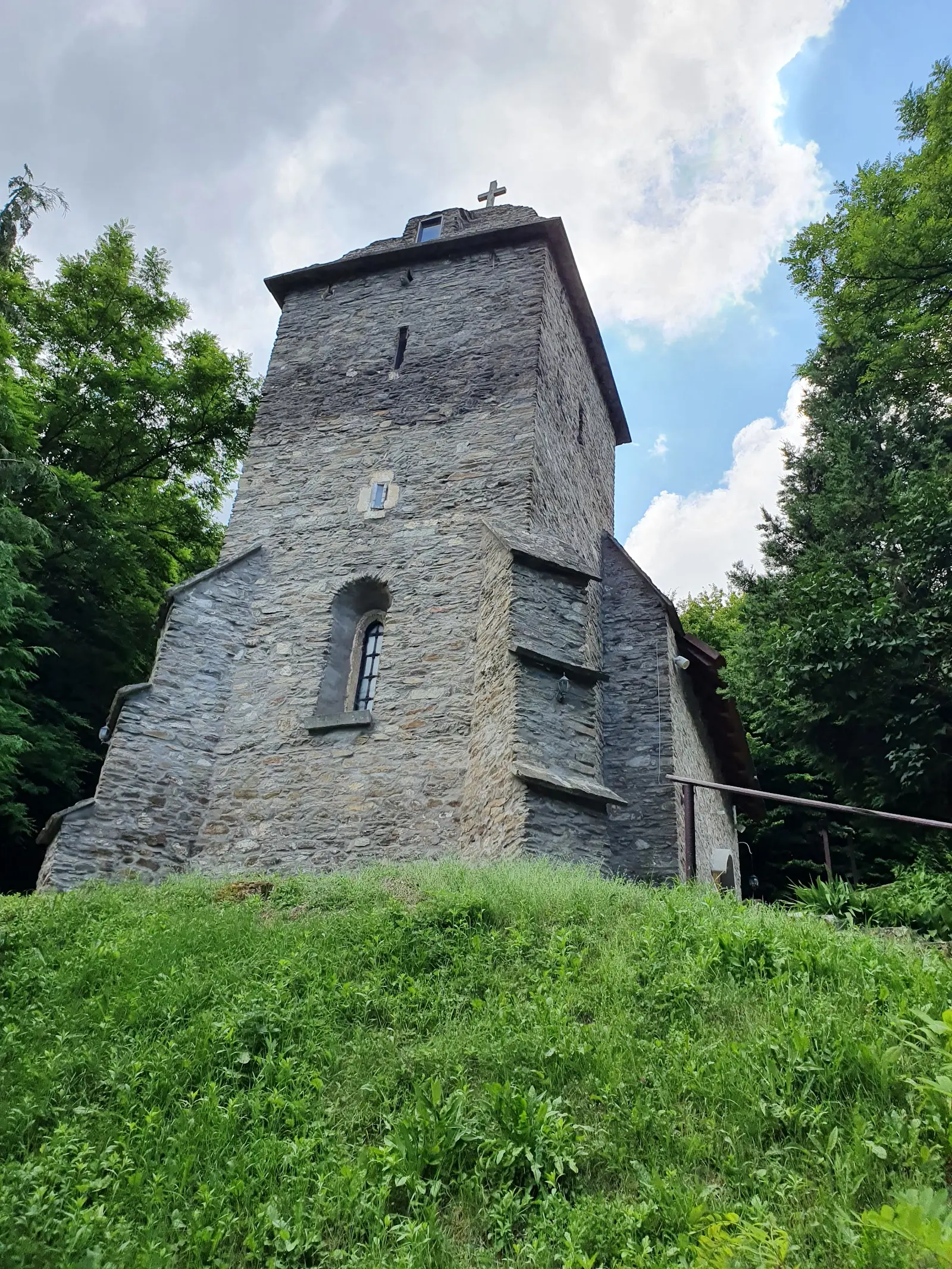
Colt Fortress rises on a rocky spur above the village of Suseni in the Hateg Land, not far from Deva, commanding the valley of the Big River in the heart of the Southern Carpathians. Built in the 14th century by the noble Candea family, later known under the Hungarianised name Kendeffy, it was one of the few stone strongholds held by a family of Romanian origin in medieval Transylvania. The massive keep and the surviving curtain walls cling dramatically to the limestone ridge as evocative ruins. Tradition holds that the fortress silhouette inspired Jules Verne for his novel The Carpathian Castle. The marked trail climbing from the church in the valley rewards walkers with sweeping views towards the Retezat and Tarcu mountains. The site has a solitary, atmospheric feel well suited to hiking and photography. Sturdy footwear is advisable, as the final approach crosses uneven stony ground.
 Church
Catedrala Sfântul Nicolae Deva
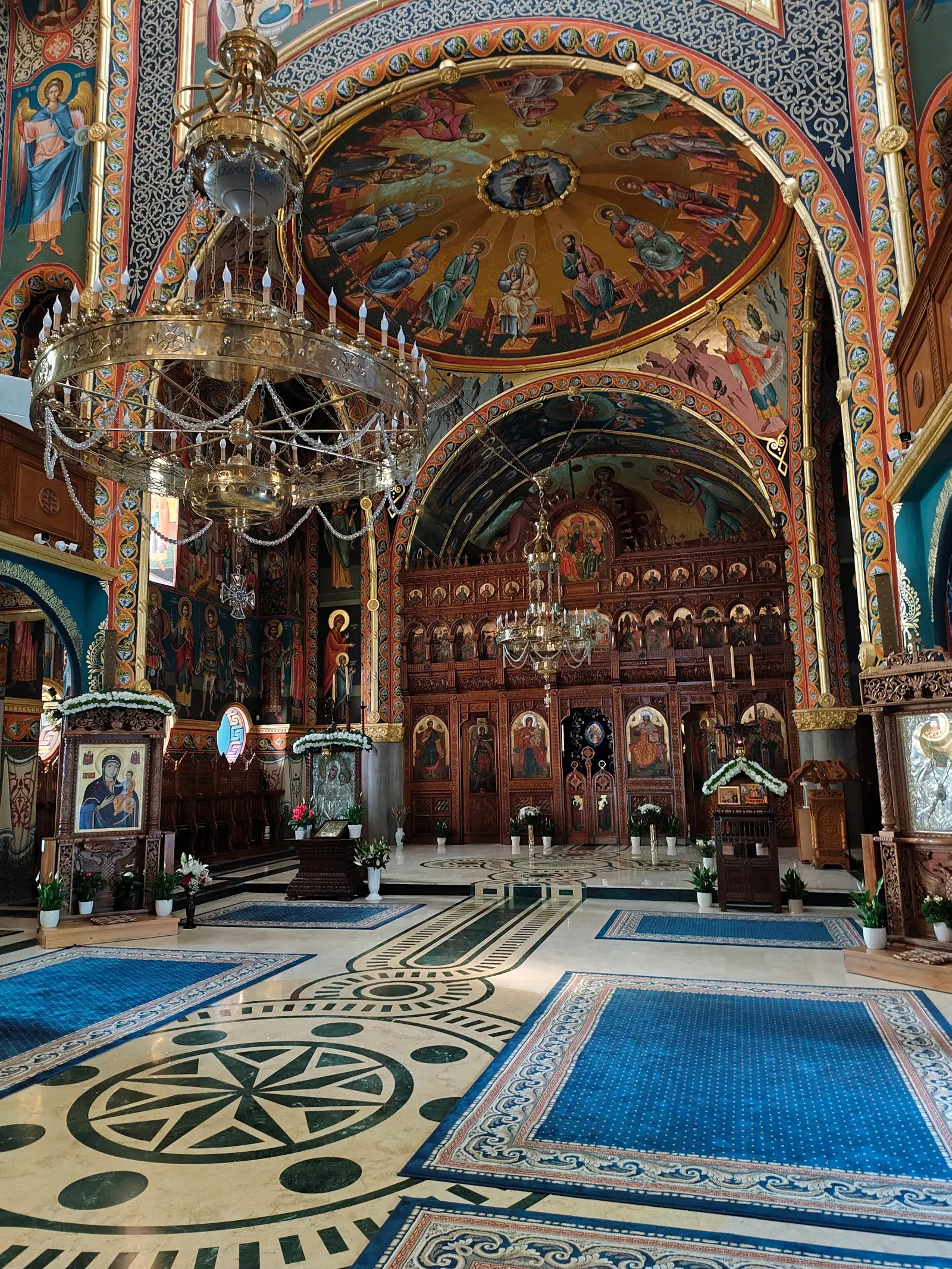
St Nicholas Cathedral in Deva is one of the representative churches of a town set at the foot of the fortress hill, where the ruins of the medieval citadel watch over the Mureș valley. This Orthodox church serves as an episcopal cathedral and is a spiritual landmark for the community in the seat of Hunedoara County. Its architecture blends the traditional lines of Romanian churches with the monumental ambition of the great cathedrals raised in the modern era, its towers rising above the rooftops of the centre. The interior holds mural painting in the characteristic technique, a wooden iconostasis and icons that illustrate the rich register of Orthodox iconography. Standing in the heart of Deva, the cathedral connects naturally to the rest of the urban heritage: the volcanic fortress hill, the Magna Curia Palace and the museum housed there. For travellers exploring the Land of the Pădureni and the nearby Dacian fortresses of the Orăștie Mountains, Deva is a natural stop, and the cathedral a place of quiet before the climb to the ruins.
FortressCetatea Devei
Deva Citadel dominates the town from an isolated volcanic cone, visible from far away across the Mureș Valley. Built in the 13th century and extended over the centuries, it was one of Transylvania's strongest fortresses, tied to great noble families and the province's turbulent history. Today you climb on foot, along rocky paths, or comfortably by an inclined funicular that starts from the park at the foot of the hill. The well-consolidated ruins preserve walls, bastions and gates, and from the top opens one of the finest panoramas in western Romania, over the town, the Mureș and the distant mountains. The citadel hill is also a nature reserve, notable for its horned vipers and rock flora. It is an ideal stop on the way to Corvin Castle in nearby Hunedoara. Check the funicular schedule and wear good shoes if you choose to climb on foot.
 Museum
Muzeul Civilizației Dacice și Romane
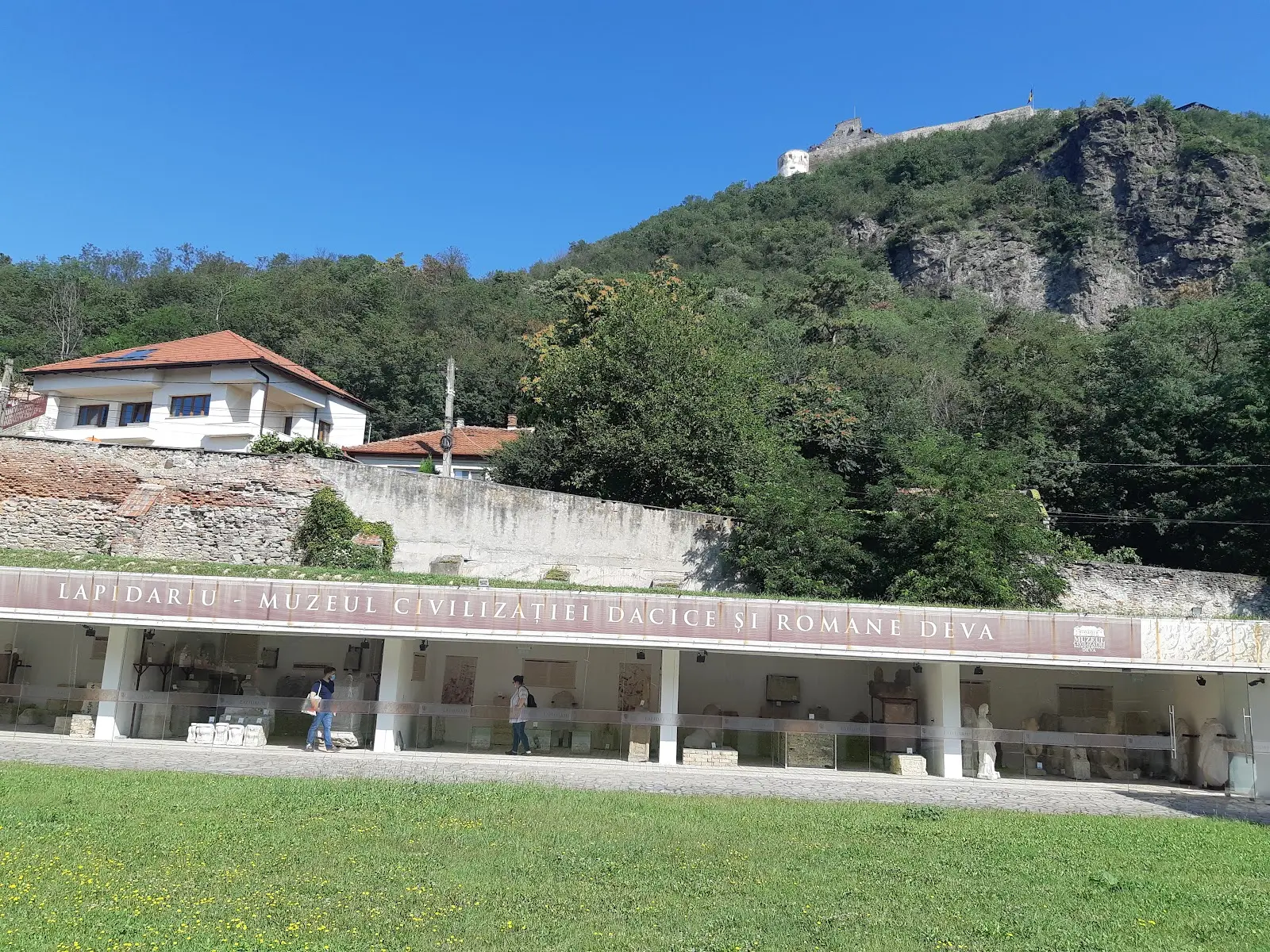
The Museum of Dacian and Roman Civilisation, with its main seat in Deva, Hunedoara County, is one of the most important archaeology museums in Romania, devoted to the civilisations that flourished in these lands: the Dacians and the Romans. Set in the heart of the region where Sarmizegetusa Regia, the capital of the Dacian kingdom, once rose, and where the Romans later founded Ulpia Traiana Sarmizegetusa, the museum keeps collections of exceptional value: Dacian gold and silver pieces, weapons, tools, pottery, Roman inscriptions, coins and liturgical objects that illustrate the meeting of the two worlds after Emperor Trajan's conquest of Dacia. The Deva seat, housed in a historic building at the foot of the medieval fortress, displays testimonies of this millennial history. The museum also manages important archaeological sites in the county. Practical note: combine the museum visit with a climb to Deva Fortress, reachable by cable car, for a panorama over the Mureș Valley.
Frequently asked questions
What is Deva known for?+
Deva is best known for sights such as Cascada Clocota, Parcul Cetății Deva, Statuia lui Decebal Deva.
How many days do you need in Deva?+
One to two days is enough to see the highlights of Deva; stay longer to use it as a base for day trips.