Transylvania
Brașov
A medieval Saxon city at the foot of Tâmpa, gateway to Bran, Râșnov and the mountains.
Brașov is perhaps the most photogenic city in Transylvania, set in a valley at the foot of Mount Tâmpa in the heart of the Carpathian bend. Founded by Saxon colonists in the 13th century, it preserves a remarkably well-kept medieval centre with fortress walls, bastions and watchtowers.
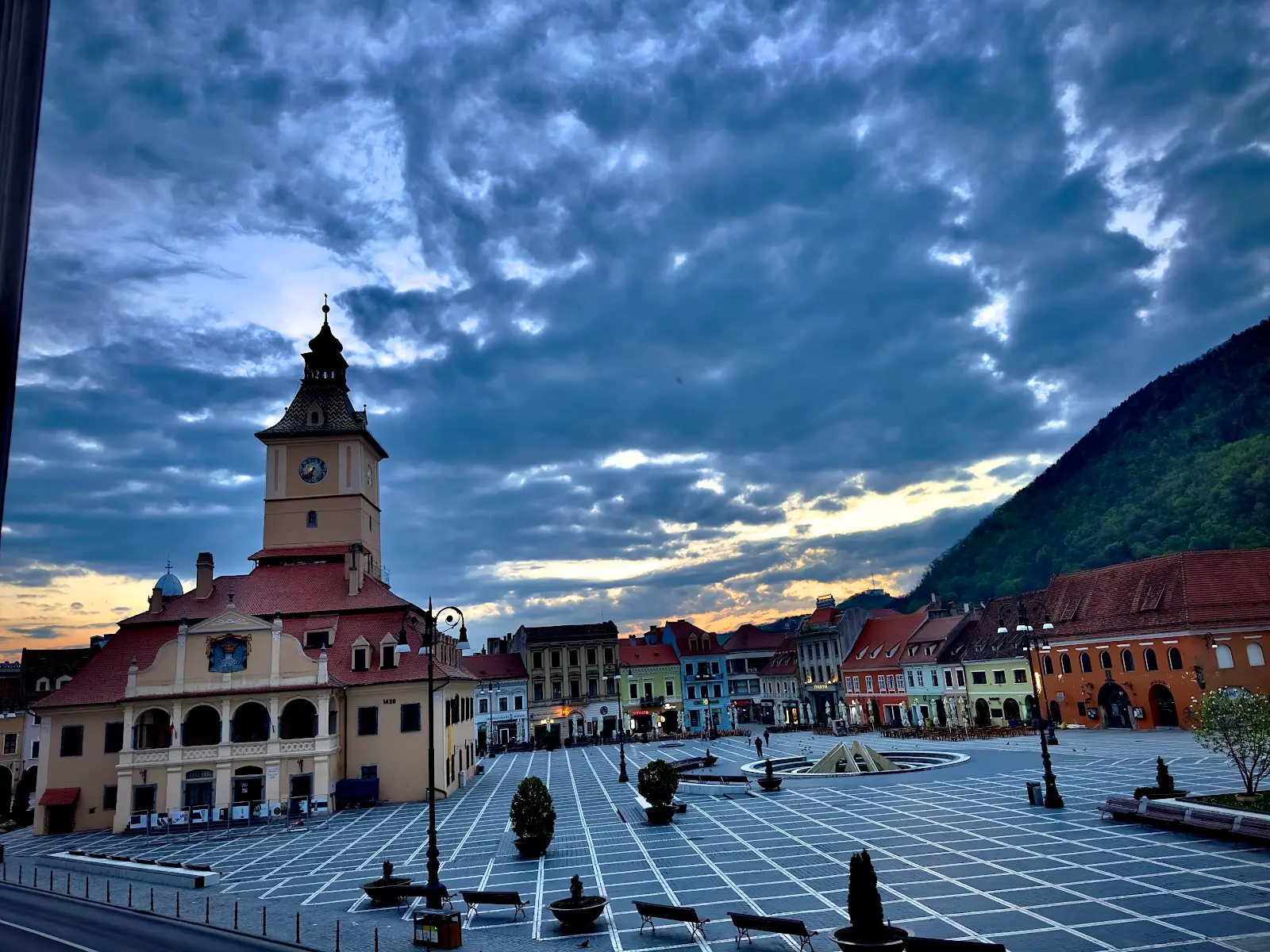
The heart of the city is the Council Square (Piața Sfatului), a broad plaza ringed by colourful Baroque houses and the former Council House with its clock tower. Beside it rises the Black Church, the largest Gothic church between Vienna and Istanbul, so named after the 1689 fire that blackened its walls; it holds a valuable collection of Oriental carpets and a monumental organ. From here begins the famous Rope Street (Strada Sforii), one of the narrowest streets in Europe. Above the town, white letters on the slope of Tâmpa echo a Hollywood-style sign, and a cable car climbs to a viewpoint.
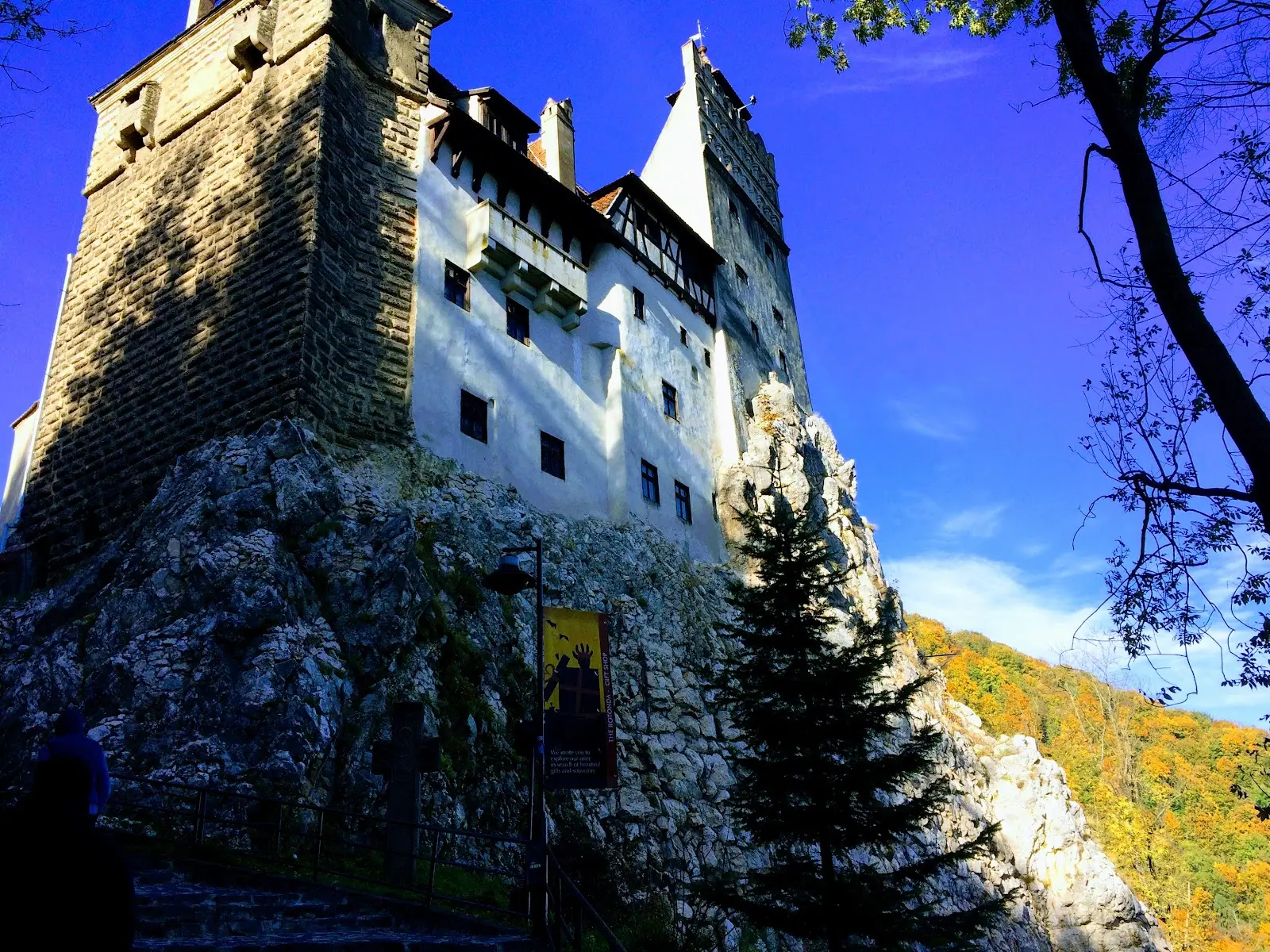
Brașov is also the gateway to some of Romania's most visited sights: Bran Castle (billed as "Dracula's castle"), the mountain resort of Poiana Brașov, and nearby Peleș Castle. Local cuisine blends Saxon and Romanian traditions — try a goulash, a sour soup or papanași on one of the central terraces.
The city is easily reached by train or car from Bucharest (around 2.5–3 hours) along the Prahova Valley. Late spring through autumn is best for hiking, and winter for skiing. Brașov is worth visiting for its intact medieval atmosphere and its ideal position as a base for exploring Transylvania.
Where to stay
All stays →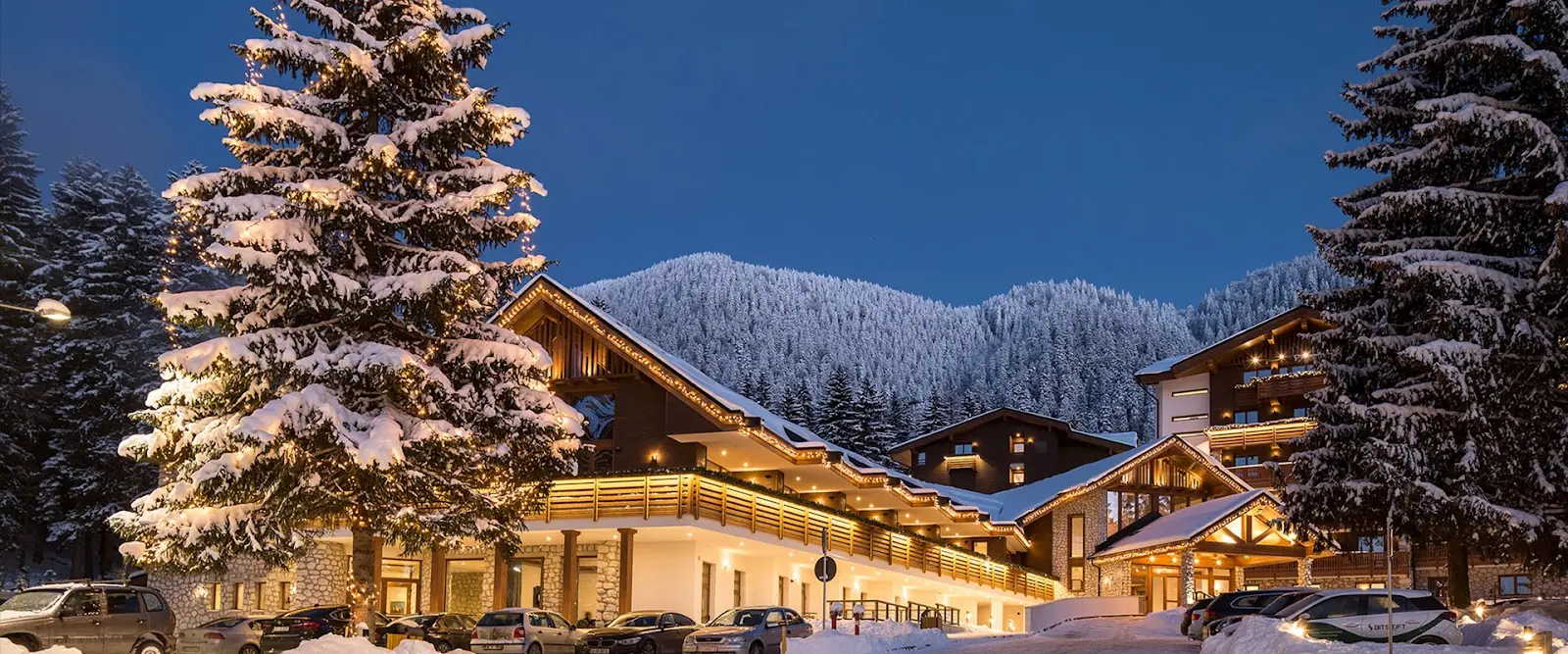 Resort
Teleferic Grand Hotel
A hotel with elegant, wood-panelled rooms and two restaurants, plus a spa, a pool and breakfast.
 Boutique
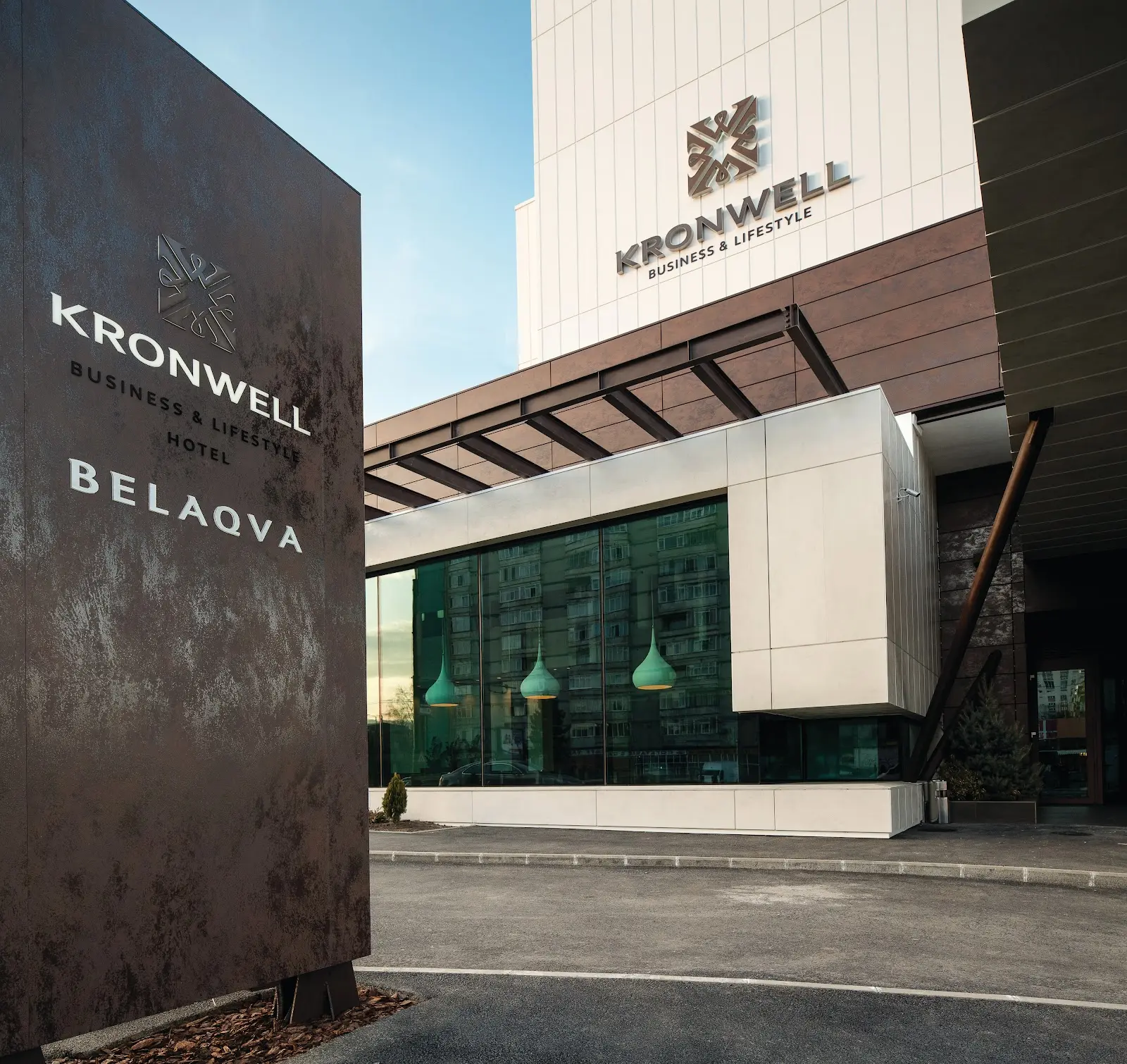
Kronwell Brașov Hotel
A luxury hotel with elegant quarters, free breakfast and a chic restaurant, plus a spa with an indoor pool.
 Boutique
Hotel Bella Muzica
A charming hotel in a neoclassical property offering welcoming rooms and a rustic restaurant.
 Boutique
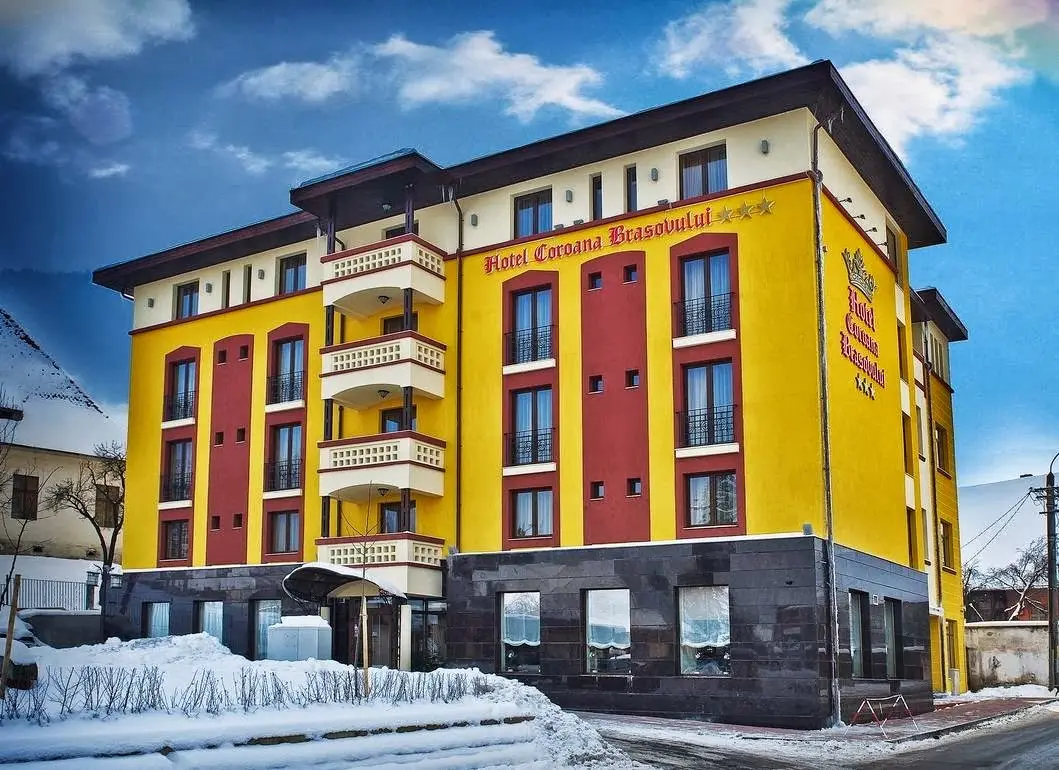
Hotel Coroana Brașov
Relaxed accommodation with breakfast, an English-style cigar bar and mountain views.
 Luxury
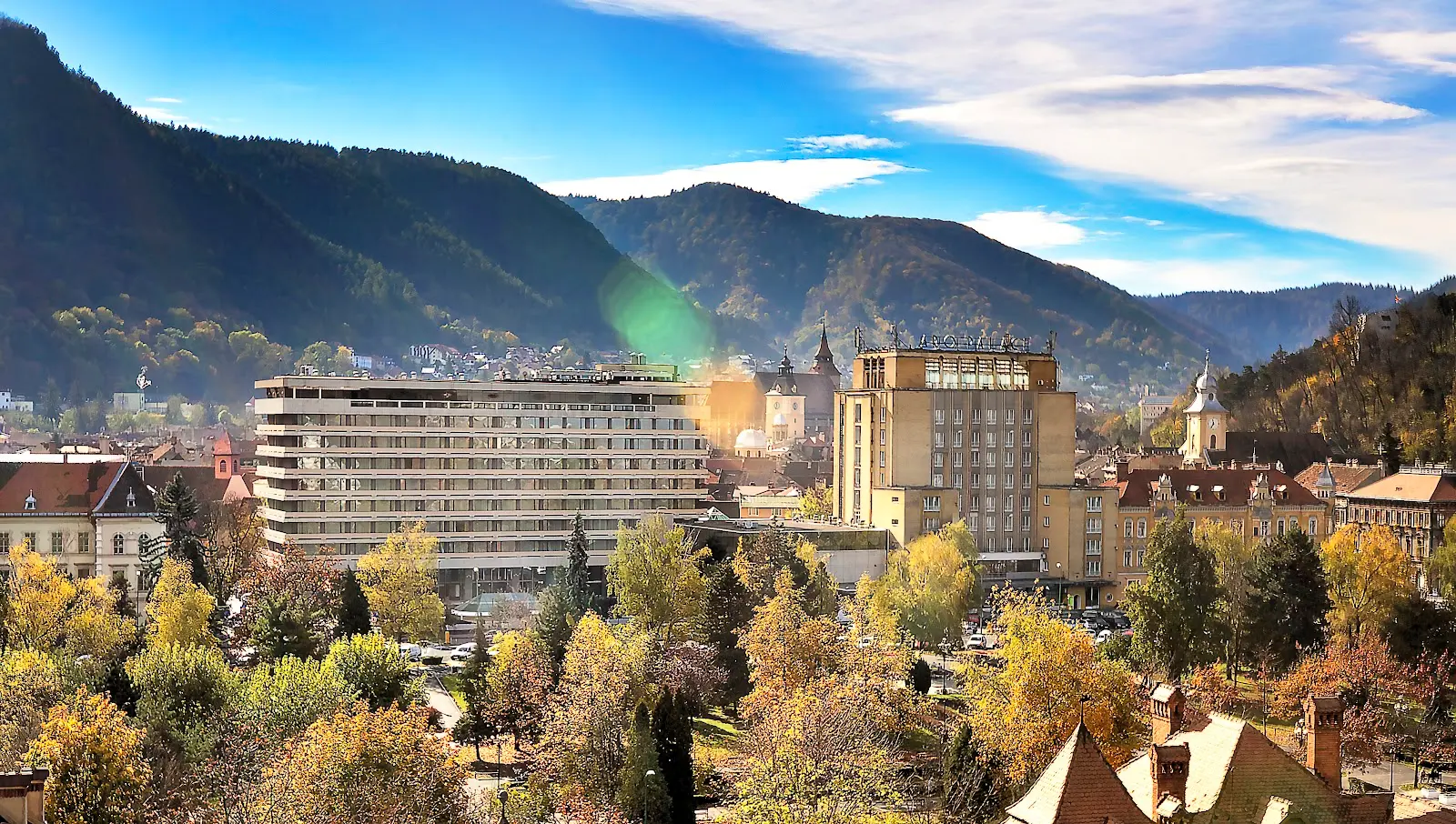
Hotel Aro Palace
An unpretentious hotel in a 1930s building, with modest rooms, an indoor pool, a restaurant and a spa.
Where to eat
All restaurants →
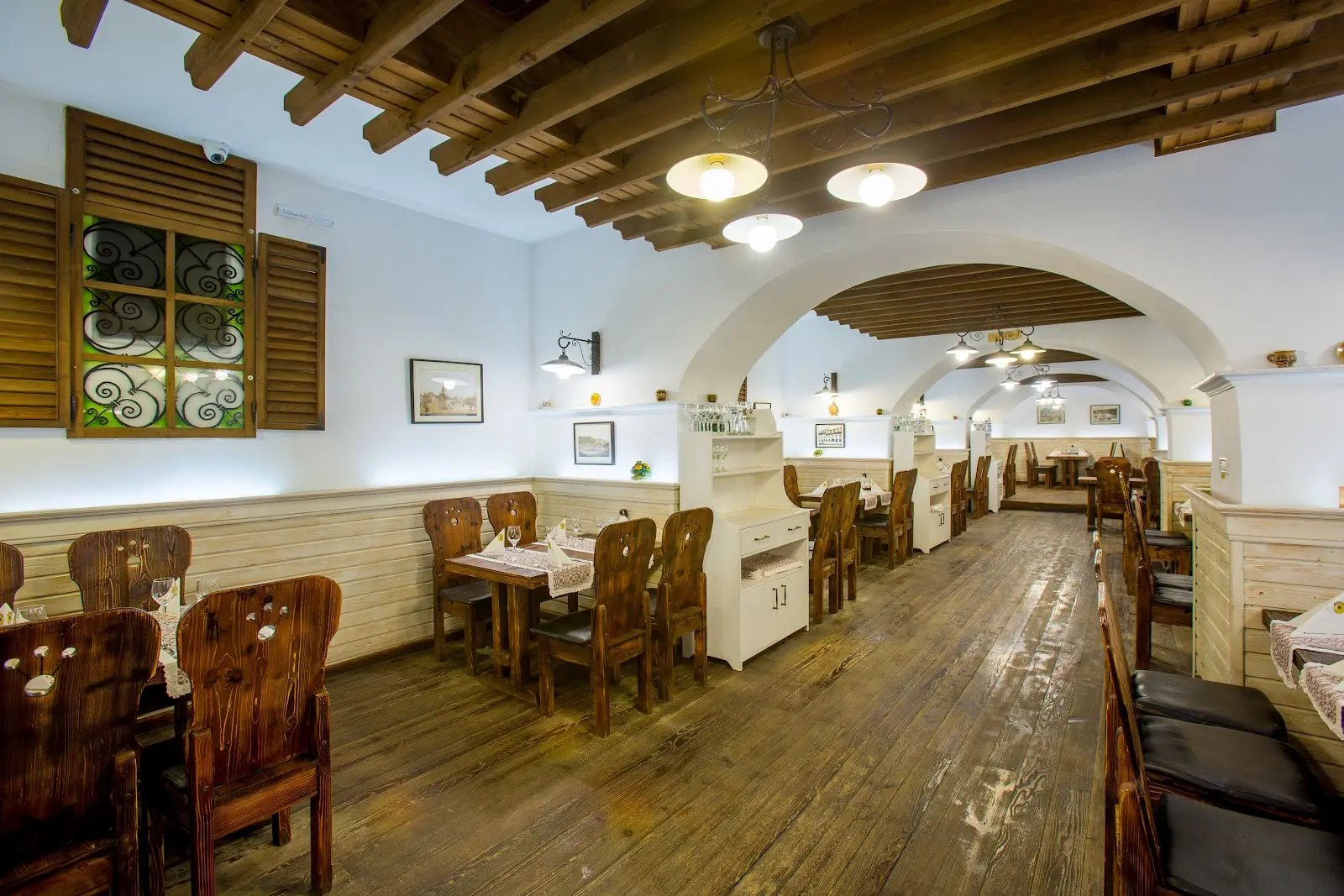
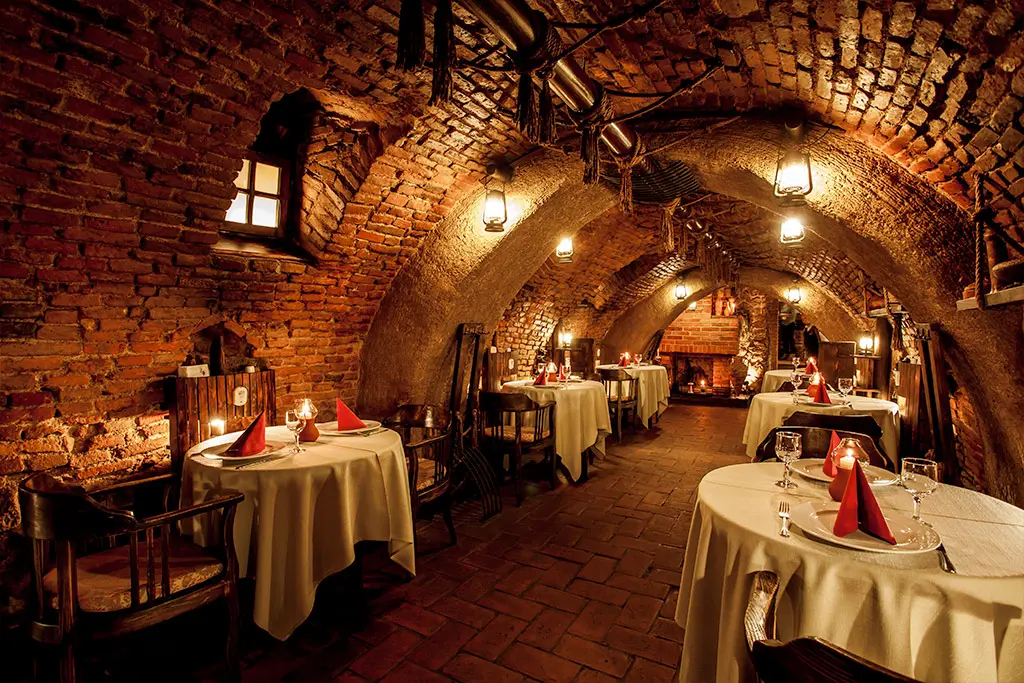
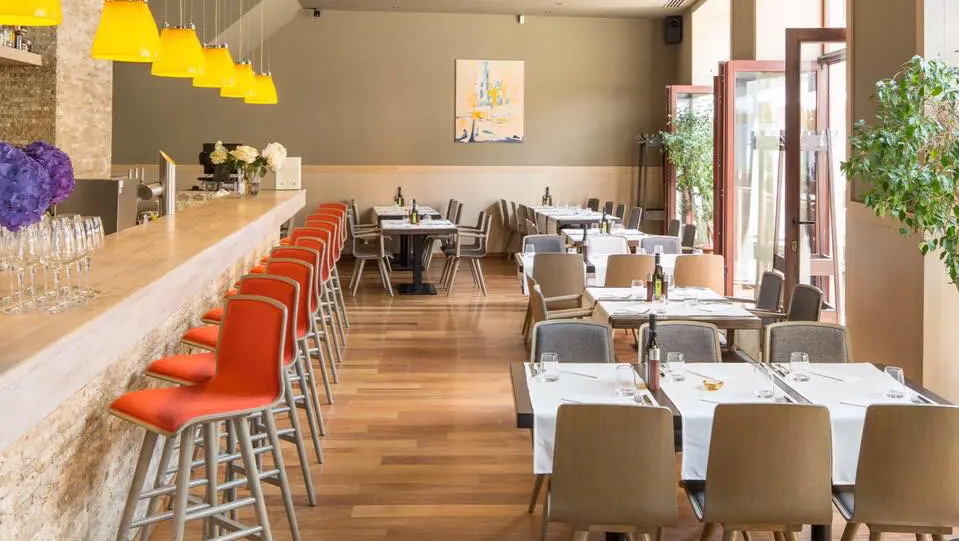
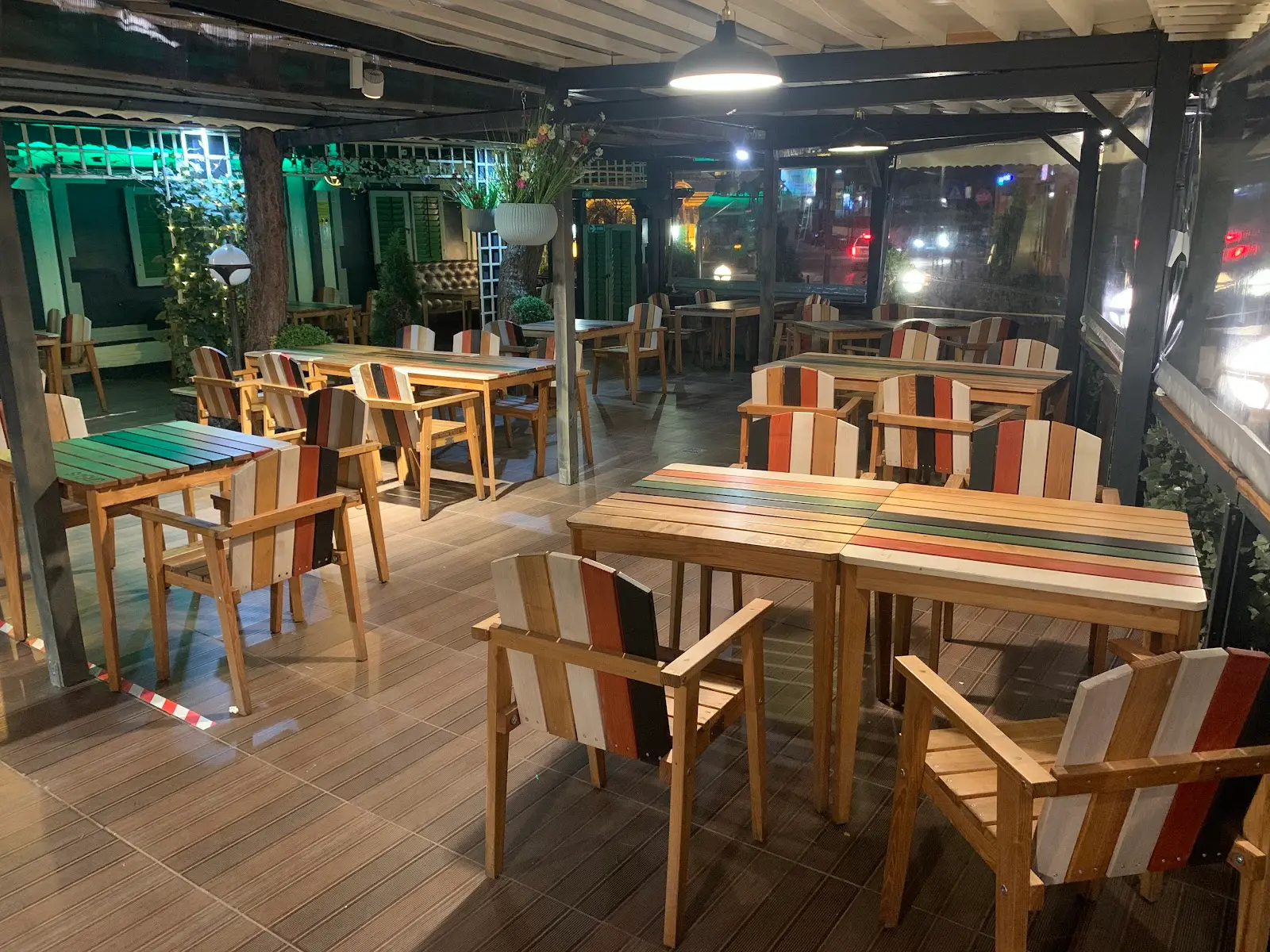
What to see
See all →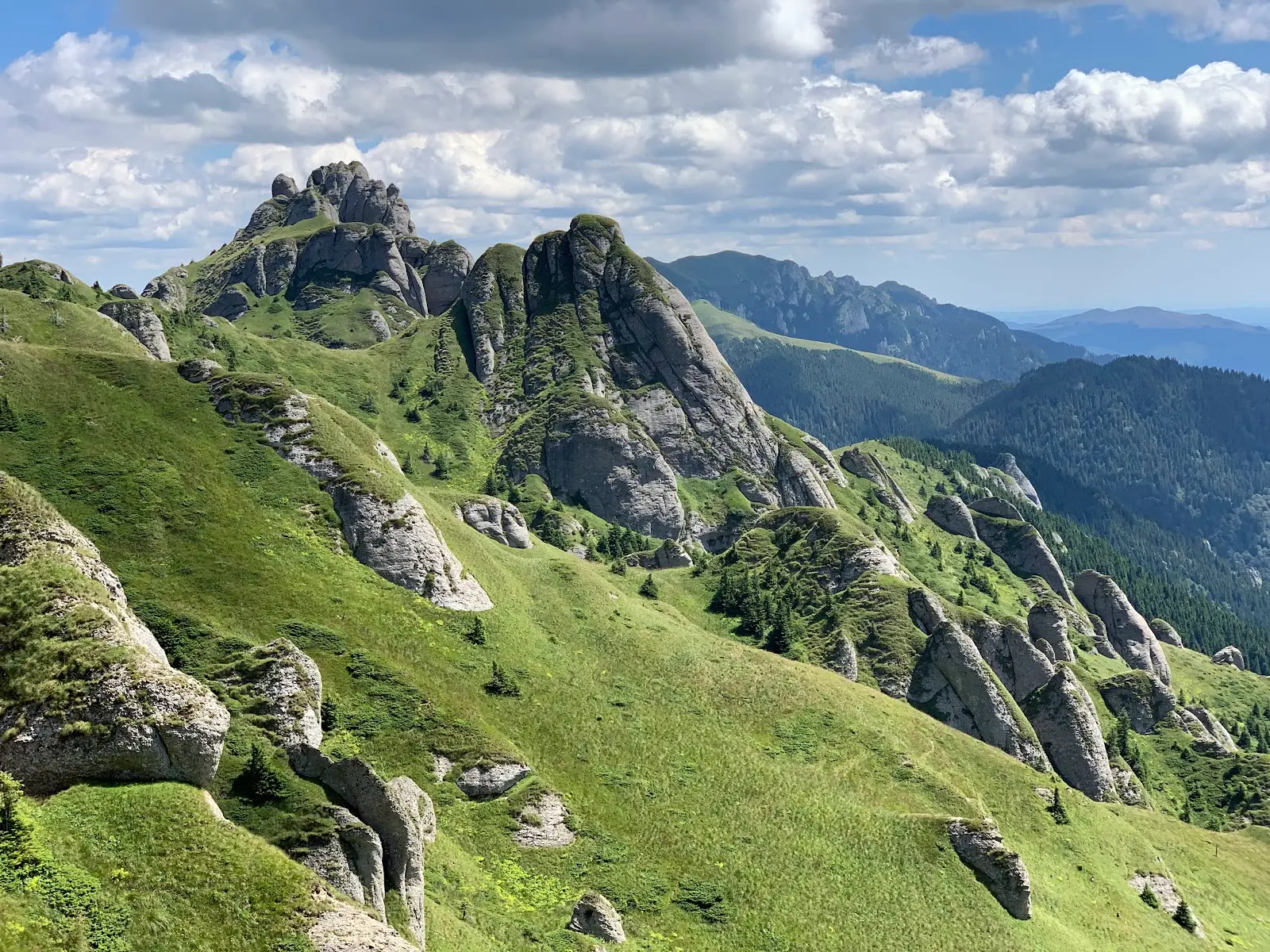 Mountain
Vârful Ciucaș
Ciucas Peak, the highest point of the massif of the same name in the Bend Carpathians, rises to over 1,900 metres and offers some of the most spectacular views in the border area between Transylvania and Wallachia. The Ciucas massif is famous for its conglomerate formations with strange shapes, carved by wind and weather, to which popular imagination has given suggestive names. The marked trails leading to the peak cross alpine meadows, dwarf-pine thickets and rocky ridges, and are accessible to hikers of average fitness. From the summit the panorama opens towards the surrounding mountain ranges and, on a clear day, into wide distances. The area is prized both in summer, for hiking, and for its winter landscapes. Proper mountain gear and checking the weather forecast are recommended, since conditions can change quickly at altitude.
 Church
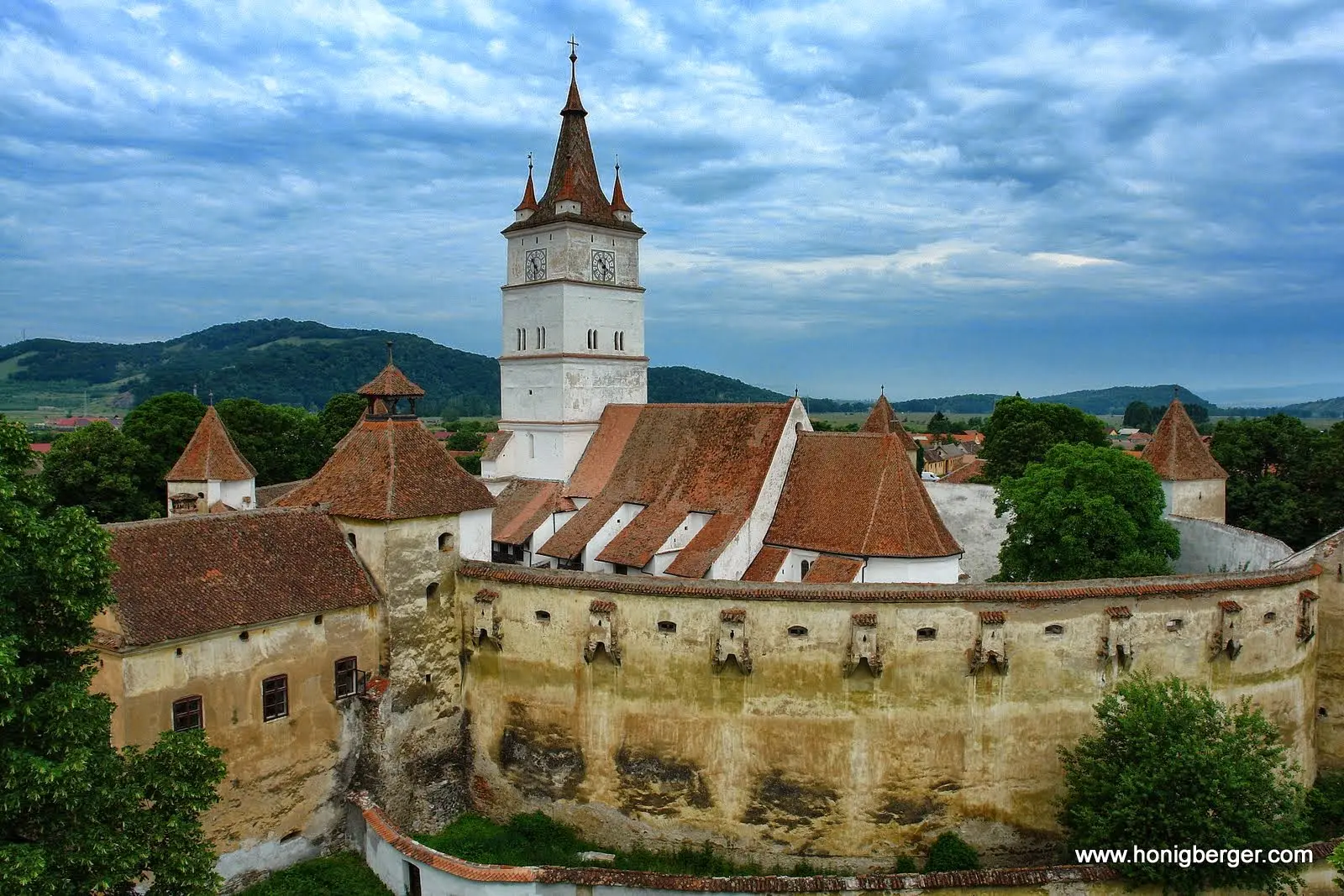
Biserica Fortificată Hărman
The Fortified Church of Harman, located near Brasov, is one of the best-preserved ensembles of its kind in the Barsa Land, a testimony to the defensive architecture of the Transylvanian Saxons in the Middle Ages. The Gothic church, built by the Saxon community, is surrounded by massive defensive walls fitted with towers and a wall walk, which turned the place of worship into a genuine peasant fortress where the inhabitants could take refuge during invasions. In the towers and chambers at the base of the walls, spaces still remain that recalled their role as storehouse and shelter, including the famous bacon hung in the communal larder. Inside a defensive tower, fragments of valuable medieval frescoes can still be seen. The ensemble belongs to the category of internationally recognised fortified churches of Transylvania. Practical note: the visit can easily be combined with the fortified church of nearby Prejmer, on the UNESCO list, in a tour of the Barsa Land.
 Viewpoint
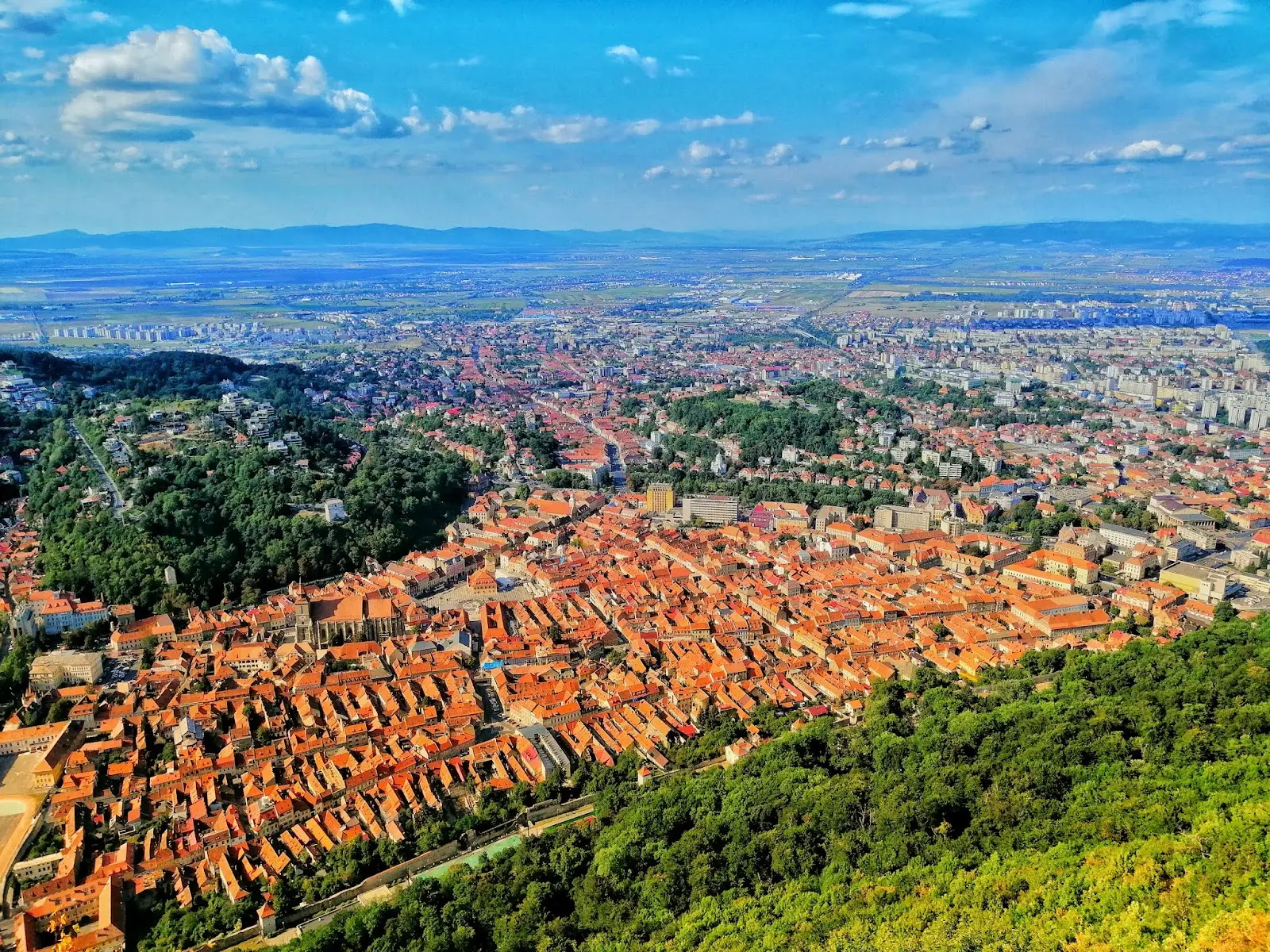
Muntele Tâmpa
Mount Tâmpa rises right above the historic centre of Brașov and is the natural symbol of the city, with its dense forest and the huge sign bearing the name Brașov set on its slope, visible from afar. From the plateau at the top, more than nine hundred metres high, opens a spectacular panorama over the old town, with the central square, the Black Church, and the red roofs crowded at the foot of the mountain. Access can be made by cable car, which climbs quickly from the edge of the city, or on marked trails for those who prefer hiking through the forest. Where trees grow today there once stood a medieval fortress, and the hill played a role in defending the city. The area is a nature reserve protecting the local flora and fauna. Visitors can combine the climb with a walk and a stop at the viewpoint. Suitable footwear is recommended for those who choose the trails on foot.
 Nature
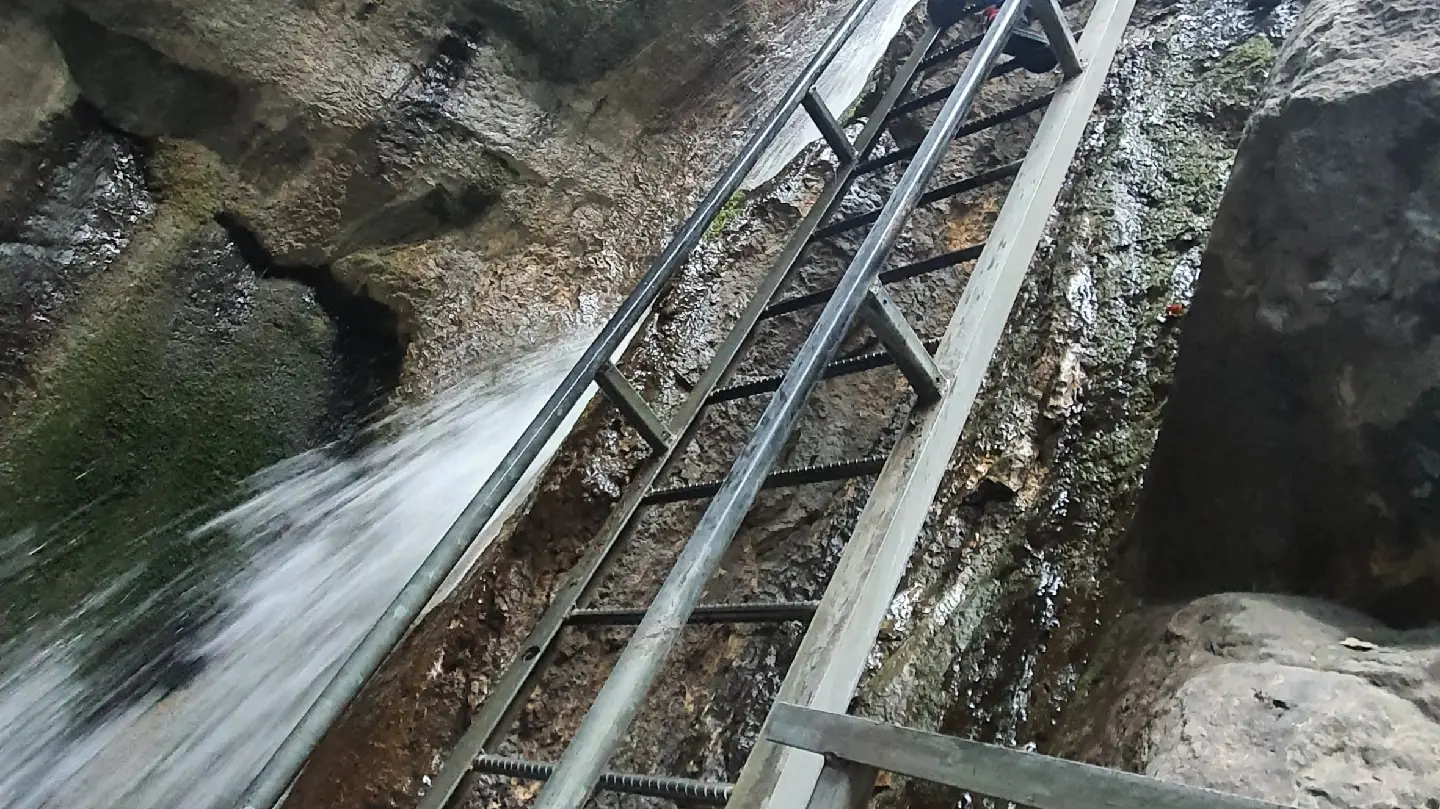
Canionul Șapte Scări
The Seven Ladders Canyon is one of the most striking gorges in the Piatra Mare Mountains, close to Brașov in the range that closes the Timiș basin. Its name comes from the seven limestone thresholds or steps over which water has carved, across thousands of years, a chain of small waterfalls and rock pools inside a narrow, deep corridor with vertical walls. The developed route climbs through the canyon on metal ladders, walkways and platforms bolted into the rock, letting visitors move through the very middle of the flow, beside cascades that grow impressive in rainy periods. The scenery blends beech and spruce forest with wet, moss-covered rock, and the coolness lingers even in summer. At the upper exit, a zip line and several paths connect to the Seven Ladders chalet and the ridge trails. Since the route involves water and steps, sturdy hiking shoes, care on slippery stones and checking conditions beforehand are advised, especially in spring and after rain.
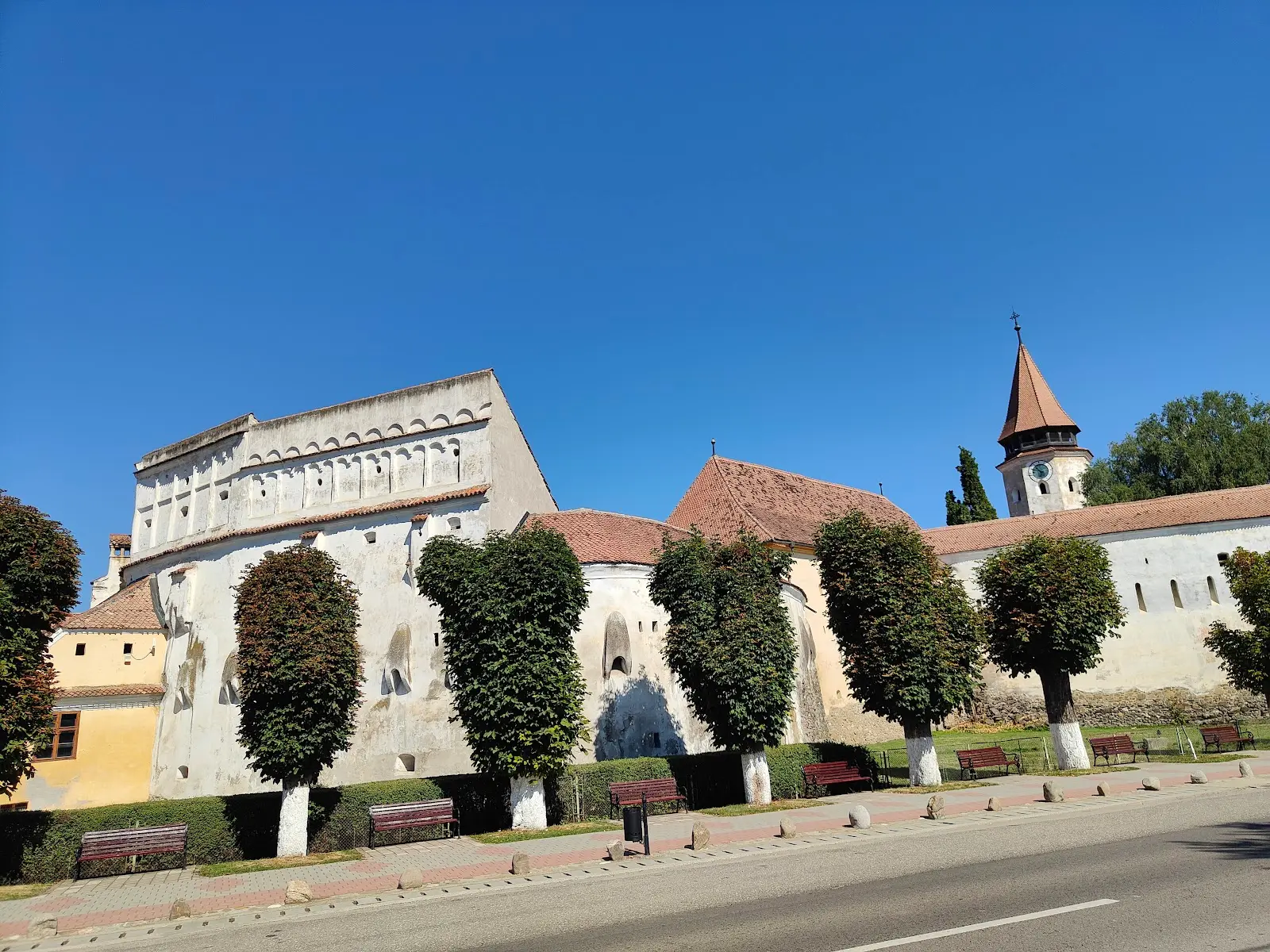 Church
Biserica Fortificată Prejmer
The Fortified Church of Prejmer is one of the strongest and best-preserved Saxon peasant citadels in Transylvania, inscribed on the list of protected world heritage, set in the village of Prejmer near Brașov. The ensemble, first raised by the Teutonic Knights and later developed by the Saxon community from the thirteenth century, is dominated by a cross-plan church in early Gothic style, surrounded by imposing defensive walls, thick and tall, fitted with a sentry walkway. What impresses most is the inner ring of more than a hundred rooms arranged on several levels, small chambers in which each family of the village had its own space for refuge and storage in times of siege, a true fortified settlement in miniature. The citadel withstood many attacks over the centuries. The church preserves a valuable Gothic polyptych altar. The ensemble is a remarkable testimony to the way of life and defence of the Saxons. Visitors can explore the inner courtyard, the sentry walk and the rooms of refuge.
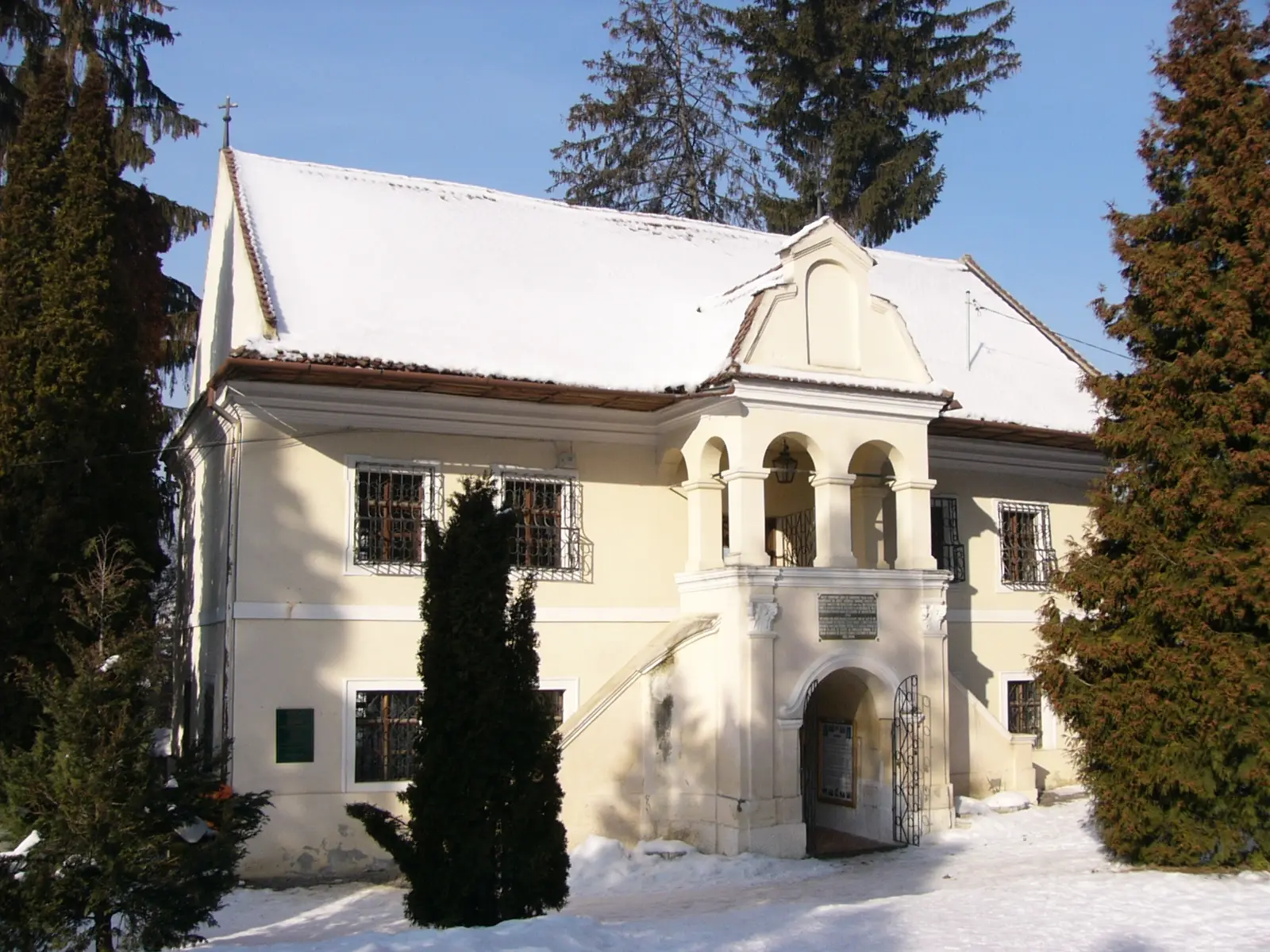 Museum
Prima Școală Românească
The First Romanian School stands in the Schei district of Brasov, beside Saint Nicholas Church, and is an important museum dedicated to the history of education and written culture in the Romanian language. The complex preserves old rooms where, according to tradition, teaching was first carried out in Romanian, at a time when instruction was done in other languages. Here worked the deacon Coresi, who printed the first books in the Romanian language in the sixteenth century, an essential moment for national culture. The museum holds old manuscripts, rare books, printing presses and objects linked to the beginnings of the Romanian school and printing. The passionate guiding of the custodians brings this remarkable history to life. Set in the picturesque Schei district at the foot of the hills, the First Romanian School is a valuable stop for those interested in the roots of Romanian cultural identity.
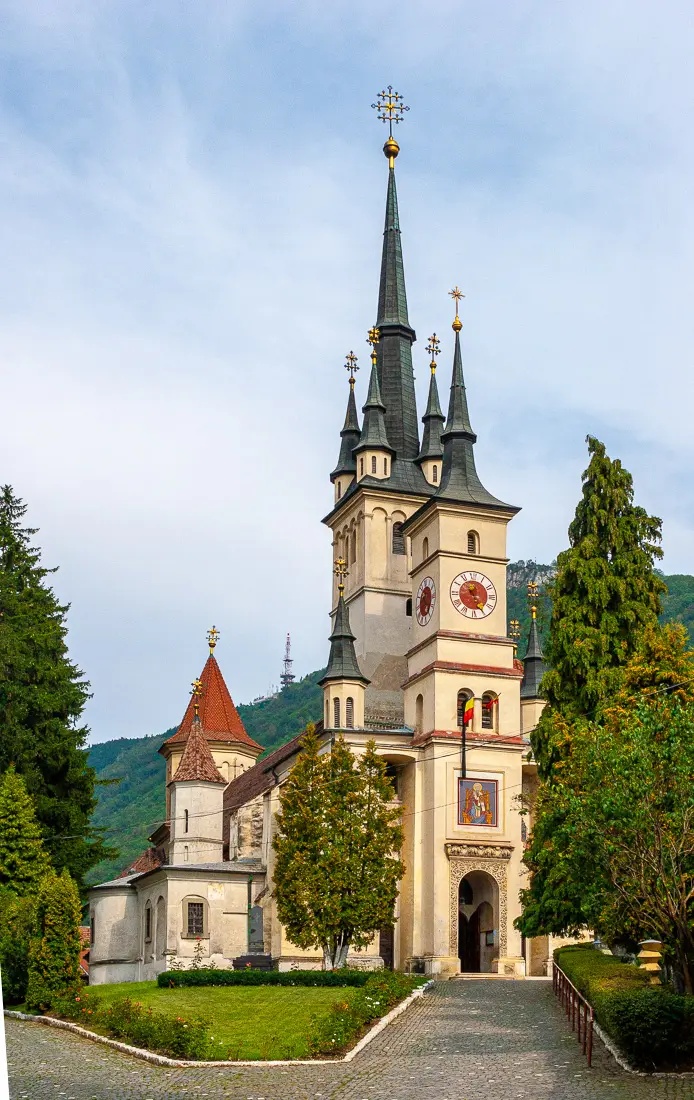 Church
Biserica Sfântul Nicolae din Șcheii Brașovului
St. Nicholas Church in Șchei of Brașov is one of the most important Orthodox places of worship in Transylvania and a symbol of the spiritual and cultural life of the Romanians in the old Șchei district. Construction began in the fifteenth century, on the site of an older wooden church, and was supported by rulers of Wallachia and Moldavia, who aided the Romanian community of Brașov living under foreign rule. Over time the church was embellished and enlarged, receiving a tall tower and valuable paintings. Beside it operated the first Romanian school, where books were printed and teaching was done in the Romanian language, and today it houses a museum of old prints and manuscripts. The place is closely tied to the scholar Anton Pann and to the tradition of the Brașov youths. Visitors can combine the church with the school museum. It is best to respect the sacred character of the place.
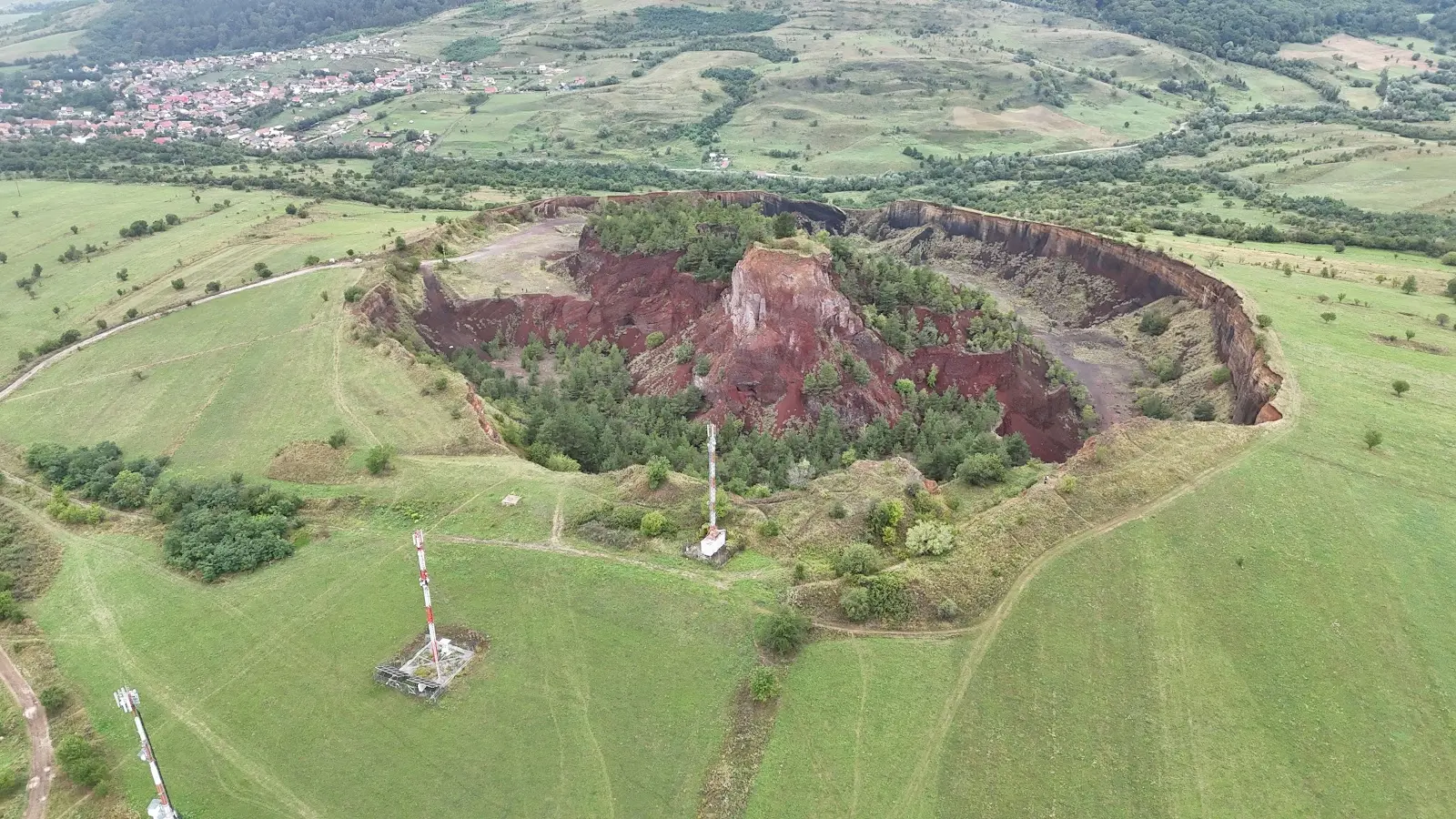 Viewpoint
Vulcanul Stins Racoș
The Extinct Volcano at Racos, in Brasov county, is a remarkable geological formation, the trace of volcanic activity that shaped the landscape of this part of south-eastern Transylvania. The eroded crater and the slopes of volcanic scoria reveal layers coloured in shades of red, ochre and black, a geological spectacle that draws lovers of nature and photography. The place belongs to an area rich in natural curiosities, alongside the nearby basalt columns and a lake formed in a former quarry. The distinctive landscape, with shapes carved by erosion, offers an unusual setting for short walks and exploration. The Extinct Volcano is a visible testimony to the volcanic past of the Eastern Carpathians. Access is by country roads, and visitors are advised to wear proper footwear and to respect the fragility of the geological formations.
 Landmark
Poarta Ecaterinei
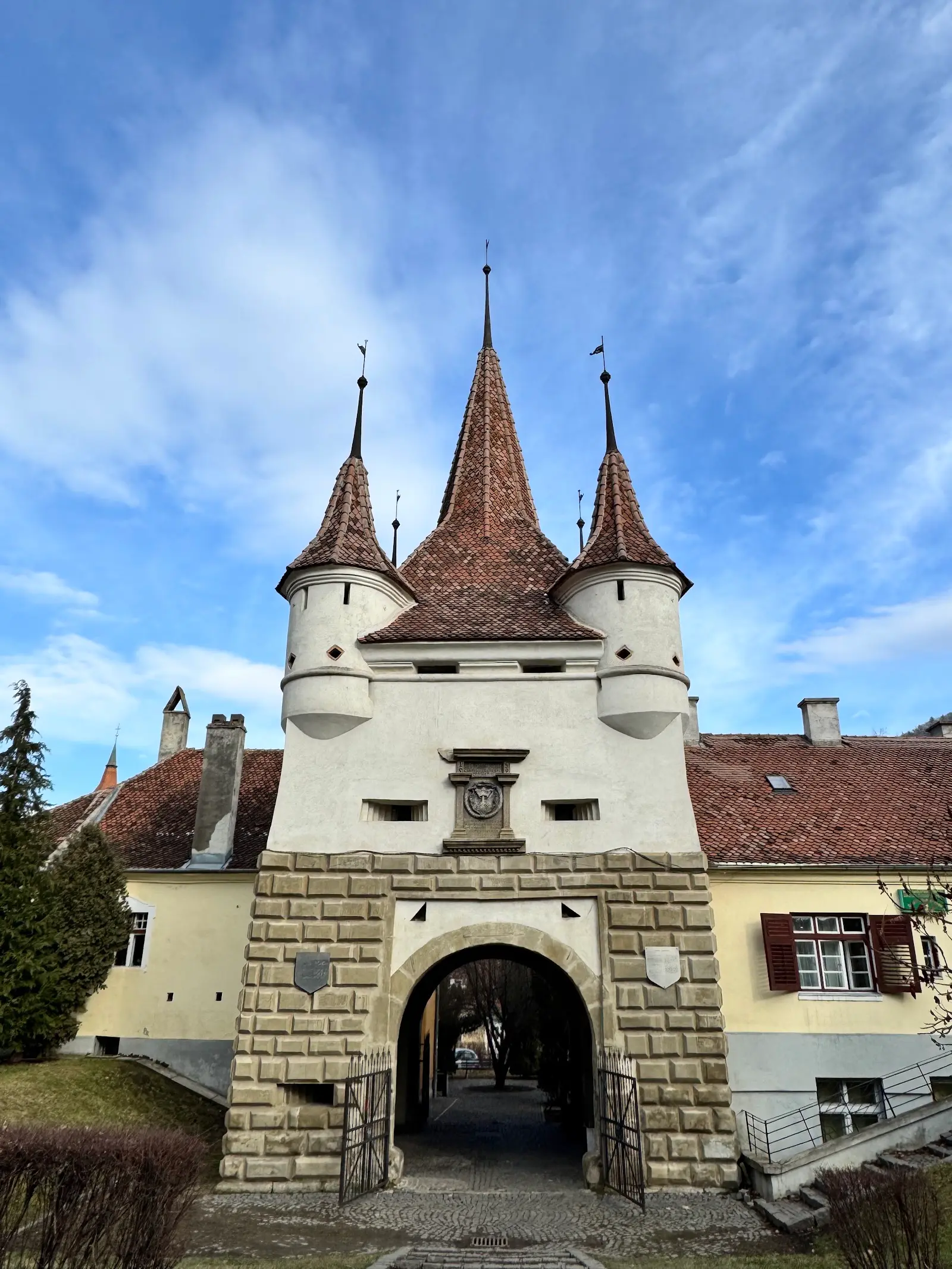
Catherine Gate is one of the most beautiful and best-preserved medieval gates of Brasov, the only original gate remaining from the town old fortification system. Raised in the 16th century by the clothmakers guild, the gate impresses with its slender tower and four corner turrets which, according to medieval tradition, signalled the town right to apply capital punishment. Above the entrance stands the coat of arms of Brasov, and Renaissance-style decoration adds elegance to the structure. The gate was part of the ring of walls that defended the citadel and controlled access from the Schei district towards the upper town. Today Catherine Gate stands near the Schei Gate and other monuments of the historic centre, a photogenic landmark appreciated by visitors. Its central location makes it easy to include in a walking tour of Brasov, alongside the Black Church, the Council Square and the picturesque surrounding streets. The gate remains a symbol of the town medieval past.
Frequently asked questions
What is Brașov known for?+
Brașov is best known for sights such as Vârful Ciucaș, Biserica Fortificată Hărman, Muntele Tâmpa.
How many days do you need in Brașov?+
One to two days is enough to see the highlights of Brașov; stay longer to use it as a base for day trips.
Where should I stay in Brașov?+
See our selected stays above, or check live rates and availability on the accommodation map.