
Region
Bukovina
The painted monasteries, UNESCO heritage
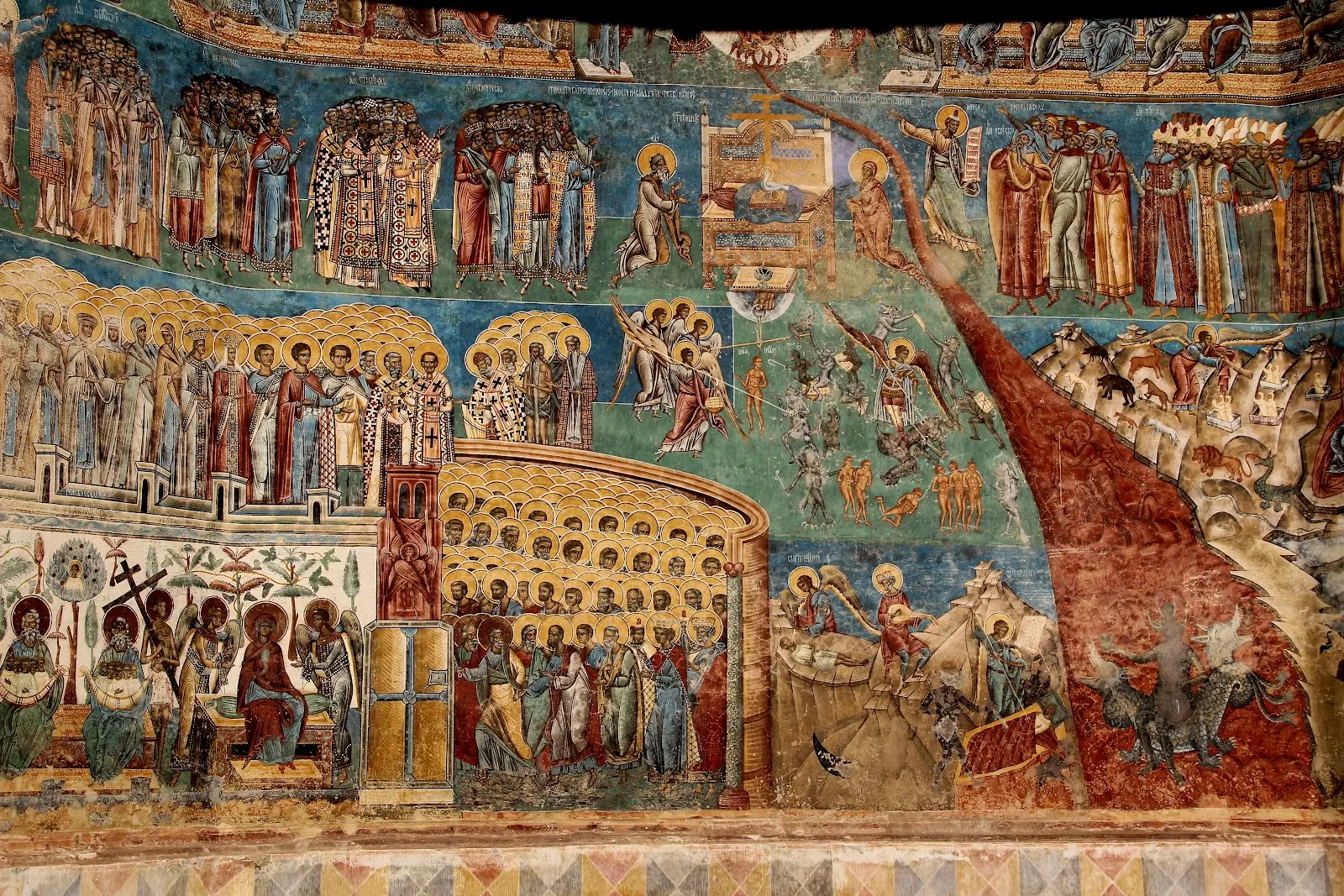
Bucovina, the "land of beech trees," is the north-eastern corner of Romania where spirituality took the form of colour. Here stand the painted monasteries — masterpieces of medieval Moldavian art from the fifteenth and sixteenth centuries, their exterior frescoes glowing in a deep, unmistakable shade, the famed "Voroneț blue," that has survived five centuries of weather. Voroneț, Sucevița, Moldovița, Humor and Arbore are inscribed on the UNESCO World Heritage list and stand like open Bibles beneath the open sky.
Landscapes and craft
Beyond the monasteries, Bucovina unfolds in wooded hills, smooth pastures and villages of tidy, well-kept houses, guarded by the mountains. The Rarău massif, crowned by the Pietrele Doamnei crags, offers sweeping views over the ridges, while forests of beech and spruce shift dramatically with the seasons. Suceava, once the capital of Moldavia, still keeps its Princely Citadel, a medieval fortress watching over the town.
Tradition and reason to go
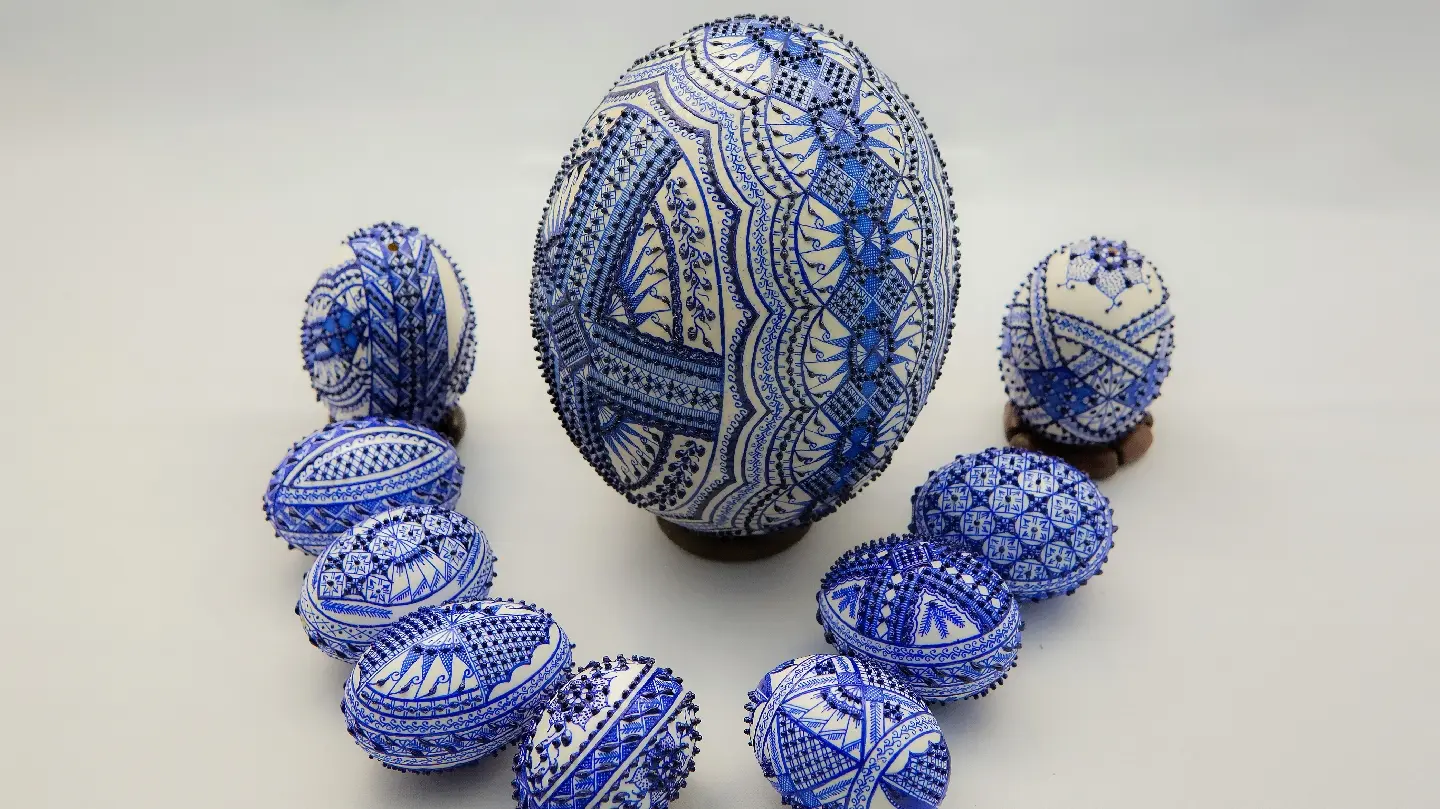
Craft remains vividly alive here: black-pottery workshops at Marginea, hand-painted eggs, weaving and woodcarving handed down through generations. The cuisine is warm and honest — hearty tochitură stew, sour soups, wild mushrooms, smoked meats and homemade plum brandy. A traveller comes to Bucovina for the deep stillness of the place, to meet the gaze of saints painted on walls half a millennium ago, and for the genuine hospitality of a rural world that still breathes to the rhythm of the seasons.
Destinations in Bukovina
All destinations →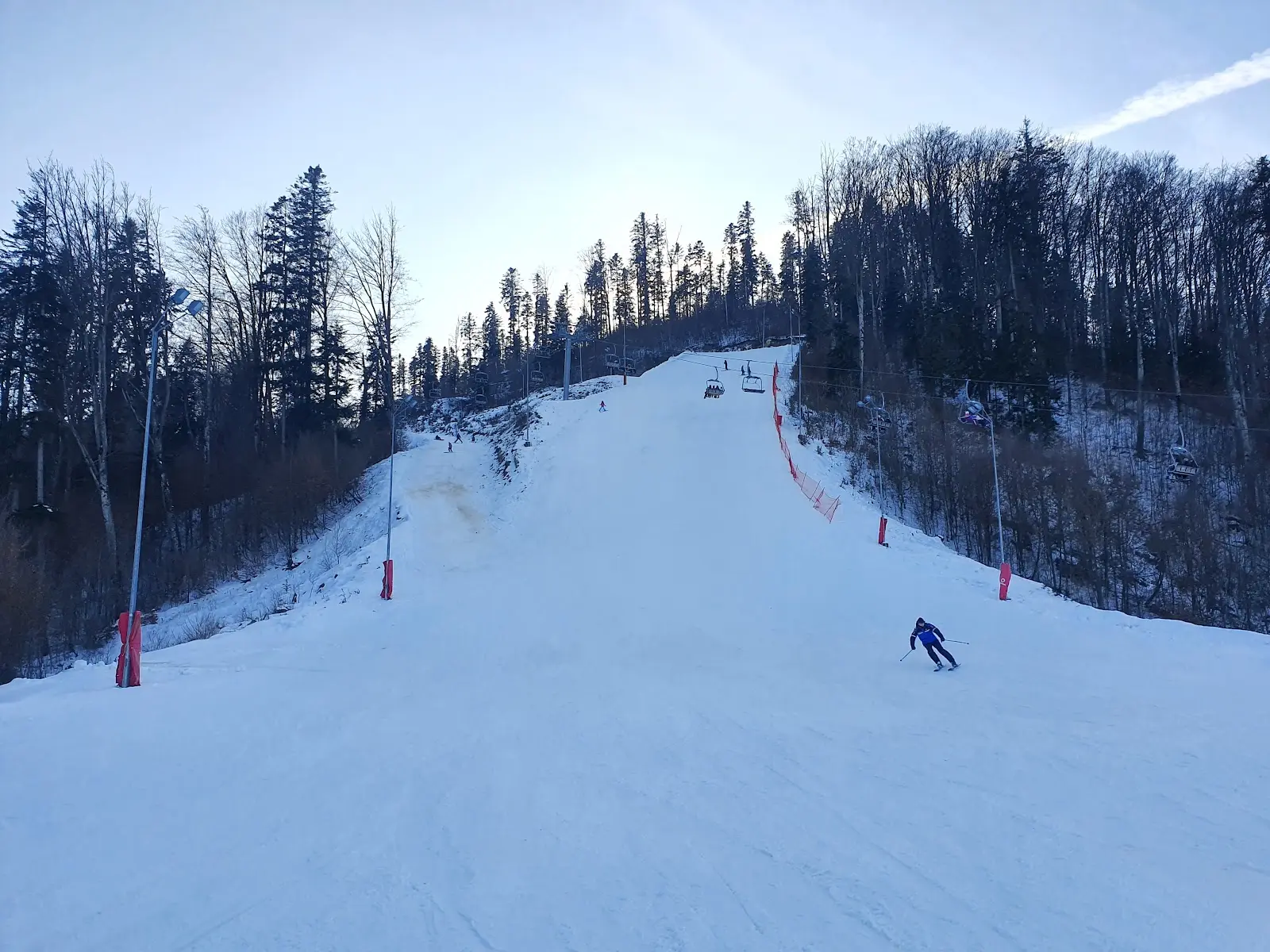
Not to miss in Bukovina
 Mountain
Pietrele Doamnei
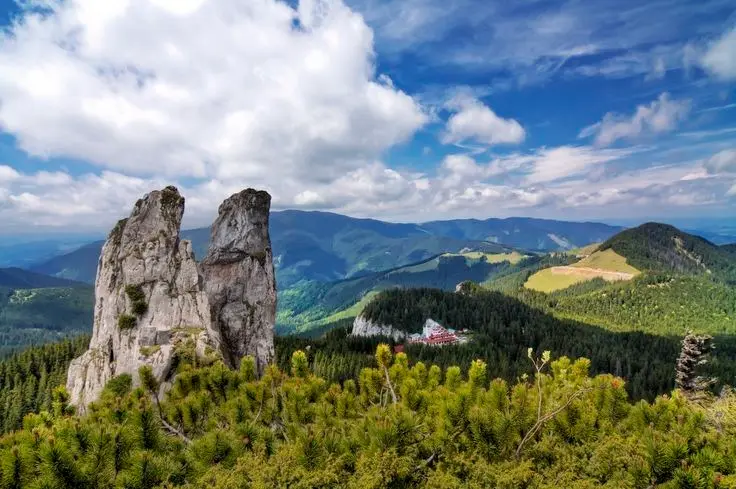
Pietrele Doamnei, the Lady's Rocks, form the most striking rock ensemble in the Rarău Massif, rising from a limestone ridge at more than 1,600 metres near the town of Câmpulung Moldovenesc, in the heart of Bucovina. The Jurassic limestone formations, shaped over millions of years by wind, rain and frost, stand as towering pinnacles and jagged crests that seem to guard the surrounding coniferous forests. The name is tied to an old legend about the wife of the prince Petru Rareș, who is said to have taken refuge here in times of danger. From the plateau and the base of the crags, wide views open toward the Obcinele Bucovinei ridges and the Moldova valley below. The area is a protected nature reserve, popular with hikers and climbers, and marked trails start from the nearby Rarău resort. Practical note: bring sturdy mountain footwear and layered clothing, as the weather at altitude changes quickly and the descent can be slippery when wet.
 Viewpoint
Vârful Rarău
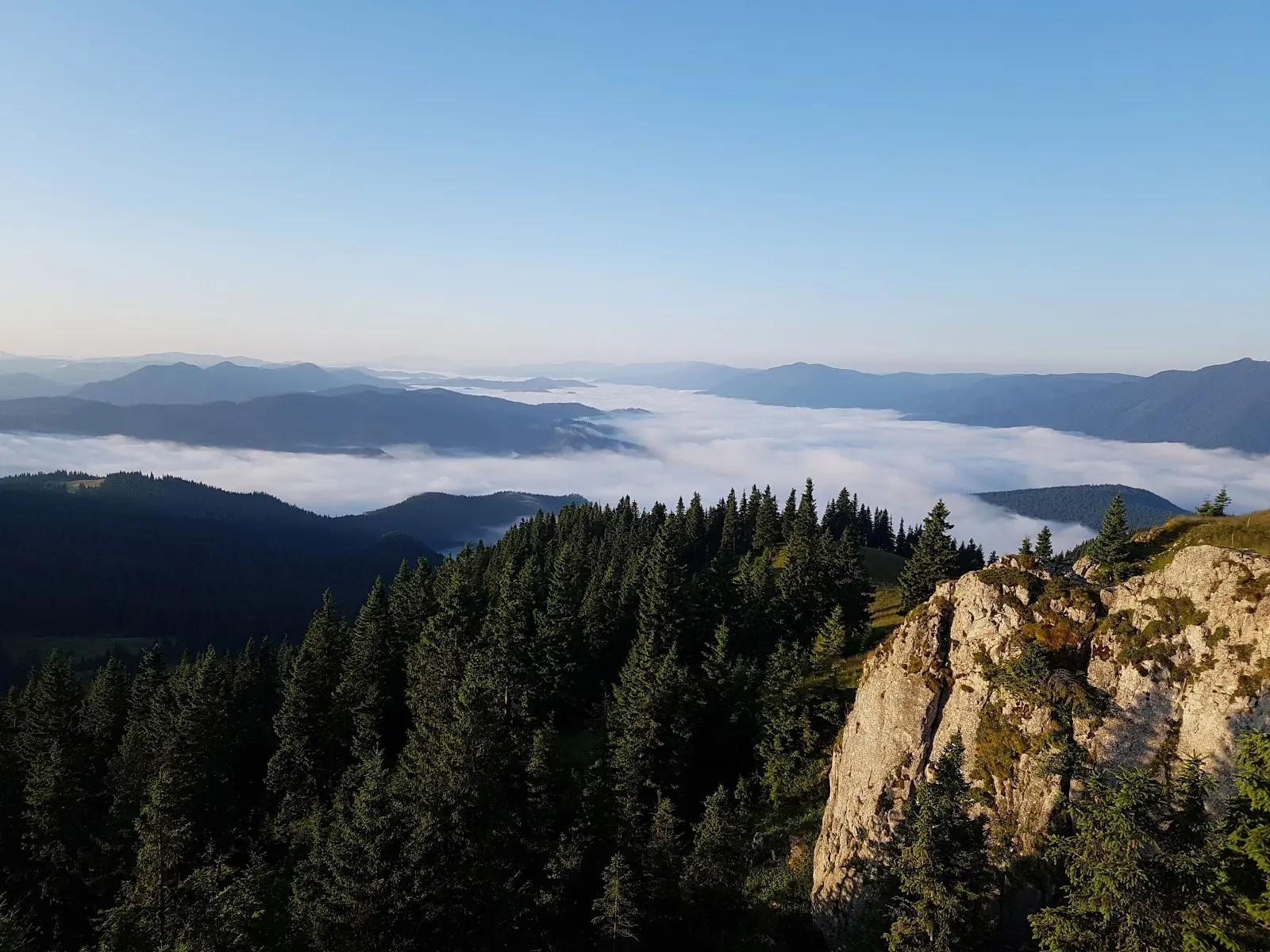
Rarau Peak is one of the best-known viewpoints in Bucovina, set in the Rarau-Giumalau massif high above the town of Campulung Moldovenesc. The area is famous for its broad views over the mountains of northern Moldavia, but above all for the nearby Pietrele Doamnei, a spectacular limestone formation of sharp towers and ridges much appreciated by hikers and climbers. From the peak and the neighbouring ridges, wide panoramas open towards the wooded summits and, on clear days, to impressive distances. The area is home to a rich flora, including protected species, and forms part of a nature reserve. Access is by marked trails starting from the valley or from the nearby chalet, and the hike passes through coniferous forests and alpine meadows. Mountain gear, water and attention to the changeable high-altitude weather are recommended. Rarau is an excellent destination for lovers of nature and mountain landscapes.
 Nature
Munții Rarău - Pietrele Doamnei
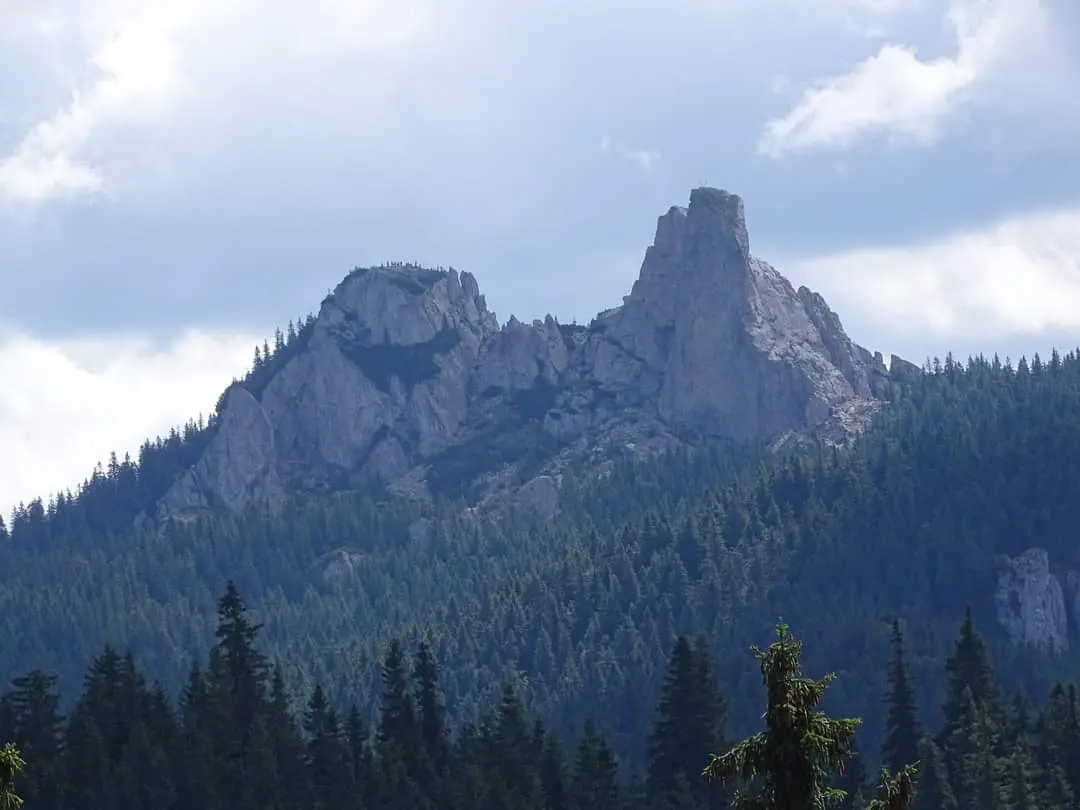
The Rarau Mountains, with their famous Lady's Stones, form one of the most beautiful landscapes of Bukovina, a massif in the Eastern Carpathians group renowned for its spectacular limestone rocks rising above the coniferous forests. The Lady's Stones are a group of limestone columns and ridges with dramatic shapes, a geological reserve offering superb views and routes valued by hikers and climbers. Legend links the name of these rocks to a lady who is said to have taken refuge here in times of hardship, adding a layer of story to the already impressive landscape. From the ridges open wide panoramas over the mountains of Bukovina, and nearby stands the Rarau Chalet, a convenient starting point. The area is rich in mountain flora and offers an ideal setting for nature. Practical note: access is by car to near the ridge and then along paths; for rock climbing, experience and proper gear are needed.
 Monastery
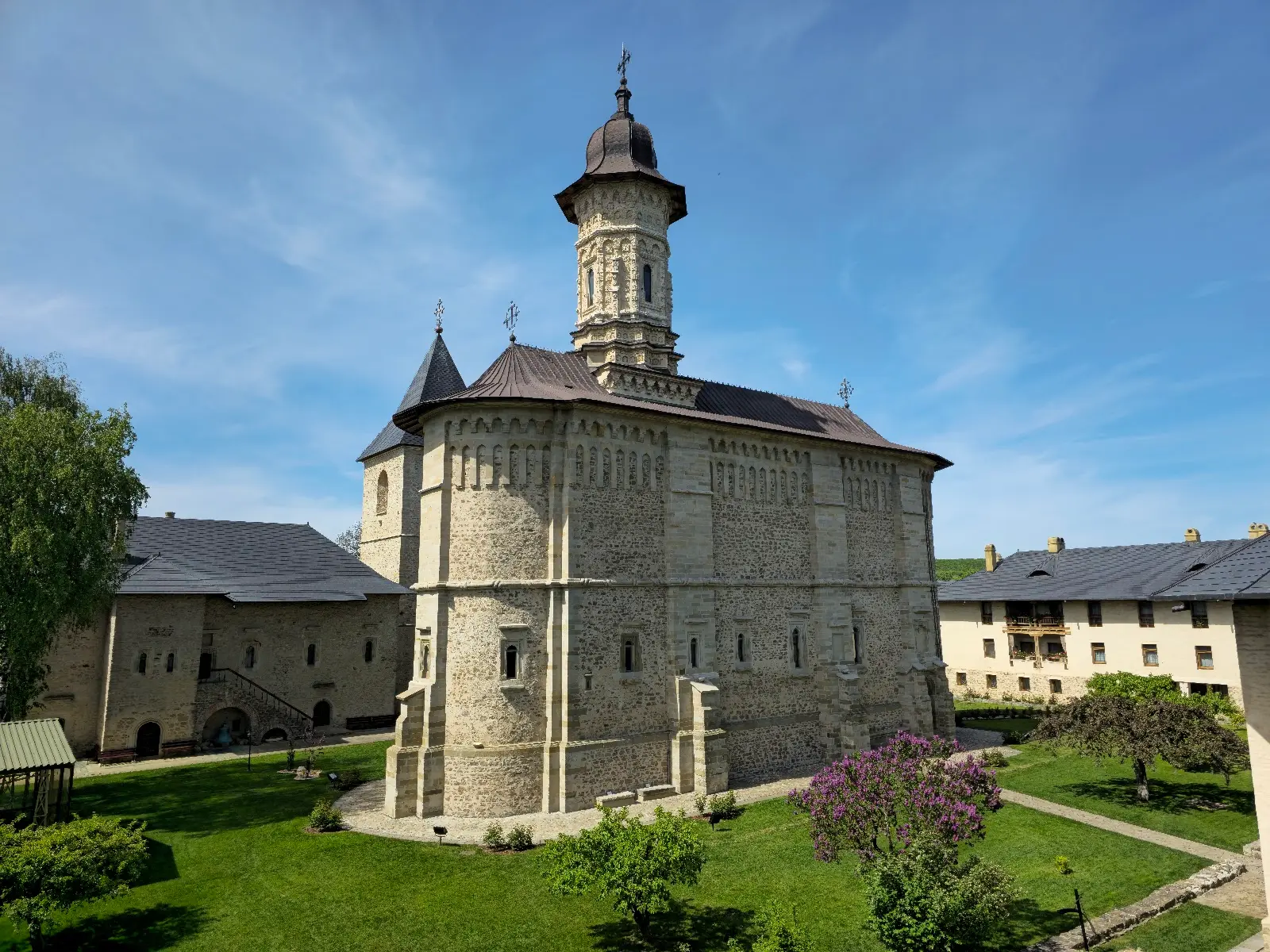
Mănăstirea Dragomirna
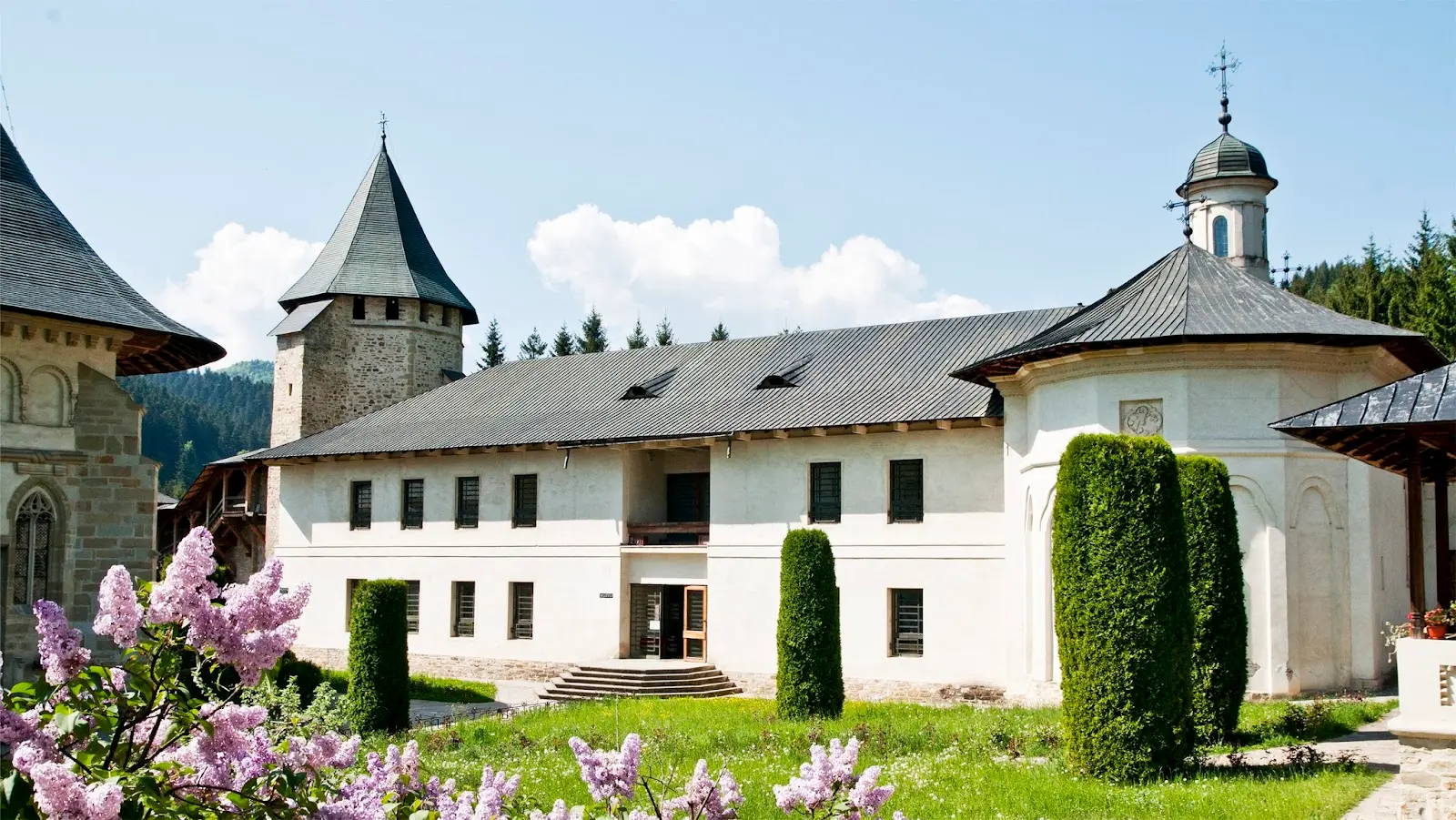
Dragomirna Monastery is one of the most valuable monuments in Bukovina, founded in the early seventeenth century by the scholarly metropolitan Anastasie Crimca. Its church stands out through unusually slender proportions: it is remarkably tall and narrow, crowned by a richly carved stone tower whose rare refinement recalls lace worked in hard material. The complex is surrounded by massive defensive walls with corner towers, added later, giving it the appearance of a fortified monastery typical of the troubled times in which it was built. Inside are preserved frescoes, liturgical objects and a tradition of illuminated manuscripts linked to the personality of its founder. The natural setting, a quiet forest near Suceava, reinforces the atmosphere of contemplation. Practical note: the monastery is active, so decent attire and respect for silence are recommended; it can be visited together with the other painted monasteries of Bukovina.
 Monastery
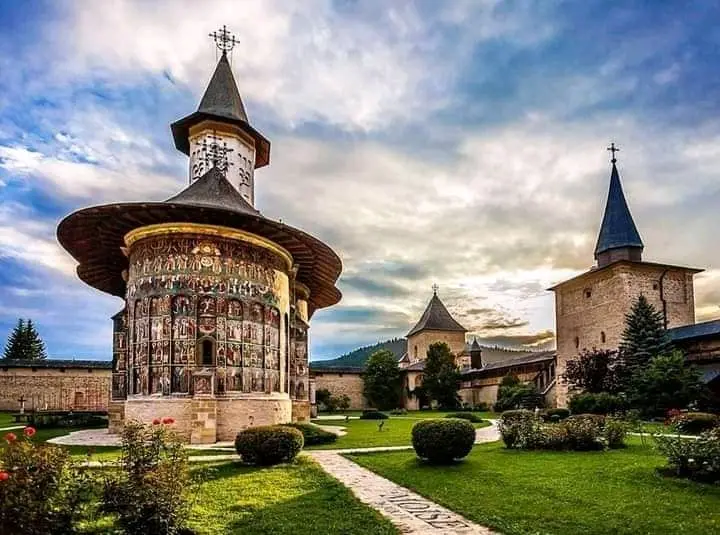
Mănăstirea Sucevița
Sucevița Monastery is the most imposing of Bukovina's painted monasteries and the last built in this style, at the end of the 16th century, by the Movilă family. Unlike its sisters, it is surrounded by massive fortress walls with corner towers, giving it the look of a citadel rather than a place of prayer. The exterior frescoes, dominated by an intense green rarely seen elsewhere, cover almost the entire walls and include the famous ‘Ladder of Virtues', a vast and dramatic composition. The northern wall is said to have been left unpainted because the artist fell from the scaffolding — a legend that adds to the site's charm. A UNESCO World Heritage site, Sucevița is an essential stop on the monastery trail, set in a landscape of hills and quiet villages. Respect the dress code and the calm of the place, and check visiting hours, especially during services.
 Monastery
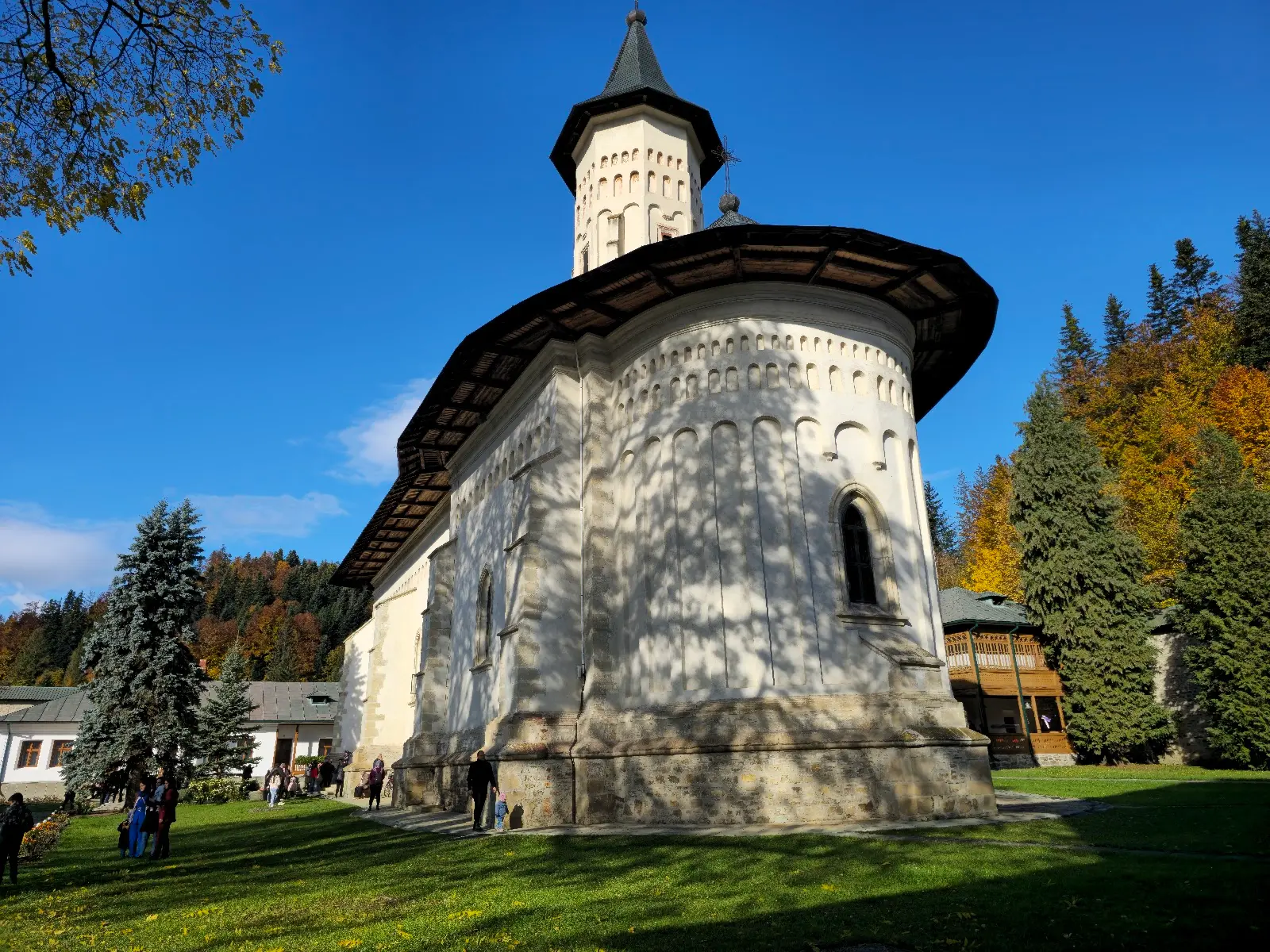
Mănăstirea Slatina
Slatina Monastery in Suceava county is an important monastic settlement of Bukovina, founded in the sixteenth century by the ruler Alexandru Lapusneanu. The complex is dominated by the great church dedicated to the Transfiguration, an imposing building in the Moldavian style, with thick walls and characteristic towers, enclosed by a precinct and outbuildings. The monastery played a notable part in the religious and cultural life of Moldavia and belongs to the tradition of great princely foundations. Set in a quiet natural landscape among wooded hills, it offers visitors an atmosphere of contemplation far from the bustle of towns. Slatina forms part of the circuit of Bukovinian monasteries, alongside the famous painted churches of the region. As an active monastic community, visitors are asked to respect the schedule of services and the attire befitting a place of prayer.
Regional flavours
Tours & experiences in Bukovina
Experiences
Guided tours in Bukovina
Day trips, walking tours and hand-picked experiences across Bukovina — free cancellation on most.
See all experiencesWhere to stay in Bukovina
Stays nearby
Hotels & stays in Bukovina