
Bukovina
Suceava
The gateway to Bukovina's painted monasteries, a UNESCO treasure.
Suceava is the gateway to Bucovina, the land of painted monasteries, and the former capital of medieval Moldavia, from where its princes ruled the principality for nearly two centuries. Set in north-eastern Romania, the city combines a glorious princely past with its role as the ideal base for exploring the surrounding UNESCO heritage.
The city's historic landmark is the Suceava Fortress (Cetatea de Scaun), an imposing medieval stronghold built in the 14th century and tied to the reign of Stephen the Great, never taken by direct assault; restored, it offers wide views and interactive exhibits. The city also holds several old churches, such as St. George's (Mirăuți) and the monastery of St. John the New, a UNESCO site.
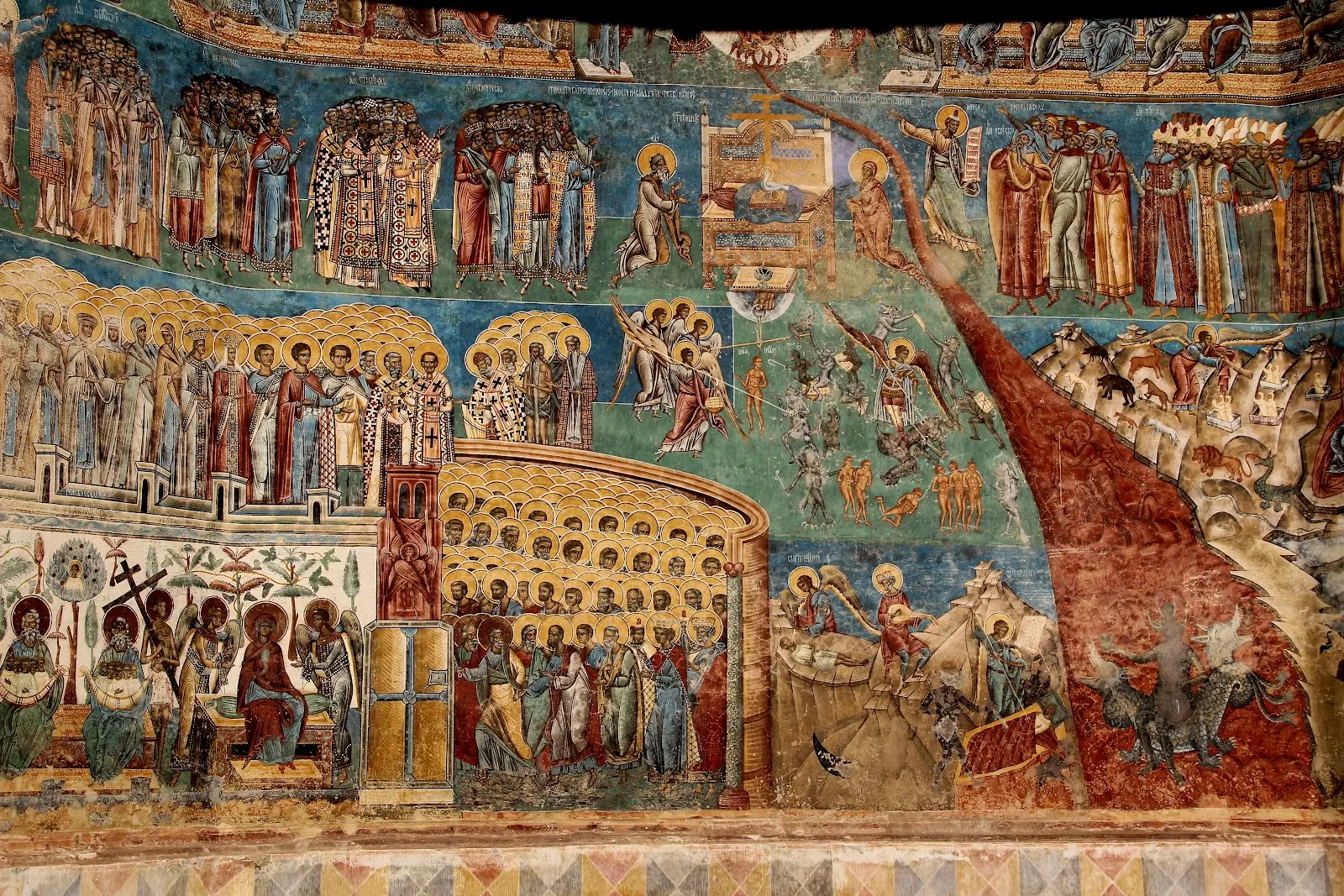
The real treasure, however, lies in the surroundings: the painted monasteries of Bucovina — Voroneț (known for its famous "Voroneț blue"), Sucevița, Moldovița, Humor and Arbore — with exterior frescoes of an age and beauty unique in the world. Suceava is the logical base from which to visit them. Bucovina cuisine is hearty and traditional, and the region is renowned for its hospitality.
The city has an airport (Salcea) with domestic and international flights, plus good rail and road connections. Late spring through autumn is the best time, with spectacular autumn colours. Suceava is worth visiting for its princely history and its access to some of the finest religious monuments in Europe.
Where to stay
All stays →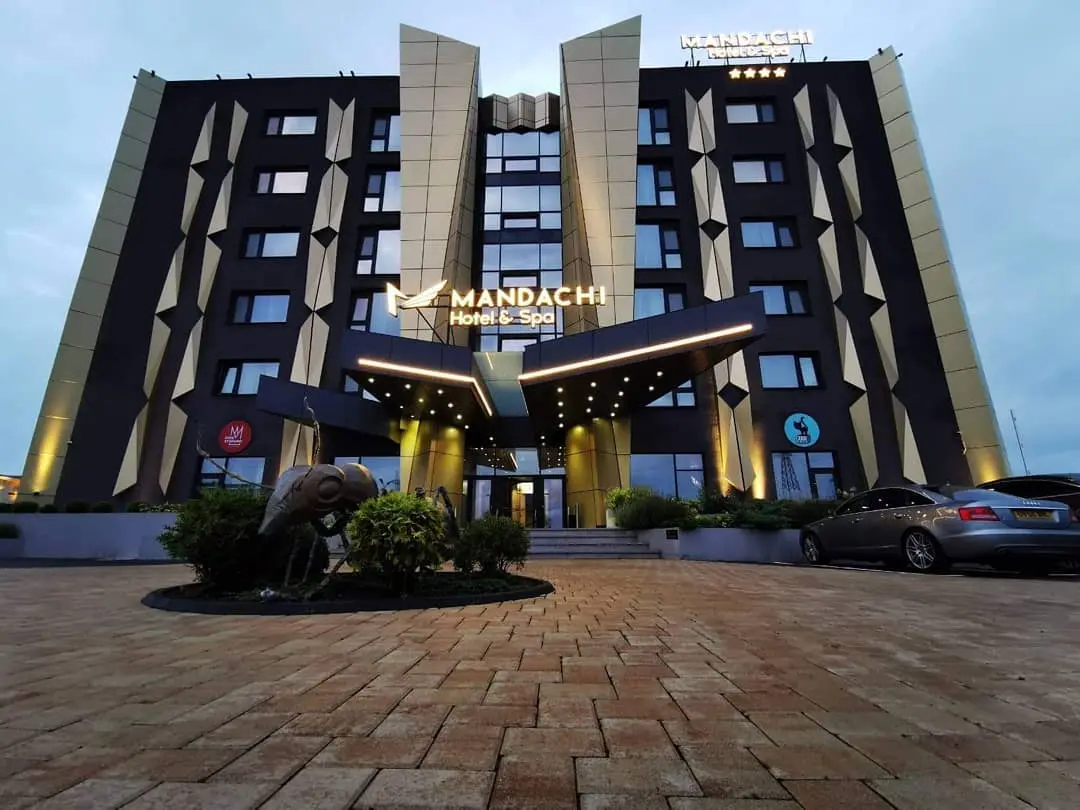 Luxury
Hotel Mandachi Suceava
Chic rooms in an elegant hotel with a restaurant and a café-bar, plus a spa with a pool.
 Boutique
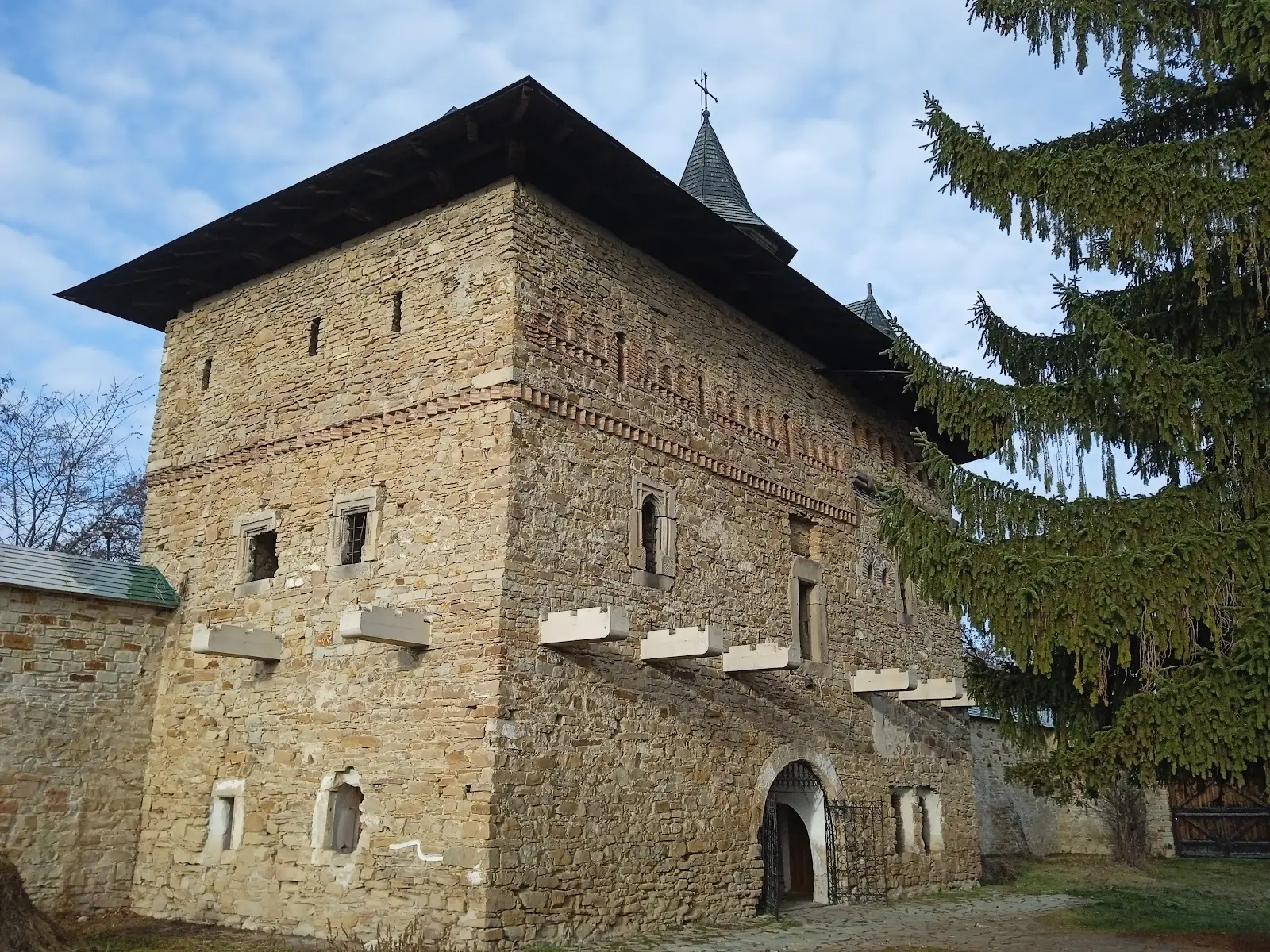
Hotel Zamca Suceava
 Boutique
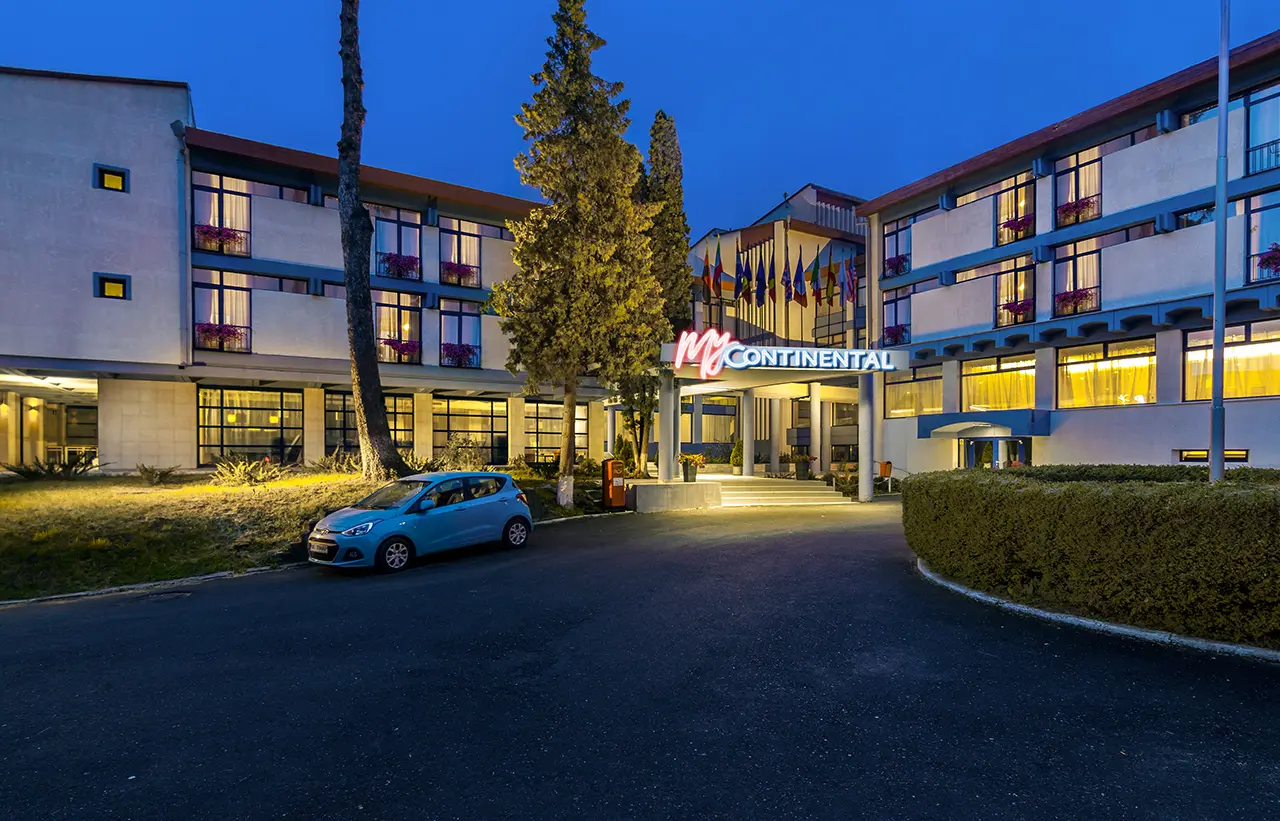
Hotel Continental Suceava
A simple hotel with a lobby bar, a terrace and a restaurant, plus free parking and Wi-Fi.
Where to eat
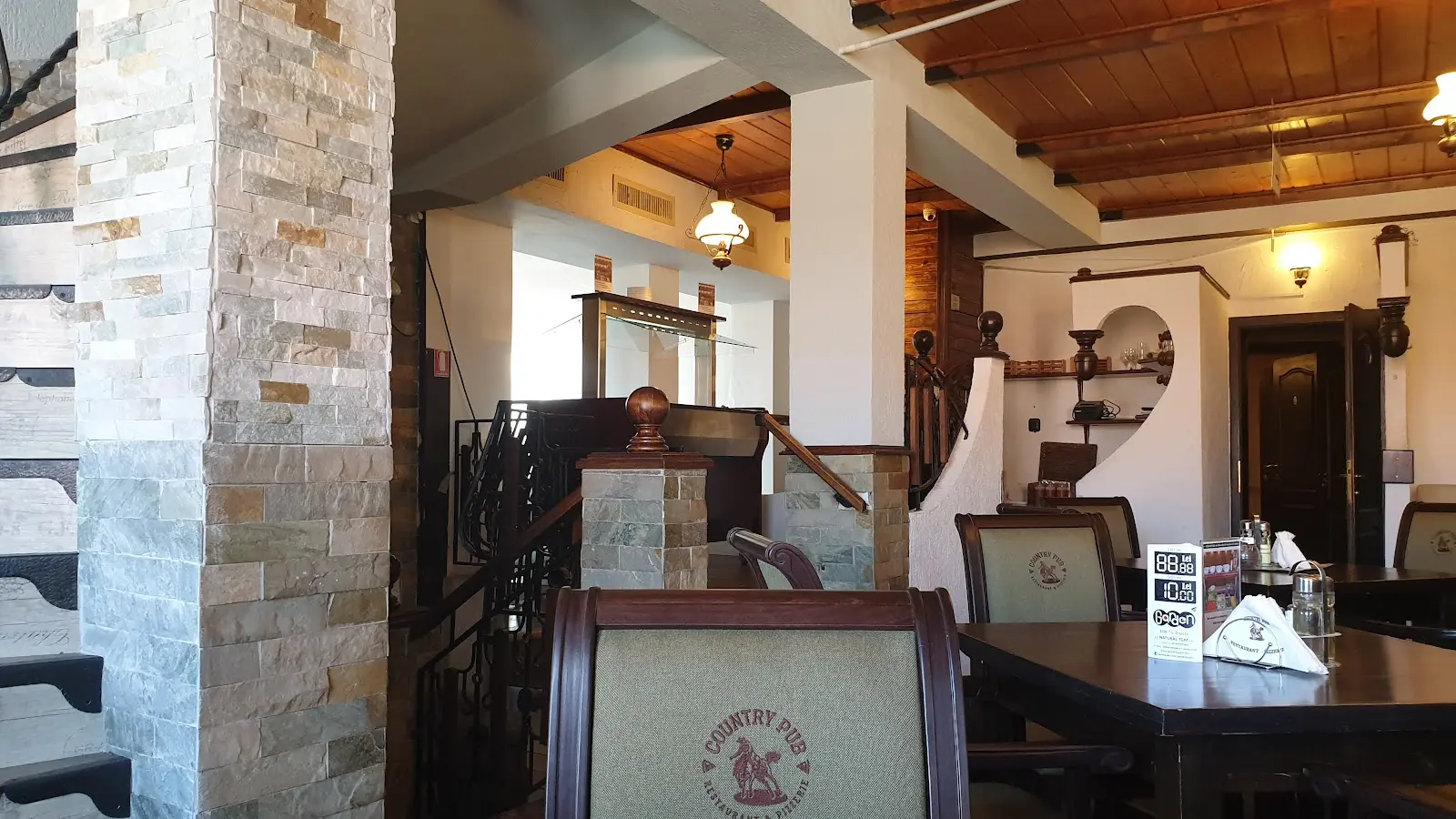
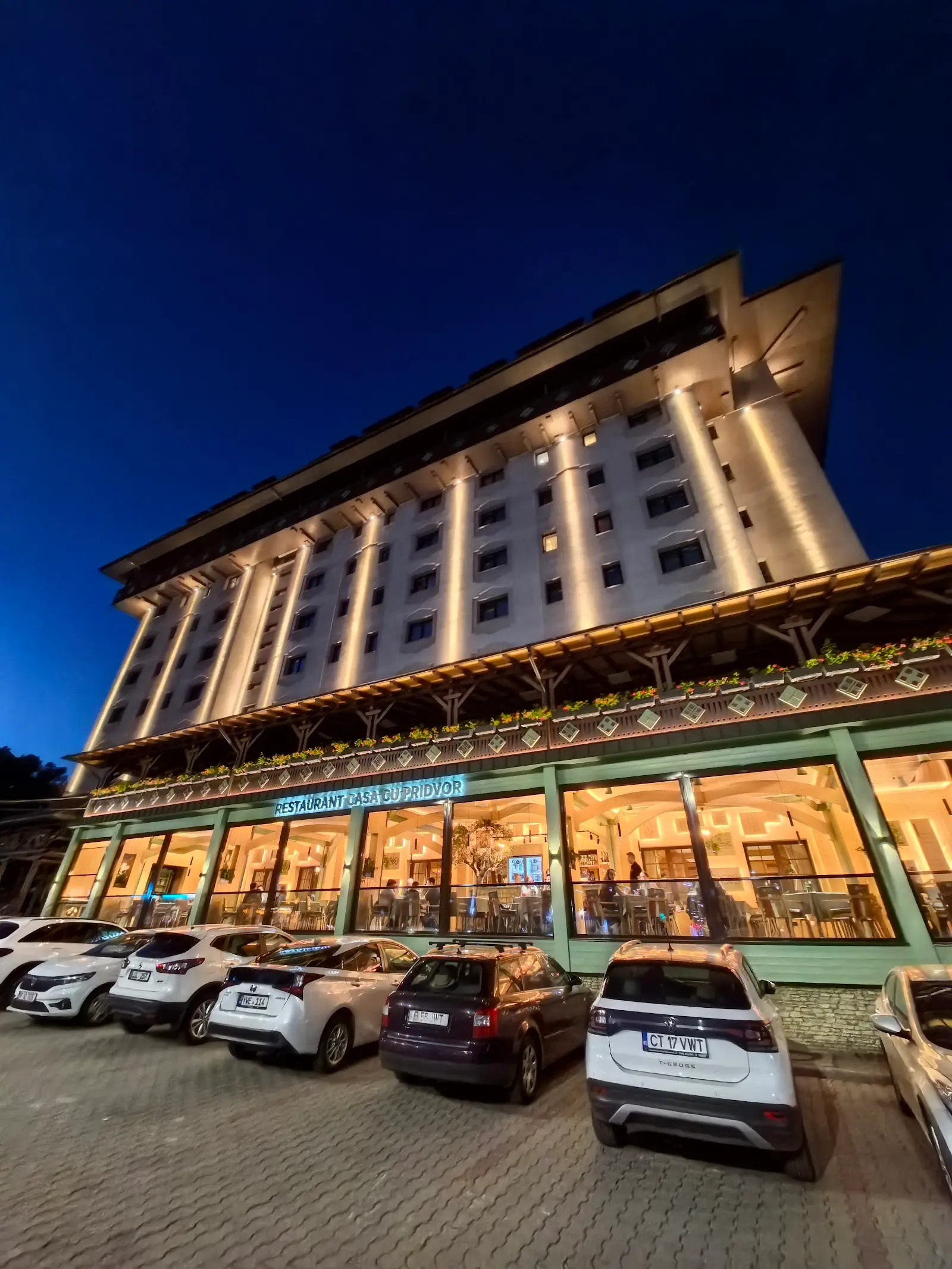
All restaurants →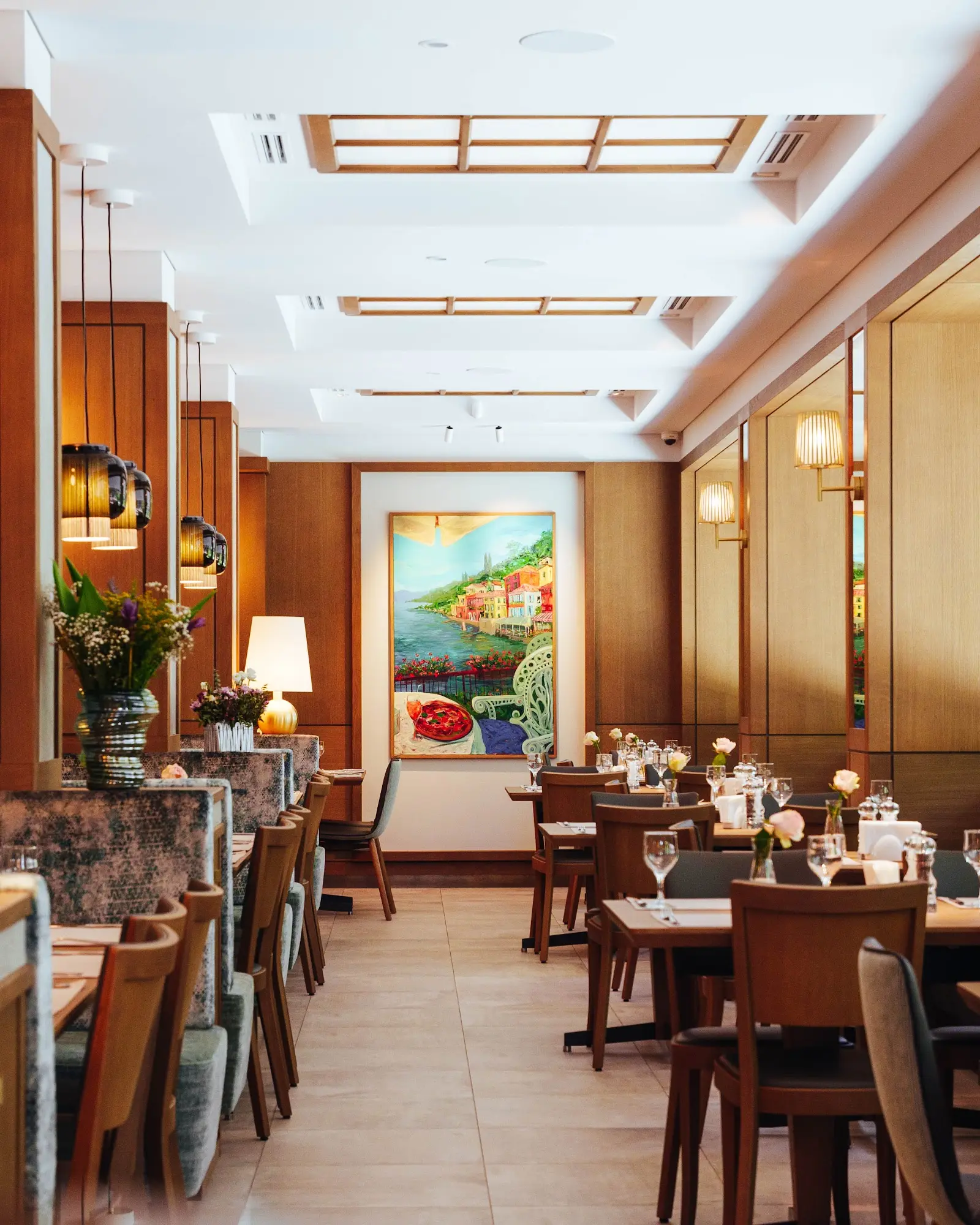
What to see
See all →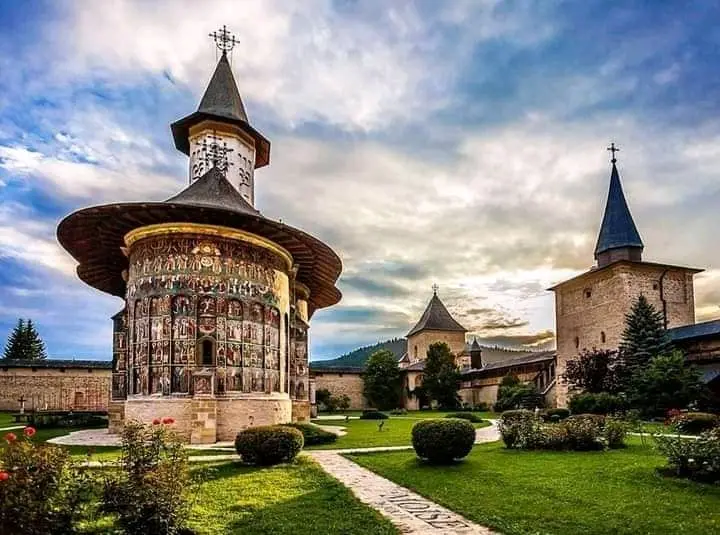 Monastery
Mănăstirea Sucevița
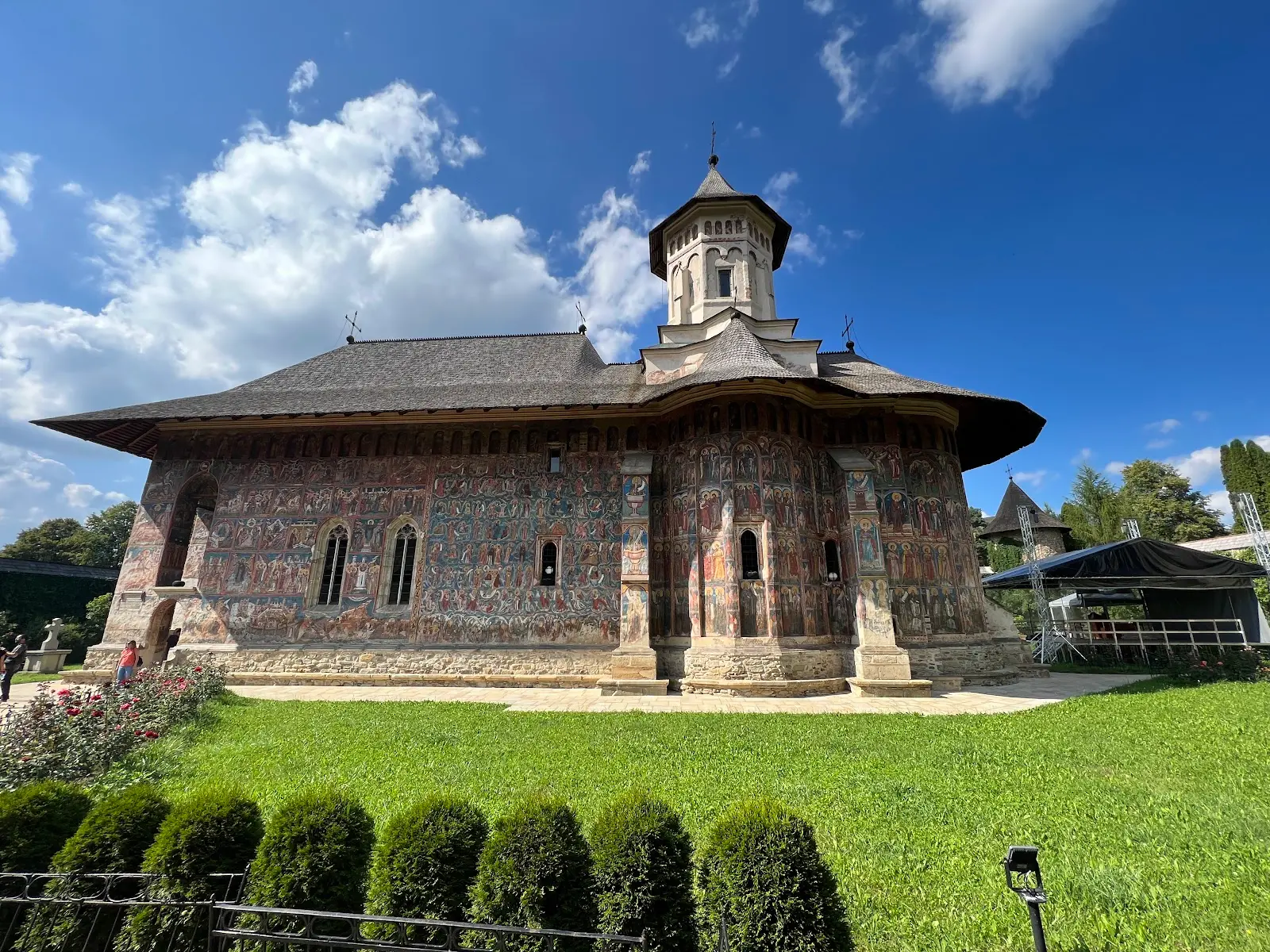
Sucevița Monastery is the most imposing of Bukovina's painted monasteries and the last built in this style, at the end of the 16th century, by the Movilă family. Unlike its sisters, it is surrounded by massive fortress walls with corner towers, giving it the look of a citadel rather than a place of prayer. The exterior frescoes, dominated by an intense green rarely seen elsewhere, cover almost the entire walls and include the famous ‘Ladder of Virtues', a vast and dramatic composition. The northern wall is said to have been left unpainted because the artist fell from the scaffolding — a legend that adds to the site's charm. A UNESCO World Heritage site, Sucevița is an essential stop on the monastery trail, set in a landscape of hills and quiet villages. Respect the dress code and the calm of the place, and check visiting hours, especially during services.
 Monastery
Mănăstirea Moldovița
Moldovița Monastery is one of the most beautiful painted monasteries of Bukovina, founded in 1532 by prince Petru Rareș, son of Stephen the Great. The stone churches, surrounded by walls and defensive towers, keep on their outer façades 16th-century frescoes of remarkable vividness, dominated by a warm golden yellow. The most famous scene is the Siege of Constantinople, a vast, dynamic composition, alongside the Tree of Jesse and the Akathist Hymn. Within the precinct a small museum preserves heritage objects, including valuable documents and embroideries. Set in a quiet valley, among hills and villages where tradition is still alive, Moldovița belongs to the group of monasteries inscribed on the UNESCO list. It is an essential stop on the painted-monastery trail, alongside Voroneț, Sucevița and Humor. Respect the dress code and the calm of the place, and check visiting hours, especially during services.
 Monastery
Mănăstirea Dragomirna
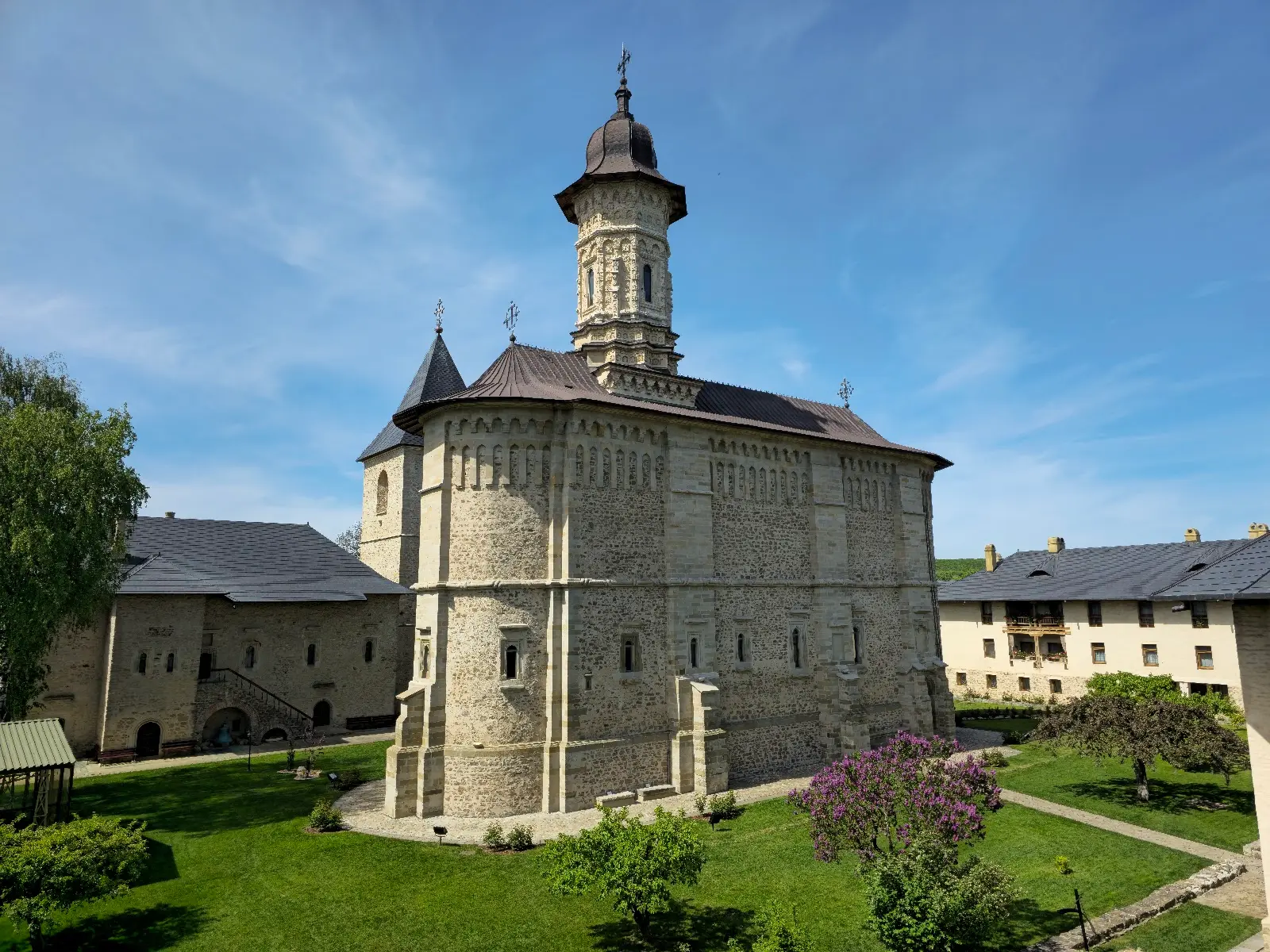
Dragomirna Monastery is one of the most valuable monuments in Bukovina, founded in the early seventeenth century by the scholarly metropolitan Anastasie Crimca. Its church stands out through unusually slender proportions: it is remarkably tall and narrow, crowned by a richly carved stone tower whose rare refinement recalls lace worked in hard material. The complex is surrounded by massive defensive walls with corner towers, added later, giving it the appearance of a fortified monastery typical of the troubled times in which it was built. Inside are preserved frescoes, liturgical objects and a tradition of illuminated manuscripts linked to the personality of its founder. The natural setting, a quiet forest near Suceava, reinforces the atmosphere of contemplation. Practical note: the monastery is active, so decent attire and respect for silence are recommended; it can be visited together with the other painted monasteries of Bukovina.
 Museum
Muzeul Bucovinei
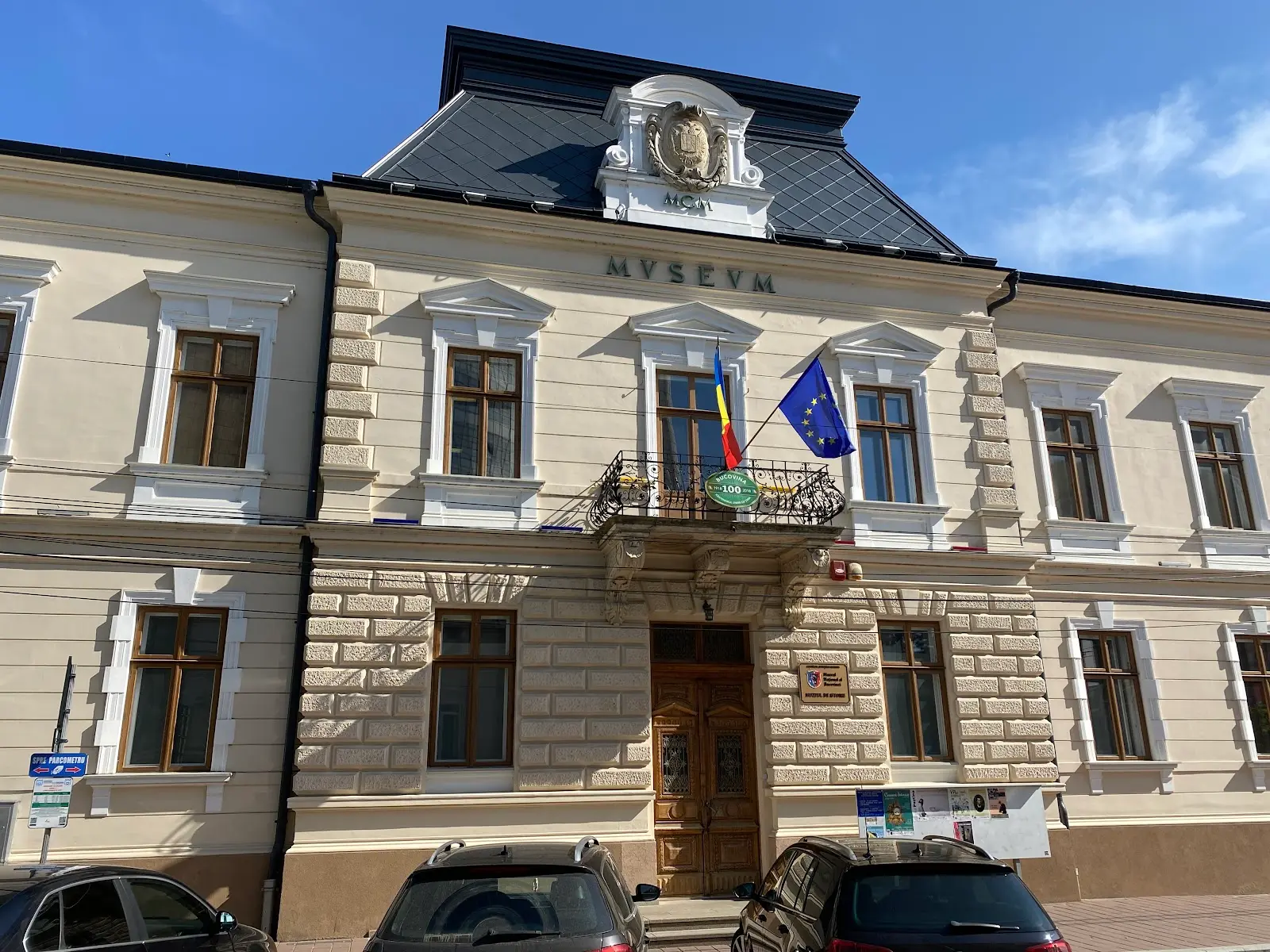
The Bukovina Museum in Suceava is the most important museum institution in the region, with collections spanning the history, art and ethnography of this northern corner of Moldavia. The history section, housed in a monumental building in the city centre, presents exhibits from prehistory to the modern era, with an emphasis on the golden age of medieval Moldavia, when Suceava served as the princely capital. A major highlight is the throne room, a spectacular reconstruction of the princely court from the time of Stephen the Great, with life-size figures and period decor. The museum also holds valuable collections of archaeology, numismatics and medieval art that illustrate the richness of Bukovina's heritage. Located near the Suceava Fortress, the museum is easy to include in a cultural visit of the city. It is an essential destination for anyone wishing to understand Suceava's historic role and the fascinating legacy of Bukovina.
 Museum
Muzeul Satului Bucovinean
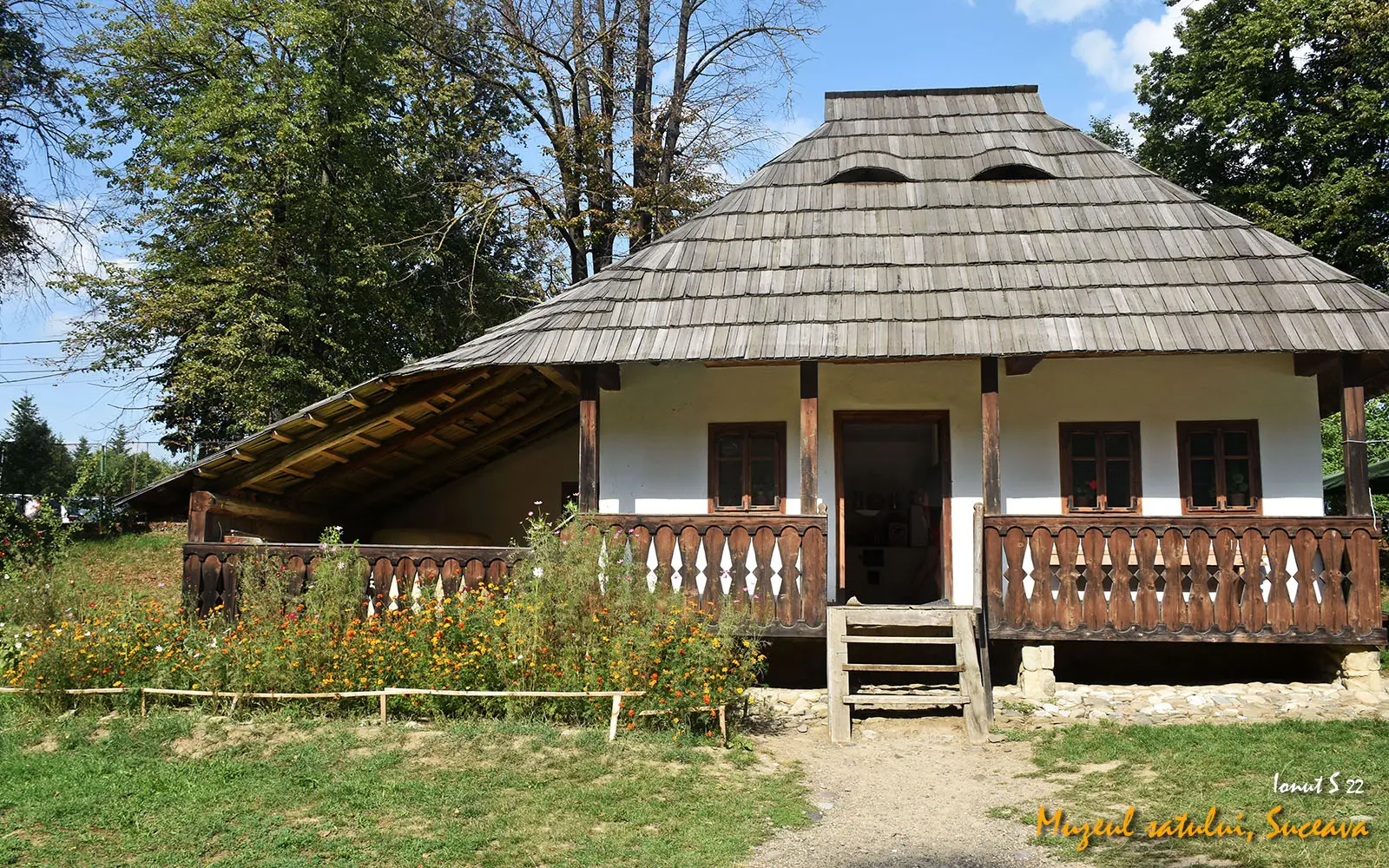
The Bukovina Village Museum in Suceava is an open-air museum that recreates, at the foot of the Suceava Fortress, the atmosphere of a traditional Bukovina village. On a generous site, peasant farmsteads, a wooden church, a tavern, craft workshops and folk technical installations have been reconstructed, all brought from Bukovina villages and carefully assembled to preserve their authenticity. Visitors stroll among houses roofed with wooden shingles, admiring the traditionally furnished interiors, the household objects and the beauty of the folk architecture typical of this northern region. The museum often hosts events, fairs and craft demonstrations that bring Bukovina's traditions to life. The setting, close to the Suceava Fortress, allows the visit to be combined with the discovery of the city's other historic attractions. It is an ideal destination for families and for those wishing to understand village life of the past, wooden architecture and the rich traditions of Bukovina, in a picturesque and evocative setting full of the charm of the rural world of old.
 Monastery
Mănăstirea Slatina
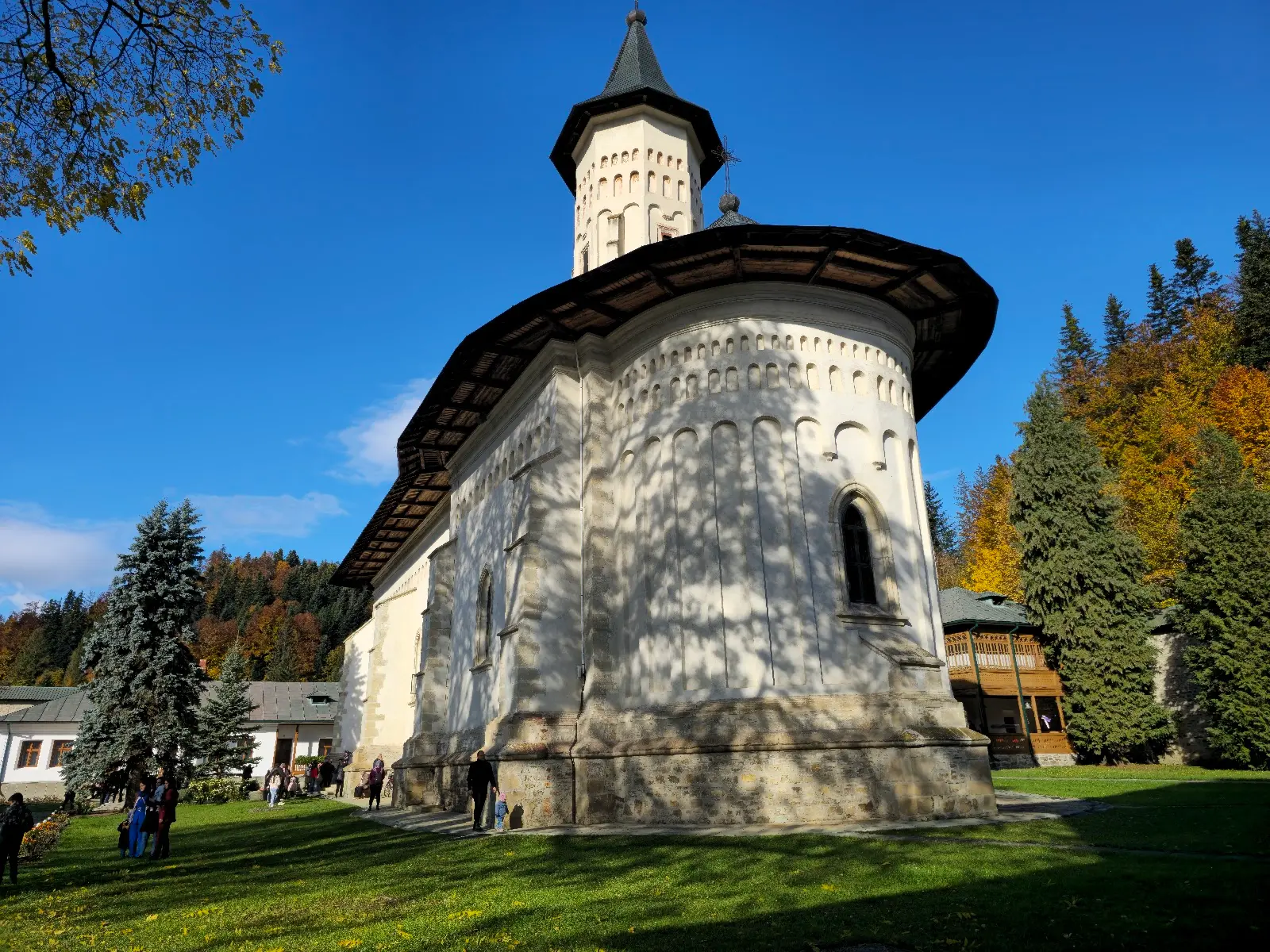
Slatina Monastery in Suceava county is an important monastic settlement of Bukovina, founded in the sixteenth century by the ruler Alexandru Lapusneanu. The complex is dominated by the great church dedicated to the Transfiguration, an imposing building in the Moldavian style, with thick walls and characteristic towers, enclosed by a precinct and outbuildings. The monastery played a notable part in the religious and cultural life of Moldavia and belongs to the tradition of great princely foundations. Set in a quiet natural landscape among wooded hills, it offers visitors an atmosphere of contemplation far from the bustle of towns. Slatina forms part of the circuit of Bukovinian monasteries, alongside the famous painted churches of the region. As an active monastic community, visitors are asked to respect the schedule of services and the attire befitting a place of prayer.
 Fortress
Cetatea de Scaun a Sucevei
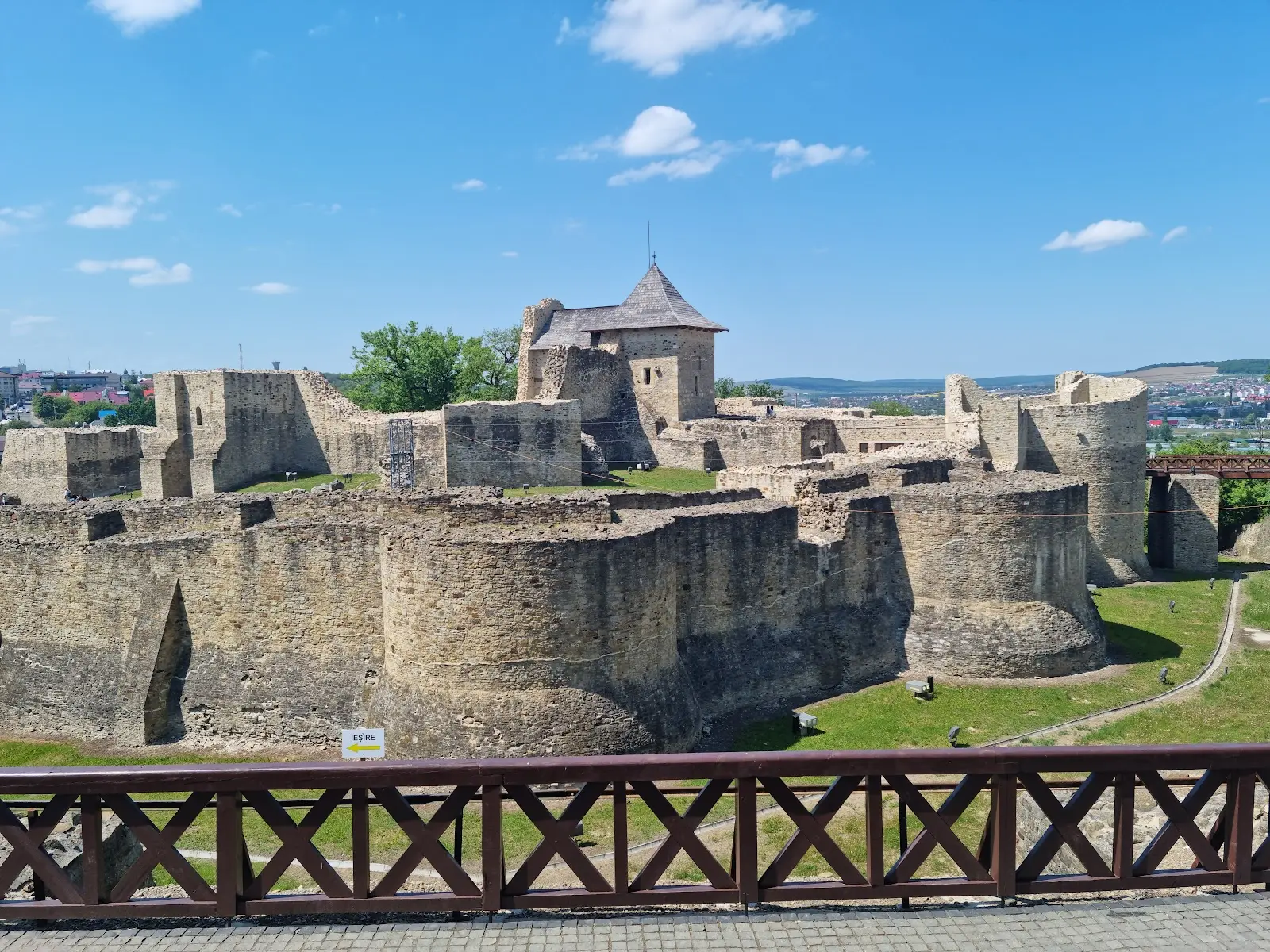
The Princely Fortress of Suceava is one of the most important medieval strongholds of Moldavia, a witness to the golden age of Stephen the Great. Built in the late 14th century and later reinforced with thick walls, bastions and a defensive moat, the fortress withstood sieges and long served as a princely residence and centre of power of the principality. Extensively restored in recent years, it blends authentic walls with modern arrangements: reconstructed halls, wax figures, projections and exhibitions that bring the Moldavian Middle Ages to life. From the ramparts, a broad view opens toward the city of Suceava and the hills of Bucovina. It is the best place to understand the medieval history of the region and a starting point toward the painted monasteries nearby. Check the visiting schedule, which varies according to the season.
 Monastery
Mănăstirea Humor
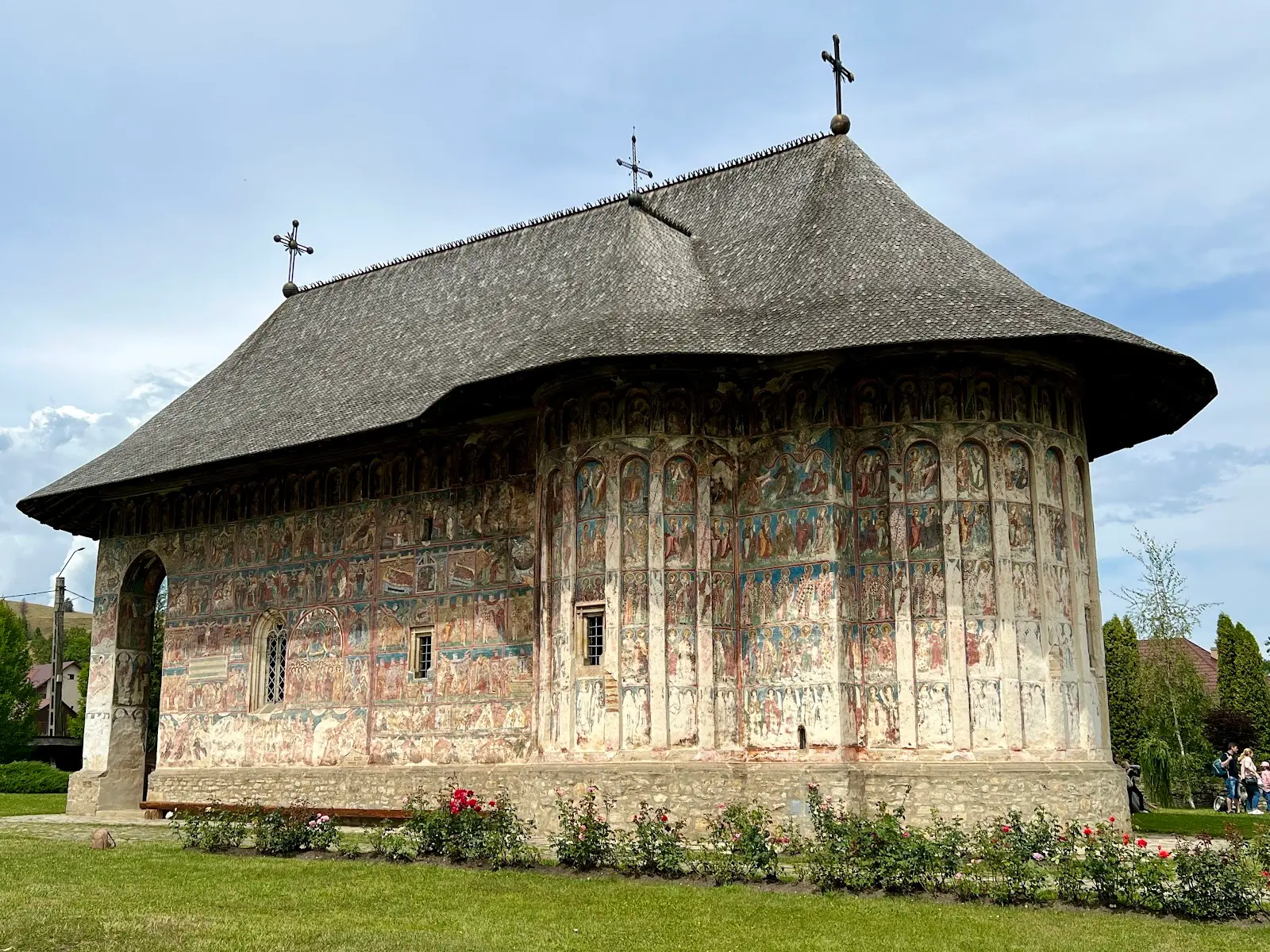
Humor Monastery is one of the oldest and most treasured painted monasteries of Bukovina, built in 1530 during the reign of Petru Rareș. The small, harmonious church, without a tower, keeps on its outer façades 16th-century frescoes dominated by a warm brick-red, with famous scenes such as the Akathist Hymn, the Siege of Constantinople and the Last Judgement. Beside the church rises a defensive tower offering a fine view over the complex and the surrounding village. Though more modest in size than its sisters, Humor impresses through its balance, the freshness of its colours and its intimate atmosphere. It belongs to the group of Moldavian monasteries inscribed on the UNESCO list and is a natural stop on the painted-monastery trail, close to Gura Humorului. Respect the dress code and the calm of the place, and check visiting hours, especially during services and off-season.
Frequently asked questions
What is Suceava known for?+
Suceava is best known for sights such as Mănăstirea Sucevița, Mănăstirea Moldovița, Mănăstirea Dragomirna.
How many days do you need in Suceava?+
One to two days is enough to see the highlights of Suceava; stay longer to use it as a base for day trips.
Where should I stay in Suceava?+
See our selected stays above, or check live rates and availability on the accommodation map.