România Mea

Mănăstirea Slatina

4.8(805 reviews)DJ209A 280, 727490 Slatina, România
Mănăstirea Slatina

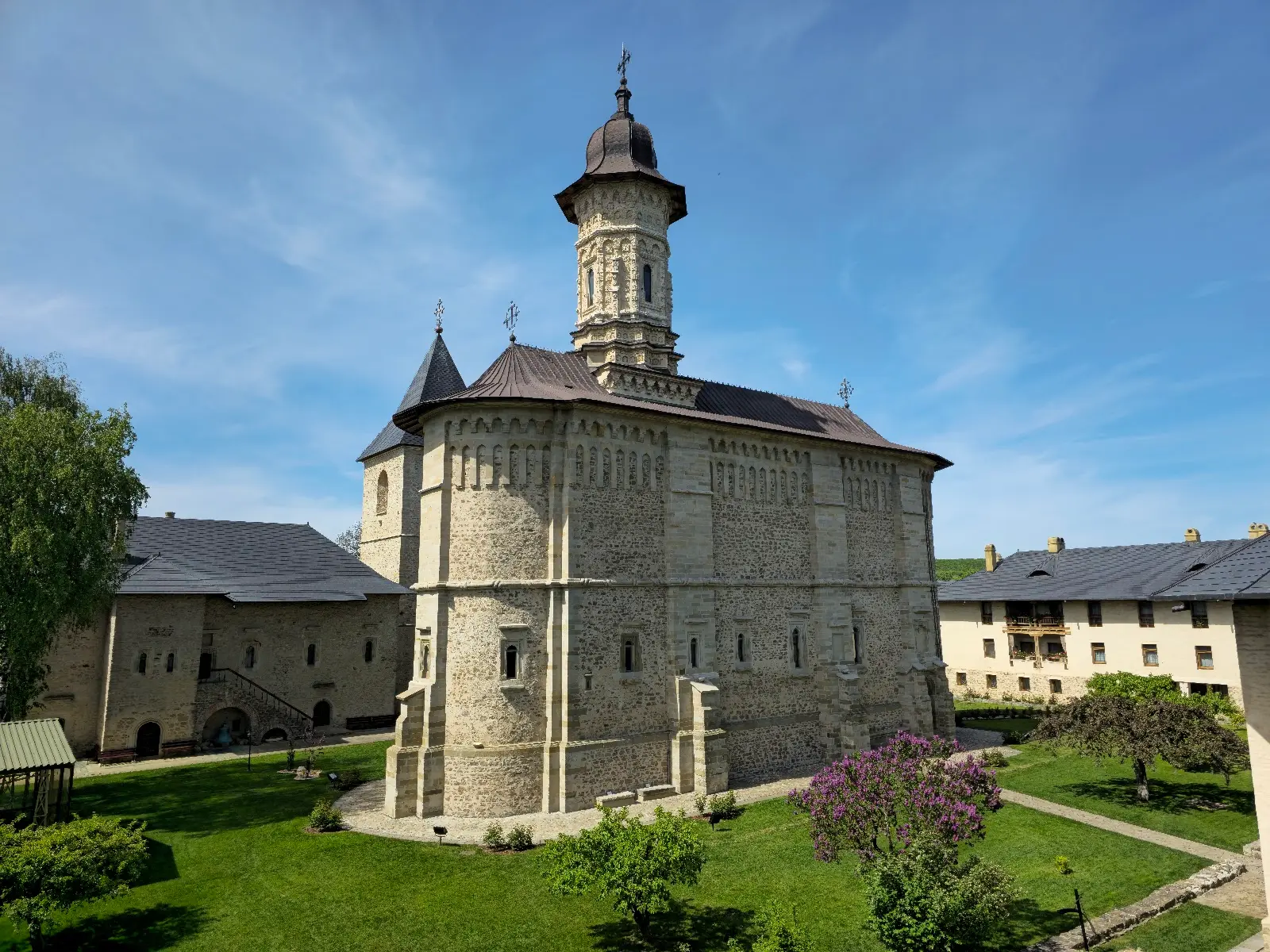
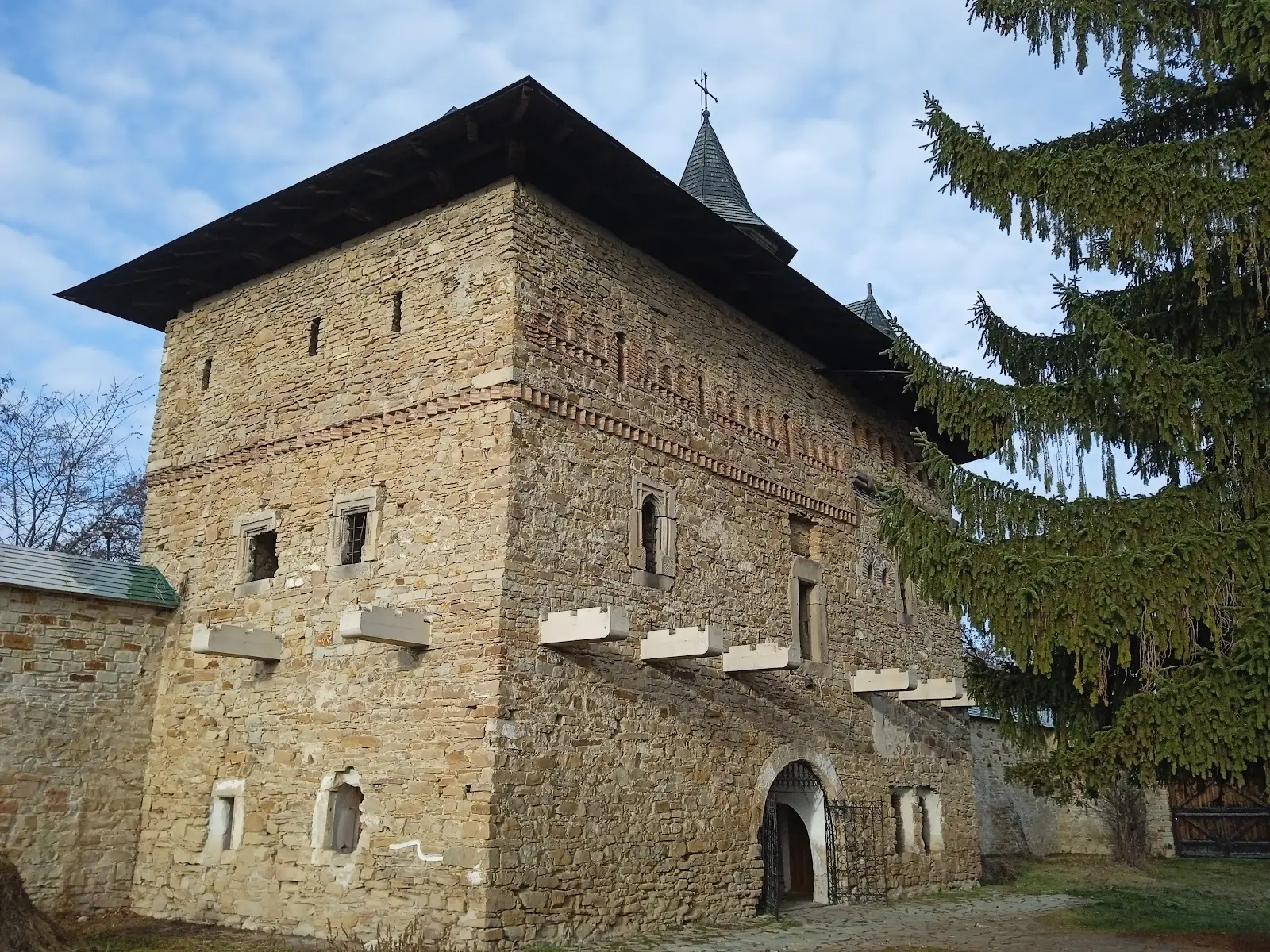
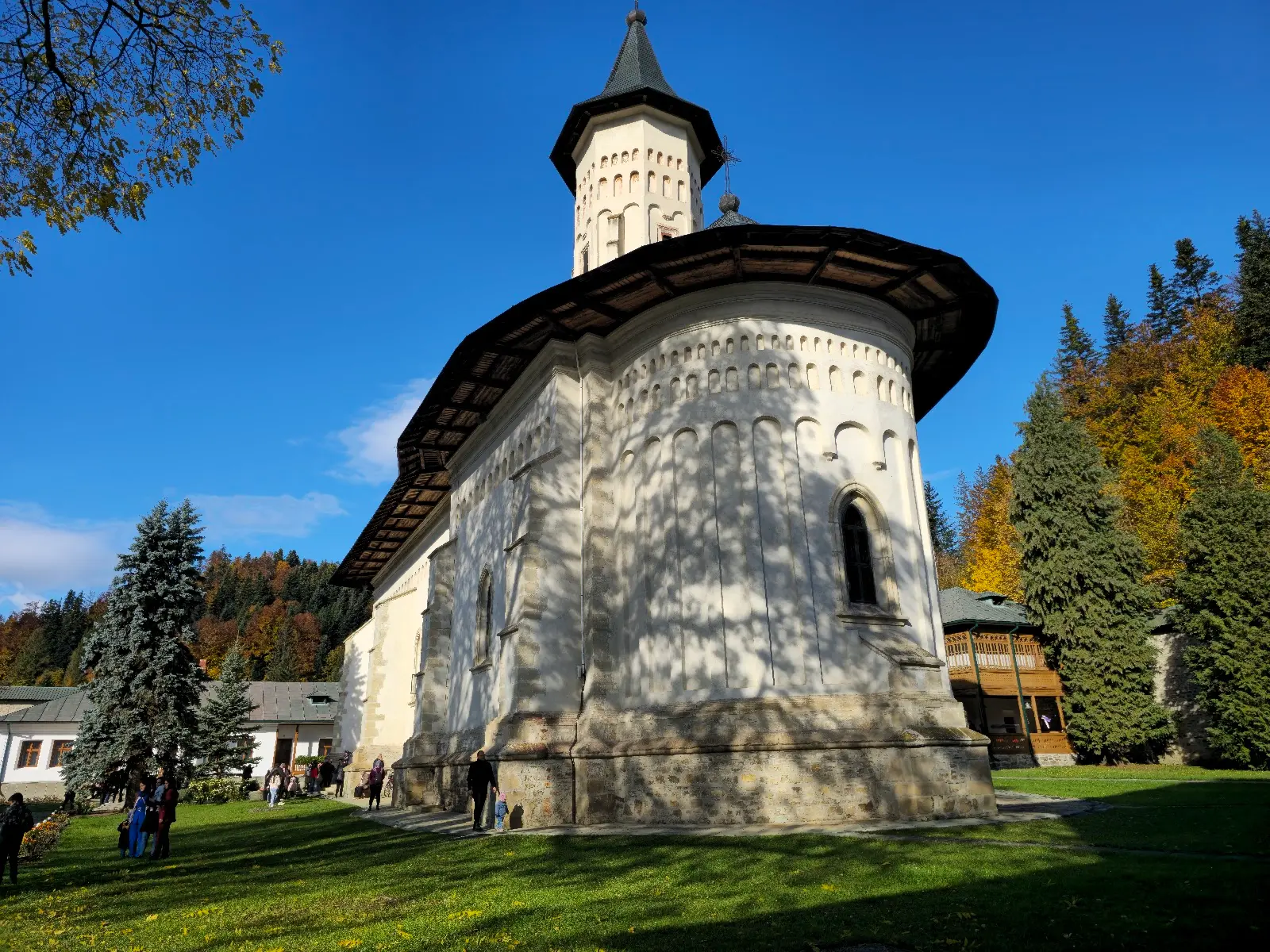
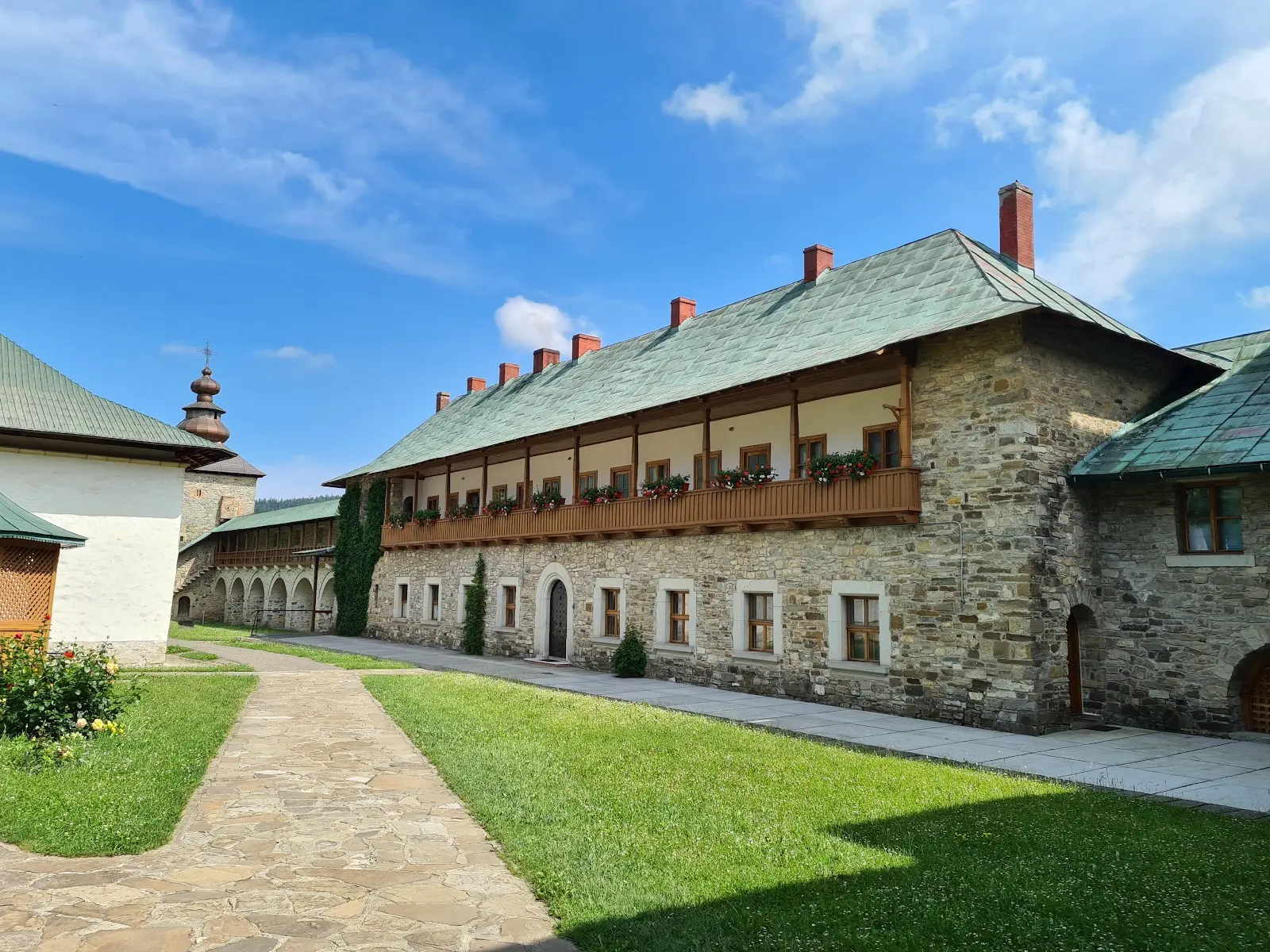
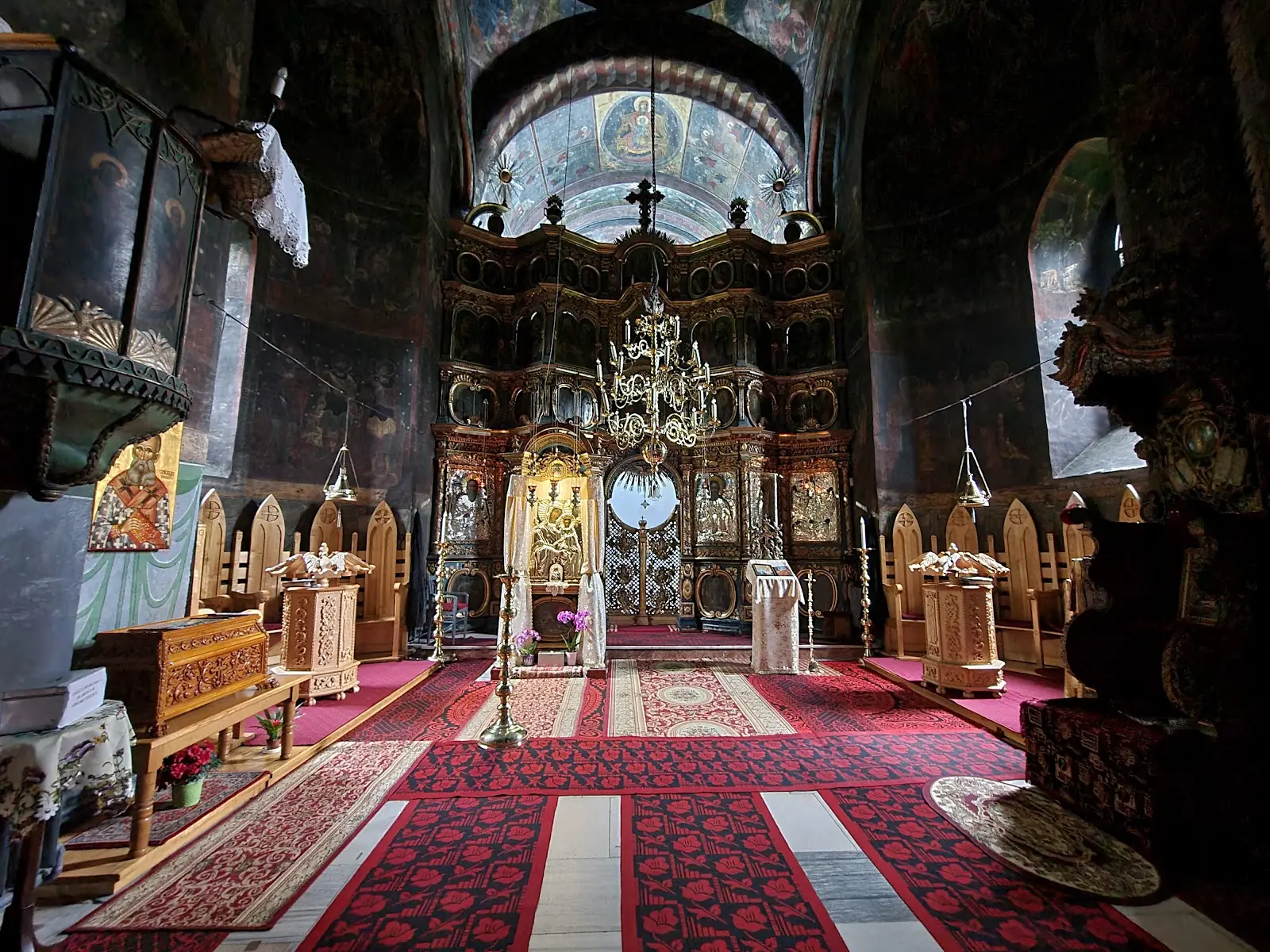
Slatina Monastery in Suceava county is an important monastic settlement of Bukovina, founded in the sixteenth century by the ruler Alexandru Lapusneanu. The complex is dominated by the great church dedicated to the Transfiguration, an imposing building in the Moldavian style, with thick walls and characteristic towers, enclosed by a precinct and outbuildings. The monastery played a notable part in the religious and cultural life of Moldavia and belongs to the tradition of great princely foundations.

Set in a quiet natural landscape among wooded hills, it offers visitors an atmosphere of contemplation far from the bustle of towns. Slatina forms part of the circuit of Bukovinian monasteries, alongside the famous painted churches of the region. As an active monastic community, visitors are asked to respect the schedule of services and the attire befitting a place of prayer.
Frequently asked questions

Where is Mănăstirea Slatina?+

Mănăstirea Slatina is located at DJ209A 280, 727490 Slatina, România, in Suceava.

Is Mănăstirea Slatina worth visiting?+

Yes — it holds a 4.8/5 rating from 805 visitor reviews.

Do I need to book tickets for Mănăstirea Slatina?+

Popular sights can sell out — booking ahead online saves queuing.

What else is near Mănăstirea Slatina?+

Nearby you'll find Mănăstirea Sucevița, Mănăstirea Moldovița, Mănăstirea Dragomirna.

Keep exploring

More of Suceava

Explore Suceava

See in Suceava

See all
Mănăstirea SucevițaMonastery

Mănăstirea Sucevița

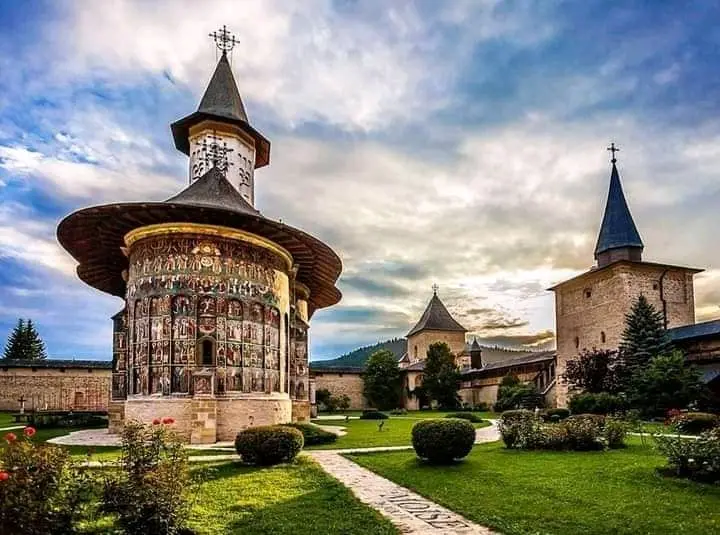
Sucevița Monastery is the most imposing of Bukovina's painted monasteries and the last built in this style, at the end of the 16th century, by the Movilă family. Unlike its sisters, it is surrounded by massive fortress walls with corner towers, giving it the look of a citadel rather than a place of prayer. The exterior frescoes, dominated by an intense green rarely seen elsewhere, cover almost the entire walls and include the famous ‘Ladder of Virtues', a vast and dramatic composition. The northern wall is said to have been left unpainted because the artist fell from the scaffolding — a legend that adds to the site's charm. A UNESCO World Heritage site, Sucevița is an essential stop on the monastery trail, set in a landscape of hills and quiet villages. Respect the dress code and the calm of the place, and check visiting hours, especially during services.

4.8(13,039 reviews)
Mănăstirea MoldovițaMonastery

Mănăstirea Moldovița

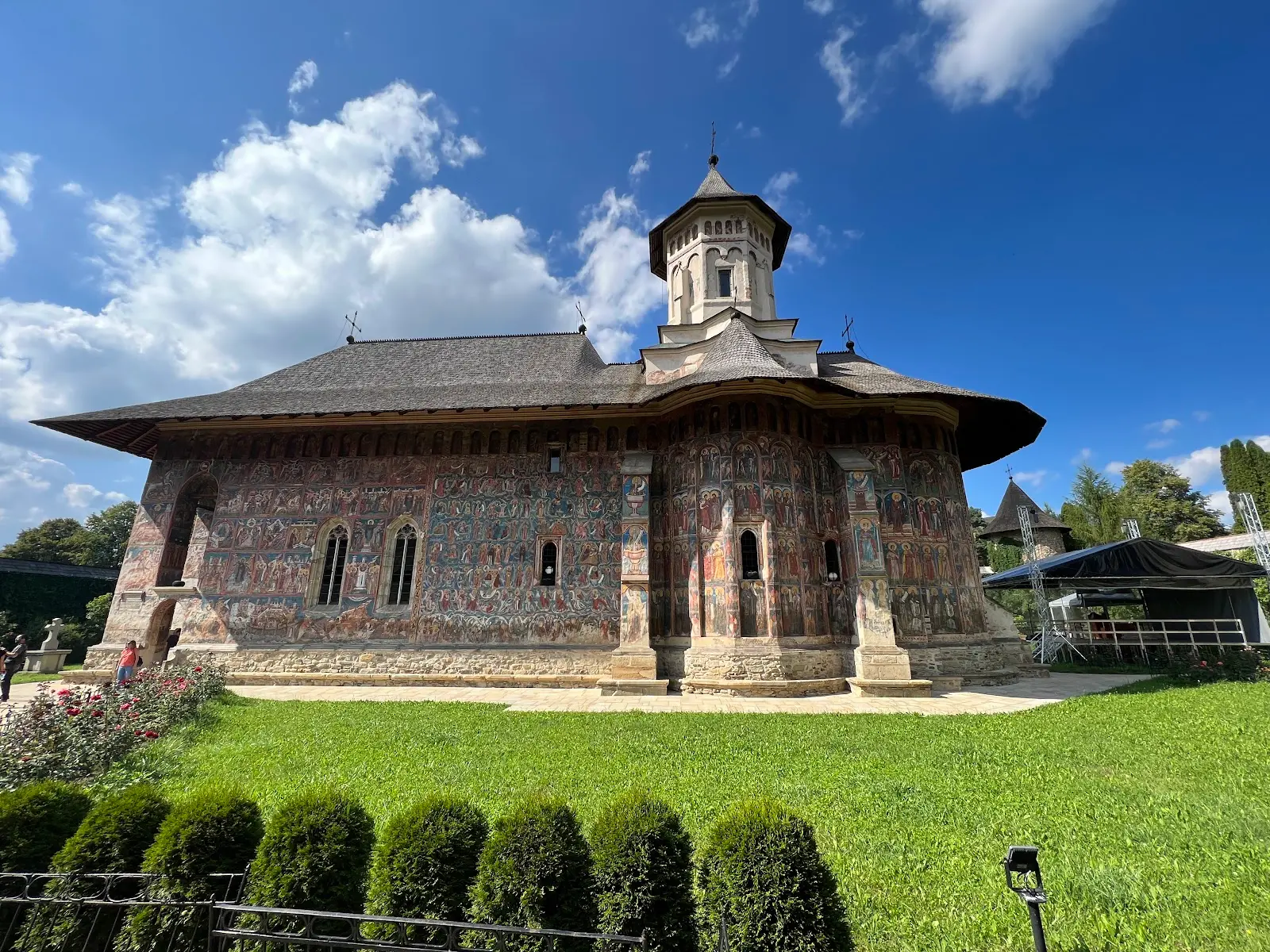
Moldovița Monastery is one of the most beautiful painted monasteries of Bukovina, founded in 1532 by prince Petru Rareș, son of Stephen the Great. The stone churches, surrounded by walls and defensive towers, keep on their outer façades 16th-century frescoes of remarkable vividness, dominated by a warm golden yellow. The most famous scene is the Siege of Constantinople, a vast, dynamic composition, alongside the Tree of Jesse and the Akathist Hymn. Within the precinct a small museum preserves heritage objects, including valuable documents and embroideries. Set in a quiet valley, among hills and villages where tradition is still alive, Moldovița belongs to the group of monasteries inscribed on the UNESCO list. It is an essential stop on the painted-monastery trail, alongside Voroneț, Sucevița and Humor. Respect the dress code and the calm of the place, and check visiting hours, especially during services.

4.8(9,513 reviews)
Mănăstirea DragomirnaMonastery

Mănăstirea Dragomirna

Dragomirna Monastery is one of the most valuable monuments in Bukovina, founded in the early seventeenth century by the scholarly metropolitan Anastasie Crimca. Its church stands out through unusually slender proportions: it is remarkably tall and narrow, crowned by a richly carved stone tower whose rare refinement recalls lace worked in hard material. The complex is surrounded by massive defensive walls with corner towers, added later, giving it the appearance of a fortified monastery typical of the troubled times in which it was built. Inside are preserved frescoes, liturgical objects and a tradition of illuminated manuscripts linked to the personality of its founder. The natural setting, a quiet forest near Suceava, reinforces the atmosphere of contemplation. Practical note: the monastery is active, so decent attire and respect for silence are recommended; it can be visited together with the other painted monasteries of Bukovina.

4.8(3,123 reviews)

Eat in Suceava

See all

Stay in Suceava

See all

Plan your Romania

From the Carpathians to the Black Sea — let's plan the trip together.

Ask us anything or get a tailored itinerary — from the best time to go to the road that ties it all together.

Our network

More of Romania, in depth

Dedicated portals for the places that deserve a site of their own.