
Bukovina
Putna
The necropolis of Stephen the Great.
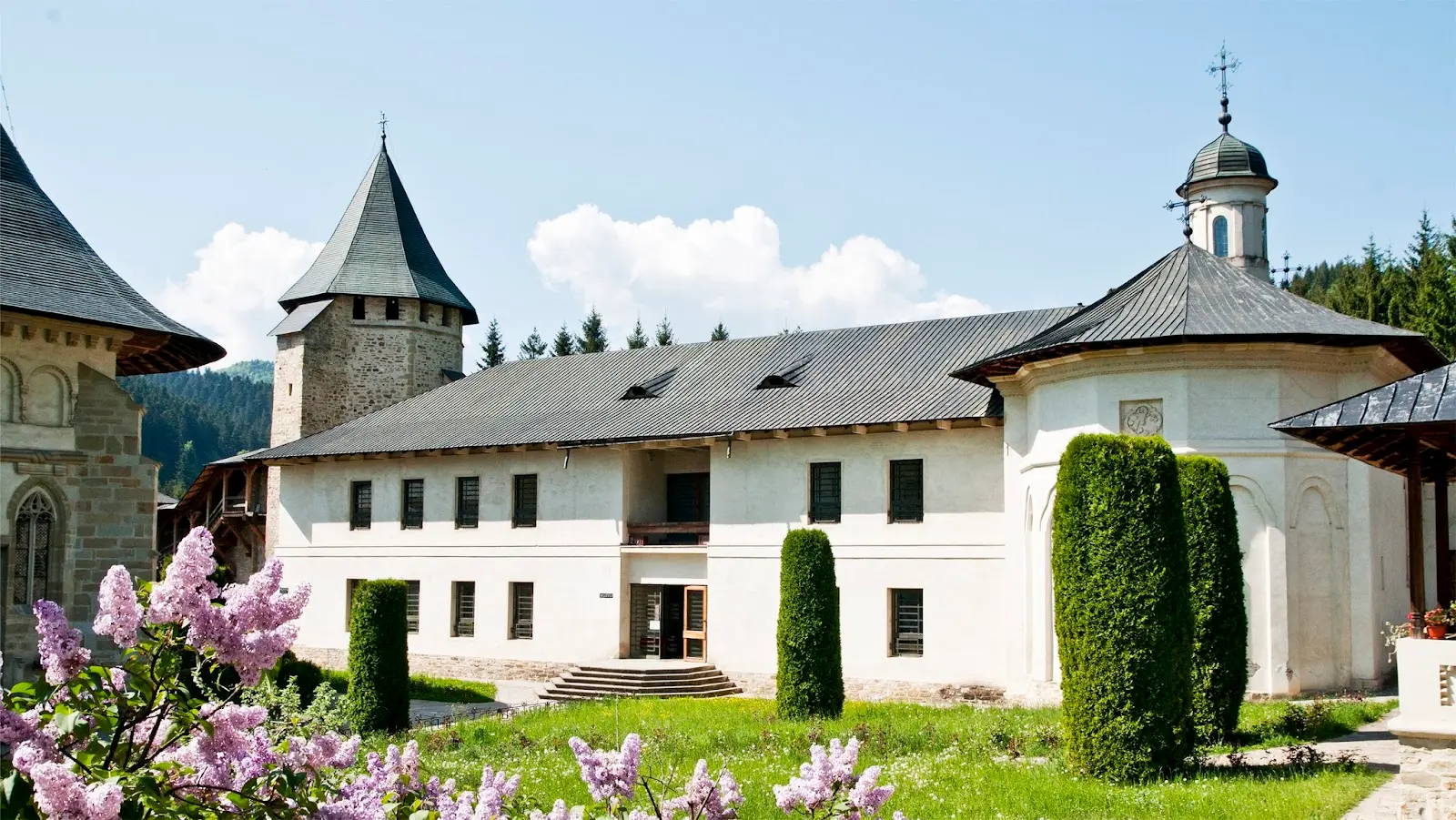
Putna is a commune in Suceava County, in the heart of Bucovina, famous for Putna Monastery, the most important foundation of Stephen the Great and one of the most venerated holy places in Romania. Set in a wooded glade at the foot of the Bucovina Obcine hills, the monastery is nicknamed "the Jerusalem of the Romanian people" for its spiritual and historical role.
Putna Monastery, raised in the second half of the 15th century, holds the tomb of Stephen the Great, the ruler who defended Moldavia and Christendom against Ottoman expansion. The ensemble, restored over the centuries, includes the church, the treasury tower, and the museum with embroideries, manuscripts and liturgical objects of inestimable value. Nearby stands the rock-cut cell of Daniil the Hermit, the legendary spiritual father of the ruler.
The atmosphere is deeply spiritual and serene, marked by pilgrimages, services and the surrounding mountain landscape. Putna was also the site of the first great gathering of Romanian youth in 1871, a founding moment of national consciousness in which the young Eminescu took part.
Bucovina gastronomy offers traditional dishes — sour soups, stews, pies, smoked meats. Practically, Putna is reachable by car and train from Rădăuți and Suceava and combines easily with a visit to the painted monasteries of Bucovina. It is worth visiting for its historical and spiritual weight, as a place of contemplation and connection with the past.
What to see
See all →MuseumMuzeul Mănăstirii Putna
The Putna Monastery Museum shelters one of the most valuable collections of medieval art in Romania, set within the grounds of the famous monastery founded by Stephen the Great in the fifteenth century, in the heart of Bucovina. Putna is regarded as one of the most important spiritual and cultural hearths of Moldavia, and the museum preserves the treasure gathered over the centuries: liturgical embroideries of exceptional refinement, among them the famous shrouds and stoles worked with gold and silver thread, illuminated manuscripts, old icons, worship objects of precious metals and rare printed books. Many of the pieces are directly linked to the reign of Stephen the Great, who is buried in the monastery church, making the place a symbol of Romanian national identity. The collection illustrates the mastery of medieval Moldavian workshops and the importance of Putna as a cultural centre. The museum completes a visit to the monastic ensemble, set in a quiet, wooded natural setting. Visitors are asked to respect the monastery's rules, proper dress and the quiet of an active monastic settlement.
 Landmark
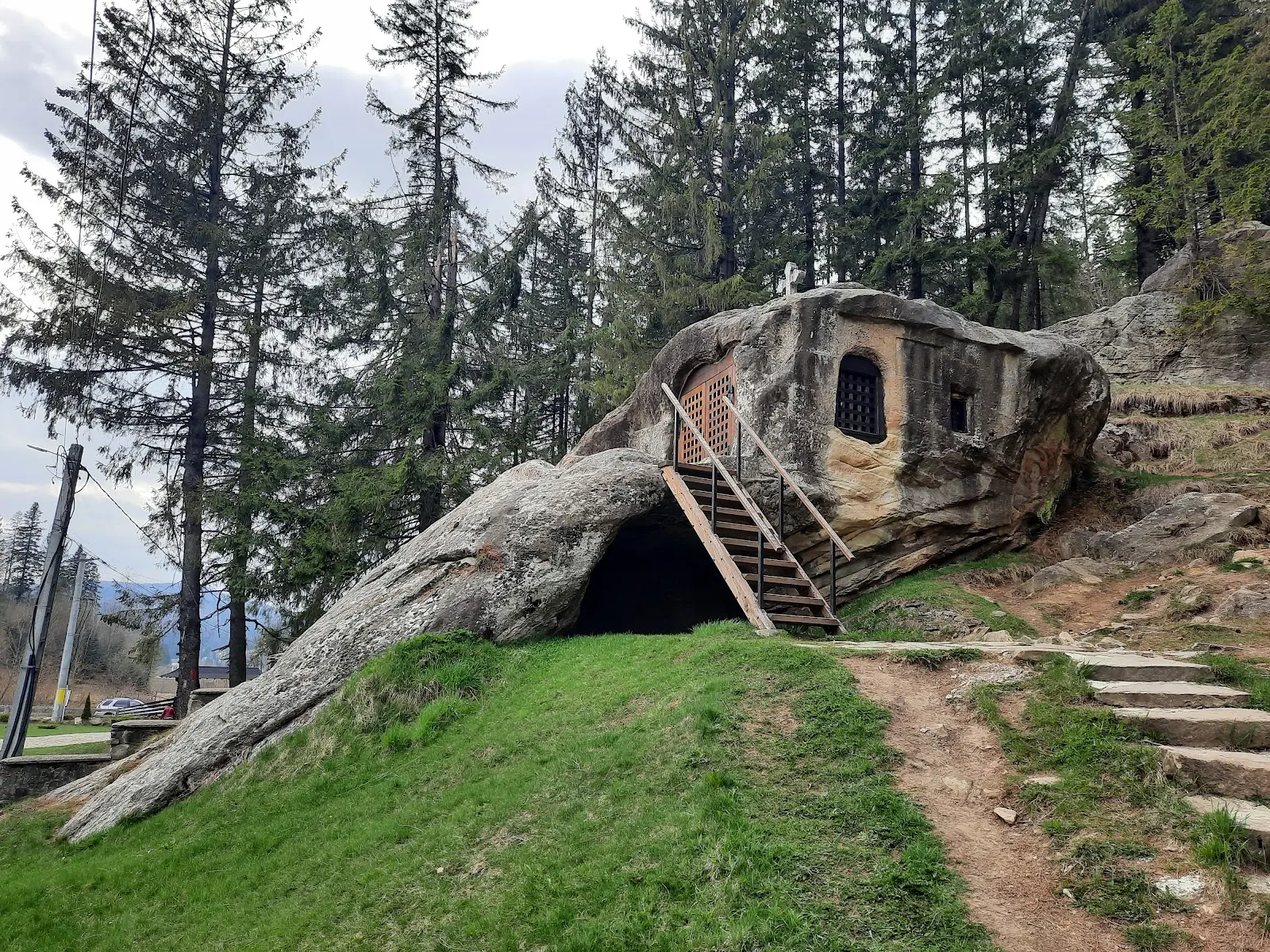
Chilia lui Daniil Sihastru
The Cell of Daniel the Hermit lies near Putna Monastery, in the heart of Bucovina, and is one of the oldest and most venerated places of retreat in Moldavia. The cell is carved into a sandstone rock on the bank of the Vitou stream and, according to tradition, here lived the pious Daniel the Hermit, spiritual father of Stephen the Great. It is said that the ruler came to seek the hermit's counsel before important battles, and that the hermit urged him to keep fighting for faith and country. The small space cut into the stone contains a prayer chamber and a resting bed carved directly into the rock, evoking the harsh life of a hermit. The place is easily reached, a short distance from the monastery, and remains an important point of pilgrimage and meditation for visitors to historic Bucovina.
 Nature
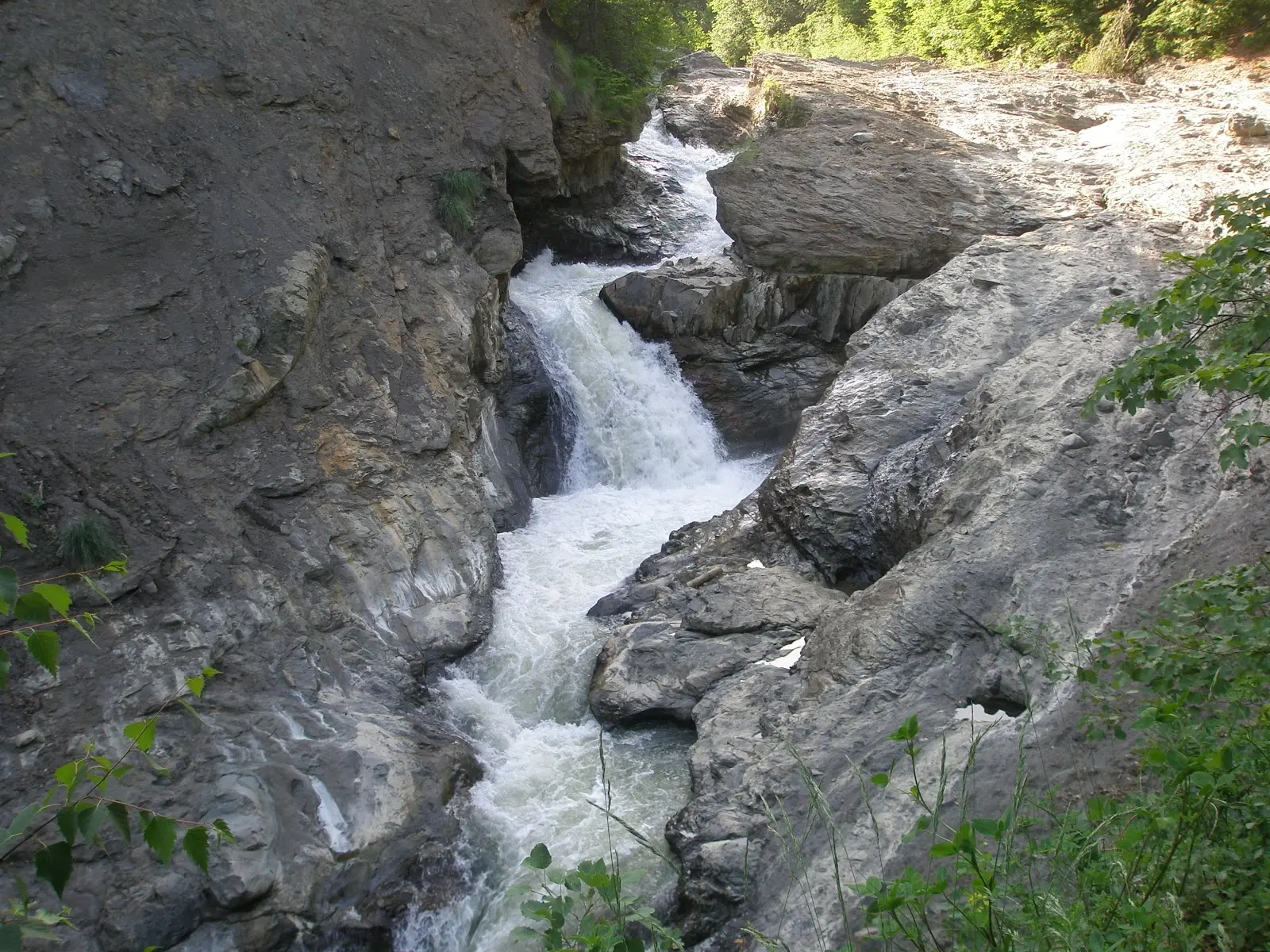
Cascada Putnei
Putna Waterfall is one of the most beautiful cascades in Bucovina, located near the village of Putna in Suceava county, known for the famous monastery founded by Stephen the Great. Set in a quiet natural setting, the waterfall forms where the waters of the Putna stream plunge over rocky ledges, creating a cool and picturesque landscape surrounded by forest. Access is by a short and arranged trail, suitable even for visitors who prefer easy walks, and nearby there are resting areas. The waterfall is especially spectacular in spring and after rains, when the flow of water is greater. Being close to Putna Monastery and other sights of the area, the waterfall can easily be included in a tourist circuit through northern Bucovina. It is a pleasant stop for those wishing to combine a visit to the holy places with the discovery of nature and the forest scenery of the region.
Frequently asked questions
What is Putna known for?+
Putna is best known for sights such as Muzeul Mănăstirii Putna, Chilia lui Daniil Sihastru, Cascada Putnei.
How many days do you need in Putna?+
One to two days is enough to see the highlights of Putna; stay longer to use it as a base for day trips.