
Bukovina
Câmpulung Moldovenesc
Below the Rarău and the Lady's Stones.
Câmpulung Moldovenesc is a town in Suceava County, set in the valley of the Moldova River, in the heart of mountain Bucovina, between the Bucovina Obcine hills and the Rarău massif. It is an old centre of Bucovina, with a history as a mountain market town and a strong tradition of woodworking, reflected in its local crafts and museums.
The most spectacular attraction nearby is the Rarău massif, with the famous Pietrele Doamnei (the Lady's Rocks), a limestone formation wrapped in legend, and the Rarău chalet, from which broad views open over Bucovina. In the town, the Wood Museum houses a unique collection dedicated to the civilisation of wood, while the "Art of Wood" Museum presents traditional tools, objects and techniques. Câmpulung is also a departure point for the painted monasteries of Bucovina — Voroneț, Moldovița, Sucevița — a short distance away.
The atmosphere is that of a quiet mountain resort, with clean air, charming guesthouses and living traditions. The area is renowned for skiing in winter and hiking in summer, and the Obcine landscapes, with meadows and spruce forests, have a special charm.
Bucovina gastronomy offers rustic dishes — stews, smoked meats, mountain cheeses, pies. Practically, the town is reachable by train and car from Suceava or Vatra Dornei, on the road to Transylvania. It is worth visiting for the Rarău massif, for the wood museums, and as a base for the circuit of Bucovina's painted monasteries.
Where to stay
All stays →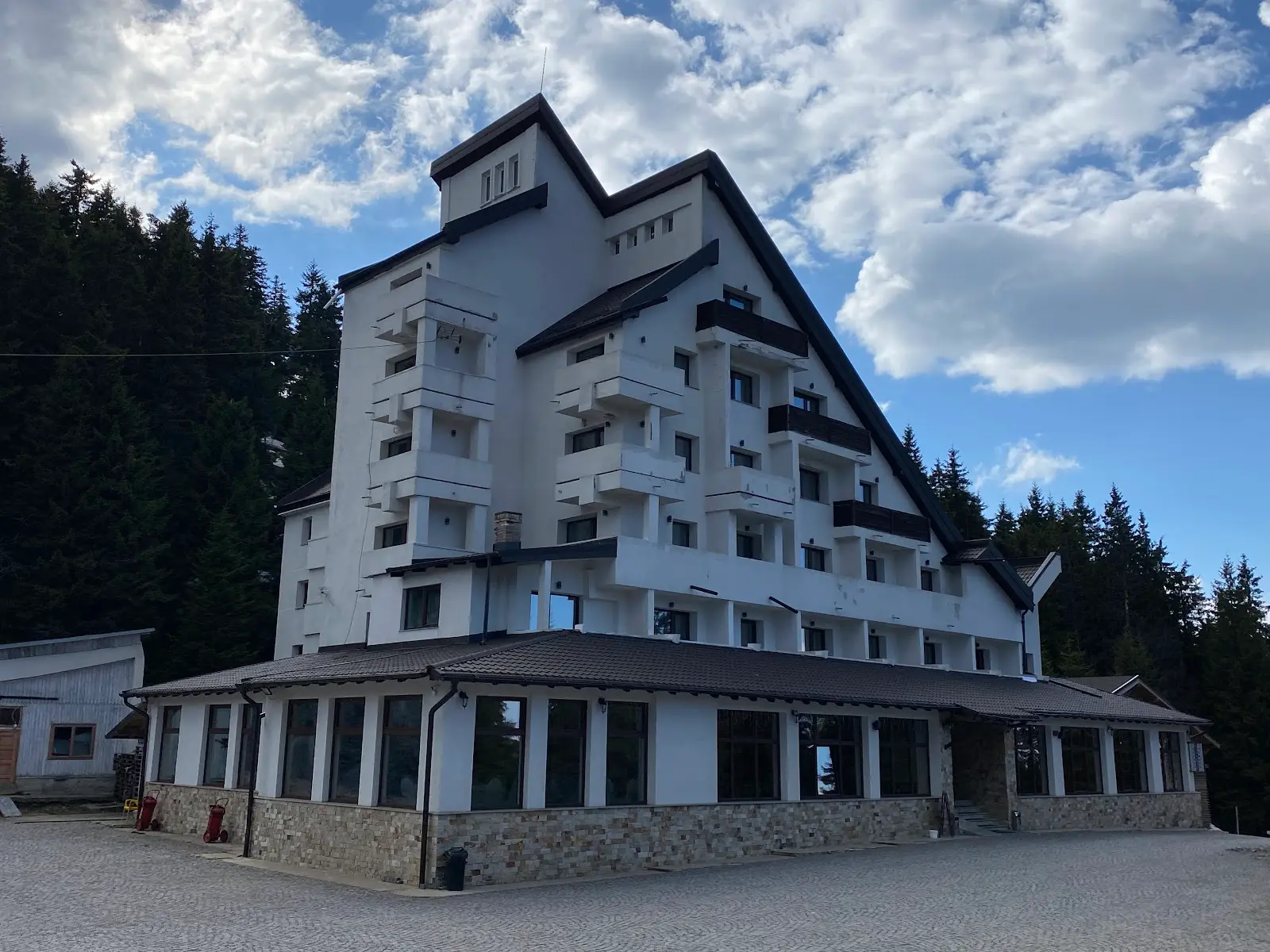
What to see
See all →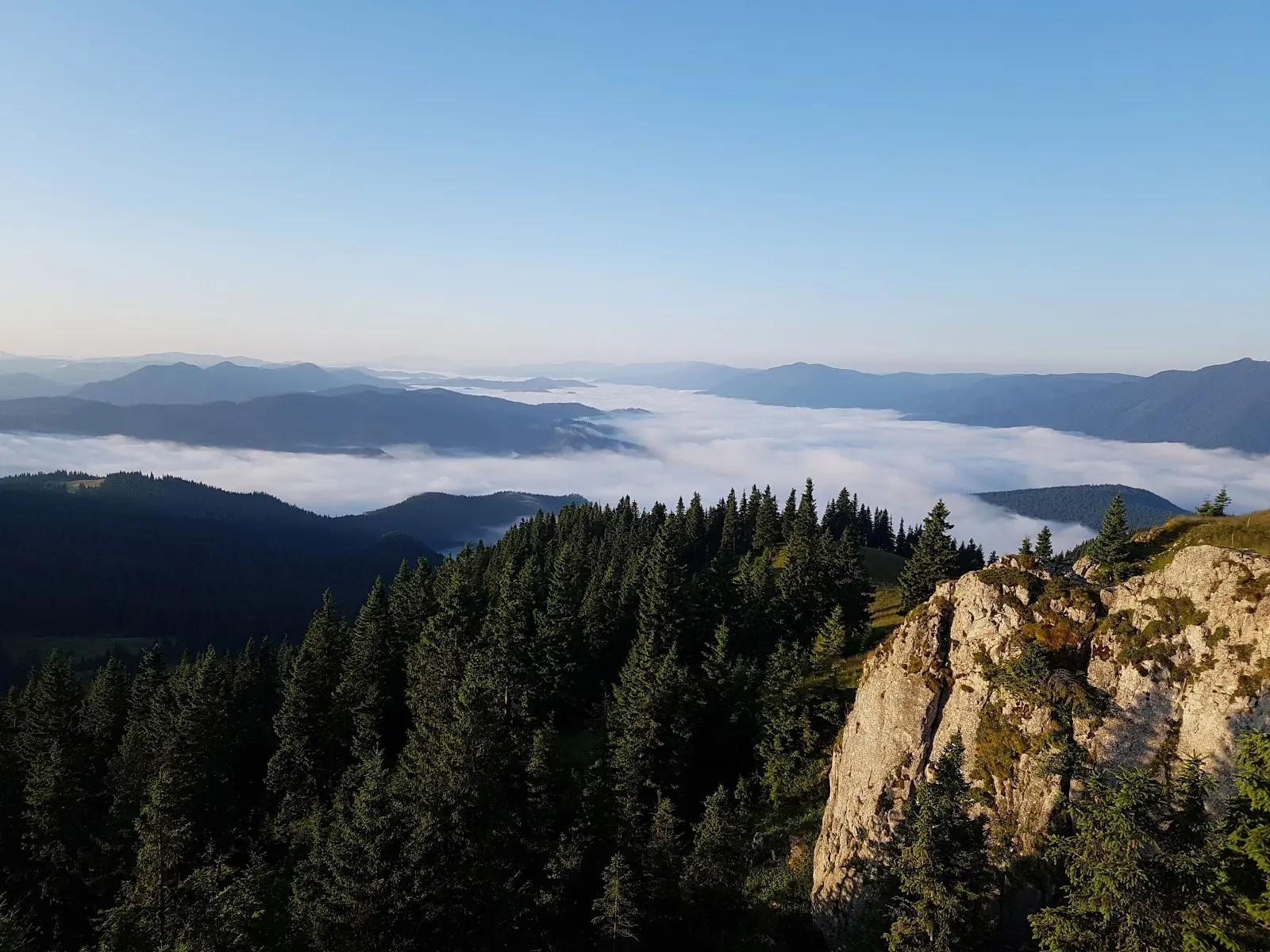 Viewpoint
Vârful Rarău
Rarau Peak is one of the best-known viewpoints in Bucovina, set in the Rarau-Giumalau massif high above the town of Campulung Moldovenesc. The area is famous for its broad views over the mountains of northern Moldavia, but above all for the nearby Pietrele Doamnei, a spectacular limestone formation of sharp towers and ridges much appreciated by hikers and climbers. From the peak and the neighbouring ridges, wide panoramas open towards the wooded summits and, on clear days, to impressive distances. The area is home to a rich flora, including protected species, and forms part of a nature reserve. Access is by marked trails starting from the valley or from the nearby chalet, and the hike passes through coniferous forests and alpine meadows. Mountain gear, water and attention to the changeable high-altitude weather are recommended. Rarau is an excellent destination for lovers of nature and mountain landscapes.
 Mountain
Pietrele Doamnei
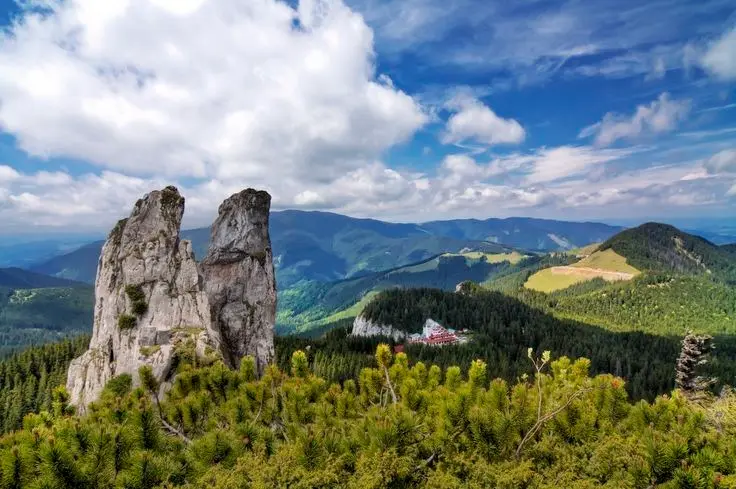
Pietrele Doamnei, the Lady's Rocks, form the most striking rock ensemble in the Rarău Massif, rising from a limestone ridge at more than 1,600 metres near the town of Câmpulung Moldovenesc, in the heart of Bucovina. The Jurassic limestone formations, shaped over millions of years by wind, rain and frost, stand as towering pinnacles and jagged crests that seem to guard the surrounding coniferous forests. The name is tied to an old legend about the wife of the prince Petru Rareș, who is said to have taken refuge here in times of danger. From the plateau and the base of the crags, wide views open toward the Obcinele Bucovinei ridges and the Moldova valley below. The area is a protected nature reserve, popular with hikers and climbers, and marked trails start from the nearby Rarău resort. Practical note: bring sturdy mountain footwear and layered clothing, as the weather at altitude changes quickly and the descent can be slippery when wet.
MuseumMuzeul Oului Vama
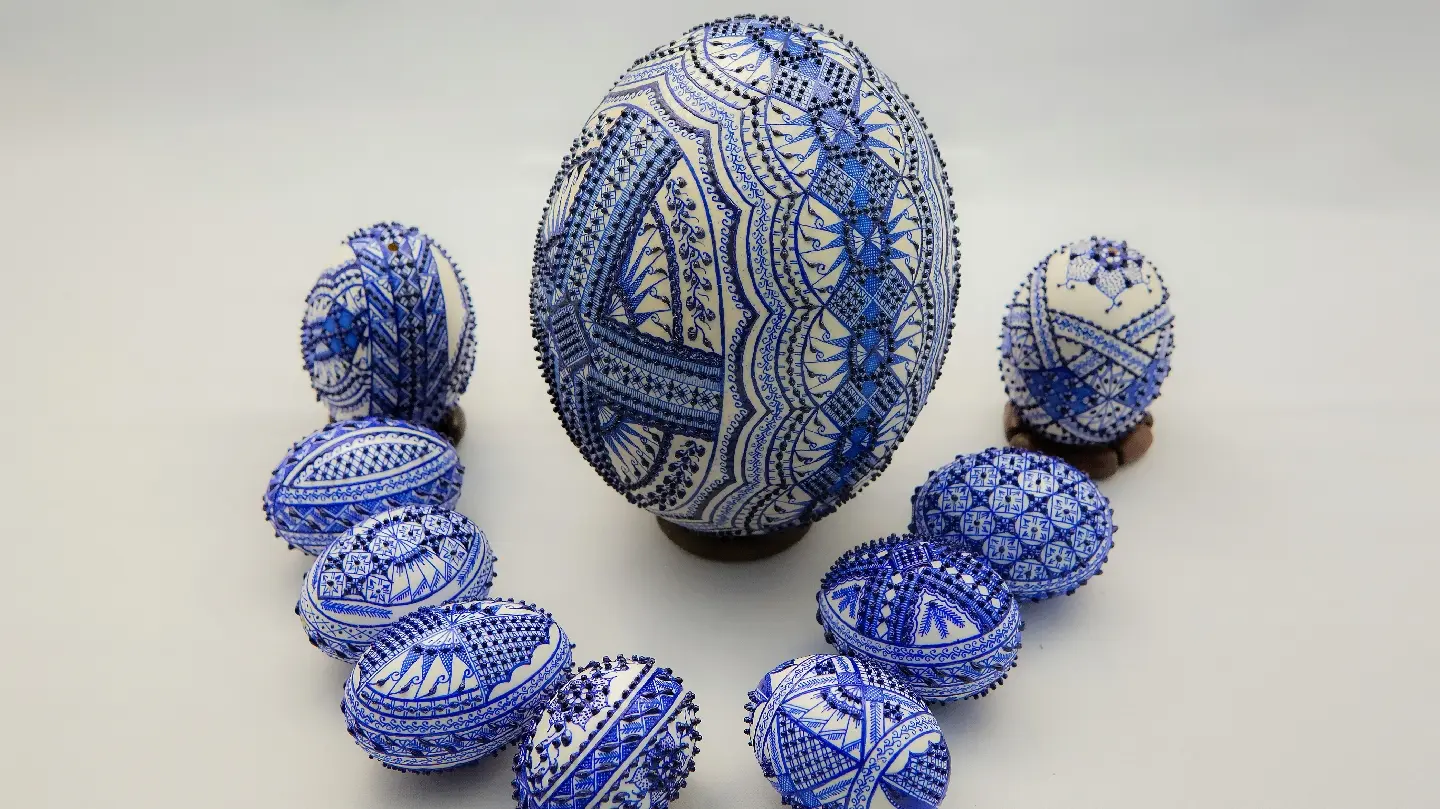
The Egg Museum in Vama, a commune in Suceava county in the Bucovina region, is a unique museum dedicated to the traditional art of decorating eggs. The collection brings together thousands of decorated eggs from numerous countries around the world, alongside Romanian pieces from different ethnographic areas, highlighting the richness of the specific motifs and techniques. Visitors can admire eggs painted by hand, adorned with wax and natural colours, as well as remarkable works made from rare materials or through painstaking techniques. The museum showcases an ancient craft, tied to the Easter celebration and the folk beliefs of Bucovina, where egg decoration is a living tradition passed down from generation to generation. Through the diversity of its exhibits, the museum offers a surprising perspective on this art found throughout the world and remains a special stop for those discovering the villages of Bucovina.
 Museum
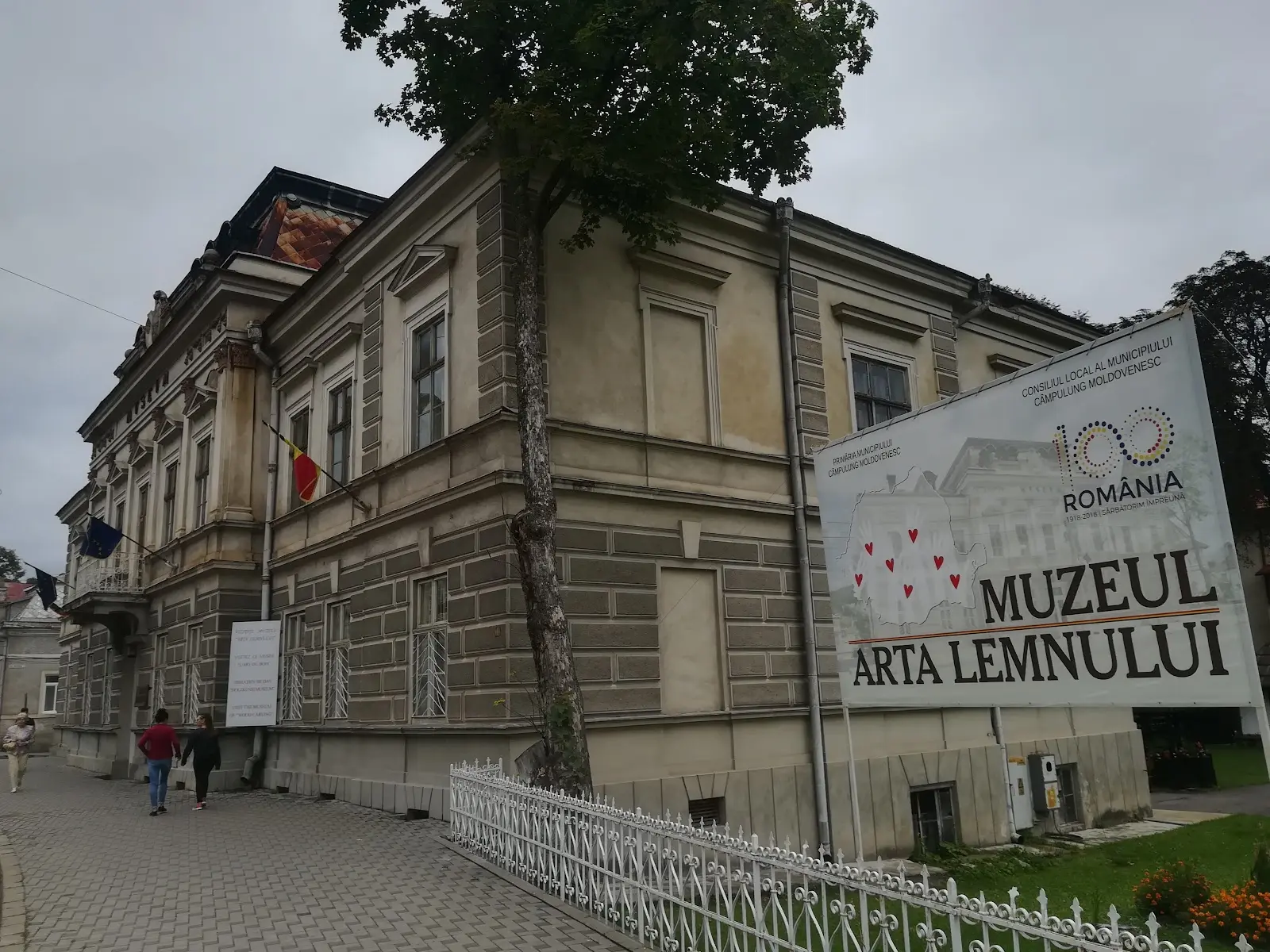
Muzeul Lemnului
The Wood Museum in Câmpulung Moldovenesc, Suceava County, is a themed museum devoted entirely to wood and the civilisation of wood in Bucovina, a region where the forest has shaped life, crafts and folk art for centuries. The collection, one of the richest of its kind in the country, gathers cutting and working tools, household objects, furniture, cooperage and wheelwright implements, as well as pieces of rare artistic mastery: spoons, distaffs, pails and painstakingly carved crucifixes. It presents the techniques by which Bucovinian craftsmen turned fir and beech into shelter, tools and beauty, together with the trades bound to the forest, from logging to log rafting. The museum highlights the central place of wood in the region's culture, in a land of wooden churches and traditional houses. Practical note: combine the visit with an excursion into the nearby Rarău-Giumalău Mountains.
 Nature
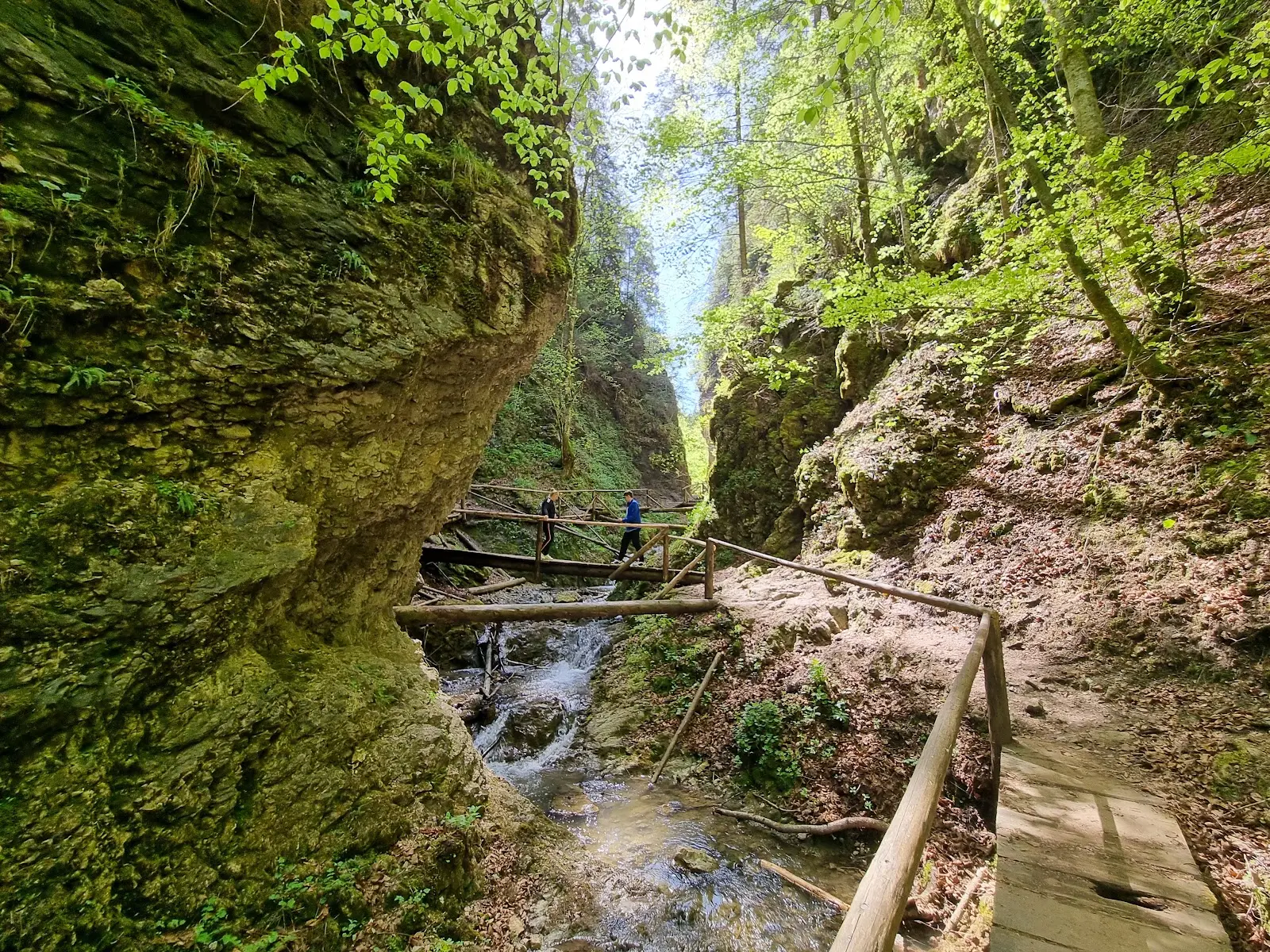
Cascada Moara Dracului (Rarău)
The Devil's Mill Waterfall is one of the most beautiful cascades of the Rarău massif, near the town of Câmpulung Moldovenesc in Bucovina. Hidden in a narrow, shaded valley, the water tumbles over moss-covered rock walls in a wild, cool setting that contrasts with the sunlit summits of the mountain. Its picturesque name is tied to the legends of the place and to the roar of the water echoing among the rocks. The approach trail to the waterfall starts in the Rarău area and crosses the coniferous forest along marked paths, offering pleasant hikes through the mountain landscape of Bucovina. Nearby stand the famous Ladies' Rocks, spectacular rock formations, as well as the natural reserve of the massif, with rich flora and fauna. The waterfall is more impressive during periods of high flow, in spring and after rain, when the water runs abundantly. Visitors are advised to wear suitable footwear, as the path can be wet and slippery. It is a recommended stop when exploring Rarău.
Frequently asked questions
What is Câmpulung Moldovenesc known for?+
Câmpulung Moldovenesc is best known for sights such as Vârful Rarău, Pietrele Doamnei, Muzeul Oului Vama.
How many days do you need in Câmpulung Moldovenesc?+
One to two days is enough to see the highlights of Câmpulung Moldovenesc; stay longer to use it as a base for day trips.
Where should I stay in Câmpulung Moldovenesc?+
See our selected stays above, or check live rates and availability on the accommodation map.