
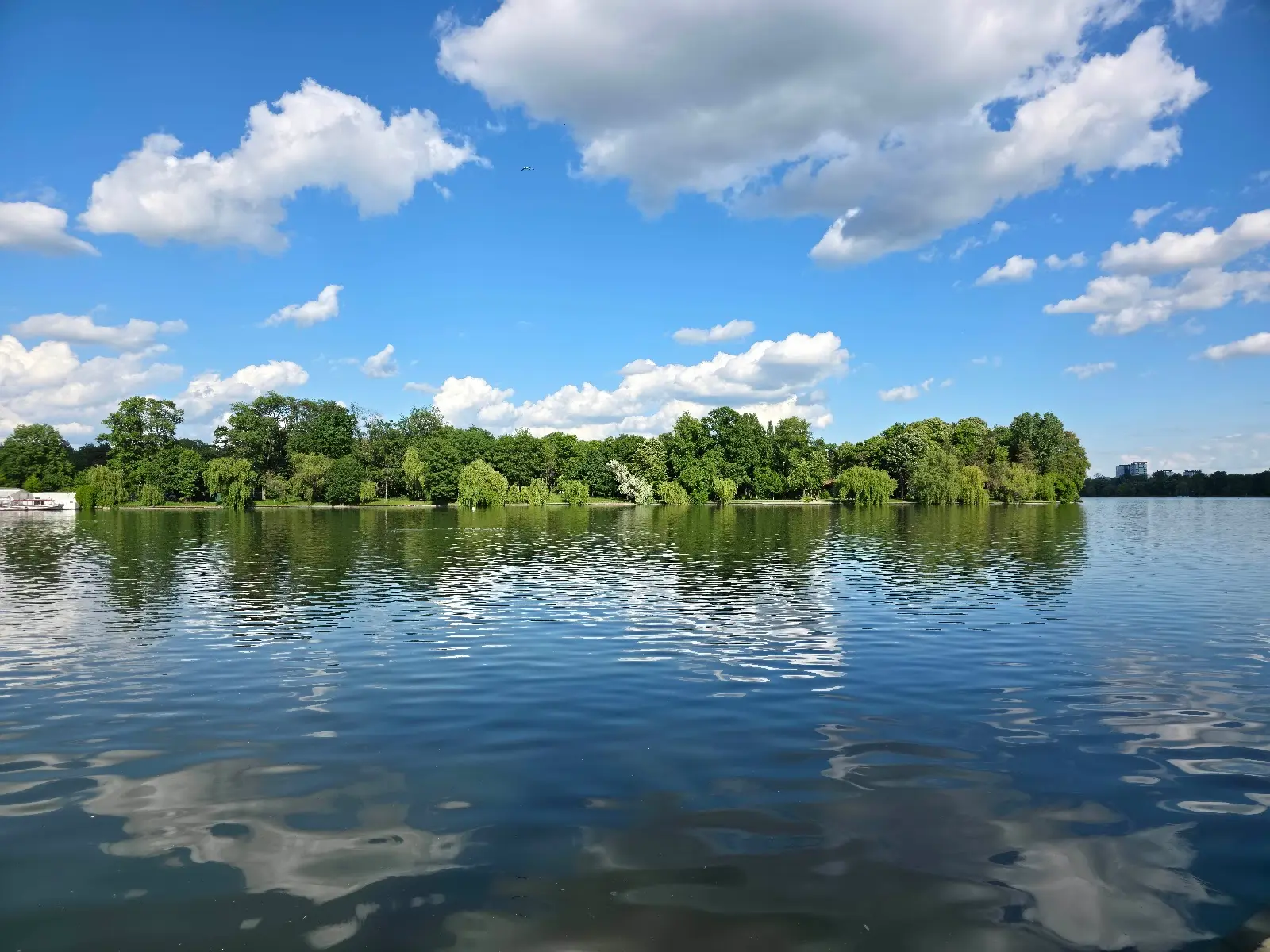
Bucharest
București
The capital of beautiful contradictions — Belle Époque, communism and a booming food scene.
Bucharest is the capital and largest city of Romania, a city of striking contrasts spread along the banks of the Dâmbovița River at the heart of the Romanian Plain. Once nicknamed "Little Paris" for its broad boulevards and Belle Époque architecture, it today blends interwar elegance with communist-era monumentalism and the restless energy of a fast-changing Eastern European capital.
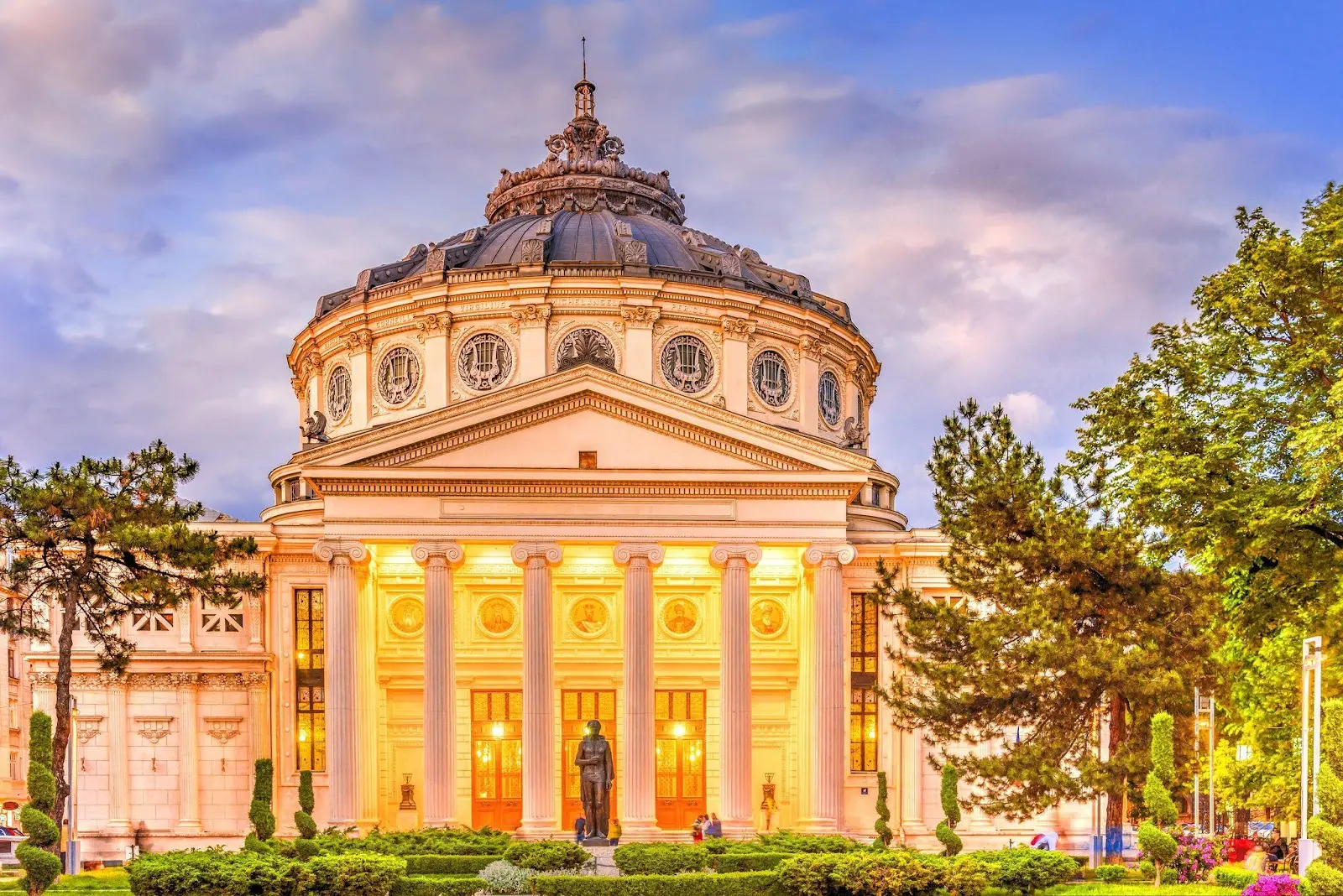
The landmark that dominates the skyline is the Palace of the Parliament, one of the largest administrative buildings in the world, raised during the Ceaușescu era. Around it runs Unirii Boulevard, conceived to rival the Champs-Élysées. The historic core, the Old Town (Lipscani), is a web of pedestrian lanes crowded with cafés, terraces and restored buildings, home to Manuc's Inn, a former caravanserai. Nearby stand the Romanian Athenaeum, with its exquisite concert hall, the National Museum of Art housed in the former Royal Palace, and Orthodox churches such as Stavropoleos.
Bucharest is also a city of parks: Herăstrău (King Mihai I Park) with its lake and open-air Village Museum, and Cișmigiu Gardens, a romantic park in the centre. Its dining scene is the richest in the country, ranging from traditional Romanian cuisine (sour soups, sarmale, mici, papanași) to contemporary restaurants and a surprisingly lively cocktail culture.
The city is the country's most accessible gateway, served by Henri Coandă International Airport (Otopeni) and the main railway stations. Spring and autumn offer the most pleasant weather for exploring. Bucharest rewards visitors with its singular mix of history, architectural contrast and a steadily rising cultural buzz.
Where to stay
All stays →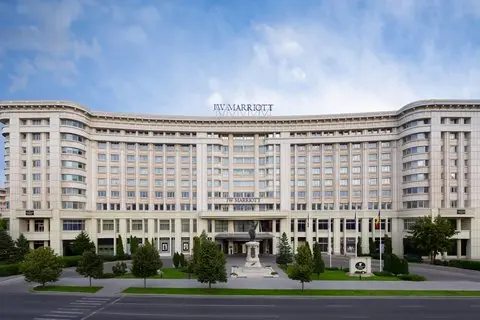 Luxury
JW Marriott Bucharest Grand Hotel
An elegant hotel with luxurious rooms and suites, plus five restaurants, a casino and a spa with a sauna.
 Boutique
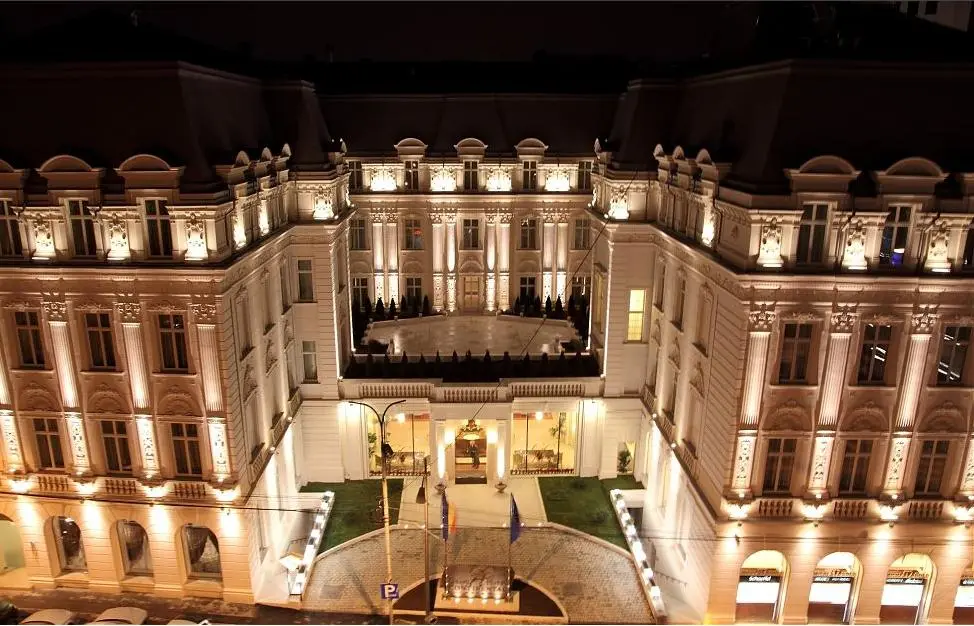
Grand Hotel Continental Bucharest
Elegant rooms and suites in a refined hotel with an upscale restaurant, a spa and a bar.
 Boutique
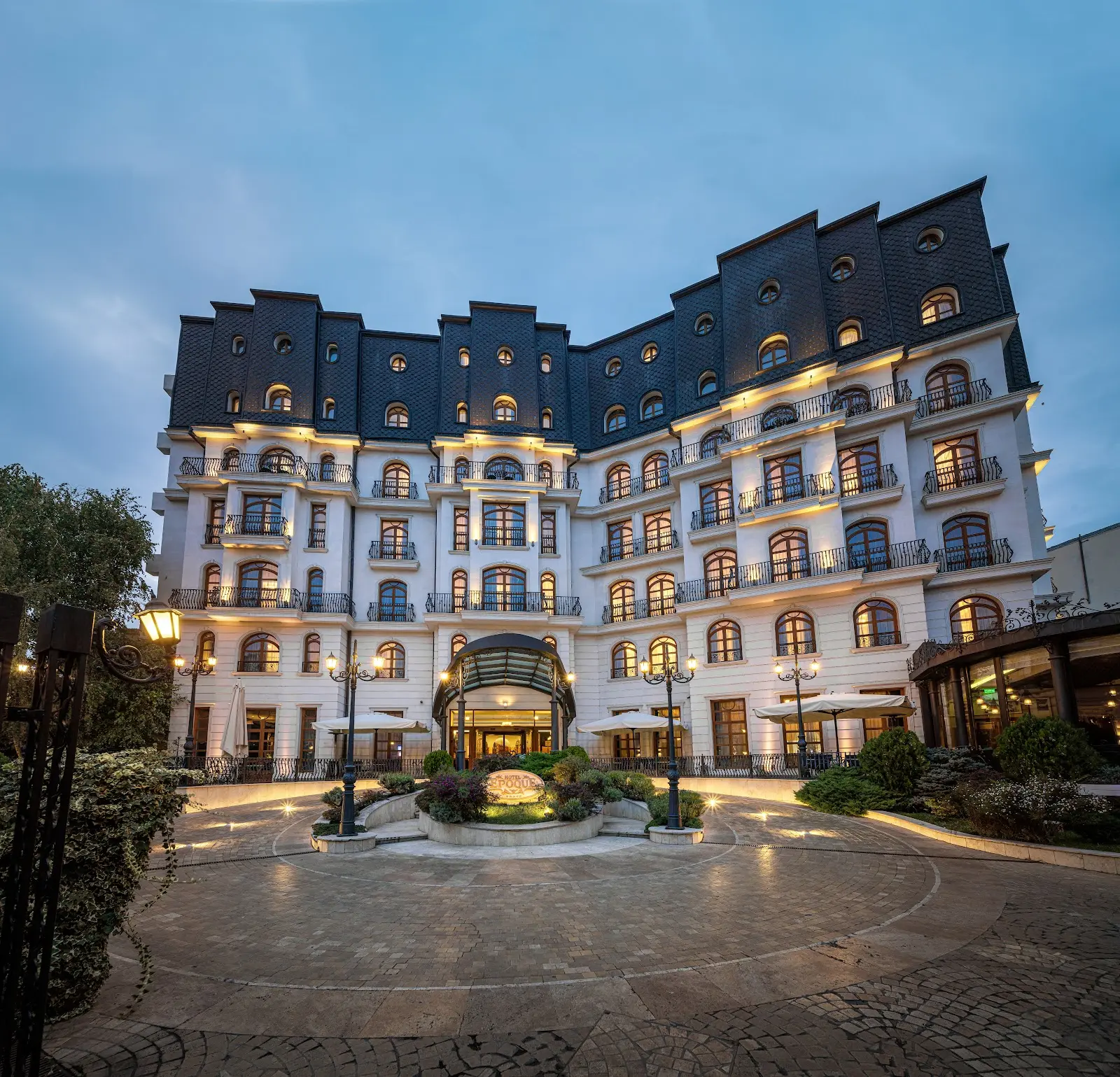
Epoque Hotel Bucharest
Luxurious quarters in a stylish hotel with suites, plus a French restaurant, a spa and free breakfast.
 Luxury
InterContinental Athénée Palace
 Luxury
Radisson Blu Hotel Bucharest
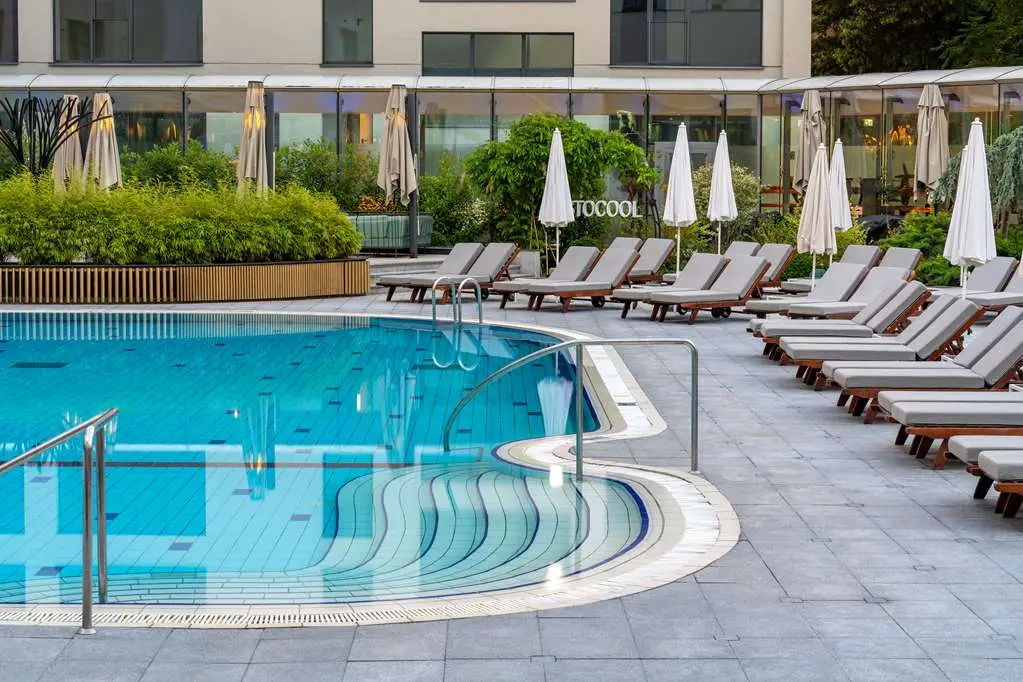
A property with free Wi-Fi, indoor and outdoor pools, a spa, five restaurants and three bars.
 Luxury
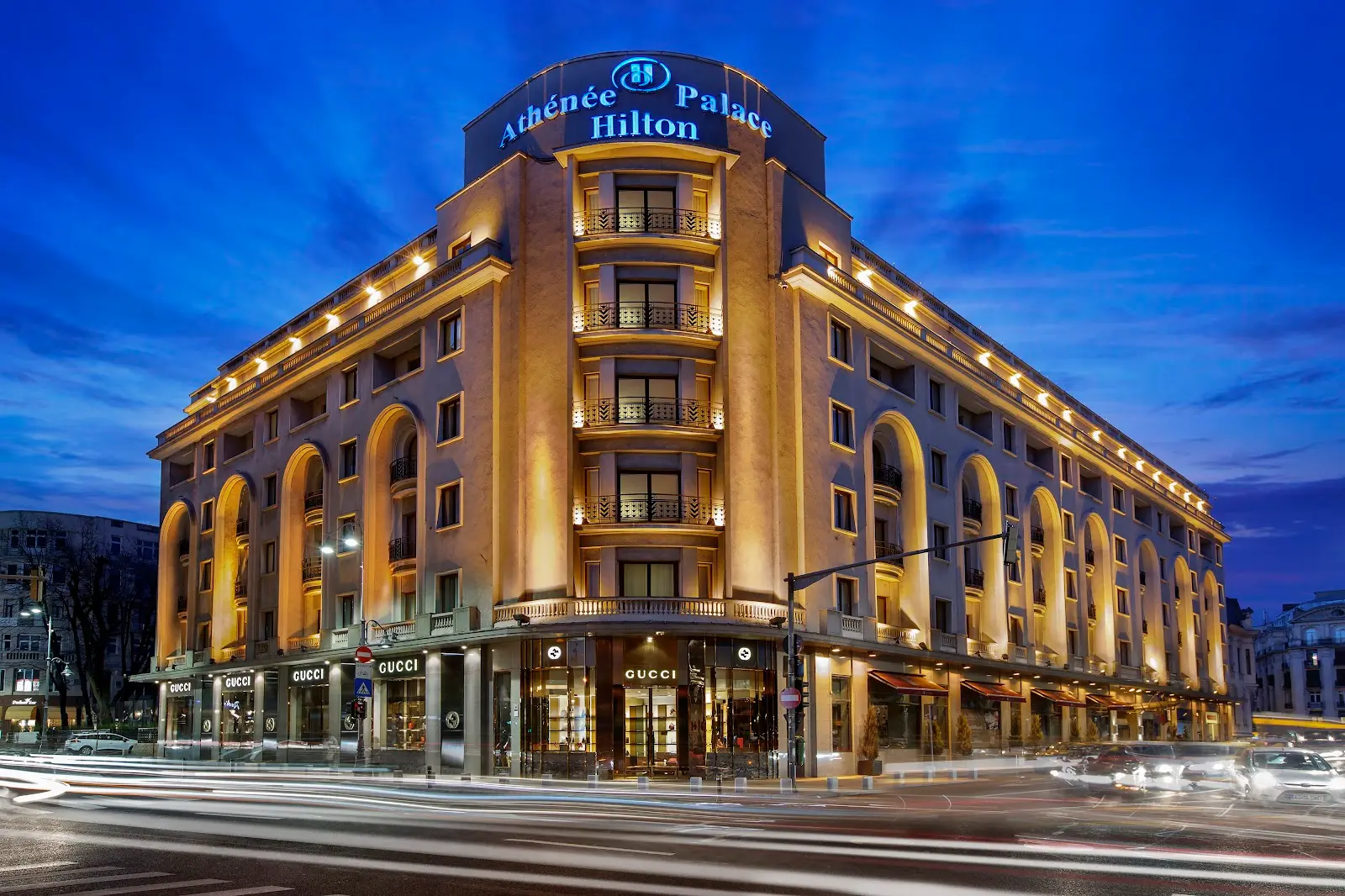
Athénée Palace Hilton Bucharest
Luxurious rooms and suites in a renowned hotel with two restaurants, an indoor pool and a fitness room.
Where to eat
All restaurants → Fine dining
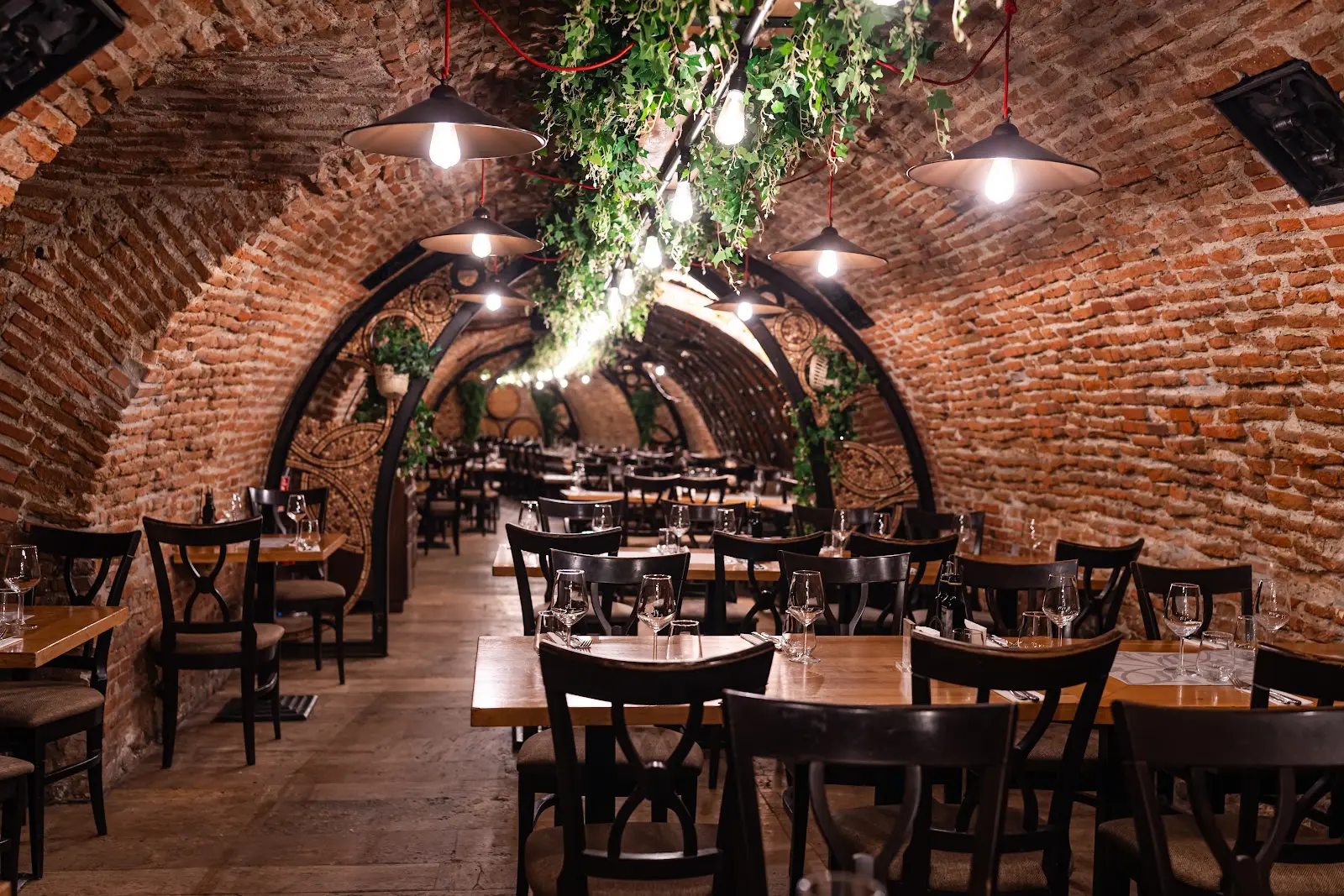
The Artist Restaurant
 Traditional
Hanu' lui Manuc
Classic Romanian dishes served in a historic building, with traditional music and a spacious courtyard.
 Traditional
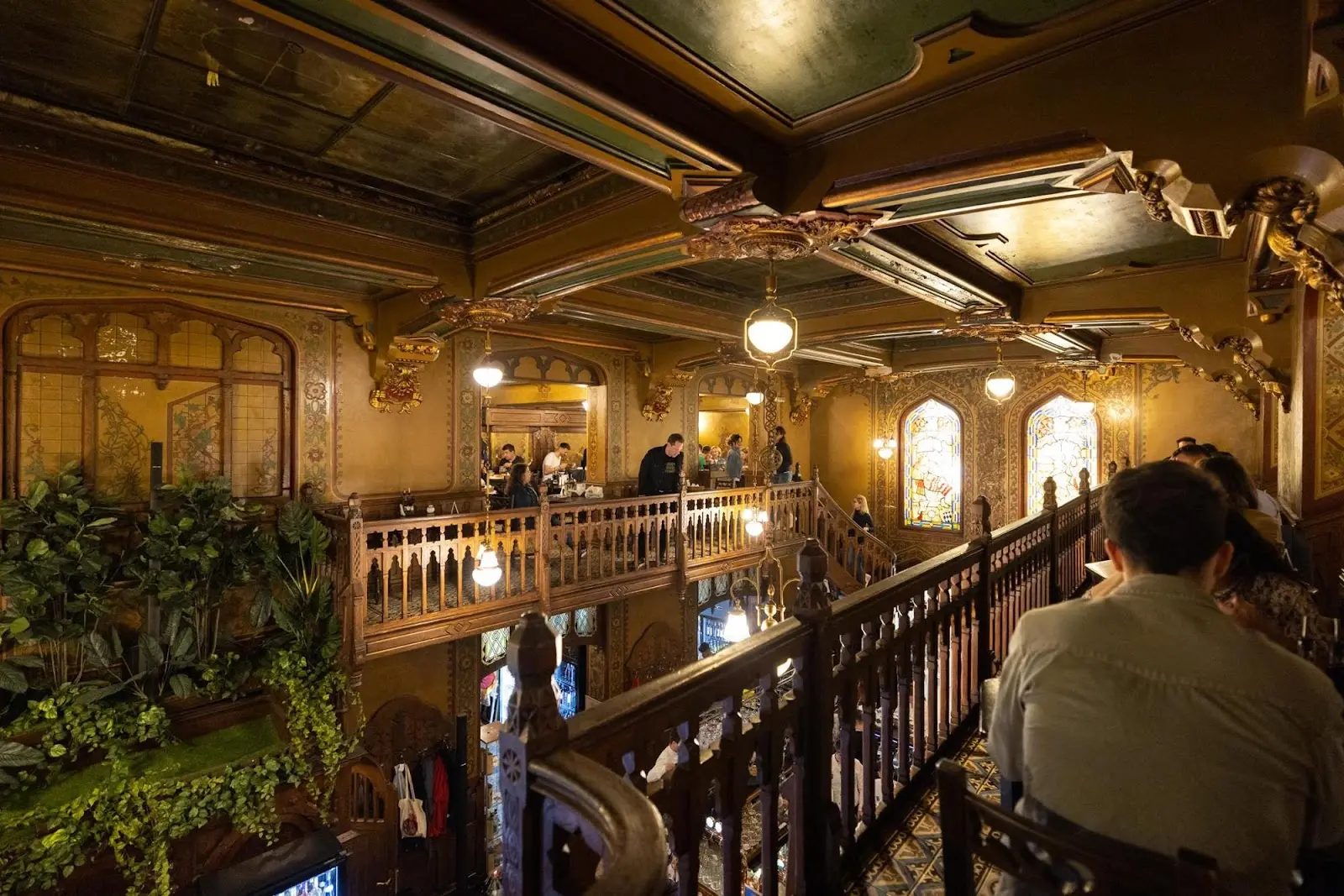
Caru' cu Bere
A Romanian restaurant with striking architecture, wood panelling, stained glass and a courtyard.
 Traditional
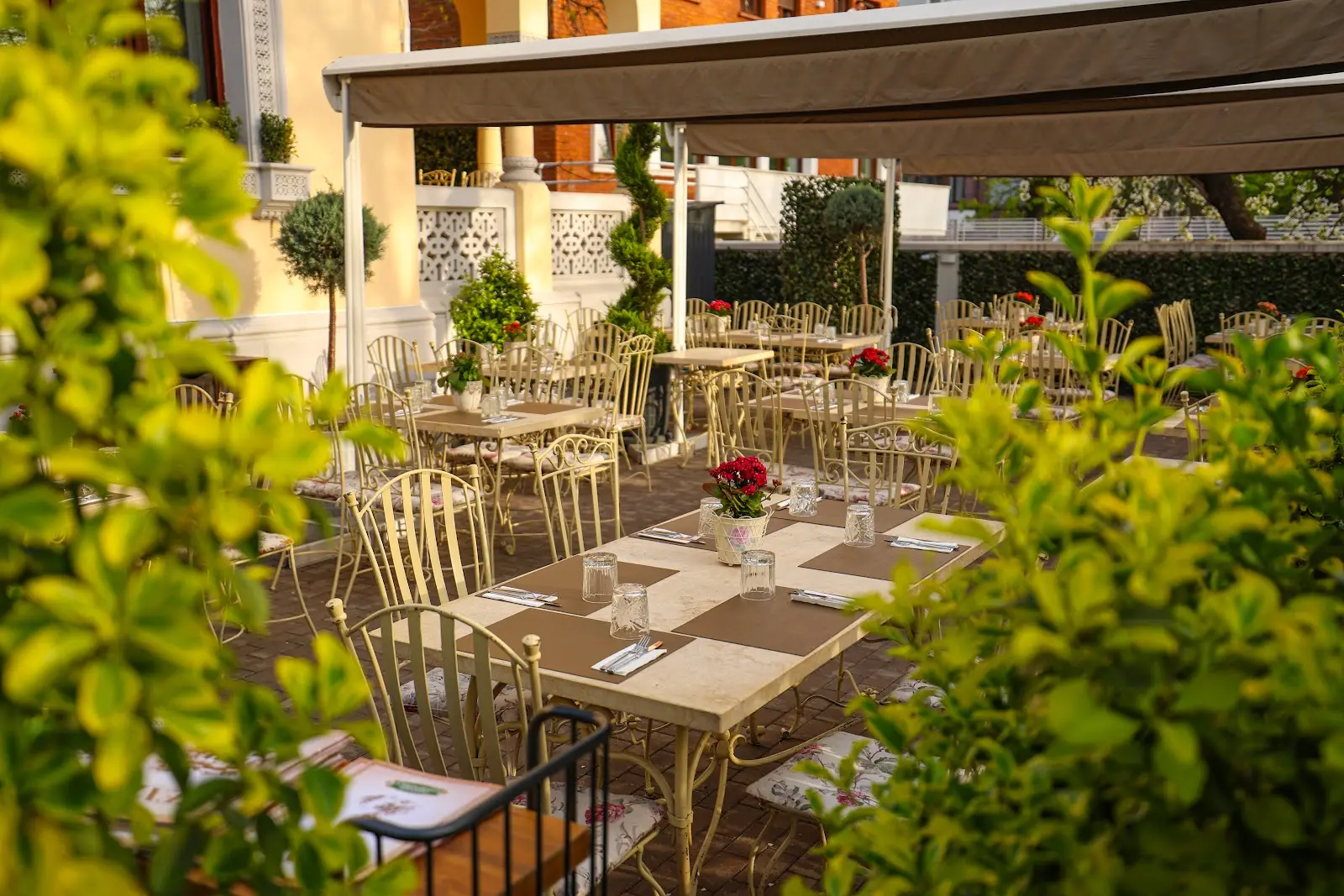
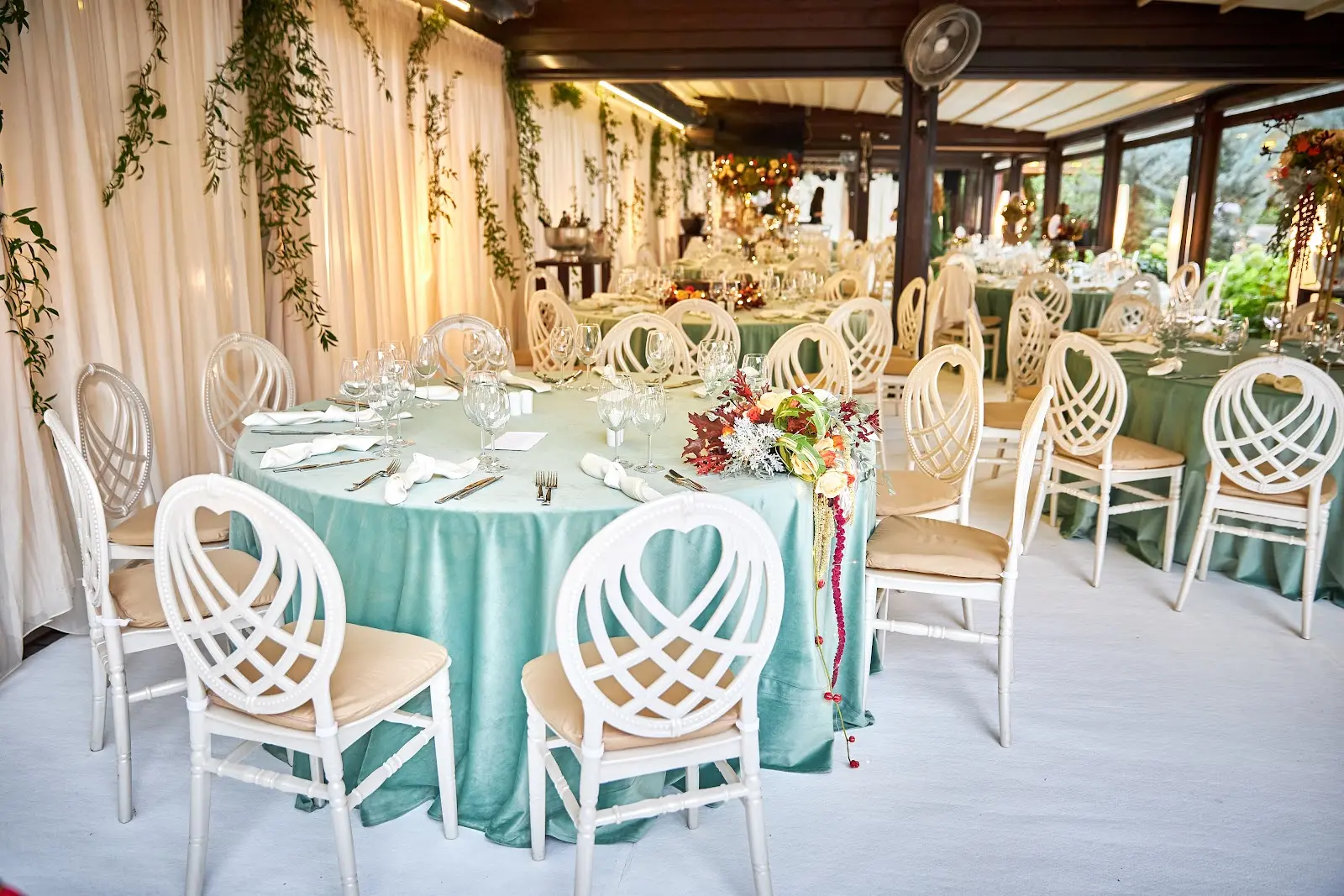
Zexe Zahana
 Fine dining
Casa Doina
 Fine dining
Kane World Food
What to see
See all →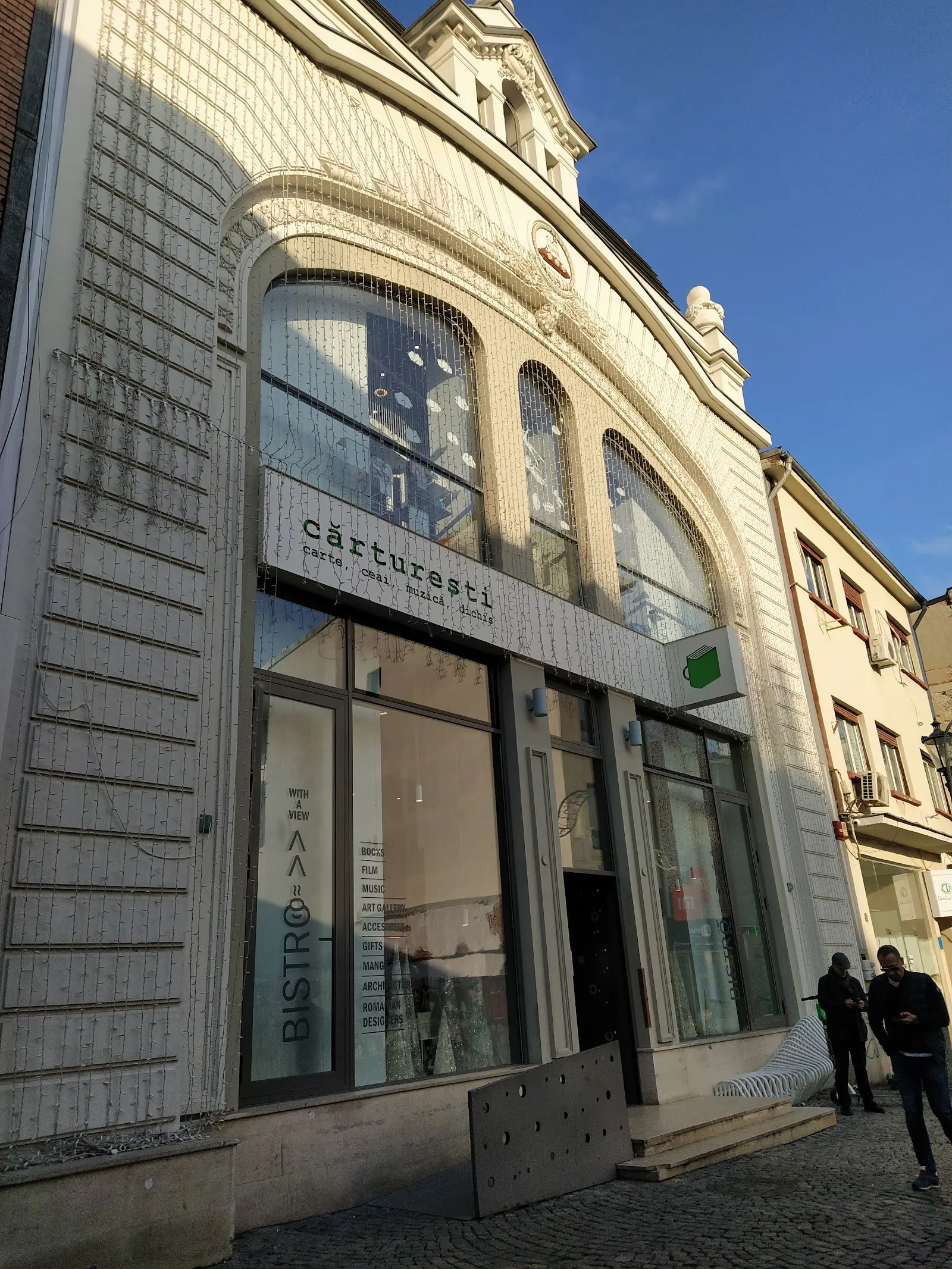 Landmark
Cărturești Carusel
Cărturești Carusel is the most photogenic bookshop in Bucharest and one of the most beautiful in Europe. Set in a 19th-century building on Lipscani Street, in the heart of the old town, it was carefully restored and turned into a "carousel of light": six immaculate white levels linked by elegant staircases and slender columns, beneath a generous skylight that floods the space with natural light. Shelves full of books, a bistro on the top floor, an art gallery and a media space round out the experience. The building once belonged to a merchant family, and the renovation restored its splendour, winning architecture awards. It is a place where you come for a book but stay for the atmosphere and photographs. In the pedestrian zone, it pairs perfectly with a walk through the old centre; check the schedule before visiting.
 Museum
Muzeul Național de Istorie Naturală Grigore Antipa
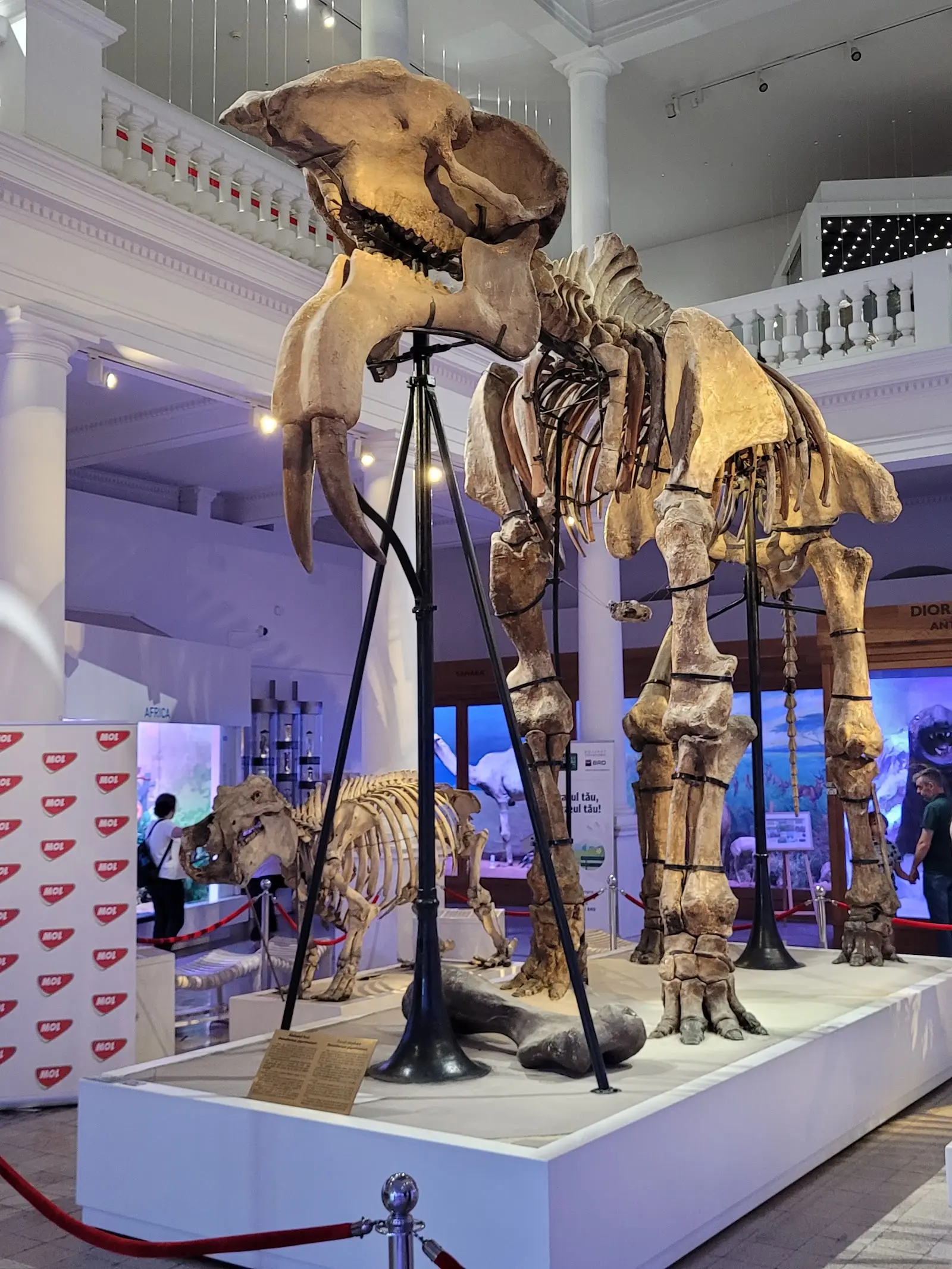
The "Grigore Antipa" National Museum of Natural History in Bucharest is one of the oldest and best-loved institutions of its kind in Romania, a gateway to the natural world that fascinates children and adults alike. Founded in the 19th century and developed by the scholar Grigore Antipa, a pioneer of modern dioramas, the museum holds impressive collections of fauna from around the world, fossils, minerals and the skeleton of a Deinotherium discovered in Romania. Fully renovated, the space blends classic display cases with interactive multimedia installations, realistic dioramas reconstructing ecosystems and areas devoted to Romanian biodiversity. It is a perfect destination for families, with educational trails and temporary exhibitions. Located in Victory Square in the city centre, it is easy to reach. Check the visiting schedule and any closing days before you go.
 Landmark
Ateneul Român
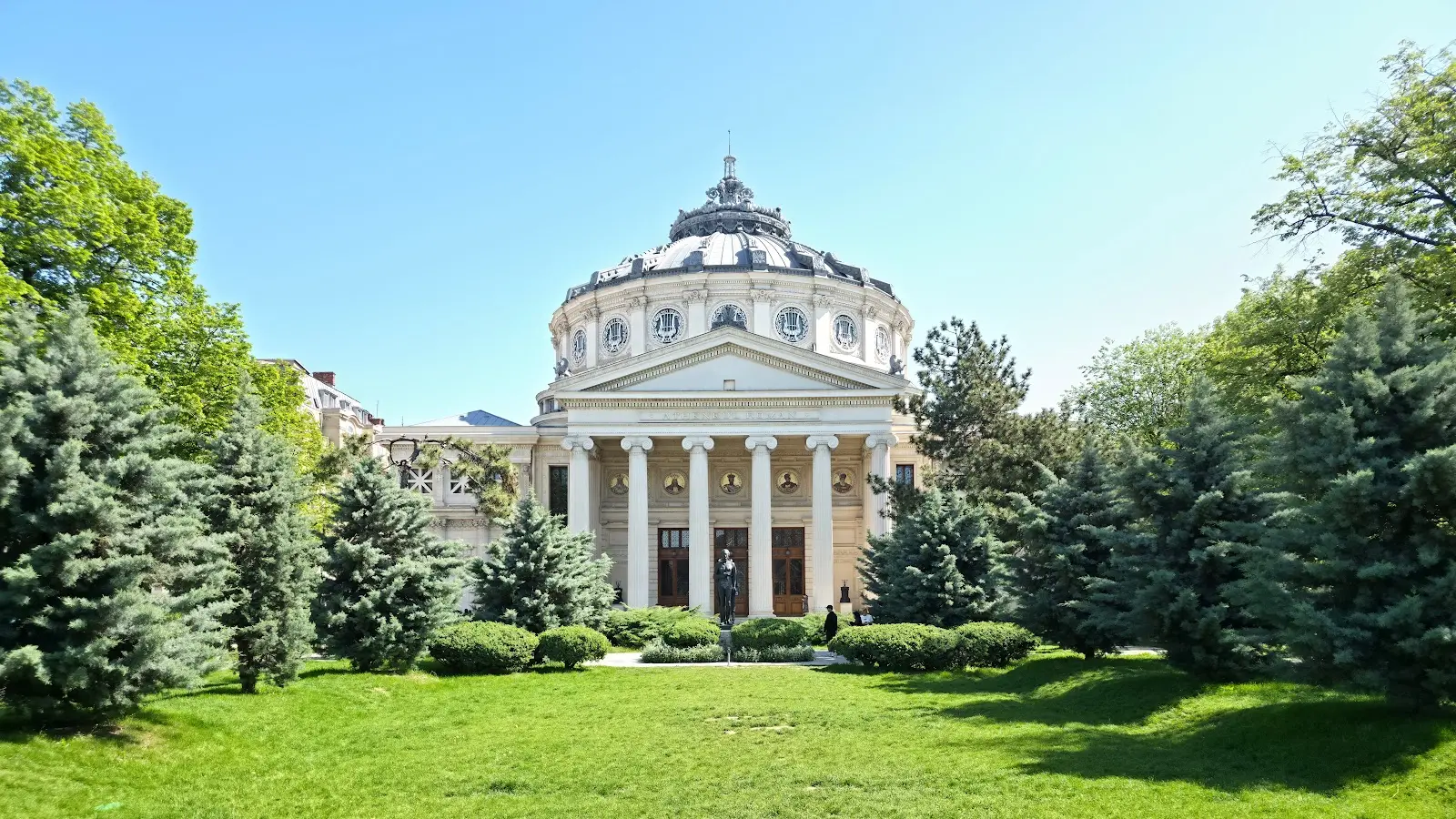
The Romanian Athenaeum is the most beautiful concert hall in Bucharest and a symbol of national culture, home of the "George Enescu" Philharmonic. Inaugurated in 1888 and built by public subscription under the motto "Give a leu for the Athenaeum," the neoclassical edifice impresses with its peristyle of Ionic columns, high dome and elegant rotunda. The interior is a jewel: the circular concert hall, with exceptional acoustics, is adorned with a monumental fresco wrapping the walls over dozens of metres, illustrating key moments in Romanian history. It hosts the "George Enescu" International Festival and landmark concerts. Even without a ticket, the façade and marble staircases are worth admiring. Located near Calea Victoriei and the Athenaeum Park, it is a city landmark. Check the concert schedule and the possibility of visiting the interior outside events.
 Landmark
Cărturești Verona
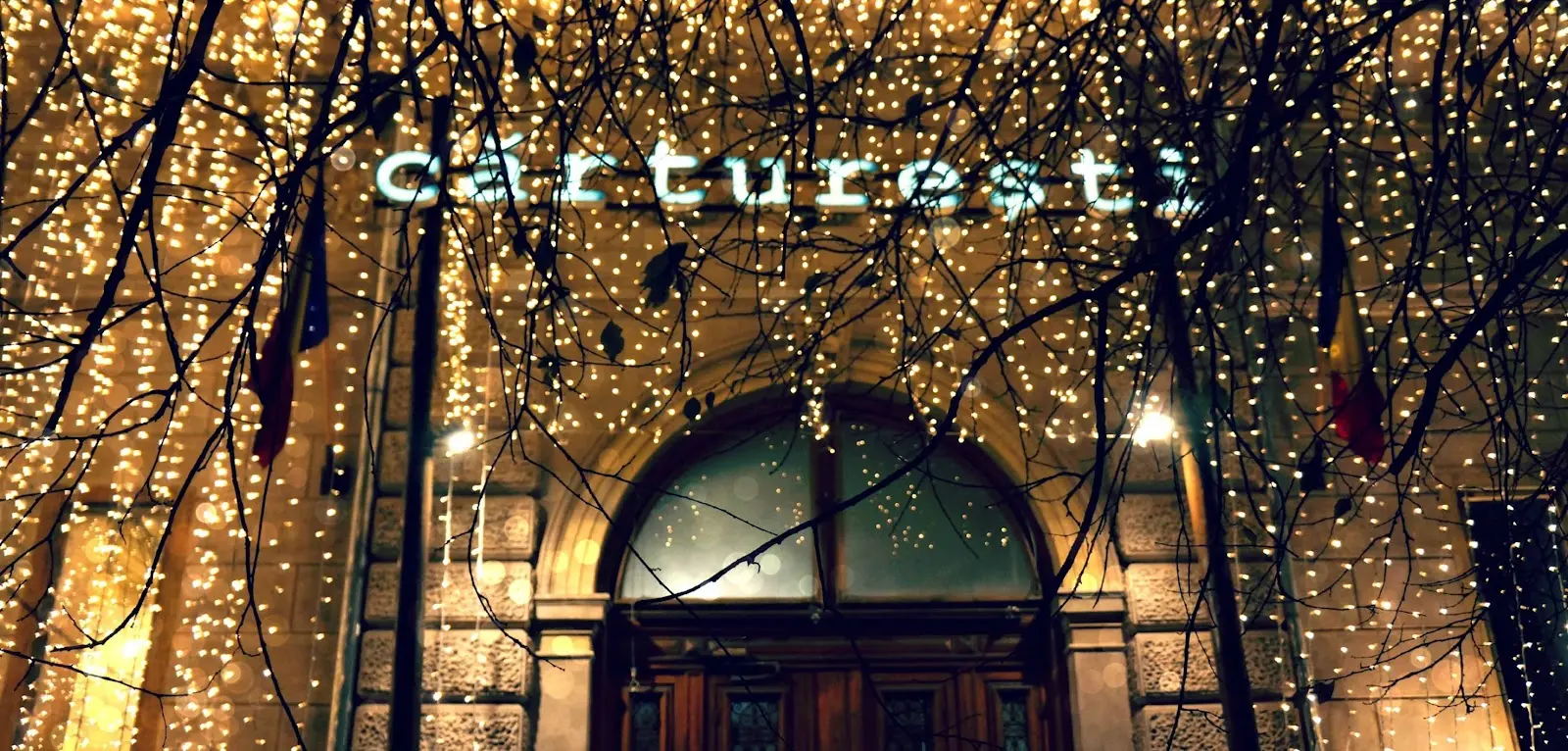
Cărturești Carusel, often also called Cărturești Verona after the nearby street, is one of the most beautiful bookshops in the world, set in a carefully restored historic building in the Old Town of Bucharest. The bright, airy interior, with elegant white columns, winding stairs and fine balustrades climbing several levels beneath a generous skylight, has turned the simple act of buying a book into an aesthetic experience. The space holds thousands of books and albums, an art gallery on the top floor and a pleasant café-bistro, becoming a meeting point for locals and a magnet for tourists and photographers. Its position in the heart of the historic area makes it easy to include in a city walk. It is a place worth lingering in, even if you buy nothing, just for the architecture and atmosphere. Check the schedule, which may run late into the evening, and go up to the top-floor gallery.
 Church
Biserica Stavropoleos
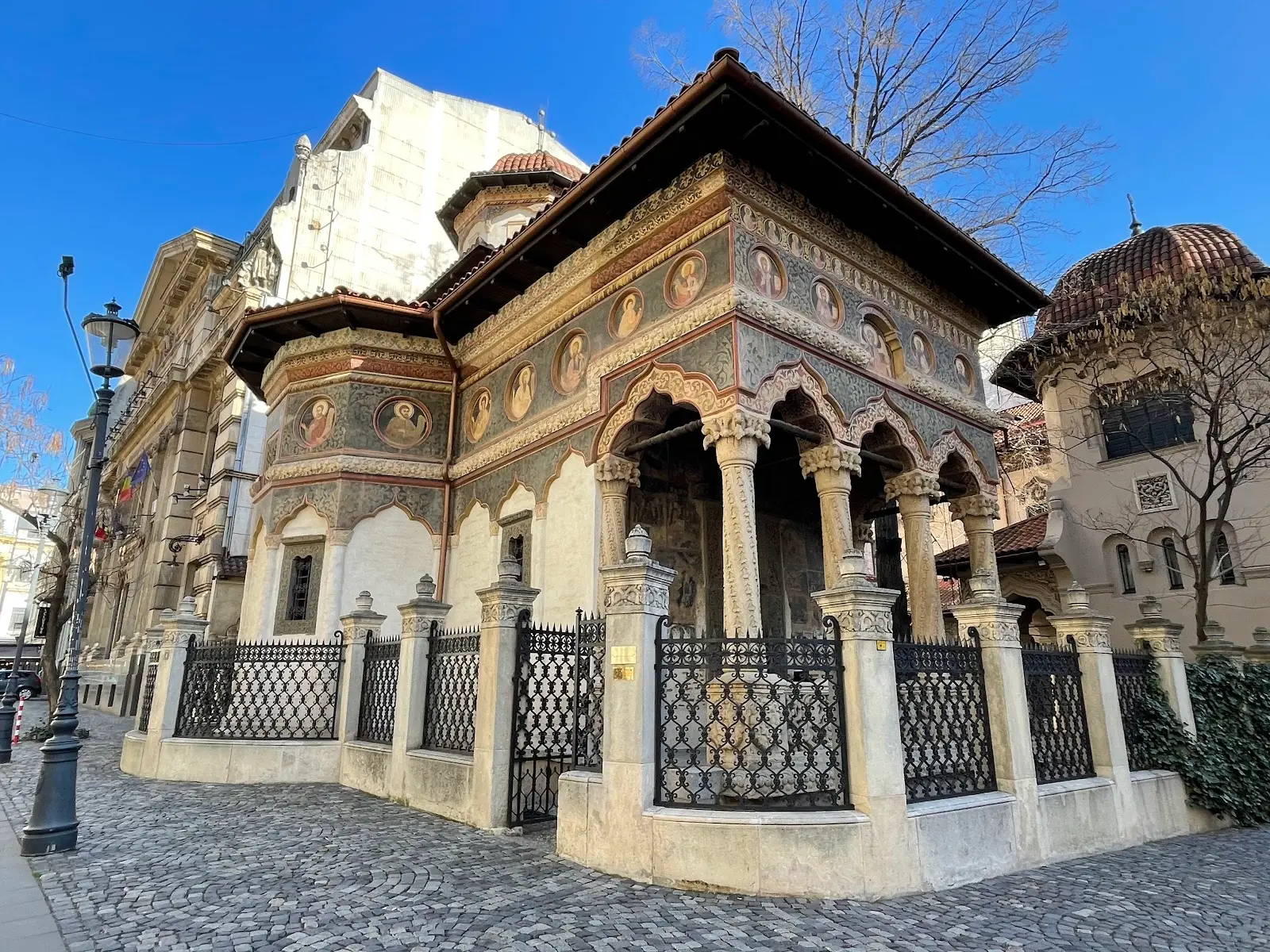
Stavropoleos Church is one of the most beautiful architectural jewels in the old centre of Bucharest, a small Orthodox place of worship raised at the beginning of the eighteenth century, during the Phanariot rule. Built in the Brâncovenesc style, a Romanian synthesis of Byzantine tradition and baroque influences, the church impresses with its richly carved facades, elegant columns and porch with fine arcades decorated with delicate floral motifs. The interior preserves valuable murals and a remarkable iconostasis, and the quiet inner courtyard, with a lapidarium sheltering fragments of old stone, offers an unexpected corner of peace amid the urban bustle. The monastery is also known for its choir of Byzantine music and for an important library of old books. Set near Manuc's Inn and the Old Princely Court, Stavropoleos is an essential landmark of walks through the historic centre. Visitors are asked to respect the quiet and dress appropriate to an active place of worship and to admire the carved details discreetly.
 Church
Patriarhia Română (Catedrala Patriarhală)
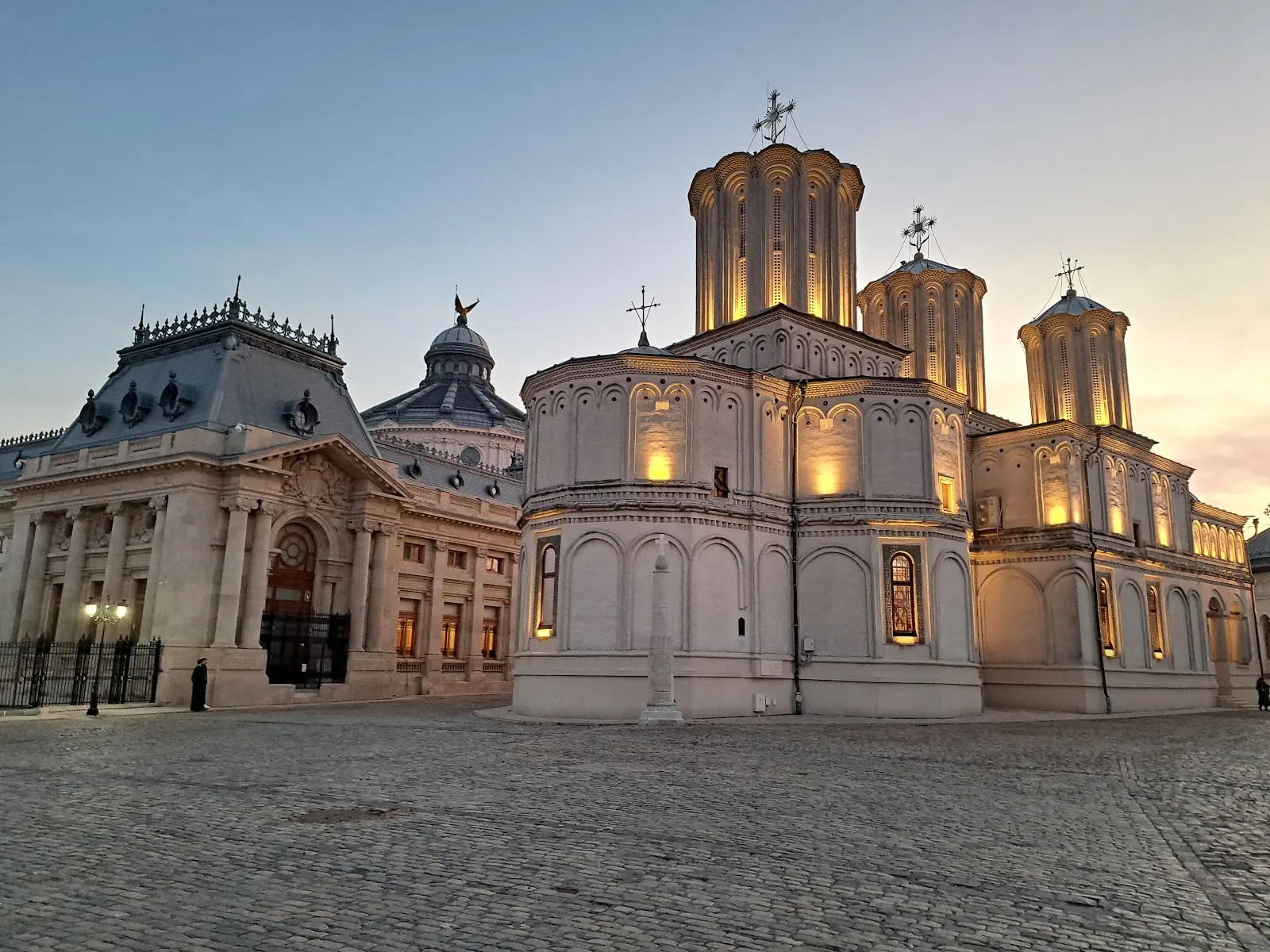
The Romanian Patriarchate, with its Patriarchal Cathedral, stands on Metropolitan Hill in the centre of Bucharest and represents the spiritual centre of the Romanian Orthodox Church. The cathedral was founded in the seventeenth century by the ruler Constantin Serban and was over time the metropolitan and then the patriarchal seat of Romanian Orthodoxy. The church preserves the traditional architecture of Wallachian places of worship, with paintings and liturgical objects of great value, as well as the relics of Saint Dimitrie the New, protector of Bucharest. Around the cathedral stand the Patriarchal Palace, the bell tower and administrative buildings, forming an important historic complex. From the hill a view opens over the city, and every year, on the feast of Saint Dimitrie, impressive pilgrimages take place here. Set close to the historic centre, the Patriarchate is a significant stop for those interested in the history and spirituality of the capital.
 Monastery
Mănăstirea Antim
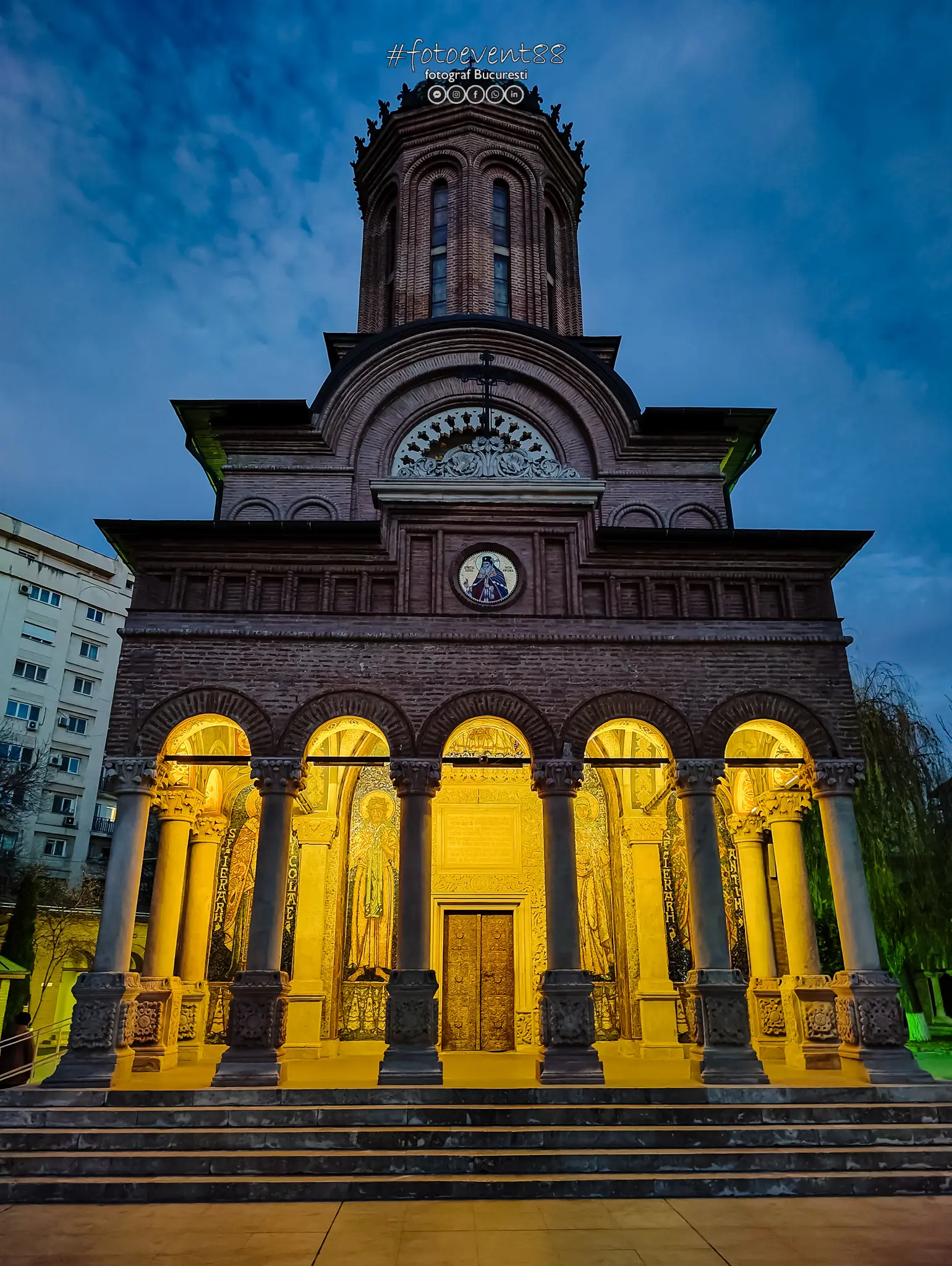
The Antim Monastery in central Bucharest was built between 1713 and 1715 at the command of Metropolitan Antim Ivireanul, a scholar of Georgian origin who was a printer and artist and left a deep mark on Romanian culture. The complex stands out for its triconch church, whose carved stone portal was designed after the metropolitan's own drawings, for the bell tower at the entrance, and for a quiet courtyard set apart from the bustle of the city. Over the centuries the church suffered from earthquakes and from communist urban planning, when it was moved on rails to save it from demolition. Today it houses a monastic community and a museum displaying heritage objects, old prints, and liturgical treasures. Visitors find a corner of peace with restored paintings, a gilded iconostasis, and well-kept gardens. A practical note is to respect the services and the silence of the place while walking through the courtyard.
 Museum
Muzeul Zambaccian
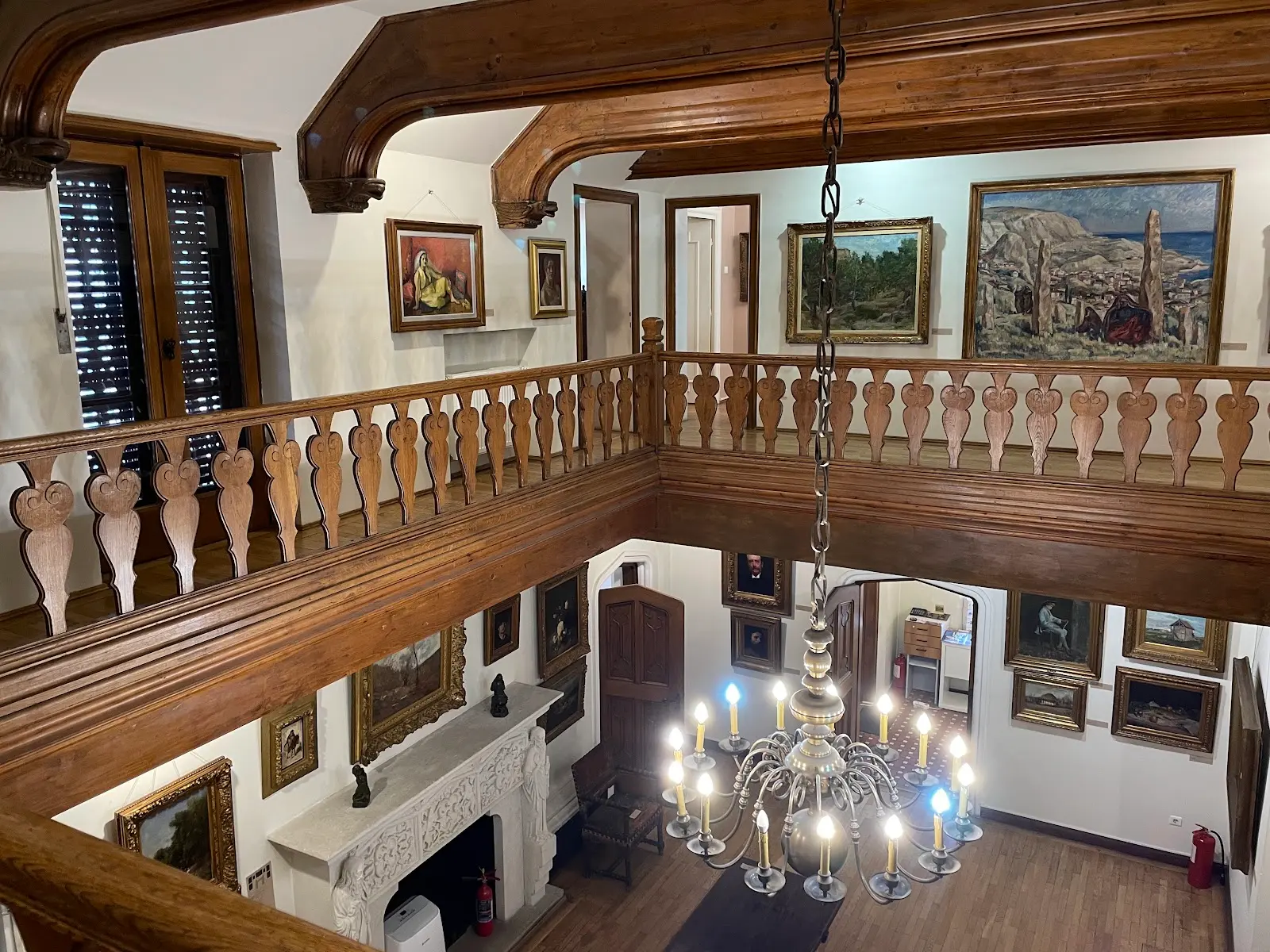
The Zambaccian Museum in Bucharest is one of the most refined art collections in the capital, housed in the home that belonged to the Armenian collector Krikor Zambaccian, an ardent art lover who devoted his life and fortune to gathering valuable works. Opened to the public in 1947, when the collector donated his house and paintings to the state, the museum brings together works by the great Romanian masters, from Nicolae Grigorescu, Ștefan Luchian and Theodor Pallady to Nicolae Tonitza and Gheorghe Petrașcu, alongside a section of universal painting with prestigious names such as Cézanne, Delacroix, Matisse, Pissarro and Renoir. The intimate atmosphere of a house-museum, with the paintings arranged as in an elegant home, offers a truly distinctive experience, bringing the visitor close to the taste and passion of a great collector. Practical note: check the visiting hours and combine the stop with the other house-museums in Bucharest's quiet residential area.
 Landmark
Arcul de Triumf
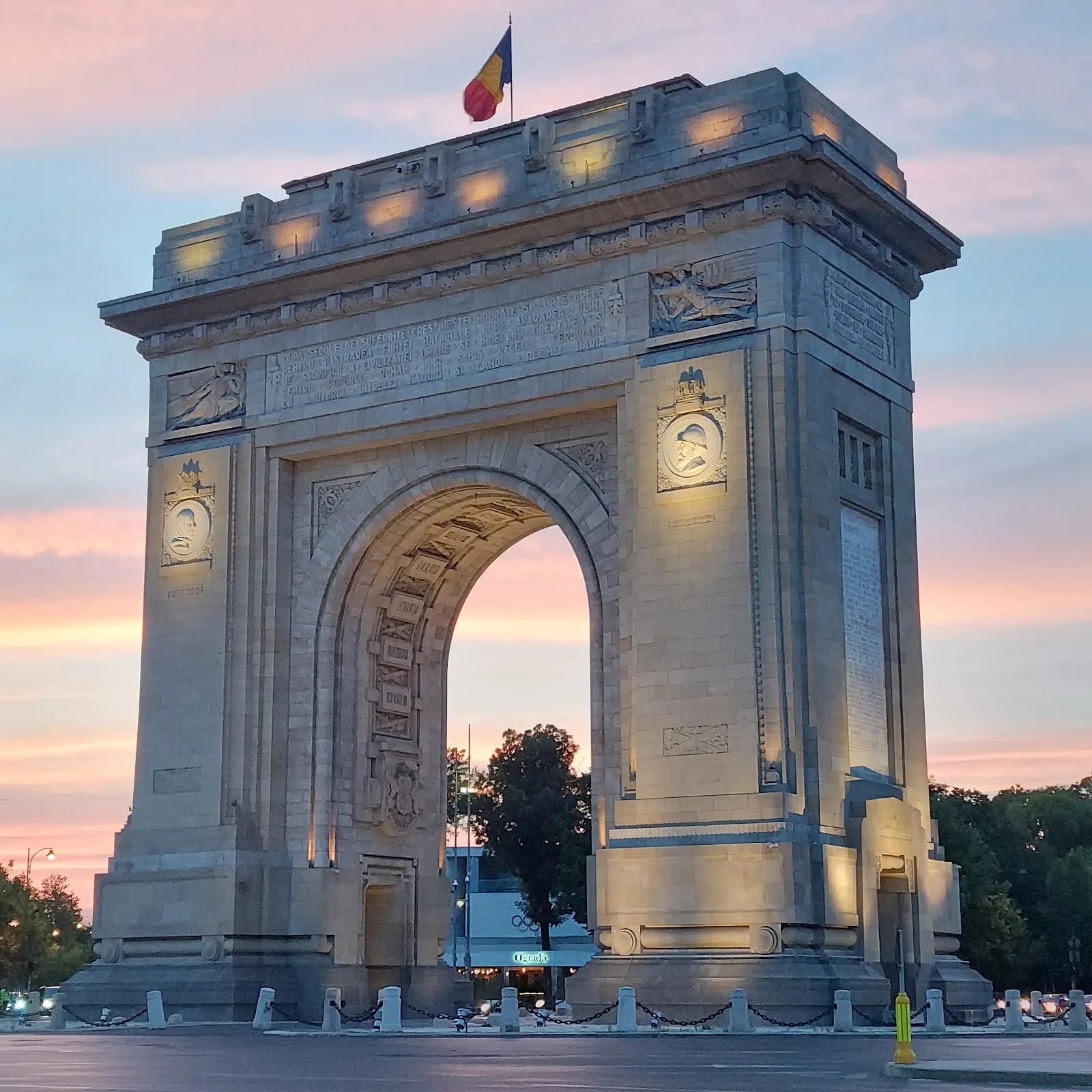
The Arch of Triumph in Bucharest is the monument that marks, literally and figuratively, Romania's victory and national unity. First built in wood after the First World War and rebuilt in stone in the 1930s to the designs of architect Petre Antonescu, the arch rises in the north of the capital, at a monumental junction on Kiseleff Avenue, inspired by the great European models. Its façades are adorned with bas-reliefs, medallions and commemorative inscriptions by leading Romanian sculptors. At its base, a panoramic terrace reached by interior stairs offers a broad view over the city and the tree-lined boulevard. The monument is the centre of military parades on the National Day, 1 December. It can be admired freely from outside at any time; for climbing to the terrace, check the visiting schedule, available on certain days.
Frequently asked questions
What is București known for?+
București is best known for sights such as Cărturești Carusel, Muzeul Național de Istorie Naturală Grigore Antipa, Ateneul Român.
How many days do you need in București?+
One to two days is enough to see the highlights of București; stay longer to use it as a base for day trips.
Where should I stay in București?+
See our selected stays above, or check live rates and availability on the accommodation map.

From our network
MyBucurești.online
Bucharest in depth — neighbourhoods, restaurants, events, nightlife and all that moves in the capital, on our dedicated portal.