
Myth & history
On the trail of Dracula
Between Bram Stoker's fiction and the real Vlad the Impaler: Bran Castle, Poenari Fortress (his actual stronghold), Sighișoara where he was born, the princely seat at Târgoviște and the Borgo Pass from the novel. A trail that separates legend from history.
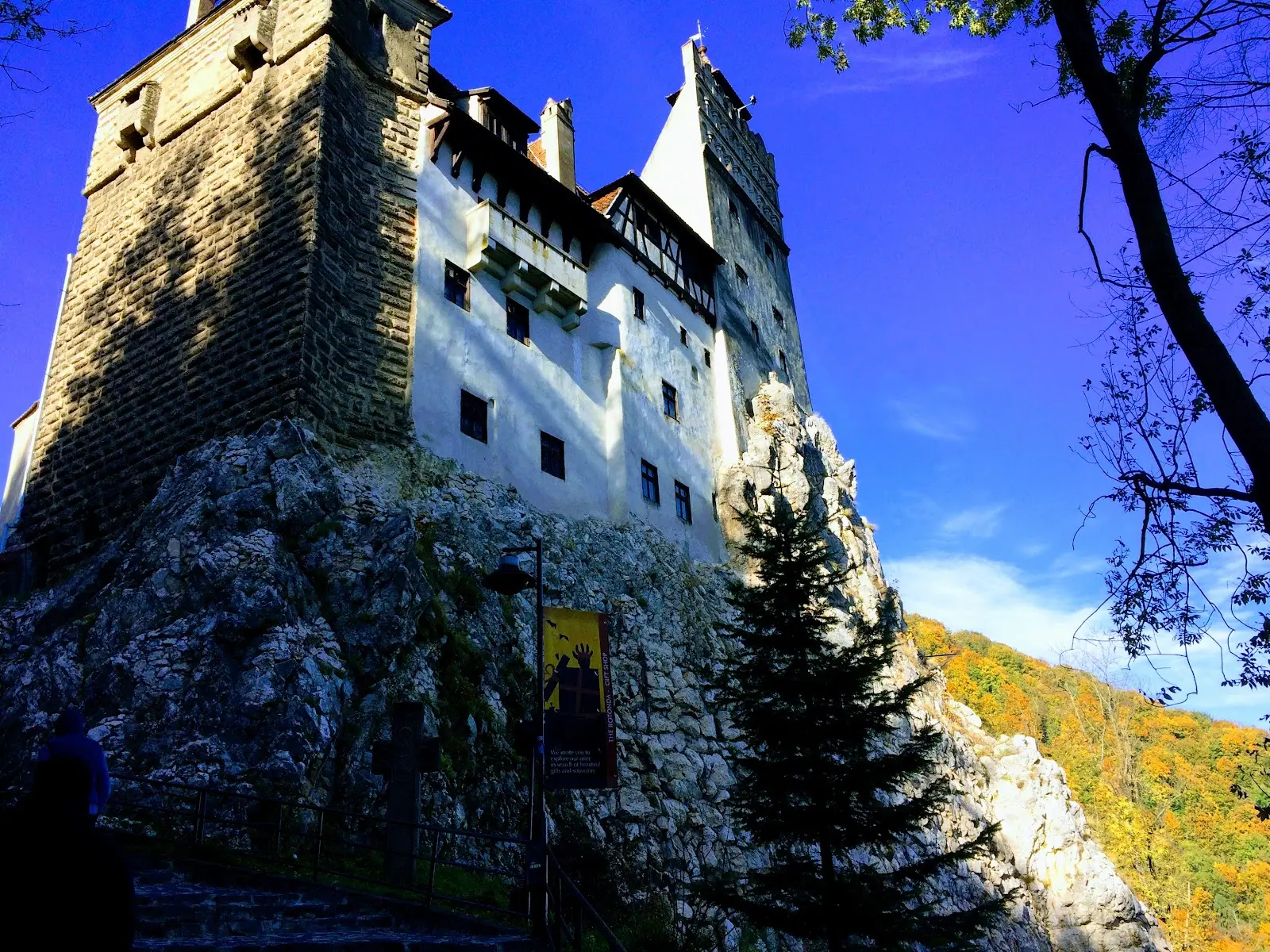 Castle
Castelul Bran
Perched on a rock at the pass between Transylvania and Wallachia, Bran Castle is Romania's most photographed fortress and, in popular imagination, "Dracula's castle." Built in stone by the burghers of Brașov in the late 14th century as a customs point and defence of the trade road, it changed roles over the centuries, becoming in the 1920s the summer residence of Queen Marie, who tastefully turned it into a royal home. The interiors preserve period furniture, intimate courtyards, narrow staircases and a maze of rooms linked by hidden passages. The views toward the Bucegi and Piatra Craiului peaks are spectacular. At the foot of the castle you will find souvenir stalls and small themed museums. Check the visiting schedule before you go, especially in peak season when crowds are heavy.
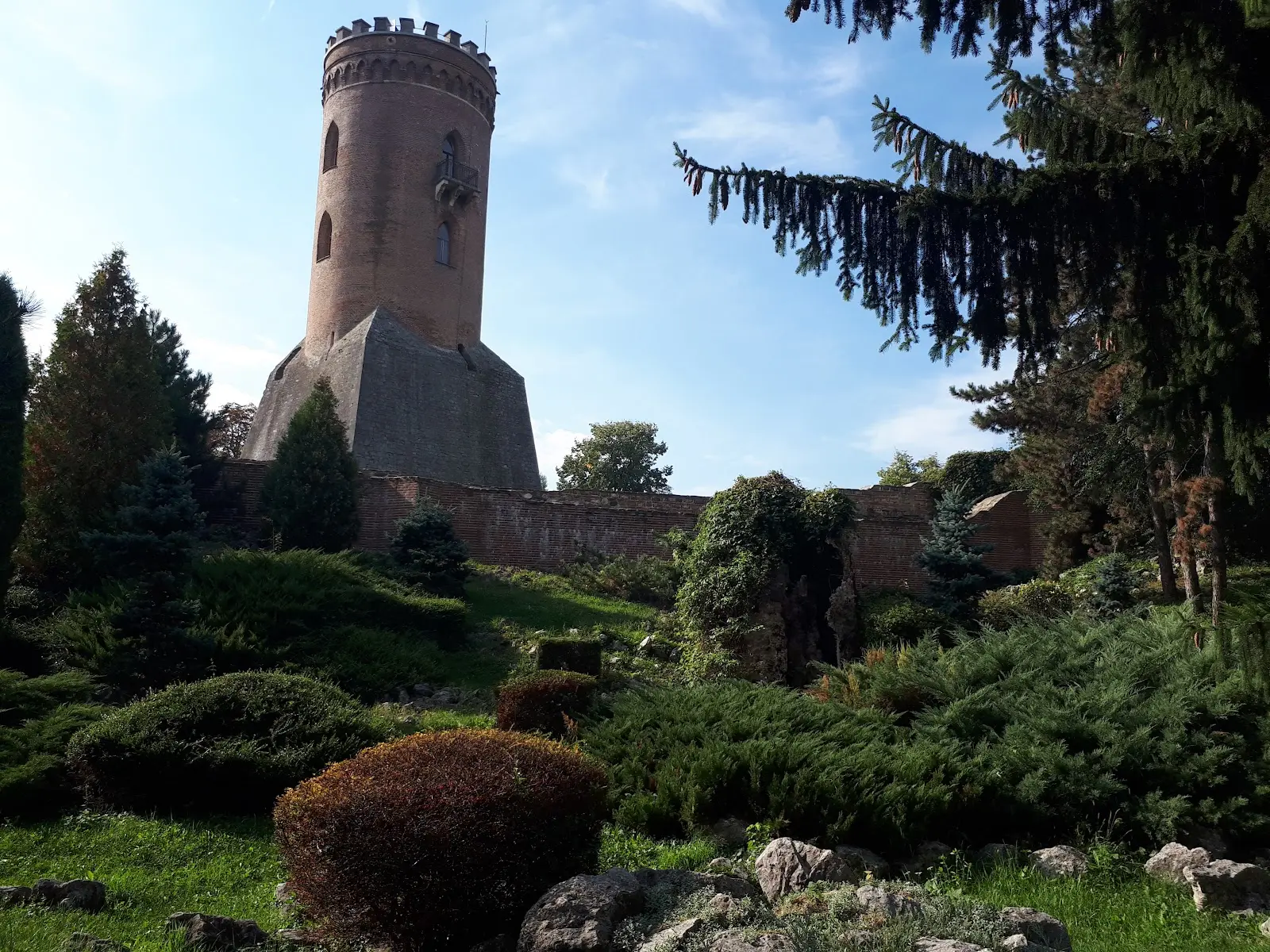 Park
ParkParcul Chindia
Chindia Park is the most important green space in Târgoviște, laid out right around the Princely Court, the old residence of the rulers of Wallachia, in an area of special historical weight. The park blends shaded alleys, old trees and leisure areas with the medieval remains of the princely ensemble, at the centre of which rises the famous Chindia Tower, the symbol of the city. Visitors can combine a relaxing walk among well-kept green spaces, small lakes and playgrounds with the discovery of the ruins of the voivodal palace, where Vlad the Impaler once ruled. The park also hosts a small zoo, appreciated especially by families with children. Its central location makes it a meeting place for locals and a starting point for visiting the city's other monuments. The calm atmosphere, the greenery and the proximity to historical heritage make Chindia Park a pleasant destination in any season. Visitors can combine the walk with a climb up the neighbouring medieval tower.
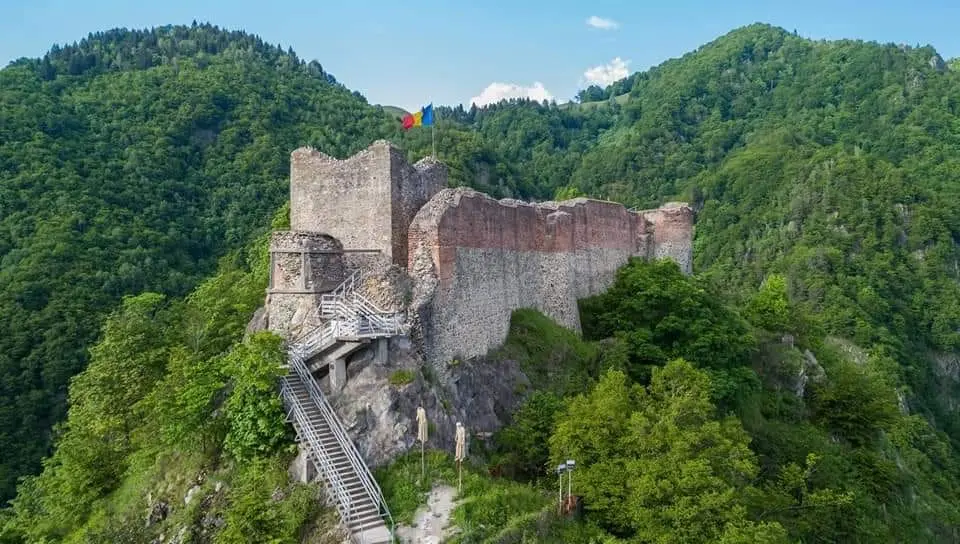 Castle
Cetatea Poenari
Poenari Fortress rises on a rocky crest of the Fagaras Mountains, above the Arges Valley near Curtea de Arges, and is regarded as one of the true strongholds of Vlad the Impaler. Originally raised in the thirteenth century and reinforced by the Wallachian ruler in the fifteenth century with the labour of prisoners, the fortress served for defence and refuge, in a strategic and hard-to-reach position. Today the fortress preserves walls, towers and fragments of walls that evoke medieval times. Access is by climbing more than fifteen hundred steps through a dense forest, an effort rewarded by the spectacular view over the mountains and the nearby Vidraru Lake. Poenari Fortress is closely tied to the legends of Dracula and draws many visitors eager to discover the authentic history behind these stories, within an impressive mountain setting that makes the climb worthwhile.
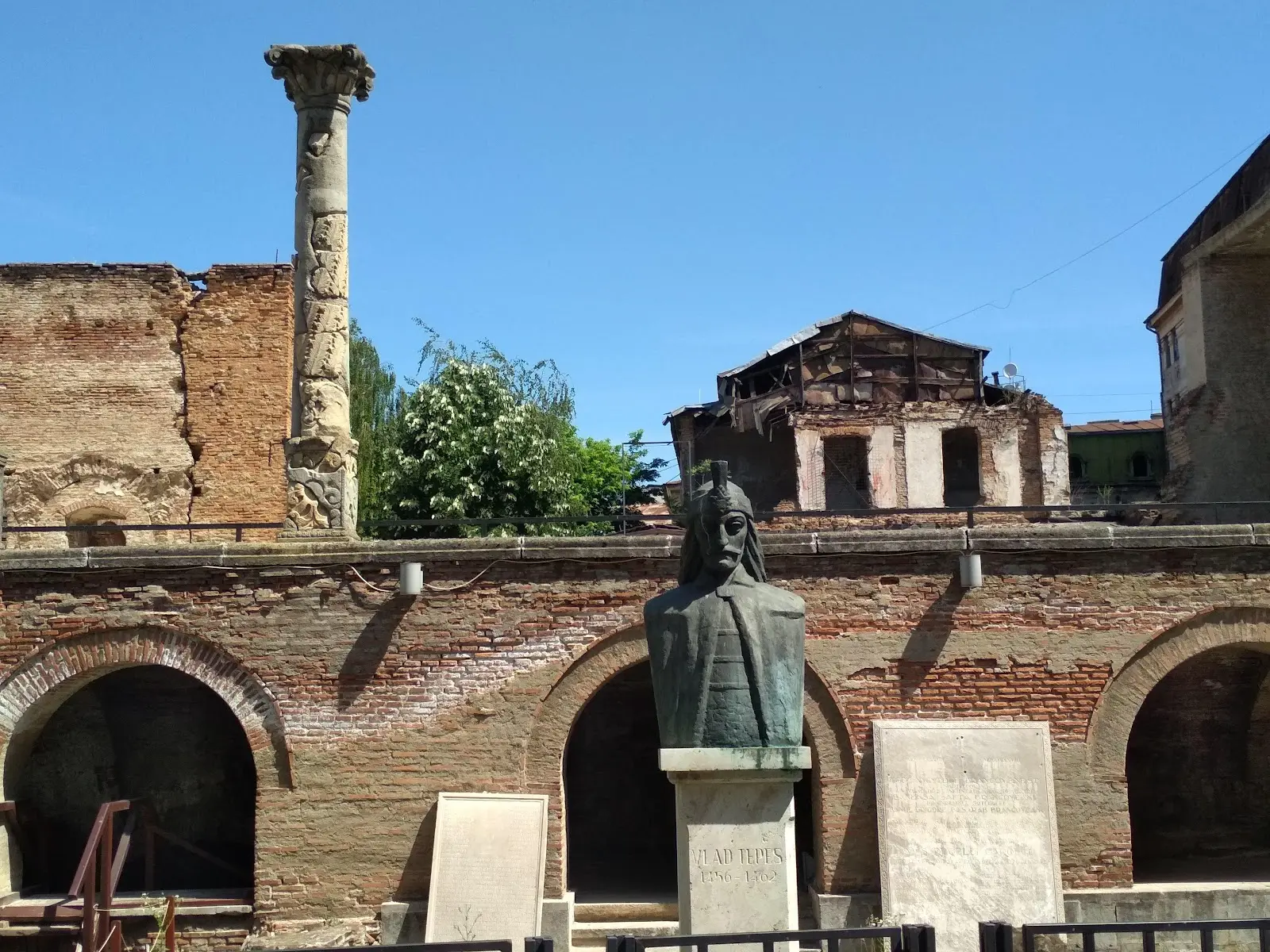 Landmark
Curtea Veche
The Old Princely Court in Bucharest is the cradle of the capital: the remains of the medieval princely palace raised in the 15th century, in the days when Vlad the Impaler consolidated here, on the bank of the Dâmbovița, a fortified residence of the rulers of Wallachia. The earliest documentary mention of Bucharest, from 1459, is bound to this very court, and the brick and stone walls uncovered by archaeologists preserve traces of several building phases, from vaulted cellars to the foundations of ceremonial halls. Beside it stands the Old Court Church, the oldest surviving place of worship in the city, where the rulers were anointed. The ensemble, turned into an open-air museum, allows a tangible descent into the city's medieval history, right in the heart of the old centre, among the little streets of Lipscani. Practical note: check the schedule, since the site has undergone extensive restoration, and combine the visit with a stroll through the historic centre.
 Nature
Valea Bârgăului
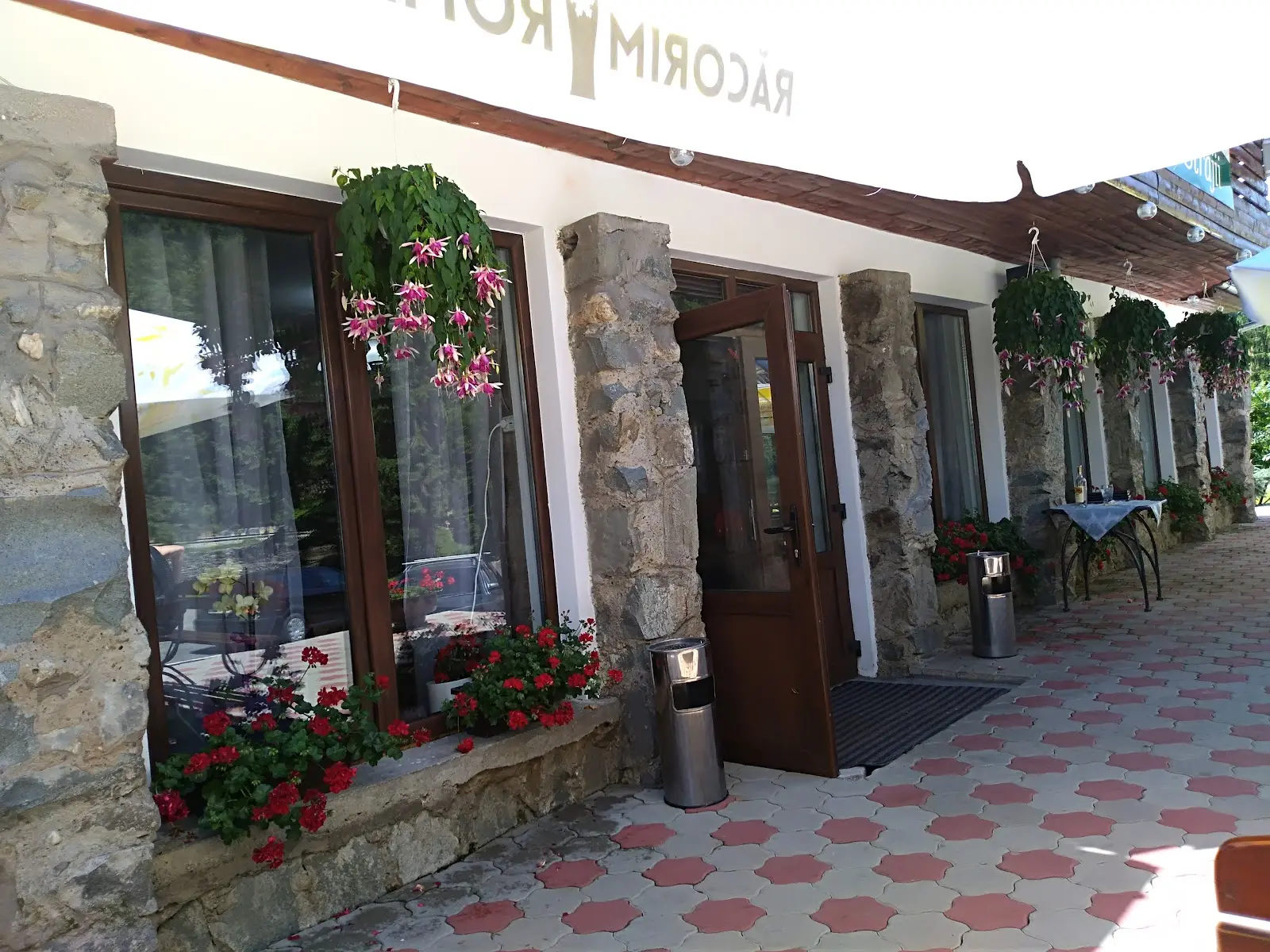
The Bârgău Valley, in Bistrița-Năsăud County, stretches along the Bârgău river, on the road that climbs from Bistrița toward the Tihuța Pass, a gateway between Transylvania and Bucovina. This is the valley that inspired the Irish writer Bram Stoker to set here, in his novel "Dracula," the traveller's road to the vampire count's castle, though the author never visited the places. The real landscape, however, is gentle and pastoral: villages scattered on the slopes, traditional homesteads, meadows and fir forests climbing toward the ridges of the Bârgău Mountains, in a quiet atmosphere far from the world's turmoil. On the height of the pass, a hotel built in neo-Gothic style during the communist era plays on the literary legend. The valley remains an authentic area, where pastoral traditions and crafts have been preserved. Practical note: drive toward the Tihuța Pass in spring or autumn for the finest views, and stop in the valley villages to discover rural life.
 Museum
Muzeul de Istorie Sighișoara
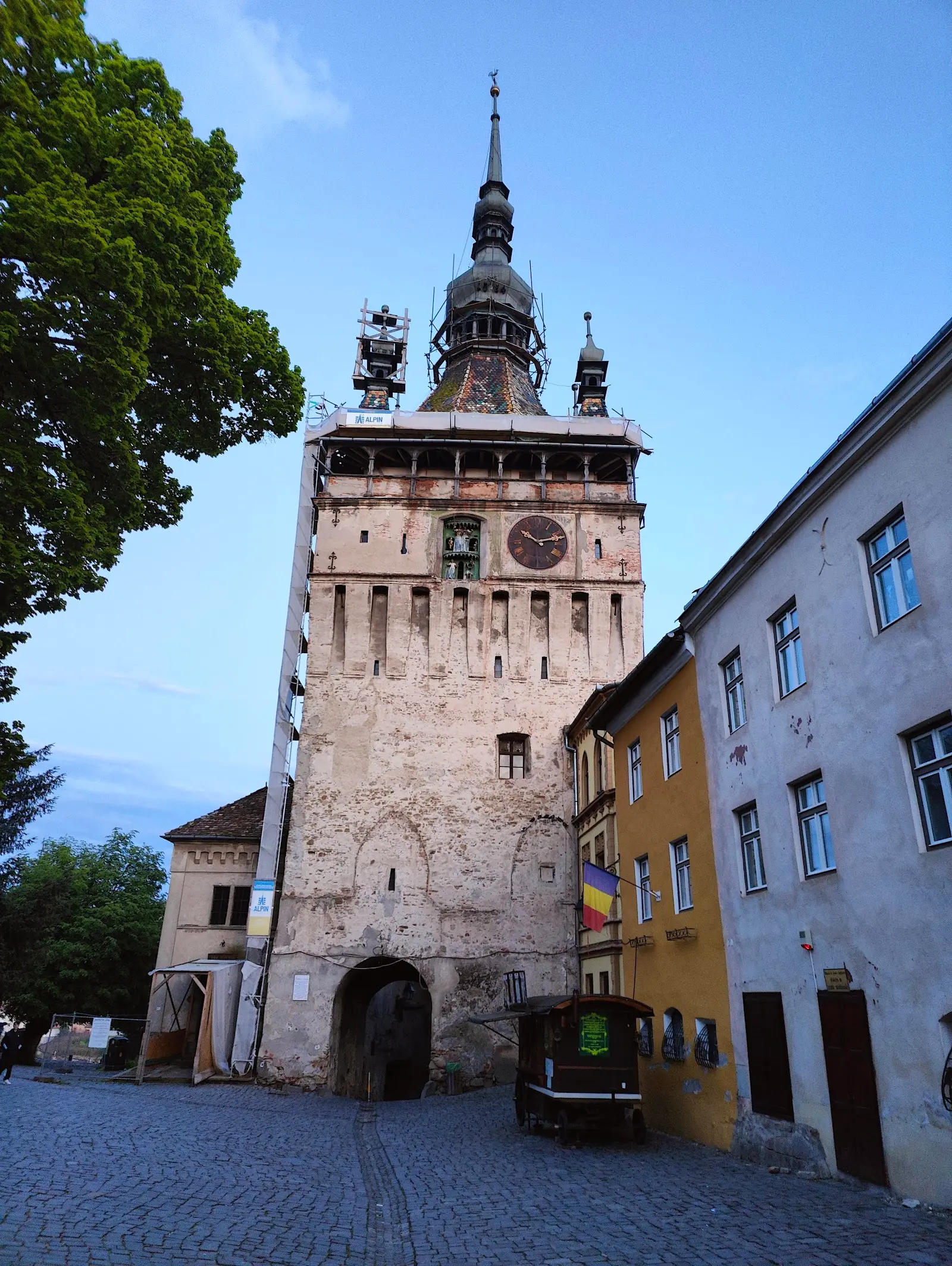
The History Museum of Sighișoara occupies the Clock Tower, the most imposing bastion of the medieval citadel built by the Transylvanian Saxons and inscribed on the UNESCO World Heritage list. Rising almost 64 metres, the tower long served as the main gate and as the seat of the town council. Inside, the collections trace the history of the town and of the craft guilds that brought it prosperity, with tools, ceramics, weapons and period furniture spread across several floors linked by steep wooden staircases. The most admired feature is the clock mechanism with its carved wooden figurines that mark the passing days of the week, a genuine masterpiece of clockmaking. From the upper gallery, visitors enjoy a wide view over the red rooftops, the hill church and the valley of the Târnava Mare. It makes a natural starting point for exploring the cobbled lanes of the citadel.
 Church
Biserica Mănăstirii Sighișoara
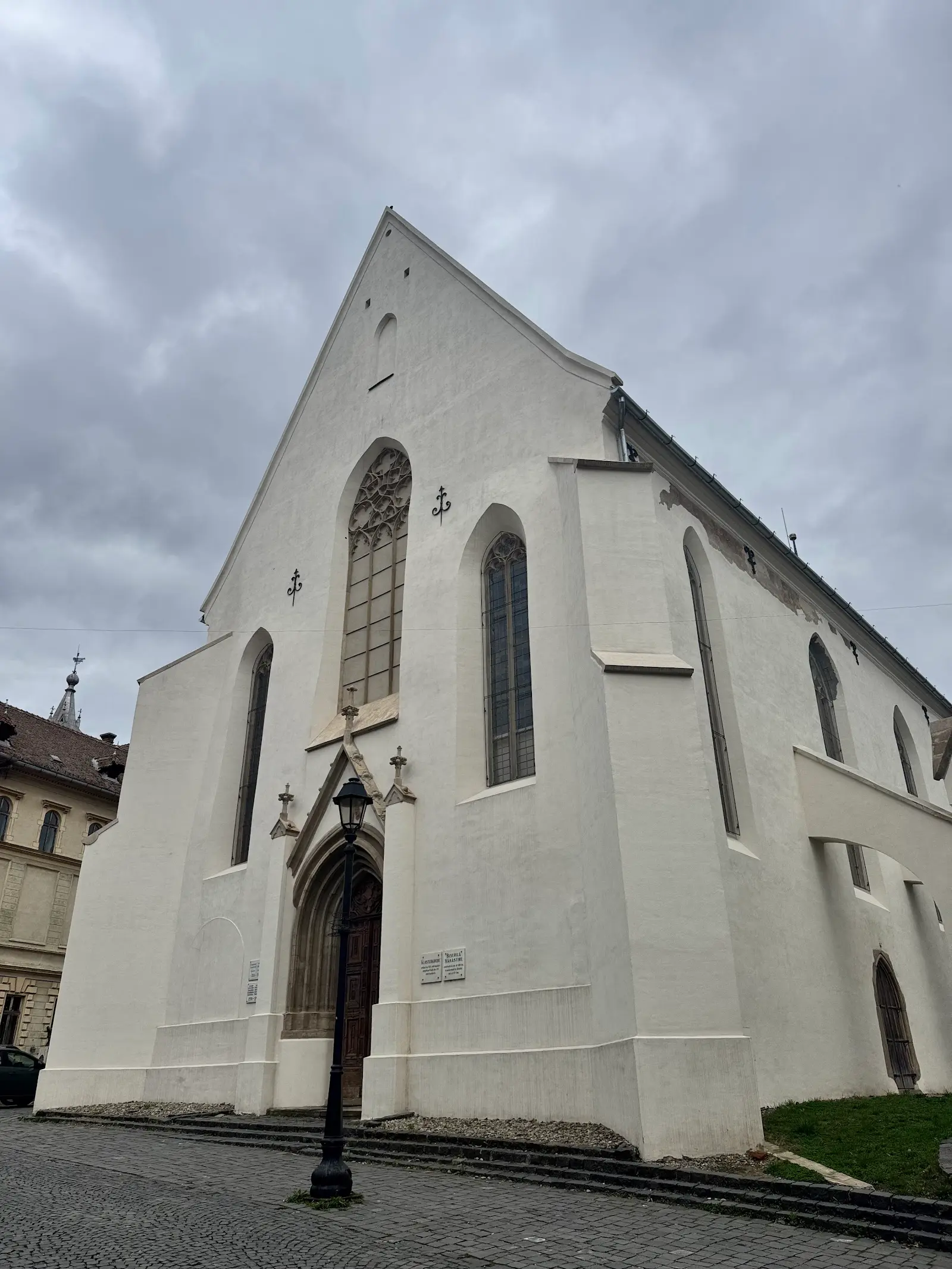
The Monastery Church of Sighișoara, also known as the Dominican church, is one of the most valuable monuments of the medieval citadel built by the Transylvanian Saxons and inscribed on the UNESCO World Heritage list. Originally raised by Dominican friars in the Gothic style, the building was converted after the Reformation into the town's principal evangelical church. The interior preserves a remarkable artistic heritage, including a valuable altar, a carved stone pulpit, funerary plaques in bronze and stone, and an impressive collection of Anatolian oriental carpets donated over the centuries by the town's merchants, regarded as one of the most important in Transylvania. The historic organ and the chandeliers add solemnity to the space. Set in the heart of the citadel near the Clock Tower, the church is a place of reflection and a cultural landmark. Today it also hosts classical music concerts, drawing on the generous acoustics of the Gothic nave.
Plan your trip
Stay, tour and get there
Stays nearby
Where to stay
Experiences
Tours & activities
Guided tours, day trips and hand-picked experiences via GetYourGuide — free cancellation on most.
See all experiencesGetting to Romania
Flights, transfer & car
Fly into Romania
Compare fares to Bucharest Otopeni (OTP) and regional airports — Cluj, Sibiu, Iași, Timișoara.
Airport transfer
Private, fixed-price door-to-door transfer — driver waiting from the moment you land.
Rent a car — see the real Romania
A rental car is the key to Romania: the Transfăgărășan, the painted monasteries of Bucovina, mountain roads and the villages of Maramureș that no train reaches.
Find a car