The Complete Guide to the Danube Delta
Tulcea, the Danube's arms, Letea forest, birdwatching, the fishing villages, the cuisine and the logistics — everything for Romania's wildest region.
The Danube Delta is Europe's youngest land and one of the continent's largest and best-preserved wetlands, inscribed on the UNESCO World Heritage list and designated a biosphere reserve. Here, after a journey of nearly 3,000 kilometres, the Danube splits into three main arms — Chilia, Sulina and Sfântu Gheorghe — before reaching the Black Sea, forming a living maze of channels, lakes, floating reed islands and endless reed beds. It is a world of water, birds and silence, where time flows differently and the only motorway is the river. Here is how to discover it wisely and with respect for its fragile nature.
When to go
The season completely changes the experience, especially for those coming to see birds.
- Spring (April–June) is peak time for birds: nesting, explosive vegetation and the return migration. It is watchers' favourite season, with maximum activity in the colonies.
- Summer (July–August) is warm and suited to wild beaches (Sulina, Sfântu Gheorghe) and swimming, but also brings mosquitoes in serious numbers — take protection to match.
- Autumn (September–October) offers the autumn migration, soft light, fewer tourists and pleasant temperatures.
- Winter is harsh and quiet, with reduced hours and infrequent transport; suited only to those seeking total isolation and icy landscapes.
Getting there and getting around
The gateway is Tulcea, about 4.5–5 hours by car from Bucharest. All the boats to the Delta leave from here. There are no roads to most villages — you reach them only by water, which makes your first boat journey an essential part of the experience.
- Classic passenger ferries (slower, cheap) run on the main arms to Sulina and Sfântu Gheorghe — an authentic and affordable experience, alongside locals.
- Fast boats and private tours take you into the narrow channels, face to face with nature. A local guide makes the difference between a pretty ride and a real discovery, knowing where the colonies are and how to approach without disturbing them.
- Many guesthouses include boat trips in their package, which simplifies the logistics.
What to see and do
Birdwatching
The Delta hosts over 300 bird species. It is famous for pelicans (both white and Dalmatian), for large colonies of cormorants, egrets, herons and spoonbills, and, during migration, for the thousands of birds crossing the sky. The best watchers set out at dawn, when the birds are active and the light is good, on quiet channels around Sontea, Lacul Roșu or Furtuna. Bring good binoculars and plenty of patience.
The Danube's arms
- The Sulina arm is the busiest, straight and navigable, leading to the town of Sulina, the former cosmopolitan port at the edge of Europe, with its old lighthouse and multi-ethnic cemetery that tells the story of the merchants of old.
- The Sfântu Gheorghe arm is wilder and less travelled, leading to the wild beaches and the fishing village of Sfântu Gheorghe, once renowned for its sturgeon fishing.
- The Chilia arm, the northernmost and longest, forms the border with Ukraine.
Letea forest and the dunes
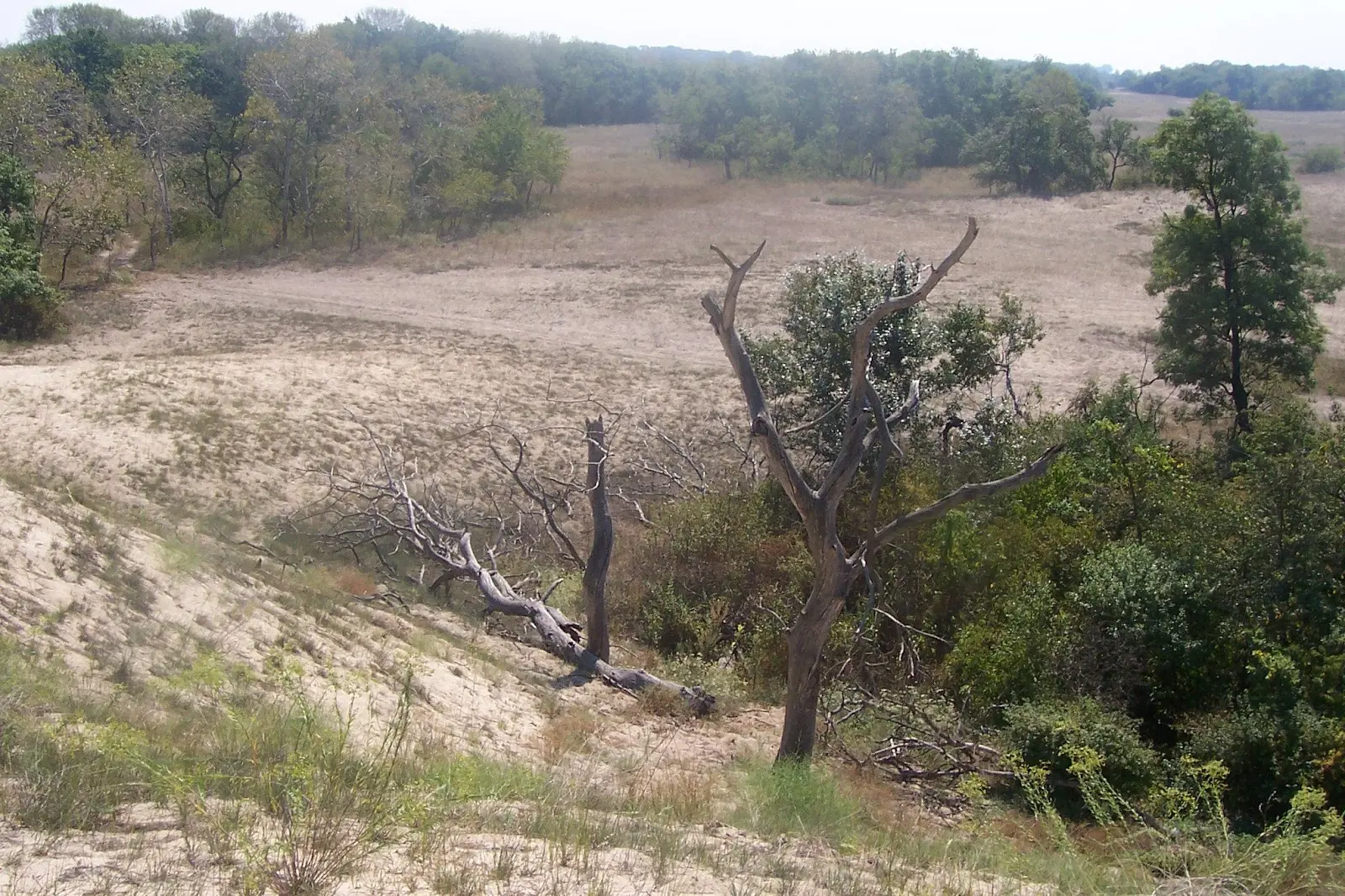
Letea forest, a strict reserve, is renowned for its ancient oaks draped in vines, for its sand dunes, and for the semi-wild horses that live free in the area. Access is controlled, often with an authorised guide — check the rules in advance, as it is a protected and fragile area.
The wild beaches and villages
At Sulina and Sfântu Gheorghe you'll find wide, sandy, almost deserted beaches, very different from the crowded coast — among Romania's wildest. The villages of Crișan, Mila 23 (the village of oarsmen and kayak-canoe champions) and Letea offer a glimpse into the Delta's authentic fishing life.
Where to sleep and eat
Accommodation ranges from simple fishermen's guesthouses in the villages (Crișan, Mila 23, Sfântu Gheorghe) to a few more comfortable hotels and complexes. Many guesthouses offer a full package: lodging, meals and boat trips, which is practical in an area without roads. Book ahead in season — capacity is limited and the good places fill quickly.
The Delta's cuisine is, naturally, dominated by fresh fish: fisherman's soup (a broth of several species, cooked in a cauldron on the water's edge), carp saramură (a grilled-and-brined dish), grilled fish, roe and plachie (a fish and vegetable stew). It is one of the great gastronomic reasons to come, and the fishermen's tables, often served outdoors by the water, are unforgettable. Mila 23 is renowned for its hospitality and its meals.
Suggested itinerary (3 days)
- Day 1 — arrive in Tulcea; the information centre / Delta museum, then a boat transfer to your lodging (Crișan or Mila 23).
- Day 2 — a dawn birdwatching tour on the channels; in the afternoon, a trip to Letea (with a guide) or relaxation at your guesthouse.
- Day 3 — an excursion to Sulina (the lighthouse, the wild beach) or Sfântu Gheorghe; return to Tulcea.
Practical tips
- Book accommodation and boats ahead in season — the Delta has limited capacity and water-dependent logistics.
- Bring sun protection, water, binoculars, a hat and mosquito spray (essential in summer, in the evening and on the channels).
- Respect the strictly protected zones — some are closed to free access for conservation, and disturbing the colonies is harmful.
- Cash — cards rarely work in isolated villages.
- Check the schedule of the passenger ferries; timetables shift by season and can be sparse off-season.
- Do not disturb the birds or approach the colonies; use binoculars, not a close approach by boat.
- The Delta is a living, fragile reserve — leave no litter and leave everything as you found it.
Plan your trip
Stays nearby
Stays in Romania
Getting to Romania
Flights, transfer & car
Fly into Romania
Compare fares to Bucharest Otopeni (OTP) and regional airports — Cluj, Sibiu, Iași, Timișoara.
Airport transfer
Private, fixed-price door-to-door transfer — driver waiting from the moment you land.
Rent a car — see the real Romania
A rental car is the key to Romania: the Transfăgărășan, the painted monasteries of Bucovina, mountain roads and the villages of Maramureș that no train reaches.
Find a car