Romania for the First Time: How to Plan Your Trip
Transport, money, accommodation, language, safety, food and 5-, 7- and 10-day itineraries — everything you need to know before your first visit to Romania.
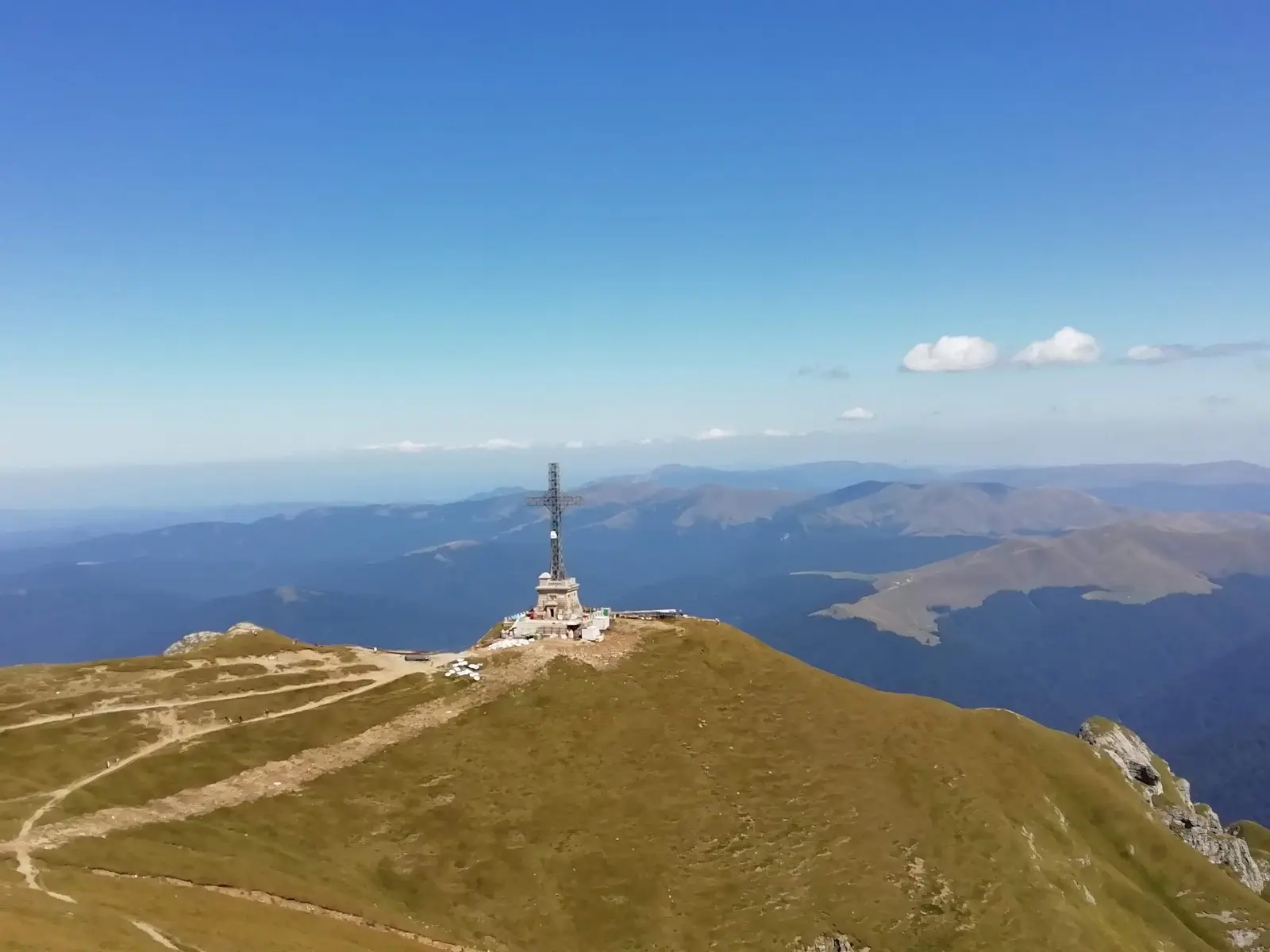
Romania is one of Europe's most diverse and least-explored destinations: medieval Saxon towns, storybook castles, wild mountains with bears, a delta unique on the continent, and villages where time flows differently. That very variety, delightful as it is, can be overwhelming for a first-timer — where do you start, how much time do you need, how do you move from one corner of the country to another? This guide gives you everything you need to plan your first visit with confidence: when to go, how to get there and get around, how money works, where to stay, how safe it is, what to eat, and which itineraries to choose depending on your time.
When to go
Choosing the season depends on what you want to see, but a few general rules help.
- Spring (April–June) and autumn (September–October) are the best overall: pleasant weather, fine scenery (orchards in blossom or copper-coloured forests) and moderate crowds.
- Summer (July–August) is ideal for the coast, mountain hikes and festivals (Sibiu, Cluj), but the big cities can be hot and popular sites crowded. Book ahead.
- Winter (December–February) is for skiing in the Carpathians, charming Christmas markets in Sibiu and Brașov, and snow-covered castles, but the days are short and some rural sites keep reduced hours.
If you want a single tip: for a balanced first visit, choose May–June or September.
Getting there and getting around
By air: the main international airports are Bucharest (Henri Coandă / Otopeni), Cluj-Napoca, Timișoara, Iași, Sibiu and Bacău. Bucharest has by far the most connections and is the natural gateway for most visitors.
Within the country, you have several options, each with its purpose:
- A rental car offers the most freedom and is practically essential for isolated villages, rural castles, Saxon citadels and mountains. Main roads and motorways are decent; secondary and mountain roads are slower and winding. Drive defensively — the local driving style can be more aggressive, and on country roads you'll meet carts and animals.
- Trains link the main cities well (especially the Brașov–Sibiu–Cluj axis) and offer fine views, though they can be slow. They are a relaxed, cheap option between cities.
- Coaches and minibuses cover the routes without trains and connect smaller towns.
- Ride-hailing apps work very well in the cities, are safe and cheap — the most convenient solution for getting around town.
Money
The currency is the Romanian leu (RON). Romania does not use the euro, though some large hotels quote prices in euros too. Cards (including contactless) are widely accepted in cities, restaurants, shops and petrol stations, but always keep some cash for villages, markets, monasteries (entry fees, donations), small guesthouses and steam trains. ATMs are common in towns and resorts.
A usual restaurant tip is around 10%, if service isn't included. Romania remains generally a very good value destination compared with Western Europe, though prices in peak tourist areas (Brașov, the coast in summer, central Bucharest) have risen noticeably. Check the offers for your dates — they vary a lot between seasons.
Accommodation
The choice is varied and generally affordable:
- Hotels in the cities, from charming boutiques to international chains.
- Guesthouses (pensiuni) — the most authentic option, especially in the countryside and mountains; often including a homemade breakfast and, on request, dinner cooked by your hosts.
- Rental apartments and hostels for tight budgets or groups.
Book ahead in peak season (summer on the coast and in the mountains, the winter holidays in ski resorts, weekends in Brașov). In the countryside, a guesthouse often means excellent meals and a warmer connection with the place.
Language and communication
The official language is Romanian, a Romance language, surprisingly familiar to speakers of French, Italian or Spanish. English is spoken by many young people and in tourism, especially in cities and at hotel reception desks. In the countryside it is less common, but a friendly manner, a few gestures and a translation app solve almost anything. Hungarian is spoken by the Hungarian community in certain areas of Transylvania. Romanians are generally hospitable and glad to help visitors.
Safety
Romania is a safe destination for tourists. Violent crime is rare in tourist areas. As everywhere, watch for pickpockets in crowds and on public transport, use trusted taxis or ride-hailing apps (avoid unofficial taxis at stations and airports), and be mindful of stray dogs in some rural areas. In the mountains, follow the safety rules and don't approach bears — don't feed them and don't stop your car beside them on the Transfăgărășan, however tempting.
The food
Romanian cuisine is hearty, flavourful and worth discovering: sour soups served with sour cream and hot pepper, sarmale (cabbage rolls stuffed with meat and rice), mici (grilled minced-meat rolls), polenta, sheepfold cheeses, plus desserts like papanași (doughnuts with sour cream and jam) and cozonac (sweet bread). Every region has its specialities — fish in the Delta, goulash in Transylvania, Dobrujan pies on the coast. For vegetarians, the "fasting dishes" (without animal products, from Orthodox tradition) offer good and varied options.
Suggested itineraries
5 days — the essentials
- Days 1–2 — Bucharest: the city, the museums, the Old Town, the Palace of Parliament.
- Day 3 — the Prahova Valley: Sinaia (Peleș Castle) and Bran Castle.
- Days 4–5 — Brașov (medieval town) and an excursion to Sighișoara.
7 days — classic Transylvania
- Day 1 — Brașov: the Council Square, the Black Church, Tâmpa.
- Day 2 — Bran + Râșnov (castle and fortress).
- Day 3 — Sighișoara, the inhabited medieval citadel.
- Day 4 — Sibiu: the squares, Brukenthal.
- Day 5 — Saxon citadels and fortified churches (Biertan, Viscri).
- Day 6 — Alba Iulia (the Alba Carolina Citadel) and the drive to Cluj.
- Day 7 — Cluj-Napoca and the Turda Salt Mine.
10 days — the grand tour
- Days 1–2 — Bucharest.
- Days 3–6 — Transylvania (Brașov, Sighișoara, Sibiu, the Saxon citadels).
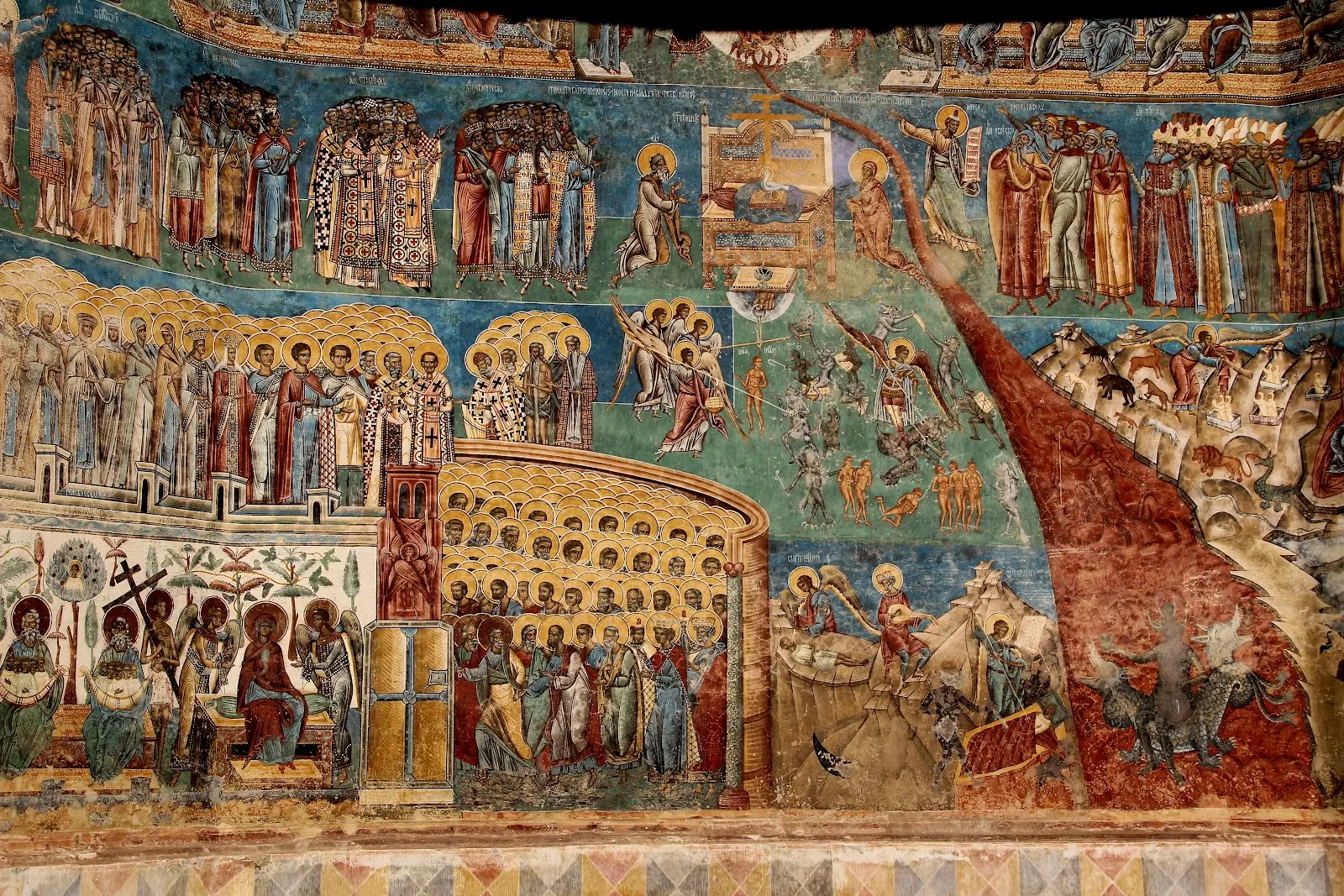
- Days 7–8 — Bucovina (the painted monasteries: Voroneț, Sucevița, Moldovița).
- Days 9–10 — Maramureș (wooden churches, the Merry Cemetery at Săpânța, the steam train).
Practical tips for first-timers
- Rent a car for maximum freedom, but drive defensively and budget your time generously on mountain roads — distances deceive.
- Keep cash for villages, monasteries and markets, even if you use a card in the cities.
- Check opening hours — castles, museums and churches change their schedules by season; many museums are closed on Mondays, and some village churches can be visited only by calling the custodian.
- Book ahead for accommodation in peak season and for popular attractions that require a ticket or guided tour (the Palace of Parliament, the Vișeu de Sus steam train).
- Combine town with countryside — the real Romania is seen in the villages too, not only in the grand squares.
- Don't cram too much into one day: better to see less, but at leisure.
- Be flexible and open — hospitality and spontaneity are among Romania's loveliest surprises.
Plan your trip
Stays nearby
Stays in Romania
Experiences
Tours & activities
Guided tours, day trips and hand-picked experiences via GetYourGuide — free cancellation on most.
See all experiencesGetting to Romania
Flights, transfer & car
Fly into Romania
Compare fares to Bucharest Otopeni (OTP) and regional airports — Cluj, Sibiu, Iași, Timișoara.
Airport transfer
Private, fixed-price door-to-door transfer — driver waiting from the moment you land.
Rent a car — see the real Romania
A rental car is the key to Romania: the Transfăgărășan, the painted monasteries of Bucovina, mountain roads and the villages of Maramureș that no train reaches.
Find a car