Underground
Salt mines you can visit
Romania has some of the world's most spectacular salt mines: Turda, with its underground Ferris wheel, Praid and Slănic, with vast galleries where people descend for therapeutic air, sport and even concerts.
 Landmark
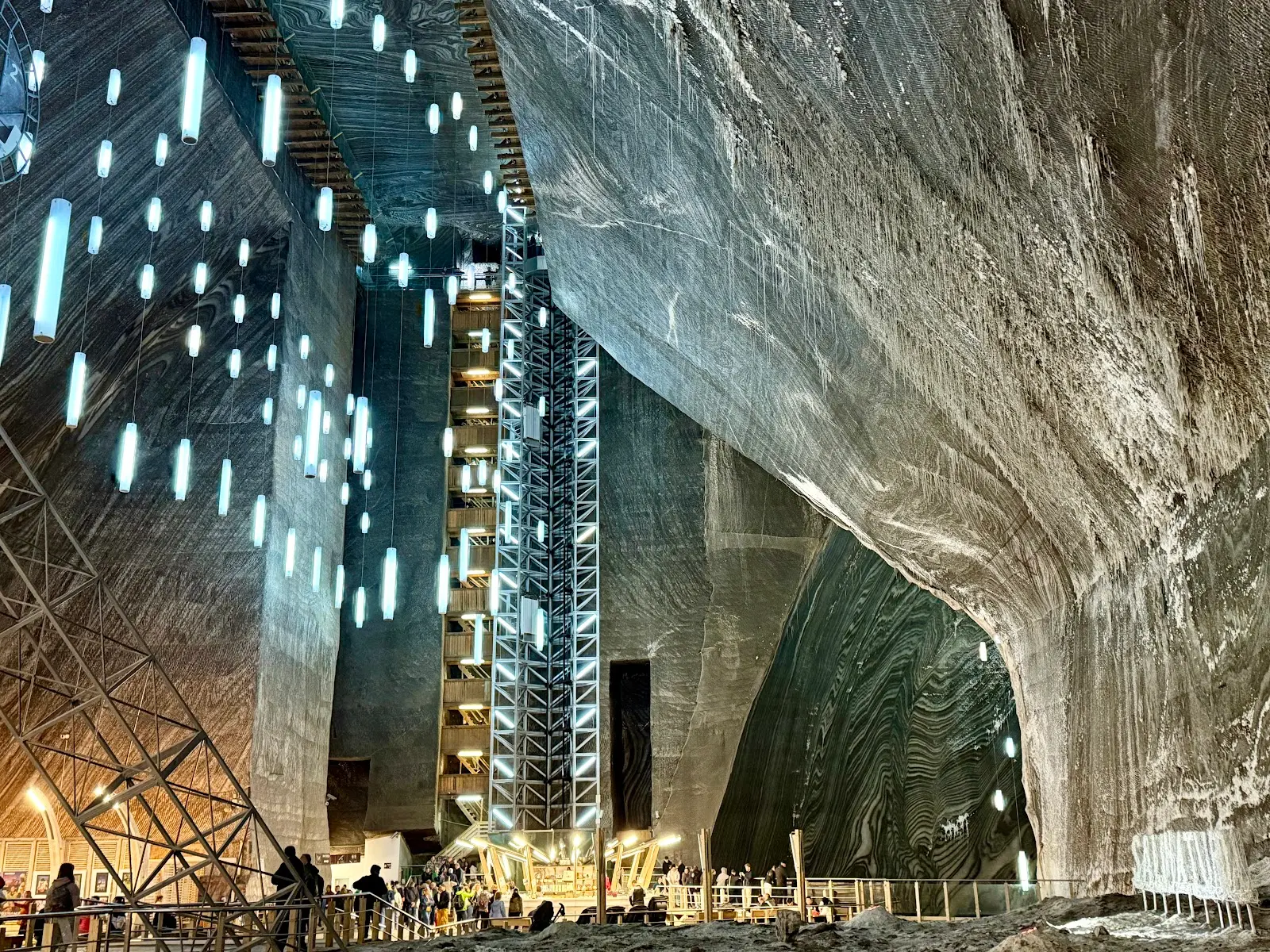
Salina Turda
Salina Turda, near Cluj-Napoca, is one of the most spectacular visitable salt mines in the world, a place where industrial history turns into a futuristic experience. Salt was extracted here from Roman times and intensively in the Middle Ages, and the vast galleries and chambers dug by hand over the centuries have been fitted out as a tourism and treatment centre. You descend tens of metres underground through impressive galleries to the Rudolf chamber, where an underground lake holds rowing boats beneath ceilings furred with salt stalactites. An amphitheatre, a Ferris wheel, sports courts and glowing panels give it a surreal air. The saline air is prized for its therapeutic effects. The temperature stays constant and cool all year, so bring a jacket; check the schedule, which may vary by season.
 Landmark
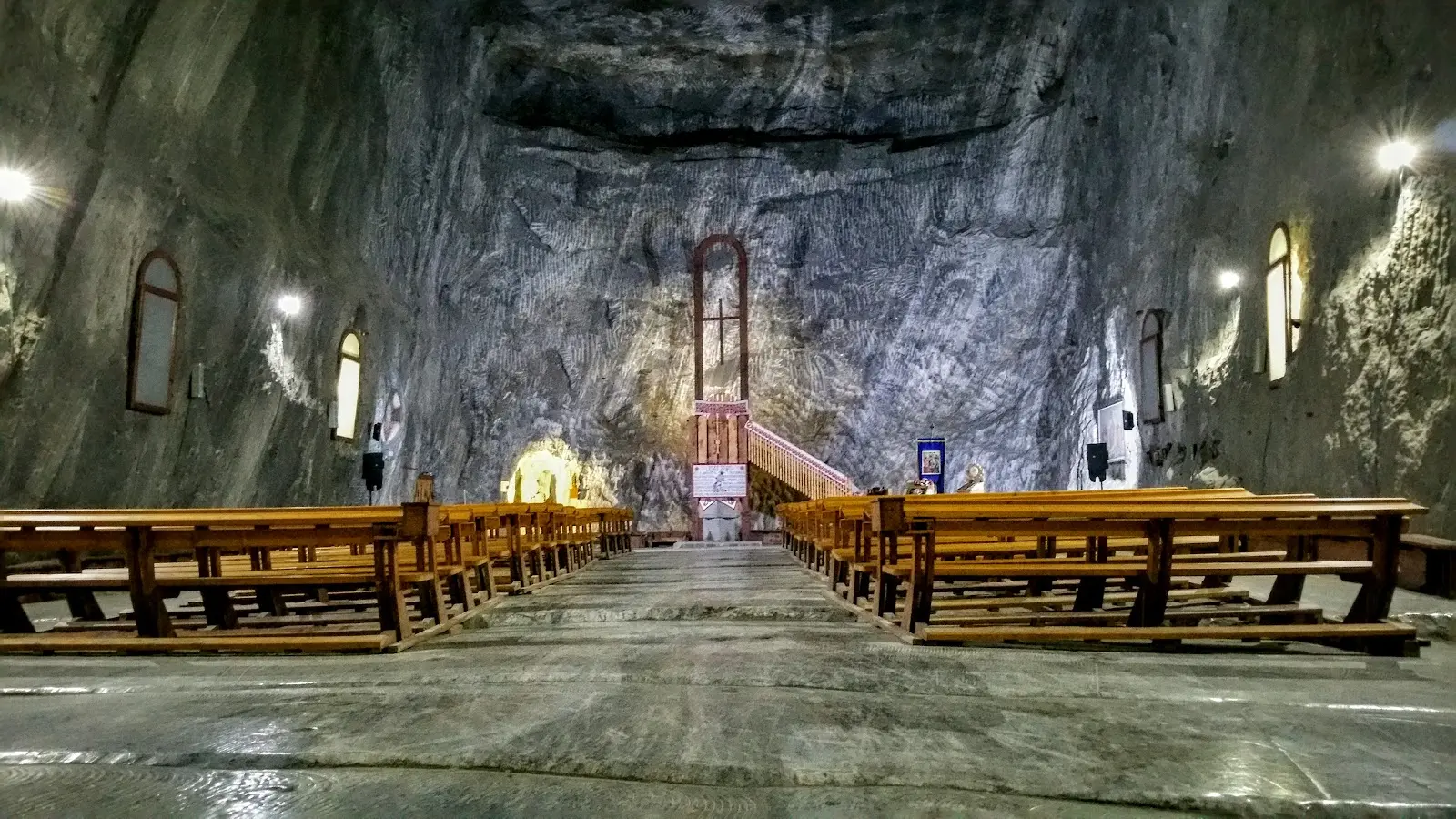
Salina Praid
Praid Salt Mine, in the heart of Székely Land, is one of Romania's most visited salt mines, worked since Roman times. Visitors descend by bus through a long gallery to around 120 metres underground, into a vast, cool world where the temperature stays constant year-round. The underground space has playgrounds, a chapel, a small museum, cafés, a salt lake and even concert areas, but the main reason to visit remains the saline air, used therapeutically for respiratory conditions. Above, in the Salt Valley, you can see the Salt Mountain, a spectacular outcrop where salt breaks the surface. Praid is an ideal outing in any weather, especially for families with children, and combines easily with the nearby resort of Sovata. Bring a warmer layer — it is cool below — and check access times, which may change by season.
 Landmark
Salina Slănic Prahova
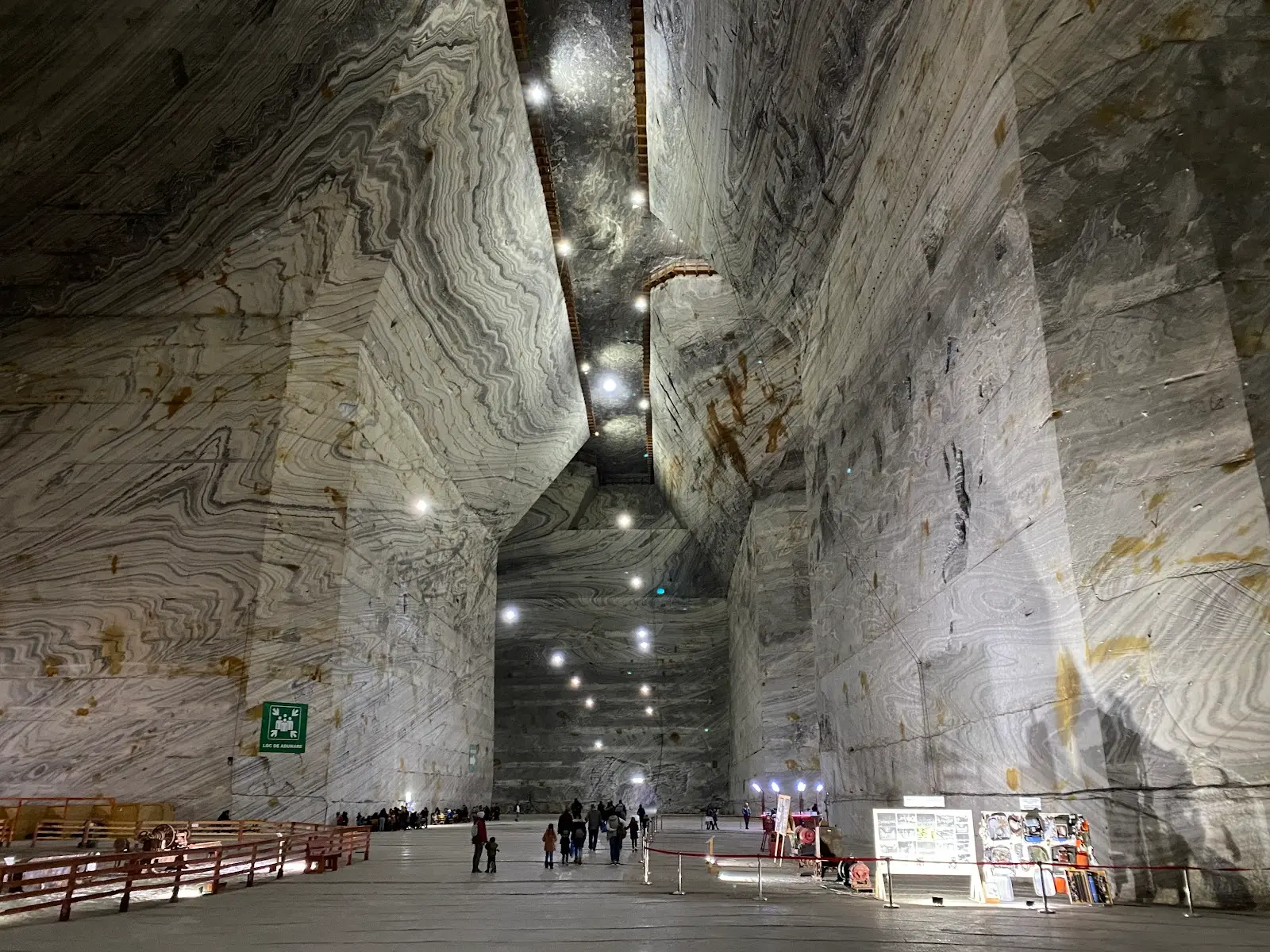
The Slănic Prahova Salt Mine is one of the largest and most spectacular salt mines in Europe, set in the town of Slănic in Prahova County, at the base of the sub-Carpathian hills. Salt extraction in this area has a long history, and the visitable galleries, of which the best known is the Unirea Mine, impress with their colossal dimensions, ceilings dozens of metres high and massive walls of grey salt shaped by the manual mining of the past. At great depth, the clean air, rich in salt particles, is considered beneficial for respiratory conditions, which is why the mine also works as a treatment and leisure centre. In the underground space visitors find wide alleys, sculptures and reliefs carved in salt, a small museum, playgrounds and relaxation areas, in a unique setting with a constant temperature all year round. The salt mine is an attraction suitable for all ages. Visitors are advised to wear a warmer layer because of the coolness underground and to check the descent schedule.
 Nature
Muntele de Sare Praid
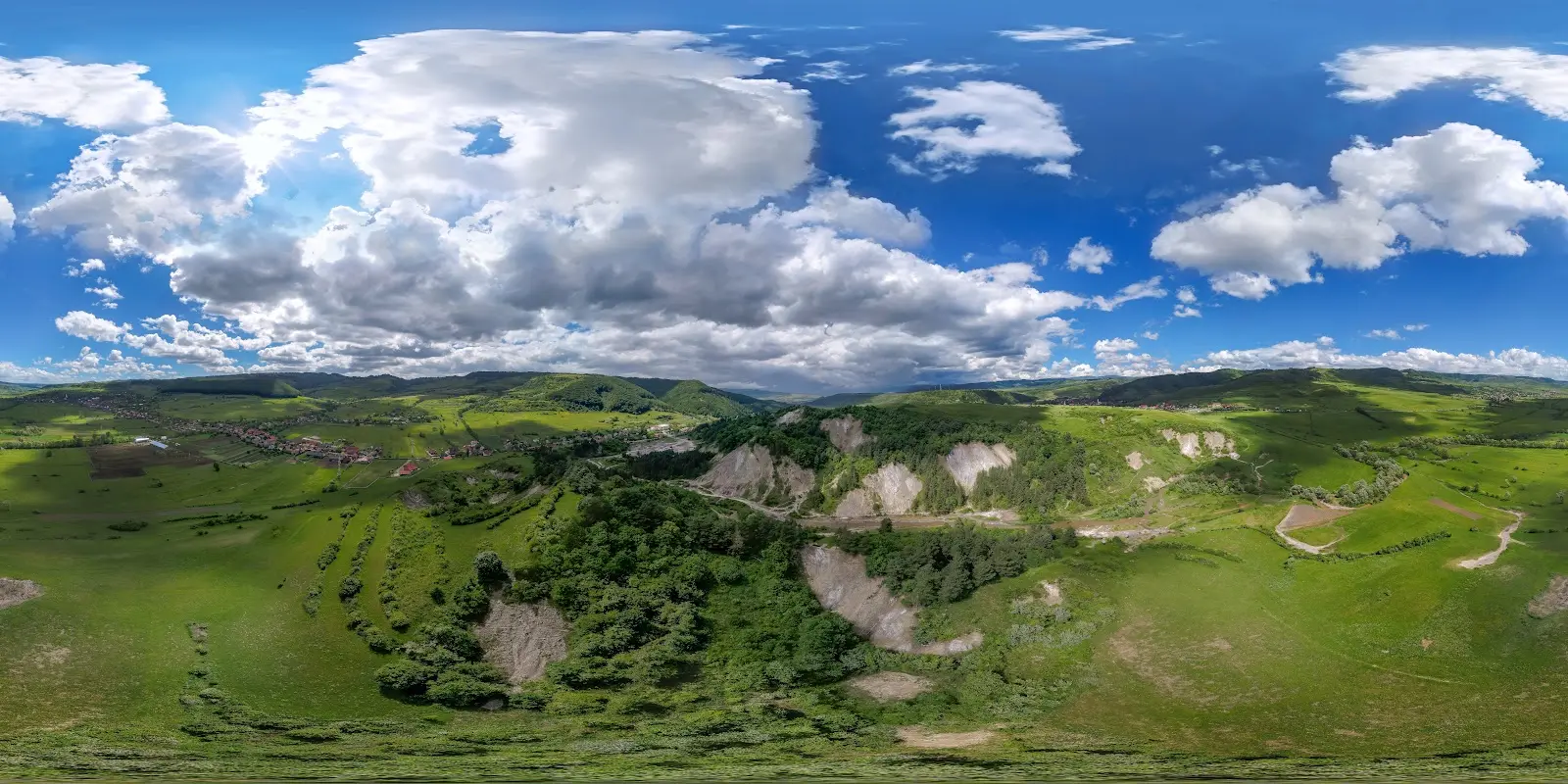
The Salt Mountain at Praid is an impressive natural phenomenon in the Szekler land, a mass of rock salt emerging at the surface that bears witness to the immense salt deposits lying underground in the area, exploited since ancient times, as far back as the Roman period. At the surface, the greyish-white salt shaped by rain forms crests, grooves and curious shapes, while the water flowing among them gives rise to salty streams and small pools of brine. The phenomenon is closely linked to the famous Praid Salt Mine nearby, one of the largest in Europe, used both for salt extraction and for the therapeutic treatment of respiratory ailments. The distinctive landscape, with rare vegetation adapted to the salty soil, makes it a remarkable geological objective. Practical note: the visit combines naturally with descending into the Praid Salt Mine and exploring the nearby resort of Sovata, renowned for its salty Bear Lake; comfortable footwear is recommended.
Plan your trip
Stay, tour and get there
Stays nearby
Where to stay
Experiences
Tours & activities
Guided tours, day trips and hand-picked experiences via GetYourGuide — free cancellation on most.
See all experiencesGetting to Romania
Flights, transfer & car
Fly into Romania
Compare fares to Bucharest Otopeni (OTP) and regional airports — Cluj, Sibiu, Iași, Timișoara.
Airport transfer
Private, fixed-price door-to-door transfer — driver waiting from the moment you land.
Rent a car — see the real Romania
A rental car is the key to Romania: the Transfăgărășan, the painted monasteries of Bucovina, mountain roads and the villages of Maramureș that no train reaches.
Find a car