
Romanian Wine: A Guide to Regions and Grapes
Cotnari, Dealu Mare, Recaș, Murfatlar and grapes like Fetească Neagră and Tămâioasă — an introduction to one of Europe's oldest wine traditions.
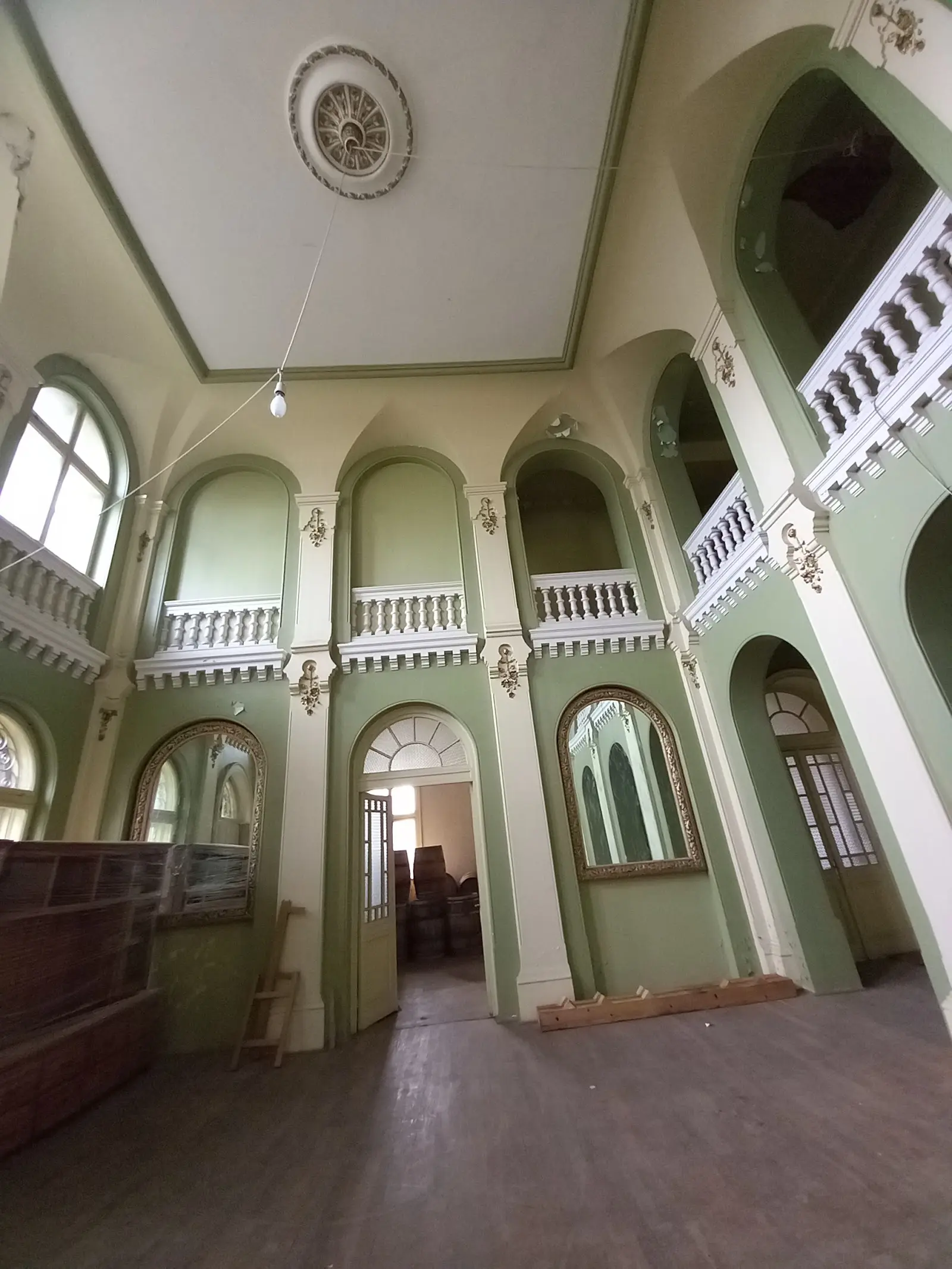
Romania has a wine tradition thousands of years old and ranks among Europe's largest wine producers. Long little known abroad, Romanian wines have made a remarkable leap in quality over recent decades. Here is an introduction to the regions and grapes.
The wine regions
Dealu Mare (Wallachia)
Perhaps the most famous region for red wines, on the sunny hills at the foot of the Carpathians. It produces some of the best Fetească Neagră, along with quality Cabernet Sauvignon and Merlot.
Cotnari (Moldavia)
A historic region in the north-east, celebrated for its sweet and off-dry white wines, especially from the Grasă de Cotnari and Tămâioasă Românească grapes. A wine of old tradition, often compared with the great sweet wines of Europe.
Recaș and the Banat
In the west, the Recaș vineyard is one of the most dynamic and award-winning in the country, with a wide range from international to native varieties.
Murfatlar (Dobruja)
Close to the Black Sea, Murfatlar enjoys a sunny climate suited to aromatic and sweet white wines, as well as reds.
Other vineyards
Drăgășani (Oltenia), Târnave (Transylvania, cool whites), and Odobești / Panciu / Cotești (Vrancea, the largest wine basin).
The native grapes
The true identity of Romanian wine lies in its local grapes:
- Fetească Neagră — the most important native red, giving full-bodied wines with notes of forest fruit and plum.
- Fetească Albă and Fetească Regală — fine, floral, balanced whites.
- Tămâioasă Românească — an aromatic white, with notes of basil and honey; can be dry or sweet.
- Grasă de Cotnari — the star of Moldavian sweet wines.
- Băbească Neagră — a light, fruity red.
How to discover them
- Many wineries welcome visitors for tastings — book ahead.
- Seek out the native grapes (Fetească Neagră, Tămâioasă) for a truly Romanian experience.
- Combine a winery visit with a regional route (Dealu Mare near the Prahova Valley, Recaș near Timișoara).
Tips
- Tasting schedules and reservations vary by winery — check in advance.
- Don't drive after tasting; many wineries offer accommodation or packages.
- A sweet Cotnari wine or a mature Fetească Neagră make excellent souvenirs.
Plan your trip
Stays nearby
Stays in Romania
Experiences
Tours & activities
Guided tours, day trips and hand-picked experiences via GetYourGuide — free cancellation on most.
See all experiencesGetting to Romania
Flights, transfer & car
Fly into Romania
Compare fares to Bucharest Otopeni (OTP) and regional airports — Cluj, Sibiu, Iași, Timișoara.
Airport transfer
Private, fixed-price door-to-door transfer — driver waiting from the moment you land.
Rent a car — see the real Romania
A rental car is the key to Romania: the Transfăgărășan, the painted monasteries of Bucovina, mountain roads and the villages of Maramureș that no train reaches.
Find a car