
Region
Maramureș
Wooden churches and villages where time stops
Maramureș is the Romania of another age, kept alive — a land of timber, faith and time measured differently. In valleys bathed by rivers, wooden churches with soaring, needle-sharp steeples, several inscribed on the UNESCO list, rise toward the sky like dark arrows, raised without a single iron nail. Monumental carved gates, worked with the rope of life, the sun and the tree of fruit, greet the traveller at every homestead.
Landscapes and landmarks
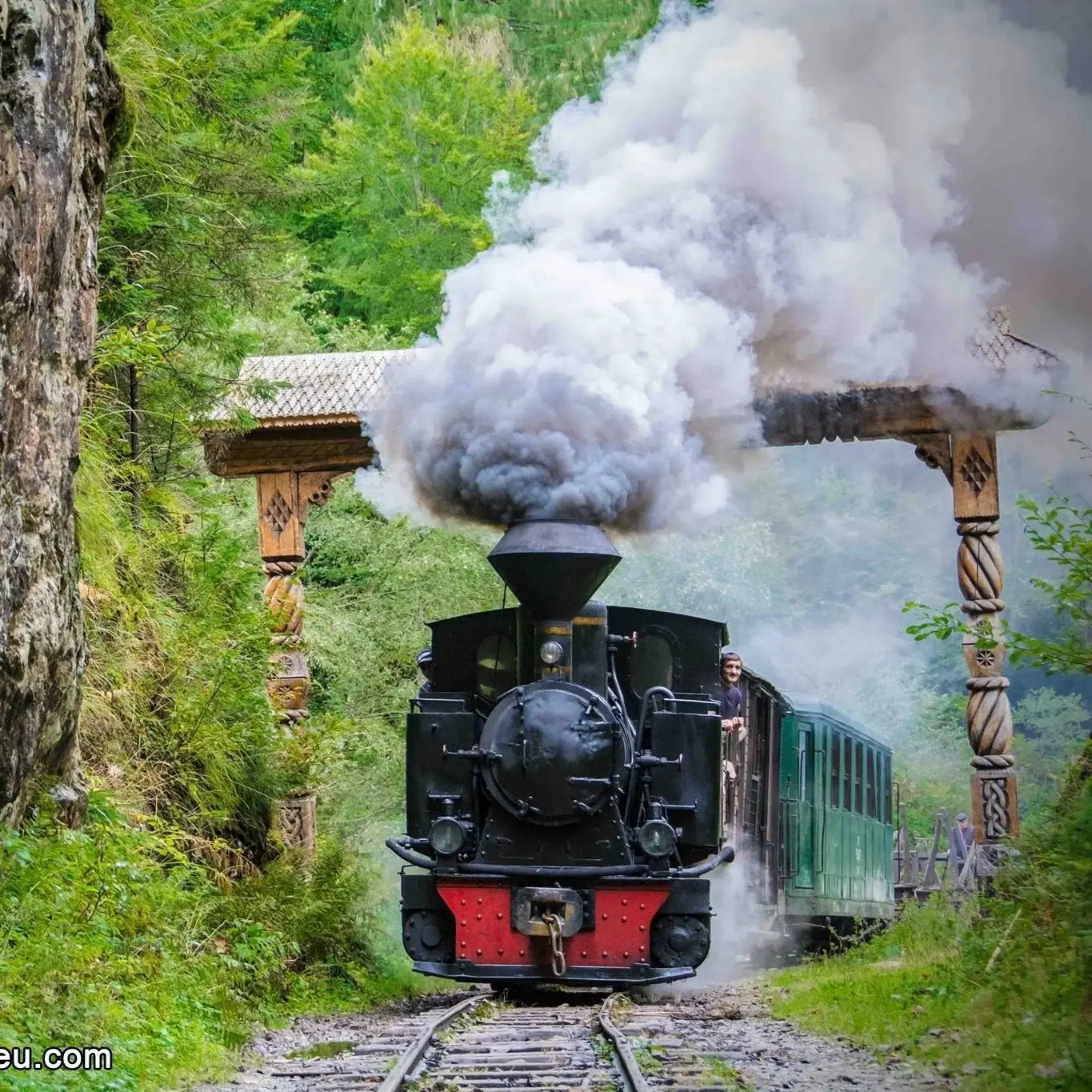
The country unfolds in green hills, hand-scythed hay meadows and villages where horse-carts still share the road with cars. At Bârsana, the wooden monastic complex gleams like a jewel, while at Săpânța the Merry Cemetery astonishes with its blue crosses and their witty, naive epitaphs that laugh in the face of death. The Vaser Valley steam train, an authentic narrow-gauge mocănița, climbs through near-impenetrable forest into the heart of the mountains.
Tradition and reason to go
Here woodcraft, weaving and homemade plum brandy are not a show but daily life. The cuisine is robust and smoky — cabbage rolls, hearty stews, sheep's-milk cheeses and bread baked in wood-fired ovens. A traveller comes to Maramureș for an authenticity rare in Europe: to hear wooden bells, to see women in folk costume at church on Sunday, and to feel they have stepped into a world where tradition is not a museum but a living present.
Destinations in Maramureș
All destinations →Maramureș
Authentic rural Romania — wooden churches, carved gates and the steam train.
Baia Mare
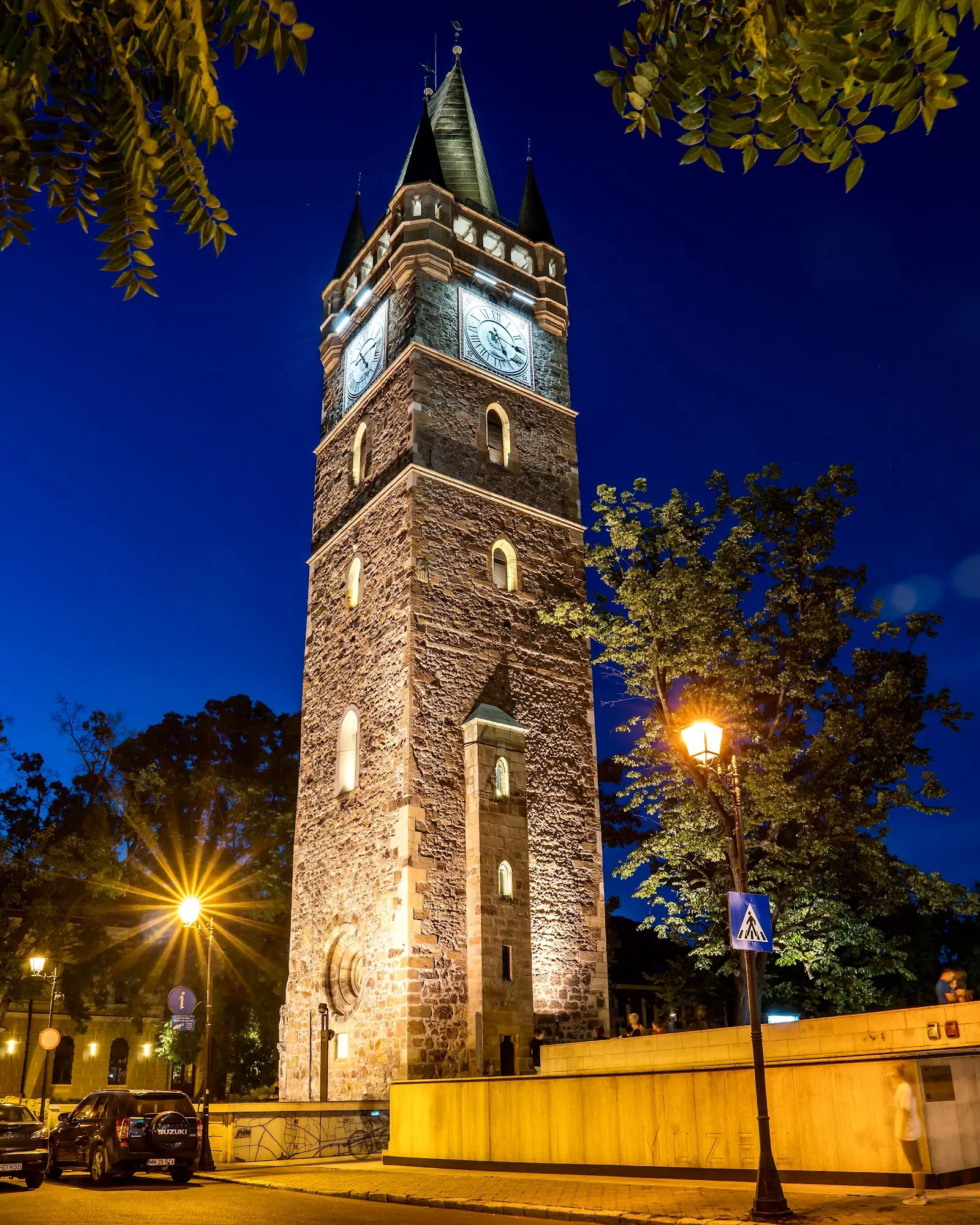
The modern gateway to Maramureș.

Sighetu Marmației
The Memorial of Pain and the heart of Maramureș.
Vișeu de Sus
The steam train up the Vaser Valley.
Borșa
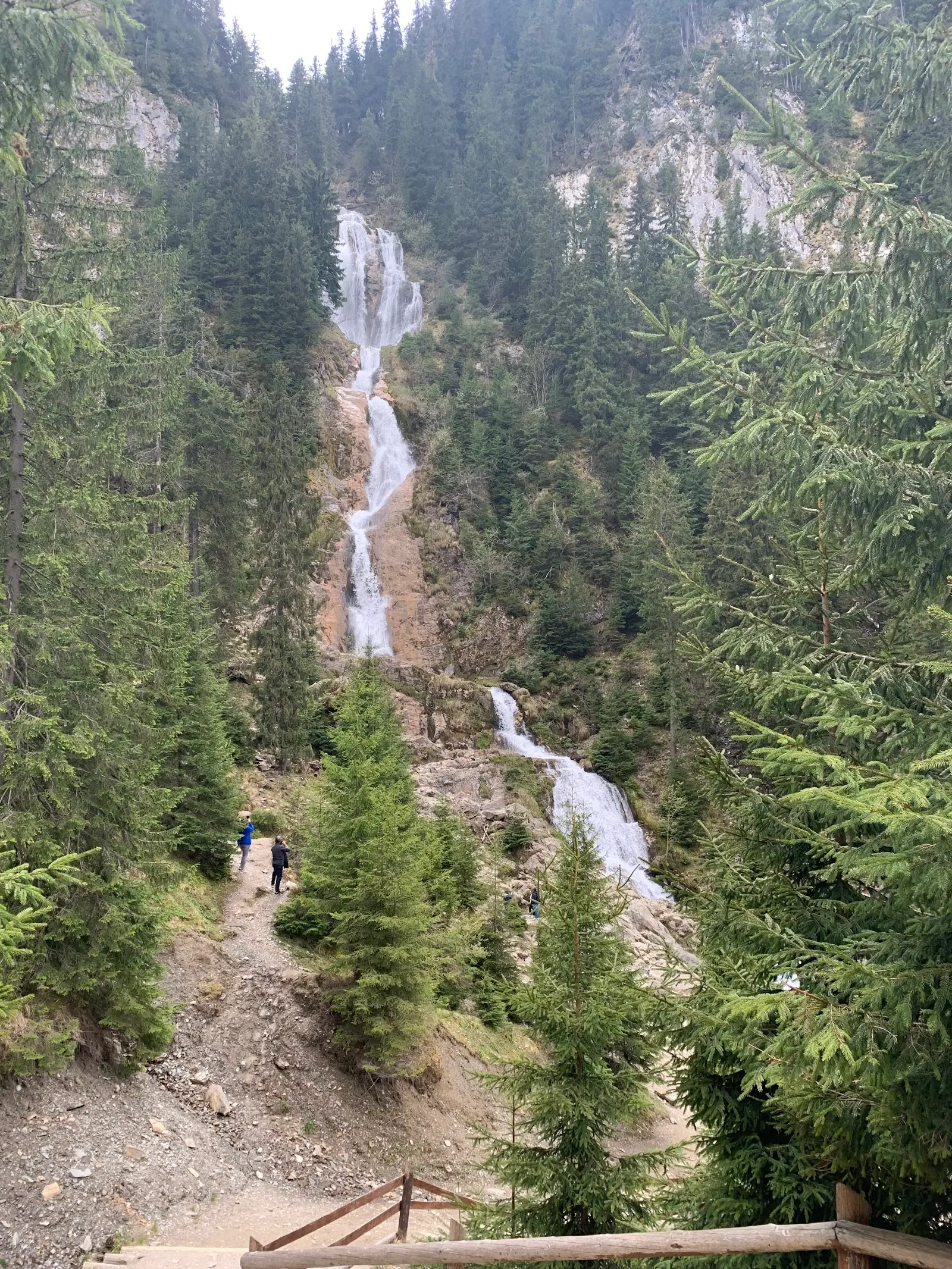
The Prislop Pass and the Rodna Mountains.

Satu Mare
A north-western town with the Firemen's Tower and a Central European heritage.
Not to miss in Maramureș
 Mountain
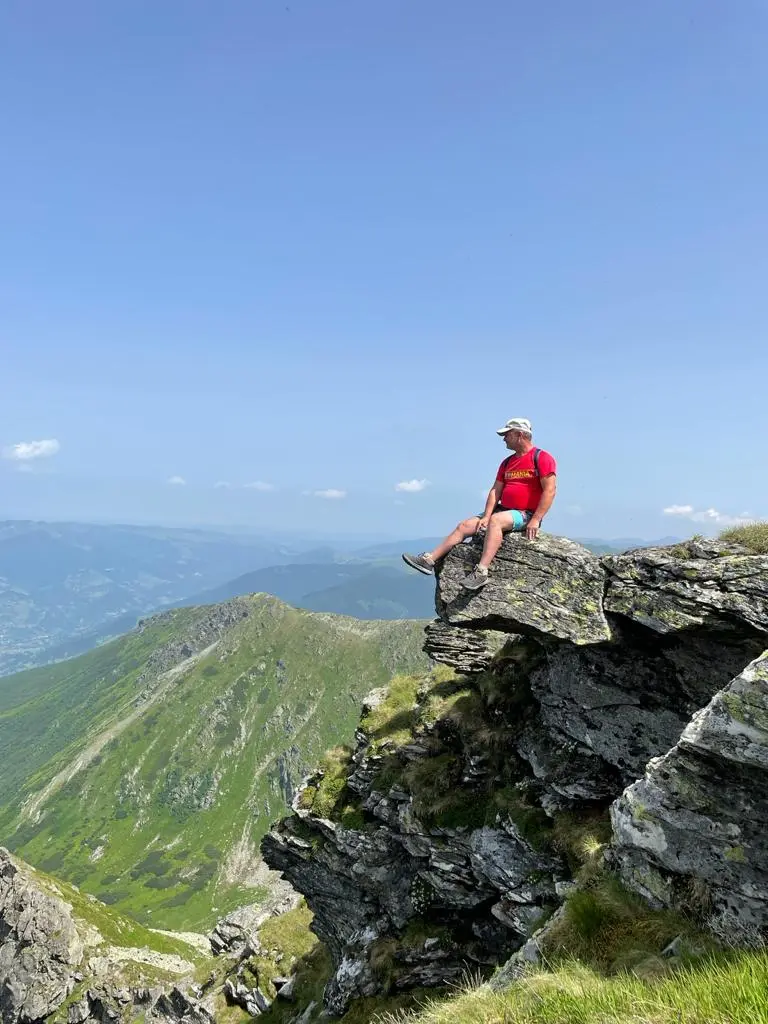
Munții Rodnei - Vârful Pietrosul
The Rodna Mountains, the highest massif of the Eastern Carpathians, are crowned by Pietrosul Peak, which rises above 2300 metres and forms the culminating point of the entire eastern chain. Above the town of Borșa in Maramureș, the alpine ridges of the massif offer some of the most impressive mountain scenery in the north of the country, with sharp crests, glacial cirques, high-altitude lakes and broad meadows scattered with rare flowers. The area lies within a national park and an internationally recognised biosphere reserve, protecting rich flora and fauna, including chamois and many endemic species. Beneath the peak lies the glacial lake Iezer, a mirror of clear water cradled in a cirque carved by former glaciers. The ascent routes set off from the Borșa area and demand good fitness, proper equipment and attention to the changeable mountain weather. The effort is rewarded with sweeping views over the Rodna crests and the neighbouring massifs.
 Mountain
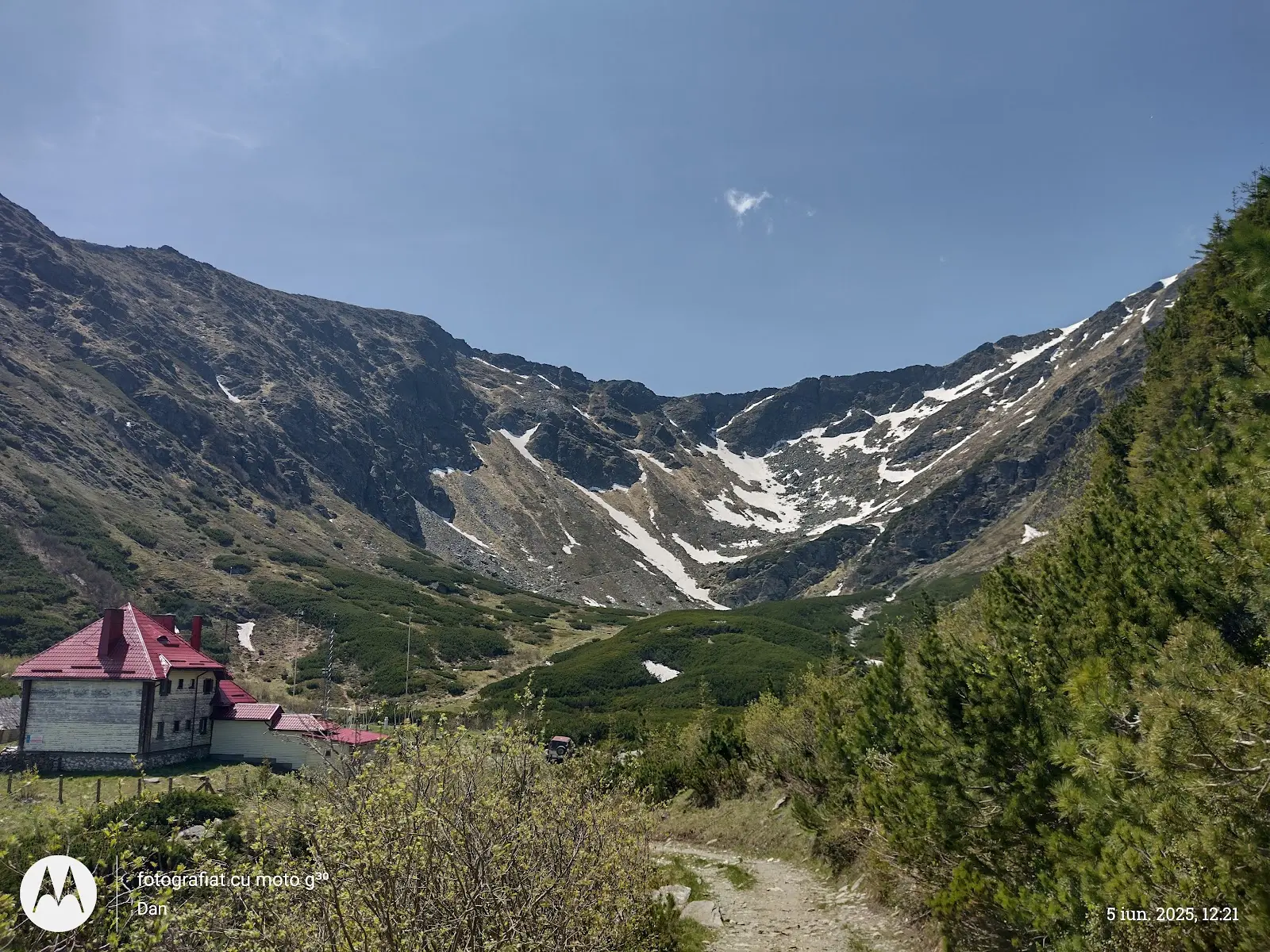
Vârful Pietrosul Rodnei
Pietrosul Rodnei Peak is the highest point of the Rodna Mountains and of the entire eastern branch of the Carpathians, rising above 2300 metres over the town of Borșa in Maramureș. Its alpine summit dominates a landscape of singular beauty, with rocky crests, glacial cirques carved by former glaciers and broad meadows scattered with rare flowers typical of the alpine zone. Beneath the peak lies the glacial lake Iezer, a mirror of clear water framed by steep walls, one of the emblematic landmarks of the massif. The area is protected by a national park and an internationally recognised biosphere reserve, sheltering chamois, marmots and many endemic plant species. The ascent to the peak begins in the Borșa area and demands good fitness, proper equipment and caution towards sudden weather changes. From the ridge open sweeping views over the Eastern Carpathians and the distant villages. The effort of the climb is fully rewarded by the grand panoramas and the sense of mountain solitude.
 Mountain
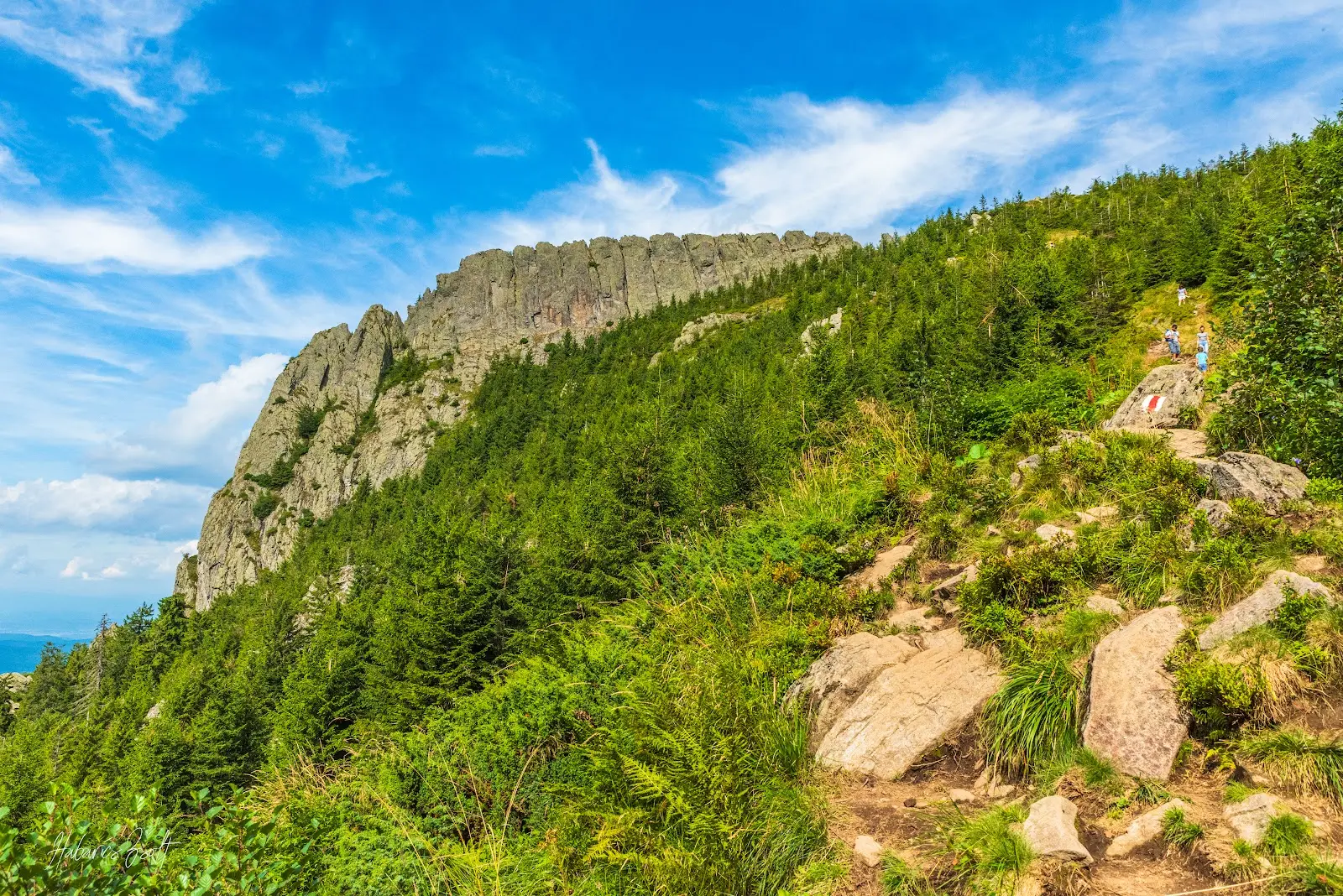
Creasta Cocoșului
Creasta Cocosului, the Rooster's Crest, is one of the most spectacular rock formations in the Gutai mountains, in the heart of Maramures, a jagged volcanic ridge rising above the surrounding forests and meadows. Its evocative name comes from the toothed profile of the rocks, which recalls the comb of a rooster. Formed of volcanic rock, the crest is the result of long geological activity and erosion, and is protected as a nature reserve for its scenic and scientific value. The marked trails leading to the ridge cross forests of beech and spruce, offering along the way views towards the basins and villages of Maramures. From the top the panorama opens towards the surrounding mountain ranges. The place is prized by hikers and photographers, especially at sunrise and sunset. Mountain gear and care on the rocky stretches are recommended.
MonasteryMănăstirea Bârsana
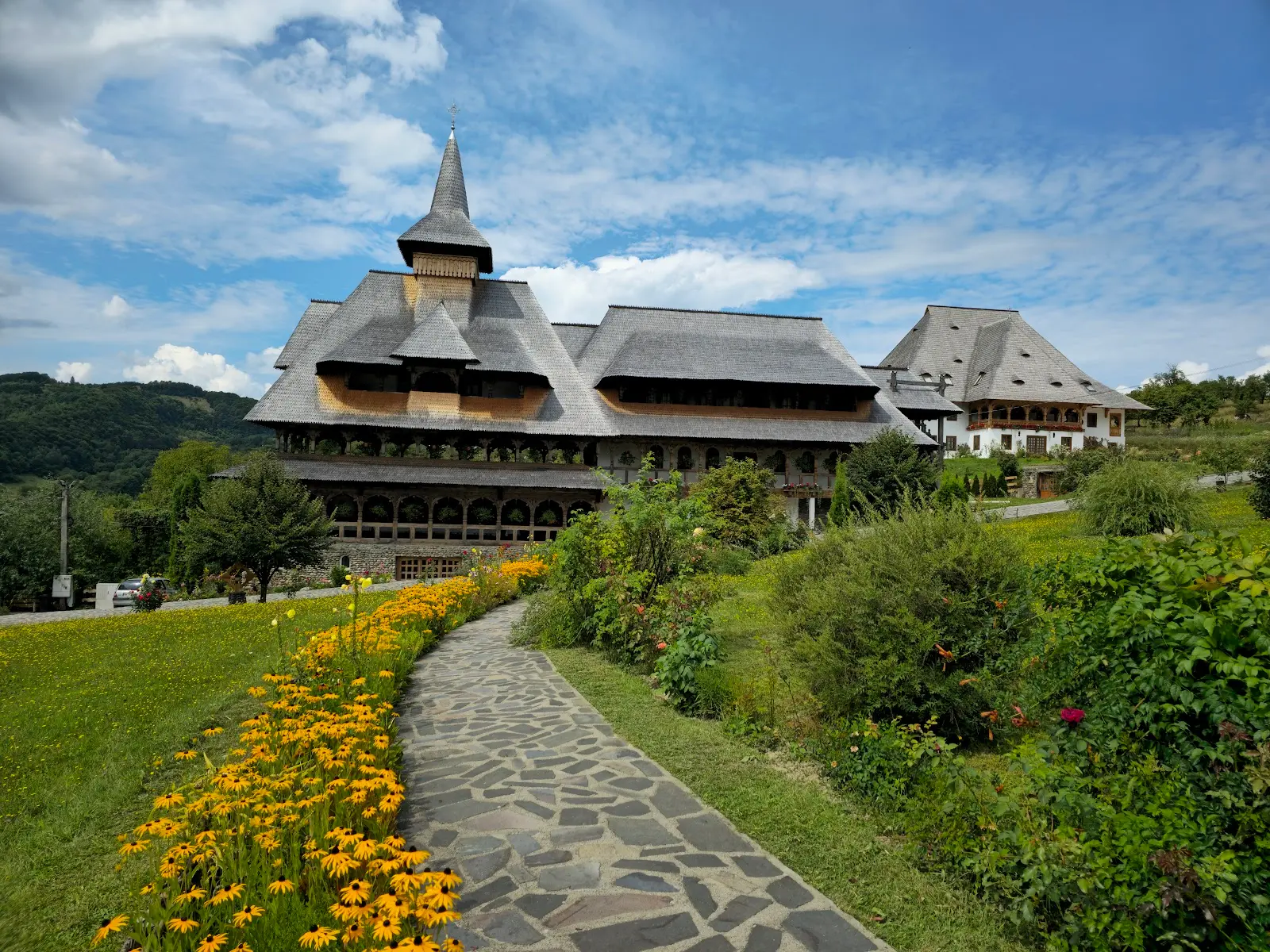
Bârsana Monastery in Maramureș is the most spectacular expression of wooden architecture in northern Romania, an ensemble of churches, cells and carved gates that seems a gateway to heaven. Although the present monastic community was re-established in the 1990s, the tradition of the place reaches much further back, and the new buildings were raised by local craftsmen in the authentic Maramureș style, with slender, soaring spires, cascading shingle roofs and lacework in wood. The main church, one of the tallest wooden structures in Europe, rises skyward above a well-tended flower garden. The whole complex, set on a hill, breathes calm and craftsmanship. It is an essential stop on the trail of Maramureș wooden churches, some inscribed on the UNESCO heritage list. Modest dress is advised; check the visiting schedule.
 Museum
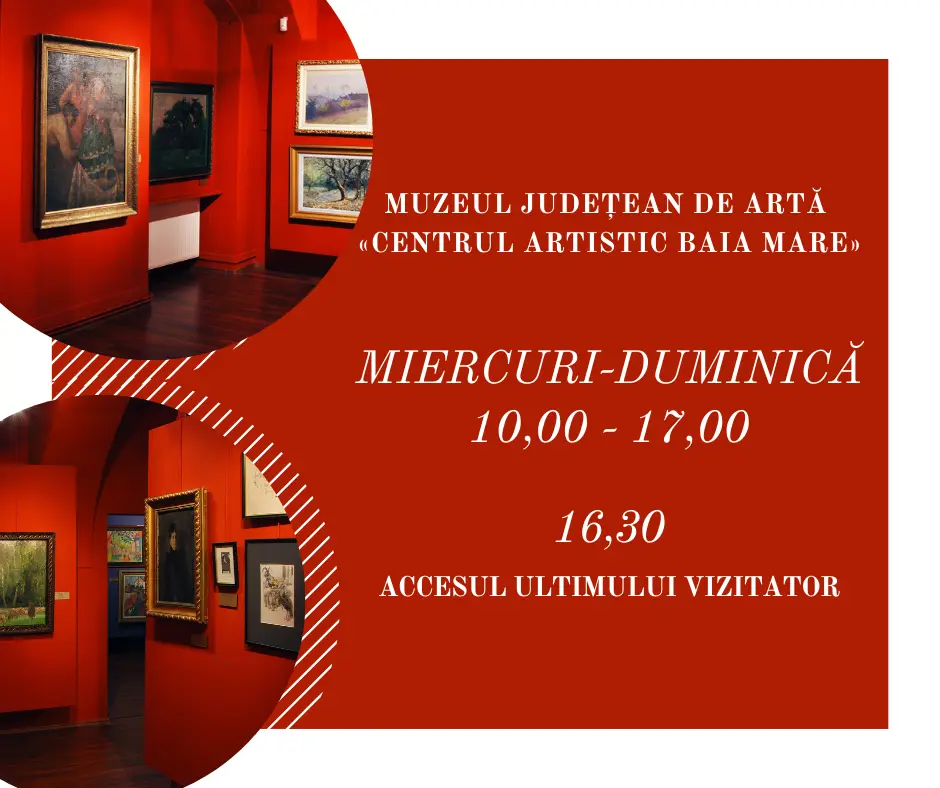
Muzeul de Artă Baia Mare (Colonia Pictorilor)
The Art Museum in Baia Mare is closely linked to the renowned Painters' Colony, a school and artistic centre founded at the end of the 19th century that attracted numerous painters and played an essential role in the development of modern art in this part of Europe. Located in Maramureș, the museum preserves and displays works by the artists who were active here, illustrating the evolution of styles and movements over the decades. The Baia Mare colony was valued for its landscapes and for the special light of the place, which inspired generations of creators coming from different countries. The museum's collection includes painting, graphics and sculpture, offering a comprehensive picture of this artistic phenomenon. Today, the legacy of the colony remains a source of pride for the city and a landmark in the history of Romanian art. Practical note: the museum visit offers a good introduction to the history of the artistic colony, and the rooms are best explored at an unhurried pace to follow the thread of Baia Mare painting.
 Museum
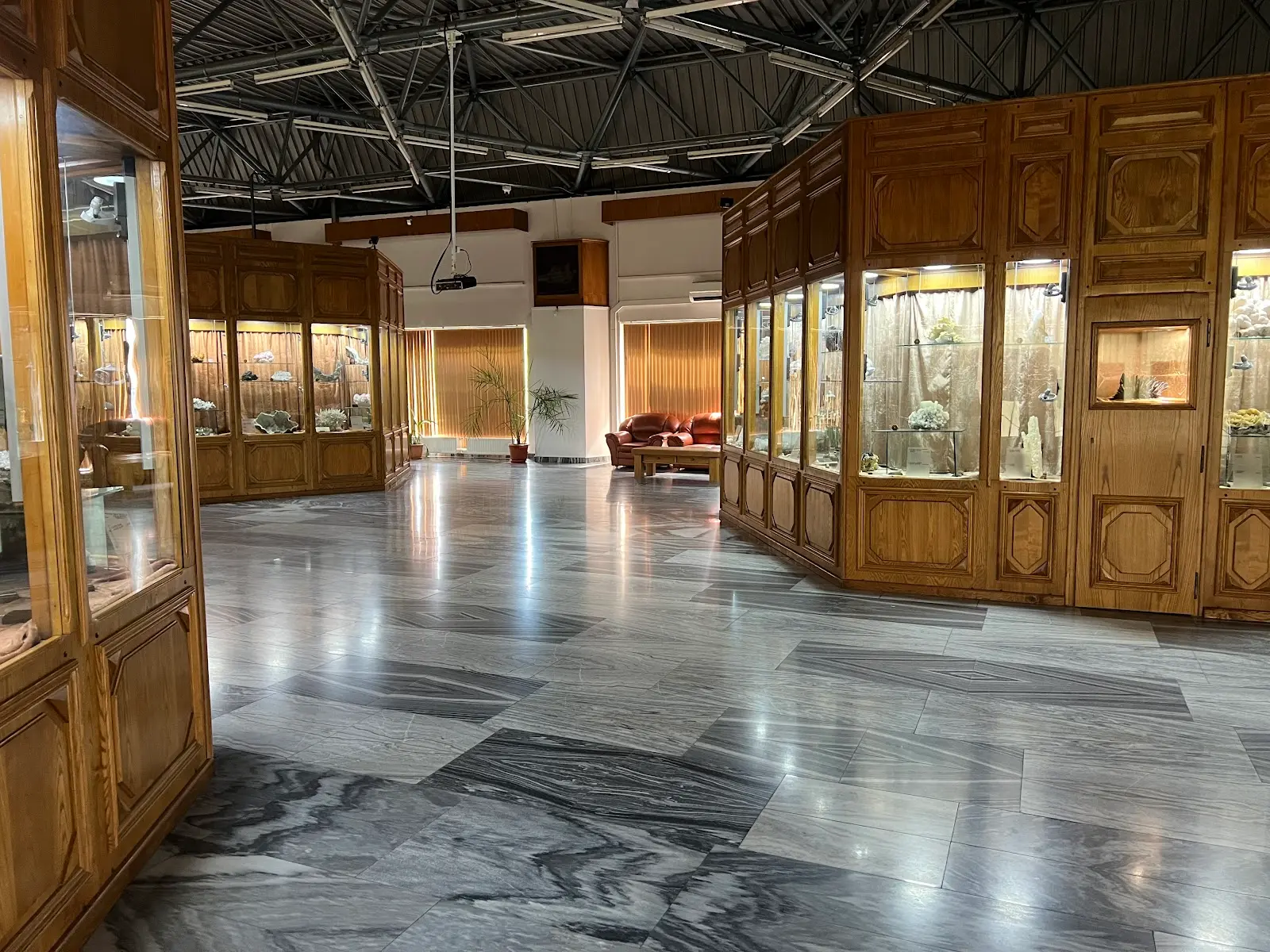
Muzeul Județean de Mineralogie Baia Mare
The County Museum of Mineralogy in Baia Mare holds one of the most valuable mineral collections in Europe, gathered in the heart of a region with a long mining tradition. The Maramureș area has been worked for gold, silver, lead, and other metals since ancient times, and the wealth of its underground is reflected in the museum's cases. The pride of the collection is the so-called mine flowers, spectacular crystal clusters formed in cavities deep within the galleries, unique in size and beauty. The collection includes thousands of samples of sulphides, quartz, calcite, and other species, many coming from mines in the region that are now closed. The exhibition also explains the history of local mining, with tools, maps, and accounts of the hard work underground. For lovers of earth sciences and for families, the museum offers an accessible journey into the world of crystals. Allow enough time to admire the detail of each display case.
Regional flavours
Tours & experiences in Maramureș
Experiences
Guided tours in Maramureș
Day trips, walking tours and hand-picked experiences across Maramureș — free cancellation on most.
See all experiencesWhere to stay in Maramureș
Stays nearby
Hotels & stays in Maramureș