
Maramureș
Maramureș
Authentic rural Romania — wooden churches, carved gates and the steam train.
Maramureș is perhaps the most authentic land in Romania, a region in the north of the country where rural tradition, craftsmanship and faith survive as vividly as in another age. A mountain basin ringed by the Carpathians on the Ukrainian border, Maramureș is renowned worldwide for its wooden churches inscribed on the UNESCO list, with their tall, sharp spires raised without a single nail.
The villages of Maramureș — Bârsana, Ieud, Șurdești, Rozavlea, Poienile Izei — preserve their monumental wooden gates, carved with traditional motifs, their old houses and folk costumes still worn at festivals. At Săpânța stands the famous Merry Cemetery, unique in the world, with blue-painted crosses and humorous epitaphs telling the story of the departed. The region is crossed by the Vaser Valley steam train (Mocănița), which climbs through forests — an unforgettable experience.
The landscape of hills, hay meadows and orchards, the slow rhythm of life and the hospitality of the locals define the region. The cuisine is rustic and hearty — sarmale, stews, sheep's cheeses and the famous horincă (plum brandy). Woodworking and weaving are passed down through generations.
It is reached by car through mountain passes or via Baia Mare and Sighetu Marmației, which has a small airport nearby. Spring through autumn is the best time, with summers ideal for hiking and festivals. Maramureș is worth visiting for its deep authenticity and the sense of stepping into a rural world preserved intact.
Where to stay
All stays →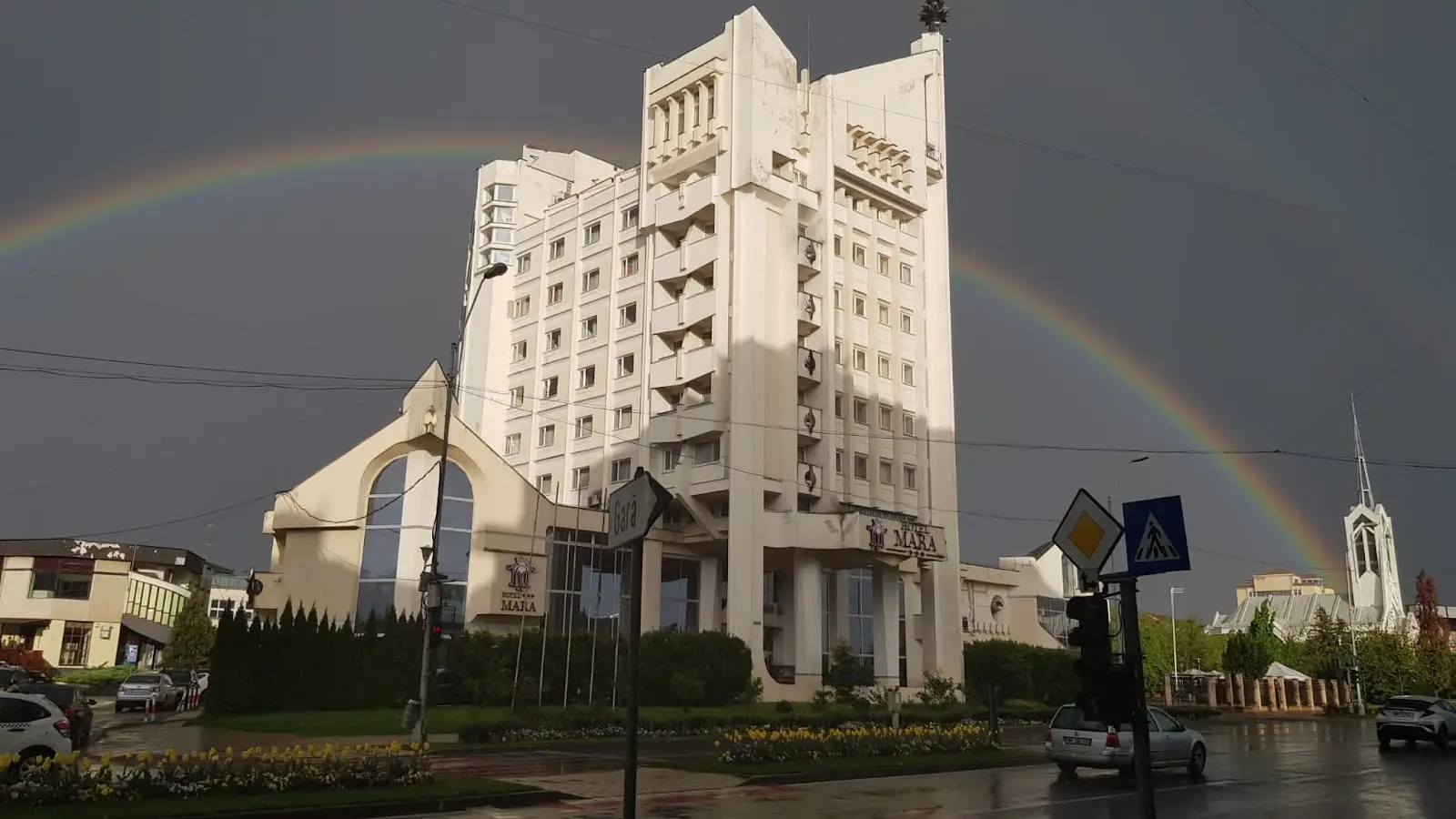
Where to eat
All restaurants →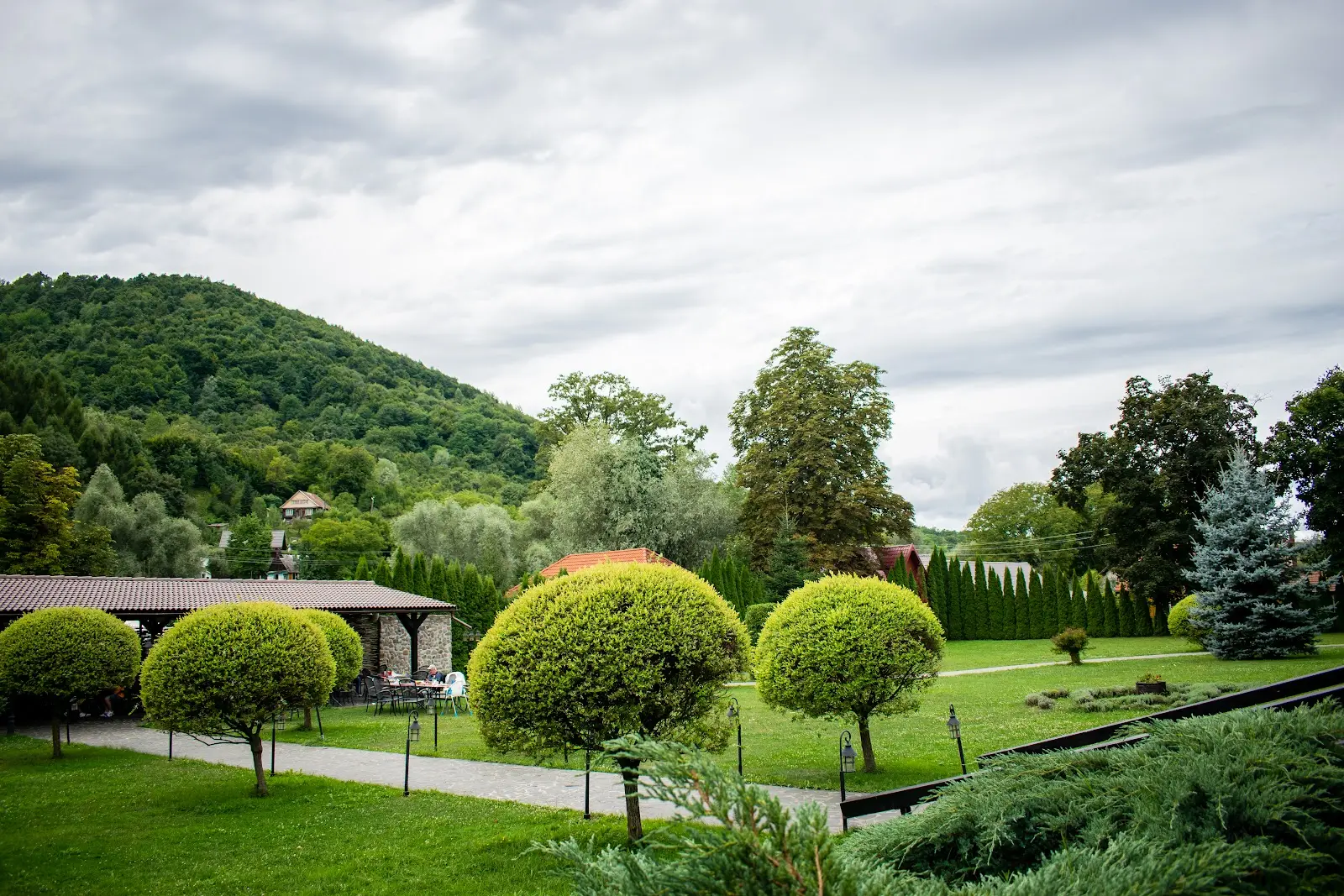 Traditional
Restaurant Grădina Morii
An elegant hotel with a garden, a bar and a restaurant, as well as free breakfast and parking.
 Traditional
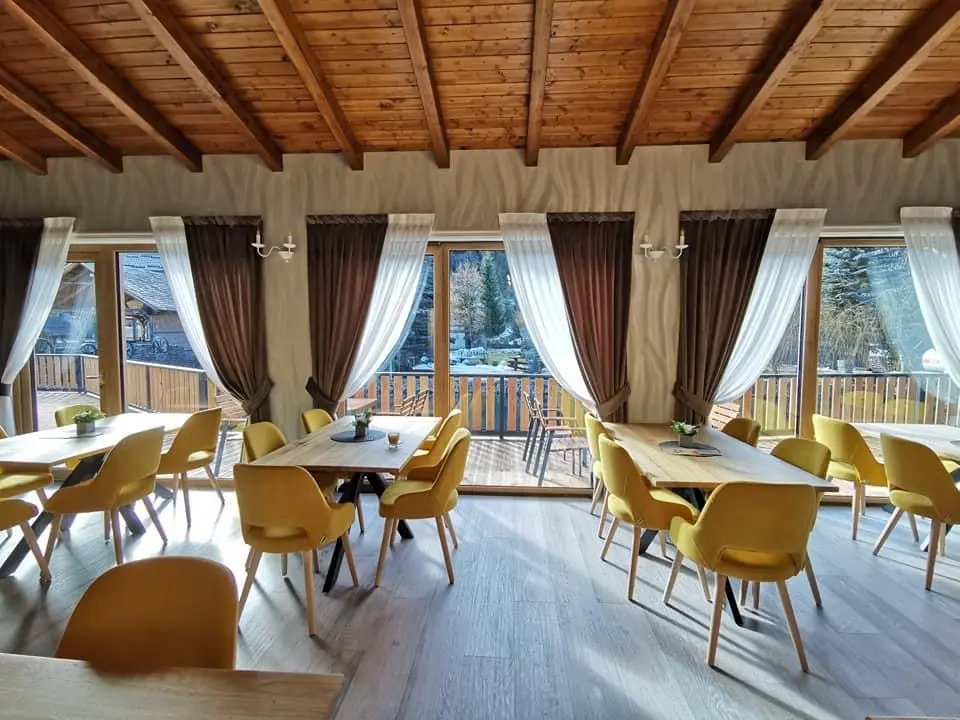
Pensiunea Popasul Iancu
 Bistro
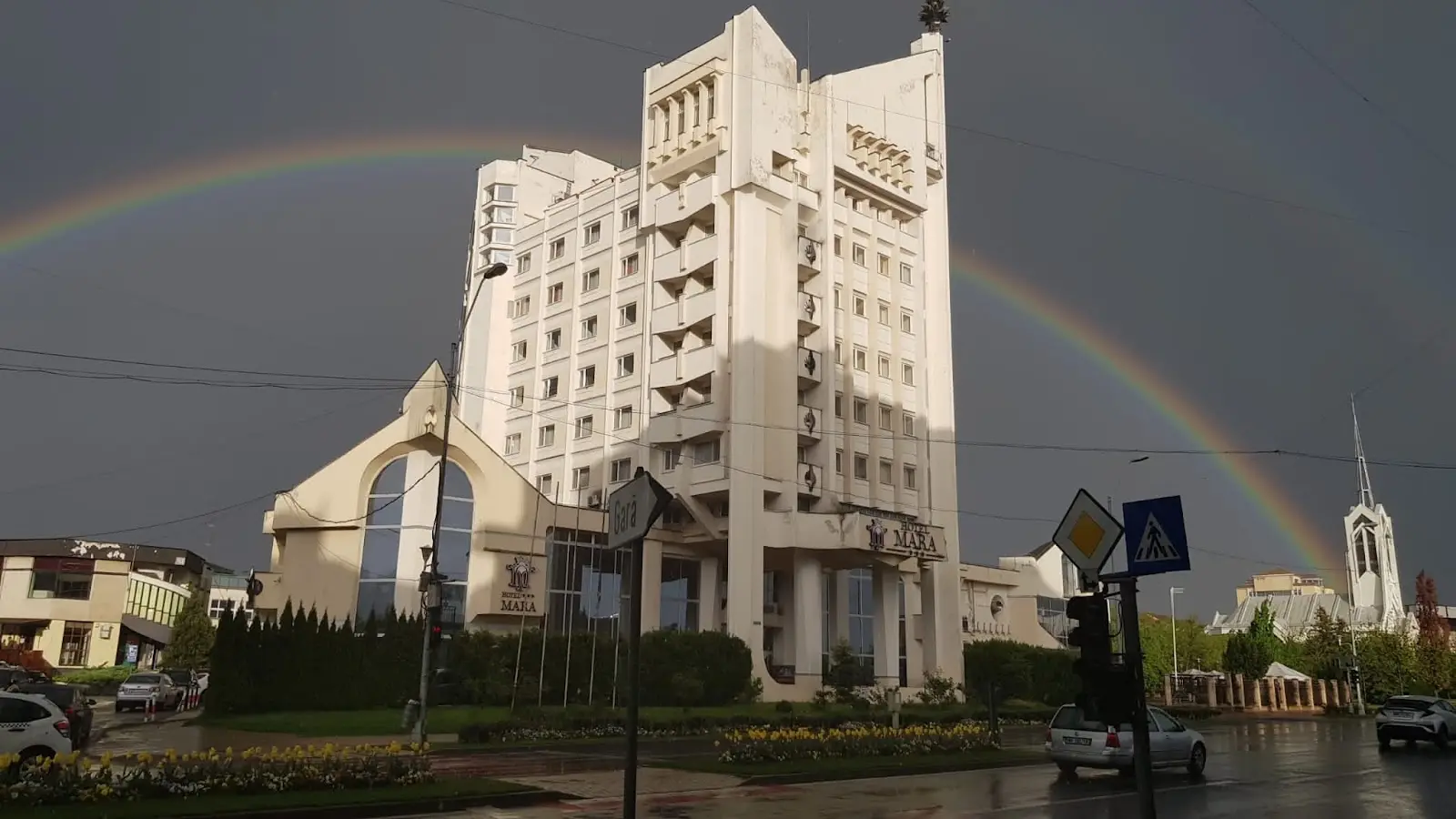
Restaurant Mara Baia Mare
A modest hotel with welcoming rooms and a stylish restaurant, plus a spa with a gym and a juice bar.
What to see
See all →MonasteryMănăstirea Bârsana
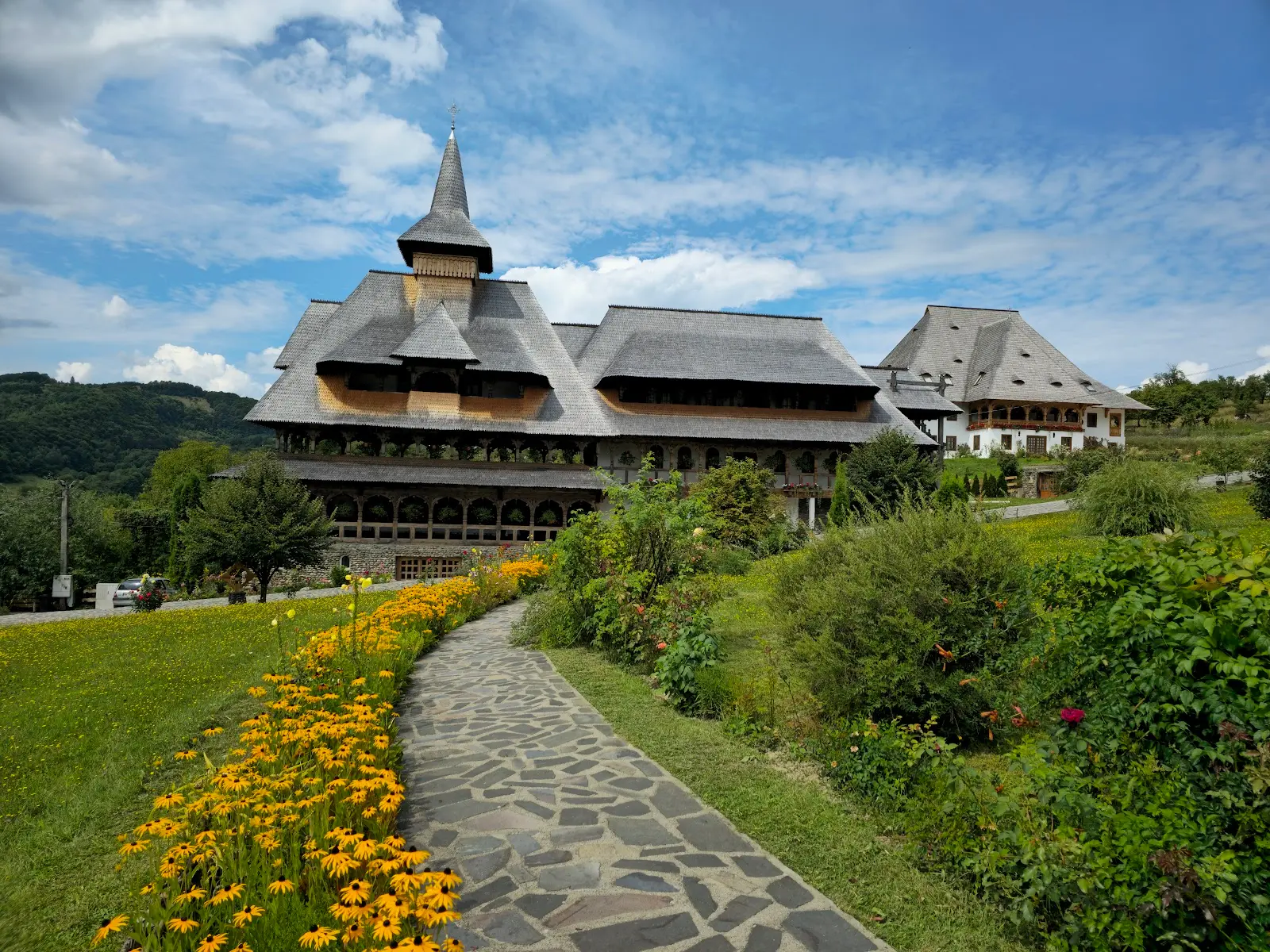
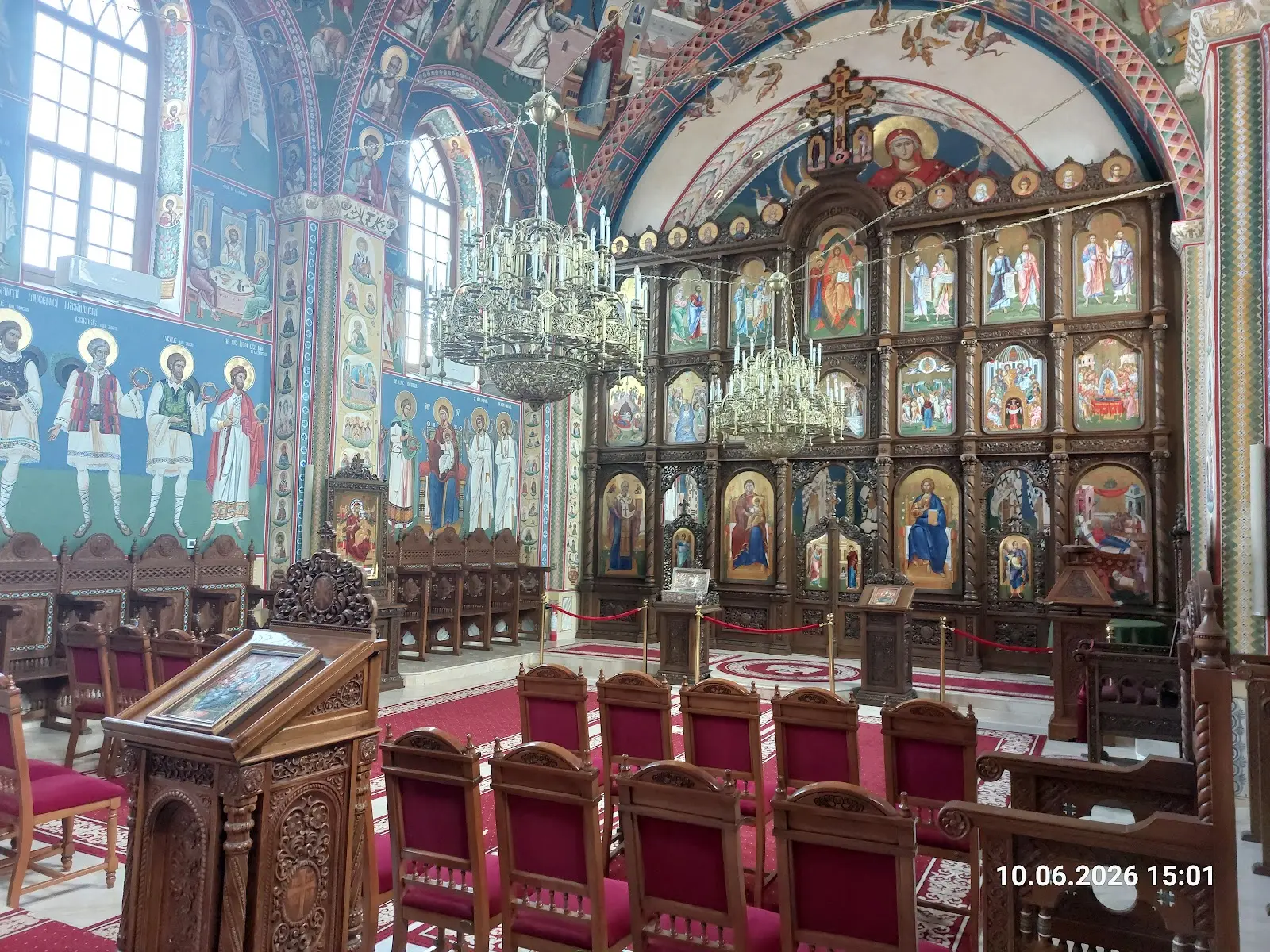
Bârsana Monastery in Maramureș is the most spectacular expression of wooden architecture in northern Romania, an ensemble of churches, cells and carved gates that seems a gateway to heaven. Although the present monastic community was re-established in the 1990s, the tradition of the place reaches much further back, and the new buildings were raised by local craftsmen in the authentic Maramureș style, with slender, soaring spires, cascading shingle roofs and lacework in wood. The main church, one of the tallest wooden structures in Europe, rises skyward above a well-tended flower garden. The whole complex, set on a hill, breathes calm and craftsmanship. It is an essential stop on the trail of Maramureș wooden churches, some inscribed on the UNESCO heritage list. Modest dress is advised; check the visiting schedule.
 Mountain
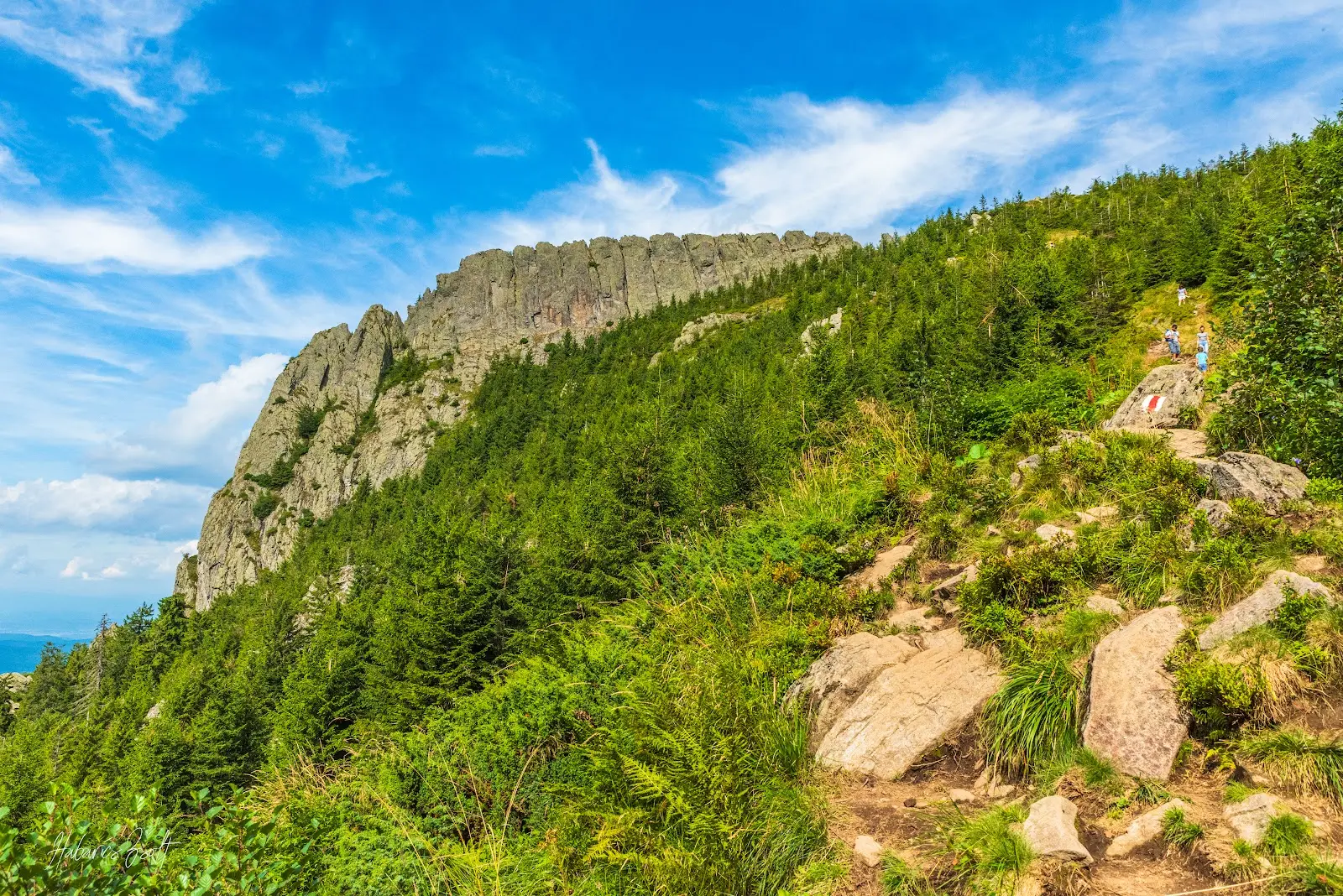
Creasta Cocoșului
Creasta Cocosului, the Rooster's Crest, is one of the most spectacular rock formations in the Gutai mountains, in the heart of Maramures, a jagged volcanic ridge rising above the surrounding forests and meadows. Its evocative name comes from the toothed profile of the rocks, which recalls the comb of a rooster. Formed of volcanic rock, the crest is the result of long geological activity and erosion, and is protected as a nature reserve for its scenic and scientific value. The marked trails leading to the ridge cross forests of beech and spruce, offering along the way views towards the basins and villages of Maramures. From the top the panorama opens towards the surrounding mountain ranges. The place is prized by hikers and photographers, especially at sunrise and sunset. Mountain gear and care on the rocky stretches are recommended.
 Church
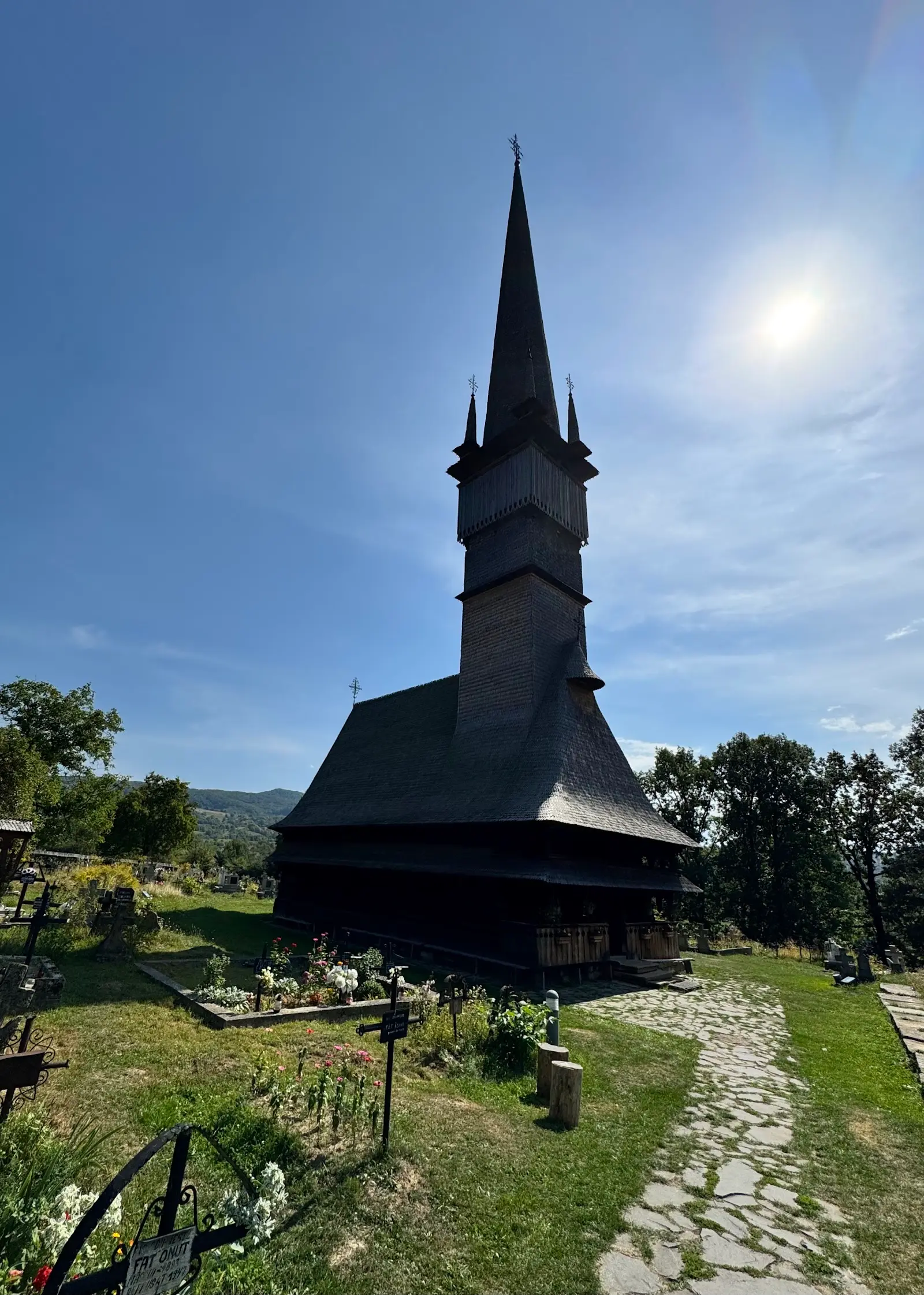
Biserica de lemn din Șurdești
The wooden church of Șurdești is one of the most impressive wooden churches in Maramureș and part of the UNESCO World Heritage. Built in the 18th century, it stands out for its extremely tall tower, whose slender spire ranks among the highest wooden structures of its kind in Europe. Made entirely of oak, the church illustrates the skill of the Maramureș craftsmen, who combined the log structure with a steep roof and delicately carved decorations. The interior preserves mural painting on wood, with religious scenes rendered in a folk manner that reflects the faith and sensibility of the local community. Set on a hill, with a carved porch and a cemetery around it, the church blends naturally into the rural landscape of the area. Practical note: the visit combines with other wooden churches nearby, and access to the interior may require contacting the person who keeps the key, as is customary in the villages of Maramureș.
 Church
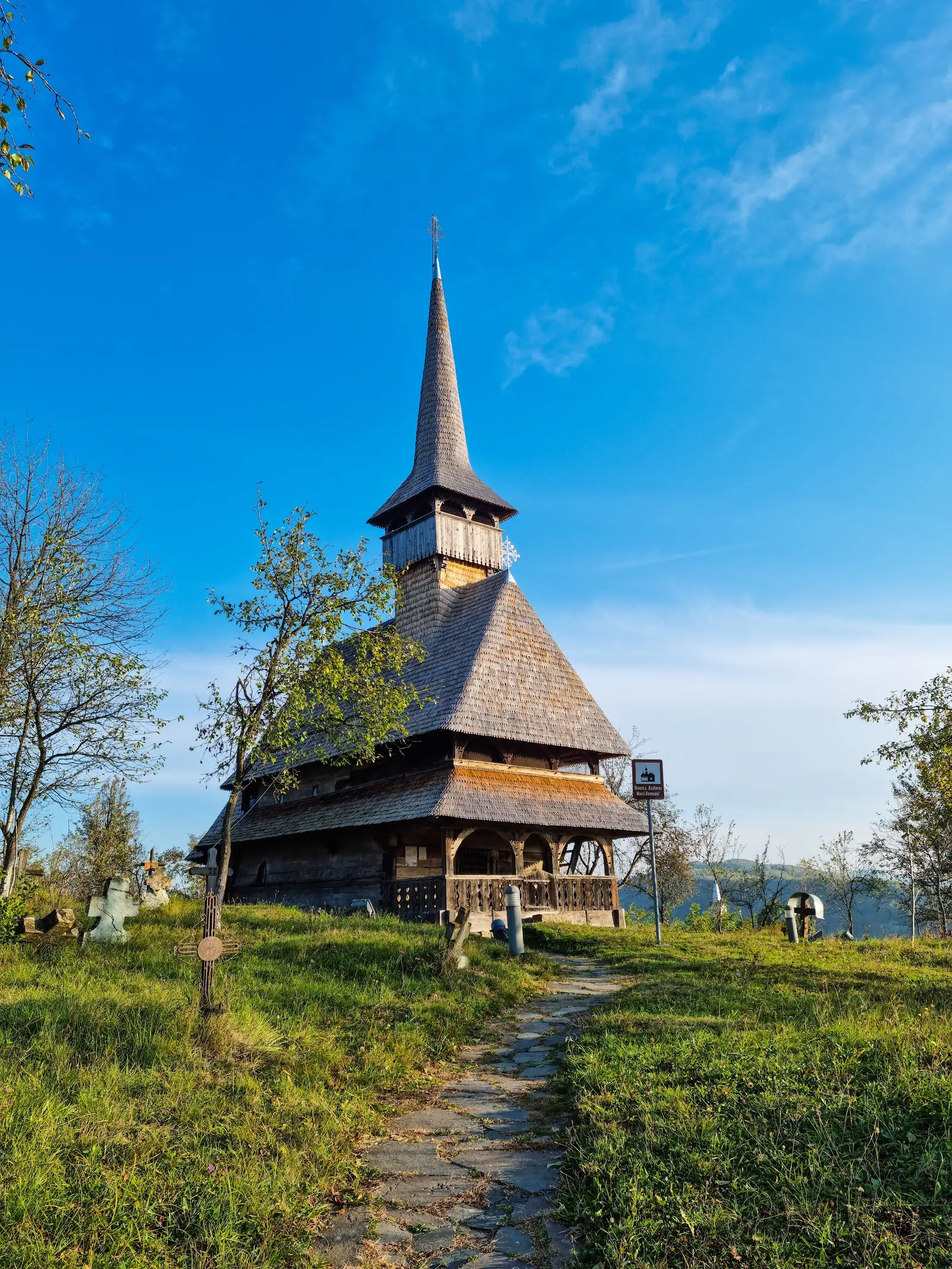
Biserica de lemn din Bârsana
The wooden church of Bârsana is one of the most beautiful and representative monuments of the wooden religious architecture of Maramureș, a region renowned for its tall, slender churches raised with mastery by local craftsmen. Built of oak in the tradition specific to the area, the church stands out for its high, pointed spire soaring towards the sky, for its harmonious proportions and for the interior painting on boards, depicting biblical scenes in a folk style full of expressiveness. The wooden churches of Maramureș, among them the one at Bârsana, are inscribed on the UNESCO World Heritage list, recognised as unique examples of the meeting between Gothic tradition and the craft of woodwork. The village of Bârsana also hosts a renowned modern monastic ensemble, likewise built in the traditional style, which attracts many visitors and pilgrims. These monuments evoke the deep spirituality and craftsmanship of the Maramureș communities, offering an authentic picture of the faith and culture of northern Romania.
 Landmark
Cimitirul Vesel Săpânța
The Merry Cemetery of Săpânța, in northern Maramureș, is one of the most unusual places of its kind in the world and a symbol of the distinctive way the local community views death. Here the wooden crosses are not sombre but painted in a vivid blue, known as Săpânța blue, and adorned with naive scenes depicting the trade or an event from the life of the deceased. Each cross also carries a rhymed epitaph, often humorous and self-mocking, that sums up the life of the person buried there. The tradition was begun in the mid-twentieth century by the craftsman Stan Ioan Pătraș and continued by his successors, becoming a true collective work of folk art. The place conveys a serene philosophy of passing, in which death is seen without dread. Visitors can read the witty epitaphs and admire the skill of the carvers. It is best to respect the fact that this remains a working cemetery.
Frequently asked questions
What is Maramureș known for?+
Maramureș is best known for sights such as Mănăstirea Bârsana, Creasta Cocoșului, Biserica de lemn din Șurdești.
How many days do you need in Maramureș?+
One to two days is enough to see the highlights of Maramureș; stay longer to use it as a base for day trips.
Where should I stay in Maramureș?+
See our selected stays above, or check live rates and availability on the accommodation map.