
Maramureș
Baia Mare
The modern gateway to Maramureș.
Baia Mare is the county seat of Maramureș and the region's main city, an urban centre with a long mining tradition, set on the Săsar River at the foot of the Gutâi and Igniș mountains. Long known for gold and metal mining, the town is increasingly discovering its tourist vocation as the gateway to the traditional land of Maramureș.
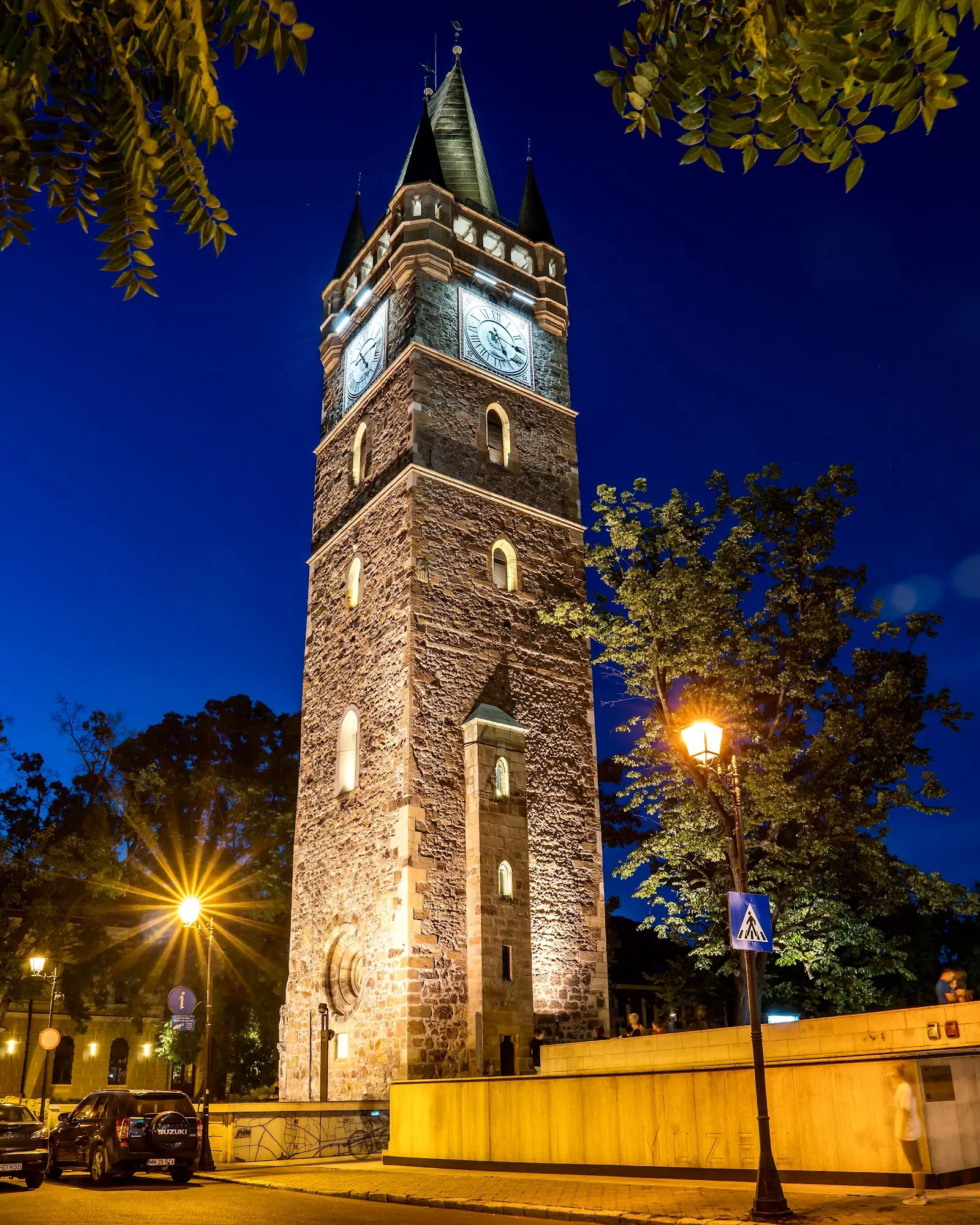
The historic centre gravitates around Liberty Square (Piața Libertății), a picturesque plaza lined with old, colourful Baroque and Renaissance houses. Its emblematic landmark is Stephen's Tower (Turnul Ștefan), a 15th-century Gothic tower over 40 metres high, linked to the figure of John Hunyadi, from which a wide view opens over the city and mountains. Also worth visiting are the Museum of Ethnography and Folk Art (with an open-air section) illustrating the rich traditional culture of Maramureș, and the County Museum of History and Archaeology. The city also has a notable artistic tradition, the "Baia Mare painting school" being renowned.
From Baia Mare set out trips to the villages with wooden churches, to the Merry Cemetery in Săpânța and to the surrounding mountains. Maramureș cuisine is rustic and hearty, with pork dishes, cheeses and horincă.
The city has a small airport and rail and road links. Spring through autumn is the best time to visit. Baia Mare is worth visiting as a comfortable base for exploring Maramureș and for its pleasant historic centre.
Where to stay
All stays →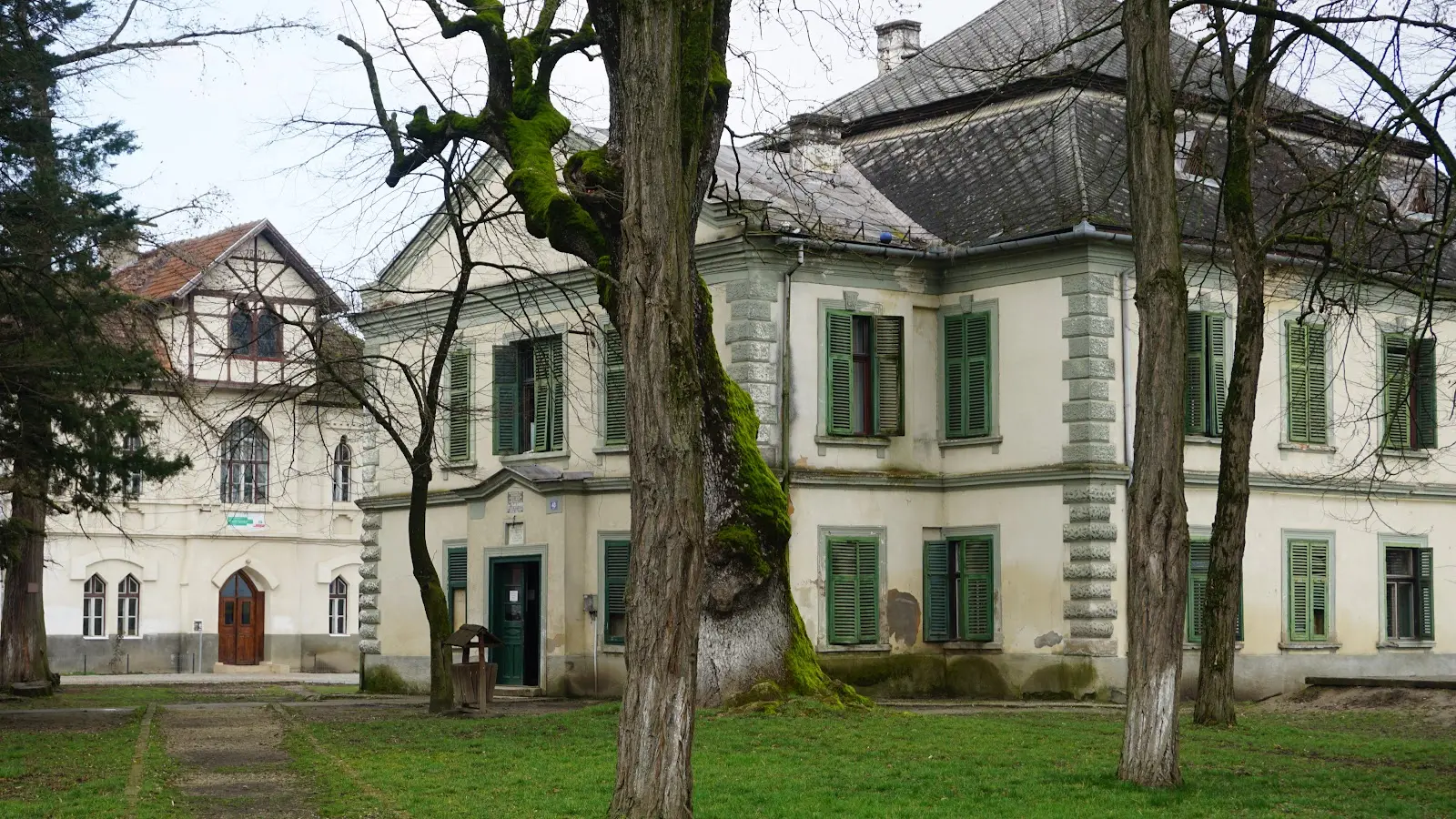 Boutique
Eurohotel Baia Mare
Practical rooms in a simple hotel with free Wi-Fi, plus an indoor pool and a bowling alley.
 Boutique
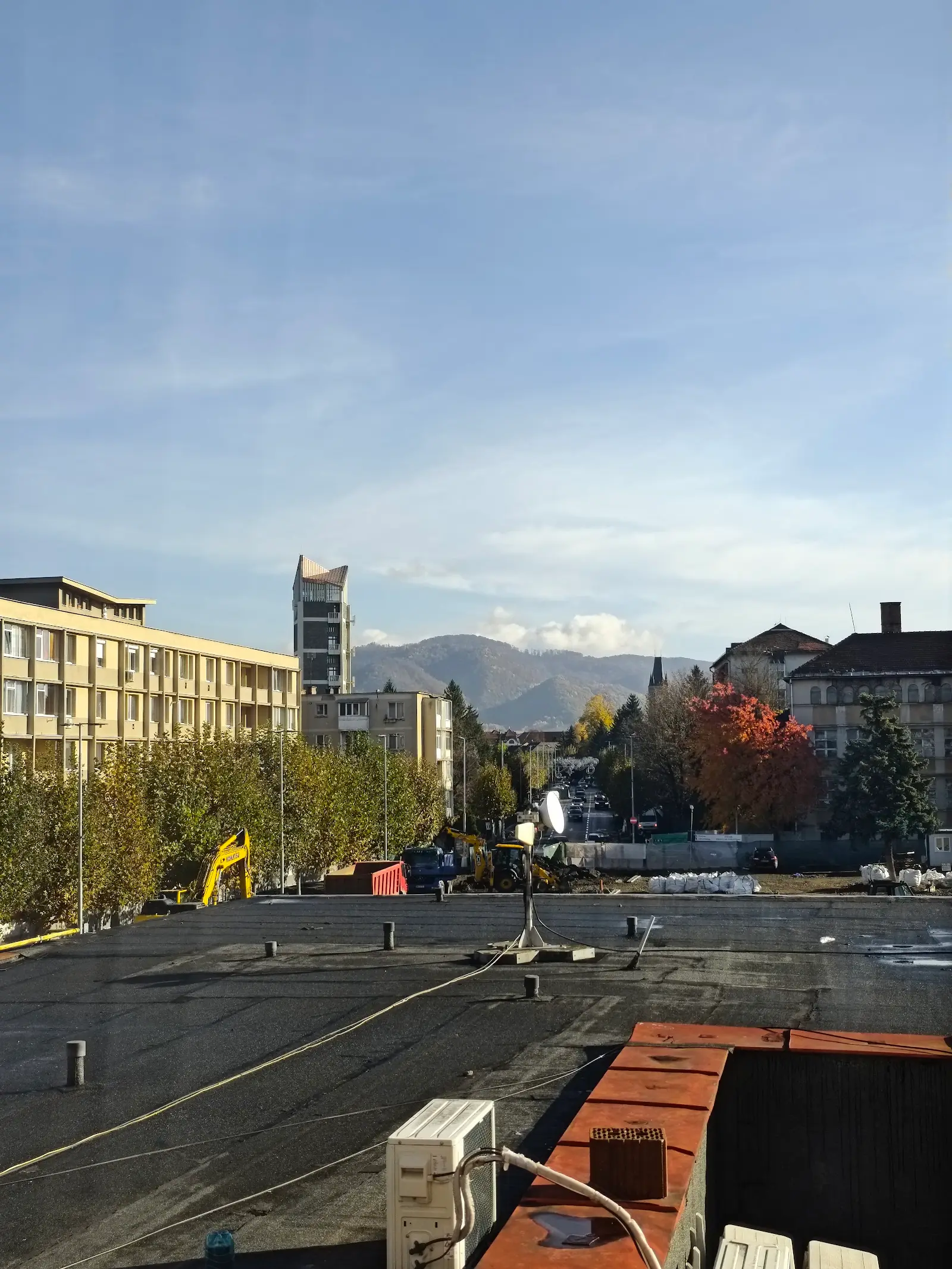
Hotel Rivulus Baia Mare
Practical rooms with balconies in a hotel with a Romanian/Italian restaurant and a café-bar.
 Boutique
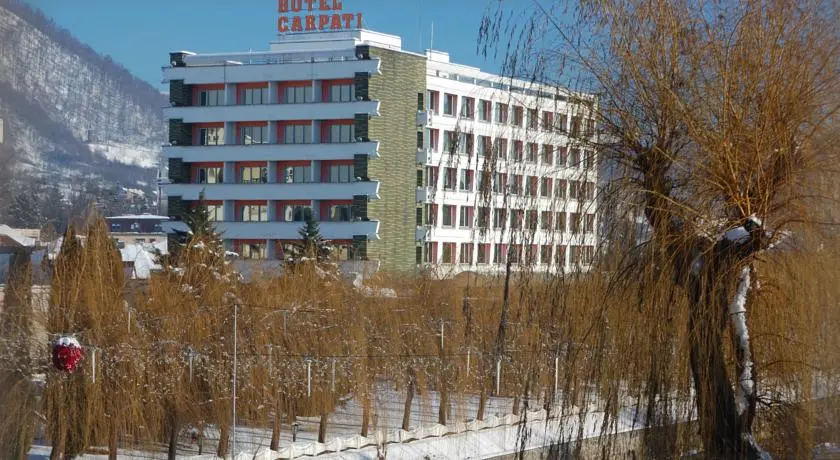
Hotel Carpați Baia Mare
An intimate hotel with a restaurant and a lobby bar, both with a terrace, plus a sauna and a fitness room.
Where to eat
All restaurants →
What to see
See all →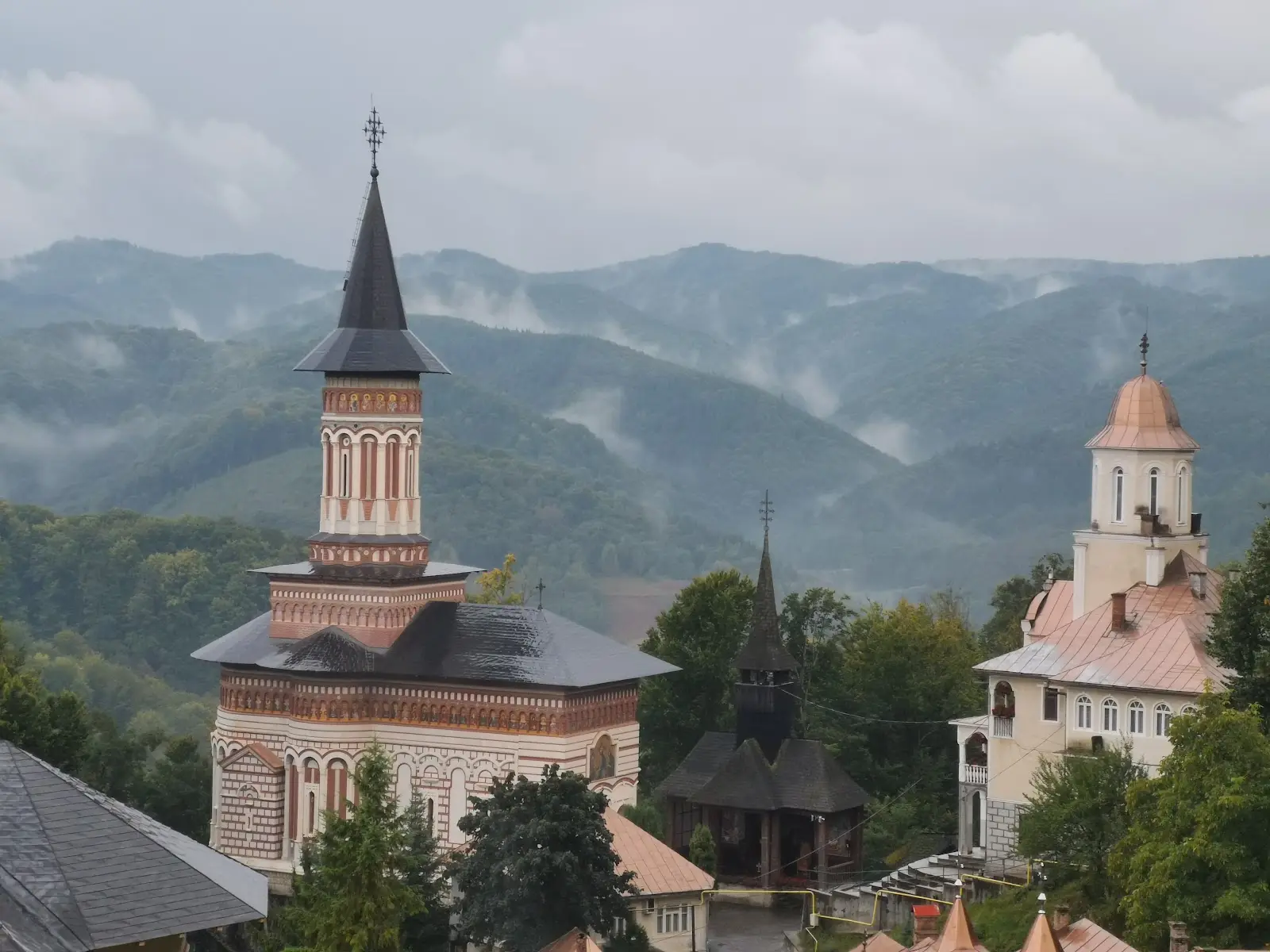 Monastery
Mănăstirea Rohia
Rohia Monastery lies in Maramures county, near the town of Baia Mare, in a striking natural setting on a wooded hill in the Lapus Land area. The settlement, dedicated to Saint Parascheva, was founded in the early twentieth century and became known above all through its connection with the writer and theologian Nicolae Steinhardt, author of the Diary of Happiness, who lived here as a monk and librarian in the last part of his life. The monastery holds a valuable library, with numerous rare books, and preserves the cell in which Steinhardt lived, which has become a place of literary and spiritual pilgrimage. The quiet setting, the surrounding forest and the view over the hills of Maramures give the place an atmosphere of deep contemplation. Rohia is a sought-after destination for pilgrims, but also for lovers of culture who wish to discover the memory of an important Romanian thinker.
 Museum
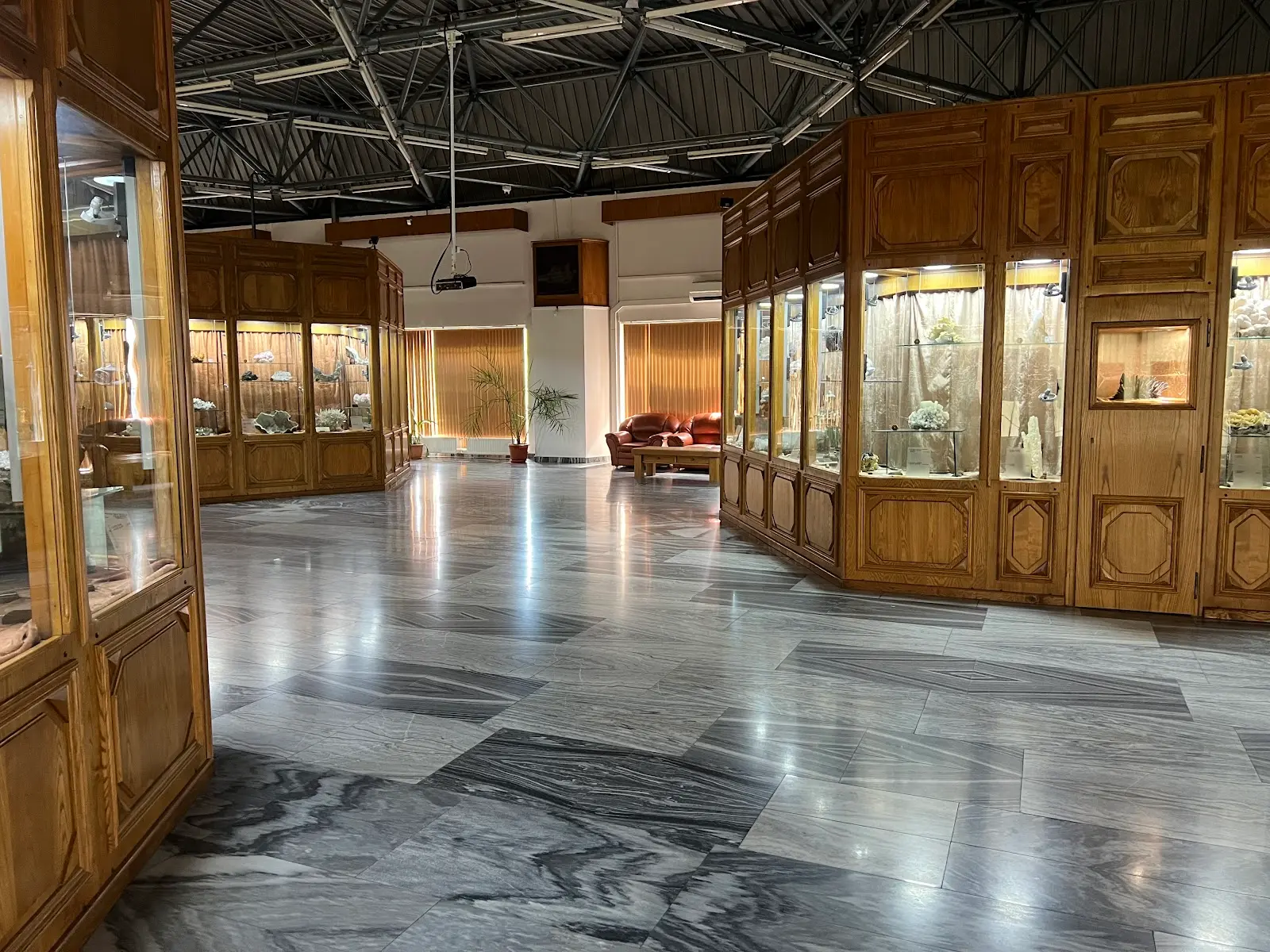
Muzeul Județean de Mineralogie Baia Mare
The County Museum of Mineralogy in Baia Mare holds one of the most valuable mineral collections in Europe, gathered in the heart of a region with a long mining tradition. The Maramureș area has been worked for gold, silver, lead, and other metals since ancient times, and the wealth of its underground is reflected in the museum's cases. The pride of the collection is the so-called mine flowers, spectacular crystal clusters formed in cavities deep within the galleries, unique in size and beauty. The collection includes thousands of samples of sulphides, quartz, calcite, and other species, many coming from mines in the region that are now closed. The exhibition also explains the history of local mining, with tools, maps, and accounts of the hard work underground. For lovers of earth sciences and for families, the museum offers an accessible journey into the world of crystals. Allow enough time to admire the detail of each display case.
 Museum
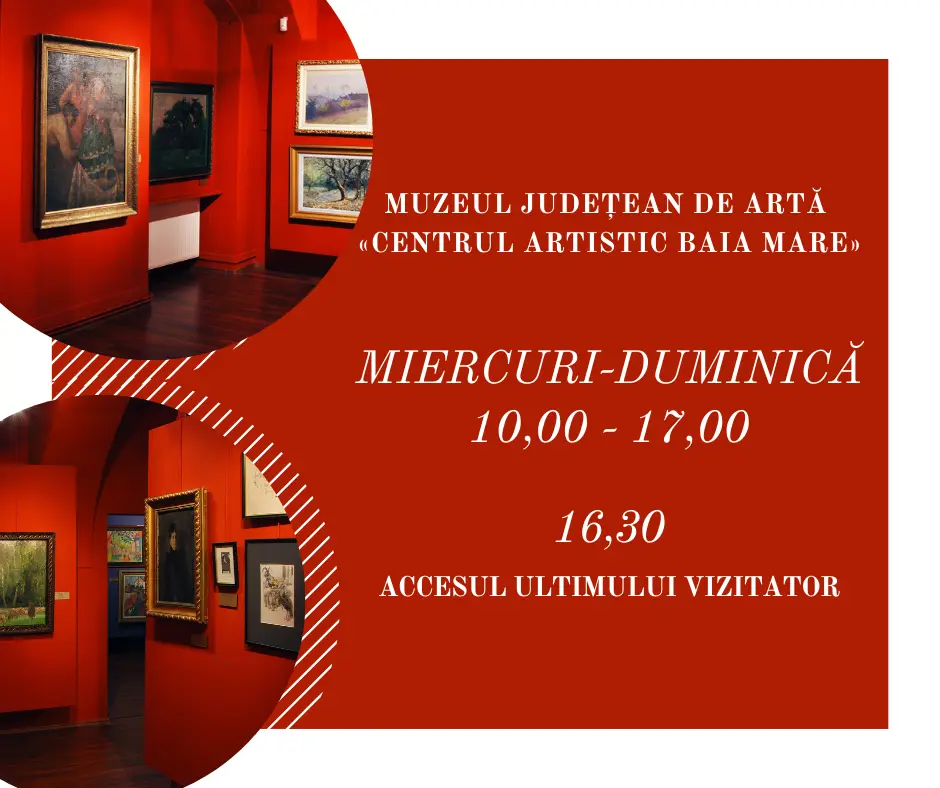
Muzeul de Artă Baia Mare (Colonia Pictorilor)
The Art Museum in Baia Mare is closely linked to the renowned Painters' Colony, a school and artistic centre founded at the end of the 19th century that attracted numerous painters and played an essential role in the development of modern art in this part of Europe. Located in Maramureș, the museum preserves and displays works by the artists who were active here, illustrating the evolution of styles and movements over the decades. The Baia Mare colony was valued for its landscapes and for the special light of the place, which inspired generations of creators coming from different countries. The museum's collection includes painting, graphics and sculpture, offering a comprehensive picture of this artistic phenomenon. Today, the legacy of the colony remains a source of pride for the city and a landmark in the history of Romanian art. Practical note: the museum visit offers a good introduction to the history of the artistic colony, and the rooms are best explored at an unhurried pace to follow the thread of Baia Mare painting.
 Park
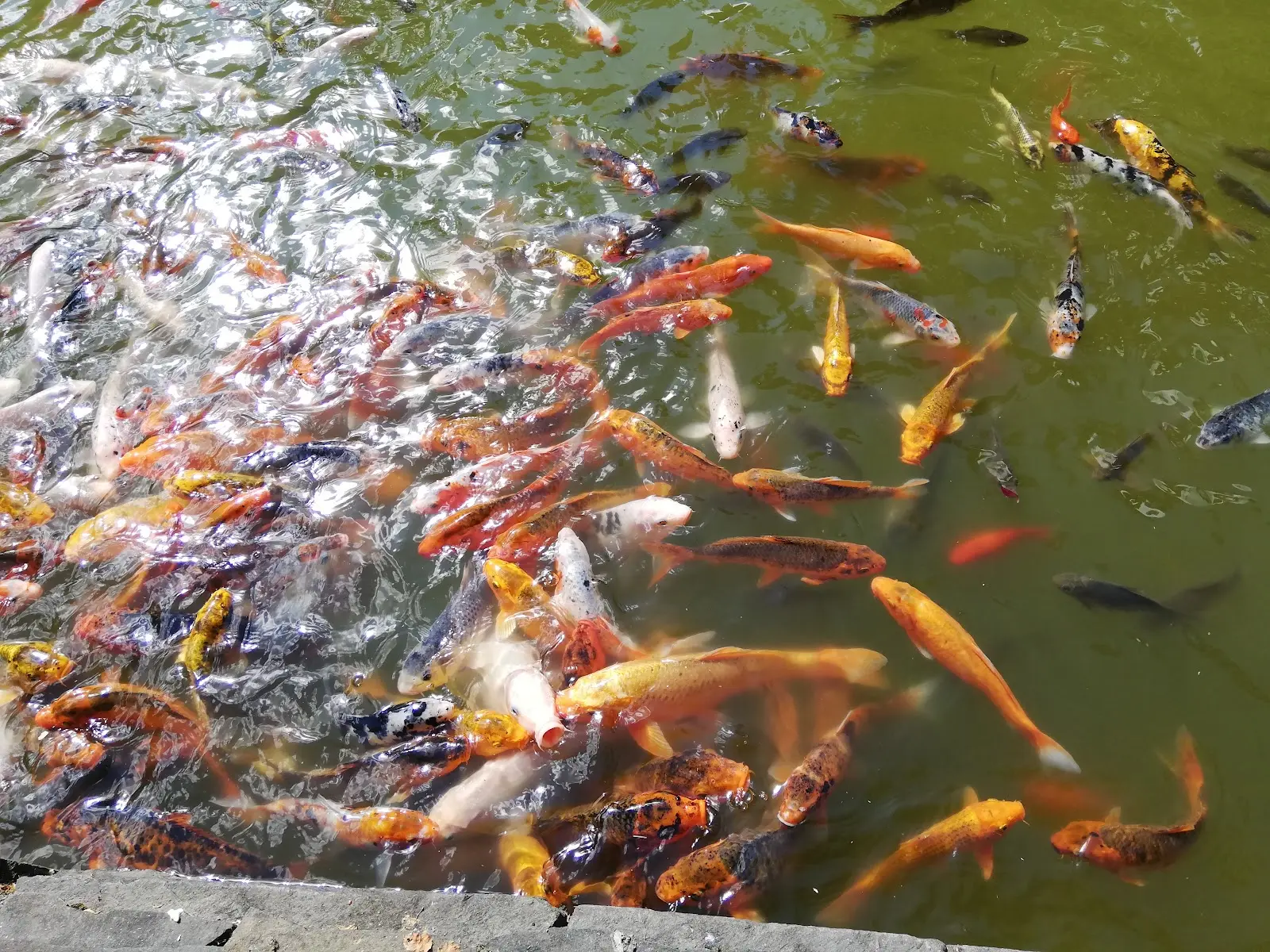
ParkParcul Municipal Regina Maria Baia Mare
Regina Maria Municipal Park is the most important green space in Baia Mare and a beloved place for a stroll among residents of this town in northern Transylvania. Laid out along the river that crosses the area, the park is named after Queen Marie of Romania and blends shaded paths, wide lawns and mature trees with various recreation areas. Visitors find children's playgrounds, benches, fountains and open-air event spaces here, which come alive on summer evenings. The park makes a convenient starting point for exploring the nearby historic centre, with its old market square and the Stephen Tower. Easily reached on foot from the central area, it remains a fitting stop for a quiet break between the town's cultural landmarks, set within a well-tended natural setting that appeals to families and walkers alike.
LandmarkTurnul Ștefan
Stephen's Tower in Baia Mare is the best-known monument of the city and its undeniable symbol, a tall Gothic tower built in the fifteenth century in connection with the name of the ruler Stephen the Great, whose family had ties to the Baia Mare estate. The tower, once the bell tower of a church that has not survived in full, rises slender above the central square, with its massive stone and brick masonry and the clock that has marked the passing of time for centuries for the inhabitants of this mining town. From its height opens a beautiful panorama over the historic centre and the surrounding hills. The structure has been restored and consolidated over time, keeping its characteristic silhouette. The tower is a testimony to the prosperous medieval past of this city linked to gold mining. Practical note: if access to the tower is open, climbing it offers the best view; check the visiting schedule on site.
 Church
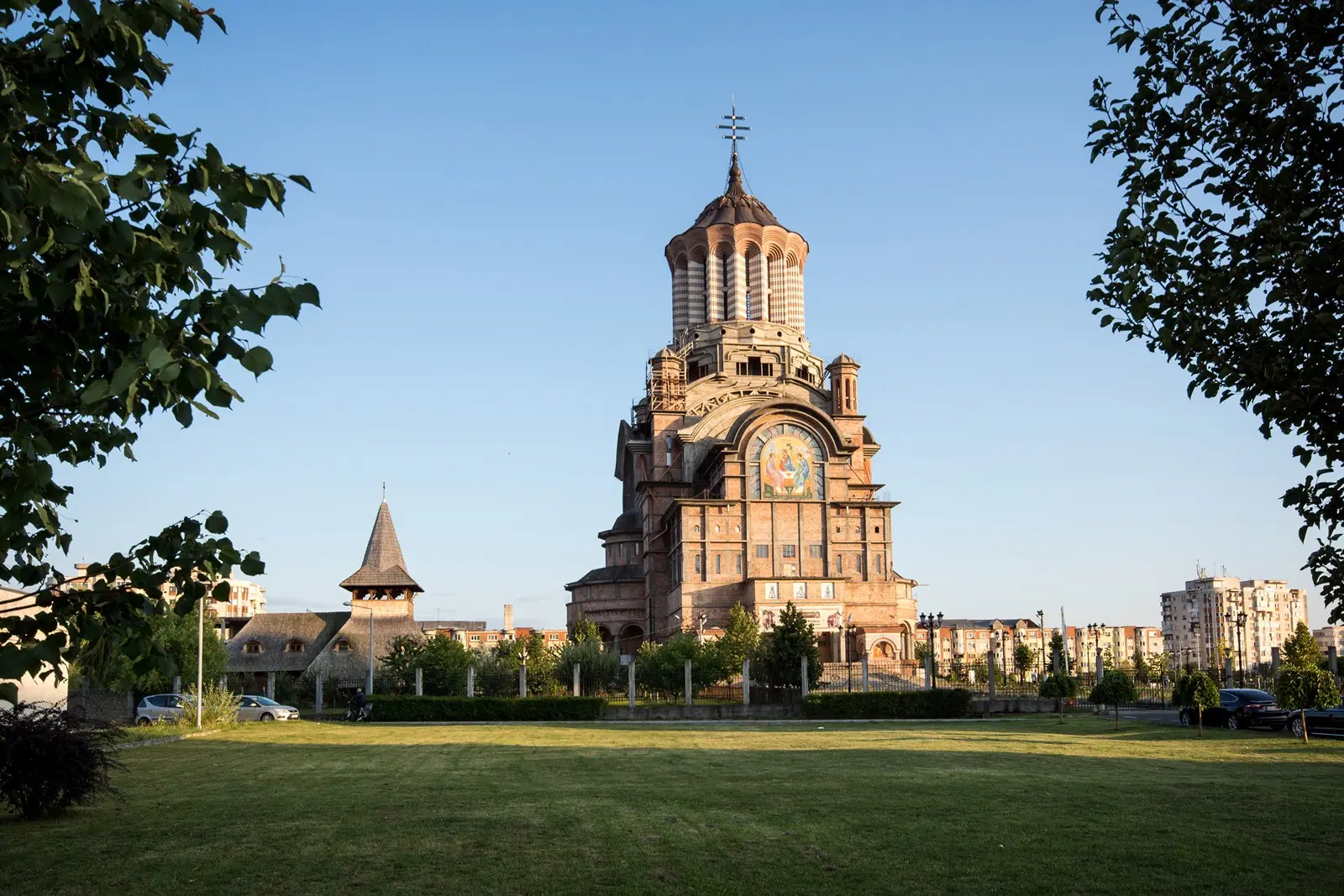
Biserica Sfânta Treime (Iezuiților) Baia Mare
The Holy Trinity Church in Baia Mare, also known as the Jesuit Church, is one of the most valuable Baroque monuments in northern Transylvania, set in the historic centre of the town. Built in the 18th century by the Jesuit order, the church impresses with its Baroque facade, its towers and its richly decorated interior, with altars, painting and sculptural elements typical of the period. The building is part of an ensemble that also included structures for the religious and educational work of the Jesuits, reflecting the order importance in the spiritual and cultural life of Baia Mare. The church remains an active place of worship and an architectural landmark of the town, standing near Liberty Square and other monuments of the old centre. Visitors can admire the harmony of the Baroque proportions and the solemn atmosphere of the interior. It is best to keep quiet and dress appropriately, especially during services, and the visit fits easily into a walking tour of the historic centre.
 Landmark
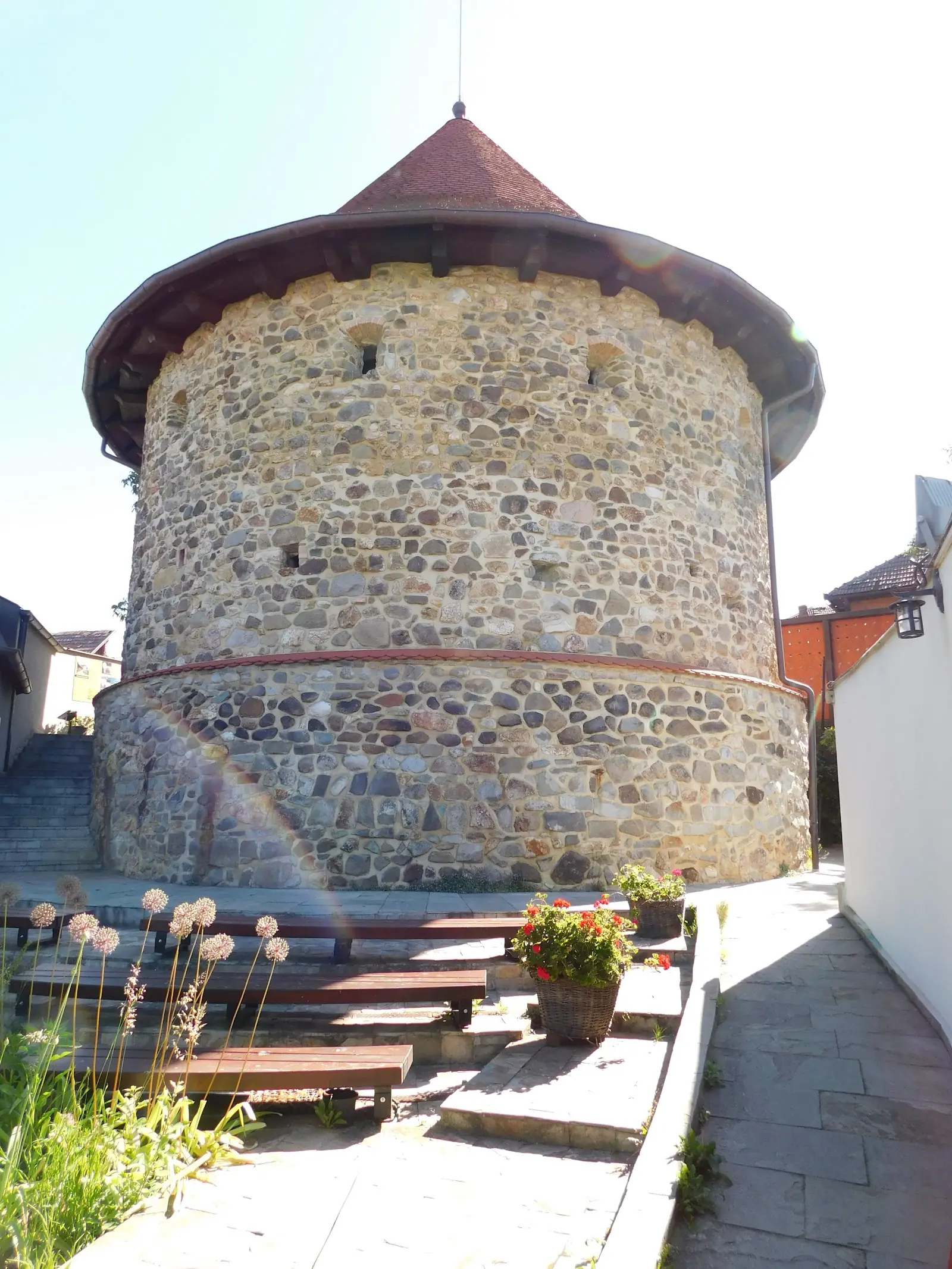
Bastionul Măcelarilor Baia Mare
The Butchers Bastion in Baia Mare is one of the few surviving elements of the town old medieval fortifications, a testimony to its past as a strong and prosperous settlement in northern Transylvania. The tower, raised in centuries past, was defended and maintained by the butchers guild, following the medieval custom by which each guild was responsible for a stretch of wall and a particular tower. The massive structure of stone and brick, with thick walls and firing openings, illustrates the military architecture of the age. Today the bastion is among the historical heritage landmarks of Baia Mare and has been integrated into the town tourist and cultural circuit. Located near the old centre, it can be visited together with the other monuments in the area, such as the Stephen Tower or Liberty Square. The bastion offers an authentic picture of medieval urban life and of the guild organisation that ensured the defence of the community.
 Museum
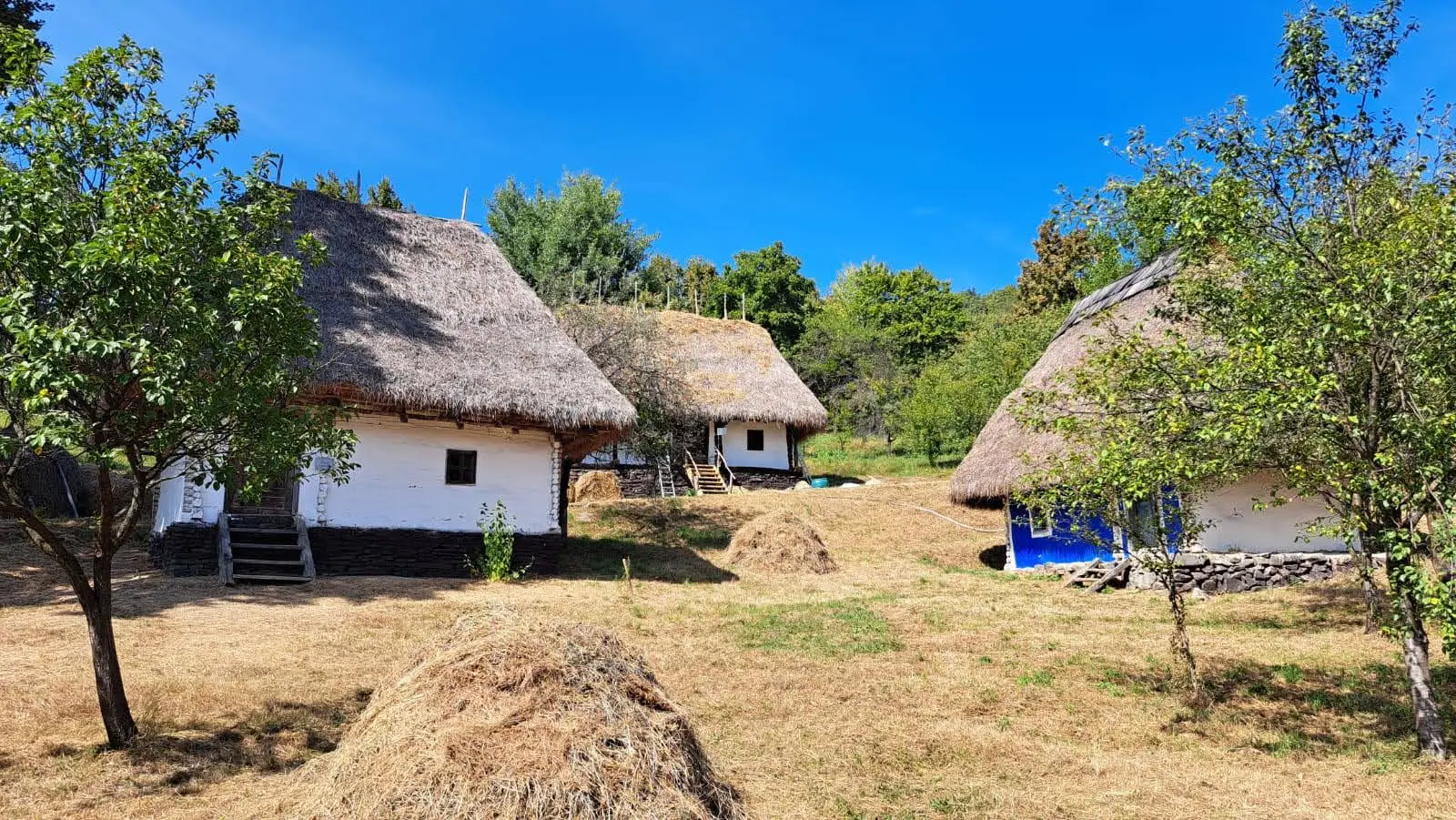
Muzeul Satului Baia Mare
The Village Museum of Baia Mare is an open-air ethnographic museum that gathers homesteads, wooden churches, mills, gates and traditional installations brought from the villages of Maramureș and neighbouring areas, offering an authentic picture of rural life of old in northern Transylvania. Set on a hill overlooking the town, the museum reconstructs the traditional Maramureș village, with its wooden houses, tall shingle roofs and monumental carved gates that stand as a symbol of local identity. Visitors can discover interiors furnished with household objects, textiles, ceramics and tools, as well as traditional crafts characteristic of the region. The wooden churches, with their tall, slender spires, evoke the renowned religious architecture of Maramureș, some examples from the area being inscribed on the UNESCO World Heritage list. The museum is an ideal place to understand the spirituality, customs and craftsmanship of the rural communities of the north, offering a rich cultural experience in a pleasant natural setting.
Frequently asked questions
What is Baia Mare known for?+
Baia Mare is best known for sights such as Mănăstirea Rohia, Muzeul Județean de Mineralogie Baia Mare, Muzeul de Artă Baia Mare (Colonia Pictorilor).
How many days do you need in Baia Mare?+
One to two days is enough to see the highlights of Baia Mare; stay longer to use it as a base for day trips.
Where should I stay in Baia Mare?+
See our selected stays above, or check live rates and availability on the accommodation map.