România Mea

Muzeul Satului Baia Mare
4.5(185 reviews)Strada Dealul Florilor 1A, Baia Mare, România
Muzeul Satului Baia Mare

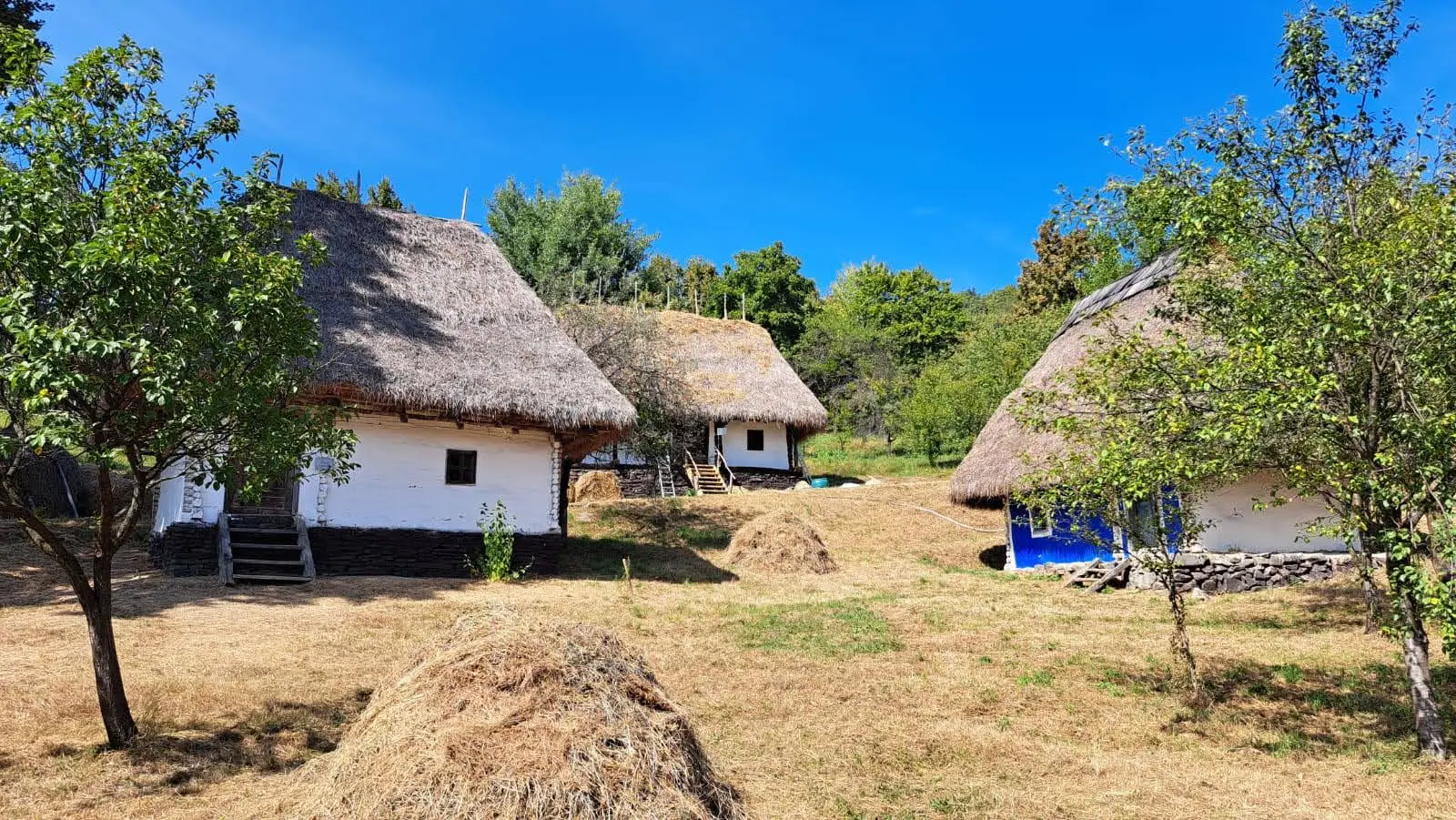
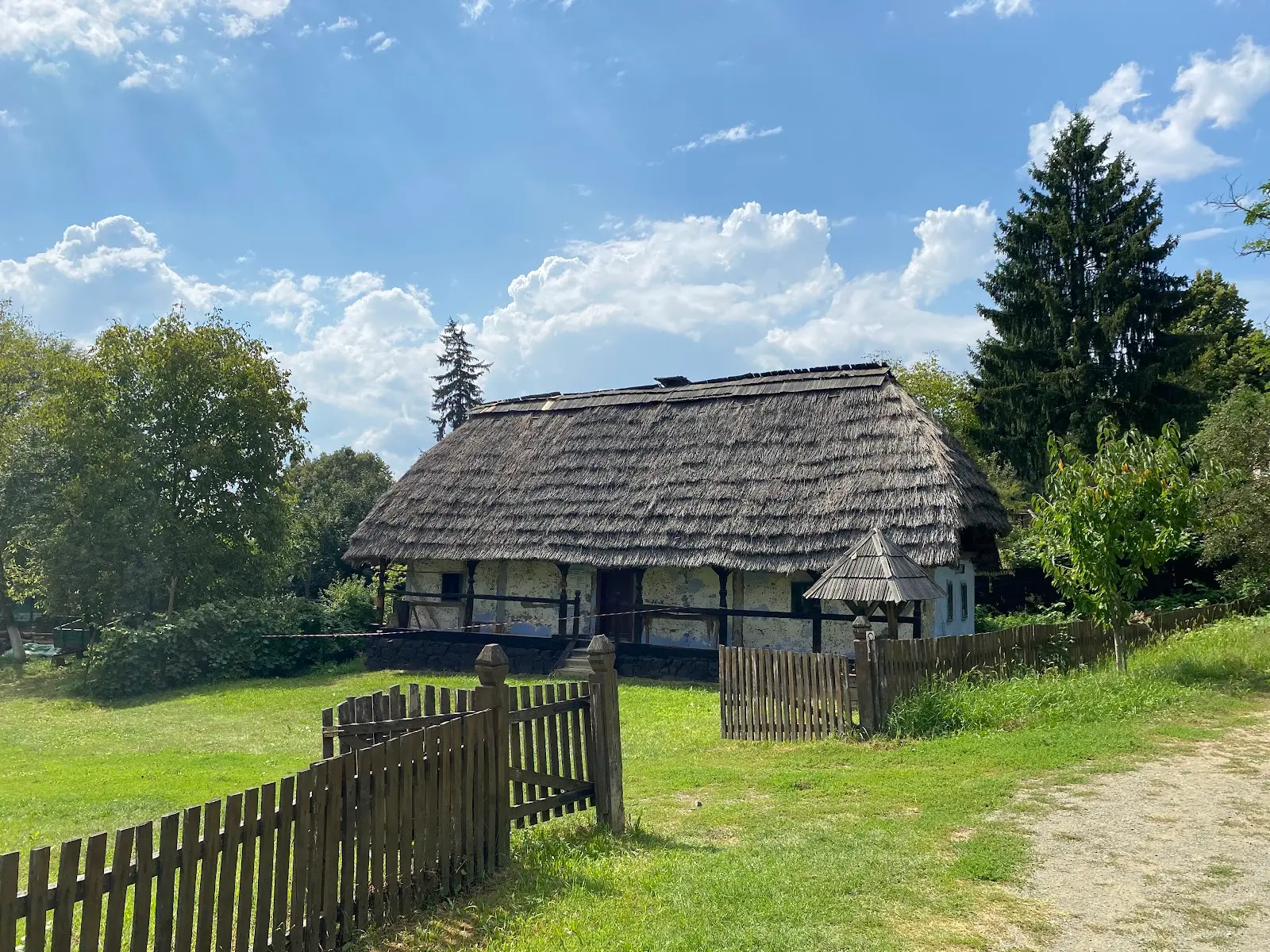
The Village Museum of Baia Mare is an open-air ethnographic museum that gathers homesteads, wooden churches, mills, gates and traditional installations brought from the villages of Maramureș and neighbouring areas, offering an authentic picture of rural life of old in northern Transylvania. Set on a hill overlooking the town, the museum reconstructs the traditional Maramureș village, with its wooden houses, tall shingle roofs and monumental carved gates that stand as a symbol of local identity. Visitors can discover interiors furnished with household objects, textiles, ceramics and tools, as well as traditional crafts characteristic of the region.

The wooden churches, with their tall, slender spires, evoke the renowned religious architecture of Maramureș, some examples from the area being inscribed on the UNESCO World Heritage list. The museum is an ideal place to understand the spirituality, customs and craftsmanship of the rural communities of the north, offering a rich cultural experience in a pleasant natural setting.
Frequently asked questions

Where is Muzeul Satului Baia Mare?+

Muzeul Satului Baia Mare is located at Strada Dealul Florilor 1A, Baia Mare, România, in Baia Mare.

Is Muzeul Satului Baia Mare worth visiting?+

Yes — it holds a 4.5/5 rating from 185 visitor reviews.

Do I need to book tickets for Muzeul Satului Baia Mare?+

Popular sights can sell out — booking ahead online saves queuing.

What else is near Muzeul Satului Baia Mare?+

Nearby you'll find Mănăstirea Rohia, Muzeul Județean de Mineralogie Baia Mare, Muzeul de Artă Baia Mare (Colonia Pictorilor).

Keep exploring

More of Baia Mare

Explore Baia Mare

See in Baia Mare

See all
Mănăstirea RohiaMonastery

Mănăstirea Rohia

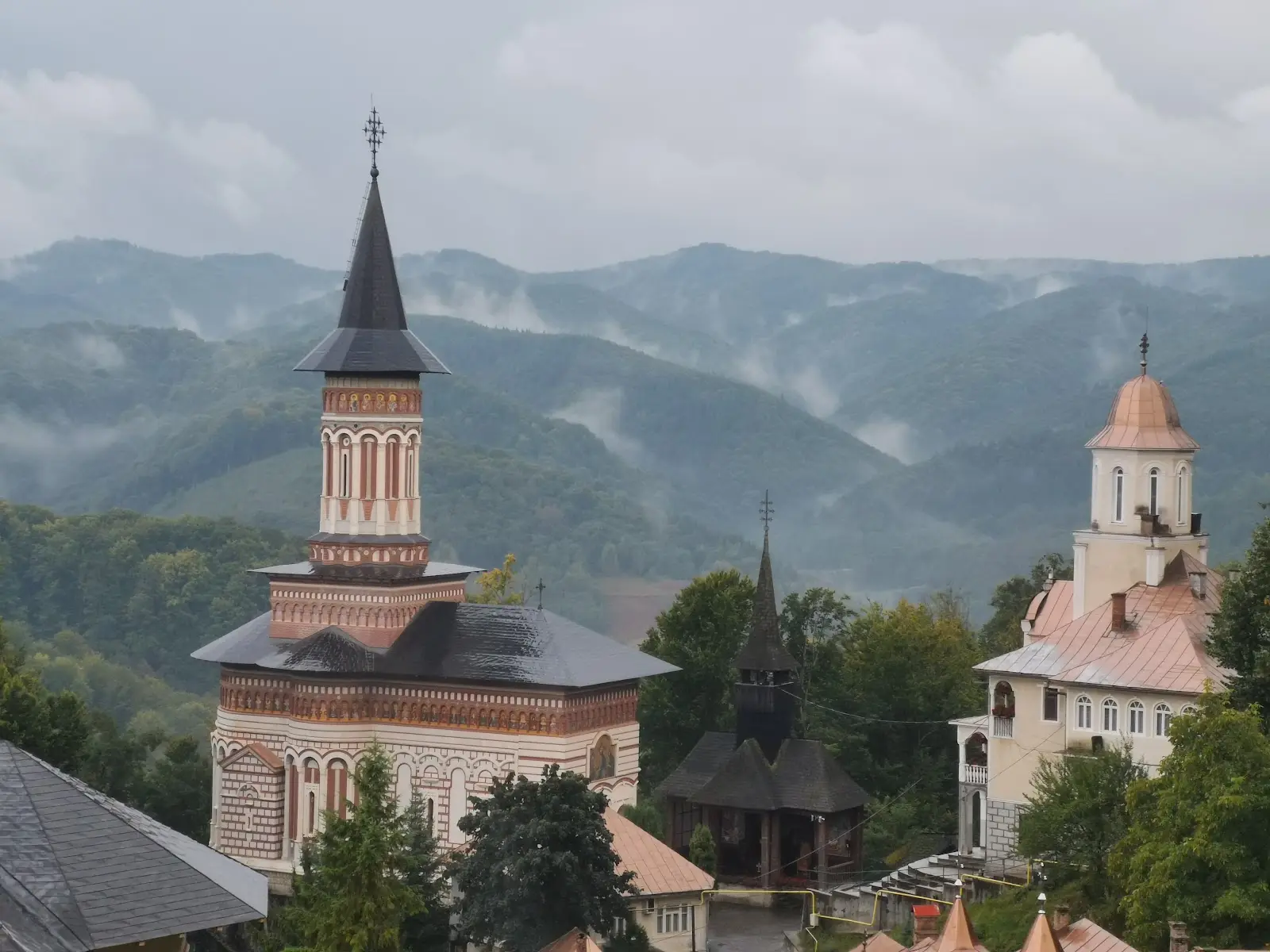
Rohia Monastery lies in Maramures county, near the town of Baia Mare, in a striking natural setting on a wooded hill in the Lapus Land area. The settlement, dedicated to Saint Parascheva, was founded in the early twentieth century and became known above all through its connection with the writer and theologian Nicolae Steinhardt, author of the Diary of Happiness, who lived here as a monk and librarian in the last part of his life. The monastery holds a valuable library, with numerous rare books, and preserves the cell in which Steinhardt lived, which has become a place of literary and spiritual pilgrimage. The quiet setting, the surrounding forest and the view over the hills of Maramures give the place an atmosphere of deep contemplation. Rohia is a sought-after destination for pilgrims, but also for lovers of culture who wish to discover the memory of an important Romanian thinker.

4.8(3,155 reviews)
Muzeul Județean de Mineralogie Baia MareMuseum

Muzeul Județean de Mineralogie Baia Mare

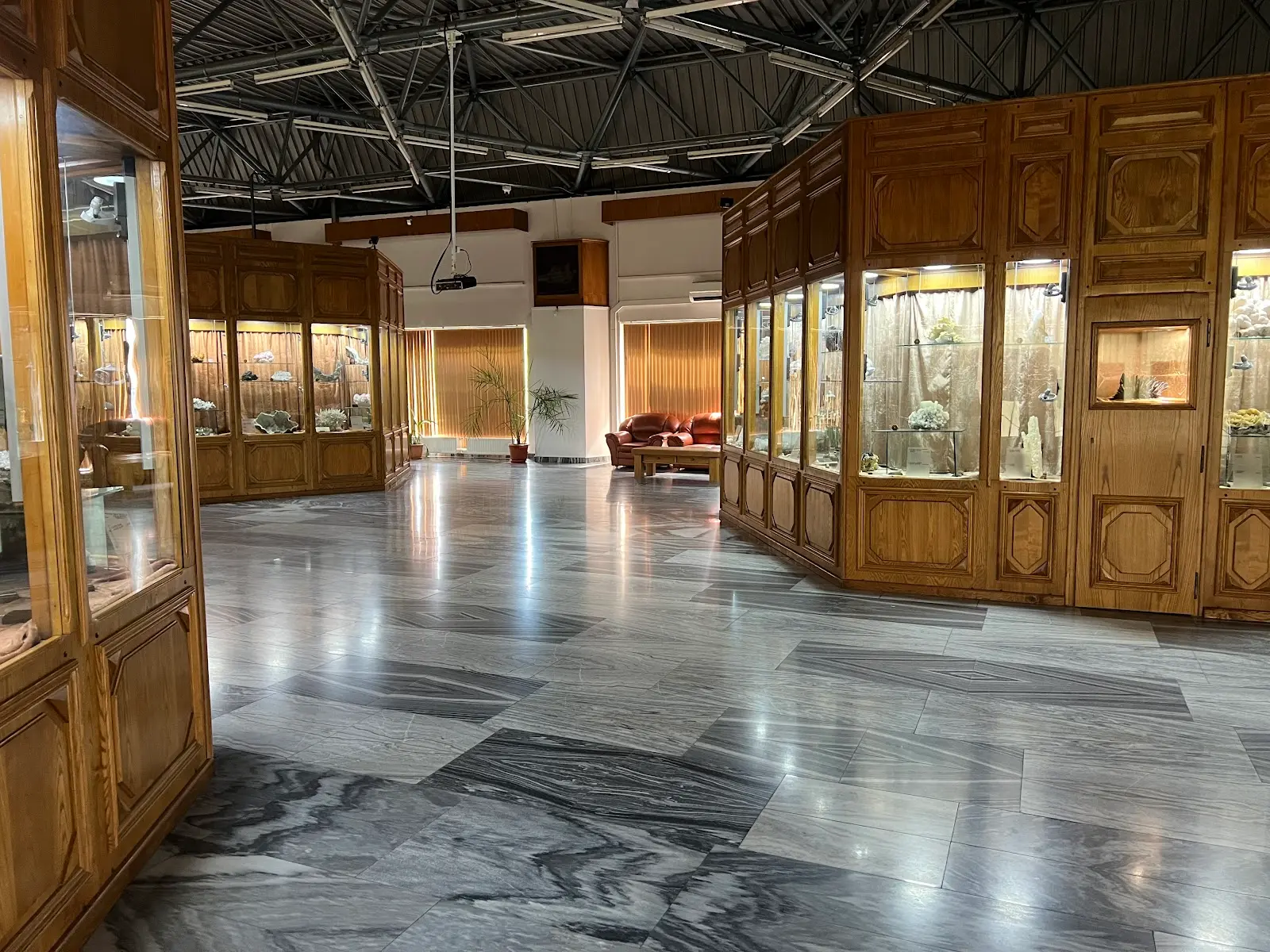
The County Museum of Mineralogy in Baia Mare holds one of the most valuable mineral collections in Europe, gathered in the heart of a region with a long mining tradition. The Maramureș area has been worked for gold, silver, lead, and other metals since ancient times, and the wealth of its underground is reflected in the museum's cases. The pride of the collection is the so-called mine flowers, spectacular crystal clusters formed in cavities deep within the galleries, unique in size and beauty. The collection includes thousands of samples of sulphides, quartz, calcite, and other species, many coming from mines in the region that are now closed. The exhibition also explains the history of local mining, with tools, maps, and accounts of the hard work underground. For lovers of earth sciences and for families, the museum offers an accessible journey into the world of crystals. Allow enough time to admire the detail of each display case.

4.8(2,287 reviews)
Muzeul de Artă Baia Mare (Colonia Pictorilor)Museum

Muzeul de Artă Baia Mare (Colonia Pictorilor)

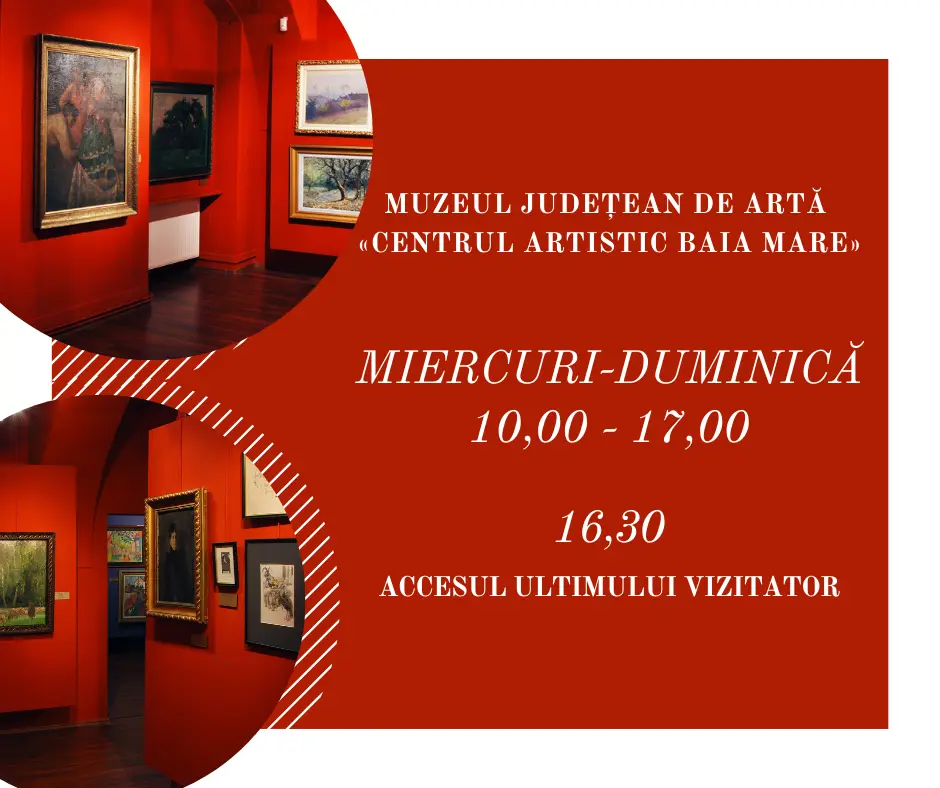
The Art Museum in Baia Mare is closely linked to the renowned Painters' Colony, a school and artistic centre founded at the end of the 19th century that attracted numerous painters and played an essential role in the development of modern art in this part of Europe. Located in Maramureș, the museum preserves and displays works by the artists who were active here, illustrating the evolution of styles and movements over the decades. The Baia Mare colony was valued for its landscapes and for the special light of the place, which inspired generations of creators coming from different countries. The museum's collection includes painting, graphics and sculpture, offering a comprehensive picture of this artistic phenomenon. Today, the legacy of the colony remains a source of pride for the city and a landmark in the history of Romanian art. Practical note: the museum visit offers a good introduction to the history of the artistic colony, and the rooms are best explored at an unhurried pace to follow the thread of Baia Mare painting.

4.8(278 reviews)

Eat in Baia Mare

See all

Stay in Baia Mare

See all

Plan your Romania

From the Carpathians to the Black Sea — let's plan the trip together.

Ask us anything or get a tailored itinerary — from the best time to go to the road that ties it all together.

Our network

More of Romania, in depth

Dedicated portals for the places that deserve a site of their own.