
The Saxon world
The Saxon fortified churches
Seven villages with fortified churches are UNESCO-listed. Biertan, Viscri, Prejmer, Saschiz, Valea Viilor, Dârjiu, Câlnic — church-fortresses raised by Saxon settlers to withstand sieges, now quiet treasures of Transylvania.
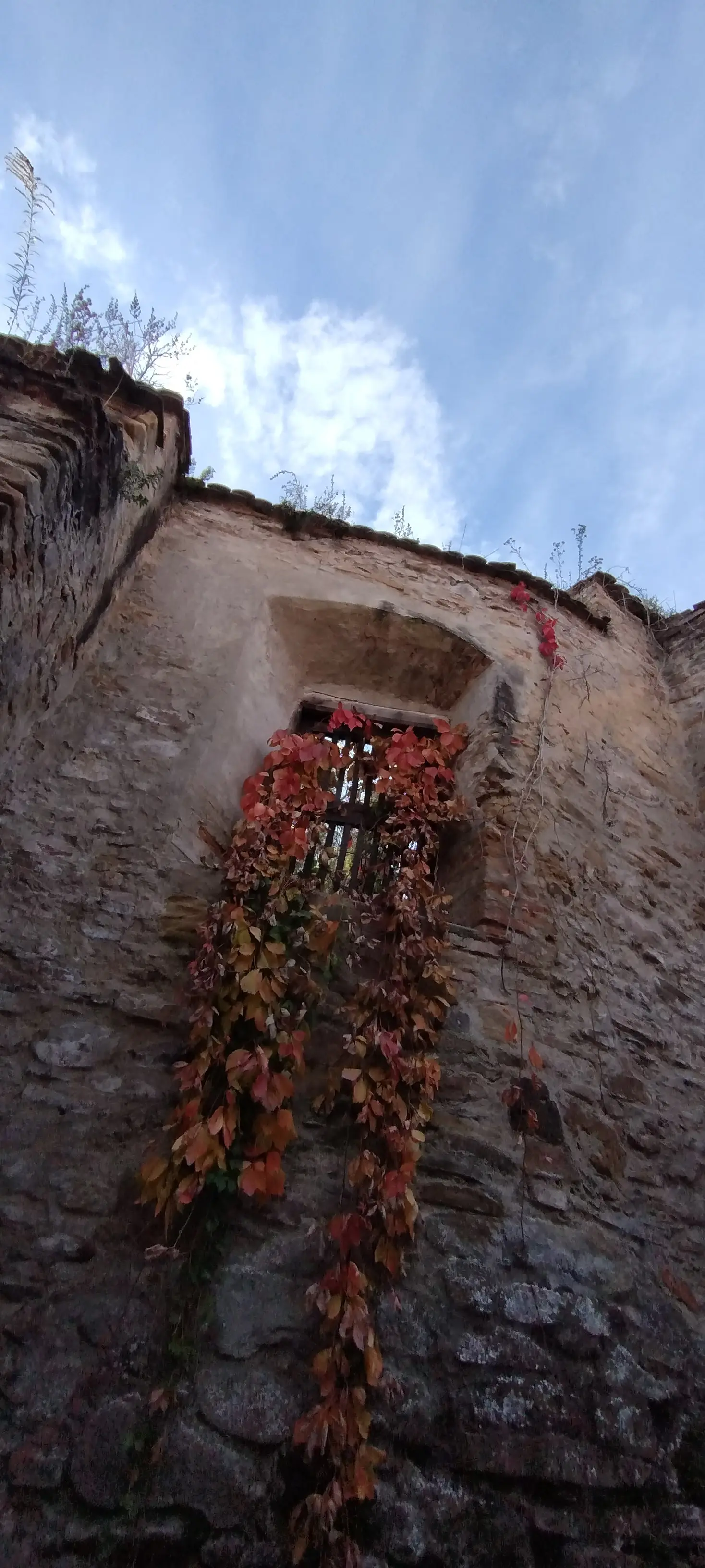 Fortress
Cetatea Bisericii Biertan
The Fortified Church of Biertan is one of the most impressive Saxon fortified churches in Transylvania, inscribed on the list of protected world heritage, set in the village of Biertan in the hilly area of the former German communities. Raised in the late Gothic period, at the end of the fifteenth and beginning of the sixteenth century, the church rises on a hill in the centre of the village, surrounded by an imposing system of three rings of defensive walls, towers and bastions that turned it into a true fortress, a refuge for the inhabitants in times of danger. The interior preserves a remarkable polyptych altar with many painted panels, carved pews and a famous sacristy door with a locking mechanism of extraordinary complexity, a testament to the skill of the craftsmen of old. Biertan was long the seat of the Saxon Evangelical bishops. The ensemble, with its medieval architecture and authentic rural setting, is a living witness of Saxon civilisation in Transylvania. Visitors can climb the covered passage linking the village to the citadel and explore the fortified walls.
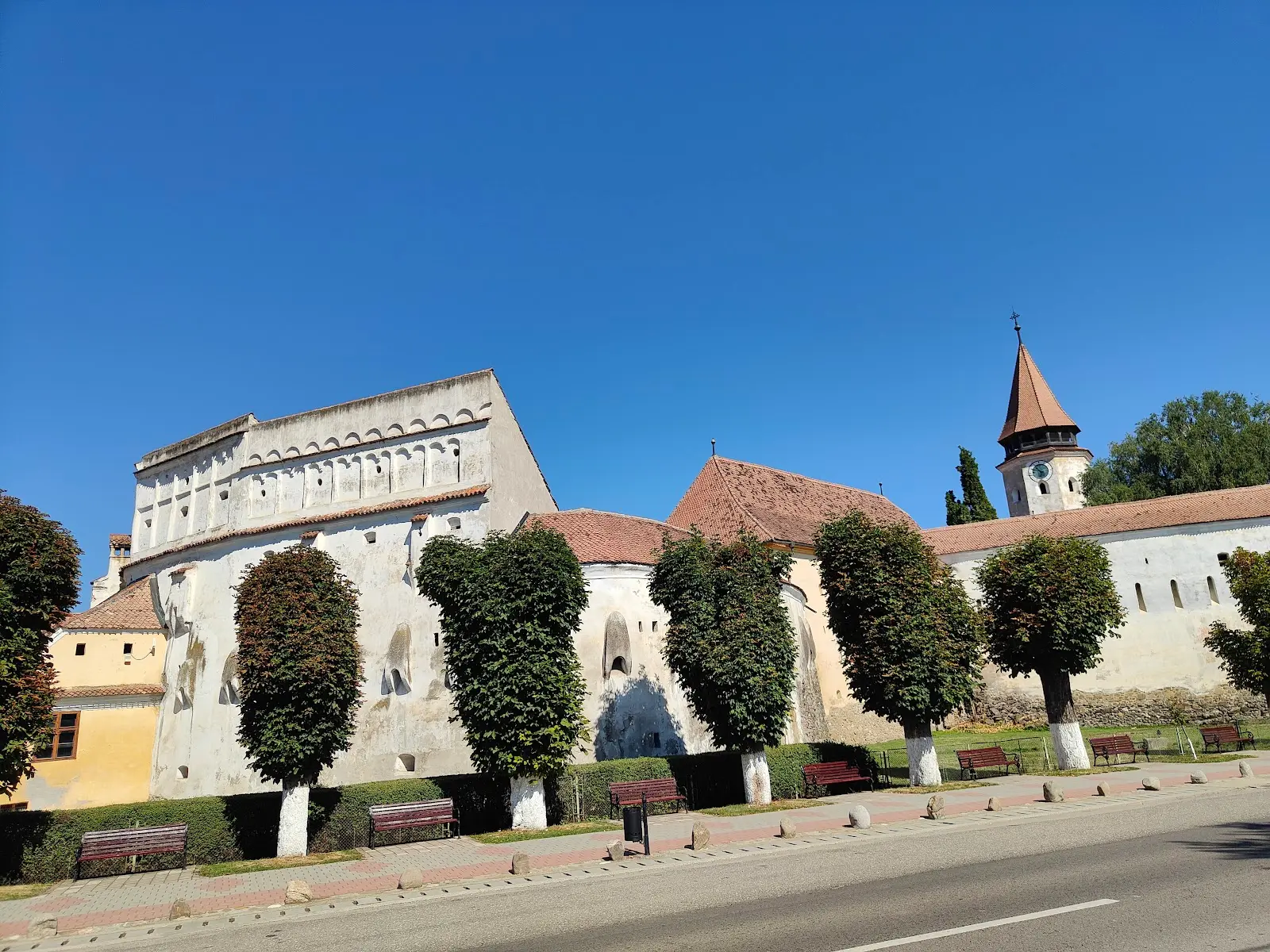 Church
Biserica Fortificată Prejmer
The Fortified Church of Prejmer is one of the strongest and best-preserved Saxon peasant citadels in Transylvania, inscribed on the list of protected world heritage, set in the village of Prejmer near Brașov. The ensemble, first raised by the Teutonic Knights and later developed by the Saxon community from the thirteenth century, is dominated by a cross-plan church in early Gothic style, surrounded by imposing defensive walls, thick and tall, fitted with a sentry walkway. What impresses most is the inner ring of more than a hundred rooms arranged on several levels, small chambers in which each family of the village had its own space for refuge and storage in times of siege, a true fortified settlement in miniature. The citadel withstood many attacks over the centuries. The church preserves a valuable Gothic polyptych altar. The ensemble is a remarkable testimony to the way of life and defence of the Saxons. Visitors can explore the inner courtyard, the sentry walk and the rooms of refuge.
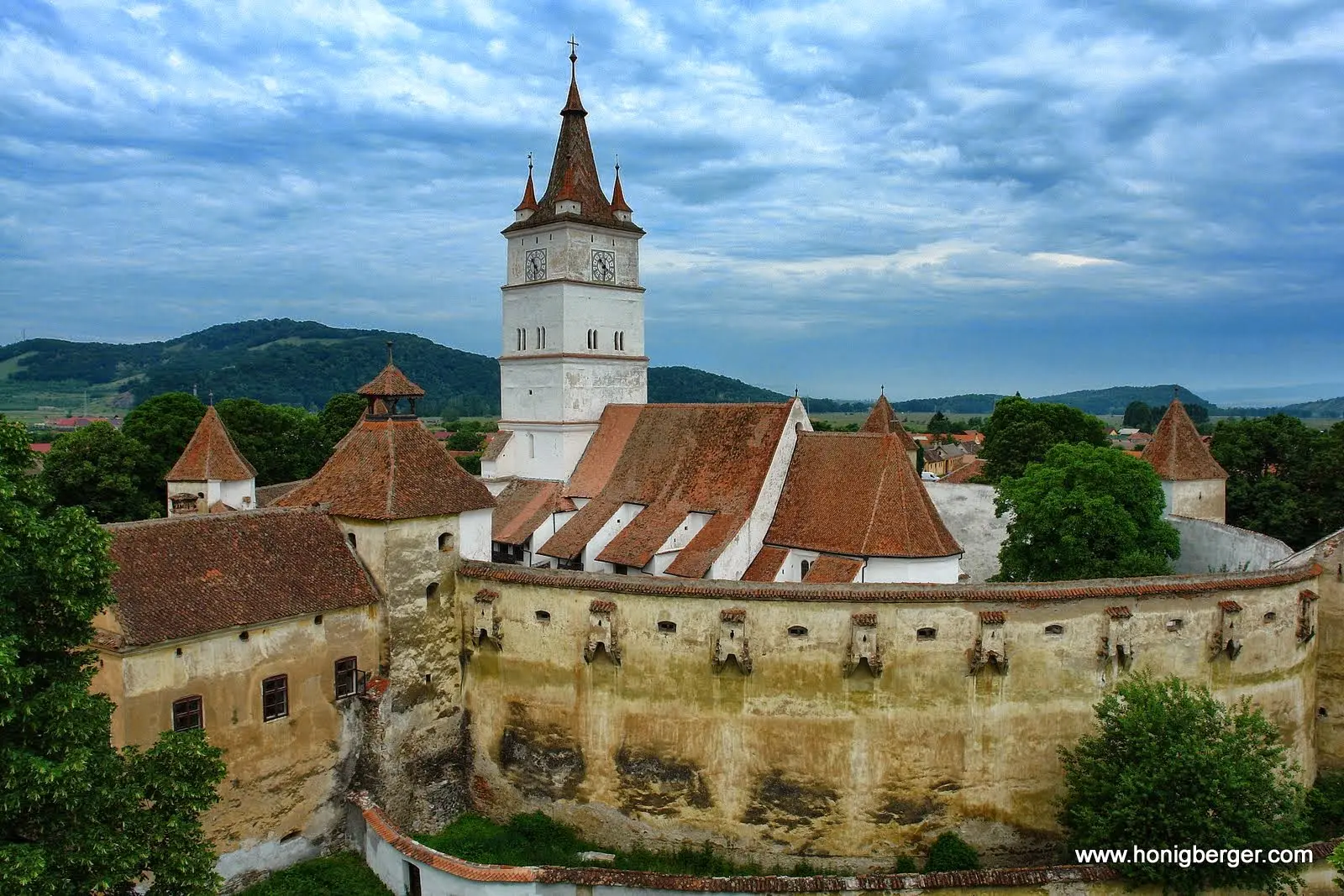 Church
Biserica Fortificată Hărman
The Fortified Church of Harman, located near Brasov, is one of the best-preserved ensembles of its kind in the Barsa Land, a testimony to the defensive architecture of the Transylvanian Saxons in the Middle Ages. The Gothic church, built by the Saxon community, is surrounded by massive defensive walls fitted with towers and a wall walk, which turned the place of worship into a genuine peasant fortress where the inhabitants could take refuge during invasions. In the towers and chambers at the base of the walls, spaces still remain that recalled their role as storehouse and shelter, including the famous bacon hung in the communal larder. Inside a defensive tower, fragments of valuable medieval frescoes can still be seen. The ensemble belongs to the category of internationally recognised fortified churches of Transylvania. Practical note: the visit can easily be combined with the fortified church of nearby Prejmer, on the UNESCO list, in a tour of the Barsa Land.
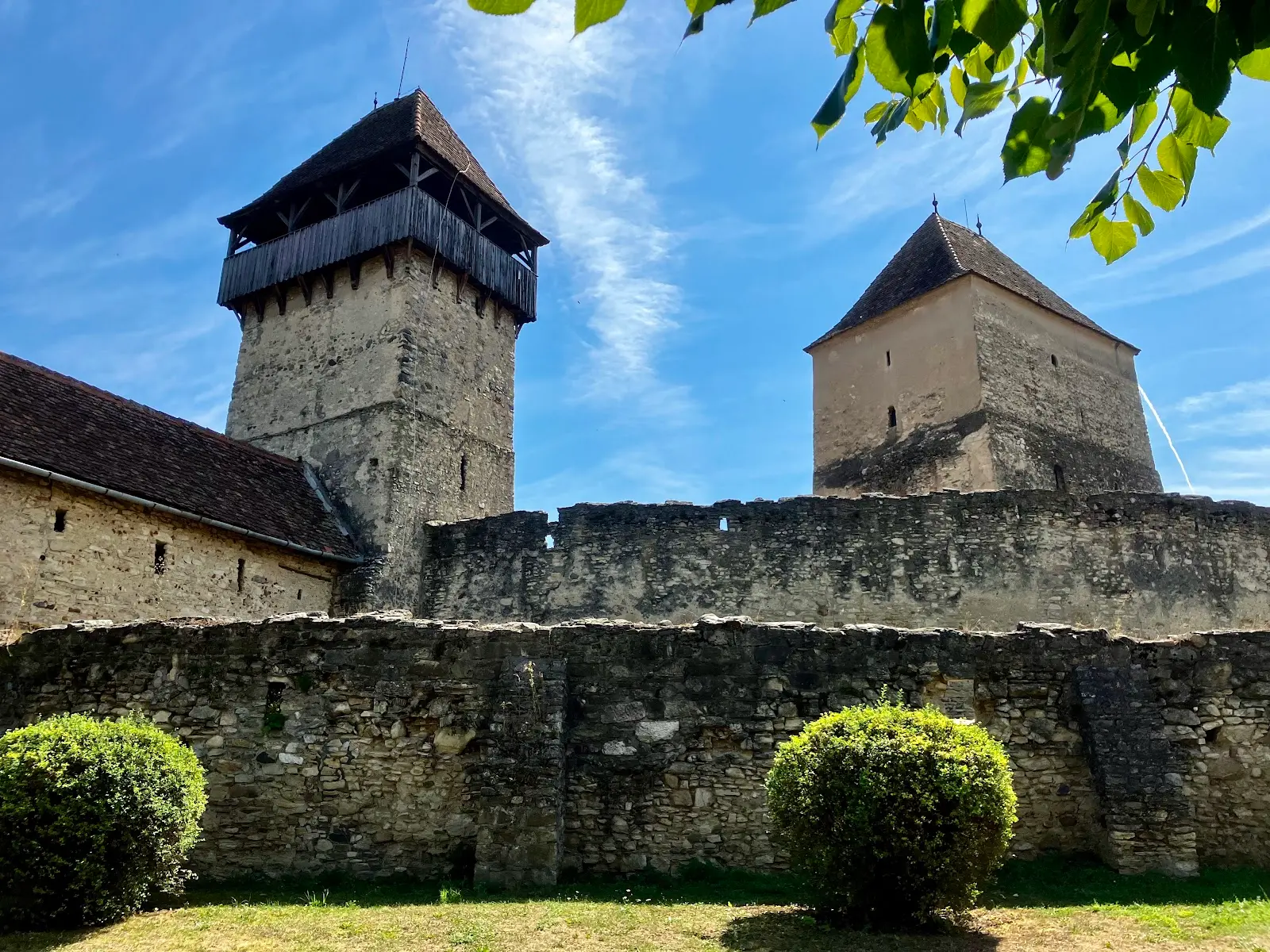 Fortress
Cetatea Câlnic
Câlnic Fortress, in Alba County, is one of the best-preserved peasant fortresses in Transylvania and part of the UNESCO World Heritage list, together with other villages with fortified churches in the region. Unlike other fortifications in the area, it was originally built in the thirteenth century by a local noble, and later bought by the Saxon community of the village, which turned it into a fortified refuge against attacks. The complex includes a massive residential tower, a chapel, thick enclosure walls, and a gate tower, all meant to protect the villagers and their goods in times of danger. Inside one can see traces of medieval life and the defensive arrangements. The fortress, well restored, offers an authentic picture of how Transylvanian communities defended themselves. Visitors can climb the tower for a view over the village. It is advisable to check the opening schedule before arriving.
 Fortress
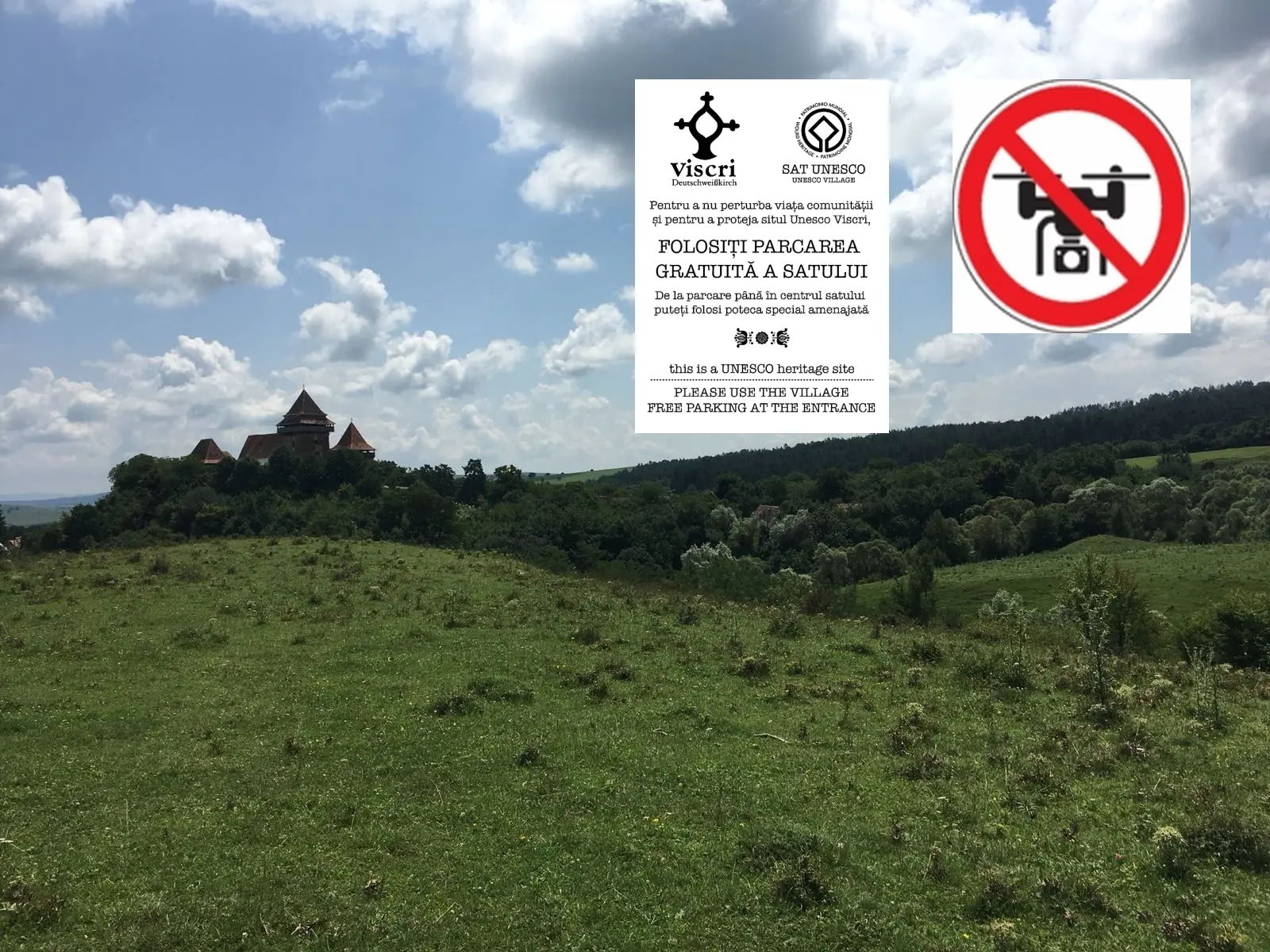
Turnul Bisericii Fortificate Viscri
The Tower of the Fortified Church in Viscri rises above one of the best-known Saxon villages in Transylvania, listed as UNESCO World Heritage. The fortified church, originating in the 12th century and reinforced in later centuries, is surrounded by defensive walls, towers and a covered sentry walk, a testament to the times when the Saxon community defended itself against invasions. The bell tower, reached by wooden stairs, offers a superb view over the village with its quiet lanes, colourful houses and the surrounding hills. Viscri became renowned partly thanks to the interest of King Charles III of the United Kingdom, who owns a traditional house here and supports the preservation of the local heritage. A visit to the tower and the fortified enclosure reveals the story of a unique rural civilisation with traditions kept for centuries. The village, spared asphalt and urbanisation, radiates an authentic atmosphere and draws visitors from around the world in search of peace and authenticity.
 Fortress
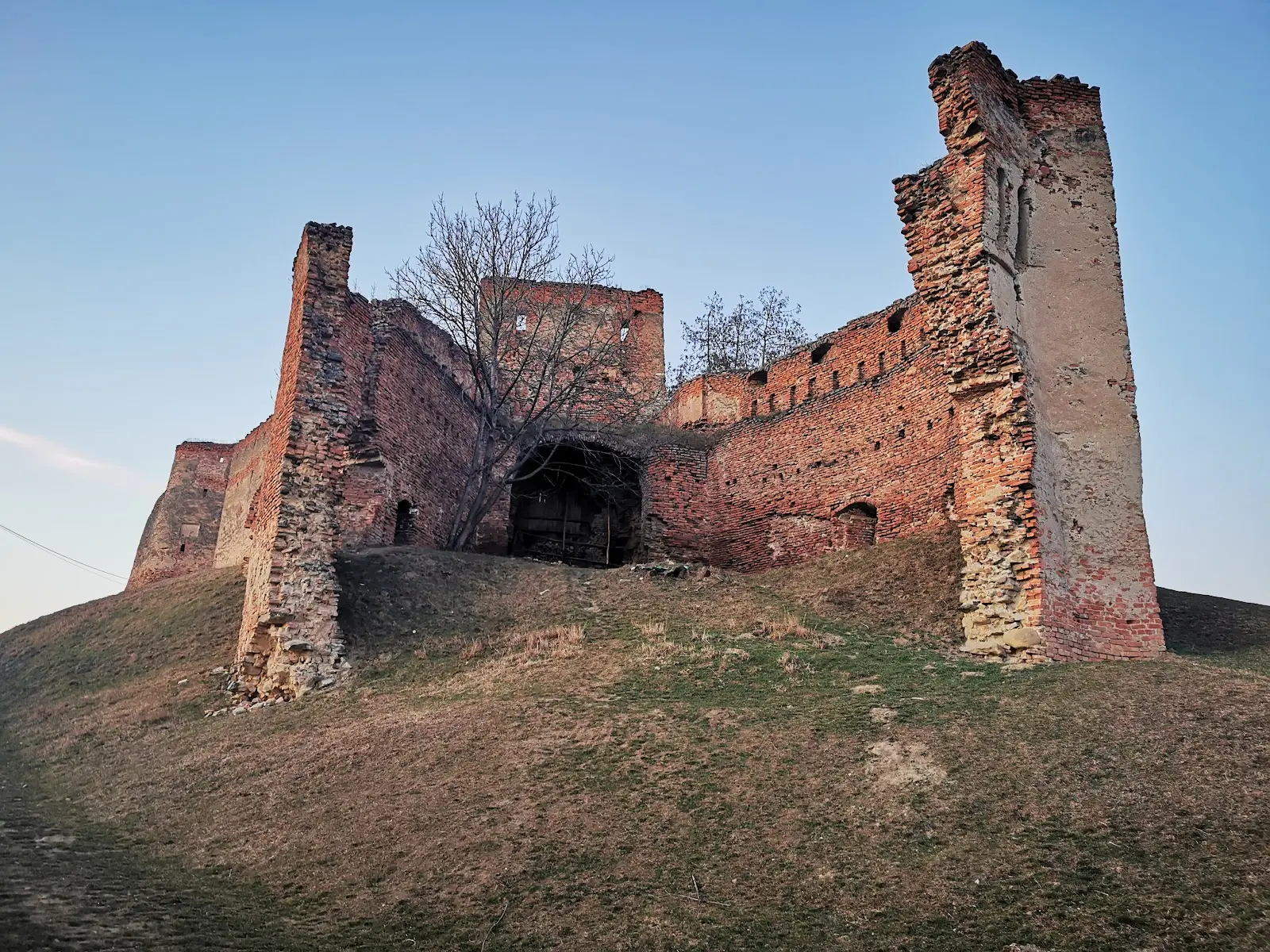
Cetatea Țărănească Slimnic
The Peasant Fortress at Slimnic, near Sibiu, is an impressive medieval fortification raised by the Saxon community on a hill that dominates the village and its surroundings. Built from the 14th and 15th centuries onward, the fortress served to protect the population against invasions and is a remarkable example of defensive architecture in southern Transylvania. Today, massive walls, towers, a ruined basilica and fragments of the defensive system survive from the ensemble, outlining the imposing silhouette of the fortress against the sky. Though partly ruined, the fortification impresses through its scale and strategic position, offering from above a broad view over the surrounding hills and villages. Visitors can explore the enclosure and climb among the walls to admire the panorama and imagine the life of the past behind these defences. Located near the road between Sibiu and Mediaș, the fortress is a valuable stop for those interested in Saxon heritage and in the peasant fortresses that punctuate the Transylvanian landscape.
 Church
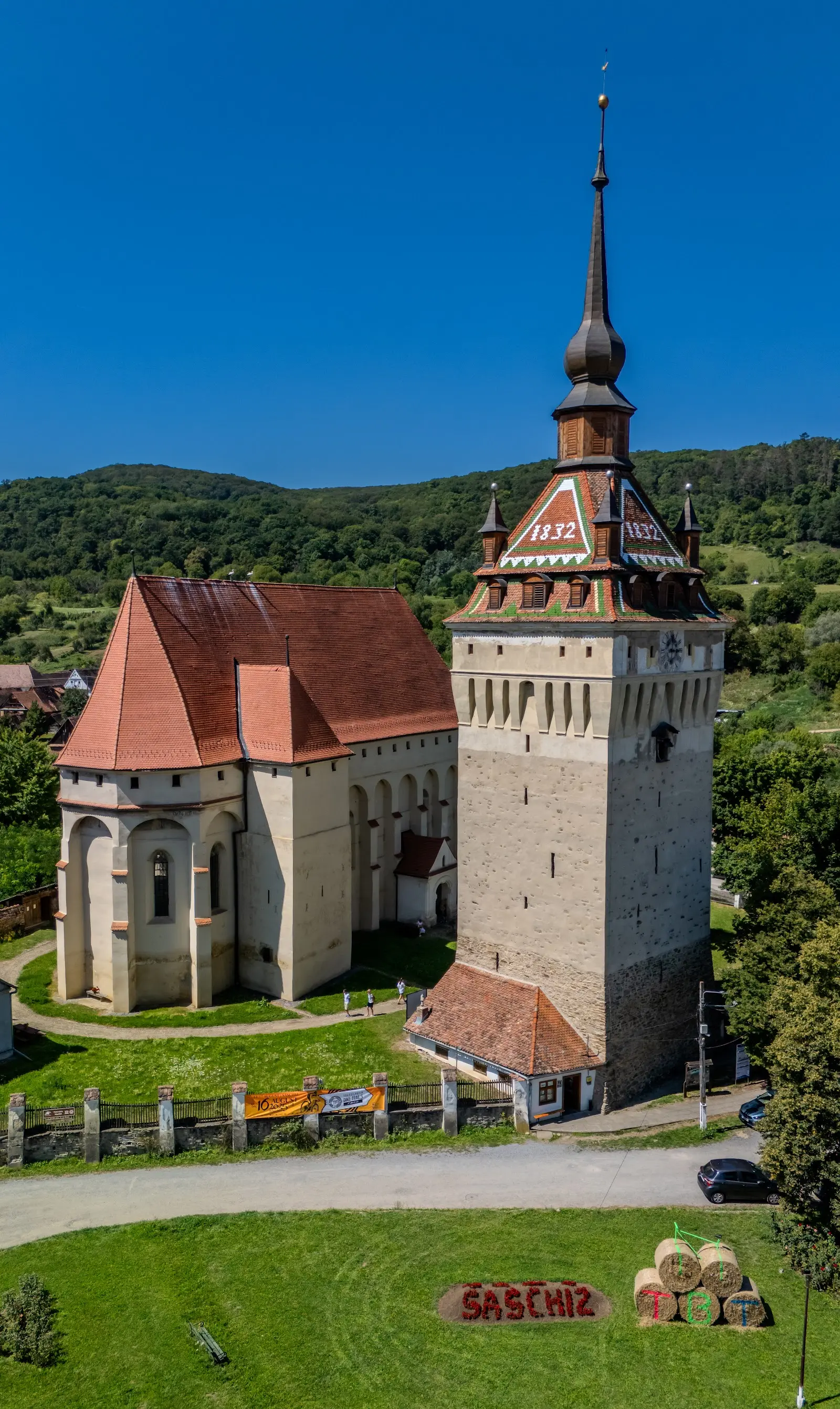
Biserica Fortificată Saschiz
The fortified church of Saschiz, a Saxon village near Sighisoara, is one of the most valuable monuments of its kind in Transylvania, inscribed on the UNESCO World Heritage list together with other villages with fortified churches. The hall-type building, raised in the fifteenth century, combined the role of a place of worship with that of a refuge against attack, with thick walls and defensive features. Nearby stands the clock tower, inspired by the one in Sighisoara, set apart from the church on a rise. The Saxon community that built the complex shaped the look of the village, with its coloured houses and typical barns. Today Saschiz is a landmark of cultural tourism in the hilly country of the Tarnava valleys. Visitors can climb for views over the village; checking the opening schedule is recommended.
 Church
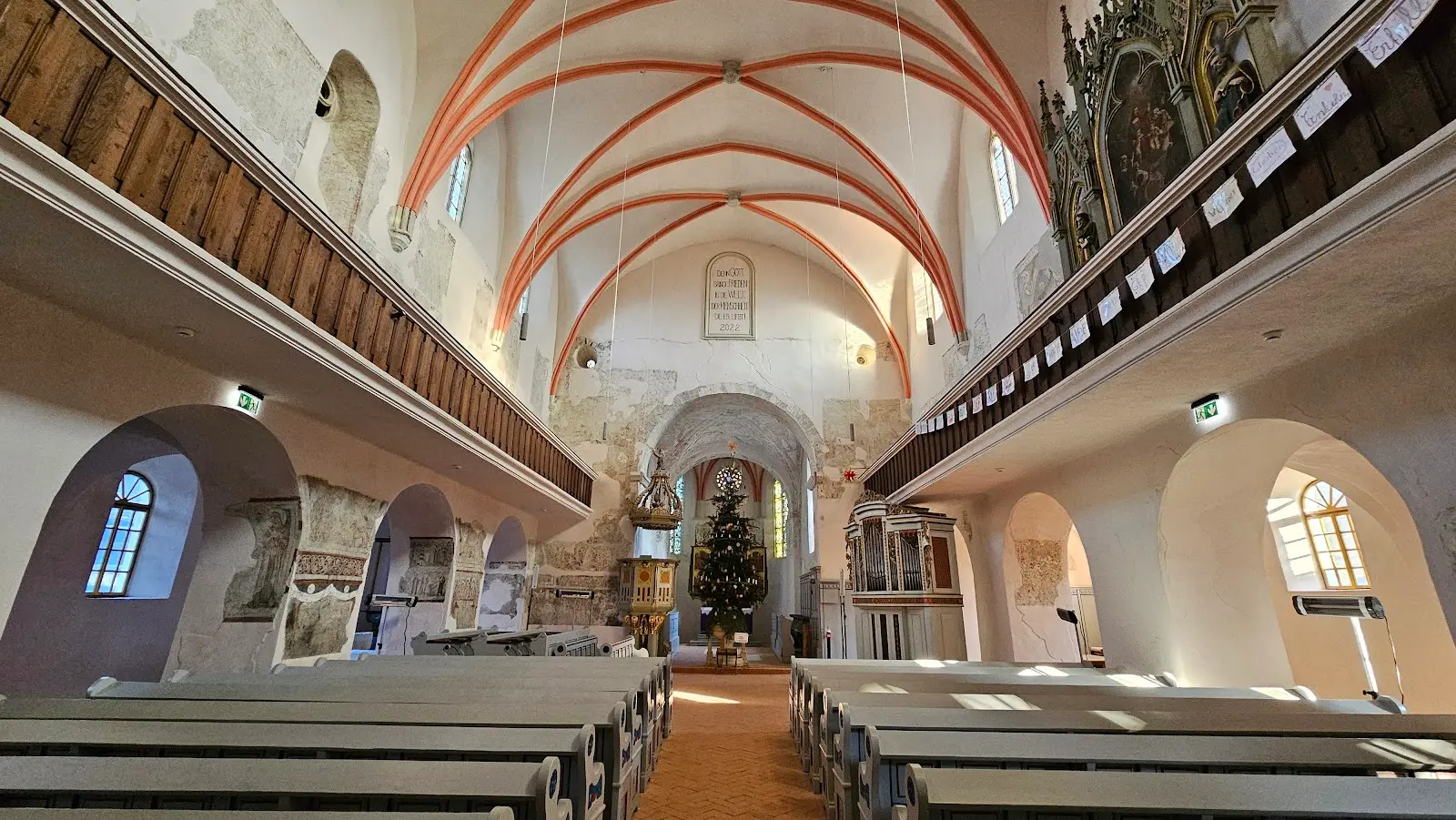
Biserica Fortificată Cisnădie
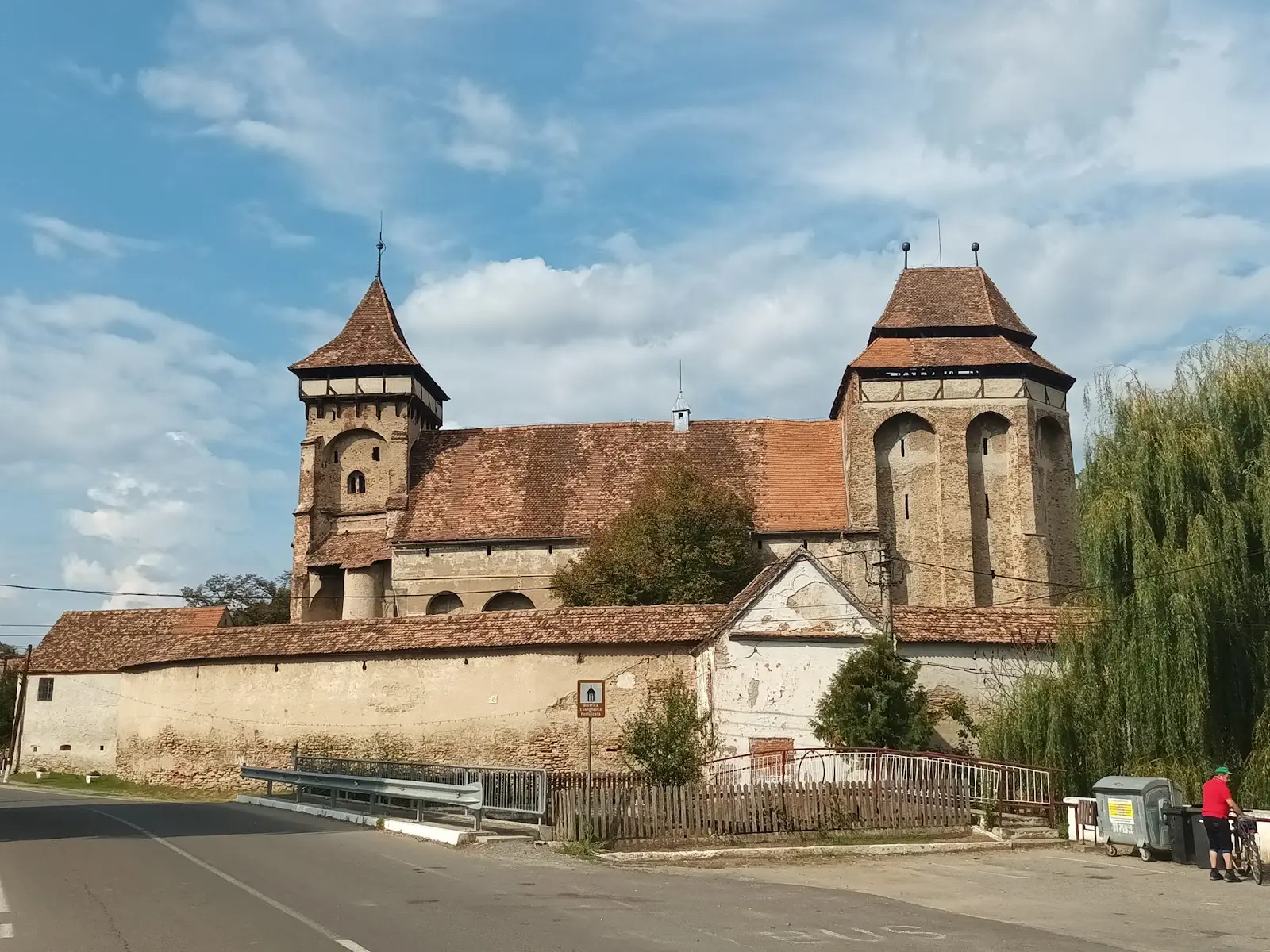
The fortified church of Cisnadie, a Saxon village near Sibiu, is one of the most representative monuments of its kind in southern Transylvania, raised by the Saxon community from the medieval period onward. The edifice, with a Romanesque core later transformed in the Gothic style, is surrounded by defensive walls with towers and battlements, serving both as a place of worship and as a refuge against attack. The church tower, among the first in Transylvania fitted with a lightning rod and a clock, dominates the outline of the village. Within the fortified enclosure survive architectural elements and heritage objects that testify to the rich history of the community. Cisnadie was famous for its textile craft and its factories. The church is an important attraction on the circuit of the Saxon villages; checking the opening schedule of the tower and the enclosure is recommended.
 Church
Biserica Fortificată Valea Viilor
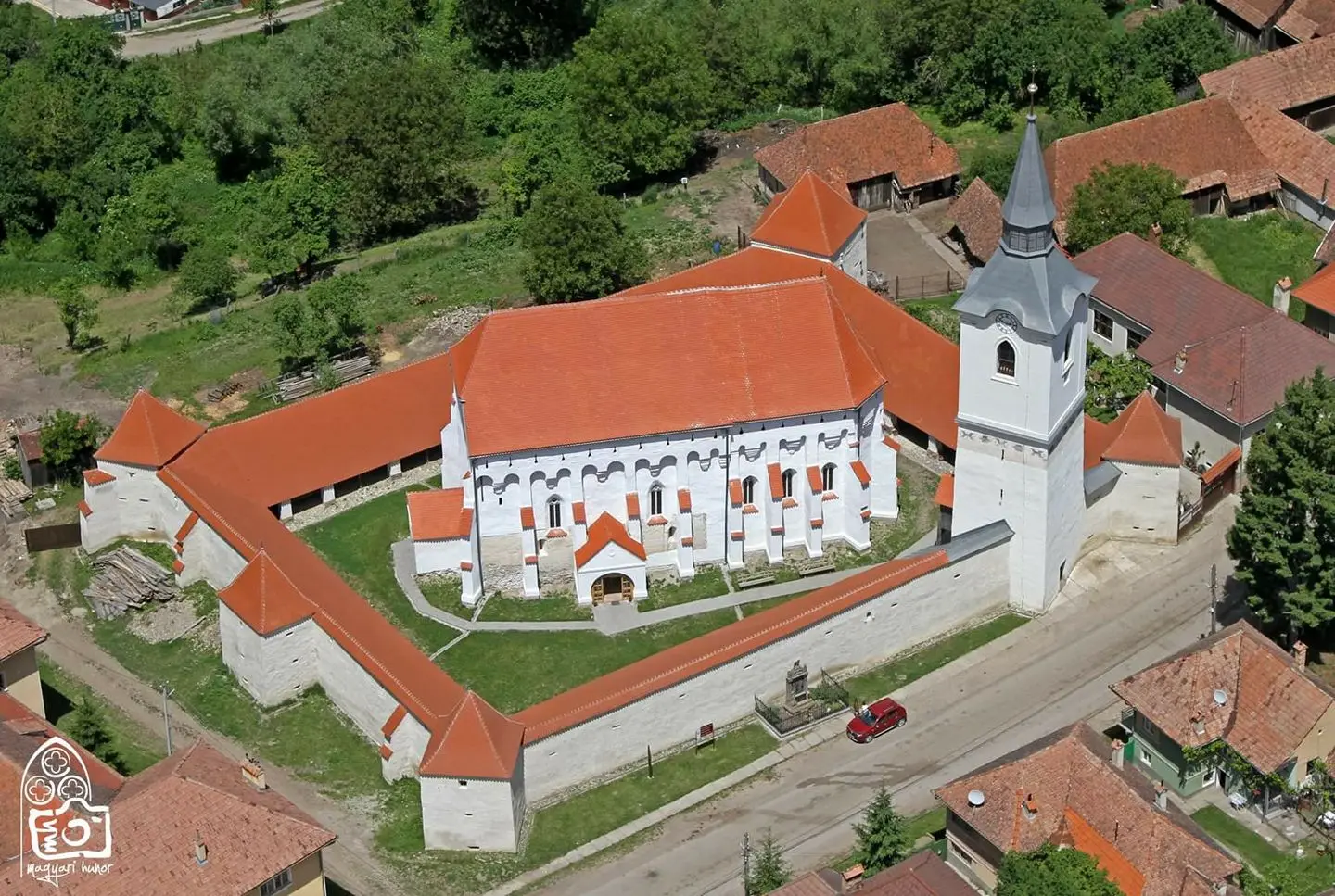
The Fortified Church of Valea Viilor is one of the Saxon fortified churches of Transylvania inscribed on the UNESCO World Heritage list, set in a wine-growing village south of Medias. Built by the Saxon community in Gothic style, the church was strengthened in the 15th and 16th centuries with defensive towers, a curtain wall and a wall-walk to protect the villagers against Ottoman raids. Its centrepiece is the hall church with a fortified bell tower above the choir, a typical solution for these settlements. Inside, the altar, pews and decorative elements survive, illustrating the religious life of the Saxon community. The well-preserved ensemble offers an authentic picture of how Saxon villages combined faith with the need for defence. The place is peaceful and well suited to a cultural visit away from the main tourist routes. It is advisable to check in advance about interior access, which is often managed by the local community.
 Church
Biserica Unitariană Fortificată Dârjiu
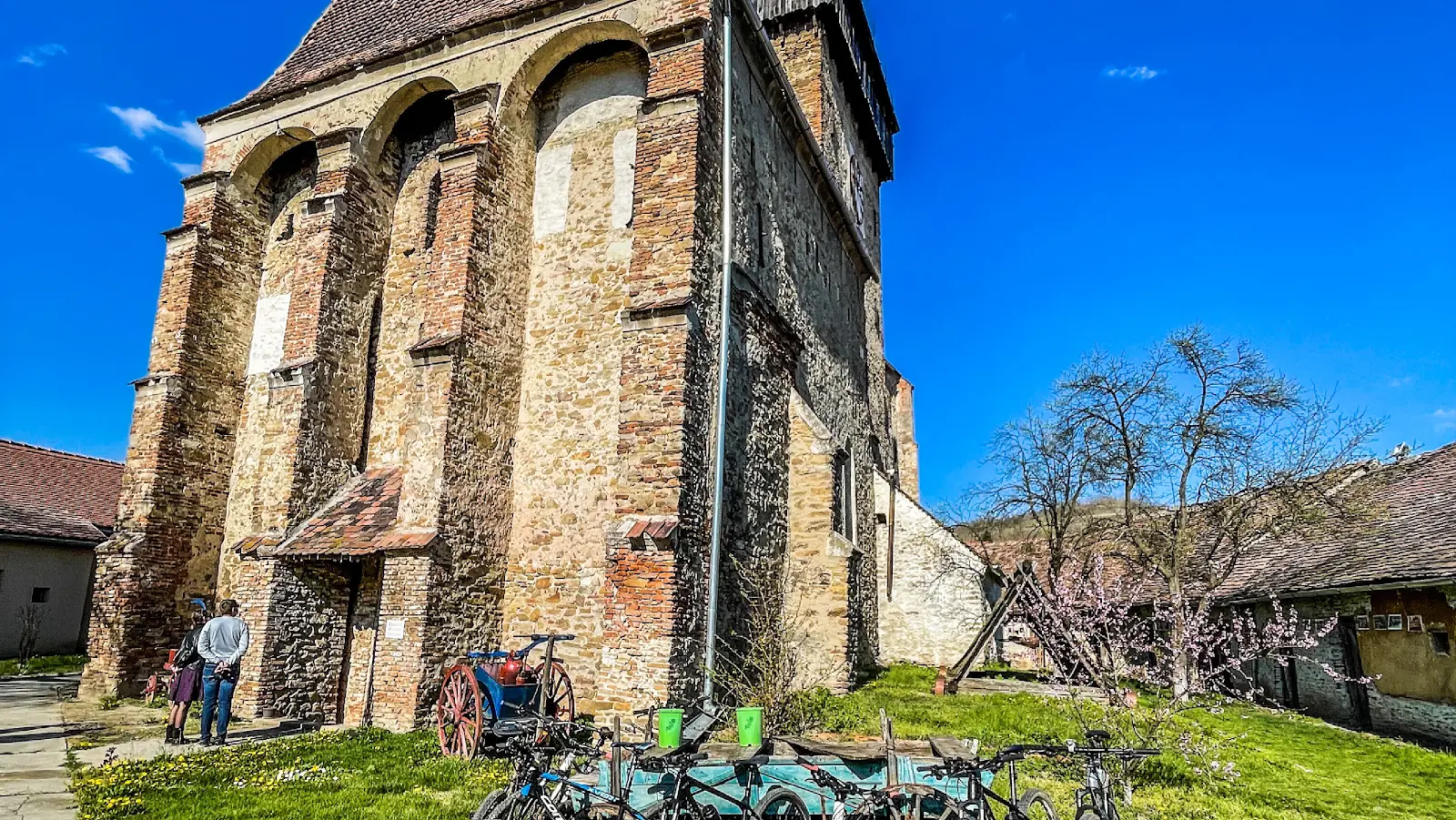
The Fortified Unitarian Church of Dârjiu is one of the most valuable monuments of the Székely community in Transylvania and is part of the UNESCO World Heritage, alongside other villages with fortified churches in the region. Located near Odorheiu Secuiesc, the church was built in the gothic style and, in the 16th century, surrounded by strong walls, towers and storerooms, turning it into a peasant fortress where villagers took shelter and kept their supplies in times of danger. A remarkable feature is the medieval mural paintings inside, depicting religious scenes and legends, including that of King Ladislaus. The chambers in the enclosure wall long served for storing bacon and grain, a communal custom preserved until recent times. Practical note: as this is a monument in a village, it is worth inquiring in advance about the possibility of visiting the interior, and respect for the local community and the sacred character of the place is welcome.
 Church
Biserica Fortificată Axente Sever
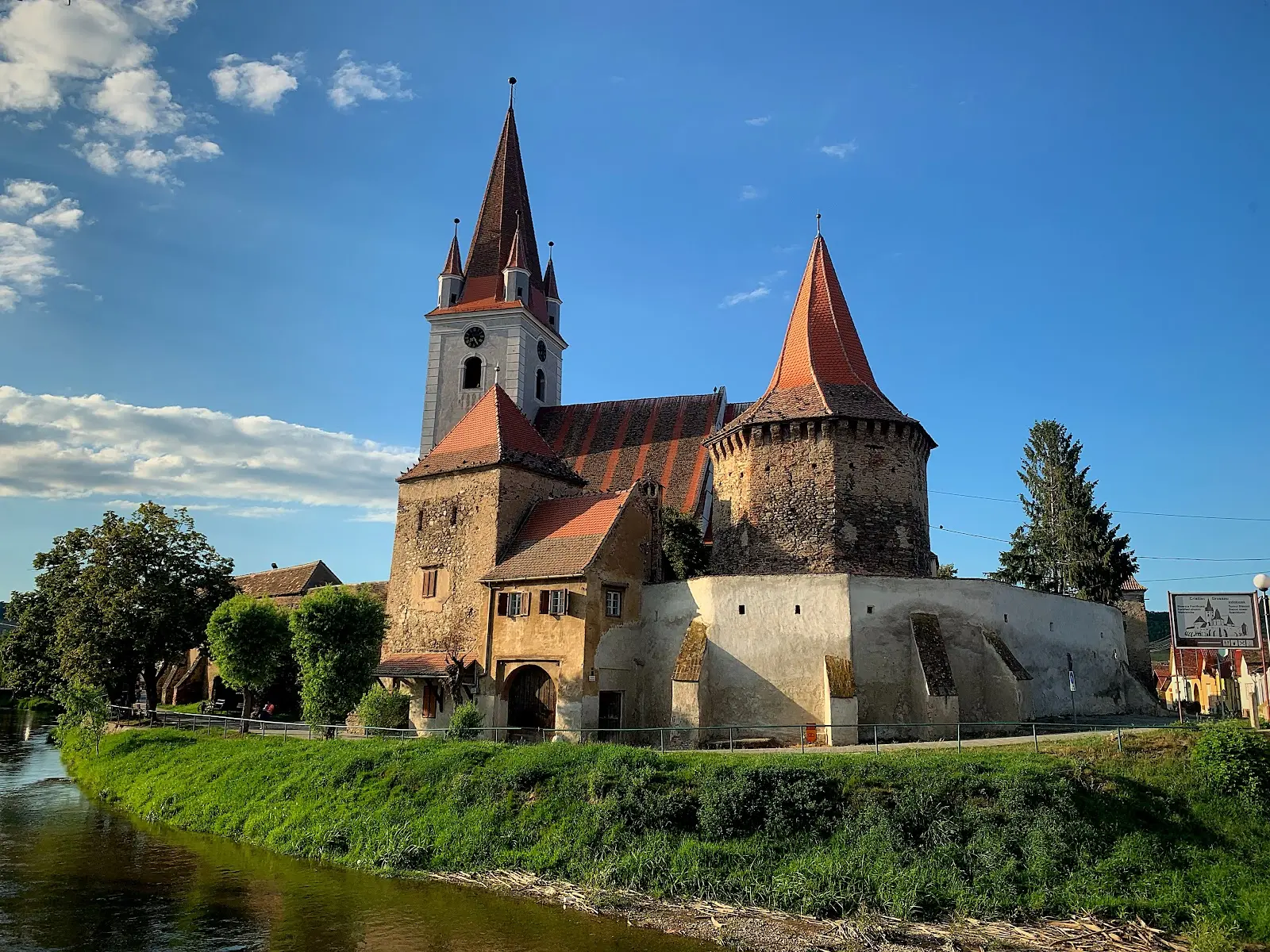
The Fortified Church of Axente Sever, a village near Mediaș in the heart of the Saxon land on the Târnava Mare valley, is one of the well-preserved examples of defensive ecclesiastical architecture in Transylvania. Raised by the Saxon community in the medieval period, the church was surrounded by defensive walls, towers and a sentry walk, turning the place of worship into a true peasant fortress meant to shelter the population during invasions. The fortified enclosure preserves the bell tower, the provision chambers within the thickness of the walls and the wooden defensive galleries, testimonies to the communal life of old. The church itself blends Gothic elements with later additions, while the interior conserves furniture and decoration characteristic of the Saxon evangelical tradition. Such fortified churches, scattered across the villages of southern Transylvania, are inscribed on the UNESCO World Heritage list. A visit offers an authentic picture of how the Saxons defended their communities over the centuries.
 Church
Biserica Fortificată Cristian
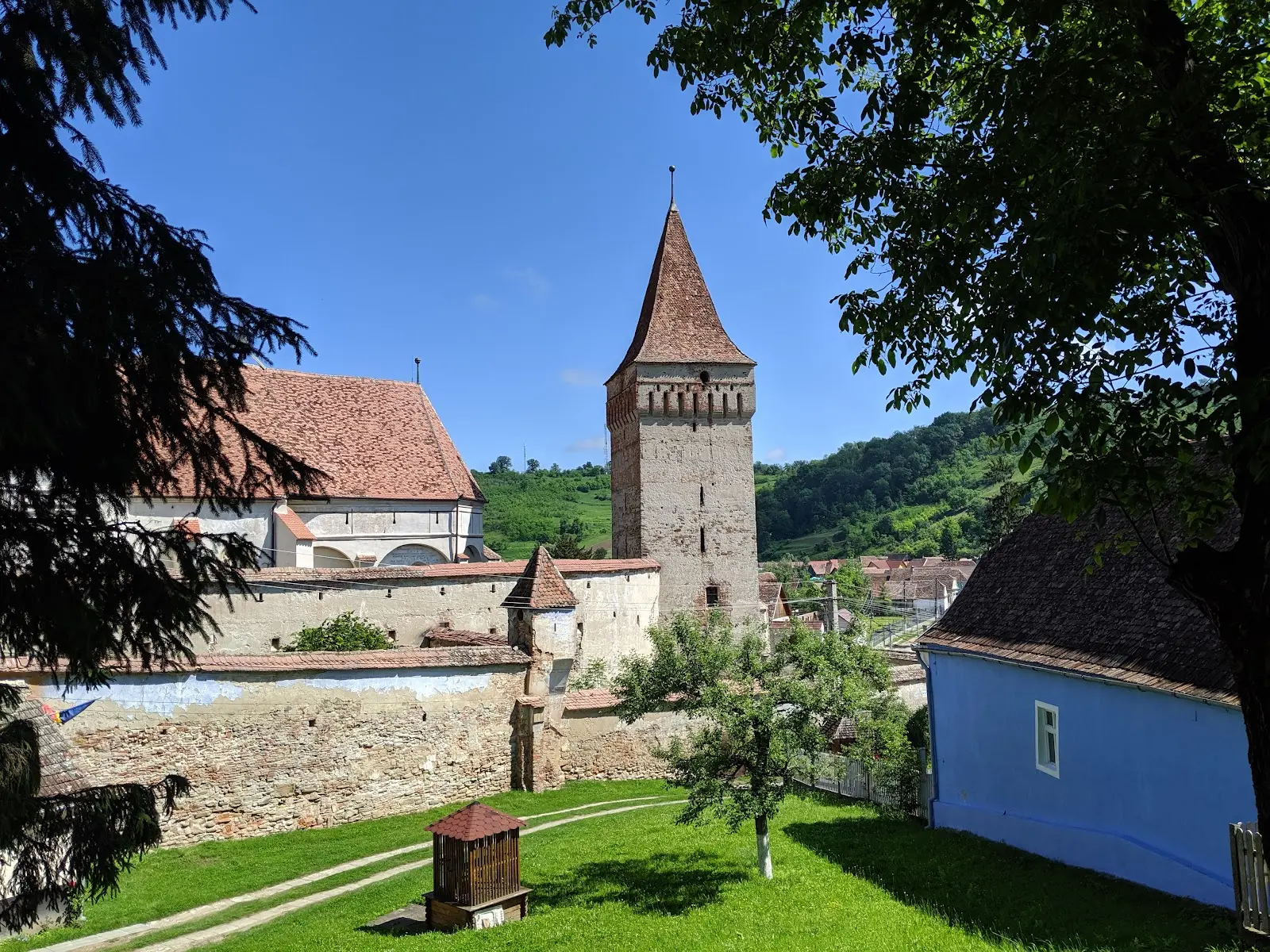
The Fortified Church of Cristian, a village near Sibiu, is one of the representative examples of defensive ecclesiastical architecture raised by the Transylvanian Saxons in the villages of the Cibin valley. The place of worship, of medieval origin, was surrounded by strong defensive walls reinforced with towers and bastions, turning it into a peasant fortress meant to shelter the community in times of danger and invasion. The fortified enclosure preserves the corner towers, the sentry walk and the rooms where the villagers stored their provisions, testimonies to the communal organisation characteristic of the Saxon world. The church itself blends Gothic elements with later additions, while the interior conserves furniture and decoration of the evangelical tradition. Such fortified ensembles, scattered across the villages of southern Transylvania, represent a cultural heritage unique in Europe. A visit to Cristian offers an authentic picture of Saxon rural life and of the ingenious way these communities defended their villages over the centuries.
 Church
Biserica Fortificată Moșna
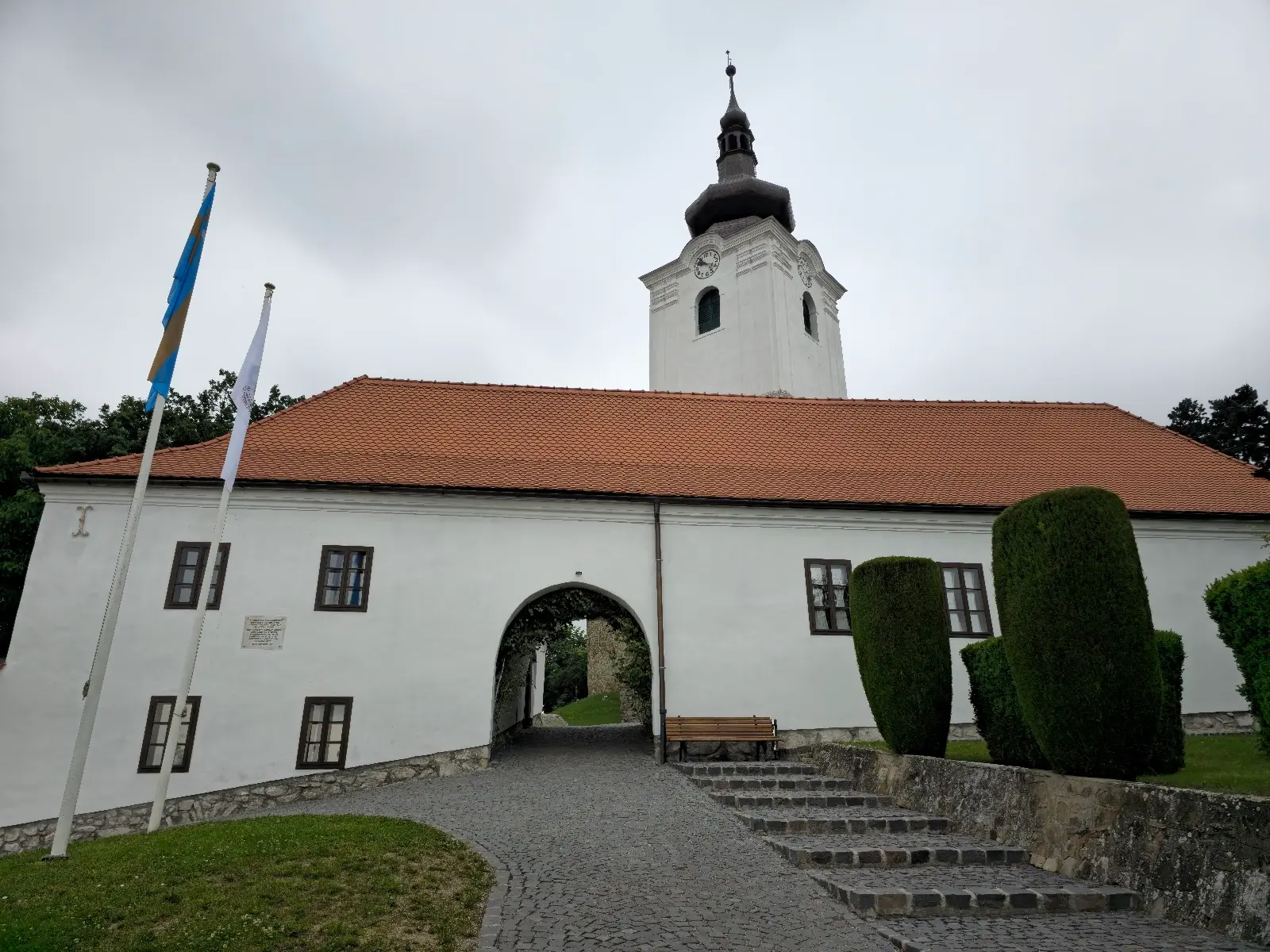
The Fortified Church of Moșna, a village near Mediaș in the heart of the Saxon land on the Târnava Mare valley, is one of the most valuable monuments of defensive ecclesiastical architecture in Transylvania. Built in the late Gothic style by the Saxon community, the church was surrounded by a fortified enclosure with high walls, defensive towers and bastions, forming an imposing peasant fortress meant to shelter the population in times of invasion. The church stands out for its generous dimensions, its net vaulting and its carved portals, while the interior conserves valuable pieces such as the stone tabernacle, considered a masterpiece of local Gothic art. The enclosure preserves the towers and provision chambers that bear witness to the communal life of old. Alongside the other fortified churches of the Saxon villages, Moșna is part of a heritage recognised worldwide. A visit offers an authentic picture of the ingenuity and faith of the communities that built and defended these monuments over the centuries.
 Church
Biserica Reformată Fortificată Sfântu Gheorghe
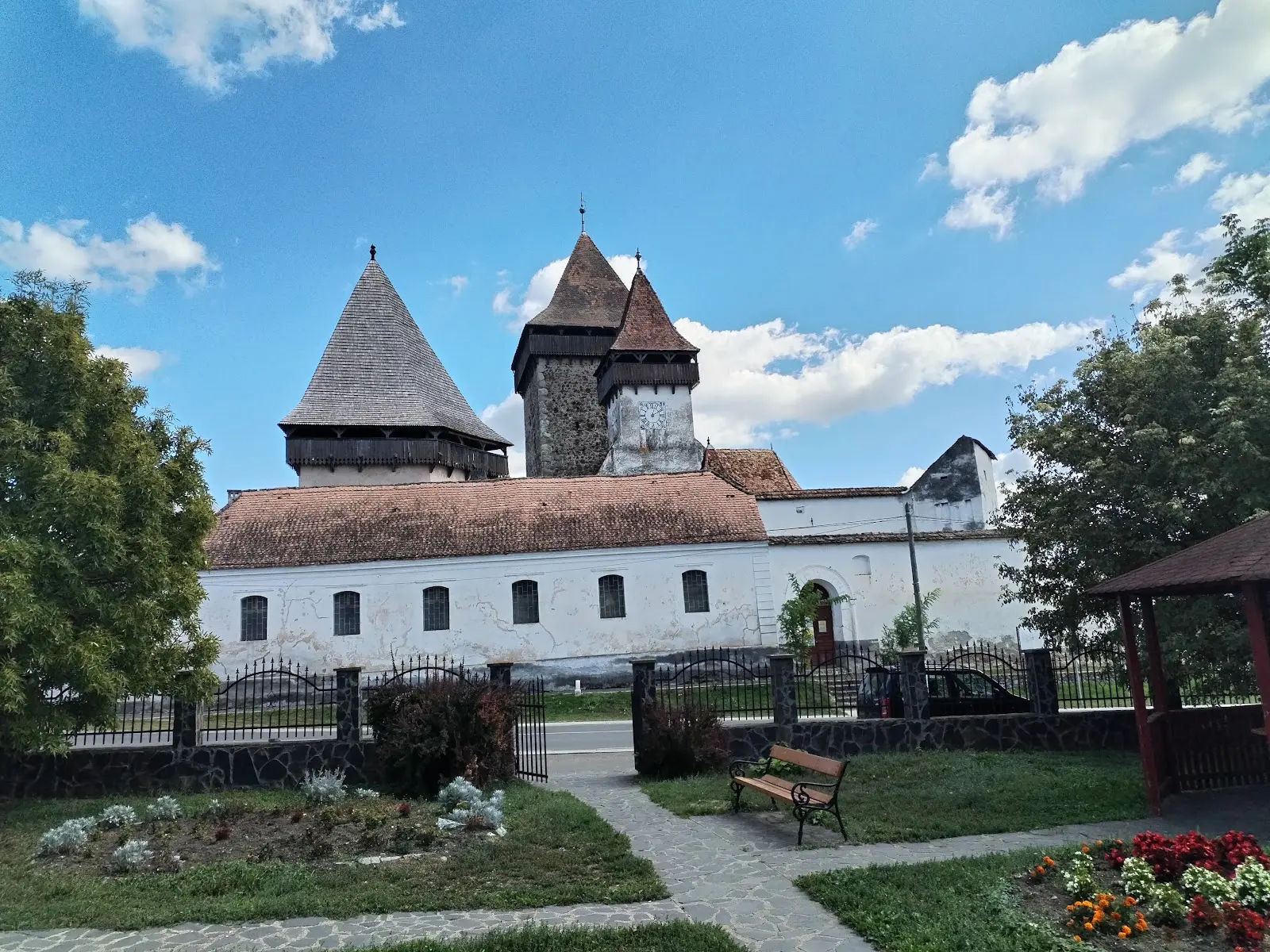
The Fortified Reformed Church of Sfântu Gheorghe is one of the oldest and most valuable monuments of the seat of Covasna County, in the heart of the Székely Land. Raised in medieval times, the church was surrounded, like many others in Transylvania, with a reinforced precinct wall meant to shelter the community in times of danger, when invasions threatened the settlements. Passing to the Reformation as Calvinism spread among the Székely, the church became a Reformed place of worship, yet kept its original Gothic structure. The austere interior, characteristic of the Reformed rite, contrasts with the massiveness of the defensive walls that surround it. Sfântu Gheorghe, a town with a strong Hungarian identity, finds in this fortified church a central point of its heritage and communal memory. For visitors travelling through the Székely Land, the monument offers eloquent testimony to the way faith and the need for defence intertwined in the sacred architecture of old Transylvania.
 Church
Biserica Fortificată Homorod
The Fortified Church of Homorod, a village in Brașov County, in the contact zone between the Bârsa Land and the Transylvanian plateau, is one of the leading representatives of the Saxon fortified churches, an exceptional heritage of Transylvania. Raised by the community of Saxons settled in this region as early as the Middle Ages, the church was reinforced with precinct walls, defensive towers and storerooms, turning into a genuine refuge in times of danger, when Tatar and Ottoman invasions threatened the villages. Its core, a Romanesque church with later Gothic additions, preserves traces of medieval mural painting of great value. The fortification system, with its double precinct, illustrates the ingenuity with which the Saxons defended their community and their faith. The Saxon fortified churches of Transylvania are inscribed on the UNESCO World Heritage List, and Homorod is among the well-preserved examples. For visitors discovering the Saxon villages, this monument offers moving testimony to a civilisation that profoundly marked the history of Transylvania.
Plan your trip
Stay, tour and get there
Stays nearby
Where to stay
Experiences
Tours & activities
Guided tours, day trips and hand-picked experiences via GetYourGuide — free cancellation on most.
See all experiencesGetting to Romania
Flights, transfer & car
Fly into Romania
Compare fares to Bucharest Otopeni (OTP) and regional airports — Cluj, Sibiu, Iași, Timișoara.
Airport transfer
Private, fixed-price door-to-door transfer — driver waiting from the moment you land.
Rent a car — see the real Romania
A rental car is the key to Romania: the Transfăgărășan, the painted monasteries of Bucovina, mountain roads and the villages of Maramureș that no train reaches.
Find a car