
County · Bukovina
Suceava County
Seat: Suceava
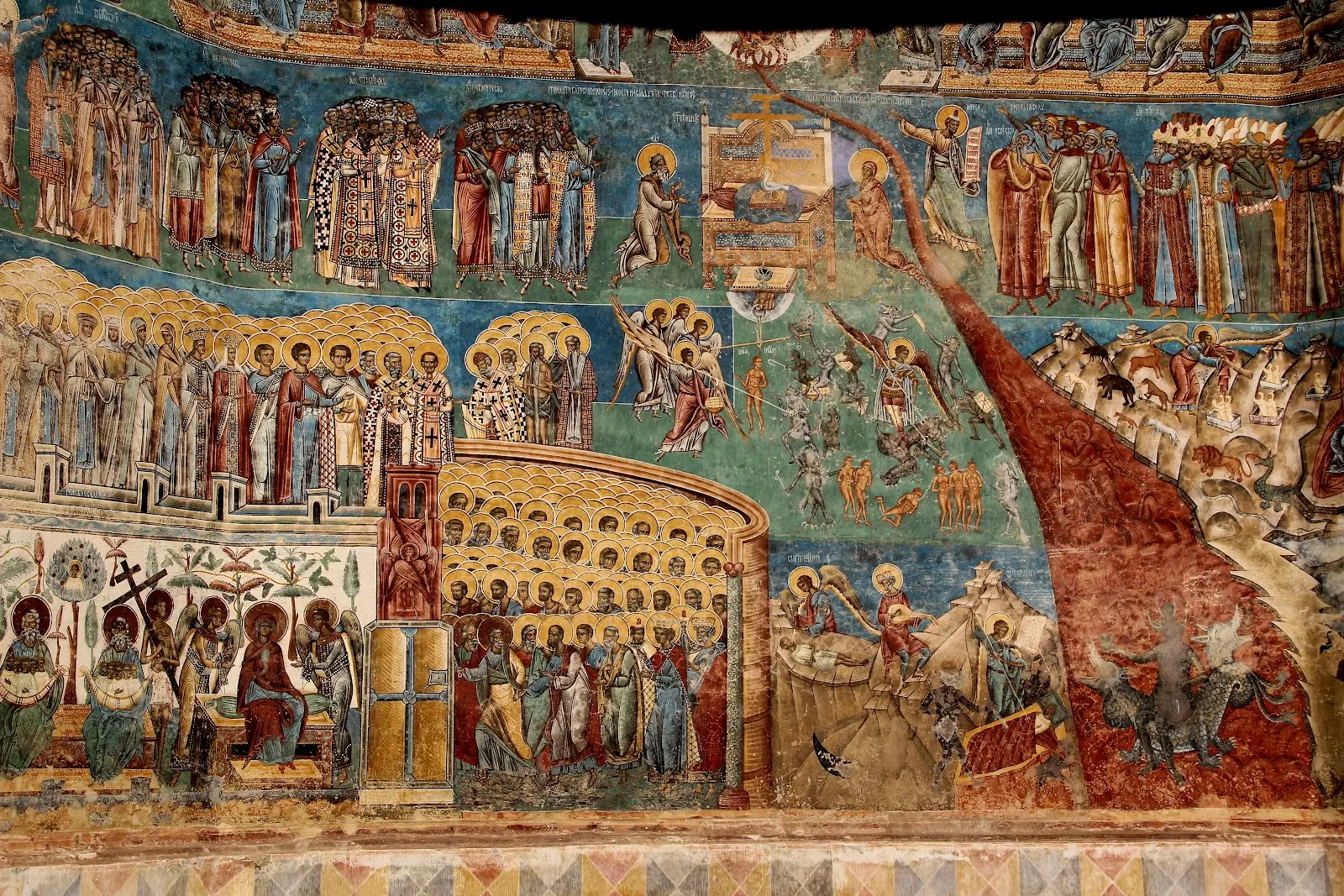
Suceava is the land of Bucovina, home of the painted monasteries. At Voroneț, Sucevița, Moldovița and Humor, frescoes of rare beauty cover the outer walls, UNESCO masterpieces in which the blue of Voroneț has become legend. The seat, Suceava, keeps the Princely Fortress of the rulers of Moldavia.
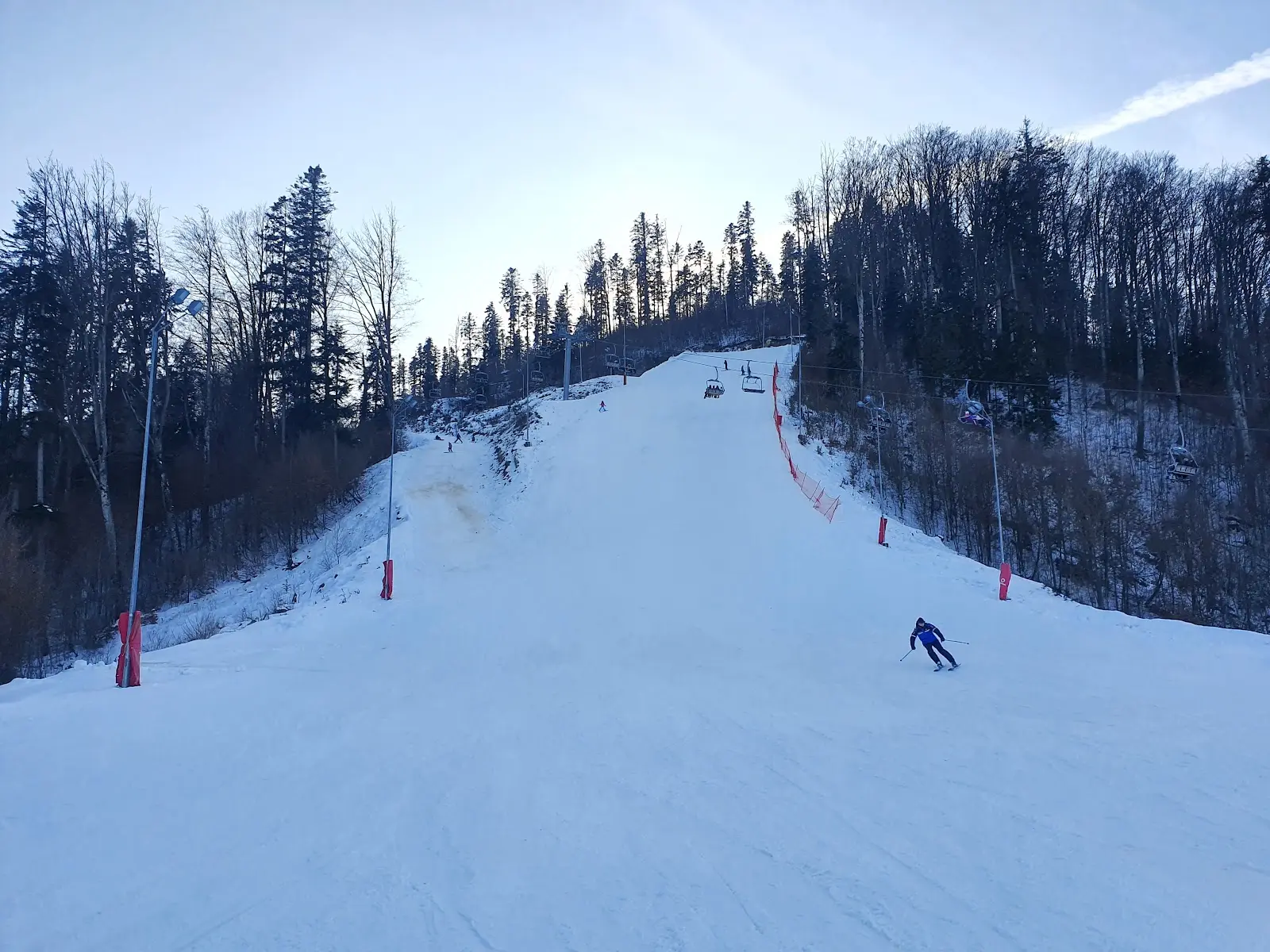
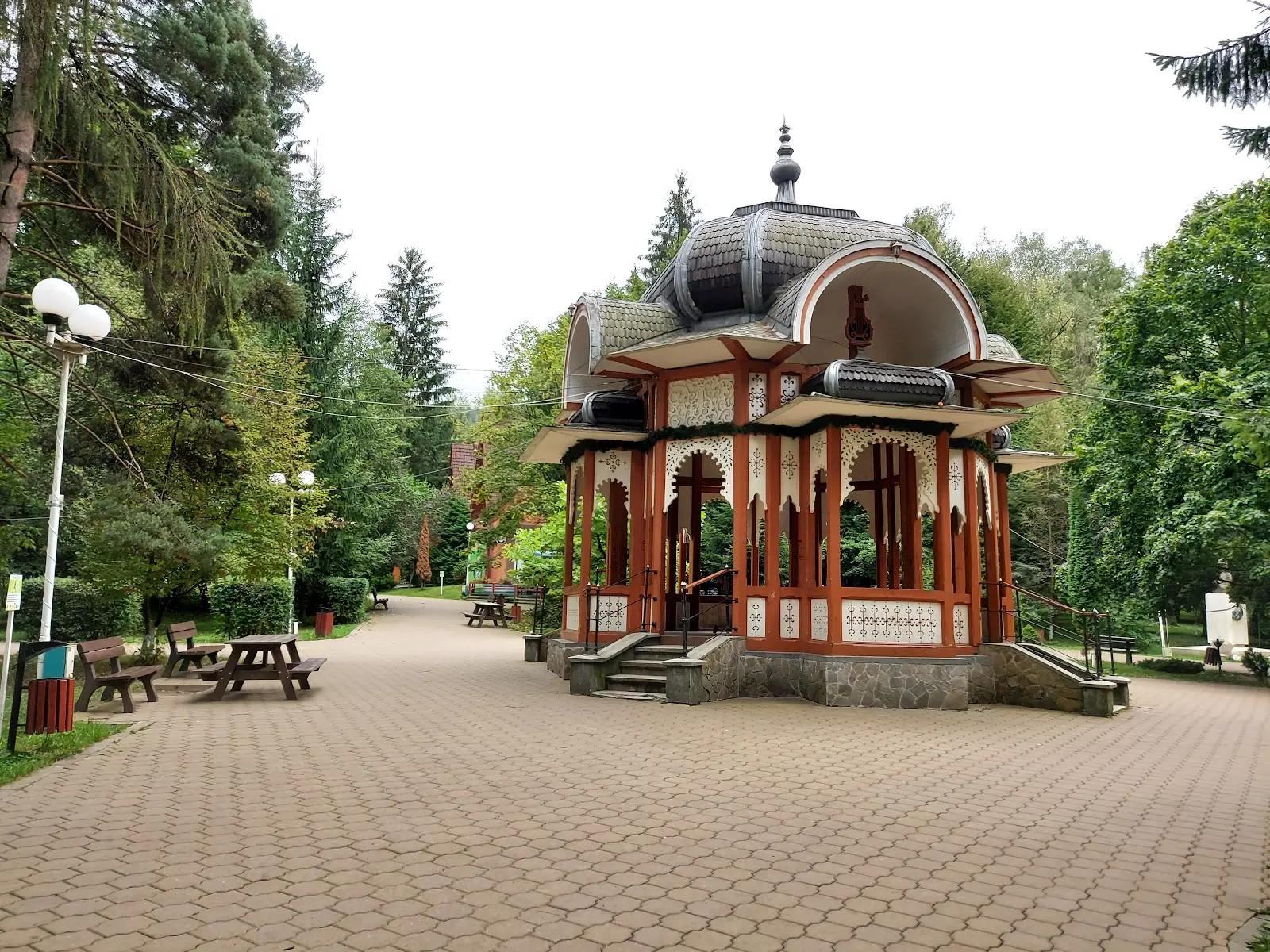
Toward the mountains, Rarău raises the Pietrele Doamnei crags, while the resorts of Vatra Dornei and Câmpulung Moldovenesc call with mineral waters, skiing and hiking. At Putna rests Stephen the Great. Everywhere, the Bucovina villages weave a world of wood, faith and settled hospitality.
Cities & places in Suceava
Not to miss in Suceava
 Viewpoint
Vârful Rarău
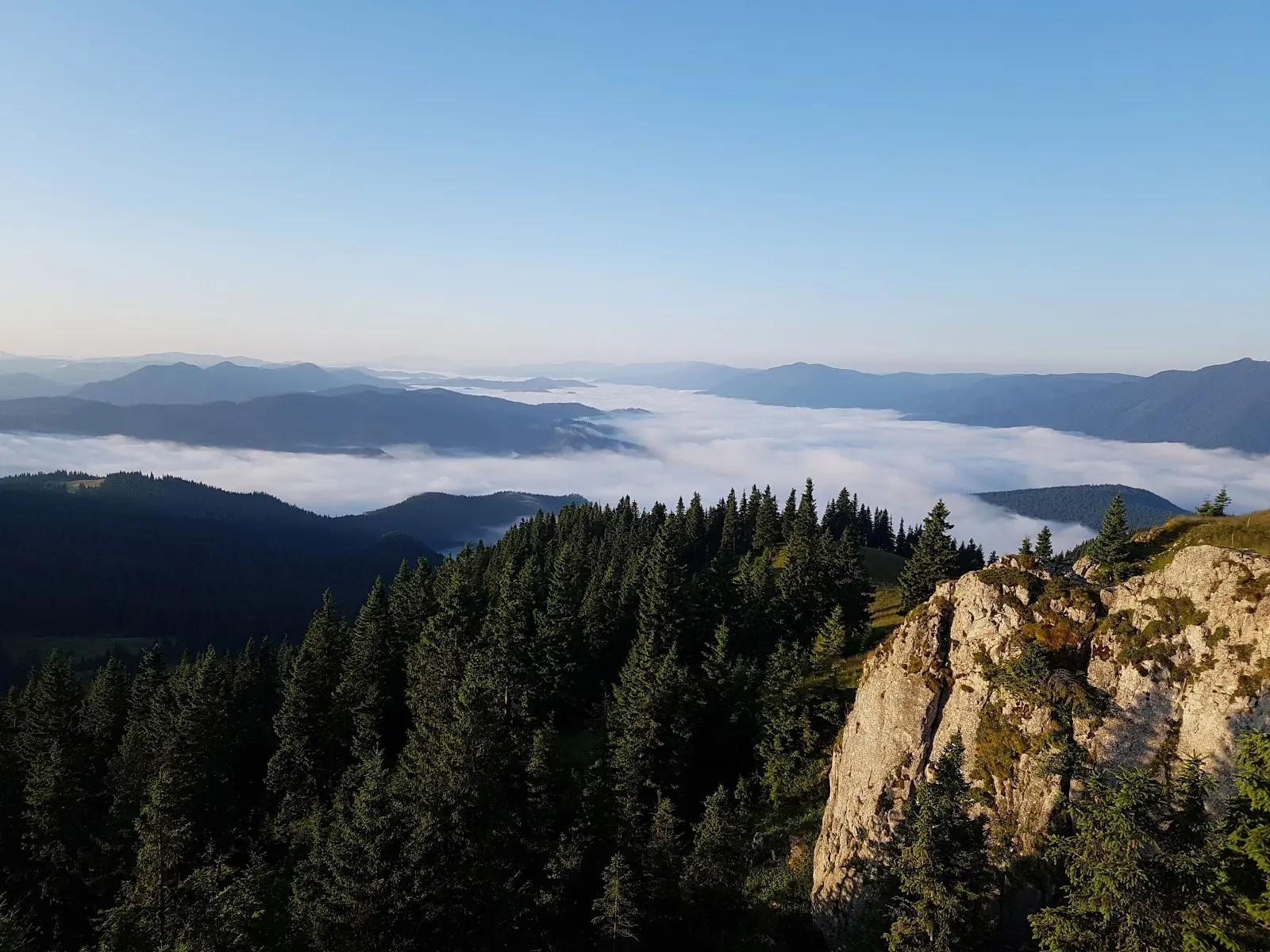
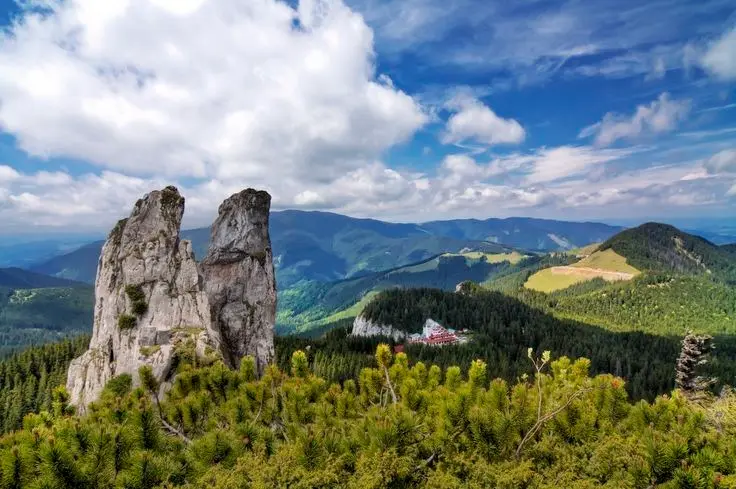
Rarau Peak is one of the best-known viewpoints in Bucovina, set in the Rarau-Giumalau massif high above the town of Campulung Moldovenesc. The area is famous for its broad views over the mountains of northern Moldavia, but above all for the nearby Pietrele Doamnei, a spectacular limestone formation of sharp towers and ridges much appreciated by hikers and climbers. From the peak and the neighbouring ridges, wide panoramas open towards the wooded summits and, on clear days, to impressive distances. The area is home to a rich flora, including protected species, and forms part of a nature reserve. Access is by marked trails starting from the valley or from the nearby chalet, and the hike passes through coniferous forests and alpine meadows. Mountain gear, water and attention to the changeable high-altitude weather are recommended. Rarau is an excellent destination for lovers of nature and mountain landscapes.
 Mountain
Pietrele Doamnei
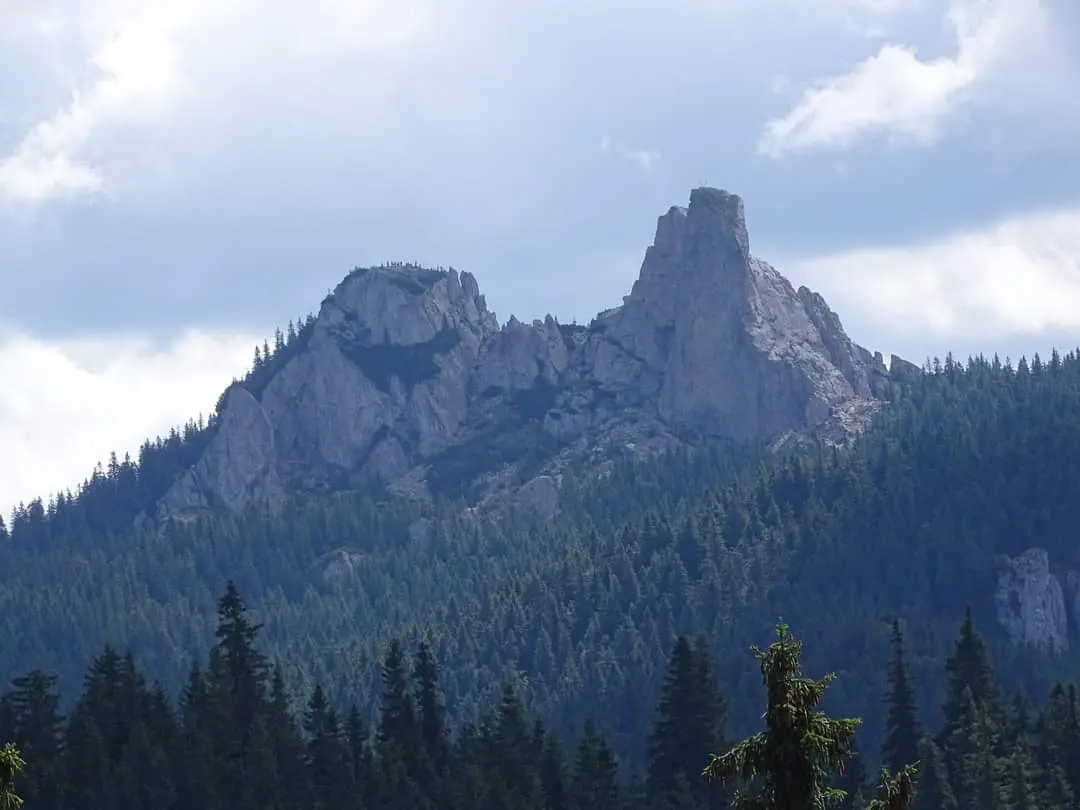
Pietrele Doamnei, the Lady's Rocks, form the most striking rock ensemble in the Rarău Massif, rising from a limestone ridge at more than 1,600 metres near the town of Câmpulung Moldovenesc, in the heart of Bucovina. The Jurassic limestone formations, shaped over millions of years by wind, rain and frost, stand as towering pinnacles and jagged crests that seem to guard the surrounding coniferous forests. The name is tied to an old legend about the wife of the prince Petru Rareș, who is said to have taken refuge here in times of danger. From the plateau and the base of the crags, wide views open toward the Obcinele Bucovinei ridges and the Moldova valley below. The area is a protected nature reserve, popular with hikers and climbers, and marked trails start from the nearby Rarău resort. Practical note: bring sturdy mountain footwear and layered clothing, as the weather at altitude changes quickly and the descent can be slippery when wet.
 Nature
Munții Rarău - Pietrele Doamnei
The Rarau Mountains, with their famous Lady's Stones, form one of the most beautiful landscapes of Bukovina, a massif in the Eastern Carpathians group renowned for its spectacular limestone rocks rising above the coniferous forests. The Lady's Stones are a group of limestone columns and ridges with dramatic shapes, a geological reserve offering superb views and routes valued by hikers and climbers. Legend links the name of these rocks to a lady who is said to have taken refuge here in times of hardship, adding a layer of story to the already impressive landscape. From the ridges open wide panoramas over the mountains of Bukovina, and nearby stands the Rarau Chalet, a convenient starting point. The area is rich in mountain flora and offers an ideal setting for nature. Practical note: access is by car to near the ridge and then along paths; for rock climbing, experience and proper gear are needed.
 Museum
Muzeul Bucovinei
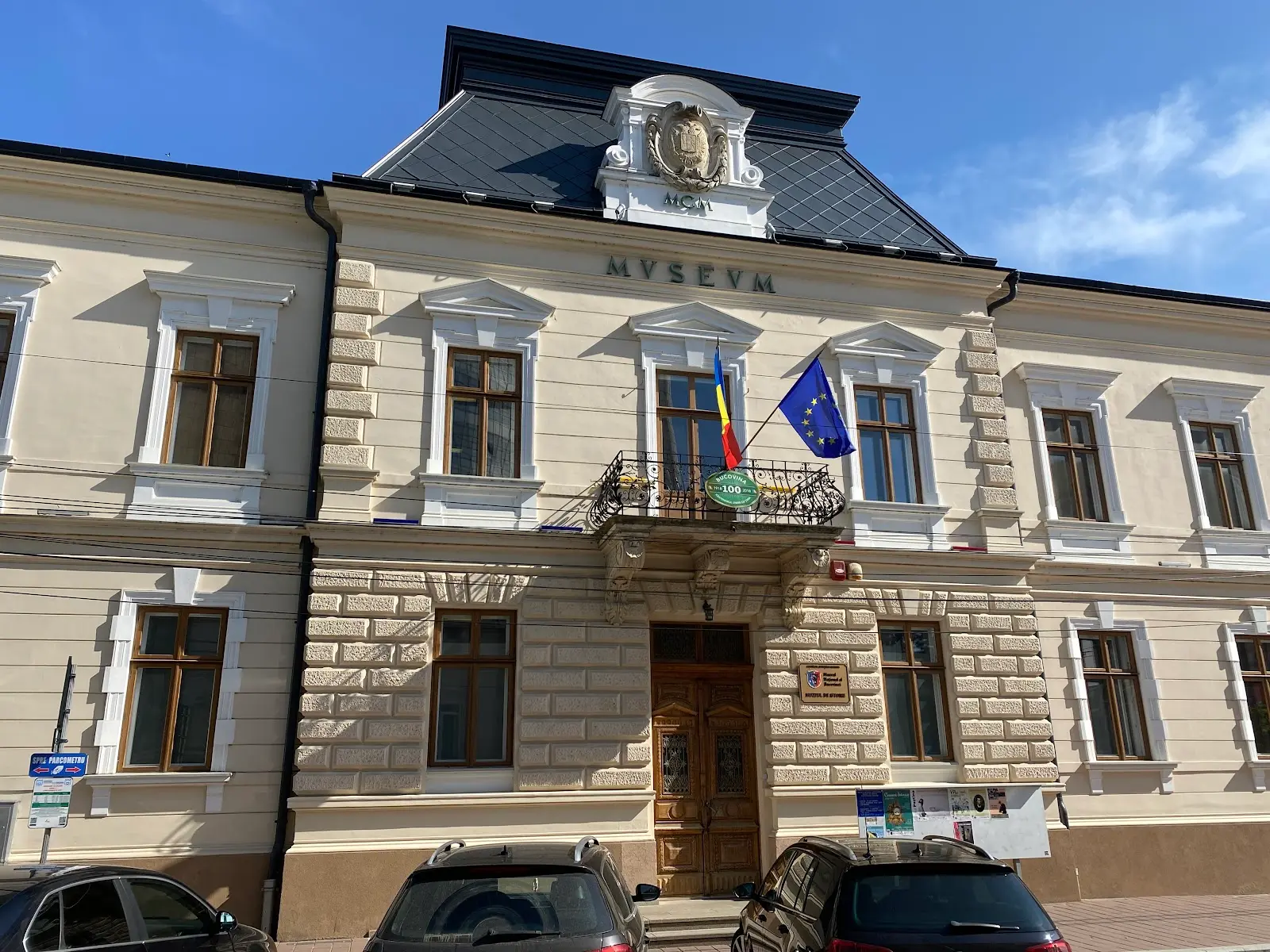
The Bukovina Museum in Suceava is the most important museum institution in the region, with collections spanning the history, art and ethnography of this northern corner of Moldavia. The history section, housed in a monumental building in the city centre, presents exhibits from prehistory to the modern era, with an emphasis on the golden age of medieval Moldavia, when Suceava served as the princely capital. A major highlight is the throne room, a spectacular reconstruction of the princely court from the time of Stephen the Great, with life-size figures and period decor. The museum also holds valuable collections of archaeology, numismatics and medieval art that illustrate the richness of Bukovina's heritage. Located near the Suceava Fortress, the museum is easy to include in a cultural visit of the city. It is an essential destination for anyone wishing to understand Suceava's historic role and the fascinating legacy of Bukovina.
 Monastery
Mănăstirea Sucevița
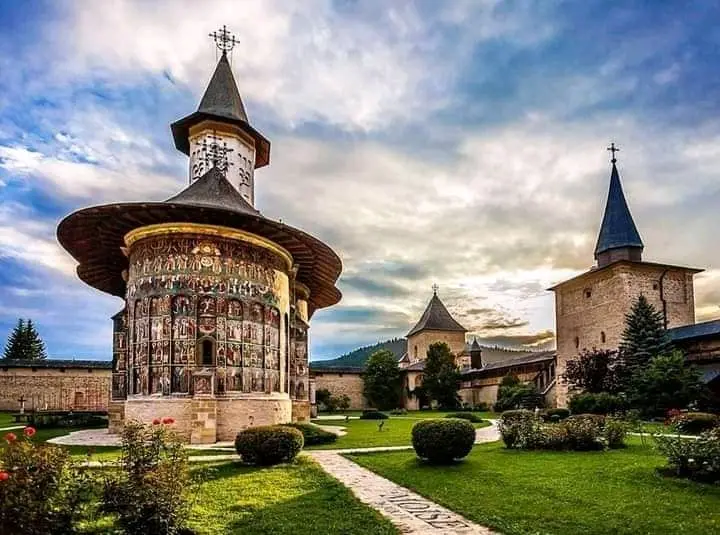
Sucevița Monastery is the most imposing of Bukovina's painted monasteries and the last built in this style, at the end of the 16th century, by the Movilă family. Unlike its sisters, it is surrounded by massive fortress walls with corner towers, giving it the look of a citadel rather than a place of prayer. The exterior frescoes, dominated by an intense green rarely seen elsewhere, cover almost the entire walls and include the famous ‘Ladder of Virtues', a vast and dramatic composition. The northern wall is said to have been left unpainted because the artist fell from the scaffolding — a legend that adds to the site's charm. A UNESCO World Heritage site, Sucevița is an essential stop on the monastery trail, set in a landscape of hills and quiet villages. Respect the dress code and the calm of the place, and check visiting hours, especially during services.
 Museum
Muzeul Mănăstirii Putna
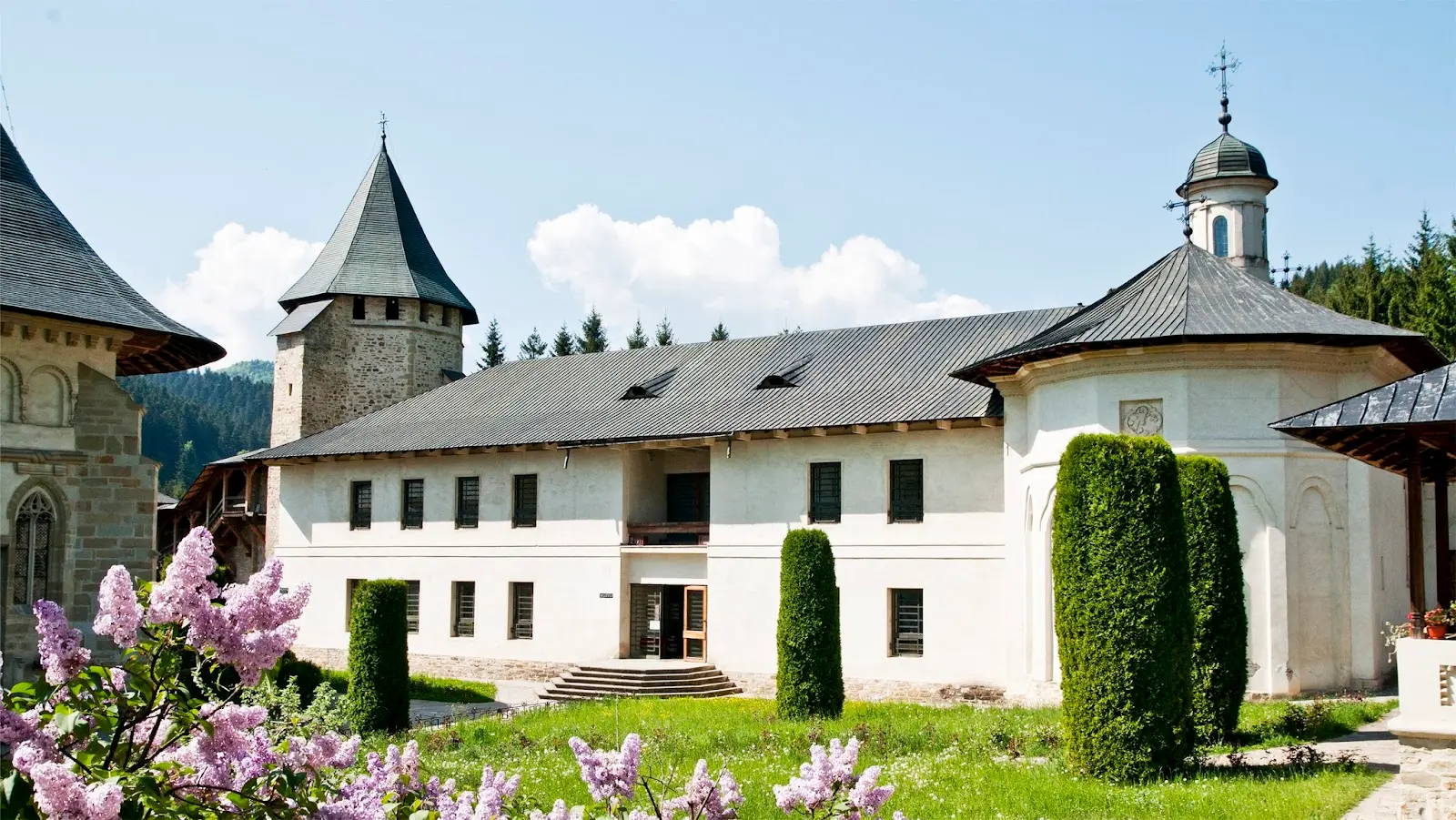
The Putna Monastery Museum shelters one of the most valuable collections of medieval art in Romania, set within the grounds of the famous monastery founded by Stephen the Great in the fifteenth century, in the heart of Bucovina. Putna is regarded as one of the most important spiritual and cultural hearths of Moldavia, and the museum preserves the treasure gathered over the centuries: liturgical embroideries of exceptional refinement, among them the famous shrouds and stoles worked with gold and silver thread, illuminated manuscripts, old icons, worship objects of precious metals and rare printed books. Many of the pieces are directly linked to the reign of Stephen the Great, who is buried in the monastery church, making the place a symbol of Romanian national identity. The collection illustrates the mastery of medieval Moldavian workshops and the importance of Putna as a cultural centre. The museum completes a visit to the monastic ensemble, set in a quiet, wooded natural setting. Visitors are asked to respect the monastery's rules, proper dress and the quiet of an active monastic settlement.
 Museum
Muzeul Oului Vama
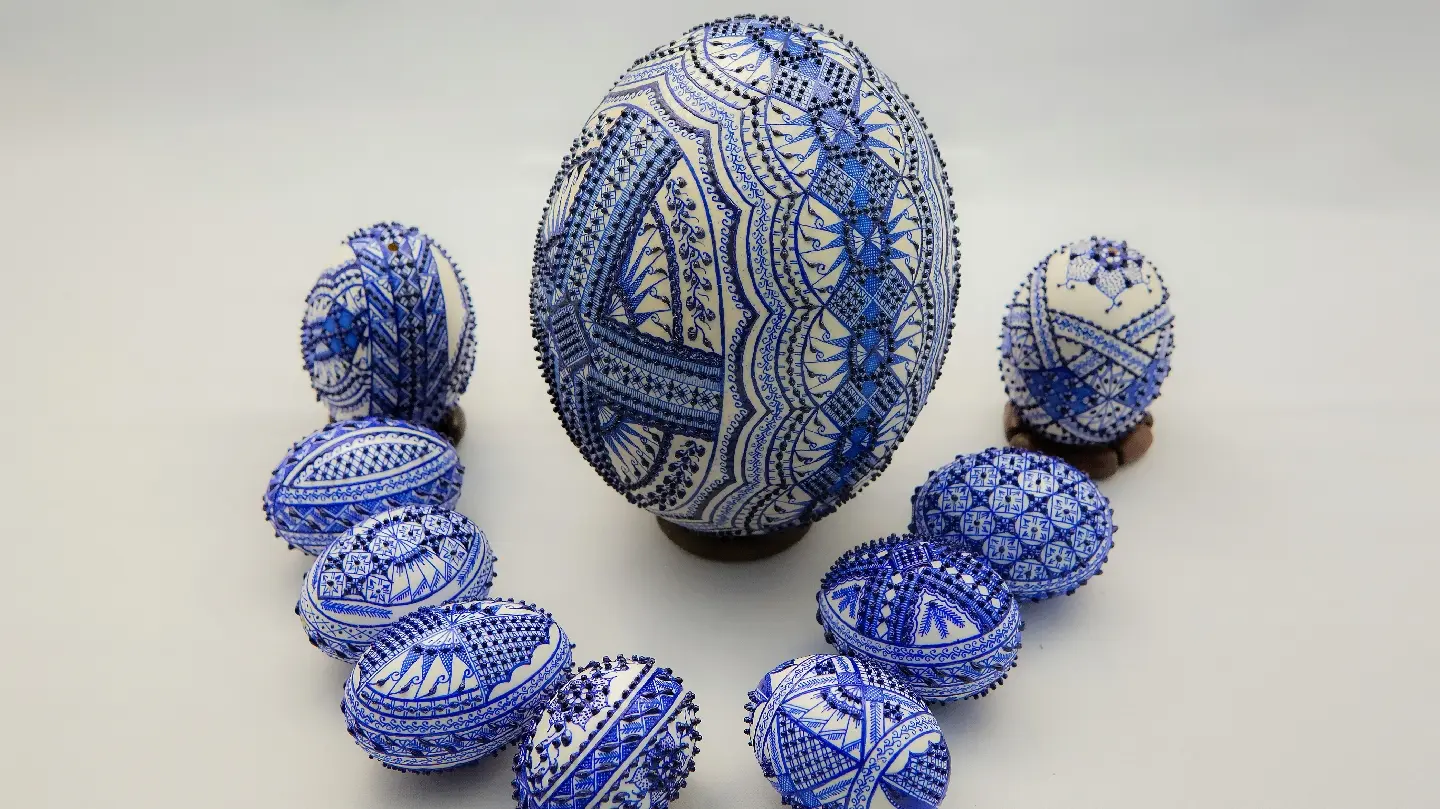
The Egg Museum in Vama, a commune in Suceava county in the Bucovina region, is a unique museum dedicated to the traditional art of decorating eggs. The collection brings together thousands of decorated eggs from numerous countries around the world, alongside Romanian pieces from different ethnographic areas, highlighting the richness of the specific motifs and techniques. Visitors can admire eggs painted by hand, adorned with wax and natural colours, as well as remarkable works made from rare materials or through painstaking techniques. The museum showcases an ancient craft, tied to the Easter celebration and the folk beliefs of Bucovina, where egg decoration is a living tradition passed down from generation to generation. Through the diversity of its exhibits, the museum offers a surprising perspective on this art found throughout the world and remains a special stop for those discovering the villages of Bucovina.
 Monastery
Mănăstirea Moldovița
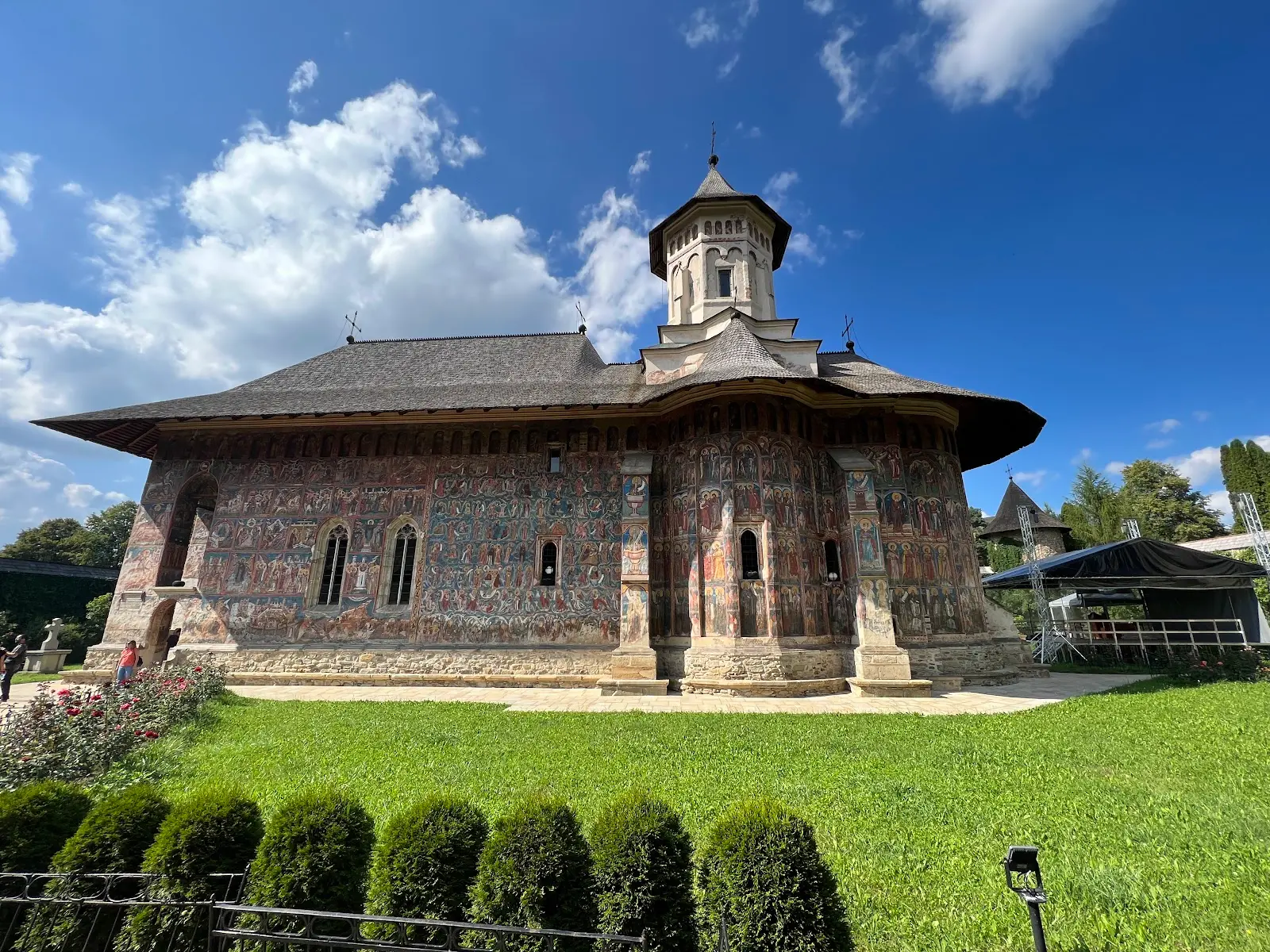
Moldovița Monastery is one of the most beautiful painted monasteries of Bukovina, founded in 1532 by prince Petru Rareș, son of Stephen the Great. The stone churches, surrounded by walls and defensive towers, keep on their outer façades 16th-century frescoes of remarkable vividness, dominated by a warm golden yellow. The most famous scene is the Siege of Constantinople, a vast, dynamic composition, alongside the Tree of Jesse and the Akathist Hymn. Within the precinct a small museum preserves heritage objects, including valuable documents and embroideries. Set in a quiet valley, among hills and villages where tradition is still alive, Moldovița belongs to the group of monasteries inscribed on the UNESCO list. It is an essential stop on the painted-monastery trail, alongside Voroneț, Sucevița and Humor. Respect the dress code and the calm of the place, and check visiting hours, especially during services.
 Monastery
Mănăstirea Slatina
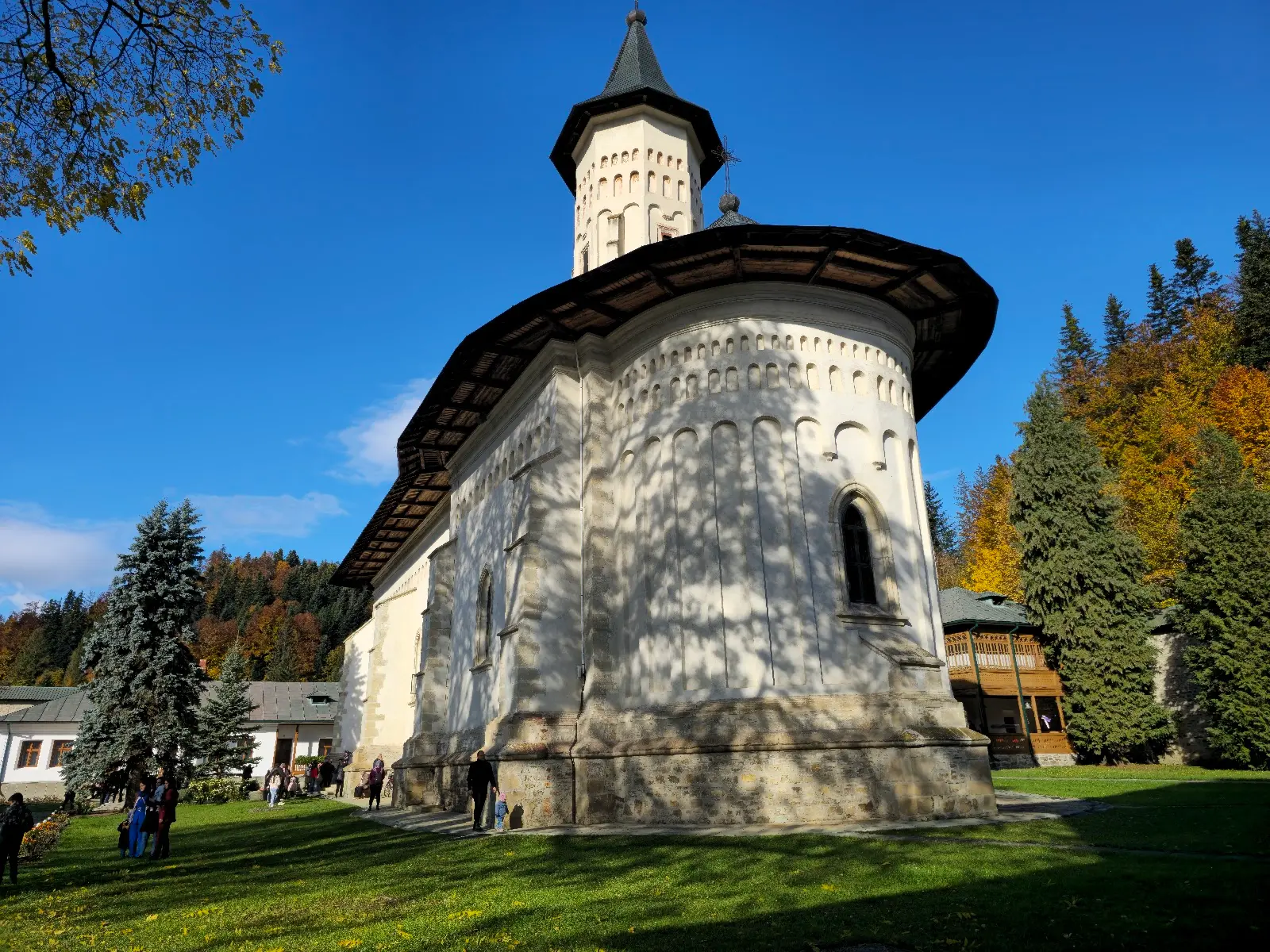
Slatina Monastery in Suceava county is an important monastic settlement of Bukovina, founded in the sixteenth century by the ruler Alexandru Lapusneanu. The complex is dominated by the great church dedicated to the Transfiguration, an imposing building in the Moldavian style, with thick walls and characteristic towers, enclosed by a precinct and outbuildings. The monastery played a notable part in the religious and cultural life of Moldavia and belongs to the tradition of great princely foundations. Set in a quiet natural landscape among wooded hills, it offers visitors an atmosphere of contemplation far from the bustle of towns. Slatina forms part of the circuit of Bukovinian monasteries, alongside the famous painted churches of the region. As an active monastic community, visitors are asked to respect the schedule of services and the attire befitting a place of prayer.
 Monastery
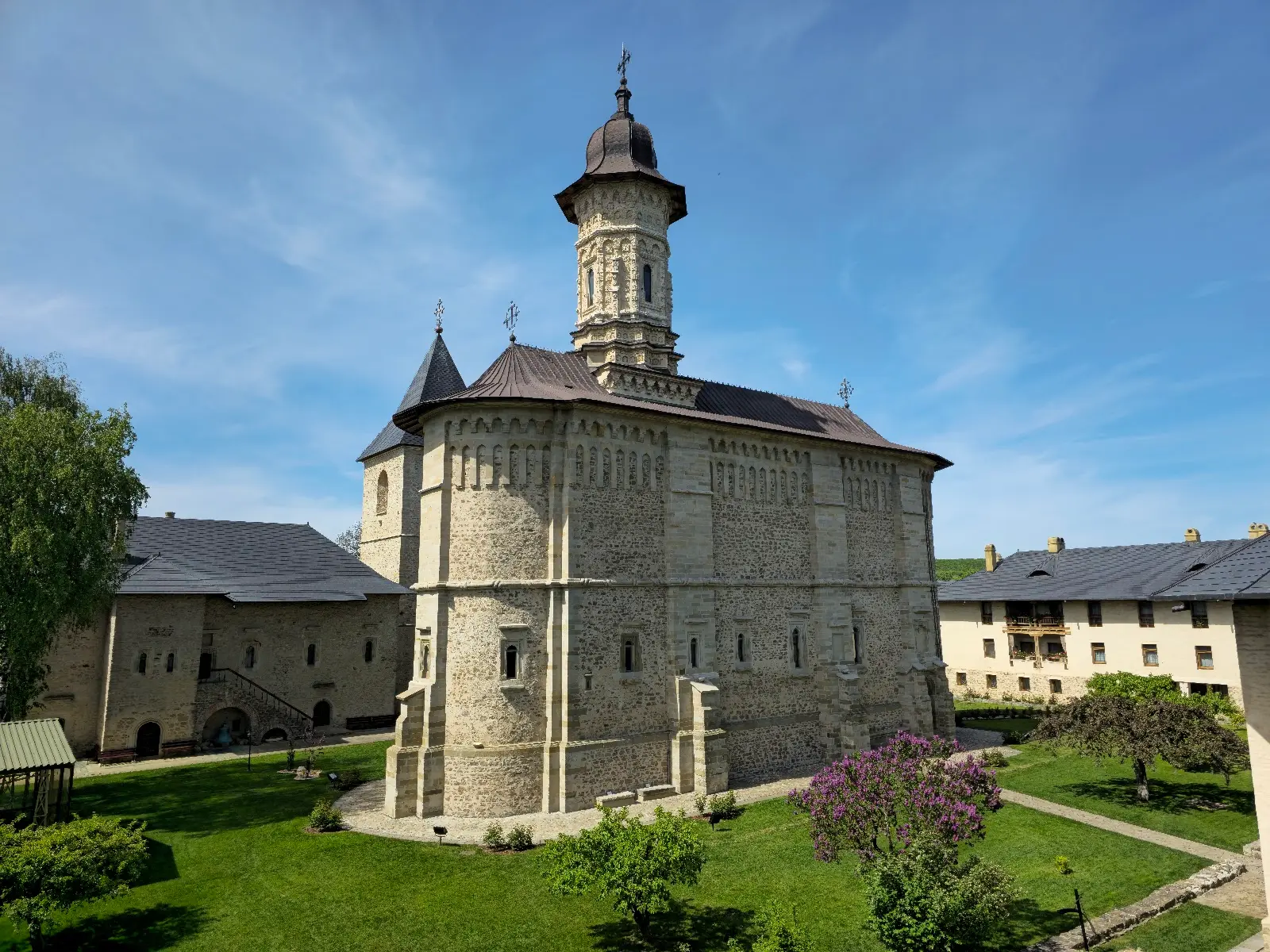
Mănăstirea Dragomirna
Dragomirna Monastery is one of the most valuable monuments in Bukovina, founded in the early seventeenth century by the scholarly metropolitan Anastasie Crimca. Its church stands out through unusually slender proportions: it is remarkably tall and narrow, crowned by a richly carved stone tower whose rare refinement recalls lace worked in hard material. The complex is surrounded by massive defensive walls with corner towers, added later, giving it the appearance of a fortified monastery typical of the troubled times in which it was built. Inside are preserved frescoes, liturgical objects and a tradition of illuminated manuscripts linked to the personality of its founder. The natural setting, a quiet forest near Suceava, reinforces the atmosphere of contemplation. Practical note: the monastery is active, so decent attire and respect for silence are recommended; it can be visited together with the other painted monasteries of Bukovina.
 Museum
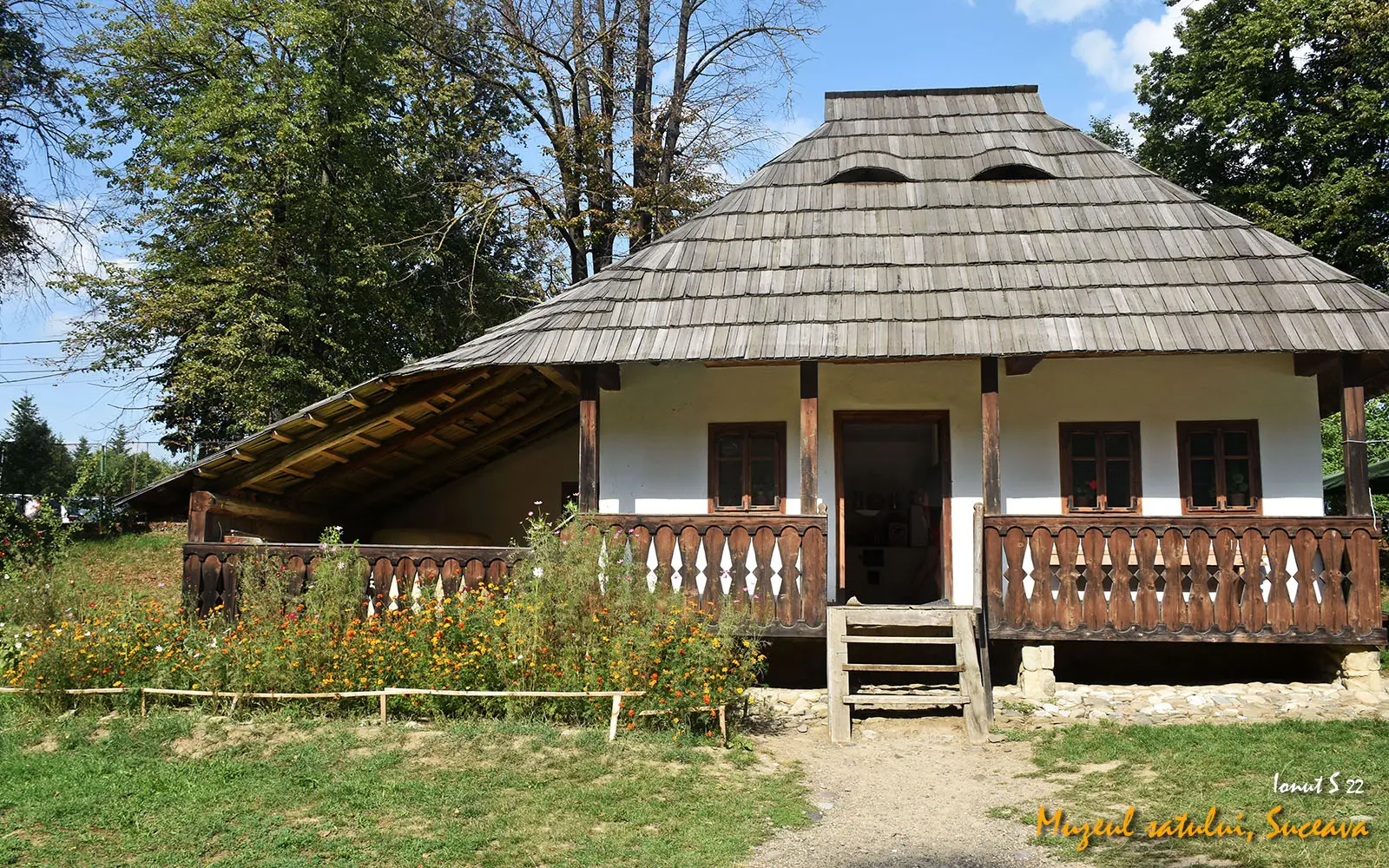
Muzeul Satului Bucovinean
The Bukovina Village Museum in Suceava is an open-air museum that recreates, at the foot of the Suceava Fortress, the atmosphere of a traditional Bukovina village. On a generous site, peasant farmsteads, a wooden church, a tavern, craft workshops and folk technical installations have been reconstructed, all brought from Bukovina villages and carefully assembled to preserve their authenticity. Visitors stroll among houses roofed with wooden shingles, admiring the traditionally furnished interiors, the household objects and the beauty of the folk architecture typical of this northern region. The museum often hosts events, fairs and craft demonstrations that bring Bukovina's traditions to life. The setting, close to the Suceava Fortress, allows the visit to be combined with the discovery of the city's other historic attractions. It is an ideal destination for families and for those wishing to understand village life of the past, wooden architecture and the rich traditions of Bukovina, in a picturesque and evocative setting full of the charm of the rural world of old.
 Fortress
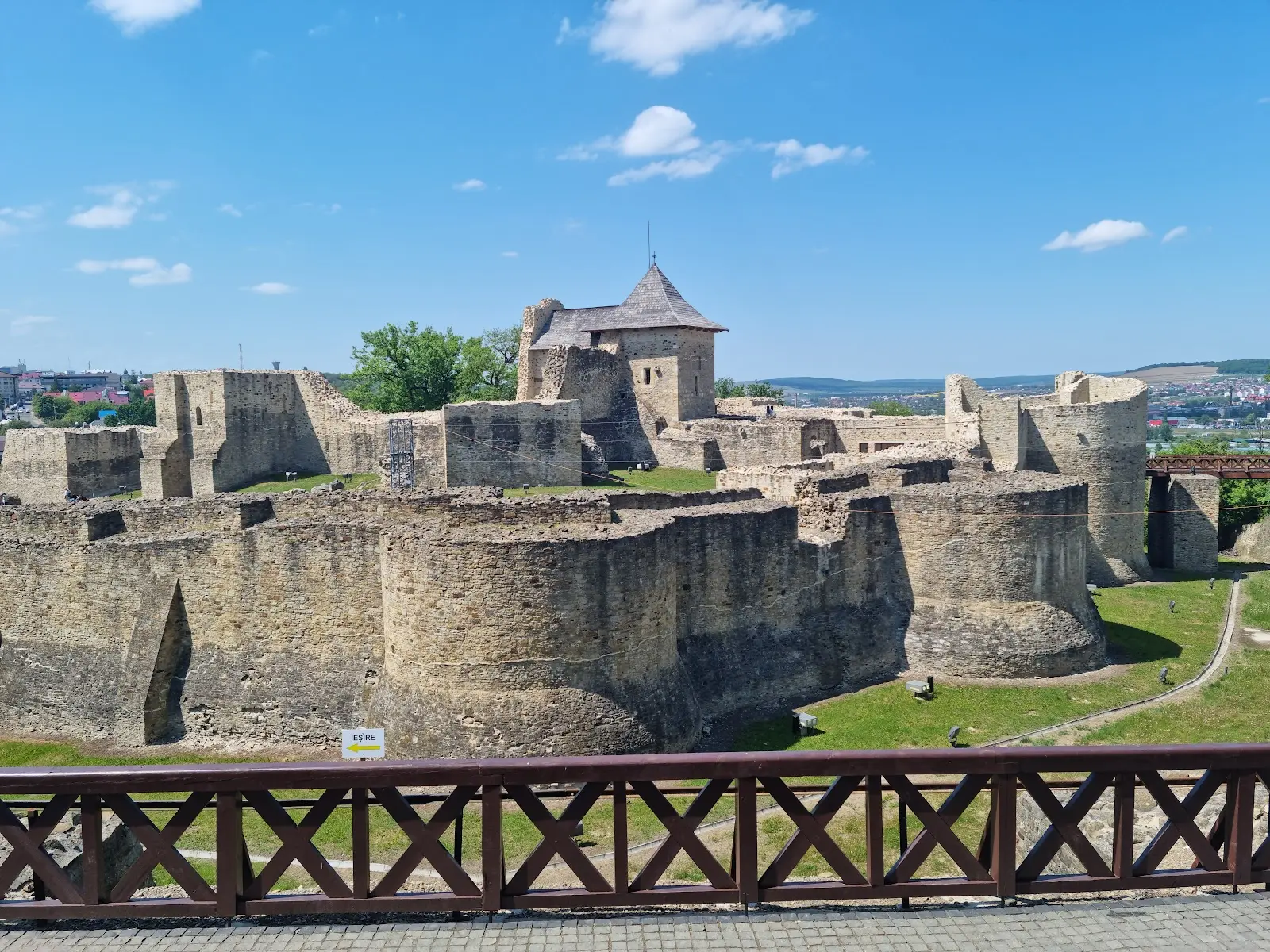
Cetatea de Scaun a Sucevei
The Princely Fortress of Suceava is one of the most important medieval strongholds of Moldavia, a witness to the golden age of Stephen the Great. Built in the late 14th century and later reinforced with thick walls, bastions and a defensive moat, the fortress withstood sieges and long served as a princely residence and centre of power of the principality. Extensively restored in recent years, it blends authentic walls with modern arrangements: reconstructed halls, wax figures, projections and exhibitions that bring the Moldavian Middle Ages to life. From the ramparts, a broad view opens toward the city of Suceava and the hills of Bucovina. It is the best place to understand the medieval history of the region and a starting point toward the painted monasteries nearby. Check the visiting schedule, which varies according to the season.
Plan your trip
Stay, tour and get there
Stays nearby
Stays in Suceava
Experiences
Tours & activities
Guided tours, day trips and hand-picked experiences via GetYourGuide — free cancellation on most.
See all experiencesGetting to Romania
Flights, transfer & car
Fly into Romania
Compare fares to Bucharest Otopeni (OTP) and regional airports — Cluj, Sibiu, Iași, Timișoara.
Airport transfer
Private, fixed-price door-to-door transfer — driver waiting from the moment you land.
Rent a car — see the real Romania
A rental car is the key to Romania: the Transfăgărășan, the painted monasteries of Bucovina, mountain roads and the villages of Maramureș that no train reaches.
Find a carKeep exploring