
Complete guide to Drăgășani
A small town on the Olt in Vâlcea county, Drăgășani is the heart of one of Romania's oldest wine regions. You come for Crâmpoșie Selecționată, Negru de Drăgășani and Novac, for the wineries that put the region back on the international map, and for a rural rhythm still measured in seasons.
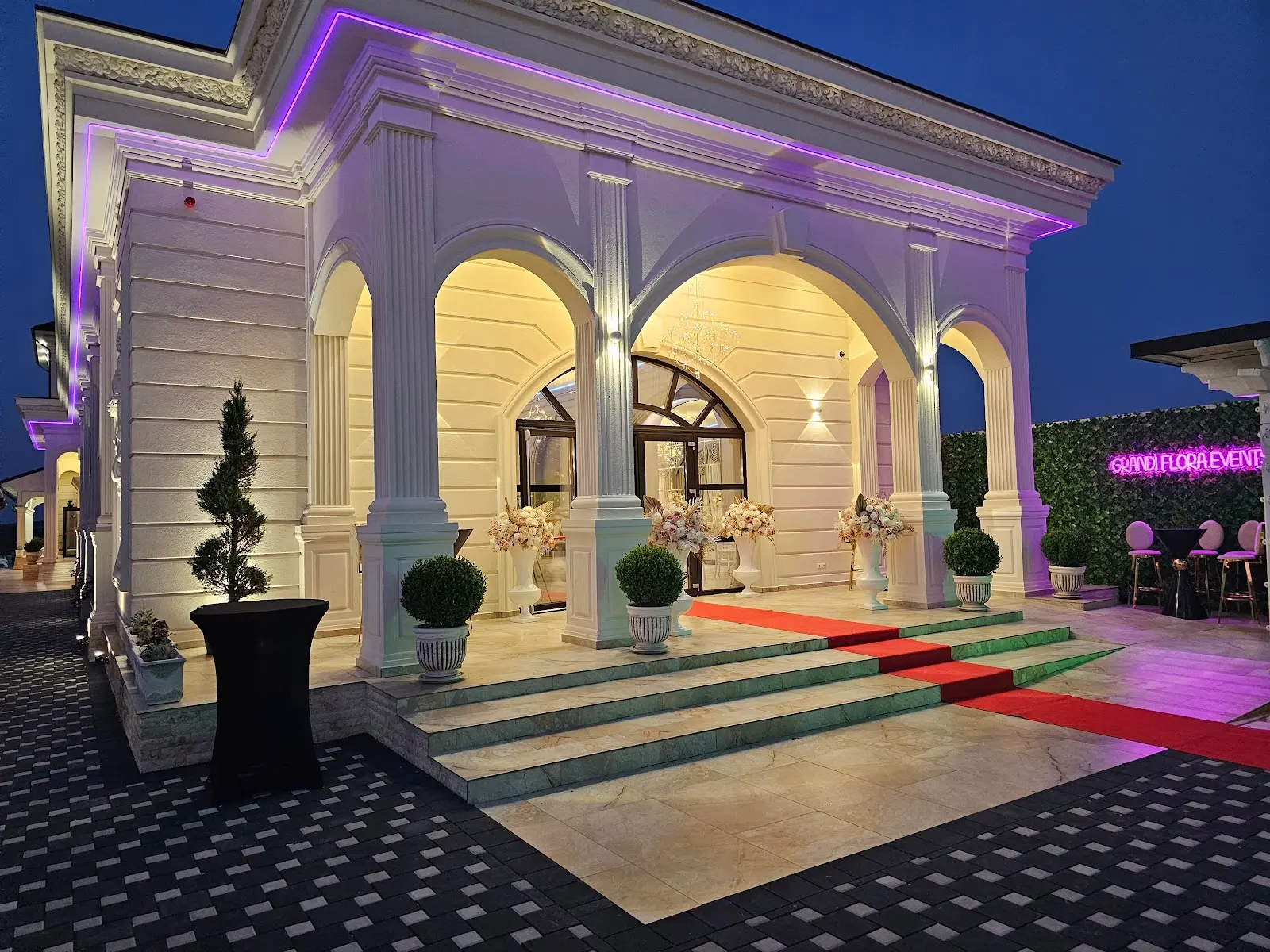
Drăgășani makes no attempt to impress you at first glance. Its reputation lies in the hills around it: one of Romania's oldest wine regions, with viticulture documented since antiquity. You come here for wine, for grape varieties you will not find anywhere else, and for a rural rhythm still measured in seasons rather than opening hours.
Where you actually are
Drăgășani is a small town in Vâlcea county, set on the Olt river in the southern half of the county, where the valley widens and the hills retreat into a gentle amphitheatre. The town is the administrative and commercial centre of the area, but the reason to visit surrounds it: Podgoria Drăgășani, the wine region, spreads across the hills to the west, on sunny terraces above the river.
The geography explains everything. The Olt moderates temperatures, the hills give southern exposure and drainage, and varied soils produce wines with structure. The Romans already grew vines here, and the thread was never entirely broken — which makes Drăgășani a wine region with memory, not a recent project.
The grapes that make the difference
If you remember one thing from this guide, remember this: Drăgășani is one of the few regions in Europe where the local varieties are the headline act, not the footnote.
- Crâmpoșie Selecționată — the emblematic grape of the region. White, with lively acidity and a citrus-floral profile that is hard to mistake for anything else. It has no real equivalent elsewhere.
- Negru de Drăgășani — an indigenous red, with black fruit, spice and firm tannins. The variety that shows most clearly that this area can make serious red wine.
- Novac — also red, also local, usually rounder and more approachable than Negru de Drăgășani. An excellent entry point.
Alongside these, the wineries also work with international varieties and other Romanian grapes. But the tasting that justifies the drive is the one that lines up those three names. For the wider picture see the guide to Romanian wines, and for how Drăgășani connects to the country's other regions, the wine road by region.
The wineries that brought the region back
After decades of bulk production, a group of estates rebuilt the region's reputation by starting from the local varieties and from individual parcels.
- Prince Știrbey — the name that carried Crâmpoșie and Negru de Drăgășani onto international tasting tables, on an estate with deep historical roots here.
- Avincis — contemporary architecture built into the hillside, a precise approach to winemaking and a strong presence in the specialist press.
- Crama Iordache — a family project on a human scale, exactly the kind of place where you discuss the wine with the person who made it.
- Crama Ștefănești — another local stop worth folding into a day spent across the vineyards.
Visits and tastings are normally by appointment. These are not tasting rooms waiting with the door open; they are working estates, and an email or phone call a few days ahead is the difference between a good visit and a wasted drive. If you are coming at a weekend or during harvest, ask for confirmation further in advance.
The town itself
Drăgășani is small, and it is fair to treat it as a base rather than a destination. The centre takes a short walk, and its landmark is St Nicholas Church, a reference point of the old town.
The place does have one chapter of history that matters, though: Drăgășani is tied to Tudor Vladimirescu's uprising of 1821, an episode that left traces in local memory and place names. It is worth knowing before you walk around, because otherwise the town reads simply as a provincial market settlement with low houses and a market square that is busiest in the morning — which, in part, it is.
The full list of stops, wineries and sights included, is in what to see in Drăgășani.
What to eat, and how to drink it
This corner of Oltenia is not a region of spectacular cooking, but it is a region of produce: cheeses, garden vegetables, grilled meat, autumn preserves. Simple food that sits naturally alongside the local wines. The logic worth remembering:
- Crâmpoșie Selecționată, with its lively acidity, works with fresh cheese, fish and vegetables. It is the wine for the start of the meal.
- Novac is the everyday red, round enough for the grill and for ordinary cooking.
- Negru de Drăgășani wants serious food — meat, sauces, stews. It is not an aperitif wine.
In town you will find ordinary places to eat, nothing elaborate. Out in the vineyards, ask your host or the winery in advance, because a village restaurant open in the evening is not a given. And a solid lunch before the tastings is not greed, it is strategy.
When to come
- Late spring (May–June) — green hills, mild temperatures, and wineries with time for long conversations.
- September–October — harvest. The liveliest moment, but also the busiest for the estates; book well ahead, because at that point people are in the vineyard, not in the tasting room.
- Summer — the Olt valley can get genuinely hot. Plan visits for the morning or late afternoon.
- Winter — complete quiet. Some wineries receive visitors, others do not; check first, without exception.
Getting there and getting around
Drăgășani sits on the axis that follows the Olt, between Râmnicu Vâlcea to the north and the Oltenian plain to the south — an easy, scenic drive. The town also has a rail connection on the line that accompanies the river.
A car is close to essential if you want to see more than one winery. The vineyards are scattered across hills and villages, and short distances do not automatically mean public transport. Two practical rules:
- Appoint a driver or book accommodation in the vineyards. Tastings and driving do not mix, and this is not an area full of taxis.
- Group wineries geographically, not by fame. Two well-chosen estates visited unhurriedly beat four rushed stops.
What to know before you go
- Book everything. Worth repeating, because it is the one mistake that can ruin the weekend.
- Carry cash. In the villages and at small producers, cards are not guaranteed.
- Comfortable shoes. Some visits include a walk through the vines, on earth rather than paving.
- Ask what you can buy. Many wines from here are easier to find at the winery than in shops.
- Do not rush. Drăgășani rewards slow visits. Two days beat one.
For accommodation options — in town, at a winery, in the villages, or with Râmnicu Vâlcea as a base — see where to stay in Drăgășani.
Plan your trip
Stays nearby
Stays in Romania
Experiences
Tours & activities
Guided tours, day trips and hand-picked experiences via GetYourGuide — free cancellation on most.
See all experiencesGetting to Romania
Flights, transfer & car
Fly into Romania
Compare fares to Bucharest Otopeni (OTP) and regional airports — Cluj, Sibiu, Iași, Timișoara.
Airport transfer
Private, fixed-price door-to-door transfer — driver waiting from the moment you land.
Rent a car — see the real Romania
A rental car is the key to Romania: the Transfăgărășan, the painted monasteries of Bucovina, mountain roads and the villages of Maramureș that no train reaches.
Find a car











