
Romania's Wine Road: the Regions and Grapes to Discover
Romania is one of Europe's oldest and largest wine-producing countries. From the robust reds of Dealu Mare to the sweet whites of Cotnari and the aromatic wines of Transylvania, here are the regions and native grapes worth following along the Wine Road.
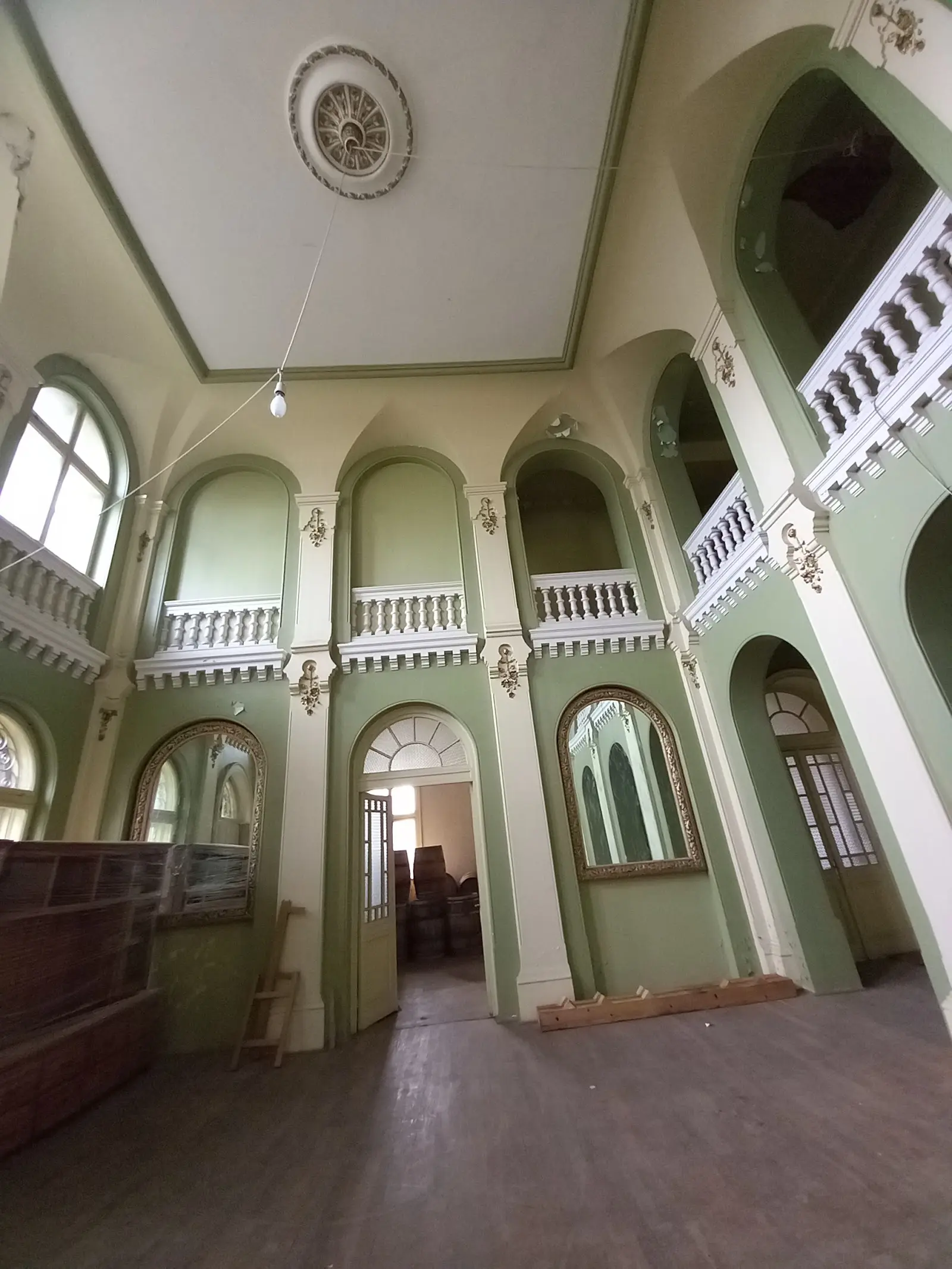
Few travelers realize that Romania ranks among Europe's oldest and largest wine-producing countries, with a tradition stretching back more than six thousand years and vineyards spread from Moldavia to the Black Sea. The past decade has brought a renaissance: modern wineries, young sommeliers and tastings open to the public. Here is the Wine Road by region, and the native grapes worth seeking out.
Dealu Mare (Prahova and Buzău)
Less than two hours from Bucharest, on the foothills of the Curvature Carpathians, Dealu Mare is the country's premier red-wine region. Limestone soils and southern exposure produce structured reds with serious ageing potential.
- Star grape: Fetească Neagră, Romania's emblematic red, alongside well-adapted Cabernet Sauvignon and Merlot.
- Key villages and estates: Tohani, Urlați, Ceptura and Pietroasele — a string of vineyards easily toured over a weekend.
- Why it matters: it is the most accessible wine escape near the capital, perfect for a first day on the Wine Road.
Cotnari (Moldavia)
In northern Moldavia, Cotnari is one of the country's oldest and most famous vineyards, historically tied to the court of Stephen the Great. Its reputation rests on sweet and off-dry whites of rare finesse.
- Grapes to seek: Grasă de Cotnari, Tămâioasă Românească, Frâncușă and Fetească Albă.
- The style: white wines with aromas of honey, blossom and candied fruit, some able to age for decades in the cellar.
- To visit: the historic Casa de Vinuri Cotnari winery, with tastings and an impressive heritage.
Recaș and the Banat
In the west, near Timișoara, Recaș represents the modern, export-focused face of Romanian winemaking. It is one of the largest wineries in the region, with production reaching shelves across Europe.
- Profile: a broad range, from fresh whites and rosés to approachable reds.
- Grapes: both international (Sauvignon Blanc, Pinot Noir) and native varieties such as Fetească Regală.
- For whom: ideal for those wanting a modern, well-organized experience at the end of a Timișoara city break.
Murfatlar and Dobrogea
Between the Danube and the Black Sea, the vineyards of Dobrogea bask in the country's sunniest climate. Murfatlar is the best-known name, synonymous with full whites and top-class sweet wines.
- The style: rich, aromatic whites and late-harvest sweet wines, favored by the generous sun.
- Grapes: Chardonnay, Muscat Ottonel, Pinot Gris and Tămâioasă Românească.
- Bonus: the region pairs perfectly with a seaside holiday or a trip to the Danube Delta.
Drăgășani (Oltenia)
On the terraces of the Olt River, in Oltenia, Drăgășani is the boutique region rapidly winning critical attention. Small family wineries work carefully with both native and international grapes.
- Grapes to discover: Crâmpoșie Selecționată, Negru de Drăgășani, Novac and Fetească Neagră.
- The atmosphere: intimate and artisanal, with signature wines and small-batch production.
- Why it's worth it: this is where you best see the new wave of Romanian wine.
Târnave (Transylvania)
In the valleys of the Târnave rivers, in the heart of Transylvania, the cool climate yields aromatic whites with lively acidity and freshness — a pleasant contrast to the southern vineyards.
- The style: dry and off-dry whites, elegant, with floral and green-fruit notes.
- Grapes: Fetească Regală, Traminer, Muscat Ottonel and Rhine Riesling.
- Context: perfect to pair with a tour of the Saxon villages and fortified churches.
The native grapes to try
Romania's true treasure lies in its native grapes, hard to find anywhere else. Look for them on labels and ask for them at tastings:
- Fetească Neagră — the emblematic red, with aromas of dried plum, spice and forest fruit; full-bodied and worthy of ageing.
- Fetească Albă — a delicate, floral white with notes of peach; elegant and versatile.
- Fetească Regală — a fresh, fruity white, the backbone of many everyday dry wines.
- Tămâioasă Românească — an intensely aromatic grape with a scent of incense, blossom and honey; excellent both dry and sweet.
- Grasă de Cotnari — the star of Cotnari's sweet wines, with aromas of honey and candied fruit.
- Băbească Neagră — a light, juicy and fruity red, best served cool, from the vineyards of Moldavia.
How to visit the wineries
The Wine Road is best traveled by car, but always with a driver who doesn't taste. A few practical tips:
- Book ahead — many wineries welcome visitors by appointment only, especially the small boutique estates.
- Autumn is the ideal time — September and October bring the harvest, with golden landscapes and wine festivals.
- Combine regions — Dealu Mare for a weekend from Bucharest, Cotnari with a city break in Iași, Recaș from Timișoara, Târnave from Sibiu or Sighișoara.
- Taste in moderation — pours are kept small on purpose, so you can sample more wines and remember the differences.
Whatever your starting point, the Wine Road reveals an authentic Romania: hills of vines, cool cellars and people proud of a tradition thousands of years old.
Plan your trip
Stays nearby
Stays in Romania
Experiences
Tours & activities
Guided tours, day trips and hand-picked experiences via GetYourGuide — free cancellation on most.
See all experiencesGetting to Romania
Flights, transfer & car
Fly into Romania
Compare fares to Bucharest Otopeni (OTP) and regional airports — Cluj, Sibiu, Iași, Timișoara.
Airport transfer
Private, fixed-price door-to-door transfer — driver waiting from the moment you land.
Rent a car — see the real Romania
A rental car is the key to Romania: the Transfăgărășan, the painted monasteries of Bucovina, mountain roads and the villages of Maramureș that no train reaches.
Find a car