
County · Dobruja
Constanța County
Seat: Constanța
Romania's gateway to the Black Sea, Constanța county gathers sunny beaches, ancient ruins and vineyards. Its seat, Constanța, rises above ancient Tomis, its famous Art Nouveau Casino gazing over the waves. To the north spreads Mamaia, the liveliest resort, while southward lie the resorts and the town of Mangalia.
The coast keeps traces of the Greek colonies of Histria and Callatis, the Murfatlar hills yield renowned wines, and Lake Techirghiol is famed for its therapeutic mud. A land of sun, sea and millennia of history.
Cities & places in Constanța
Constanța
The Black Sea coast, between ancient ruins and resorts.
Mamaia
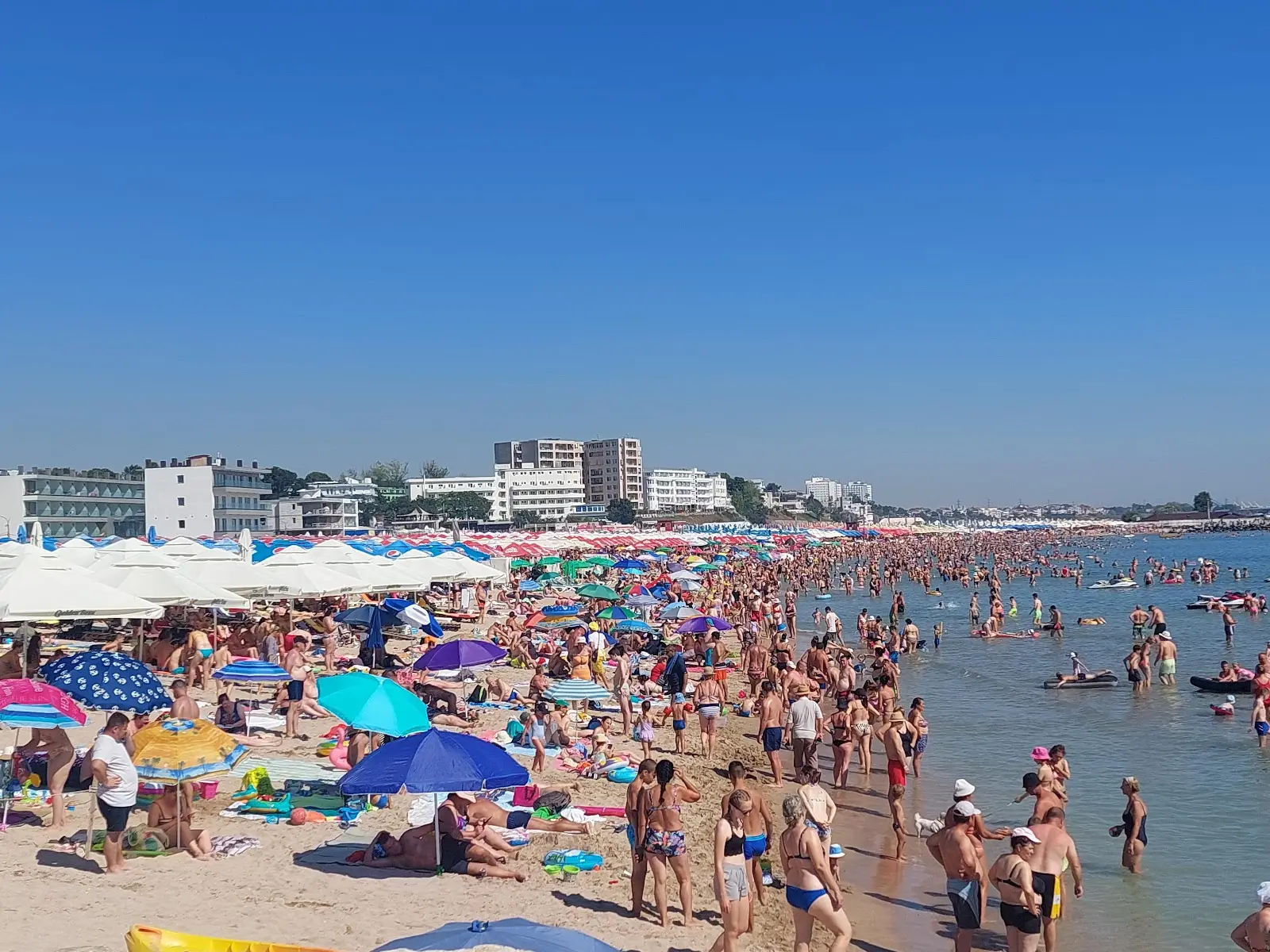
The most popular resort on the coast.
Năvodari
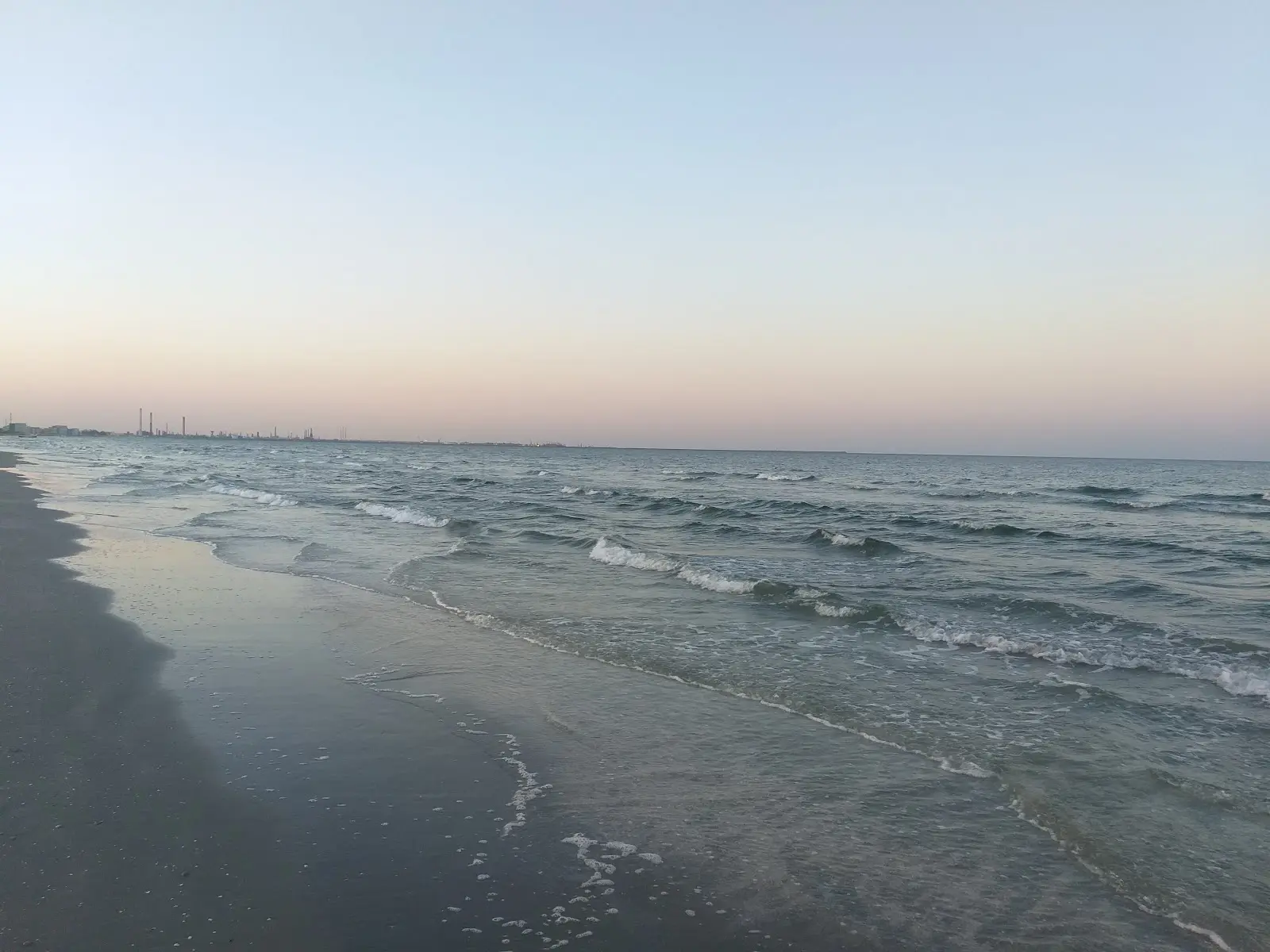
A family resort at the northern end of the coast, with a wide beach and a marina.
Eforie
The mud baths of Techirghiol.
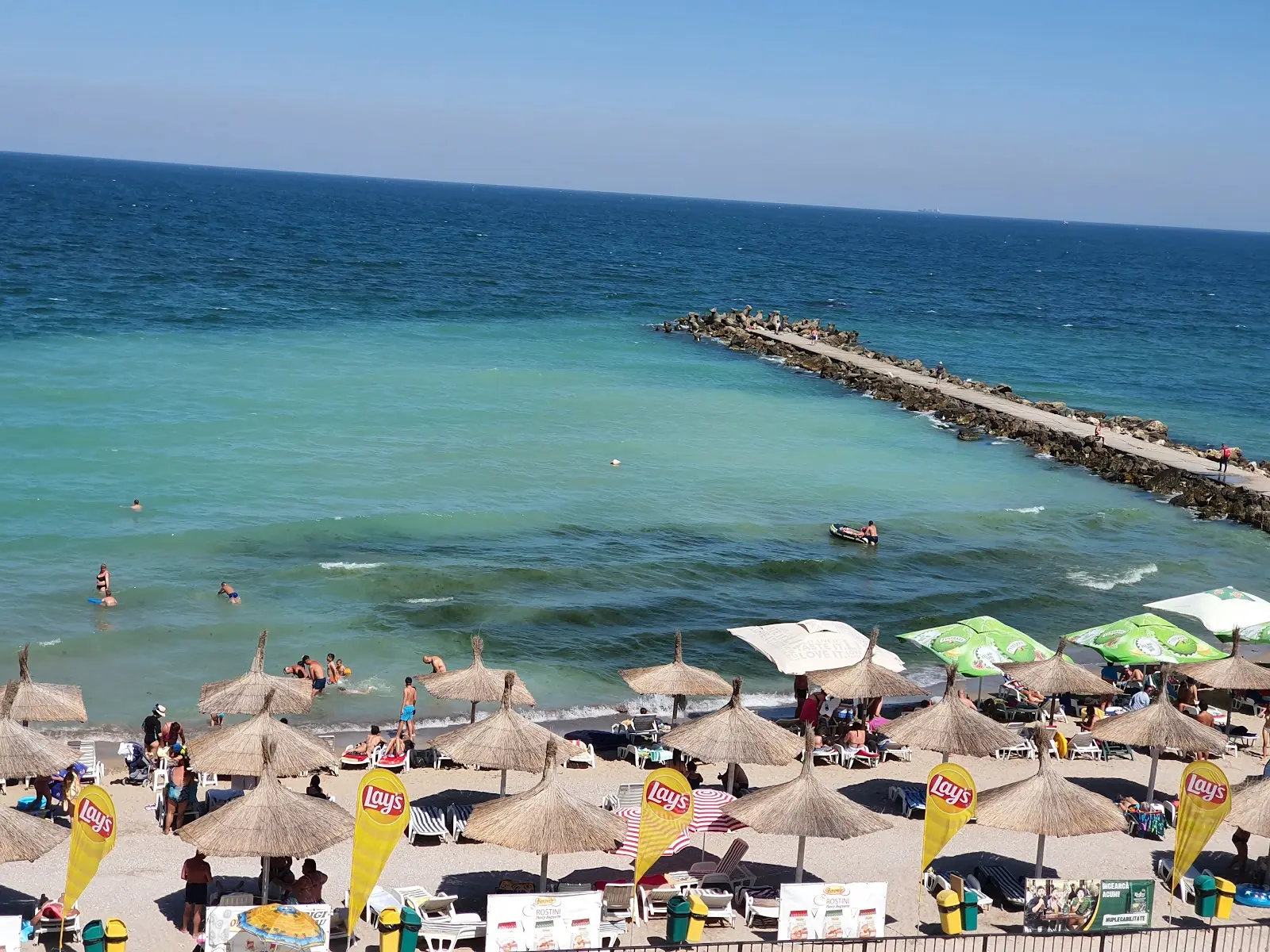
Eforie Sud
A quiet clifftop resort next to the therapeutic Techirghiol lake.
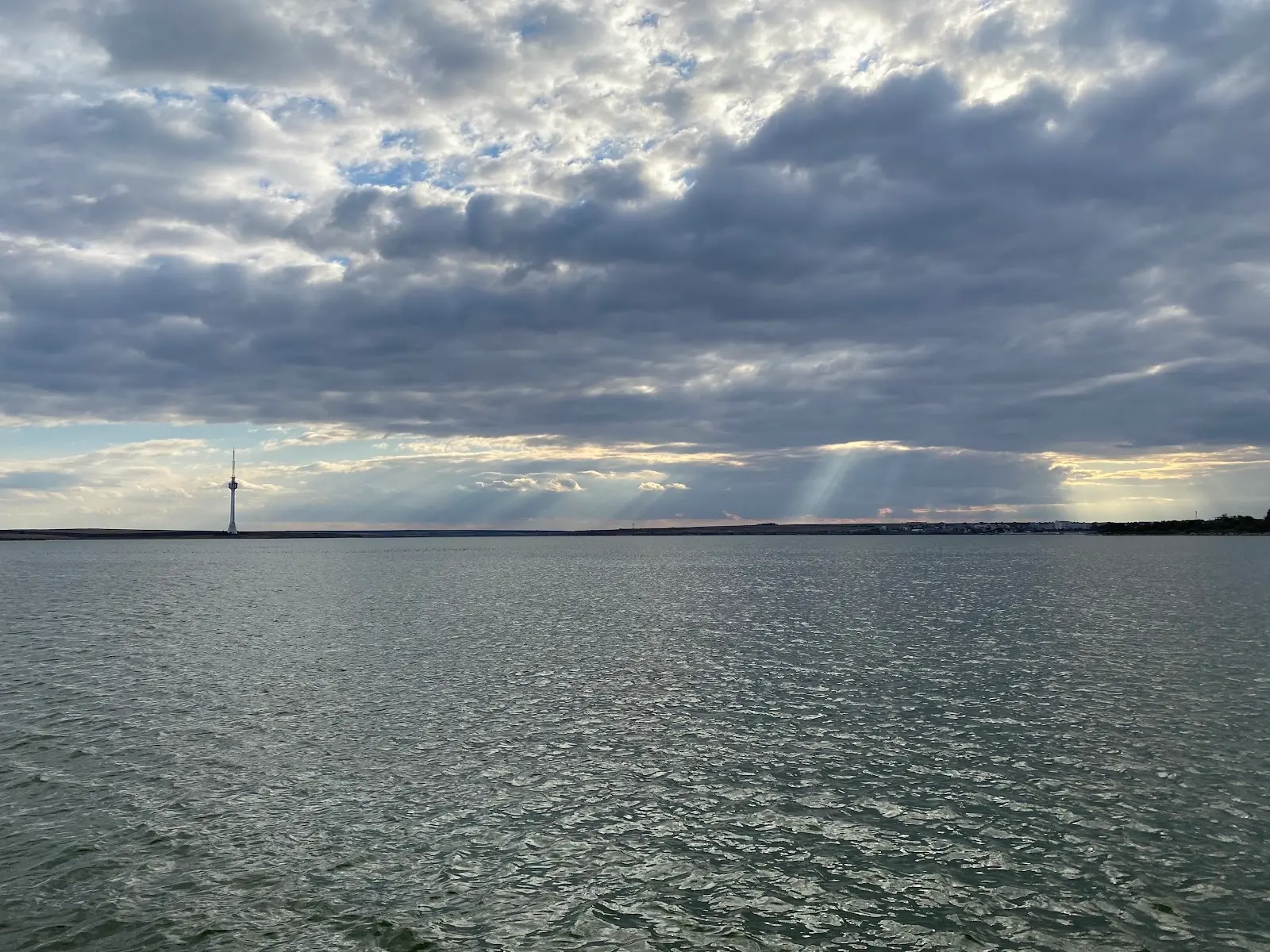
Techirghiol
Famed for its therapeutic lake and sapropelic mud — the heart of the coast spa cures.
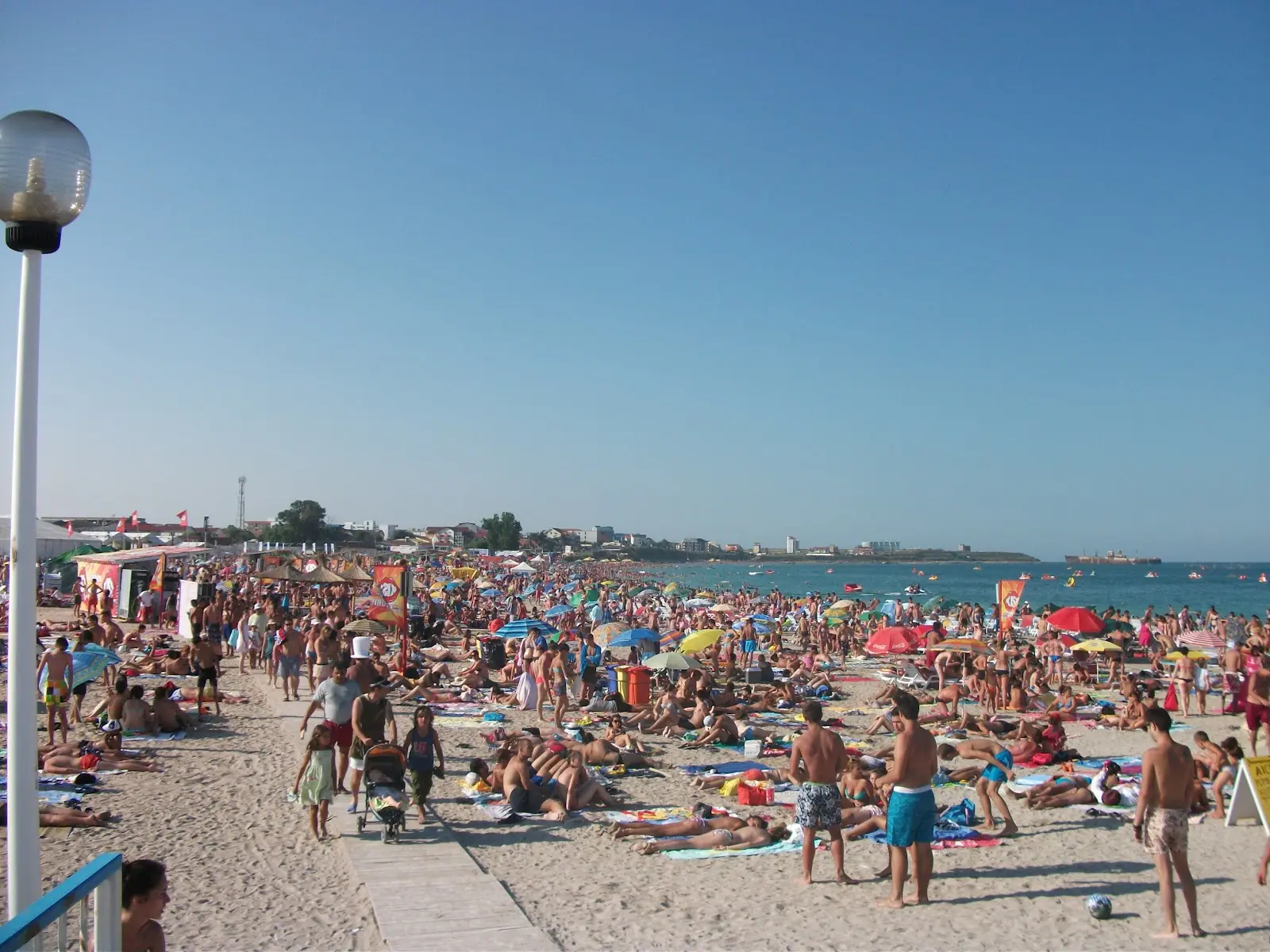
Costinești
The youth resort — a relaxed vibe, fun and the Evangelia shipwreck.
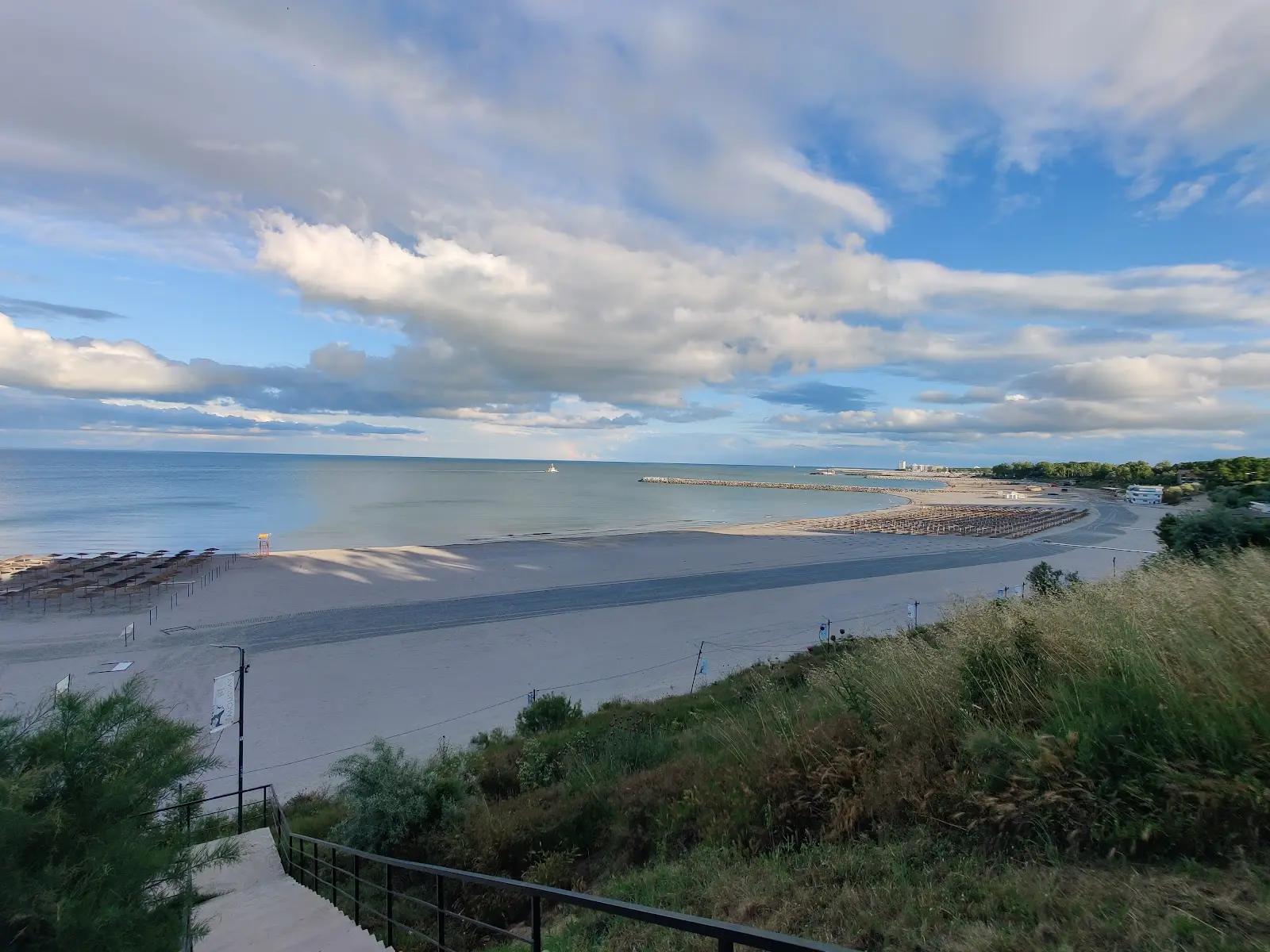
Olimp
The first of the southern resorts, with modern hotels and a serviced beach.
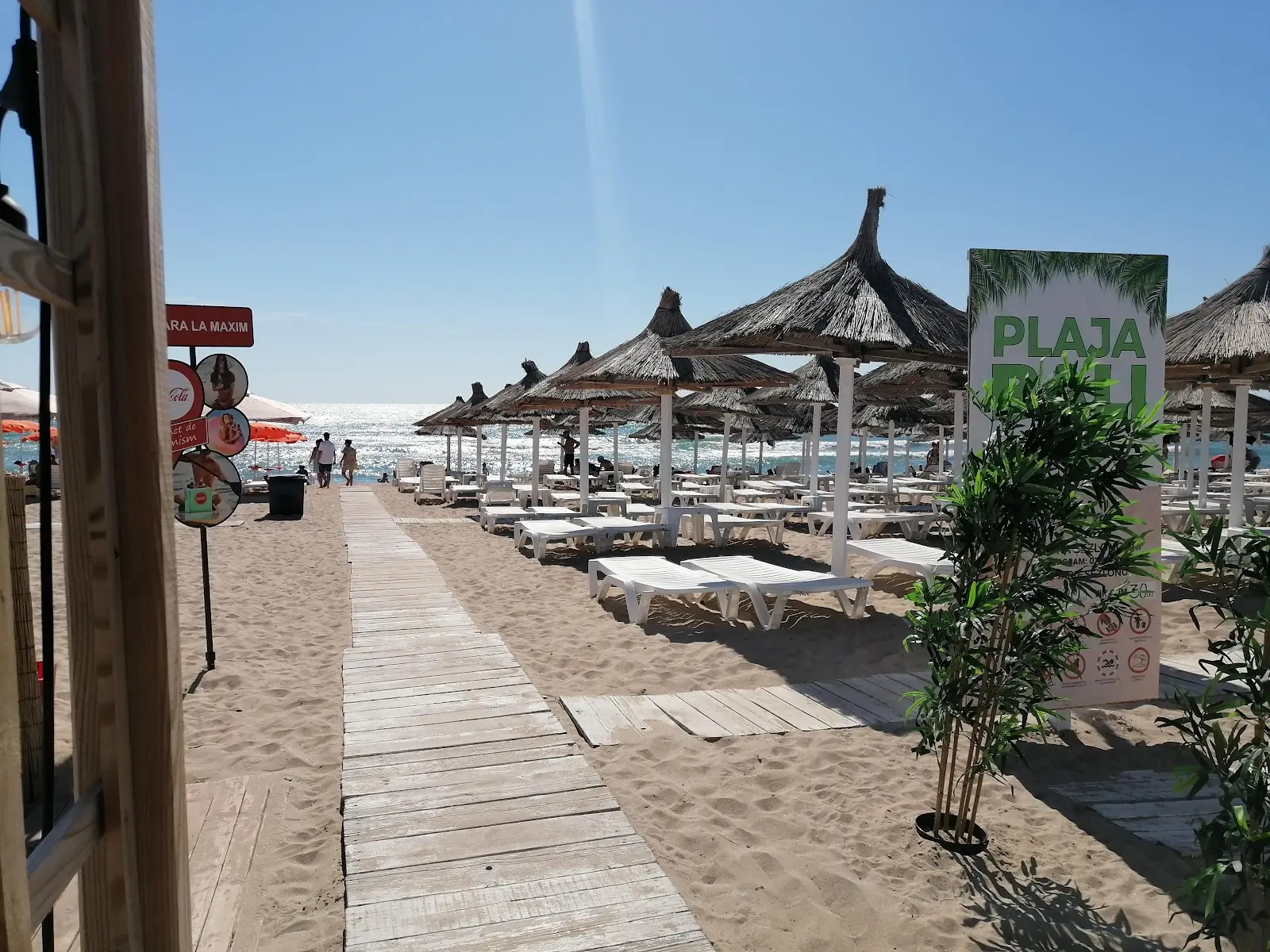
Neptun
The most elegant southern resort — forests, lakes and a select air.
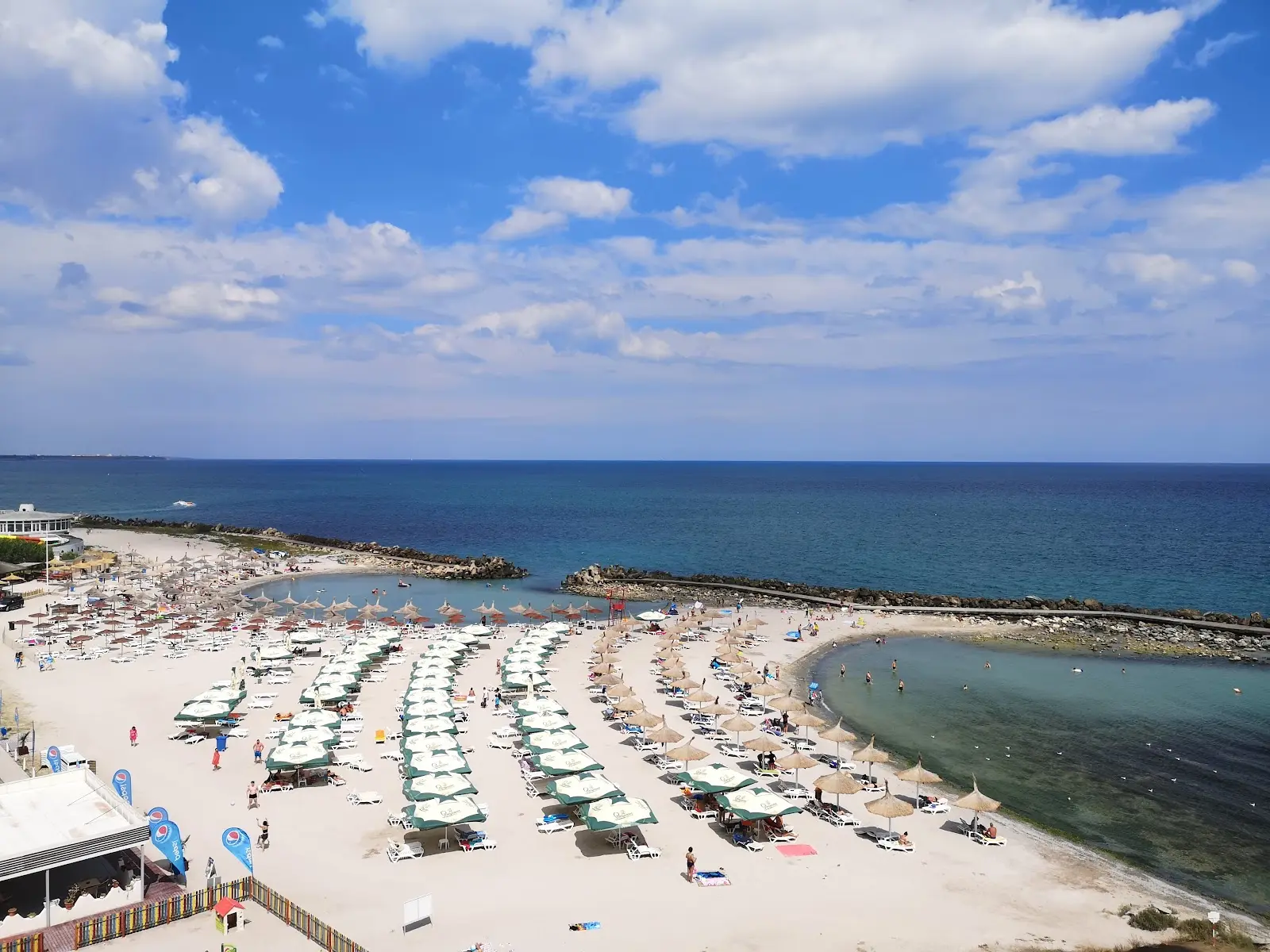
Jupiter
A family resort between forest and lake, with gentle beaches.
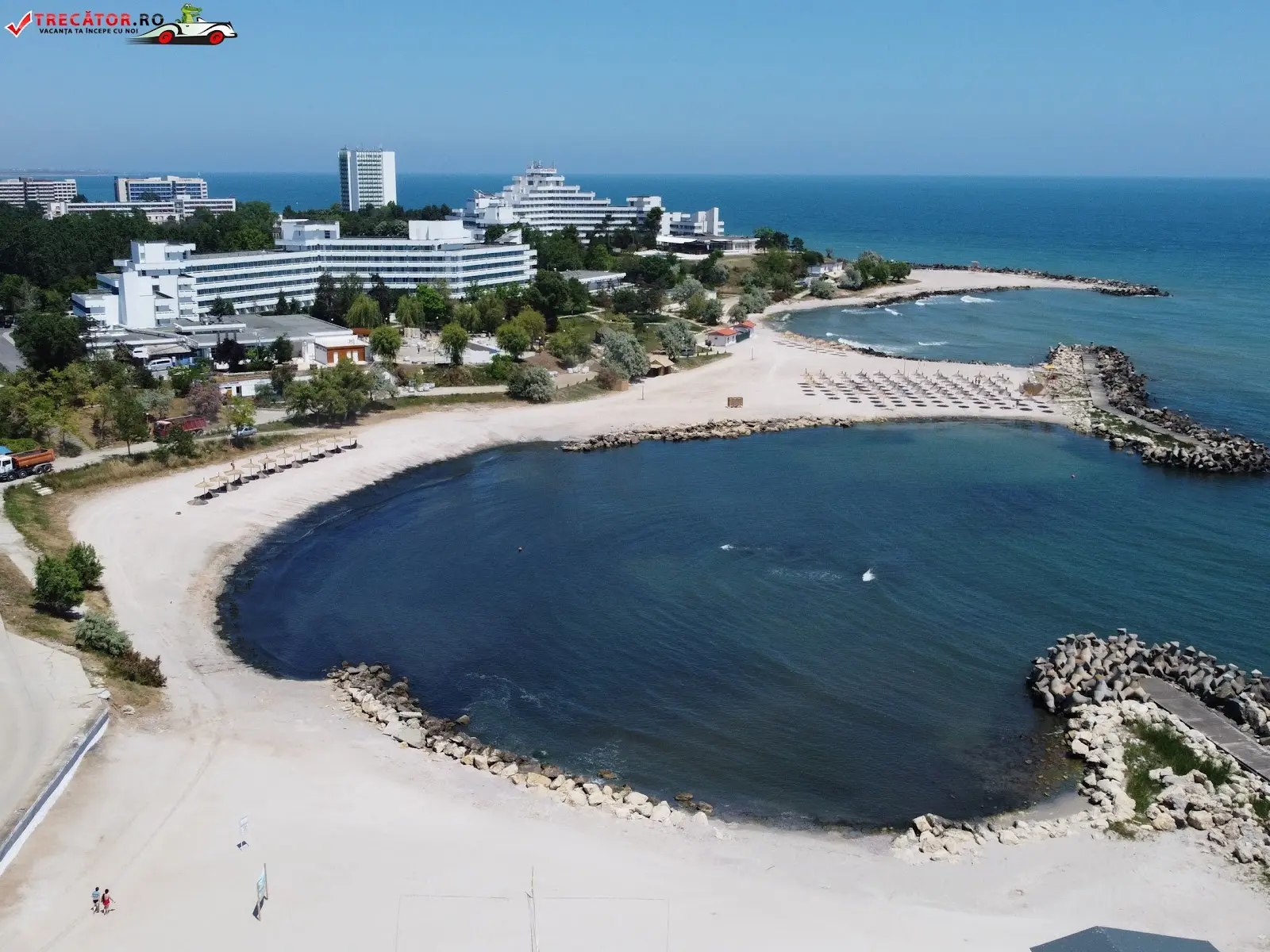
Cap Aurora
The smallest resort, with terraced hotels on a little headland.
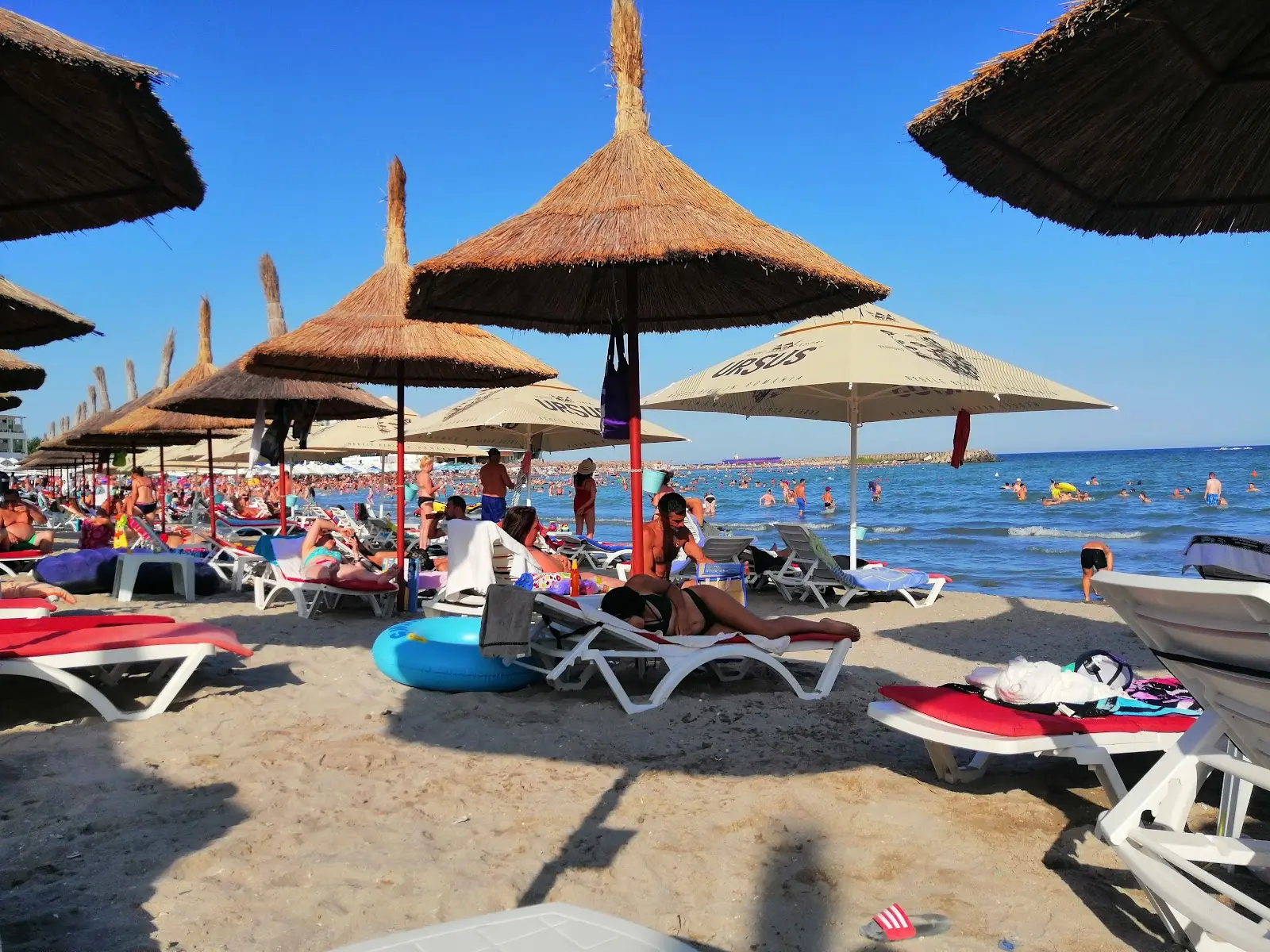
Venus
Young and cheerful, with a lively beach and hotels named after women.
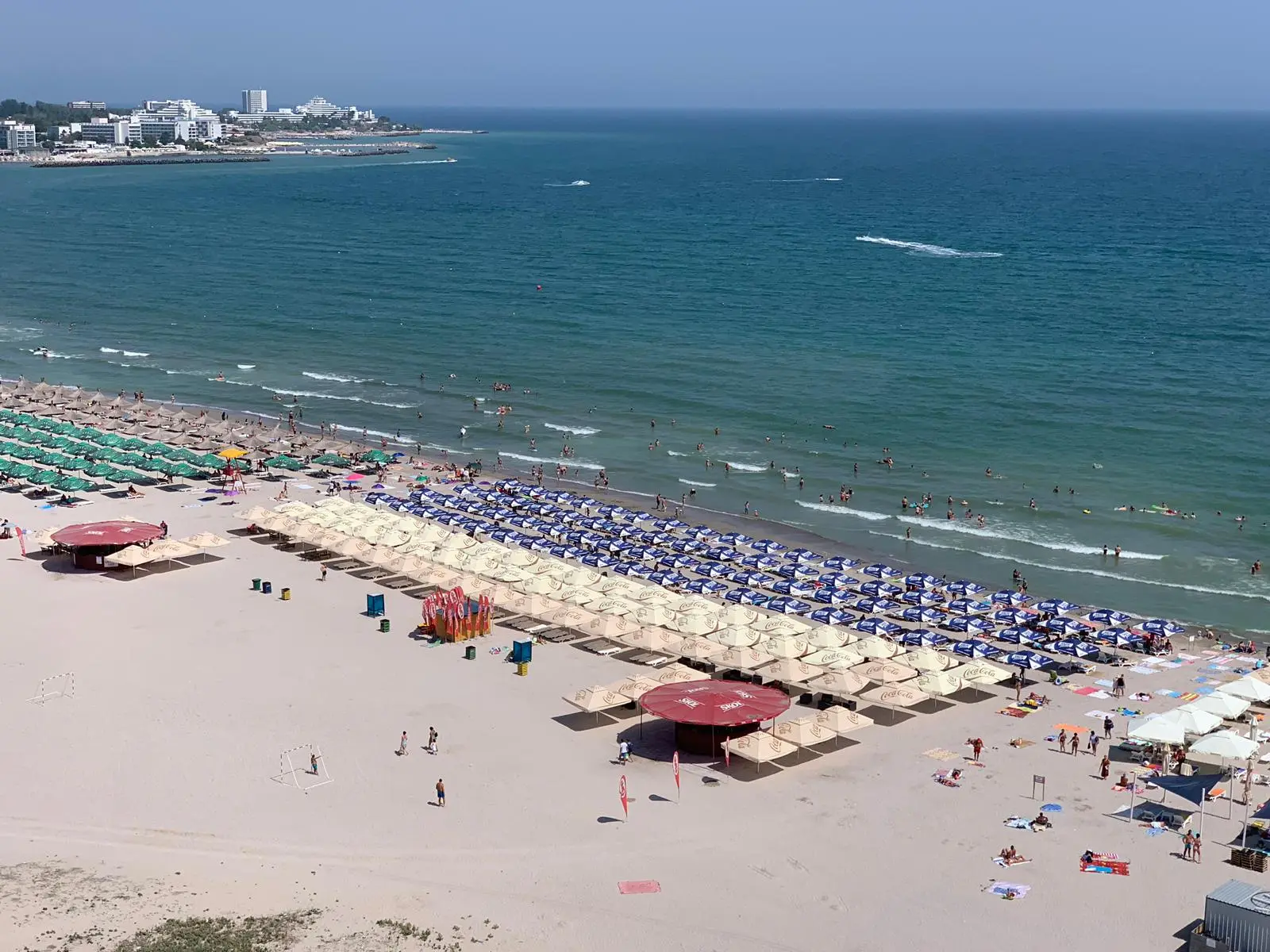
Saturn
The southernmost resort before Mangalia, with a wide beach and campsite.
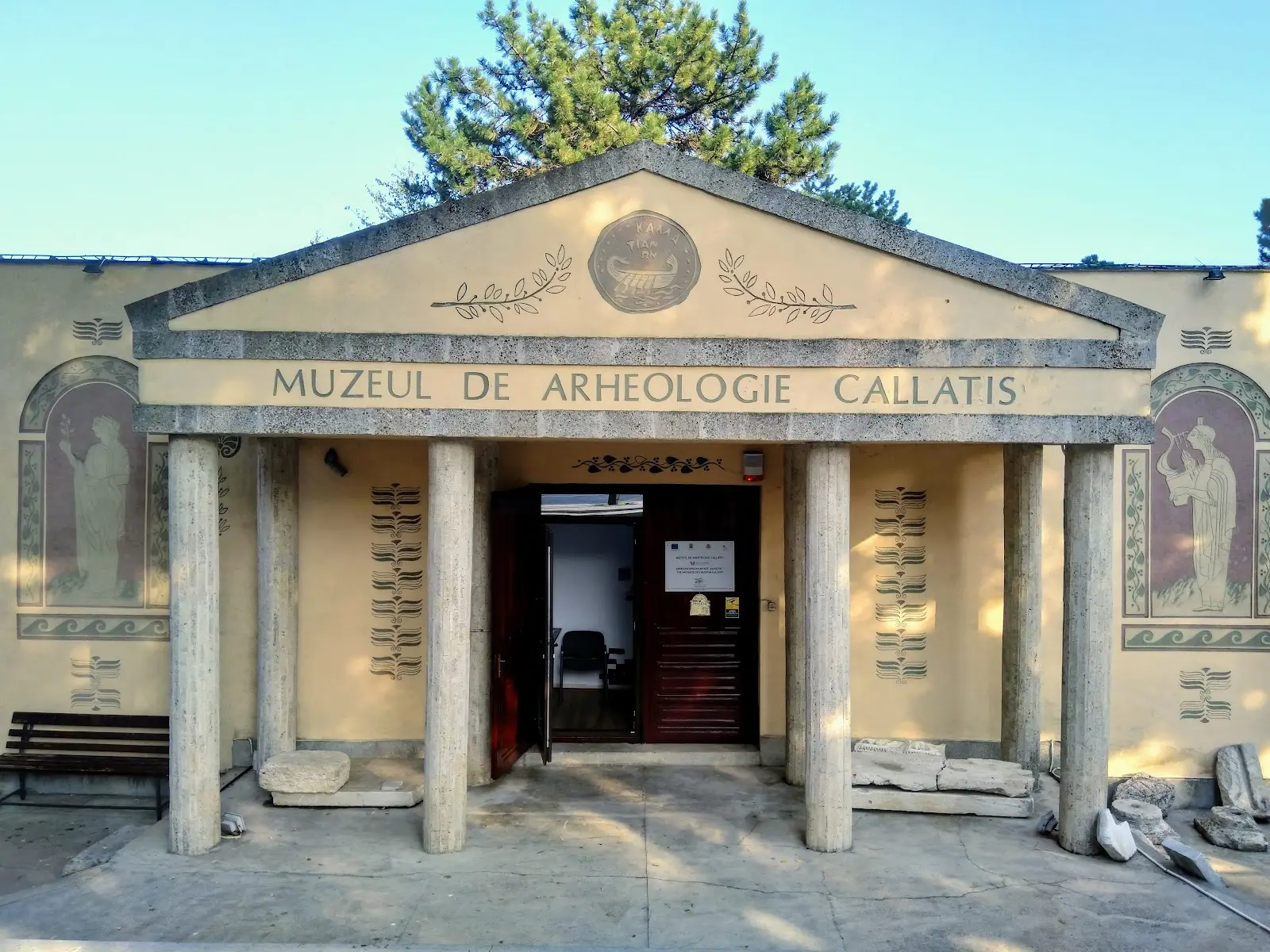
Mangalia
Ancient Callatis and the southern coast.
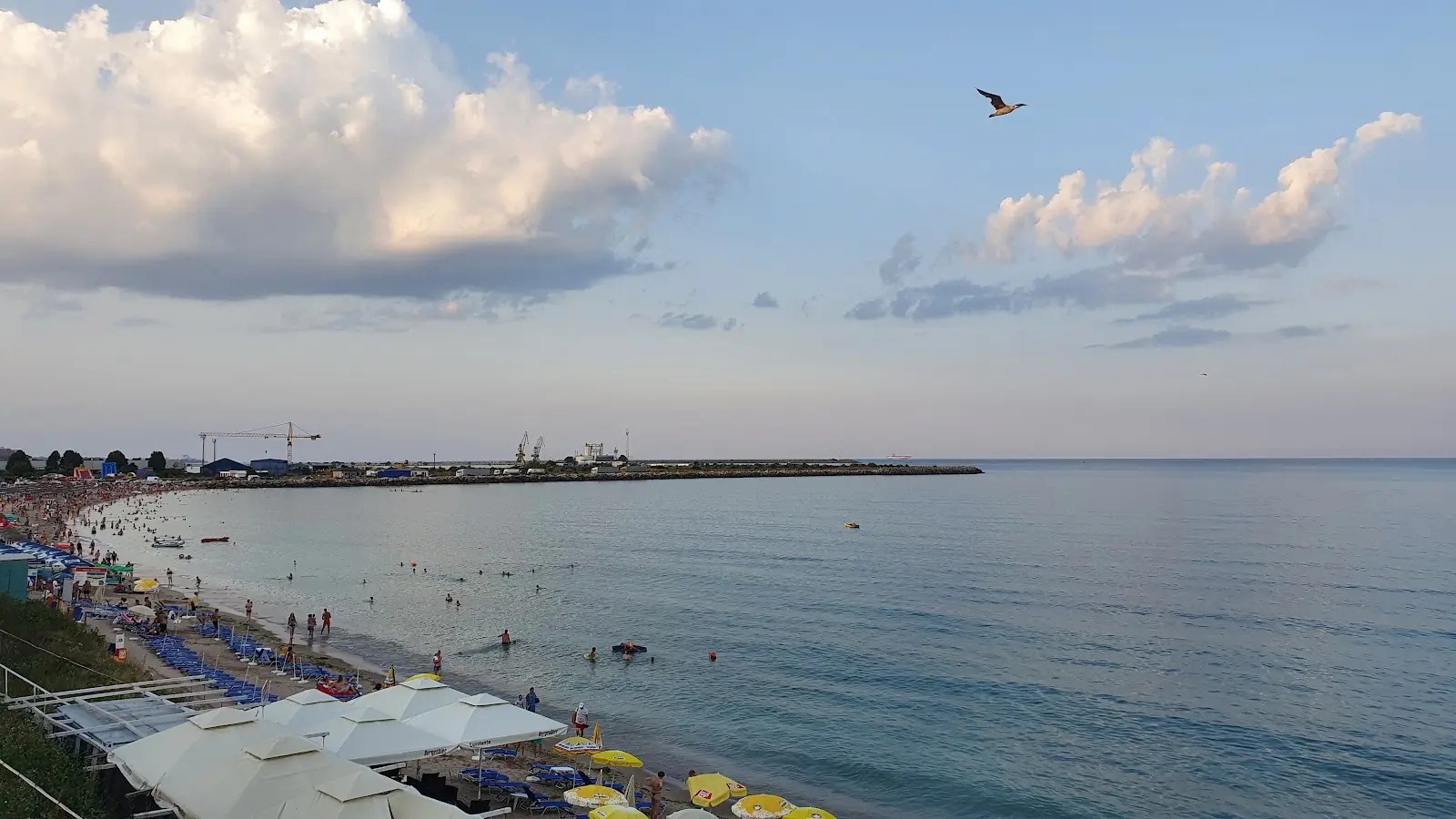
2 Mai
A fishing village turned bohemian refuge — calm and a pace from another world.
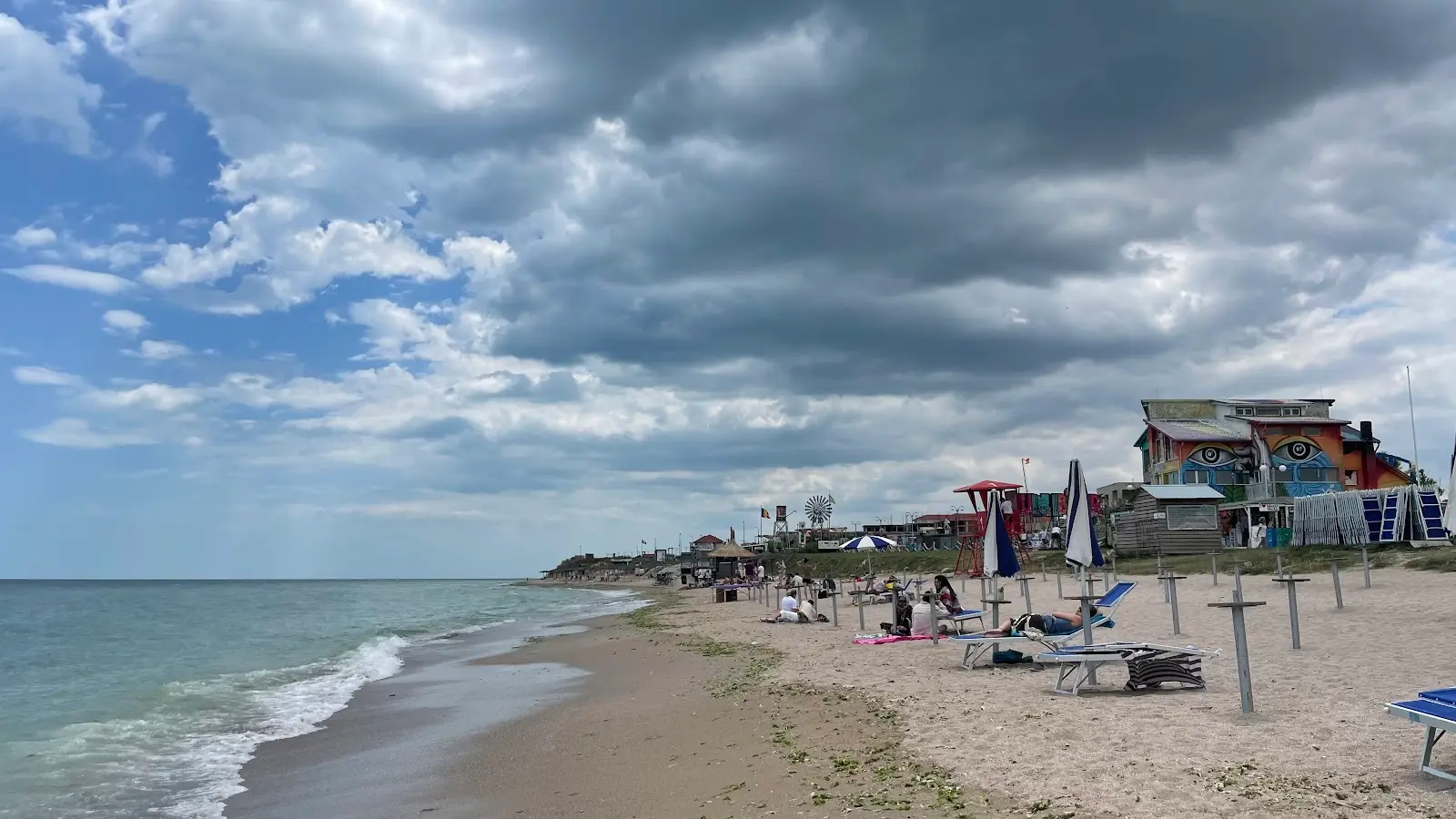
Vama Veche
The bohemian village at the edge of the sea.
Not to miss in Constanța
 Church
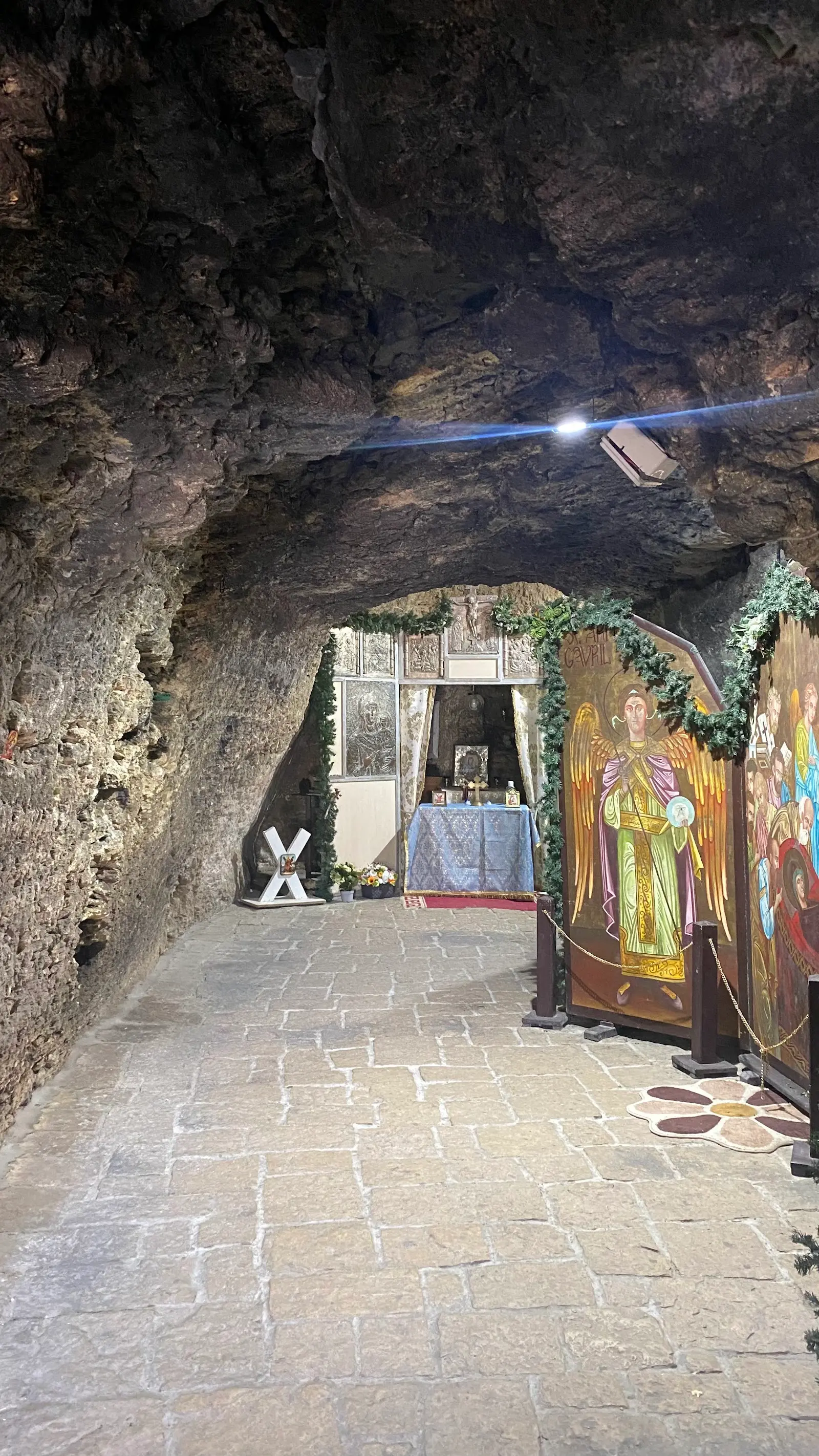
Biserica Rupestră Sfântul Andrei
The Rock Church of St Andrew lies near Eforie, in Dobrogea, and is considered a place linked by tradition to the preaching of Christianity in these lands by the Black Sea. The sanctuary is partly carved into the rock, a modest grotto turned into a place of prayer that preserves an air of simplicity and contemplation. Local tradition connects this place with the Apostle Andrew, regarded as the one who brought the Christian message to the region of ancient Dobrogea, known long ago as Scythia Minor. Over time, the grotto became a pilgrimage destination, and a small monastic complex developed around it. The natural setting, with the vegetation of the Dobrogean plain and the quiet of the place, reinforces the atmosphere of a sanctuary. Practical note: as this is a religious pilgrimage site, decent dress and a respectful attitude are appropriate, and the visit can be combined with the archaeological and spa attractions of the coastal area.
 Landmark
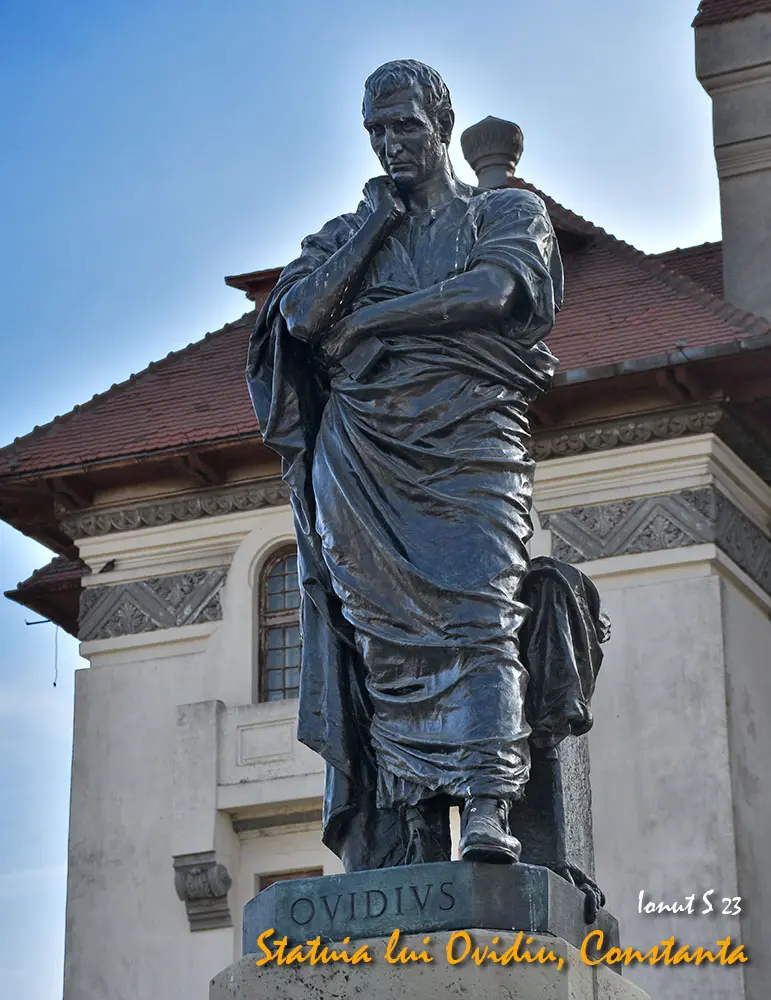
Statuia lui Ovidiu Constanța
The Statue of Ovid in Constanța is one of the best known symbols of this Black Sea city, raised in honour of the great Latin poet Publius Ovidius Naso, who spent the last years of his life in exile at Tomis, the ancient name of Constanța, in the first century of our era. The bronze statue, the work of an Italian sculptor and unveiled at the end of the nineteenth century, depicts the poet in a meditative pose, hand to his chest, evoking the nostalgia and suffering of exile far from Rome. The monument stands in the square that bears his name, in the heart of the old town, near the imposing building of the National History and Archaeology Museum, forming an urban ensemble of great historical weight. The square is a meeting point and a landmark for visitors discovering old Tomis, a city with Greek and Roman roots. The Statue of Ovid symbolically ties Constanța to its ancient and literary heritage and is an essential stop on the tourist routes.
 Winery
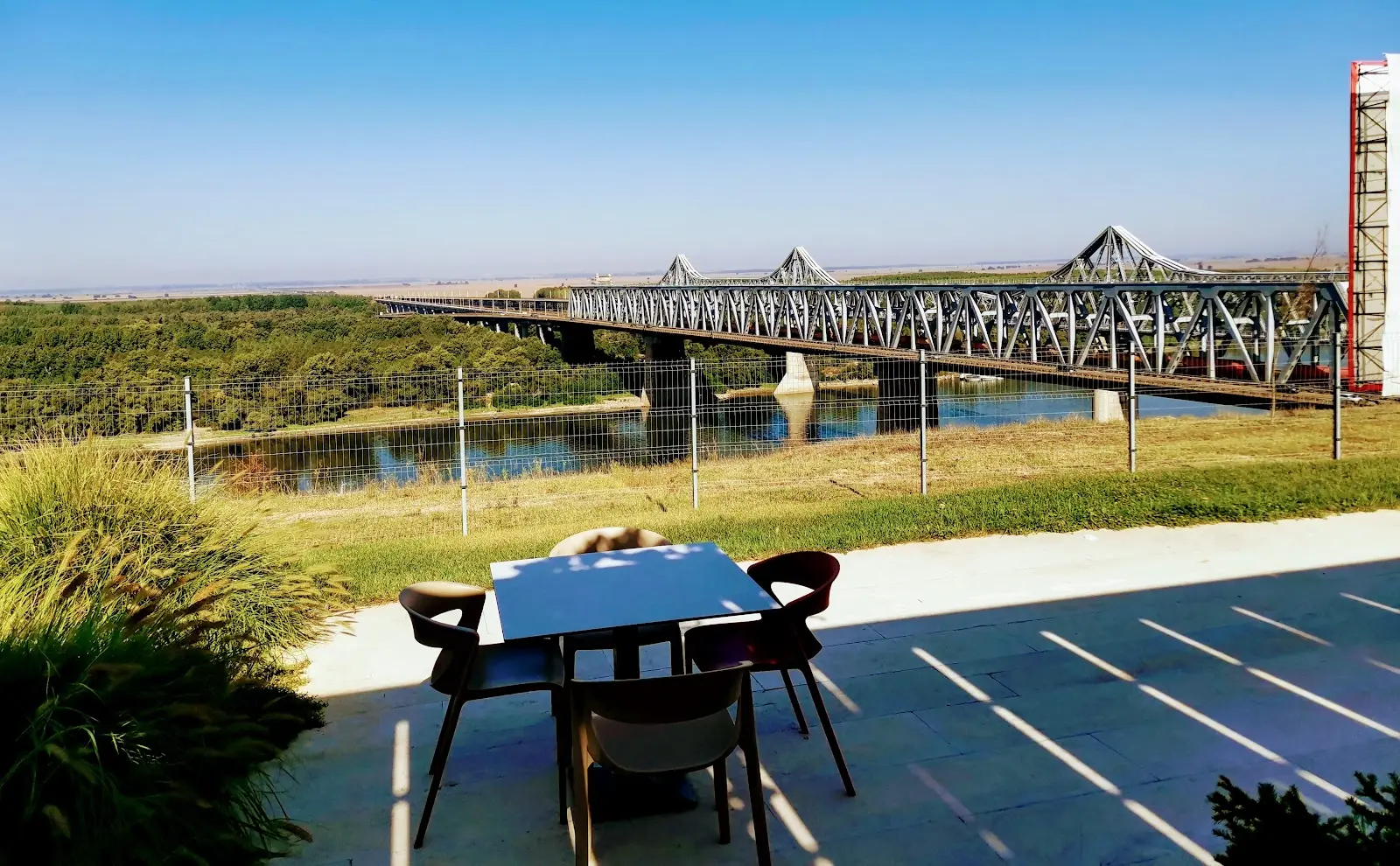
Crama Rasova
Crama Rasova stretches over the terraces above the Danube, in Dobruja, in a landscape where the river and the mild climate shape the wine. It's a modern winery with its own vines on the Danube's bank, working both international grapes — Chardonnay, Cabernet, Merlot — and native ones, in ranges such as Baba Novac and Ovidiu, named after the history of the place. The wines are clean, balanced and have steadily won medals at competitions. The unusual setting, with the vines descending toward the water, makes a tasting here an experience with a view as much as one about taste. The estate welcomes visitors for tours and tastings and pairs easily with a day in Constanța or a route through Dobruja, between ancient citadels and cave monasteries.
 Monastery
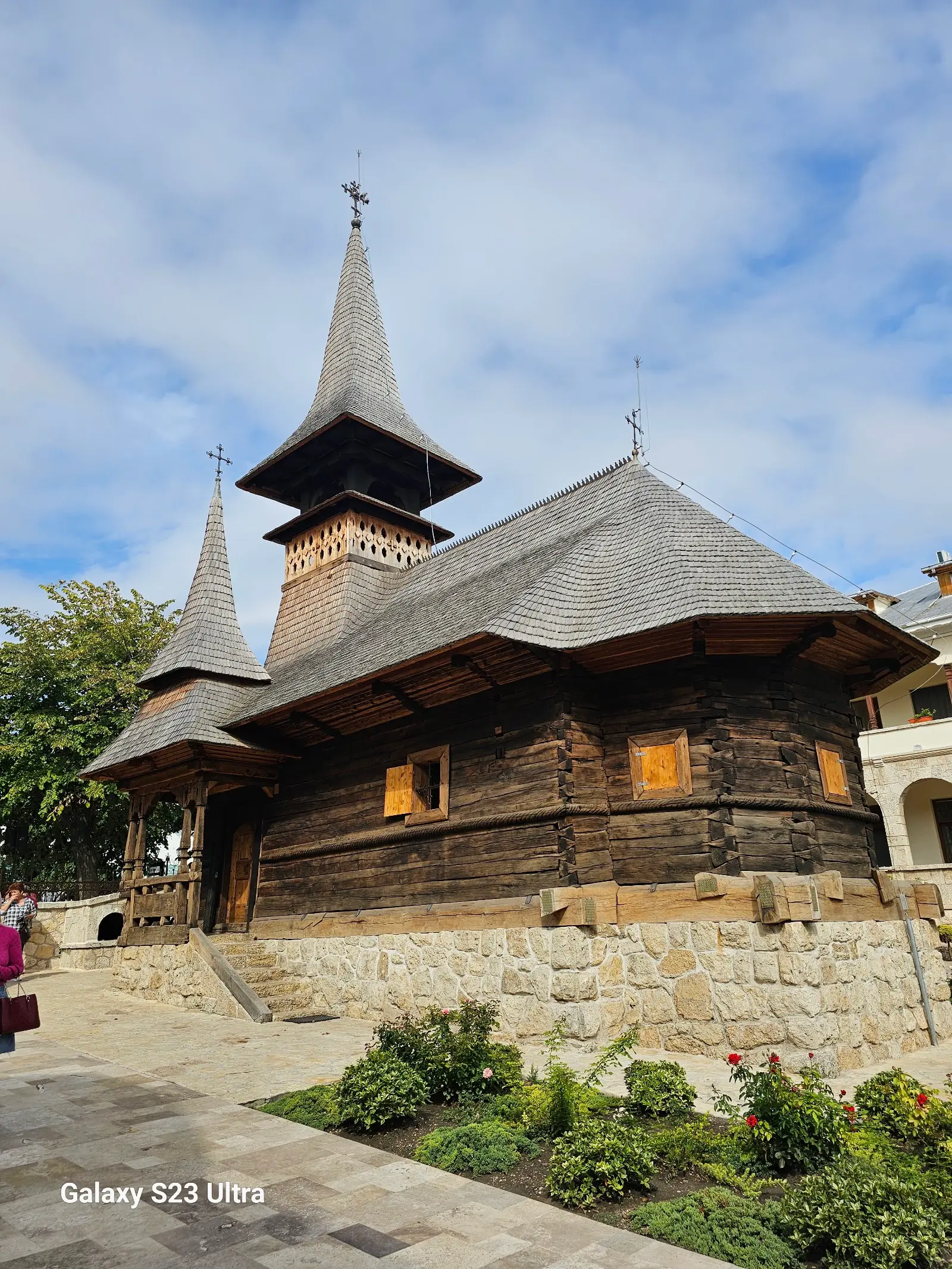
Mănăstirea Techirghiol Sfânta Maria
Saint Mary Monastery of Techirghiol is a monastic settlement set on the shore of Lake Techirghiol, near the resort of Eforie in Constanta county. The monastery arose as a social and spiritual establishment, linked to the renowned therapeutic properties of the mud and salt water of Lake Techirghiol, long known for their beneficial effects. Over time, the monastic community developed a guest house and care facilities here, combining a life of prayer with hospitality towards pilgrims and those coming for treatment. The church and buildings of the monastery are surrounded by a peaceful setting, with a view towards the lake. The establishment is a spiritual landmark on the Dobrogea coast and a fitting stop for those seeking quiet away from the crowded beaches, in a landscape marked by the calm water of the lake and the long spa tradition of the area.
 Museum
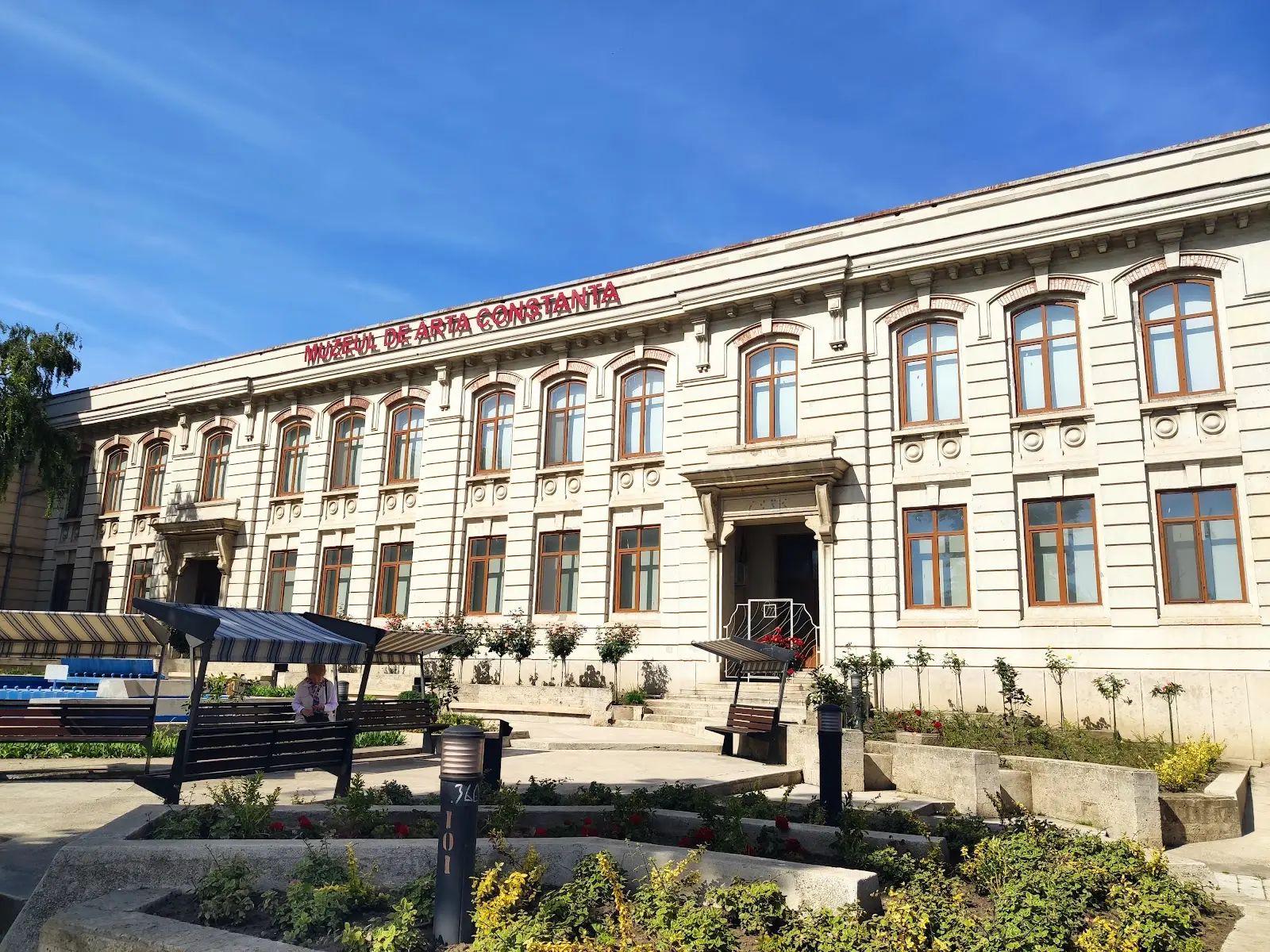
Muzeul de Artă Constanța
The Art Museum of Constanța is the coast's most important art institution, a gallery that houses a representative collection of Romanian painting, sculpture and graphics, with an emphasis on the works of artists linked to Dobruja and the seascape. In its halls one can admire works by masters of modern and contemporary Romanian art, portraits, landscapes, marines and compositions that capture the light and atmosphere characteristic of the land between the Danube and the sea. The museum organises temporary exhibitions, cultural events and educational programmes, and is a landmark of artistic life in Constanța, a port city with a long cosmopolitan tradition inherited from ancient Tomis. Through its collections and activity, the museum enriches the cultural offering of a resort known above all for its beaches and ancient remains. Practical note: combine the visit with the discovery of Constanța's historic peninsula, with the National History and Archaeology Museum and the famous Casino on the seafront.
 Church
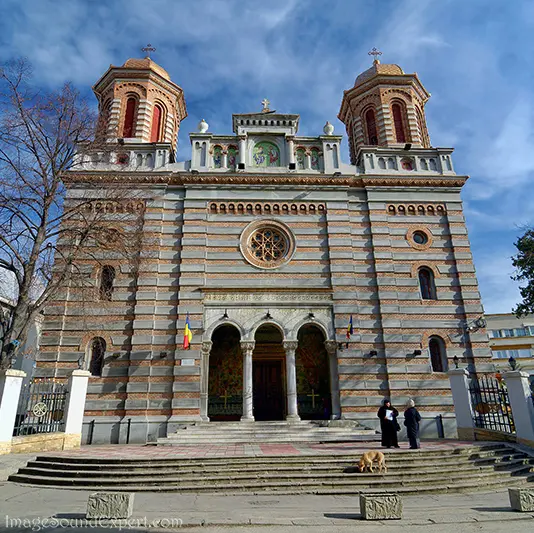
Catedrala Sfinții Apostoli Petru și Pavel
The Cathedral of the Holy Apostles Peter and Paul is the main Orthodox church of Constanța and a landmark of the city on the Black Sea coast. Raised at the end of the nineteenth century, shortly after Dobruja returned to the Romanian state, the cathedral was conceived as a symbol of faith and national belonging in this multicultural province. The building, in a Byzantine style with Romanian influences, stands out for its balanced proportions, its elegant spires, and its interior painting made by Romanian artists. The church was severely damaged during the Second World War and later rebuilt, yet it kept its original character. Near the historic area of the city, the cathedral can easily be included in a tour of the old centre and the seaside promenade. Visitors can admire the architecture and the wall painting. It is best to respect the services and the quiet of the church during the visit.
 Monastery
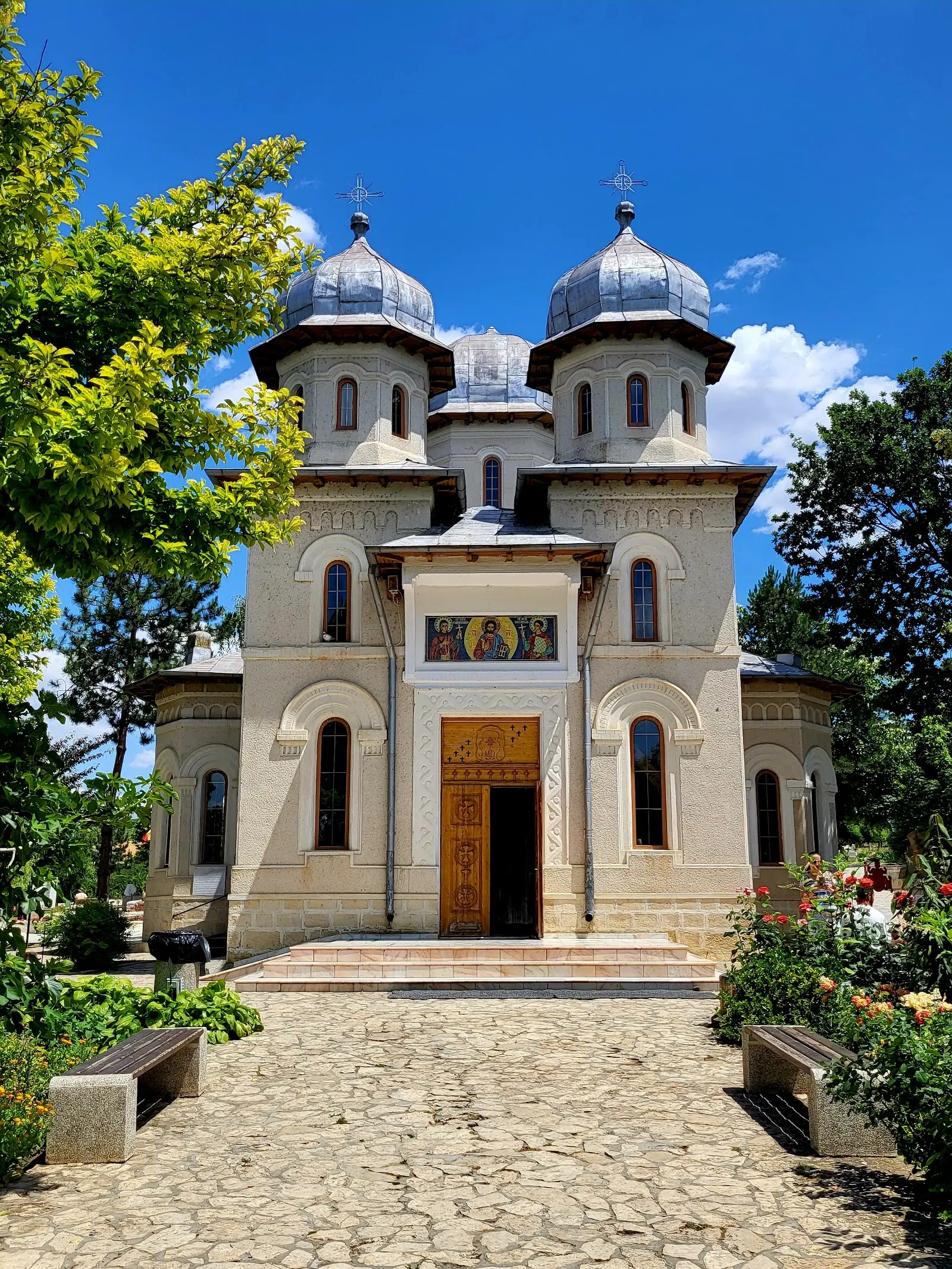
Mănăstirea Dervent
Dervent Monastery is an important place of pilgrimage in Dobrogea, set near the Danube in Constanta county, not far from the border with Bulgaria. The settlement is known above all for its stone crosses regarded as miracle-working, which local tradition says appeared in the early Christian centuries, linked to martyrs from the time of the persecutions. The faithful come here for prayer and for the spring of healing water within the grounds. The monastery was rebuilt in the twentieth century and remains a landmark of spirituality in the southern part of Dobrogea, a region with a very ancient Christian history. The peaceful setting, the closeness to the great river and the atmosphere of contemplation make Dervent a fitting stop for pilgrims and for tourists exploring the villages and landscapes of the southern province between the Danube and the Black Sea.
 Landmark
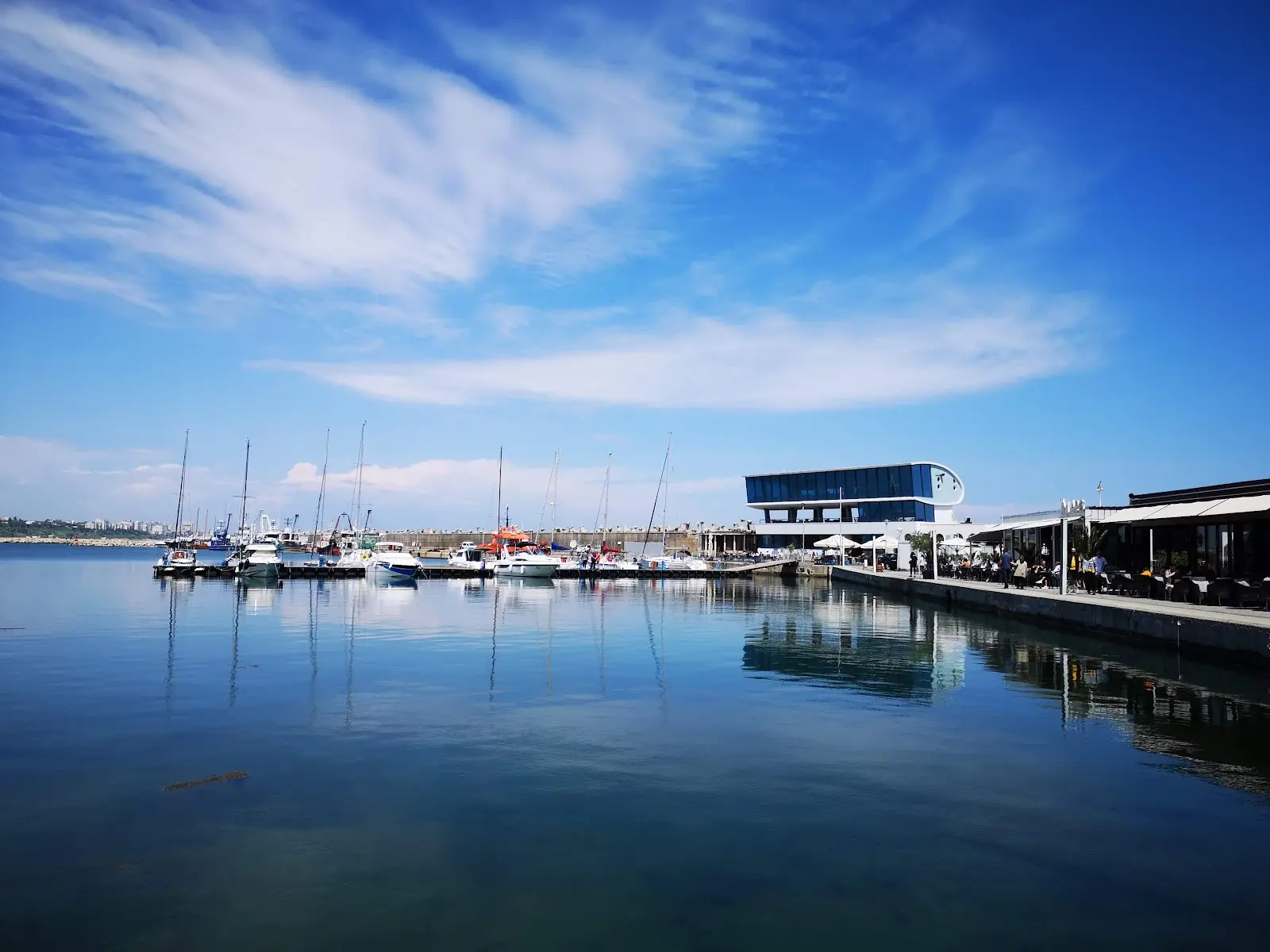
Portul Tomis
The Tomis tourist harbour in Constanța is the city's most pleasant stretch of promenade, a modern marina laid out right below the historic seafront, in the area of the ancient citadel of Tomis. Here pleasure boats and yachts rock beside wide quays lined with terraces, seafood restaurants and cafés overlooking the Black Sea. The place blends the charm of a resort with the millennia-old history of a city founded by Greek colonists, where the poet Ovid was exiled. From the nearby seafront, views open toward the sea, the emblematic Casino and the horizon. The harbour is the starting point for boat rides and short cruises along the coast. It is ideal at sunset, with warm light reflected in the water. It is freely accessible; check the schedule of pleasure trips and boat services.
 Viewpoint
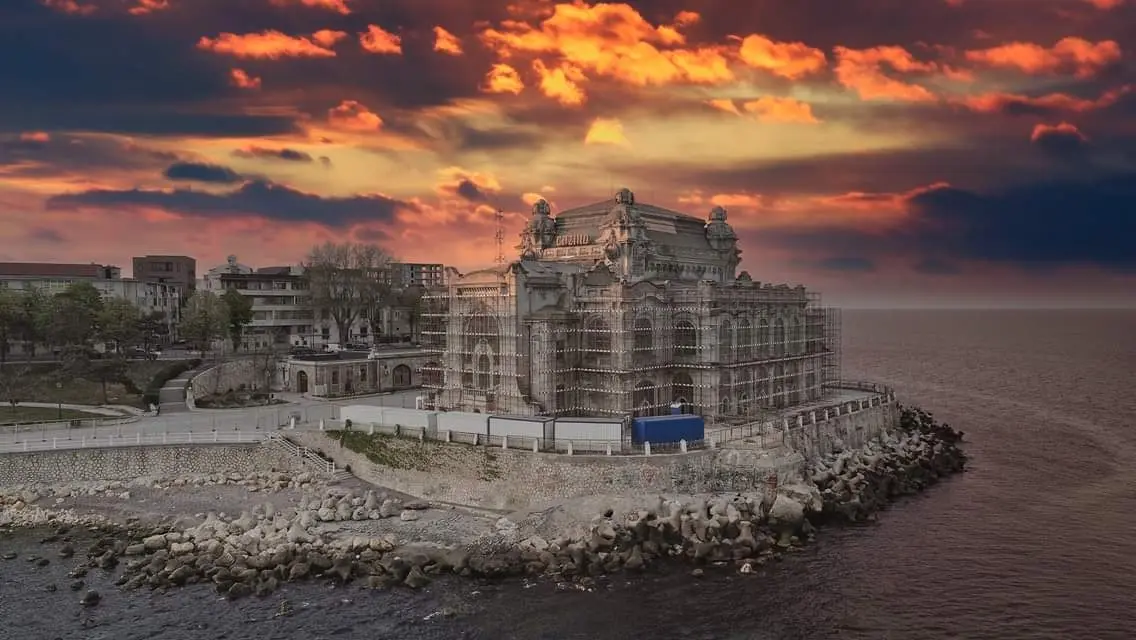
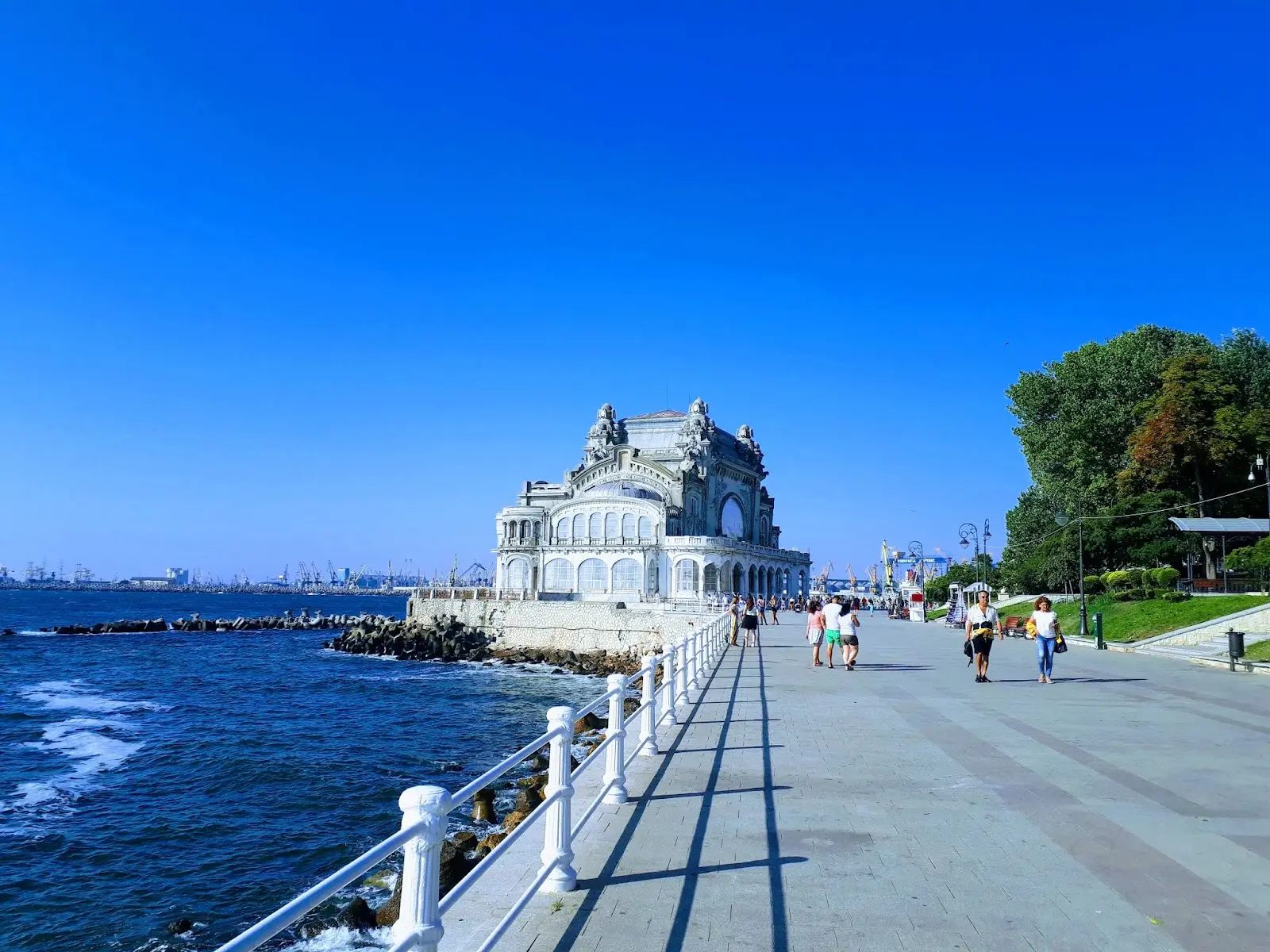
Faleza Cazino Constanța
The Casino seafront in Constanța is the city's most spectacular vantage point, a high promenade above the Black Sea, dominated by the emblematic silhouette of the Casino. Here waves break against the stone seafront, and the view opens wide toward the sea horizon and the harbour in the distance. The Casino, an Art Nouveau masterpiece built in the early 20th century, with its round windows like portholes and shell-shaped ornaments, was restored and returned to the city after years of decay, becoming once more the pride of its people. The seafront is the favourite place to stroll at sunrise and sunset, with benches, lamps and a particular romantic air. Nearby are the tourist harbour and the old centre. It is ideal for photographs and for feeling the pulse of the city at the water's edge. It is freely accessible; check the access schedule to the restored Casino.
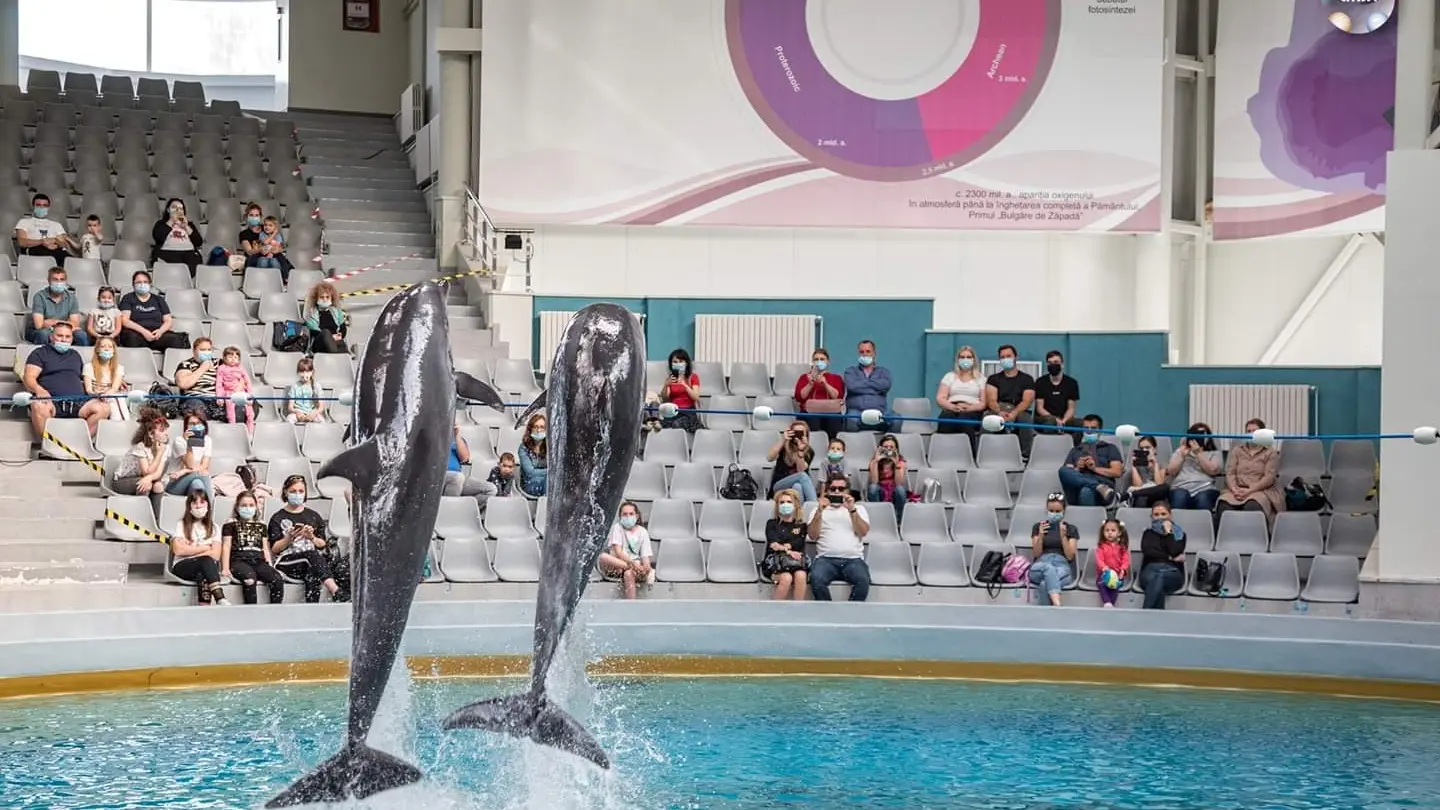
NatureDelfinariul Constanța
The Constanța Dolphinarium, opened in the 1970s, is the first dolphinarium in Romania and a family favourite on the Black Sea coast. Set within the complex that also houses the Planetarium, the Micro-reserve and the Aquarium, it offers dolphin shows and educational programmes devoted to marine life. Over the decades the institution has undergone extensive modernisation, placing ever greater emphasis on its educational role and on raising awareness of protecting aquatic ecosystems. Children are fascinated by the large pool and the encounter with marine mammals, while adults appreciate the scientific context provided through exhibits. Close to the seafront promenade and the beach, it fits easily into a seaside holiday day. As a venue with shows at fixed times, check the performance schedule and any closing days before your visit.
 Landmark
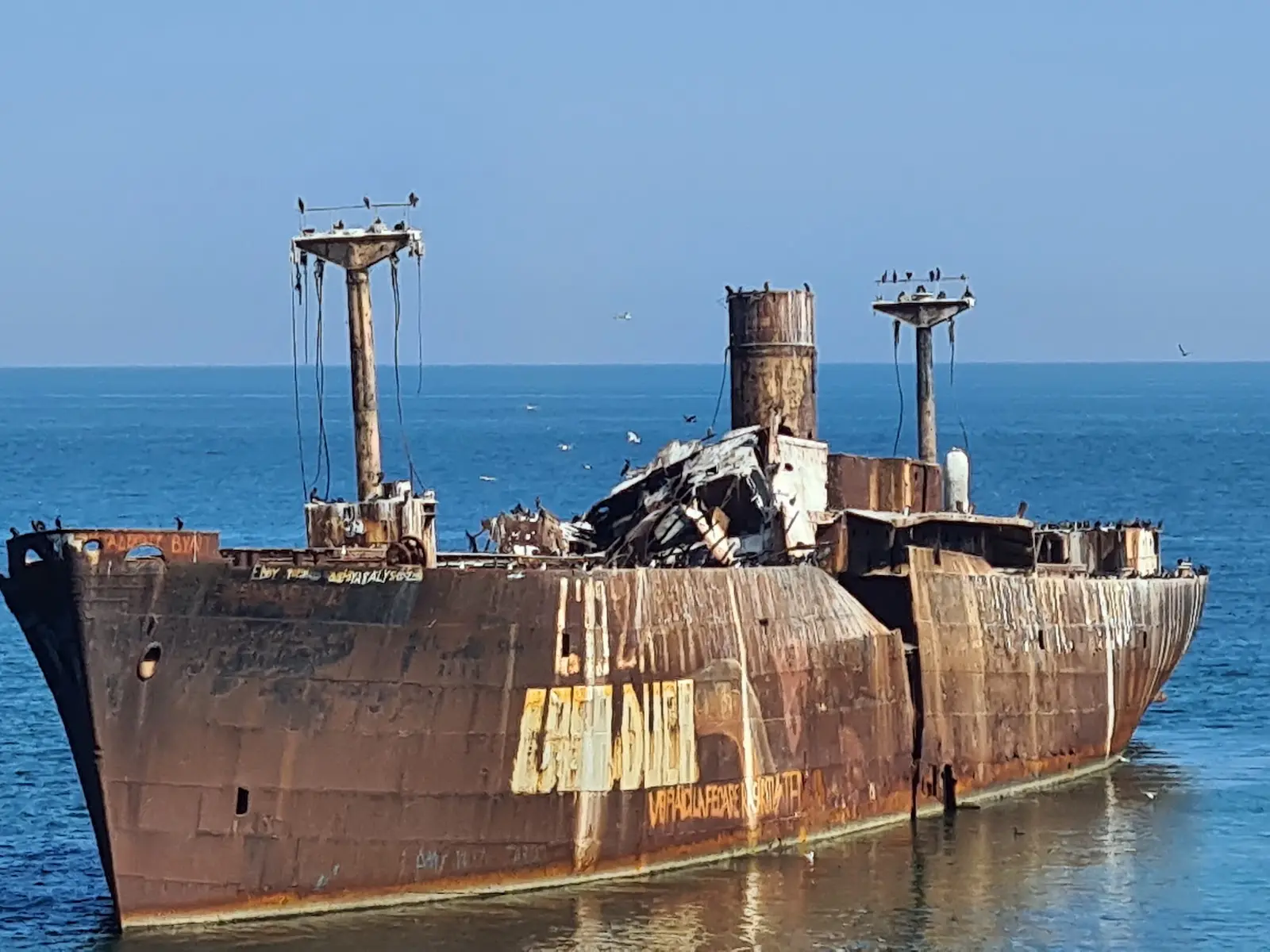
Epava Evanghelia
 Museum
Muzeul Marinei Române
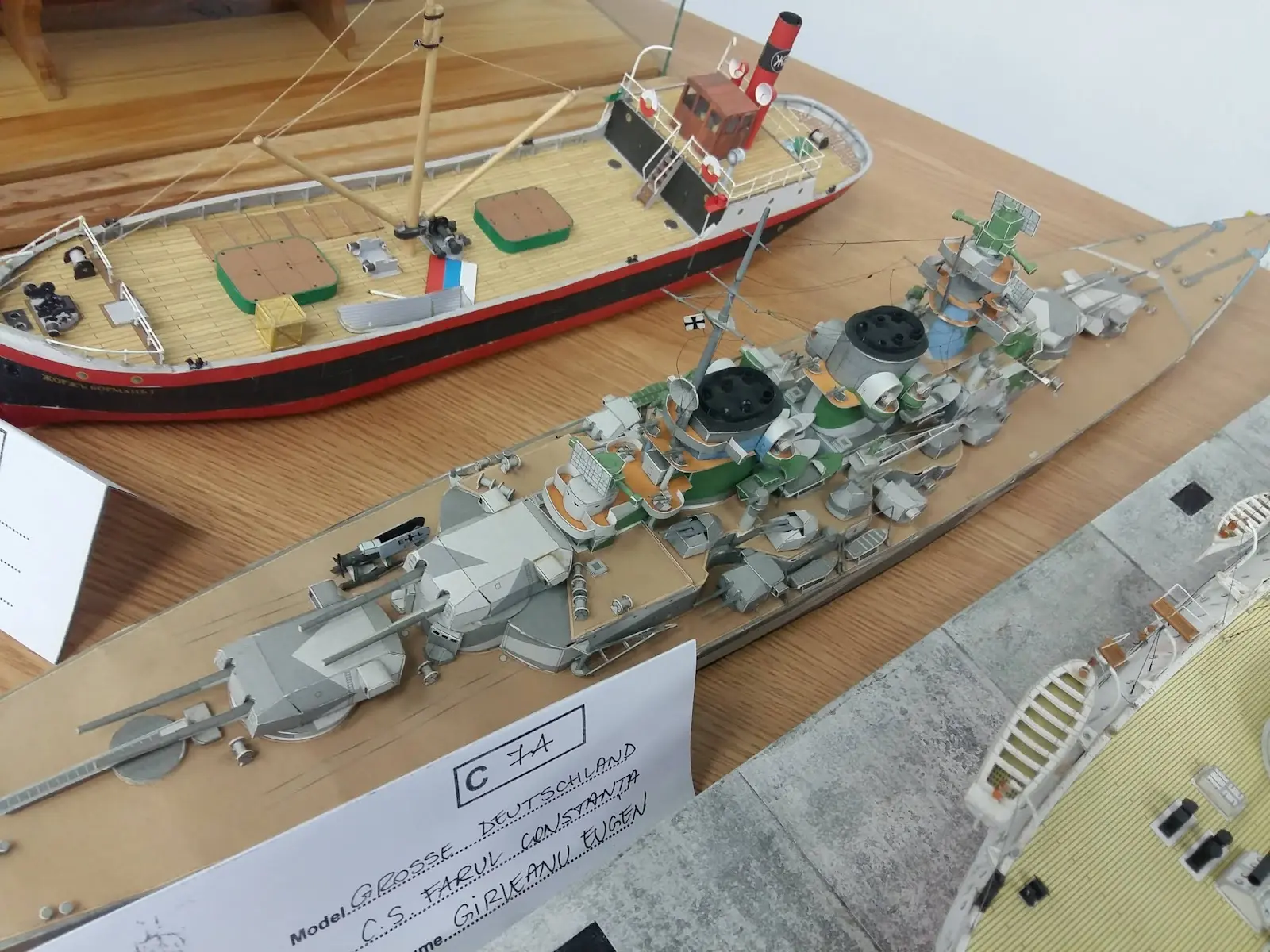
The Romanian Naval Museum in Constanța presents the history of navigation and Romania's maritime power, from the old vessels used on the Danube and the Black Sea to the modern military fleet. Housed in a historic building near the port, the museum comprises many rooms with ship models, navigation instruments, weapons, uniforms, flags, and documents that illustrate the development of the military and commercial navy. Important moments are evoked, such as the naval battles on the Danube during the world wars and the role of Romanian ports in international trade. In the museum courtyard are displayed cannons, anchors, torpedoes, and other large pieces. The collection offers a broad picture of the link between Romania and water, a dimension of national history that is often less known. Visitors keen on military and naval history will find many exhibits here. It is advisable to allow enough time to go through all the rooms.
Plan your trip
Stay, tour and get there
Stays nearby
Stays in Constanța
Experiences
Tours & activities
Guided tours, day trips and hand-picked experiences via GetYourGuide — free cancellation on most.
See all experiencesGetting to Romania
Flights, transfer & car
Fly into Romania
Compare fares to Bucharest Otopeni (OTP) and regional airports — Cluj, Sibiu, Iași, Timișoara.
Airport transfer
Private, fixed-price door-to-door transfer — driver waiting from the moment you land.
Rent a car — see the real Romania
A rental car is the key to Romania: the Transfăgărășan, the painted monasteries of Bucovina, mountain roads and the villages of Maramureș that no train reaches.
Find a carKeep exploring