
Dobruja
Mangalia
Ancient Callatis and the southern coast.
Mangalia is the southernmost town on Romania's Black Sea coast, in Constanța County, a port with a history of more than two and a half millennia. Founded by Greek colonists under the name of Callatis, the settlement preserves remarkable ancient remains, among them the ruins of the citadel, a papyrus tomb unique in the world and a rich archaeological collection held in the local museum, which evokes the Greek, Roman and Byzantine ages. The modern town blends this ancient heritage with a vocation as a spa resort: sulphurous springs and therapeutic mud are used in treatments, and the broad, less crowded beaches draw seekers of quiet.
The Esmahan Sultan Mosque, raised in the sixteenth century, is one of the oldest in Romania and bears witness to Dobruja's Ottoman past. Nearby lie the southern coastal resorts — Saturn, Venus, Jupiter, Neptun — and Lake Mangalia, a protected area. The atmosphere is more settled and patriarchal than in the noisy resorts to the north.
Dobrujan cooking stands out for fish, mussels, brine-poached fish and dishes with Turkish and Tatar influences. Mangalia is reached by the DN39 road and the railway from Constanța. It is worth visiting for the ancient remains of Callatis, its quiet beaches and its rare blend of history and balneotherapy.
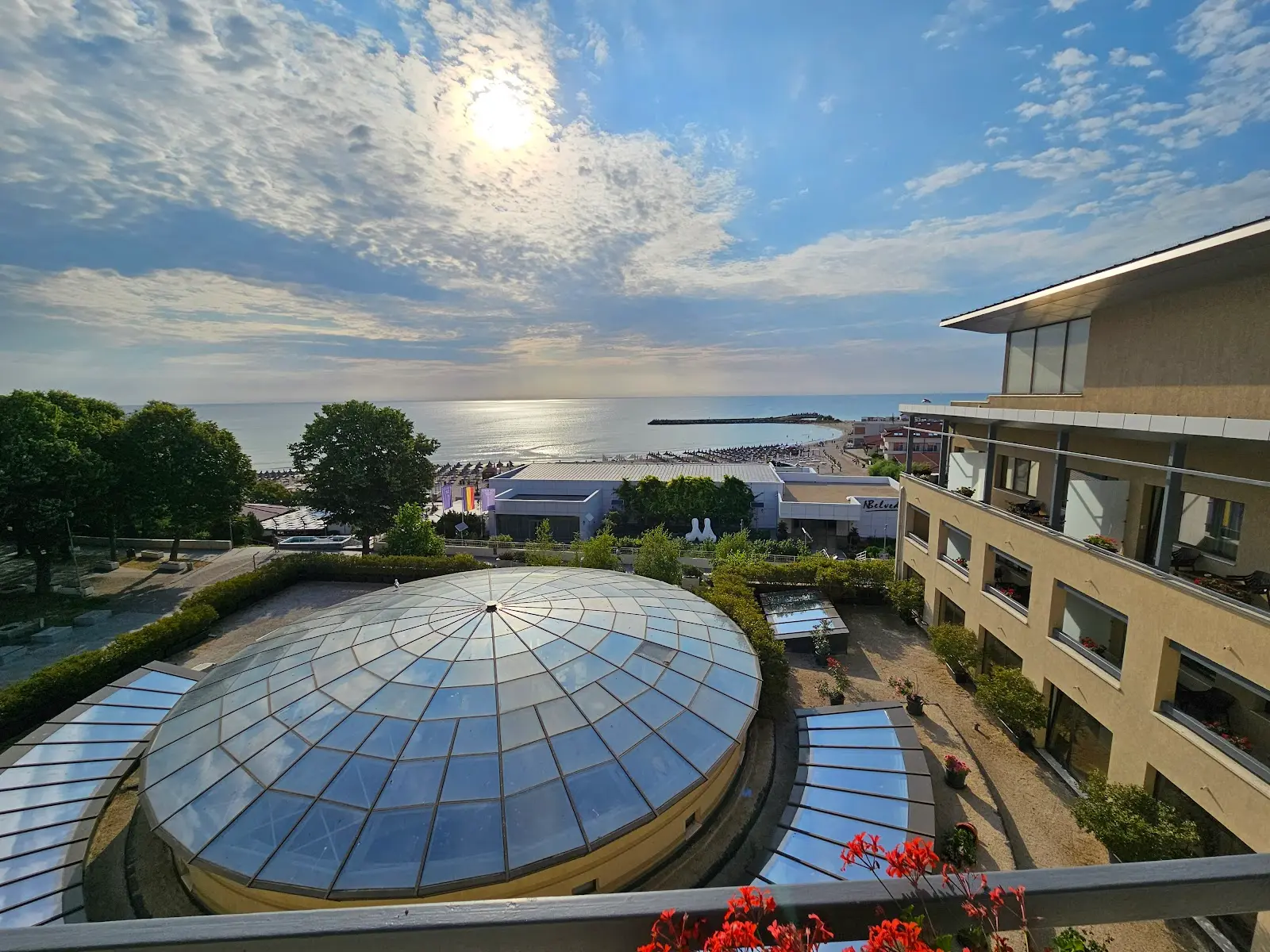
Where to stay
All stays →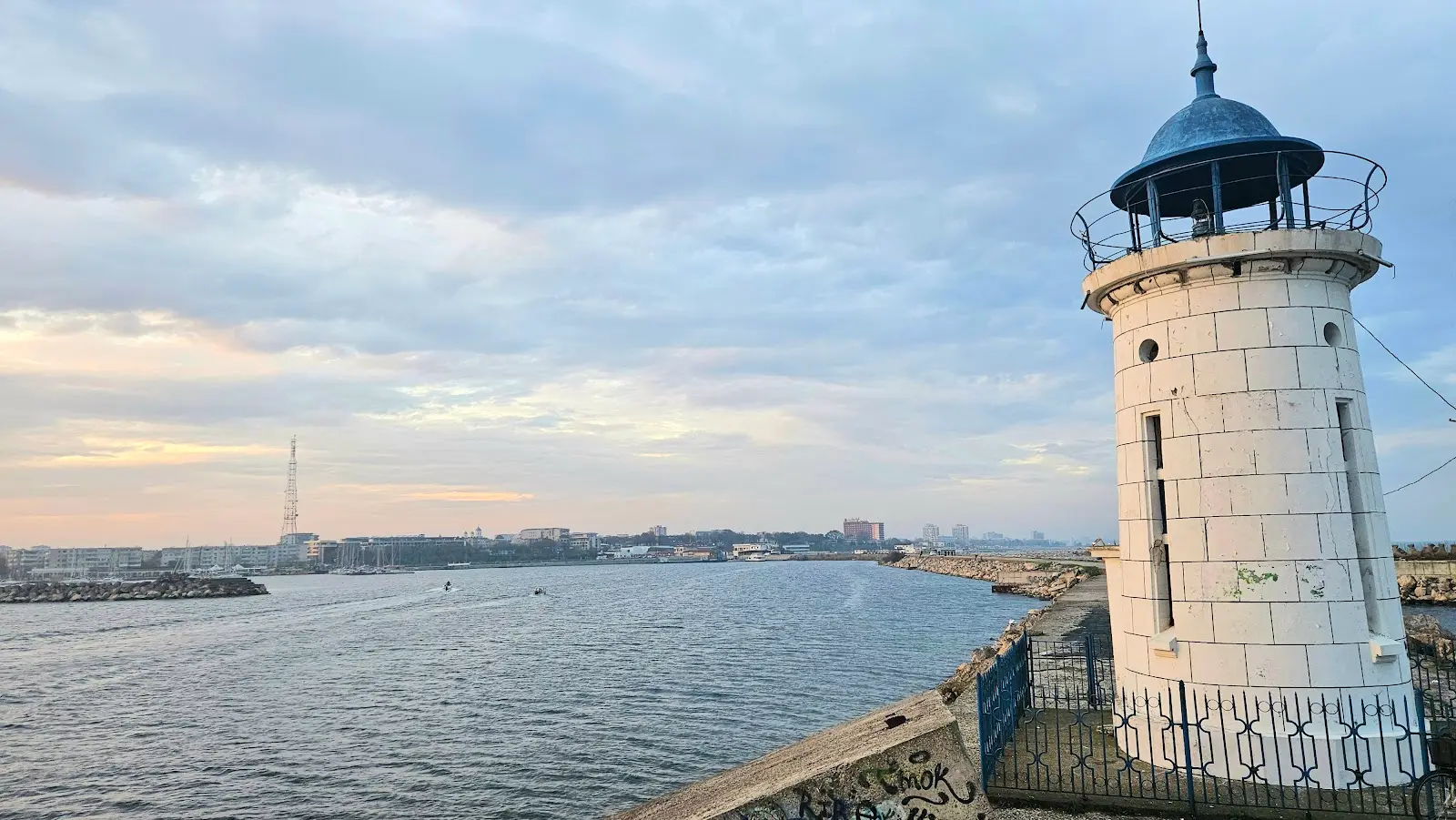
Where to eat
All restaurants →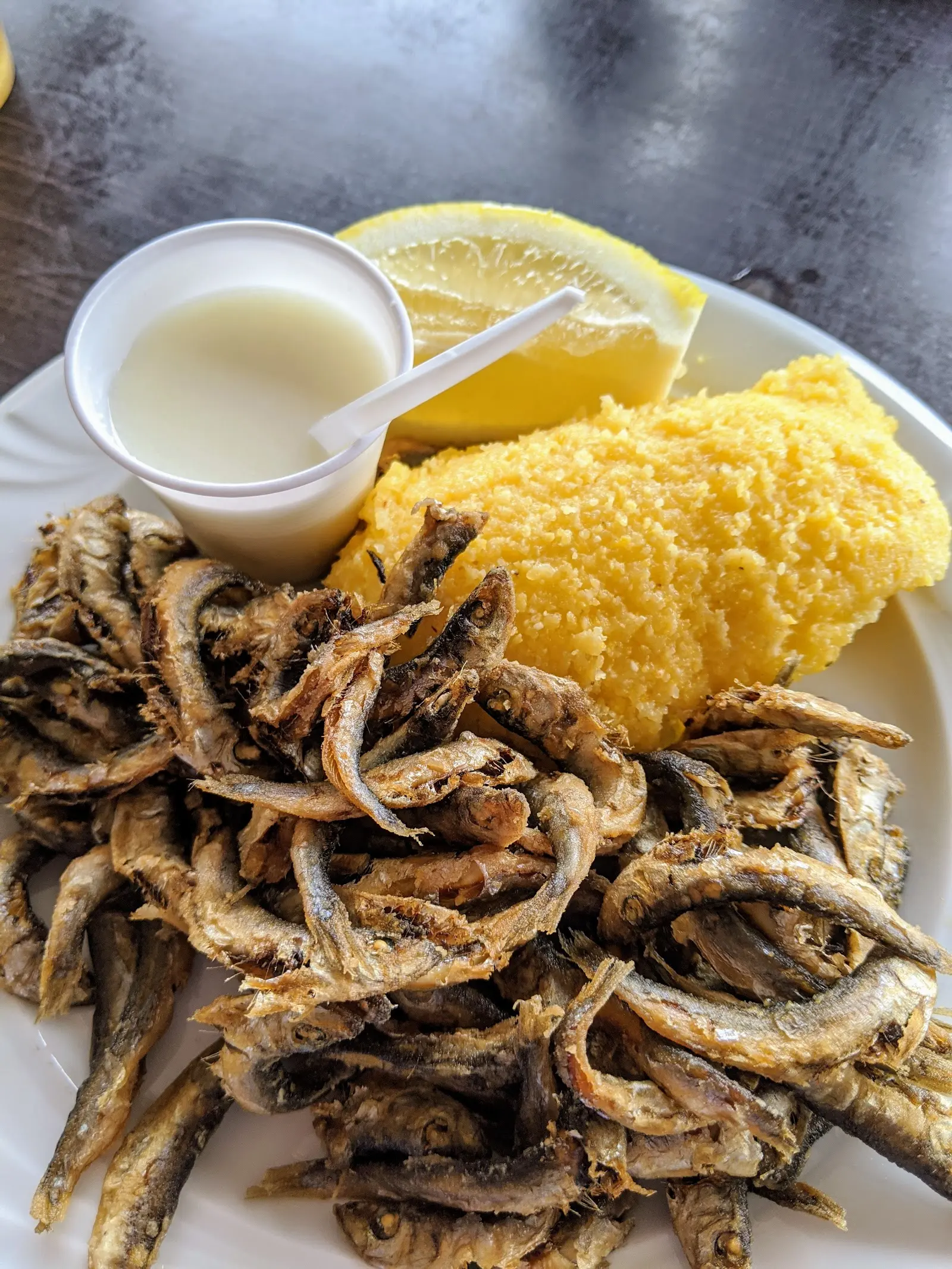
What to see
See all →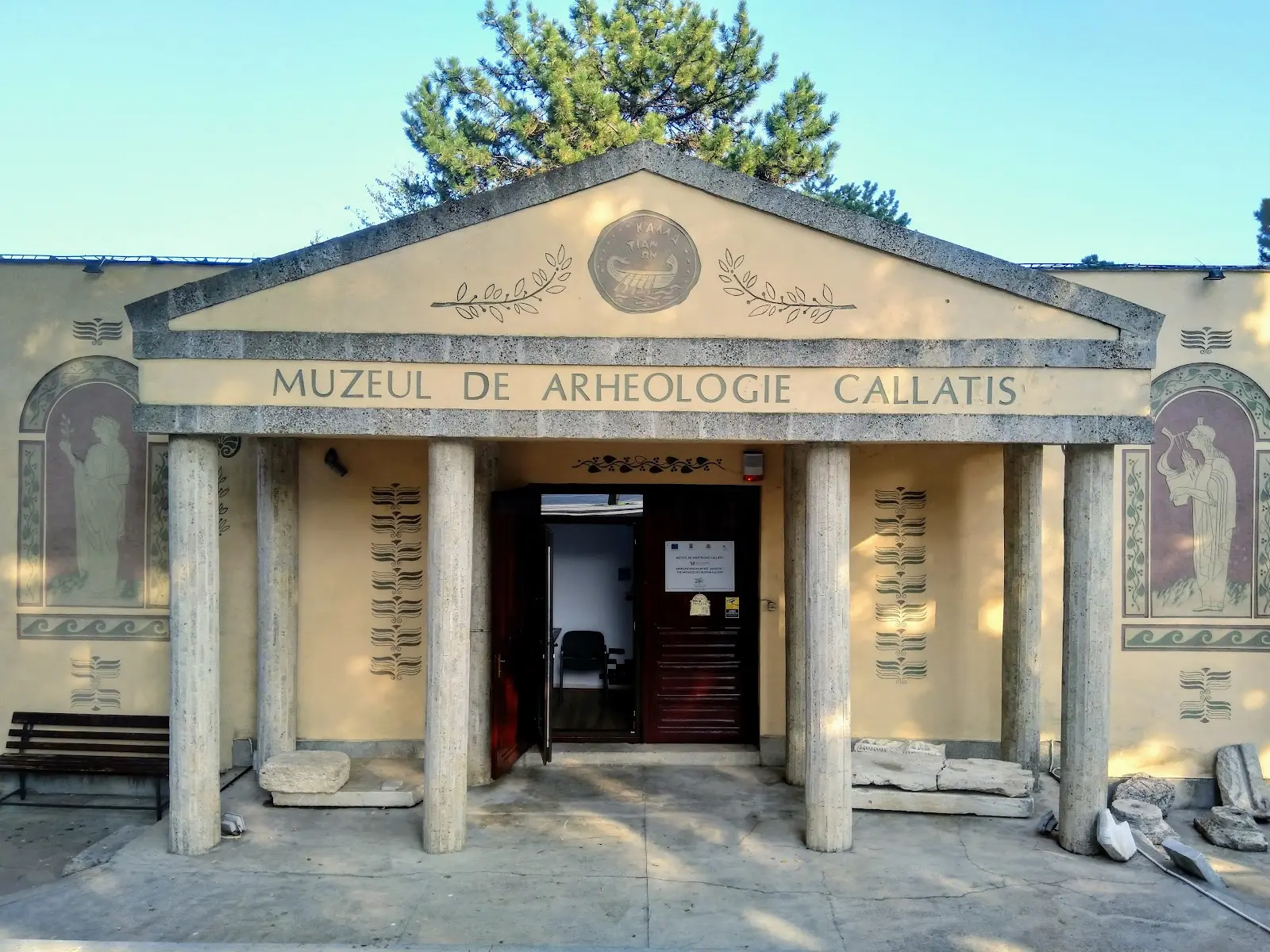 Museum
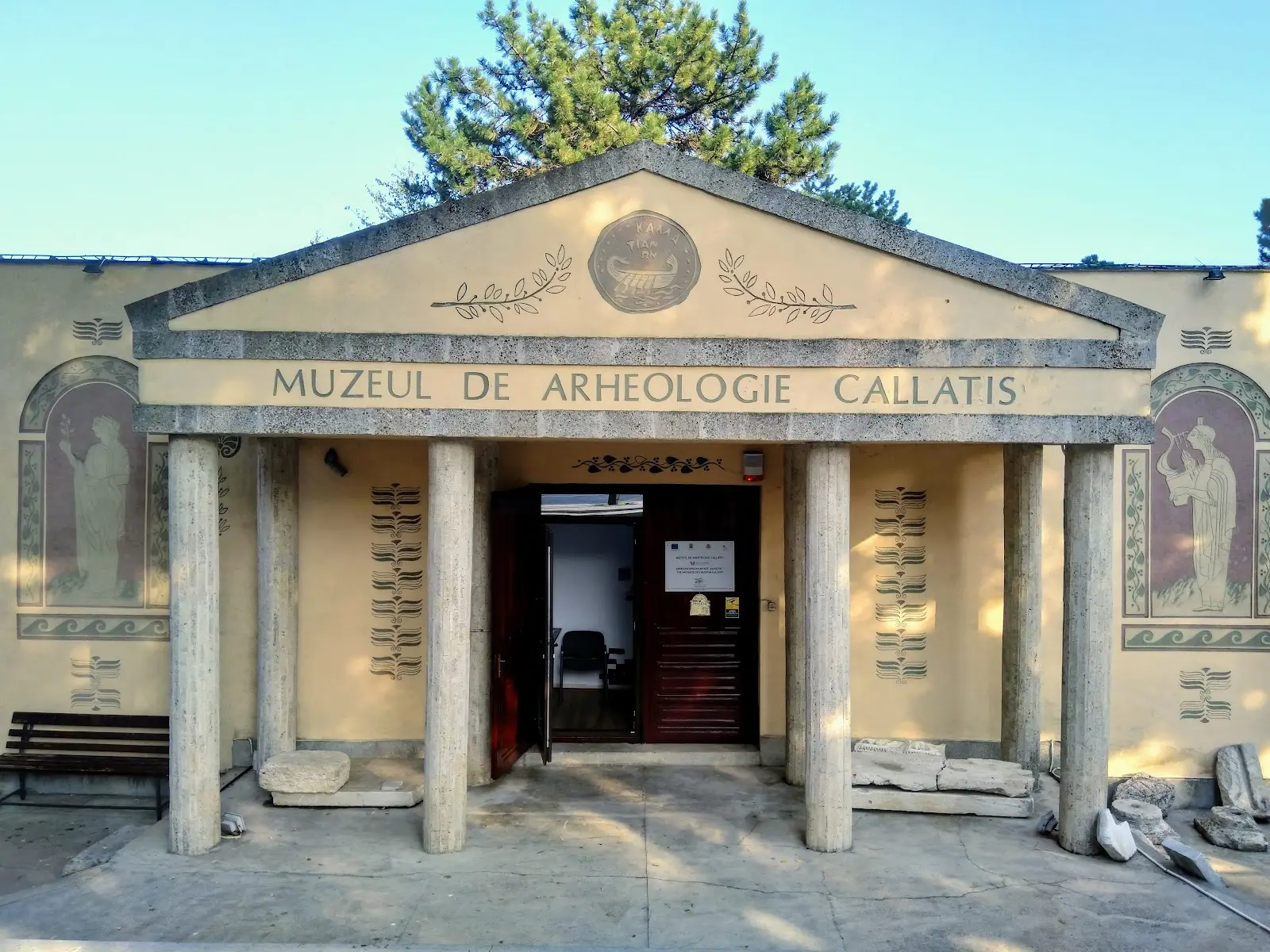
Muzeul de Arheologie Callatis
The Callatis Archaeology Museum in Mangalia preserves the fascinating testimonies of the ancient Greek city of Callatis, founded in antiquity on the shore of the Black Sea, on the site of the present-day town. The museum's collections include pieces discovered in the area's archaeological sites: pottery, statues, inscriptions, coins, ornaments and, above all, the famous Callatis papyrus, a piece unique in Romania and a testament to the written culture of the Greek world. Visitors thus discover the history of a flourishing colony that successively experienced Greek, Roman and Byzantine influences and played an important role in the trade and cultural life of the Black Sea region. The exhibits illustrate the daily life, beliefs and crafts of the ancient inhabitants. The museum is located in the centre of the Mangalia resort, near the beach, and is easy to include in a summer visit to the coast. It is a valuable destination for those interested in archaeology and the ancient past of Dobrogea, offering a captivating perspective on this corner of the country's more than two thousand years of history.
 Landmark
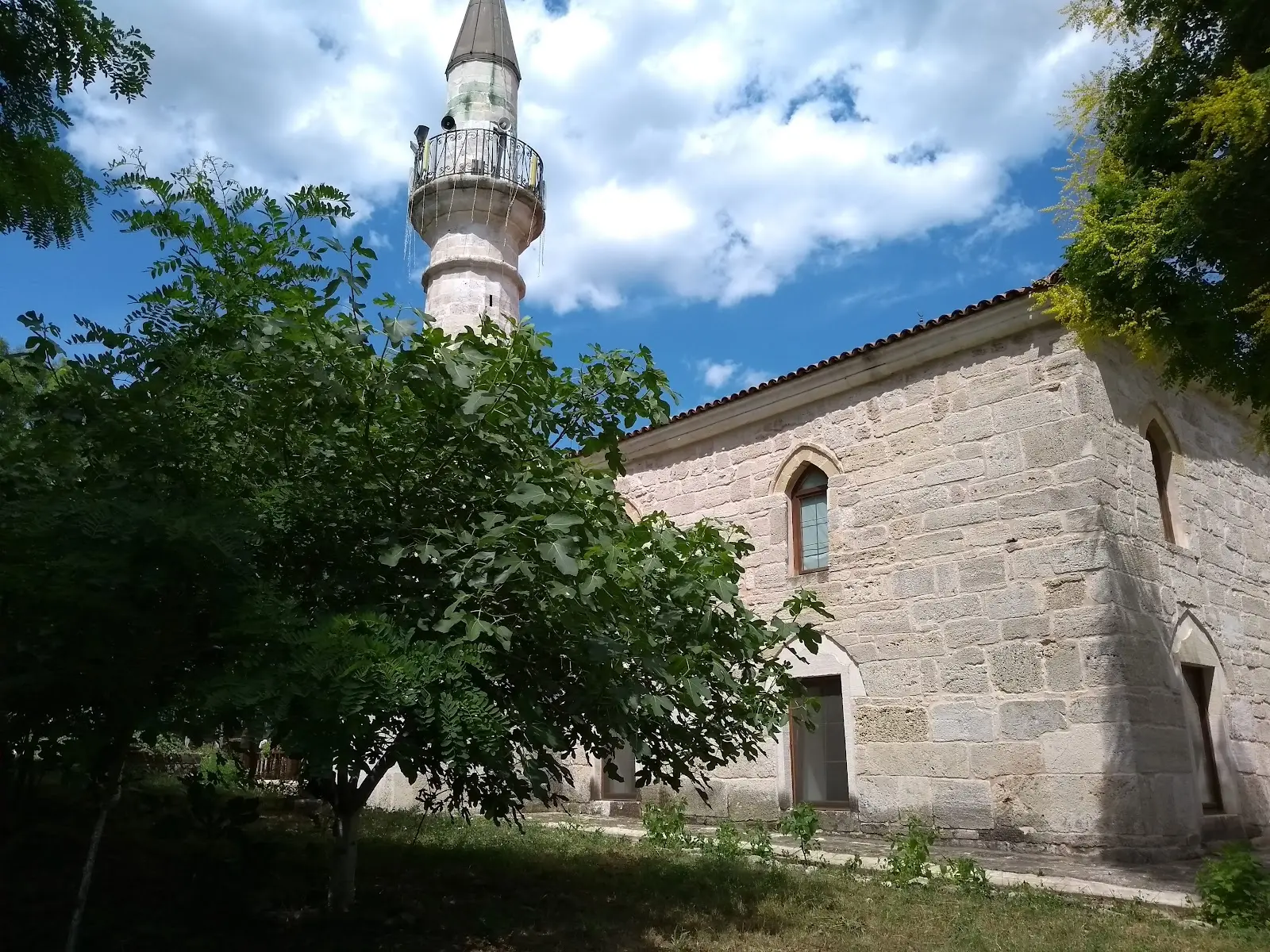
Moscheea Esmahan Sultan
The Esmahan Sultan Mosque in Mangalia is regarded as the oldest mosque in Romania, raised in 1575 at the initiative of Esmahan Sultan, daughter of Sultan Selim II. Built with stone taken from the ancient citadel of Callatis, it reflects the long Ottoman and Muslim presence on the Dobrogea coast. The interior preserves the atmosphere characteristic of an Islamic place of prayer, while the courtyard holds an old cemetery with funerary stones covered in inscriptions in the Arabic script. The slender minaret and the discreet outline of the building blend into the urban landscape of Mangalia, a town with a long multicultural history. The monument stands as a witness to the religious tolerance that has marked Dobrogea over time. As a working place of worship, visitors are asked to respect the dress code and the quiet inside.
 Beach
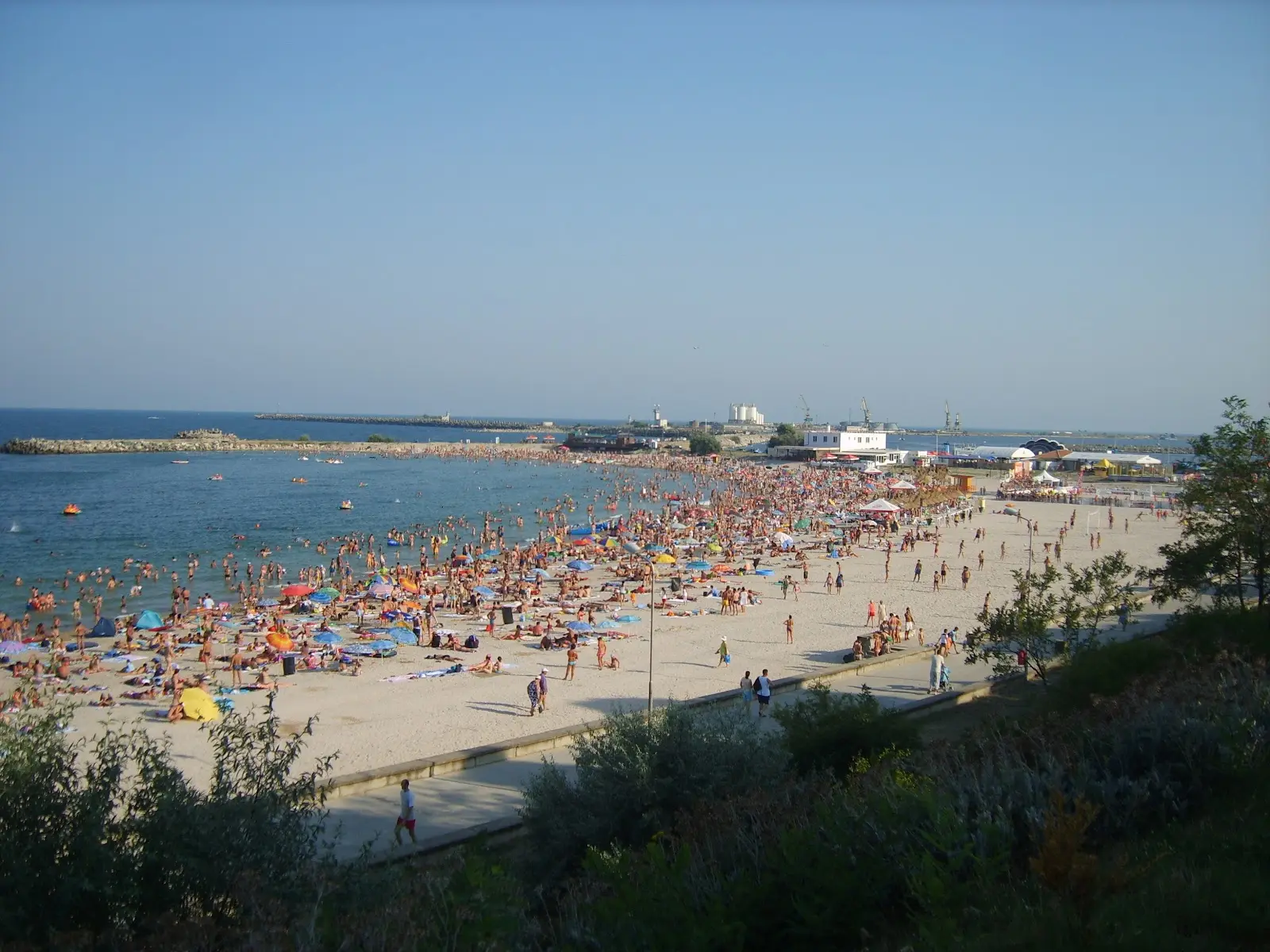
BeachPlaja Mangalia
Mangalia Beach stretches along the southern Black Sea coast, in the southernmost seaside town of Romania, close to the border with Bulgaria. Its fine sand and relatively calm waters make it well suited to families and to those seeking a more relaxed atmosphere than in the busier resorts further north. Mangalia, the ancient Greek colony of Callatis founded in antiquity, combines its beach with a rich historical past: nearby lie remains of the ancient citadel and an archaeology museum. The area is also known for its sulphurous springs and its spa tradition, while the seafront promenade invites gentle strolls. The bathing season runs through the warm summer months, when the water temperature becomes pleasant. The beach offers seasonal services such as sun loungers and terraces. It makes a good base for exploring the neighbouring resorts of Saturn, Venus and Neptun.
 Landmark
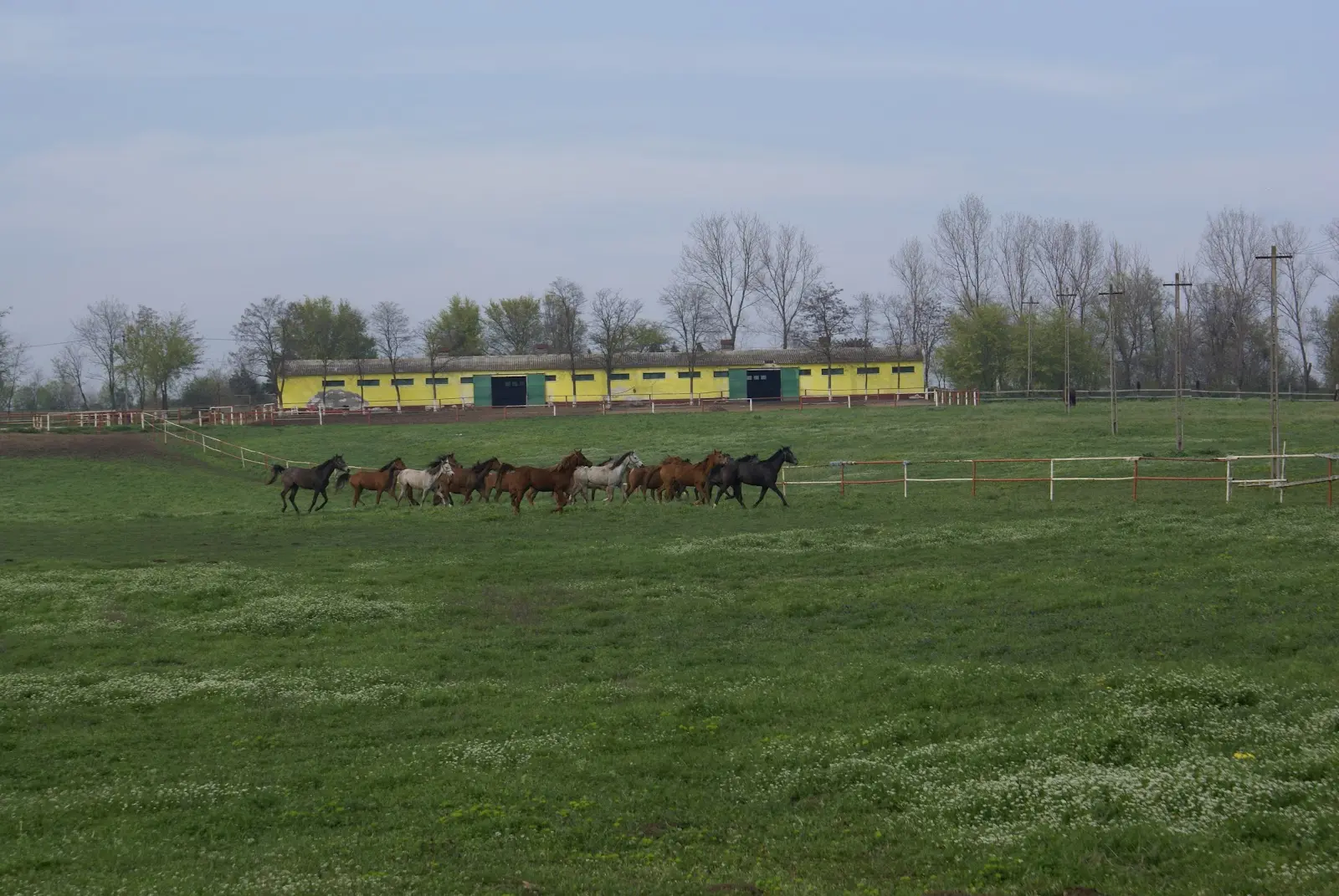
Herghelia Mangalia
The Mangalia Stud Farm, on the edge of the town of Mangalia in Constanța County, is one of the oldest and most prestigious stud farms in Romania, a true sanctuary of purebred Arabian horses. Founded in the early 20th century, the farm specialised in breeding and improving the Arabian, producing over the decades horses of internationally recognised value, prized for their elegance, endurance and nobility. Here visitors can admire horses of rare beauty in the paddocks and stables, watch presentations and, on certain occasions, auctions and equestrian competitions that draw connoisseurs from around the world. The atmosphere of the place, with its tree-lined alleys and period buildings, blends the tradition of breeding with the charm of a quiet walk. The stud farm is an important chapter of Romania's equine heritage. Practical note: check the visiting schedule and any equestrian events, and if you are keen on horses, choose a guided visit to learn the history of the Arabian breed raised here.
 Nature
Rezervația Naturală Pădurea Comorova
The Comorova Forest Nature Reserve is the largest forest on the Romanian coast, located near the Neptun resort, within the territory of the town of Mangalia in Constanța County. This coastal lowland forest, dominated by poplars, acacias and other species adapted to sandy soil, is an island of greenery and coolness in an area otherwise exposed to the sun and sea winds. Protected as a reserve, Comorova shelters a distinctive flora and fauna, with plant and bird species that find here a habitat rare along this stretch of coast. The forest also played an important part in the development of the resorts of the southern coast, giving them a natural backdrop and a gentler microclimate. For visitors coming to the seaside, Comorova is a pleasant alternative to the beach, with shaded walking paths, clean air and quiet. It thus combines the value of nature conservation with a recreational function, in an area where large green spaces are a precious rarity.
Frequently asked questions
What is Mangalia known for?+
Mangalia is best known for sights such as Muzeul de Arheologie Callatis, Moscheea Esmahan Sultan, Plaja Mangalia.
How many days do you need in Mangalia?+
One to two days is enough to see the highlights of Mangalia; stay longer to use it as a base for day trips.
Where should I stay in Mangalia?+
See our selected stays above, or check live rates and availability on the accommodation map.

From our network
Litoral.online
The complete guide to the Black Sea coast — resorts, beaches, hotels and fun, on our dedicated seaside portal.