
Complete guide to Craiova
Everything you need to know about Craiova, the capital of Oltenia: Brâncuși's city, Nicolae Romanescu Park, the historic centre, Oltenian food, how to get there and a 1–2 day plan.
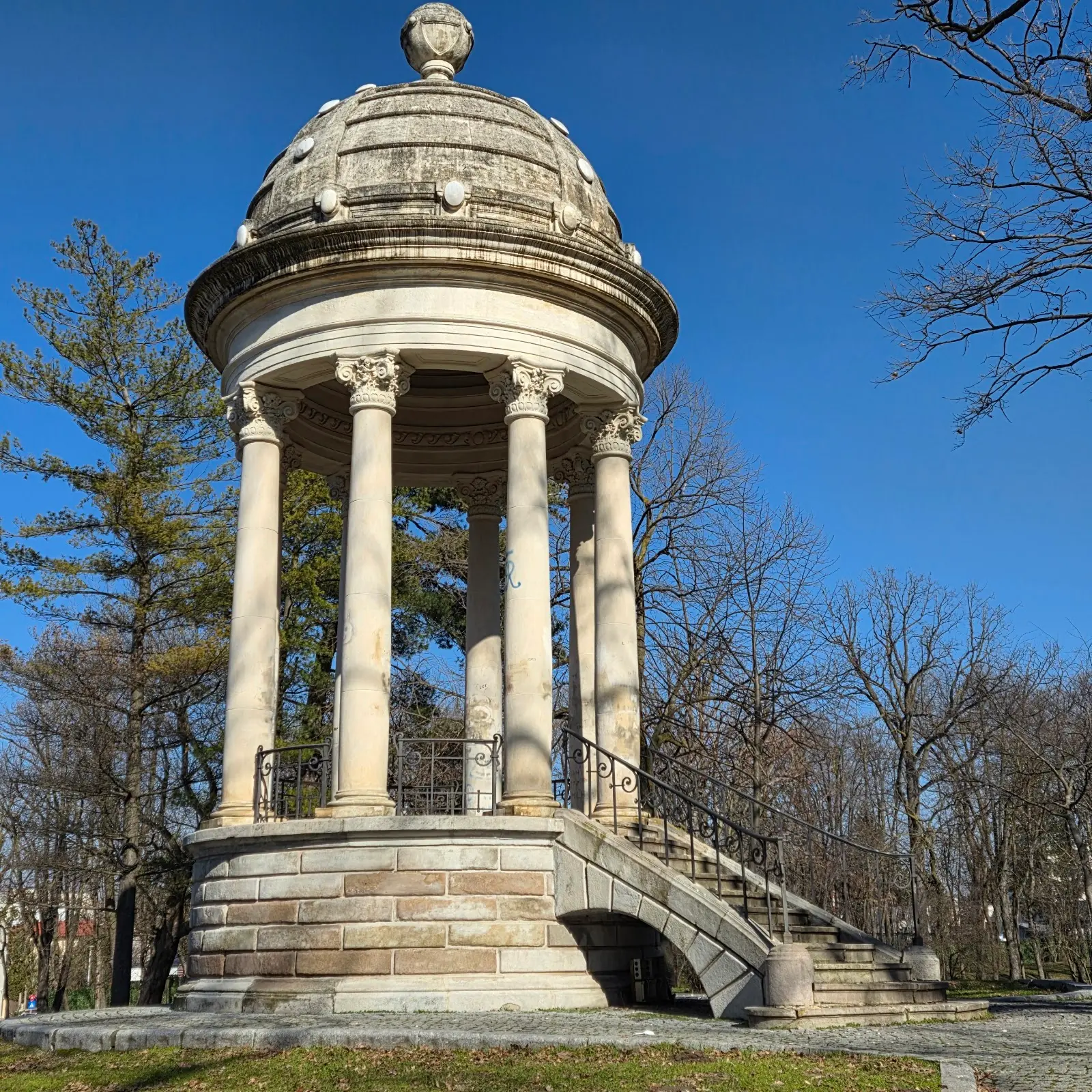
Craiova is the city where Constantin Brâncuși left his first mark of genius, and where a park designed by a French architect won over Paris in 1900. The capital of Oltenia is a lively university city with a restored historic centre and a character all its own — big enough for a weekend city break, authentic enough that it never feels staged for tourists.
Where it is and what it is
Craiova is the largest city in south-western Romania and the historic capital of Oltenia, the region also known by its old name, the „Bănie". Set on the left bank of the Jiu river, the city was long the seat of the Bans of Craiova, one of the most powerful boyar families of Wallachia — hence its affectionate nickname, „Bănia".
Today it is a major university, economic and cultural hub: the University of Craiova brings in tens of thousands of students, and the cafés, theatres and nightlife have the energy of a young city. For the visitor, Craiova also works as a gateway to south-western Romania — the natural starting point for trips to the Danube Gorges (Cazanele Dunării) and to Hobița, the village where Brâncuși was born.
Why go
Above all, Craiova is Brâncuși's city. The Art Museum, housed in the sumptuous Jean Mihail Palace, holds a core group of sculptures by Constantin Brâncuși, including early works made before the artist left for Paris. For anyone who loves modern art, that alone is worth the journey.
The second great draw is green space. Nicolae Romanescu Park, one of the most beautiful parks in Europe, was designed by the French landscape architect Édouard Redont and awarded a gold medal at the 1900 Paris World's Fair. Lakes, suspended bridges, a hippodrome and shaded avenues spread over dozens of hectares — a park conceived as a work of art, not merely a patch of greenery.
To this add an elegant historic centre, with Mihai Viteazul Square at its heart, Belle Époque buildings and an authentic Oltenian food scene. Unlike the big cities already crowded with tourists, Craiova stays relaxed and affordable: distances are short, prices reasonable and people welcoming. It is the right city for anyone who wants to discover the real Romania, without queues or gloss.
Main sights
Art and history
- Art Museum in the Jean Mihail Palace — Brâncuși sculptures plus Romanian and European painting, in an early-20th-century palace.
- Oltenia Museum — history, ethnography and natural sciences, the best place to understand the region and its traditions.
Green space and calm
- Nicolae Romanescu Park — the city's jewel, perfect for a half-day stroll.
- Botanical Garden — plant collections, glasshouses and quiet paths, close to the university.
Centre and religious heritage
- Mihai Viteazul Square — the central square and the starting point for exploring the pedestrian streets and historic architecture.
- St Elijah's Church — one of the city's representative old churches.
For a more detailed itinerary, see our guide to what to visit in Craiova.
Food and culture in Oltenia
Oltenian cooking is hearty, aromatic and unpretentious. Look for dishes built on herbs, spices and vegetables: stews, sour soups made with borș, mashed-bean iahnie, pickles and plenty of pork. The region's signature dish is saramură — grilled fish or meat served with a punchy sauce of garlic, tomatoes and hot peppers.
Don't skip the cheeses or the strong, fragrant Oltenian țuică (plum brandy). The city's markets are full of produce from small local growers — the best way to taste the region authentically. Desserts lean towards homemade jams and simple cakes, and a proper Oltenian meal ends unhurried, over a coffee or a glass of wine from the nearby vineyards. Culturally, Craiova lives through the well-regarded Marin Sorescu National Theatre and its philharmonic; there are also museums, galleries and festivals through the year, so check current schedules for performances and exhibitions during your visit.
Getting there and around
- By air: Craiova International Airport serves a handful of domestic and international routes; check current flights.
- By train: Craiova station is a major railway junction, with direct links to Bucharest, Timișoara and other large cities.
- By car: the city is well connected by national roads and the motorway to the south; it is also the most convenient option for day trips to the Danube.
In town, the historic centre is best explored on foot. For longer distances there is a network of trams and buses, plus taxis and ride-hailing apps. Craiova is an excellent base for day trips: the Danube Gorges to the west, the monasteries of northern Oltenia, and Hobița, where you can visit Brâncuși's memorial house.
Best time to visit
The most pleasant months are April to June and September to October, when temperatures are mild and the parks are at their best. Summer (July–August) can be very hot on the Oltenian plain, so plan outdoor visits for the morning or evening. Winter is quiet and cheap, but some attractions may keep reduced hours — check current schedules before you travel.
Suggested 1–2 day plan
Day 1 — the city and the art
- Morning: the Art Museum in the Jean Mihail Palace and the Brâncuși sculptures.
- Lunch: an authentic Oltenian meal in the centre.
- Afternoon: Mihai Viteazul Square, the pedestrian streets and St Elijah's Church.
- Evening: a coffee or a performance at the National Theatre.
Day 2 — green space and region
- Morning: a long walk through Nicolae Romanescu Park.
- A light lunch, then the Oltenia Museum or the Botanical Garden.
- Optional: an afternoon trip to Hobița, or preparations for the drive to the Danube Gorges.
Practical basics
- Language: Romanian; in central hotels and restaurants you'll manage in English too.
- Currency: the leu (RON); cards are widely accepted, but keep some cash for markets and small producers.
- Where to stay: from central hotels to quiet guesthouses — see our guide on where to stay in Craiova.
- Opening hours: museum and theatre schedules change by season — check current schedules on the official websites.
For those who want to dig deeper, România Mea runs a dedicated Craiova portal within its network, with up-to-date POIs, events and local recommendations.
In short
- What: the capital of Oltenia, the „Bănie" on the Jiu river, a university city and gateway to south-western Romania.
- Why: Brâncuși's city (the Art Museum in the Jean Mihail Palace) and the superb Nicolae Romanescu Park, a prize-winner in Paris 1900.
- How long: 1–2 days for the city; 3 with day trips to Hobița and the Danube Gorges.
- When: spring and autumn, for mild weather and parks at their peak.
- Don't forget: taste the saramură and the Oltenian țuică; always check the current schedule of the museums.
Plan your trip
Stays nearby
Stays in Romania
Experiences
Tours & activities
Guided tours, day trips and hand-picked experiences via GetYourGuide — free cancellation on most.
See all experiencesGetting to Romania
Flights, transfer & car
Fly into Romania
Compare fares to Bucharest Otopeni (OTP) and regional airports — Cluj, Sibiu, Iași, Timișoara.
Airport transfer
Private, fixed-price door-to-door transfer — driver waiting from the moment you land.
Rent a car — see the real Romania
A rental car is the key to Romania: the Transfăgărășan, the painted monasteries of Bucovina, mountain roads and the villages of Maramureș that no train reaches.
Find a car











