
What to see in Craiova: attractions & experiences
A Belle Époque palace with Brâncuși sculptures, a park that won a prize in Paris, and an old town made for strolling — our guide to the sights and experiences of Craiova, the capital of Oltenia.
Craiova rewards a slow discovery: a city with the air of a prosperous provincial capital, with wide boulevards, old cafés and a palace that hides treasures of art. Set in the heart of Oltenia, on the banks of the Jiu, the city has always been a centre of trade and of the southern gentry, and you can read this in the architecture of the centre and in its generous parks. The good news for visitors is that the most important sights sit close together — in a few hours on foot you go from Brâncuși to a park designed by a Frenchman and awarded in Paris. Here are the sights, in a sensible visiting order.
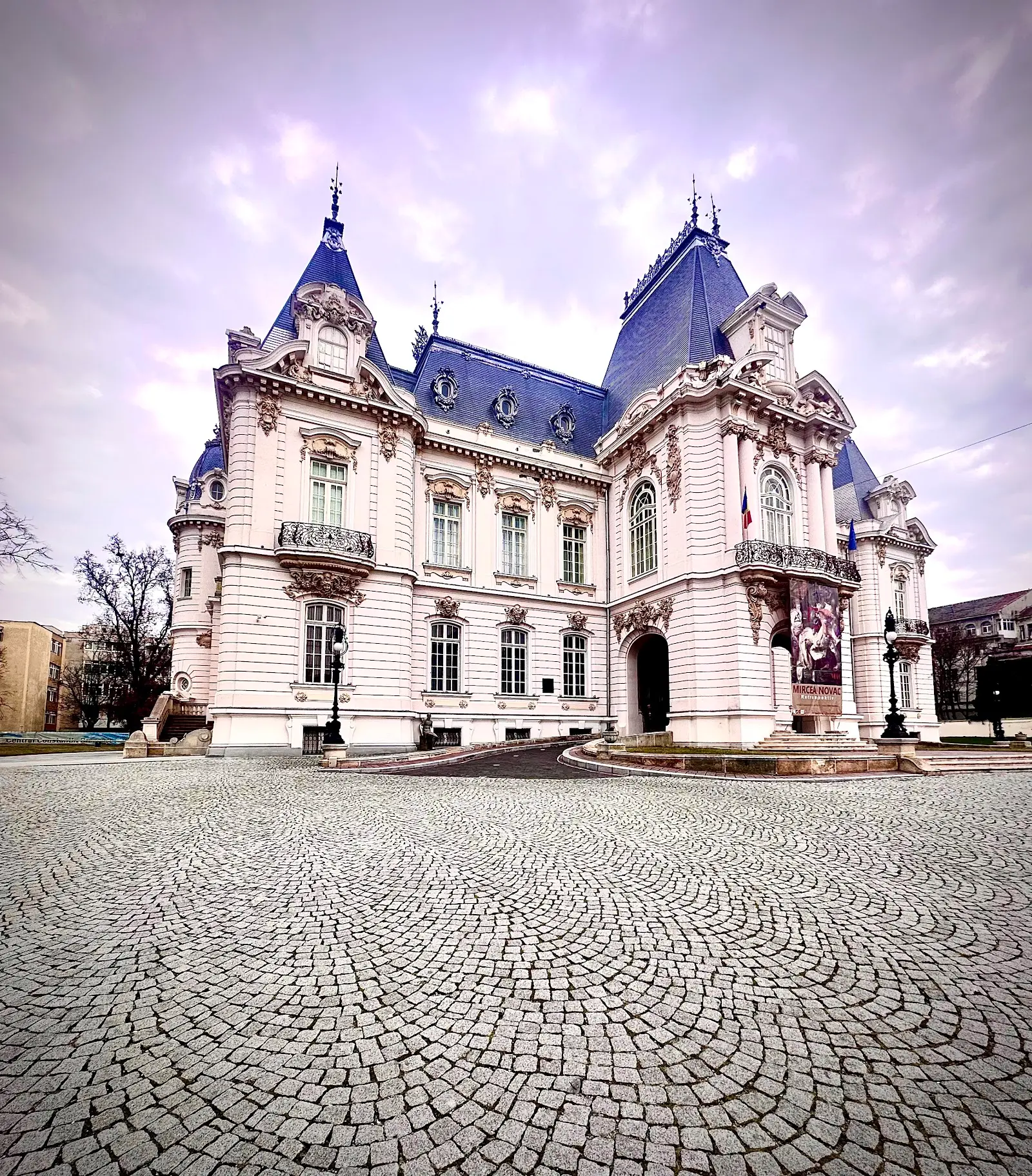
Museum of Art — Jean Mihail Palace and Brâncuși
Start with the city's most precious point. The Museum of Art (Jean Mihail Palace) occupies an early-20th-century Belle Époque palace — marble, monumental staircases, chandeliers and stucco work worth admiring in their own right. The building itself has hosted distinguished guests over the years, and the splendour of its interiors says a great deal about the Craiova of old. The real treasure, though, is in the collection: early works by Constantin Brâncuși, from before the artist crystallised in Paris the language that would make him famous.
- Take your time with the Brâncuși sculptures — these are rare early pieces, seen in a palace setting.
- Admire the European and Romanian painting in the collection, then the palace itself.
- It is the perfect place to begin a day in Craiova, being close to the centre.
Craiova is, in fact, the natural gateway to Brâncuși: the sculptor was born a few dozen kilometres away, in Gorj, and anyone who falls for the works here will probably want to continue the story all the way to his birthplace.
Nicolae Romanescu Park
A few minutes from the centre lies one of the most beautiful parks in Romania. Nicolae Romanescu Park was designed by the French landscape architect Édouard Redont and was awarded at the 1900 Universal Exhibition in Paris — a rare distinction for a park in south-eastern Europe. It is named after the mayor who made its creation possible at the turn of the century.
- Lakes with rowing boats, suspended bridges, grottoes and waterfalls that feel lifted from a period Western park.
- Long shaded avenues, a historic hippodrome and generous green spaces.
- Playgrounds, benches and resting spots — ideal for a long walk, a picnic or a pause between visits.
It is the kind of place where a quarter of an hour easily turns into two hours; if you have children, or simply want to breathe, give it plenty of time.
Mihai Viteazul Square and the old town
The heart of the city is the pedestrian area around Mihai Viteazul Square. This is where you see today's Craiova best: restored buildings, terraces and a calm flow of locals, especially in the evening when the centre comes to life.
- The equestrian statue of Michael the Brave, the square's central landmark.
- 19th–20th-century architecture along Calea Unirii, the main pedestrian street, with pastel façades and eclectic detail.
- Cafés, patisseries and spots to rest — perfect for a coffee break or an ice cream.
From here, in fact, all the other routes through the city begin, so it is worth getting your bearings slowly and letting the surrounding lanes carry you along.
Museum of Oltenia
For the historical, human and natural context of the whole region, stop at the Museum of Oltenia, organised into three complementary sections housed in distinct buildings around the city.
- History–archaeology: traces from prehistory to the modern era of Oltenia.
- Ethnography: folk costume, textiles, crafts and peasant interiors that show how life was lived in the Oltenian village.
- Natural sciences: collections of fauna, flora and geology from the south of the country.
It is a stop that gives meaning to everything else you see — especially worthwhile if you catch a cooler afternoon or a rainy day.
Botanical Garden
For a green pause in the middle of the city, the Botanical Garden offers greenhouses, plant collections and quiet paths. It is a pleasant refuge, especially in spring and early summer when everything is in bloom, and pairs well with a visit to Romanescu Park if you want a day "in the open air". For families and for anyone who likes to photograph, it is one of the most relaxing stops in town.
Churches in the centre
Craiova has a fine religious heritage, gathered around the centre. Stop first at St. Elijah Church, an old place of worship with painting and the atmosphere of another age.
- Enter discreetly, respect the services and the quiet of the place.
- Wander on to the other churches and cathedrals in the centre — many are a few steps from one another and punctuate the walking route beautifully.
- These are short stops, but they round off a tour of the centre naturally and say something about the city's history.
Day trip: the Brâncuși Memorial House in Hobița
If you have an extra day, head towards Gorj, following the sculptor's footsteps. The Constantin Brâncuși Memorial House in Hobița is the artist's birthplace, in a hill village with traditional architecture, with the carved gates and wooden houses typical of the area.
- See where Brâncuși grew up and the rural atmosphere that fed his art — many forms in his later work have their roots here.
- From Craiova, the road crosses sub-Carpathian Oltenia — a landscape of hills and forests, with authentic villages along the way.
- Hobița is also a gateway to the north: from here you can continue, with time and a car, towards the Danube Gorges (Cazanele Dunării), one of Europe's most spectacular defiles, where the river narrows between high cliffs.
It is a day that links art to its origins and the city to the landscape of Oltenia, and for Brâncuși lovers it is the natural complement to the museum visit in Craiova.
Craiova at a glance, by mood
- In one afternoon: Museum of Art (Brâncuși) → Mihai Viteazul Square → a coffee on Calea Unirii.
- With children: Nicolae Romanescu Park (boats, bridges, grottoes) + the Botanical Garden.
- For art lovers: the Museum of Art, then the trip to Hobița, in Brâncuși's footsteps.
- For a full day: the old town in the morning, the Museum of Oltenia at midday, the park towards evening.
Planning in more detail? Read our Craiova guide and find out where to stay in Craiova. For even more local recommendations — restaurants, events, places to stay — the city also has, within our network, a dedicated Craiova portal, well worth opening before you set off.
Plan your trip
Stays nearby
Stays in Romania
Experiences
Tours & activities
Guided tours, day trips and hand-picked experiences via GetYourGuide — free cancellation on most.
See all experiencesGetting to Romania
Flights, transfer & car
Fly into Romania
Compare fares to Bucharest Otopeni (OTP) and regional airports — Cluj, Sibiu, Iași, Timișoara.
Airport transfer
Private, fixed-price door-to-door transfer — driver waiting from the moment you land.
Rent a car — see the real Romania
A rental car is the key to Romania: the Transfăgărășan, the painted monasteries of Bucovina, mountain roads and the villages of Maramureș that no train reaches.
Find a car











