România Mea

Casa Memorială Constantin Brâncuși Hobița
4.6(1,121 reviews)Hobiţa, România
Casa Memorială Constantin Brâncuși Hobița
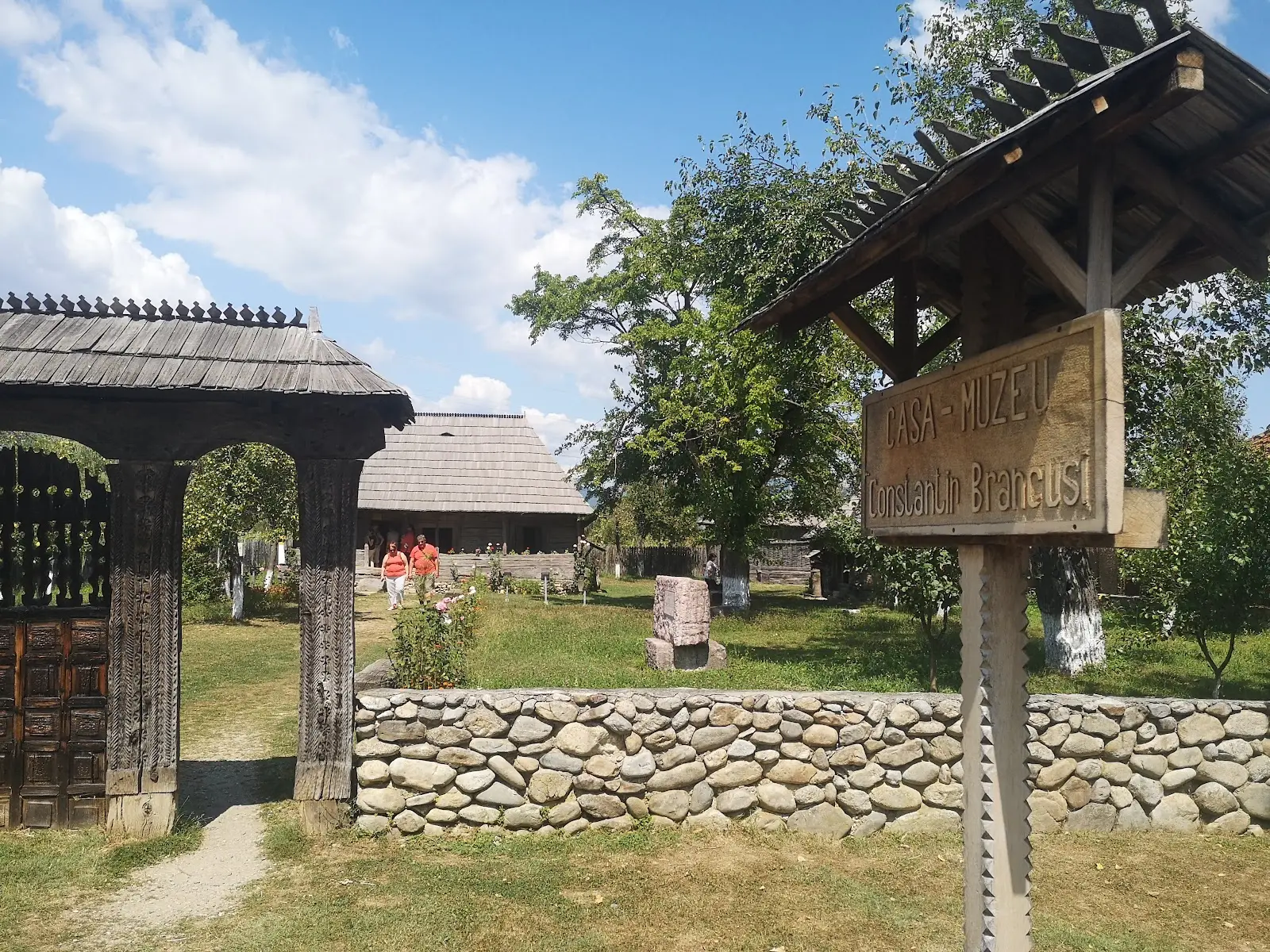
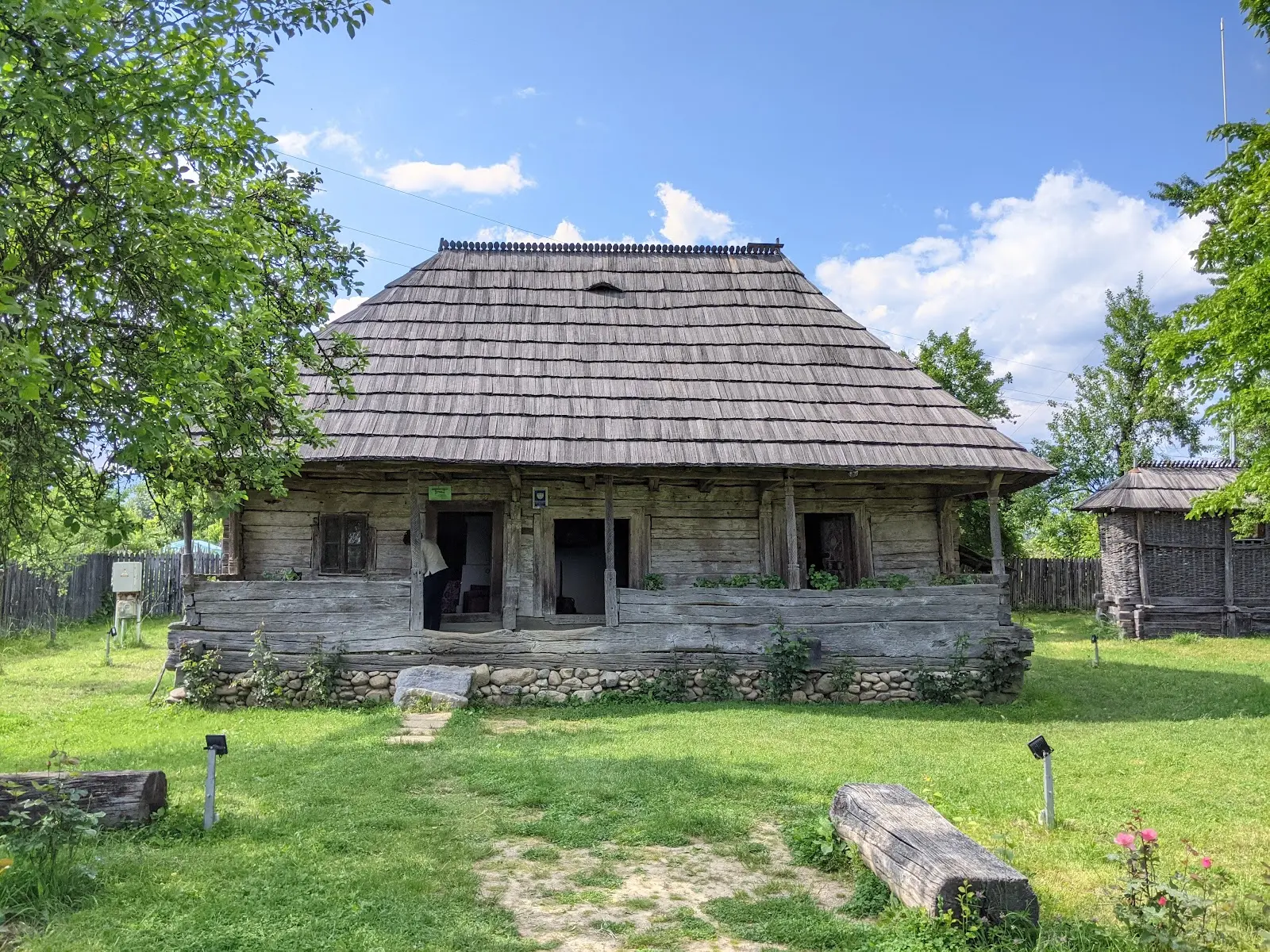
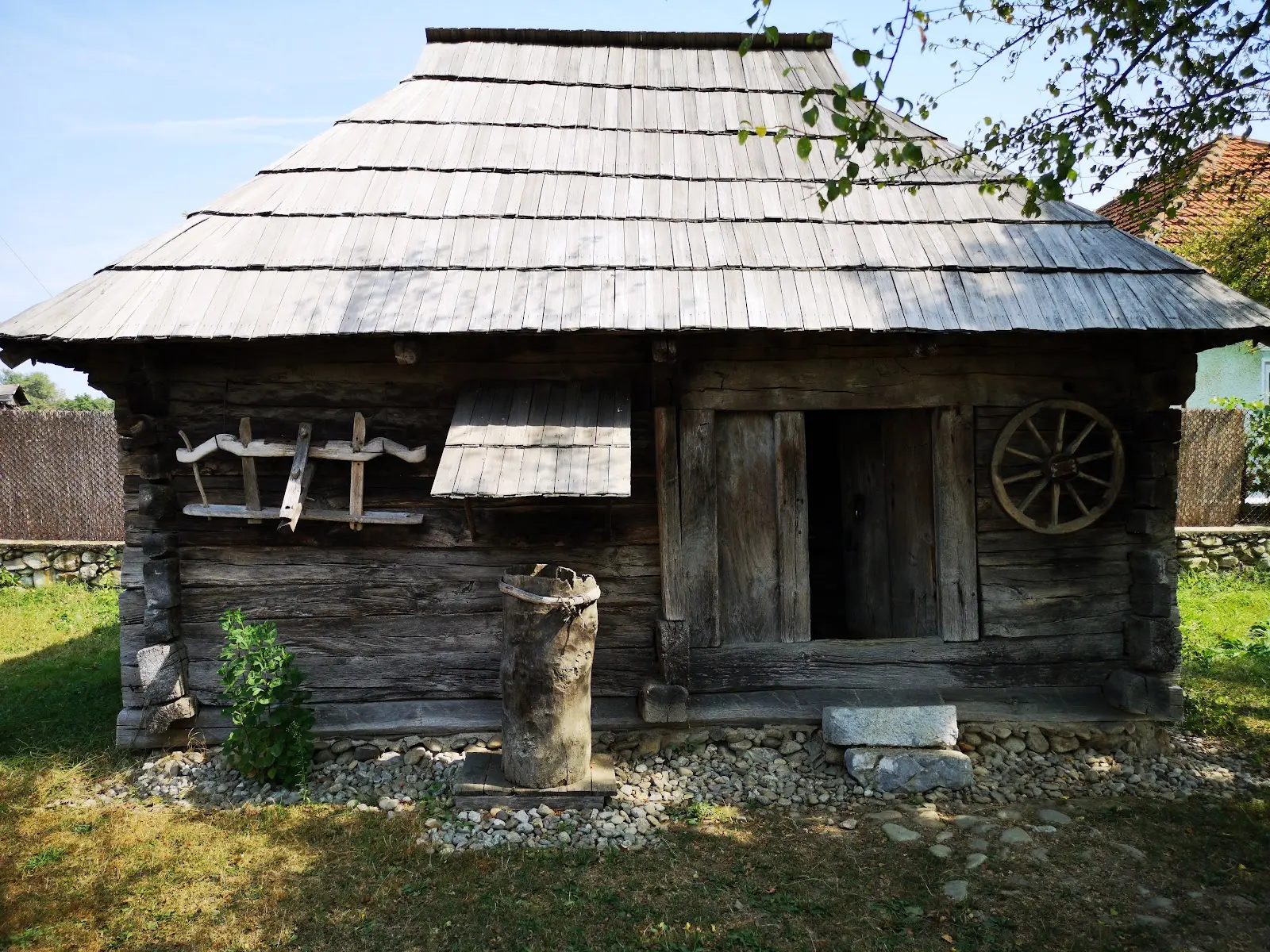
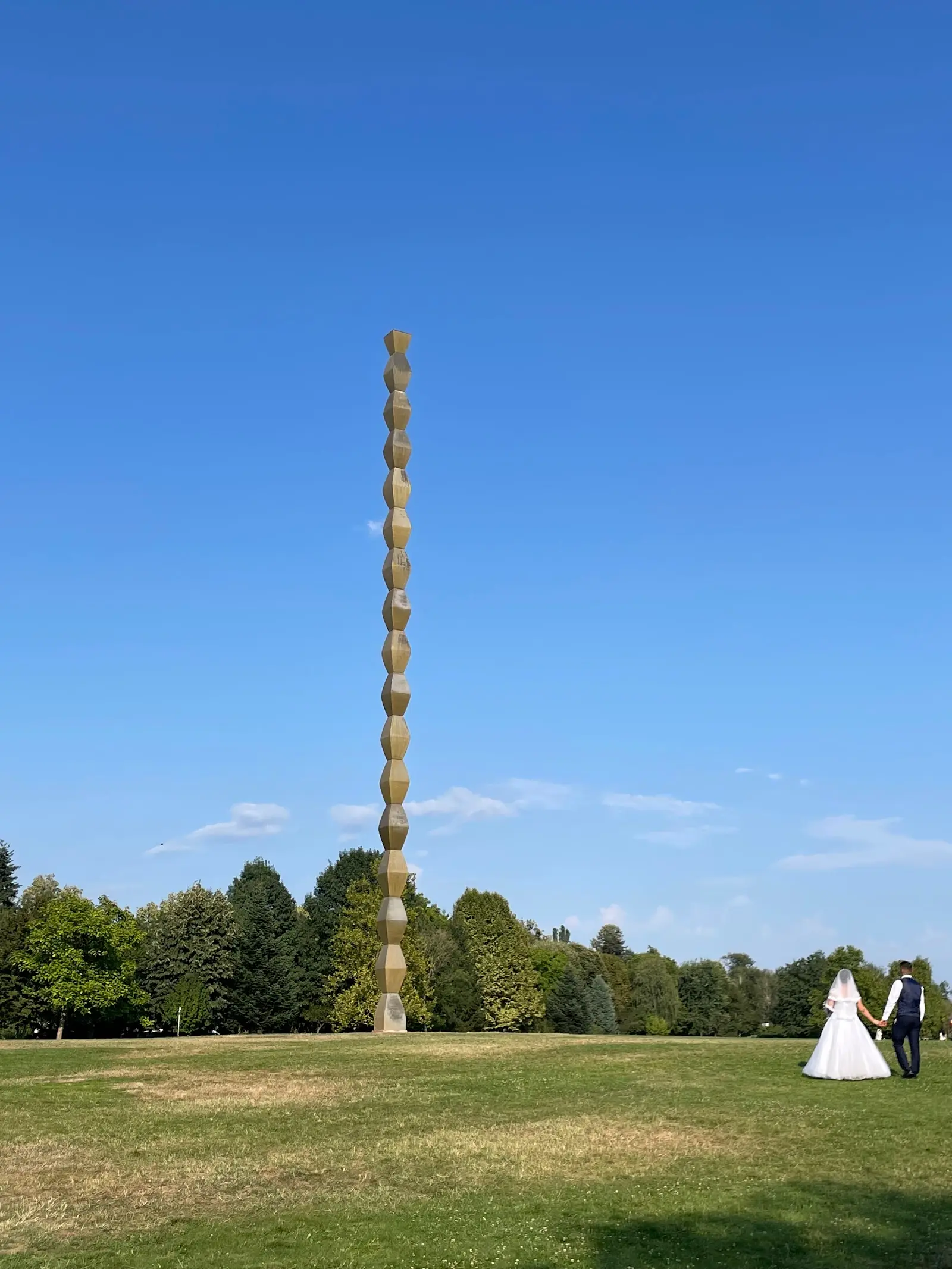
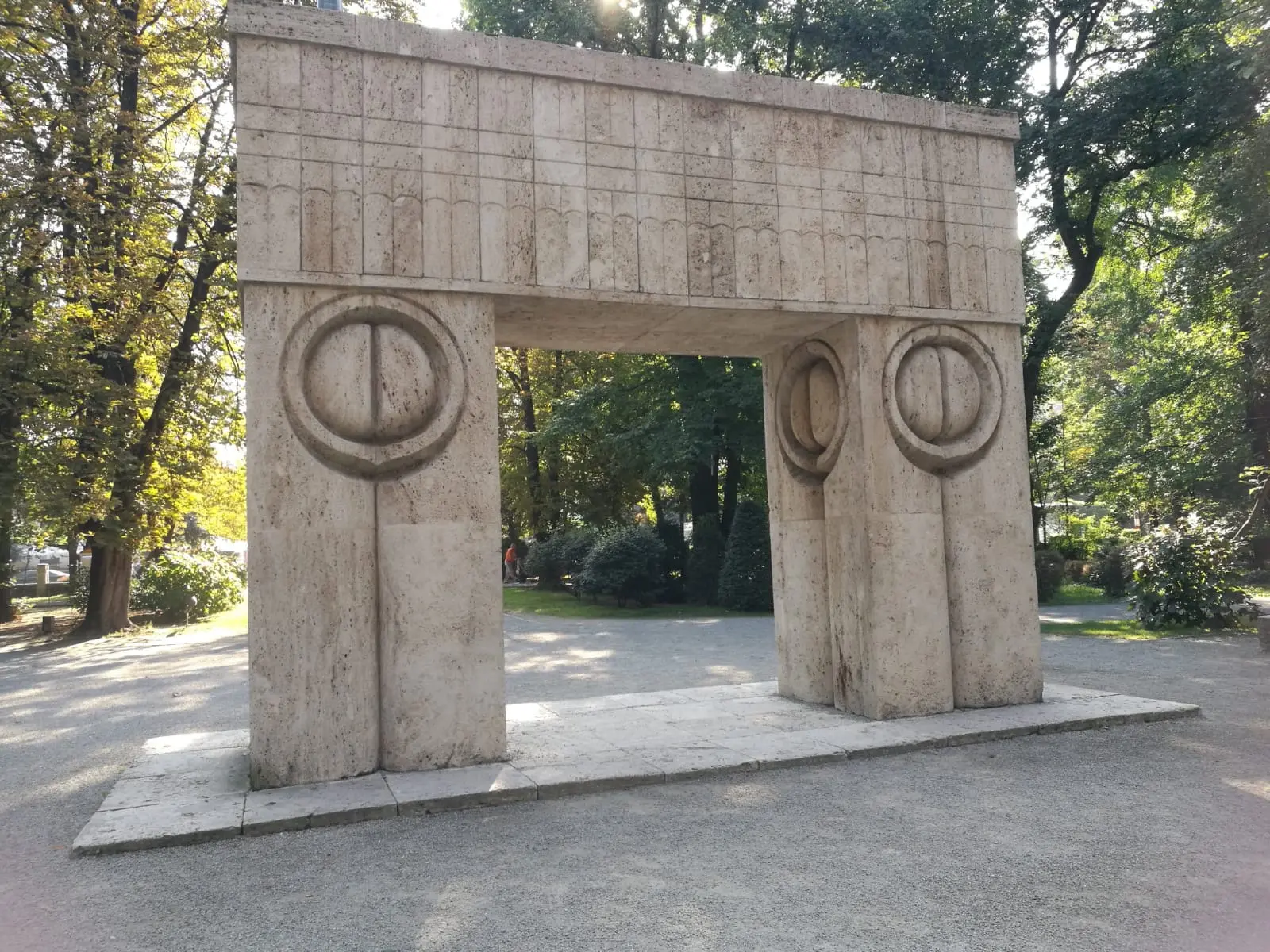
In the village of Hobița, Peștișani commune in Gorj County, stands the memorial house dedicated to Constantin Brâncuși, the greatest Romanian sculptor and one of the fathers of modern sculpture. Here, in 1876, was born the artist who would revolutionise the art of the 20th century in Paris, and the residence recreates the atmosphere of an Oltenian peasant homestead, with the traditional timber house, the porch on carved posts, the wooden gates and the household objects of the period. The woodcraft, the archaic forms and the folk motifs the young Brâncuși saw in childhood recur, stylised, in his mature works, from the Endless Column to the Gate of the Kiss, raised later at Târgu Jiu.

A visit to Hobița thus becomes a key to reading his entire oeuvre, a return to the peasant roots of a universal art. Practical note: include Hobița on a route together with the Monumental Ensemble in Târgu Jiu to grasp the artist's journey.
Frequently asked questions

Where is Casa Memorială Constantin Brâncuși Hobița?+

Casa Memorială Constantin Brâncuși Hobița is located at Hobiţa, România, in Târgu Jiu.

Is Casa Memorială Constantin Brâncuși Hobița worth visiting?+

Yes — it holds a 4.6/5 rating from 1,121 visitor reviews.

Do I need to book tickets for Casa Memorială Constantin Brâncuși Hobița?+

Popular sights can sell out — booking ahead online saves queuing.

What else is near Casa Memorială Constantin Brâncuși Hobița?+

Nearby you'll find Coloana Infinitului, Poarta Sărutului, Mănăstirea Tismana.

Keep exploring

More of Târgu Jiu

Explore Târgu Jiu

See in Târgu Jiu

See all
Coloana InfinituluiLandmark

Coloana Infinitului

The Endless Column is Constantin Brâncuși's masterpiece and the centrepiece of the monumental ensemble at Târgu Jiu, raised in 1938 in memory of the heroes of the First World War. Nearly 30 metres tall, the column is made of stacked cast-iron rhomboidal modules that seem to repeat endlessly towards the sky, evoking the idea of infinity and boundless sacrifice. Together with the Gate of the Kiss and the Table of Silence, on the same axis crossing the city, the column forms one of the world's most important ensembles of modern art, proposed for UNESCO listing. The simplicity of its form and the rigour of its execution made it a symbol of Romanian art and a landmark of 20th-century sculpture. It is a place of pilgrimage for art lovers from around the world. The visit is free, in the open air, and possible any time; it looks best in the warm light of morning or evening.

4.7(12,407 reviews)
Poarta SărutuluiLandmark

Poarta Sărutului

The Gate of the Kiss is one of the three pieces of the Brâncuși ensemble at Târgu Jiu and perhaps the most charged with symbolism. Carved from Banpotoc stone, the massive gate marks the entrance to the Public Garden and is covered with the repeated motif of two joined half-circles, an extreme stylisation of the embrace and the kiss, a recurring theme in Constantin Brâncuși's work. Through it runs the monumental axis linking the Table of Silence to the Endless Column, conceived by the artist as a path of sacrifice and communion, in memory of the heroes of the First World War. Its geometric simplicity and power of suggestion make the gate a lesson in modern art, admired by visitors from around the world. It stands right in the centre, in a pleasant park for strolling, and can be visited freely at any time. Take time to walk the whole axis on foot, to grasp the idea of the ensemble as Brâncuși conceived it.

4.7(11,757 reviews)
Mănăstirea TismanaMonastery

Mănăstirea Tismana

Tismana Monastery is the oldest monastery in Wallachia, set in Gorj county, near Targu Jiu, in a spectacular natural setting in the Valcan Mountains. Founded in the fourteenth century by Saint Nicodim of Tismana, the founder of organised monasticism in Oltenia, the monastery rises on a high rock, at the foot of which a mountain stream and a waterfall flow. The picturesque position, between forest and cliffs, gives it a special atmosphere of contemplation and beauty. The church preserves old paintings and precious liturgical objects, and over the centuries the monastery was an important cultural and defensive centre. In times of hardship, valuables and treasures of the country were sheltered here. Today, the community of nuns keeps the living tradition of the place alive. Tismana is a destination of pilgrimage and a wonderful natural corner of sub-Carpathian Oltenia, worth the journey for its history and scenery.

4.7(3,425 reviews)

Eat in Târgu Jiu

See all

Plan your Romania

From the Carpathians to the Black Sea — let's plan the trip together.

Ask us anything or get a tailored itinerary — from the best time to go to the road that ties it all together.

Our network

More of Romania, in depth

Dedicated portals for the places that deserve a site of their own.