
What to see in Turda: attractions & experiences
The salt mine, the salt lakes, a limestone gorge, the museum in the Voivodal Palace and two Apuseni gems an hour away: the full list of what to see in Turda, in the order that makes sense.
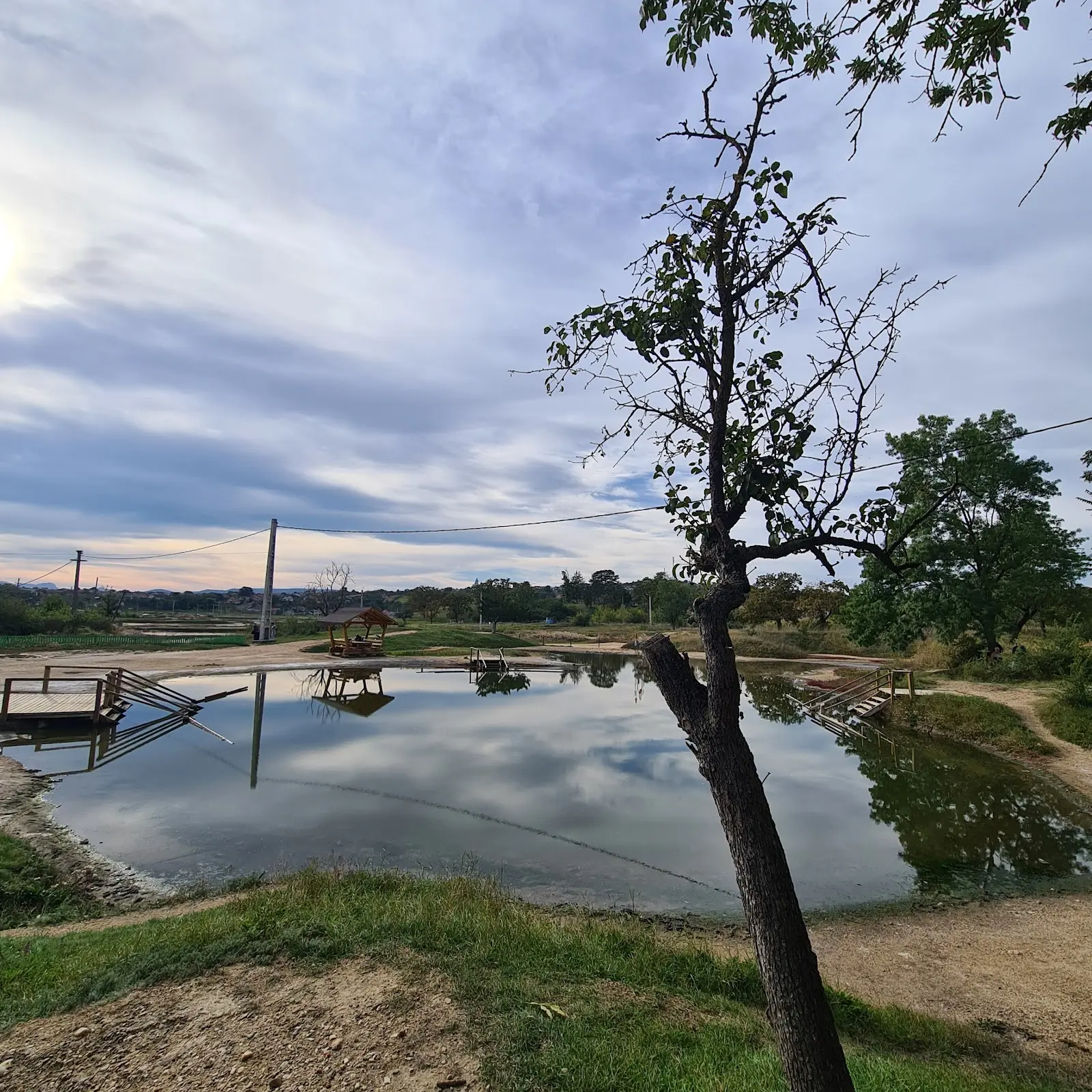
Turda packs in a density of attractions few towns its size can match: a salt mine of European stature, lakes you float in, a limestone gorge, and two Apuseni gems less than an hour's drive away. The question is not what to see but in what order. Here is the list that matters, and the logic behind it.
Salina Turda
This is why most people come, and rightly so. The medieval salt mine has been turned into an underground visiting space, with enormous galleries, a panoramic wheel and an underground lake you can row on. The air is salty and dry, the temperature stays consistently cool, and the sheer scale lands within the first few minutes.
Because it deserves separate treatment, we gathered the details in our dedicated article on Salina Turda and the Apuseni. One practical tip: bring a jacket even in August, and schedule the mine first thing in the morning, when it is quietest.
Băile Sărate Turda
At Băile Sărate Turda, the salt comes to the surface. The lakes formed in the old workings are so saline that swimming becomes floating, and the spa tradition here is both old and still alive.
- In summer they are central Transylvania's beach: warm water, organised shores, a holiday mood.
- For treatment, the salt water and mud have long been used for rheumatic conditions and recovery.
- With children this is probably the easiest choice in town: the water holds you up almost effortlessly.
The classic one-day combination: the mine in the morning, the lakes in the afternoon. The contrast is the best part of the visit — the same mineral, first in cool galleries tens of metres underground, then in the open air, in warm water, under the sun.
Parcul Central and the town centre
Parcul Central is exactly what it looks like: the place where the town keeps its slow pace. Shaded paths, benches, greenery — the right pause between two big attractions, especially with children tired out by the mine.
Around it, the centre takes a few hours on foot. It does not pretend to a Gothic square like Cluj-Napoca, but it has streets of nineteenth-century buildings, old churches and the air of a genuine Transylvanian town, not restored for tourists. It is worth an unplanned wander: Turda is not selling itself, so what you see is what it is.
Turda Gorge
Cheile Turzii is the town's other face. The nature reserve protects a narrow defile with vertical limestone walls, threaded by a trail that follows the stream over wooden footbridges and past small cascades.
It is not a difficult hike, but it asks for proper shoes, care on the wet sections and some time — this is not a twenty-minute tick-box. In exchange, minutes after the entrance the town ceases to exist: only limestone, water and cliff birds.
- Spring shows the reserve at its best: the water runs full and the slopes fill with limestone flora.
- Summer is the busiest, especially at weekends; come early in the morning.
- Autumn gives the best light for photography, with warm walls and the forest turned yellow.
- Winter can make the trail slippery and risky on the shaded sections — judge the conditions honestly before you set off.
For trails, route options and everything mountain-related in this area, munte.online is the source you want — the Apuseni and the gorges are its territory.
The History Museum and the Voivodal Palace
The History Museum in the Voivodal Palace is the stop that ties everything else together. The building itself is among the town's most valuable old civic structures, and the collections trace the road from Potaissa — the Roman fort and town Turda grew out of — to the modern era.
This is also where you learn why the town mattered so much: salt, trade routes, and, in 1568, the proclamation of the Edict of Turda, one of Europe's earliest acts of religious tolerance. Visit the museum before the mine if you can: the underground means more afterwards.
Huda lui Papară cave
West of Turda, in the Apuseni, Peștera Huda lui Papară is one of the massif's most impressive caves: an active cavity cut through by water, with a dramatic entrance and an atmosphere entirely unlike the salt mine — here everything is wild, wet and alive.
It is a visit for those with suitable gear who respect the rules of the site: the cave is a sensitive habitat, not a backdrop, and access inside depends on conditions on the ground and on the reserve's protection rules. Find out beforehand, not on arrival.
Even without going inside, the trip out is worth it: the narrow valley, the forest and the vast opening in the rock are enough to change your day. To understand the region before you drive out, read about the Apuseni and Țara Moților as well.
Pișoaia waterfall
Also in the Apuseni, Cascada Pișoaia is the reward of a short walk: water falling over a moss-covered travertine step, in a forest setting that looks drawn rather than grown. It is the ideal afternoon after a morning underground: a short walk, little effort, immediate reward. It looks best in spring and after rain, when the flow is strong, though summer has its own advantage — the coolness beside the water is real.
How to combine them
- One day: the mine in the morning, Parcul Central and the centre at midday, the salt baths in the afternoon.
- Two days: add Turda Gorge on the first morning and the museum in the Voivodal Palace.
- Three days: the third day is for the Apuseni — Huda lui Papară and Pișoaia waterfall, by car.
The best advice stays the simplest: do not try to fit the mine and the gorge into the same half-day. Both take time, and both deserve it.
Tips that save your day
- A jacket in the bag, always. The underground is cool all year, whatever the weather above.
- Shoes with real grip. You want them both in the mine, on damp flooring, and in the gorge.
- Mornings for the main attraction. Both the mine and the gorge are a different place before midday.
- A towel and spare clothes in the car. On a warm day, the salt lakes become a spur-of-the-moment decision.
- Rinse off after a salt swim. The salt stays on skin and clothes; a freshwater shower makes all the difference.
- Check the weather before the Apuseni. The hill roads and the approaches to the cave and the waterfall change completely in rain.
For the town's full context, read the Turda guide, and for the right area to sleep in, see where to stay in Turda.
Plan your trip
Stays nearby
Stays in Romania
Experiences
Tours & activities
Guided tours, day trips and hand-picked experiences via GetYourGuide — free cancellation on most.
See all experiencesGetting to Romania
Flights, transfer & car
Fly into Romania
Compare fares to Bucharest Otopeni (OTP) and regional airports — Cluj, Sibiu, Iași, Timișoara.
Airport transfer
Private, fixed-price door-to-door transfer — driver waiting from the moment you land.
Rent a car — see the real Romania
A rental car is the key to Romania: the Transfăgărășan, the painted monasteries of Bucovina, mountain roads and the villages of Maramureș that no train reaches.
Find a car











