Salina Turda and the Apuseni Mountains
A salt mine turned into a surreal underground world, and a mountain range full of ice caves, gorges and wild plateaus. Here is how to combine them into a short break based in Cluj-Napoca or Turda.
A few dozen metres below Transylvania, inside a former salt mine, a Ferris wheel turns slowly above an underground lake. Above ground, in the Apuseni Mountains, the ice never melts even in summer and rivers vanish into the limestone. Two different worlds, less than an hour apart.
Salina Turda, a cathedral of salt
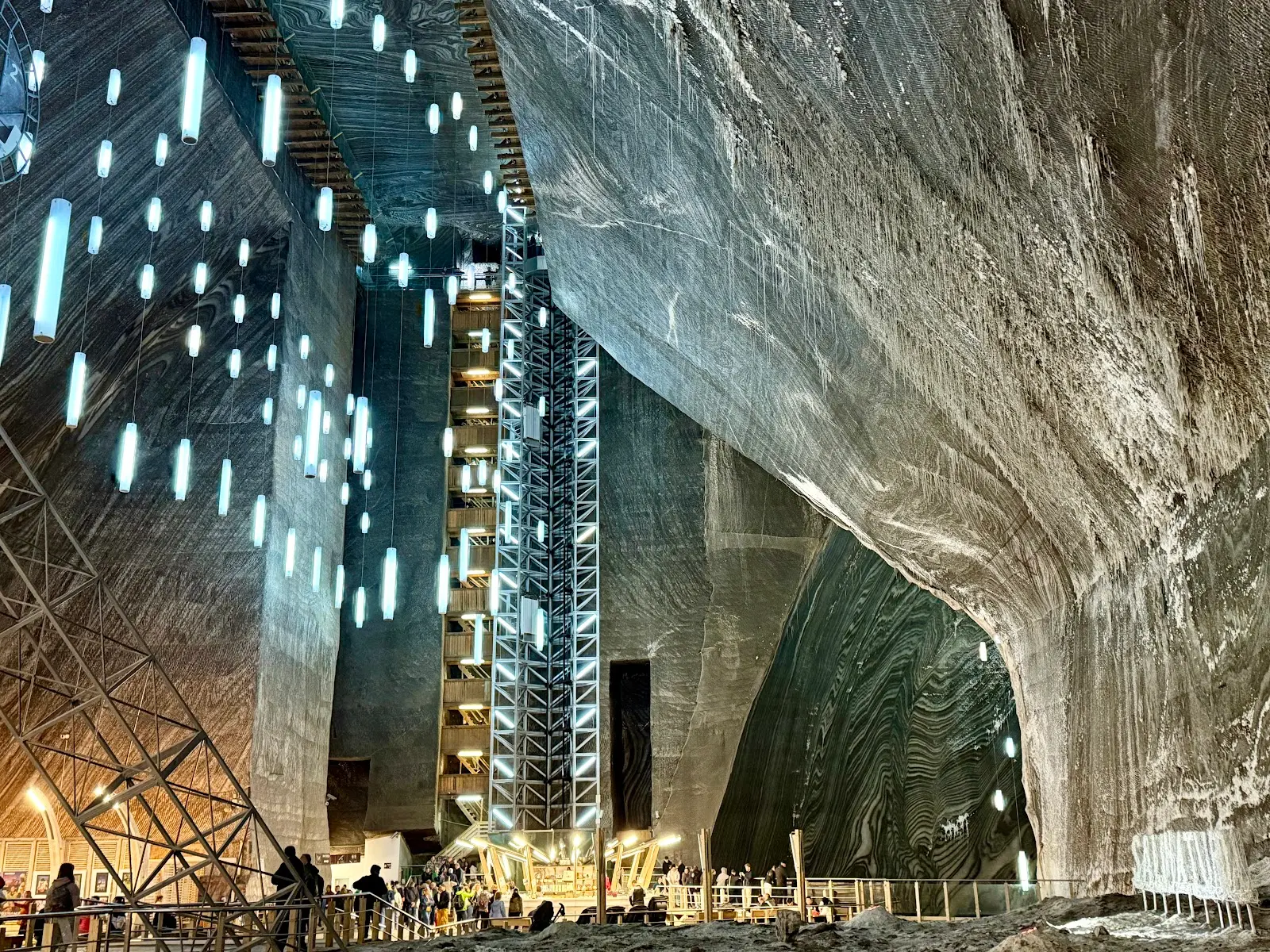
Salina Turda was mined for centuries, until the early twentieth century. Today it is one of the most visited underground attractions in Europe, and the impression it leaves is hard to put into words: vast chambers, salt-streaked walls, a staircase descending into darkness and, at the bottom, a cavern the size of a cathedral.
The heart of the place is the Rudolf mine, an enormous hall with the ceiling tens of metres overhead. Here you will find a Ferris wheel turning gently inside the mountain, along with a small mini-golf course, pool tables and table tennis, all bathed in soft light.
Deeper down, in the Terezia mine, lies a salty underground lake where you can take a rowing boat around a small island formed from salt deposits. In another chamber, an amphitheatre occasionally hosts concerts and events, with unusual acoustics created by the salt walls.
Beyond the spectacle, the mine has a practical side too. The underground air, saturated with fine salt particles at constant temperature and humidity, has long been used in respiratory therapy (speleotherapy). Many visitors come specifically to spend a few hours breathing here.
Good to know:
- It is cool underground all year, around 10-12°C. Bring a jacket, no matter how warm it is outside.
- You go down and up by lift or long staircases; wear comfortable shoes.
- Check opening hours and possible maintenance days before your visit.
Turda Gorge, just a step away
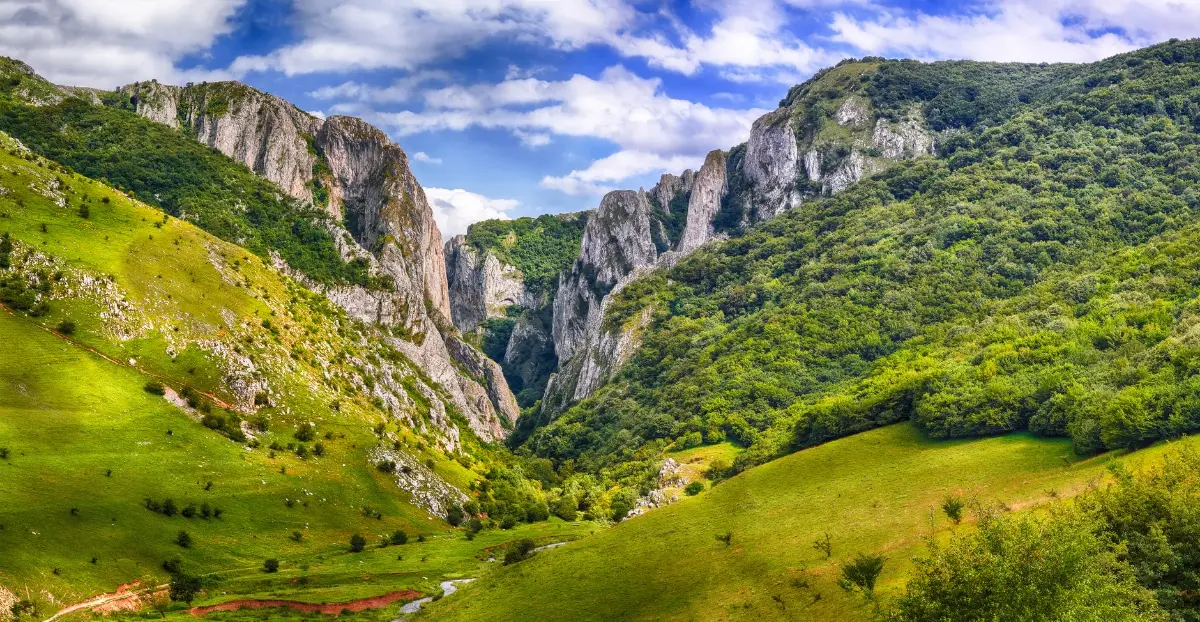
Only a few kilometres from town, the Hășdate river has cut Cheile Turzii, the Turda Gorge, a narrow and dramatic valley with vertical walls rising hundreds of metres. It is a nature reserve and a favourite of hikers and climbers.
The main trail follows the water, crossing wooden bridges and passing cave mouths, in a walk accessible even to the inexperienced. The gorge shelters a rare flora, with species that have survived here for thousands of years, which is why it is important to stay on the marked paths.
- The short distance makes the gorge a perfect companion to a day at the salt mine.
- Spring and autumn are ideal; in summer the trail can get crowded.
- Wear boots: the rock turns slippery after rain.
The Apuseni Mountains, the wild heart of the west
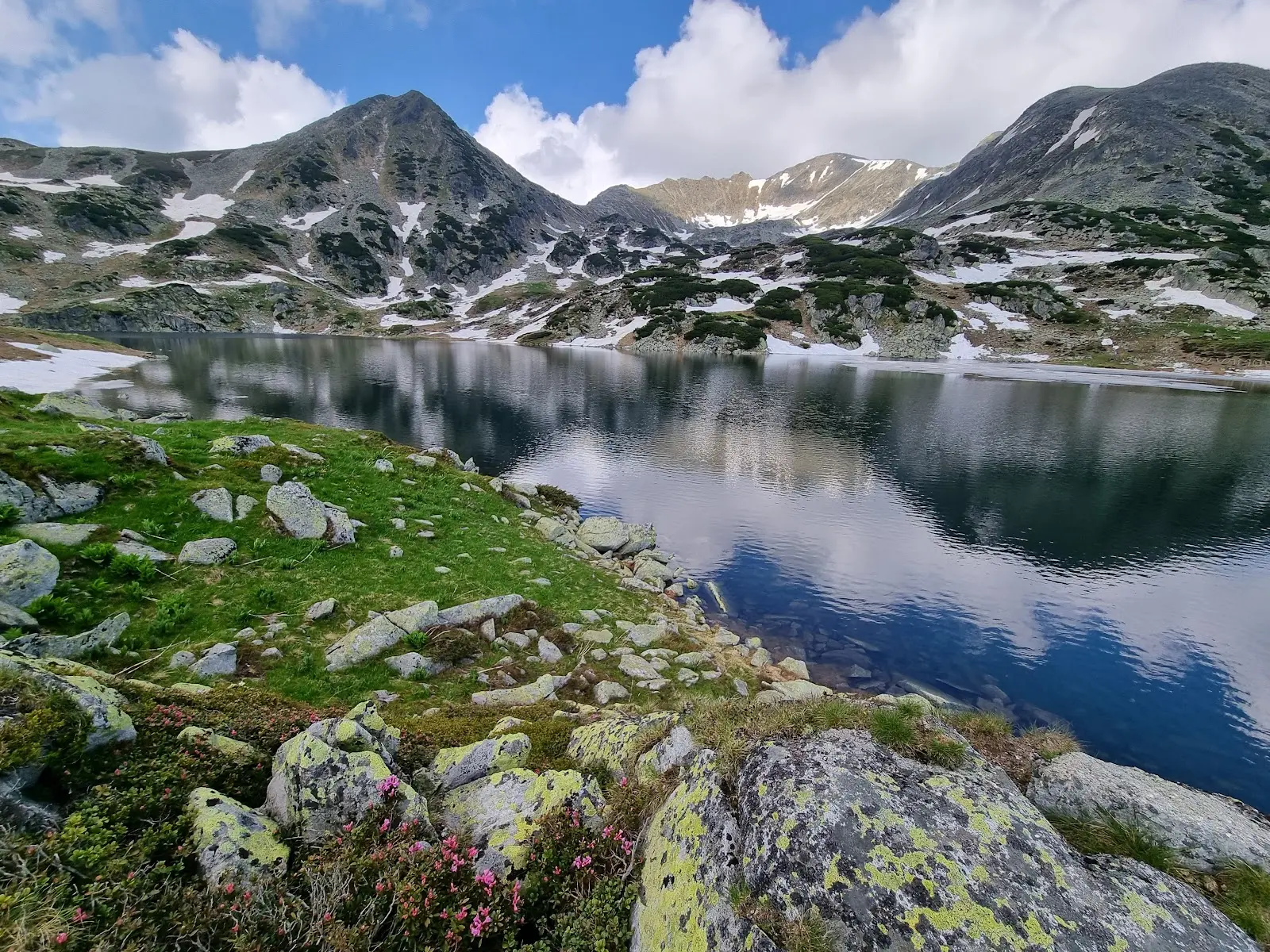
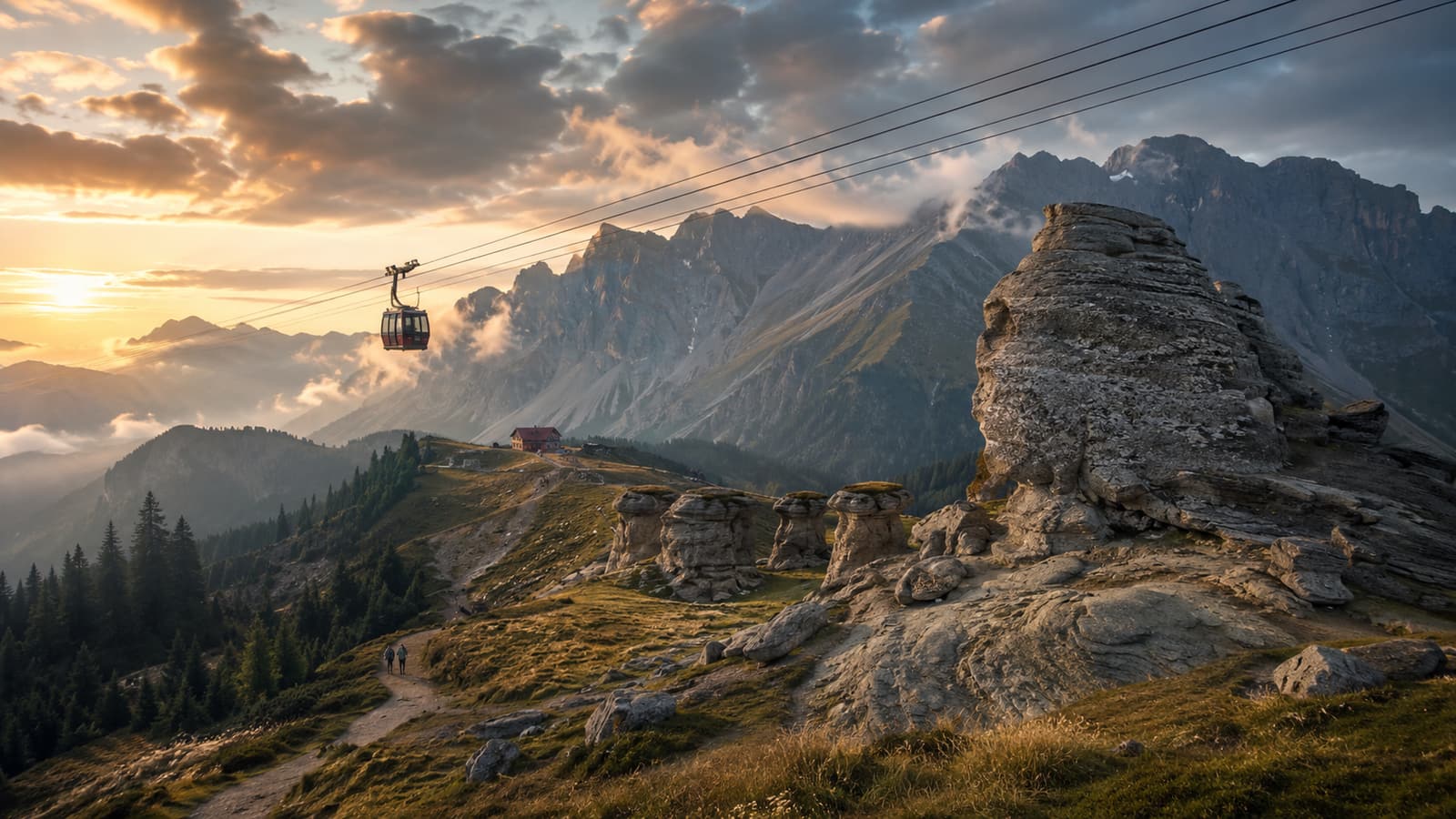
If you have more than a day, the Apuseni Mountains deserve all the time you can give them. These are limestone mountains, which means a spectacular karst landscape: caves, sinkholes, rivers that plunge underground and reappear kilometres away.
Unforgettable caves:
- Scărișoara Cave holds one of the largest underground glaciers in Europe, a block of ice formed over thousands of years that does not melt even at the height of summer.
- Bears' Cave (Peștera Urșilor), near Chișcău, takes its name from the many cave-bear bones found here. It is set up for visitors and impresses with its formations.
The Padiș plateau and Cetățile Ponorului: The heart of Apuseni hiking is the Padiș plateau, a land of meadows, forests and karst features. From here, trails lead to Cetățile Ponorului, one of the grandest karst phenomena in the country: three huge portals and a valley where a river disappears into the depths. The area is also dotted with gorges, springs and waterfalls hidden in the forest.
The moți villages: The Apuseni are also home to the moți, the mountain communities who have lived here, scattered across the ridges, for centuries. Their homesteads, woodworking craft and a life tied to the forest and their animals give the region a distinct, authentic character, far from the crowded tourist trails.
How to combine it all
The simplest strategy is to pick a base and make day trips.
- Cluj-Napoca is the most convenient base: a lively university city with restaurants, cafés and good connections. From here, the salt mine and the gorge are less than an hour away, and the Apuseni are one to two hours by car.
- Turda puts you a stone's throw from the salt mine and the gorge, at a quieter pace.
A three-day plan:
- Day 1: Salina Turda in the morning, Turda Gorge in the afternoon.
- Day 2: Scărișoara Cave and a moți village, with stops at waterfalls along the way.
- Day 3: Padiș and the trail to Cetățile Ponorului, for those with some fitness.
Having your own or a rented car makes everything far easier, as many places in the Apuseni are hard to reach by public transport.
When to go
The salt mine and the gorge can be visited year-round; the mine stays at a constant temperature anyway. For the mountains, the best season runs from late spring to early autumn, when the forest roads are passable and the trails are dry.
- In winter, Padiș turns wild and hard to reach; some roads close.
- Mountain weather changes fast: bring layers, water and a rain shell.
- Book accommodation early on summer weekends.
Two worlds, one corner of Transylvania: you descend into a cathedral of salt in the morning and, a few hours later, stare at ice thousands of years old inside an Apuseni cave.
Plan your trip
Stays nearby
Stays in Romania
Experiences
Tours & activities
Guided tours, day trips and hand-picked experiences via GetYourGuide — free cancellation on most.
See all experiencesGetting to Romania
Flights, transfer & car
Fly into Romania
Compare fares to Bucharest Otopeni (OTP) and regional airports — Cluj, Sibiu, Iași, Timișoara.
Airport transfer
Private, fixed-price door-to-door transfer — driver waiting from the moment you land.
Rent a car — see the real Romania
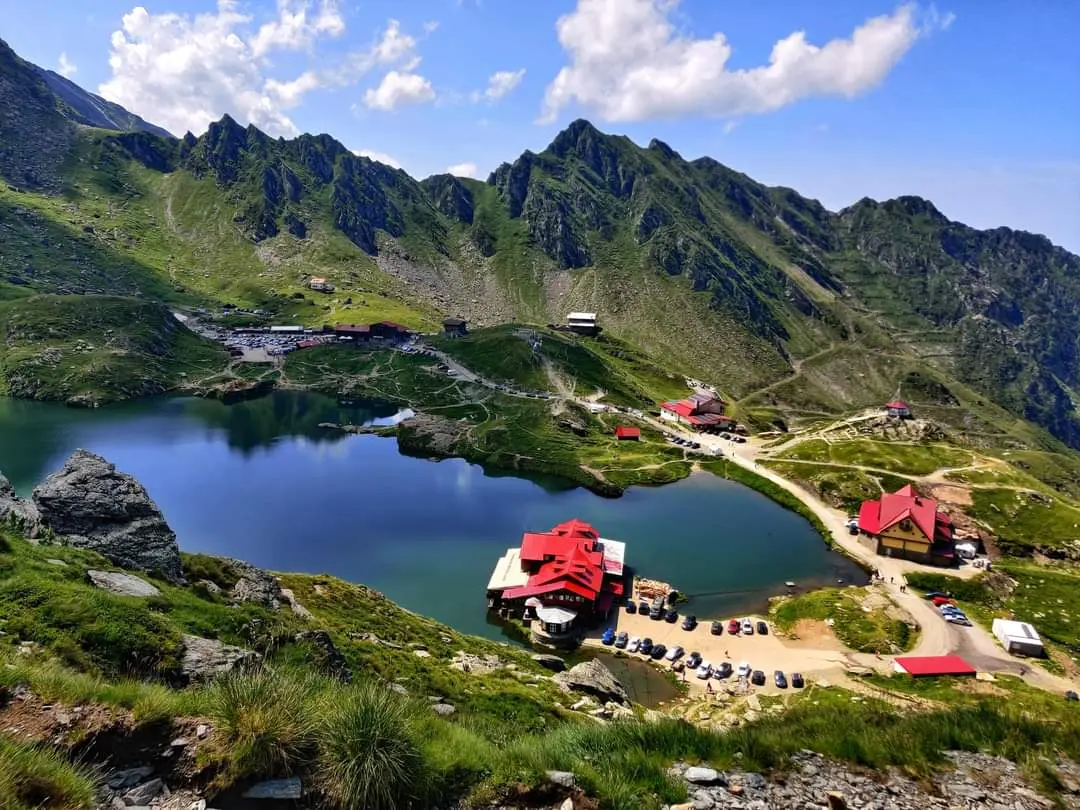
A rental car is the key to Romania: the Transfăgărășan, the painted monasteries of Bucovina, mountain roads and the villages of Maramureș that no train reaches.
Find a car