
Region
Oltenia
Brâncuși, monasteries and the wild Danube
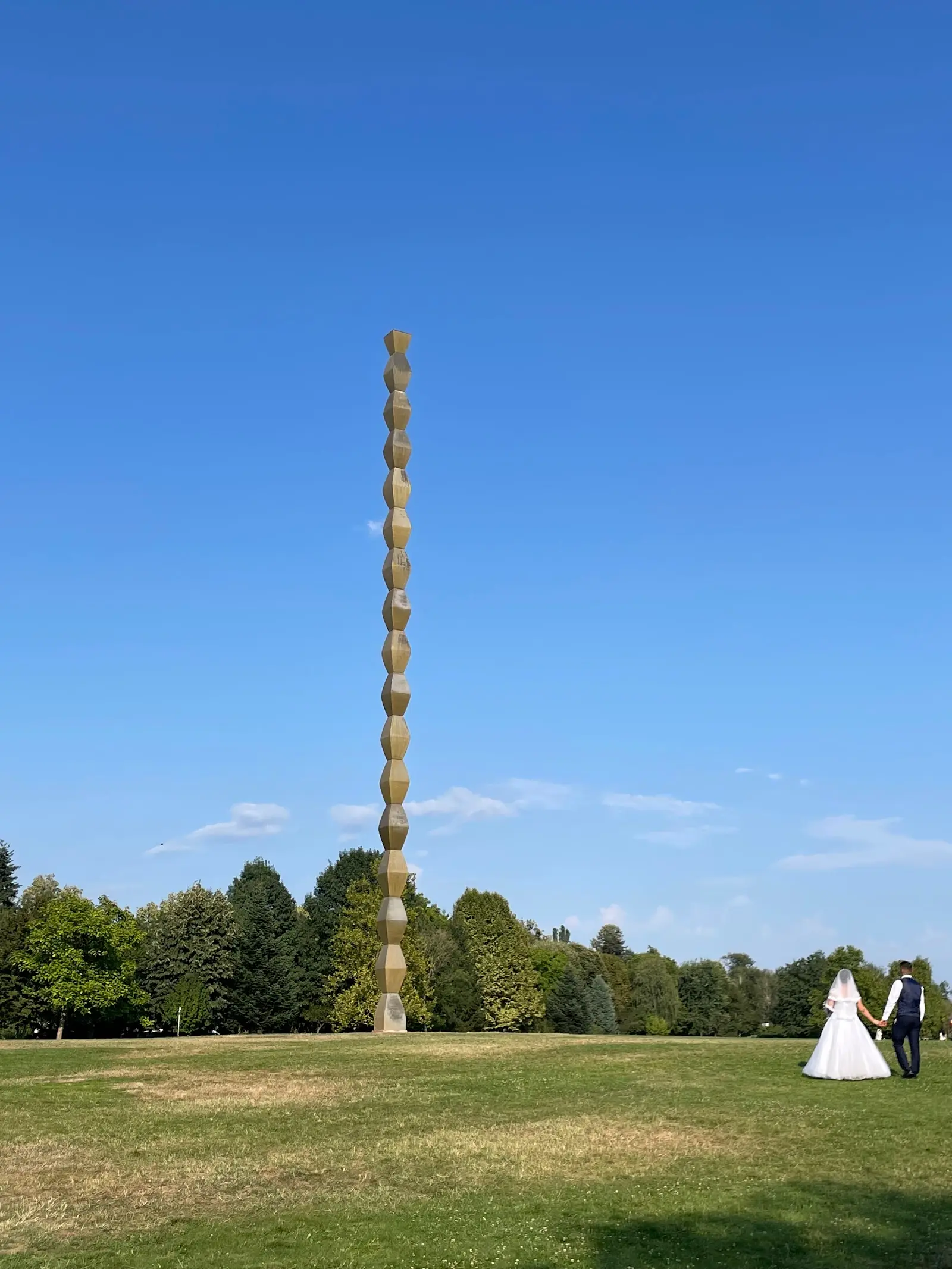
Oltenia, the land between the Carpathians, the Danube and the river Olt, is a region of art, faith and dramatic landscapes. At Târgu Jiu, Constantin Brâncuși, one of the fathers of modern sculpture, left a monumental ensemble of universal power — the Endless Column, the Gate of the Kiss and the Table of Silence, a tribute to the fallen that has become a pilgrimage for art lovers the world over.
Landscapes and landmarks
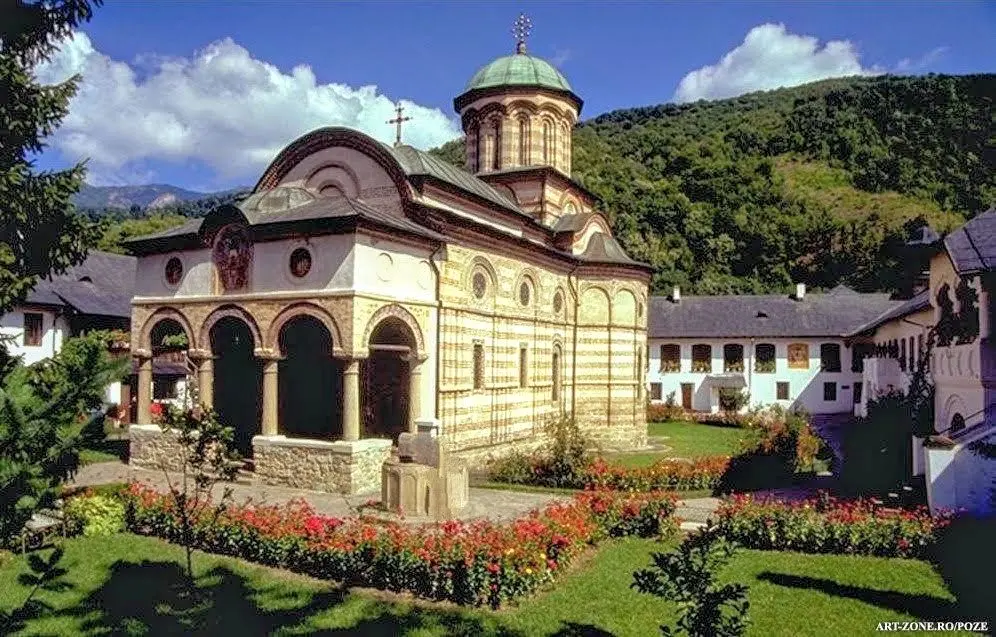
At Horezu, the Brâncovenesc-style monastery, a UNESCO World Heritage masterpiece, shines with its carved stone and refined painting, while the surrounding village keeps alive the tradition of painted pottery, also recognised by UNESCO. Cozia Monastery, founded by Mircea the Elder, watches over the banks of the Olt. Toward the Danube, the Iron Gates gorge — the Cazane — cuts spectacularly through the mountains, with the face of Decebalus carved into the rock, the tallest stone relief in Europe.
Wine and reason to go
The Drăgășani vineyards produce prized whites and reds from native grapes such as Crâmpoșie and Novac. Oltenian cooking is spiced and aromatic, rich in fresh herbs, Danube fish and the roasted-vegetable relish zacuscă. A traveller comes to Oltenia for the dialogue between Brâncuși's genius, the spirituality of its monasteries and the grandeur of the Danube gorges, a land where art and nature both reach the sublime.
Destinations in Oltenia
All destinations →Craiova
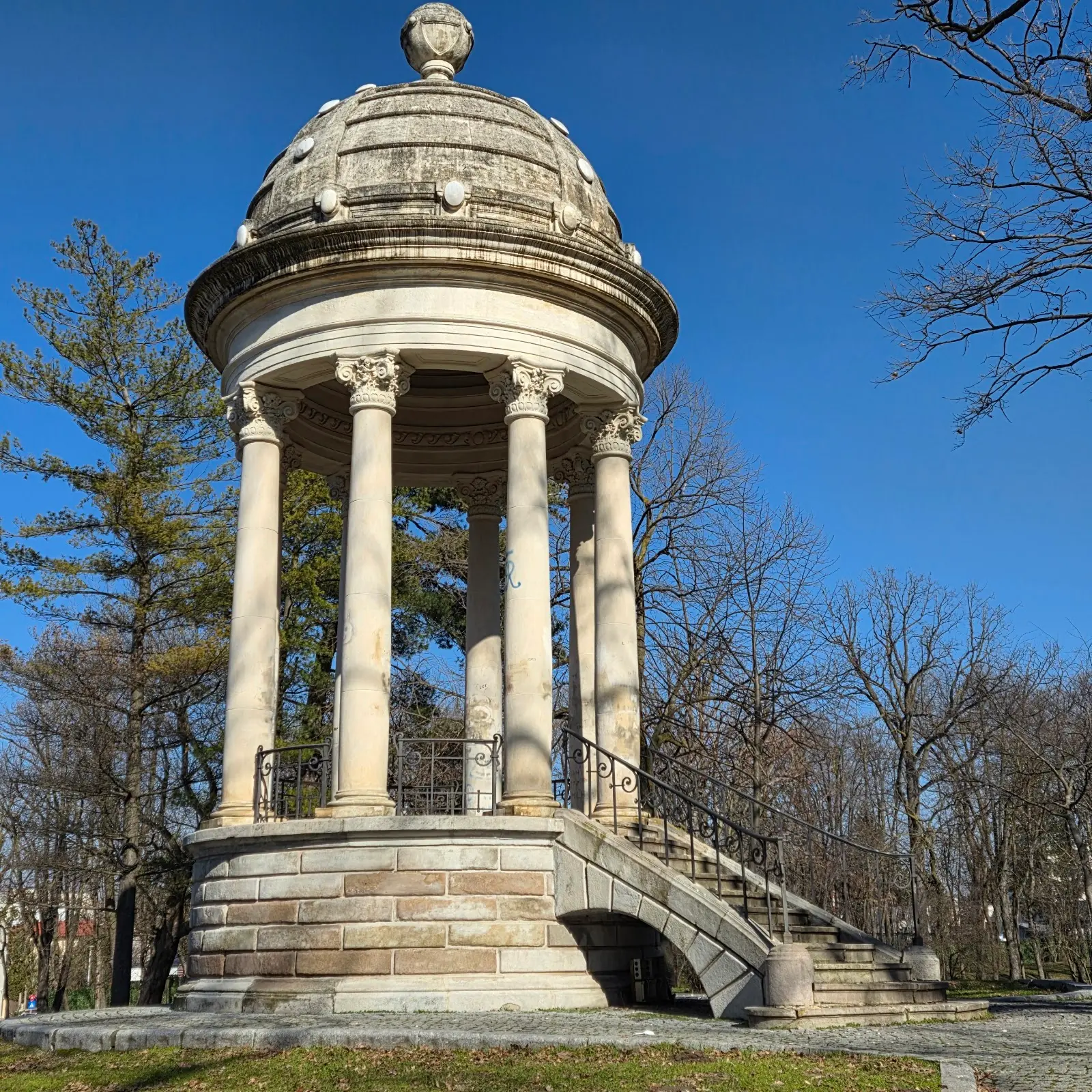
The capital of Oltenia — parks, art and baroque.
Târgu Jiu
The city of the Brâncuși sculptural ensemble.
Horezu
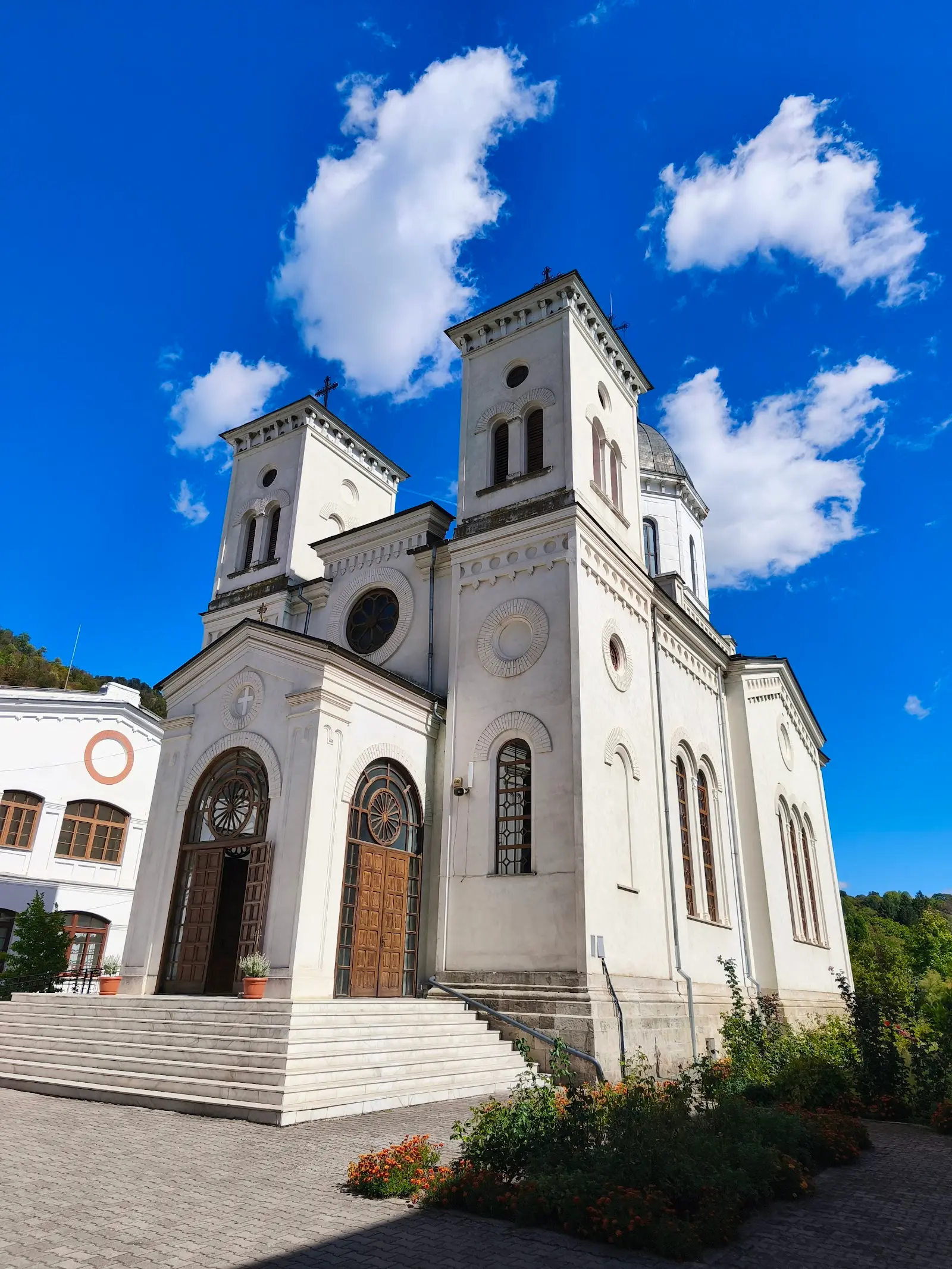
The UNESCO monastery and folk ceramics.
Râmnicu Vâlcea
The gateway to the monasteries of the Olt Valley.
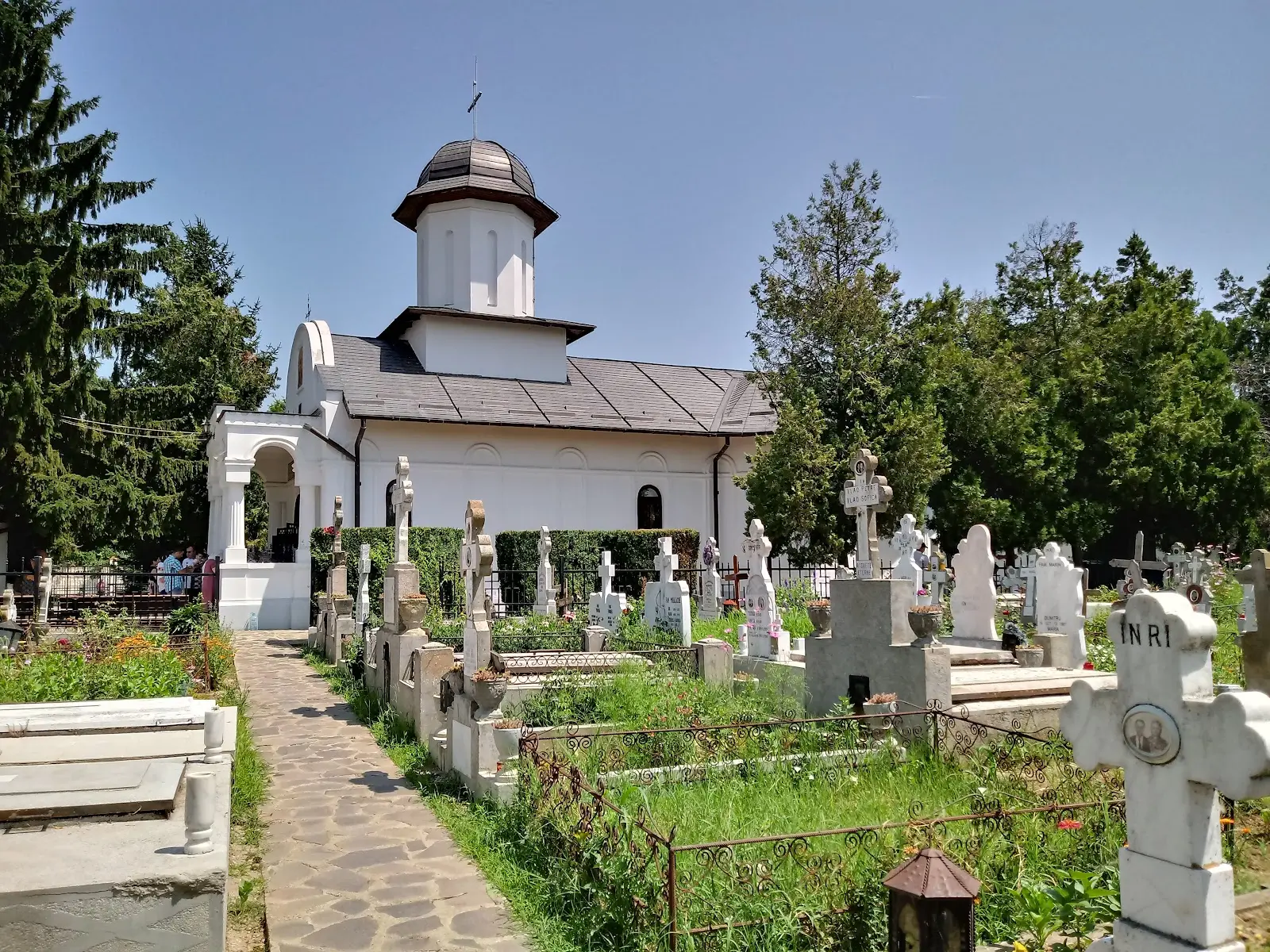
Drăgășani
The vineyard of rare Romanian grapes.
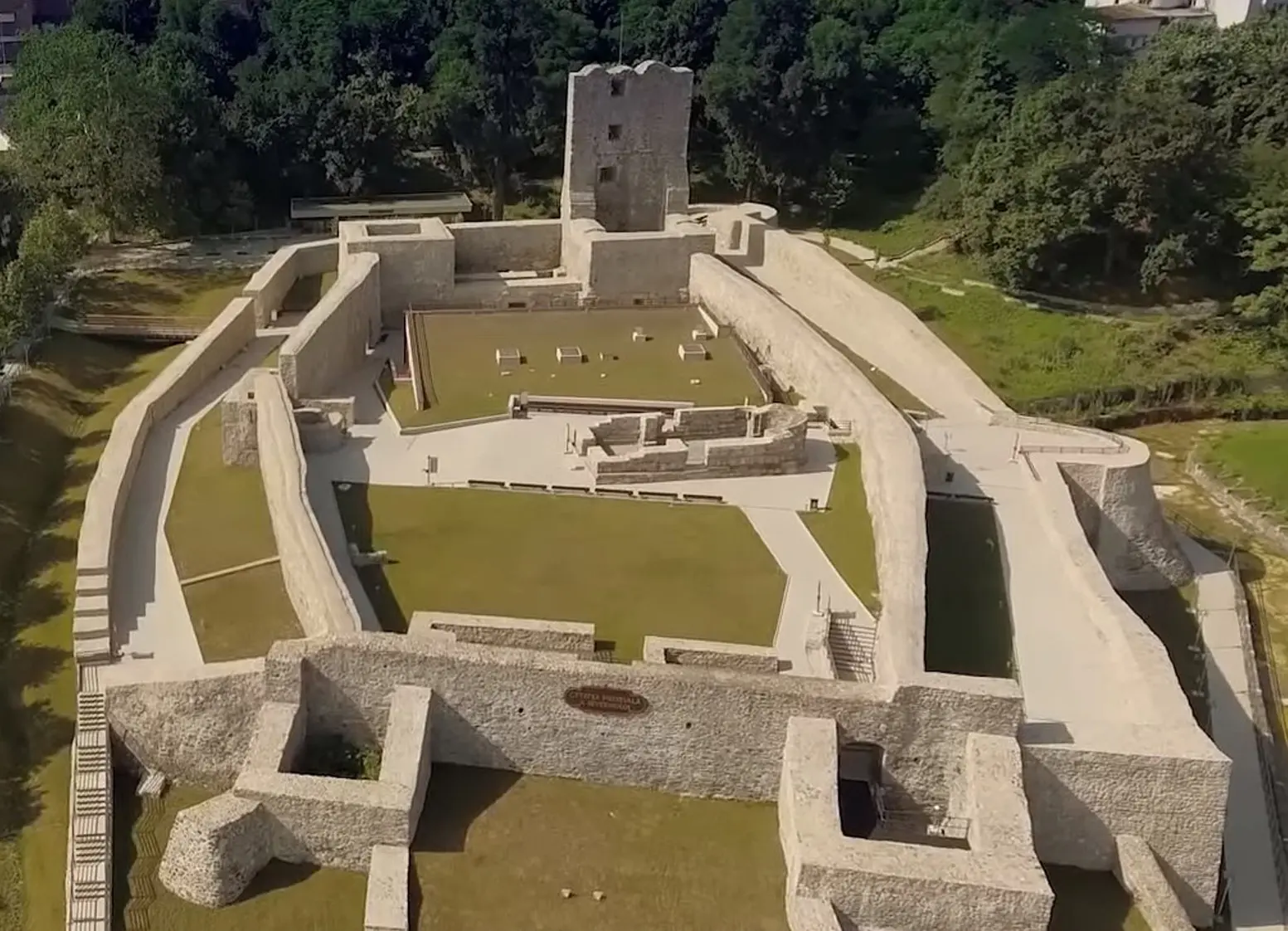
Drobeta-Turnu Severin
A Danube port town, with Trajan's bridge and the Iron Gates.
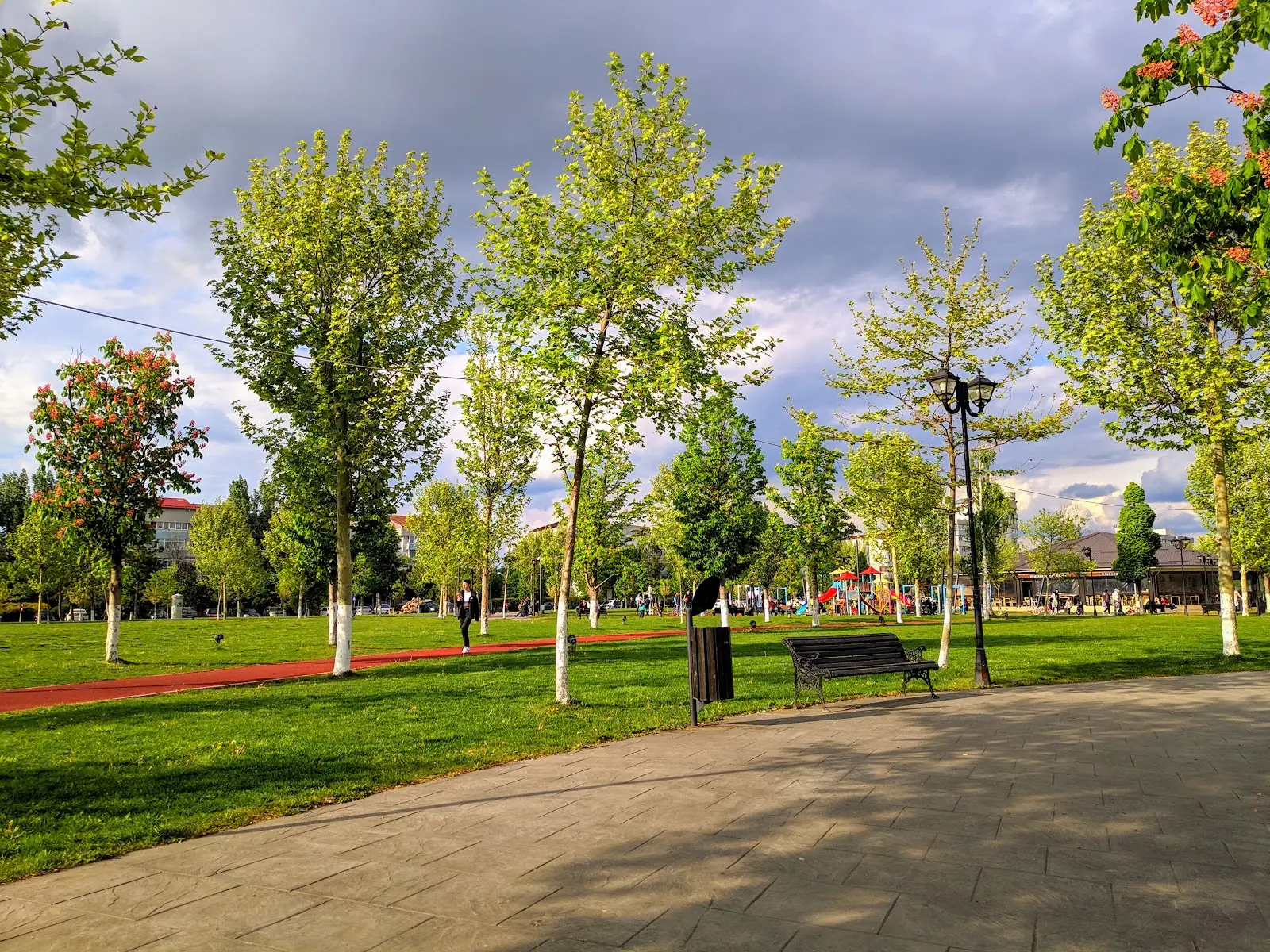
Slatina
A town on the Olt, between the sub-Carpathian hills and the southern plain.
Not to miss in Oltenia
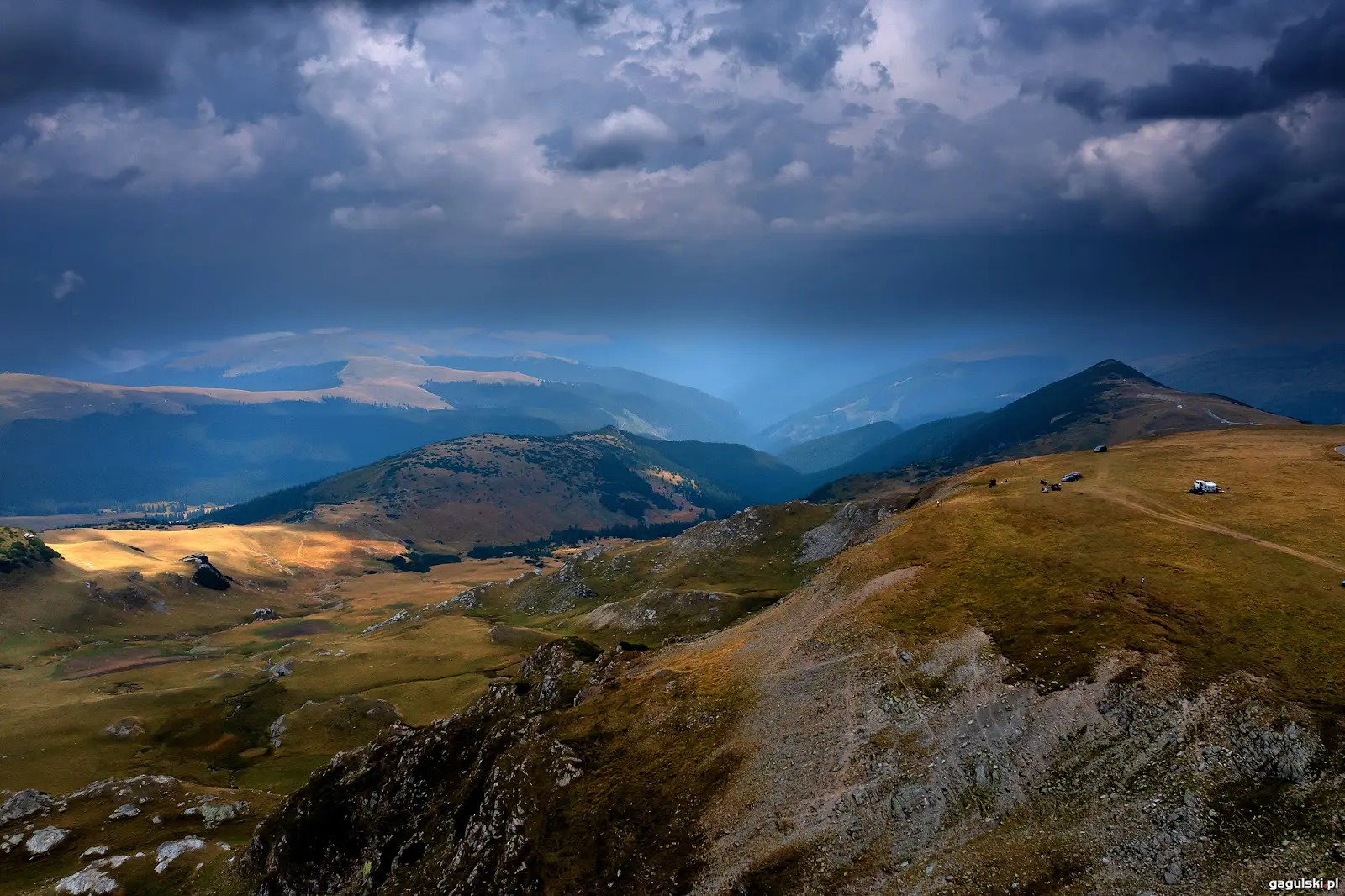 Mountain
Transalpina (Pasul Urdele)
The Transalpina is the highest road in Romania, a spectacular route that crosses the Parâng massif of the Southern Carpathians, linking Oltenia to Transylvania over alpine ridges. The Urdele Pass, the highest point of the road, sits at over 2100 metres, offering broad views over the bare summits, the deep valleys and the alpine meadows that stretch as far as the eye can see. The road, with historical origins lost in antiquity and modernised in recent times, climbs in switchbacks above the tree line, through a wild, bare landscape often swept by wind and shrouded in mist. Flocks of sheep graze on either side of the highway, and in the warm season the slopes are covered with flowers. Because of the altitude, the road is passable only in the warm months, being closed in winter due to heavy snow. The route is prized by motorcyclists, cyclists and lovers of mountain scenery, offering one of the most memorable driving experiences in the country, with many stops for photographs.
 Winery
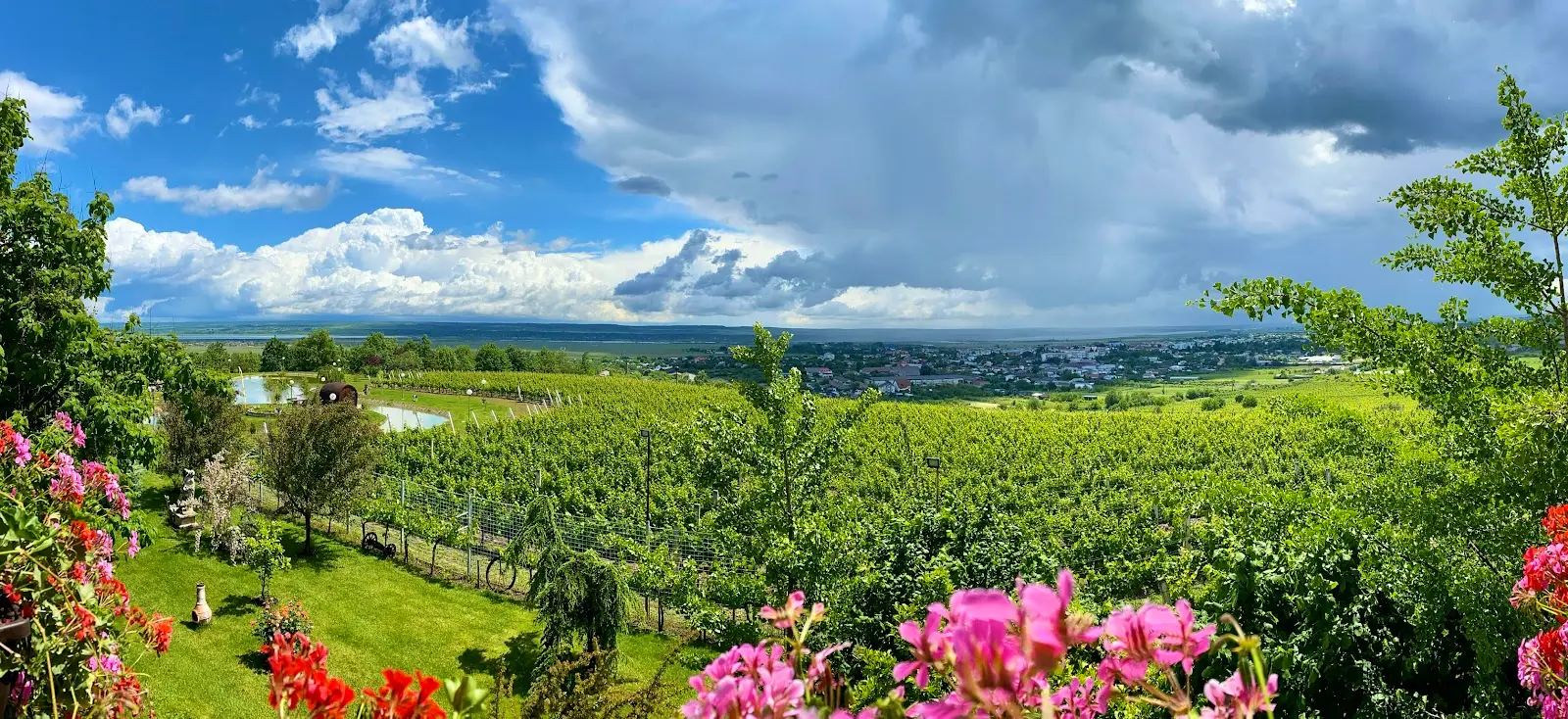
Crama Iordache
Crama Iordache is a small family winery in the Drăgășani region, part of the new wave that brought Oltenia's native grapes back into focus. It works small quantities, with an emphasis on authenticity and the expression of place: Crâmpoșie Selecționată, Negru de Drăgășani, Novac and fresh whites, in honest wines with character. Without fuss and without loud marketing, the winery earned its regard through what's in the glass. On the hills of the Olt's right bank, in an area where every small winery has its own story, a visit here means a warm welcome, a relaxed tasting and direct contact with the people who make the wine. It's the kind of stop that appeals to those after the authentic, far from the crowded circuits.
 Monastery
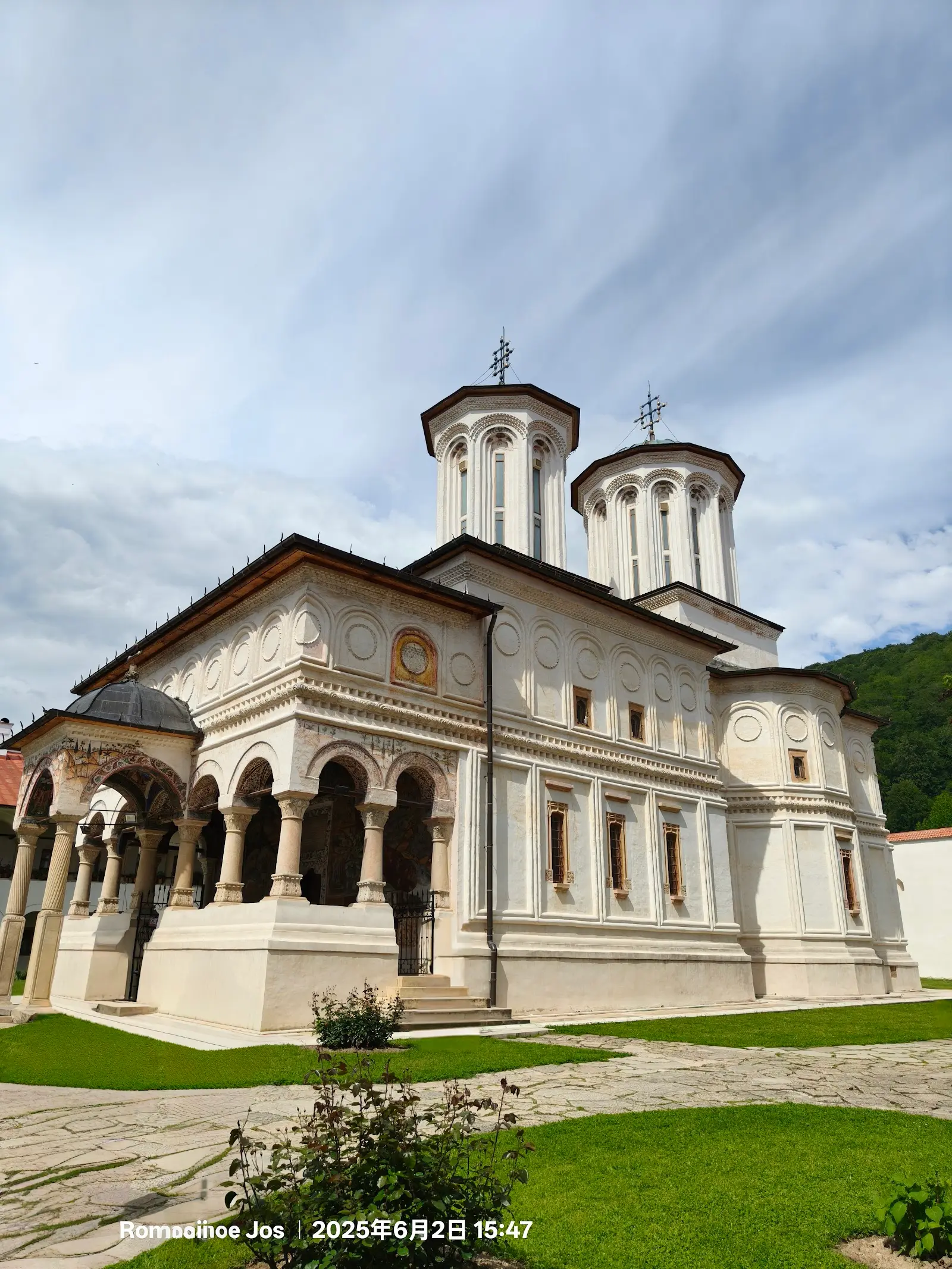
Mănăstirea Hurezi
Horezu Monastery, located near the town of Horezu in Oltenia, is the largest monastic ensemble in Wallachia and the masterpiece of the Brancovan style, which is why it has been inscribed on the UNESCO World Heritage list. Founded at the end of the seventeenth century by the ruler Constantin Brancoveanu, the monastery impresses through its architectural balance, the richness of its stone and wood carving and its ensemble of remarkably well-preserved frescoes, which include portraits of the founder and his family. Elegant columns, arcades, porches and fine decoration define this style, a synthesis of Byzantine tradition and Western influences. The complex includes the great church, chapels, cells and a valuable library, a testimony to its cultural role. The quiet setting at the foot of the mountains reinforces the atmosphere of spirituality. Practical note: allow time to admire the frescoes and painting; the visit combines naturally with the Horezu pottery centre, famous for its traditional ceramics.
 Museum
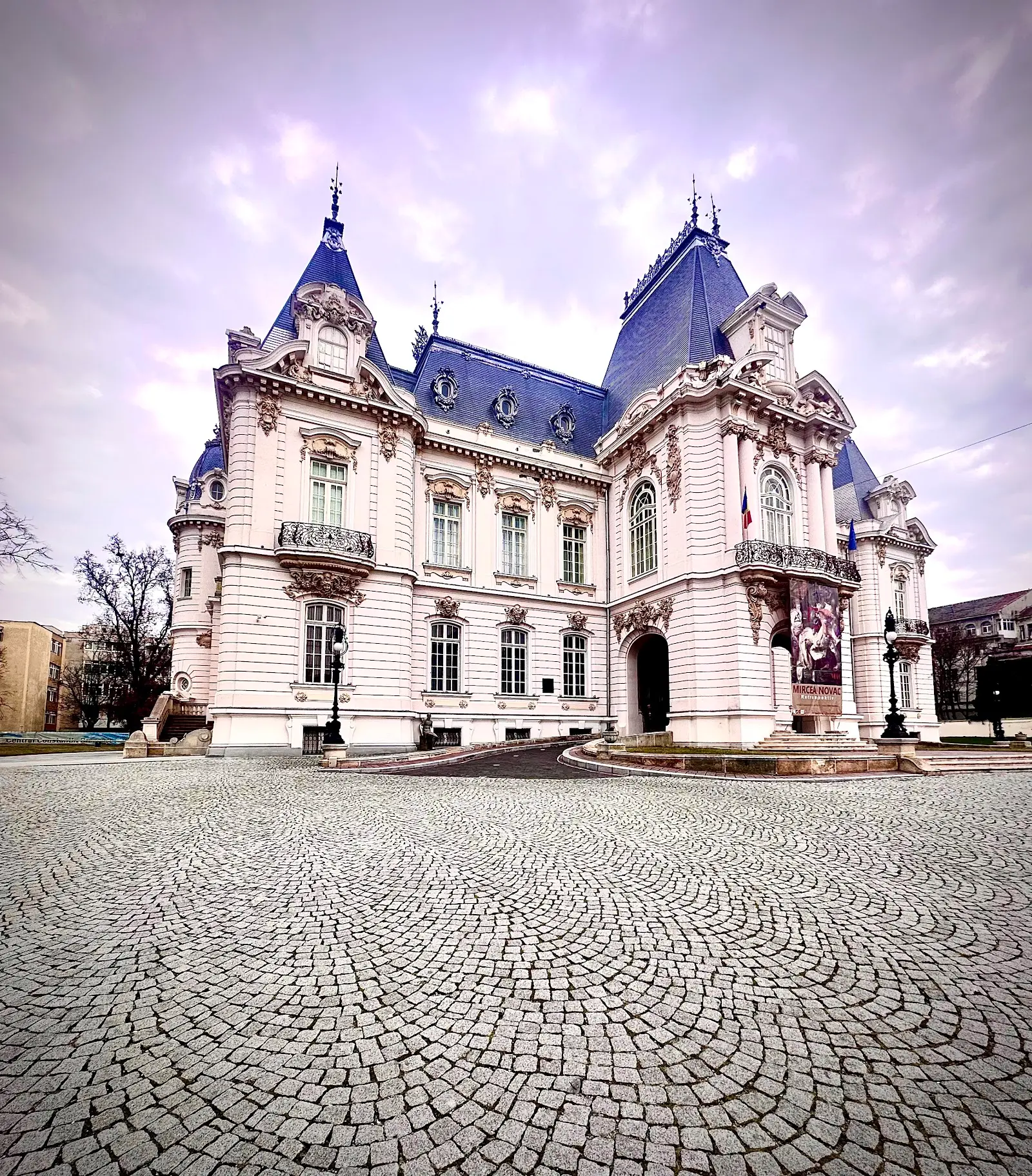
Muzeul de Artă Craiova (Palatul Jean Mihail)
The Art Museum of Craiova is housed in the sumptuous Jean Mihail Palace, one of the most impressive buildings of the town in the heart of Oltenia. Raised in the early twentieth century for a family of great landowners, the palace stands out for its eclectic façades, monumental marble staircases, decorated ceilings and the consummate elegance of its interiors, the work of a renowned French architect. Over time the residence has hosted illustrious guests, and today it holds collections of Romanian and European art. The museum's centrepiece is the collection of sculptures by Constantin Brâncuși, one of the world's greatest sculptors, a native of Oltenia, which lends the institution a special prestige. Alongside the Brâncuși works, visitors discover valuable painting and decorative art. The union of the palace's grandeur with the importance of the collections makes the Art Museum of Craiova a first-rank cultural destination, a compulsory stop for anyone discovering the historic capital of Oltenia.
 Monastery
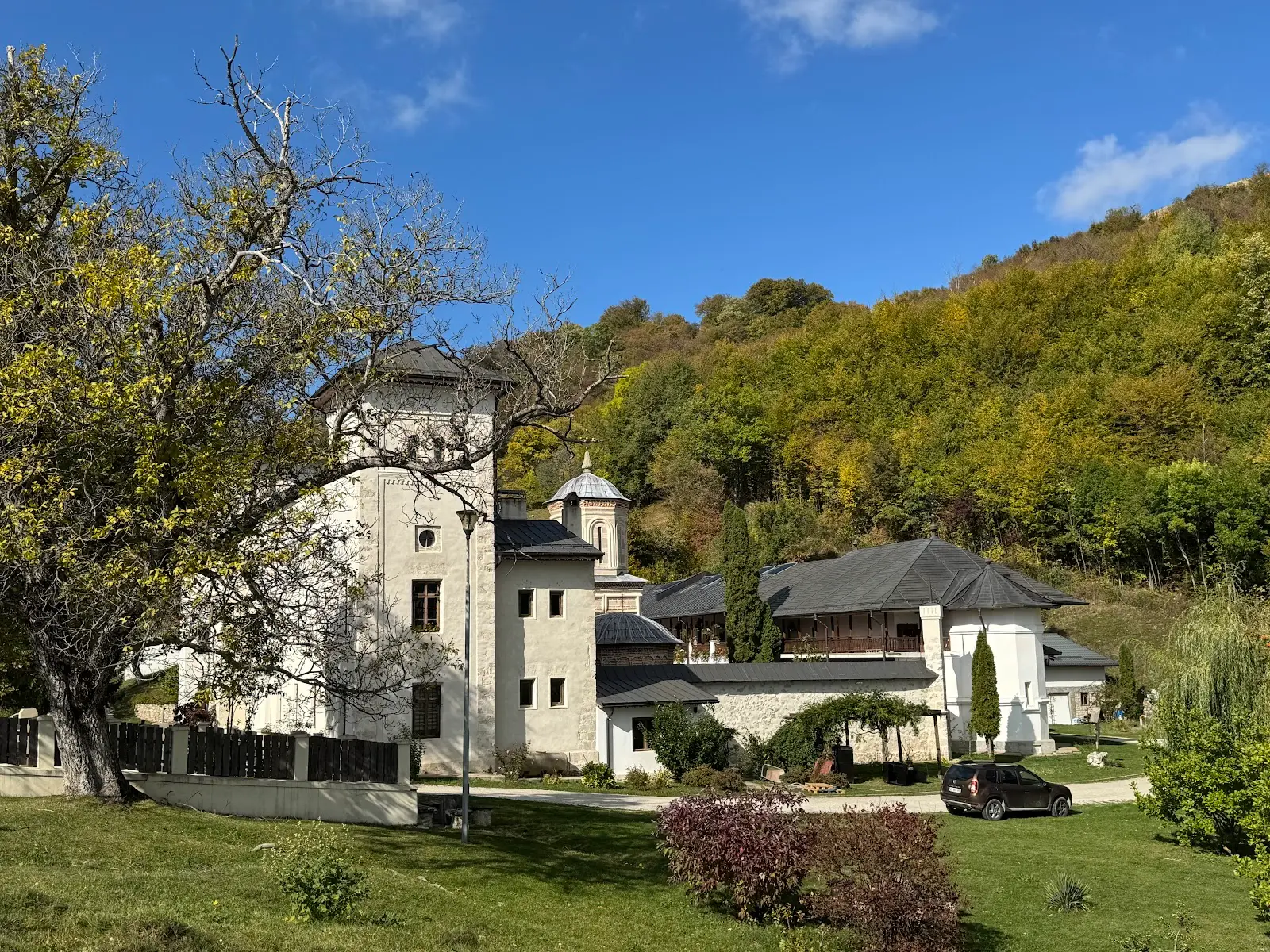
Mănăstirea Arnota
Arnota Monastery rises in solitude on a mountain peak in northern Oltenia, above the village of Costești, in a landscape of rocks and forests that heightens the sense of withdrawal. It was founded in the first half of the seventeenth century by the ruler Matei Basarab, who chose this sheltered spot to also prepare his tomb, which lies today inside the church. The church preserves a particularly valuable carved iconostasis and fragments of wall painting from the founder's era, testimonies of early Brâncoveanu-style art. The road climbing up to the monastery offers wide views over the sub-Carpathian hills and the nearby limestone quarry. The atmosphere is quiet and fit for contemplation, and the monastic community carefully maintains the complex. Visitors who reach this place are rewarded with a blend of the site's historic value and the beauty of the surrounding nature. Suitable footwear is recommended for the access road.
 Church
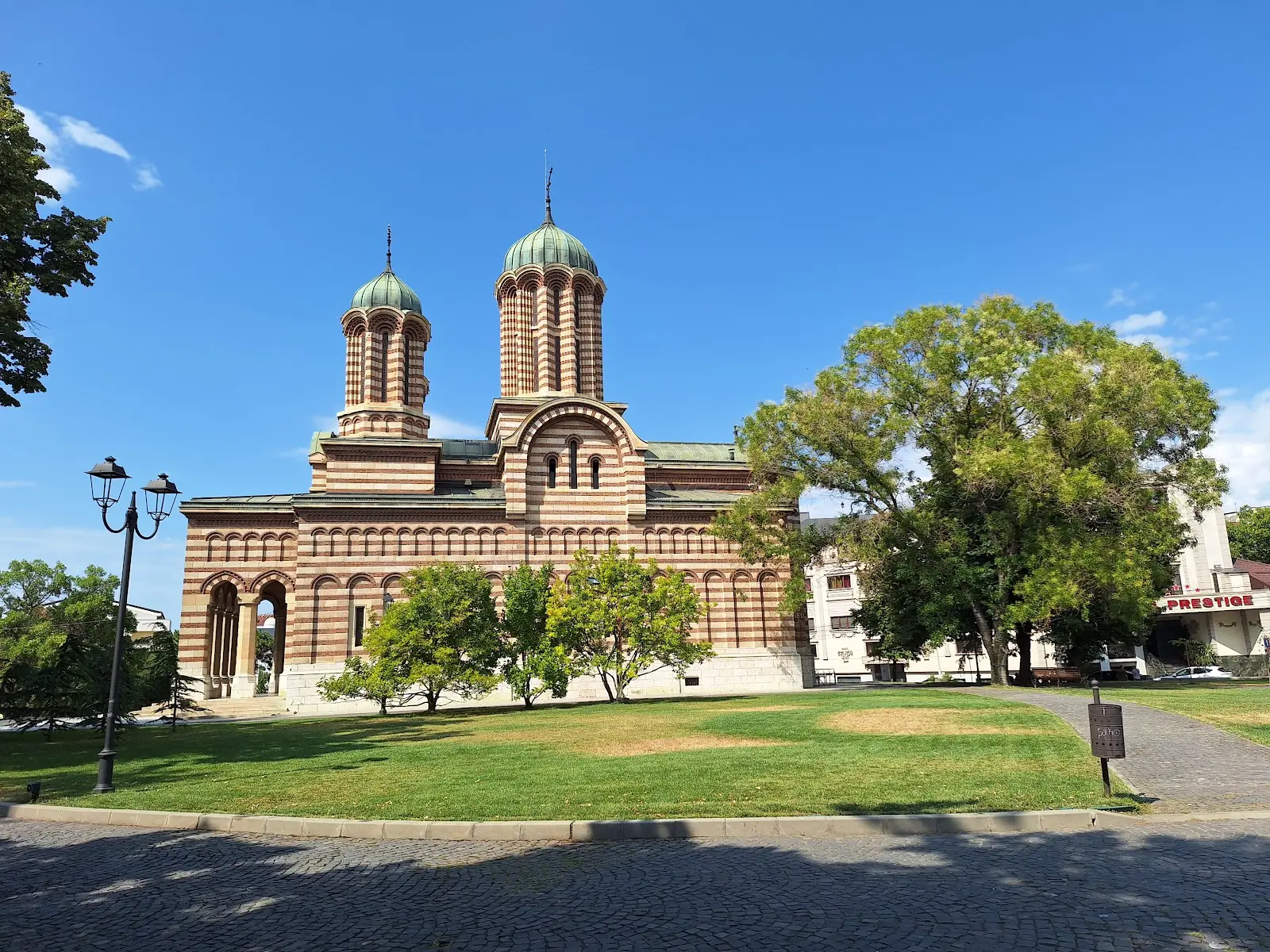
Catedrala Sfântul Dumitru
Saint Demetrius Cathedral is the metropolitan cathedral of Craiova and one of the most important Orthodox foundations in Oltenia. Raised on the site of a much older church linked to the Craiovesti family and to the medieval history of the town, the present building was rebuilt in the second half of the 19th century in the Neo-Byzantine style, to the plans of the French architect André Lecomte du Noüy, well known for his restorations in Romania. The interior is impressive for its mural painting, its richly carved iconostasis and the solemn atmosphere of the space. The cathedral holds relics and valuable liturgical objects and remains a spiritual landmark for the local community. Standing in the historic centre of Craiova, near other significant monuments, it is easy to include in a walk through the city. Visitors are asked to respect the dress and quiet appropriate to a place of worship, especially during services.
Regional flavours
Tours & experiences in Oltenia
Experiences
Guided tours in Oltenia
Day trips, walking tours and hand-picked experiences across Oltenia — free cancellation on most.
See all experiencesWhere to stay in Oltenia
Stays nearby
Hotels & stays in Oltenia