
Oltenia
Craiova
The capital of Oltenia — parks, art and baroque.
Craiova is the largest city in Oltenia and its main economic, cultural and university centre, set on the bank of the Jiu River in southern Romania. Known as "the Bănia" for its historic role as the seat of the bans of Oltenia, the city blends an elegant architectural heritage with a dynamic urban life.
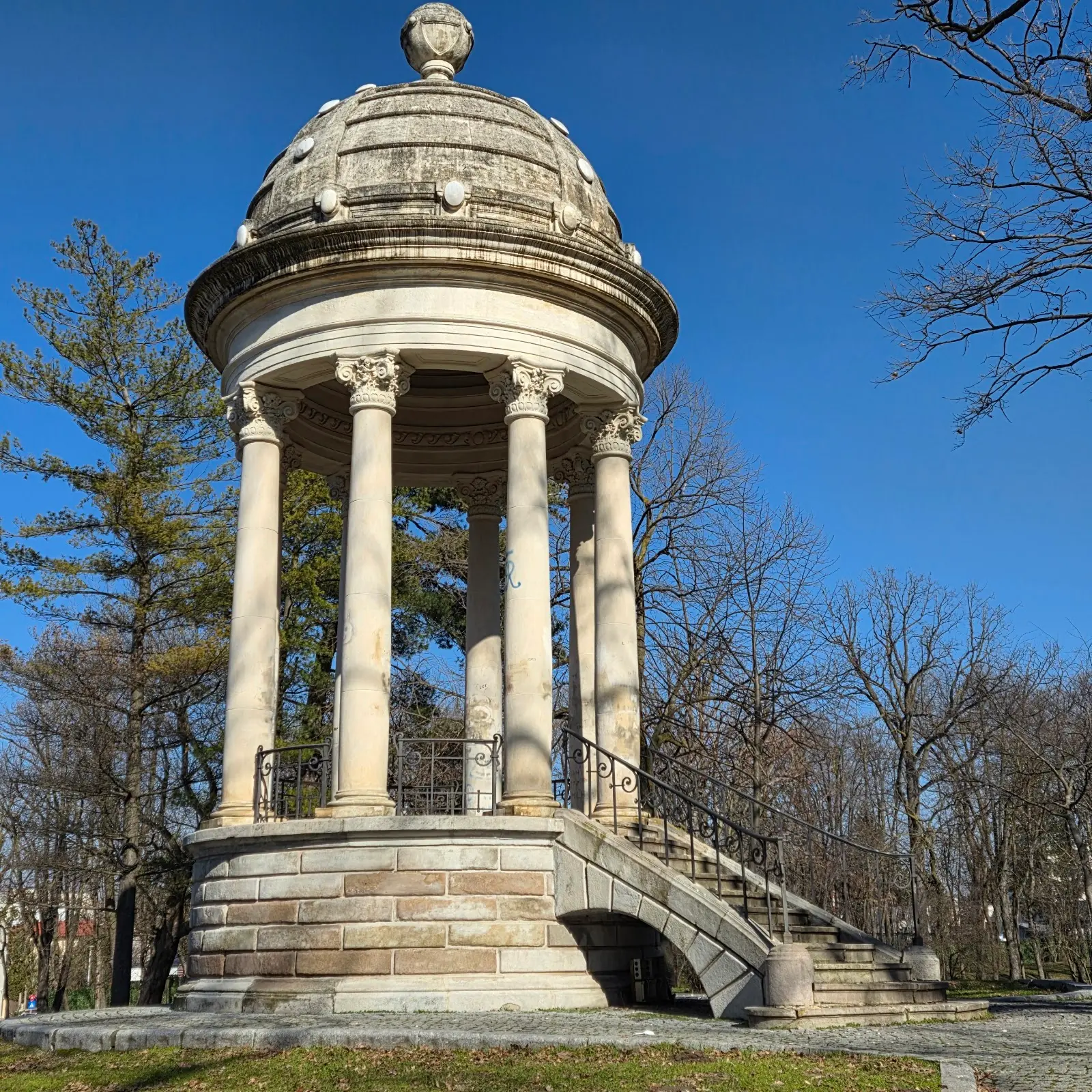
Its emblematic landmark is the Jean Mihail Palace, a sumptuous early-20th-century building that today houses the Art Museum, remarkable above all for its room dedicated to the sculptor Constantin Brâncuși, a son of this region, with several of his early works. The recently modernised historic centre gravitates around Mihai Viteazul Square and the pedestrian zone, full of terraces and restored buildings. Also worth visiting are Nicolae Romanescu Park, one of the largest and most beautiful parks in Europe, laid out in Romantic style in the early 20th century with lakes, bridges and a castle, and the Bănia House, the city's oldest civil building.
Craiova is also renowned for its football passion and cultural life — its theatre and opera play an important role. Oltenian cuisine is hearty and flavourful, with Balkan influences.
The city has an international airport, major rail links and good road access. Spring through autumn is the best time to visit. Craiova is worth visiting for its cultural heritage, elegant palaces and the Romantic park that sets it apart.
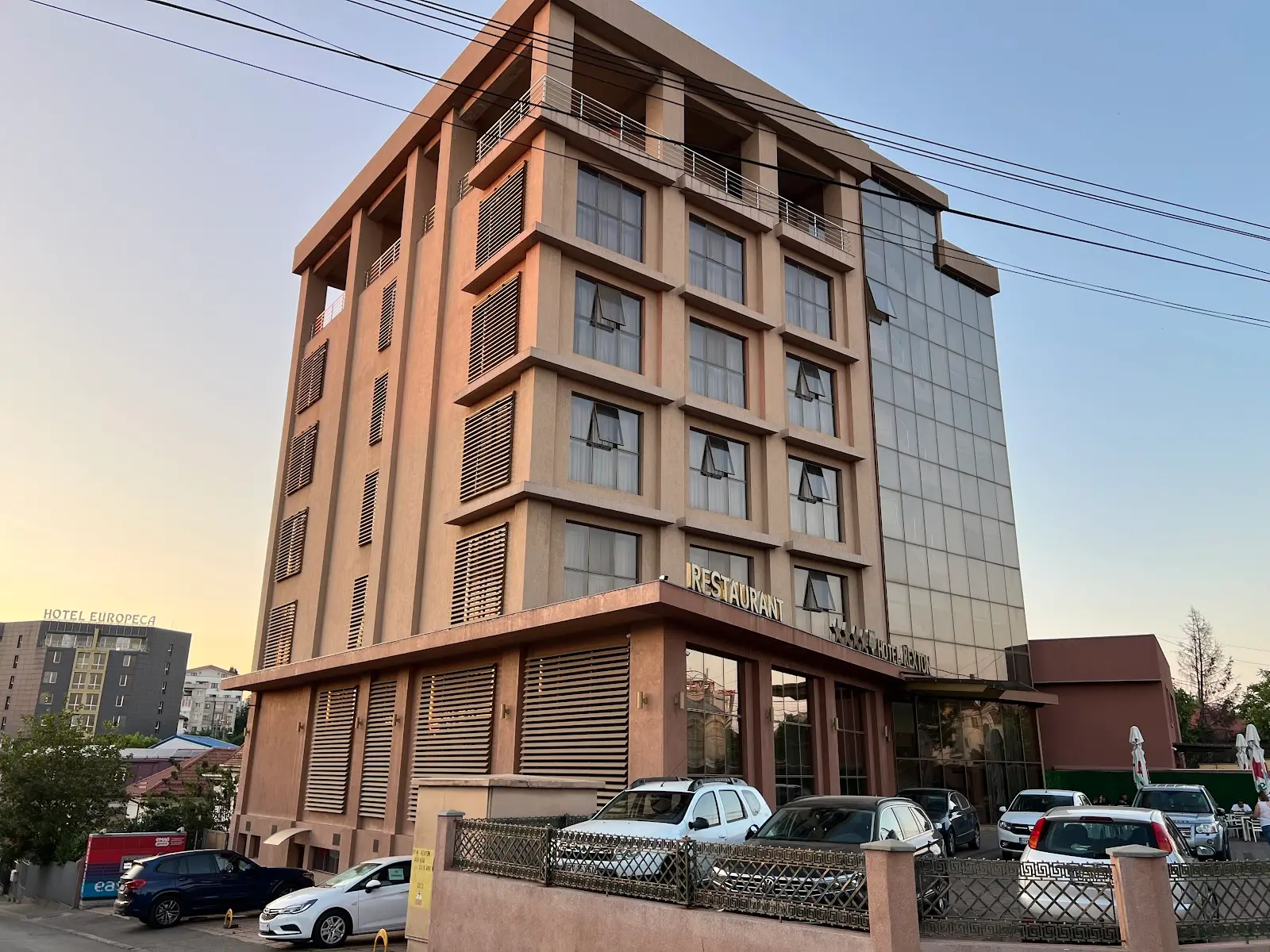
Where to stay
All stays →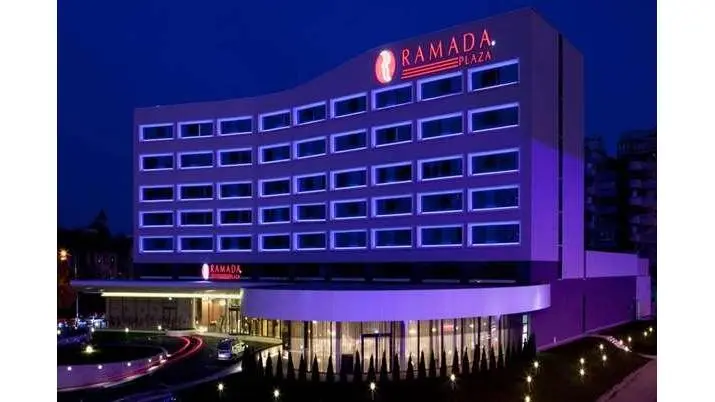
Where to eat
All restaurants →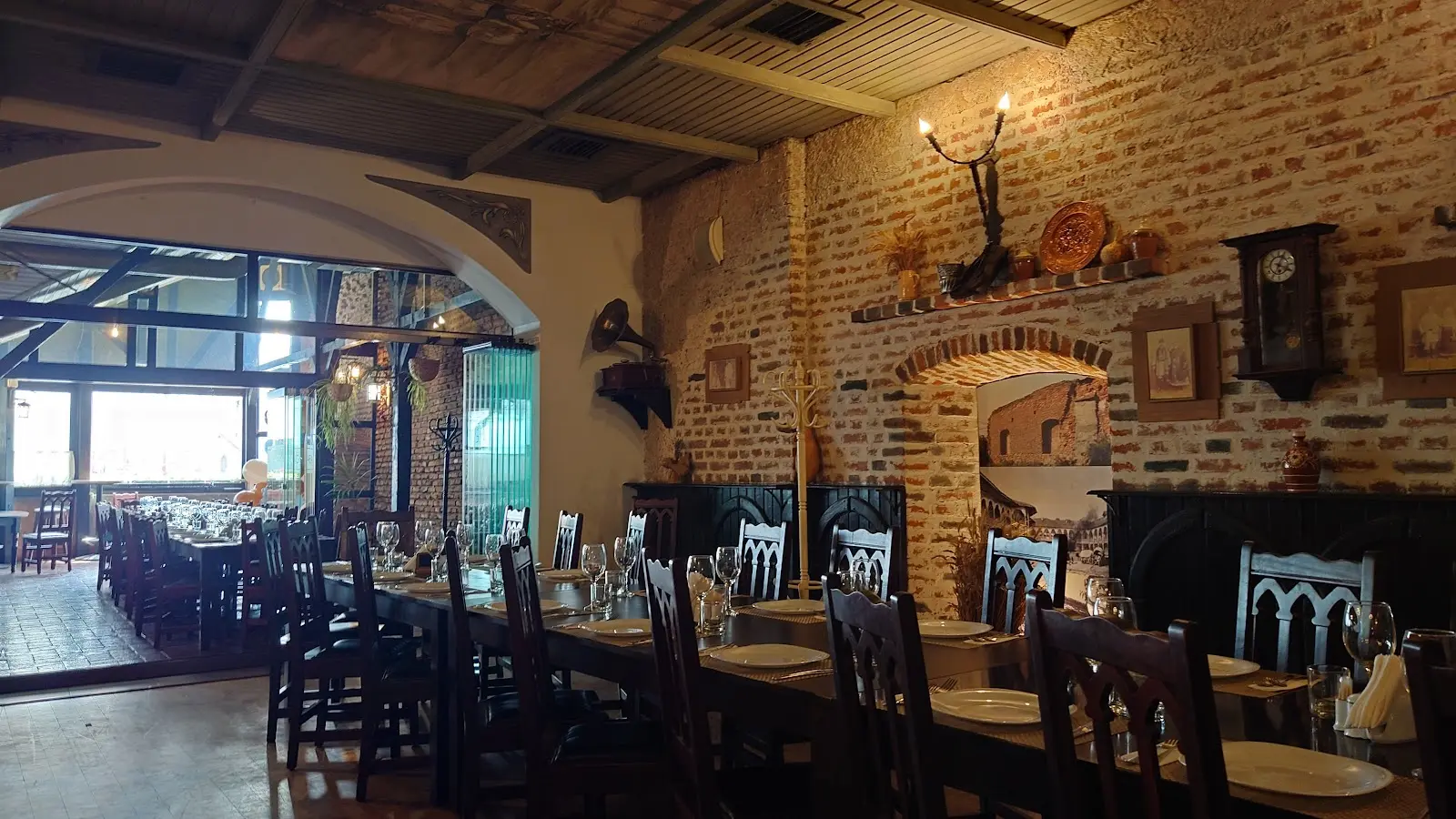
What to see
See all →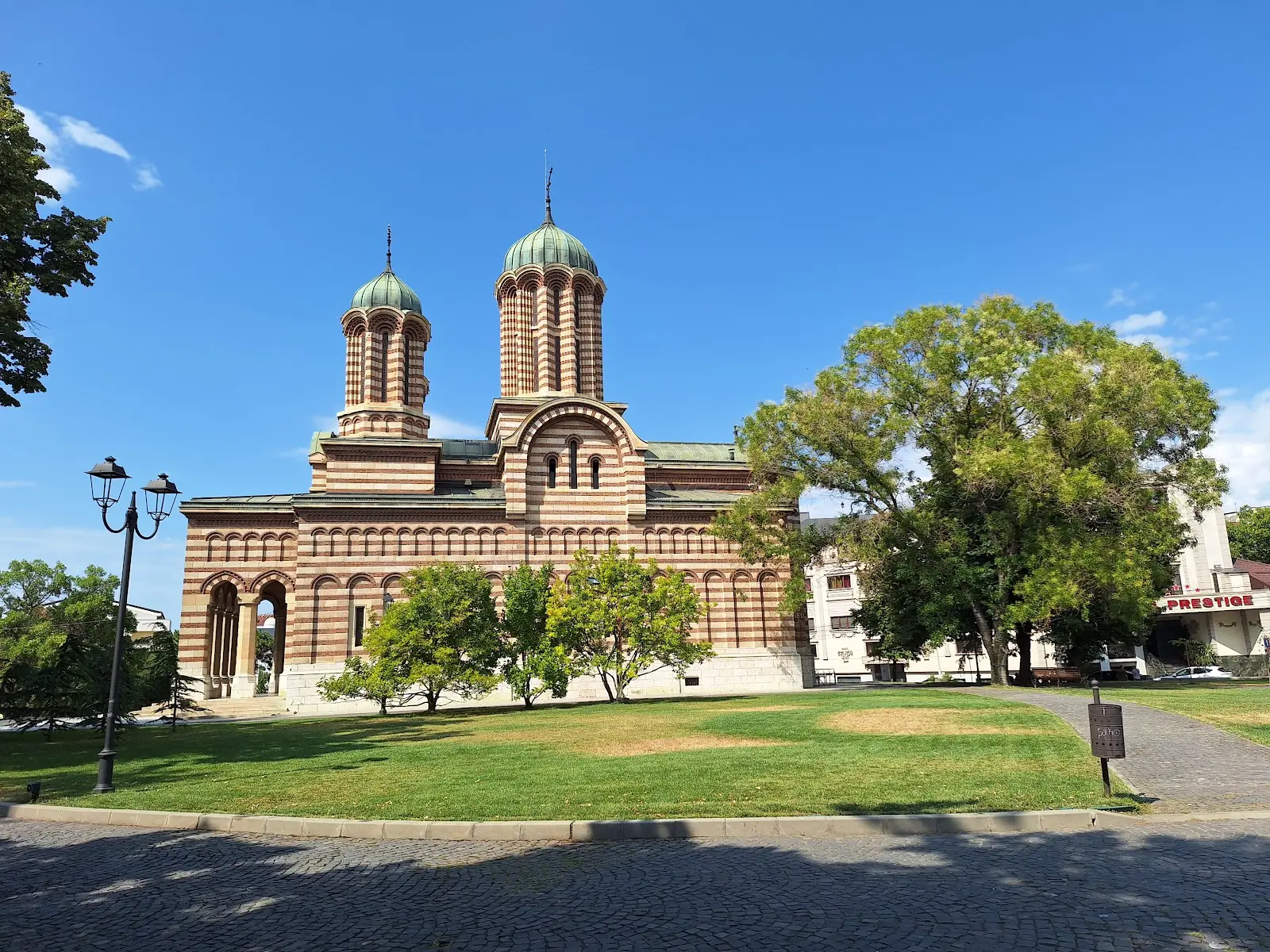 Church
Catedrala Sfântul Dumitru
Saint Demetrius Cathedral is the metropolitan cathedral of Craiova and one of the most important Orthodox foundations in Oltenia. Raised on the site of a much older church linked to the Craiovesti family and to the medieval history of the town, the present building was rebuilt in the second half of the 19th century in the Neo-Byzantine style, to the plans of the French architect André Lecomte du Noüy, well known for his restorations in Romania. The interior is impressive for its mural painting, its richly carved iconostasis and the solemn atmosphere of the space. The cathedral holds relics and valuable liturgical objects and remains a spiritual landmark for the local community. Standing in the historic centre of Craiova, near other significant monuments, it is easy to include in a walk through the city. Visitors are asked to respect the dress and quiet appropriate to a place of worship, especially during services.
 Museum
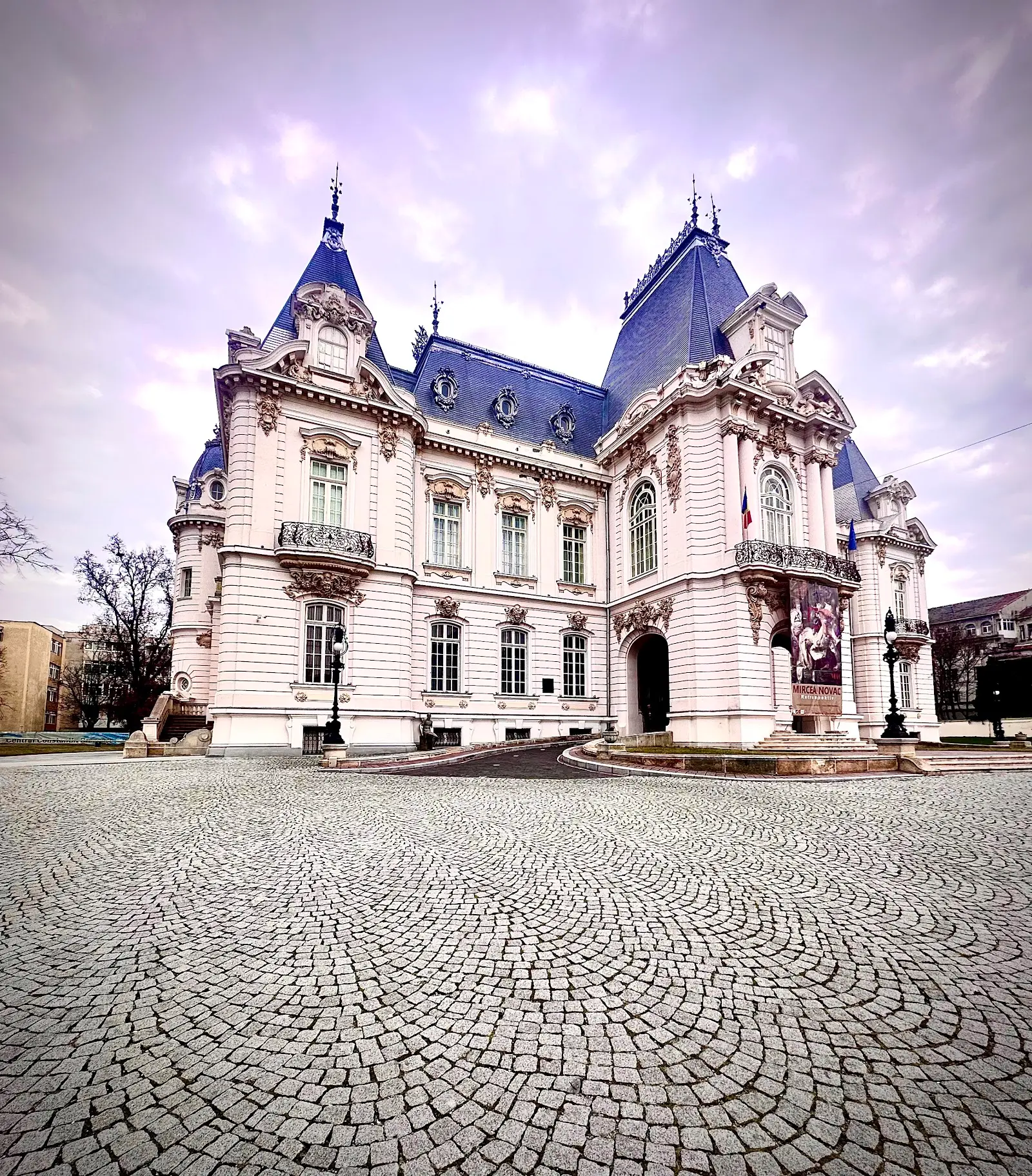
Muzeul de Artă Craiova (Palatul Jean Mihail)
The Art Museum of Craiova is housed in the sumptuous Jean Mihail Palace, one of the most impressive buildings of the town in the heart of Oltenia. Raised in the early twentieth century for a family of great landowners, the palace stands out for its eclectic façades, monumental marble staircases, decorated ceilings and the consummate elegance of its interiors, the work of a renowned French architect. Over time the residence has hosted illustrious guests, and today it holds collections of Romanian and European art. The museum's centrepiece is the collection of sculptures by Constantin Brâncuși, one of the world's greatest sculptors, a native of Oltenia, which lends the institution a special prestige. Alongside the Brâncuși works, visitors discover valuable painting and decorative art. The union of the palace's grandeur with the importance of the collections makes the Art Museum of Craiova a first-rank cultural destination, a compulsory stop for anyone discovering the historic capital of Oltenia.
ParkParcul Nicolae Romanescu
Nicolae Romanescu Park in Craiova is one of the largest and most beautiful parks in Romania and in south-eastern Europe, a work of landscape design awarded at the Universal Exhibition in Paris at the start of the 20th century. Laid out in the romantic style on ground of varied relief, the park stretches over dozens of hectares and impresses with lakes, waterfalls, a suspension bridge, a grotto, a miniature castle and paths winding through old tree plantations. In summer, rowing boats glide on the lakes and families spend their days in the shade of century-old trees; in autumn, the colours turn everything into a painting. A zoo and a hippodrome round out the offer. It is the pride of the Oltenia region and a promenade loved by generations. Admission is free; check the schedule of the zoo and boat rentals.
 Park
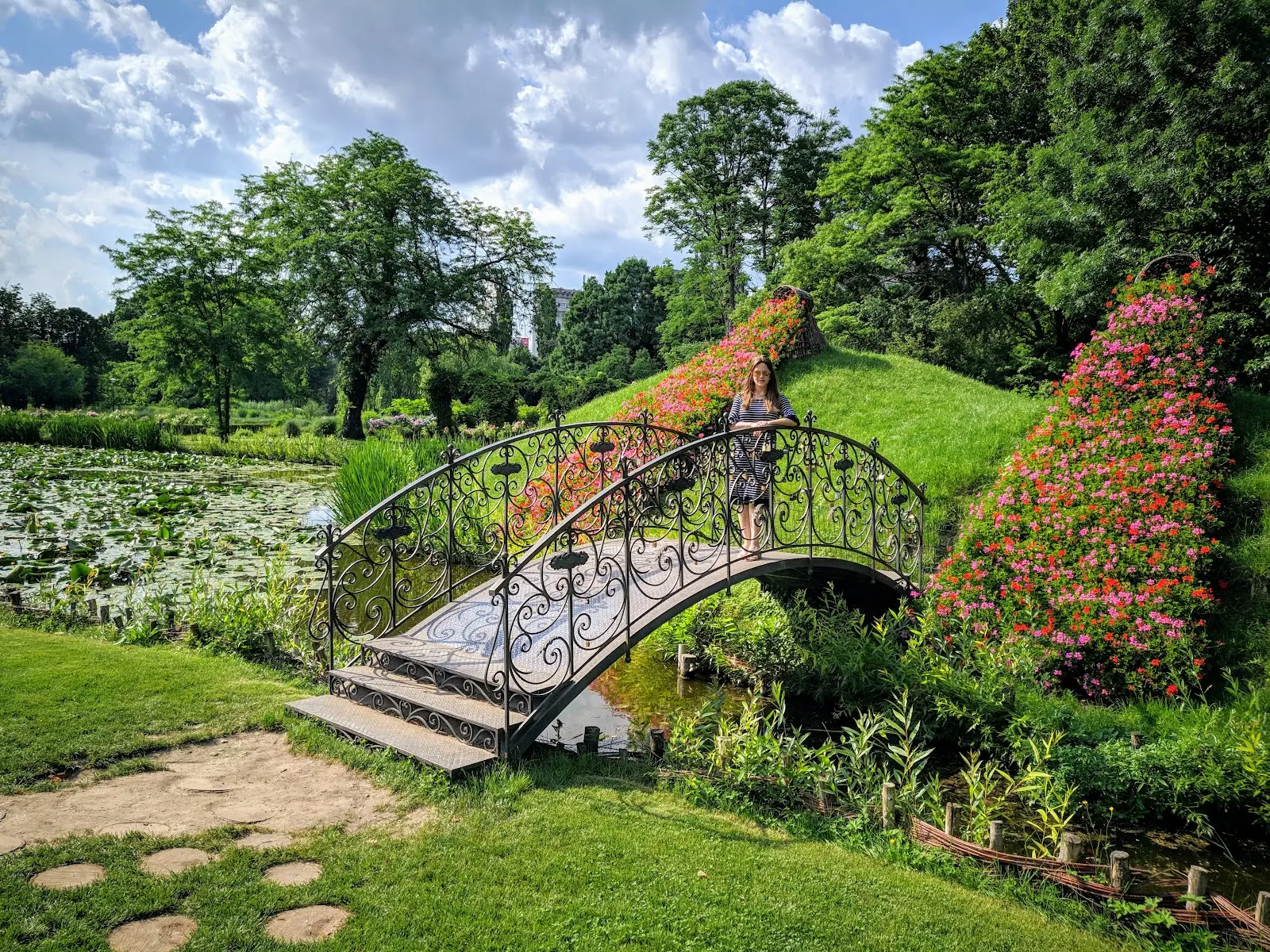
ParkGrădina Botanică Craiova
The Craiova Botanical Garden, bearing the name of the scientist Alexandru Buia, is one of the most important university botanical gardens in Romania, spread over several dozen hectares in a hilly setting. Organised into themed sections, it includes a systematic area, a rich dendrological sector, a rosarium, a pond and greenhouse complexes with exotic plants, as well as a small reconstituted Oltenian village with traditional houses and gates. The garden has a scientific and educational role, but for visitors it is above all a pleasant place to stroll and relax, with shaded paths and viewpoints. Its position near the centre makes it easily accessible, and its diversity of plants makes it a green oasis appreciated by families and nature lovers. It combines well with Nicolae Romanescu Park in the same city. Check the greenhouse hours, which may differ from the park, and allow time for the ethnographic section.
 Museum
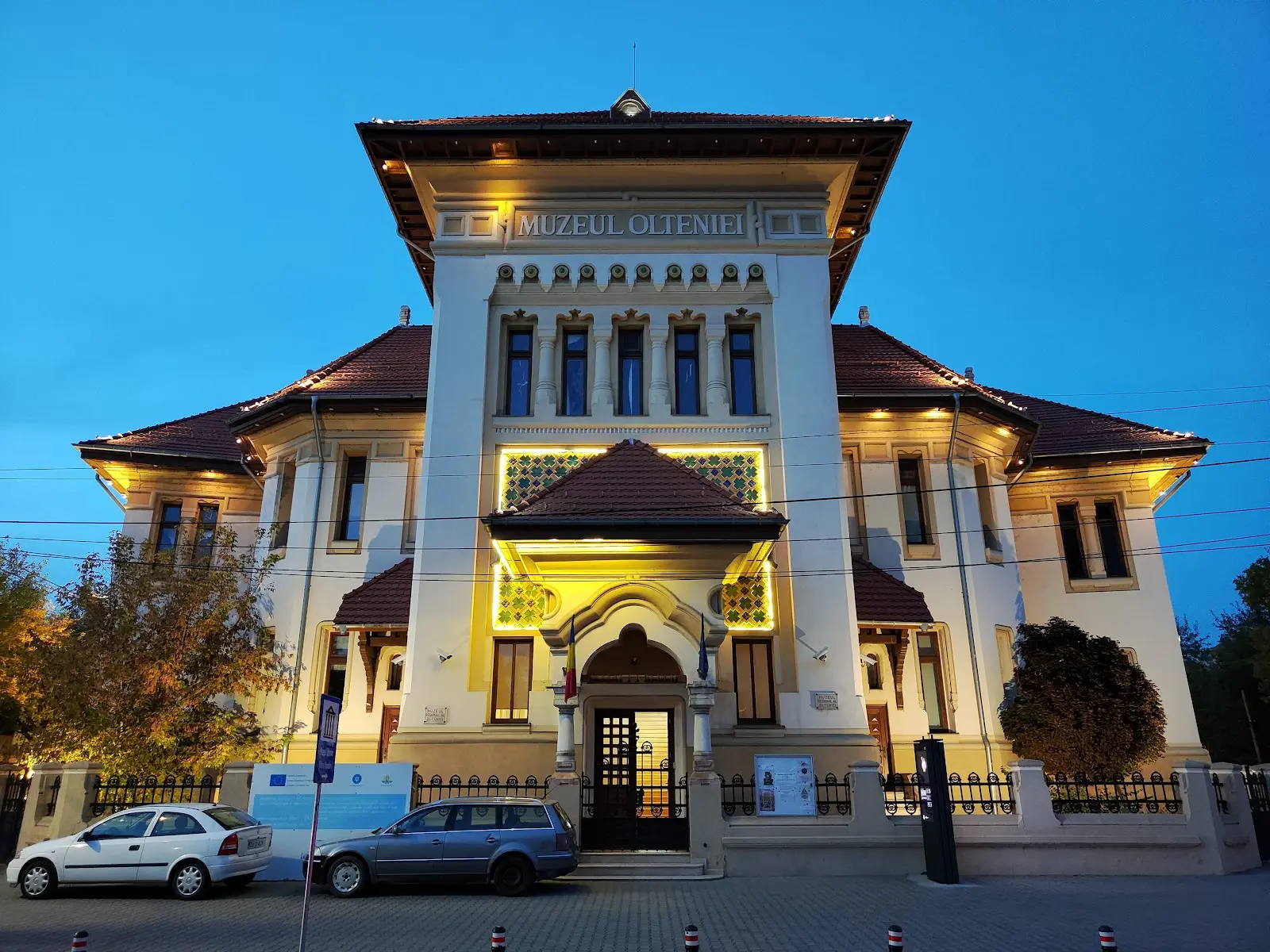
Muzeul Olteniei Craiova
The Oltenia Museum in Craiova is the region's most important museum institution, a complex structure that brings together sections of history and archaeology, of natural sciences and of ethnography, illustrating the richness of Oltenia's heritage. The history section, housed in a monumental building in the town centre, presents remains from prehistory, the Dacian and Roman ages, as well as testimonies of the Middle Ages and the modern era, among them pieces linked to historical figures of Craiova. The ethnography section preserves folk costumes, textiles, pottery and objects of the traditional crafts of the Oltenian villages, while the natural sciences section displays collections of the region's flora, fauna and geology. Through the diversity of its collections, the museum offers a comprehensive picture of Oltenia's history, culture and nature. Practical note: check the seats of the three sections, which lie in different locations of the town, and combine the visit with the discovery of Craiova's historic centre.
 Museum
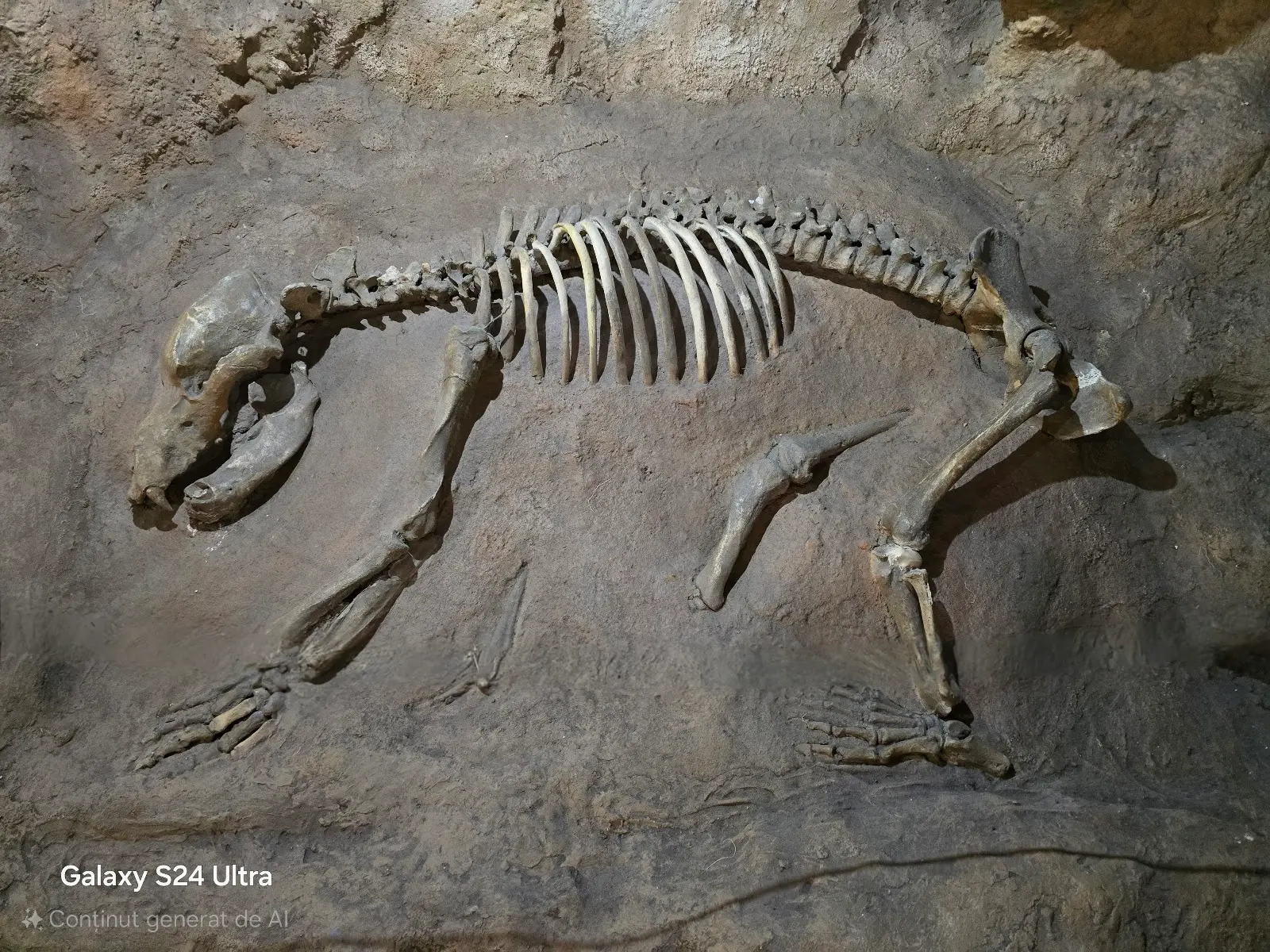
Muzeul Olteniei - Secția de Științele Naturii
The Oltenia Museum, Natural Sciences Section, is one of the important components of the largest museum in Craiova, dedicated to the natural world of the Oltenia region and beyond. The section collections cover fields such as geology, palaeontology, mineralogy, botany and zoology, with exhibits illustrating the diversity of fauna, flora and geological formations. Visitors can see fossils, rocks and minerals, herbaria, insect collections and animal dioramas, presented in a way that combines scientific value with accessibility for the general public and for schoolchildren. The section plays a significant educational role and is a reference point for those interested in biology, geology and ecology. The museum often hosts thematic exhibitions and activities for children. Located in the centre of Craiova, the site suits a visit of an hour or two, complementing a walk through the city. It is a good choice for families and nature-science enthusiasts who want to understand the natural environment of Oltenia.
 Museum
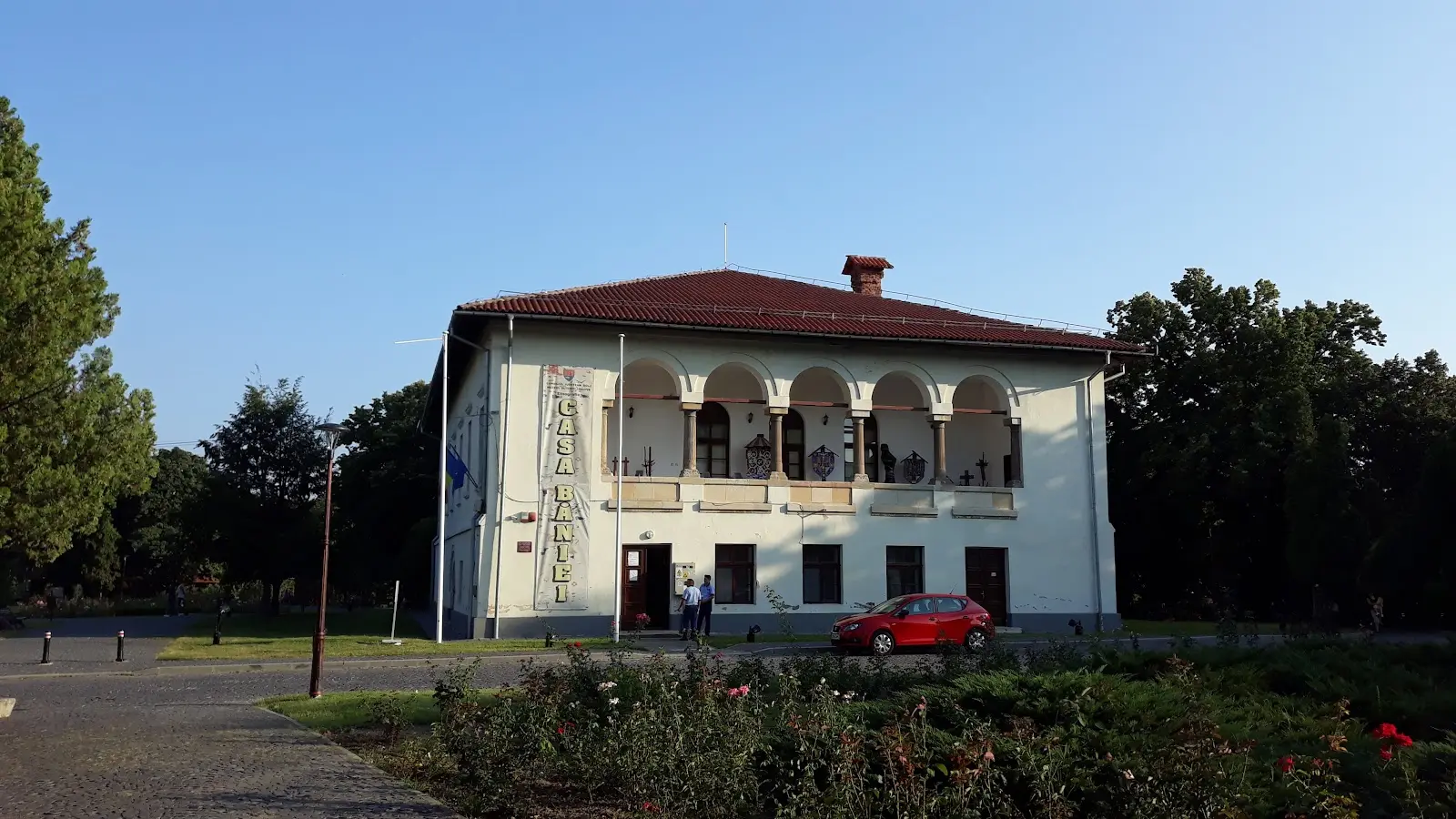
Casa Băniei
Casa Baniei is the oldest surviving civil building in Craiova, an architectural monument that today houses a section of the Oltenia Museum devoted to ethnography and folk art. Built in its present form at the end of the 17th century, on the site of the residence of the great bans of Craiova, high officials with wide powers in Oltenia, the building reflects traditional Romanian architecture, with a porch, arcades and massive walls. Its name recalls the institution of the banate, an old administrative office with medieval roots. Inside, the museum presents folk costumes, textiles, household objects, pottery and testimonies of rural life in Oltenia, offering a rich picture of the traditions and crafts of the area. Set in the historic centre of Craiova, near Saint Demetrius Cathedral, Casa Baniei is easy to visit as part of a tour of the city. The site combines architectural value with the richness of its ethnographic collections and is a recommended stop for those interested in the history and folk culture of Oltenia.
 Church
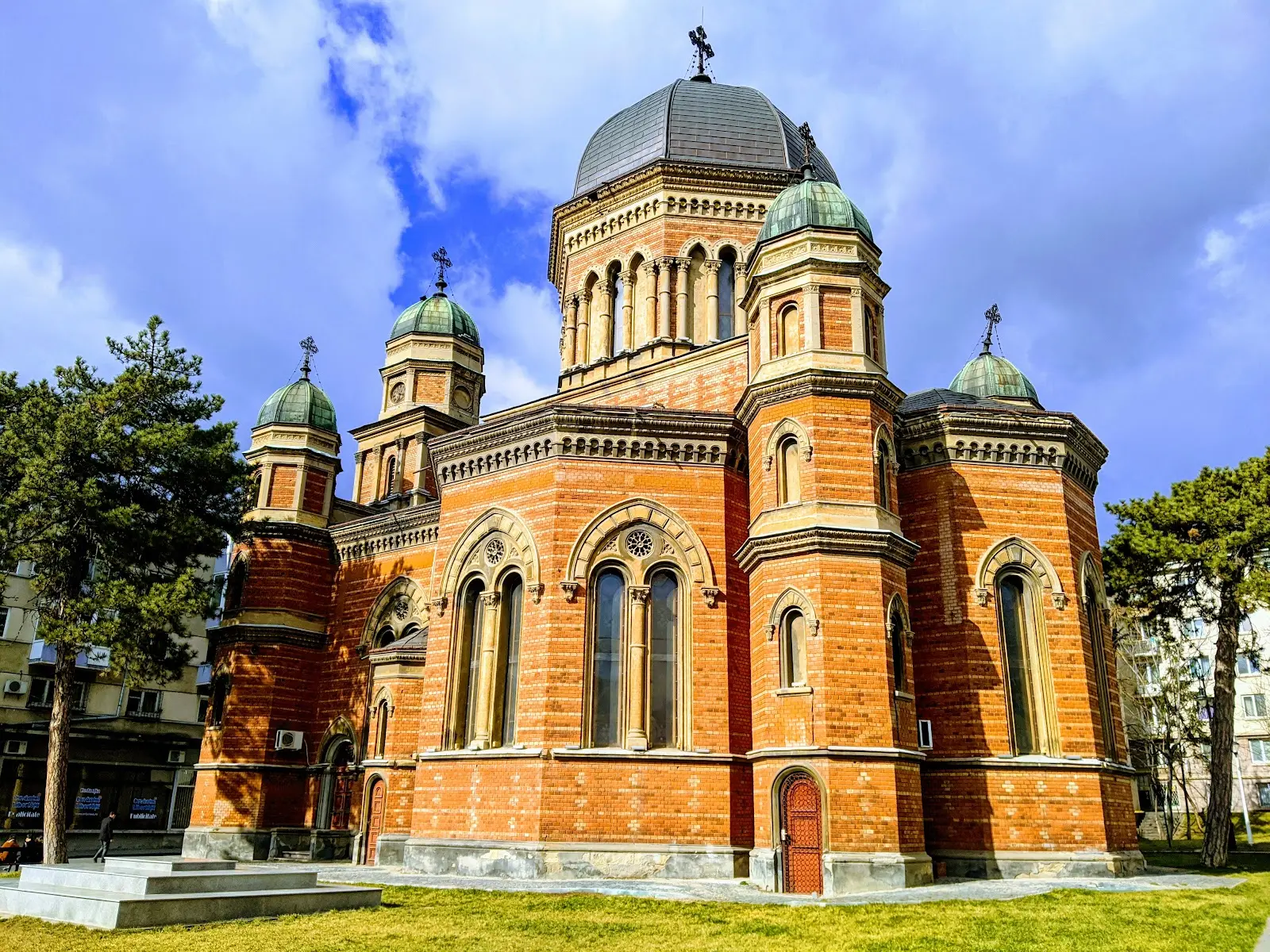
Biserica Sfântul Ilie Craiova
St Elijah's Church in Craiova is one of the oldest places of worship in this city of Oltenia, with origins reaching back to the 17th century. Founded by boyar families and local merchants, the church has long been an important centre of religious and community life in the heart of Craiova. The building preserves architectural elements specific to the building tradition of Wallachia, with a trefoil plan and towers that mark the characteristic silhouette of Orthodox churches. The interior houses mural painting and liturgical objects that testify to the evolution of the church and to the faith of the community. Located in the central part of the city, the church blends into the historic urban landscape of Craiova, a city with a rich architectural heritage. Over the centuries, the building has been repaired and embellished, keeping its role as a spiritual landmark. Practical note: as this is an active church, decent dress and a respectful attitude are appropriate, and the visit can be combined with discovering the other monuments of central Craiova.
 Landmark
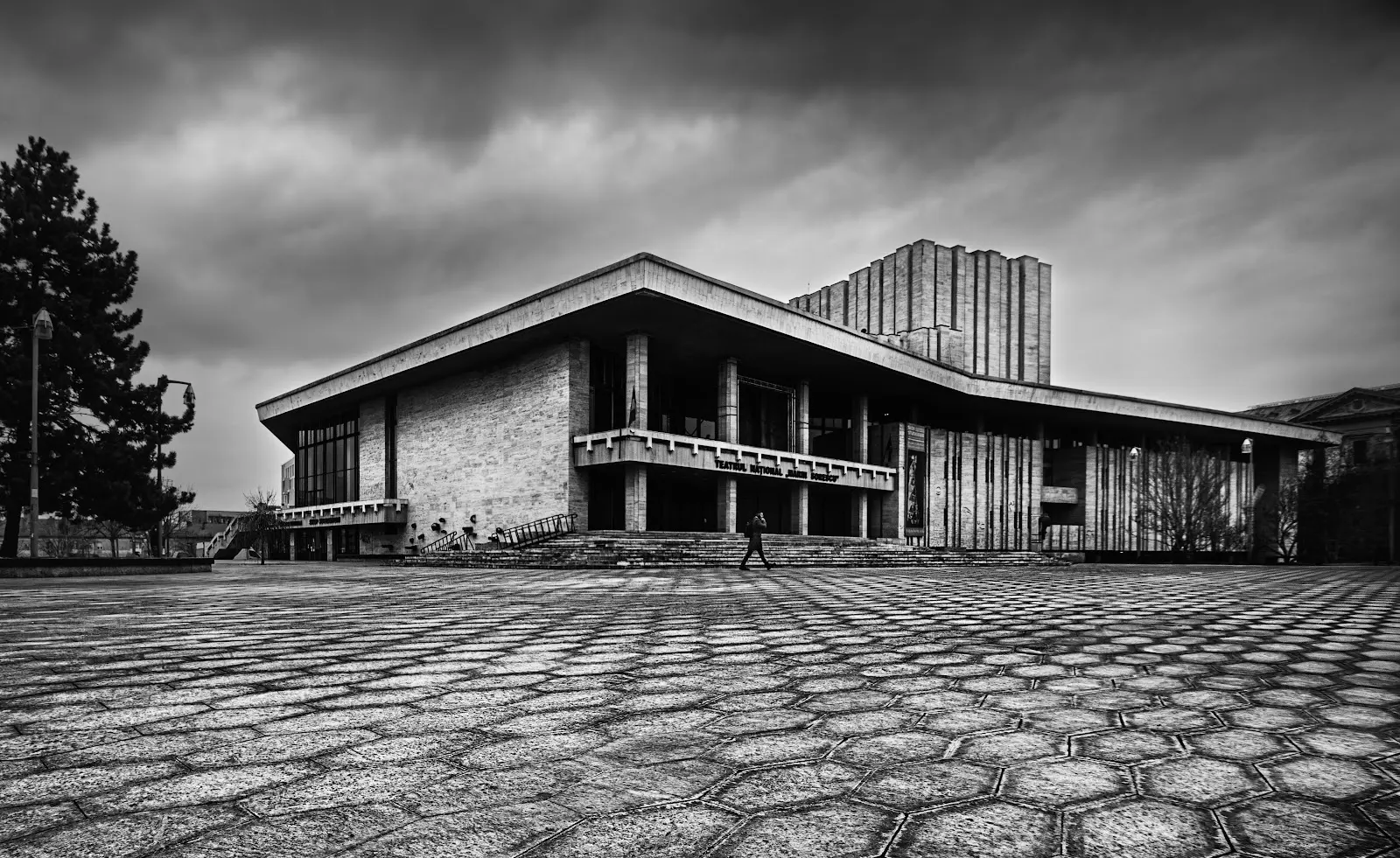
Teatrul Național Marin Sorescu
The Marin Sorescu National Theatre in Craiova, bearing the name of the great poet and playwright from Oltenia, is one of the most prestigious theatrical institutions in Romania, with a long tradition in the cultural life of the city. The building in which it operates, erected in the second half of the twentieth century, stands out through its ample and representative architecture, becoming a landmark of central Craiova. The theatre is known nationally and internationally for its distinguished productions, for the renowned directors and actors who have consolidated its reputation and for its participation in important festivals, including the famous International Shakespeare Festival that the city hosts. Its repertoire blends the great classical texts with contemporary creations, offering audiences reference performances. The institution is a symbol of Oltenia's artistic life. Practical note: to attend a performance, consult the season's programme in advance and book tickets; the building is also worth admiring from outside during a stroll through the centre.
Frequently asked questions
What is Craiova known for?+
Craiova is best known for sights such as Catedrala Sfântul Dumitru, Muzeul de Artă Craiova (Palatul Jean Mihail), Parcul Nicolae Romanescu.
How many days do you need in Craiova?+
One to two days is enough to see the highlights of Craiova; stay longer to use it as a base for day trips.
Where should I stay in Craiova?+
See our selected stays above, or check live rates and availability on the accommodation map.