
Oltenia
Horezu
The UNESCO monastery and folk ceramics.
Horezu is a small town in northern Oltenia, in Vâlcea County, at the foot of the Căpățânii Mountains, world-famous for two treasures inscribed on the UNESCO list: Hurezi Monastery and Horezu ceramics. Set in a landscape of wooded hills and orchards, the town is a place where craft and spiritual traditions are closely intertwined.
Hurezi (Horezu) Monastery, founded by Prince Constantin Brâncoveanu at the end of the 17th century, is the most representative monument of the Brâncovenesc style — a refined synthesis of Byzantine, Oriental and Western elements, with delicately carved stone frames, porches and remarkably well-preserved frescoes. It is considered the most important monastic complex in Wallachia and a peak of Romanian religious art.
Horezu ceramics are the town's second pride: a traditional pottery recognised by UNESCO as intangible cultural heritage, made by hand using techniques passed down through generations and decorated with characteristic motifs — the Horezu rooster, spirals, waves and dots in vivid colours. The craftsmen's workshops can be visited, and each June the Cock's Fair (Târgul Cocoșului) gathers potters from across the region.
Oltenian cuisine is traditional and tasty. The town is reached by car from Râmnicu Vâlcea and Craiova. Spring through autumn is the best time to visit. Horezu is worth visiting for the rare pairing of an architectural masterpiece and a living craft, both recognised worldwide.
What to see
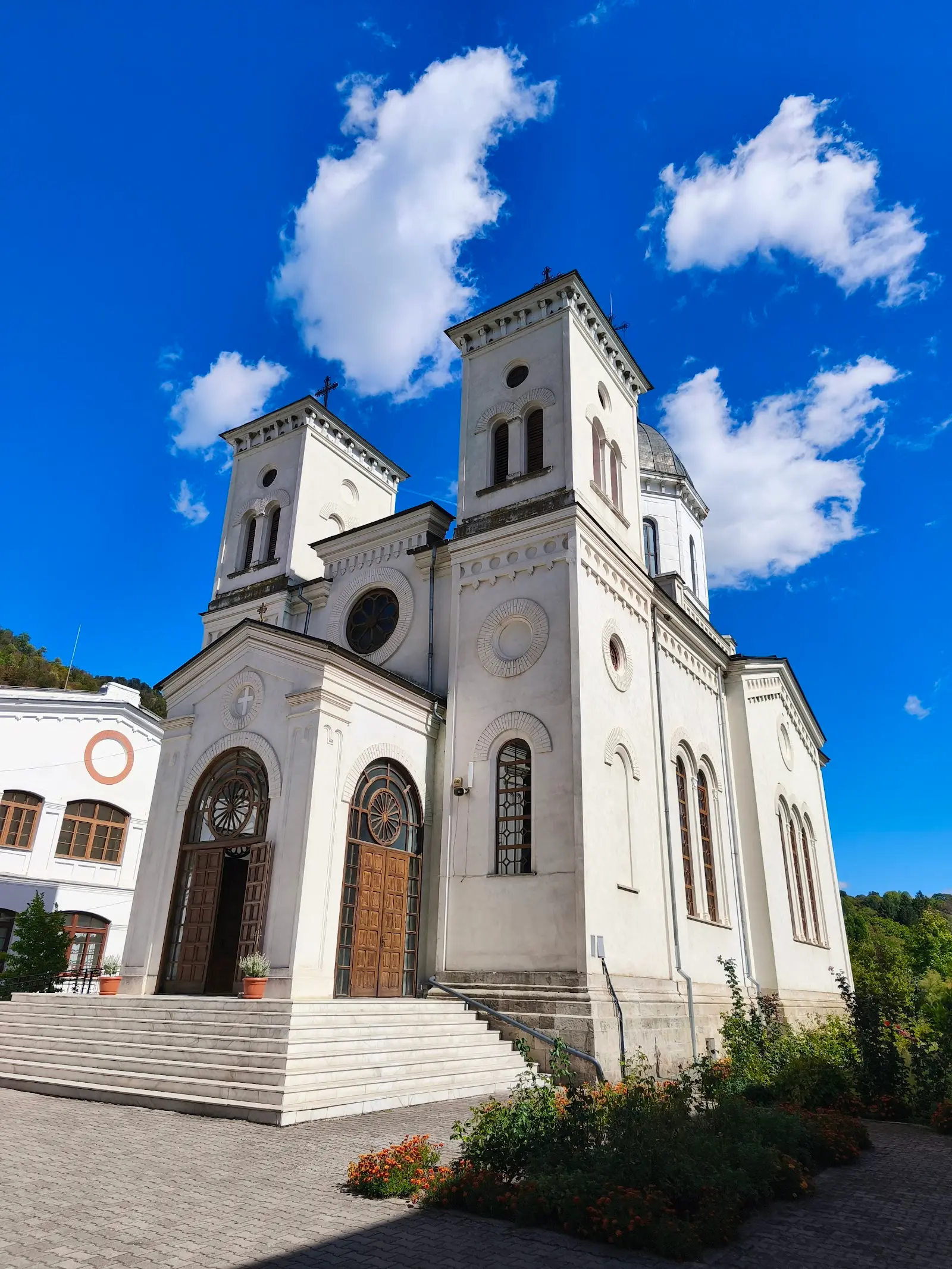
See all →MonasteryMănăstirea Bistrița Vâlcea
Bistrita Monastery in Valcea is an important monastic settlement founded at the end of the fifteenth century by the powerful boyar family of the Craiovesti, in a spectacular natural setting at the foot of the Capatanii Mountains, near the Bistrita Gorges. Over the centuries the monastery was destroyed and rebuilt several times, and the present appearance of the great church bears the mark of nineteenth-century restorations. It has preserved the relics of Saint Gregory the Decapolite and once housed one of the first printing presses in Wallachia, making it a centre of spirituality and culture of remarkable antiquity. Nearby are the Cave of Saint Gregory the Decapolite and rock hermitages carved into the cliff. The mountain setting and the quiet complete the atmosphere. Practical note: the monastery can be combined with a hike in the Bistrita Gorges and a visit to the nearby cave; it is active, so respect the customs of the place.
 Monastery
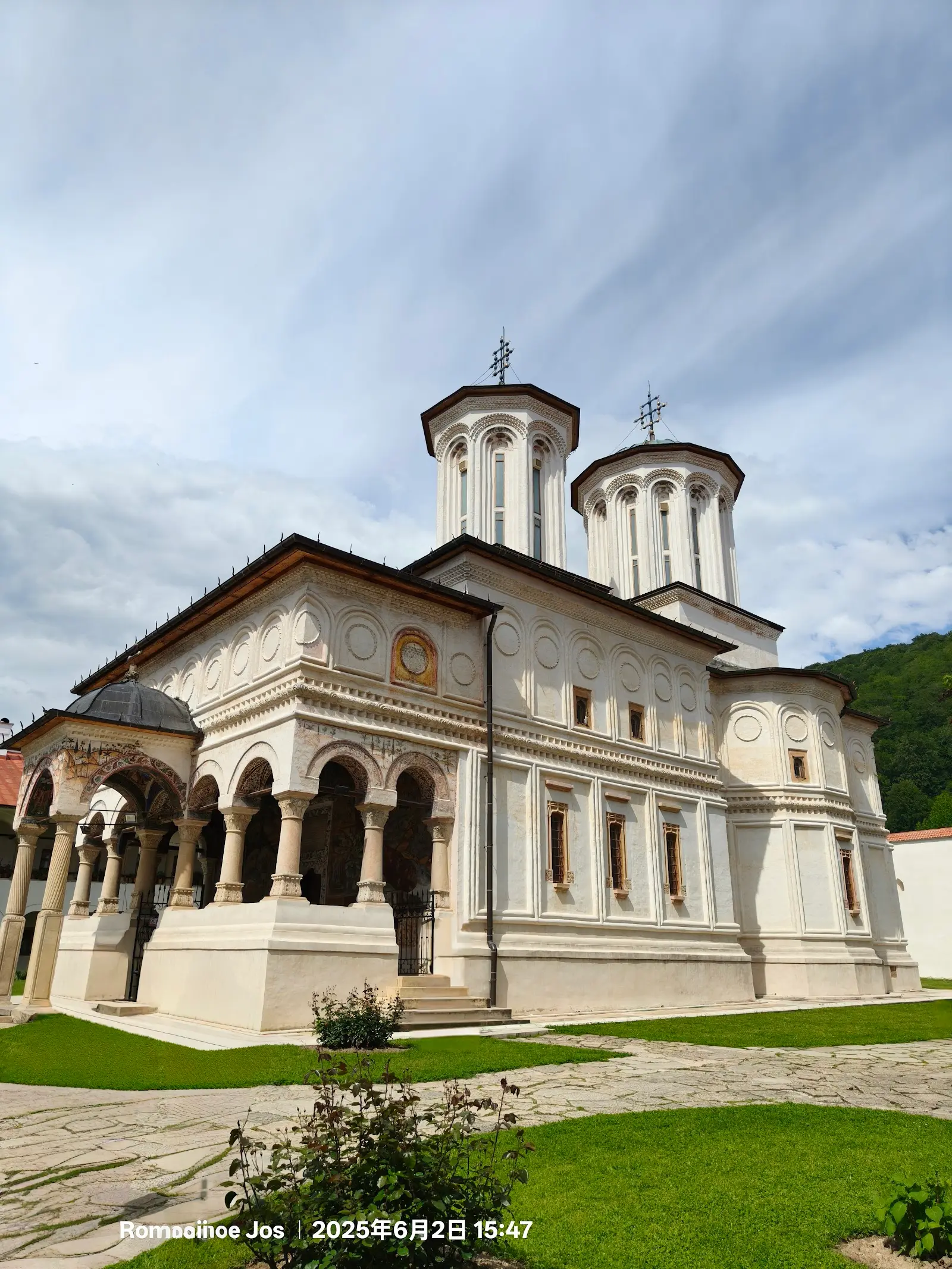
Mănăstirea Hurezi
Horezu Monastery, located near the town of Horezu in Oltenia, is the largest monastic ensemble in Wallachia and the masterpiece of the Brancovan style, which is why it has been inscribed on the UNESCO World Heritage list. Founded at the end of the seventeenth century by the ruler Constantin Brancoveanu, the monastery impresses through its architectural balance, the richness of its stone and wood carving and its ensemble of remarkably well-preserved frescoes, which include portraits of the founder and his family. Elegant columns, arcades, porches and fine decoration define this style, a synthesis of Byzantine tradition and Western influences. The complex includes the great church, chapels, cells and a valuable library, a testimony to its cultural role. The quiet setting at the foot of the mountains reinforces the atmosphere of spirituality. Practical note: allow time to admire the frescoes and painting; the visit combines naturally with the Horezu pottery centre, famous for its traditional ceramics.
 Monastery
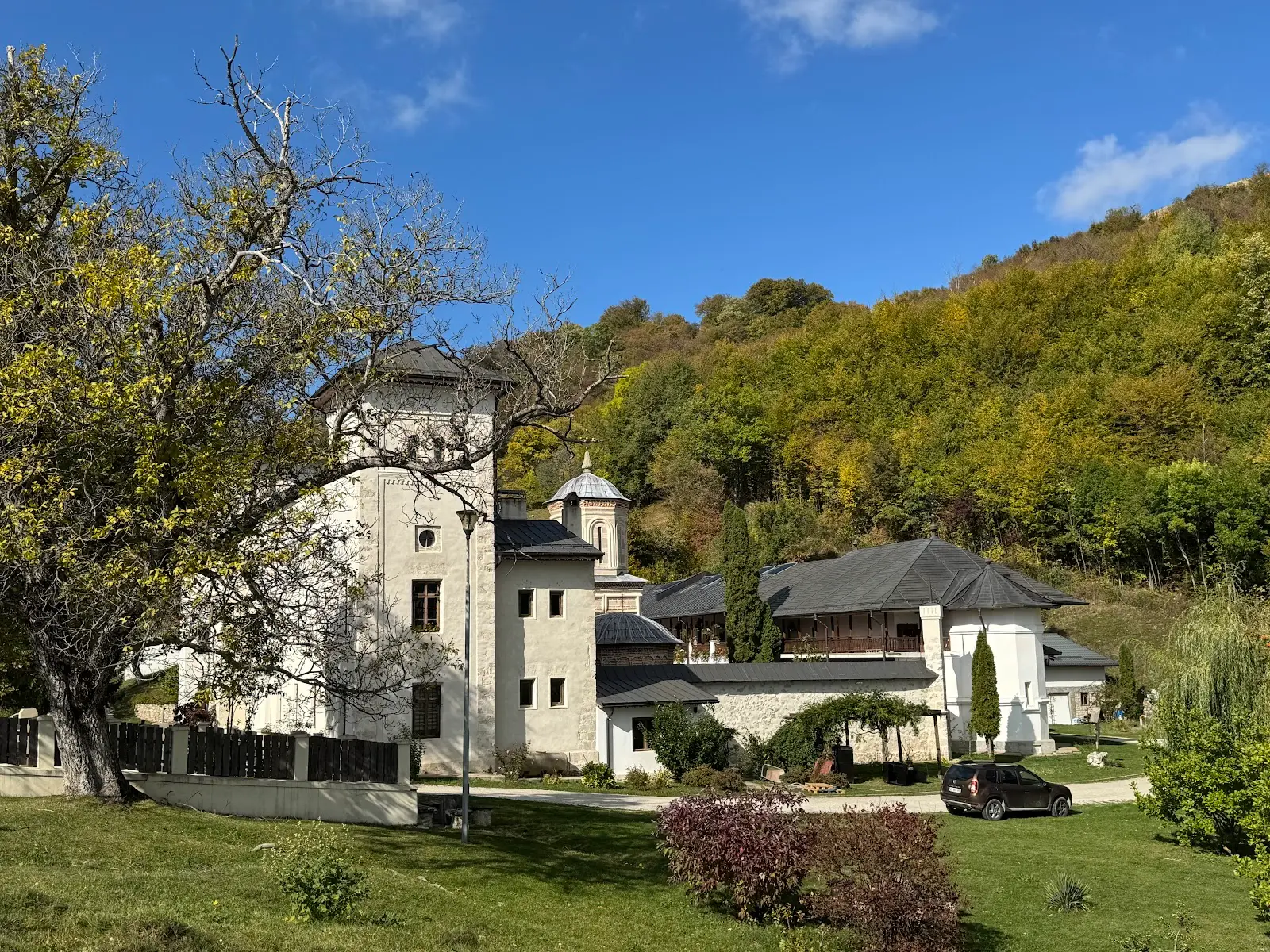
Mănăstirea Arnota
Arnota Monastery rises in solitude on a mountain peak in northern Oltenia, above the village of Costești, in a landscape of rocks and forests that heightens the sense of withdrawal. It was founded in the first half of the seventeenth century by the ruler Matei Basarab, who chose this sheltered spot to also prepare his tomb, which lies today inside the church. The church preserves a particularly valuable carved iconostasis and fragments of wall painting from the founder's era, testimonies of early Brâncoveanu-style art. The road climbing up to the monastery offers wide views over the sub-Carpathian hills and the nearby limestone quarry. The atmosphere is quiet and fit for contemplation, and the monastic community carefully maintains the complex. Visitors who reach this place are rewarded with a blend of the site's historic value and the beauty of the surrounding nature. Suitable footwear is recommended for the access road.
 Nature
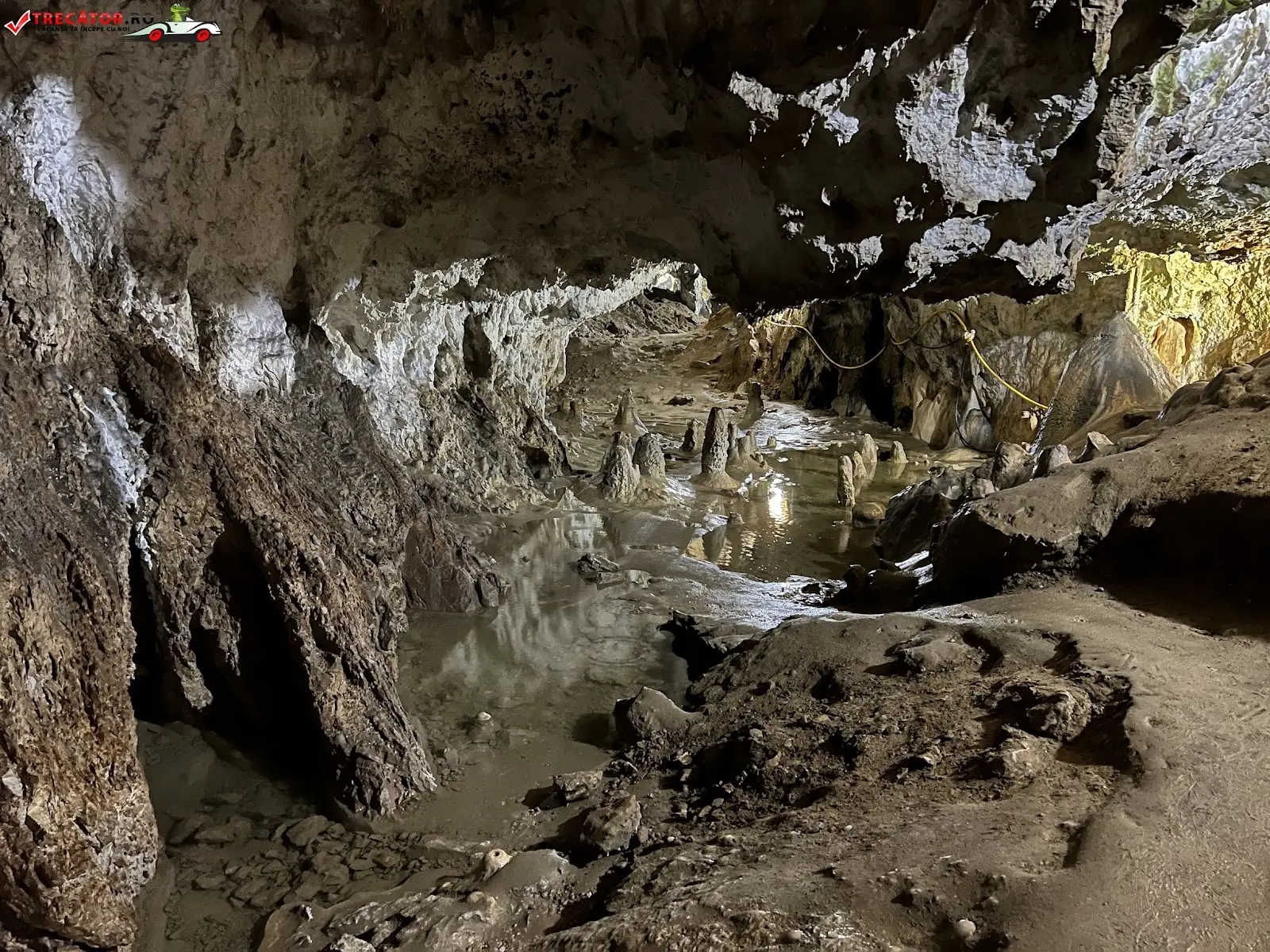
Peștera Polovragi
Polovragi Cave lies in Gorj county, near the village of Polovragi and the Horezu area, at the entrance to the spectacular Oltet Gorges, which separate the Capatanii Mountains from the Parang Mountains. The cave is one of the best known in Oltenia and impresses with its galleries rich in limestone formations, stalactites and stalagmites shaped over millennia. Folk tradition links this place to the legend of the Dacian god Zalmoxis, who is said to have dwelt here, adding to the aura of mystery of the cave. Visitors follow an arranged path, accompanied by guides who explain the formation of the cave and the stories of the place. The nearby Oltet Gorges, narrow and steep, add a striking wild landscape. Set not far from Polovragi Monastery and the famous ceramic workshops of Horezu, the cave is a fascinating stop for those exploring northern Oltenia and the sub-Carpathians of Gorj.
 Landmark
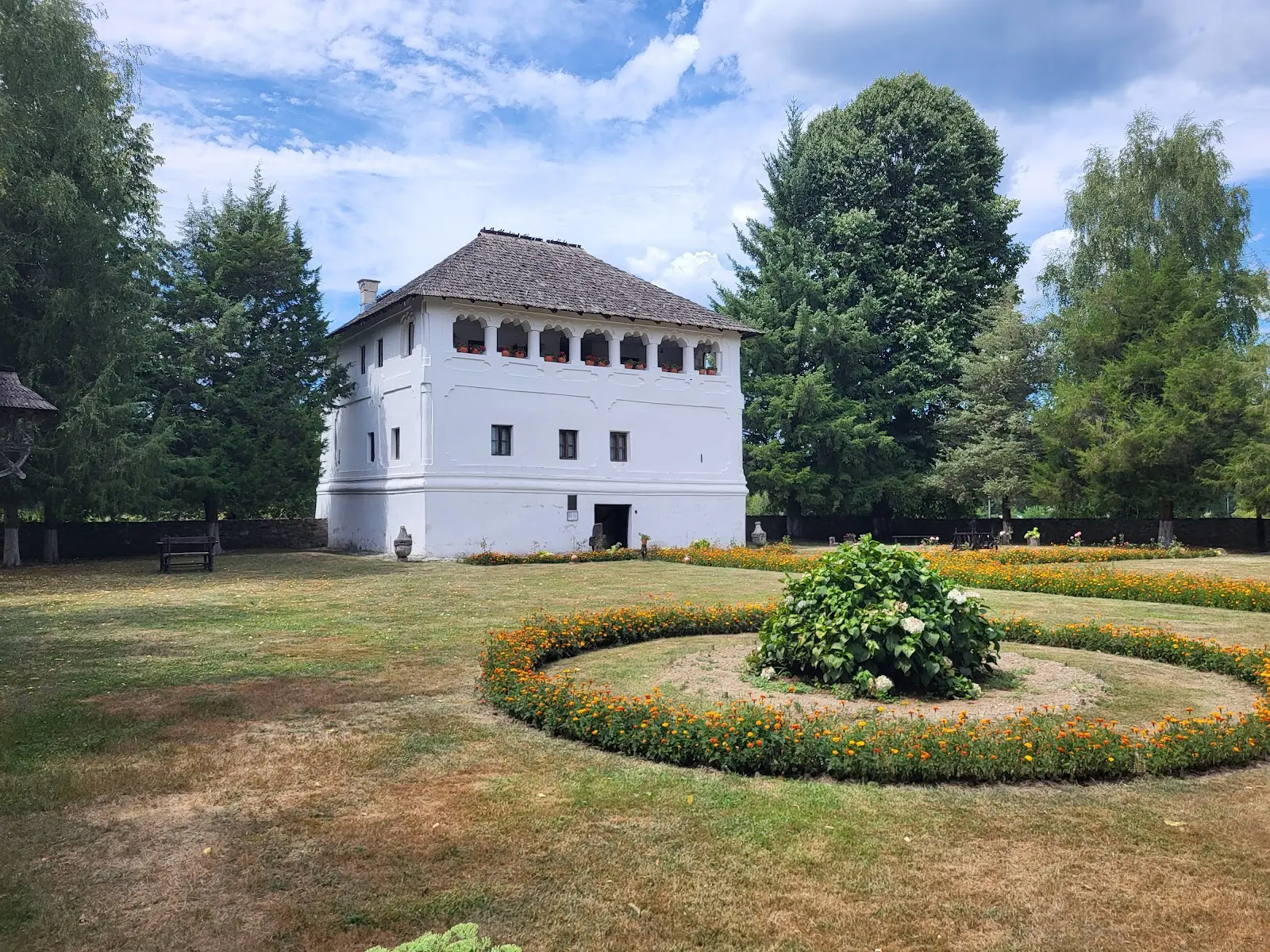
Cula Duca Măldărești
The Duca Kula in Măldărești, Vâlcea County, is part of the village's ensemble of kulas, alongside the Greceanu Kula, and is one of the most representative examples of this type of architecture specific to Oltenia. Kulas are fortified boyar tower-houses, built between the 18th and 19th centuries, in a troubled time when the lesser boyars needed dwellings able to withstand the attacks of robber bands and raids. With thick brick and stone walls, small windows on the lower levels, an open loggia on the upper floor and defensive loopholes, the kula combines the function of a home with that of a fortified refuge. The Duca Kula, with its interiors furnished in traditional style and its shaded porch, offers a vivid picture of the life of Oltenia's rural gentry. Today the ensemble operates as a museum. Practical note: visit the two kulas together and combine the stop with the nearby Horezu Monastery, a UNESCO monument and a centre of traditional pottery.
 Landmark
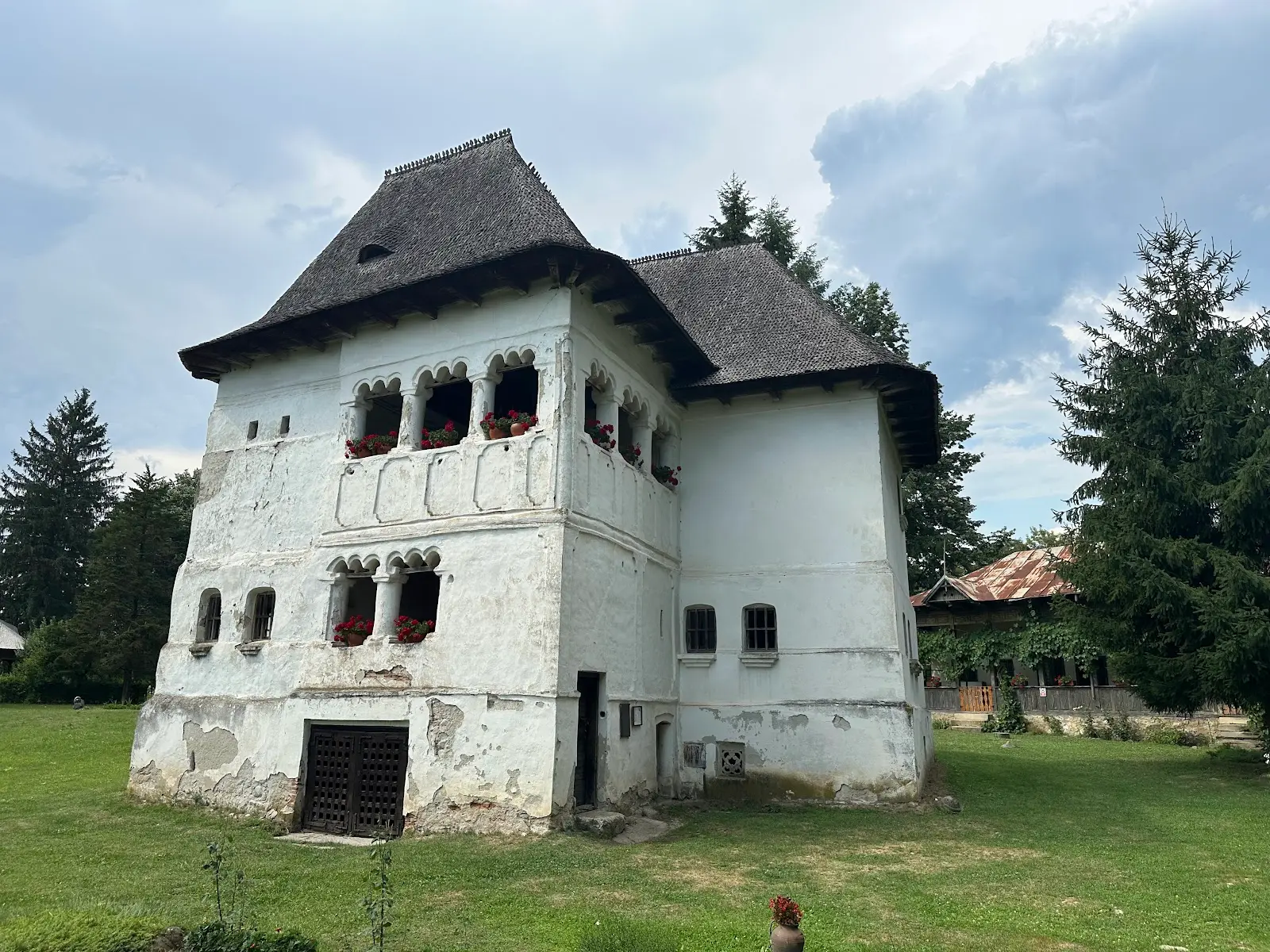
Cula Greceanu Măldărești
The Greceanu Cula in Măldărești is one of the most representative culas in Oltenia, a type of fortified dwelling specific to this region, built by boyar families to defend themselves in troubled times. Located near Horezu, in the Vâlcea area, the cula dates from the 16th century and was altered over time, yet it kept its defensive character, with thick walls, small loophole-like windows and a watch turret on the upper floor. The word cula comes from a term meaning tower, reflecting the tall, compact form of the structure. The interior preserves furniture, objects and decorative elements that illustrate the life of the rural boyar class in Oltenia. Nearby stands the Duca Cula, and together they form a distinctive museum ensemble. Practical note: the visit combines naturally with Horezu Monastery, which is close by, and walking through the interiors offers an authentic picture of the defensive architecture of the southern Carpathians.
 Nature
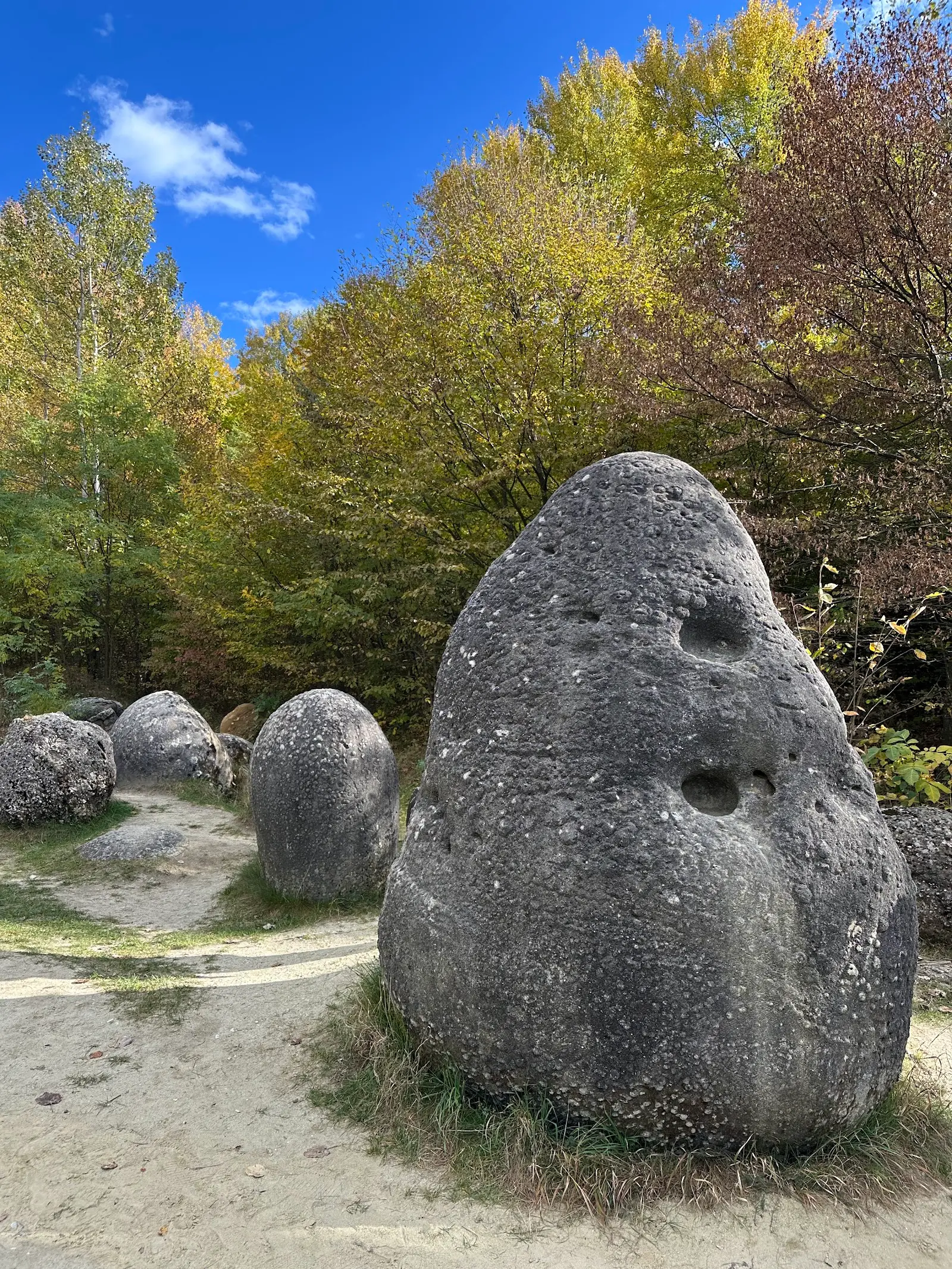
Trovanții de la Costești (Muzeul Trovanților)
The Trovants of Costesti, also known as the Trovants Museum, form a unique geological reserve in Valcea County, where one can admire stone formations of unusual shape, rounded and often bulging, called trovants. These concretions formed over millions of years through the cementation of sand around a core, and their curious appearance, which looks almost organic, has given rise to numerous local legends about stones that supposedly grow. The phenomenon by which these rocks seem to enlarge after rain and develop protrusions lends them an air of mystery that fascinates visitors of all ages. The reserve has been laid out with paths and explanatory panels to protect the formations and explain their geology. The site is small but entirely distinctive in the Romanian natural landscape. Practical note: the visit is short and suitable for families with children; it can easily be combined with the sights of the Horezu area, including the monastery and the pottery centre.
 Nature
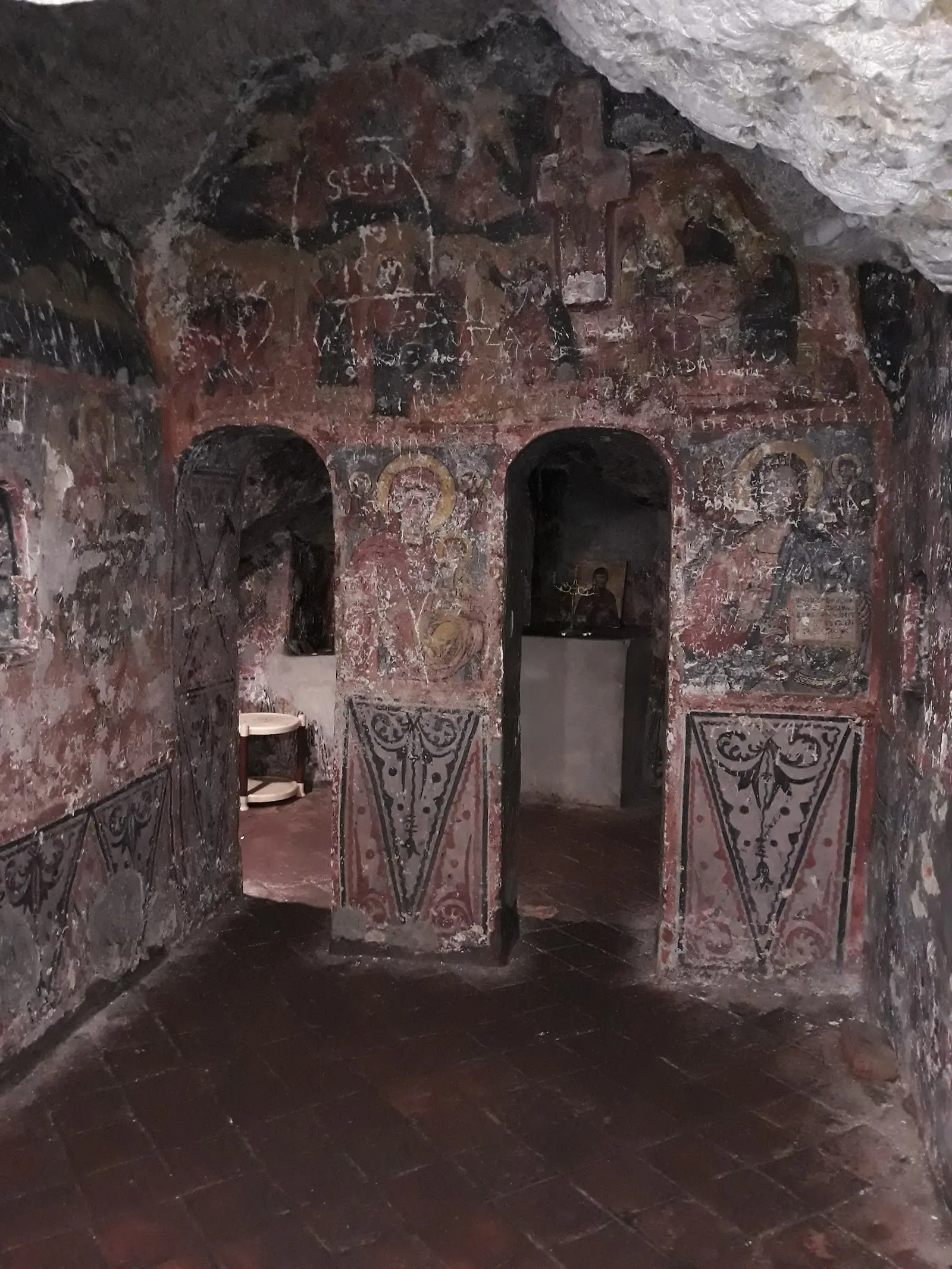
Peștera Bistrița
Bistrița Cave, in the Căpățânii massif near the village of Costești and the town of Horezu in Vâlcea county, is a cave with a long tradition of visits and a special significance in the history of monasticism in Oltenia. Set within the gorges of the Bistrița river, in a spectacular karst landscape of steep limestone walls, the cave served over the centuries as a refuge and hiding place, where in times of hardship the relics and treasures of the nearby Bistrița Monastery were kept safe. The interior preserves galleries and characteristic formations, and deep within it lies a small chapel, giving it a spiritual dimension. The surroundings offer hiking trails through gorges, springs and forest, as well as the chance to visit the nearby Bistrița Monastery, an important religious and cultural centre. The cave and its natural setting make this area a destination that blends karst nature with the monastic heritage of Vâlcea.
Frequently asked questions
What is Horezu known for?+
Horezu is best known for sights such as Mănăstirea Bistrița Vâlcea, Mănăstirea Hurezi, Mănăstirea Arnota.
How many days do you need in Horezu?+
One to two days is enough to see the highlights of Horezu; stay longer to use it as a base for day trips.