
Oltenia
Râmnicu Vâlcea
The gateway to the monasteries of the Olt Valley.
Râmnicu Vâlcea, capital of Vâlcea County, is the main gateway to the world of monasteries in northern Oltenia, a town set on the banks of the Olt River at the foot of the Southern Carpathians. Although it has the settled air of an administrative centre, the town carries a dense history: one of the earliest printing presses in Wallachia operated here, and during the reign of Constantin Brâncoveanu the region became a true laboratory of art and architecture.
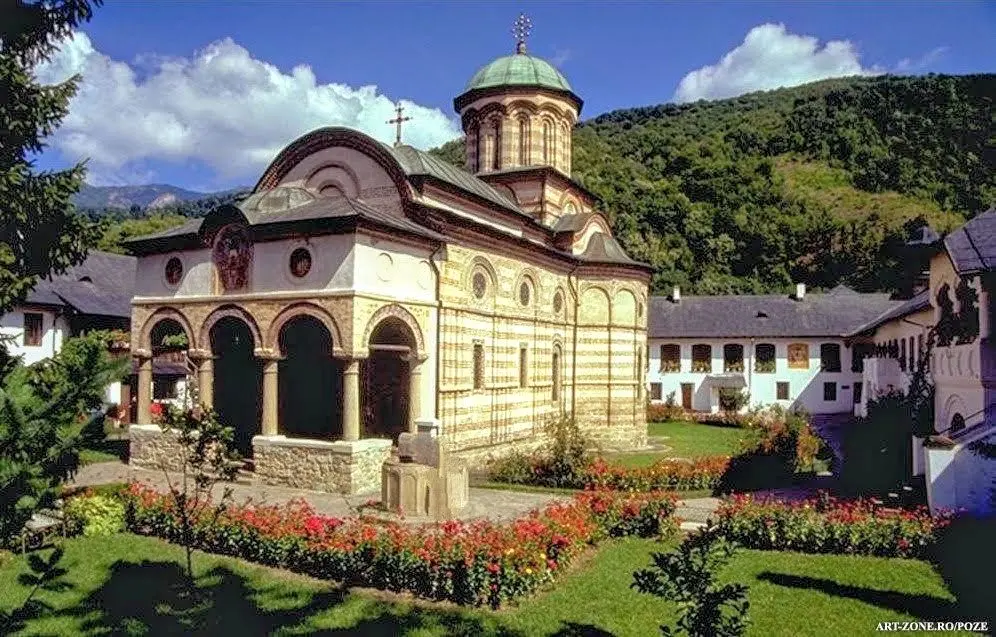
The urban core gravitates around the pedestrian zone and Zăvoi Park, a generous green space stretching along the Olt and pleasant for a stroll. From here run the roads to the attractions that made the area famous: Cozia Monastery, founded by Mircea the Elder and set in the Olt gorge; Hurezi (Horezu) Monastery, a masterpiece of the Brâncovenesc style inscribed on the UNESCO World Heritage list; and the Călimănești-Căciulata spa resort with its mineral springs.
The atmosphere is relaxed and provincial in the best sense, with terraces and traditional patisseries. Oltenian cuisine stands out for its stews, sarmale, mountain cheeses and, above all, the celebrated Vâlcea plum brandy. The nearby Drăgășani vineyard rounds off the experience with wines from native grapes such as Crâmpoșie and Novac.
For practical orientation, Râmnicu Vâlcea is easily reached on the DN7 from Sibiu or Bucharest and works superbly as a base for a few days along the "road of the monasteries". It is worth visiting for its rare blend of spirituality, Carpathian scenery and winemaking tradition.
Where to stay
All stays →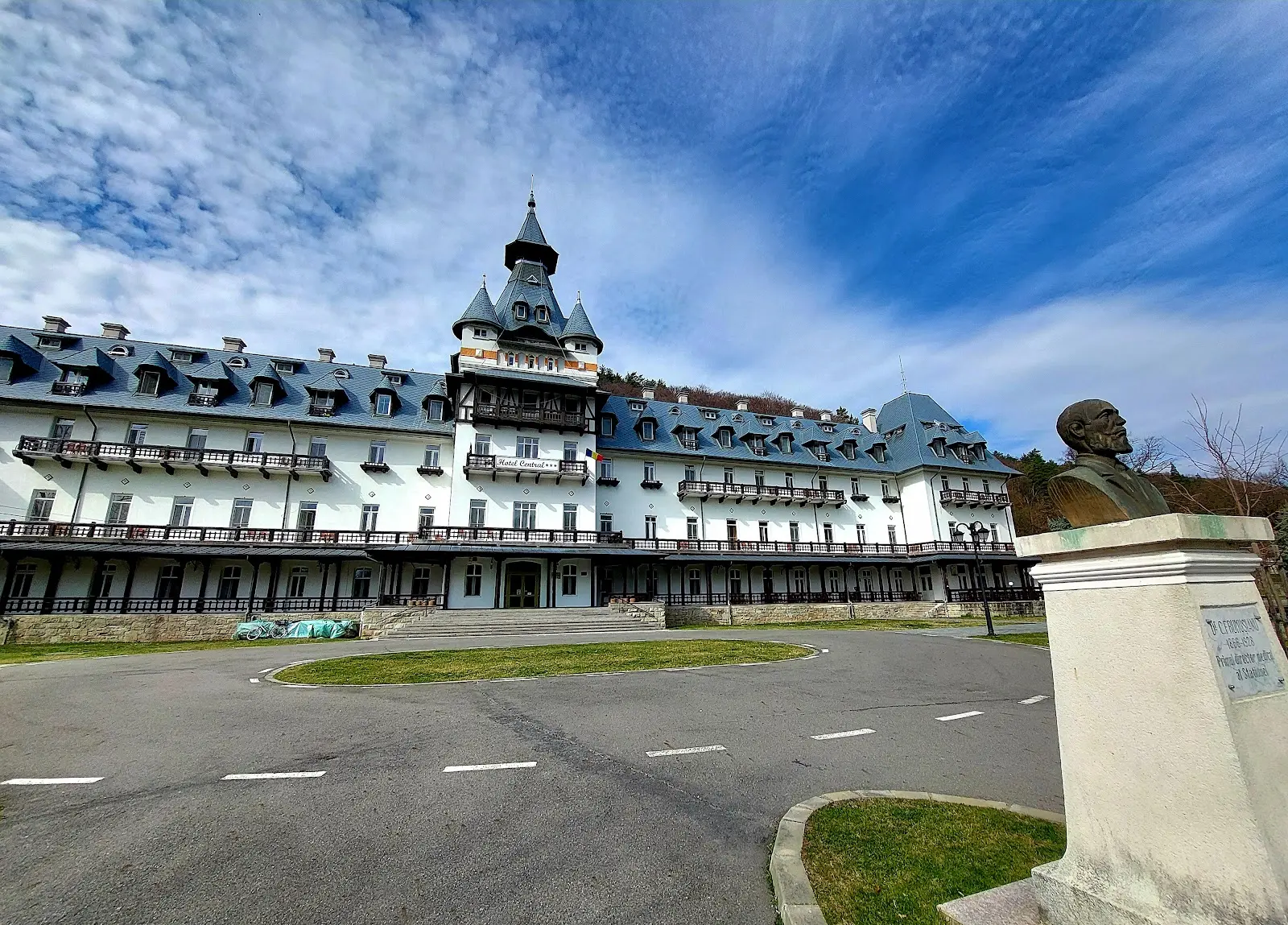
Where to eat
All restaurants →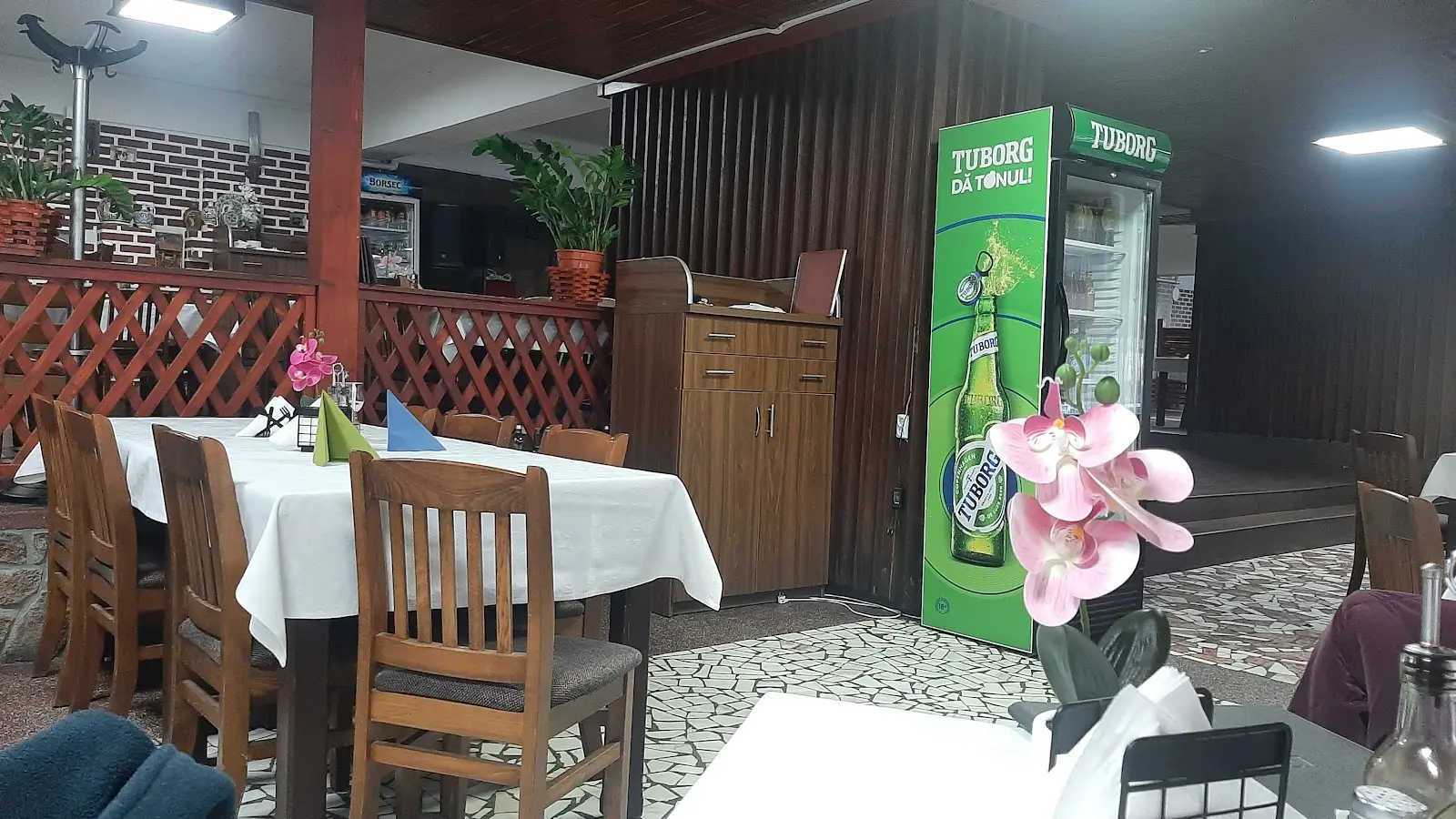
What to see
See all →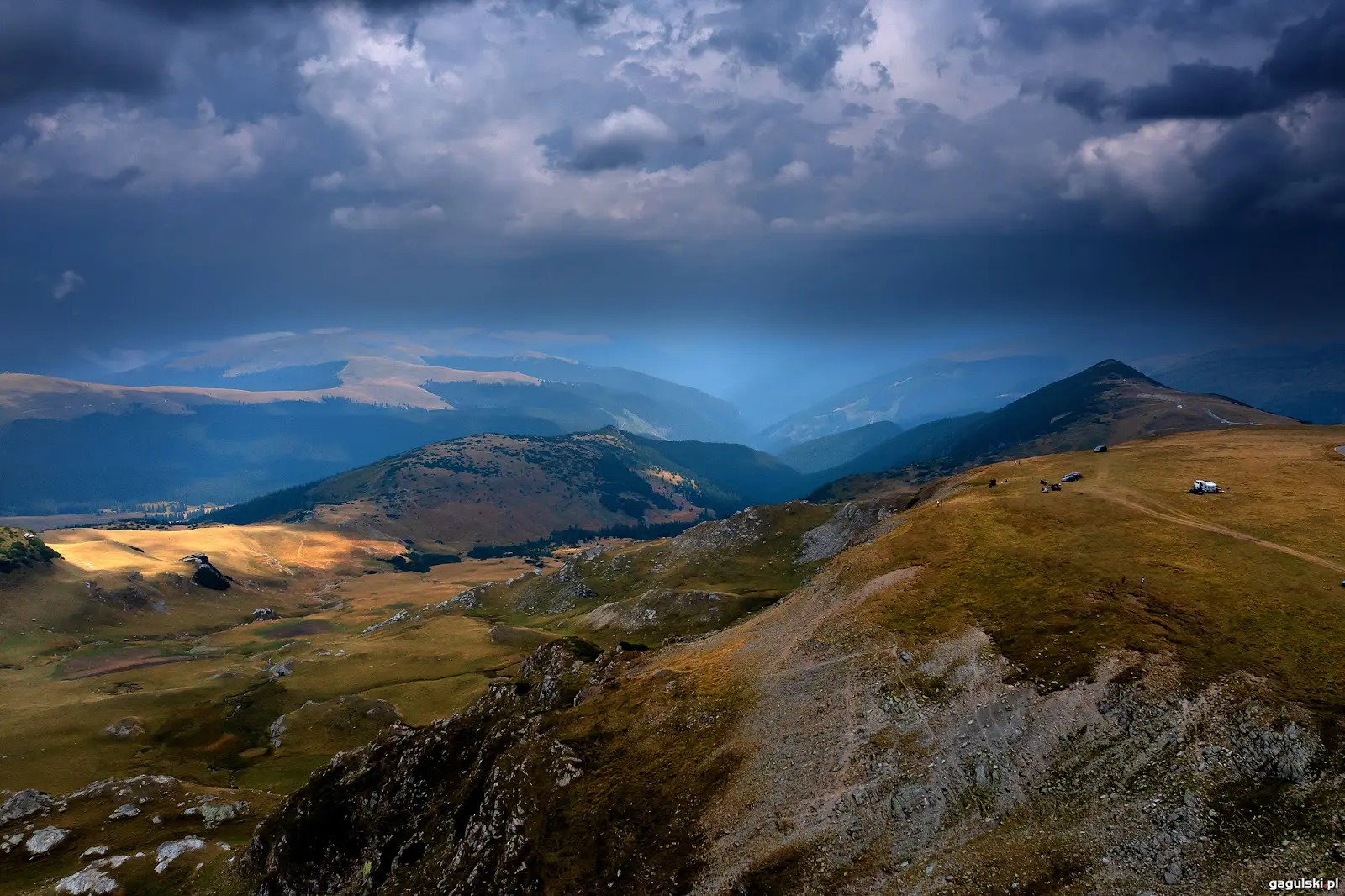 Mountain
Transalpina (Pasul Urdele)
The Transalpina is the highest road in Romania, a spectacular route that crosses the Parâng massif of the Southern Carpathians, linking Oltenia to Transylvania over alpine ridges. The Urdele Pass, the highest point of the road, sits at over 2100 metres, offering broad views over the bare summits, the deep valleys and the alpine meadows that stretch as far as the eye can see. The road, with historical origins lost in antiquity and modernised in recent times, climbs in switchbacks above the tree line, through a wild, bare landscape often swept by wind and shrouded in mist. Flocks of sheep graze on either side of the highway, and in the warm season the slopes are covered with flowers. Because of the altitude, the road is passable only in the warm months, being closed in winter due to heavy snow. The route is prized by motorcyclists, cyclists and lovers of mountain scenery, offering one of the most memorable driving experiences in the country, with many stops for photographs.
 Monastery
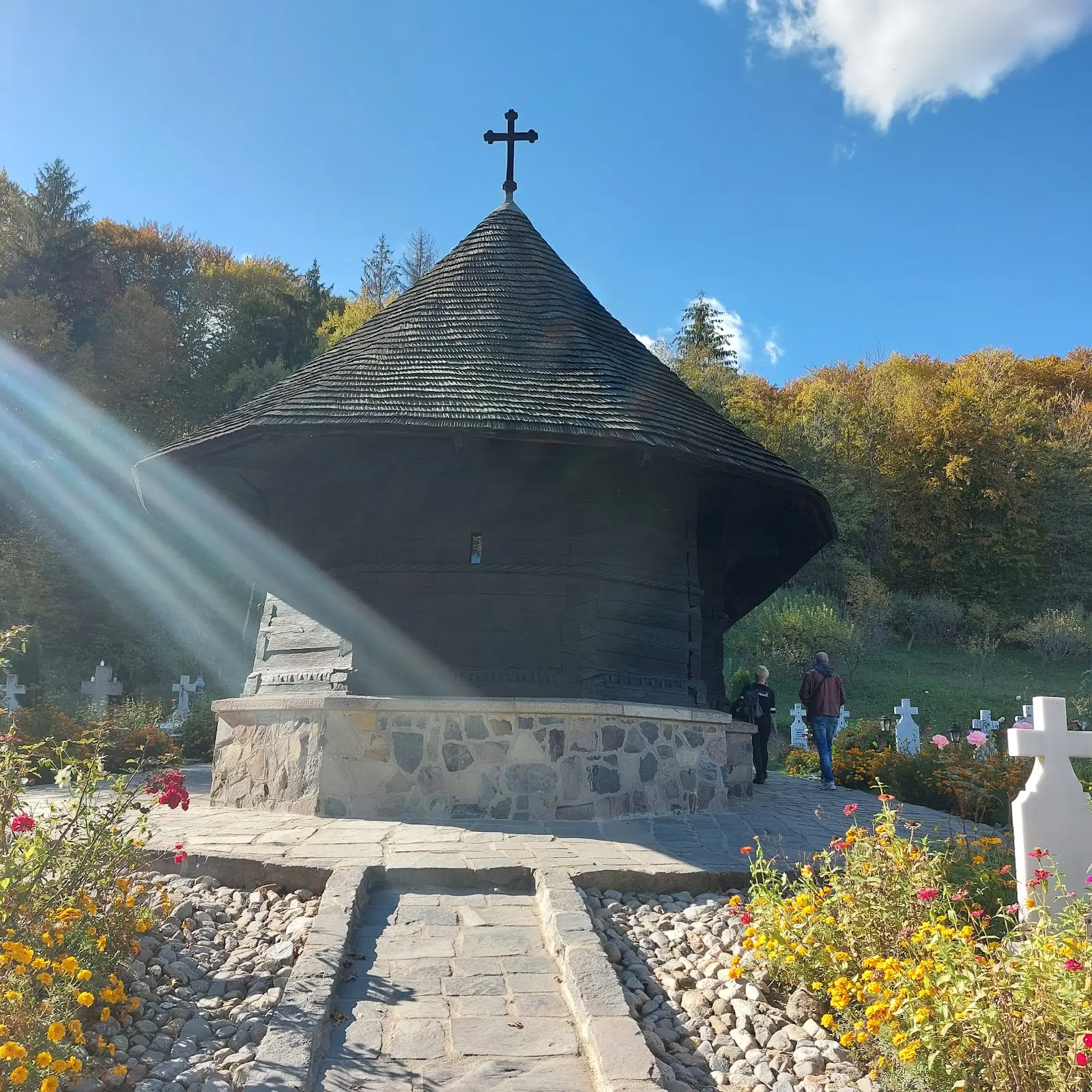
Mănăstirea Dintr-un Lemn
The Monastery from a Single Tree is located in Valcea county, near the town of Ramnicu Valcea, in a quiet natural setting surrounded by forests. The unusual name of the monastery comes from a legend according to which the first church here was carved from a single old oak, on the spot where a monk is said to have found an icon of the Mother of God. The old wooden church, preserved to this day, is one of the most valuable buildings of its kind in Oltenia. Beside it rises a larger masonry church, founded in the seventeenth century, adorned with paintings and precious liturgical objects. The monastic complex, with its cells and old walls, conveys an atmosphere of contemplation and continuity. Set not far from other renowned monasteries of Valcea, the Monastery from a Single Tree is a precious stop on the pilgrimage route of northern Oltenia, in a landscape of wooded hills.
 Monastery
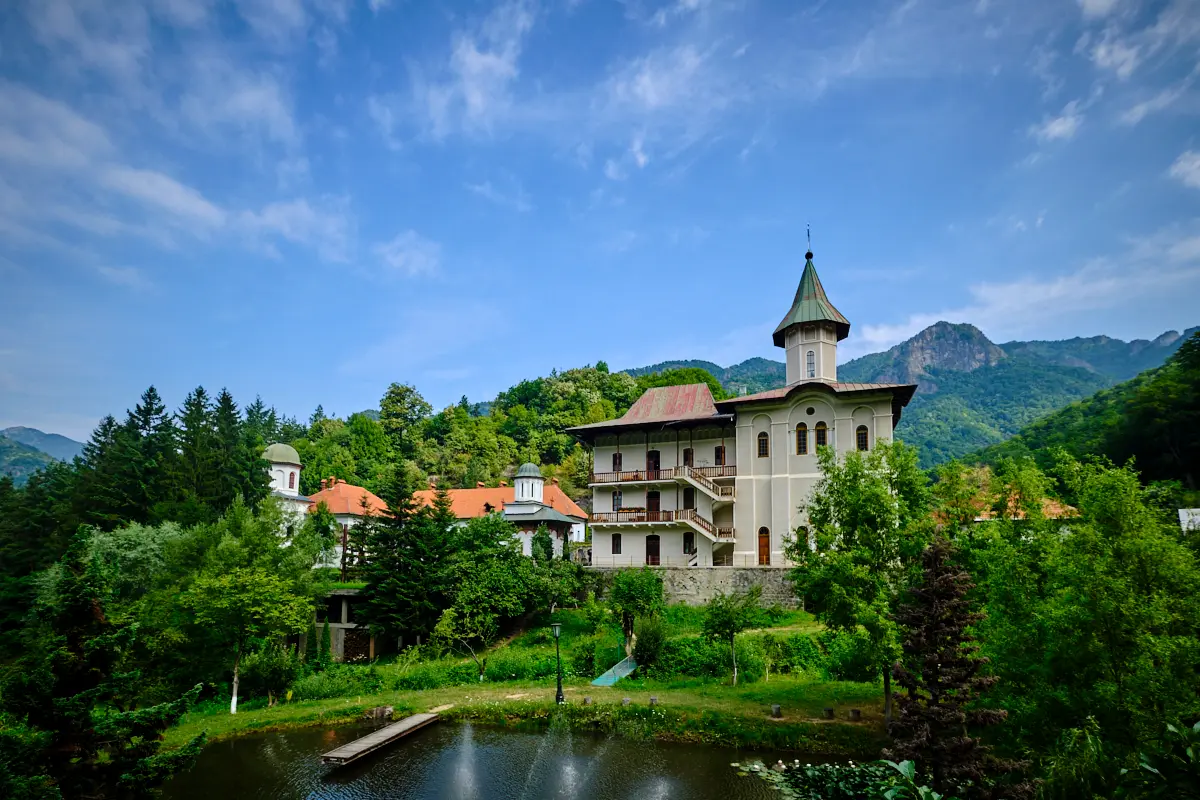
Mănăstirea Turnu
Turnu Monastery lies in Valcea county, near Ramnicu Valcea and the Cozia resort, at the foot of the Cozia Mountains, in a particularly beautiful landscape on the bank of the Olt river. The settlement has old origins, linked to the hermits who withdrew into the caves and cells carved into the mountain rock for a life of prayer and asceticism. The name of the monastery comes from the old ruins of a Roman tower nearby, a testimony to the ancient presence in the area. The church and the monastery buildings rise in an isolated natural setting, surrounded by forests and the cliffs of the Cozia massif. Visitors can climb paths towards the old rock-hewn cells, in an excursion both spiritual and into nature. Set close to Cozia Monastery and the Olt valley, Turnu Monastery is a quiet and picturesque stop for pilgrims and for those crossing the gorge between the mountains.
 Monastery
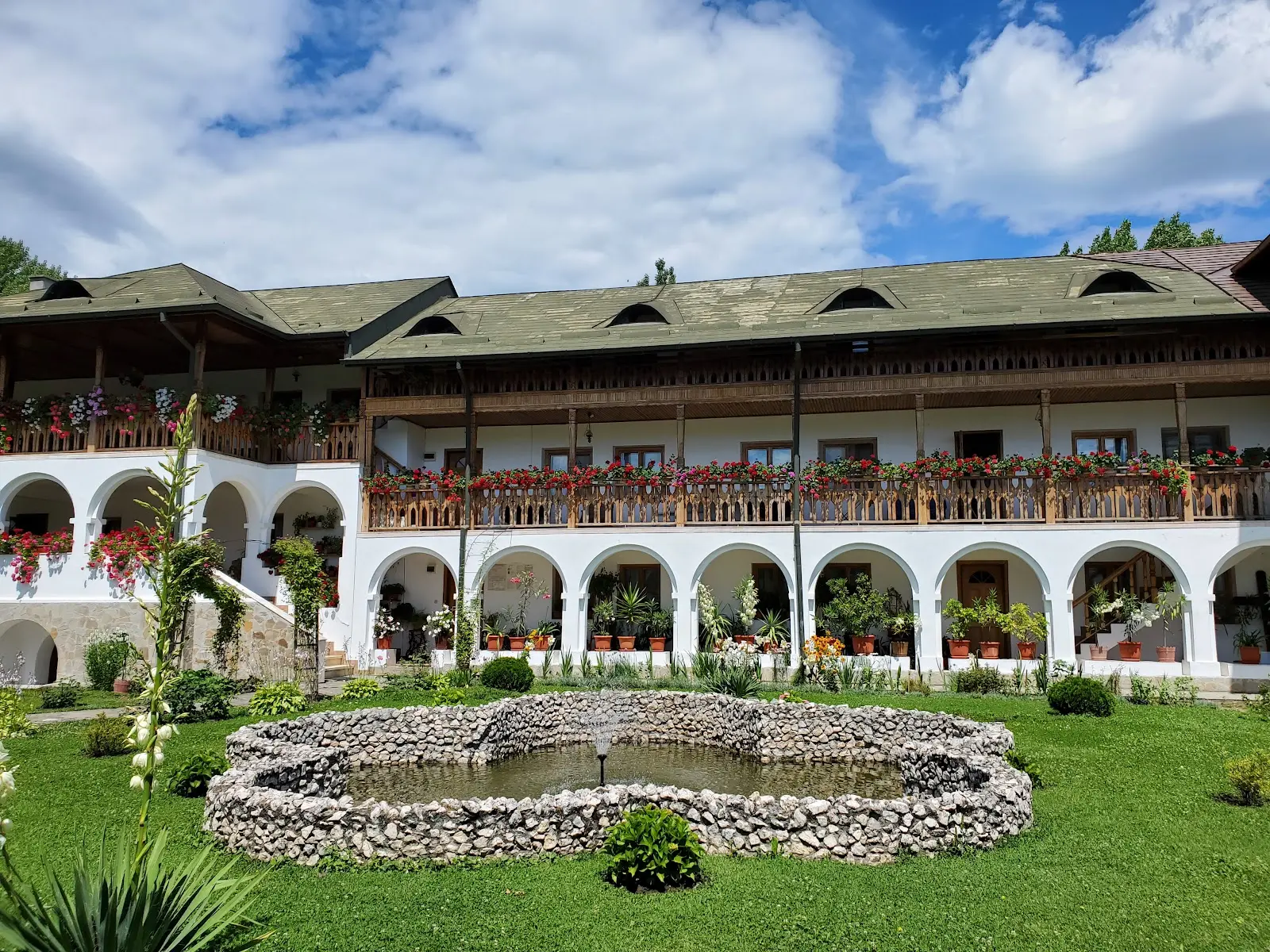
Mănăstirea Ostrov Călimănești
Ostrov Monastery stands on a small island in the Olt River, in the resort of Călimănești in Vâlcea, in a natural setting that makes it seem to float above the water. It is considered one of the oldest nunneries in Wallachia, the present church having been founded in the early sixteenth century by the ruler Neagoe Basarab and his wife, Lady Despina. The small church preserves fragments of old wall painting and an atmosphere of contemplation heightened by the island's isolation. Around the church, the monastic community keeps gardens and cells, and the view over the Olt and the surrounding hills is remarkable. The place has been tied to legends of healing waters in the area, near the mineral springs of Călimănești and Căciulata. Visitors can easily reach the island and combine a spiritual stop with a walk along the riverbank. Appropriate dress is recommended when visiting a place of worship.
 Monastery
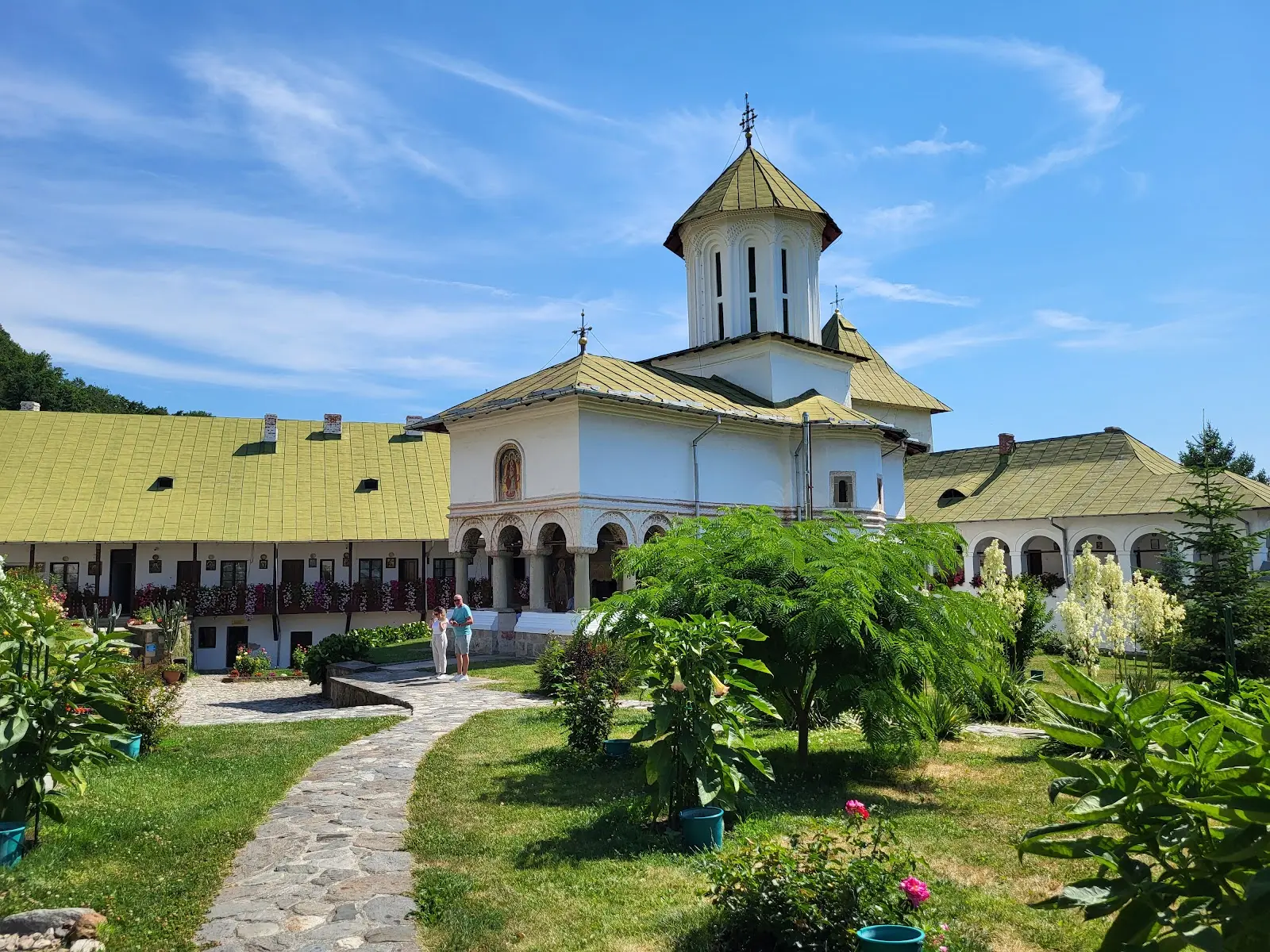
Mănăstirea Govora
Govora Monastery, near Râmnicu Vâlcea, is one of the oldest and most important monasteries in Oltenia, with a history reaching back to the 15th century. It played a notable cultural role, for it was here in the 17th century that a famous printing press operated, producing the Govora Law Code, one of the first collections of laws in the Romanian language. The ensemble, rebuilt and embellished during the reigns of Matei Basarab and Constantin Brâncoveanu, blends elements of the Brâncovenesc style with the tradition of Moldavian-Wallachian architecture, standing out through its carved columns, valuable murals and elegant porch. Set on a wooded hill in a quiet and picturesque setting, the monastery radiates an atmosphere of peace and contemplation. Here visitors discover not only an active place of worship but also an important centre of old Romanian culture. Located near the Băile Govora spa resort, the monastery is a valuable stop for those interested in history, religious art and spirituality.
MonasteryMănăstirea Cozia
Cozia Monastery, on the bank of the Olt near Călimănești, is one of the oldest and most important medieval foundations in Wallachia, built in the late 14th century by the ruler Mircea the Elder, whose tomb lies here. The main church is a brilliant example of Byzantine architecture, with walls striped in stone and brick, stone carvings of rare finesse and old frescoes depicting the founders and religious scenes. Set in a superb natural landscape, at the foot of the mountains and near the Olt gorge, the monastery breathes calm and history. Visitors can admire the carved porch, Neagoe Basarab's fountain and the museum of heritage objects. It is a natural stop on the road between Sibiu and Râmnicu Vâlcea. Modest dress is advised; check the schedule for visiting and services.
 Church
Catedrala Sfântul Nicolae Râmnicu Vâlcea
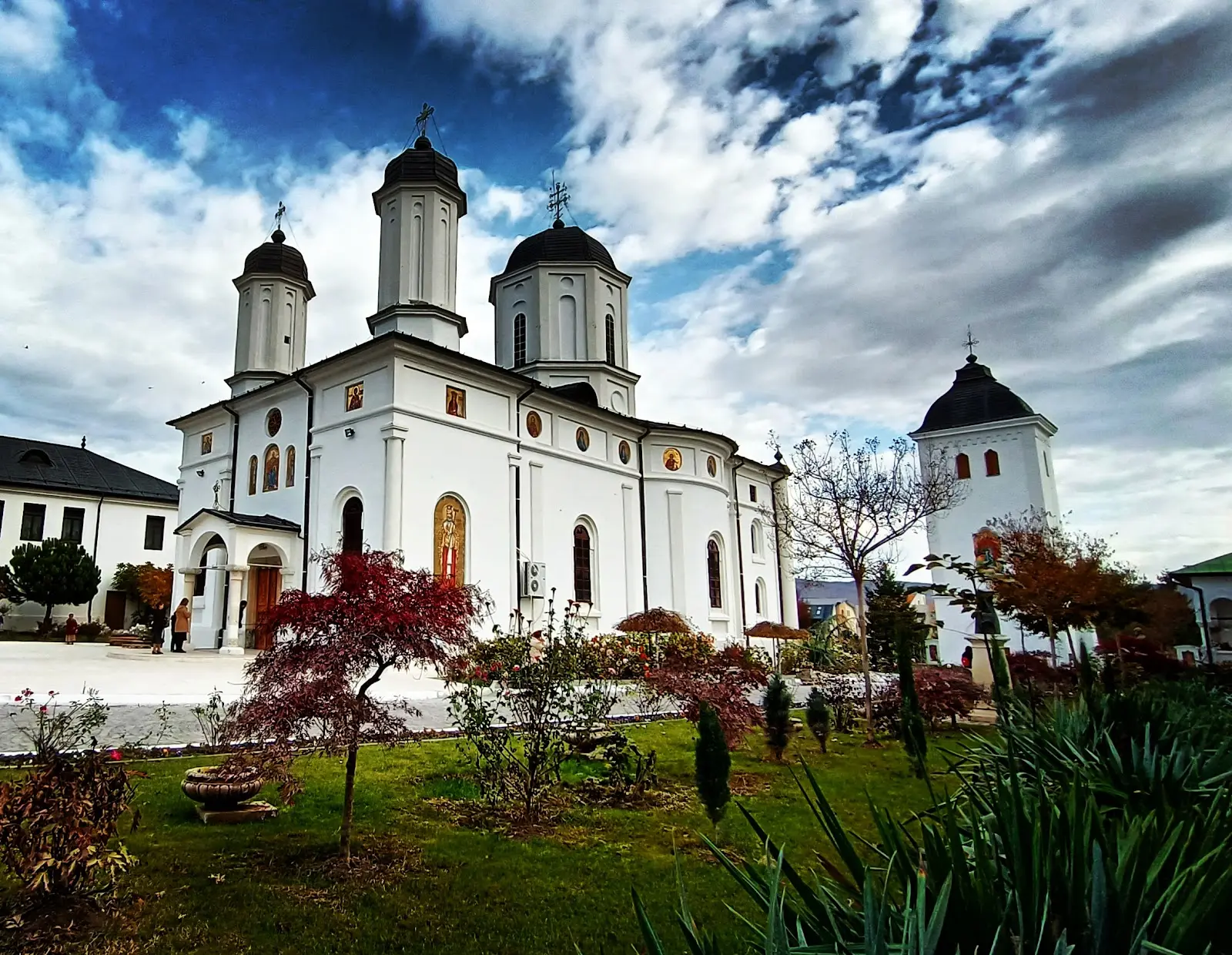
Saint Nicholas Cathedral in Ramnicu Valcea is the episcopal cathedral of the city and an important spiritual centre of sub-Carpathian Oltenia. With roots reaching back to the medieval past of the Ramnic diocese, the present building reflects the tradition of Orthodox church architecture, with a cross plan, domes and an interior decorated with mural painting and a carefully crafted iconostasis. The cathedral is closely tied to the history of the Ramnic Bishopric, one of the oldest and most influential ecclesiastical institutions in the south of the country, which played a significant role in printing religious books and in cultural life. Set in the city centre, the church remains a landmark for the local community and a point of interest for visitors. The solemn atmosphere of the interior and the historical value of the place recommend it as a cultural and spiritual destination. Appropriate dress and quiet are expected, especially during services, and the visit can be combined with exploring the historic centre.
 Nature
Peștera Muierilor
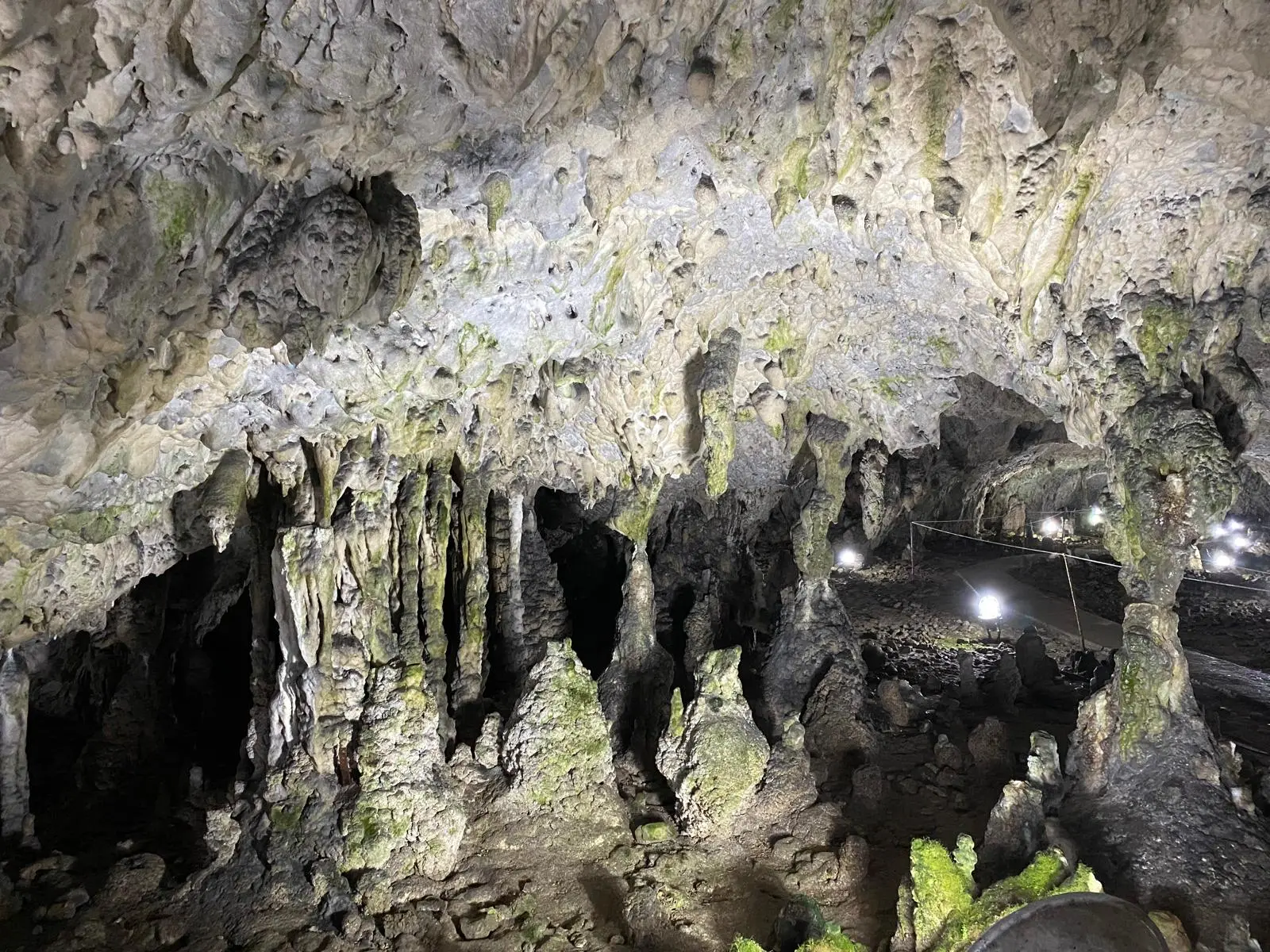
Muierilor Cave, in the Galben Gorge in northern Oltenia, is one of the most important caves in Romania, both for the beauty of its formations and for its scientific value. Its name comes from the tradition that women and children took refuge here in times of danger while the men went to fight. The cave entered the tourist circuit as early as the 19th century, among the first to be electrified in the country, and its arranged galleries reveal stalactites, stalagmites, limestone drapery and spectacular chambers. It was also here that the oldest modern human remains in Europe were found, giving it special importance in the study of prehistory. The site lies in beautiful natural surroundings at the foot of the mountains and combines well with the monasteries of the Vâlcea area. Dress warmly — the temperature is low all year — and check the guided-tour schedule, which follows arranged routes.
 Park
ParkParcul Zăvoi Râmnicu Vâlcea
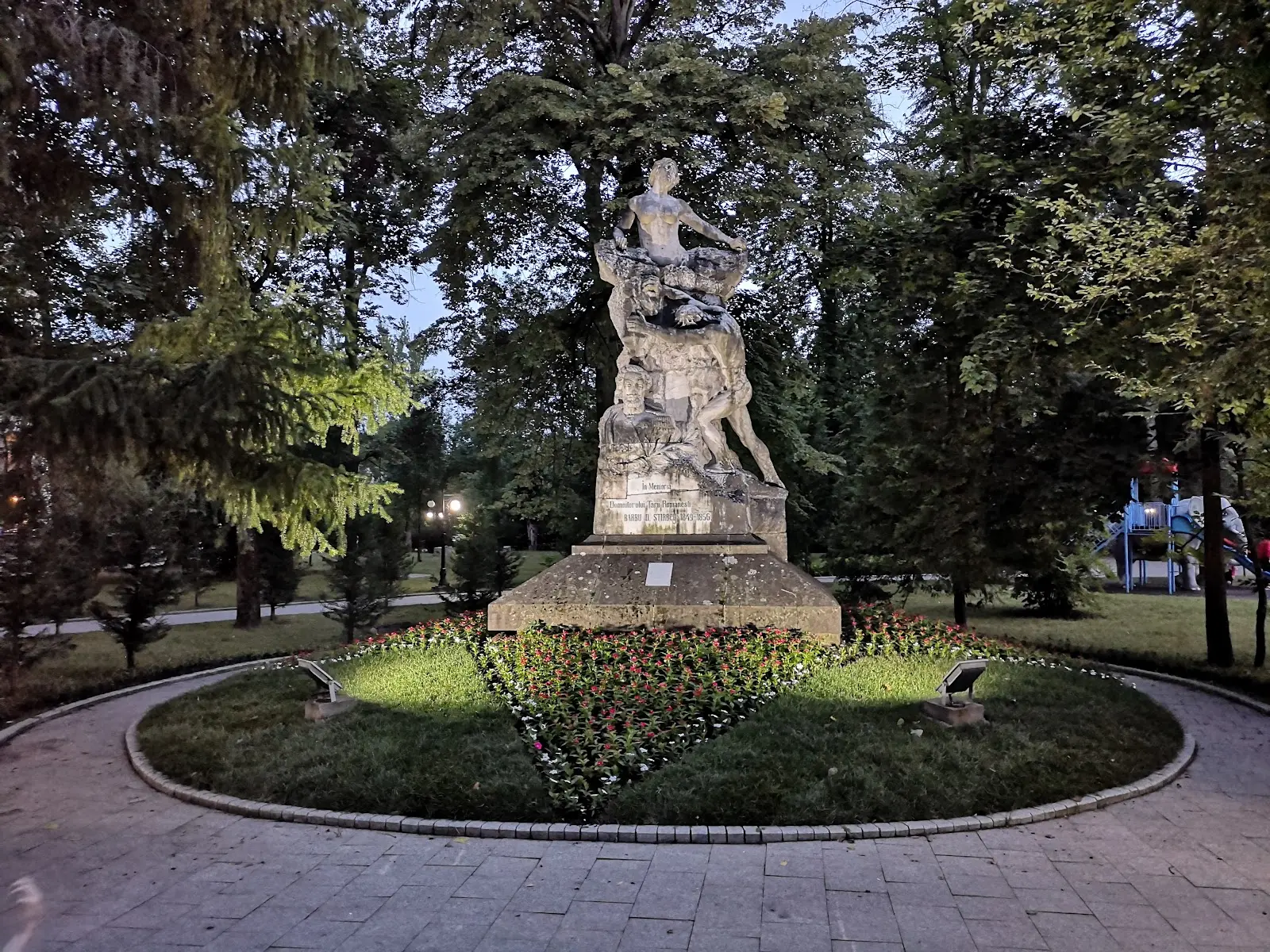
Zăvoi Park is the oldest and most important green space in the town of Râmnicu Vâlcea, a historic park laid out as far back as the nineteenth century, which for generations has been the favourite place of walks and recreation for the town's residents. Stretching along a low-lying area near the river, the park blends shaded alleys, old trees, wide lawns and a landscaped lake with boats, offering a soothing natural setting in the heart of the town. Over time the park has been embellished with statues, busts of notable figures, a fountain and leisure areas for children, becoming a true centre of local public and cultural life, host to many events, fairs and open-air gatherings. Its rich and varied vegetation, with decorative tree species, gives it a special charm in every season. Its central location and relaxing atmosphere make Zăvoi Park a pleasant destination for locals and visitors alike. The park is an ideal place for a quiet walk, and visitors can combine relaxation with discovering the town's other central attractions.
Frequently asked questions
What is Râmnicu Vâlcea known for?+
Râmnicu Vâlcea is best known for sights such as Transalpina (Pasul Urdele), Mănăstirea Dintr-un Lemn, Mănăstirea Turnu.
How many days do you need in Râmnicu Vâlcea?+
One to two days is enough to see the highlights of Râmnicu Vâlcea; stay longer to use it as a base for day trips.
Where should I stay in Râmnicu Vâlcea?+
See our selected stays above, or check live rates and availability on the accommodation map.